Ho Chi Minh City Travel Guide: Saigon’s History, Street Food, Hidden Alleys & Modern Energy
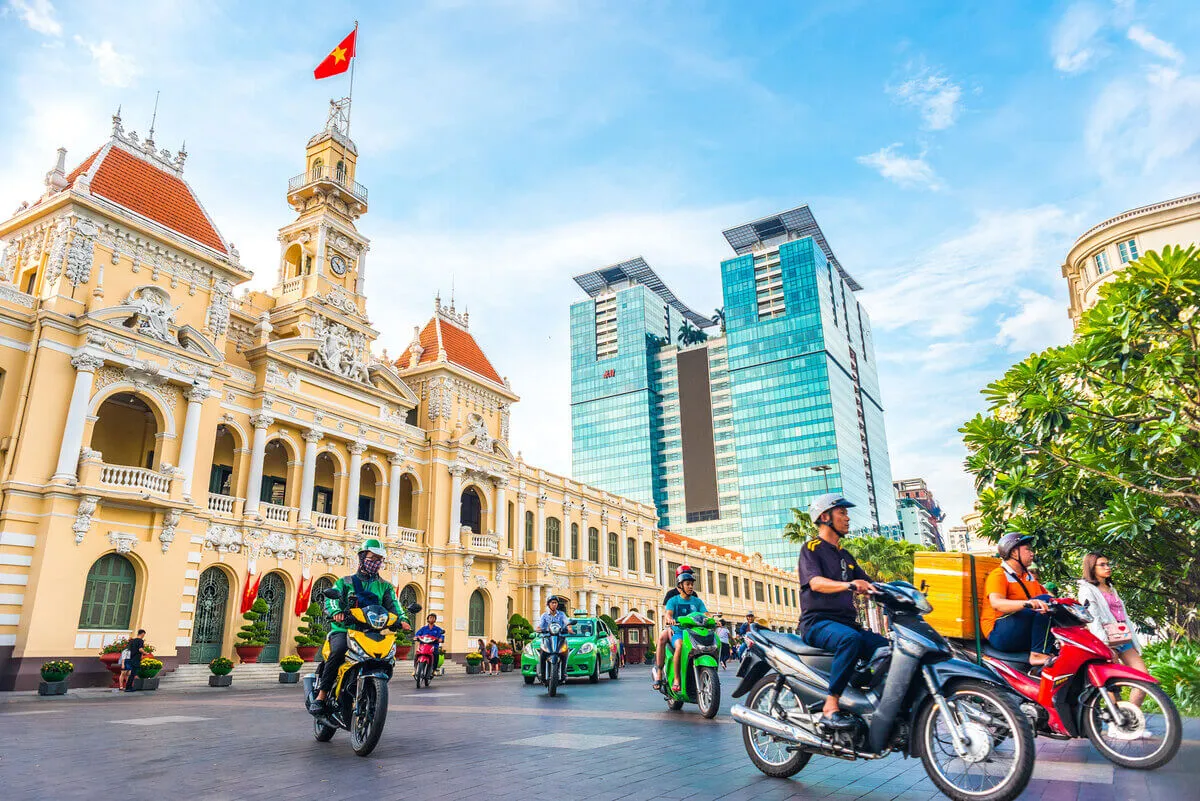
Ho Chi Minh City is Vietnam at its most energetic. Scooters stream through intersections, street vendors prepare breakfast before sunrise, French colonial buildings stand beneath modern towers, and cafés spill onto sidewalks across the city. Officially called Ho Chi Minh City since 1976, the city is still widely known as Saigon, particularly in everyday conversation and in references to the historic central districts. Vietnam Tourism describes it as the economic heart of Vietnam and the main hub of the country’s southern region, where old and new Vietnam exist within a remarkably compact urban landscape.
This is not a city that can be understood simply by ticking off monuments. Its character comes from movement and contrast: elegant boulevards beside tiny alleys, traditional markets beneath skyscrapers, Buddhist pagodas next to modern cafés, and generations-old food traditions operating in the middle of one of Southeast Asia’s fastest-changing urban environments. Lonely Planet similarly describes Ho Chi Minh City as a high-energy center of commerce and culture, while National Geographic emphasizes its combination of architecture, street life, food and modernity.
For travelers, Ho Chi Minh City can be a destination in itself or the gateway to Southern Vietnam. From here, private journeys can continue toward the Cu Chi Tunnels, Mekong Delta, Tay Ninh and the Can Gio mangrove region.
Where Is Ho Chi Minh City?
Ho Chi Minh City lies in southern Vietnam on the Saigon River. Tan Son Nhat International Airport provides the principal air gateway, while the city’s extensive road network connects it with destinations throughout southern Vietnam.
The central tourist areas are concentrated around District 1, but some of the city’s most fascinating experiences lie beyond it. District 3 offers leafy streets and historic villas, District 5 opens the door to Cholon and its Chinese-Vietnamese heritage, while neighborhoods farther from the center reveal a much more residential side of the metropolis.
The city therefore rewards travelers who move beyond the most famous central landmarks.
Saigon or Ho Chi Minh City?
Both names remain part of the city’s identity.
“Ho Chi Minh City” is the official name, while “Saigon” remains deeply embedded in everyday language, business names, food culture and the way many residents and visitors refer to the city.
Historically, Saigon developed as an important trading settlement and later became the capital of French Cochinchina and, subsequently, South Vietnam. The city’s modern identity was shaped by the events of the 20th century and its rapid economic development after reunification.
National Geographic notes that although the city’s official name changed after the Vietnam War, Saigon remains widely used and the city has continued to evolve rapidly while retaining older layers of architecture and culture.
The Character of Ho Chi Minh City
The easiest way to understand Saigon is to experience it at street level.
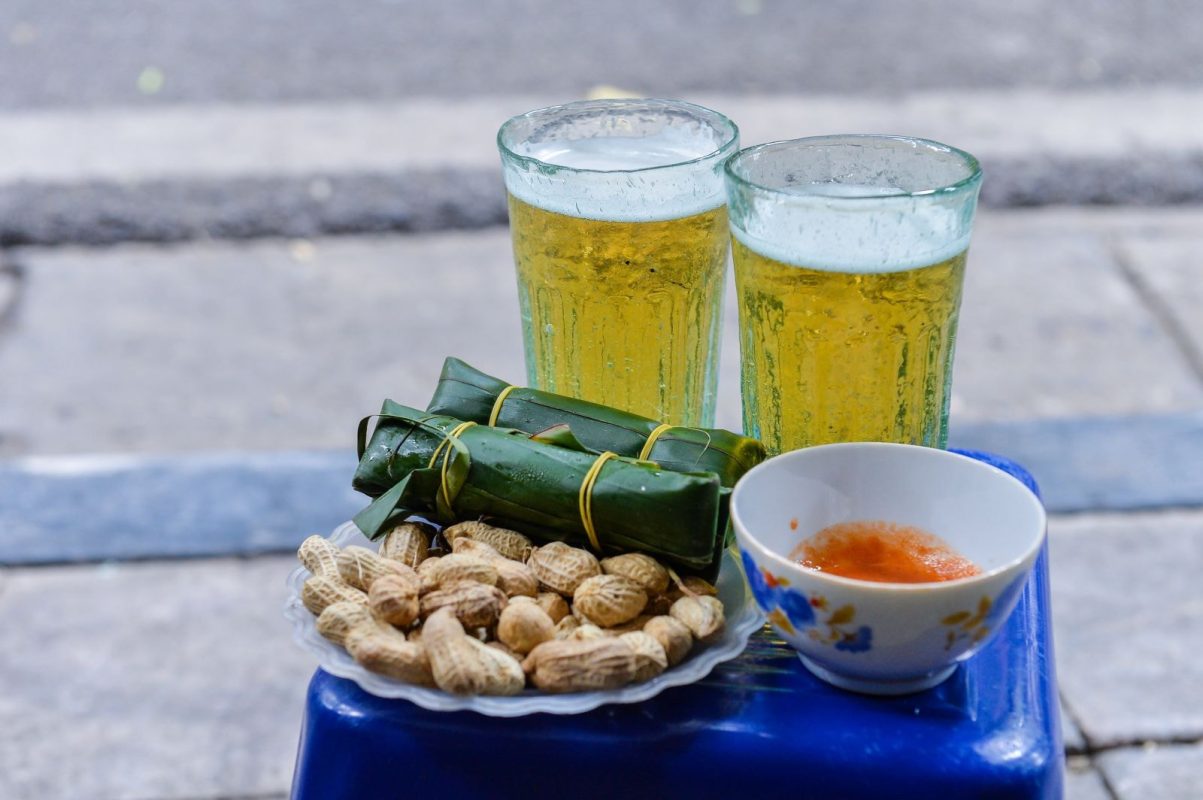
At breakfast time, tiny plastic stools appear on sidewalks.
Coffee shops fill with office workers.
Motorbikes dominate intersections.
Flower sellers move through residential streets.
Markets become busy with shoppers.
And by evening, the same streets transform into dining and social spaces.
National Geographic describes the city as a place of contrasts, where skyscrapers and aging villas, sophisticated restaurants and humble street food exist side by side.
That contrast is the heart of Ho Chi Minh City.
District 1: The Historic and Contemporary Core
District 1 is where many first-time visitors begin.
This is the city’s most concentrated collection of major landmarks, luxury hotels, shopping streets, restaurants, cafés and nightlife.
Walk along Dong Khoi Street and you can see several layers of the city’s history within a relatively short distance.
French colonial architecture.
Historic hotels.
Designer boutiques.
Contemporary cafés.
Office towers.
And busy intersections filled with scooters.
Vietnam Tourism recommends walking Dong Khoi Street to experience landmarks including Notre Dame Cathedral, the Central Post Office and the Saigon Opera House.
Notre Dame Cathedral Basilica of Saigon
The red-brick Notre Dame Cathedral Basilica of Saigon is one of the city’s best-known architectural landmarks.
Construction began during the French colonial period, and the cathedral became an important part of the architectural identity of central Saigon.
Its location is particularly convenient because several major sights are within walking distance.
The cathedral should ideally be viewed as part of a wider heritage walk rather than as an isolated attraction.
Saigon Central Post Office
Across from the cathedral stands the Saigon Central Post Office, one of the city’s most recognizable colonial-era buildings.
The interior features a large vaulted ceiling, decorative details and historic maps associated with the development of the postal system.
It remains a functioning post office rather than simply a museum.
That makes the experience more interesting.
You can admire the architecture while watching ordinary city life continue around you.
Dong Khoi Street
Dong Khoi Street has long been one of Saigon’s most prestigious addresses.
Today it connects important architectural landmarks with hotels, restaurants, galleries, cafés and luxury retail.
A walk along Dong Khoi is particularly enjoyable in the early morning or late afternoon, when the temperature is more comfortable.
National Geographic identifies the city’s French architecture, historic hotels and traditional markets as important elements of its appeal.
Saigon Opera House
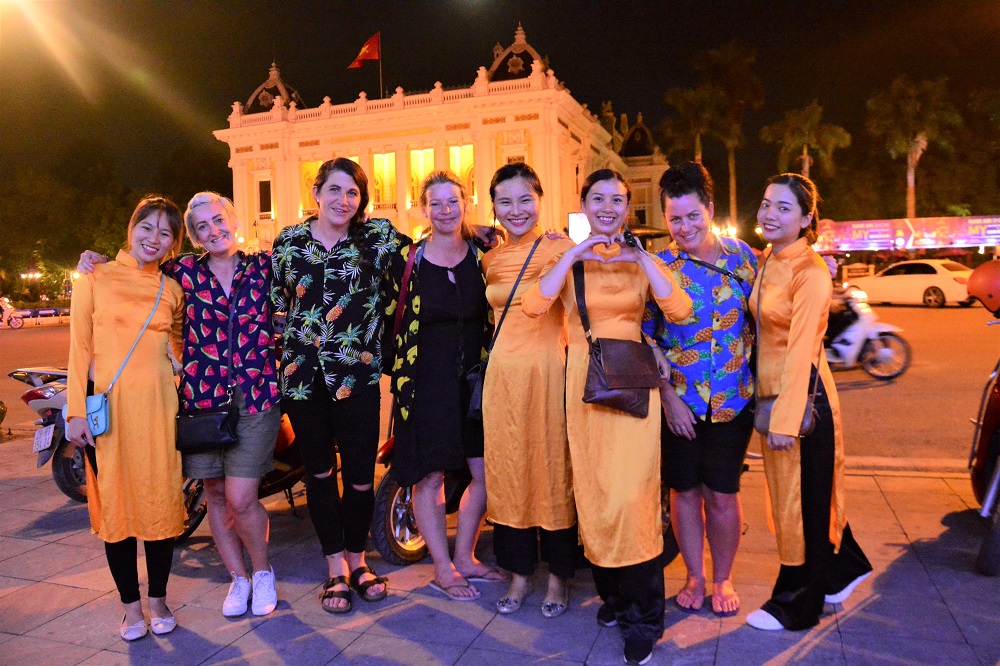
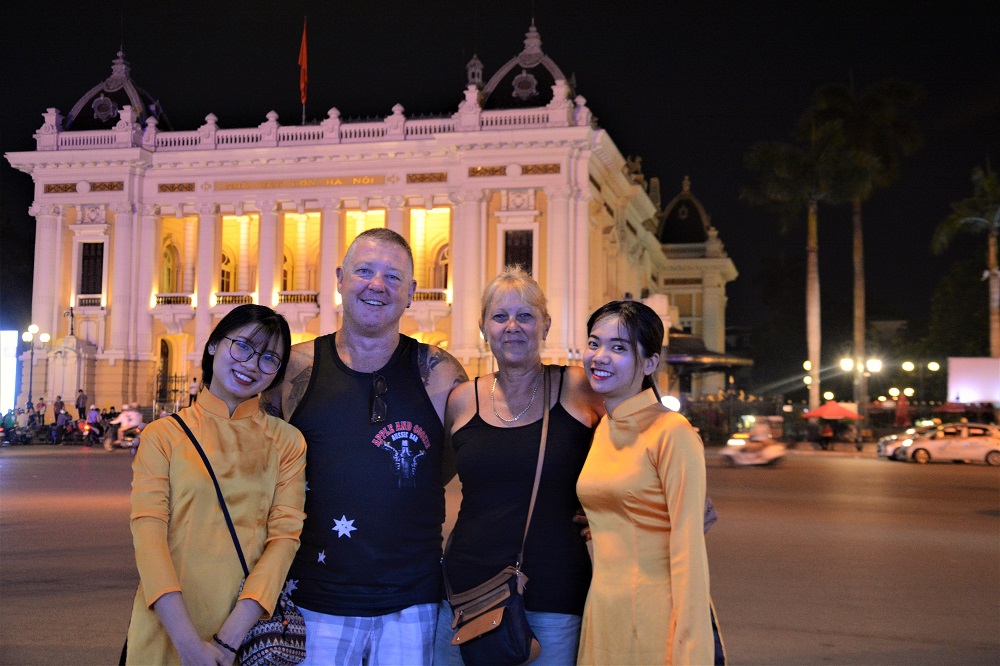
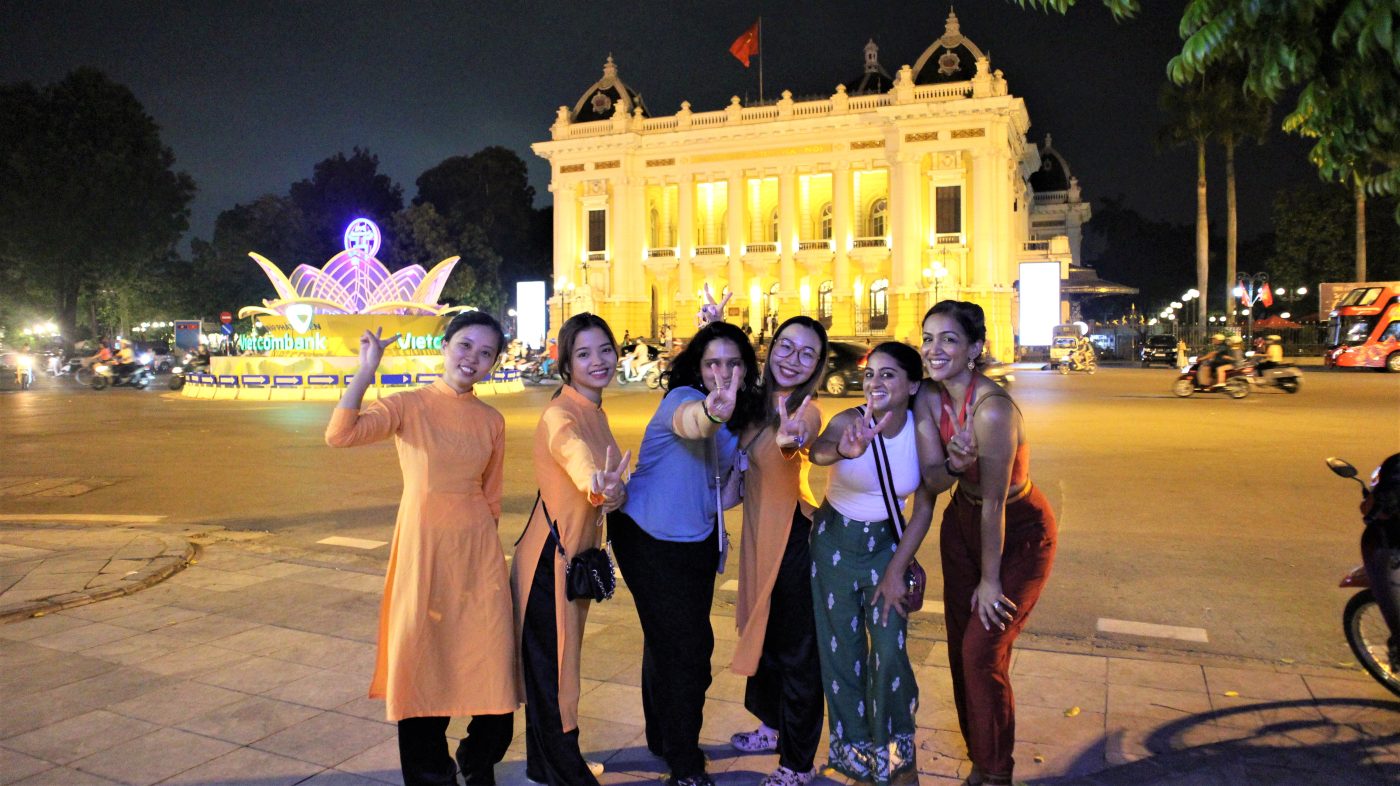
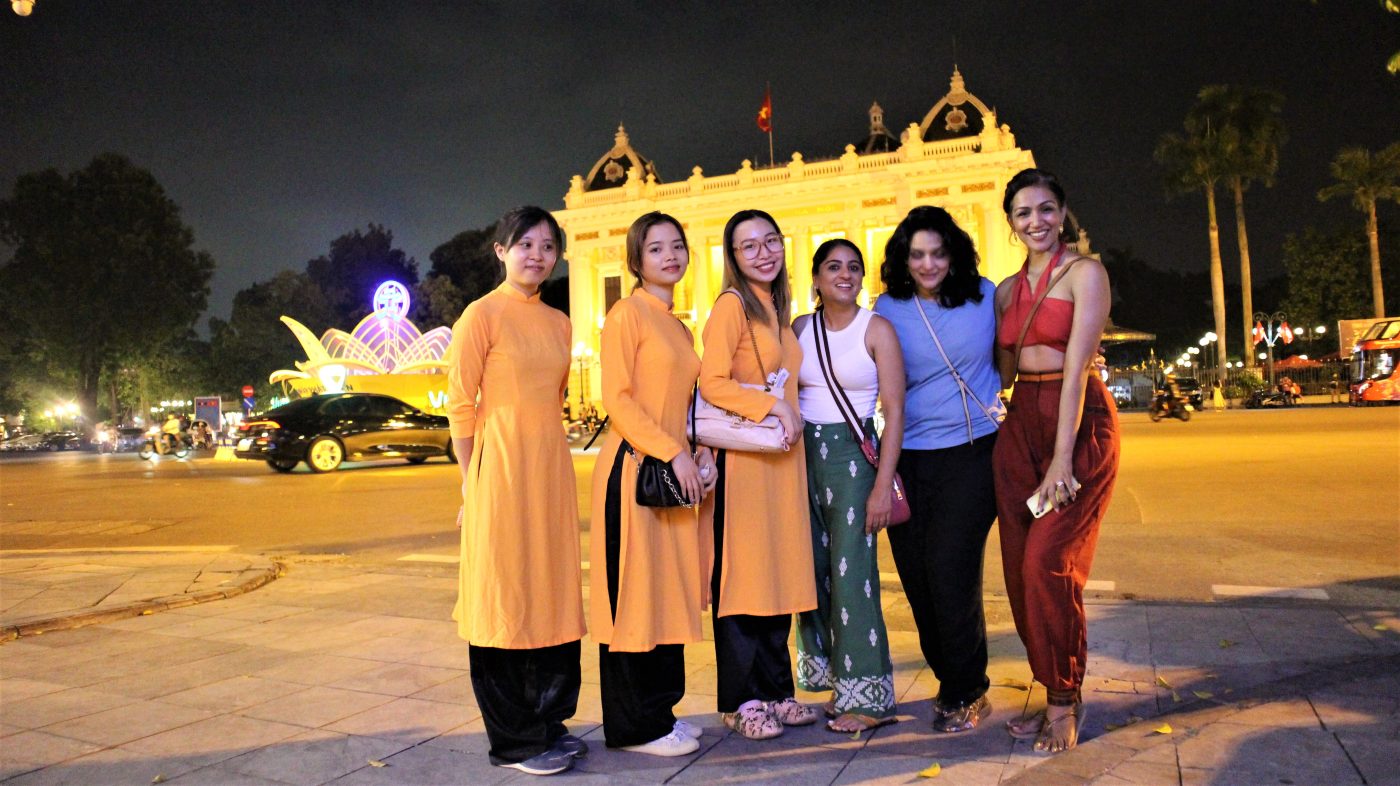
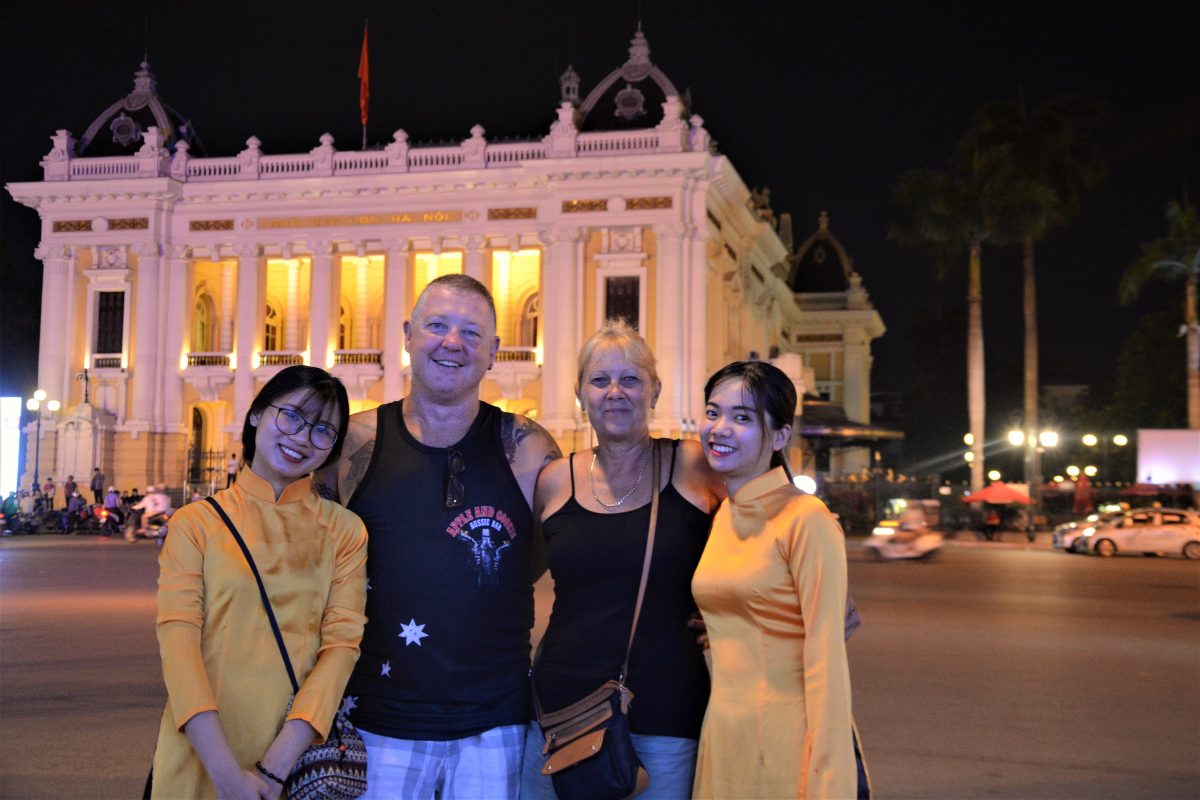
The Saigon Opera House, also known as the Municipal Theatre of Ho Chi Minh City, is another prominent French colonial landmark.
Its ornate façade contrasts sharply with the glass towers and commercial buildings surrounding it.
The building is particularly beautiful after dark when the surrounding streets become illuminated.
For travelers interested in architecture, it forms an essential part of a central Saigon walking route.
Independence Palace
Independence Palace, also known as Reunification Palace, is one of the most historically significant buildings in Ho Chi Minh City.
The modern structure was completed in the 1960s and became the presidential residence of South Vietnam.
The site is closely associated with the final days of the Vietnam War.
Its underground rooms, command center, communications facilities and preserved interiors provide a physical connection with one of the defining events in modern Vietnamese history.
Lonely Planet lists Reunification Palace among the city’s key attractions.
War Remnants Museum
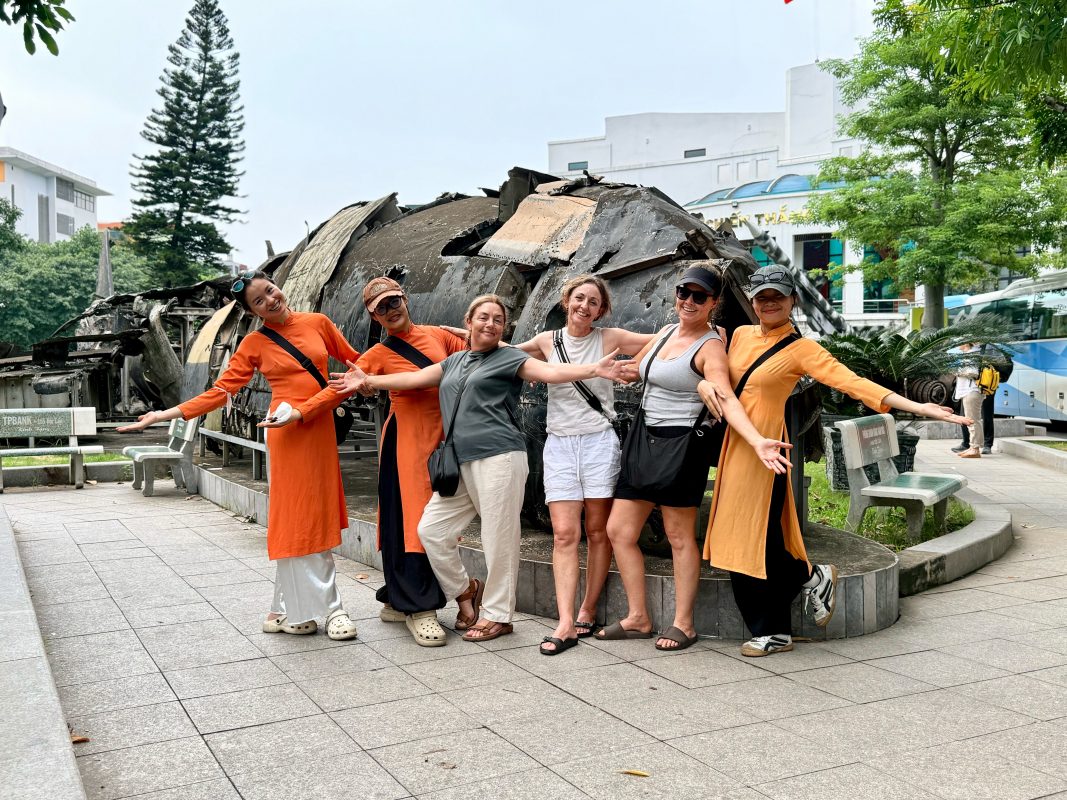
The War Remnants Museum is one of the city’s most visited historical institutions.
Its exhibitions document the Vietnam War through photographs, military equipment, documents and personal stories.
The material can be confronting.
It is therefore better approached as a serious historical museum rather than a conventional sightseeing attraction.
For international travelers, the museum can also provide an opportunity to encounter Vietnamese perspectives on a period of history that may have been presented very differently in their home countries.
A City of Historical Layers
Ho Chi Minh City is particularly valuable for travelers interested in modern history because the story is not contained inside museums.
It appears throughout the city.
In former government buildings.
In colonial architecture.
In historic hotels.
In memorials.
In churches.
In pagodas.
And in neighborhoods that have survived decades of enormous change.
A knowledgeable private guide can connect these separate places into a coherent story.
Ben Thanh Market
Ben Thanh Market is one of the city’s most recognizable markets.
Inside, narrow aisles are filled with food, clothing, coffee, spices, souvenirs and household products.
The market is particularly atmospheric in the morning.
Breakfast stalls begin operating.
Traders prepare produce.
And the market fills with movement.
Vietnam Tourism specifically recommends Ben Thanh Market as one of the city’s central experiences.
For travelers interested in food, however, the market is only the beginning.
The surrounding streets contain many more everyday food experiences.
Cholon: Ho Chi Minh City’s Chinatown
One of the most rewarding ways to experience a different side of the city is to travel west into Cholon, the historic Chinese-Vietnamese district.
Cholon literally means “big market,” and its identity developed around commerce, temples, family businesses and trading networks.
The area feels very different from District 1.
The streets become narrower.
Chinese characters appear on shopfronts.
Traditional medicine stores sit beside food stalls.
And ornate temples appear between commercial buildings.
Lonely Planet highlights Cholon, Binh Tay Market and several Chinese-Vietnamese religious sites among the city’s important attractions.
Binh Tay Market
Binh Tay Market is the commercial heart of Cholon.
Unlike Ben Thanh, which is heavily oriented toward visitors, Binh Tay remains strongly connected to wholesale trade and everyday commerce.
The architecture is also distinctive.
Its broad central courtyard and surrounding covered market create a very different atmosphere from the narrow aisles of Ben Thanh.
Visit in the morning when trading activity is at its strongest.
Thien Hau Temple
The Thien Hau Temple in Cholon is one of the city’s most atmospheric Chinese temples.
Incense fills the interior.
Ceramic figures and carved decorations cover the roofline.
Visitors come to pray, make offerings and seek blessings.
It is a place where religion remains part of everyday urban life rather than simply an attraction for visitors.
Jade Emperor Pagoda
Back toward central Saigon, the Jade Emperor Pagoda provides another glimpse into the city’s religious traditions.
The temple’s dark wooden interiors, incense-filled rooms and elaborate statues create a very different atmosphere from the city’s modern commercial districts.
Lonely Planet continues to list the Jade Emperor Pagoda among Ho Chi Minh City’s major sights.
Giac Lam Pagoda
For travelers interested in Buddhist architecture, Giac Lam Pagoda offers a deeper experience away from the main tourist center.
It is one of the city’s historic pagodas and provides a quieter environment in which to observe Buddhist traditions.
The site works particularly well as part of a broader cultural exploration of southern Vietnamese religious life.
Tao Dan Park
Ho Chi Minh City can be exhausting.
That makes its parks surprisingly important.
Tao Dan Park is one of the city’s green spaces where residents exercise, walk, meet friends and begin their day.
Early morning is the best time to experience it.
The city feels cooler.
The streets are less congested.
And residents are already active before most visitors have started sightseeing.
Lonely Planet specifically highlights Tao Dan Park as part of the city’s everyday character.
Nguyen Hue Walking Street
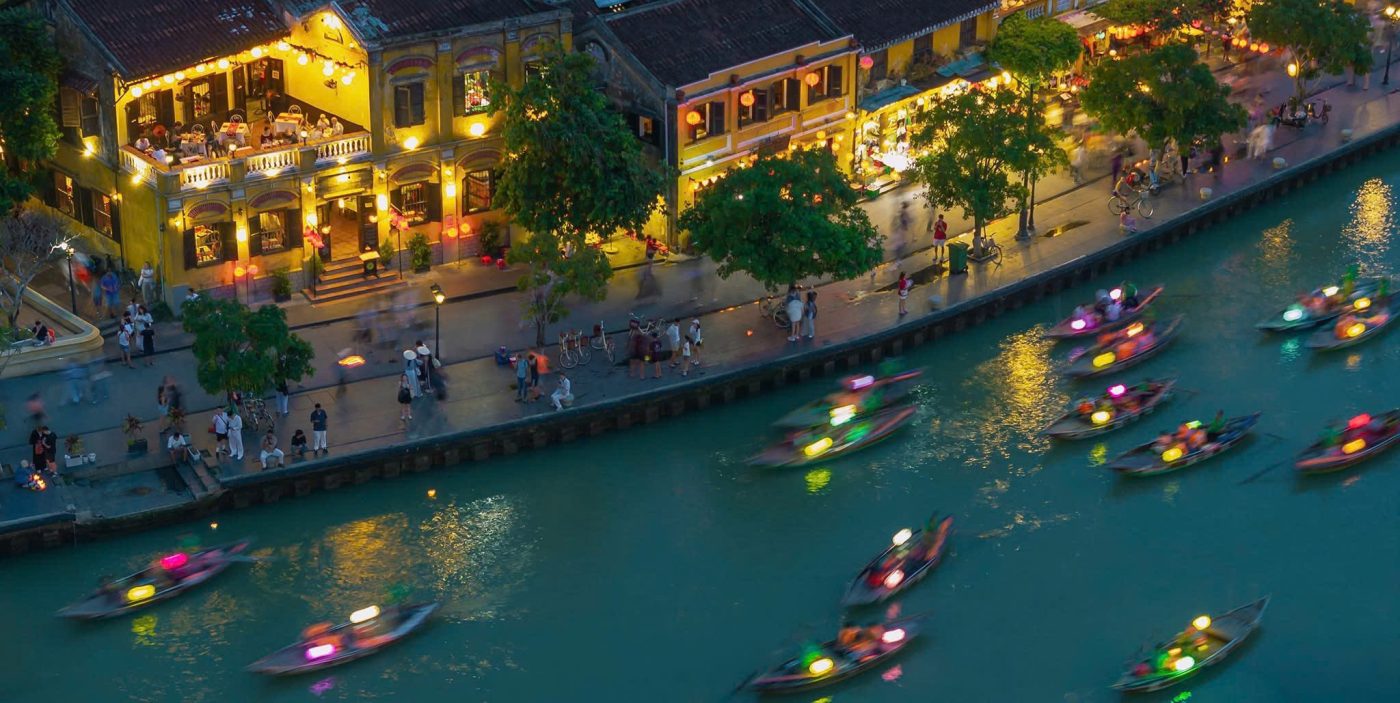
In the evening, Nguyen Hue Walking Street becomes one of central Saigon’s most popular gathering places.
The broad pedestrian boulevard connects the city center with the river and provides excellent views toward the modern skyline.
Families gather.
Young people meet friends.
Street performers appear.
And cafés and restaurants around the boulevard remain busy late into the evening.
It is an excellent place to observe contemporary Saigon.
The Saigon River
The Saigon River is inseparable from the city’s history and development.
The river helped establish Saigon as a trading center and continues to shape the city’s geography.
Today, it provides a completely different perspective on the metropolis.
From the waterfront, skyscrapers rise behind older neighborhoods.
At sunset, the city becomes softer.
After dark, the illuminated skyline reflects across the water.
A private evening cruise can therefore be a sophisticated way to end a day of sightseeing.
Ho Chi Minh City After Dark
Saigon changes dramatically after sunset.
The temperature drops slightly.
Restaurants become busy.
Coffee shops fill with young people.
Rooftop bars illuminate the skyline.
Street food vendors appear along alleys and sidewalks.
And motorbike traffic continues late into the night.
National Geographic describes Ho Chi Minh City as a destination where nightlife, rooftop bars, cafés and street culture contribute strongly to its contemporary identity.
Rooftop Views
The city’s skyline has changed dramatically over the past two decades.
Modern towers now rise above the older colonial core.
From a rooftop bar, the contrast becomes obvious.
Historic buildings sit below.
Motorbikes form streams of light.
The Saigon River cuts through the urban landscape.
And skyscrapers rise beyond it.
For a premium private journey, sunset is an ideal time to arrange a rooftop experience before dinner.
Bitexco Financial Tower
The Bitexco Financial Tower remains one of the defining landmarks of the Saigon skyline.
Its observation deck provides panoramic views across the city and the Saigon River.
From above, the scale of Ho Chi Minh City becomes much easier to appreciate.
The dense central districts appear as a continuous urban landscape stretching toward the horizon.
Landmark 81
Landmark 81 represents another stage of Ho Chi Minh City’s transformation.
The skyscraper dominates the skyline and forms part of the Vinhomes Central Park development.
Its height and modern design contrast sharply with the low-rise neighborhoods that surround much of the traditional city.
The changing skyline is one of the clearest physical expressions of Saigon’s rapid economic growth.
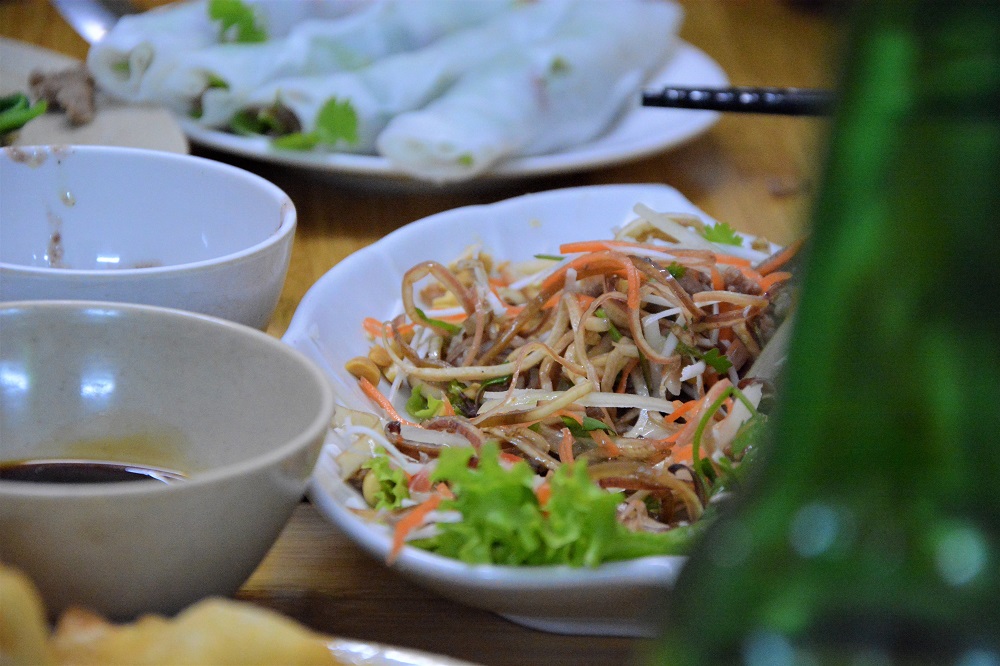
Ho Chi Minh City’s Street Food Culture
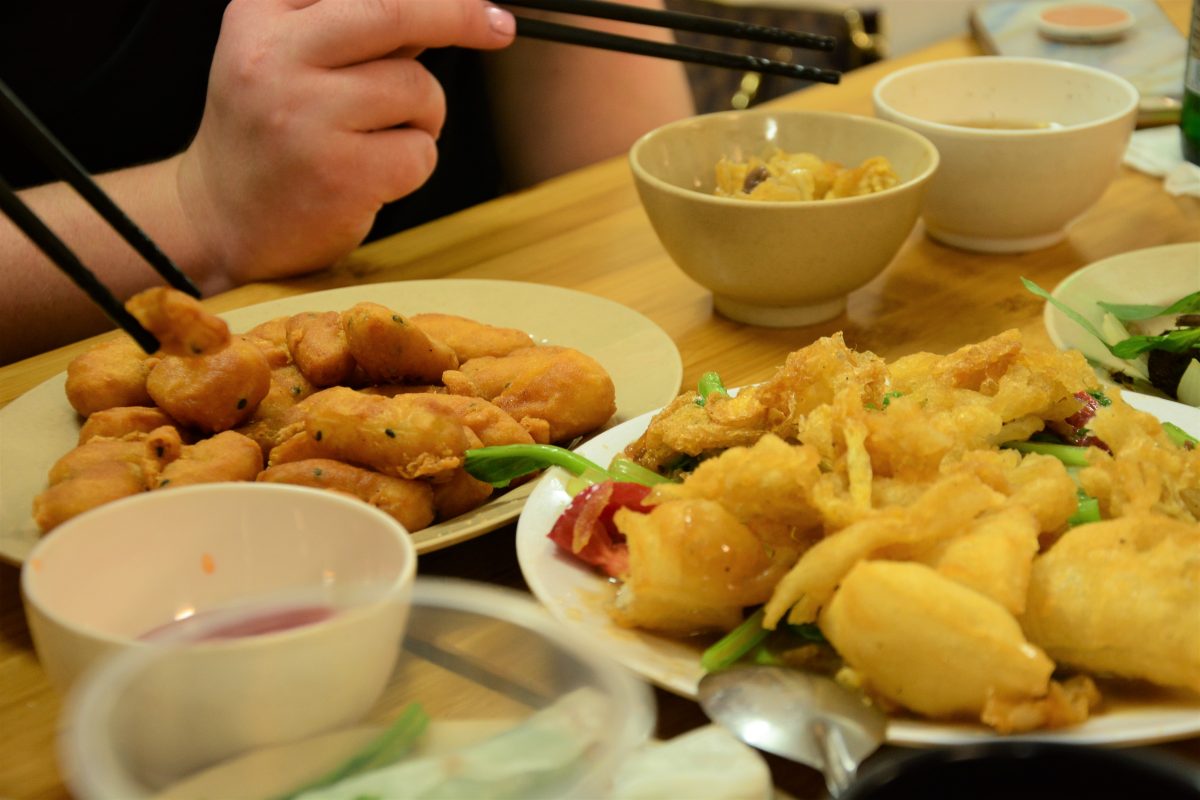
Food may be the strongest reason to spend more time in Saigon.
The city has absorbed culinary traditions from across Vietnam while developing its own southern style.
Some dishes are famous throughout the country.
Others are strongly associated with the south.
And many of the best meals are served from extremely modest premises.
National Geographic describes the city as equally rewarding for travelers interested in sophisticated cuisine and humble street food.
Banh Mi
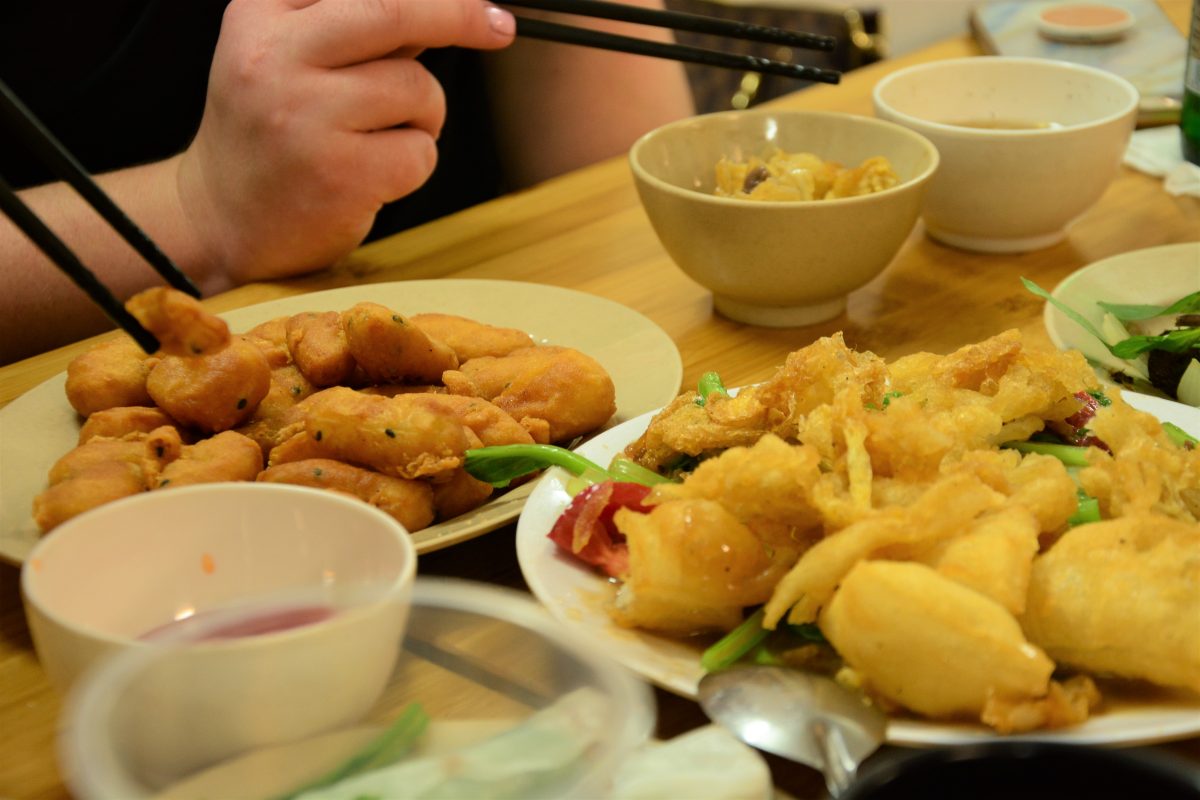
A Saigon banh mi is more than a sandwich.
The combination of crisp baguette, pâté, meat, pickles, herbs, chili and sauce creates a compact meal that reflects Vietnam’s French and Southeast Asian influences.
The best time to eat one is often breakfast.
Find a busy stall, watch the preparation and eat it fresh.
Com Tam
Com tam, or broken rice, is one of the signature dishes of southern Vietnam.
Typically served with grilled pork, egg, pickled vegetables and fish sauce, it is an everyday dish rather than a special-occasion meal.
That is exactly why it is worth trying.
It provides a direct connection with the ordinary food culture of Southern Vietnam.
Hu Tieu
Hu tieu is another important southern noodle dish.
The broth can be light and sweet, with noodles accompanied by pork, seafood, herbs and vegetables.
There are numerous variations, and part of the pleasure is discovering which version you prefer.
Vietnamese Iced Coffee
No Saigon food guide is complete without ca phe sua da.
Strong Vietnamese coffee.
Sweetened condensed milk.
Ice.
That’s all it needs.
The result is intense, sweet and refreshing.
Coffee culture is fundamental to the city’s social life, and National Geographic specifically highlights Vietnamese coffee among the experiences that define the city.
Seafood and Southern Cuisine
Because of its position in southern Vietnam, Ho Chi Minh City has access to an enormous variety of seafood and regional ingredients.
Restaurants range from casual seafood halls to sophisticated contemporary dining rooms.
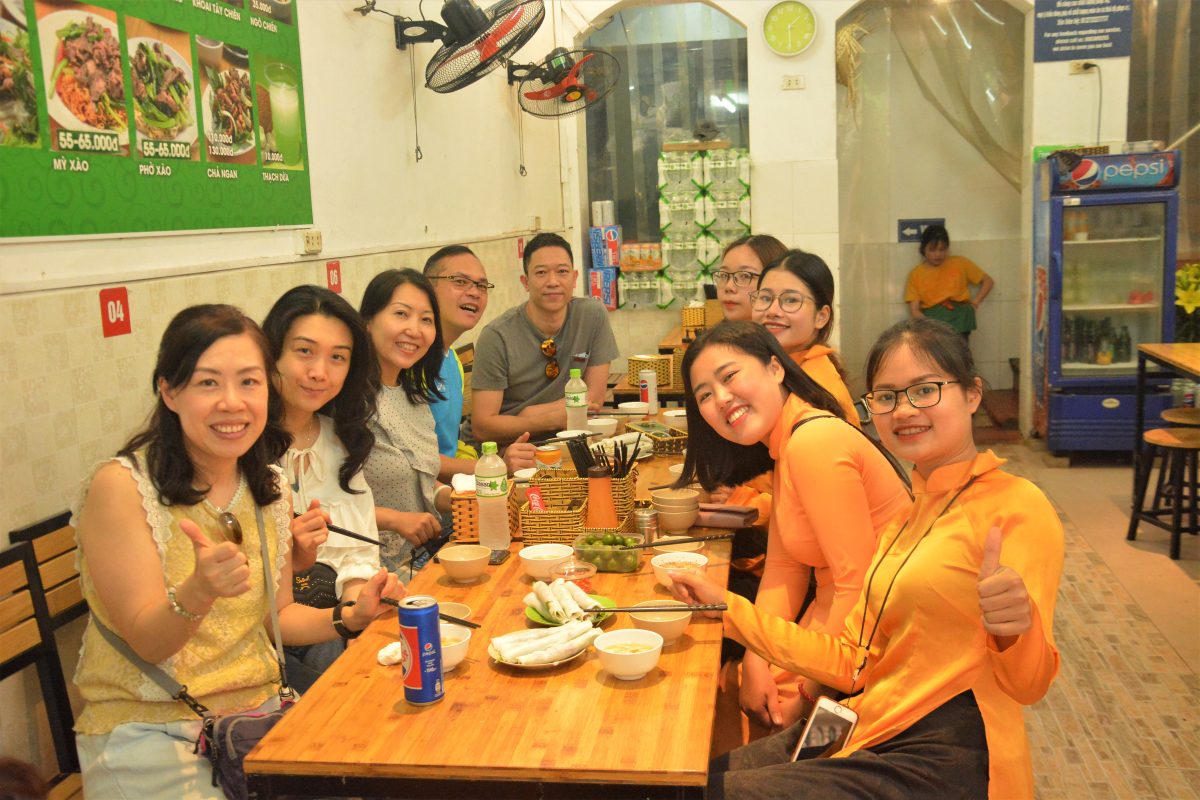
For travelers with more time, one of the best approaches is to combine a formal dinner with several small street-food tastings throughout the day.
A Food Tour by Motorbike
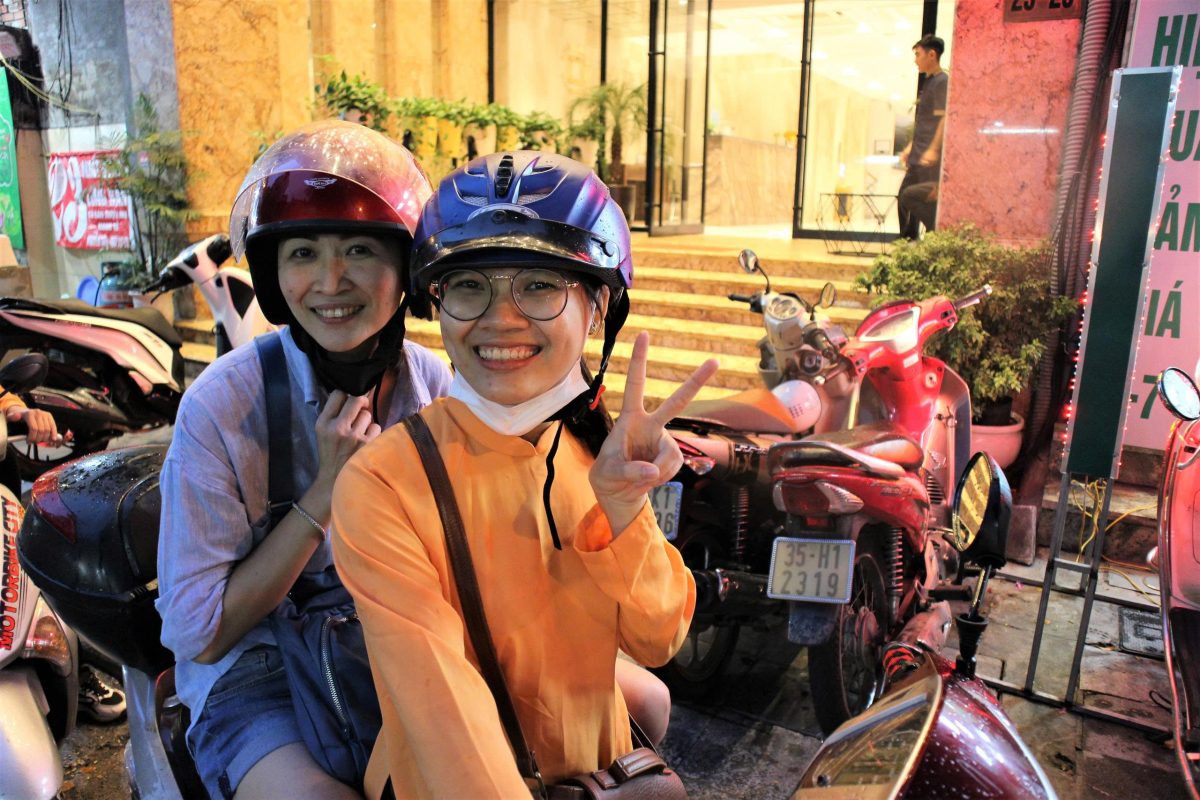
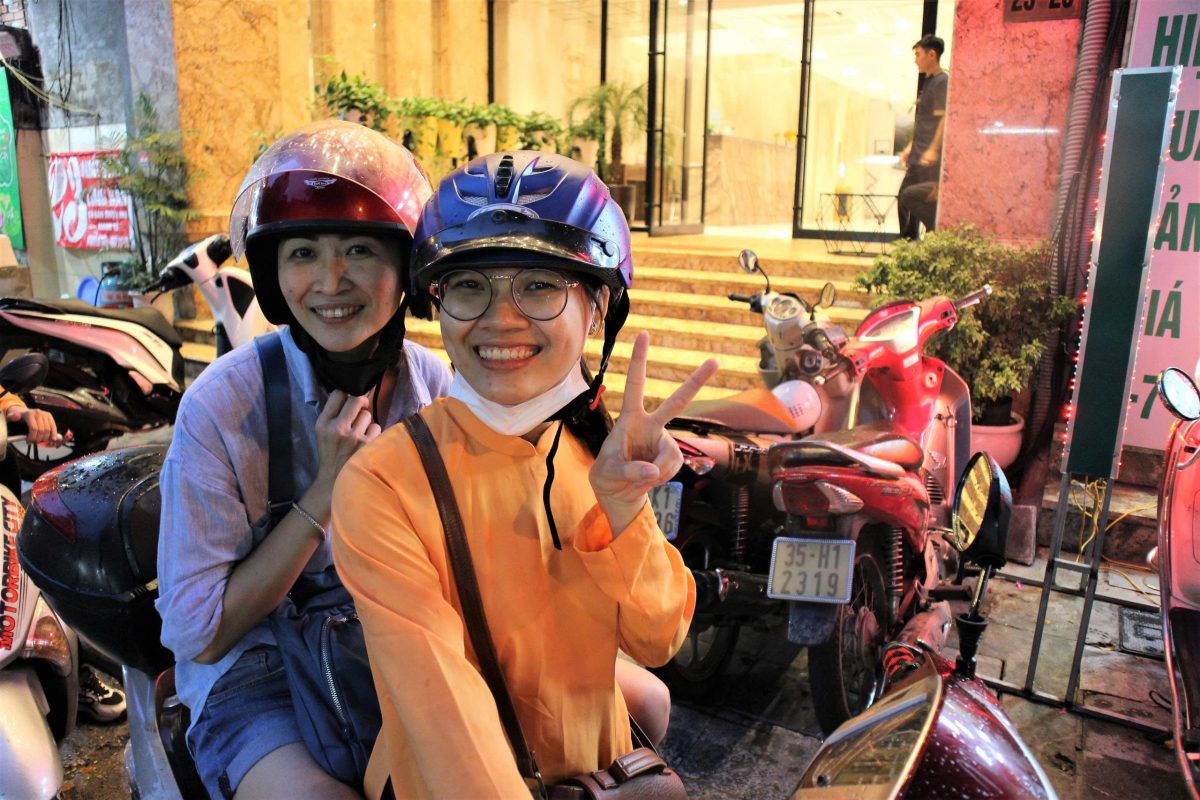
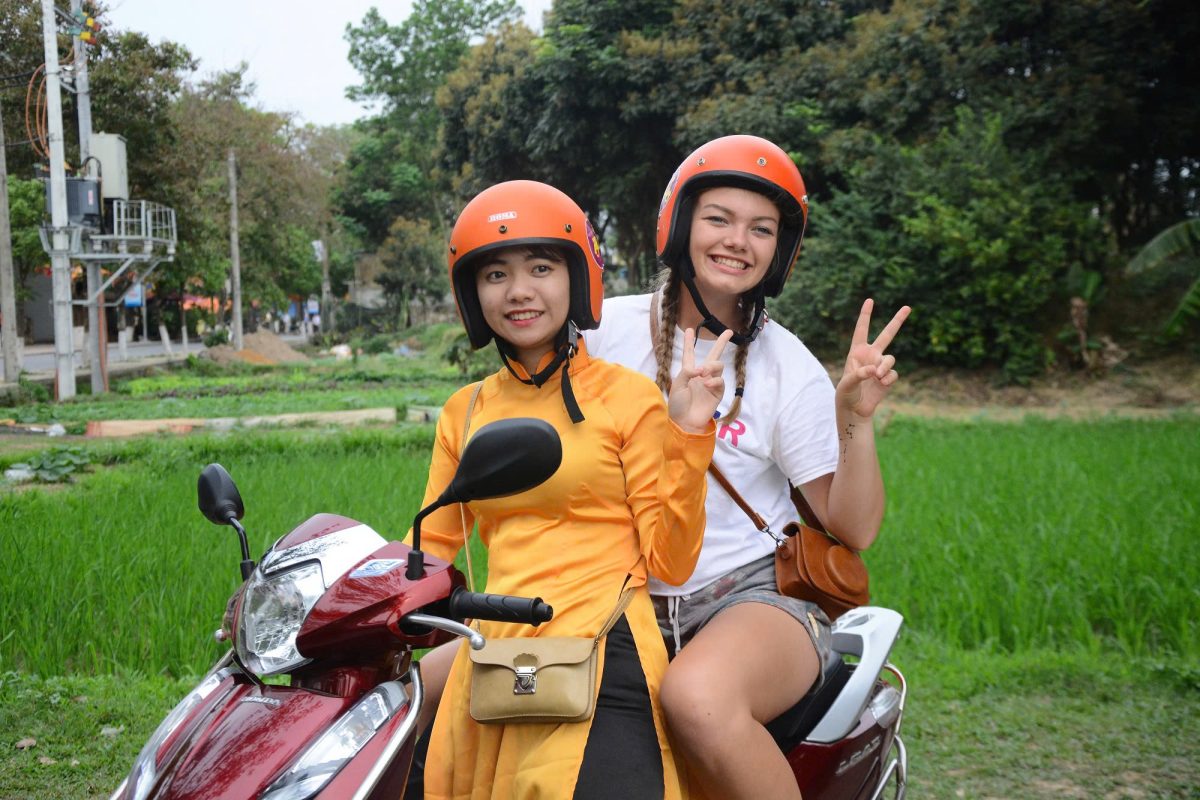
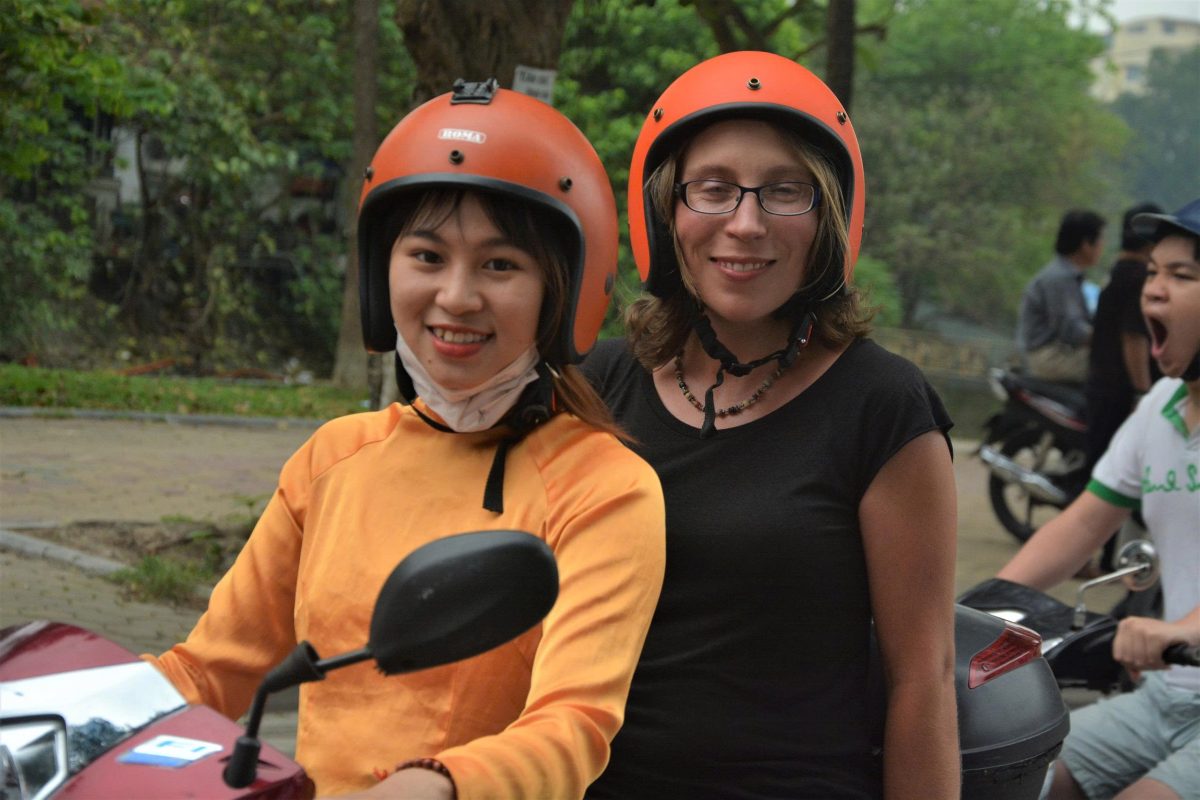
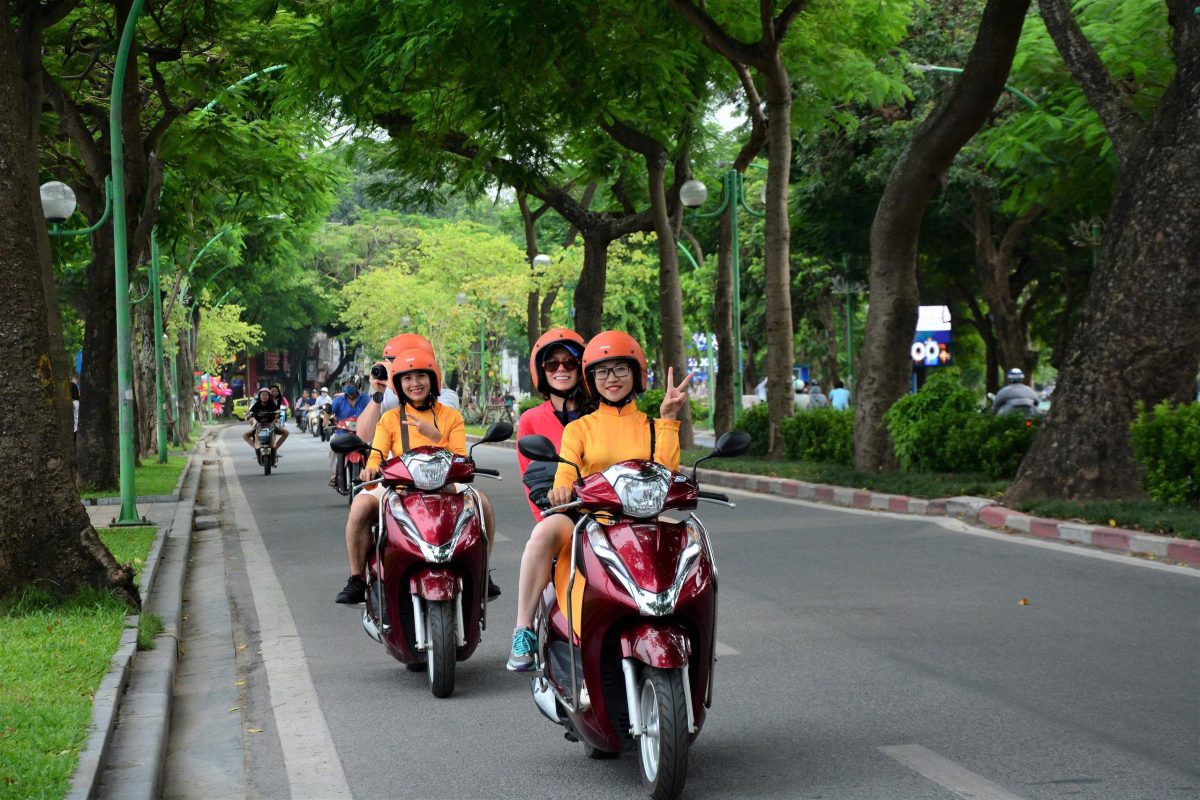
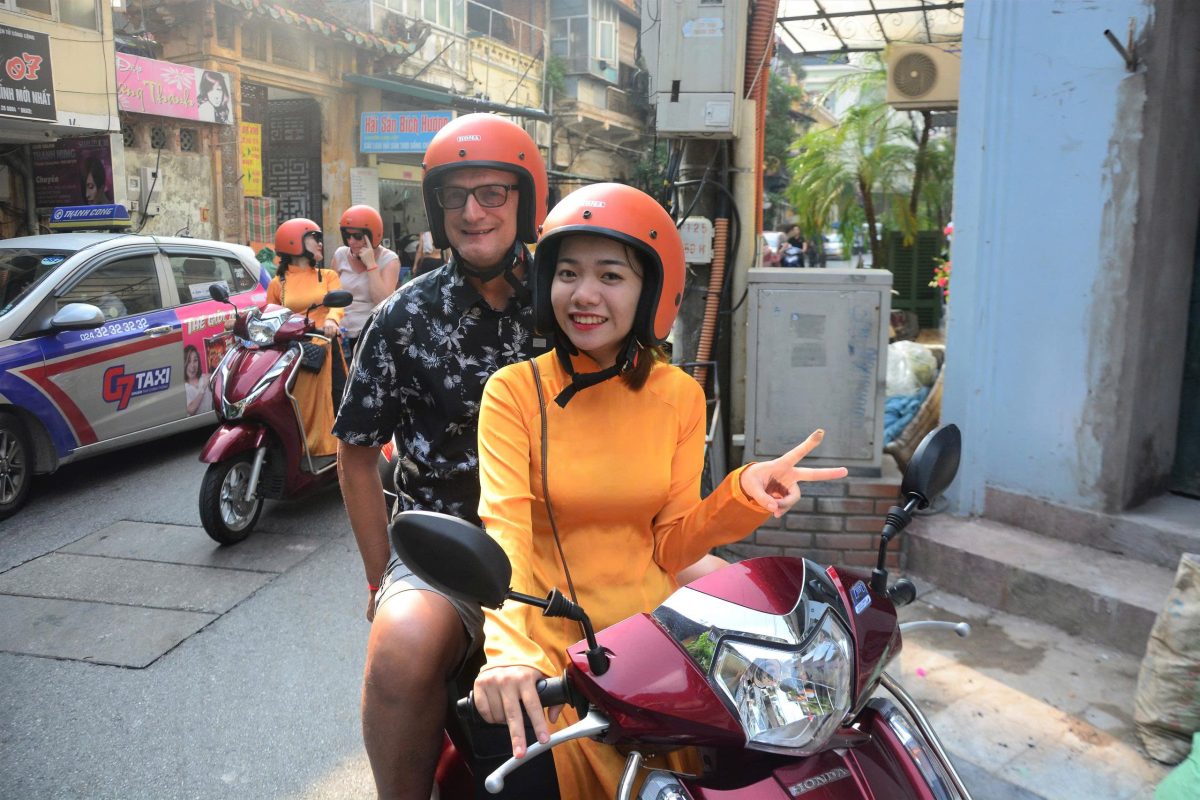
One of the most effective ways to experience Saigon’s food culture is from the back of a motorbike.
The city is enormous.
Food is scattered across districts.
And many excellent places are hidden in alleys that are difficult to discover independently.
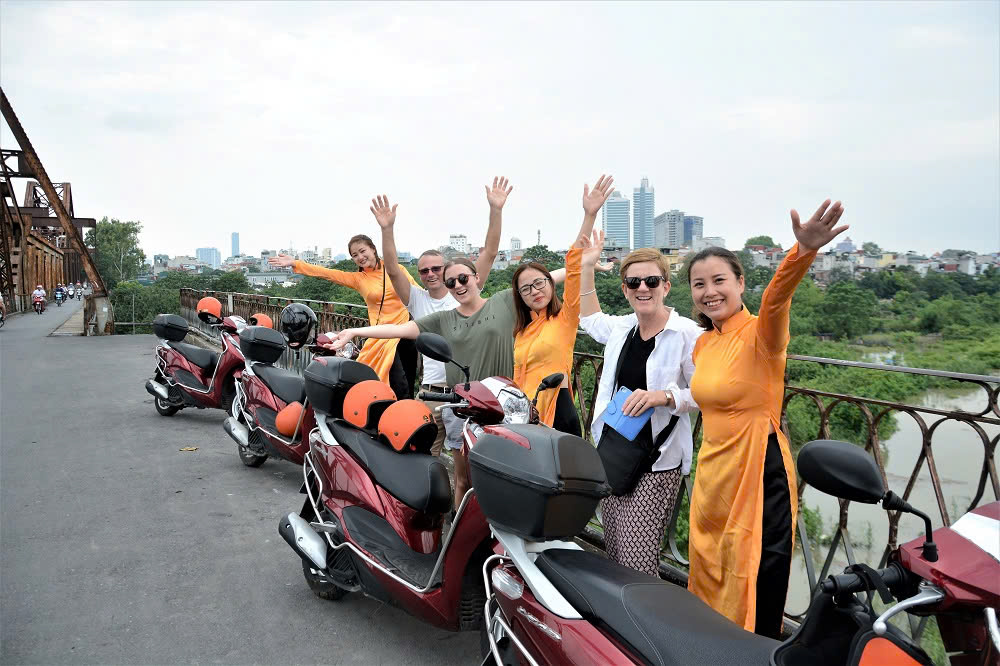
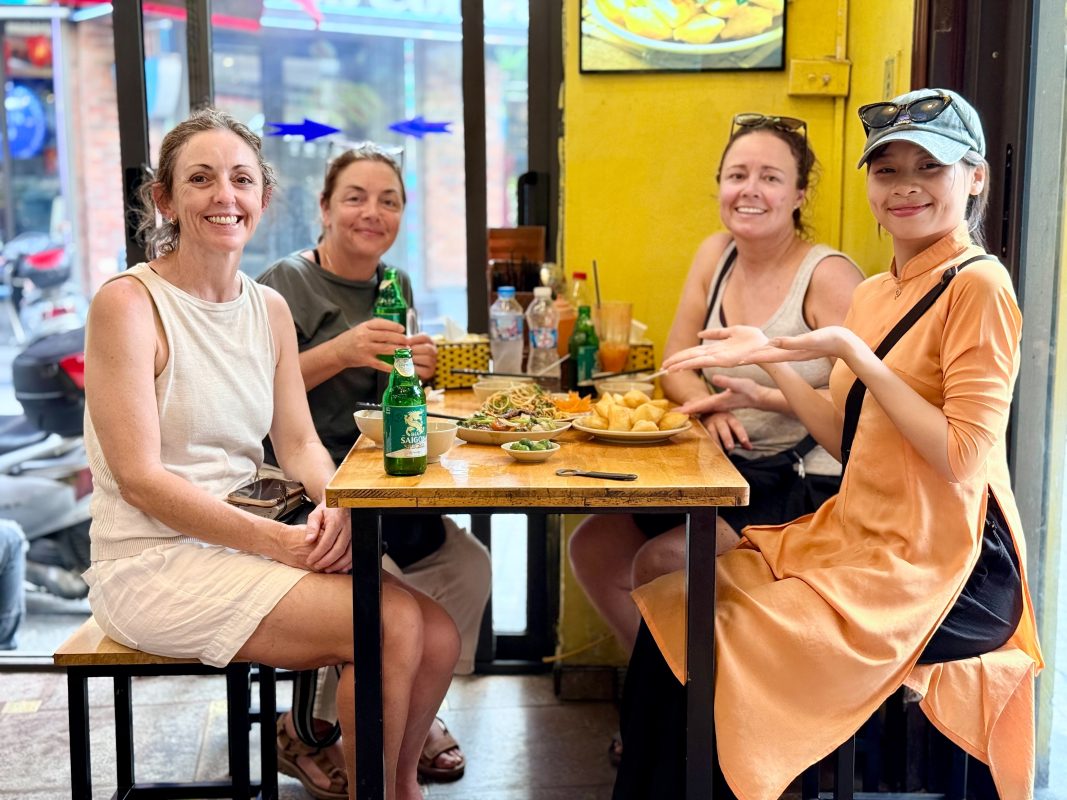
A motorbike food tour allows travelers to move between neighborhoods while experiencing the city at street level.
National Geographic has also highlighted motorbike travel as an especially revealing way to experience Ho Chi Minh City’s traffic, food and urban contrasts.
Cu Chi Tunnels
One of the most important excursions from Ho Chi Minh City is the Cu Chi Tunnels.
The extensive underground network was used during the Vietnam War for movement, shelter, communication and military operations.
Visitors can see preserved tunnel sections, concealed entrances and other elements of the underground system.
The experience provides a physical understanding of how people lived and operated beneath the ground.
Lonely Planet and National Geographic both identify Cu Chi as a major historical excursion from Ho Chi Minh City.
Ben Dinh or Ben Duoc?
The Cu Chi complex has two main visitor sites, Ben Dinh and Ben Duoc.
They provide different experiences and can feel quite different in terms of atmosphere and visitor concentration.
For a premium private itinerary, choosing the site based on the traveler’s interests, timing and tolerance for crowds is preferable to treating both as identical attractions.
Mekong Delta
Ho Chi Minh City is also the natural gateway to the Mekong Delta.
The urban landscape gradually gives way to rivers, canals, orchards, agricultural communities and floating markets.
A private Mekong journey can be arranged as a day trip, but travelers with more time should consider staying overnight.
The difference is significant.
A day trip gives you the highlights.
An overnight journey allows you to experience the quieter rhythm of the delta.
Lonely Planet identifies the Mekong Delta as one of the major day-trip regions accessible from Ho Chi Minh City.
Can Gio Mangrove Forest
For a completely different environment, travel southeast toward Can Gio.
The UNESCO-recognized biosphere reserve contains extensive mangrove ecosystems and waterways.
It offers a striking contrast to the dense urban environment of central Saigon.
The area also carries historical significance because the mangroves played an important role during wartime. Lonely Planet highlights Can Gio as one of the region’s important ecological and historical excursions.
Tay Ninh and Cao Dai
Another interesting day trip leads northwest toward Tay Ninh and the Cao Dai Holy See.
Cao Dai is a distinctly Vietnamese religion that developed in the 20th century.
The temple’s colorful architecture and ceremonial traditions provide an unusual cultural experience.
It can be combined with Cu Chi for travelers who want to explore more of southern Vietnam beyond the city.
The Best Time to Visit Ho Chi Minh City
Ho Chi Minh City is tropical and warm throughout the year.
The main distinction is between the dry and rainy seasons.
The Ginkgo guide identifies December through May as the broader drier period, while National Geographic recommends November through March as an especially favorable period for city exploration.
There is no completely wrong season, however.
Rainy-season showers are often intense but relatively brief, leaving plenty of time for sightseeing.
December to March
This is one of the most comfortable periods for exploring the city.
Humidity is generally lower.
Rain is less frequent.
Outdoor walking is easier.
And evening dining is particularly pleasant.
April to May
Temperatures become hotter.
Plan major sightseeing for mornings and late afternoons.
This is also a good period for travelers who enjoy warm weather and want to combine the city with southern beach destinations.
June to October
Rain becomes more frequent.
However, showers do not necessarily prevent travel.
A well-planned itinerary can place museums, markets, cafés and restaurants during wetter periods while reserving outdoor activities for clearer parts of the day.
How Many Days Do You Need?
The Ginkgo Voyage guide recommends approximately 2–4 days depending on how deeply travelers want to explore the city and surrounding region.
For a first visit, I recommend:
2 days — essential central landmarks and food.
3 days — city highlights plus Cholon or Cu Chi.
4 days — city, history, food and a major day trip.
5+ days — add the Mekong Delta, Can Gio, Tay Ninh or a slower luxury experience.
Where to Stay in Ho Chi Minh City
District 1
Best for first-time visitors.
You are close to the major landmarks, restaurants, shopping and nightlife.
District 3
Better for travelers who want a quieter, more residential atmosphere while remaining close to central attractions.
Tree-lined streets and historic villas give the district a more relaxed character.
Thao Dien
Located in Thu Duc City, Thao Dien has become one of the city’s more international neighborhoods.
It offers cafés, restaurants, boutiques and a slower pace than the central business districts.
Along the Saigon River
For luxury travelers, riverside properties offer a different perspective on the metropolis.
The skyline becomes part of the experience.
Ho Chi Minh City for Couples
Saigon can be surprisingly romantic.
Have coffee together in a quiet heritage building.
Explore the colonial center.
Take a sunset cruise.
Book a rooftop dinner.
Eat street food late at night.
Or escape the city for a private Mekong Delta journey.
The key is not trying to make every moment luxurious.
The contrast between refined experiences and ordinary street life is precisely what makes Saigon memorable.
Ho Chi Minh City for Families
Families have a wide choice of experiences.
Museums.
Markets.
Food.
River cruises.
Historical sites.
Cu Chi.
Mekong Delta.
Parks.
A private vehicle and guide make family travel significantly easier because the itinerary can be adjusted around traffic, weather, meals and children’s energy levels.
Ho Chi Minh City for Food Travelers
Food travelers should stay at least three nights.
One evening can focus on classic street food.
Another can explore Cholon and Chinese-Vietnamese cuisine.
A third can combine a sophisticated restaurant with a rooftop experience.
The city is large enough that a well-designed food itinerary can introduce completely different culinary traditions without repeating the same type of meal.
Ho Chi Minh City for Photographers
Saigon provides extraordinary contrasts.
Colonial architecture.
Modern skyscrapers.
Markets.
Motorbikes.
Street vendors.
Pagodas.
Coffee shops.
Riverside views.
And narrow residential alleys.
The best photographs often come from simply waiting.
Find a corner.
Watch the traffic.
Wait for the light.
The city will provide the scene.
Responsible Travel in Ho Chi Minh City
Large cities require a different approach to responsible tourism.
Support independent cafés, restaurants and small businesses.
Avoid unnecessarily wasteful plastic use.
Dress respectfully when visiting religious sites.
Ask permission before photographing people closely.
Be particularly careful with belongings in crowded markets and busy streets.
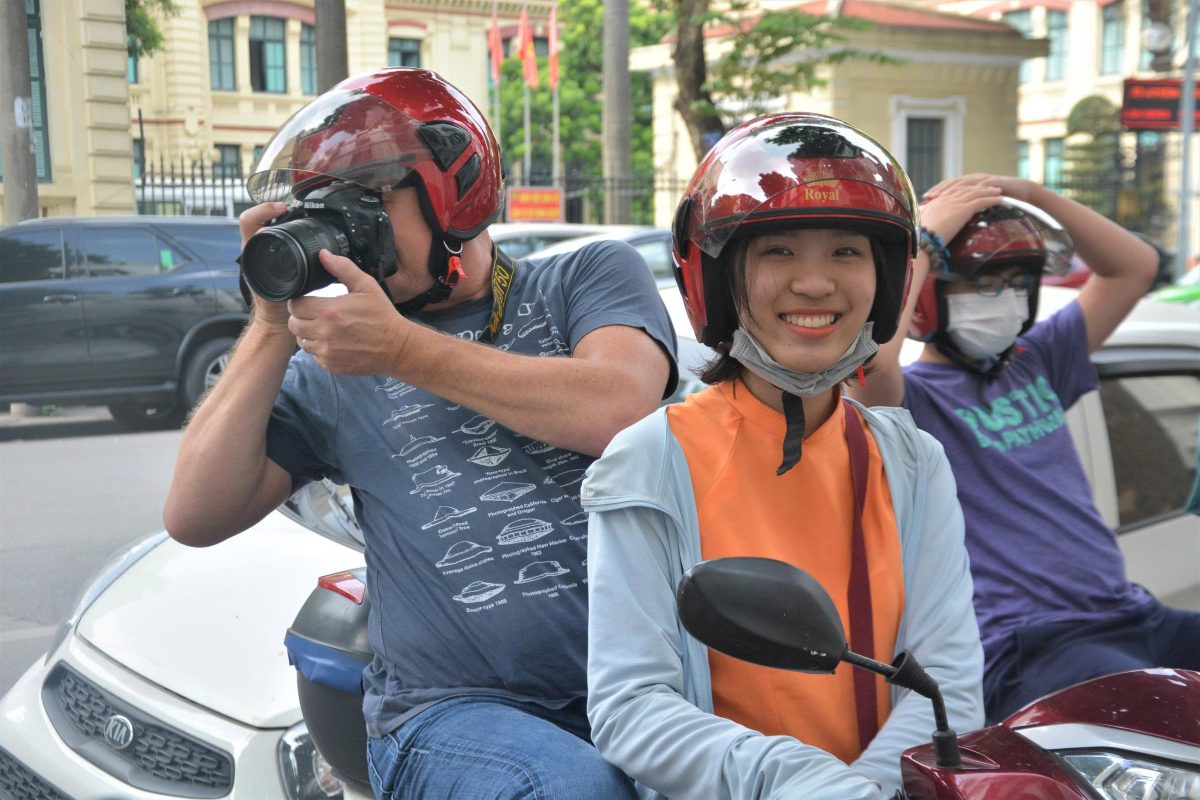
And when taking a motorbike tour, choose experienced, properly licensed drivers and appropriate helmets.
The goal is to experience the city without treating it simply as a backdrop.
A Sample 4-Day Private Ho Chi Minh City Journey
Day 1 — Historic Saigon & Modern Skyline
Begin your premium private journey with a relaxed breakfast before exploring the historic center around Dong Khoi Street. Visit Notre Dame Cathedral Basilica, the Central Post Office, Saigon Opera House and Independence Palace before enjoying lunch at a carefully selected restaurant. Continue to the War Remnants Museum for a deeper understanding of modern Vietnamese history, then return toward the river as the afternoon light softens. Finish with a rooftop sunset experience and dinner in central Saigon.
Day 2 — Cholon, Markets & Southern Food
After breakfast, travel privately into Cholon to explore Binh Tay Market and the area’s historic Chinese-Vietnamese temples. Enjoy a traditional southern lunch before returning through the city’s smaller streets and residential neighborhoods. In the afternoon, visit Ben Thanh Market and explore the surrounding food scene, with time for Vietnamese coffee and selected street-food tastings. In the evening, enjoy a private motorbike food experience followed by a relaxed walk along Nguyen Hue.
Day 3 — Cu Chi Tunnels & Saigon River
Enjoy breakfast before leaving the city for the Cu Chi Tunnels with a private guide. Explore the historical site at a comfortable pace before having lunch and returning to Ho Chi Minh City in the afternoon. Take time to relax at your hotel before an evening cruise or private dining experience along the Saigon River. End the day with skyline views and dinner overlooking the city.
Day 4 — Saigon Culture & Departure
After breakfast, explore one of the city’s quieter cultural neighborhoods, with options including Jade Emperor Pagoda, Tao Dan Park or additional Cholon heritage depending on your interests. Enjoy a final southern Vietnamese lunch before returning to the hotel for luggage collection. Continue to Tan Son Nhat International Airport with private transfer for your onward flight. Breakfast, Lunch & Dinner are included throughout the private journey.
A Five-Day Southern Vietnam Experience
For travelers with more time, five days creates a much stronger journey.
Day one can introduce central Saigon.
Day two can focus on food and Cholon.
Day three can explore Cu Chi.
Day four can be dedicated to the Mekong Delta.
Day five can return to the city for shopping, cafés, spa treatments and a final dinner.
This avoids the common mistake of trying to experience Ho Chi Minh City and Southern Vietnam in only 48 hours.
Ho Chi Minh City and the Mekong Delta
The combination is particularly powerful because of the contrast.
In Saigon, everything moves quickly.
In the Mekong Delta, the pace changes.
Canals replace major roads.
Small boats replace streams of motorbikes.
Orchards replace towers.
The two experiences explain different sides of Southern Vietnam.
Ho Chi Minh City and the Central Coast
Ho Chi Minh City also works naturally at the beginning or end of a longer Vietnam journey.
From here, travelers can fly to Da Nang, Quy Nhon, Phu Yen or other Central Vietnamese destinations.
A premium itinerary can therefore move from the urban energy of Saigon toward quieter coastal landscapes.
The Luxury of Ho Chi Minh City
Luxury in Saigon is about contrast.
A historic five-star hotel overlooking colonial streets.
A private car waiting beneath skyscrapers.
A chef’s tasting menu followed by street food in an alley.
A rooftop cocktail overlooking the river.
A private guide explaining wartime history.
A motorbike experience through neighborhoods that most visitors never see.
This combination is what makes the city sophisticated without becoming predictable.
Why Choose Vietnam Women Travel for Ho Chi Minh City?
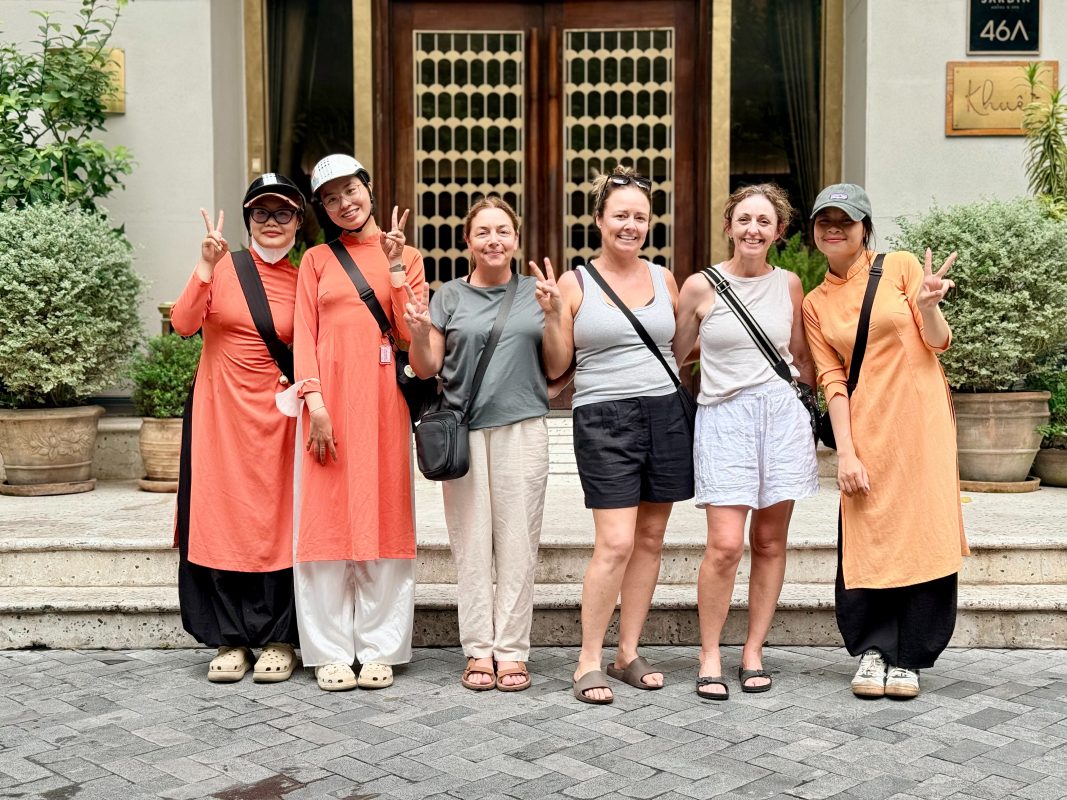
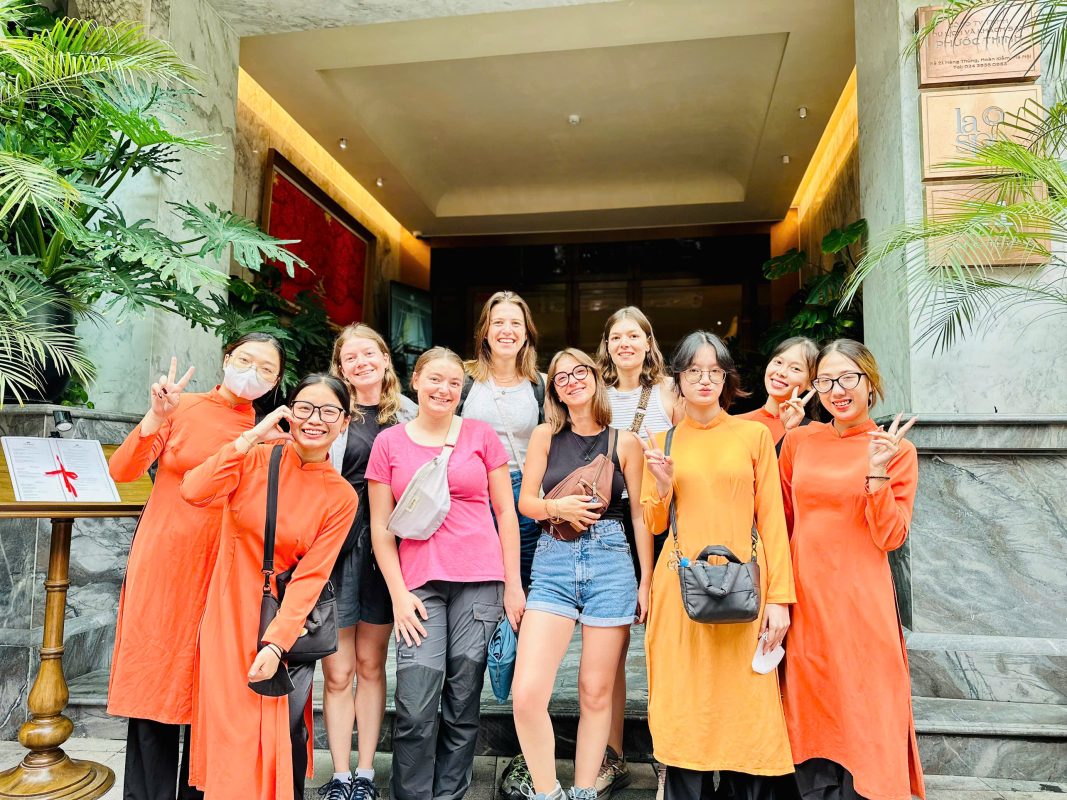
Vietnam Women Travel – Premium Private Tours Led by Women creates private Ho Chi Minh City experiences designed around the interests and pace of each traveler.
Instead of simply visiting the city’s famous monuments, a private journey can connect architecture, history, food, neighborhoods and everyday life.
Spend more time in Cholon if you love culture.
Focus on street food if cuisine is your priority.
Explore the city by motorbike.
Visit the Cu Chi Tunnels privately.
Add a Mekong Delta extension.
Or combine Saigon with Central and Northern Vietnam.
The itinerary remains private and flexible.
The Women-Led Difference
With Vietnam Women Travel – Premium Private Tours Led by Women, the experience goes beyond transportation between attractions.
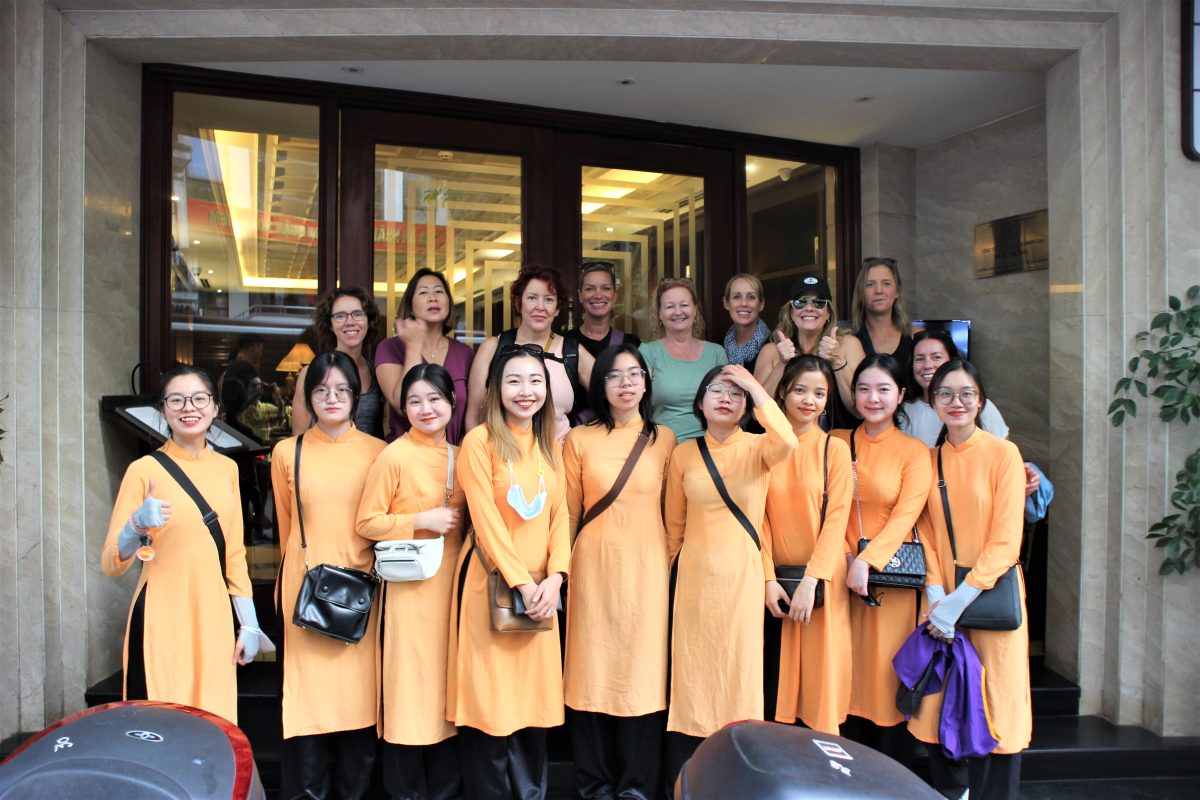
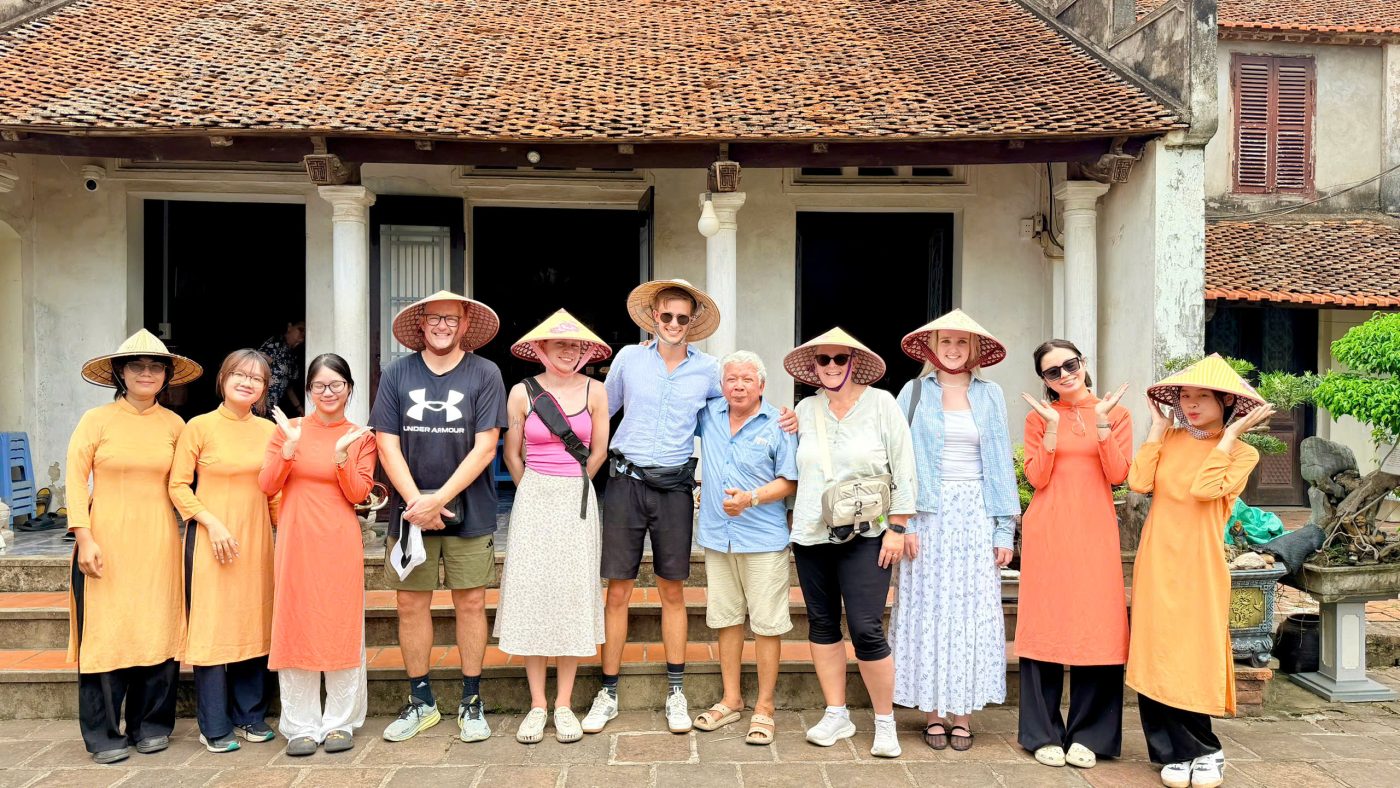
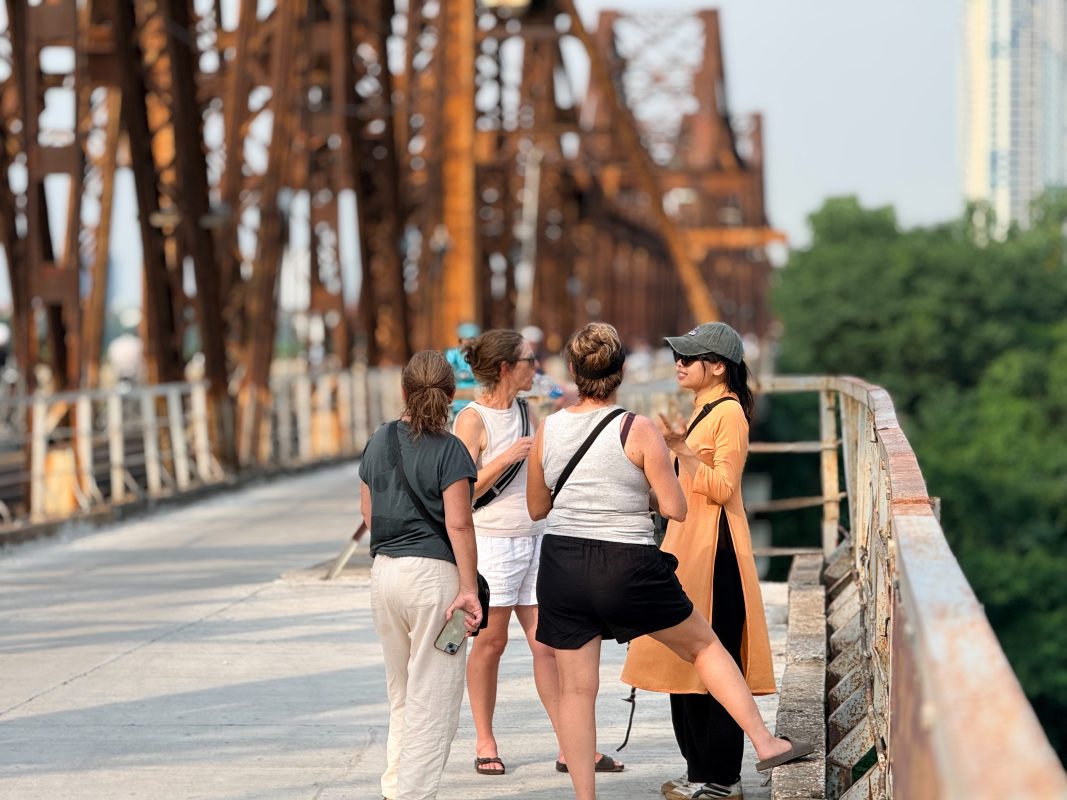
Women-led guides provide a personal perspective on the city, while private vehicles make it easier to explore neighborhoods, food streets and cultural sites without following a fixed group schedule.
The aim is to show travelers both sides of Saigon.
The famous landmarks.
And the streets behind them.
The skyline.
And the alleys.
The restaurants.
And the tiny food stalls.
The history.
And the rapidly changing city of today.
Discover the Real Saigon
Ho Chi Minh City is not a city that reveals itself immediately.
The first impression can be overwhelming.
Traffic.
Heat.
Noise.
Skyscrapers.
Crowds.
But stay a little longer and another city emerges.
Morning coffee beneath trees.
A quiet pagoda hidden behind a busy street.
A family restaurant serving the same dish for decades.
A market coming alive before sunrise.
An old colonial building surrounded by modern towers.
A fisherman working along the river.
A motorbike disappearing into an alley.
These details are what make Saigon unforgettable.
Plan Your Ho Chi Minh City Journey
Come for the history.
Stay for the food.
Explore the colonial architecture.
Walk through Cholon.
Drink Vietnamese coffee.
Ride through the city after dark.
Watch the skyline from the river.
Travel underground at Cu Chi.
And, if time allows, follow the waterways into the Mekong Delta.
Ho Chi Minh City is Vietnam’s southern metropolis, but it is also a collection of neighborhoods, communities, memories and constantly changing streets. Vietnam Tourism, Lonely Planet and National Geographic all emphasize different aspects of this same character: history, architecture, food, commerce, nightlife and the extraordinary energy of everyday urban life.
For travelers seeking a premium private journey, Vietnam Women Travel – Premium Private Tours Led by Women can place Ho Chi Minh City at the center of a carefully designed Southern Vietnam experience, beginning in Hanoi and connecting private city exploration with the Mekong Delta, Central Vietnam’s coastline and the country’s wider cultural heritage.
Vietnam Women Travel – Premium Private Tours Led by Women
Private journeys. Women guides. Authentic Vietnam.