Da Lat Travel Guide: Pine Forests, Highland Coffee, Waterfalls & the Art of Slow Travel
Da Lat feels different from almost anywhere else in Vietnam. At around 1,500 metres above sea level in the Central Highlands, the city enjoys a cooler climate, pine-covered hills, flower gardens, coffee plantations and a landscape of lakes and waterfalls. Vietnam Tourism describes Da Lat as a mountain resort city shaped by its highland setting and French colonial history, while Lonely Planet highlights its spring-like weather, French-influenced architecture and surrounding farms producing flowers, strawberries and coffee.
The city is often associated with romance, honeymooners and cafés, but that description only captures part of the story. Beyond the central lake and colonial villas lies a much larger highland landscape: winding roads through pine forests, tea plantations around Cau Dat, coffee farms, waterfalls, vegetable gardens and the mountains of Lang Biang. Da Lat is equally appealing to travelers interested in food, nature, photography, wellness, adventure and culture.
Perhaps the greatest attraction is the climate. While much of Vietnam can be hot and humid, Da Lat’s elevation creates noticeably cooler conditions, making it an attractive retreat for travelers who want to slow down after exploring the country’s tropical lowlands. Recent travel guides continue to describe Da Lat as one of Vietnam’s most distinctive mountain destinations, with temperatures generally remaining much cooler than in Ho Chi Minh City and the coastal regions.
Where Is Da Lat?
Da Lat is located in Lam Dong Province in Vietnam’s Central Highlands, roughly 1,500 metres above sea level. The city sits on the Lang Biang Plateau, surrounded by hills, pine forests, agricultural land and mountain valleys.
Its elevation explains much of its personality. The landscape is greener, the air is cooler and mornings can arrive with mist hanging between the pine trees. Instead of rice paddies dominating the countryside, travelers encounter flower farms, vegetable gardens, coffee plantations, tea estates and strawberry farms.
Da Lat is also a useful stop between southern Vietnam and the Central Highlands. It can be reached by air from major Vietnamese cities, while private road journeys connect it with destinations such as Ho Chi Minh City, Bao Loc and the wider Central Highlands.
For a premium private journey, Da Lat works particularly well as a three- or four-night escape rather than a quick overnight stop.
The Landscape That Makes Da Lat Different
The geography of Da Lat is the first thing you notice.
Pine trees cover the hills.
Mist moves across valleys.
Waterfalls cut through the surrounding mountains.
Vegetable farms climb the slopes.
Coffee grows in the cooler highland environment.
And lakes provide calm stretches of water among the hills.
This landscape gives Da Lat a much slower visual rhythm than Vietnam’s major cities.
The Pine Forests
Pine forests are one of Da Lat’s defining landscapes.
They surround the city and stretch outward toward the countryside, creating long roads where the scent of pine mixes with cool mountain air.
Driving through these forests is often as enjoyable as reaching a specific attraction.
The road itself becomes part of the experience.
For travelers who enjoy photography, early morning is especially beautiful when sunlight filters through the trees and mist remains suspended above the hills.
Da Lat’s French Heritage
Da Lat’s history is closely connected with the French colonial period.
The French developed the hill station as a retreat from the heat of the lowlands, and the city grew around its cooler climate, lakes, villas, gardens and European-influenced architecture. Vietnam Tourism notes that the French legacy remains visible in Da Lat’s churches, hotels, railway station and other buildings.
But Da Lat should not be reduced to a Vietnamese version of a European town.
Its identity today is a combination of colonial history, Vietnamese urban culture, Central Highland landscapes, agriculture and a thriving contemporary café and food scene.
That mixture is what makes the city interesting.
Xuan Huong Lake
At the center of Da Lat lies Xuan Huong Lake, the city’s most recognizable natural landmark.
The crescent-shaped lake is surrounded by walking paths, gardens, cafés and some of the city’s most important public spaces. Vietnam Tourism describes the lake as the focal point of Da Lat, with the central market and colonial architecture nearby.
The lake is best experienced early in the morning.
The air is cool.
The streets are quieter.
Joggers and walkers circle the shoreline.
The surrounding hills appear in the distance.
Later in the day, the area becomes busier, but the lake remains the geographical and emotional center of the city.
Da Lat’s Flower Gardens
Flowers are inseparable from Da Lat.
The city’s cool climate and fertile agricultural surroundings have made it one of Vietnam’s major flower-growing regions.
The Da Lat Flower Park beside Xuan Huong Lake provides an easy introduction to this side of the city, while flower farms outside the center offer a more agricultural perspective.
The annual Da Lat Flower Festival has also become an important event on the city’s cultural calendar, and Intrepid specifically highlights the festival among the reasons to experience Vietnam.
For travelers interested in horticulture, the countryside is particularly rewarding.
Greenhouses stretch across hillsides.
Rows of flowers create geometric patterns.
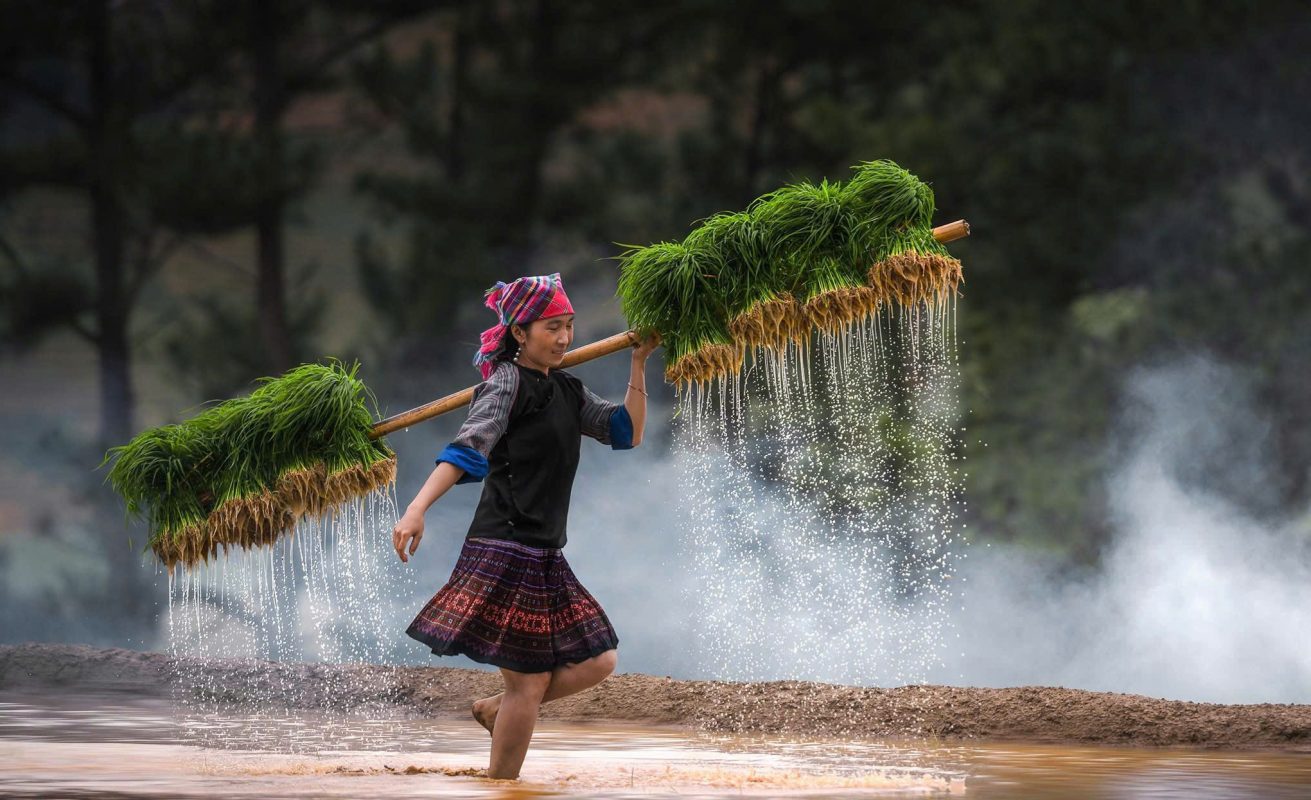
Farmers work among beds of vegetables and flowers.
It is a very different agricultural landscape from the rice-growing regions of northern Vietnam.
Da Lat Railway Station
The Da Lat Railway Station is one of the city’s most recognizable pieces of colonial-era architecture.
The station was built during the French period and is notable for its distinctive Art Deco and regional architectural influences.
Today, it is primarily a heritage attraction rather than the center of a major railway network.
Visitors can explore the station, admire its architecture and learn about the history of the railway connection that once linked Da Lat with the wider rail system.
Lonely Planet lists the railway station among Da Lat’s notable attractions.
For premium itineraries, the station is best treated as a cultural stop rather than something around which the entire journey is built.
Da Lat Cathedral
The Da Lat Cathedral, often called the Chicken Church because of the rooster on its bell tower, is another prominent example of French-influenced architecture.
Its pinkish exterior and elevated position make it one of the city’s most recognizable buildings.
The cathedral is particularly attractive when combined with a walking route through central Da Lat, linking the lake, market, old villas and other architectural landmarks.
Bao Dai’s Summer Palace
Da Lat was historically associated with Vietnam’s royal family as a mountain retreat.
Bao Dai’s Summer Palace provides an opportunity to explore this chapter of the city’s history.
The residence offers a glimpse into the lifestyle of Vietnam’s last imperial dynasty during the 20th century.
For travelers interested in Vietnamese history, the palace provides useful context for understanding Da Lat not merely as a colonial hill station but as a retreat that remained important after the end of French rule.
The Crazy House
Da Lat’s architecture becomes much stranger at Hang Nga Villa, commonly known as the Crazy House.
Designed by Vietnamese architect Dang Viet Nga, the building deliberately rejects conventional architectural geometry.
Organic shapes, twisting staircases, unusual rooms and surreal structures create an environment that feels closer to an imaginative sculpture than a traditional hotel or residence.
Lonely Planet includes the Crazy House among Da Lat’s major attractions.
It is very different from the city’s French colonial buildings.
That contrast is exactly what makes it interesting.
Da Lat Market
The Da Lat Market is one of the best places to understand the city’s food culture.
Fresh vegetables, flowers, strawberries, dried fruit, coffee, preserves and other agricultural products from the surrounding highlands appear throughout the market.
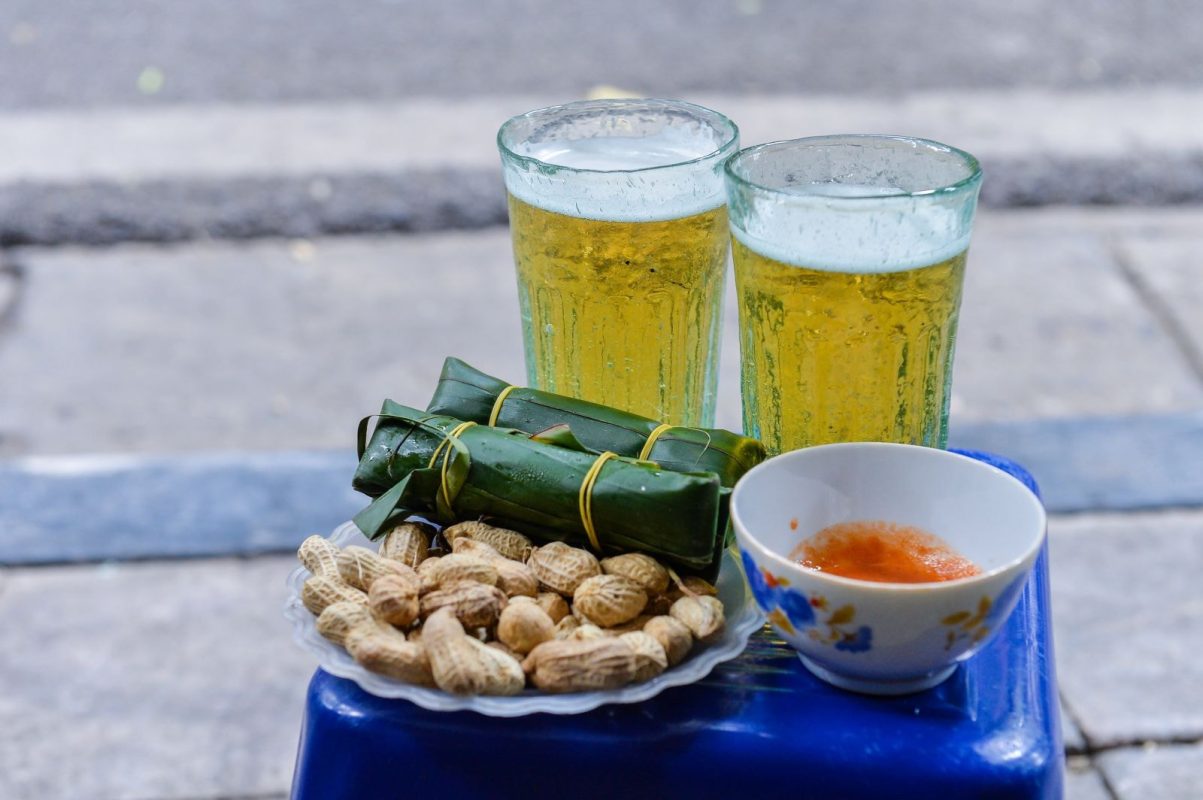
At night, the area transforms into a much livelier food destination.
The cool weather makes hot snacks especially appealing.
Grilled corn.
Sweet potatoes.
Baked rice paper.
Soy milk.
Warm desserts.
And countless other street foods create a very different evening atmosphere from Vietnam’s tropical coastal cities.
Da Lat’s Famous Street Food
Food in Da Lat reflects both the climate and the agricultural landscape.
Because evenings can be cool, the city’s food culture includes plenty of grilled and hot dishes.
Banh Trang Nuong
Banh trang nuong, often called Vietnamese grilled rice paper, is one of Da Lat’s most recognizable street foods.
Rice paper is grilled over charcoal and topped with ingredients such as egg, spring onion, dried seafood and sauces.
The result is crisp, smoky and savory.
It is especially enjoyable at night when the temperature drops.
Artichoke Tea
Da Lat is also associated with artichoke tea, a drink made from locally cultivated artichokes.
It is commonly served hot or cold and has become one of the city’s recognizable agricultural products.
The tea is particularly fitting for Da Lat’s cool evenings.
Strawberries
Strawberries are another important part of Da Lat’s agricultural identity.
The surrounding highlands provide conditions suitable for growing them, and travelers can visit farms to learn more about cultivation.
A private farm visit can be combined with coffee, flowers and vegetable gardens to create a broader picture of Da Lat’s agricultural economy.
Da Lat Coffee Country
Coffee is perhaps the most interesting reason to explore beyond the city center.
The Central Highlands are at the heart of Vietnam’s coffee industry, and the landscape around Da Lat is increasingly associated with specialty coffee and farm experiences.
Coffee plantations spread across the hills outside the city.
A visit can involve walking through coffee trees, learning about harvesting and processing, and tasting beans grown in the surrounding highlands.
For travelers who appreciate coffee, this is much more meaningful than simply visiting another café.
K’Ho Coffee
K’Ho Coffee is one of the experiences highlighted by Lonely Planet in its Da Lat recommendations.
Coffee experiences connected to ethnic K’Ho communities can provide a deeper understanding of how agriculture, culture and the highland environment intersect.
A well-designed visit should focus on knowledge and respectful exchange rather than treating culture as a performance.
Cau Dat Tea Hills
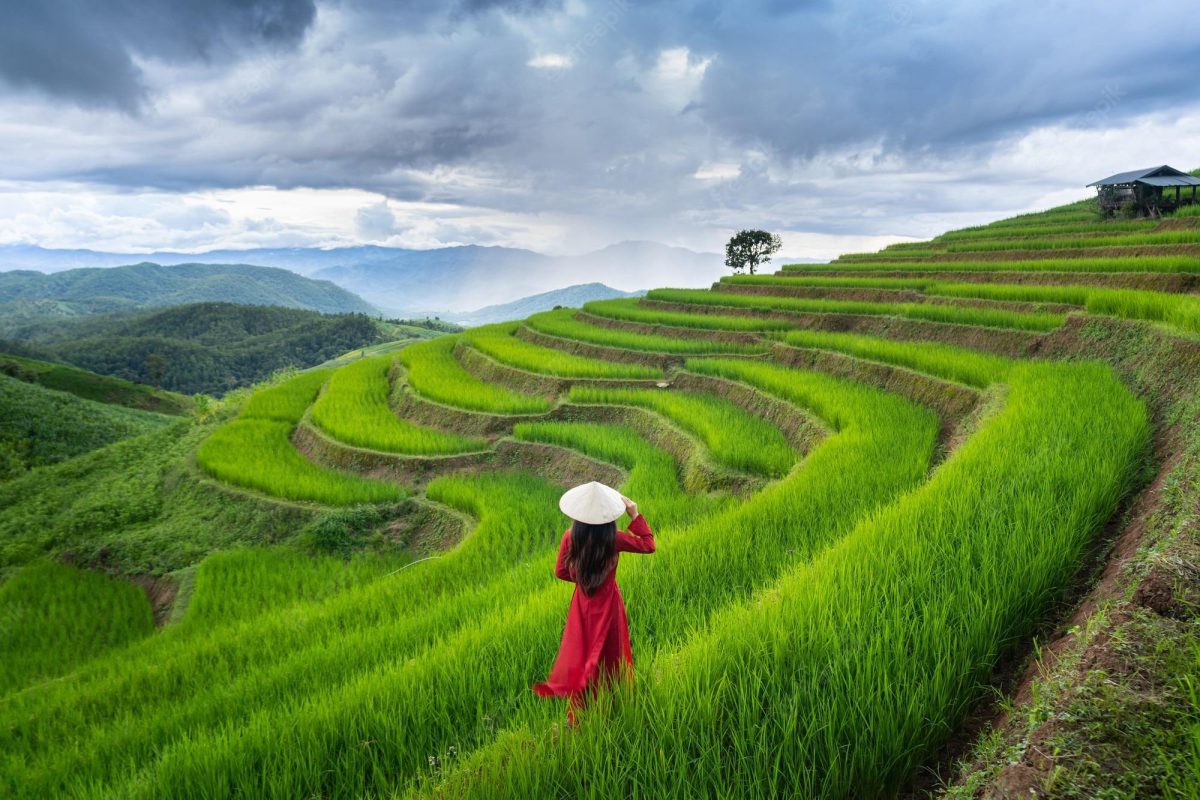
About an hour or more from central Da Lat, depending on traffic and the exact route, the Cau Dat area opens into a landscape of tea plantations and rolling hills.
Rows of tea bushes follow the contours of the land.
The cooler climate and elevated terrain create ideal conditions for a scenic agricultural journey.
Cau Dat is particularly beautiful in the early morning when mist and sunlight create layers across the plantations.
For photographers, it is one of the most rewarding landscapes around Da Lat.
The Waterfalls of Da Lat
Water is another defining element of the surrounding highlands.
Several waterfalls are located within driving distance of the city, each offering a different landscape.
Among the better-known names are Datanla Falls, Elephant Falls and Dambri Falls.
However, conditions and access can change, particularly during periods of heavy rain or after safety-related closures, so travelers should check current access before building an itinerary around a particular waterfall.
Datanla Waterfall
Datanla Waterfall is one of the most accessible waterfall areas near Da Lat.
The site combines forest scenery with outdoor activities and adventure experiences.
It is particularly popular with travelers looking for something more active than sightseeing.
The surrounding forest also makes it possible to combine the waterfall with a broader nature-focused excursion.
Elephant Falls
Elephant Falls has traditionally been one of the most dramatic waterfall attractions around Da Lat.
The falls plunge through a rugged landscape of rocks and vegetation.
However, access has been subject to safety concerns and changes in recent years. Current conditions should therefore be confirmed locally before visiting rather than assuming that older guidebooks accurately reflect today’s access. Recent traveler reports have specifically noted closures connected with slippery terrain and accidents.
This is a good example of why a current private guide can be valuable in the Central Highlands.
Dambri Waterfall
Further south toward Bao Loc, Dambri Waterfall is one of the region’s major natural attractions.
The waterfall drops through a heavily forested landscape and can be incorporated into a longer journey between Da Lat and southern Central Highlands destinations.
It is better suited to travelers with more time than those attempting a compact two-day Da Lat visit.
Lang Biang Mountain
The mountains north of Da Lat rise toward Lang Biang, one of the most famous peaks in the region.
The mountain is closely connected with K’Ho cultural traditions and local legends.
The landscape also provides opportunities for hiking, panoramic viewpoints and outdoor exploration.
For active travelers, Lang Biang offers a completely different experience from walking around the city center.
Trekking Lang Biang
A trek around Lang Biang should be chosen according to weather, fitness and trail conditions.
The mountain environment can change quickly.
Cloud can arrive unexpectedly.
Paths can become slippery after rain.
And temperatures can be considerably cooler than in the lowlands.
A private guide is particularly useful for travelers who want to go beyond the standard viewpoint and understand the landscape and cultural history of the area.
Tuyen Lam Lake
South of central Da Lat, Tuyen Lam Lake is surrounded by pine forests and hills.
The lake is one of the city’s best places for travelers looking for quiet scenery.
The landscape is calmer than central Da Lat.
Pine-covered slopes descend toward the water.
Resorts are scattered around the surrounding hills.
And the road into the area is one of the most scenic short drives from the city.
A Morning at Tuyen Lam
Early morning is the best time to appreciate the lake.
Mist can sit above the water.
The pine forests remain quiet.
And the absence of heavy traffic creates a strong contrast with the center of Da Lat.
For a premium itinerary, Tuyen Lam works particularly well as a half-day nature and wellness experience.
Truc Lam Zen Monastery
Overlooking Tuyen Lam Lake, Truc Lam Zen Monastery is one of Da Lat’s most important Buddhist sites.
The monastery is set among gardens and pine forest, creating a peaceful environment away from the urban center.
The architecture is relatively restrained compared with some of Da Lat’s more theatrical attractions.
That is part of its appeal.
The visit is best approached slowly, with time to appreciate the gardens, views and atmosphere.
Da Lat’s Cable Car
The cable car route between Robin Hill and the Tuyen Lam area provides another way to experience the landscape.
From above, the city and surrounding forests appear as layers of green, with rooftops, lakes and distant mountains creating a broad highland panorama.
It can be particularly beautiful in clear morning weather.
Da Lat’s Café Culture
Coffee is not simply something to drink in Da Lat.
It has become part of the city’s identity.
Cafés occupy old villas, hillside terraces, gardens and modern architectural spaces.
Some look toward the lake.
Others face pine forests.
Some are deliberately minimalist.
Others embrace the city’s nostalgic aesthetic.
The best approach is not to search for a single “best café.”
Instead, choose cafés based on their setting and use them to slow down between excursions.
The Art of the Da Lat Morning
A good Da Lat morning does not need a long itinerary.
Wake early.
Walk beside Xuan Huong Lake.
Have Vietnamese coffee.
Watch the city begin to move.
Then leave the center and drive toward the pine forests.
The contrast between urban Da Lat and the countryside is one of the pleasures of visiting.
Da Lat’s Weather
Da Lat’s elevation creates a climate very different from much of Vietnam.
Vietnam Tourism describes it as the cooler cousin of Vietnam’s seaside destinations, while current travel sources commonly place daytime temperatures in a comfortable range with significantly cooler mornings and evenings.
Recent guides generally divide the year into a drier period around December to March and a wetter period through much of April to November, although the transition is not perfectly predictable.
The important point for travelers is that rain does not necessarily mean a ruined trip.
It simply changes the rhythm.
Da Lat in the Dry Season
December through March is generally associated with drier conditions.
This can be an excellent period for sightseeing, photography, hiking and countryside excursions.
Mornings can still be cold or misty, especially around the hills.
A light jacket is useful even during periods when the daytime weather feels comfortable.
Da Lat in the Wet Season
Rain becomes more common from spring into autumn.
Showers can be heavy but may also be short-lived.
The countryside becomes intensely green.
Waterfalls can become more dramatic.
And mist can create beautiful mountain landscapes.
For flexible travelers, the wet season can therefore be rewarding.
The key is to build an itinerary that can adapt to weather.
How Many Days Do You Need in Da Lat?
Two nights are enough for a quick introduction.
Three nights provide a much better experience.
Four nights allow you to combine the city, coffee country, waterfalls, Lang Biang, Tuyen Lam and a slower wellness day.
For premium private travel, three to four nights is an ideal length.
Da Lat is not a destination where you need to see twenty attractions in two days.
The landscape itself deserves time.
Where to Stay in Da Lat
Accommodation can be divided into several distinct areas.
The city center around Xuan Huong Lake is convenient for restaurants, markets and walking.
Tuyen Lam is better suited to travelers looking for forest, lakeside scenery and resort relaxation.
The outskirts offer boutique properties surrounded by gardens and agricultural landscapes.
For a premium itinerary, a quiet resort outside the busiest central streets can provide a better balance between comfort and access.
Luxury Around Tuyen Lam
The Tuyen Lam area is particularly attractive for luxury travelers because of its combination of forest, water and privacy.
A resort surrounded by pine trees can feel almost completely removed from the city despite being relatively close to central Da Lat.
This makes it ideal for couples, wellness travelers and travelers who want to slow the pace of a longer Vietnam journey.
Da Lat for Couples
Da Lat has long been associated with romance, but its appeal to couples goes beyond the cliché.
Walk around Xuan Huong Lake.
Visit a flower garden.
Drive through pine forests.
Share coffee overlooking the hills.
Enjoy a private dinner.
Take a sunset trip around Tuyen Lam.
Or simply spend an afternoon at the resort.
The cooler climate naturally encourages slower days.
Da Lat for Families
Families can also enjoy Da Lat because the destination offers such a broad range of activities.
Children can explore waterfalls, farms and unusual architecture.
Parents can enjoy coffee, gardens and scenic drives.
The city is also compact enough that private transportation can reduce the amount of time spent moving between attractions.
For families, the best itineraries mix sightseeing with open time.
Da Lat for Active Travelers
Adventure travelers have plenty of options.
Hiking.
Canyoning.
Mountain biking.
Forest trekking.
Kayaking.
Motorbike journeys.
Waterfalls.
Lang Biang.
The surrounding terrain provides a natural playground.
Current travel guides continue to highlight canyoning and mountain activities as part of Da Lat’s appeal.
For premium private travel, activities should be matched carefully to fitness level and weather rather than added simply to make the itinerary look more adventurous.
Da Lat for Wellness
Da Lat’s climate and natural environment make it particularly well suited to wellness travel.
Morning walks through pine forest.
Yoga overlooking the hills.
Spa treatments.
Healthy farm-to-table meals.
Coffee and tea experiences.
Quiet afternoons beside Tuyen Lam Lake.
The city does not need to be experienced at full speed.
In fact, its greatest luxury may be the ability to slow down.
Da Lat for Food Travelers
The surrounding agricultural landscape makes Da Lat especially interesting for travelers who enjoy food.
Flowers.
Vegetables.
Strawberries.
Coffee.
Tea.
Artichokes.
Fruit.
The farm landscape is visible in the food markets and restaurants.
A private food journey can therefore go beyond restaurant tasting and include visits to farms and producers.
Da Lat for Photographers
Da Lat offers one of Vietnam’s most diverse photographic environments.
Misty pine forests.
Colonial villas.
Flower gardens.
Tea plantations.
Coffee farms.
Waterfalls.
Mountain roads.
Xuan Huong Lake.
Tuyen Lam Lake.
Night markets.
The light is particularly beautiful early in the morning and late in the afternoon.
Cloud and mist can completely transform the same landscape from one hour to the next.
Da Lat’s Countryside
The countryside is where Da Lat becomes more interesting.
The city center is pleasant, but the surrounding agricultural landscape explains why Da Lat developed such a distinctive economy and culture.
A private countryside route can connect several different landscapes in one day.
Coffee farm.
Flower greenhouse.
Vegetable garden.
Tea plantation.
Waterfall.
Pine forest.
Mountain viewpoint.
Instead of visiting attractions randomly, the journey becomes a story about how people use the highland environment.
The K’Ho Cultural Landscape
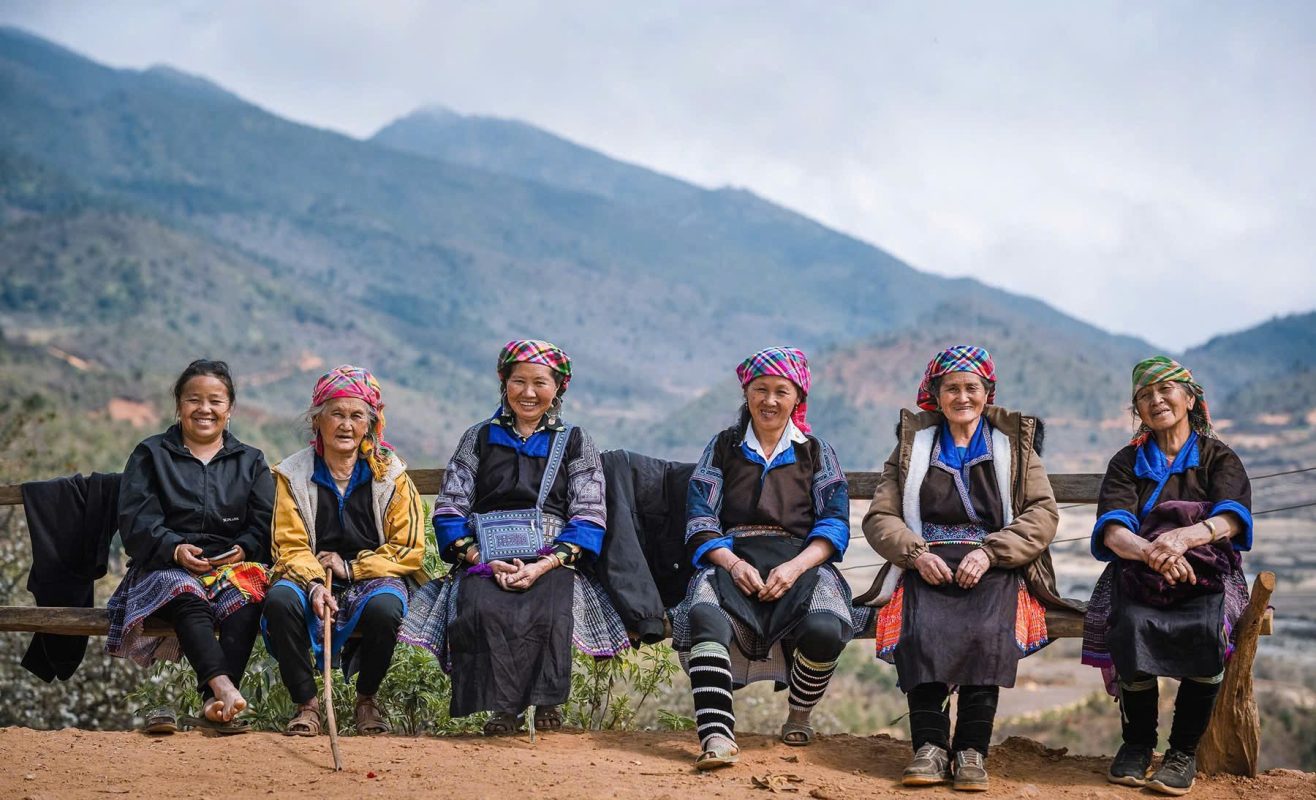
The Central Highlands are home to diverse ethnic communities, including the K’Ho people in the wider Da Lat region.
The K’Ho have their own languages, traditions, agricultural practices and cultural histories.
Travelers should approach community visits respectfully.
The goal should be understanding rather than staged performance.
A responsible guide can explain the cultural context while ensuring that photography, conversation and participation remain appropriate.
Da Lat Beyond the City
One of the biggest mistakes is spending the entire trip inside central Da Lat.
The city is only part of the destination.
Drive outward and the landscape changes quickly.
Pine forests become coffee plantations.
Roads climb toward tea hills.
Waterfalls appear in forest valleys.
Small agricultural communities occupy the slopes.
This is where Da Lat becomes a Central Highlands experience rather than simply a cool-weather city break.
A Sample 4-Day Private Da Lat Journey
Day 1 — Hanoi to Da Lat & First Impressions
Begin your premium private journey in Hanoi with a convenient flight to Da Lat, followed by private airport transfer to your carefully selected accommodation. Enjoy lunch after arrival before taking a relaxed orientation through central Da Lat, including Xuan Huong Lake, the flower gardens and several of the city’s most distinctive architectural landmarks. Continue to the Da Lat Market to discover highland produce, flowers and regional specialties. In the evening, enjoy dinner featuring Da Lat ingredients and take a gentle walk through the illuminated city center.
Day 2 — Pine Forests, Tuyen Lam & Buddhist Heritage
After breakfast, leave central Da Lat for the pine-covered hills around Tuyen Lam Lake, enjoying the cooler mountain air and peaceful scenery. Visit Truc Lam Zen Monastery and continue through the surrounding forest landscapes before enjoying lunch overlooking the highlands. Spend the afternoon exploring the countryside at a relaxed pace, with opportunities for coffee, photography and scenic viewpoints. Return to Da Lat for dinner and a quiet evening at your hotel.
Day 3 — Coffee, Flowers, Tea & Waterfalls
Start with breakfast before traveling into Da Lat’s agricultural countryside, where coffee plantations, flower farms and vegetable gardens reveal the productive landscape surrounding the city. Continue toward the Cau Dat tea-growing area, enjoying panoramic views across the rolling highlands before stopping for lunch. In the afternoon, visit a waterfall or nature attraction according to current weather and access conditions, followed by a private coffee or farm experience. Return to your accommodation for dinner and a relaxed evening.
Day 4 — Lang Biang & Departure
After breakfast, travel toward Lang Biang for a morning in the mountain landscape, with the exact walking or hiking route adjusted to your fitness and weather conditions. Enjoy lunch before returning toward Da Lat for a final coffee or shopping stop. Continue by private vehicle to the airport for your onward flight or, for a longer Central Highlands journey, continue by private road toward Bao Loc or another destination. Breakfast, Lunch & Dinner are included throughout the private journey.
A Slower Five-Day Da Lat Journey
With five days, Da Lat can be experienced without rushing.
Spend one day around the city and Xuan Huong Lake.
Another can focus on Tuyen Lam and the pine forests.
A third can explore coffee, flowers and Cau Dat.
A fourth can be dedicated to Lang Biang and outdoor activities.
The fifth can remain intentionally slow.
Perhaps a spa treatment.
A long breakfast.
A final coffee.
Or a quiet drive through the countryside.
This is the version of Da Lat that suits premium private travel best.
Da Lat and Ho Chi Minh City
Da Lat and Ho Chi Minh City make a natural combination.
The contrast could hardly be greater.
Ho Chi Minh City is tropical, energetic and intensely urban.
Da Lat is cool, mountainous and surrounded by forests and farms.
After several days in the heat and movement of the south, Da Lat provides an immediate change of rhythm.
Da Lat and the Central Highlands
For travelers with more time, Da Lat can become the beginning of a wider Central Highlands journey.
From the highland city, routes can continue toward Bao Loc, coffee country and eventually destinations such as Buon Ma Thuot.
This creates an itinerary centered on landscapes, agriculture and culture rather than the conventional coastal route.
The Luxury of Slowing Down
Da Lat is not necessarily about having more things to do.
It is about having more time to notice things.
The smell of pine after rain.
Fog moving over a hillside.
A cup of coffee grown a few kilometres away.
A flower greenhouse at sunrise.
The sound of water at a waterfall.
A quiet lake surrounded by forest.
These experiences are easy to miss when every hour is scheduled.
Responsible Travel in Da Lat
The rapid growth of tourism has brought pressure to Da Lat’s landscape.
Waste management, agricultural development, construction and increasing visitor numbers all affect the surrounding environment.
Responsible travelers can help by choosing accommodation that manages resources carefully, avoiding unnecessary plastic, respecting agricultural areas and supporting producers and businesses that value the region’s natural and cultural heritage.
When visiting farms, ask before entering growing areas or photographing workers.
When visiting cultural sites, dress appropriately and follow local guidance.
And when exploring forests and waterfalls, stay on appropriate paths and follow safety instructions.
Why Choose Vietnam Women Travel for Da Lat?
Vietnam Women Travel – Premium Private Tours Led by Women creates private Da Lat journeys for travelers who want to experience the Central Highlands beyond the standard sightseeing route.
Our approach connects the city with the landscapes that surround it.
Rather than simply visiting Xuan Huong Lake, the Crazy House and a waterfall, your private itinerary can reveal how Da Lat works as a highland destination.
You can explore coffee plantations.
Meet agricultural producers.
Walk through flower farms.
Visit tea hills.
Discover Buddhist heritage.
Explore pine forests.
Enjoy carefully selected restaurants.
And finish each day in a comfortable luxury property.
The Women-Led Difference
Traveling with Vietnam Women Travel – Premium Private Tours Led by Women means the journey can be shaped around your interests rather than a fixed group schedule.
A private guide can adjust the day according to weather, energy and curiosity.
If you love photography, spend more time in the countryside.
If you are interested in coffee, focus on plantations and tastings.
If wellness is the priority, slow the itinerary and emphasize Tuyen Lam, forests and spa experiences.
If culture matters most, explore Da Lat’s architecture and K’Ho heritage more deeply.
Private travel creates space for those choices.
Da Lat After Dark
When the temperature falls in the evening, Da Lat changes again.
The central market becomes lively.
Street food stalls begin serving hot dishes.
Coffee shops fill with people.
The lake reflects city lights.
And the cool air makes walking especially pleasant.
This is a city that works beautifully at night without needing a huge nightlife scene.
Da Lat in the Early Morning
But morning remains the most beautiful time.
The streets are quiet.
Mist hangs above the hills.
The pine forests are cool.
Farmers begin their work.
And the city slowly wakes around Xuan Huong Lake.
For travelers willing to wake early, Da Lat often reveals its most beautiful side before breakfast.
Plan Your Da Lat Journey
Da Lat is sometimes described simply as Vietnam’s “City of Eternal Spring.”
The phrase is convenient, but it does not fully explain the destination.
Da Lat is a mountain city shaped by elevation.
It is a center of flowers and agriculture.
It is coffee country.
It is a place of pine forests and waterfalls.
It carries layers of French colonial history while continuing to develop its own modern Vietnamese identity.
And it is one of the rare places in Vietnam where a traveler can spend the morning walking beside a lake, the afternoon drinking coffee on a mountain farm and the evening eating grilled street food in a cool highland market.
For a premium journey, the greatest reward is not trying to see everything.
It is choosing the right experiences and giving them enough time.
Start in Hanoi.
Fly privately into Da Lat’s highland landscape.
Stay among pine forests or beside Tuyen Lam Lake.
Explore coffee and tea country.
Walk through flower farms.
Discover waterfalls and mountains.
Taste the food.
Meet the people who cultivate the land.
And leave enough space for the city itself to set the pace.
With Vietnam Women Travel – Premium Private Tours Led by Women, Da Lat can become a sophisticated highland chapter in a wider Vietnam journey, combining private transportation, carefully selected accommodation, women-led travel experiences, nature, culture, agriculture, food and the quiet luxury of traveling slowly.
Vietnam Women Travel – Premium Private Tours Led by Women
Private journeys. Women guides. Authentic Vietnam.