Phu Yen Travel Guide: Vietnam’s Untamed Coast of Basalt Cliffs, Fishing Villages & Endless Blue
There are places in Vietnam where the landscape feels designed for tourism, and then there is Phu Yen.
Here, the coastline remains wonderfully open. Long beaches curve beneath green hills, fishing boats gather around quiet villages, rice fields stretch toward the sea, and volcanic rock formations create some of the country’s most unusual coastal scenery. Phu Yen lies on Vietnam’s South Central Coast between Quy Nhon and Nha Trang, yet it has developed a much quieter tourism identity than either of its better-known neighbors. Vietnam Tourism describes the province as one of Central Vietnam’s precious coastal destinations, combining beaches, isolated islands, stone cliffs and distinctive cuisine.
Phu Yen is not a destination where one spectacular attraction explains everything. Its appeal comes from the landscape as a whole: the geometric basalt columns of Ganh Da Dia, the cliffs around Mui Dien, the calm waters of O Loan Lagoon, the fishing villages at dawn, the green countryside and the long coastal roads connecting them.
For travelers who prefer nature, culture and space over crowds and large resort developments, Phu Yen offers one of the most compelling coastal experiences in Vietnam.
Where Is Phu Yen?
Phu Yen occupies a long stretch of Vietnam’s South Central Coast, with Tuy Hoa as its main urban center. The province has around 189 km of coastline, with mountains frequently reaching almost to the sea and creating bays, lagoons and rocky headlands. Important coastal areas include O Loan Lagoon, Xuan Dai Bay and Vung Ro Bay.
Tuy Hoa is the natural base for exploring the region. From the city, travelers can head north toward Mang Lang Church, O Loan Lagoon and Ganh Da Dia, or south toward Mui Dien, Bai Mon and Vung Ro.
This geography makes Phu Yen particularly well suited to private travel. Rather than spending the entire day in one resort area, you can follow the coastline and experience several completely different landscapes.
Why Phu Yen Feels Different
Phu Yen is often described as an “off-the-beaten-path” destination, but that phrase can make it sound inaccessible or undeveloped.
In reality, Tuy Hoa is a comfortable provincial city with hotels, restaurants, cafés and an airport. What makes Phu Yen different is what happens after you leave the city.
The roads quickly become quieter.
Rice fields appear.
Fishing boats replace urban traffic.
Cliffs rise beside the ocean.
Small beaches appear between headlands.
The result is a destination that feels spacious rather than remote.
The Cinematic Landscape of Phu Yen
Phu Yen became particularly well known after the Vietnamese film I See Yellow Flowers on the Green Grass showcased its rolling green countryside, cliffs and beaches.
The landscapes already existed, of course, but the film introduced a wider Vietnamese audience to their beauty.
Today, visitors still encounter much of the same visual character: green hills above golden beaches, children and farmers in rural villages, coastal roads and enormous skies.
It is one reason Phu Yen works so well for photography.
Ganh Da Dia: The Geological Wonder
The most famous natural attraction in Phu Yen is Ganh Da Dia, or the “Sea Cliff of Stone Plates.”
At first glance, the formation looks almost artificial.
Hundreds of dark basalt columns stand tightly together along the shoreline, many appearing hexagonal or polygonal and resembling plates stacked beside one another. Official geological explanations attribute the formation to volcanic lava that cooled rapidly after reaching the sea, producing distinctive fractures and column structures. The site stretches for roughly 200 metres along the coast and is a nationally recognized scenic landscape.
The geological story makes the landscape even more impressive.
What looks like an enormous man-made pavement is actually the result of ancient volcanic activity and cooling rock.
When to Visit Ganh Da Dia
Early morning and late afternoon are particularly good times to visit.
The sunlight is softer.
The dark basalt contrasts strongly with the sea.
And the rocks become easier to photograph without the harsh midday glare.
Walk slowly across the formations, but be careful near the water. The rocks can become slippery, particularly after rain or when waves are breaking strongly.
Ganh Den Lighthouse
Not far from Ganh Da Dia, Ganh Den Lighthouse occupies a rocky coastal headland.
The setting is more rugged than the famous basalt formation.
Dark rocks extend into the sea.
Waves break against the shoreline.
And the lighthouse stands above the surrounding landscape.
It is an excellent addition to a northern Phu Yen coastal route because the two sites provide very different perspectives on the same coastline.
O Loan Lagoon
O Loan Lagoon is one of Phu Yen’s most important coastal landscapes.
The large lagoon lies between the sea and the surrounding countryside and supports a long-established fishing and aquaculture economy. Provincial tourism authorities identify O Loan as a national scenic area and highlight its oysters, blood cockles and other seafood.
The lagoon is particularly attractive around sunrise and sunset.
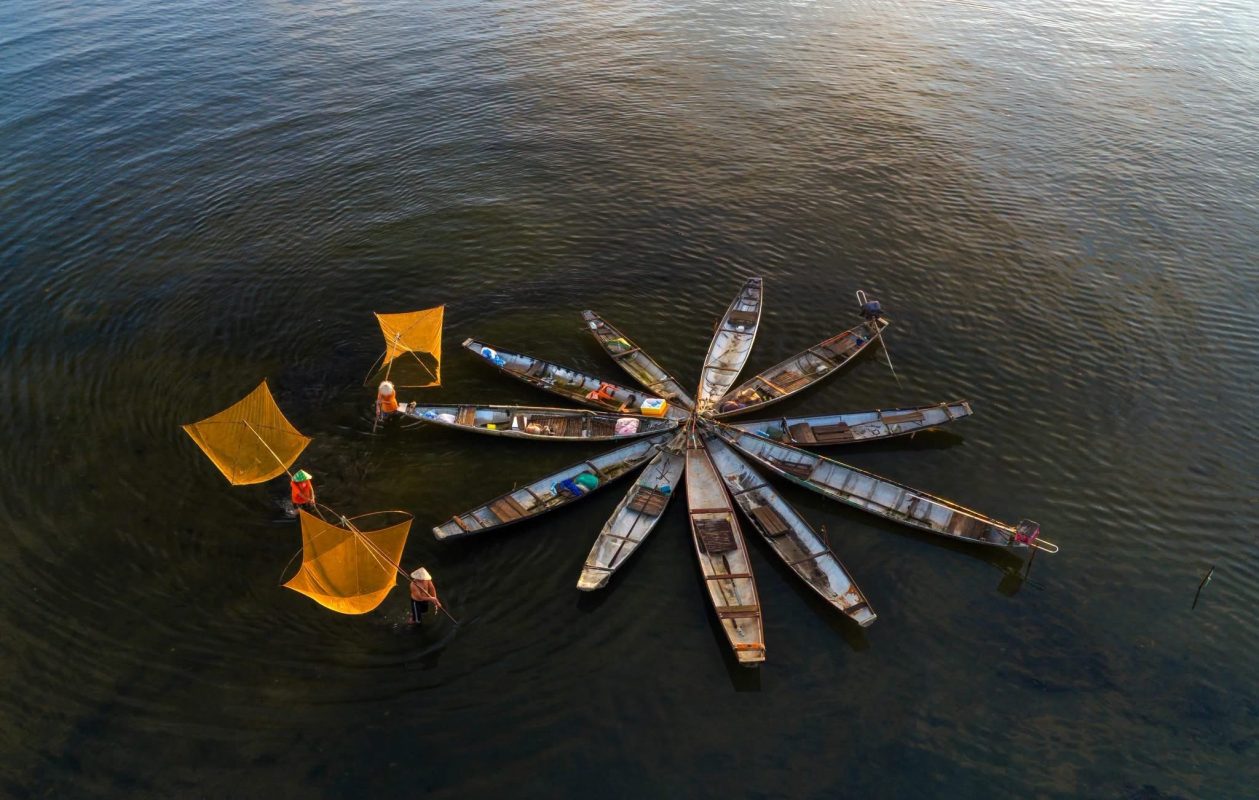
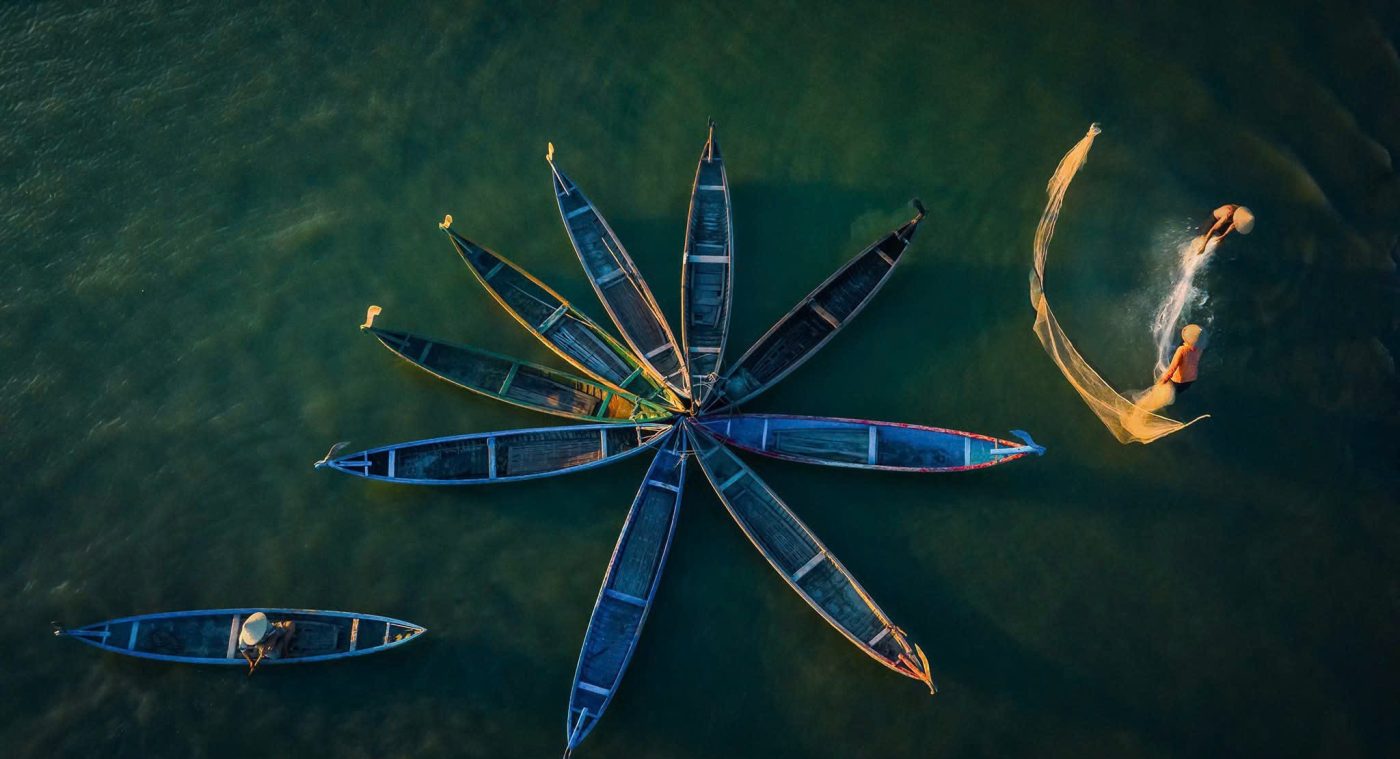
Fishing boats move slowly across the water.
Birds gather around the shoreline.
Small fishing communities work around the lagoon.
And restaurants serve seafood sourced directly from the surrounding waters.
Seafood at O Loan Lagoon
A visit to O Loan should include lunch or an early dinner.
The lagoon is especially known for oysters and blood cockles, while the wider Phu Yen coastline supplies an impressive range of fish, squid, prawns and other seafood.
For a premium private journey, the best experience is not simply choosing the most expensive restaurant.
Instead, combine a scenic lagoon visit with a carefully selected seafood meal where the quality of the ingredients is the focus.
Mang Lang Church
One of the most unexpected sights in northern Phu Yen is Mang Lang Church.
The historic church combines Gothic architectural elements with a distinctly Vietnamese rural setting. Vietnam Tourism describes its two towers, decorative interior and location near the Ky Lo River, while the National Tourism Authority has documented its importance in the history of Christianity in the region.
The surrounding countryside makes the visit especially atmospheric.
Rice fields.
Village roads.
Trees.
Small waterways.
And the church rising quietly above the landscape.
It is a cultural stop that works particularly well when traveling between Tuy Hoa and Ganh Da Dia.
The Story of Alexandre de Rhodes
Mang Lang is also connected with the history of Quoc Ngu, the Vietnamese writing system based on the Latin alphabet.
The church preserves material associated with Alexandre de Rhodes and the early development of romanized Vietnamese writing. Vietnam Tourism specifically highlights the historical importance of the site and its connection with early Vietnamese Catholic history.
For visitors interested in language and Vietnamese history, this makes Mang Lang much more than an architectural photo stop.
Mui Dien and Dai Lanh Cape
At the southern end of Phu Yen, the coastline becomes dramatic.
Mui Dien, also known as Dai Lanh Cape, projects toward the sea beneath steep coastal hills.
The historic lighthouse sits high above the water, creating one of the province’s most recognizable viewpoints.
The surrounding Bãi Môn–Mũi Điện landscape is officially recognized as a national scenic site. Bãi Môn itself has a white sandy shoreline, clear water and relatively gentle waves, while the lighthouse overlooks the surrounding coastline.
Sunrise at Mui Dien
Mui Dien is famous for sunrise.
Travelers arrive before dawn, climb toward the lighthouse and wait as the sky changes from darkness to blue, pink and gold.
The ocean below gradually becomes visible.
Fishing boats appear on the horizon.
And the coastline begins to glow.
Vietnam Tourism and Phu Yen’s tourism authorities both promote Mui Dien as a major sunrise destination.
For photographers, this is one of the strongest experiences in the entire province.
Bai Mon Beach
Below Mui Dien lies Bai Mon, a small crescent of sand enclosed by coastal hills.
Its position beneath the lighthouse makes it easy to combine the two attractions in a single excursion.
The beach is officially described as having fine white sand, clear water and relatively gentle waves.
After the early morning lighthouse visit, walking down toward the beach creates a completely different experience.
The crowds thin out.
The temperature remains pleasant.
And the sea becomes the focus.
Vung Ro Bay
Further south, Vung Ro Bay is another important coastal landscape.
The bay is surrounded by mountains and has a long association with Vietnam’s wartime history, including the maritime supply route known as the Ho Chi Minh Trail at Sea. Provincial tourism authorities identify Vung Ro as both a scenic and historical destination.
The landscape is striking even without the historical context.
Mountains descend toward calm blue water.
Fishing boats shelter inside the bay.
And the coastline feels considerably more rugged than around Tuy Hoa.
Hon Yen
Hon Yen is one of Phu Yen’s more unusual coastal attractions.
The area is famous for its tidal landscape.
At certain low tides, exposed formations create temporary paths and reveal sections of the coastal ecosystem that are normally covered by water.
Provincial tourism authorities specifically identify Hon Yen as a notable destination, while the Ginkgo guide highlights the possibility of exploring the area when tides allow.
The key is timing.
Hon Yen should not be treated like a conventional beach attraction.
The experience depends on tides and sea conditions, so a knowledgeable guide can make a significant difference.
Nghinh Phong Tower
Back in Tuy Hoa, Nghinh Phong Tower provides a modern contrast to Phu Yen’s ancient landscapes.
The structure has become a contemporary symbol of the city and draws inspiration from the province’s distinctive basalt formations.
It is especially attractive around sunset.
The sea breeze becomes stronger.
The light softens.
And the tower creates a striking silhouette against the coast.
A visit works well as an easy final stop after a day of countryside exploration.
Nhan Tower
Tuy Hoa’s historic landscape is also represented by Nhan Tower, an ancient Cham monument positioned on Nhan Mountain.
Vietnam Tourism identifies the tower as a late-11th-century Cham structure and notes its views toward Tuy Hoa, the Da Rang River and the surrounding city.
The tower provides important historical context.
Phu Yen was not simply a remote coastal region. It occupied a landscape shaped by centuries of interaction between Vietnamese and Cham cultures.
The Cham Heritage of Phu Yen
The province’s cultural identity reflects layers of Vietnamese and Cham history.
Nhan Tower remains one of the clearest architectural reminders of this past.
The mixture of coastal geography, river valleys and historic settlements made this region an important part of the cultural landscape of Central Vietnam.
For travelers who enjoy archaeology and architecture, Phu Yen offers an excellent opportunity to include Cham heritage without the crowds sometimes associated with more famous historical destinations.
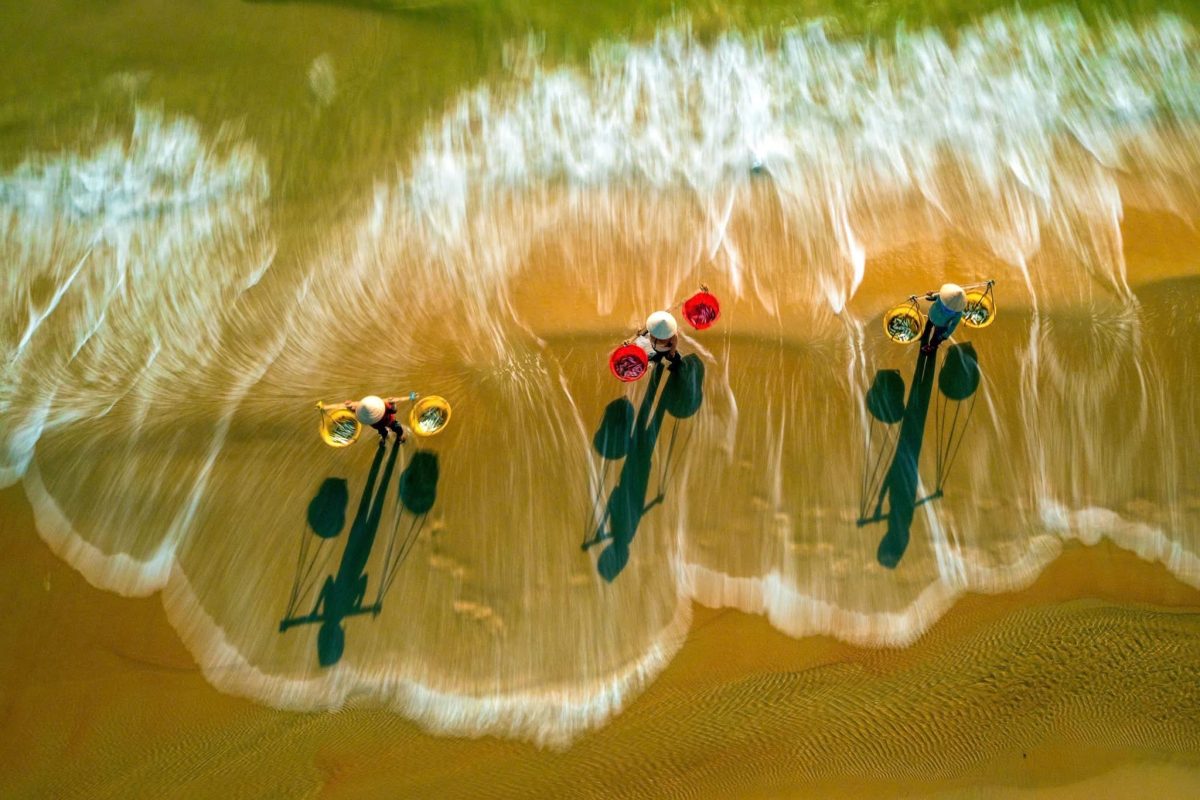
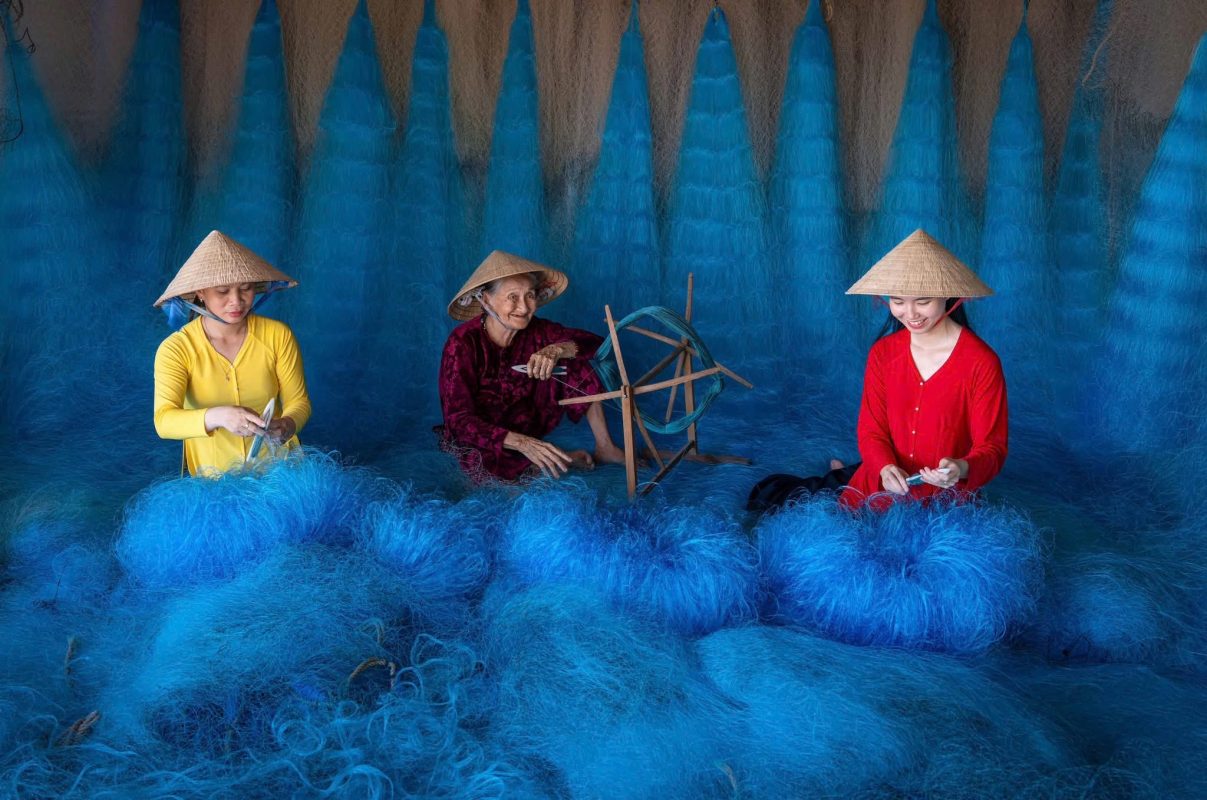
Phu Yen’s Fishing Villages
The coastline becomes most interesting at dawn.
Fishing boats return from the sea.
Baskets of fish and squid are carried onto the beach.
Nets are sorted and repaired.
Restaurants and seafood traders begin preparing for the day.
These moments provide a much more authentic understanding of Phu Yen than simply visiting a viewpoint.
A private guide can help travelers observe without interfering with people’s work.
The Coastal Roads
Phu Yen is a road-trip destination.
The coastline repeatedly changes character.
One section runs beside rice fields.
Another climbs above the ocean.
Another passes through fishing villages.
Then a rocky headland appears.
This makes private transportation particularly valuable.
Instead of simply traveling from attraction A to attraction B, you can stop whenever the landscape deserves a closer look.
Xuan Dai Bay
Xuan Dai Bay is another important part of Phu Yen’s coastline.
The provincial tourism authority describes it as a large bay with a diverse combination of marine and forest ecosystems and a long history connected with the region.
The bay is ideal for travelers who prefer calm water, coastal scenery and a slower pace.
It can also be incorporated into a wider route toward northern Phu Yen.
Lao Mai Nha Islet
For travelers looking for a more isolated experience, Lao Mai Nha Islet offers a small-island escape.
Vietnam Tourism describes the islet as lying near O Loan Lagoon and highlights its undeveloped natural setting, beaches and opportunities for camping and water activities.
Because access depends on sea conditions, it is better treated as an optional experience rather than a fixed itinerary item.
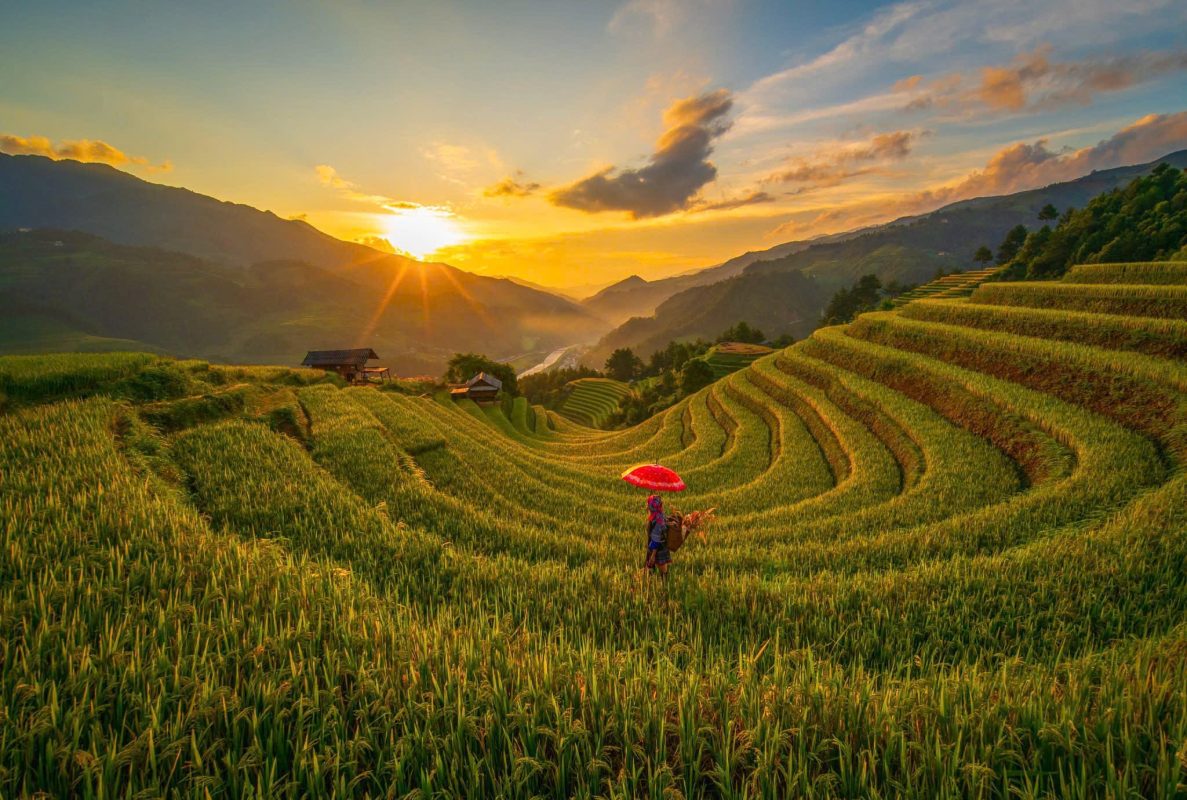
Phu Yen’s Rural Landscapes
The coast is only one side of the province.
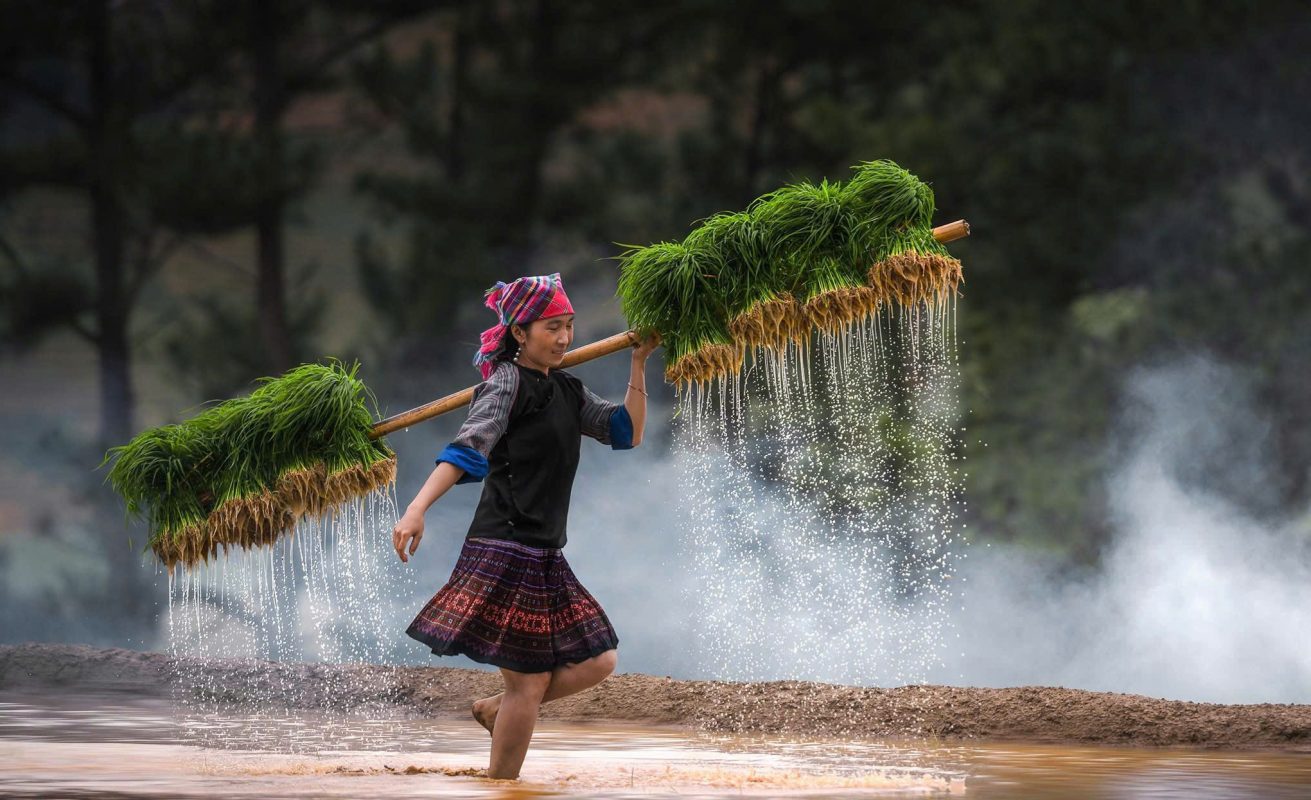
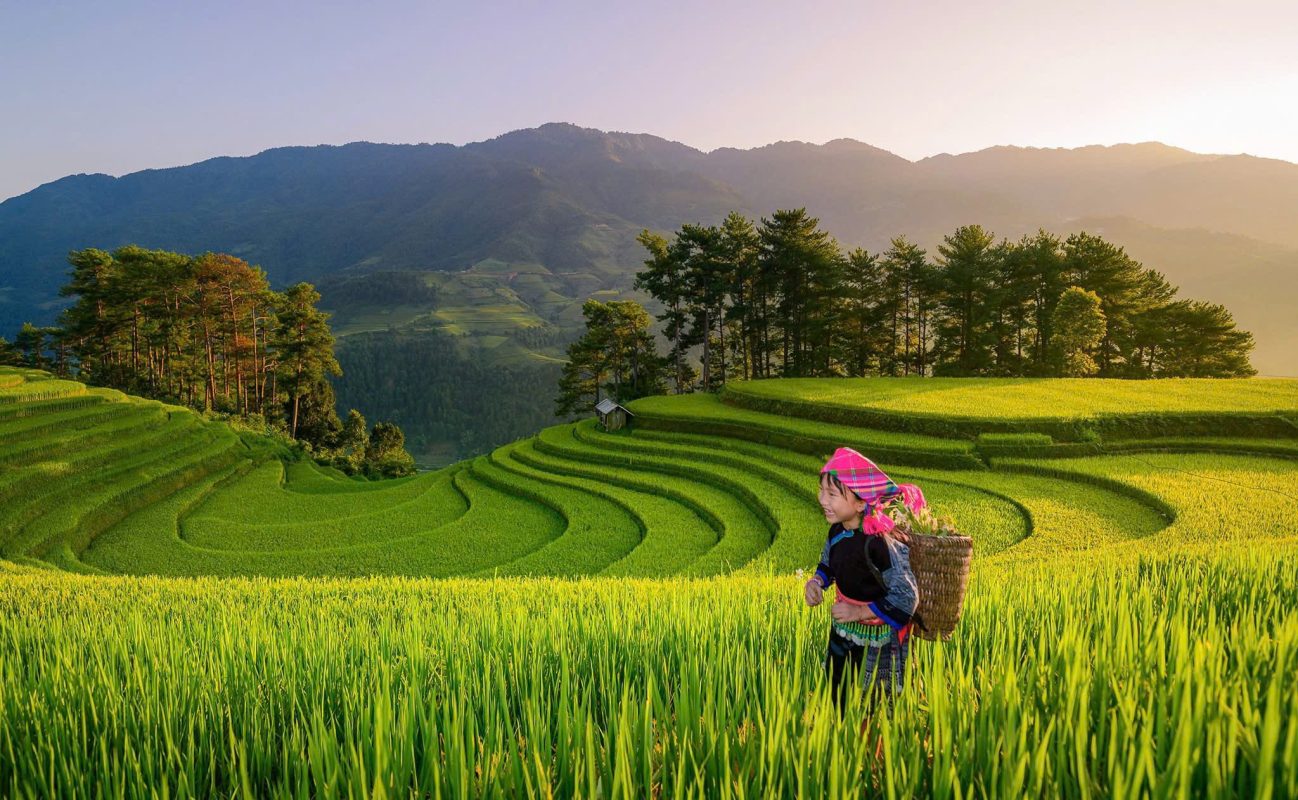
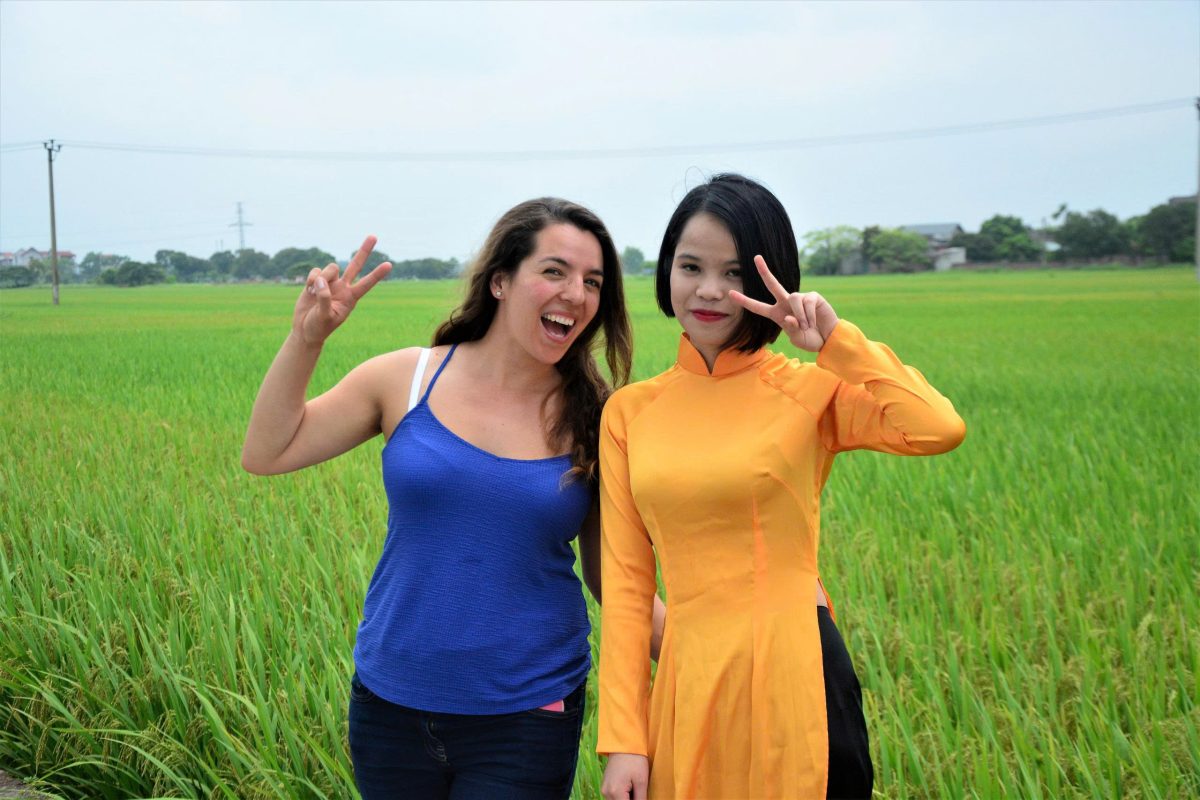
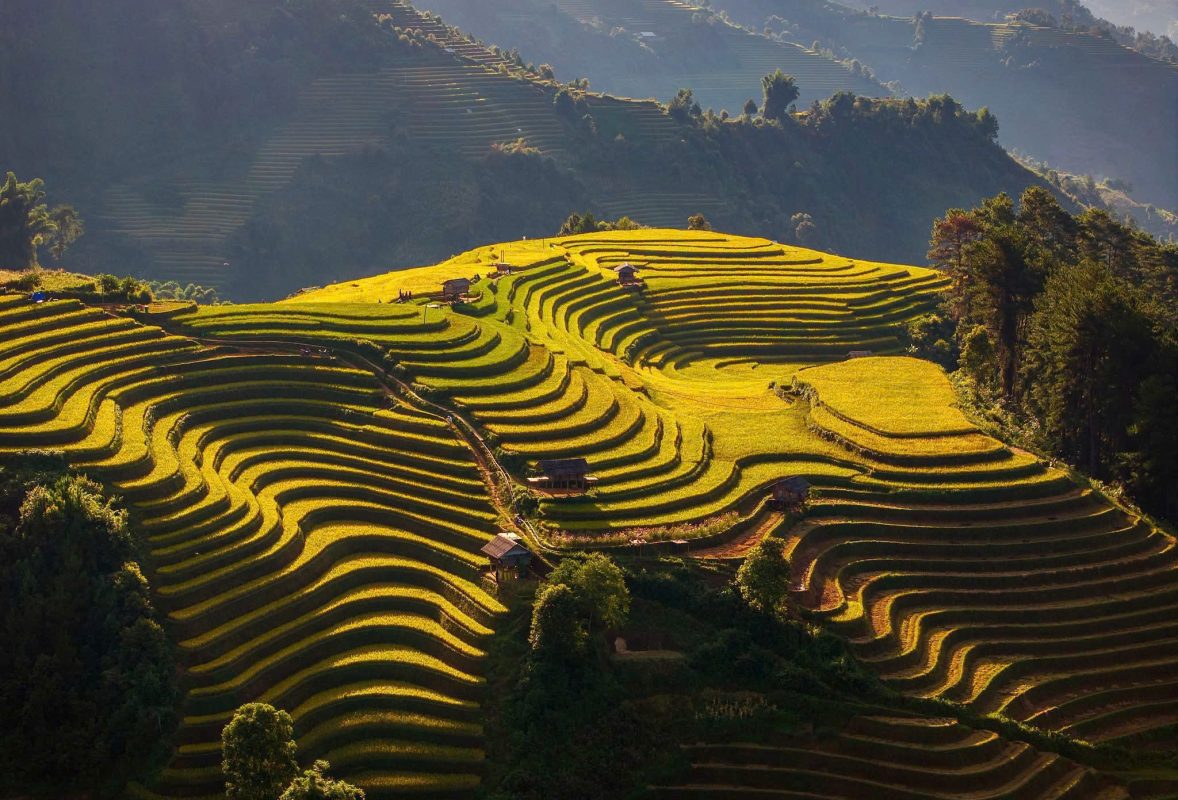
Inland, rice fields, low mountains, rivers and agricultural communities create a softer landscape.
The countryside is particularly beautiful during the growing season when fields turn bright green.
Driving through these areas provides a welcome contrast to the dramatic coastline.
It also creates opportunities for photography and spontaneous village stops.
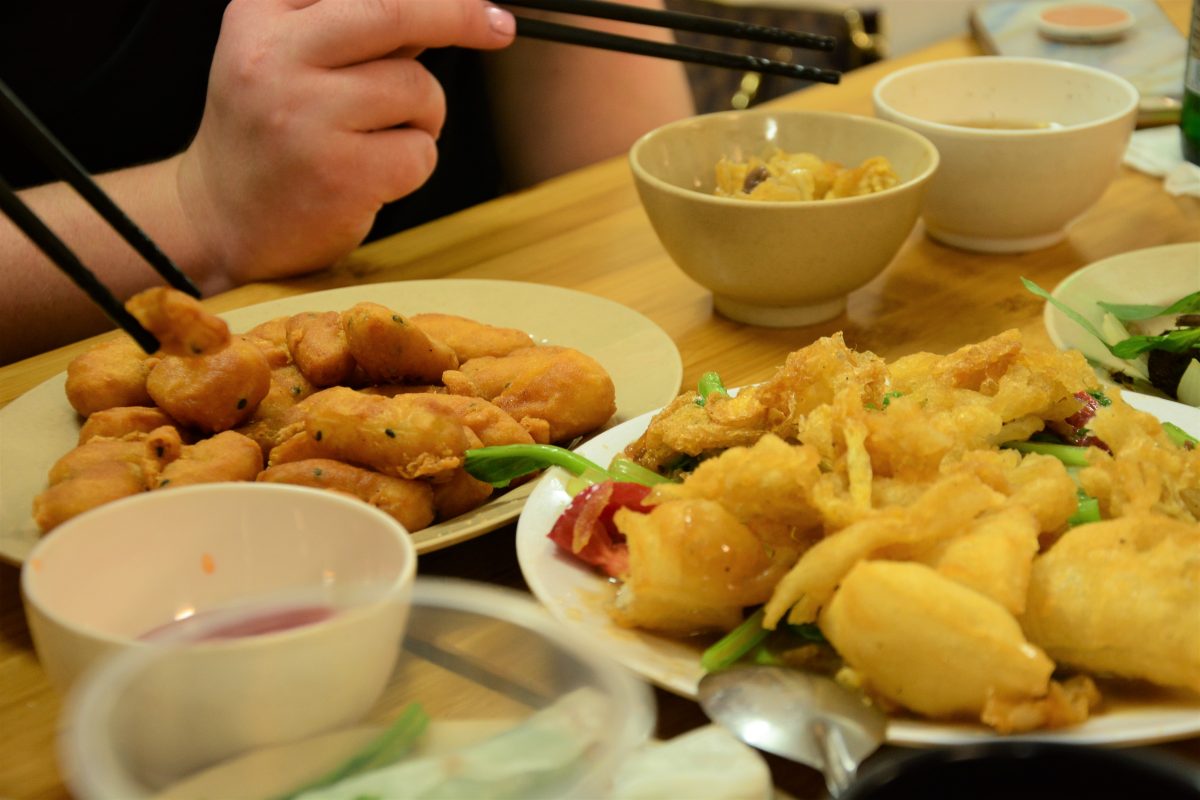
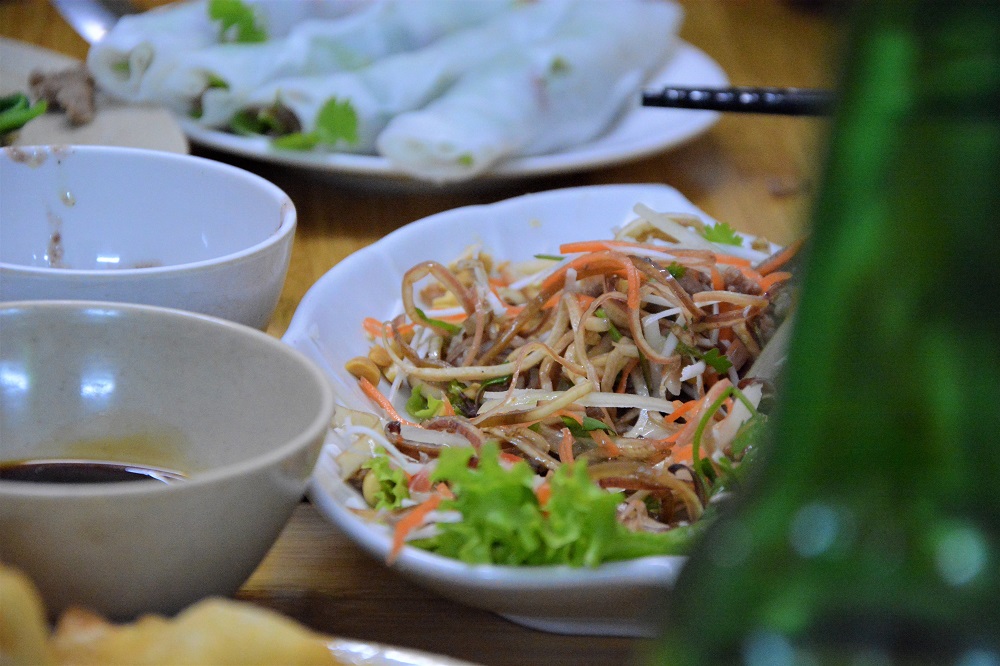
Phu Yen Cuisine
Food is one of the strongest reasons to spend more than one night in the province.
The cuisine reflects the sea, the surrounding agricultural land and Central Vietnamese culinary traditions.
Seafood dominates many meals, but several regional dishes deserve special attention.
Tuna Eyes
One of Phu Yen’s most distinctive dishes is ocean tuna eyes.
The eyes are slow-cooked with herbs and spices until rich and tender.
It is an unusual dish for many international travelers, but it has a strong connection with the province’s tuna-fishing culture.
Adventurous food travelers should try it at least once.
Phu Yen Chicken Rice
Com Ga Phu Yen is another regional specialty.
The rice is cooked with chicken stock and often colored with turmeric, then served with chicken, pickled vegetables and a strong ginger-based dipping sauce.
It is simple, aromatic and filling.
Unlike the seafood dishes, it also demonstrates the province’s inland culinary traditions.
One-Sun-Dried Beef
Bo Mot Nang is beef marinated and dried under the sun for a short period before being grilled.
It is commonly served with a distinctive yellow-ant salt associated with the region.
The combination of grilled beef and sour, salty seasoning creates a very different flavor profile from the seafood dishes found along the coast.
O Loan Oysters and Shellfish
O Loan Lagoon is particularly famous for its seafood.
Oysters and blood cockles are among the specialties highlighted by provincial tourism authorities.
The best way to experience them is close to the lagoon, where the connection between landscape, fishing and food is immediately apparent.
The Best Time to Visit Phu Yen
Phu Yen has a tropical monsoon climate.
The Ginkgo guide identifies January through August as the broader dry and sunny period, with September through December generally wetter and more vulnerable to storms.
For beach trips, coastal drives and photography, the drier months are generally the safest choice.
March through June can be especially attractive for clear skies and vivid sea colors, although weather conditions can vary from year to year.
Phu Yen in the Dry Season
January through August generally provides the most favorable conditions for exploring the coastline.
This is the period to prioritize:
- Ganh Da Dia
- Bai Xep
- Hon Yen
- Mui Dien
- Bai Mon
- Vung Ro
- Fishing villages
- Boat trips
The strongest sun arrives during the middle of the day, so early starts are highly recommended.
Phu Yen in the Rainy Season
September through December brings greater weather uncertainty.
Rain and rough seas can affect beaches and boat excursions.
However, the countryside becomes greener and the skies can produce dramatic photography.
For travelers visiting during this period, a flexible private itinerary is preferable.
How Long Should You Stay in Phu Yen?
Two nights is possible, but three nights is much better.
The Ginkgo guide recommends around three days to appreciate the region without rushing, allowing travelers to divide their time between the northern coast, southern coastline and Tuy Hoa.
For premium private travel, three to four nights gives the best balance.
You can dedicate one day to northern Phu Yen.
One day to Mui Dien and Vung Ro.
And another to Tuy Hoa, food, countryside and relaxation.
Where to Stay in Phu Yen
Tuy Hoa is the most practical base.
It provides easy access to restaurants, the beach, airport and major roads.
For travelers seeking a more resort-oriented experience, the coastline outside the city provides quieter accommodation options.
The most important consideration is not simply the hotel itself but its position relative to the experiences you want to prioritize.
Phu Yen for Couples
Phu Yen is an excellent destination for couples who want privacy rather than nightlife.
Watch the sunrise at Mui Dien.
Walk along Bai Mon.
Have seafood at O Loan Lagoon.
Watch the sunset beside the coast.
Stay in a quiet beachfront property.
And spend an afternoon simply doing nothing.
The landscape naturally encourages a slower pace.
Phu Yen for Families
Families benefit from the province’s spacious beaches and relatively relaxed atmosphere.
Children can explore rock formations, beaches and fishing villages while parents enjoy the scenery and food.
A private car is particularly useful because several major attractions are spread across the province.
The itinerary can also be adjusted around children’s energy levels and weather.
Phu Yen for Photographers
Phu Yen is one of Central Vietnam’s strongest destinations for landscape photography.
Basalt columns.
Fishing boats.
Rice fields.
Lagoons.
Lighthouses.
Cham towers.
Green hills.
Golden beaches.
And dramatic sunrise skies.
Ganh Da Dia is the obvious choice, but the most memorable images may come from ordinary moments in fishing villages.
Phu Yen for Slow Travel
Phu Yen is perhaps at its best when you stop trying to see everything.
Spend a morning at the lagoon.
Take a long lunch.
Drive slowly along the coast.
Stop in a village.
Watch fishermen work.
Sit beside the sea.
This is not a destination that needs an aggressive sightseeing schedule.
Responsible Travel in Phu Yen
Phu Yen’s greatest asset is the relative openness of its landscapes.
That makes responsible travel especially important.
Take your rubbish with you when visiting beaches.
Avoid damaging coral or tidal ecosystems.
Do not remove rocks, shells or marine life.
Ask permission before photographing people at fishing villages.
Keep noise low around religious and cultural sites.
And support small restaurants, farms, guides and communities where possible.
The provincial tourism authority emphasizes Phu Yen’s natural landscapes, traditional fishing culture and cultural heritage as core tourism resources.
Protecting those resources is essential if the destination is to retain its character.
A Sample 4-Day Private Phu Yen Journey
Day 1 — Hanoi to Tuy Hoa & Coastal Introduction
Begin your premium private journey in Hanoi with a convenient flight to Tuy Hoa, followed by private airport transfer to your hotel. Enjoy lunch after arrival before exploring Tuy Hoa’s coastline, Nhan Tower and the modern Nghinh Phong Tower. Spend the late afternoon walking along the beach and watching the city transition into evening. Enjoy a refined seafood dinner before a relaxed night at your hotel.
Day 2 — Mang Lang, O Loan Lagoon & Ganh Da Dia
After breakfast, travel north through the countryside toward Mang Lang Church, where Vietnamese and European architectural influences meet in a peaceful rural setting. Continue to O Loan Lagoon for a seafood lunch featuring oysters, shellfish and other fresh regional specialties. In the afternoon, explore Ganh Da Dia and the nearby coastal landscape, followed by a visit to Ganh Den Lighthouse if conditions and timing allow. Return to Tuy Hoa for dinner and a quiet evening.
Day 3 — Mui Dien, Bai Mon & Vung Ro
Start before sunrise with breakfast prepared for an early departure toward Mui Dien. Climb toward the lighthouse and watch the first light appear over the South China Sea before descending toward Bai Mon Beach for a peaceful walk along the sand. Continue toward Vung Ro Bay, exploring its dramatic coastline and historical landscape before enjoying a seafood lunch beside the water. Return to Tuy Hoa in the afternoon and spend the evening at leisure, followed by dinner at a carefully selected restaurant.
Day 4 — Fishing Villages, Countryside & Departure
After breakfast, explore the coastal villages around Tuy Hoa and experience the morning rhythm of fishing communities, depending on the day’s activity and weather. Continue through the countryside, with opportunities for photography, coffee and a final seaside stop before lunch. Return to your hotel to collect your luggage and transfer privately to Tuy Hoa Airport for your onward flight. Breakfast, Lunch & Dinner are included throughout the private journey.
A Five-Day Phu Yen Experience
Five days allows Phu Yen to be experienced without rushing.
Day one can focus on Tuy Hoa.
Day two can explore Ganh Da Dia and O Loan.
Day three can be dedicated to Mui Dien and Vung Ro.
Day four can explore Hon Yen, fishing villages and the countryside.
Day five can simply be about the beach, seafood and relaxation.
For a premium journey, that slower rhythm is often preferable to adding another destination every day.
Phu Yen and Quy Nhon
Phu Yen and Quy Nhon make an excellent coastal combination.
Quy Nhon provides a more developed city environment, while Phu Yen offers quieter landscapes and a stronger sense of open countryside.
The two destinations are close enough to connect by private road, creating a natural South Central Coast journey.
A route beginning in Hanoi and continuing through Quy Nhon and Phu Yen can combine beaches, Cham heritage, seafood and scenic coastal roads.
Phu Yen and Nha Trang
Traveling south, Phu Yen can also be combined with Nha Trang.
The contrast is immediate.
Nha Trang is larger, busier and more developed as an international resort destination.
Phu Yen is quieter and more focused on landscape, villages and coastal exploration.
For travelers who want both resort comfort and a more authentic coastal experience, the combination works particularly well.
The Luxury of an Empty Coast
The luxury of Phu Yen is not necessarily a five-star lobby.
It can be standing above the sea at Mui Dien before sunrise with almost no one around.
It can be eating oysters beside O Loan Lagoon.
It can be walking across Ganh Da Dia while the afternoon light catches the basalt.
It can be driving along a coastal road with green hills on one side and blue water on the other.
And it can be returning to a beautiful hotel after a day spent almost entirely outdoors.
That kind of space is becoming increasingly valuable.
Why Choose Vietnam Women Travel for Phu Yen?
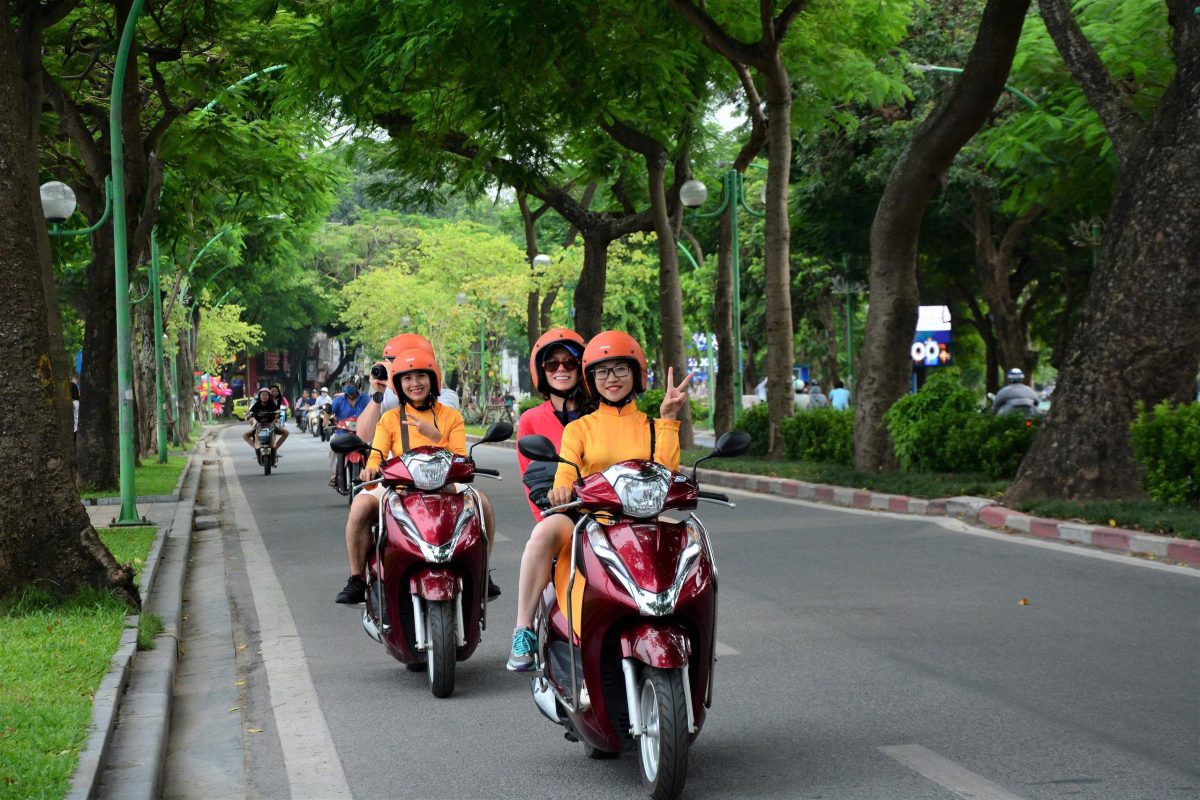
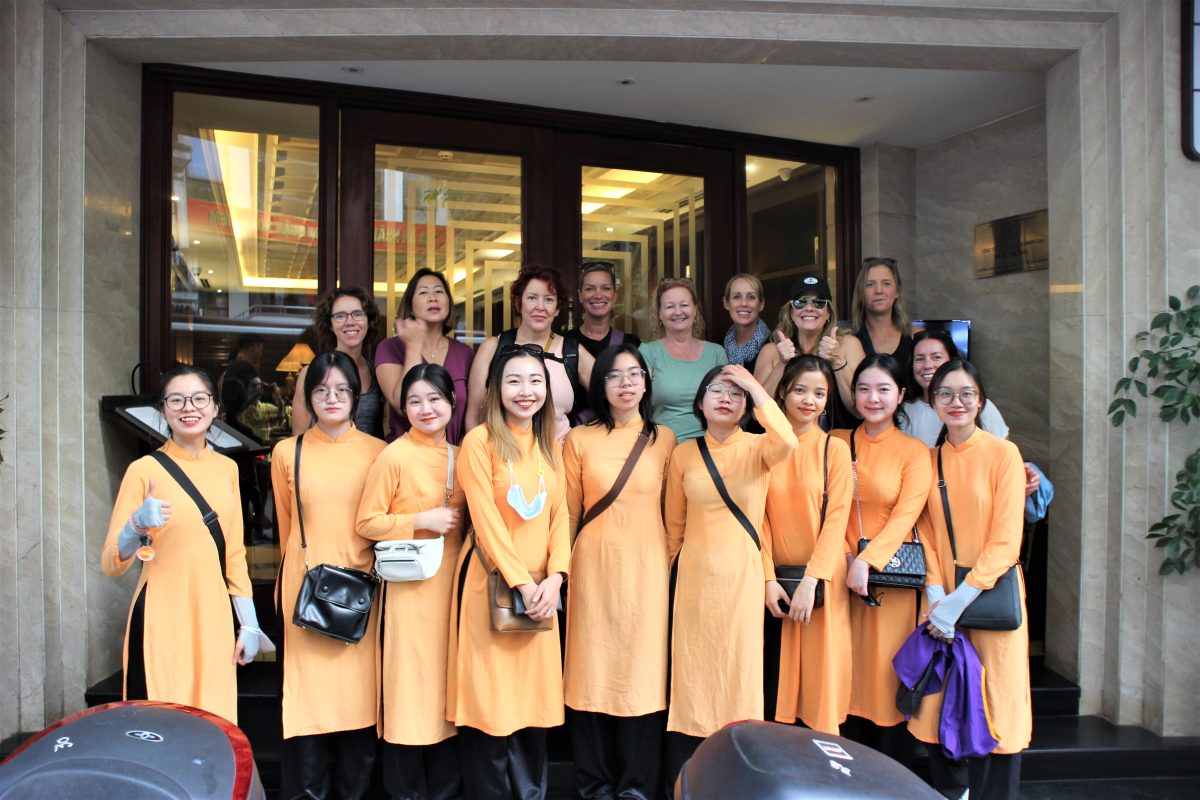
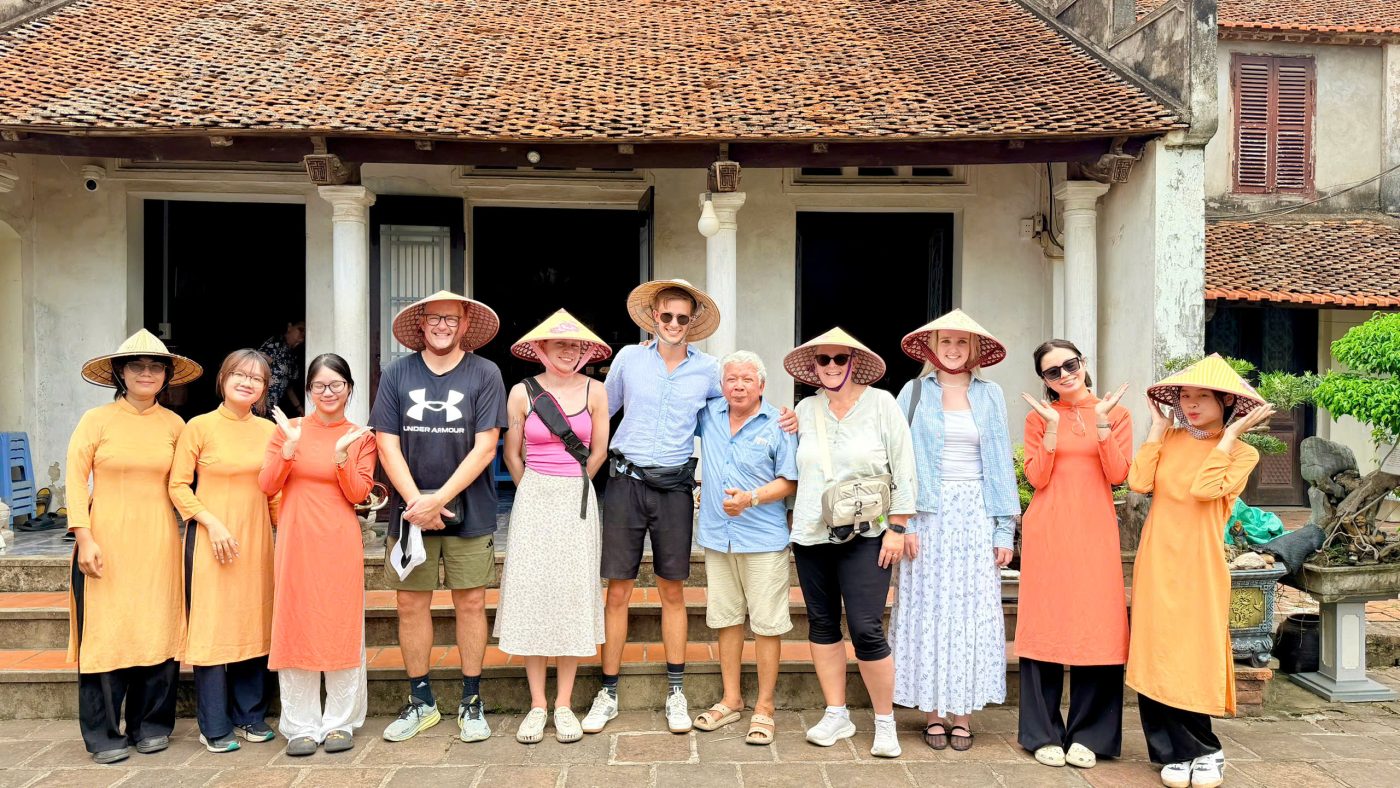
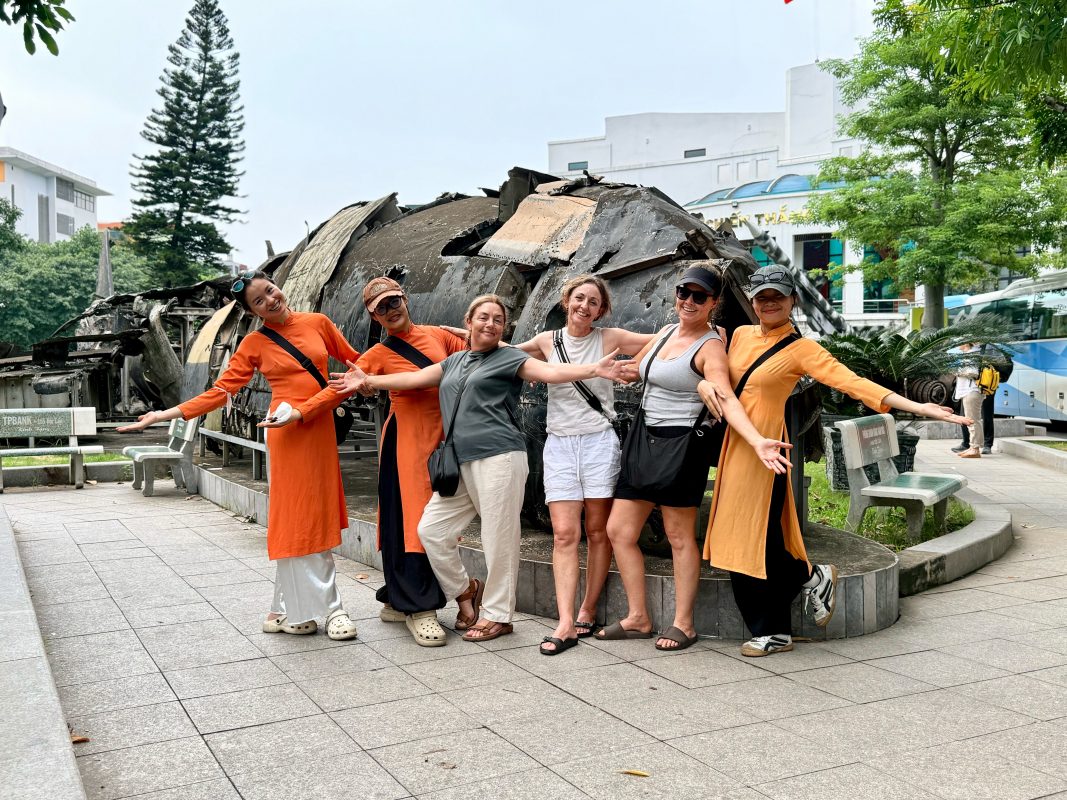
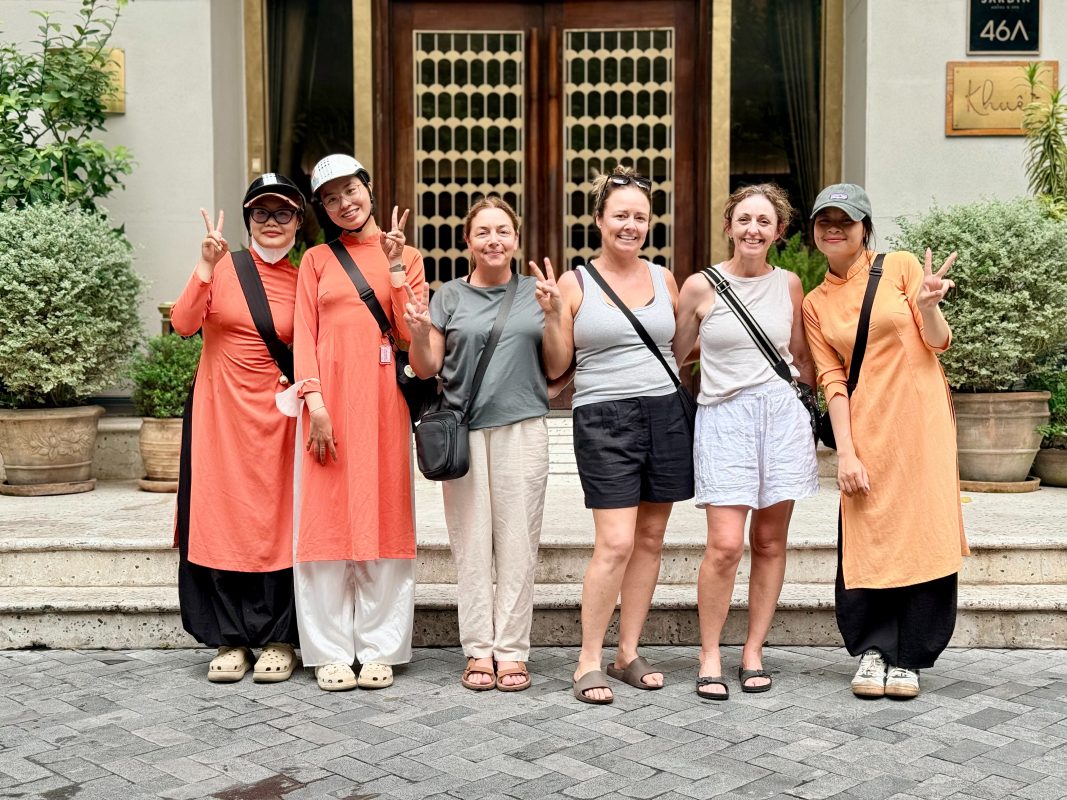
Vietnam Women Travel – Premium Private Tours Led by Women creates private journeys that allow travelers to experience Phu Yen beyond a list of famous viewpoints.
A private itinerary can connect the geology of Ganh Da Dia with the fishing culture of O Loan, the history of Mang Lang Church, the Cham heritage of Nhan Tower and the dramatic coastline around Mui Dien and Vung Ro.
The day can remain flexible.
Spend longer at a beach if the weather is perfect.
Stay for sunrise.
Stop for photography.
Take a longer seafood lunch.
Or simply change the route because a quiet coastal road looks too beautiful to pass.
The Women-Led Difference
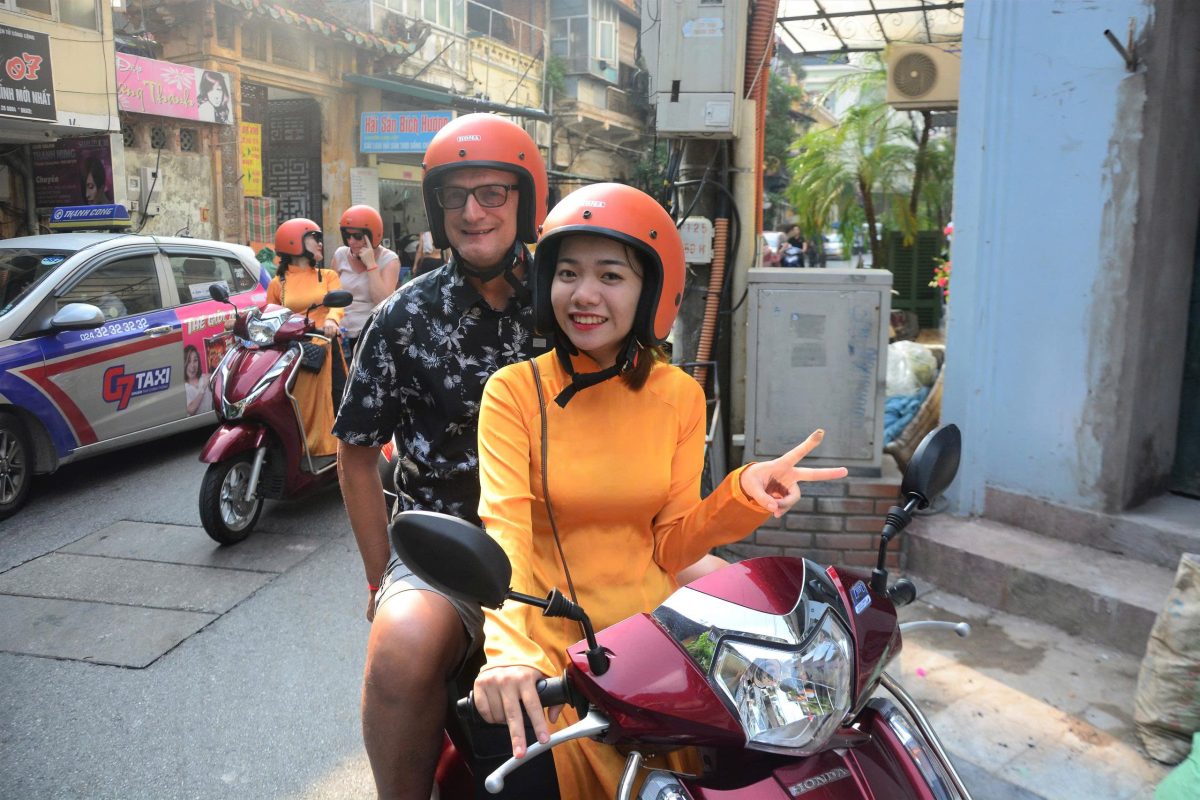
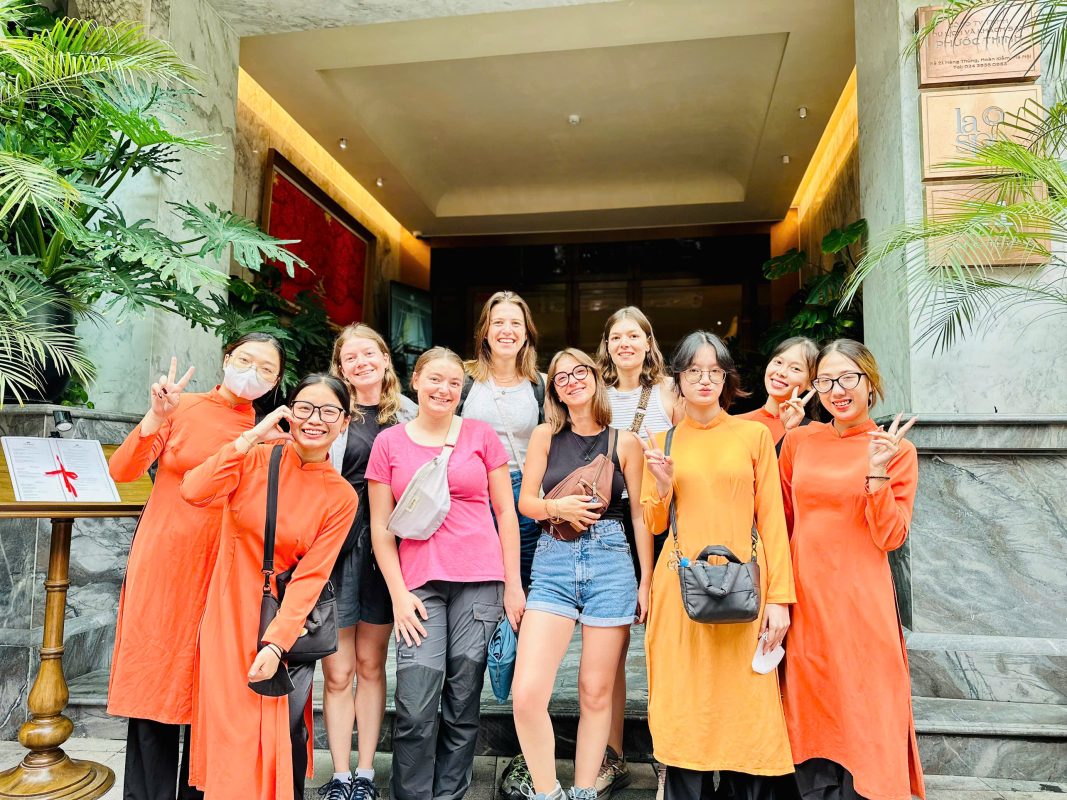
With Vietnam Women Travel – Premium Private Tours Led by Women, the emphasis is on private travel with thoughtful guiding rather than standardized group sightseeing.
Women-led guides bring a personal perspective to the journey while private transportation allows the itinerary to move at your preferred pace.
The goal is not simply to photograph Phu Yen.
It is to understand it.
Understand why the fishing villages developed where they did.
Understand how volcanic activity created Ganh Da Dia.
Understand the Cham history behind Nhan Tower.
Understand the importance of O Loan Lagoon.
And understand why the coastline remains one of Central Vietnam’s most distinctive landscapes.
Discover the Phu Yen Beyond the Postcard
The photographs of Ganh Da Dia are spectacular.
The sunrise at Mui Dien is unforgettable.
Bai Mon is beautiful.
But Phu Yen becomes truly memorable when you move beyond the famous attractions.
Watch a fishing boat come ashore.
Eat breakfast in Tuy Hoa.
Drive through rice fields.
Stop beside an unnamed beach.
Talk with a guide about the history of the coast.
Taste fresh seafood beside the lagoon.
Watch the light change over the hills.
These are the moments that turn a destination into a journey.
Plan Your Phu Yen Journey
Phu Yen is for travelers who want to see a quieter side of Vietnam.
Come for the extraordinary basalt formations.
Stay for the beaches.
Explore the lagoons.
Wake early for Mui Dien.
Discover the fishing villages.
Taste the tuna, oysters and regional specialties.
Walk through the history of Champa and early Vietnamese Christianity.
And allow the coastline to set the pace.
Phu Yen does not need to compete with Da Nang, Nha Trang or Quy Nhon.
Its strength is that it remains different.
It is a place where geological wonders, coastal communities, history and open landscapes still exist remarkably close together. Vietnam Tourism and Phu Yen’s provincial tourism authority both emphasize this combination of natural scenery, cultural heritage, fishing traditions and distinctive cuisine as the foundation of the province’s tourism identity.
For travelers seeking a premium private journey, Vietnam Women Travel – Premium Private Tours Led by Women can make Phu Yen a beautiful chapter in a wider Vietnam itinerary beginning in Hanoi, combining private transportation, luxury accommodation, women-led experiences, coastal landscapes, cultural discovery and some of the freshest seafood on Vietnam’s Central Coast.
Vietnam Women Travel – Premium Private Tours Led by Women
Private journeys. Women guides. Authentic Vietnam.