Hue Travel Guide: Imperial Heritage, Royal Tombs, Local Cuisine & the Soul of Central Vietnam
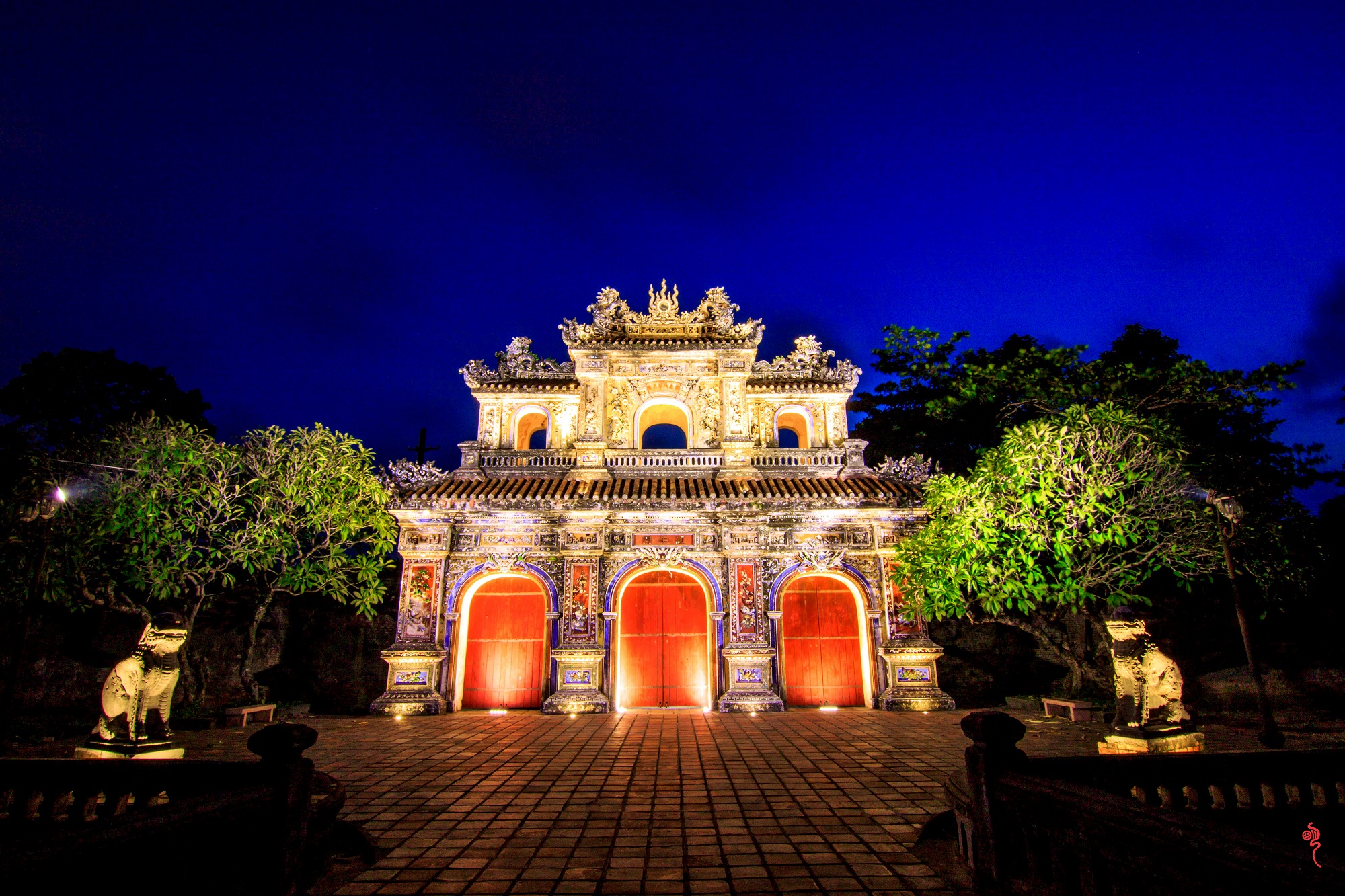
Hue is one of Vietnam’s most atmospheric destinations.
Once the imperial capital of the Nguyen Dynasty, Hue is a city of royal palaces, ancient temples, elaborate tombs, garden houses and quiet waterways. The Perfume River flows through the heart of the city, connecting its historic monuments with peaceful neighborhoods and countryside.
Unlike Hanoi or Ho Chi Minh City, Hue does not need to be rushed.
Its beauty is in the details: the architecture of an imperial gate, incense drifting through an old pagoda, lotus ponds inside a royal tomb, traditional music beside the river, a bowl of Bun Bo Hue in a small local restaurant, or a conversation with a local woman who can explain the stories behind the places you are visiting.
At Vietnam Women Travel – Premium Private Tours Led by Women, we design private journeys that allow you to experience Hue at a comfortable pace, combining its imperial heritage with food, culture, local life and the surrounding countryside.
Hue at a Glance
| Travel Information | Details |
|---|---|
| Destination | Hue, Central Vietnam |
| Famous for | Imperial heritage, royal tombs, temples and cuisine |
| Airport | Phu Bai International Airport |
| Main river | Perfume River |
| UNESCO heritage | Complex of Hue Monuments |
| Recommended stay | 2–3 days |
| Longer stay | 4–5 days |
| Nearby destinations | Da Nang, Hoi An, Phong Nha |
| Best travel style | Culture, history, food and private exploration |
Hue’s Complex of Hue Monuments is recognized as a UNESCO World Heritage property, reflecting the city’s importance as the political, cultural and religious center of Vietnam under the Nguyen emperors.
Why Visit Hue?
Hue offers a different experience from the rest of Vietnam.
The city is quieter, more reflective and deeply connected to the country’s royal history. The former imperial capital was home to the Nguyen Dynasty for more than a century, and traces of that period remain throughout the city.
You can spend a morning walking through the Imperial City, an afternoon visiting royal tombs, and an evening enjoying traditional cuisine beside the Perfume River.
Hue is particularly rewarding for travelers interested in:
- Vietnamese history
- Royal architecture
- UNESCO heritage
- Traditional culture
- Vietnamese cuisine
- Photography
- Temples and pagodas
- Local markets
- Countryside experiences
- Private cultural journeys
The Imperial City of Hue
The Imperial City is the historical heart of Hue.
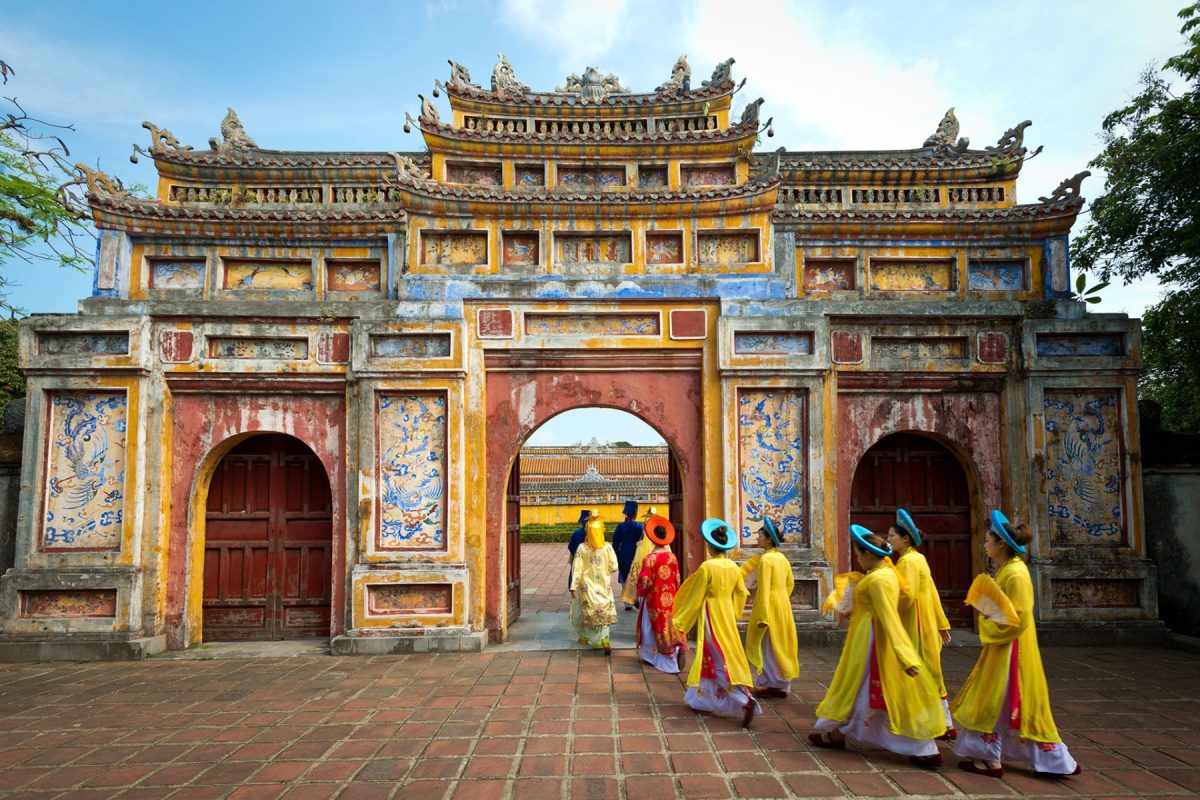
Surrounded by walls and a moat, the enormous complex once served as the political and ceremonial center of the Nguyen Dynasty.
Enter through Ngo Mon Gate and you begin moving through courtyards, palaces, temples and gardens that were designed around the rituals of the imperial court.
The architecture tells stories about hierarchy, power, religion and Vietnamese traditions.
Allow enough time to explore rather than simply arriving for photographs. A knowledgeable local guide can explain details that are easy to miss when visiting independently.
For a private tour, the pace can be adjusted around your interests, including additional time for photography, architecture or historical interpretation.
Hue’s Royal Tombs
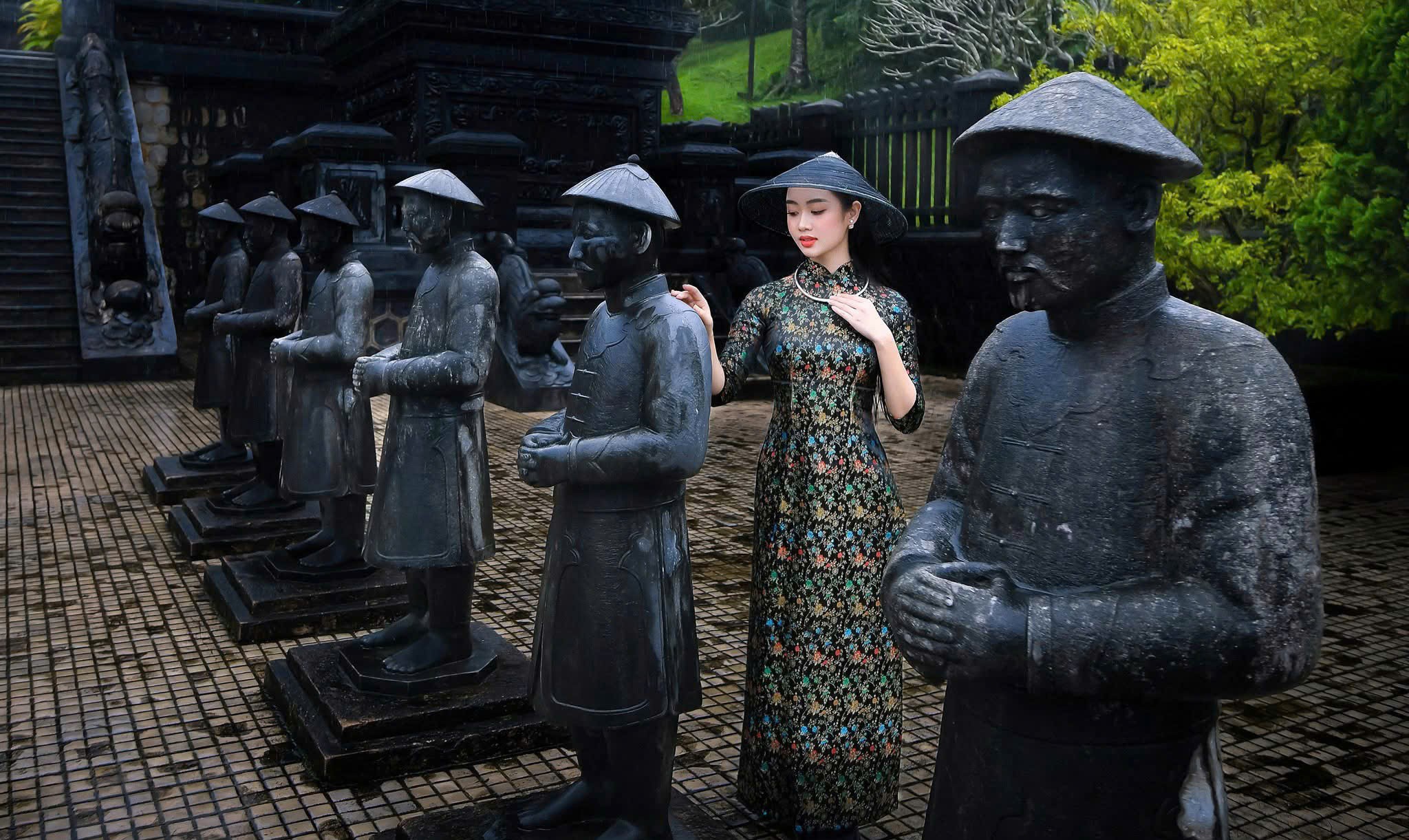
The royal tombs outside the city are among Hue’s most remarkable attractions.
They are not simply burial sites. Each complex was designed as a landscape reflecting the personality, philosophy and preferences of the emperor associated with it.
Tu Duc Tomb
The tomb of Emperor Tu Duc is surrounded by gardens, trees and water.
It has a peaceful atmosphere and feels almost like a private retreat rather than a conventional royal monument.
The complex reflects Tu Duc’s appreciation for poetry, nature and contemplation.
Minh Mang Tomb
Minh Mang’s tomb is known for its symmetry and carefully planned architecture.
The complex combines gates, courtyards, lakes, gardens and ceremonial buildings into an impressive composition.
It is an excellent place to appreciate the relationship between Vietnamese imperial architecture and traditional landscape design.
Khai Dinh Tomb
Khai Dinh’s tomb is visually very different.
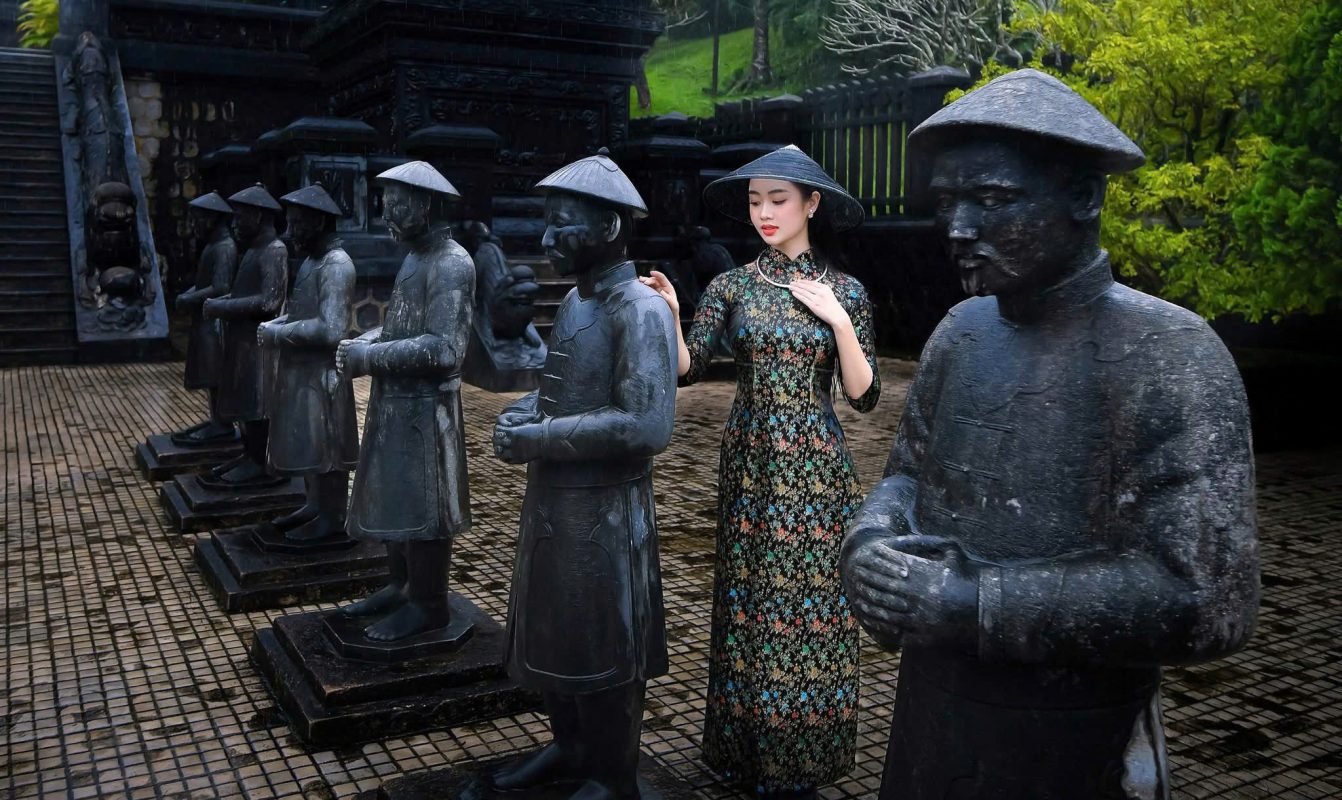
Dark stone architecture, elaborate decoration and colorful mosaic interiors reveal a stronger mixture of Vietnamese and European influences.
For photographers, it is one of the most distinctive royal sites in Hue.
Cruise Along the Perfume River
The Perfume River is central to Hue’s identity.
A boat ride offers a slower perspective of the city, with views of historic landmarks, pagodas, gardens and riverside communities.
For a particularly memorable experience, consider arranging a private river journey around sunset.
The changing light creates beautiful reflections across the water and provides a peaceful transition from sightseeing to an evening in Hue.
Visit Thien Mu Pagoda
Thien Mu Pagoda is one of Hue’s most recognizable landmarks.
The seven-story pagoda stands on a hill overlooking the Perfume River and has become one of the city’s enduring symbols.
Beyond the architecture, the site offers an opportunity to experience the spiritual side of Hue.
Dress respectfully and keep noise to a minimum when visiting religious sites.
Discover Hue’s Garden Houses
Hue’s traditional garden houses are another side of the city that many first-time visitors overlook.
These historic homes combine architecture, gardens, ponds, trees and carefully planned spaces influenced by traditional principles of harmony and feng shui.
Places such as An Hien Garden House offer a glimpse into the refined lifestyle associated with Hue’s historic elite.
Visiting a garden house with a local guide can make the experience much more meaningful because the architecture and landscape often have stories that are not immediately visible.
Explore Dong Ba Market
If you want to see everyday Hue rather than only its imperial monuments, visit Dong Ba Market.
The market is filled with fresh ingredients, regional specialties, clothing, household goods and local snacks.
It is also an excellent place to discover the ingredients and flavors that make Hue cuisine distinctive.
A private food-focused experience can take you beyond simply walking through the market and introduce you to the dishes locals actually enjoy.
What to Eat in Hue
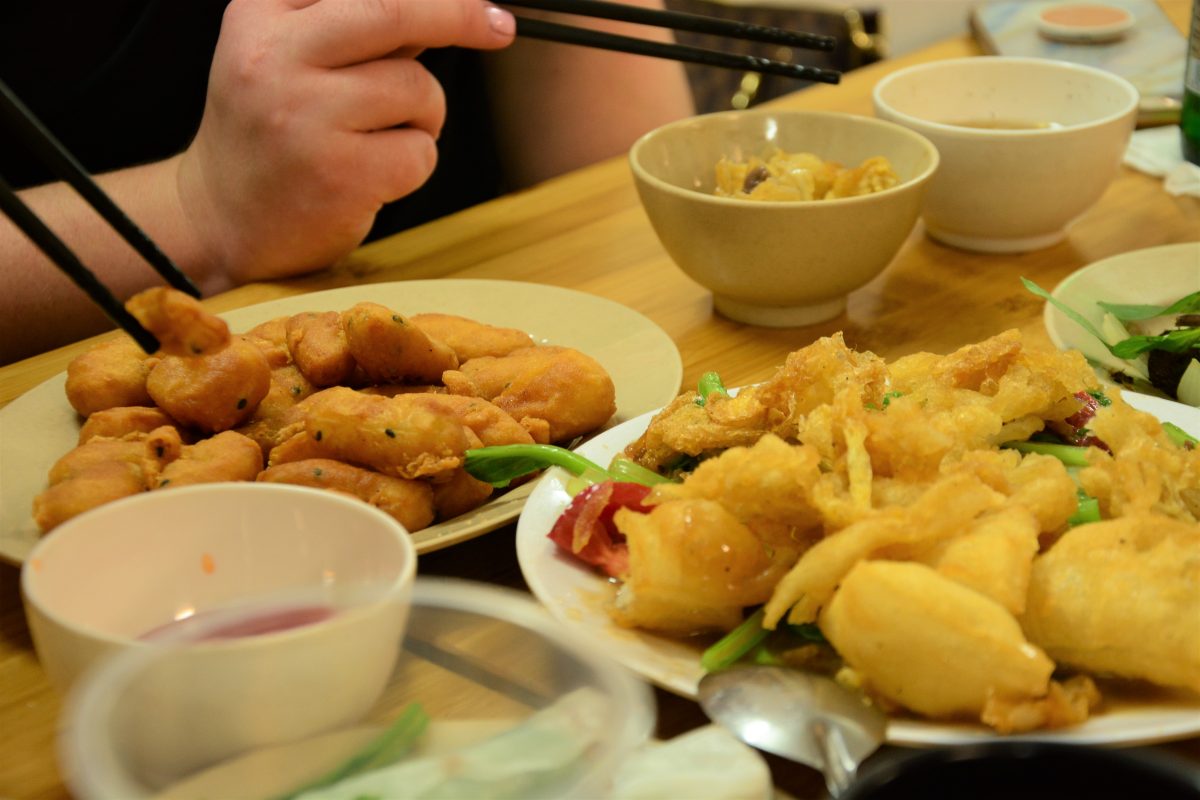
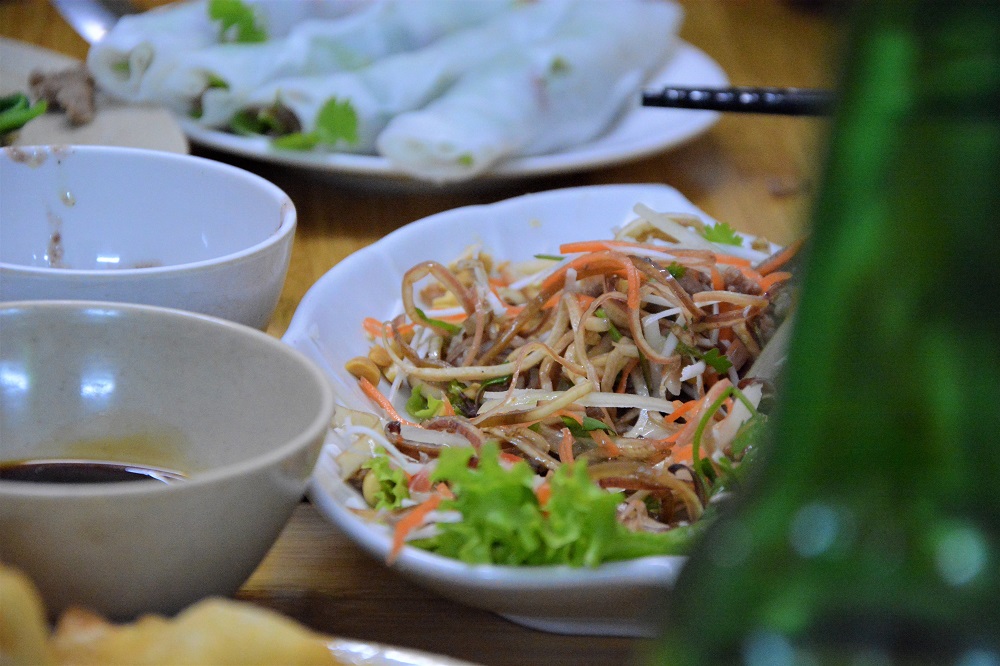
Hue is one of Vietnam’s great culinary destinations.
Its food reflects both royal traditions and the everyday cooking of Central Vietnam.
Bun Bo Hue
The dish most closely associated with the city is Bun Bo Hue.
The rich, aromatic broth is typically served with rice noodles, beef and herbs, with a distinctive spicy and savory character.
Do not leave Hue without trying a bowl from a local restaurant.
Banh Beo
These small steamed rice cakes are topped with ingredients such as shrimp and scallions and served with a savory sauce.
They are delicate, inexpensive and distinctly Hue.
Banh Khoai
Hue-style crispy pancakes are generally filled with savory ingredients and enjoyed with herbs and dipping sauce.
They are a wonderful introduction to Central Vietnamese flavors.
Nem Lui
Grilled pork skewers are served with rice paper, fresh herbs and dipping sauce.
Part of the experience is assembling the ingredients yourself before eating.
Com Hen
Clam rice is a traditional Hue dish combining rice with tiny clams, herbs, peanuts and other flavorful ingredients.
It is simple, local and very different from the better-known Vietnamese dishes found internationally.
Hue Sweet Soups
Hue is also famous for its variety of traditional sweet soups.
Different versions combine beans, fruit, jelly and other ingredients to create colorful desserts.
Experience Hue’s Royal Cuisine
Hue’s connection with imperial cuisine makes its food culture particularly interesting.
Traditional dishes associated with the royal court were often presented in small portions with careful attention to appearance.
Today, Hue’s culinary culture exists at many levels — from sophisticated dining experiences inspired by royal cuisine to tiny local restaurants and street-food stalls.
For travelers, experiencing both sides gives a much better understanding of the city.
Hue’s Traditional Music
Hue is also closely associated with Nha Nhac, Vietnamese royal court music.
The art form developed within the imperial court and remains an important part of Hue’s cultural heritage.
A traditional music performance can be a beautiful way to end a day of exploring the Imperial City and royal tombs.
For a premium private itinerary, the experience can be combined with an evening cruise or carefully selected local dinner.
Explore Hue by Bicycle
Hue’s relatively relaxed atmosphere makes it ideal for cycling.
Move beyond the historic center and the scenery quickly changes.
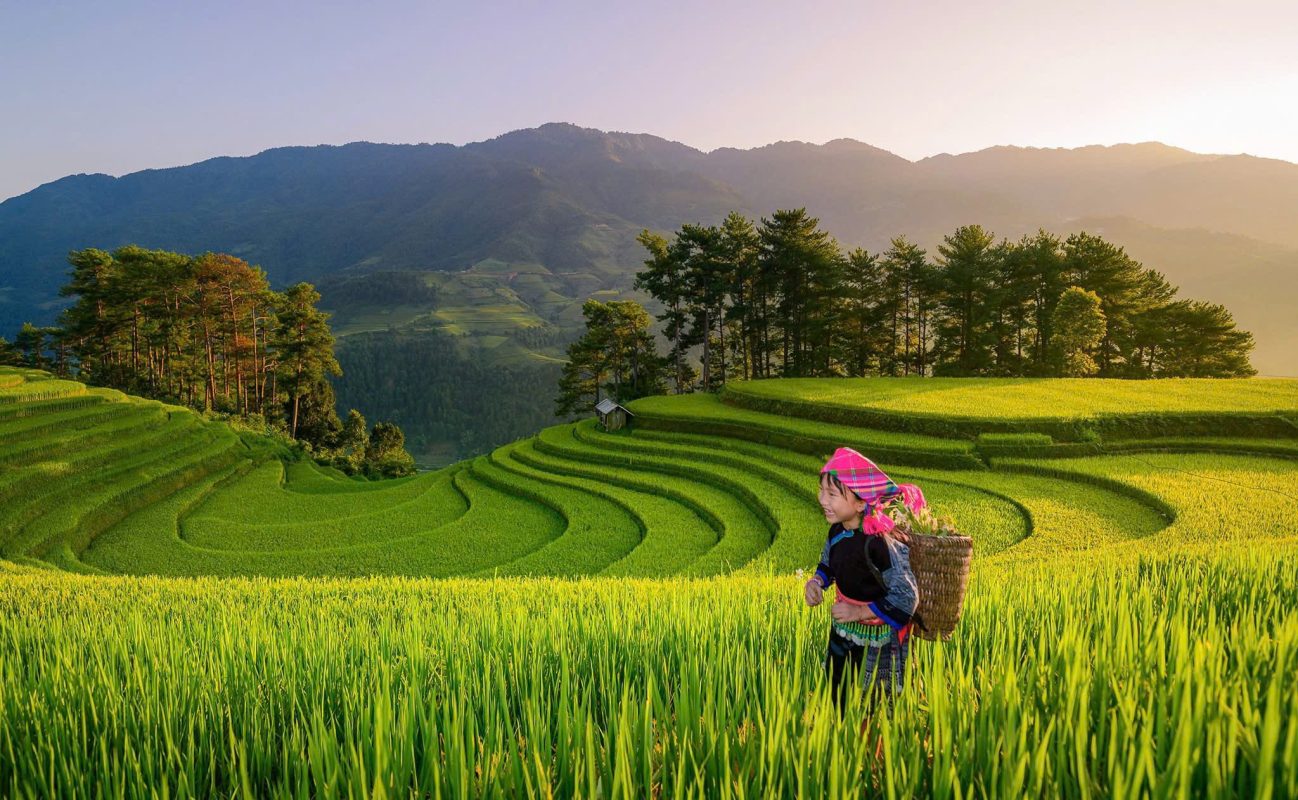
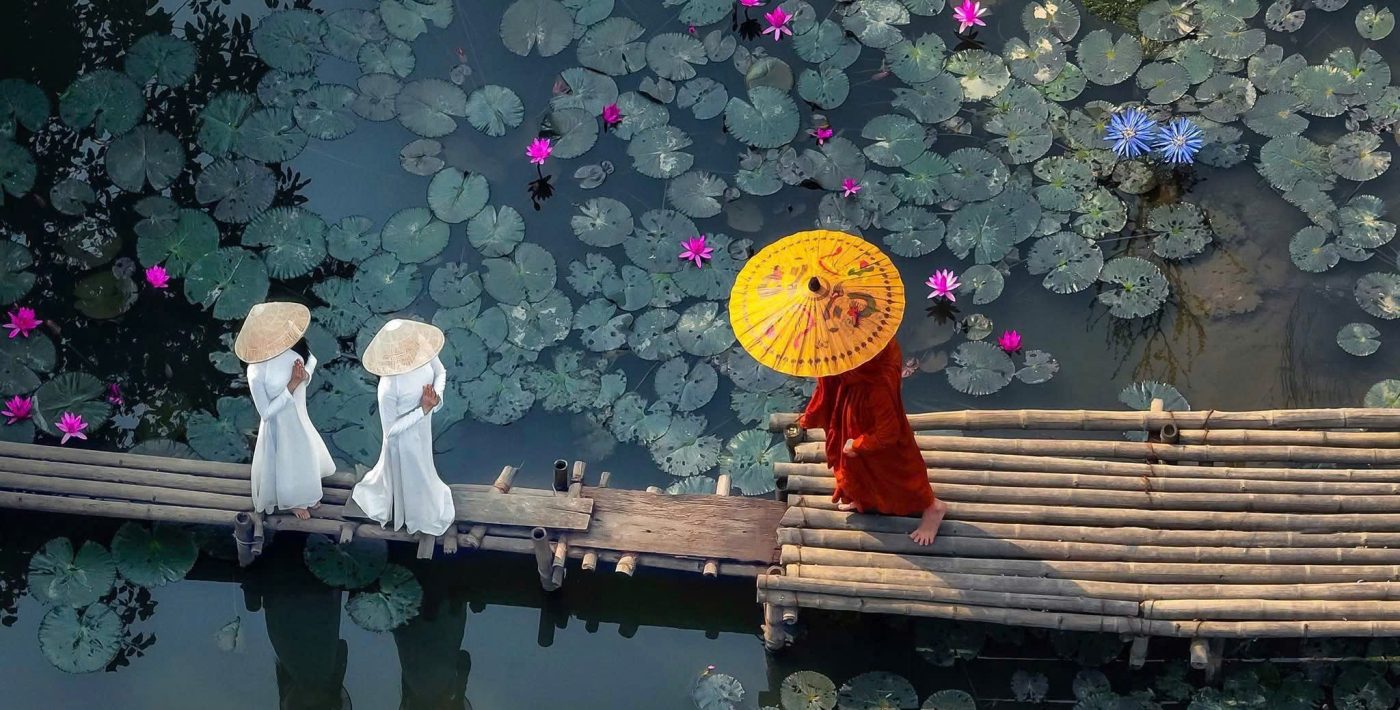
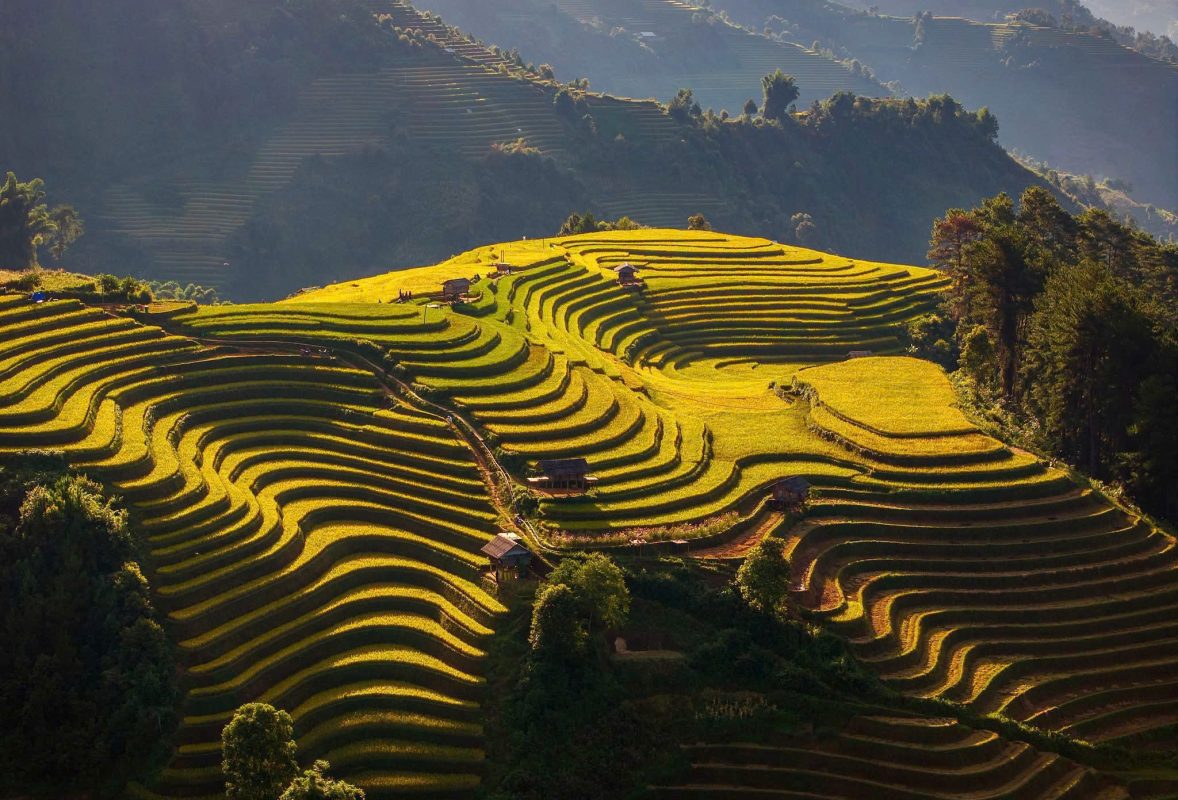
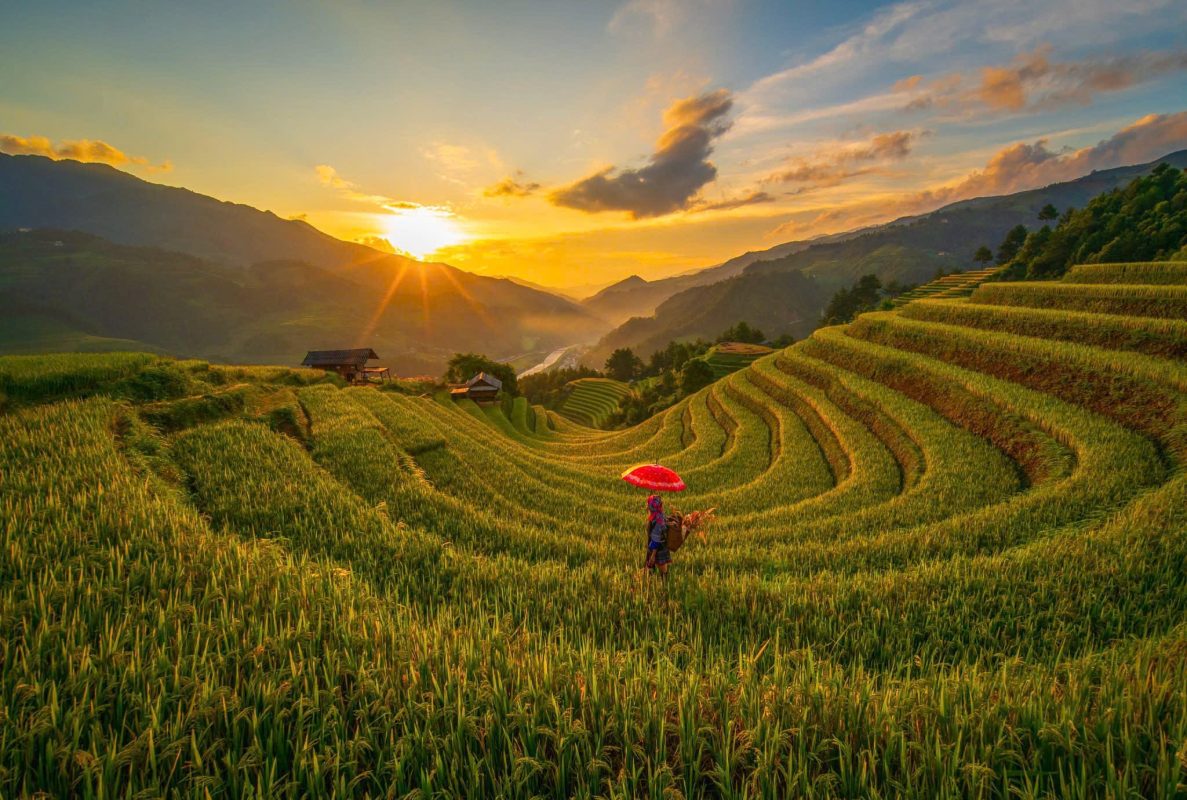
Quiet roads lead through rice fields, gardens, lotus ponds, villages and riverside communities.
Cycling provides a much closer connection to everyday life than simply traveling between major attractions by car.
For guests who prefer a slower pace, a private cycling experience can be incorporated into a Hue itinerary.
Discover Hue’s Countryside
The countryside around Hue offers a completely different atmosphere from the Imperial City.
Depending on your interests, a private journey can include:
- Rural villages
- Rice fields
- Traditional homes
- Garden houses
- Local markets
- Lotus ponds
- Small family businesses
- Countryside cycling
- Fishing communities
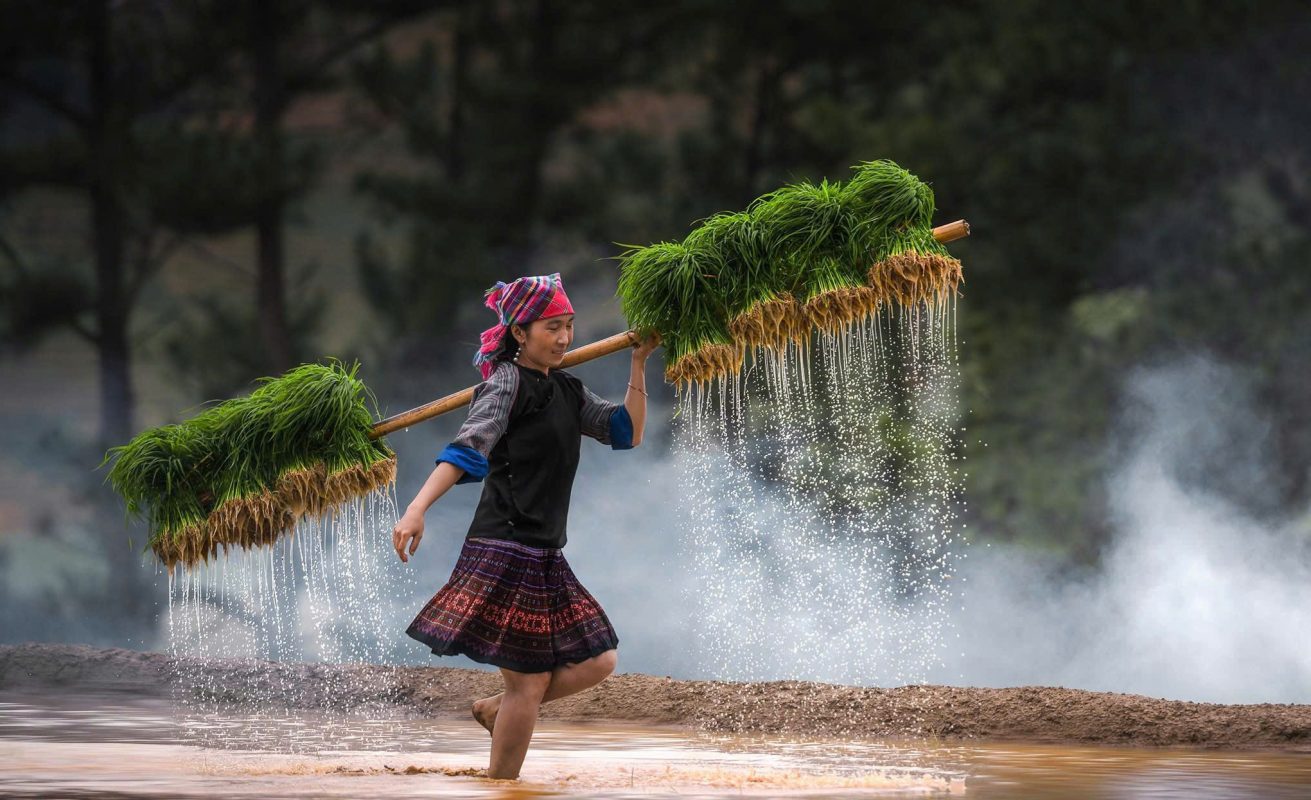
These experiences are particularly valuable for travelers who want to understand contemporary Vietnamese life as well as the country’s royal past.
Tam Giang Lagoon

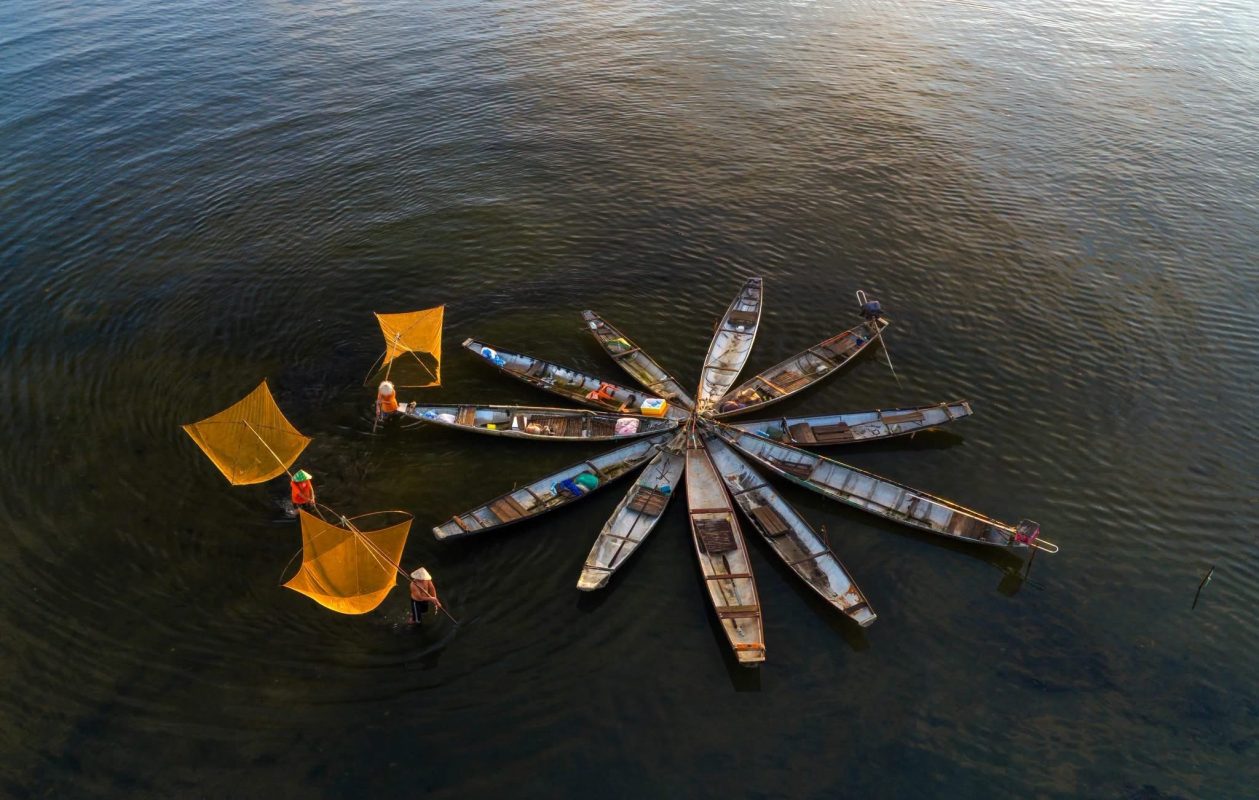
For something beyond Hue’s historical attractions, consider visiting Tam Giang Lagoon.
The enormous lagoon system offers beautiful scenery and a glimpse into the lives of local fishing communities.
Sunrise and sunset are especially atmospheric.
A private excursion allows you to combine the lagoon with local food and village experiences rather than treating it as simply a photography stop.
Bach Ma National Park
Nature lovers can extend their Hue journey with a trip to Bach Ma National Park.
The mountain environment provides cooler air, forests, waterfalls and hiking opportunities.
It is a good contrast to the historical focus of central Hue and can be included in a longer private itinerary for travelers who want to combine culture and nature.
Best Time to Visit Hue
Hue has a tropical monsoon climate, so timing can make a significant difference to your experience.
February to April
This is generally one of the most comfortable periods for sightseeing.
Temperatures are more pleasant and conditions are suitable for exploring the Imperial City, royal tombs, pagodas and countryside.
May to August
The weather can be hot and sunny.
This can be a good period for travelers who want to combine Hue with beach destinations such as Da Nang, but outdoor sightseeing is best planned around the cooler parts of the day.
September to January
Rain becomes more likely, and Central Vietnam can experience periods of heavy rainfall.
However, Hue’s historical attractions can still be visited, particularly when you have a flexible private itinerary that can adapt to changing weather.
How Many Days Do You Need in Hue?
1 Day in Hue
A one-day visit can cover:
- Imperial City
- Thien Mu Pagoda
- One or two royal tombs
- Local lunch
- Perfume River experience
This works well for travelers passing through Central Vietnam.
2–3 Days in Hue
This is ideal for a first visit.
You can comfortably include:
- Imperial City
- Royal tombs
- Thien Mu Pagoda
- Perfume River
- Dong Ba Market
- Local food experiences
- Garden houses
- Traditional music
- Countryside exploration
4–5 Days in Hue
With additional time, slow down.
Add:
- Tam Giang Lagoon
- Bach Ma National Park
- Countryside cycling
- Craft villages
- Deeper food experiences
- Local cultural activities
- Additional garden houses
- More relaxed private experiences
Getting to Hue
By Air
Phu Bai International Airport is Hue’s main airport and is located outside the city center.
Private airport transfers are recommended for travelers arriving with luggage, especially when continuing directly to a hotel or beginning a private multi-day journey.
By Train
The railway between Hue and Da Nang is one of Vietnam’s scenic train routes.
The journey passes through Central Vietnam’s mountains and coastline, including spectacular views around Hai Van Pass.
For travelers who enjoy scenery, taking the train can be part of the experience rather than simply transportation.
By Road
Private cars and tourist buses connect Hue with Da Nang, Hoi An and other Central Vietnamese destinations.
For premium travel, a private vehicle provides more flexibility and allows you to stop for viewpoints, local restaurants and photography along the way.
Getting Around Hue
Private Car
Best for royal tombs, countryside excursions and longer sightseeing days.
Bicycle
Excellent for garden houses, villages and rural roads.
Cyclo
A traditional and relaxed way to explore central Hue.
Boat
Ideal for experiencing the Perfume River from a different perspective.
A private itinerary can combine several transportation styles rather than relying on only one.
Hue Travel Tips
Start Early
Royal tombs and outdoor attractions can become hot and busy later in the day.
Dress Respectfully
Temples, pagodas and royal sites require appropriate clothing.
Bring Sun Protection
Central Vietnam can be very sunny during the warmer months.
Carry Cash
Cash remains useful at markets, local restaurants and smaller businesses.
Allow Extra Time
Hue is not a destination to rush through.
Leave room for unexpected discoveries, coffee breaks, local conversations and quiet moments.
Use a Local Guide
The history of Hue is much richer when someone can explain the symbolism, stories and personalities behind the architecture.
Hue and Central Vietnam
Hue is perfectly positioned for exploring Central Vietnam.
Da Nang
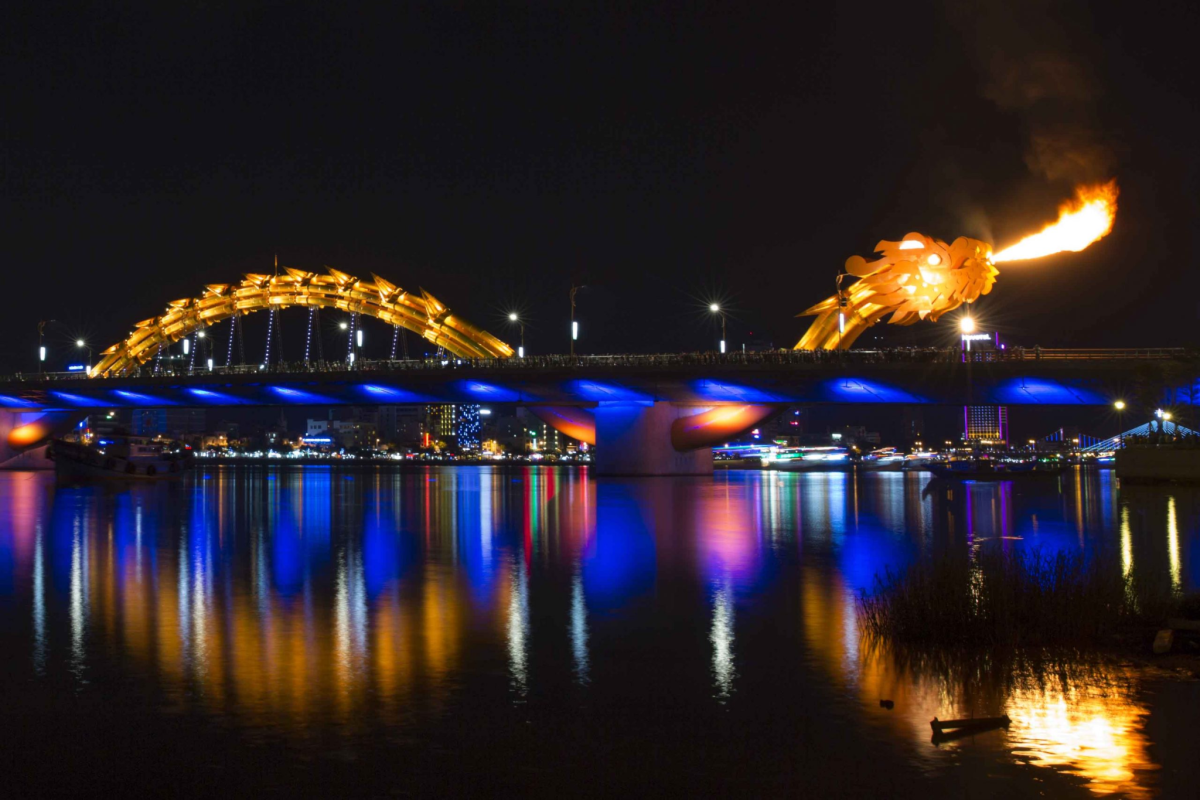
Continue south to Da Nang for beaches, modern restaurants, Marble Mountains and the Hai Van Pass.
Hoi An
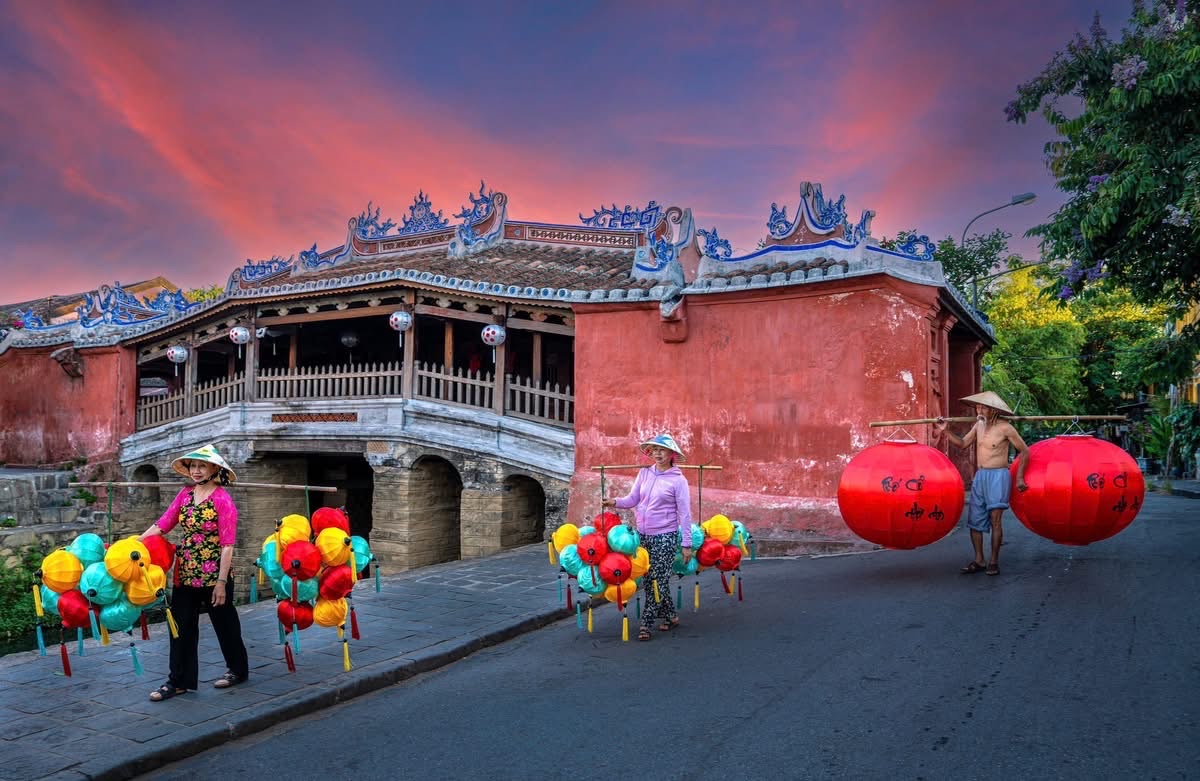
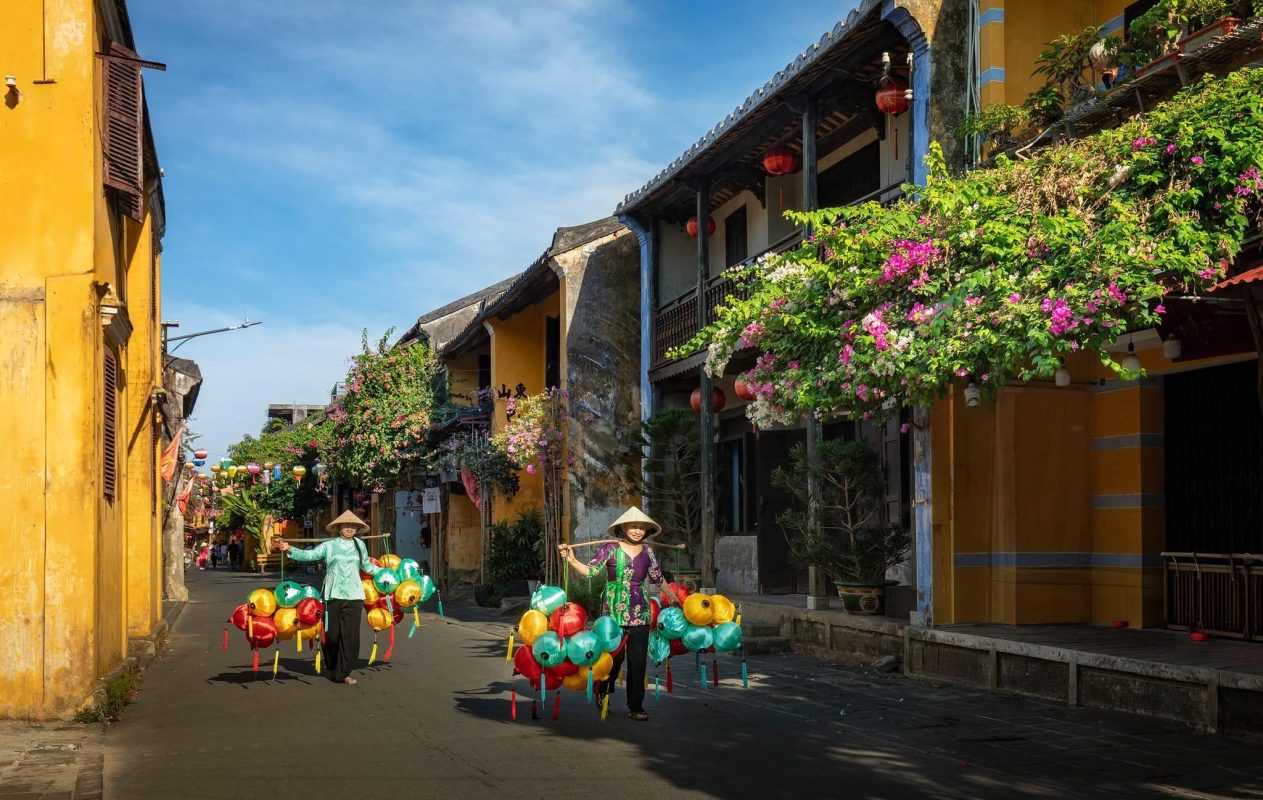
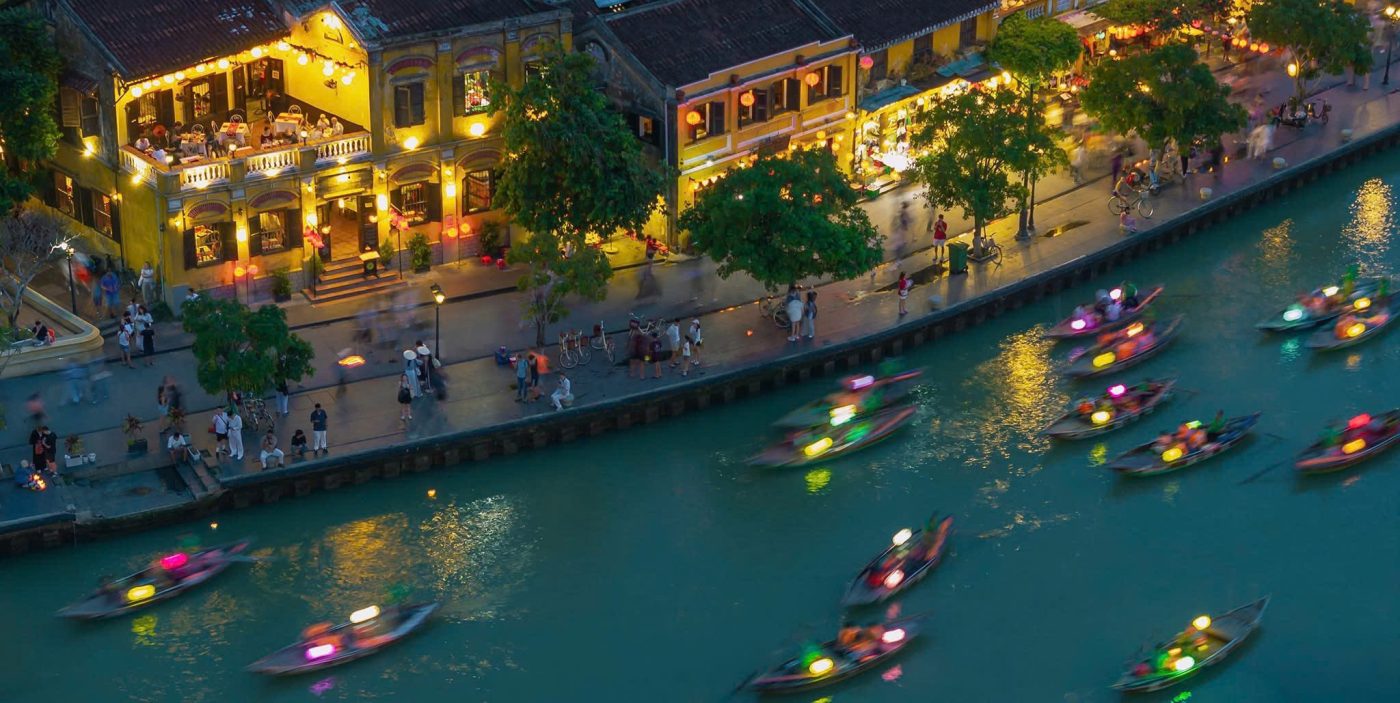
Hoi An offers a contrasting atmosphere of lantern-lit streets, historic merchant houses, riverside cafés and traditional crafts.
Phong Nha
Travel north to discover spectacular caves and karst landscapes.
A private Central Vietnam itinerary can combine Hue, Da Nang and Hoi An into one seamless journey, with private transportation connecting each destination.
A Sample 3-Day Private Hue Experience
Day 1 — Imperial Hue
Arrive in Hue and settle into your hotel.
Explore the Imperial City with a private female guide, followed by a local lunch.
In the afternoon, visit Thien Mu Pagoda and enjoy a relaxing experience along the Perfume River.
Finish the evening with traditional Hue cuisine.
Day 2 — Royal Tombs & Local Life
Begin with the royal tombs of Tu Duc and Minh Mang.
Continue to Khai Dinh Tomb before exploring a traditional garden house.
In the afternoon, visit Dong Ba Market and discover Hue’s local food culture.
Enjoy a private dinner featuring Central Vietnamese specialties.
Day 3 — Countryside & Culture
Leave the city center and explore rural Hue by private vehicle or bicycle.
Visit villages, gardens and local communities before enjoying lunch in a local setting.
Depending on your interests and departure time, continue toward Da Nang or Hoi An.
Why Experience Hue With Vietnam Women Travel?
Vietnam Women Travel – Premium Private Tours Led by Women is designed for travelers who want to experience Vietnam personally rather than simply check destinations off a list.
Our private Hue experiences can combine:
Imperial Heritage
Explore the Nguyen Dynasty’s legacy with a local woman who can explain the history behind the monuments.
Local Cuisine
Go beyond famous dishes and discover the everyday food culture of Central Vietnam.
Private Travel
Travel at your own pace without being tied to a large group schedule.
Women-Led Experiences
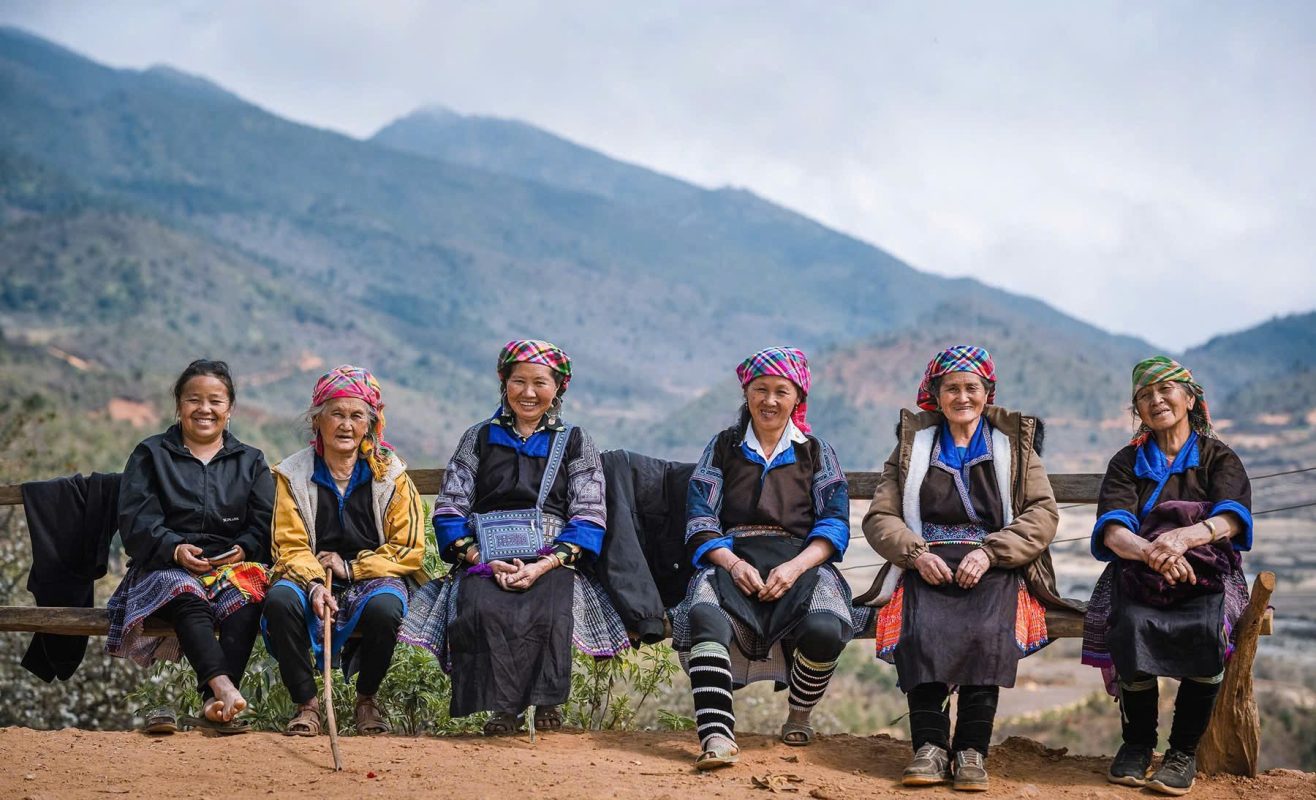
Meet Vietnamese women, visit local businesses and experience Hue through a distinctly local perspective.
Culture & Community
Connect historical attractions with contemporary Vietnamese life.
Premium Comfort
Private transportation, carefully planned experiences and flexible itineraries make it possible to explore deeply without sacrificing comfort.
Hue Travel With a Different Perspective
Hue is more than the Imperial City.
It is the sound of a traditional melody drifting across the Perfume River.
It is incense burning quietly inside an old pagoda.
It is a family preparing Bun Bo Hue in the morning.
It is a garden hidden behind an old wall.
It is a woman preparing traditional food in a local kitchen.
It is the contrast between magnificent imperial architecture and ordinary Vietnamese life continuing around it.
That combination is what makes Hue so special.
With Vietnam Women Travel – Premium Private Tours Led by Women, you can experience the royal heritage of Hue while discovering the people, food and everyday stories that give the city its soul.
Private journeys. Local women. Authentic Vietnam.
Plan your Hue experience as part of a private Central Vietnam journey with Vietnam Women Travel.