Da Nang Travel Guide: Beaches, Mountains, Culture & the Modern Heart of Central Vietnam
Da Nang is one of those rare Vietnamese cities where the geography immediately explains the appeal. A long sweep of coastline faces the East Sea, the Han River cuts through the urban center, the forested slopes of Son Tra rise dramatically to the northeast, and the limestone formations of the Marble Mountains appear just beyond the southern edge of the city. Add excellent food, a major international airport, sophisticated resorts and easy access to Hue, Hoi An and My Son, and Da Nang becomes much more than a beach stop. It is one of the most versatile bases for exploring Central Vietnam.
Modern Da Nang is comfortable and easy to navigate, but its character is not simply that of a contemporary resort city. Early mornings belong to swimmers and walkers along My Khe Beach. The Han River comes alive around sunset, while seafood restaurants, markets and cafés fill the streets after dark. Beyond the city center, Son Tra’s forest, the spiritual landscape of the Marble Mountains and the ancient heritage of Champa reveal a much older side of Central Vietnam.
For travelers seeking a premium private journey, Da Nang offers an unusually rich combination. You can begin the morning with a quiet beach walk, spend the afternoon exploring caves and temples, watch the Dragon Bridge illuminate the Han River at night and then continue the next day toward Hoi An, Hue or My Son. Da Nang is not simply somewhere to stay between destinations. It is a destination in its own right.
Where Is Da Nang?
Da Nang sits on Vietnam’s central coast between Hue to the north and Hoi An to the south. Its position gives the city an unusual geographical advantage: the beach is within minutes of the urban center, while mountains, cultural attractions and major heritage sites are all within easy reach. Vietnam Tourism describes Da Nang as a coastal city where long beaches meet mountain landscapes, with My Khe, Son Tra and the Marble Mountains among its key visitor areas.
Da Nang International Airport is also one of the major gateways to Central Vietnam. This makes the city particularly convenient for international travelers who want to combine a relaxing coastal stay with cultural exploration elsewhere in the region.
For a premium itinerary, Da Nang can work beautifully as a base for several nights rather than simply as a transit point. From here, private transportation can connect the city with Hoi An, Hue, My Son, Ba Na Hills and the surrounding countryside without requiring frequent hotel changes.
The Geography That Defines Da Nang
The most striking feature of Da Nang is how quickly the scenery changes.
Within a relatively short distance, you can move from a modern waterfront boulevard to a sandy beach, from a dense city neighborhood to jungle-covered mountains, or from the urban skyline to ancient temples hidden inside limestone caves.
That variety gives Da Nang a different rhythm from many other Vietnamese cities.
It is energetic without feeling overwhelming.
My Khe Beach
For many visitors, My Khe Beach is the first introduction to Da Nang.
The beach stretches along the eastern side of the city, backed by a broad coastal road and a growing collection of hotels, restaurants and cafés. Early mornings are particularly atmospheric, when residents walk, exercise and swim before the heat of the day arrives. Lonely Planet also highlights My Khe as one of Da Nang’s defining experiences, emphasizing its broad sandy shoreline and easy access from the city.
The beach is more than a place for sunbathing.
It is part of everyday Da Nang life.
Walk along the shore at sunrise and the city feels almost completely different from the busy streets later in the day. By afternoon, the beach becomes a place to swim, relax or simply sit beneath an umbrella with the sea stretching toward the horizon.
Non Nuoc Beach
Further south, Non Nuoc Beach provides another beautiful stretch of coastline near the Marble Mountains.
The atmosphere here can feel more resort-oriented, with luxury properties and quieter sections of beach. It is particularly convenient for travelers who want to combine a coastal stay with visits to Marble Mountains and Hoi An.
For couples and travelers looking for privacy, this southern section of Da Nang can be an appealing alternative to staying directly in the busiest beach districts.
Son Tra Peninsula: Where Jungle Meets the Sea
The Son Tra Peninsula is one of Da Nang’s most important natural landmarks.
Rising from the sea just northeast of the city, Son Tra combines dense forest, steep coastal roads, secluded beaches and spectacular viewpoints. The peninsula is also home to Linh Ung Pagoda and its enormous Lady Buddha statue, which overlooks the sea and city from the mountainside.
The experience changes as you climb.
Da Nang’s buildings become smaller.
The sea becomes wider.
The roads curve through forest.
And the sounds of the city gradually disappear.
Lady Buddha at Linh Ung Pagoda
The 67-meter Lady Buddha statue at Linh Ung Pagoda has become one of Da Nang’s most recognizable landmarks.
From the pagoda grounds, the view extends across the sea and back toward the city.
The setting is especially atmospheric in the early morning, when the light is softer and the peninsula is often cooler than the city below.
The pagoda is not simply a viewpoint, however. It remains an important Buddhist site, so visitors should dress respectfully and behave appropriately around the temple buildings and worshippers.
The Red-Shanked Douc Langur
Son Tra is also important for wildlife.
The peninsula provides habitat for the endangered red-shanked douc langur, a striking primate recognizable by its colorful face and contrasting red, black and white limbs. International travel coverage continues to highlight Son Tra as one of the places where travelers may encounter these rare animals in the wild.
Seeing one is never guaranteed.
That is part of the experience.
The forest should be treated as wildlife habitat rather than an open-air zoo. Keep your distance, avoid loud behavior and never attempt to feed or approach the animals.
The Road Around Son Tra
One of the best ways to experience Son Tra is simply to follow its coastal roads.
The route combines ocean viewpoints, forested hills and occasional glimpses of isolated beaches.
For photographers, the changing perspective is almost constant.
For travelers who enjoy driving, the peninsula can also become one of the most memorable private touring experiences in Central Vietnam.
Rather than rushing from one viewpoint to another, stop frequently and allow the landscape to dictate the pace.
Marble Mountains: Temples Inside the Earth
Just south of central Da Nang, the Marble Mountains rise dramatically from the coastal plain.
The complex consists of five limestone and marble hills traditionally associated with the five elements: Metal, Wood, Water, Fire and Earth.
Among them, Thuy Son, or Water Mountain, is the best known and contains caves, pagodas, shrines and viewpoints.
Lonely Planet describes the Marble Mountains as a place where limestone hills contain hidden temples and caves, combining natural scenery with spiritual heritage.
Huyen Khong Cave
One of the most atmospheric places within the Marble Mountains is Huyen Khong Cave.
Inside, shafts of sunlight enter through openings in the limestone ceiling, illuminating Buddhist statues and shrines.
The contrast between darkness and natural light creates an almost theatrical atmosphere.
It is easy to understand why caves in the Marble Mountains became spiritual spaces rather than simply geological attractions.
The Pagodas of Marble Mountains
The mountain contains several pagodas and shrines built into or around the limestone formations.
Stone stairways connect different levels, while narrow passages lead into caves and hidden chambers.
The experience is partly physical and partly contemplative.
You are climbing a mountain, but you are also moving through a landscape shaped by centuries of religious practice.
Marble Mountains at a Slower Pace
The Marble Mountains are often included in rushed half-day tours.
A private visit can be much more rewarding.
Allow enough time to explore the caves, pause at the pagodas and appreciate the views rather than treating the mountain as a single photo stop.
Wear comfortable footwear because some sections are steep, uneven or slippery after rain.
Da Nang’s Cham Heritage
Long before modern Da Nang became a major Vietnamese coastal city, this region was part of the world of Champa, the ancient civilization that flourished across parts of Central and Southern Vietnam.
The Champa kingdoms developed strong connections with maritime trade and Indian-influenced Hindu and Buddhist traditions.
Their artistic legacy remains visible throughout Central Vietnam.
Museum of Cham Sculpture
The Da Nang Museum of Cham Sculpture is one of the most important places to understand this history.
The collection contains sculptures and architectural elements associated with Champa, offering travelers an opportunity to see the artistic traditions that shaped Central Vietnam long before the modern city emerged.
A visit here is particularly valuable before traveling to My Son.
After seeing the sculptures in the museum, the ruins of My Son become easier to understand not simply as ancient stone structures, but as part of a much larger cultural world.
The Han River
The Han River divides Da Nang’s urban center from the beach districts and forms the visual heart of the city.
During the day, bridges connect the two sides and traffic moves continuously along the waterfront.
After sunset, the character changes.
Buildings illuminate.
Restaurants become busy.
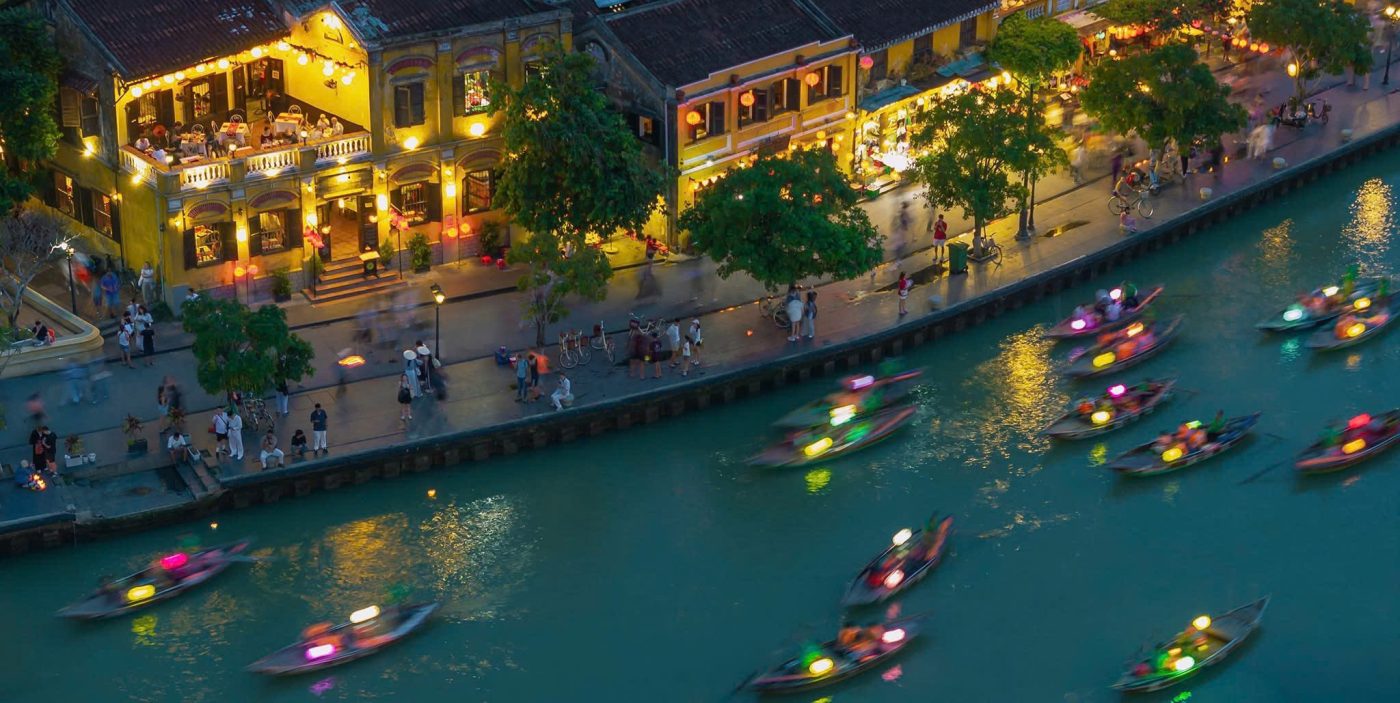
Boats begin moving along the river.
And the city’s bridges become part of the nighttime landscape.
A private evening along the Han River is one of the simplest ways to experience Da Nang after dark.
Dragon Bridge
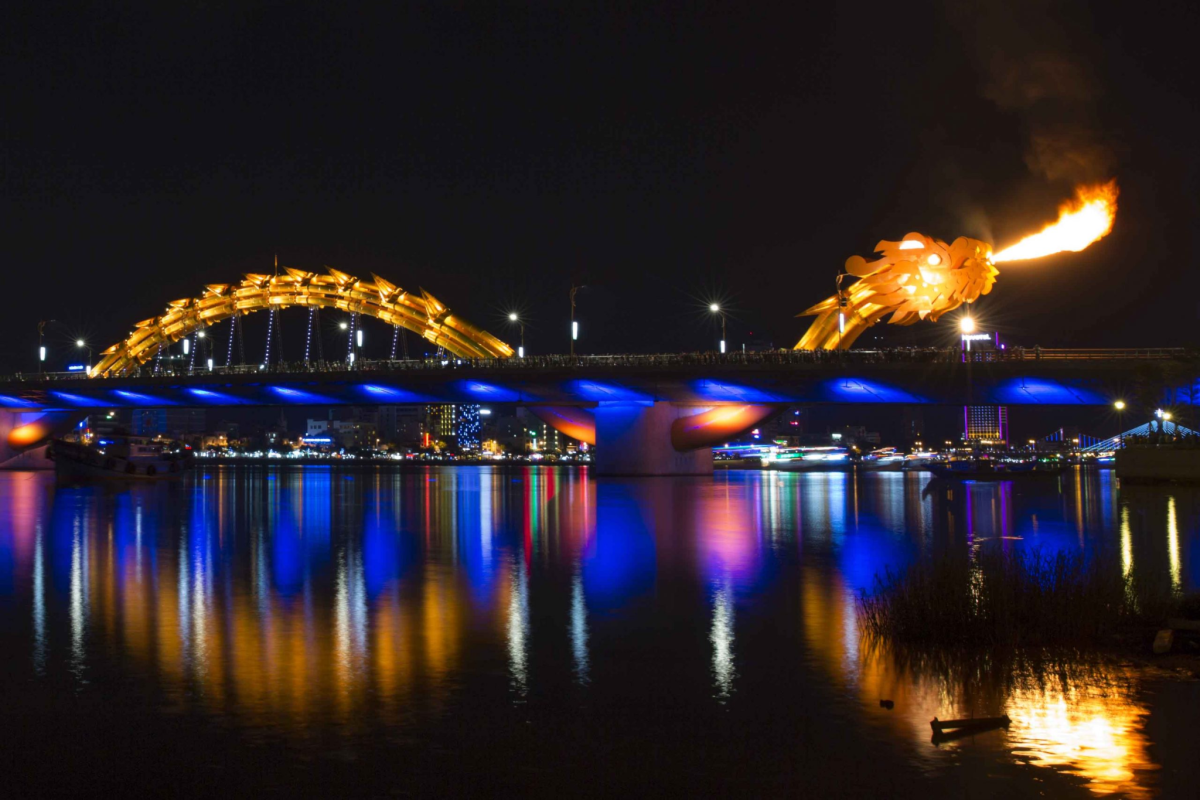
The Dragon Bridge is probably the most recognizable symbol of modern Da Nang.
Its enormous dragon-shaped structure stretches across the Han River, linking the city center with the eastern districts.
At night, the bridge becomes illuminated, creating a dramatic skyline scene.
On weekend evenings and public holidays, the bridge’s famous fire and water performance attracts crowds around the riverfront. Current travel sources continue to identify the weekend show as one of Da Nang’s signature nighttime experiences.
Watching the Dragon Bridge
The show itself is brief, but the atmosphere around it is part of the experience.
Families gather.
Street food vendors become busier.
Motorbikes fill the surrounding roads.
People stand along the river waiting for the dragon to come alive.
For a premium private experience, it is often better to combine the show with dinner or an evening river cruise rather than making the performance the entire evening.
Da Nang at Night
Da Nang becomes surprisingly atmospheric after dark.
The beach remains active.
The Han River reflects the lights of the city.
Restaurants fill with seafood lovers.
Cafés stay open late.
Markets become lively.
The city does not have the historic maze of Hanoi’s Old Quarter or Hoi An’s lantern streets, but its nighttime identity is distinctly its own.
It is modern, coastal and relaxed.
Han Market and Con Market
For a taste of everyday commercial life, Han Market is one of the city’s best-known traditional markets.
It is a useful place to browse dried seafood, snacks, fruit, spices, clothing and souvenirs.
Con Market offers another perspective and is particularly associated with food and everyday shopping.
For travelers interested in Central Vietnamese cuisine, markets can be as informative as restaurants because they reveal the ingredients, textures and flavors that shape regional cooking.
The Food of Da Nang
Da Nang’s food is one of the strongest reasons to spend more than a night here.
Central Vietnamese cuisine is known for bold flavors, fresh herbs, seafood and dishes that often combine a relatively small number of ingredients with intense seasoning.
Among the city’s most important specialties are mi Quang, bun cha ca, banh xeo and banh trang cuon thit heo.
Fresh seafood is another major part of the experience, thanks to Da Nang’s position on the coast.
Mi Quang
Mi Quang is one of Central Vietnam’s signature noodle dishes.
The noodles are broad and turmeric-colored, usually served with a small amount of intensely flavored broth, herbs, peanuts and toppings that may include shrimp, pork, chicken or other ingredients.
Unlike a soup where the noodles are completely submerged, mi Quang is more concentrated.
The result is rich without being heavy.
It is the kind of dish that makes sense once you understand the climate and agricultural traditions of Central Vietnam.
Bun Cha Ca
Bun cha ca is another Da Nang favorite.
The dish combines rice noodles with a flavorful broth and fish cakes, often accompanied by herbs and vegetables.
The seafood connection is obvious, but the dish is still deeply rooted in Central Vietnamese culinary traditions.
It is particularly satisfying after an early morning walk along the beach.
Banh Xeo
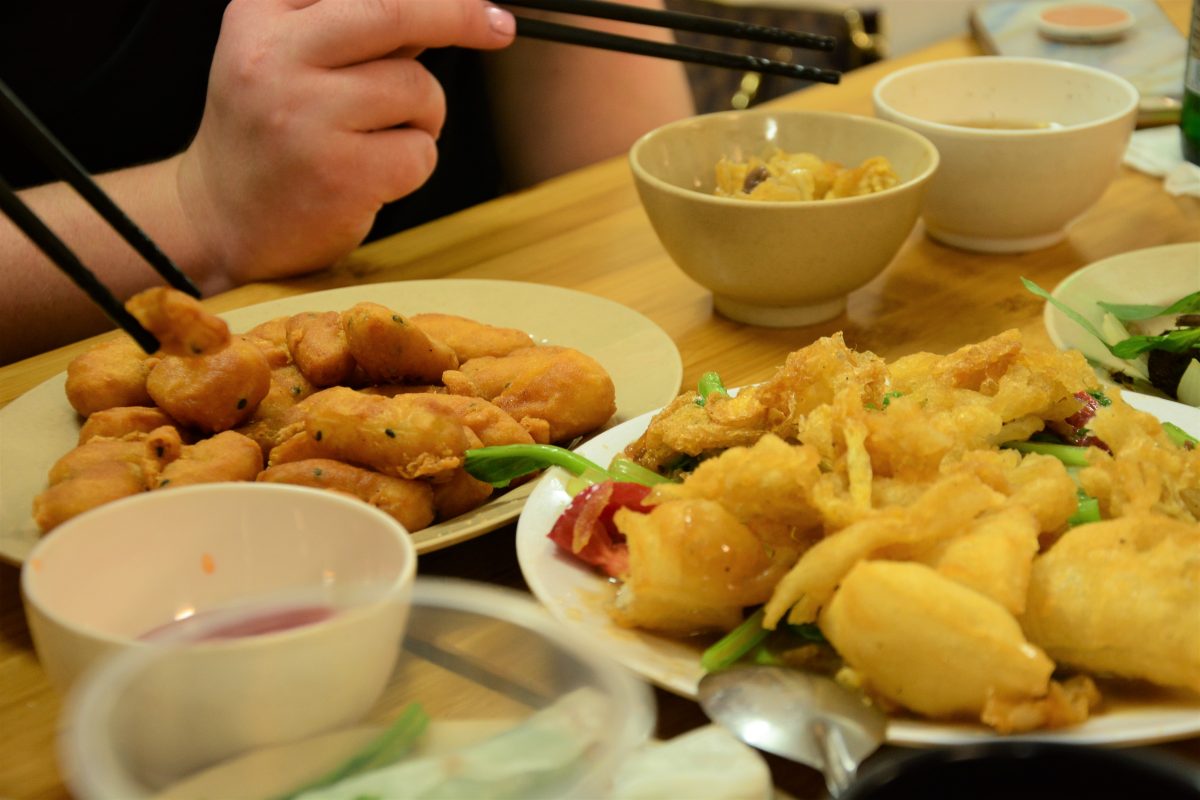
Crispy banh xeo is another essential Da Nang food experience.
The thin rice-flour pancake is fried until crisp and commonly filled with shrimp, pork and bean sprouts.
It is usually eaten with herbs and wrapped in rice paper before being dipped into sauce.
The combination of crunch, herbs, savory filling and dipping sauce makes it one of the most enjoyable street-food experiences in the city.
International travel coverage also continues to highlight Da Nang’s banh xeo culture as an important part of the city’s food identity.
Fresh Seafood by the Beach
Da Nang’s coastal location makes seafood a natural part of the city’s dining culture.
Restaurants around the beach districts offer fish, prawns, squid, crab, shellfish and other seafood prepared in a wide variety of styles.
For a premium journey, seafood can become part of a carefully designed dinner rather than simply another meal.
A sunset table followed by a quiet walk along My Khe can be an ideal way to finish a day of sightseeing.
Ba Na Hills and the Golden Bridge
High above Da Nang, Ba Na Hills offers a completely different environment.
The hilltop complex is famous internationally for the Golden Bridge, a pedestrian bridge seemingly supported by enormous stone hands.
The bridge has become one of Vietnam’s most recognizable contemporary travel images.
Access is by cable car, and the journey itself provides dramatic views across the surrounding mountains.
The Golden Bridge
The Golden Bridge is visually spectacular because of its scale and setting.
The curved walkway appears suspended above the forest, while the giant hands create the impression that the bridge is being held by stone giants.
The experience can be very different depending on weather.
Cloud and mist can make the bridge feel mysterious, while clear conditions provide broad mountain views.
Ba Na Hills is therefore best approached as a mountain attraction rather than simply a photo opportunity.
Is Ba Na Hills Worth Visiting?
It depends on the traveler.
Some visitors love the combination of cable cars, mountain scenery, the Golden Bridge and entertainment attractions.
Others prefer Da Nang’s beaches, Son Tra and cultural sites.
For a first visit, Ba Na Hills can be worthwhile if the Golden Bridge is high on your list.
But it should not replace the natural and cultural experiences that make Da Nang distinctive.
Da Nang as a Gateway to Hoi An
One of Da Nang’s greatest advantages is its proximity to Hoi An.
The historic town lies south of the city and can easily be visited as a private day trip or combined into a longer Central Vietnam itinerary.
The contrast is striking.
Da Nang is modern, spacious and coastal.
Hoi An is historic, intimate and defined by its preserved architecture, waterways and lantern-lit evenings.
For travelers staying three or more nights in Da Nang, a private Hoi An excursion is almost always worth considering.
Da Nang and Hue
The opposite direction leads to Hue, Vietnam’s former imperial capital.
The journey between Da Nang and Hue can be turned into a scenic experience rather than simply a transfer.
The route crosses the mountains and follows the coast, with the Hai Van Pass providing one of Central Vietnam’s most famous road landscapes.
A private car allows travelers to stop at viewpoints and beaches along the way.
This is particularly attractive for travelers who prefer a slower journey rather than flying between cities.
The Hai Van Pass
The Hai Van Pass separates Da Nang from Hue and has become famous for its spectacular combination of mountains and ocean.
The road rises above the coastline before descending toward Lang Co and the northern side of the pass.
On clear days, the views are extraordinary.
The pass is more than a transport route.
It is one of the journeys that defines Central Vietnam.
For a private itinerary, it can be incorporated into a one-way journey between Da Nang and Hue, eliminating the need to make a separate excursion.
My Son Sanctuary
Another important cultural excursion from Da Nang is My Son Sanctuary, the former religious center of the Champa civilization.
The temples were constructed over several centuries and demonstrate the architectural and spiritual traditions of Champa.
My Son is particularly rewarding after visiting the Cham Museum because the sculptures and architectural forms seen in Da Nang gain a physical context among the forested ruins.
The journey also adds historical depth to a beach-focused stay.
Da Nang’s Weather
Da Nang’s climate has a distinct wet and dry rhythm.
Vietnam Tourism currently highlights the city as a year-round destination but notes that weather patterns influence beach conditions and outdoor activities.
For travelers prioritizing beaches and outdoor sightseeing, the drier months are generally more comfortable.
Lonely Planet currently recommends February through May for favorable beach conditions, while September through November can bring a moodier atmosphere and wetter weather.
Weather can vary considerably from year to year, however, so flexibility remains valuable.
Da Nang in Spring
Spring is one of the most attractive periods for exploring Da Nang.
Temperatures are generally comfortable, beaches are enjoyable and outdoor attractions such as Son Tra and Marble Mountains are easier to explore without extreme heat.
This is also a good time for combining Da Nang with Hoi An and Hue.
Da Nang in Summer
Summer brings warmer temperatures and is excellent for beach-focused travel.
The sea becomes an important part of the daily rhythm.
Early mornings are ideal for swimming and walking, while the hottest part of the day can be reserved for museums, cafés, long lunches or a relaxed hotel afternoon.
Evenings are particularly pleasant along the Han River.
Da Nang in the Wet Season
The wetter months can bring heavy rain and more unsettled coastal weather.
This does not mean the city becomes inaccessible.
Da Nang has enough indoor and cultural experiences to keep a trip interesting, including the Cham Museum, markets, cafés, restaurants and spas.
The key is to avoid building an itinerary where every hour depends on perfect weather.
How Long Should You Stay in Da Nang?
Two full days are enough for a first introduction.
Three days provide a much better balance.
A four- or five-day stay allows you to combine the city, beaches, Son Tra, Marble Mountains, Ba Na Hills and a private excursion to Hoi An or My Son without rushing.
For premium travel, three to four nights is an ideal starting point.
The additional time allows you to experience the city in the morning and evening rather than seeing it only during the busiest sightseeing hours.
Where to Stay in Da Nang
The best area depends on the kind of experience you want.
The My Khe Beach area is ideal for travelers who want immediate access to the sea, restaurants and cafés.
The Han River and city center are better for travelers prioritizing urban exploration, markets, museums and evening activities.
The Son Tra Peninsula provides a more secluded luxury atmosphere, especially for travelers looking for resorts surrounded by nature.
The southern coastal area around Non Nuoc is particularly convenient for resort stays and access to Marble Mountains and Hoi An.
Luxury on Son Tra
For travelers seeking exceptional luxury, Son Tra has one of Central Vietnam’s most distinctive resort environments.
The InterContinental Danang Sun Peninsula Resort occupies a dramatic position on the peninsula, surrounded by forest and overlooking the sea. Recent international coverage highlights its private beach, distinctive Bill Bensley architecture, wellness experiences and Michelin-starred dining at La Maison 1888.
This type of accommodation turns Da Nang into more than a sightseeing base.
The resort itself becomes part of the journey.
Da Nang for Couples
Da Nang is particularly easy to tailor for couples.
Start with sunrise on My Khe.
Explore Son Tra during the morning.
Have lunch overlooking the sea.
Visit the Marble Mountains in the afternoon.
Watch sunset from a coastal viewpoint.
Then finish with seafood beside the beach or a private evening on the Han River.
The city provides enough activity to stay interesting without creating the constant sensory intensity of a larger metropolis.
Da Nang for Families
Families also benefit from Da Nang’s combination of beach, city and short excursions.
Children can enjoy the beach, cable cars at Ba Na Hills and the spectacle of the Dragon Bridge.
Parents can add museums, temples, food experiences and scenic drives.
The relatively short distances between major attractions make private family travel especially comfortable.
There is no need to spend hours moving between distant destinations every day.
Da Nang for Food Travelers
For food lovers, Da Nang can easily become a destination in its own right.
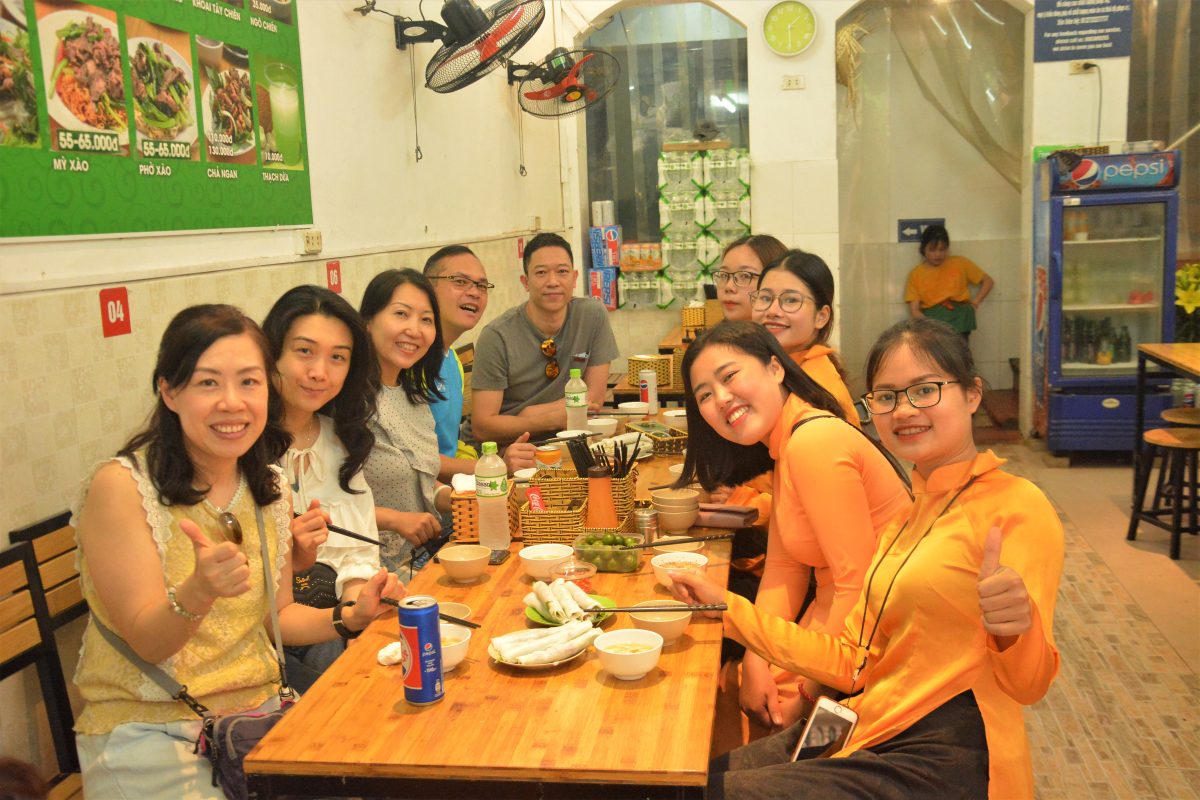
A food-focused private journey can begin with breakfast specialties, continue through market stalls and regional restaurants, and end with seafood beside the coast.
Mi Quang, banh xeo, bun cha ca, pork wrapped in rice paper, grilled seafood and Central Vietnamese desserts provide enough variety for several days.
The city also has a rapidly developing café and contemporary dining scene, giving travelers opportunities to experience both traditional and modern Vietnamese food culture.
Da Nang for Photographers
Da Nang offers a remarkable variety of photographic environments within a compact area.
Sunrise on My Khe.
Lady Buddha above the sea.
The curves of Hai Van Pass.
The caves of Marble Mountains.
The Dragon Bridge after dark.
Golden Bridge in the clouds.
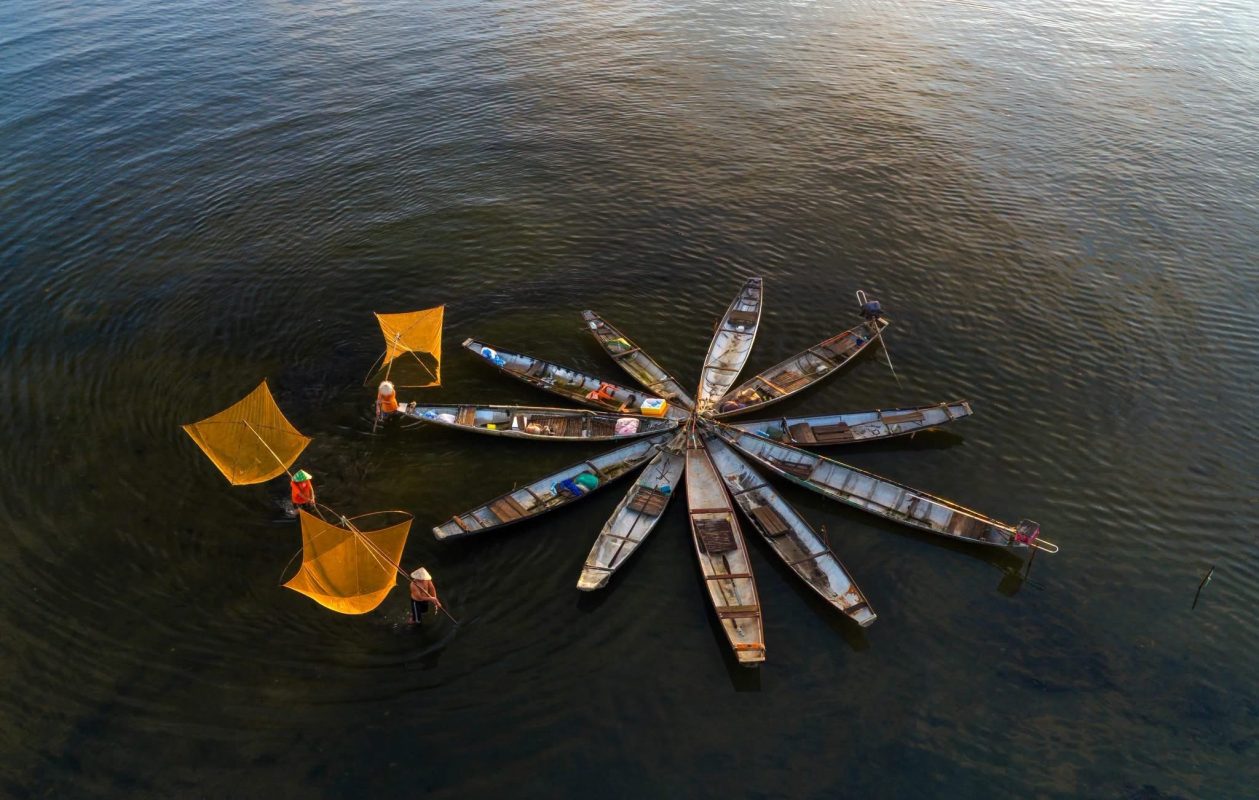
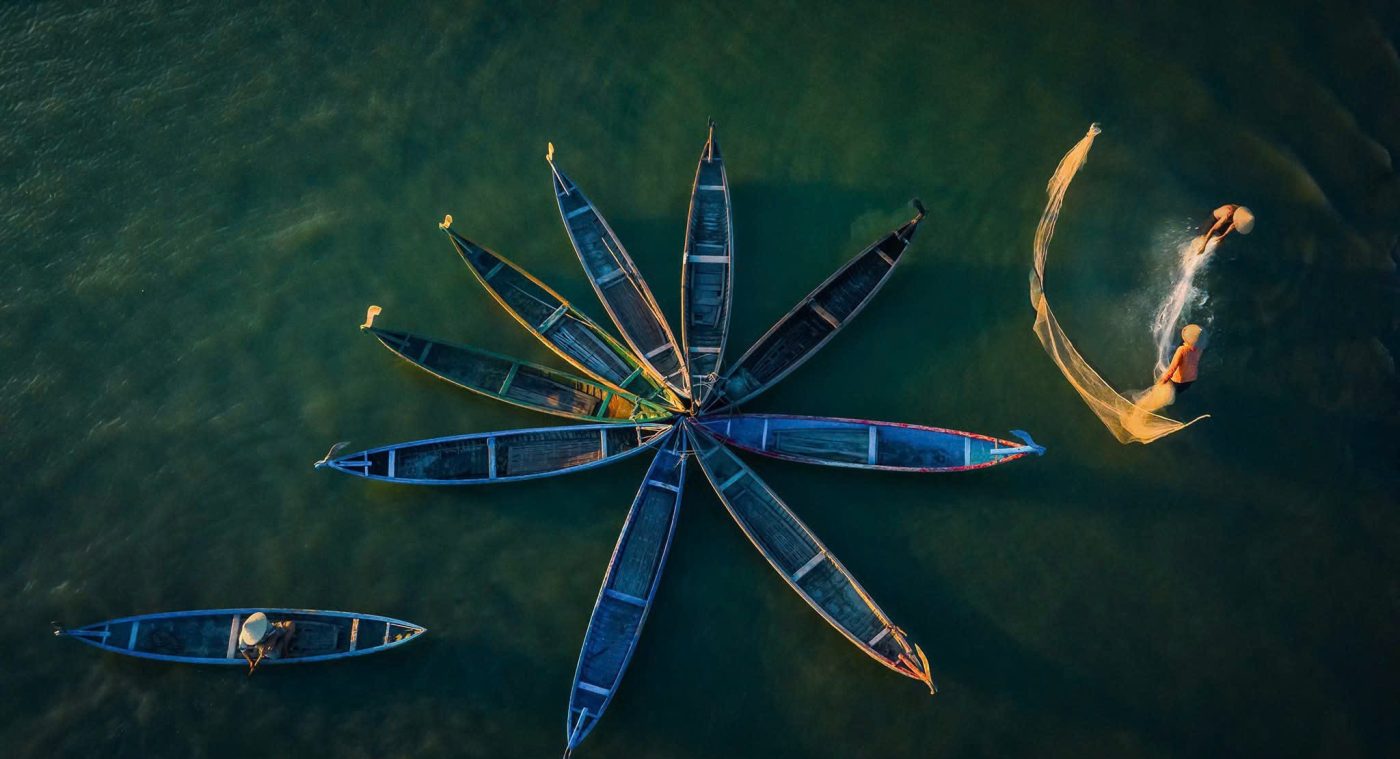
Fishing boats along the coast.
The city skyline reflected on the Han River.
The challenge is not finding something to photograph.
It is choosing where to point the camera.
Responsible Travel in Da Nang
Da Nang’s growth has transformed the coastline and surrounding areas rapidly.
Responsible travel therefore matters.
Respect religious sites.
Do not disturb wildlife on Son Tra.
Avoid feeding the red-shanked douc langurs.
Reduce single-use plastic.
Choose responsible operators.
Support independent restaurants and businesses where possible.
And remember that beaches, forests and mountains are living environments rather than simply backdrops for photographs.
Protecting Son Tra
Son Tra deserves particular care because of its biodiversity.
The peninsula is not just a scenic road above the ocean.
It is habitat.
Travelers should keep noise low when moving through forest areas and never attempt to attract wildlife for photographs.
A respectful encounter is far more valuable than a close-up image obtained by disturbing an animal.
Da Nang as a Central Vietnam Base
One of Da Nang’s greatest strengths is that it allows travelers to build a flexible Central Vietnam itinerary without constantly changing hotels.
You can spend several nights in one comfortable property and take private excursions to Hoi An, My Son, Hue and the surrounding countryside.
That approach works particularly well for premium travel.
Your hotel becomes a base rather than simply a place to sleep.
A Sample 3-Day Private Da Nang Journey
Day 1 — My Khe Beach, Marble Mountains & Han River
Begin your private Da Nang journey with a relaxed morning at My Khe Beach, enjoying a sunrise walk or swim before the city becomes busy. Continue south to the Marble Mountains, exploring caves, pagodas, shrines and panoramic viewpoints before enjoying a leisurely Central Vietnamese lunch. Return to the city in the afternoon for time at the Cham Museum or a relaxed café experience. In the evening, walk along the Han River, enjoy dinner by the water and, if your visit coincides with the weekend schedule, watch the Dragon Bridge fire and water performance.
Day 2 — Son Tra Peninsula & Ba Na Hills
Start early for Son Tra Peninsula, following the coastal roads toward Linh Ung Pagoda and the Lady Buddha statue while enjoying views across the sea and Da Nang. Continue into the mountain landscape for a private visit to Ba Na Hills, traveling by cable car toward the Golden Bridge and exploring the hilltop complex. Return to Da Nang in the late afternoon and spend the evening at leisure. A private seafood dinner beside My Khe Beach provides a relaxed finish to a day of mountain scenery and panoramic views.
Day 3 — Hoi An or My Son
After breakfast, leave Da Nang by private vehicle for either Hoi An Ancient Town or My Son Sanctuary depending on your interests. Hoi An offers architecture, riverside streets, markets, traditional crafts and an atmospheric evening, while My Son provides a deeper journey into the history of the Champa civilization. Enjoy lunch during the excursion before continuing through the countryside and returning to Da Nang in the late afternoon or evening. Travelers continuing onward can instead connect directly with their next Central Vietnam destination.
A More Relaxed Four-Day Da Nang Experience
With four days, there is no reason to rush.
Day one can focus on the city, beach and Marble Mountains.
Day two can be dedicated to Son Tra and the surrounding coastline.
Day three can explore Ba Na Hills or Hoi An.
Day four can be reserved for My Son, a cooking experience, a countryside journey or simply a luxury beach day.
This slower rhythm allows Da Nang to become part of the vacation rather than simply a list of attractions.
The Best of Da Nang Is Not One Attraction
Da Nang does not have a single monument that defines the entire city.
Its appeal comes from combination.
Beach and mountain.
City and countryside.
Modern architecture and ancient Champa heritage.
Luxury resorts and street food.
Sunrise swimming and nighttime river lights.
That combination is what makes the city unusually easy to love.
The Rhythm of a Da Nang Morning
There is a particular feeling to Da Nang before breakfast.
The beach is already active.
Swimmers move through the water.
People exercise along the promenade.
Fishermen return from the sea.
Coffee shops begin opening.
The city is awake, but it has not yet become busy.
This is one of the best times to understand Da Nang.
Not from a sightseeing bus.
From the beach.
The Rhythm of Da Nang at Night
Then the city changes again.
The heat softens.
The Han River reflects the lights.
The bridges become illuminated.
Restaurants fill with families and travelers.
The Dragon Bridge becomes the center of attention.
And the coastline remains alive with people walking beside the sea.
Da Nang’s nighttime personality is one of its greatest strengths.
Why Choose Vietnam Women Travel for Da Nang?
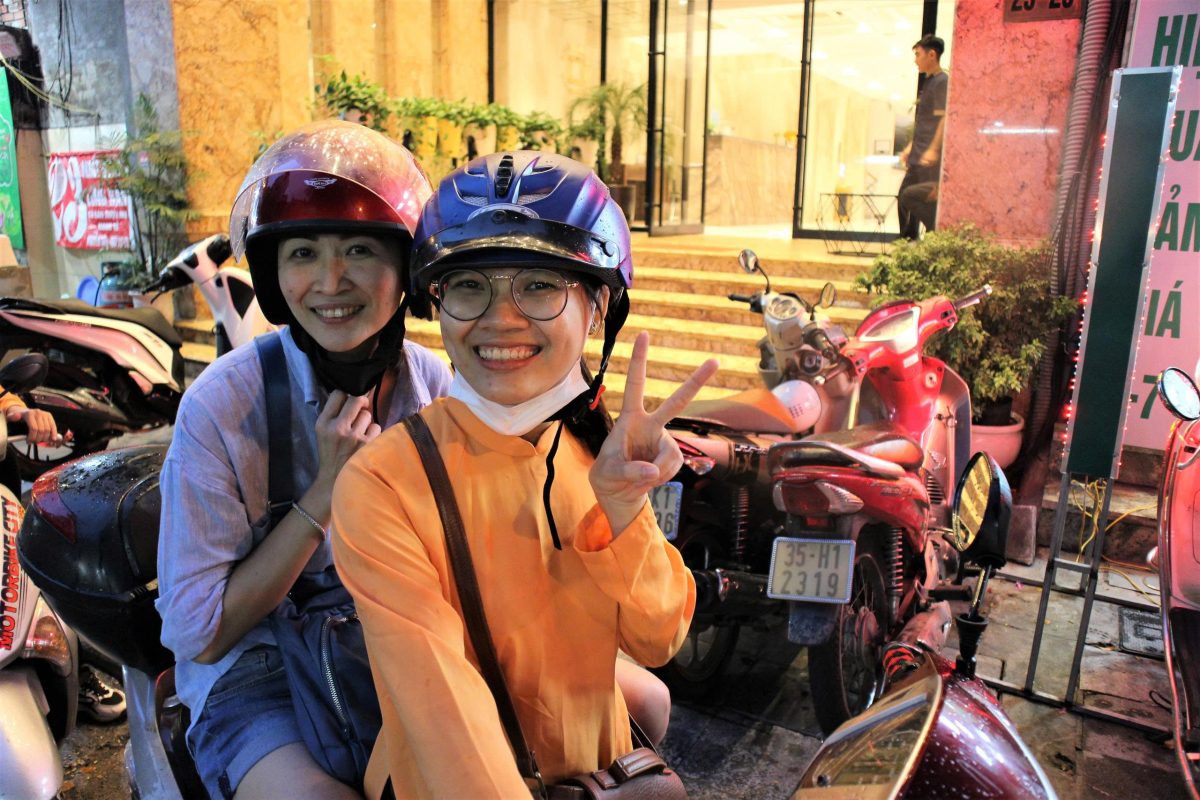
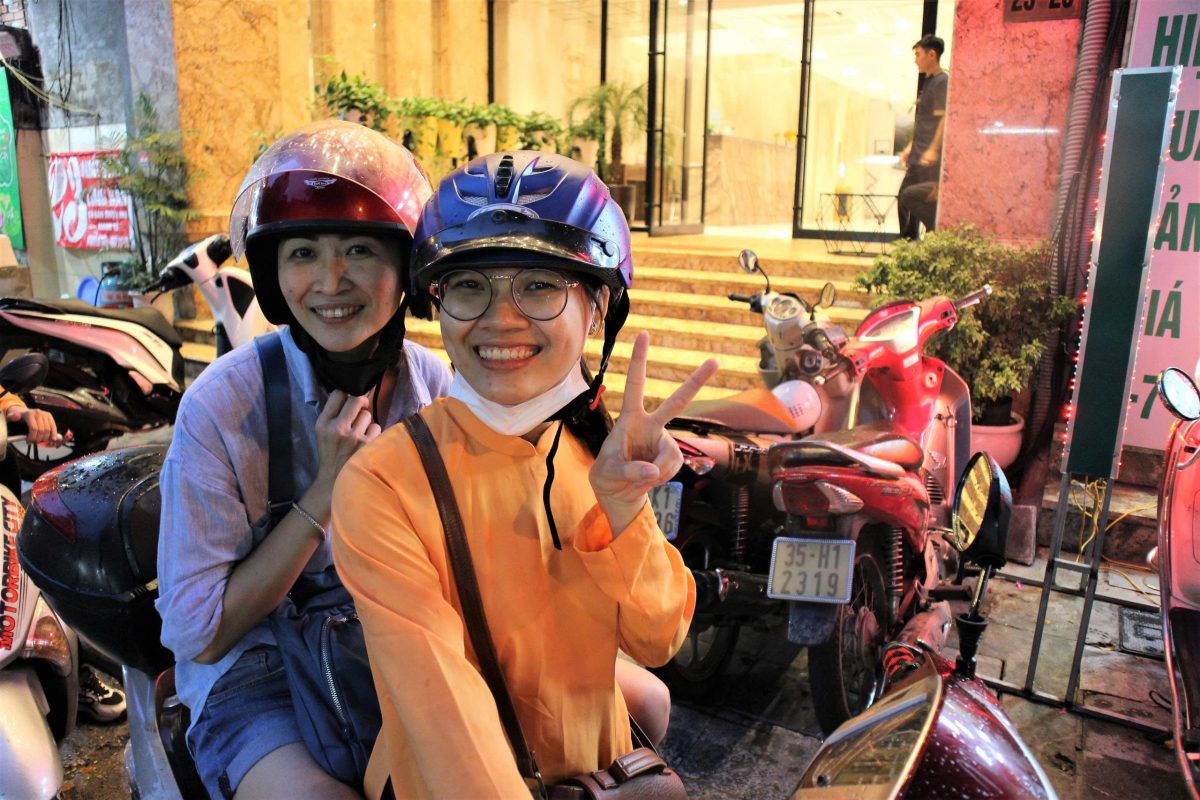
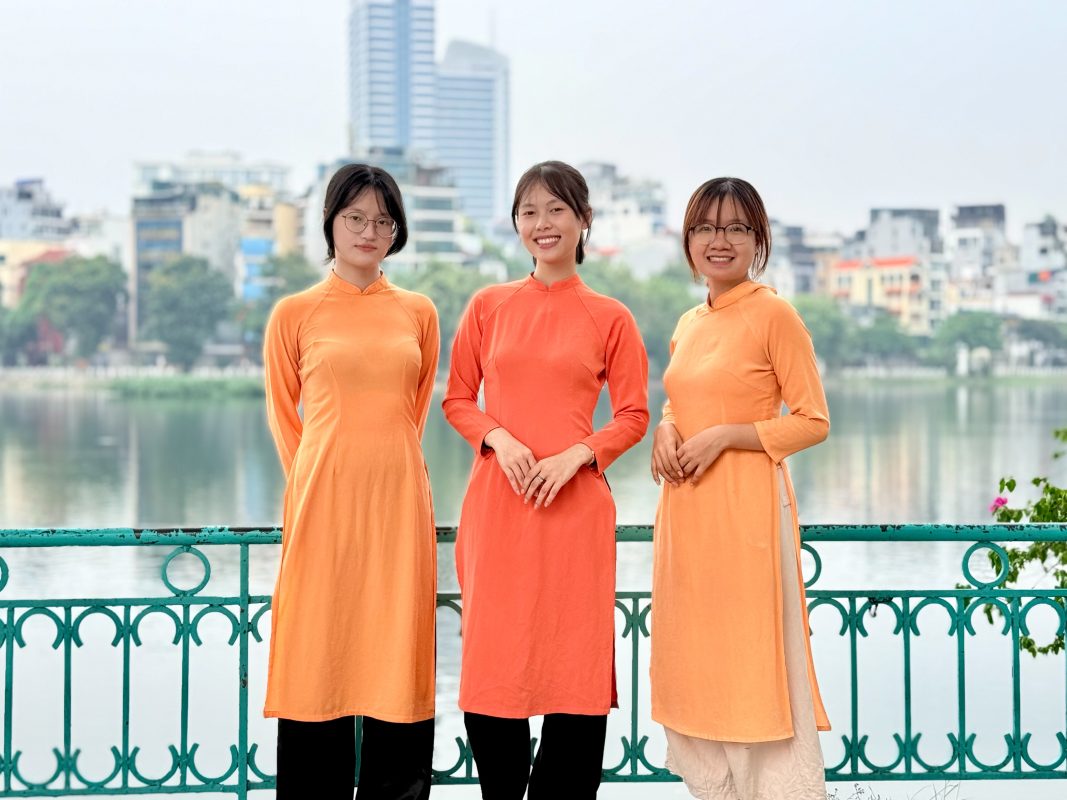
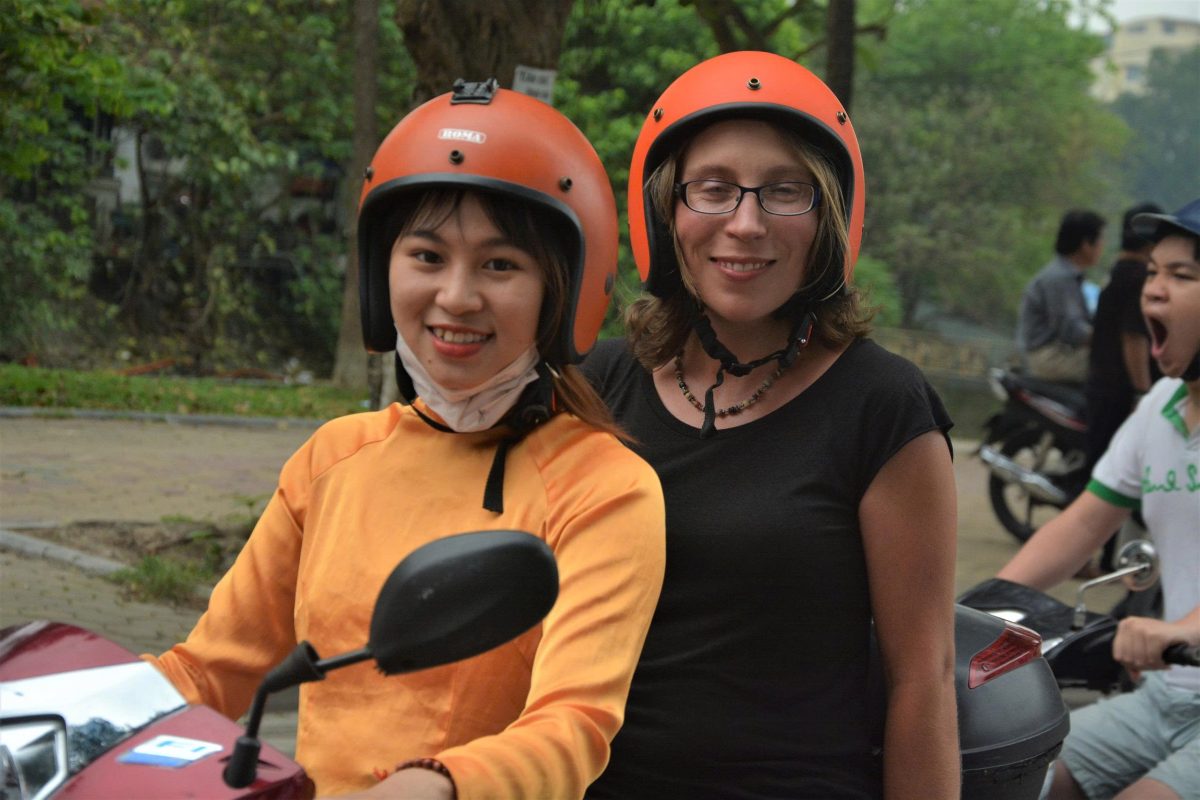
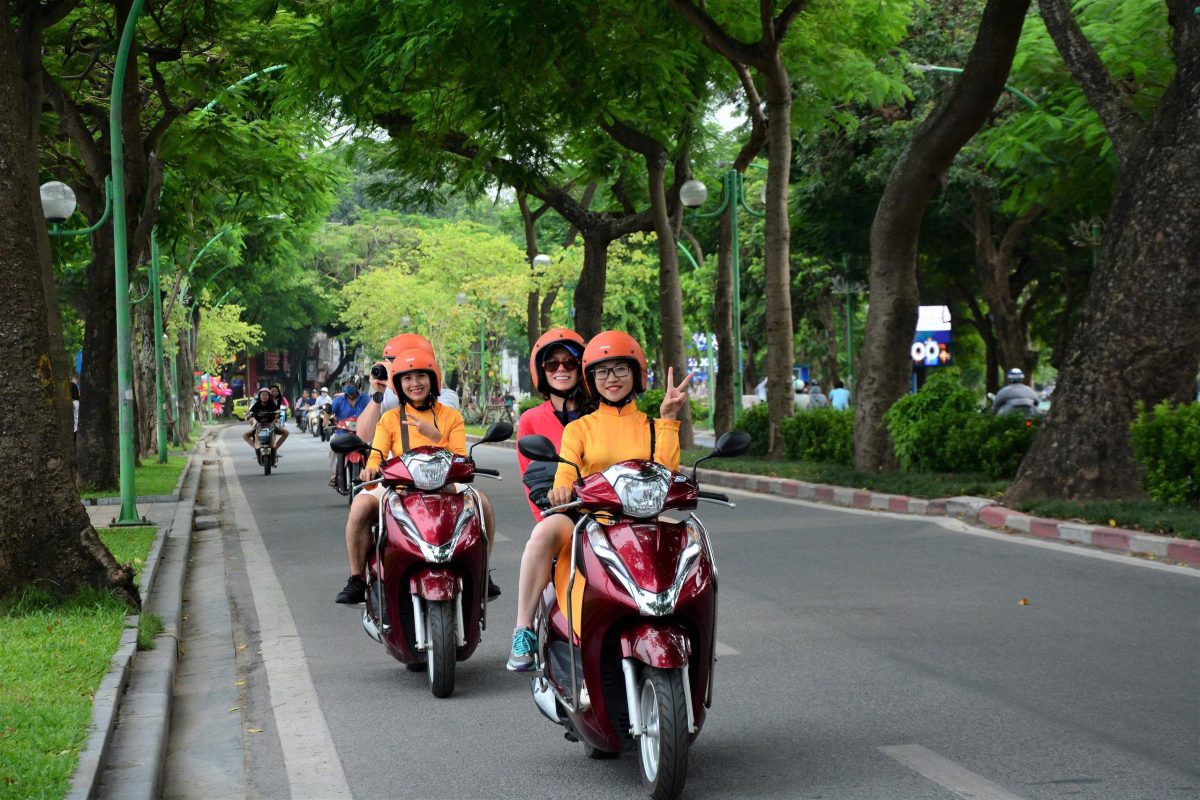
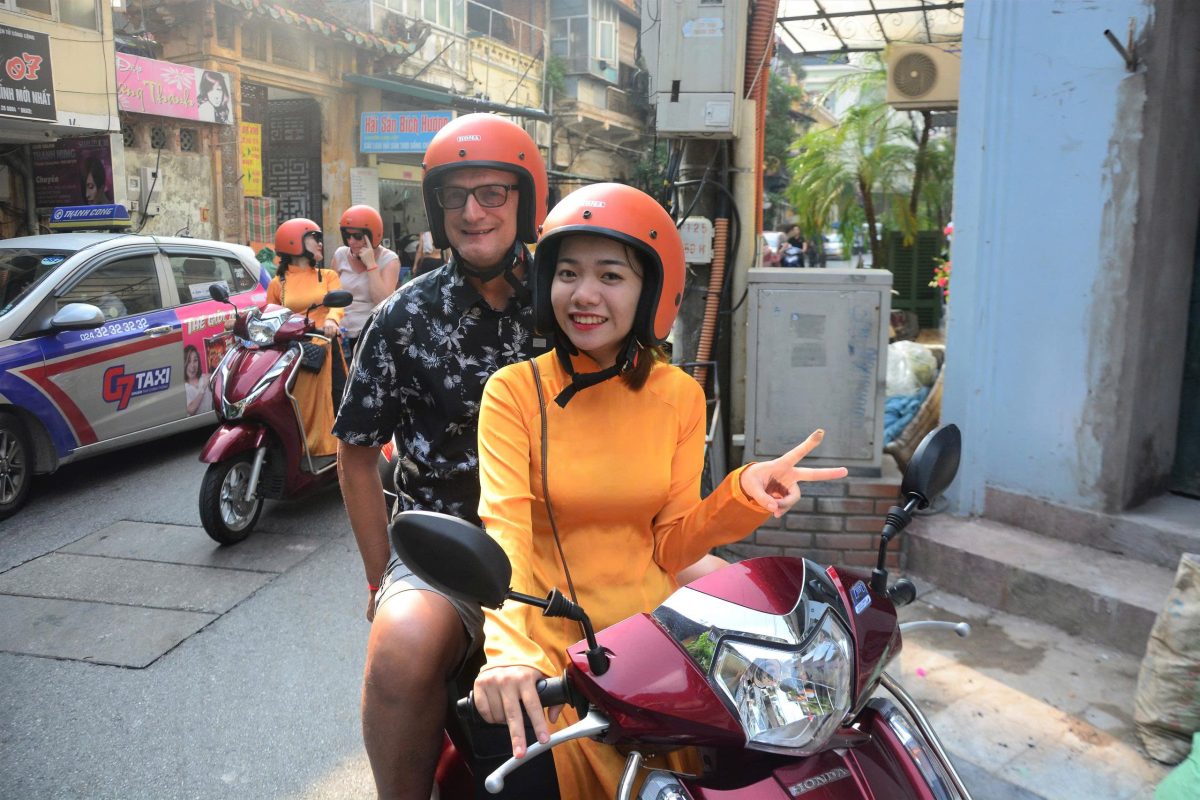
Vietnam Women Travel – Premium Private Tours Led by Women creates private Da Nang journeys for travelers who want more than a standard checklist of Central Vietnam attractions.
Our private approach allows the itinerary to adapt to your interests, whether you are looking for beach relaxation, cultural discovery, photography, food, luxury resorts, nature or a combination of everything.
A couple might spend the morning exploring Son Tra before enjoying a private seafood lunch and sunset along the coast.
A family can combine Marble Mountains, Ba Na Hills and the beach without overloading the schedule.
A group of friends can explore Central Vietnamese cuisine, visit Hoi An and enjoy Da Nang’s nightlife.
And luxury travelers can combine five-star accommodation, private transportation and carefully selected cultural experiences into a seamless Central Vietnam journey.
The Women-Led Difference
The philosophy behind Vietnam Women Travel – Premium Private Tours Led by Women is simple: private travel should feel personal.
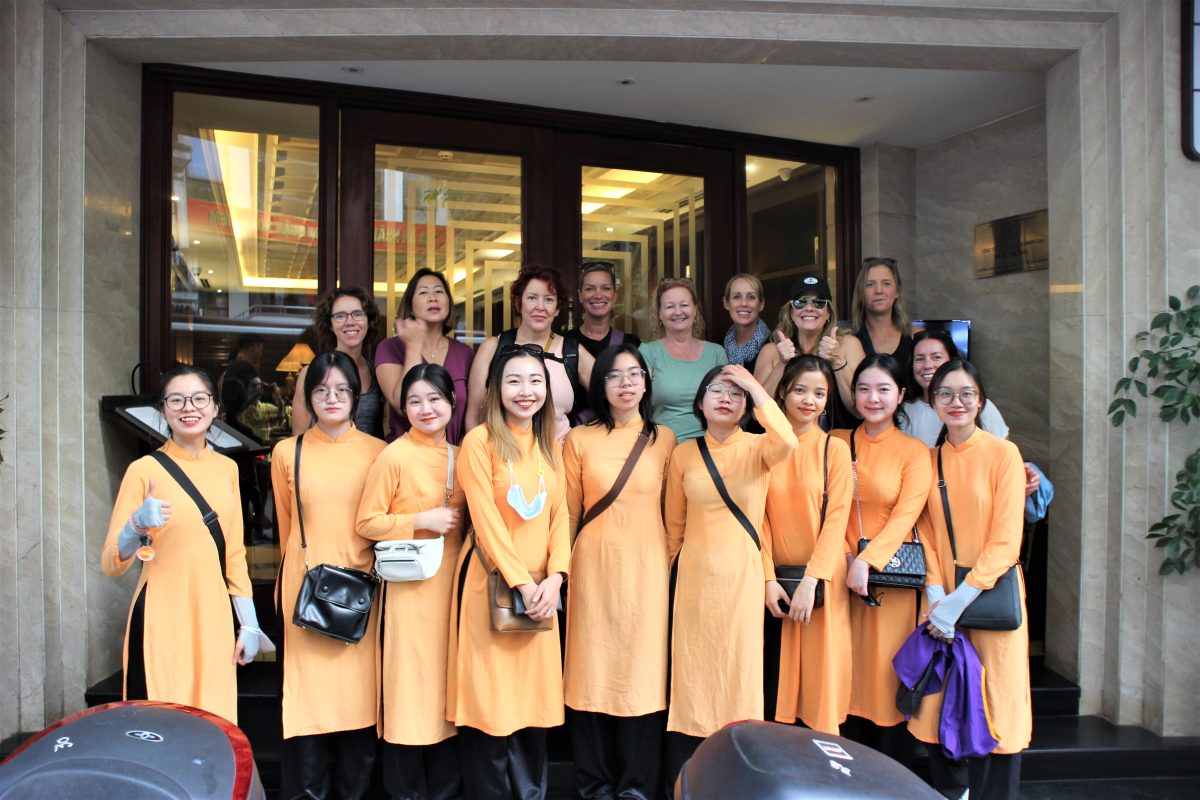
Your guide is not simply there to explain monuments.
She can help you understand the food you are eating, the history behind the Cham sculptures, the traditions surrounding a pagoda and the everyday rhythm of Da Nang.
Because the journey is private, there is also room for spontaneity.
Stay longer.
Take another photograph.
Stop for coffee.
Change the restaurant.
Follow the coastline.
Travel at your own pace.
Da Nang as a Luxury Coastal Escape
Da Nang is increasingly attractive to travelers who want the comforts of a sophisticated resort destination without giving up cultural access.
You can spend the morning on a private beach, the afternoon visiting a thousand-year-old cultural landscape and the evening dining beside the sea.
That combination is difficult to replicate elsewhere.
And unlike some resort destinations, Da Nang remains a functioning Vietnamese city rather than a purely tourism-oriented enclave.
Plan Your Da Nang Journey
Da Nang is easy to visit.
But it is much more rewarding when you allow yourself to look beyond the obvious.
Visit My Khe, but watch the beach at sunrise.
See the Dragon Bridge, but stay for the atmosphere along the Han River.
Climb the Marble Mountains, but take time to understand the spiritual world inside the caves.
Visit Son Tra, but remember that the forest belongs to wildlife too.
Go to Ba Na Hills if the Golden Bridge interests you, but balance it with the natural coastline and cultural heritage that make Central Vietnam distinctive.
And eat.
Eat mi Quang.
Eat bun cha ca.
Try banh xeo.
Order seafood.
Drink Vietnamese coffee.
Let food become part of the journey.
With Vietnam Women Travel – Premium Private Tours Led by Women, Da Nang can become the coastal centerpiece of a carefully designed Central Vietnam journey beginning in Hanoi and connecting beaches, mountains, heritage, cuisine and luxury accommodation through private transportation and women-led experiences.
Come for the beaches.
Stay for the food.
Explore the mountains.
Follow the coast.
Discover the history.
And experience Da Nang as what it truly is: not merely a gateway to Hoi An and Hue, but one of Vietnam’s most complete and rewarding coastal cities.
Vietnam Women Travel – Premium Private Tours Led by Women
Private journeys. Women guides. Authentic Vietnam.