Mui Ne Travel Guide: Sand Dunes, Beaches, Fishing Villages & Coastal Adventures
Mui Ne is one of Vietnam’s most distinctive seaside destinations, where long beaches meet enormous sand dunes, fishing villages and a coastline shaped by strong ocean winds. Once a quiet fishing community, Mui Ne has developed into a relaxed coastal escape while retaining much of its connection to the sea. The destination is particularly known for its Red Sand Dunes, White Sand Dunes, Fairy Stream, fishing harbor and wind sports.
Unlike many Vietnamese beach destinations, Mui Ne offers much more than swimming and resorts. A single day can begin with sunrise over the dunes, continue through fishing villages and coastal roads, and finish with fresh seafood beside the ocean. The combination of desert-like landscapes, warm beaches and traditional coastal life gives Mui Ne a character that is difficult to find elsewhere in Vietnam.
Where Is Mui Ne?
Mui Ne is located on the coast of Binh Thuan Province, around Phan Thiet. It is approximately 200 km from Ho Chi Minh City by road, making it a popular coastal escape from southern Vietnam. The area stretches along a long sandy coastline with resorts, restaurants, cafés, fishing communities and water-sports centers.
Today, the Mui Ne area is easy to combine with Ho Chi Minh City, Da Lat or other destinations in Southern and Central Vietnam. For a private journey, traveling by comfortable car allows you to stop at viewpoints, fishing villages and countryside locations along the way.
Why Is Mui Ne Different?
The landscape is the main reason Mui Ne stands apart. Within a relatively small area, travelers can experience a tropical beach, orange sand dunes, enormous white dunes, freshwater lakes, red-rock formations and traditional fishing communities.
The contrast is remarkable. One moment you are beside the ocean, and shortly afterward you can be standing in a landscape that looks almost like a desert. Vietnam Tourism also highlights this unusual combination of beaches, dunes, fishing life and wind sports as the defining character of Mui Ne.
Mui Ne Beach
Mui Ne Beach stretches along the coast and forms the center of the destination’s resort area. Palm trees, beachfront restaurants and hotels line sections of the shore, while the constant sea breeze creates ideal conditions for wind-based activities.
The beach is not only for active travelers. Early mornings are peaceful, afternoons are ideal for relaxing beside the sea, and evenings provide beautiful sunset views. For a premium private trip, a beachfront resort can become a comfortable base between excursions.
White Sand Dunes
The White Sand Dunes, also known as Bau Trang, are the most dramatic natural attraction around Mui Ne. Located north of the main resort area, the enormous dunes rise and fall across the landscape, creating a striking contrast with the surrounding greenery and freshwater lakes.
Sunrise is the best time to experience the dunes. The temperature is cooler, the sand takes on soft golden tones and the changing light creates constantly shifting patterns across the landscape. Private jeep tours are particularly convenient for reaching different sections of the dunes.
Bau Trang Lakes
The White Sand Dunes surround freshwater lakes known as Bau Ong and Bau Ba. Their presence makes the landscape even more unusual, with green vegetation and water appearing among enormous stretches of pale sand.
This combination of sand and water is one of the most photogenic landscapes in the Mui Ne region. It is worth allowing enough time to appreciate the scenery rather than simply stopping for a quick photograph.
Red Sand Dunes
The Red Sand Dunes are closer to Mui Ne and are smaller than the White Sand Dunes. Their warm orange and reddish colors become particularly beautiful toward sunset.
The dunes are easy to combine with a fishing village visit because of their location near the main coastal area. Travelers can walk across the sand, try sand sliding or simply wait for the late-afternoon light.
Sunrise or Sunset?
The White Sand Dunes are best suited to sunrise, while the Red Sand Dunes are particularly attractive around sunset. This simple combination allows travelers to experience both landscapes at their best without rushing.
The cooler morning also makes walking around the larger dunes considerably more comfortable. Later in the day, the Red Sand Dunes provide a much easier and shorter visit before returning toward the coast.
Fairy Stream
Fairy Stream, or Suoi Tien, offers one of Mui Ne’s most unusual short walks. A shallow stream winds between red, orange and pale rock formations, creating a miniature canyon landscape surrounded by greenery.
Visitors normally walk barefoot through the shallow water. The experience is gentle rather than adventurous, making it suitable for travelers who want a quieter break from the dunes and beach.
Mui Ne Fishing Village
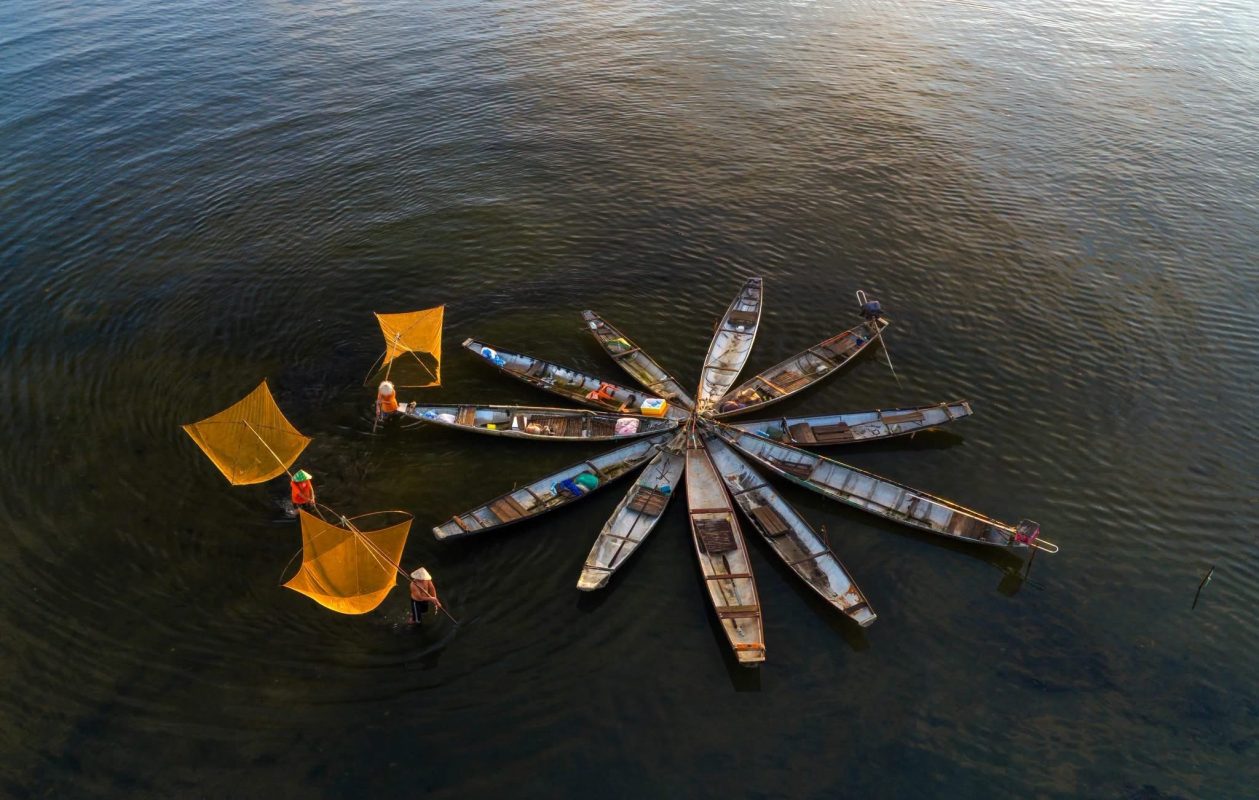
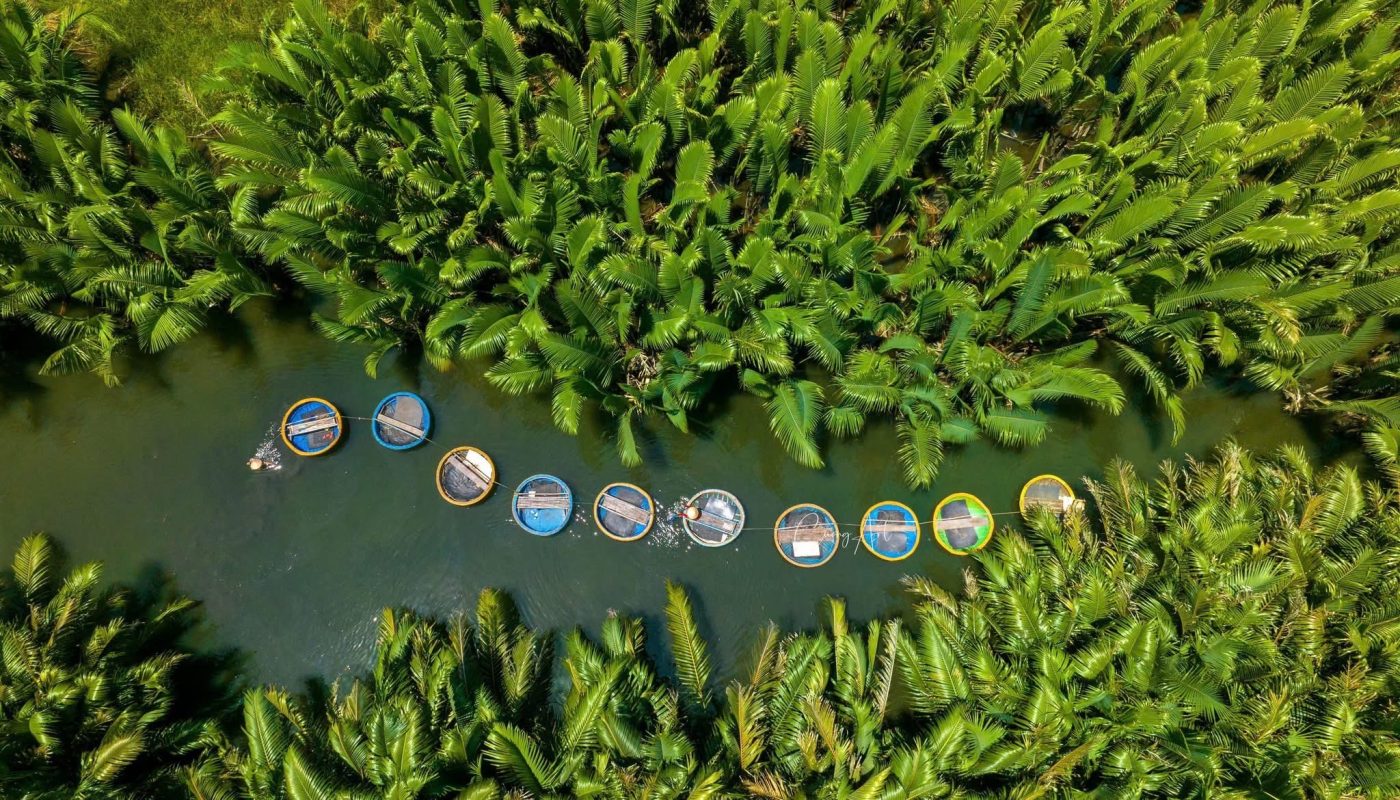
The fishing village is one of the best places to see another side of Mui Ne. Early in the morning, fishing boats return toward the shore while traders sort and sell the day’s catch. Colorful round basket boats sit offshore, creating one of the most recognizable scenes along the coast.
The best time to visit is shortly after sunrise. The village is active, the light is soft and seafood activity is at its peak. It is also an excellent opportunity to understand how closely Mui Ne remains connected to fishing despite its growth as a tourism destination.
Seafood in Mui Ne
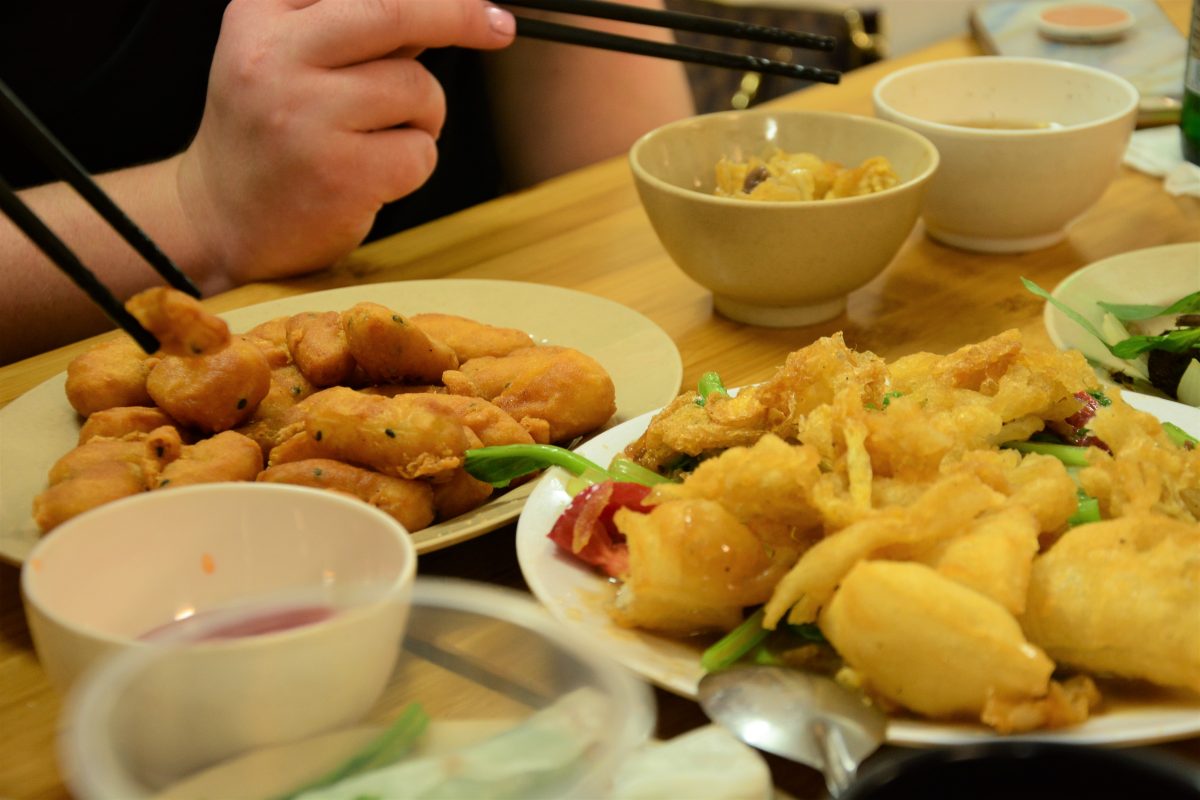
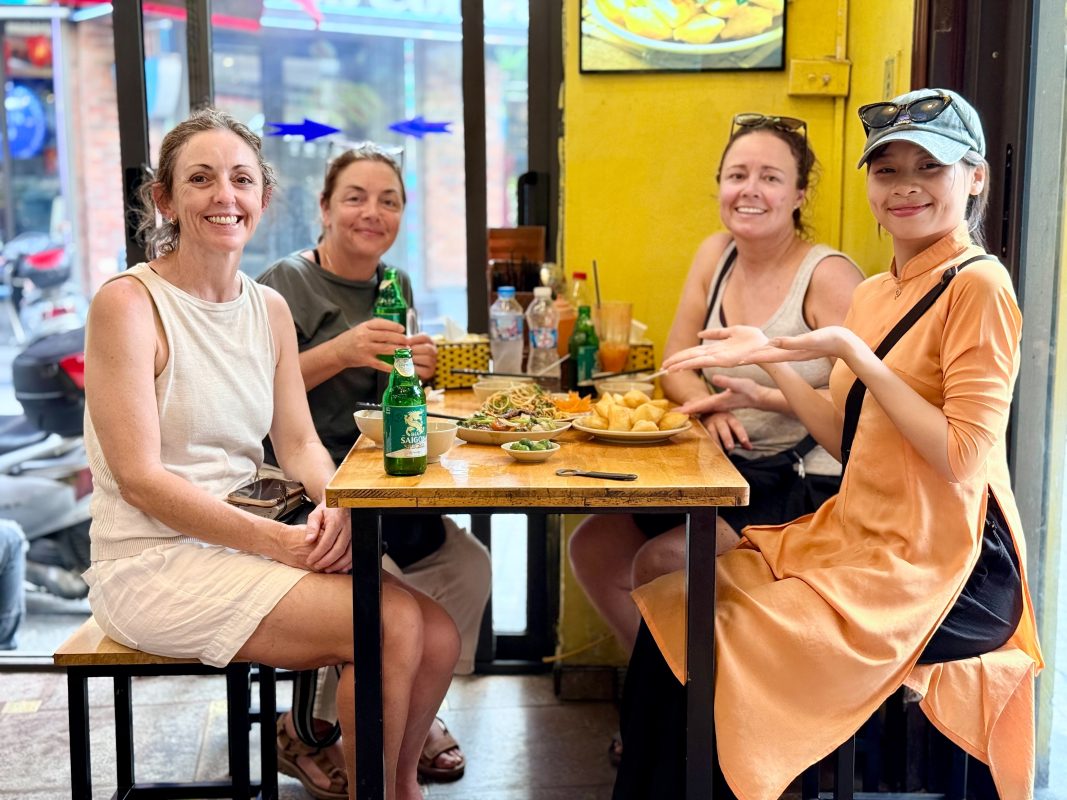
Seafood is central to the Mui Ne experience. Restaurants along the coast serve fresh fish, squid, prawns, crab, shellfish and other catches from the surrounding waters.
For a better culinary experience, choose a restaurant based on freshness and preparation rather than simply looking for the largest menu. A private guide can also introduce travelers to smaller seafood restaurants away from the busiest tourist areas.
Kitesurfing in Mui Ne
Mui Ne is one of Asia’s established destinations for kitesurfing and windsurfing. Strong and consistent coastal winds, particularly from November through April, attract experienced riders as well as beginners.
Beginners can take lessons from professional schools along the beach. Even travelers who do not want to participate can enjoy watching colorful kites moving across the water, particularly in the late afternoon.
Mui Ne for Adventure
The dunes provide several light-adventure options, including jeep excursions, quad-bike experiences and sand sliding. A private jeep is particularly suitable for travelers who want to combine the White Sand Dunes, Red Sand Dunes and other coastal attractions comfortably.
The best approach is to combine adventure with relaxation. Spend the morning exploring the dunes, then return to the coast for lunch and a quieter afternoon.
Po Sah Inu Cham Towers
The Po Sah Inu Cham Towers provide an important cultural dimension to a Mui Ne trip. These historic brick towers were built during the Champa period and remain connected with Cham religious traditions.
The site sits on elevated ground, providing views across the surrounding area. Visitors should dress respectfully because the towers continue to have religious significance.
Cham Heritage in Mui Ne
The towers are a reminder that the region’s history extends far beyond its modern resort development. The Champa civilization played a major role in the history of Central and Southern Vietnam, and Cham cultural influences remain visible in architecture, religion and traditional communities.
Including Po Sah Inu in a Mui Ne itinerary therefore creates a useful connection between the coastline’s natural attractions and Vietnam’s deeper history.
Ke Ga Lighthouse
For travelers with additional time, Ke Ga Lighthouse offers a scenic excursion south of Mui Ne. The historic lighthouse stands on a rocky offshore island and can be reached by boat.
The surrounding coastline is quieter than the main Mui Ne resort area, making it suitable for travelers looking for a more relaxed day outside the main tourist zone.
Ta Cu Mountain
Ta Cu Mountain provides another option for a day trip. The area combines forested mountain scenery, cable-car access and a large reclining Buddha statue.
It works particularly well for travelers who want to add mountains and cultural sites to their coastal holiday.
Mui Ne at Sunrise
Mui Ne is best experienced early in the morning. The fishing village is active, the dunes are cooler and the coastline is much quieter than later in the day.
For photographers, sunrise creates some of the strongest images of the trip. The combination of fishing boats, golden light and changing colors across the sand gives the destination a distinctive visual character.
Mui Ne at Sunset
Sunset is when the Red Sand Dunes become particularly attractive. The warm light emphasizes the orange tones of the sand while the surrounding landscape takes on a softer appearance.
Afterward, return toward the beach for a seafood dinner or sunset drink. This creates a simple but memorable rhythm for an evening in Mui Ne.
Best Time to Visit Mui Ne
Mui Ne is warm throughout much of the year, but the November to April period is particularly attractive for travelers interested in dry weather and wind sports. The Ginkgo guide identifies this period as the best season for kitesurfing, while Vietnam Tourism emphasizes the destination’s favorable combination of warm water and steady coastal winds.
For travelers mainly interested in beaches, dunes and sightseeing, Mui Ne can be visited outside the peak wind season as well. The most important consideration is allowing flexibility around weather and outdoor activities.
Mui Ne in the Dry Season
The drier months are excellent for exploring the dunes, taking jeep excursions and spending time on the beach. Early morning and late afternoon remain the most comfortable periods for outdoor sightseeing.
The stronger winds during the cooler months also create the best conditions for kitesurfing and windsurfing.
Mui Ne in the Hot Season
April and May can become particularly hot. Travelers should schedule dune visits early in the morning and avoid prolonged exposure to the midday sun.
A resort with a good pool and beachfront access makes these months more comfortable because sightseeing can be balanced with plenty of time indoors or beside the water.
How Long Should You Stay?
The Ginkgo Voyage guide recommends 2–3 days for a typical Mui Ne visit.
Two nights are enough for the main dunes, Fairy Stream, fishing village and beach. Three or four nights are better for travelers who want to add kitesurfing, Ta Cu Mountain, Ke Ga Lighthouse or simply more time at a premium resort.
Where to Stay
The Ham Tien and central Mui Ne areas provide convenient access to restaurants, beaches and excursions. Vietnam Tourism identifies Ham Tien as a practical base because of its concentration of accommodation, food and tour services.
For premium travel, consider a quieter beachfront resort outside the busiest section. The ideal property should provide comfortable rooms, good dining, a private beach or attractive pool area and easy access to the coastal road.
Mui Ne for Couples
Mui Ne works particularly well for couples who want a combination of adventure and relaxation. Start with sunrise at the White Sand Dunes, explore the fishing village, enjoy a private seafood lunch and spend the afternoon beside the sea.
The evening can finish with a sunset experience, followed by dinner overlooking the coast. The destination’s relaxed atmosphere makes it easy to create a romantic itinerary without filling every hour.
Mui Ne for Families
Families can combine the beach with the Red Sand Dunes, Fairy Stream and a short jeep excursion. The shallow water at Fairy Stream and the open spaces around the dunes provide simple activities for different age groups.
Private transportation is especially useful for families because it avoids long waits and allows the itinerary to change according to weather and children’s energy levels.
Mui Ne for Photographers
Mui Ne is one of Vietnam’s strongest destinations for landscape photography. The dunes provide sweeping compositions, while the fishing village offers people, boats and everyday coastal activity.
Sunrise at the White Sand Dunes and sunset at the Red Sand Dunes create two very different photographic moods. Fairy Stream, Po Sah Inu and the coastal roads provide additional variety.
Mui Ne for Food Travelers
Seafood should be central to a Mui Ne itinerary, but the culinary experience should go beyond resort restaurants. Explore morning fishing activity, visit local markets and try regional dishes prepared with freshly caught ingredients.
Mui Ne is also associated with dragon fruit, an important agricultural product of Binh Thuan. A countryside excursion can combine coastal scenery with agricultural landscapes and seasonal produce.
Responsible Travel in Mui Ne
Mui Ne’s dunes, beaches and fishing communities are sensitive environments. Travelers should avoid leaving plastic behind, damaging vegetation or disturbing fishing activities.
At the fishing village, observe respectfully and ask permission before photographing people closely. At Cham religious sites, dress appropriately and follow local customs.
Responsible travel is particularly important as Mui Ne continues to grow as a major coastal destination.
Mui Ne and Ho Chi Minh City
Mui Ne makes a natural extension to a Ho Chi Minh City itinerary. After several days exploring museums, markets, architecture and street food in Saigon, travelers can move toward the coast for beaches, dunes and a slower pace.
A private car makes the transition comfortable and allows stops along the route. The combination creates a strong contrast between Southern Vietnam’s largest city and its sandy coastline.
Mui Ne and Da Lat
Mui Ne can also be combined with Da Lat for a contrasting journey through Southern Vietnam. Da Lat provides cool mountain air, pine forests, waterfalls and flower gardens, while Mui Ne offers warm beaches and sand dunes.
The two destinations work especially well for travelers who want both highland and coastal landscapes in one itinerary.
A Sample 3-Day Private Mui Ne Journey
Day 1 — Ho Chi Minh City to Mui Ne
Begin with a comfortable private transfer from Ho Chi Minh City toward Mui Ne. After lunch, explore the coastal area and visit the Mui Ne Fishing Village to see the traditional fishing community and colorful basket boats. Continue to Fairy Stream for a barefoot walk through the red-and-white rock formations before checking into your beachfront hotel. Enjoy a relaxed seafood dinner beside the ocean.
Day 2 — White Sand Dunes, Red Sand Dunes & Beach
Start before sunrise and travel by private jeep toward the White Sand Dunes. Watch the first light appear across the sand before exploring the dunes and Bau Trang landscape. Return for breakfast and spend the late morning relaxing at the beach before visiting the Red Sand Dunes around sunset. Finish the day with dinner overlooking the sea.
Day 3 — Cham Heritage & Departure
After breakfast, visit Po Sah Inu Cham Towers and learn about the region’s Champa heritage before continuing through the countryside. Enjoy a final seafood lunch and, depending on your departure time, add a short coastal stop or resort experience. Continue by private vehicle toward your next destination. Breakfast, Lunch & Dinner are included throughout the private journey.
A Slower Four-Day Experience
Travelers with four days can slow the itinerary considerably. The first day can focus on arrival and the beach, while the second is dedicated to the dunes and fishing village.
The third day can explore Cham heritage, countryside and Ke Ga or Ta Cu. The final day can simply be about breakfast, the beach, a long lunch and a relaxed departure.
Why Choose Vietnam Women Travel for Mui Ne?
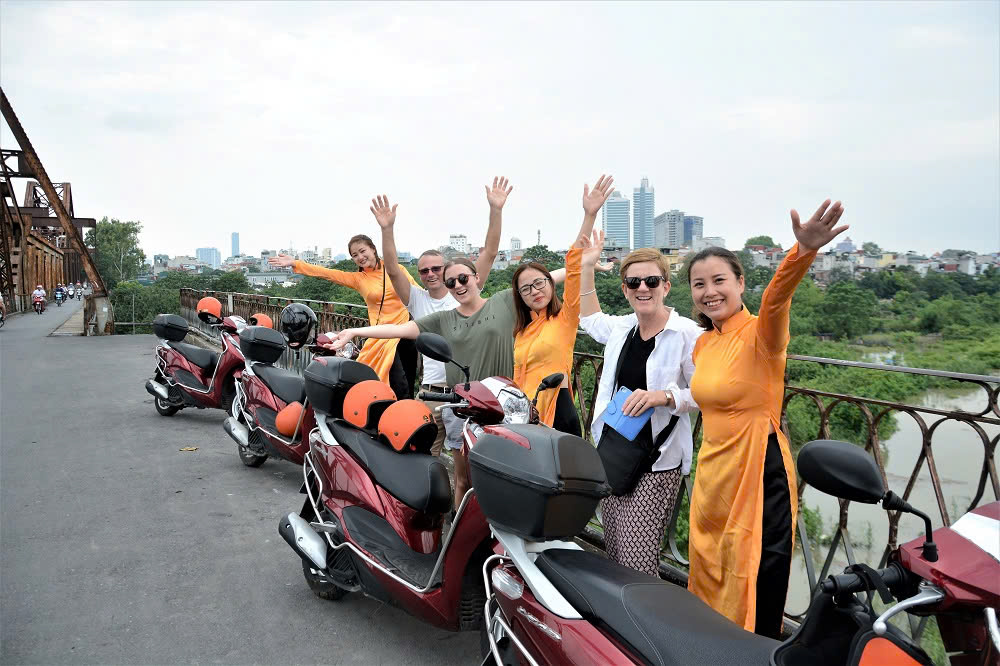
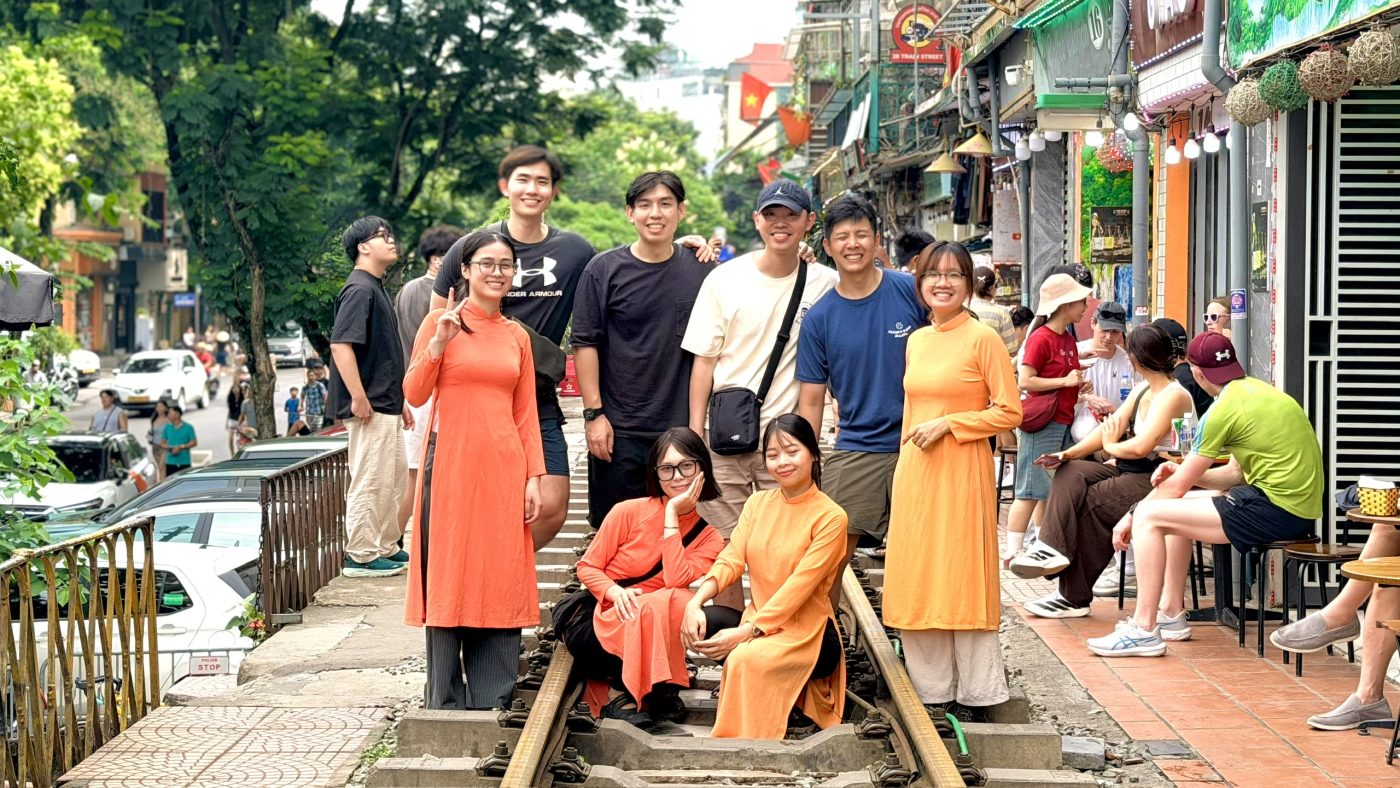
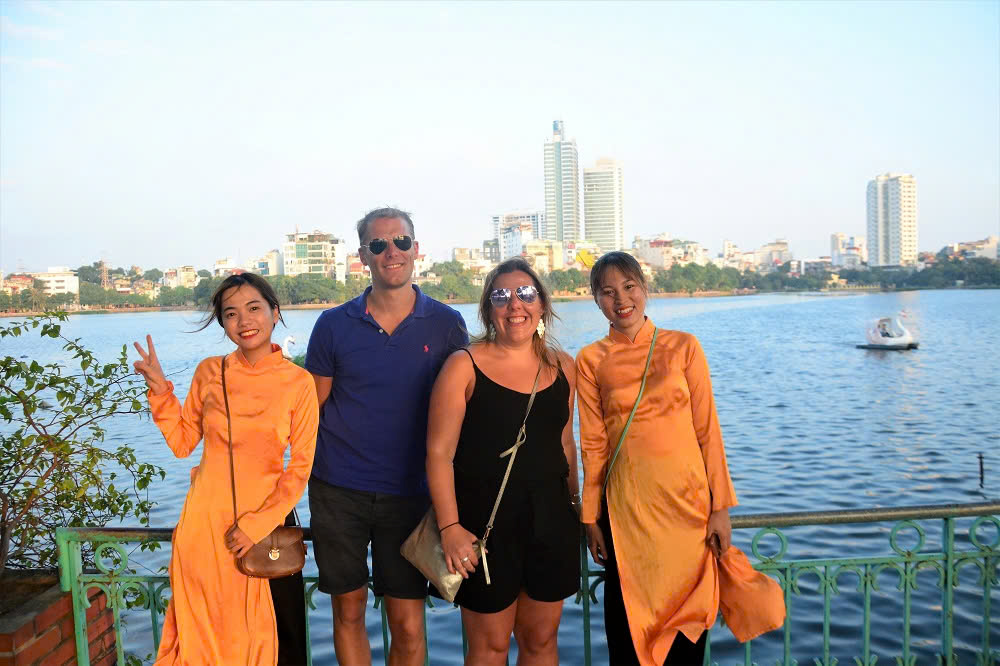
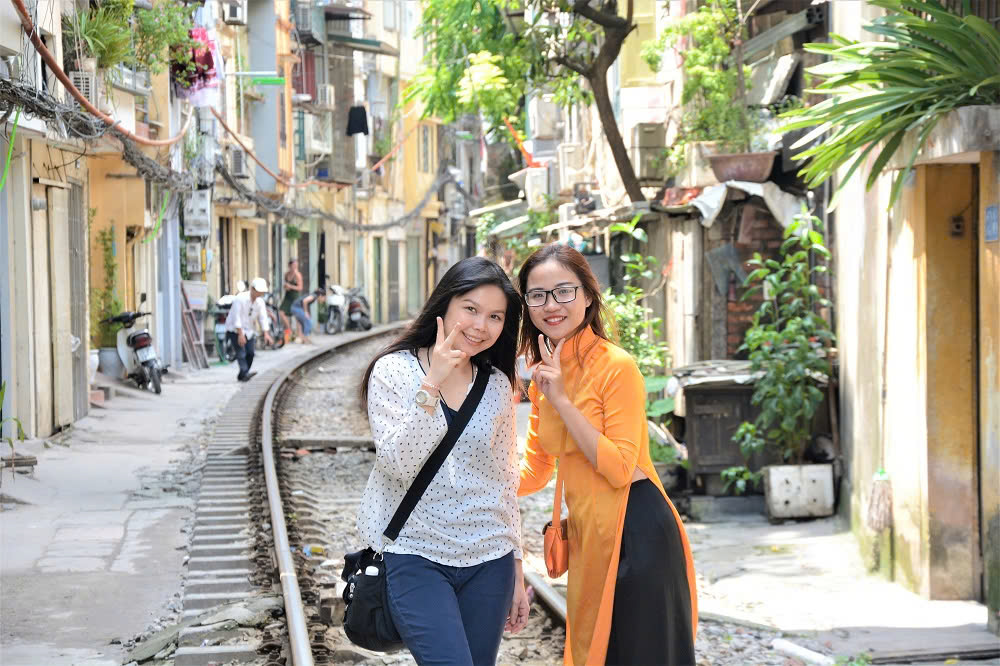
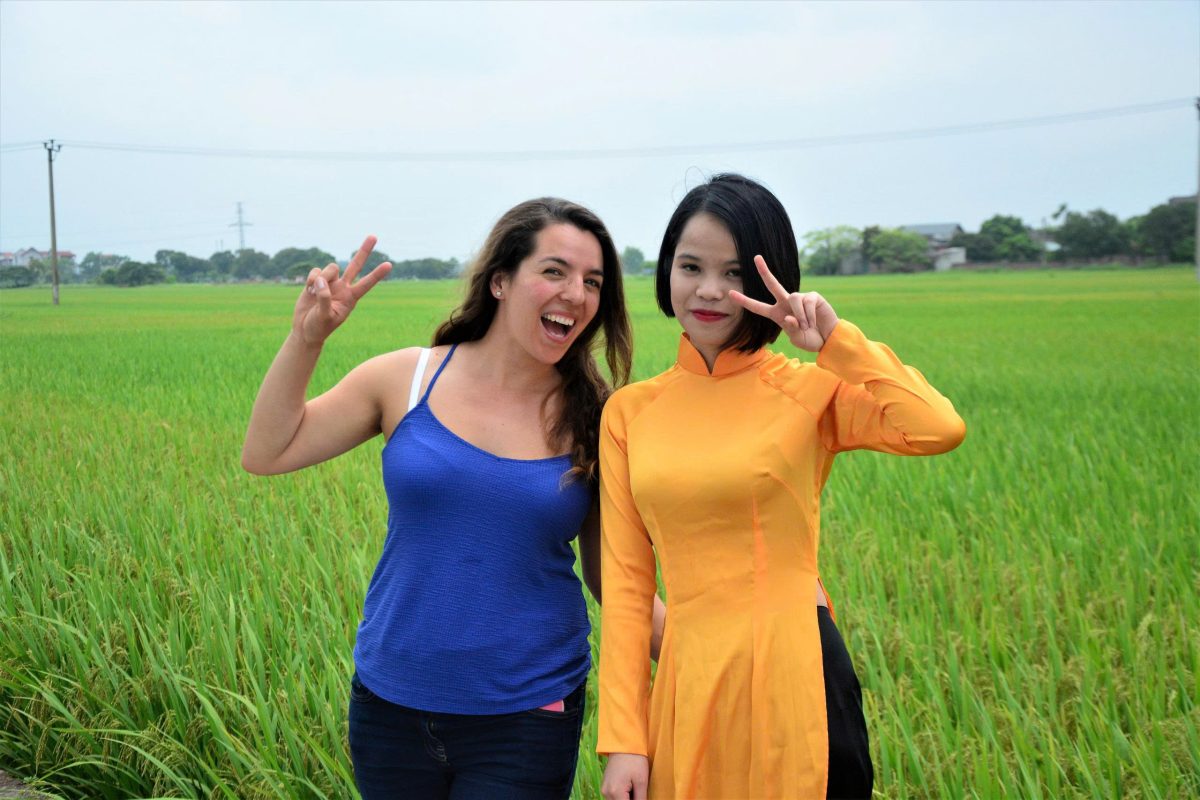
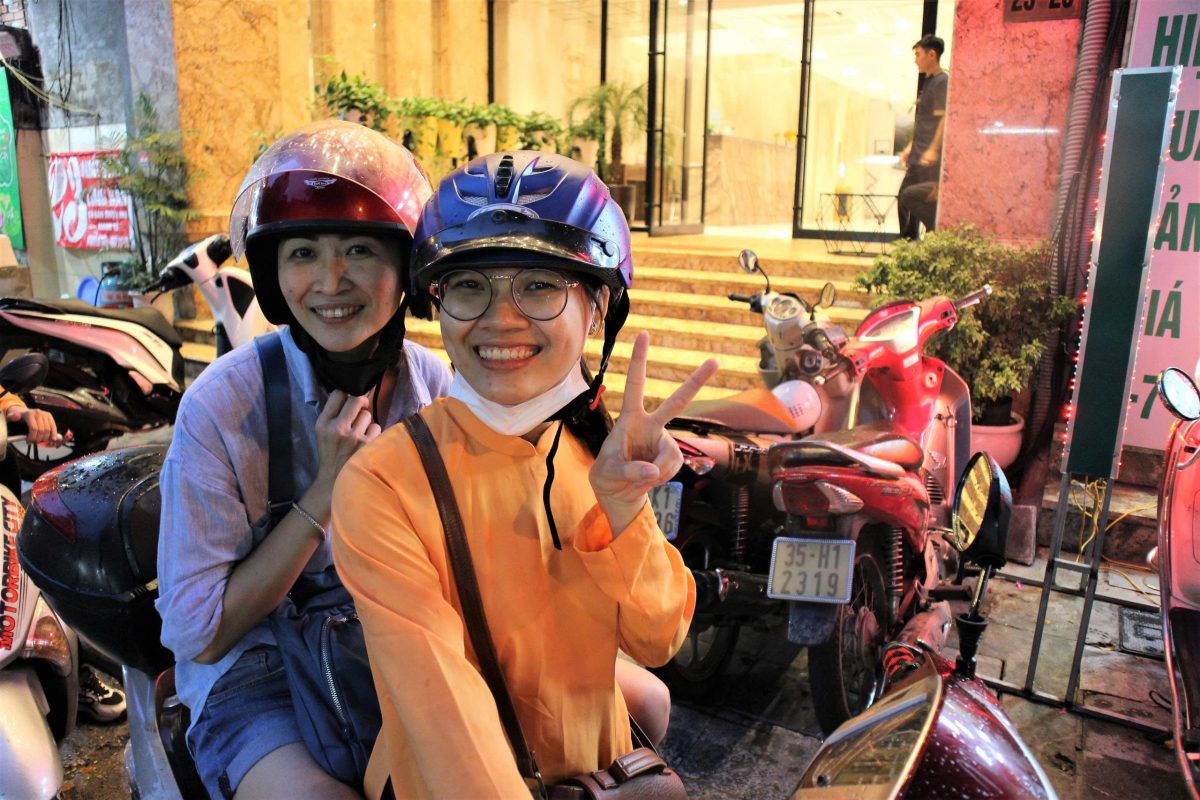
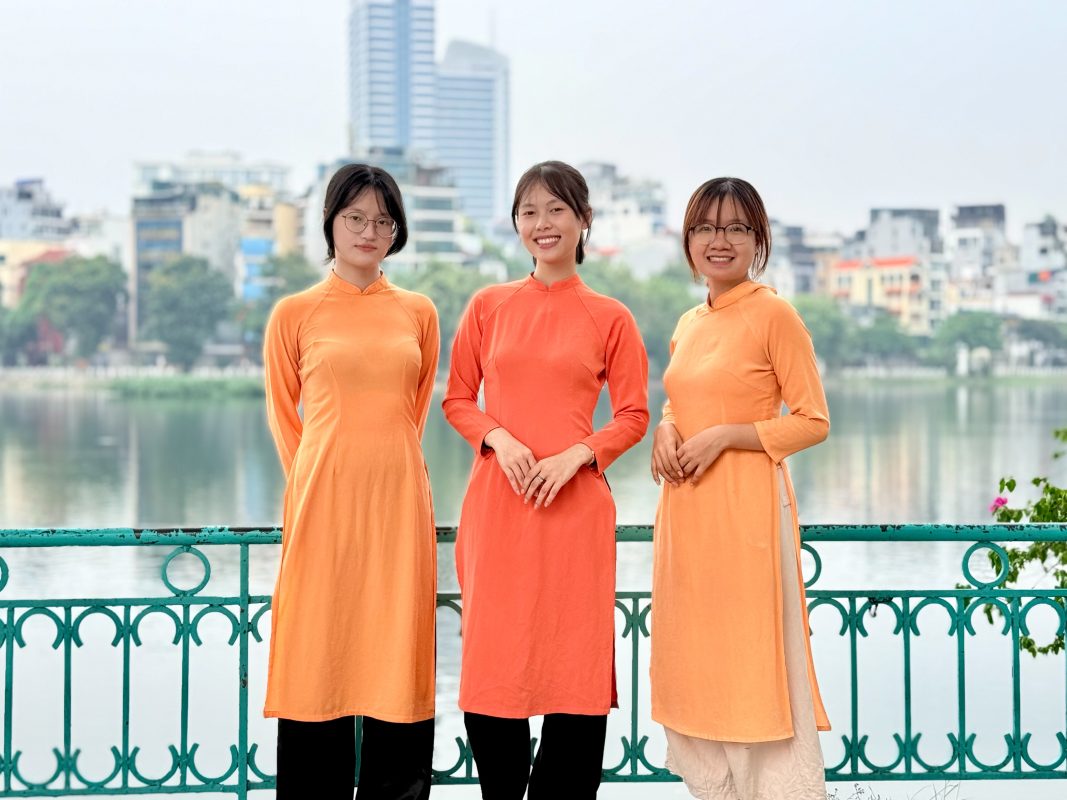
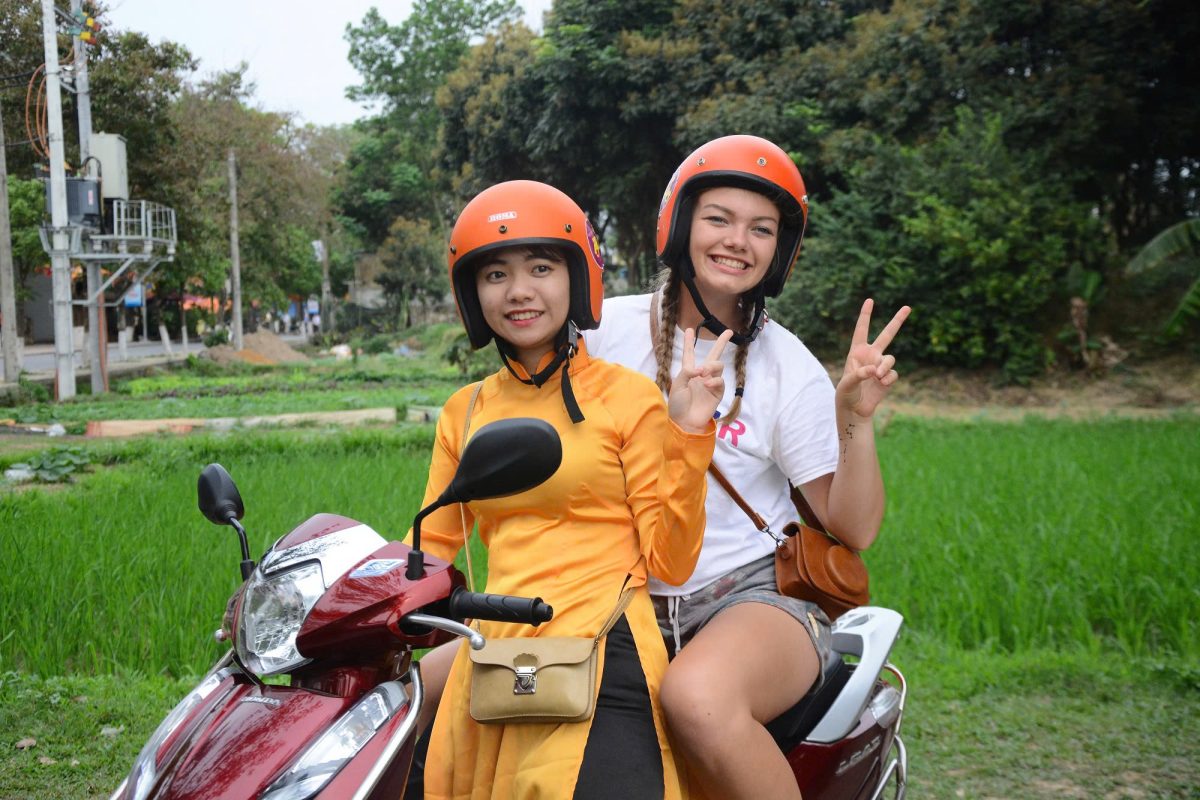
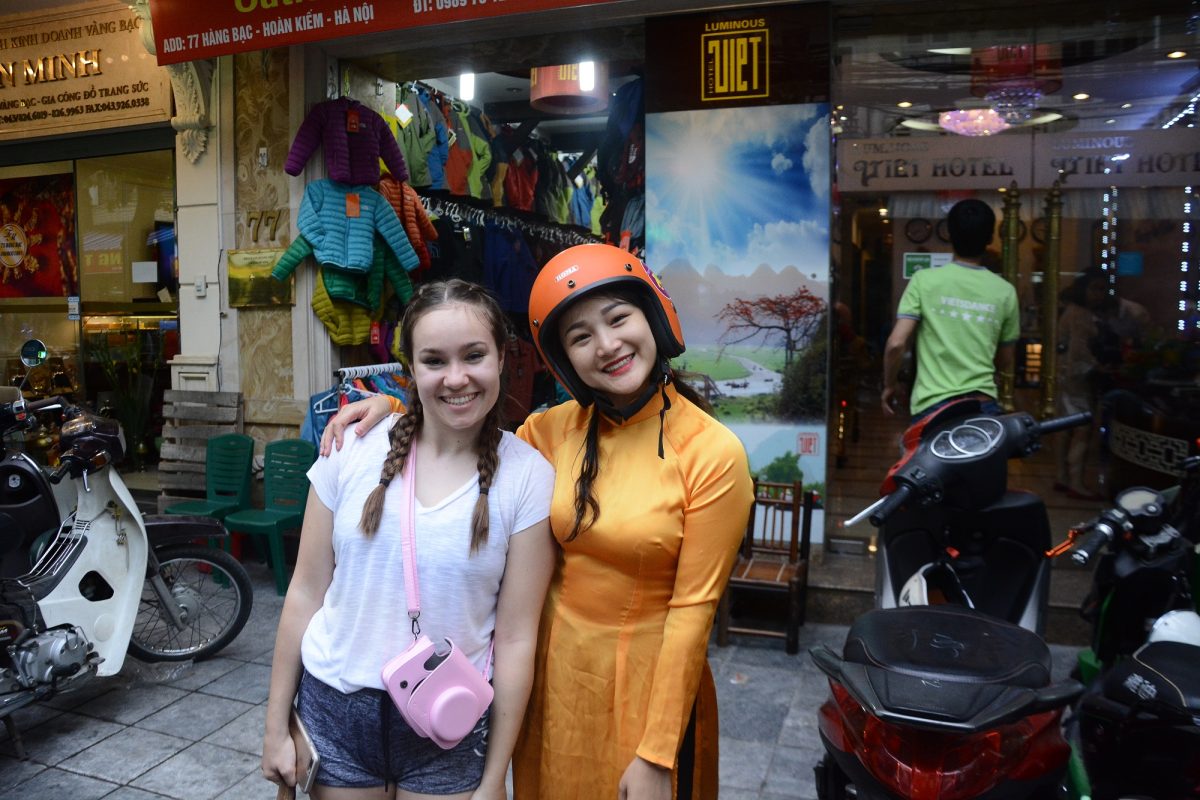
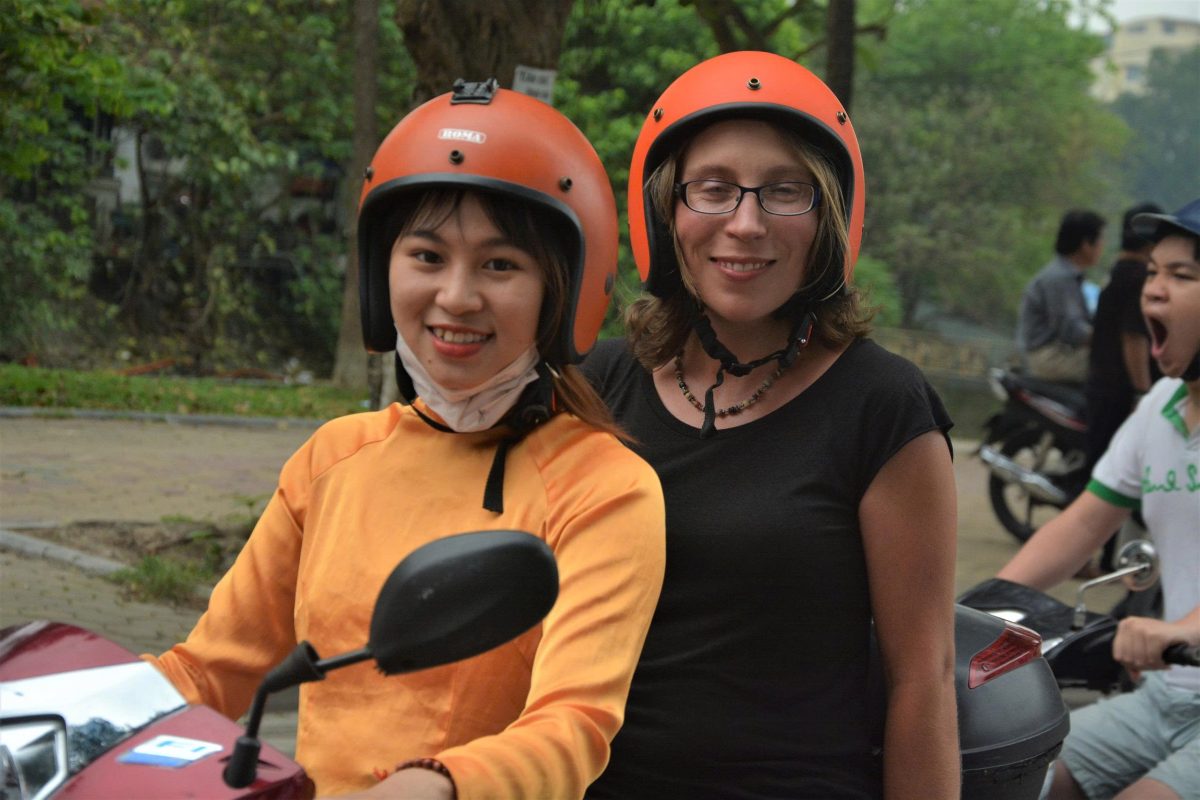
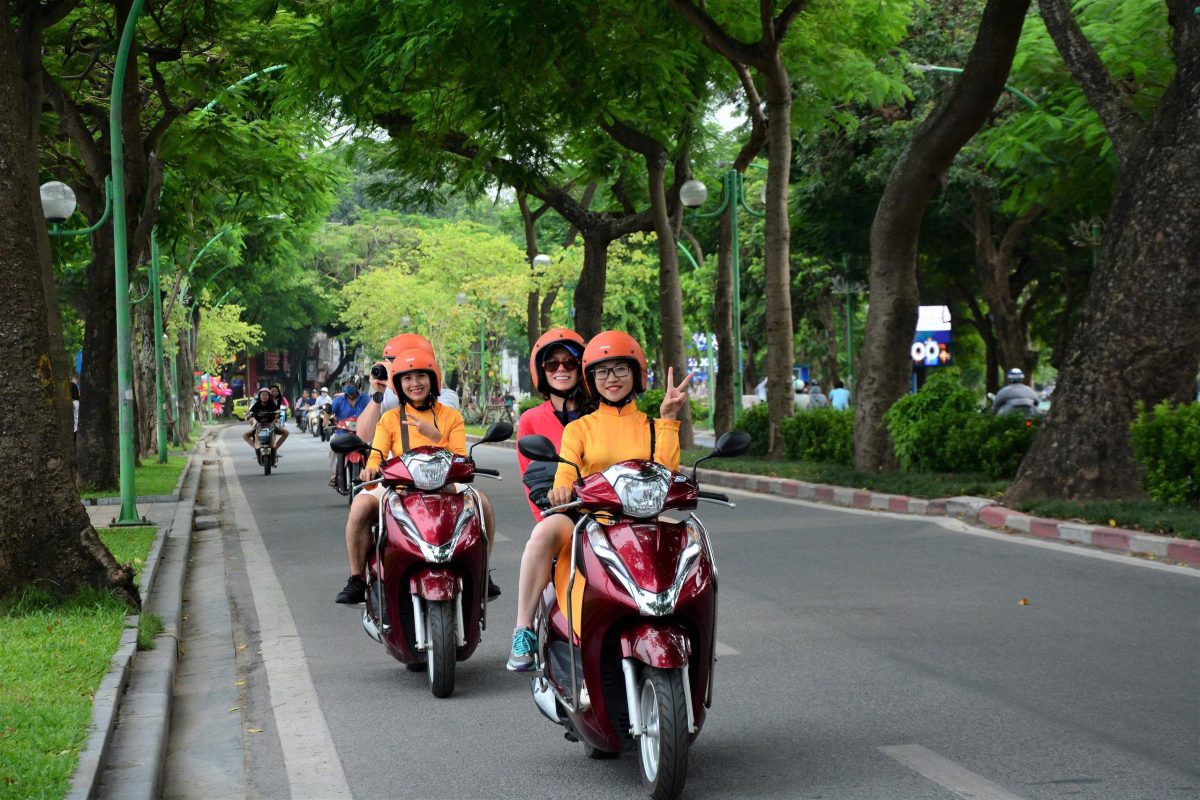
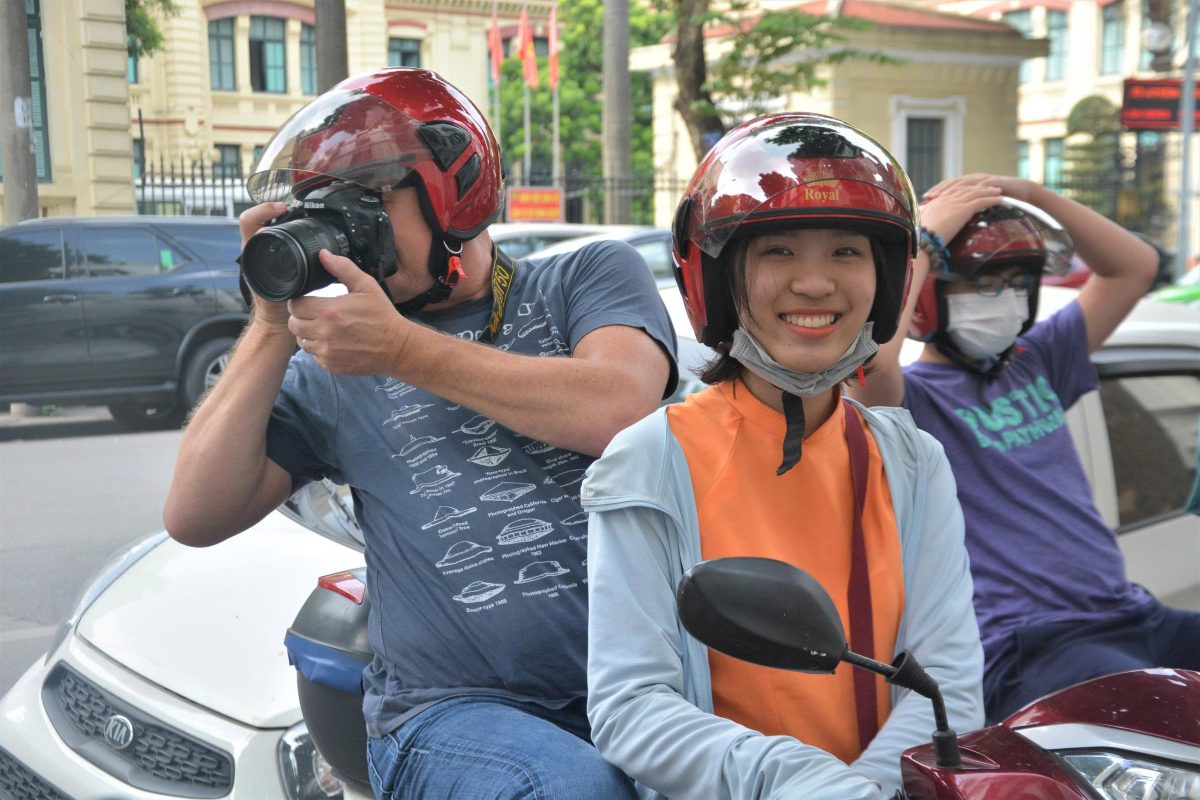
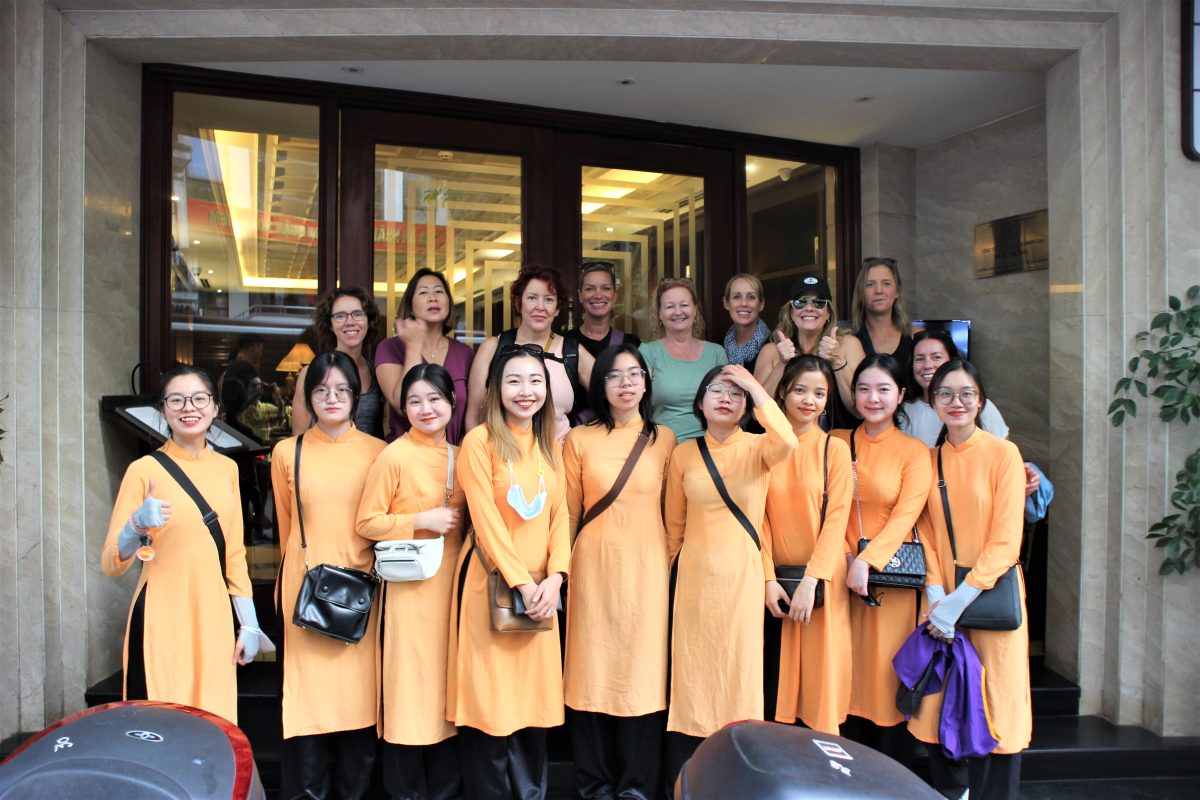
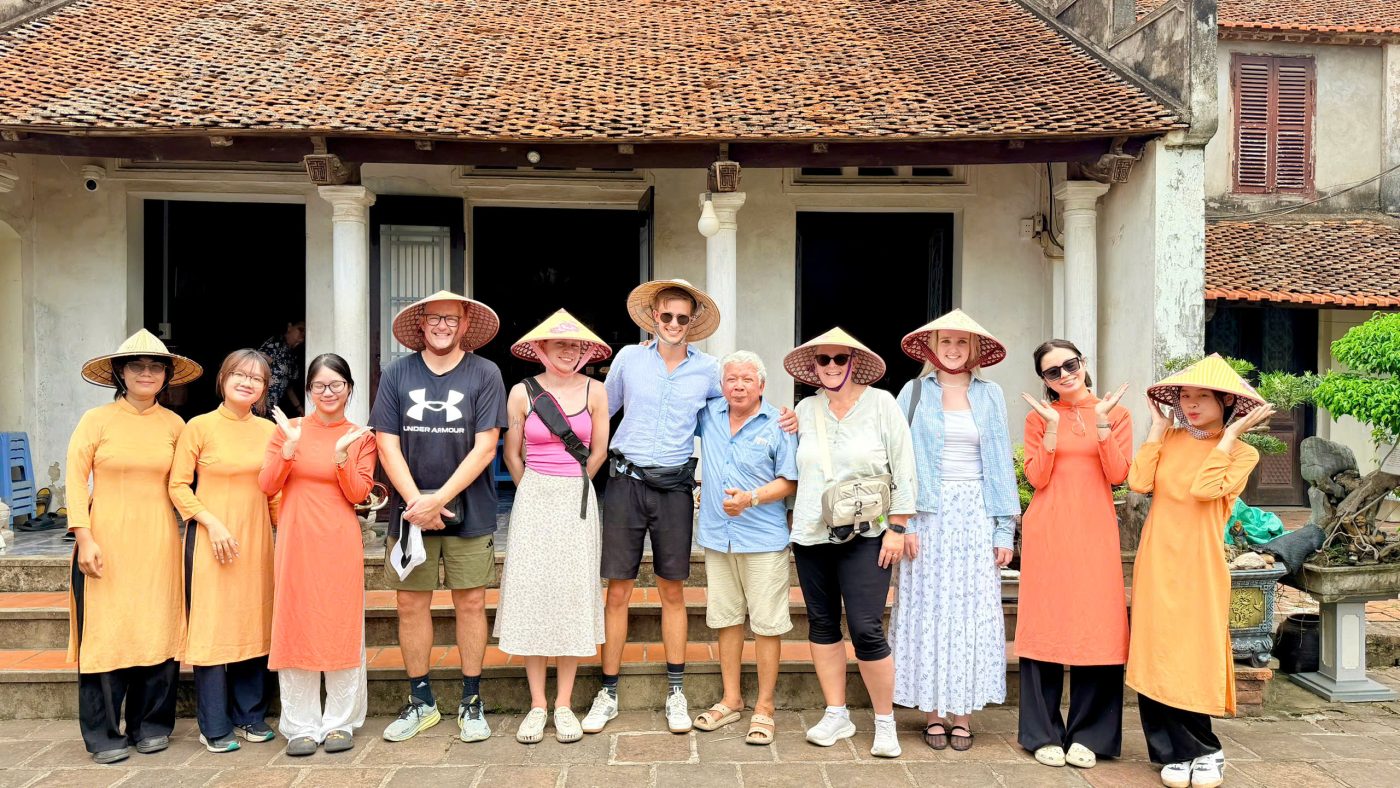
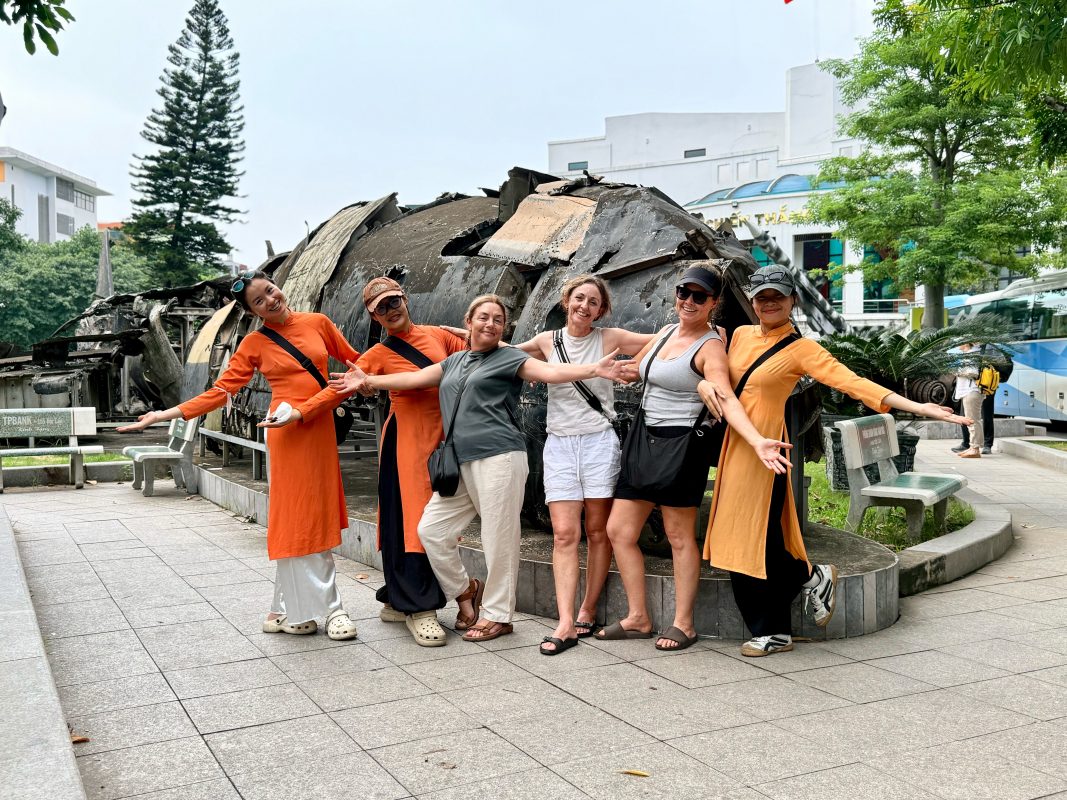
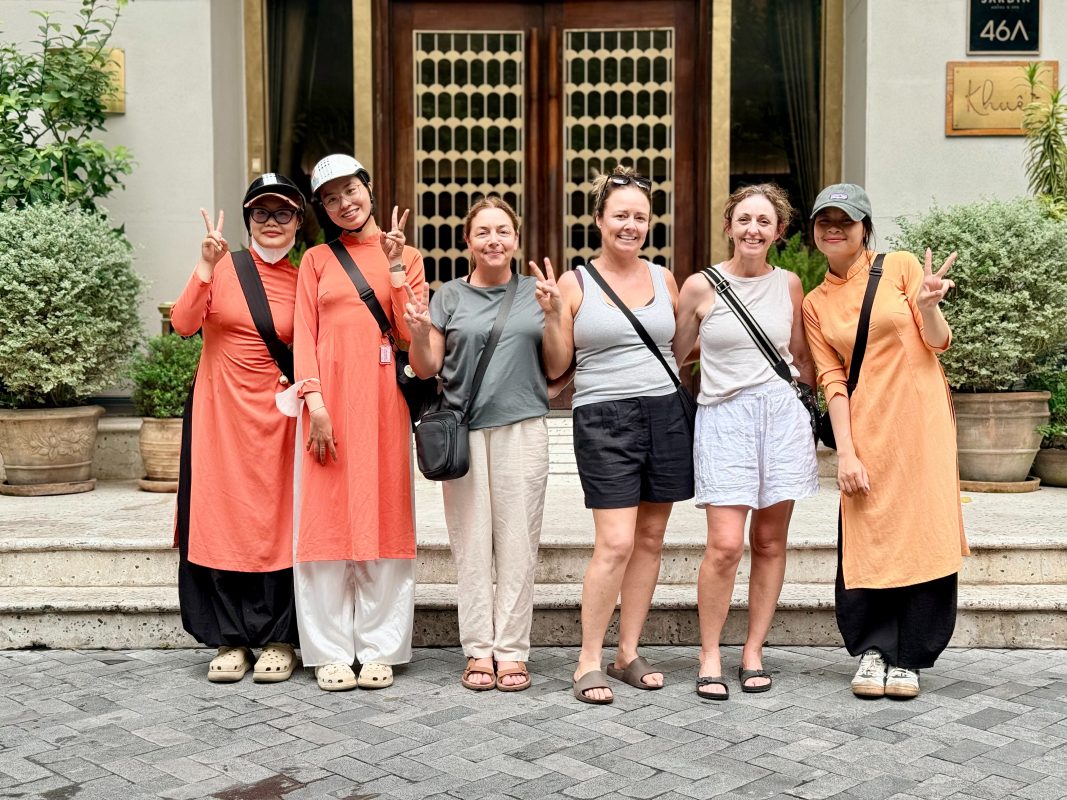
Vietnam Women Travel – Premium Private Tours Led by Women creates private Mui Ne journeys that combine the region’s natural landscapes, coastal culture and comfortable accommodation.
Rather than following a fixed group itinerary, travelers can decide how much time to spend on the dunes, beach, food, photography and cultural experiences.
The journey can be adventurous or relaxed, depending on your interests.
The Women-Led Difference
With Vietnam Women Travel – Premium Private Tours Led by Women, Mui Ne can be experienced through private transportation and women-led guiding designed around your own pace.
Start early for the dunes.
Spend more time with the fishing community.
Stop for photography.
Take a longer seafood lunch.
Or return to the resort for a quiet afternoon by the sea.
The objective is not simply to see Mui Ne’s famous attractions, but to experience the contrast between its desert-like landscapes, ocean culture and modern coastal lifestyle.
The Luxury of Mui Ne
Luxury in Mui Ne is about space, sunlight and the freedom to slow down.
A beautiful beachfront resort.
A private jeep waiting before sunrise.
A quiet stretch of sand.
Fresh seafood beside the ocean.
A sunset over the dunes.
And a comfortable private vehicle connecting everything without rushing.
That combination makes Mui Ne an ideal addition to a premium Vietnam journey.
Discover Mui Ne
Come for the sand dunes.
Stay for the sea.
Wake before sunrise to see the fishing village.
Walk barefoot through Fairy Stream.
Explore the Cham heritage of Po Sah Inu.
Watch kitesurfers crossing the water.
Taste fresh seafood.
And leave enough time simply to enjoy the coast.
Mui Ne brings together several landscapes that rarely appear so close to one another: tropical beaches, enormous dunes, freshwater lakes, fishing villages and historic Cham architecture. Vietnam Tourism and the Ginkgo Voyage guide both emphasize this unusual combination as the foundation of Mui Ne’s appeal.
Vietnam Women Travel – Premium Private Tours Led by Women
Private journeys. Women guides. Authentic Vietnam.