Hoi An Travel Guide: Ancient Streets, Lantern Nights, Beaches & the Soul of Central Vietnam
Hoi An is one of those places where the first impression can be misleading. At first glance, it is a beautiful riverside town of ochre-colored buildings, silk lanterns, wooden houses and narrow streets. Stay longer, however, and another Hoi An begins to appear: a former international trading port shaped by Vietnamese, Chinese, Japanese and European influences; a countryside of rice fields and waterways; a food culture built around herbs, noodles and fresh produce; and a coastline where the historic town gives way to beaches and fishing villages.
The historic town is not simply old. It is an unusually well-preserved example of a Southeast Asian trading port that flourished from the 15th to the 19th centuries. UNESCO inscribed Hoi An Ancient Town on the World Heritage List in 1999, recognizing both its exceptional preservation and the way its architecture and urban layout reflect a fusion of cultures developed through international commerce.
Today, Hoi An has become one of Vietnam’s most atmospheric destinations, but its greatest strength is the variety surrounding the Ancient Town. Within a short journey you can move from historic merchant houses to Tra Que’s vegetable gardens, from rice paddies to An Bang Beach, from the Thu Bon River to the ancient Cham temples of My Son. This combination makes Hoi An particularly well suited to slow, private travel.
Where Is Hoi An?
Hoi An lies in Central Vietnam near the mouth of the Thu Bon River, in the wider Da Nang–Quang Nam region. Da Nang International Airport is the main gateway for international travelers, with the drive from Da Nang to Hoi An taking roughly 45 minutes to an hour depending on traffic and the exact starting point.
Its location makes Hoi An one of the easiest destinations to incorporate into a Central Vietnam journey. Travelers can arrive from Hanoi by air, spend several nights in Hoi An, then continue privately to Hue via the Hai Van Pass or onward toward other parts of Vietnam.
For a premium itinerary, this geographical position is particularly useful. Instead of changing hotels every night, you can stay in Hoi An and explore the surrounding countryside, beaches and heritage sites through private day excursions.
The Story of Hoi An
To understand Hoi An, it helps to forget the lanterns for a moment.
For centuries, this was a port connected to maritime trade networks linking Southeast Asia with China, Japan and Europe. Merchants, craftsmen, religious traditions, architectural ideas and goods moved through the town, leaving traces that can still be seen in its streets and buildings.
UNESCO describes Hoi An as an exceptionally well-preserved Southeast Asian trading port whose architecture and street plan demonstrate the interaction of indigenous traditions with foreign influences.
That history is what gives the Ancient Town its unusual appearance.
It does not look like a single architectural style.
Chinese assembly halls stand beside Vietnamese houses.
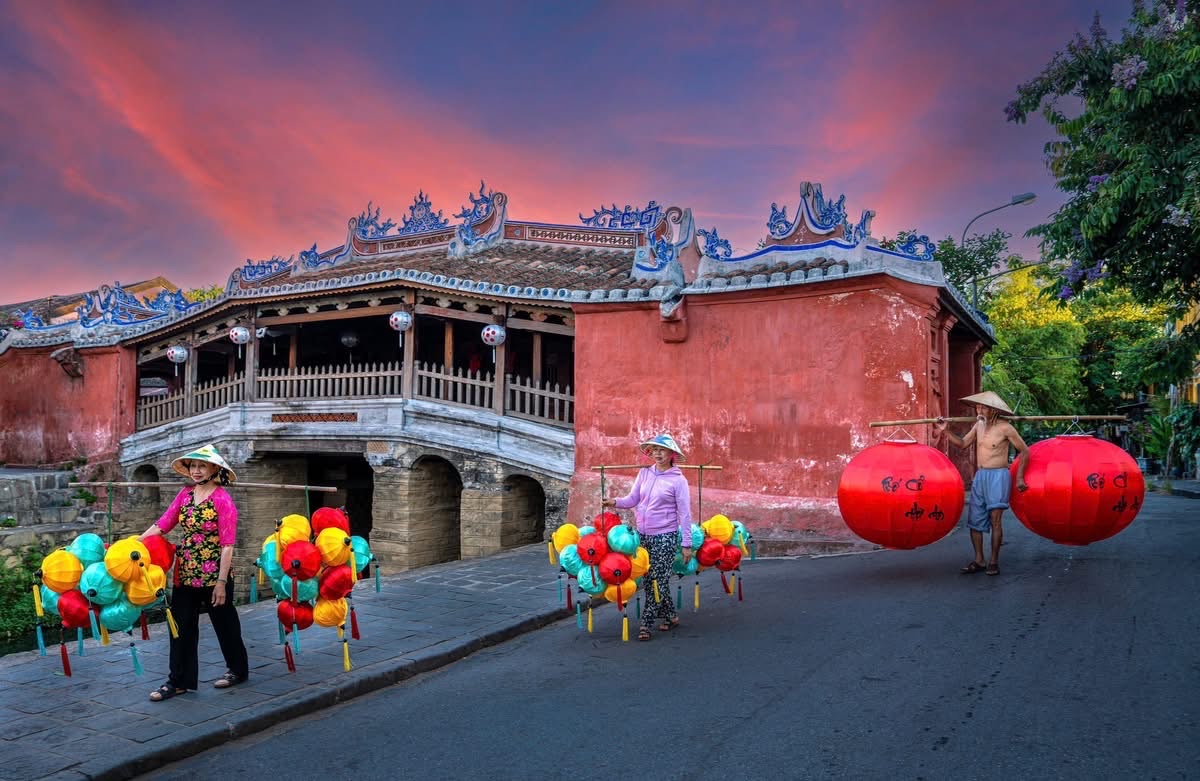
Japanese architectural influences appear in the famous covered bridge.
European commercial influences became part of the town’s later history.
The result is a town shaped by exchange rather than isolation.
Hoi An Ancient Town
The Hoi An Ancient Town is the heart of the destination.
The historic district is compact enough to explore on foot, and that is exactly how it should be experienced.
Walk slowly.
Look into the courtyards.
Notice the wooden beams.
Watch shopkeepers open their doors.
Look beyond the lanterns and tourist cafés to the architecture itself.
The UNESCO-listed property covers the historic core and surrounding protected area, with the heritage zone itself relatively compact compared with the much larger modern urban area around it.
The Yellow Houses of Hoi An
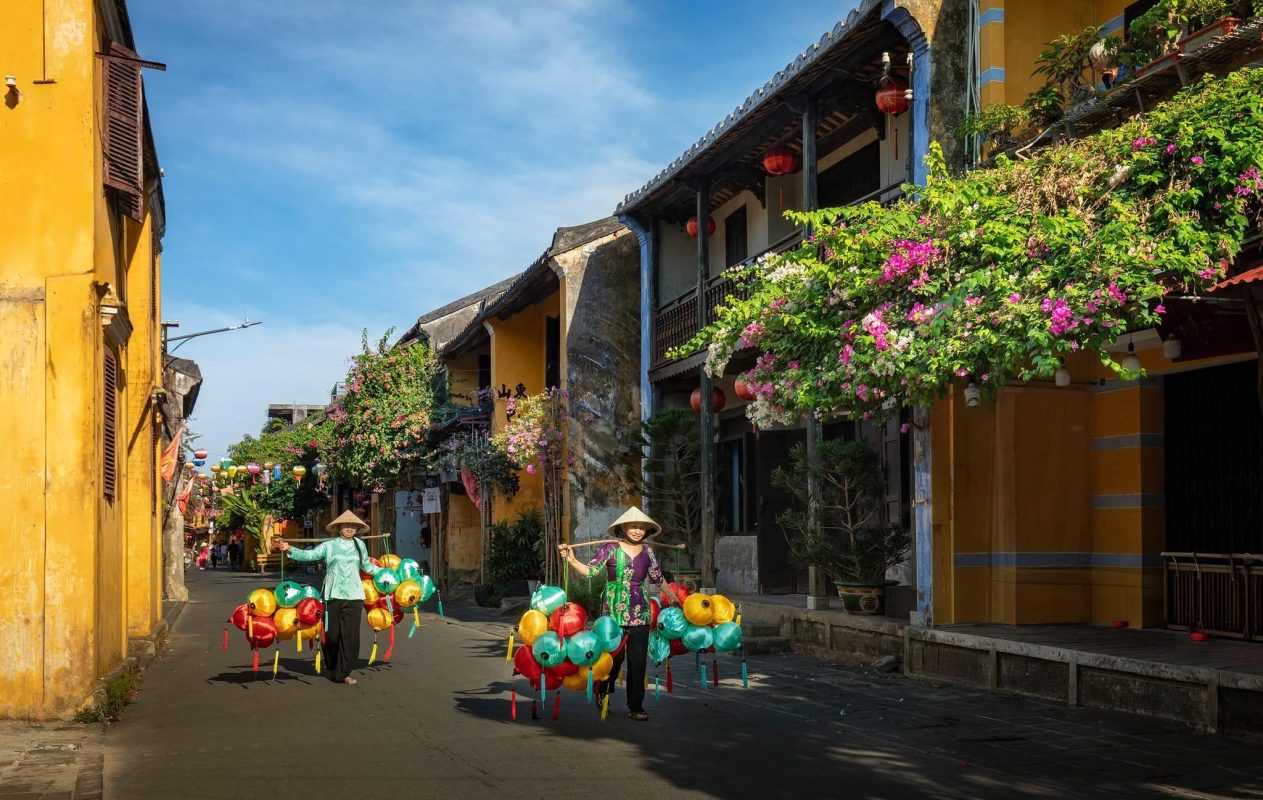
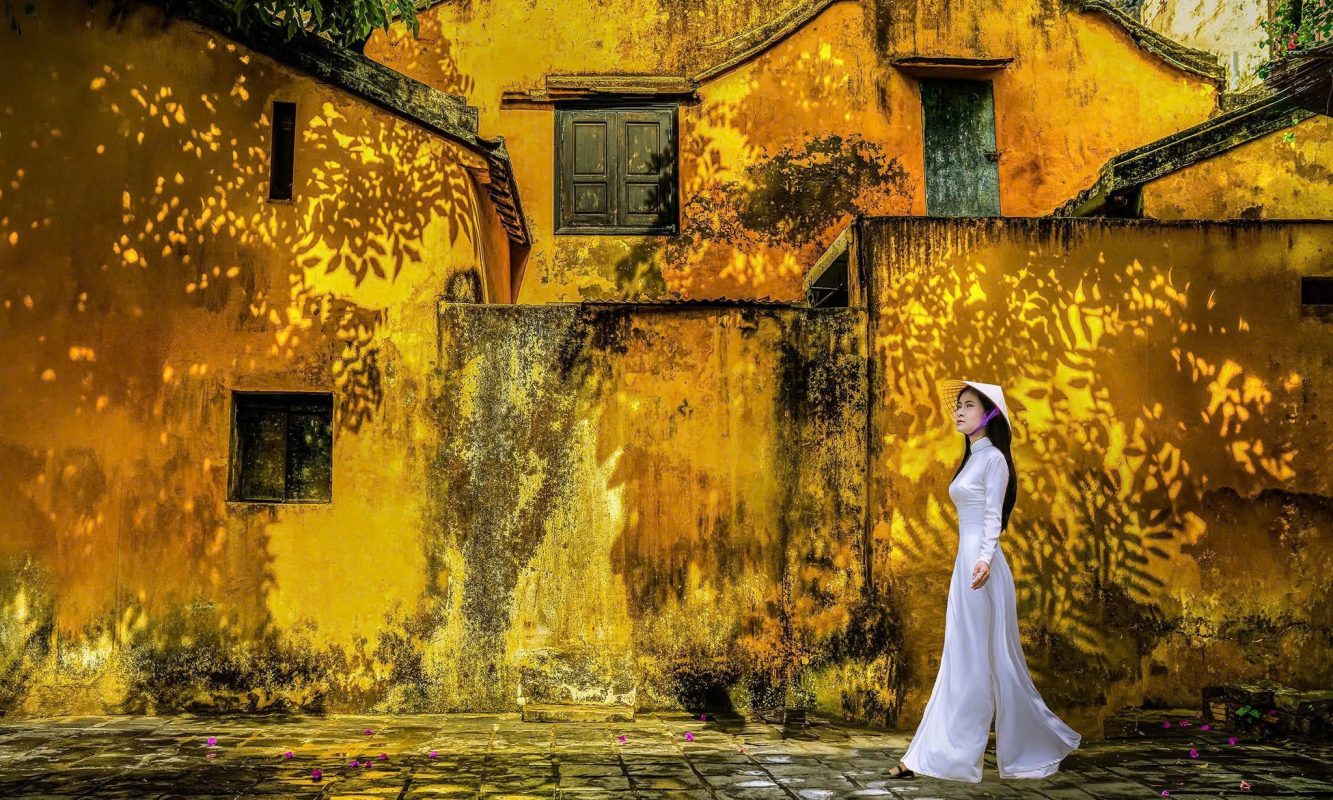
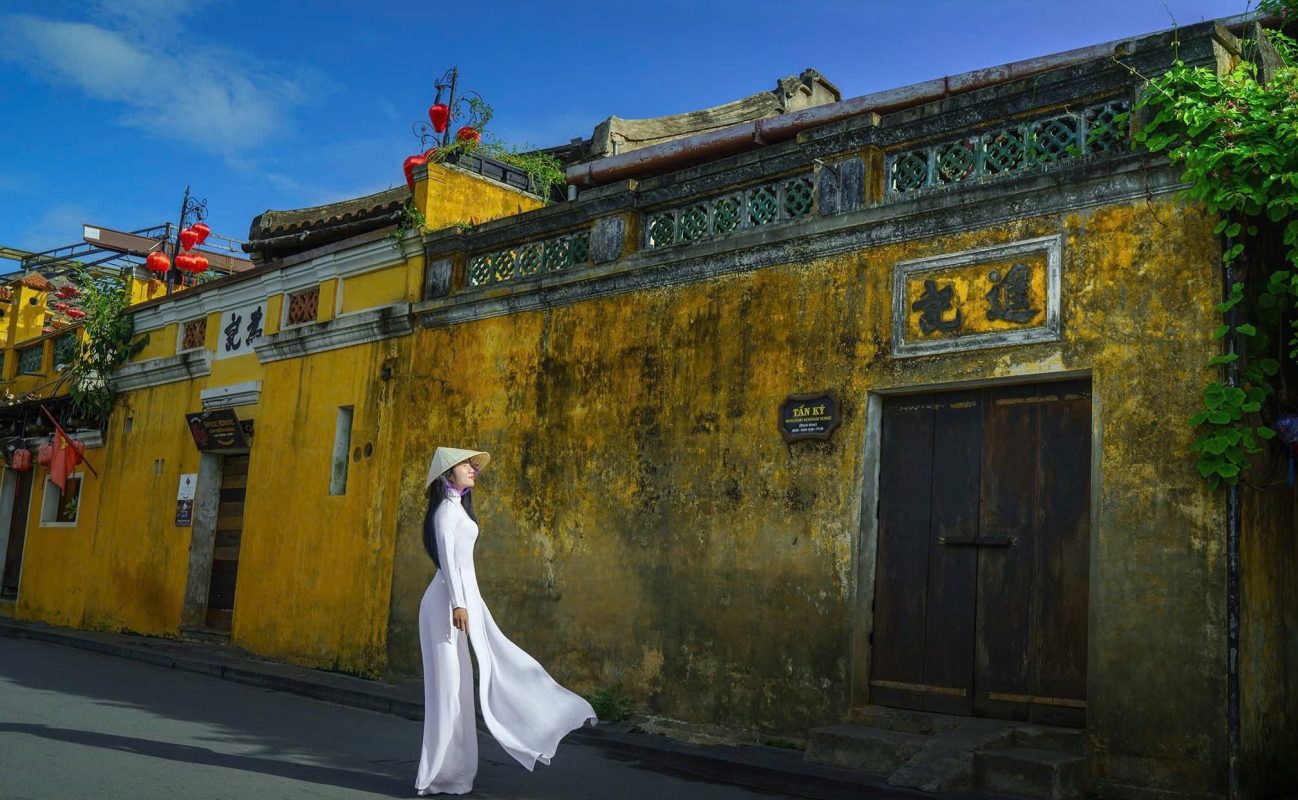
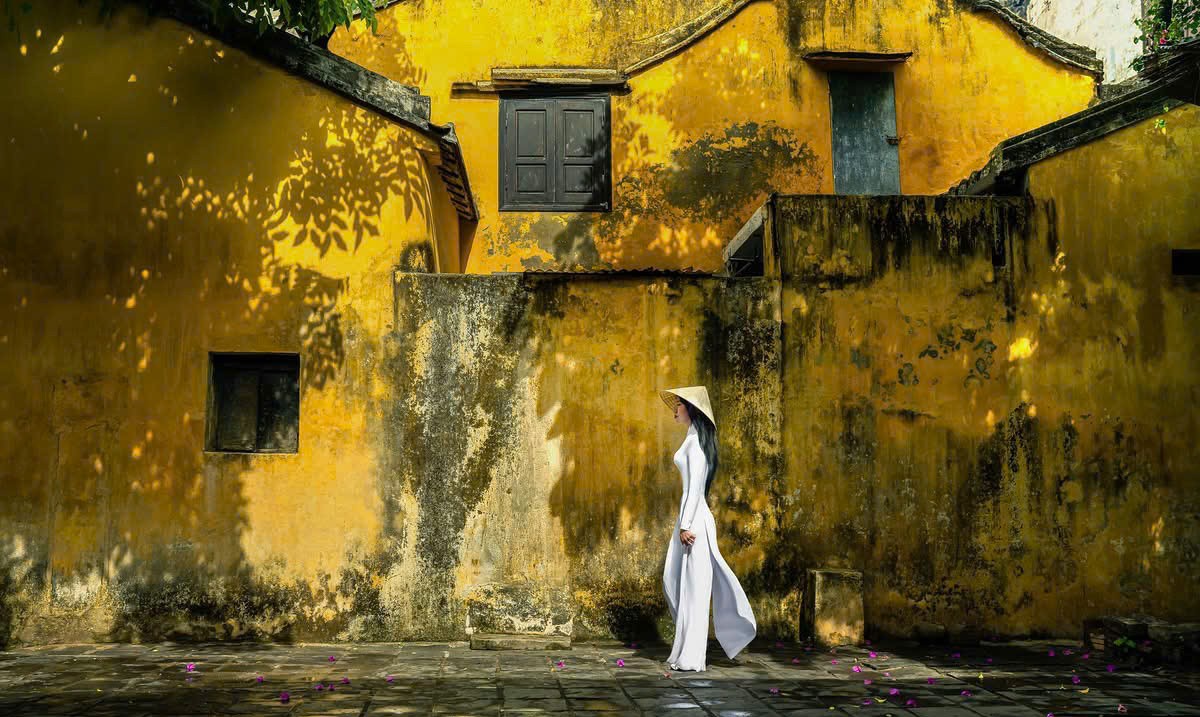
The ochre and yellow façades have become synonymous with Hoi An.
But the beauty lies in the details.
Weathered shutters.
Wooden balconies.
Moss-covered walls.
Chinese characters.
Carved doors.
Small courtyards.
Hanging lanterns.
The buildings appear simple from the street, but many reveal surprisingly deep and intricate interiors.
This is one reason Hoi An rewards slow exploration.
A building that seems ordinary from outside can contain an elaborate family altar, carved timberwork or a quiet courtyard hidden behind the shopfront.
Japanese Covered Bridge
The Japanese Covered Bridge is perhaps Hoi An’s most recognizable historic structure.
Built during the town’s period as an international trading port, the bridge represents the Japanese presence that became part of Hoi An’s multicultural history.
It is easy to photograph from outside, but it is worth paying attention to the architectural details and surrounding streets rather than treating it simply as an Instagram landmark.
The area becomes particularly busy later in the day.
For photography, early morning offers a much quieter atmosphere.
Tan Ky Old House
Tan Ky Old House provides one of the clearest introductions to Hoi An’s merchant architecture.
The house demonstrates how residential and commercial functions were combined within the narrow buildings of the old port.
Wooden structures, carved details and elements influenced by different Asian architectural traditions reveal the cultural connections that shaped Hoi An.
A visit here helps explain why UNESCO considers the town an outstanding physical expression of cultural exchange over time.
The Chinese Assembly Halls
Several Chinese assembly halls remain within the Ancient Town.
Among the best known are the Fujian Assembly Hall, Cantonese Assembly Hall and Trieu Chau Assembly Hall.
These buildings served religious, social and community functions for Chinese merchant communities living and trading in Hoi An.
Their elaborate gates, courtyards, sculptures and ceremonial spaces contrast with the restrained façades of many merchant houses.
They also reveal an important part of Hoi An’s identity: this was not simply a Vietnamese town that happened to trade internationally. Its urban culture was actively shaped by the communities participating in that trade.
Hoi An at Sunrise
If you only experience the Ancient Town from late afternoon onward, you miss one of its most beautiful moments.
Before the tour groups arrive, the streets become quiet.
Shopkeepers sweep their entrances.
Residents move through the narrow lanes.
Cyclists pass through the old streets.
The yellow walls catch the soft morning light.
For photographers, sunrise is one of the best times to explore.
For everyone else, it is simply the moment when Hoi An feels most like a living town rather than a famous tourist destination.
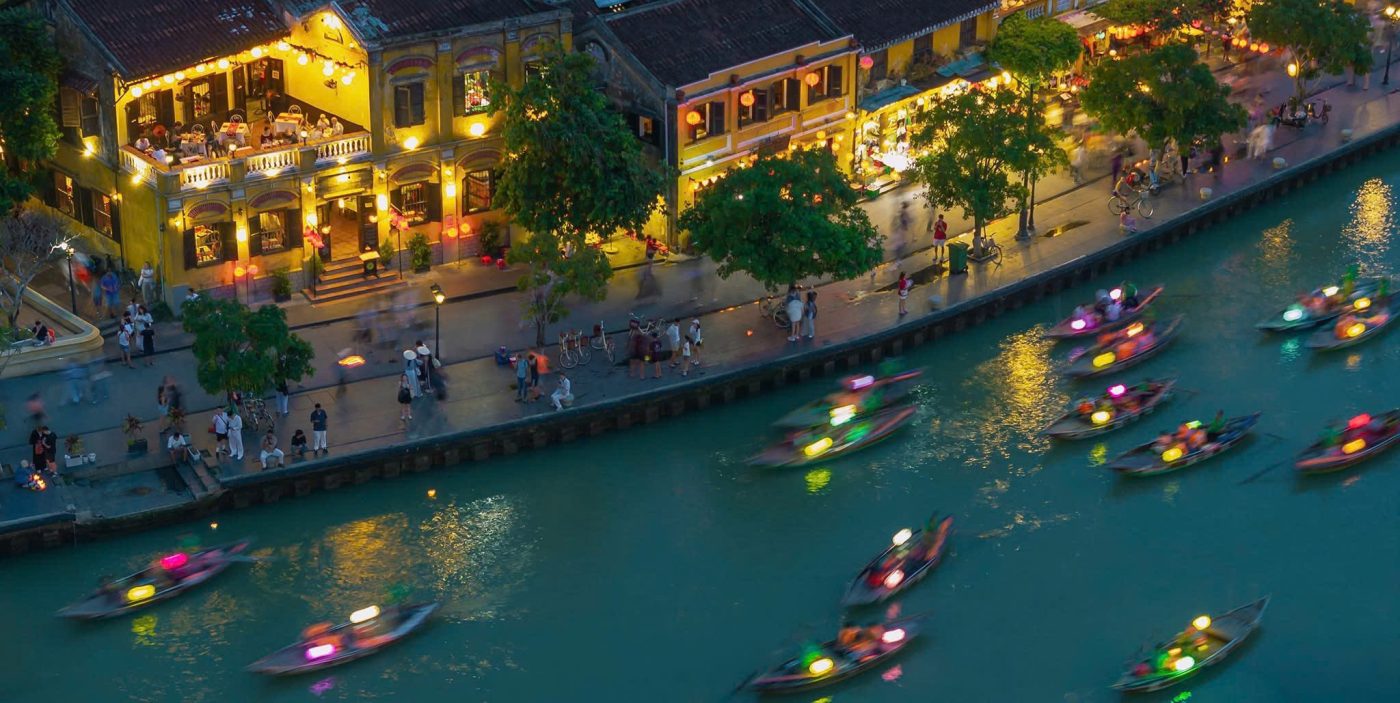
Hoi An After Dark
Then comes the transformation.
As daylight fades, lanterns begin to glow throughout the Ancient Town.
The Thu Bon River reflects points of orange, red, yellow and blue.
Restaurants spill onto the streets.
Traditional boats move slowly along the water.
The atmosphere becomes almost theatrical.
But the magic is not only created by the lanterns.
It comes from the combination of old architecture, river reflections, evening food stalls and the absence of modern high-rise buildings within the historic core.
The Lantern Tradition
Lanterns are one of Hoi An’s most recognizable cultural symbols.
They appear above streets, outside houses, in restaurants and along the river.
The tradition has become an important part of the town’s contemporary identity, while lantern making remains a traditional craft practiced by artisans.
Rather than simply buying a lantern as a souvenir, travelers can visit a workshop and learn how the frame is constructed, how silk or fabric is stretched and how the finished lantern is assembled.
A private craft experience makes the tradition much more meaningful.
The Full Moon Lantern Festival
The monthly lantern festival is one of Hoi An’s most famous evening experiences.
During the event, parts of the Ancient Town become particularly atmospheric as decorative lighting and lanterns dominate the streets and riverfront.
Dates follow the lunar calendar, so travelers should check the exact schedule before planning their visit.
The experience can be beautiful, but it also attracts significant numbers of visitors.
If you prefer a quieter atmosphere, an ordinary evening in the Ancient Town can sometimes be just as memorable.
The Thu Bon River
The Thu Bon River is central to Hoi An’s history.
Without the river and its connection to the sea, Hoi An would not have developed into the international trading port that UNESCO recognizes today.
Today, the river is one of the most atmospheric parts of the town.
You can walk beside it.
Cross its bridges.
Take a boat.
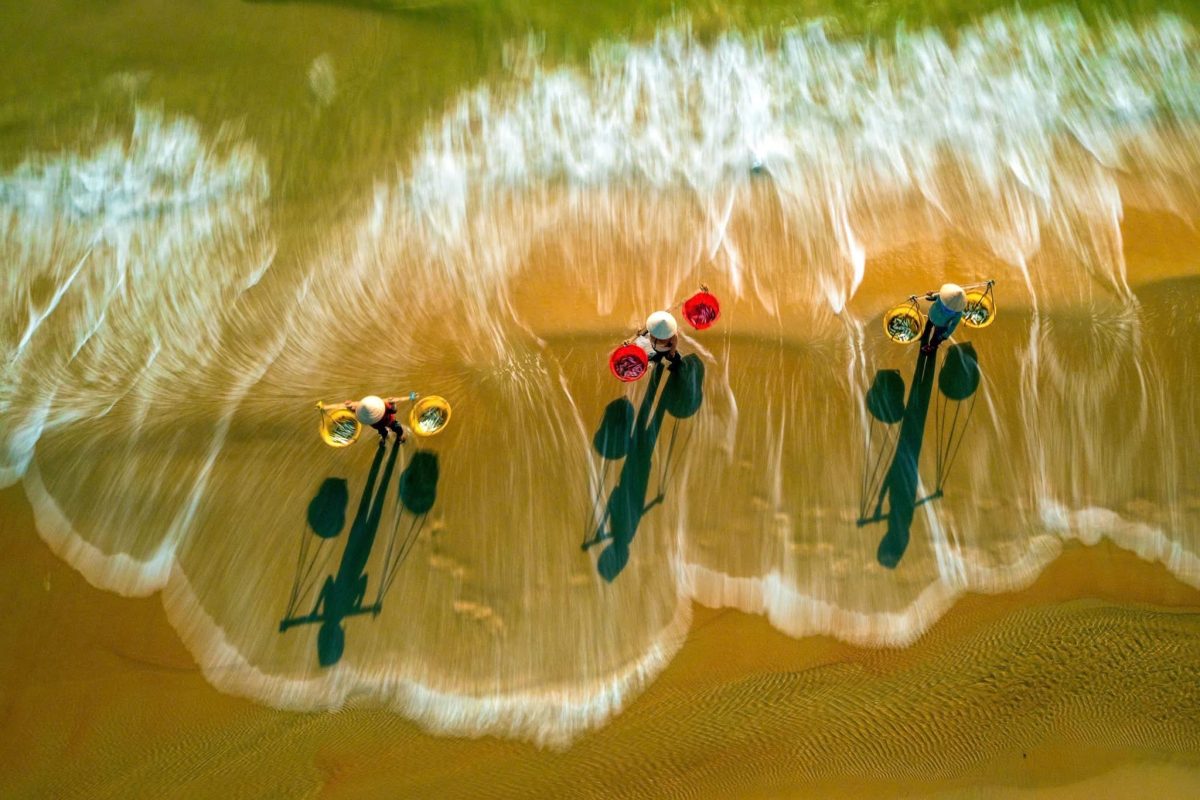
Watch fishermen.
Or simply sit at a riverside café and observe the town changing as the sun goes down.
A Sunset River Cruise
A private sunset cruise on the Thu Bon River is one of the gentlest ways to experience Hoi An.
Away from the busiest streets, the town becomes quieter.
The river opens into a broader landscape of palms, fields and small waterways.
As the sun falls, the colors change from bright green to gold and then blue.
For couples, this can be one of the most romantic experiences in Hoi An.
For families, it offers a slower alternative after a day of walking.
Hoi An by Bicycle
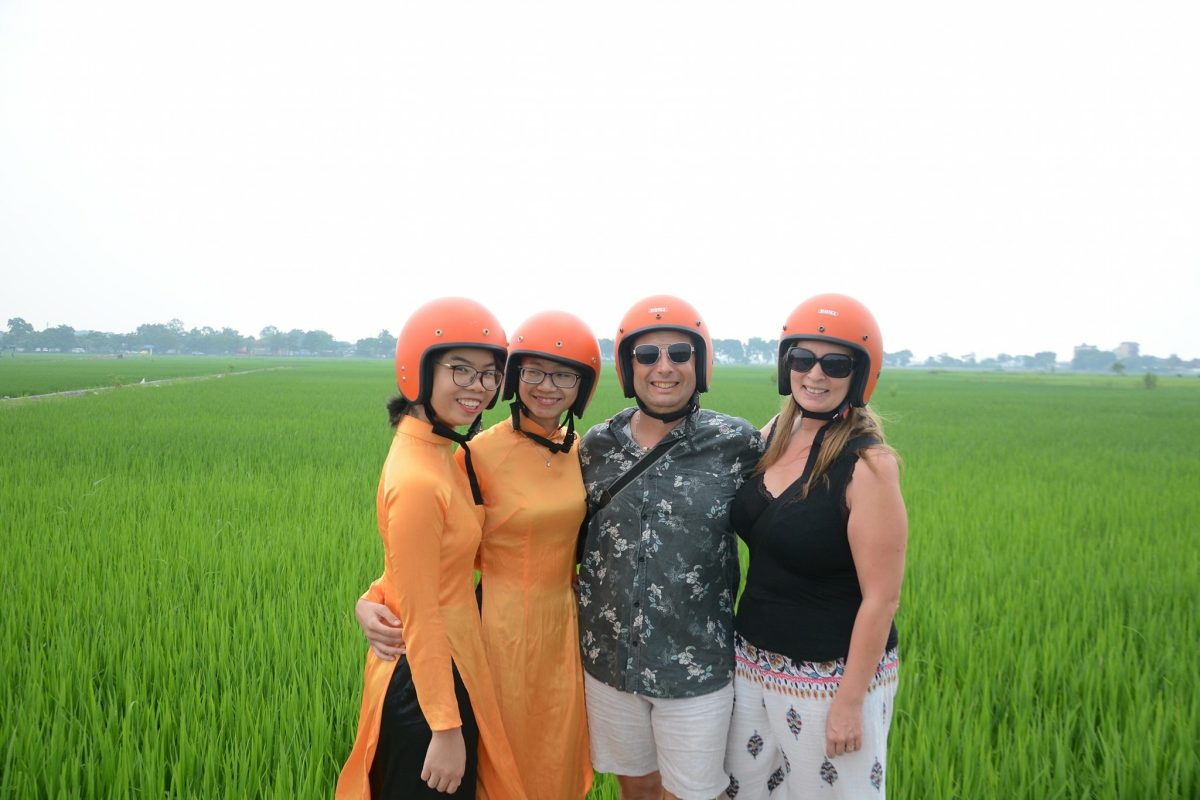
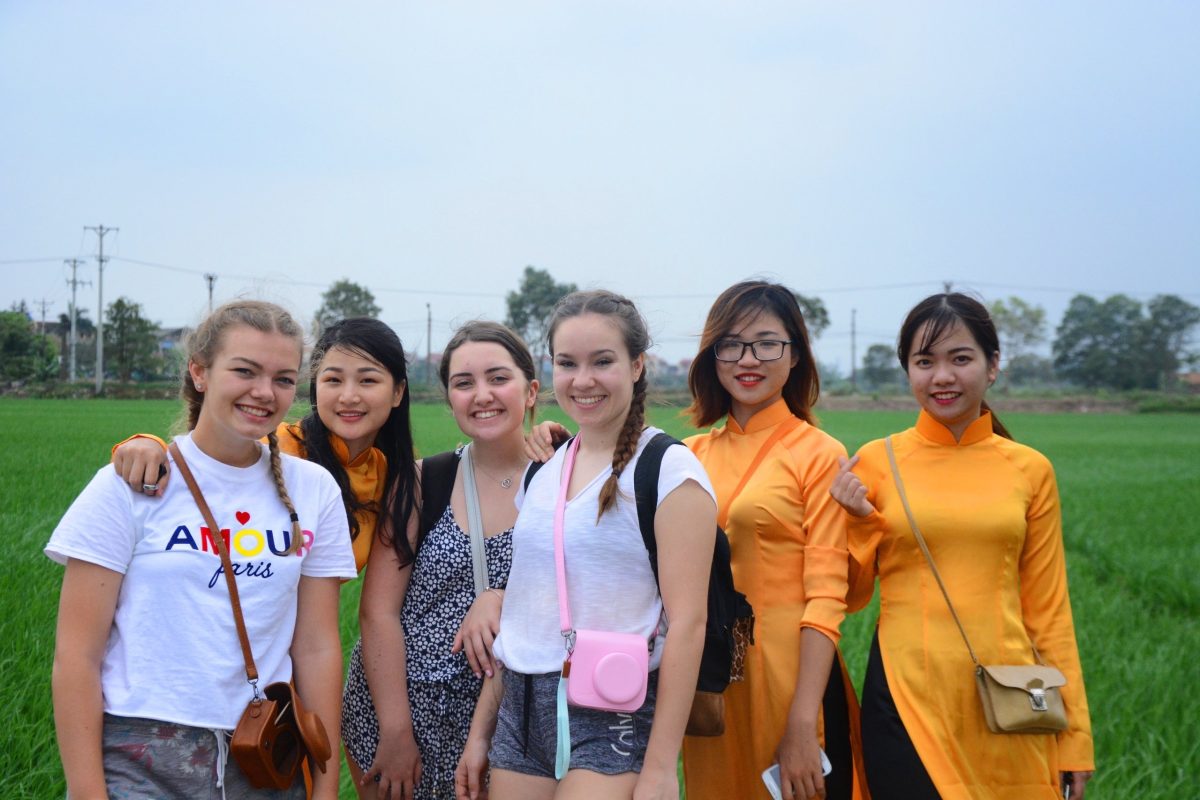
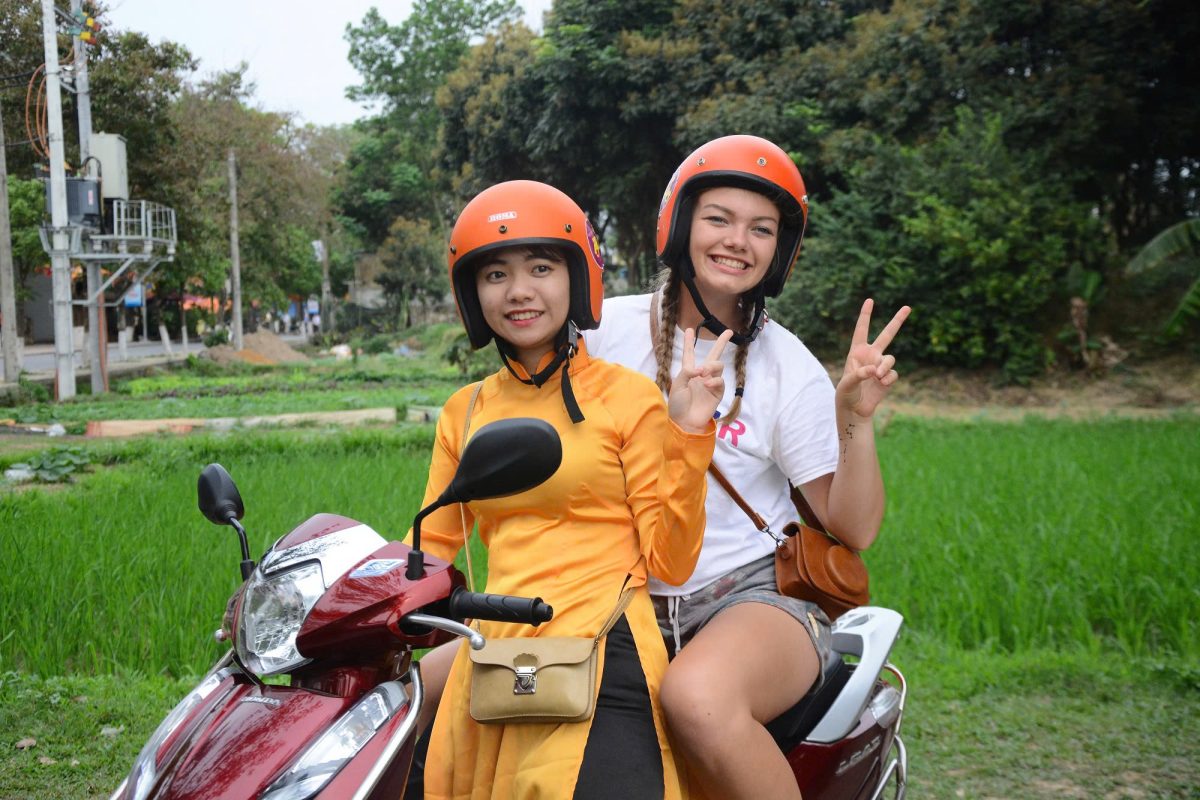
The bicycle is arguably the ideal vehicle for discovering the landscape beyond the Ancient Town.
Once you leave the historic center, the streets quickly become quieter.
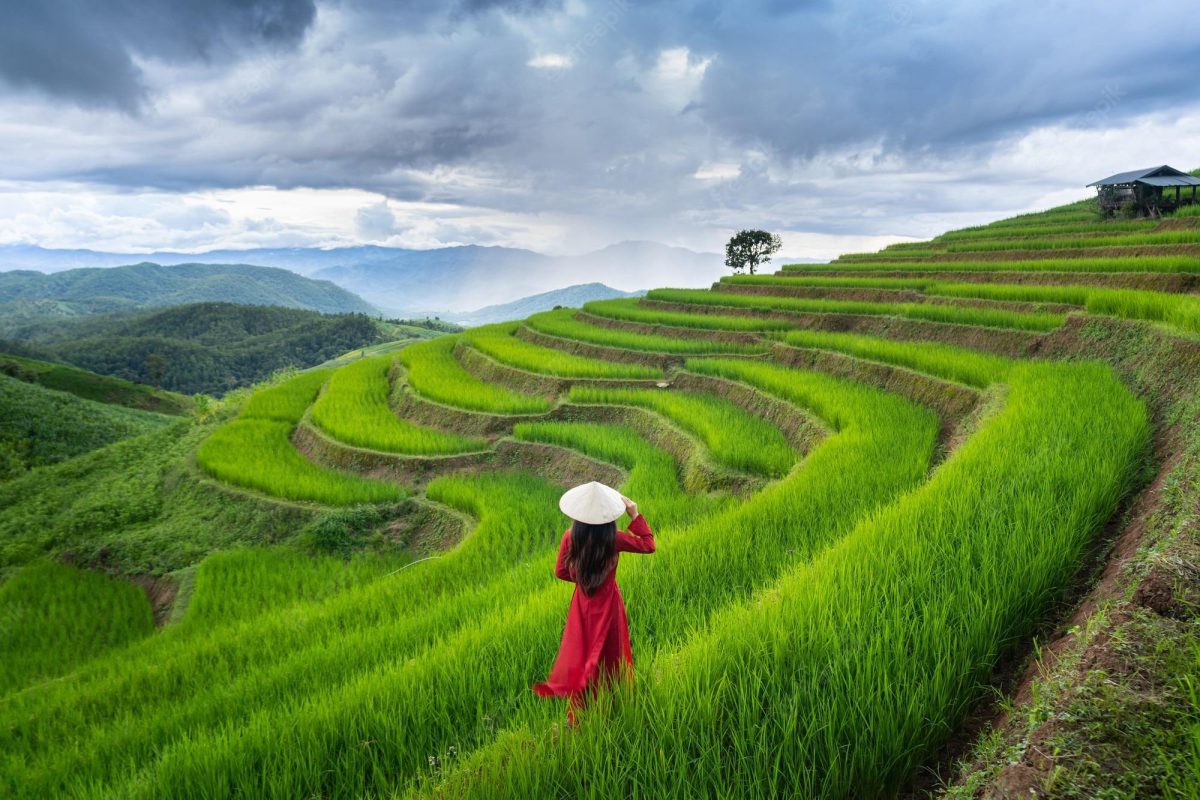
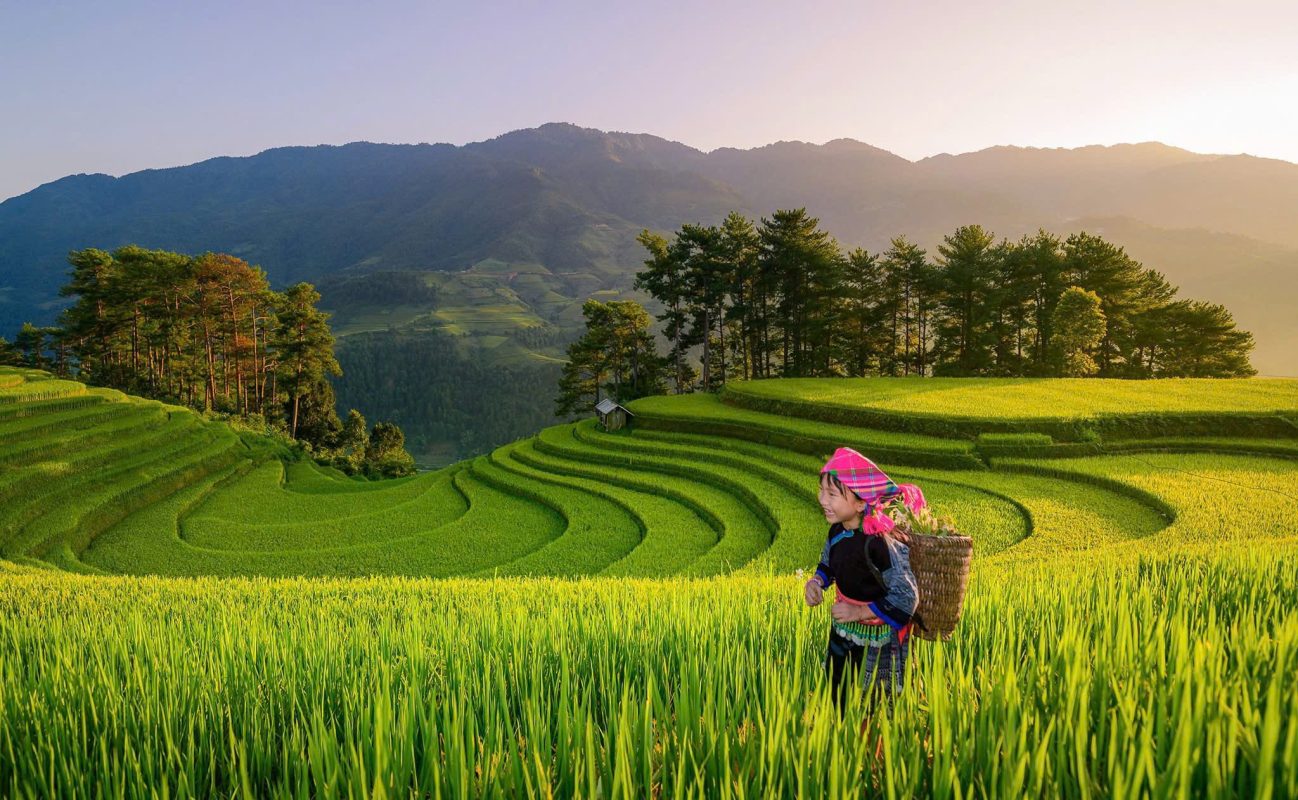
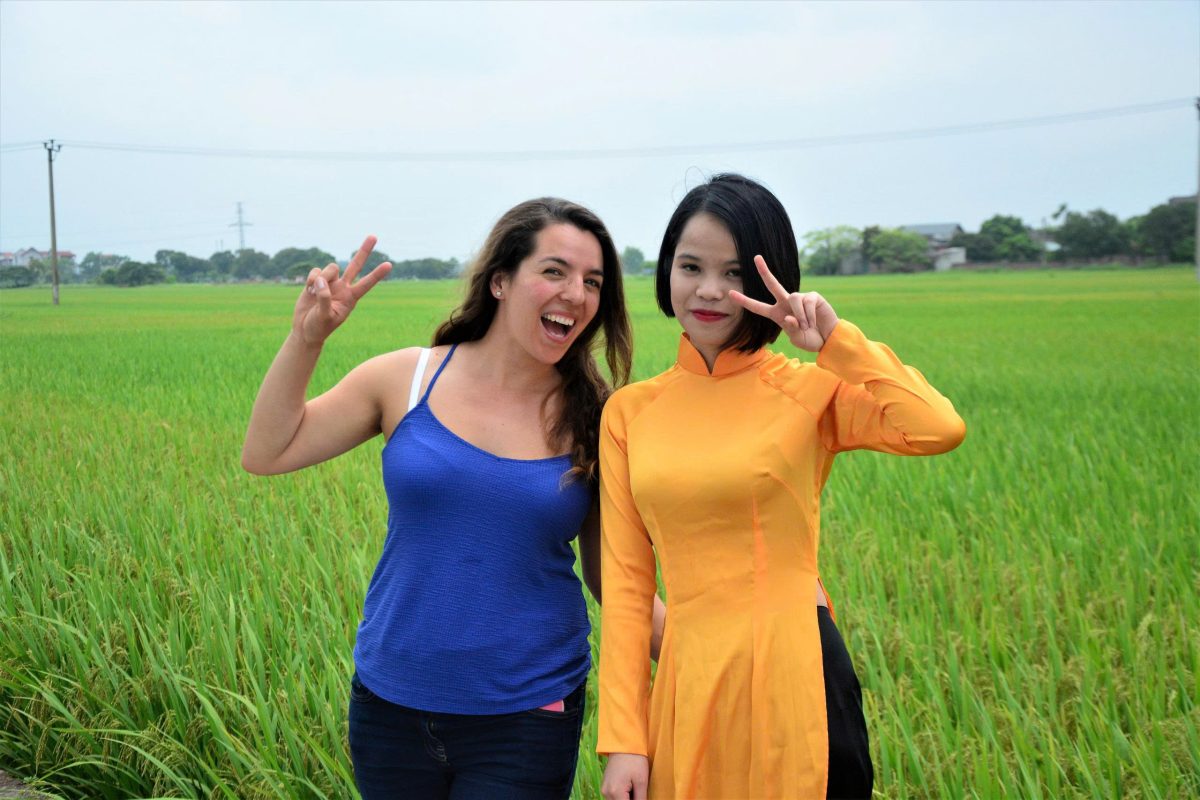
Rice paddies stretch toward the horizon.
Water buffalo graze beside fields.
Small roads pass through villages.
Garden plots sit behind houses.
The landscape feels completely different from the crowded lantern streets.
This is where Hoi An’s countryside becomes part of the travel experience.
Tra Que Vegetable Village
Tra Que Vegetable Village is one of the best-known countryside experiences near Hoi An.
The area is associated with vegetable cultivation and traditional agricultural practices, with gardens producing herbs and vegetables used throughout Central Vietnamese cuisine.
A visit can involve walking through the gardens, learning about cultivation techniques or taking part in a cooking experience.
The importance of Tra Que is not simply agricultural.
It demonstrates how closely Hoi An’s food culture is connected to the surrounding countryside.
Cooking in Hoi An
Hoi An is one of the best destinations in Vietnam for a private cooking experience.
A well-designed class can begin with a visit to a market or garden, continue with an introduction to ingredients and then move into the kitchen.
Rather than simply following recipes, travelers learn how herbs, sauces, rice products and fresh vegetables are combined.
Dishes vary between experiences, but the cooking itself becomes a way of understanding Central Vietnamese culture.
Hoi An’s Food Culture
Food is one of the reasons Hoi An deserves several days rather than a single overnight stop.
The cuisine is influenced by the agricultural landscape, the river, the sea and the town’s long history of international trade.
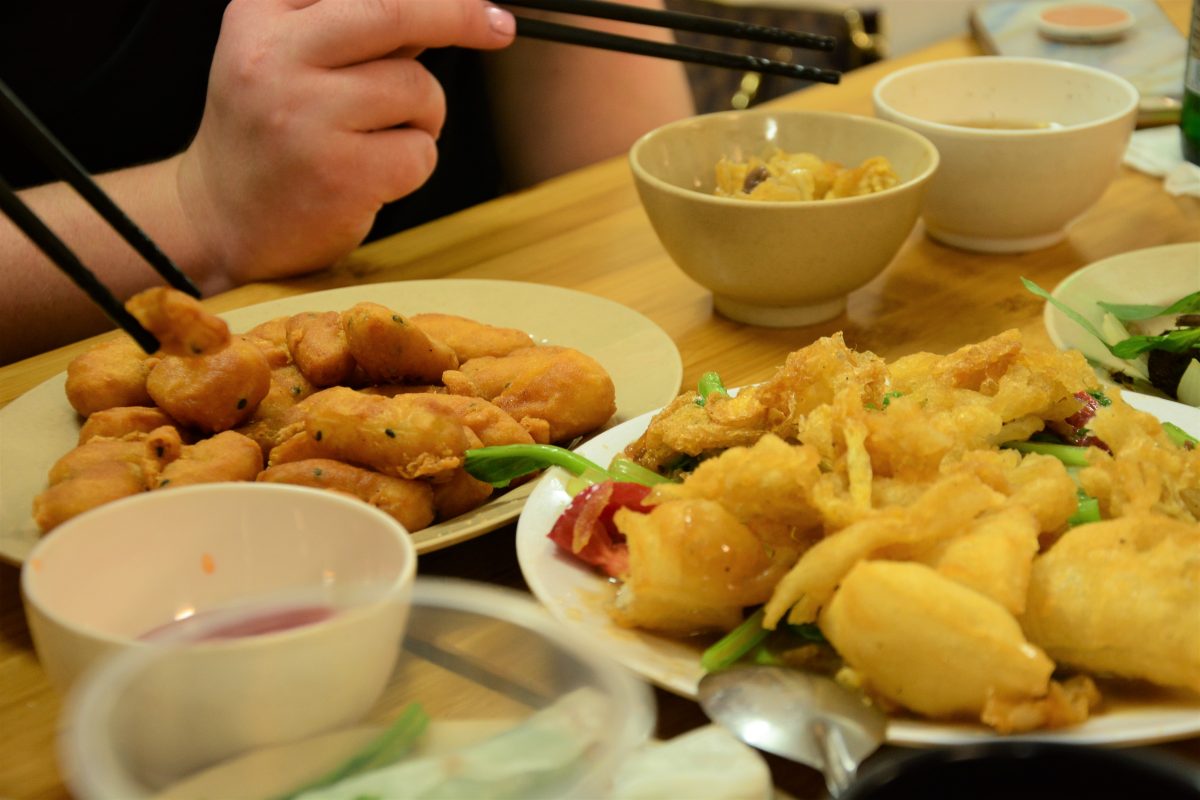
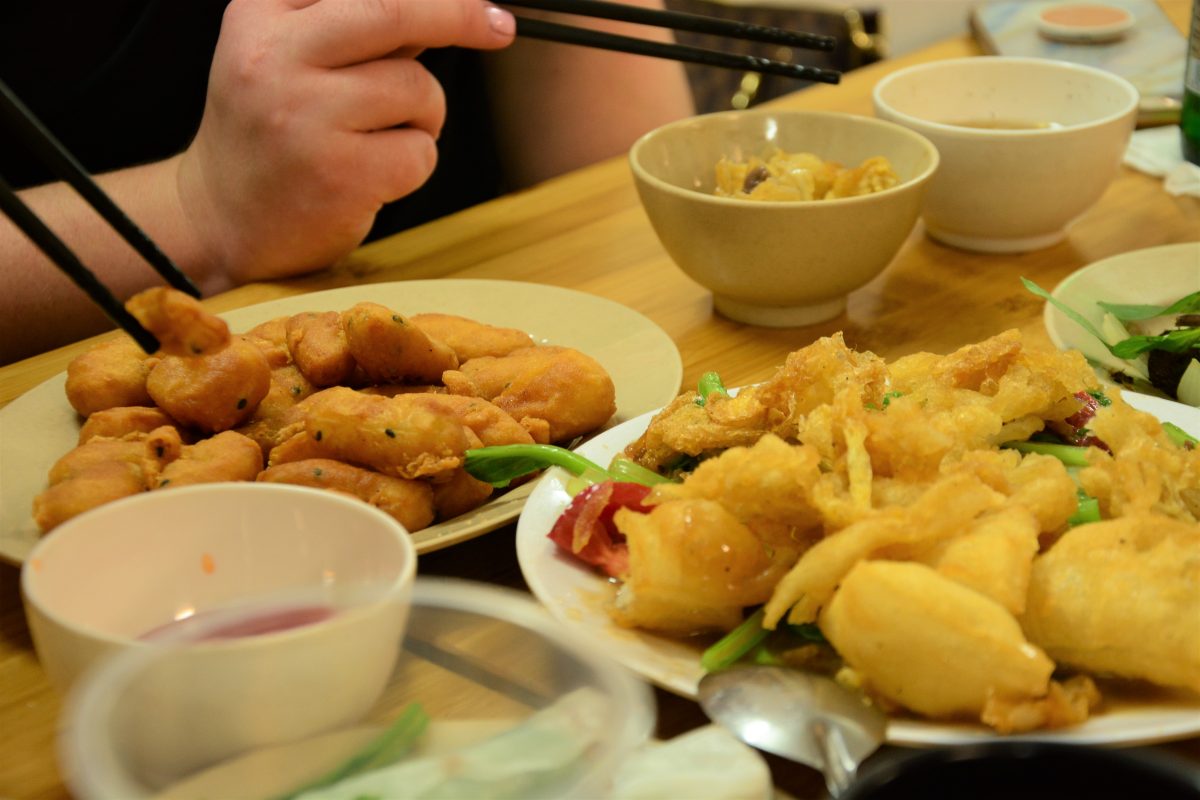
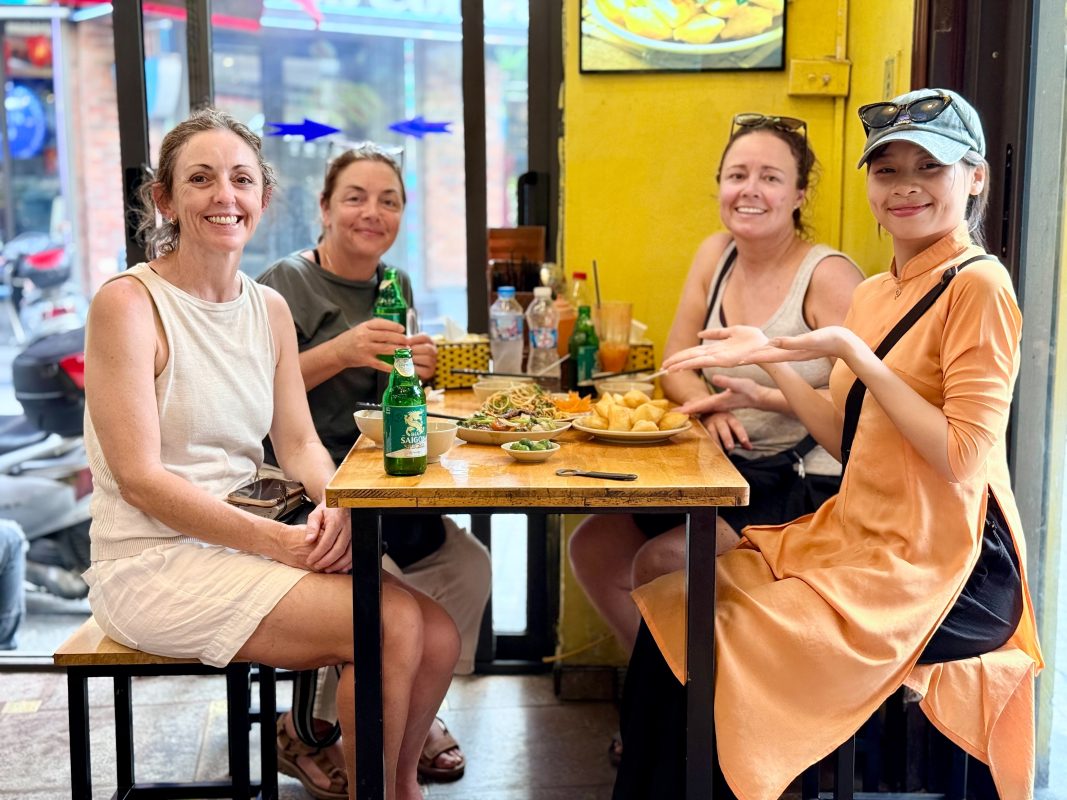
Some of the essential dishes include cao lau, mi Quang, white rose dumplings, com ga Hoi An and banh mi.
The flavors are distinctive even within Vietnam’s already diverse culinary landscape.
Cao Lau
Cao Lau is perhaps the dish most closely associated with Hoi An.
Thick noodles are combined with slices of pork, herbs, greens, crispy toppings and a small amount of concentrated sauce.
The dish is unlike the more broth-heavy noodle soups found elsewhere in Vietnam.
Its texture is one of its defining characteristics.
Chewy noodles.
Crisp toppings.
Tender pork.
Fresh herbs.
A concentrated savory sauce.
The result is simple but highly distinctive.
White Rose Dumplings
White rose dumplings, known in Vietnamese as banh bao banh vac, are another Hoi An specialty.
The delicate translucent rice-flour wrappers are shaped into small flower-like dumplings and filled with shrimp or pork.
They are traditionally associated strongly with Hoi An’s culinary identity.
Their appearance is almost as important as their flavor.
They look like small edible flowers arranged carefully on a plate.
Hoi An Chicken Rice
Com ga Hoi An, or Hoi An chicken rice, is another dish worth seeking out.
Shredded chicken is served with seasoned rice, herbs, onions and other accompaniments.
It is relatively simple, but the quality depends heavily on the seasoning and preparation.
A good plate demonstrates the Central Vietnamese preference for balanced flavors rather than excessive richness.
Banh Mi in Hoi An
Hoi An is also famous internationally for its banh mi.
The Vietnamese sandwich reflects the country’s French colonial history while incorporating Vietnamese ingredients and flavors.
A crisp baguette can be filled with pork, pâté, pickled vegetables, herbs, chili and sauces.
It is inexpensive, fast and one of the easiest ways to understand how foreign influence became part of Vietnamese everyday food culture.
An Bang Beach
Just a short distance from the Ancient Town, An Bang Beach offers a completely different Hoi An experience.
The historic center is architectural and cultural.
An Bang is coastal and relaxed.
The beach has a broad sandy shoreline with restaurants, cafés and beach establishments nearby.
A morning bicycle ride from the Ancient Town to An Bang can therefore become one of the most enjoyable half-day experiences.
Hoi An Beach Life
The beach is particularly attractive after several days of cultural sightseeing.
Walk barefoot.
Swim.
Have lunch beside the sea.
Read.
Watch fishing boats.
Return to the Ancient Town before sunset.
The combination of heritage town and beach is one of Hoi An’s greatest advantages.
Cua Dai Beach
Cua Dai Beach lies closer to the southern side of Hoi An and has a more resort-oriented atmosphere in several areas.
The coastline has changed over time because of natural processes and coastal erosion, but the beach remains an important part of the wider Hoi An destination.
Travelers staying at beachfront resorts can use Cua Dai as a convenient base while visiting the Ancient Town by private vehicle or bicycle.
Cam Thanh Coconut Village
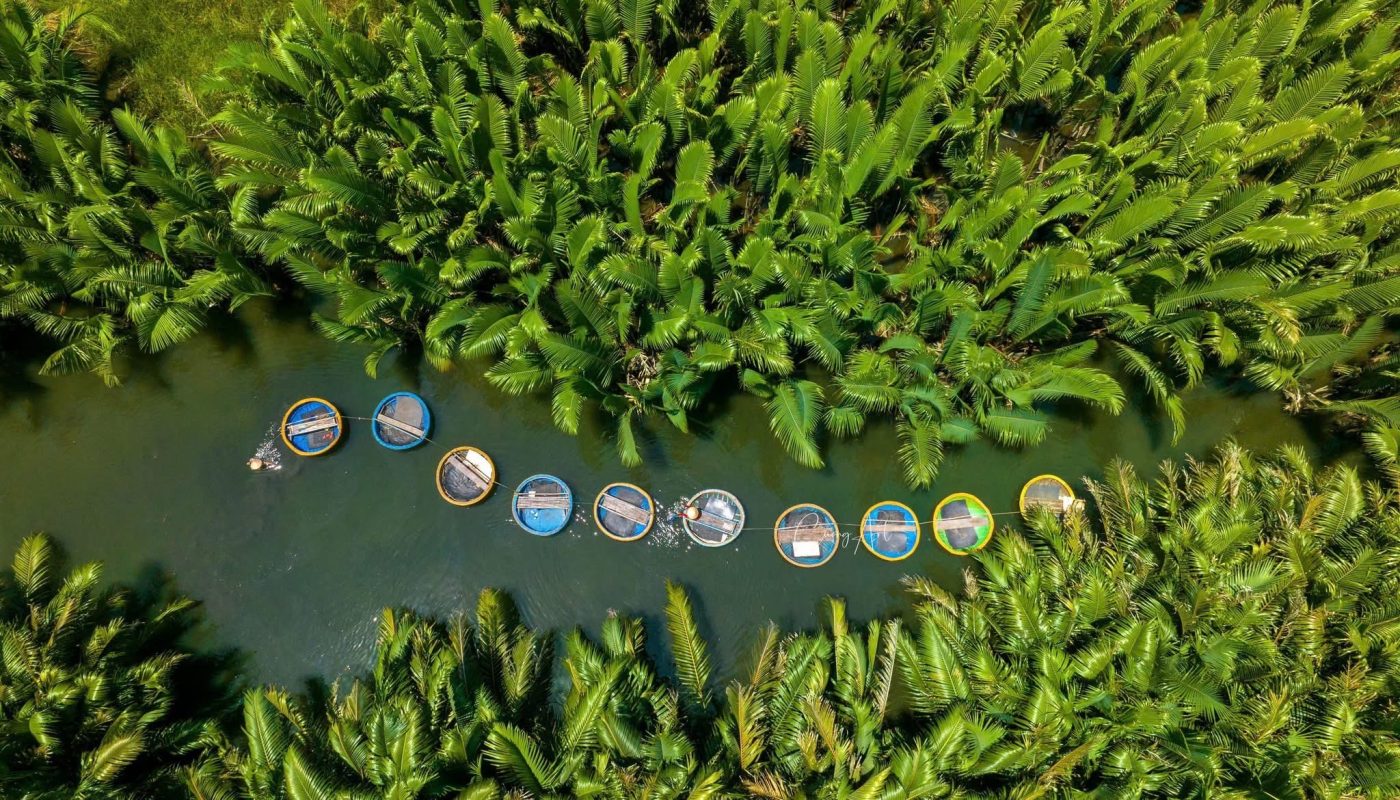
South of Hoi An, the waterways around Cam Thanh are known for their coconut palms and traditional round basket boats.
The experience has become one of the most recognizable activities around Hoi An.
A quieter private experience can focus on the landscape and waterways rather than the more theatrical performances sometimes associated with commercial tours.
The coconut forest is particularly atmospheric in the early morning or late afternoon.
The Basket Boat Experience
The round bamboo basket boat is a traditional form of small watercraft associated with Vietnam’s central coastal communities.
Today, visitors can take short rides through the waterways around Cam Thanh.
The experience is lighthearted, but the landscape itself is worth appreciating.
Palm-fringed channels.
Small fishing boats.
Water birds.
Narrow waterways.
And the changing light reflected on the surface.
For a more thoughtful itinerary, combine the boat experience with a countryside cycling route and a cooking or agricultural visit.
My Son Sanctuary
One of the most important excursions from Hoi An is My Son Sanctuary.
Located in a forested valley inland from the coast, My Son contains the remains of Hindu temple complexes built by the ancient Champa civilization.
UNESCO inscribed My Son and Hoi An separately as World Heritage properties in 1999, making the wider Central Vietnam region exceptionally rich in internationally recognized cultural heritage.
My Son is particularly meaningful when paired with a visit to the Cham Museum in Da Nang.
Together, the museum and sanctuary provide a broader picture of Champa art, architecture and religious traditions.
Hoi An and the Champa World
The Champa civilization played a major role in the history of Central Vietnam.
Its maritime connections extended across Southeast Asia, while Hindu and Buddhist traditions influenced its architecture and sculpture.
My Son provides the architectural remains.
Da Nang’s Cham Museum provides important examples of sculpture.
Hoi An provides the later maritime trading context.
Seen together, these destinations reveal a Central Vietnam that has always been connected to wider regional networks.
Cham Islands
Off the coast of Hoi An, the Cham Islands offer another dimension of the region.
The islands are known for beaches, marine environments and fishing communities.
They are particularly attractive for travelers who want to add snorkeling, swimming or a day on the water to a Hoi An itinerary.
The islands are also part of a UNESCO-recognized biosphere reserve, reflecting their wider ecological importance.
Weather and sea conditions can affect access, so flexibility is important when planning a private island excursion.
Hoi An’s Tailoring Tradition
Hoi An has developed an international reputation for custom tailoring.
Tailor shops are now an integral part of the visitor economy, offering suits, dresses, shirts and other garments.
The appeal is obvious: travelers can choose fabrics, styles and measurements and often receive finished clothing within a relatively short period.
But quality varies considerably.
A premium traveler should prioritize established craftsmanship, fabric quality and careful fitting rather than simply choosing the cheapest option.
How Much Time Do You Need for Tailoring?
If you want custom clothing, do not leave it until the final few hours of your trip.
A better approach is to have the first fitting early.
Allow time for adjustments.
Then return for a final fitting before departure.
This transforms tailoring from a rushed shopping experience into part of the Hoi An journey.
Hoi An for Couples
Few destinations in Vietnam are as naturally suited to couples.
A private bicycle ride through the rice fields.
A cooking experience for two.
Sunset on the Thu Bon River.
A quiet dinner in the Ancient Town.
A lantern-lit walk after dark.
A beach morning at An Bang.
Hoi An offers romance without requiring every experience to be formally designed as a romantic activity.
The atmosphere does much of the work.
Hoi An for Families
Families can also find a comfortable rhythm in Hoi An.
The Ancient Town is compact.
The countryside is easy to explore by bicycle or private vehicle.
Cooking classes can be adapted for children.
The beach provides downtime.
And boat trips offer a change of scenery.
For families, the main advantage of private travel is flexibility. If children become tired after a morning in the Ancient Town, the itinerary can move toward the beach rather than continuing through another museum.
Hoi An for Food Travelers
For serious food travelers, Hoi An can support several days of exploration.
Morning markets.
Noodle dishes.
Herb gardens.
Cooking classes.
Street food.
Seafood.
Coffee.
Desserts.
The best approach is not to try everything in one day.
Give each meal time.
Ask questions.
Try regional specialties.
Then return to the same dish in another restaurant and notice the differences.
Hoi An for Photographers
Hoi An is visually generous.
The hardest part is avoiding the obvious photograph.
Yes, the lanterns are beautiful.
Yes, the Japanese Covered Bridge is iconic.
But some of the most interesting images appear in quieter places.
A tailor opening a wooden door.
A bicycle against a yellow wall.
A reflection in a rain puddle.
An elderly resident sitting beneath a lantern.
A fisherman on the Thu Bon River.
Rice fields outside the town.
The best photographs often appear when you stop looking for the famous view.
Hoi An in the Rain
Rain changes Hoi An dramatically.
The yellow walls become darker.
Lanterns reflect in wet streets.
The river becomes more atmospheric.
Umbrellas appear throughout the Ancient Town.
The rain can make the town feel even more cinematic.
However, Central Vietnam’s wet season can also bring significant rainfall and occasional flooding, so travelers visiting during wetter months should monitor weather conditions and maintain flexibility.
The Best Time to Visit Hoi An
Hoi An is generally most comfortable for travelers who want to combine walking, cycling, beaches and cultural sightseeing during the drier part of the year.
International travel coverage commonly highlights February through July as a particularly attractive period for exploring Hoi An and the wider Central Vietnam region, although conditions vary from month to month.
The wet season has its own character, but travelers should be aware that heavy rainfall can affect roads, river activities and low-lying areas.
Hoi An in Spring
February through April can be particularly pleasant.
Temperatures are generally comfortable for walking and cycling, while the countryside becomes increasingly green.
This is an excellent period for travelers who want to combine the Ancient Town with outdoor experiences.
Hoi An in Early Summer
May through July is particularly attractive for travelers who want beaches as well as cultural experiences.
The days can be hot, so an itinerary that begins early and includes a longer afternoon break is usually more comfortable.
Early morning cycling followed by a beach afternoon is an ideal combination.
Hoi An in the Wet Season
Rainier months can bring a different side of the town.
The streets become reflective.
The river rises.
The atmosphere becomes quieter.
But heavy rainfall can occasionally affect the Ancient Town and surrounding areas.
If traveling during this period, a private itinerary should include flexible indoor alternatives such as cooking, museums, crafts and cafés.
How Long Should You Stay in Hoi An?
One night is not enough.
Two nights provide a good introduction.
Three nights allow you to experience the Ancient Town, countryside and beach without rushing.
Four nights are ideal for travelers who want to add My Son, Cham Islands, tailoring or a more relaxed luxury experience.
For premium travel, three to four nights is an excellent starting point.
The extra time allows you to experience Hoi An at different times of day, which is essential because the town changes dramatically between morning and evening.
Where to Stay in Hoi An
Accommodation can be divided broadly into three experiences.
Stay near the Ancient Town if you want immediate access to historic streets and restaurants.
Stay in the countryside if you prefer gardens, rice fields and tranquility.
Stay near An Bang or Cua Dai if the beach is a priority.
For a premium itinerary, combining a luxury riverside or countryside resort with private transfers into the Ancient Town can provide the best balance.
Luxury Around Hoi An
Hoi An has developed a strong luxury hotel scene, particularly along the coast and riverside countryside.
One of the region’s most celebrated properties is Four Seasons Resort The Nam Hai, located south of Hoi An.
Its beachfront setting, private villas and extensive gardens make it particularly suitable for travelers who want to combine cultural exploration with a resort experience.
Recent international travel coverage continues to identify the property as one of the region’s standout luxury stays.
Hoi An and Da Nang
Da Nang and Hoi An complement each other extremely well.
Da Nang provides a larger urban environment, long beaches, Son Tra Peninsula and modern resorts.
Hoi An offers heritage architecture, countryside, food and lantern-lit evenings.
Travelers do not necessarily have to choose one over the other.
A private Central Vietnam itinerary can use both.
Stay in Da Nang for the beach and city experience, then move to Hoi An for several slower nights surrounded by history and countryside.
Hoi An and Hue
Hoi An can also be combined with Hue.
The two destinations reveal very different sides of Central Vietnam.
Hoi An grew from international maritime trade.
Hue developed around Vietnam’s imperial court.
The road between them via Hai Van Pass adds another layer, taking travelers from the coastal plains into mountain landscapes before descending toward the former imperial capital.
A private car journey makes this connection particularly attractive.
Hoi An for Slow Travel
Perhaps the greatest mistake visitors make is trying to turn Hoi An into a checklist.
Five temples.
Three museums.
A market.
A cooking class.
A boat ride.
A beach.
My Son.
Everything in two days.
It can be done.
But it misses the point.
Hoi An is a destination where slowing down produces a better experience.
Sit with your coffee.
Walk the same street twice.
Return to the river at sunset.
Cycle through the countryside without a fixed destination.
Stay for dinner after the day-trippers leave.
That is when Hoi An begins to reveal itself.
Responsible Tourism in Hoi An
Hoi An’s beauty depends on preservation.
The Ancient Town is a living heritage site, not a museum.
Families still live and work within the historic area.
Businesses operate inside old buildings.
Religious sites continue to function.
Conservation is therefore an ongoing process rather than something that was completed when UNESCO recognition was granted.
UNESCO’s current records show that conservation and restoration work in Hoi An remains active, including emergency assistance approved in February 2026 for restoration of a historic house on Tran Phu Street.
Respecting the Ancient Town
Visitors can contribute simply by behaving thoughtfully.
Avoid touching fragile architectural details.
Dress appropriately when entering religious sites.
Do not leave rubbish.
Keep noise reasonable.
Support reputable businesses and craftspeople.
And remember that the people living and working here are part of the heritage you came to experience.
A Sample 4-Day Private Hoi An Journey
Day 1 — Hanoi to Hoi An
Begin your journey in Hanoi and travel by the most convenient premium flight connection to Da Nang, where your private vehicle will meet you for the transfer to Hoi An. Enjoy lunch after arrival before settling into your luxury accommodation surrounded by gardens, river scenery or the beach. In the afternoon, take a gentle first walk through the Ancient Town, discovering the yellow merchant houses, historic streets and riverside atmosphere without trying to see everything. Enjoy dinner in Hoi An and experience the town after dark as lanterns begin to illuminate the streets and Thu Bon River.
Day 2 — Ancient Town, Crafts & Thu Bon River
After breakfast, explore Hoi An’s historic center with a private guide, visiting the Japanese Covered Bridge, traditional merchant houses, Chinese assembly halls and quiet lanes beyond the busiest streets. Continue with a hands-on cultural experience such as lantern making or a carefully selected artisan workshop before enjoying lunch featuring Hoi An specialties such as cao lau, white rose dumplings and Hoi An chicken rice. Spend the afternoon at leisure, perhaps returning to the hotel for a spa treatment or relaxing beside the pool. In the evening, enjoy a private sunset cruise on the Thu Bon River followed by dinner in the Ancient Town.
Day 3 — Tra Que, Countryside & An Bang Beach
Start with breakfast before cycling or traveling by private vehicle into the countryside around Tra Que Vegetable Village, where gardens, rice paddies and waterways provide a completely different perspective on Hoi An. Take part in a private cooking or agricultural experience before enjoying lunch prepared with Central Vietnamese ingredients. Continue toward An Bang Beach for a relaxed afternoon beside the sea, with time for swimming, a beachside drink or simply enjoying the coastline. Return to Hoi An for dinner and a final lantern-lit walk through the Ancient Town.
Day 4 — My Son Sanctuary & Departure
After breakfast, leave Hoi An by private vehicle for My Son Sanctuary, exploring the forested temple complex and learning about the Champa civilization that shaped Central Vietnam’s early history. Enjoy lunch before returning toward Hoi An or Da Nang, depending on your onward journey. Travelers continuing to Hue can take the scenic coastal route via the Hai Van Pass, while those flying onward can transfer privately to Da Nang International Airport. Breakfast, Lunch & Dinner are included throughout the private journey.
A More Relaxed Five-Day Hoi An Experience
For travelers who prefer a slower luxury itinerary, five days allows Hoi An to unfold without rushing.
One day can be dedicated entirely to the Ancient Town.
Another can explore Tra Que and the countryside.
A third can combine My Son with a private cultural experience.
Another can focus on An Bang Beach or the Cham Islands.
The final day can be left deliberately open.
That final unstructured day is often one of the most valuable parts of a premium journey.
Morning Hoi An vs Evening Hoi An
They are almost two different destinations.
Morning Hoi An is quiet, practical and intimate.
Evening Hoi An is theatrical, social and luminous.
The best itinerary includes both.
Walk the same street at 6:30 AM and again at 8:00 PM.
The buildings are unchanged.
The experience is completely different.
Beyond the Lanterns
The lanterns are beautiful, but they are not the whole story.
Hoi An is about trade.
Craft.
Food.
Agriculture.
Religion.
Rivers.
The sea.
Architecture.
And the interaction between cultures over centuries.
The Ancient Town is simply the place where these stories are easiest to see.
Why Choose Vietnam Women Travel for Hoi An?
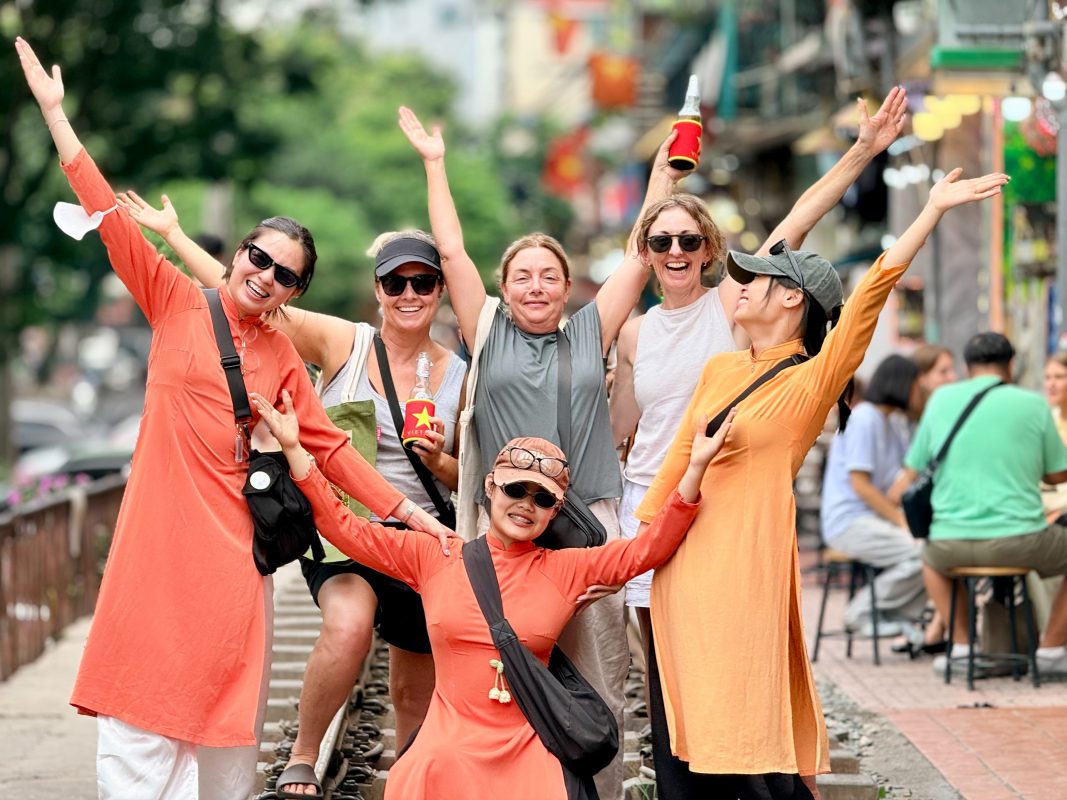
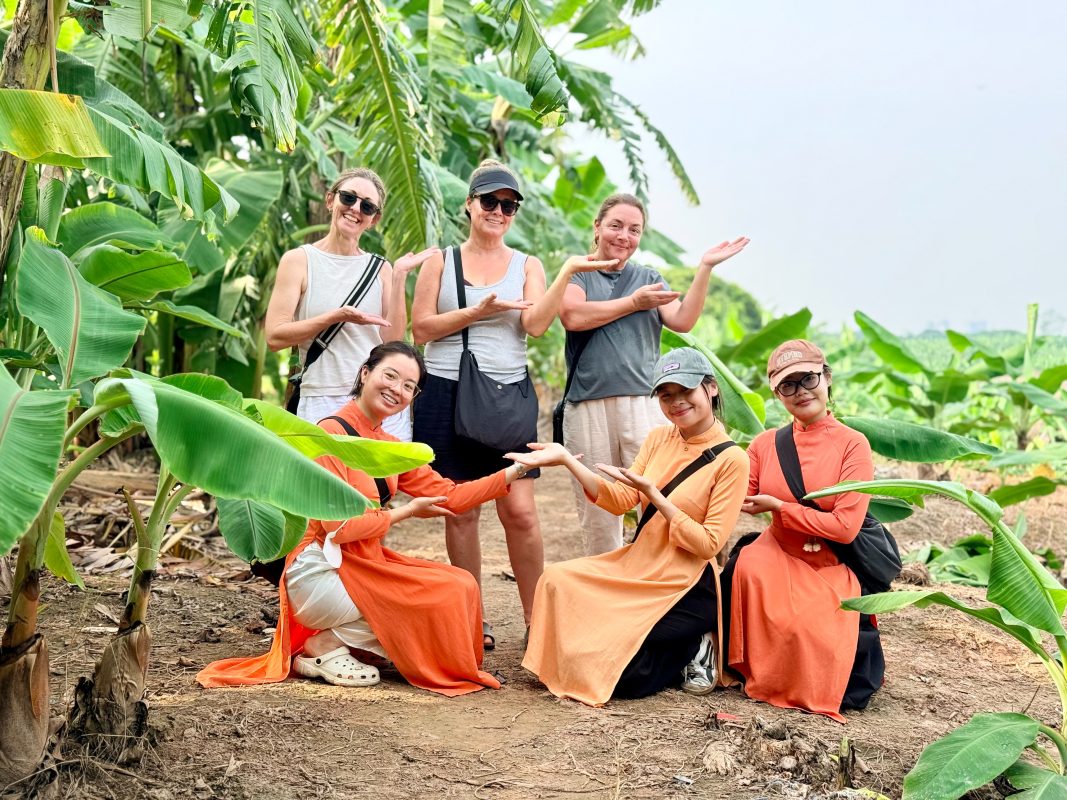
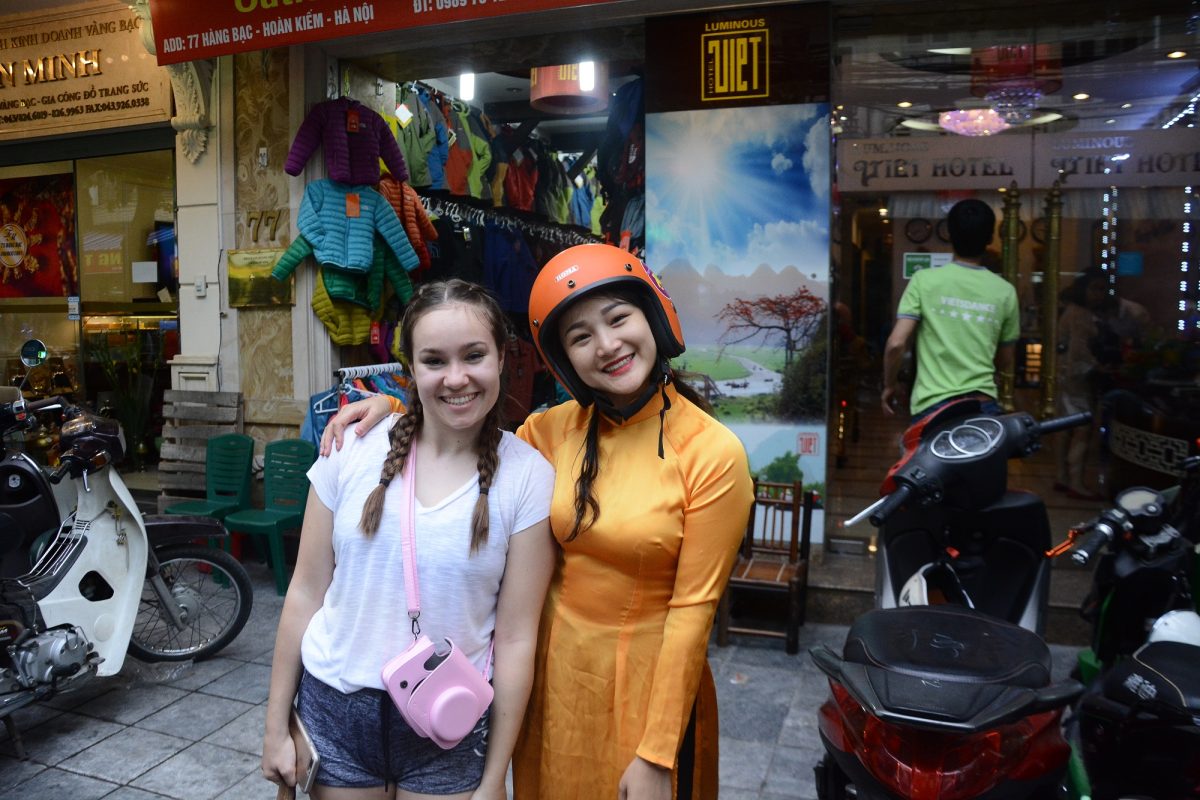
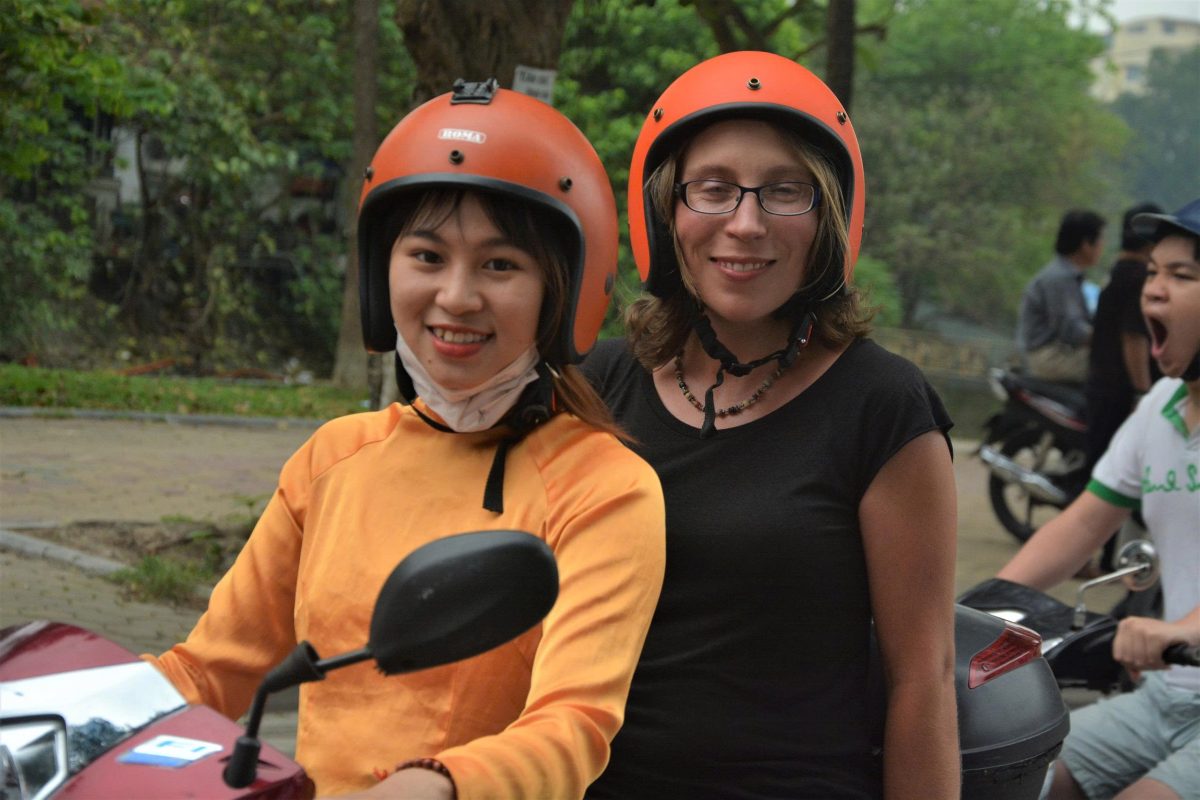
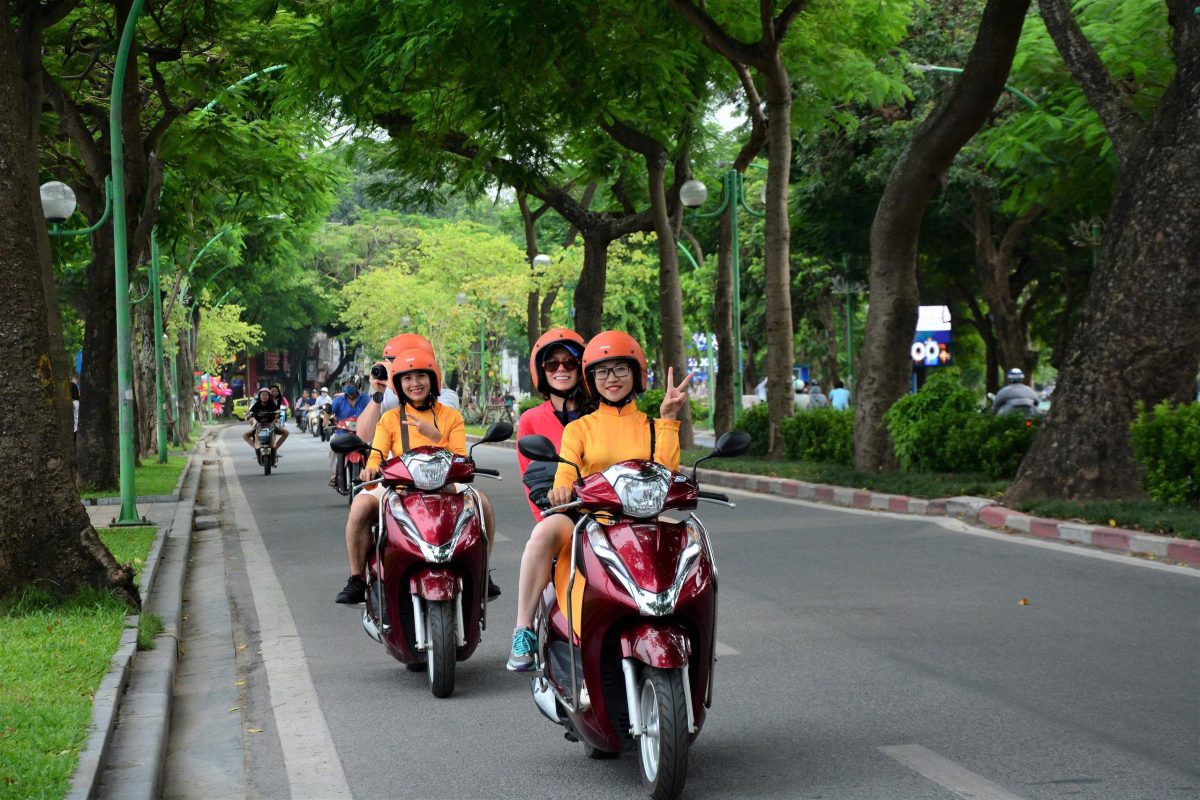
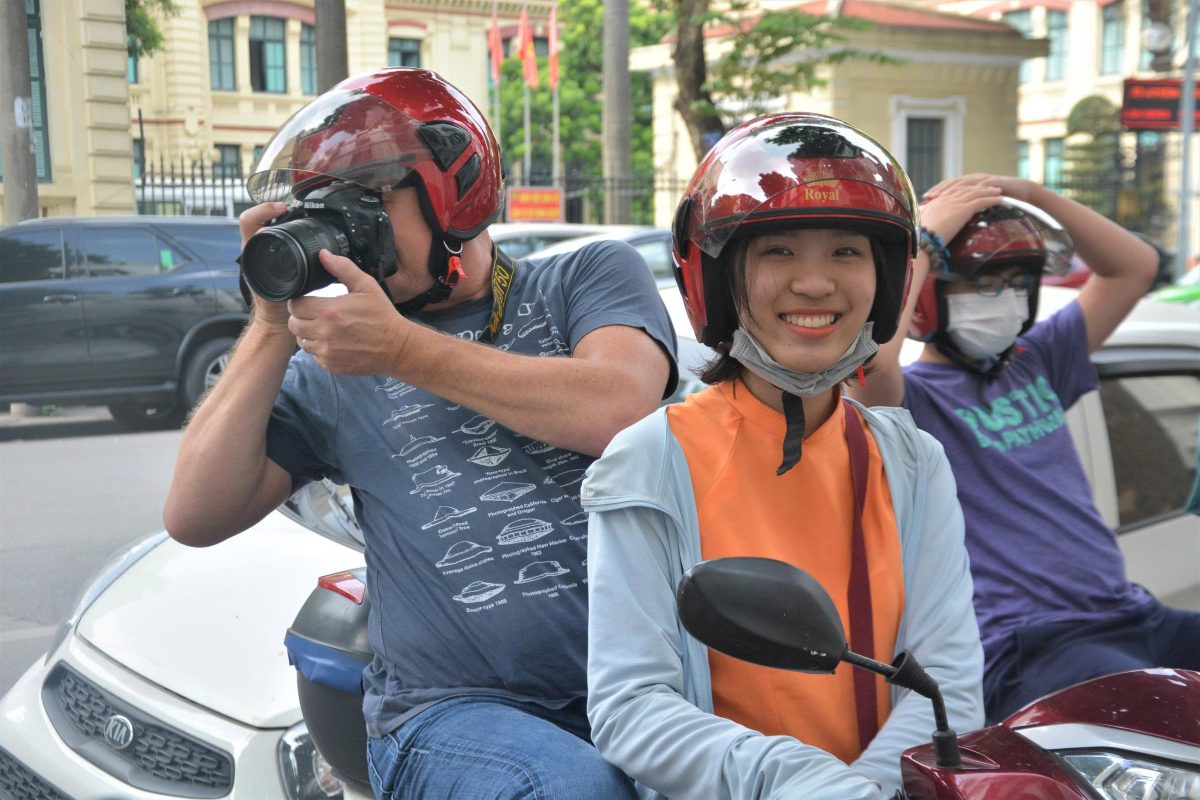
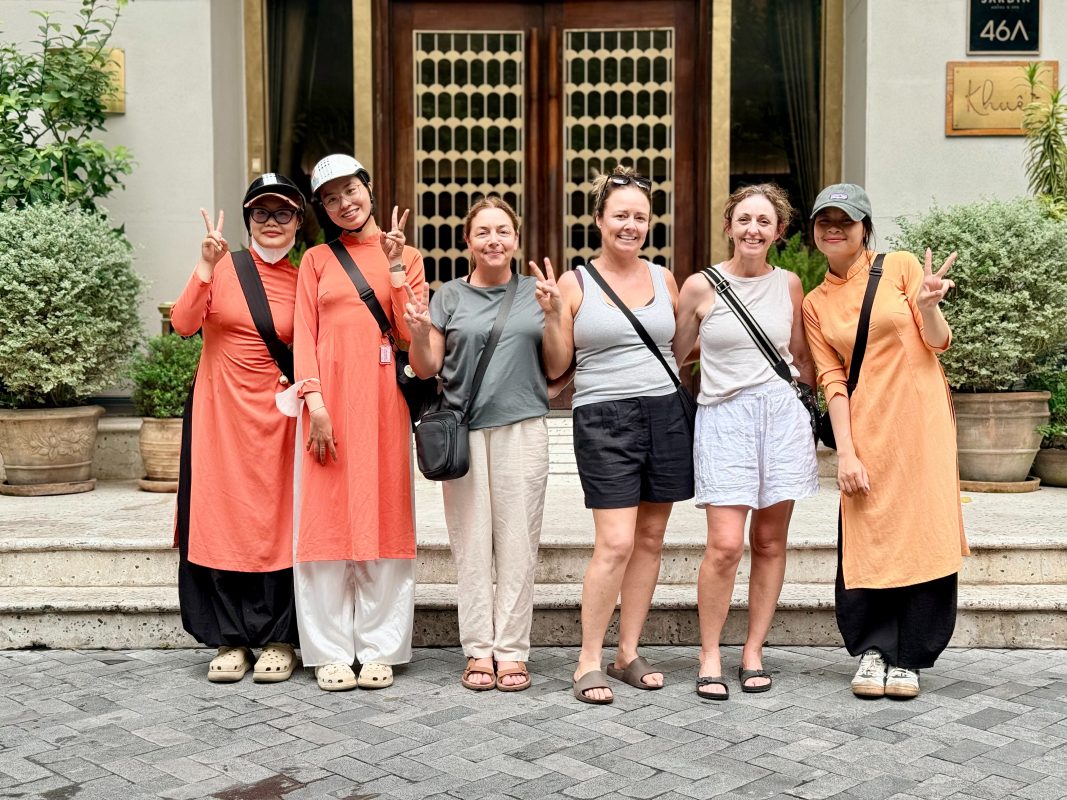
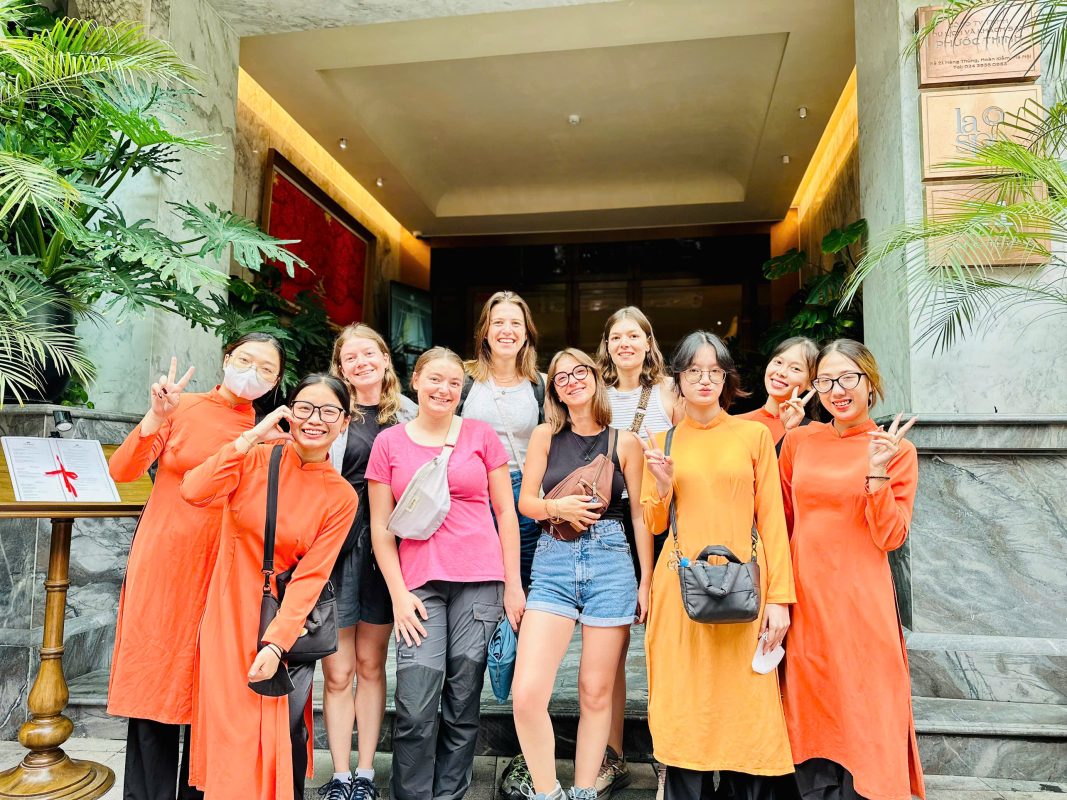
Vietnam Women Travel – Premium Private Tours Led by Women creates private Hoi An journeys for travelers who want to experience the destination beyond the standard sightseeing route.
Our approach combines the heritage of the Ancient Town with the landscapes and communities surrounding it.
Your private journey can include historic houses, artisan workshops, Vietnamese cooking, Tra Que gardens, cycling through rice fields, An Bang Beach, sunset cruises, My Son Sanctuary and carefully selected luxury accommodation.
Because the journey is private, the schedule can remain flexible.
Wake early for photography.
Spend longer at a heritage house.
Stop for coffee.
Change the restaurant.
Take a spontaneous countryside detour.
Or simply return to your hotel for a quiet afternoon.
The Women-Led Difference
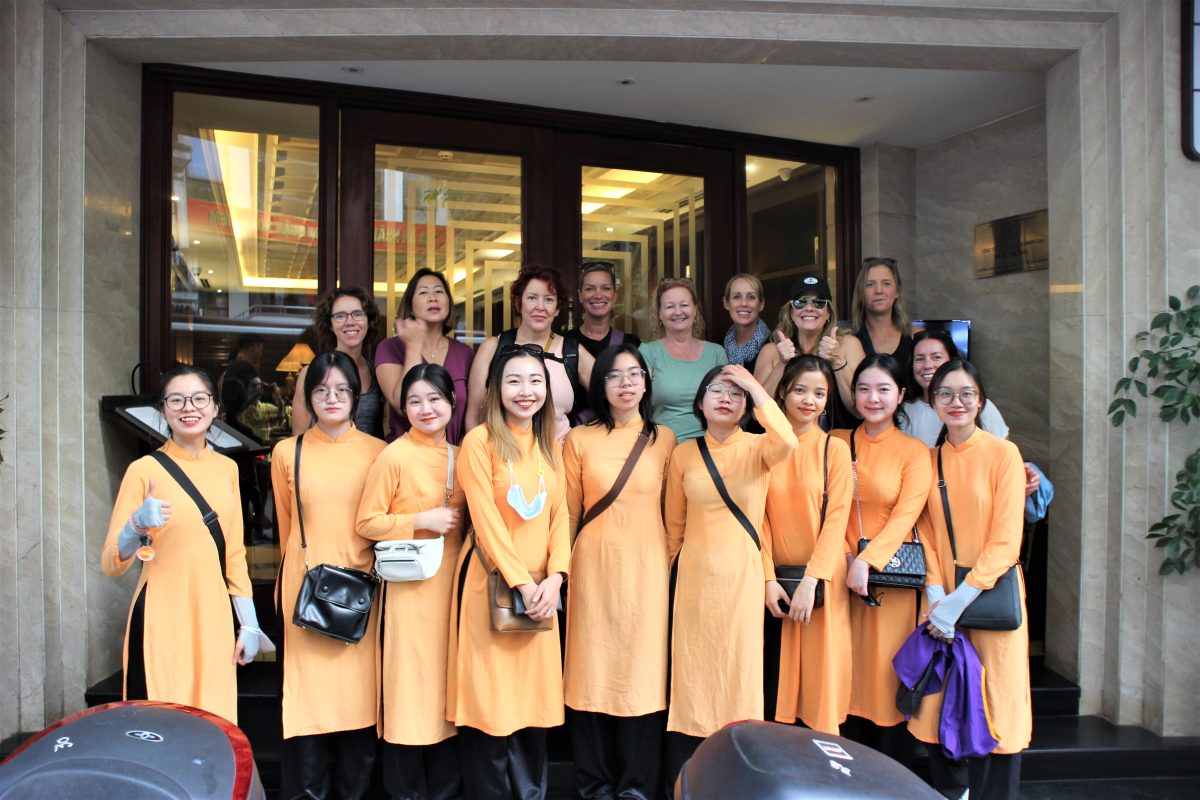
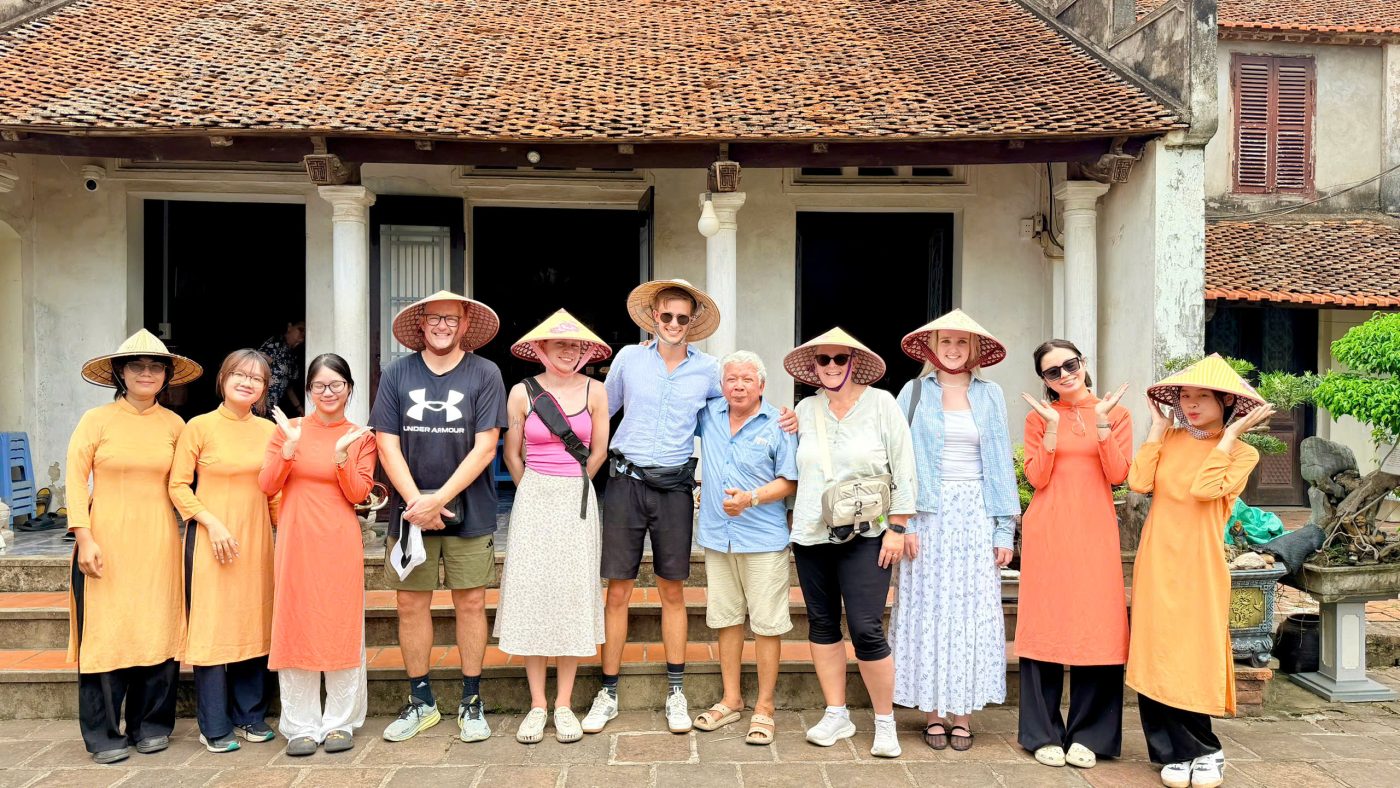
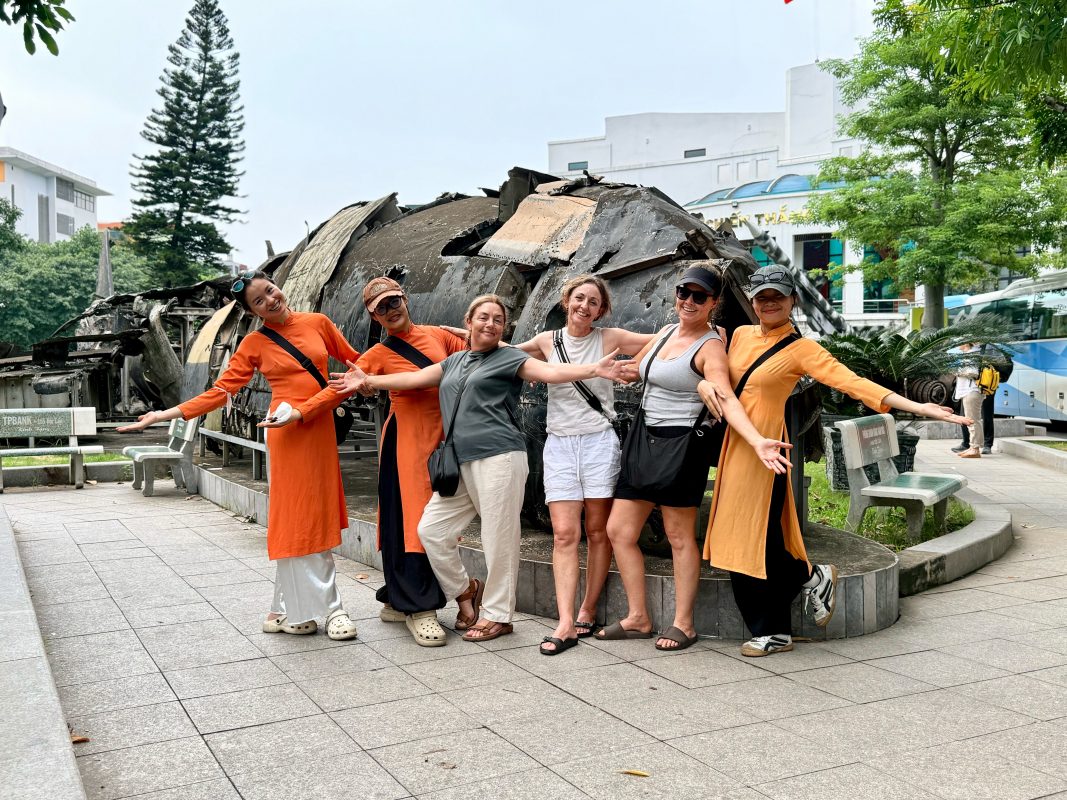
The philosophy behind Vietnam Women Travel – Premium Private Tours Led by Women is that a private journey should feel personal rather than standardized.
Our women-led travel experience focuses on storytelling, cultural understanding and thoughtful pacing.
Instead of simply moving between attractions, your guide can help connect the places you see.
The merchant houses explain the trading history.
The food reflects the countryside.
The lanterns reveal a continuing craft tradition.
My Son introduces the Champa world.
The river explains why Hoi An exists where it does.
The journey becomes a story rather than a collection of stops.
The Luxury of Staying Longer
Hoi An rewards travelers who stay.
After the day visitors leave, the town becomes quieter.
Early in the morning, it belongs to residents.
At sunset, it becomes atmospheric.
Later at night, the busiest streets begin to calm again.
A three- or four-night stay allows you to experience all of these moods.
That is a different kind of luxury.
Not simply a better hotel.
More time.
Plan Your Hoi An Journey
Hoi An is famous because it is beautiful.
But beauty alone would not explain its staying power.
The town survived as a trading port, absorbed influences from across Asia and Europe, preserved an extraordinary historic urban landscape and continued evolving as a living community. UNESCO’s recognition specifically emphasizes the fusion of cultures represented in its architecture and urban form.
Today, you can walk through the same historic streets in the morning, cycle through rice fields before lunch, cook with herbs from Tra Que in the afternoon and watch lanterns illuminate the Thu Bon River after sunset.
You can spend the next day at An Bang Beach.
Travel inland to My Son.
Take a boat through the coconut waterways.
Or simply sit in a quiet courtyard with Vietnamese coffee while the old town moves around you.
That is the real appeal of Hoi An.
It does not demand that you choose between culture and relaxation.
It gives you both.
With Vietnam Women Travel – Premium Private Tours Led by Women, Hoi An can become the cultural heart of a premium private journey beginning in Hanoi and continuing through Central Vietnam, combining private transportation, carefully selected accommodation, women-led experiences, heritage, cuisine, countryside and coastal relaxation.
Come for the Ancient Town.
Stay for the food.
Wake early for the quiet streets.
Cycle into the countryside.
Watch the river at sunset.
And when the lanterns begin to glow, you may understand why Hoi An has remained one of Vietnam’s most enduring travel destinations.
Vietnam Women Travel – Premium Private Tours Led by Women
Private journeys. Women guides. Authentic Vietnam.