Phu Quoc Travel Guide: Vietnam’s Tropical Island Paradise
Phu Quoc is Vietnam’s largest island and one of the country’s most popular beach destinations. Located in the Gulf of Thailand, the island combines white-sand beaches, turquoise water, tropical forest, fishing villages, pepper farms and a growing collection of luxury resorts. Beyond the beaches, Phu Quoc has developed into a destination where travelers can combine island-hopping, nature, seafood, local culture and relaxed resort life.
Why Visit Phu Quoc?
Phu Quoc is more than a beach holiday. The island has enough variety for travelers to spend several days moving between beaches, forests, fishing villages, local markets and offshore islands. You can spend one morning snorkeling in clear water, an afternoon exploring a pepper farm and an evening watching the sunset over the Gulf of Thailand.
The island also works particularly well for luxury travel. High-end beachfront resorts, private boat trips, spa experiences and carefully planned excursions make it possible to combine relaxation with exploration without creating a rushed itinerary.
Long Beach
Long Beach, or Bai Truong, stretches along the western side of Phu Quoc and is one of the island’s best-known coastal areas. It is lined with resorts, restaurants, beach bars and cafés, making it convenient for travelers who want easy access to both the sea and local services.
The western coastline is particularly attractive around sunset. As the sun drops toward the Gulf of Thailand, the water takes on warm golden colors, making Long Beach one of the best places to finish a day on the island.
Sao Beach
Sao Beach is one of Phu Quoc’s most famous beaches, known for its pale sand and tropical setting. The beach is located on the southeastern side of the island and is particularly attractive when sea conditions are favorable.
Sao Beach can become busy during the day, so arriving earlier provides a quieter experience. For private travelers, it can be combined with nearby Khem Beach and other southern attractions.
Khem Beach
Khem Beach, or Bai Khem, is another beautiful southern beach surrounded by green vegetation and clear water. Its sheltered position can make conditions different from those on the western coast, depending on the season.
The southern part of Phu Quoc works particularly well for a relaxed day combining beaches, seafood and the An Thoi islands.
Ong Lang Beach
Ong Lang offers a quieter alternative to the more developed sections of Long Beach. The coastline is surrounded by vegetation and smaller resorts, creating a more relaxed atmosphere.
It is a good choice for travelers who want to stay near the main attractions while avoiding the busiest parts of the island.
An Thoi Archipelago
The An Thoi Archipelago lies off the southern tip of Phu Quoc and includes numerous small islands and islets surrounded by clear water. The area is popular for swimming, snorkeling, fishing and private boat trips.
A private boat allows travelers to move at their own pace and choose quieter areas when sea conditions permit. Rather than following a fixed group schedule, you can spend more time snorkeling, swimming or simply enjoying the scenery.
Hon Thom
Hon Thom, also known as Pineapple Island, is the largest island in the An Thoi group. It is connected to Phu Quoc by a famous sea-crossing cable car, making the journey itself part of the attraction.
The cable car provides panoramic views over the islands and surrounding sea. For travelers interested in combining sightseeing with entertainment, Hon Thom can easily fill an entire half-day or more.
Island Hopping
Island hopping is one of the classic Phu Quoc experiences. Smaller islands around An Thoi offer opportunities for snorkeling, swimming and relaxing on beaches away from the main island.
For a premium experience, a private boat is preferable because the itinerary can be adjusted according to weather, sea conditions and your interests.
Phu Quoc National Park
Northern Phu Quoc is home to large areas of tropical forest protected within Phu Quoc National Park. The landscape provides an important contrast to the resort-lined beaches in the south and west.
The interior of the island is greener and quieter, with forest trails, streams and opportunities for nature-focused excursions. Lonely Planet also highlights the island’s remaining jungle as an important part of Phu Quoc beyond its beaches.
Forest and Waterfalls
During wetter periods, streams and waterfalls become more attractive as the forest becomes lush and green. Suoi Tranh and Suoi Da Ban are among the better-known natural areas for travelers looking for a break from the coast.
Conditions vary seasonally, so travelers should check access and water levels before planning a waterfall excursion.
Rach Vem and Starfish Beach
Rach Vem in northern Phu Quoc is known for its shallow waters and seasonal sightings of starfish. The area has become increasingly popular because of its unusual natural scenery and traditional floating restaurants.
Wildlife should always be observed carefully. Visitors should never pick up or remove starfish from the water, as handling them can cause serious harm.
Ham Ninh Fishing Village
Ham Ninh is one of the island’s best-known traditional fishing communities. The village provides a glimpse into Phu Quoc’s maritime culture and is also a popular place to enjoy freshly prepared seafood.
Visit in the morning for a more authentic atmosphere, when fishing boats and seafood activity are more visible. A local breakfast followed by a walk around the village can be a simple but rewarding experience.
Phu Quoc Night Market
Duong Dong Night Market is one of the island’s liveliest evening attractions. Stalls sell seafood, snacks, tropical fruit, souvenirs and local products, while restaurants and cafés create a busy atmosphere after sunset.
The market is particularly enjoyable for travelers interested in food. Instead of having a formal dinner, you can sample several small dishes and explore the different flavors of the island.
Dinh Cau Temple
Dinh Cau Temple sits on a rocky outcrop near Duong Dong and is associated with local fishing traditions. The small temple has become one of the island’s recognizable cultural landmarks.
The surrounding area is especially atmospheric around sunset, when fishing boats and the changing sky create a beautiful coastal scene.
Phu Quoc Prison
Phu Quoc Prison, historically known as Coconut Tree Prison, provides an important reminder that the island’s history extends far beyond tourism and beaches.
The former prison complex contains exhibitions and reconstructed scenes documenting the experiences of prisoners during the Vietnam War. Visiting with a knowledgeable guide can help put the site into its wider historical context.
Phu Quoc Pepper Farms
Phu Quoc is famous for its pepper production, and the island’s agricultural landscape provides an interesting contrast to the beaches.
A visit to a pepper farm allows travelers to see how the plants are cultivated and learn about the importance of pepper in local agriculture. Pepper products also make practical souvenirs for food lovers.
Fish Sauce and Local Food Culture
Phu Quoc fish sauce is one of Vietnam’s most famous culinary products. The island has a long tradition of producing fish sauce using anchovies and fermentation.
A visit to a traditional producer can provide insight into the process and the importance of fermented fish sauce in Vietnamese cooking. The experience is particularly interesting when combined with a local food tour.
What to Eat in Phu Quoc
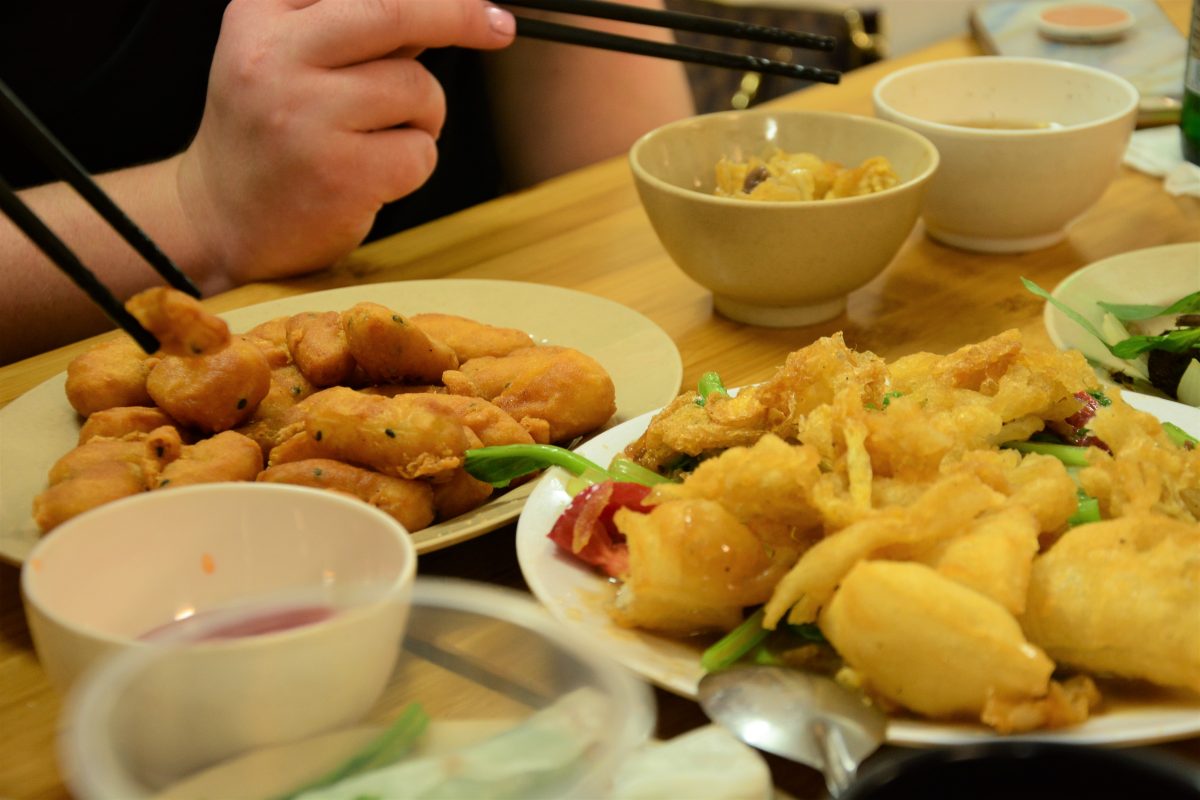
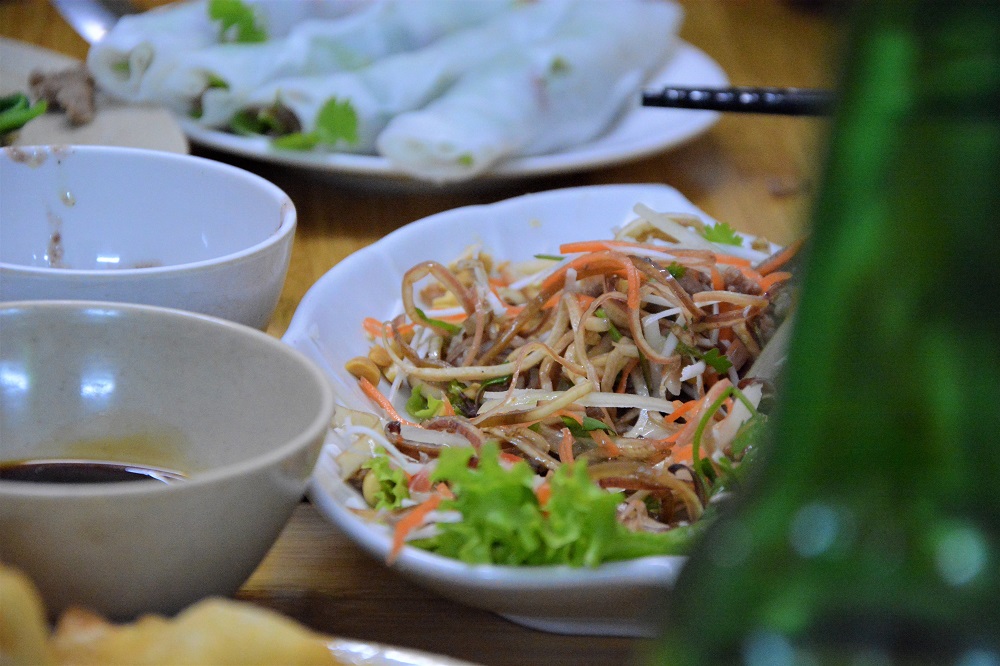
Seafood naturally dominates the island’s cuisine. Fresh squid, crab, prawns, shellfish and fish are widely available, while local specialties such as bun quay and herring salad provide a stronger connection to Phu Quoc’s food culture.
The island is also known for its pepper and fish sauce, two ingredients that appear frequently in local dishes. Lonely Planet notes that Phu Quoc’s culinary identity extends beyond seafood to these distinctive local products.
Bun Quay
Bun quay is one of Phu Quoc’s signature noodle dishes. The dish combines rice noodles with seafood and a flavorful broth, often prepared in a casual local setting.
It is particularly enjoyable for breakfast or lunch when you want something simple and distinctly connected to the island.
Herring Salad
Herring salad is another well-known local specialty. Fresh herring is combined with herbs, coconut and other ingredients, creating a dish that reflects the island’s access to the sea and tropical produce.
It is best enjoyed at a reputable local restaurant where the ingredients are fresh and properly prepared.
Sunset in Phu Quoc
Sunset is one of Phu Quoc’s defining experiences. The western coastline faces directly toward the setting sun, creating beautiful evening light across Long Beach and other west-facing beaches.
For a more exclusive experience, a private sunset cruise can combine the changing colors of the sky with drinks, seafood and views of the coastline.
Phu Quoc for Adventure
Phu Quoc offers plenty for active travelers. Snorkeling, diving, kayaking, hiking, fishing and island-hopping can all be incorporated into a private itinerary.
The key is to avoid trying to do everything in one day. A better approach is to dedicate one day to the southern islands and another to the northern forests and beaches.
Phu Quoc for Families
Families can combine beach time with cable-car rides, snorkeling, wildlife experiences and the island’s entertainment attractions.
The island’s variety means children can enjoy active experiences while adults still have time for beaches, spas and good restaurants. Private transportation also makes family travel considerably easier.
Phu Quoc for Couples
Phu Quoc is particularly suited to couples looking for a tropical escape. Private beaches, sunset cruises, beachfront resorts and secluded island excursions create plenty of opportunities for a slower itinerary.
A romantic journey might combine a luxury resort, private boat trip, snorkeling, sunset cocktails and a seafood dinner overlooking the water.
Phu Quoc for Luxury Travelers
Luxury in Phu Quoc is centered around the coastline. Several high-end resorts provide private villas, pools, spas, fine dining and direct beach access.
The best premium itineraries do not attempt to fill every hour. Instead, they combine one carefully selected excursion each day with plenty of time to enjoy the resort.
Best Time to Visit Phu Quoc
Phu Quoc has a tropical climate with a generally drier period from November to April and a wetter period from May to October. The dry season is considered the best period for beaches, snorkeling, diving and outdoor exploration, although it is also the busiest period for tourism.
For travelers who want the best combination of sunshine and sea conditions, the dry season is the safest choice. The rainy season can still be enjoyable, but heavy showers and rougher seas can affect boat excursions.
Phu Quoc During the Dry Season
From November through April, skies are generally clearer and the western beaches are particularly attractive. This is the ideal period for sunset, snorkeling and island-hopping.
Because it is also peak season, luxury resorts and private boat services should be booked well in advance.
Phu Quoc During the Rainy Season
From May through October, tropical showers become more frequent. The island becomes greener, and there can still be long periods of sunshine between storms.
Travelers visiting during this period should build flexibility into their itinerary and avoid planning every day around boat activities. Lonely Planet notes that the wet season can still work well for travelers who are comfortable adapting plans around showers.
How Long Should You Stay?
Three to four days are enough for a first introduction to Phu Quoc. This allows time for the main beaches, a southern island-hopping excursion, the night market and several local experiences.
Five to seven days are better for a slower premium holiday. You can divide your time between the beaches, national park, fishing villages, islands and resort without feeling rushed. The Ginkgo Voyage guide similarly recommends around three to five days for a well-rounded visit.
Where to Stay in Phu Quoc
Duong Dong and Long Beach are convenient for restaurants, nightlife and sunset. Ong Lang offers a quieter atmosphere, while the southern coast is attractive for travelers interested in luxury resorts and access to the An Thoi islands.
For a premium private journey, the best choice is usually a high-quality beachfront resort where you can combine comfortable accommodation with private excursions.
Getting Around Phu Quoc
Phu Quoc is large enough that transportation matters. The island’s main roads connect the northern and southern areas, but travel times can become significant when combining distant attractions.
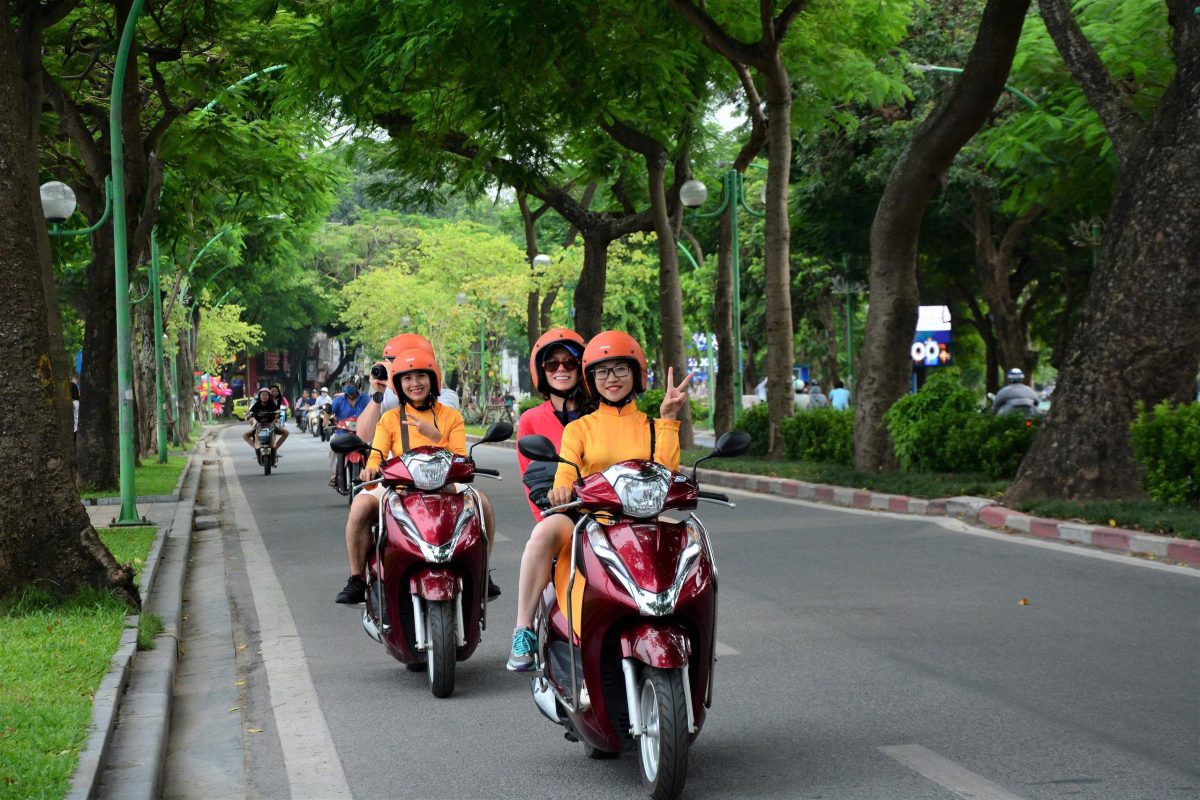
A private car with a driver is the most comfortable option for premium travel. Motorbikes can be enjoyable for independent travelers, but private transportation allows you to travel more comfortably and avoid navigation concerns.
Responsible Travel in Phu Quoc
Phu Quoc’s rapid development has created environmental challenges, particularly around waste management and coastal pollution. Lonely Planet has highlighted concerns about the amount of waste produced on the island and seasonal marine debris.
Travelers can help by avoiding single-use plastics, choosing responsible boat operators, never touching coral or marine animals, and taking all waste back to appropriate disposal points.
The island’s future depends on protecting the beaches, forests and marine ecosystems that attract visitors in the first place.
Phu Quoc and Ho Chi Minh City
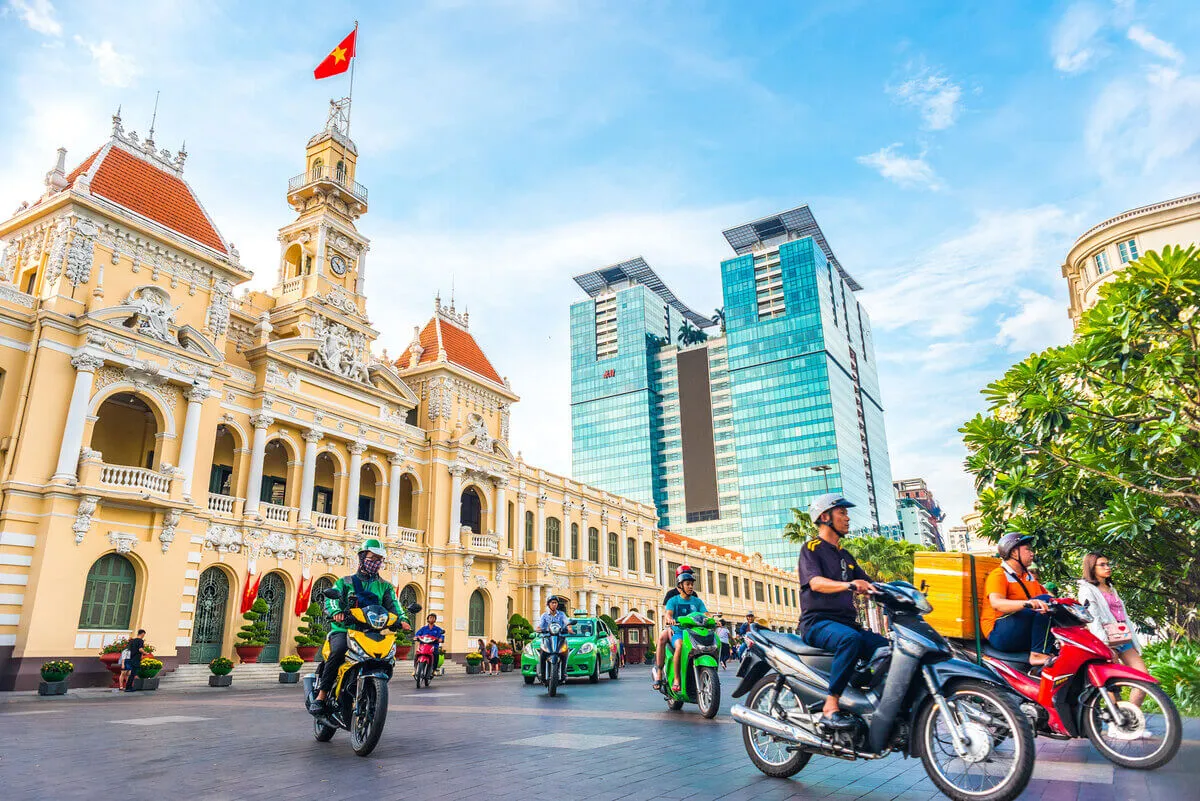
Phu Quoc works naturally as an extension of a Southern Vietnam itinerary. Start with several days in Ho Chi Minh City for history, architecture, markets and food, then fly to Phu Quoc for beaches and island life.
The contrast between the energetic city and tropical island creates a balanced journey with both cultural depth and relaxation.
Phu Quoc and the Mekong Delta
Travelers with more time can combine Phu Quoc with the Mekong Delta. The Delta introduces floating markets, orchards, canals and rural communities, while Phu Quoc provides beaches, coral reefs and island culture.
Together they create an excellent Southern Vietnam journey, moving from the waterways of the Mekong to the tropical waters of the Gulf of Thailand.
A Sample 4-Day Private Phu Quoc Journey
Day 1 — Arrival, Beach & Sunset
Arrive at Phu Quoc International Airport and meet your private driver for a comfortable transfer to your beachfront resort. After lunch, enjoy a relaxed afternoon on the beach or at the resort spa before exploring the western coastline around sunset. Finish the evening with a private seafood dinner overlooking the sea.
Day 2 — Southern Islands & Snorkeling
After breakfast, travel south toward An Thoi and board a private boat for an island-hopping experience. Explore selected islands, snorkel in clear waters and enjoy lunch surrounded by the sea. Return to the mainland in the afternoon and experience the Hon Thom Cable Car or explore the southern coastline before dinner.
Day 3 — Northern Phu Quoc & Local Life
After breakfast, travel toward the northern part of the island. Visit a pepper farm, explore the tropical landscape and continue toward Rach Vem or another northern coastal area depending on seasonal conditions. Enjoy a seafood lunch before visiting a local fishing community and returning to the resort for a relaxed evening.
Day 4 — Culture, Food & Departure
Begin the morning with breakfast before visiting a local market and learning about Phu Quoc’s famous fish sauce and pepper production. Continue to a historic or cultural site before enjoying your final island lunch. Transfer privately to Phu Quoc International Airport for your onward journey. Breakfast, Lunch & Dinner are included throughout the private journey.
A Slower 5-Day Phu Quoc Experience
Five days allow you to experience the island without constantly moving between attractions. One day can focus entirely on the southern islands, another on northern nature, while additional time can be reserved for beaches, local food and the resort.
This is particularly suitable for couples and luxury travelers who want the destination to feel like a holiday rather than an intensive sightseeing program.
Why Choose Vietnam Women Travel for Phu Quoc?
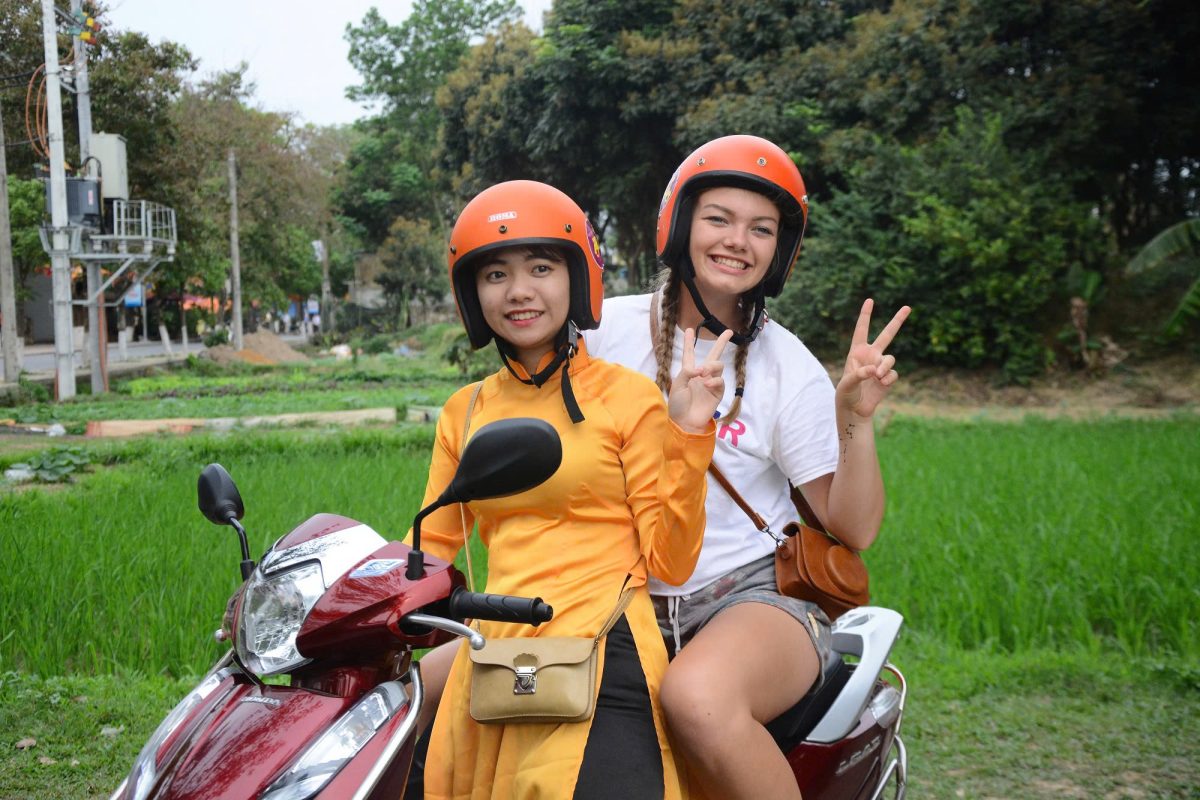
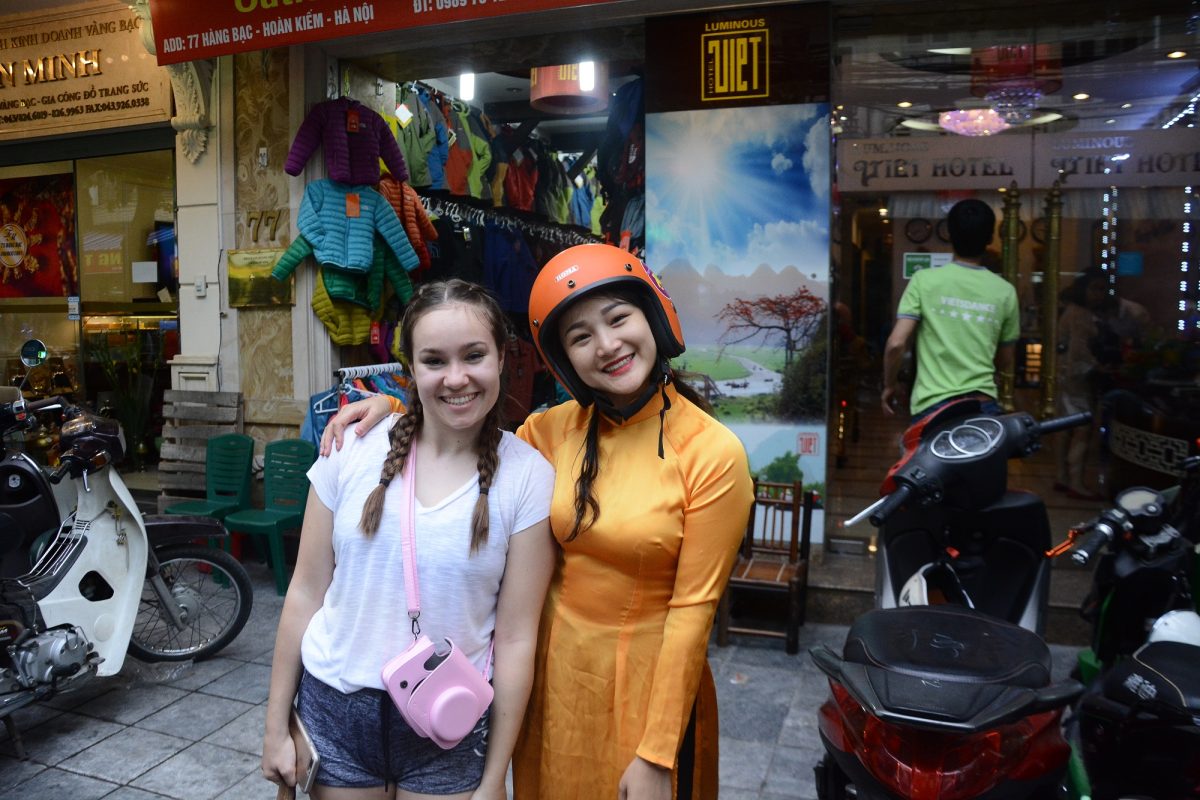
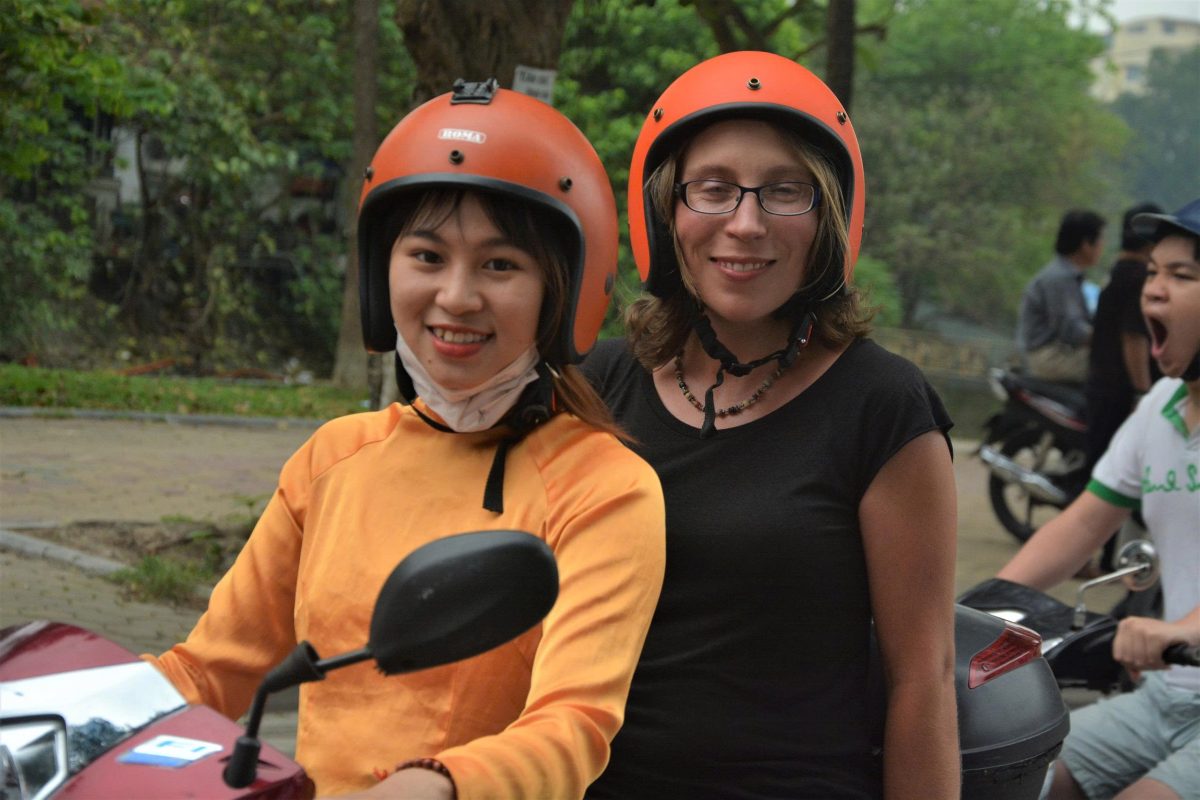
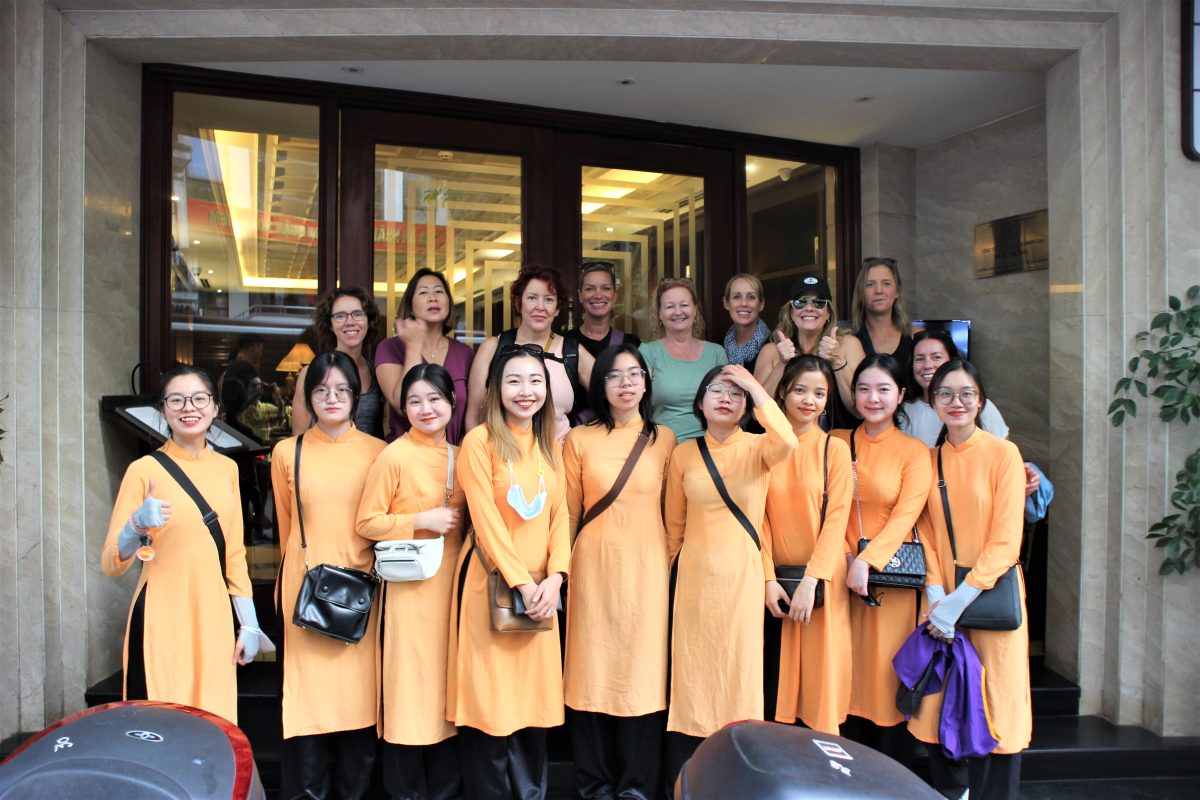
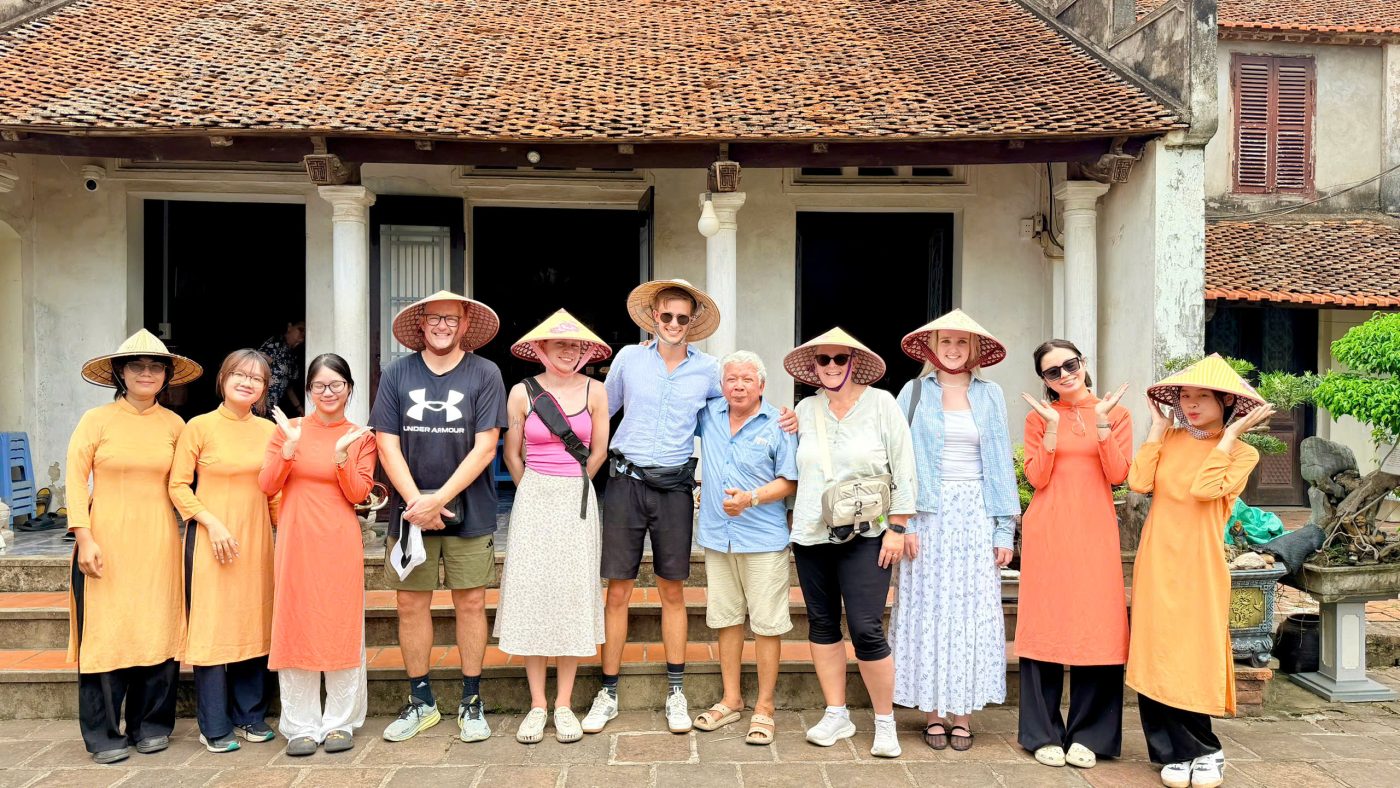
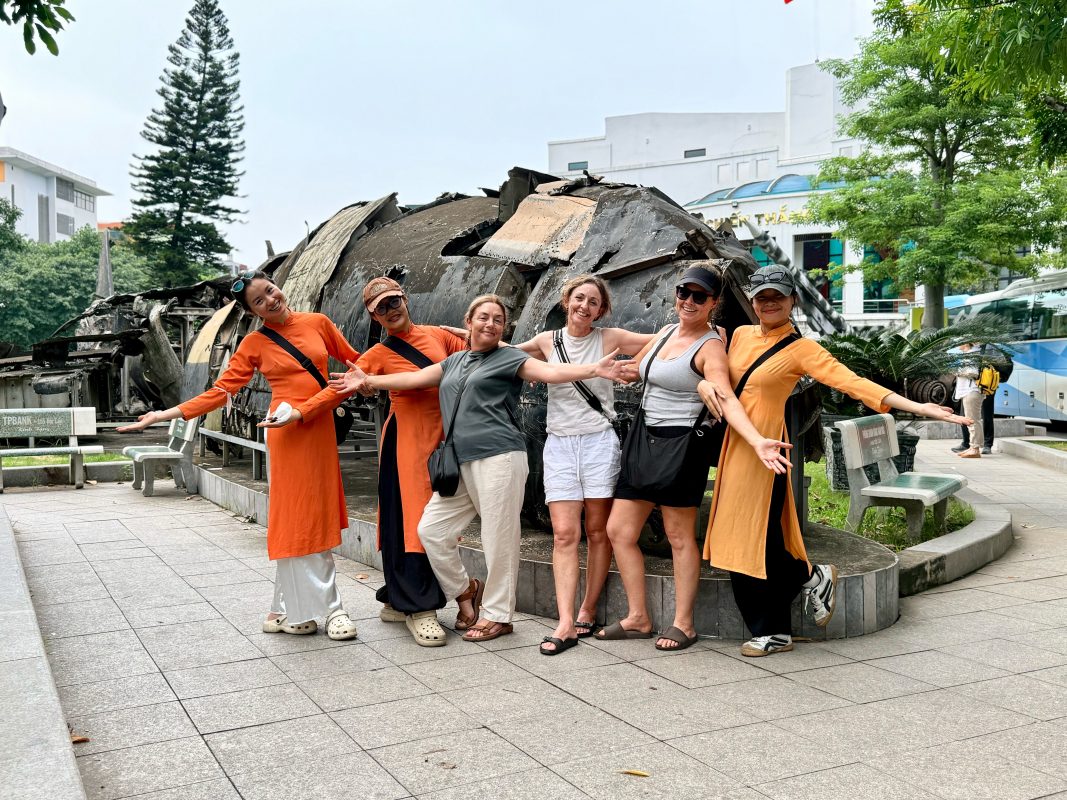
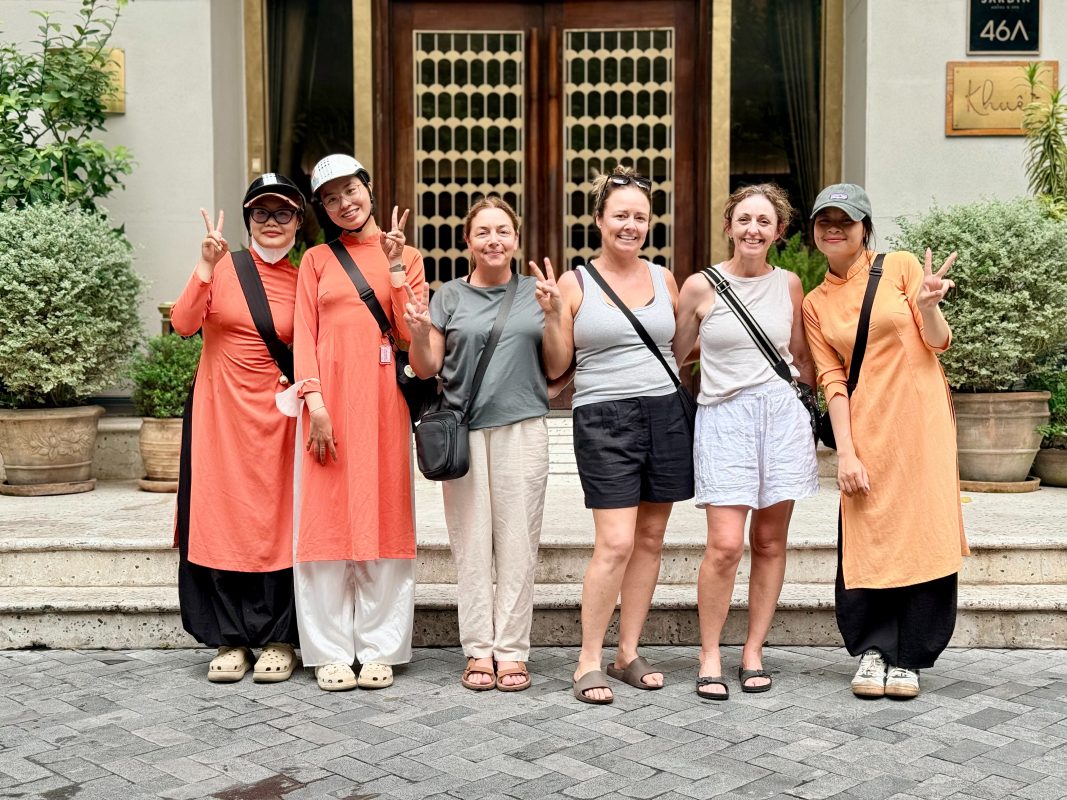
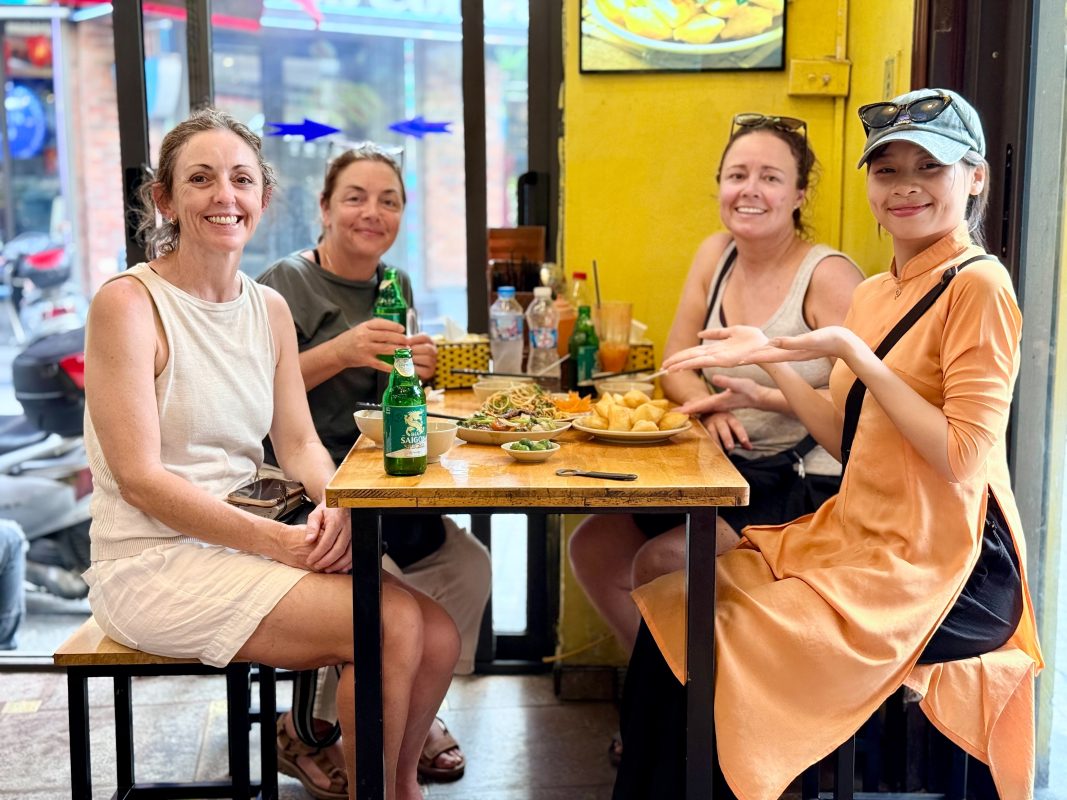
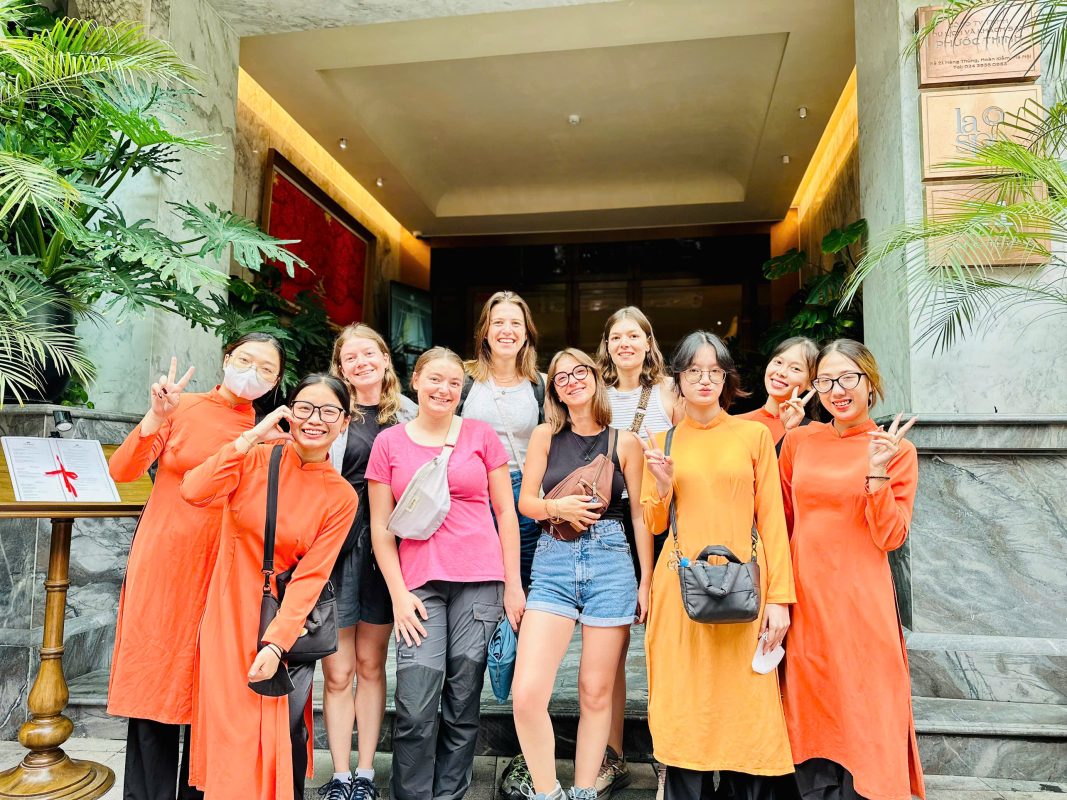
Vietnam Women Travel – Premium Private Tours Led by Women creates private Phu Quoc journeys combining luxury accommodation, local culture, nature and carefully selected island experiences.
Rather than following a large group, travelers can enjoy private transportation, flexible schedules, women-led guiding and experiences selected around their interests.
The itinerary can be designed around beaches and relaxation, food and culture, snorkeling and islands, nature or a combination of everything.
The Women-Led Difference
With Vietnam Women Travel – Premium Private Tours Led by Women, Phu Quoc can be experienced at your own pace.
Spend longer on a quiet beach.
Choose a private boat instead of a crowded group excursion.
Stop at a local food market.
Visit a pepper farm.
Watch the sunset from the western coast.
Or leave an entire afternoon free to enjoy your resort.
The aim is to experience Phu Quoc beyond its postcard image and discover the island’s food, people, landscapes and maritime traditions.
The Luxury of Slow Island Travel
The real luxury of Phu Quoc is time.
A private villa beside the sea.
Breakfast overlooking the water.
A boat waiting exclusively for your group.
Snorkeling in a quiet bay.
Fresh seafood for lunch.
A sunset cruise.
And an evening with nothing on the schedule.
That combination of comfort, privacy and nature is what makes Phu Quoc such an appealing destination for a premium Vietnam journey.
Discover Phu Quoc
Come for the beaches, but stay for the island’s deeper character. Explore the An Thoi islands, walk through tropical forests, discover pepper farms, taste fresh seafood, visit fishing villages and watch the sun disappear into the Gulf of Thailand.
Phu Quoc has changed rapidly, but beyond the major resorts there are still forests, farms, fishing communities and quiet stretches of coastline that reward travelers who take the time to explore. Lonely Planet similarly emphasizes that the island’s appeal extends beyond its beaches into jungle, food, fishing culture and the surrounding islands.
Vietnam Women Travel – Premium Private Tours Led by Women
Private journeys. Women guides. Authentic Vietnam.