Sapa Travel Guide: Rice Terraces, Mountain Villages & the Roof of Indochina
High in the Hoang Lien Son mountains of northern Vietnam, Sapa is a destination where the landscape seems to rise in layers. The town sits at around 1,500–1,600 meters above sea level, surrounded by steep valleys, forested mountains and some of the most celebrated rice terraces in Southeast Asia. Above it all stands Fansipan, Vietnam’s highest mountain at 3,143 meters. But Sapa is not simply about reaching a summit or photographing a rice field. Its real character emerges when you leave the town, follow a narrow trail into the Muong Hoa Valley, cross terraced hillsides and spend time in villages associated with Hmong, Dao, Tay and other communities.
Sapa has changed enormously over the past few decades. What was once a remote mountain retreat has become one of northern Vietnam’s best-known destinations, with hotels, restaurants, cafés, cable cars and a busy tourism economy concentrated around the town center. That development has made Sapa easier to visit, but it has also changed the experience. The secret to understanding Sapa today is to treat the town as a gateway rather than the destination itself. Beyond the streets, the mountains, rice terraces and valleys still provide the scenery that has made this corner of Vietnam famous around the world.
For travelers who have several days in Northern Vietnam, Sapa offers a different experience from Ha Giang and Pu Luong. Ha Giang is about dramatic roads and enormous limestone landscapes. Pu Luong is about peaceful valleys and traditional agricultural life. Sapa combines mountain scenery, trekking, ethnic cultures and the accessibility of a well-developed destination, making it particularly versatile for couples, families and private travelers.
Sapa and the Hoang Lien Son Mountains
Sapa is located in Lao Cai Province, approximately 320–380 kilometers northwest of Hanoi depending on the route and measurement. The town’s elevation gives it a noticeably cooler climate than Vietnam’s lowland cities, while the surrounding Hoang Lien Son range creates the dramatic mountain scenery that defines the region.
The mountains are not simply a backdrop. They determine how people live, where rice can be cultivated and how villages connect with one another. Steep slopes have been transformed into terraces, streams provide water for agriculture, and narrow trails connect communities scattered throughout the valleys.
This relationship between geography and everyday life is one of the most interesting aspects of visiting Sapa. A trek through the countryside is simultaneously a walk through a mountain ecosystem, an agricultural landscape and a cultural region.
A Landscape Shaped by Rice
The image most closely associated with Sapa is the rice terrace.
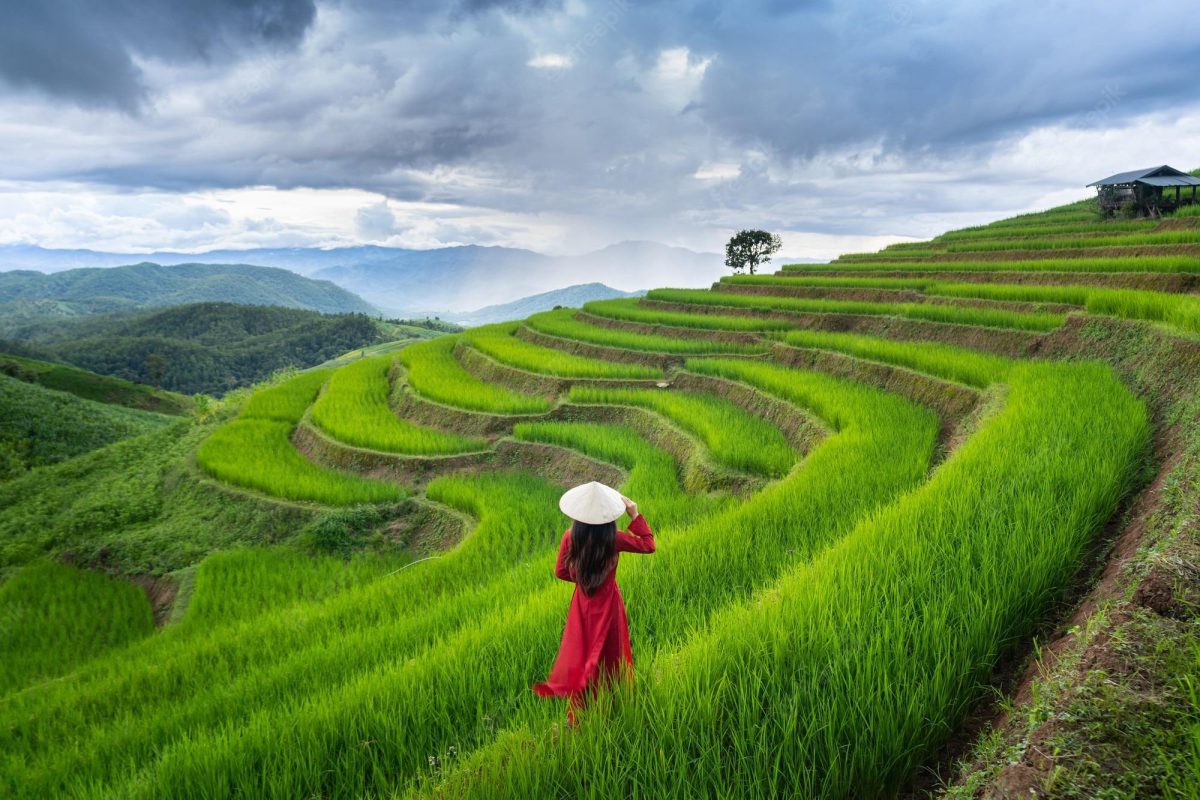
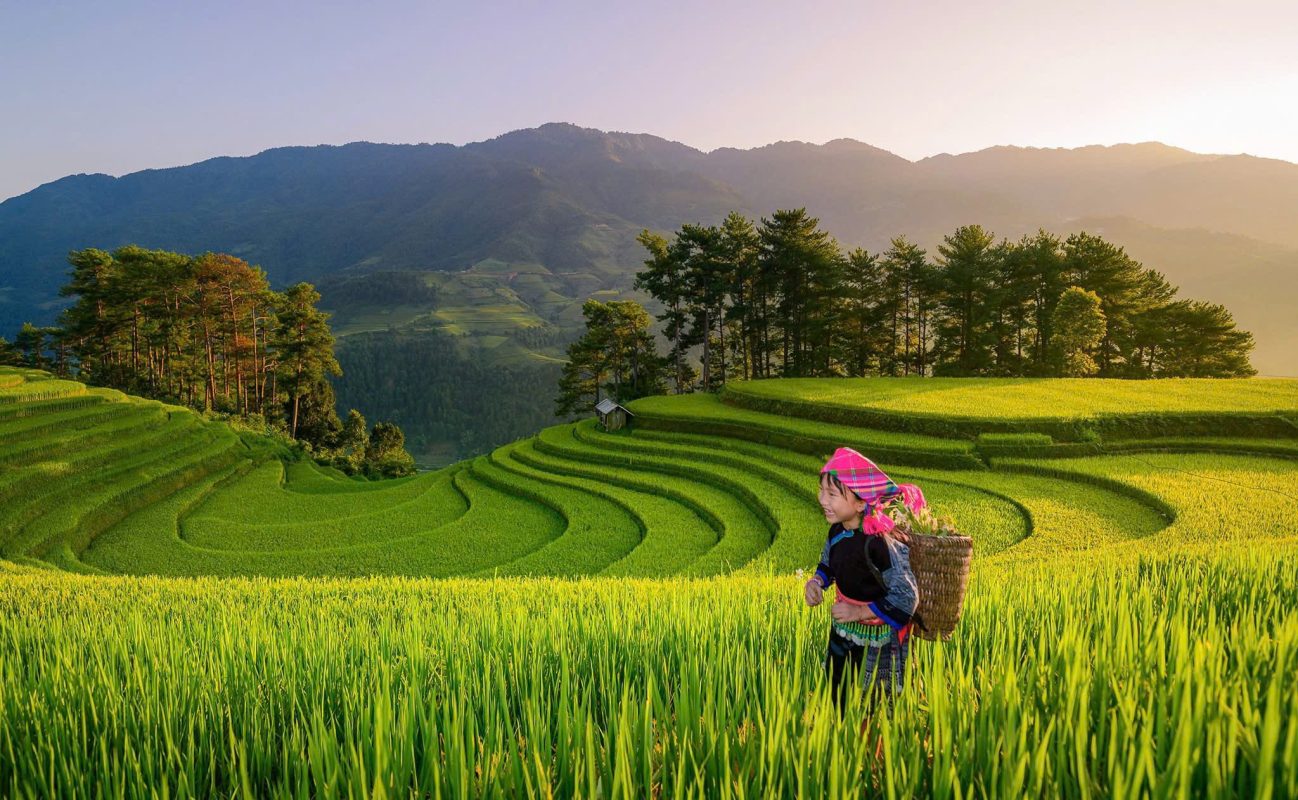
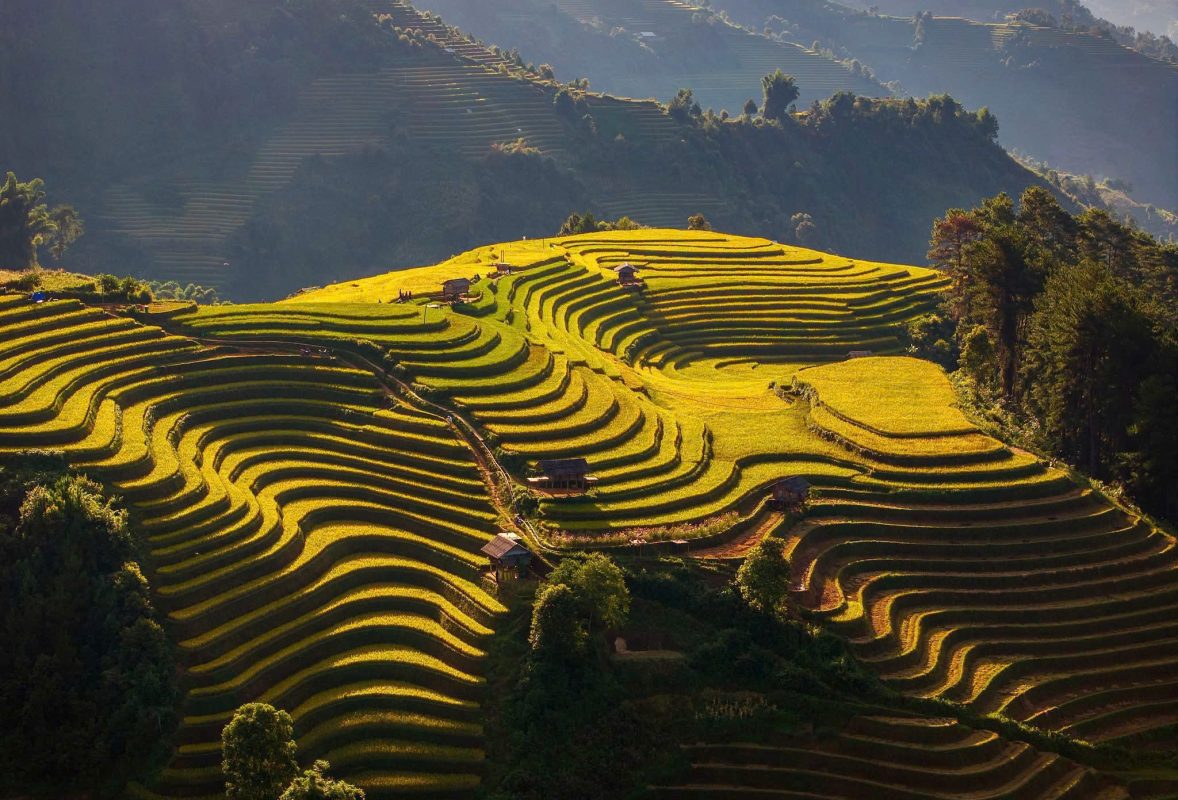
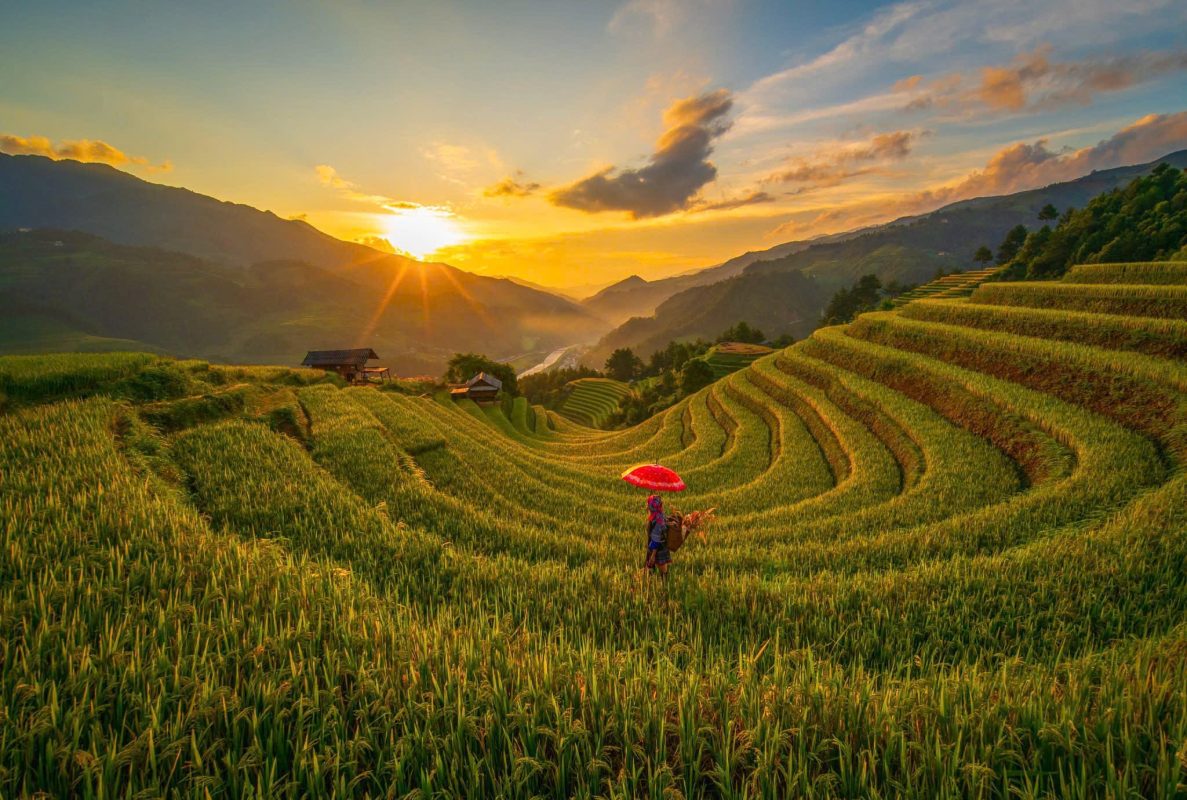
Across the Muong Hoa Valley, terraces descend the mountainsides in enormous stepped patterns. They are not natural formations. They represent generations of agricultural knowledge, with communities carefully shaping hillsides to create productive fields where flat land is scarce.
The appearance of the terraces changes dramatically throughout the year. During the planting season, water can transform the fields into reflective mirrors. As the rice grows, the mountains become increasingly green, and around harvest time the terraces turn golden. September and early October are generally considered among the most spectacular periods for seeing the mature rice landscape.
Muong Hoa Valley
If Sapa has one landscape that should not be missed, it is the Muong Hoa Valley.
The valley stretches beneath the Hoang Lien Son range, with villages, streams and terraces spread across its slopes. Rather than visiting it only from a viewpoint, the best way to appreciate Muong Hoa is to walk through it.
A trekking route may pass through several villages, cross narrow paths between rice fields and descend into valleys where the mountains rise dramatically on either side.
The scale changes as you walk. A terrace that looked small from the road becomes enormous when you are standing beside it. A mountain that appeared distant from Sapa town suddenly fills the horizon.
The Ancient Stone Carvings of Muong Hoa
Scattered around parts of the Muong Hoa Valley are mysterious carved stones featuring patterns, shapes and markings whose meanings remain debated.
The stone carvings add another layer of history to an already ancient-looking landscape.
Their presence reminds travelers that the valley was significant long before modern tourism arrived. They also demonstrate that Sapa’s cultural story cannot be reduced simply to today’s ethnic villages and trekking routes.
A knowledgeable guide can provide useful context while walking through the valley and help travelers understand how the agricultural and cultural landscape developed over time.
Fansipan: The Roof of Indochina
At 3,143 meters, Fansipan is the highest mountain in Vietnam and the highest peak in Indochina. It is the great geographical landmark above Sapa and one of the most recognizable mountains in Southeast Asia.
For decades, reaching the summit meant undertaking a demanding multi-day trek. Today, the mountain is far more accessible thanks to the Fansipan cable car system, allowing travelers to reach the summit area without completing a long expedition on foot.
That does not mean Fansipan has lost its sense of adventure. Weather can change rapidly at altitude, clouds can appear suddenly and the summit can feel dramatically colder than Sapa town.
Taking the Cable Car to Fansipan
The cable car journey is an experience in itself.
As the cabins rise above the landscape, the view opens across the Hoang Lien Son range and the valleys below. On clear days, you can see layers of mountains stretching toward the horizon.
At the upper station, visitors continue toward the summit complex by a combination of walking and additional mountain transport systems, depending on current operating arrangements.
The most important consideration is weather. A cloudy morning in Sapa does not always mean the summit will remain completely obscured, but mountain visibility is unpredictable. Checking conditions and allowing flexibility can make the difference between a disappointing visit and an extraordinary one.
Hiking Fansipan
For experienced hikers, Fansipan remains a completely different experience when approached on foot.
The traditional trekking route requires significantly more physical effort than the cable car option and should be undertaken with proper preparation and a qualified guide.
The mountain environment is steep, weather can change quickly and conditions can become difficult.
For most travelers, the choice is straightforward: take the cable car for the iconic summit experience, or dedicate additional time to a guided trek for the challenge of climbing the mountain itself.
Both offer different ways of experiencing Vietnam’s highest peak.
Sapa Town
Sapa town is the practical center of the region.
It is where travelers find the largest concentration of hotels, restaurants, cafés, shops and transportation services. The town also provides easy access to Fansipan and the surrounding valleys.
But expectations matter.
Modern Sapa is busy and highly developed compared with the mountain villages shown in many travel photographs. Recent travel guides note that the town has experienced substantial tourism development and construction, while the quieter landscapes travelers associate with Sapa are increasingly found outside the central streets.
The best strategy is to enjoy Sapa town for its restaurants, cafés, viewpoints and convenience, then spend the majority of your time exploring beyond it.
Sapa Stone Church
At the heart of town stands Sapa’s stone church, one of the most recognizable architectural landmarks in the area.
Built during the French colonial period, the church reflects the history of Sapa as a mountain retreat developed during the colonial era.
Its position near the central square makes it an easy starting point for exploring the town.
In the evening, the surrounding streets become more animated, with restaurants and cafés filling with travelers returning from the mountains.
Cat Cat Village
Cat Cat Village is one of the most accessible cultural attractions near Sapa.
Located only a short distance from the town center, the village provides an introduction to Hmong culture, traditional architecture, handicrafts and mountain scenery.
Because of its accessibility, however, Cat Cat is also one of the more heavily visited destinations in the Sapa area.
That does not make it worthless. It simply means travelers should approach it with realistic expectations.
For a deeper trekking experience, continue beyond the most visited areas and explore quieter trails and villages in the surrounding valleys.
Sin Chai Village
Just beyond the more developed tourism areas, Sin Chai offers a quieter mountain setting.
The village is associated with the Black Hmong community and sits beneath the slopes of the Hoang Lien Son range.
The surrounding landscape is particularly attractive for travelers who want to combine cultural encounters with walking.
Instead of focusing on a checklist of attractions, a private guide can create a route through the countryside that connects villages, rice fields and viewpoints.
This approach often gives a stronger sense of place than visiting several attractions by vehicle.
Ta Van Village
Ta Van is one of the most popular villages in the Muong Hoa Valley.
The village is associated with the Giay community and is surrounded by rice terraces, streams and mountain paths.
It has become an important base for trekking and overnight stays, with a growing selection of accommodation.
The advantage of staying here is simple: you are already in the valley.
Instead of returning to Sapa town after a day of walking, you can wake up surrounded by rice fields and continue exploring the following morning.
Lao Chai Village
Lao Chai lies along one of the main trekking routes through the Muong Hoa Valley and is closely associated with the Black Hmong community.
The journey from the upper valley down toward Lao Chai offers some of Sapa’s most impressive terrace scenery.
As you walk, the mountains seem to unfold in layers.
Traditional houses, cultivated fields and narrow paths appear between the terraces, creating the feeling that the entire valley has been shaped around the rhythm of agriculture.
Ta Phin Village
North of Sapa, Ta Phin is known for its Red Dao community and its distinctive cultural traditions.
The Red Dao are recognizable for their traditional clothing and elaborate red headdresses, although clothing styles and daily practices vary between individuals and occasions.
Ta Phin is also associated with traditional herbal bathing, an experience that has become increasingly popular among travelers looking for a relaxing cultural activity.
For a premium journey, this can be combined with a village walk, craft experience and private meal rather than treated as a quick sightseeing stop.
The Hmong of Sapa
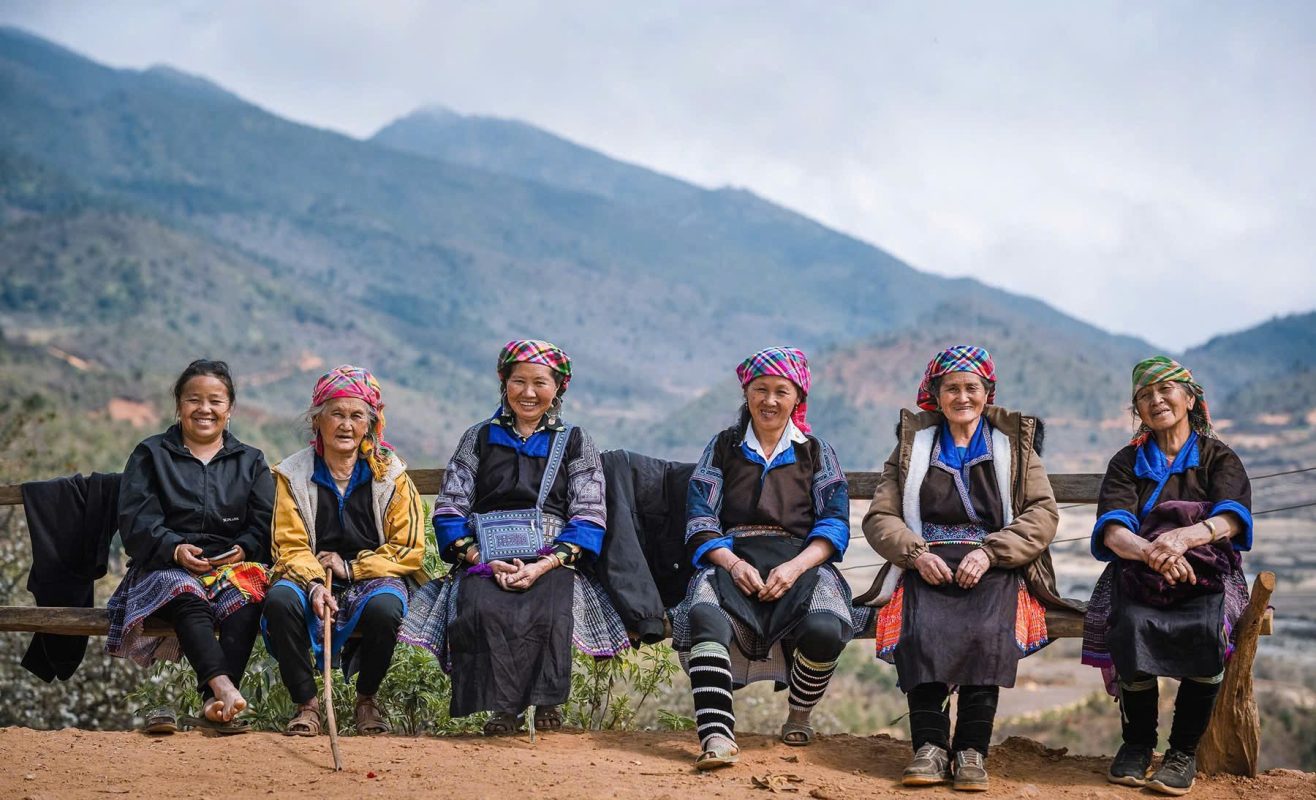
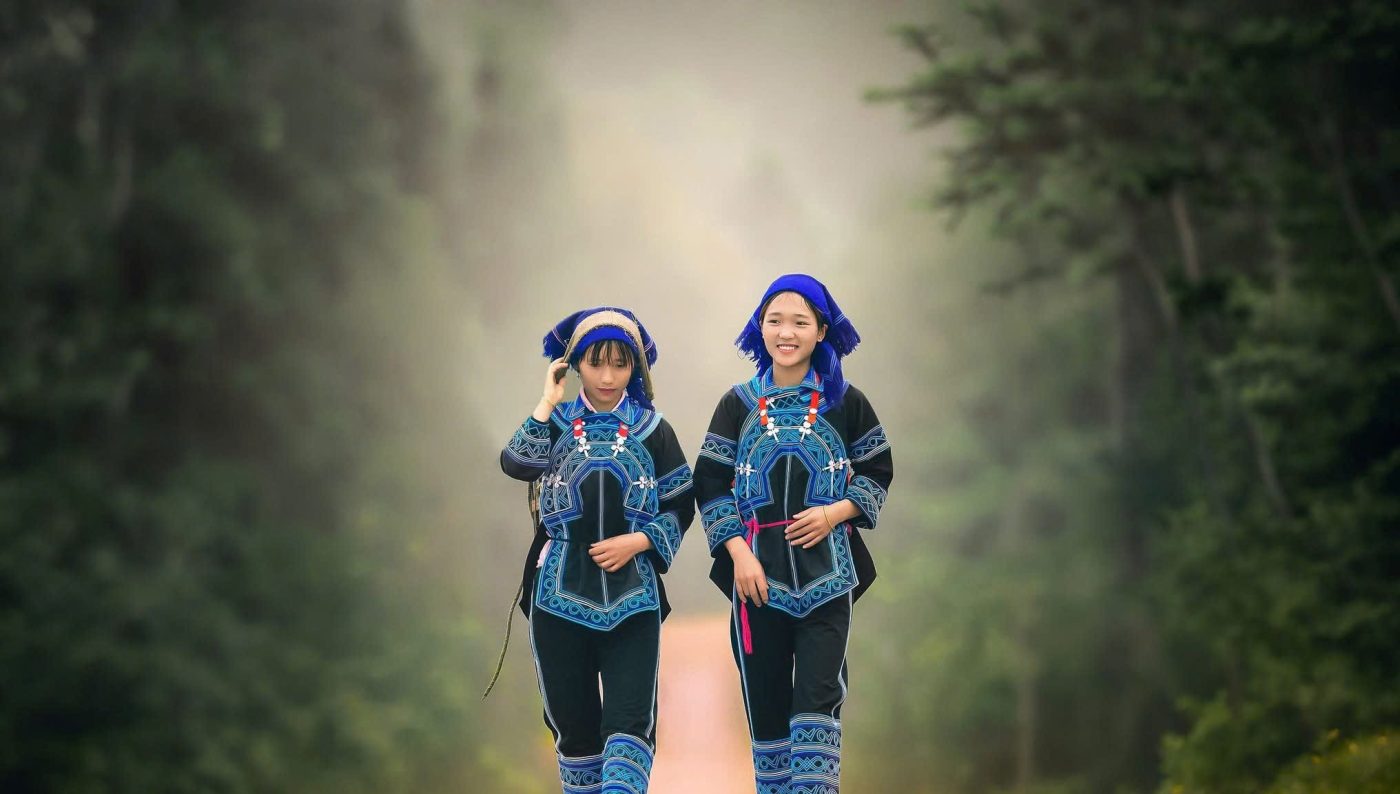
The Black Hmong are among the most visible communities in the Sapa region.
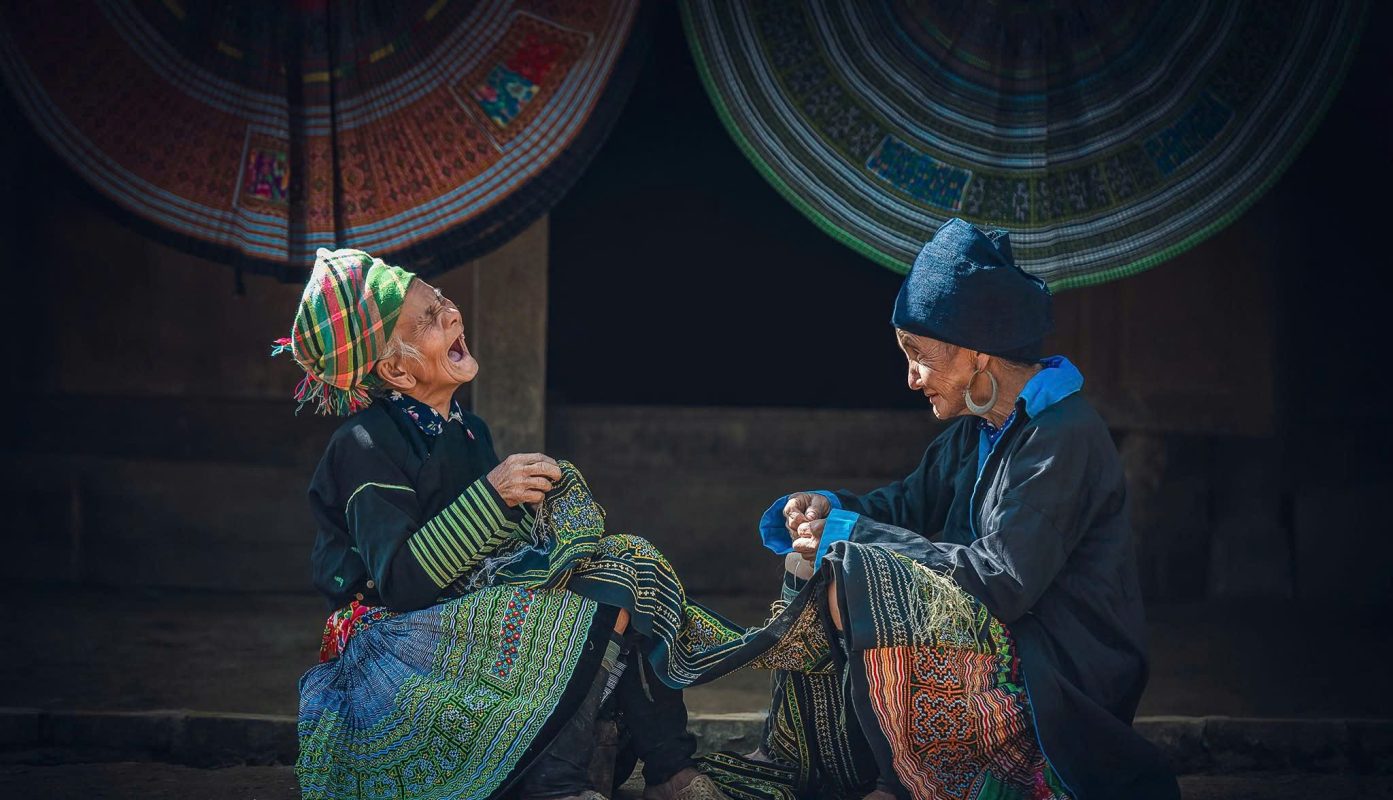
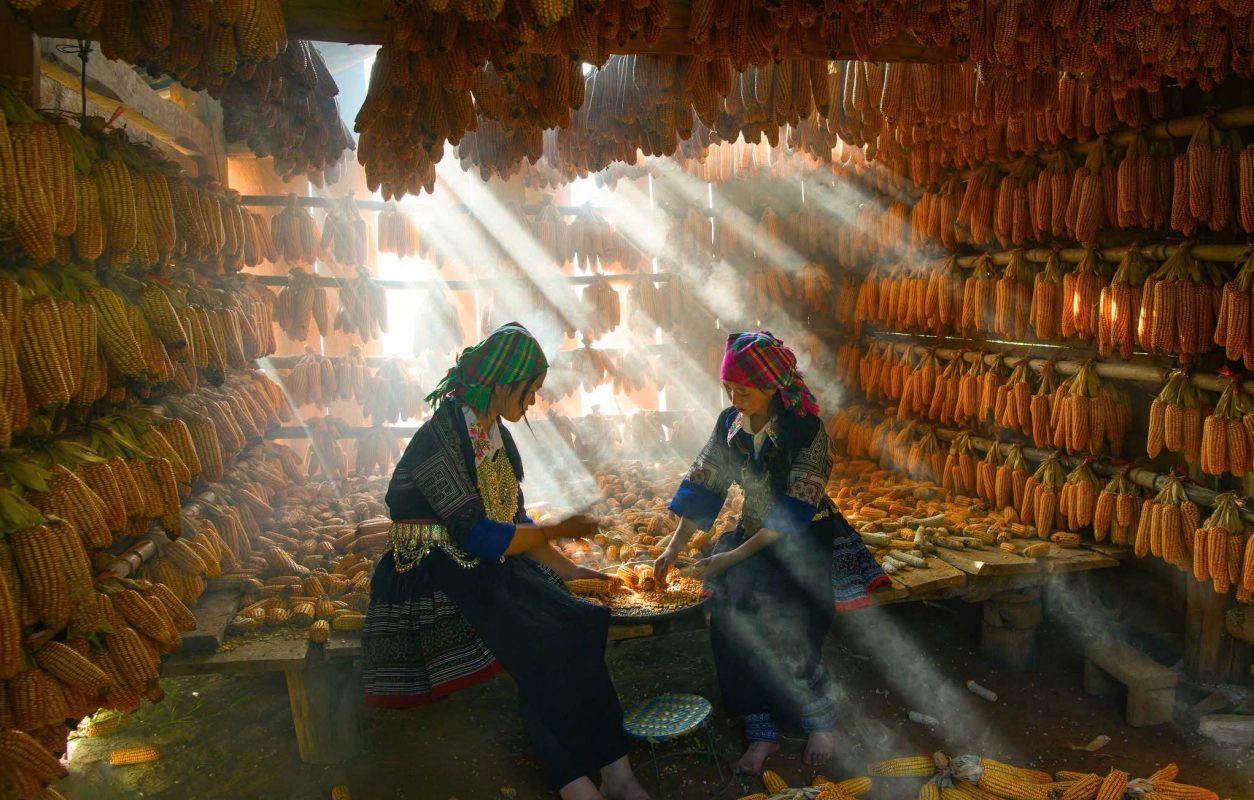
Traditional indigo-dyed textiles and distinctive clothing are particularly associated with Hmong culture, while agriculture remains central to life in the mountain valleys.
Visitors may encounter Hmong women selling handmade textiles or guiding treks.
But the most meaningful cultural experiences go beyond shopping.
A private walk through the villages can create opportunities to learn about farming, architecture, textile production and family life while respecting the fact that these are living communities rather than museum exhibits.
The Red Dao
The Red Dao are another important community in the Sapa region.
They are particularly known for their red headdresses, embroidered clothing and distinctive cultural traditions.
Ta Phin is one of the best-known areas for travelers interested in learning more about Red Dao culture.
As with every cultural experience in Northern Vietnam, the most respectful approach is to listen first, ask questions and request permission before photographing people or entering private spaces.
The Tay and Giay Communities
Sapa’s cultural landscape extends beyond the Hmong and Dao.
Tay and Giay communities also live in the surrounding valleys, with their own languages, traditions, architecture and agricultural practices.
Ta Van is particularly associated with the Giay, while other valleys and villages provide opportunities to encounter Tay communities.
This diversity is one reason why a multi-day journey is more rewarding than a short visit.
Each valley can reveal another cultural perspective.
Trekking in Sapa
Trekking is the most natural way to experience Sapa.
The roads can show you the mountains, but walking reveals the details.
A trail may pass through a rice terrace, cross a small stream, enter a bamboo forest and then emerge above an entire valley.
The pace allows you to notice things that disappear when traveling by vehicle.
For travelers who enjoy active experiences, a full-day trek can be one of the highlights of a Sapa journey.
Choosing the Right Trek
Not every Sapa trek needs to be difficult.
Short routes around Lao Chai and Ta Van can be suitable for travelers who want beautiful scenery without an exhausting hike.
Longer routes toward more remote villages require greater fitness and better preparation.
During the rainy season, paths can become muddy and slippery, so sturdy shoes are essential. Lonely Planet also recommends proper footwear during the wetter summer months because mountain trails can become challenging after rain.
A private guide can adjust the route according to age, fitness level and weather.
Walking Through the Rice Terraces
There is something particularly memorable about walking directly through the rice landscape.
From a viewpoint, the terraces are beautiful.
From inside them, they become three-dimensional.
You see the small irrigation channels carrying water between fields. You notice the retaining walls and narrow paths used by farmers. You hear insects and birds rather than traffic.
This is where Sapa becomes more than a scenic destination.
The landscape begins to tell its own story.
Water Buffalo and Mountain Agriculture
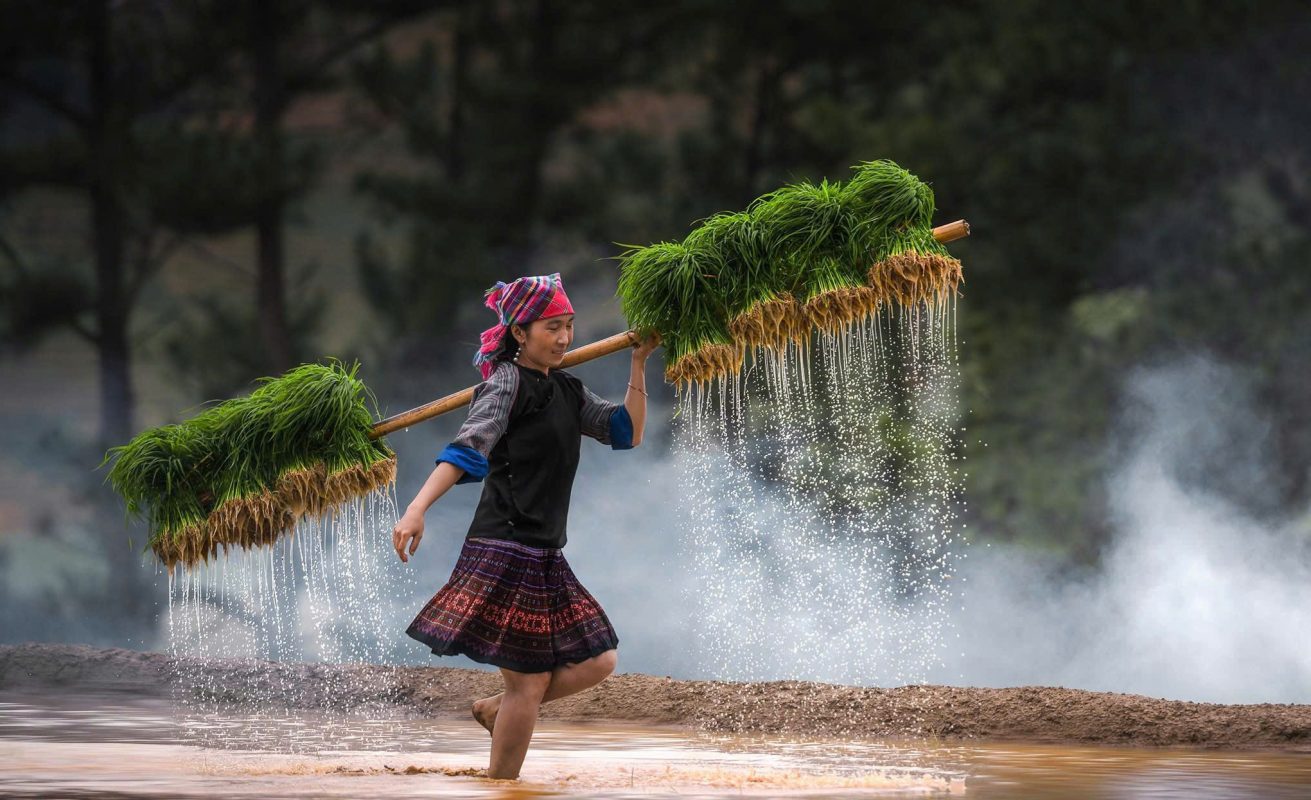
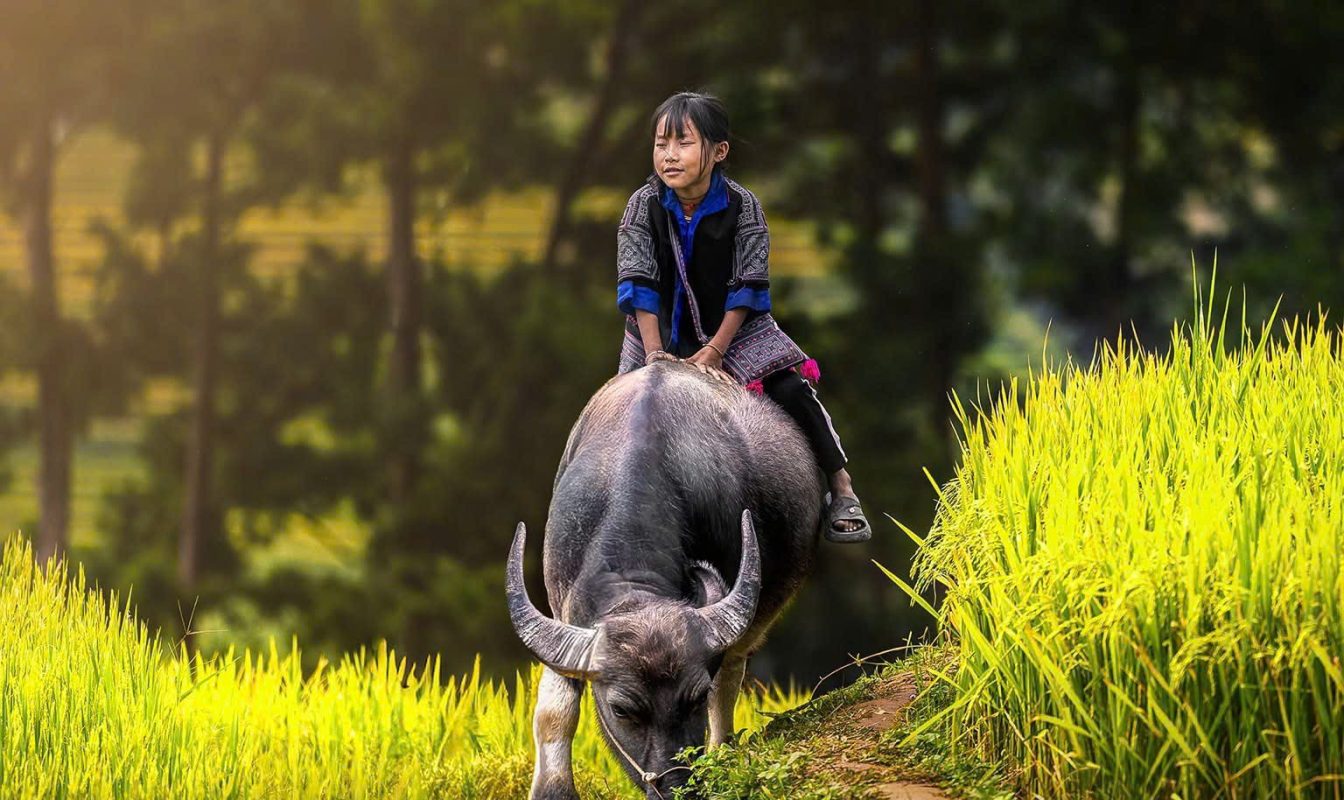
Water buffalo remain an important part of agricultural life in the northern mountains.
They can often be seen working in or near the rice fields, particularly during cultivation periods.
For visitors, these moments can look almost timeless.
But it is important to remember that agriculture here is not a performance for tourists. Farmers are working.
Travelers should stay on appropriate paths and avoid entering fields simply for photographs.
Sapa’s Rice Terrace Seasons
The terraces change dramatically throughout the year.
In March to May, spring brings flowers, fresh vegetation and the beginning of agricultural activity. In May and June, water-filled terraces can create mirror-like reflections before the rice grows tall.
From June through August, the mountains become intensely green, although rain can make trekking more difficult.
September and early October are usually the highlight for golden rice landscapes, with harvest taking place across the valleys.
Sapa in Spring
Spring is one of the most attractive periods for travelers who want comfortable trekking conditions and mountain flowers.
The weather is generally milder than winter, while the countryside begins to regain its vibrant colors.
Depending on the exact timing, travelers may also see the early stages of the rice-growing cycle.
The landscape will not have the famous golden appearance of September, but spring offers a softer and fresher version of Sapa.
Sapa in Summer
June through August is the lush season.
The rice fields are intensely green, forests are thick and waterfalls can be more powerful after rain.
But summer also brings frequent rainfall.
Trails may become muddy and visibility can change quickly when clouds move across the mountains. Lonely Planet recommends being prepared for wet conditions and slippery trails during this period.
For travelers who do not mind occasional rain, the rewards are exceptionally green landscapes.
Sapa in Autumn
September and October are among the most sought-after months to visit Sapa.
The rice terraces turn golden, temperatures become more comfortable and the landscape takes on the colors associated with classic images of the region.
Recent travel guidance consistently identifies September and October as the prime period for seeing the harvest landscapes.
If golden rice terraces are the main reason for your trip, flexibility is useful because harvest timing varies from year to year and from valley to valley.
Sapa in Winter
Winter creates an entirely different Sapa.
Temperatures can fall dramatically, particularly at night and at higher elevations. Fog can settle over the town and mountain valleys, occasionally creating an almost cinematic atmosphere.
In some cold periods, frost or even snow can appear around Fansipan.
This is not necessarily the best season for rice terraces, but it can be fascinating for travelers who enjoy misty mountain landscapes and cooler weather.
Bring proper warm clothing rather than assuming Vietnam is always hot.
The Best Time to Visit Sapa
There is no single perfect month for everyone.
For golden rice terraces and comfortable trekking, September to early October is one of the strongest choices.
For spring flowers, clearer weather and the beginning of the agricultural cycle, March to May is attractive.
For vivid green landscapes, June to August offers the strongest colors but also more rain.
For mist, cold mountain weather and fewer visitors, December to February can be atmospheric, although visibility and temperatures are less predictable.
Getting From Hanoi to Sapa
Sapa is one of the easiest mountain destinations in Vietnam to reach from Hanoi.
The journey by road generally takes around five to six hours depending on traffic and conditions. Direct buses and private transfers are widely available.
For a premium private journey, traveling by private car offers the greatest flexibility.
You can leave Hanoi at a comfortable time, stop for lunch or photographs and arrive in Sapa without following a shared bus schedule.
For travelers who value comfort, privacy and time, the journey itself can become part of the experience.
Why Private Transportation Works Well
Sapa’s main attractions are spread across mountains and valleys.
A private vehicle makes it easier to combine different experiences within one day without constantly returning to town.
You might begin with Fansipan in the morning, visit a village after lunch and finish with a sunset viewpoint above the Muong Hoa Valley.
For families, couples and small private groups, this flexibility is especially useful.
The itinerary can change according to weather rather than forcing you to follow a fixed group schedule.
Where to Stay in Sapa
Choosing where to sleep can dramatically change your experience.
Staying in central Sapa provides easy access to restaurants, cafés, shops and transportation.
Staying outside town, however, can place you directly beside the rice terraces and mountain landscapes.
For travelers seeking a more peaceful experience, a boutique retreat overlooking the valley can be a better choice than a large hotel in the center.
Some travelers even divide their stay between the town and the valley, combining convenience with countryside immersion.
Valley Retreats and Boutique Accommodation
A beautiful valley property can transform the Sapa experience.
Imagine waking to clouds drifting across the mountains, eating breakfast above the rice terraces and stepping directly onto a trekking path.
This type of accommodation is particularly suited to premium private travel.
The luxury comes not only from the room itself but from the location, privacy and ability to experience the landscape without crowds.
After a full day of walking, returning to a quiet terrace overlooking the mountains is part of the journey.
Sapa Food
Sapa’s cuisine reflects both the mountain climate and the cultural diversity of the region.
Cool evenings make hot dishes particularly appealing.
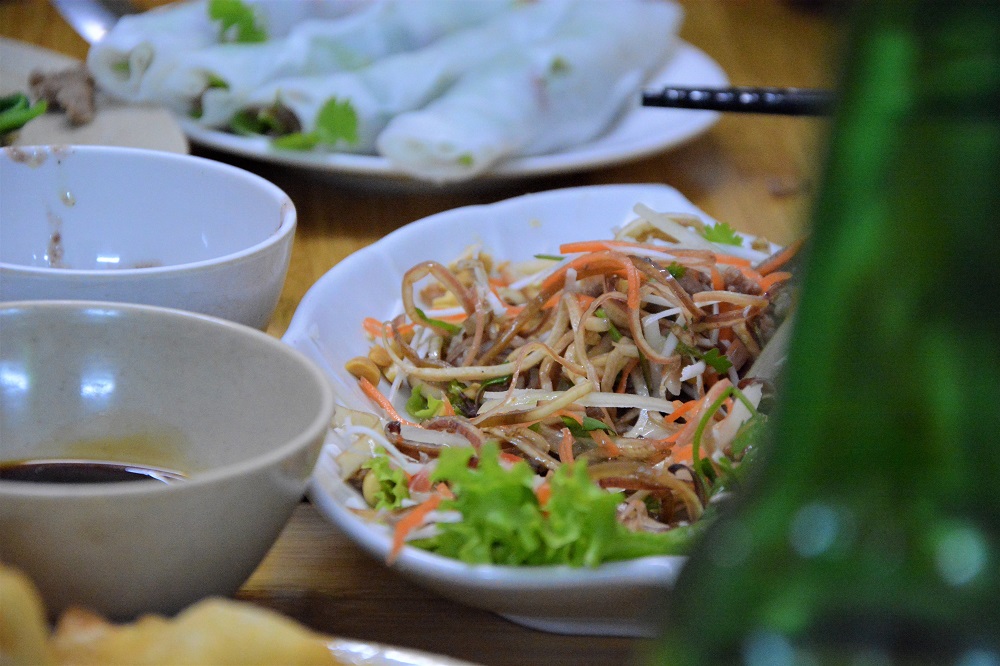
Sturgeon hotpot is one of the region’s best-known specialties, while grilled meats, mountain vegetables, mushrooms and bamboo shoots commonly appear on menus.
Thang Co, traditionally associated with Hmong cuisine, is another distinctive regional dish.
Travelers should also try dishes prepared with locally grown vegetables and mountain herbs, particularly after spending time in the villages.
Sturgeon Hotpot
Sturgeon hotpot is particularly well suited to Sapa’s cool evenings.
The broth is served steaming hot, with vegetables, noodles and slices of fish added throughout the meal.
It is a social dish, usually shared around the table.
After a cold day in the mountains, sitting around a bubbling hotpot can be one of the simplest pleasures of a Sapa journey.
Thang Co and Mountain Cuisine
Thang Co is a traditional dish associated with Hmong communities and historically prepared using horse meat and various organs.
It is not necessarily for every traveler, but it represents an important part of the culinary heritage of the northern mountains.
A more comfortable introduction to regional cuisine can include grilled meats, mountain vegetables, bamboo shoots and herbal dishes.
The best food experiences are often those where the menu reflects the landscape you have been traveling through.
Sapa Markets
Markets provide another window into the cultural diversity of the region.
The town has developed a number of markets and commercial areas, while larger regional markets around Lao Cai Province offer opportunities to see people from different communities gathering to trade.
If your itinerary includes a market visit, consider going early.
The atmosphere is generally more interesting before the busiest tourist periods.
And remember that markets are working spaces, not photo sets.
Bac Ha Market
Travelers with additional time can consider a day trip toward Bac Ha, one of northern Vietnam’s most famous mountain markets.
Bac Ha is farther from Sapa than the nearby villages, so it is best treated as a full-day excursion rather than a quick stop.
The Sunday market attracts people from surrounding communities and is particularly well known for its colorful clothing, agricultural products and livestock trade.
It offers a different cultural perspective from Sapa and can be a worthwhile addition to a longer Northern Vietnam itinerary.
Love Waterfall
Love Waterfall is one of the best-known natural attractions around Sapa.
Located in the Hoang Lien Son mountains, the waterfall is surrounded by forest and is reached by a walking route through the landscape.
The journey is part of the attraction.
Rather than simply arriving at a viewpoint, travelers walk through vegetation and mountain terrain before reaching the waterfall.
It can be combined with other attractions around O Quy Ho Pass for a full-day private excursion.
Silver Waterfall
Silver Waterfall is another popular stop along the road toward O Quy Ho Pass.
The cascade drops dramatically down the mountainside and is particularly impressive during periods of strong water flow.
Its location beside the main mountain road makes it relatively easy to include in an itinerary.
For travelers with limited time, combining Silver Waterfall, Love Waterfall and O Quy Ho Pass creates an excellent day beyond central Sapa.
O Quy Ho Pass
The O Quy Ho Pass is one of the great mountain roads of northern Vietnam.
It crosses the Hoang Lien Son range and connects Lao Cai with Lai Chau.
The road climbs through changing vegetation and weather, with viewpoints offering enormous panoramas over the surrounding mountains.
At higher elevations, clouds can move across the road with remarkable speed.
A private road journey here is especially rewarding because you can stop whenever the landscape opens.
Heaven’s Gate
One of the most famous viewpoints around O Quy Ho Pass is known as Heaven’s Gate.
From the high road, the mountains stretch toward the horizon and the valleys appear far below.
The viewpoint is particularly atmospheric when clouds move through the peaks.
On clear days, the scale is extraordinary.
On cloudy days, the landscape becomes more mysterious.
Both are worth experiencing.
Sapa for Couples
Sapa can be deeply romantic without trying to be.
A private room overlooking the Muong Hoa Valley.
A morning walk through rice terraces.
A cable-car journey toward Fansipan.
A quiet dinner beside a fireplace.
A misty mountain road with no fixed schedule.
For couples, the destination works particularly well when the itinerary balances activity with time to relax.
Rather than trying to see every attraction, leave space for the landscape to become part of the experience.
Sapa for Families
Families can enjoy Sapa without undertaking demanding multi-day treks.
The cable car to Fansipan is accessible to travelers who prefer not to climb the mountain.
Short walks through the rice terraces can be adapted for children, while waterfalls and scenic mountain roads provide variety.
Private transportation is especially useful for families because the day can be adjusted around children’s energy levels and weather conditions.
A two- or three-night stay usually gives enough time to combine mountain scenery, culture and relaxation without creating an exhausting schedule.
Sapa for Active Travelers
For hikers, Sapa is one of northern Vietnam’s strongest bases.
There are routes ranging from gentle half-day walks to challenging multi-day mountain treks.
Fansipan provides the ultimate summit challenge, while villages around Muong Hoa offer more accessible trekking.
The important thing is to choose a route appropriate to your fitness and weather conditions.
Mountain terrain can look gentle from a photograph but become surprisingly demanding on foot.
Sapa for Photographers
Sapa is almost endlessly photogenic.
Golden terraces in September.
Water-filled fields in spring.
Green valleys in summer.
Fog rolling through the mountains in winter.
Traditional textiles.
Village paths.
Water buffalo.
Mountain markets.
Fansipan rising above the clouds.
The key to better photographs is patience.
The most memorable image may not come from the famous viewpoint.
It may come from waiting twenty minutes while clouds move away from a mountain.
Responsible Travel in Sapa
Sapa’s popularity has brought significant economic opportunities, but tourism also creates pressure on the landscape and communities.
Travelers can help by reducing plastic waste, respecting agricultural land, supporting responsible accommodation and choosing guides who have meaningful relationships with the communities they visit.
Avoid treating traditional clothing, homes or ceremonies as entertainment.
Ask before taking photographs.
Stay on appropriate trails.
And remember that the mountains around Sapa are people’s homes and working landscapes.
A More Thoughtful Way to Visit the Villages
The most rewarding cultural encounters are not necessarily the most spectacular.
They may be a conversation over tea.
A demonstration of textile work.
A family meal.
A walk through a rice field.
A discussion about how terraces are cultivated.
These experiences require time.
That is why private travel can be valuable in Sapa. The itinerary can slow down when an interesting conversation begins rather than moving immediately to the next scheduled attraction.
How Many Days Do You Need in Sapa?
A rushed overnight visit can cover Fansipan and one village, but it will not reveal much of the region.
Two full days are enough for the essential experiences.
Three nights are better for travelers who want trekking, Fansipan, villages and time to relax.
Four or more nights allow you to explore further, add Bac Ha or other mountain excursions and spend more time outside the town center.
Recent travel guides generally recommend two to three nights for a first visit.
A Sample 3-Day Private Sapa Journey
Day 1 — Hanoi to Sapa and Muong Hoa Valley
Leave Hanoi in the morning by private vehicle and travel north toward the mountains of Lao Cai. Arrive in Sapa for lunch before continuing into the Muong Hoa Valley. Spend the afternoon trekking through rice terraces and villages such as Lao Chai and Ta Van, with time to meet community members and learn about the agricultural landscape. Continue to your boutique valley retreat for a relaxed evening overlooking the mountains and enjoy dinner surrounded by the quiet countryside.
Day 2 — Fansipan, Sapa and O Quy Ho Pass
After breakfast, travel to the Fansipan cable car station and ascend toward the summit of Vietnam’s highest mountain. Spend time exploring the summit complex and mountain viewpoints before returning to Sapa for lunch. In the afternoon, drive along the spectacular O Quy Ho Pass, stopping at Silver Waterfall, Love Waterfall and mountain viewpoints depending on weather and conditions. Return to your accommodation for dinner and an evening at leisure.
Day 3 — Ta Phin and Return to Hanoi
Enjoy breakfast before leaving Sapa for Ta Phin, where you can explore the village landscape and learn about Red Dao traditions and textile craftsmanship. Continue through the mountain countryside for a relaxed lunch before beginning the journey back toward Hanoi. The private vehicle allows flexible stops along the way for photographs and refreshments. Arrive in Hanoi in the late afternoon or evening, or continue directly to your next destination as part of a longer Northern Vietnam itinerary.
A Longer Sapa Experience
For travelers with four or five days, Sapa becomes considerably more interesting.
Instead of simply visiting the famous attractions, you can dedicate an entire day to trekking through the Muong Hoa Valley.
Another day can focus on Fansipan and O Quy Ho Pass.
A third can explore Ta Phin, Bac Ha or quieter mountain communities.
You can also stay one or two nights outside Sapa town, allowing the valley to become your base.
This creates a much more relaxed rhythm.
Sapa, Ha Giang or Pu Luong?
These three destinations are sometimes placed together in Northern Vietnam itineraries, but they offer very different experiences.
Sapa is the most accessible and developed, combining dramatic terraces, ethnic cultures, trekking and Fansipan.
Ha Giang is the most adventurous, with spectacular mountain roads, limestone passes and the Nho Que River.
Pu Luong is quieter and more rural, with rice terraces, bamboo water wheels and peaceful village landscapes.
For first-time visitors with limited time, Sapa is an excellent introduction to Vietnam’s northern mountains.
For travelers who have already experienced Sapa, Ha Giang or Pu Luong can provide a deeper sense of remoteness.
Combining Sapa With Ha Giang
A longer Northern Vietnam journey can combine Sapa and Ha Giang, although the two should not be treated as interchangeable.
Sapa provides trekking, Fansipan and the Muong Hoa Valley.
Ha Giang provides mountain roads, Ma Pi Leng, Dong Van and the Nho Que River.
The combination creates a journey through two very different mountain landscapes.
With private transportation, the route can be designed around the traveler’s interests rather than simply following a standard tourist circuit.
Combining Sapa With Hanoi
Sapa works naturally as an extension of a Hanoi journey.
A traveler can spend several days exploring Hanoi’s Old Quarter, food culture and historical landmarks before heading into the mountains.
The contrast is immediate.
The noise of the capital gives way to mountain roads.
Dense streets become open valleys.
Street food becomes mountain cuisine.
And urban architecture gives way to rice terraces and traditional houses.
That contrast is one of the reasons Sapa works so well within a Northern Vietnam itinerary.
Why Choose Vietnam Women Travel for Sapa?
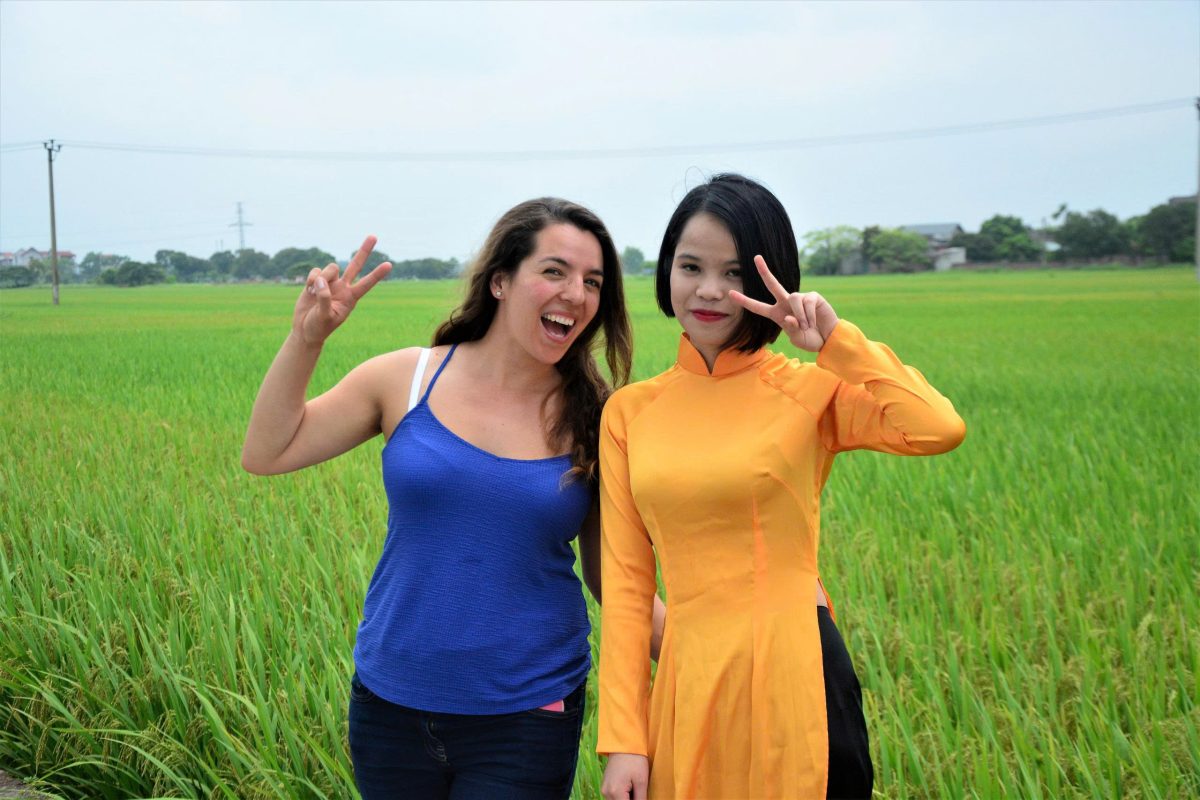
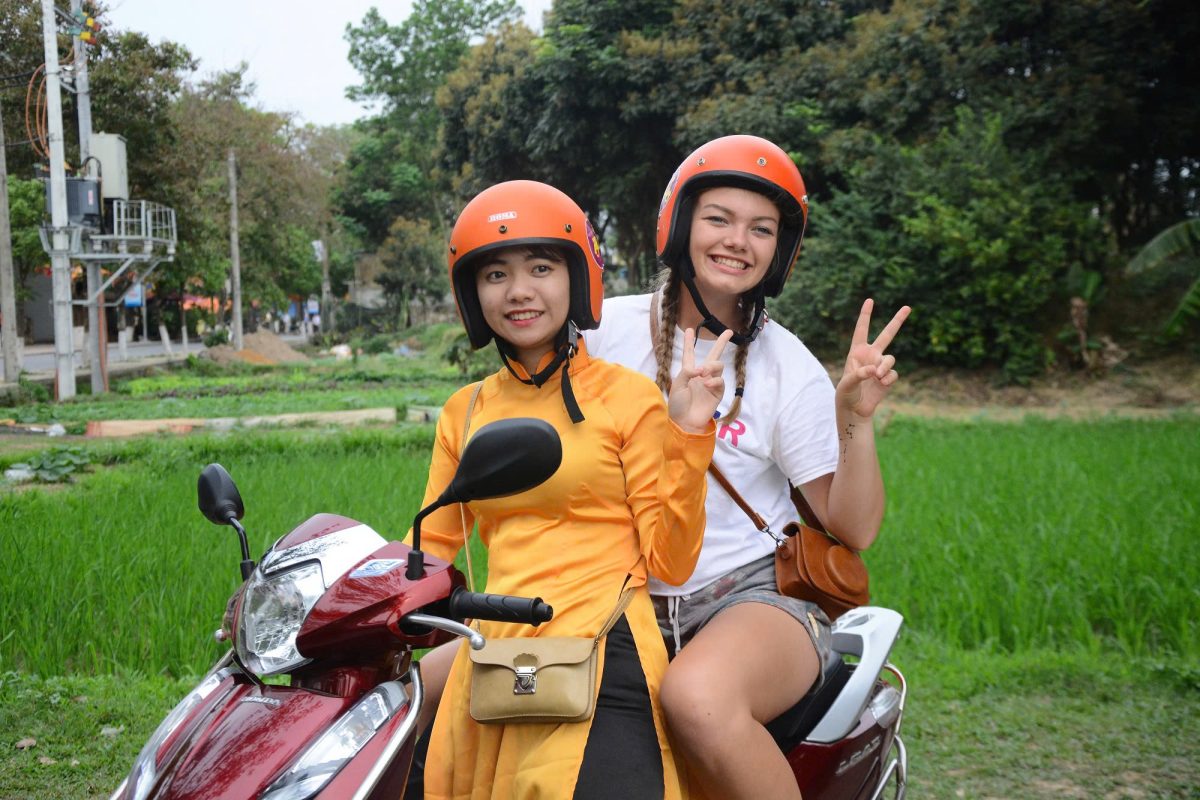
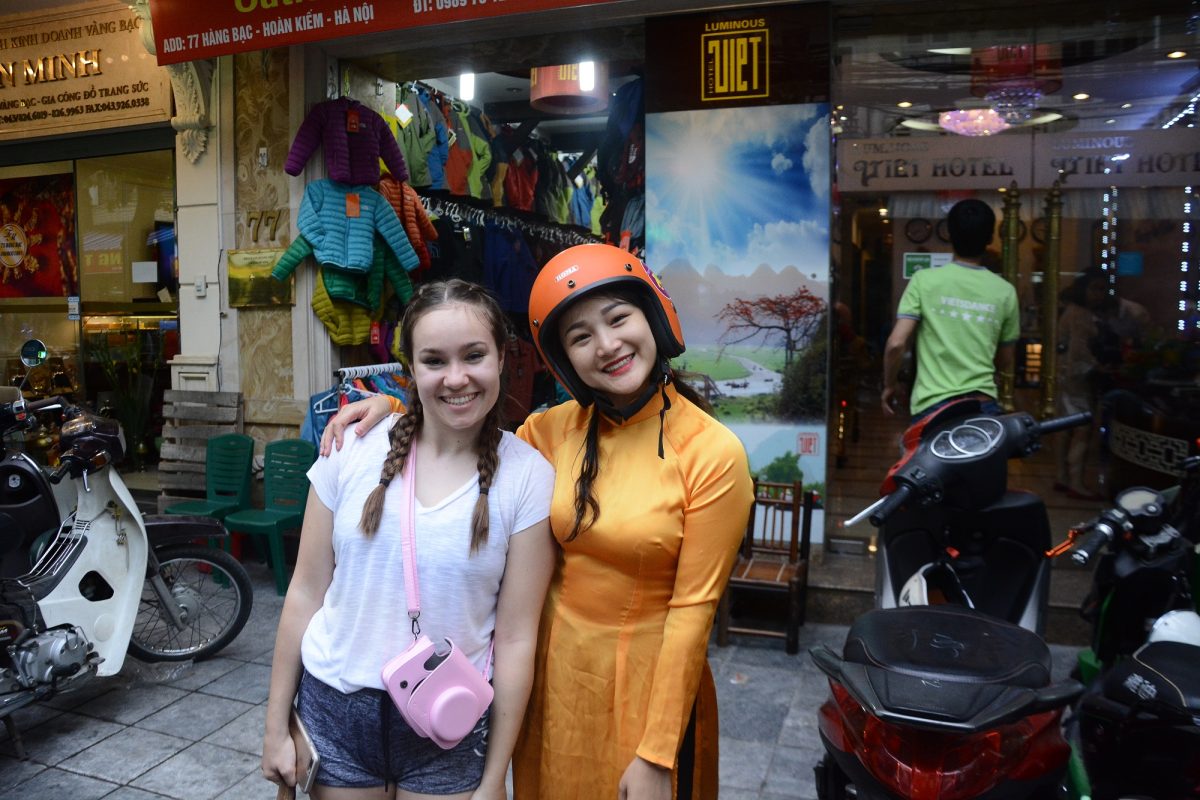
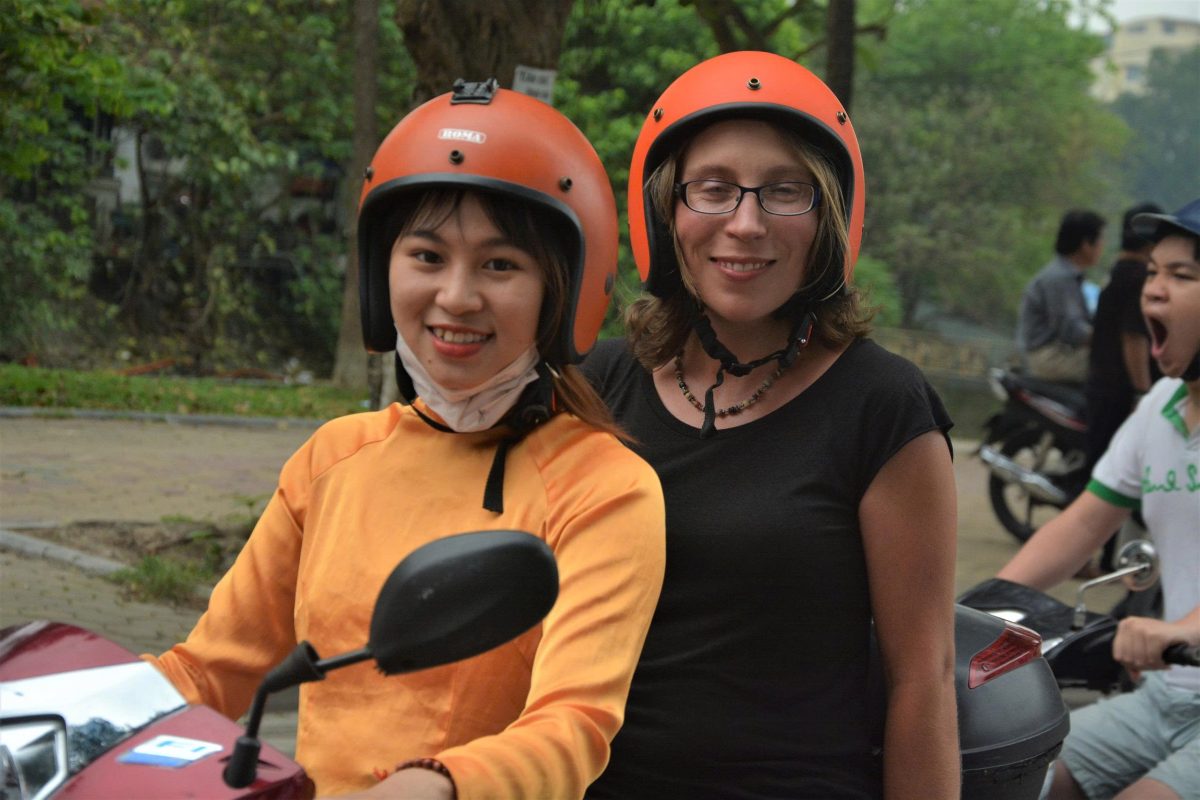
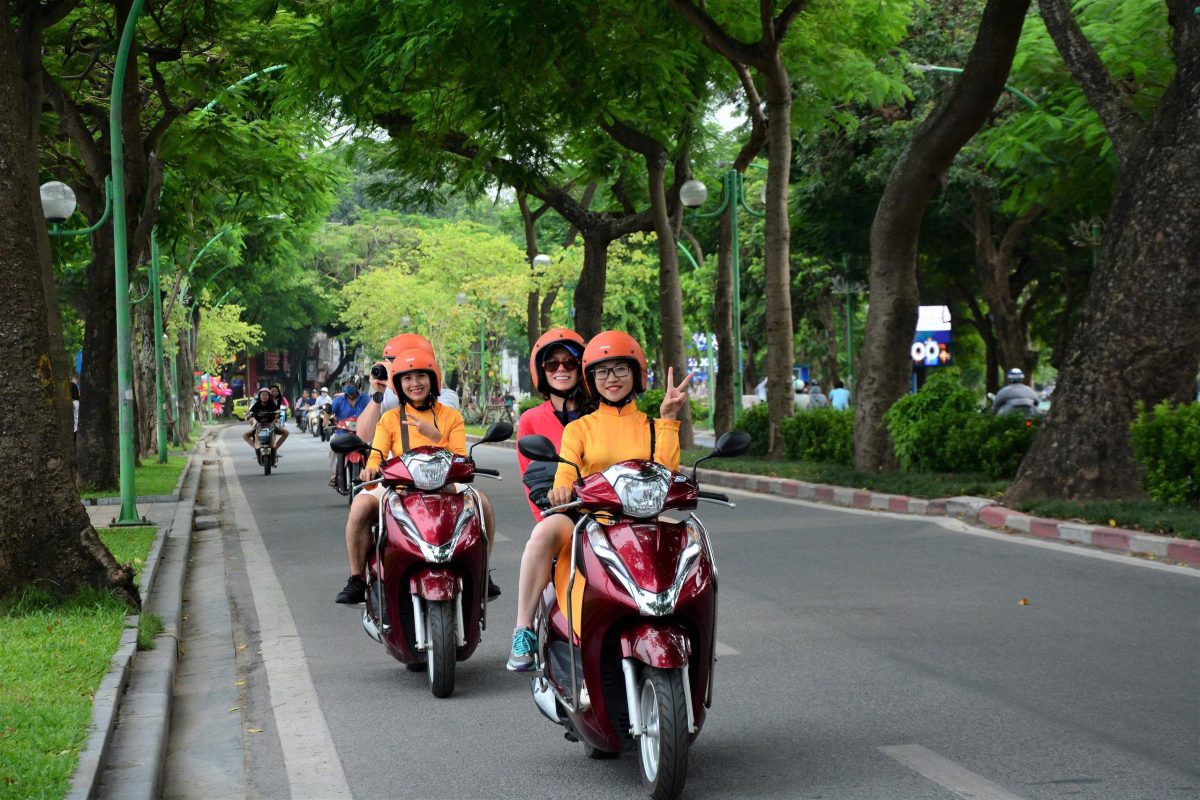
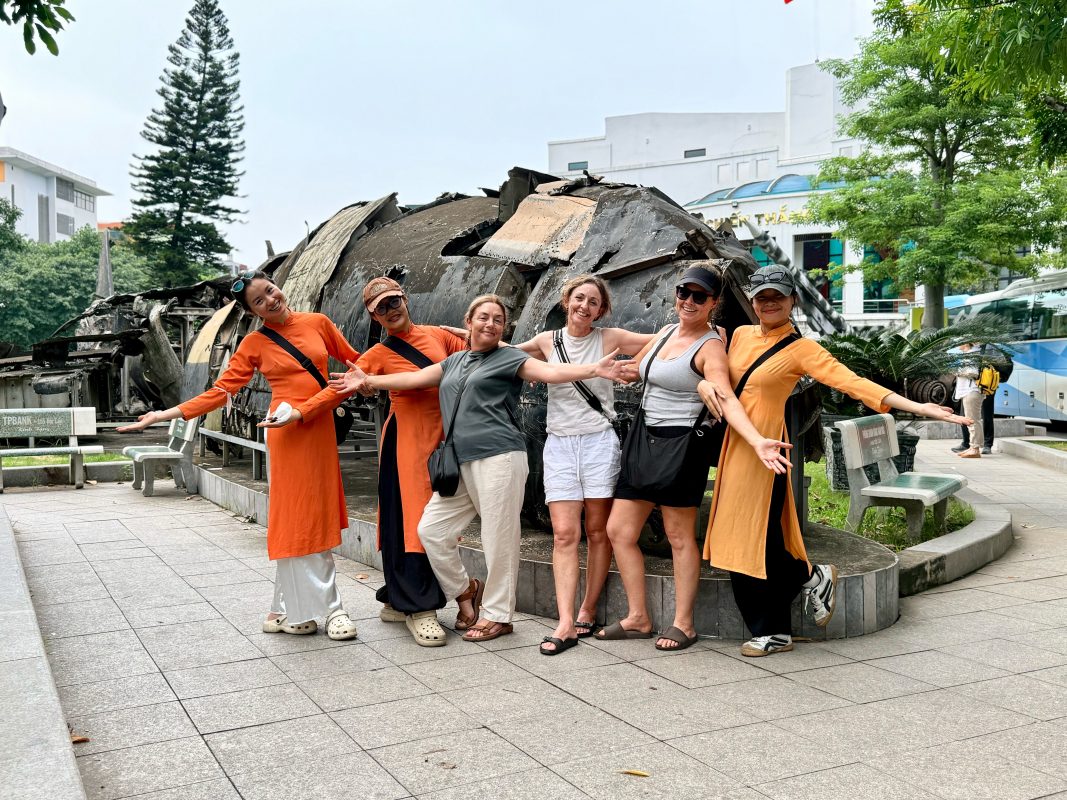
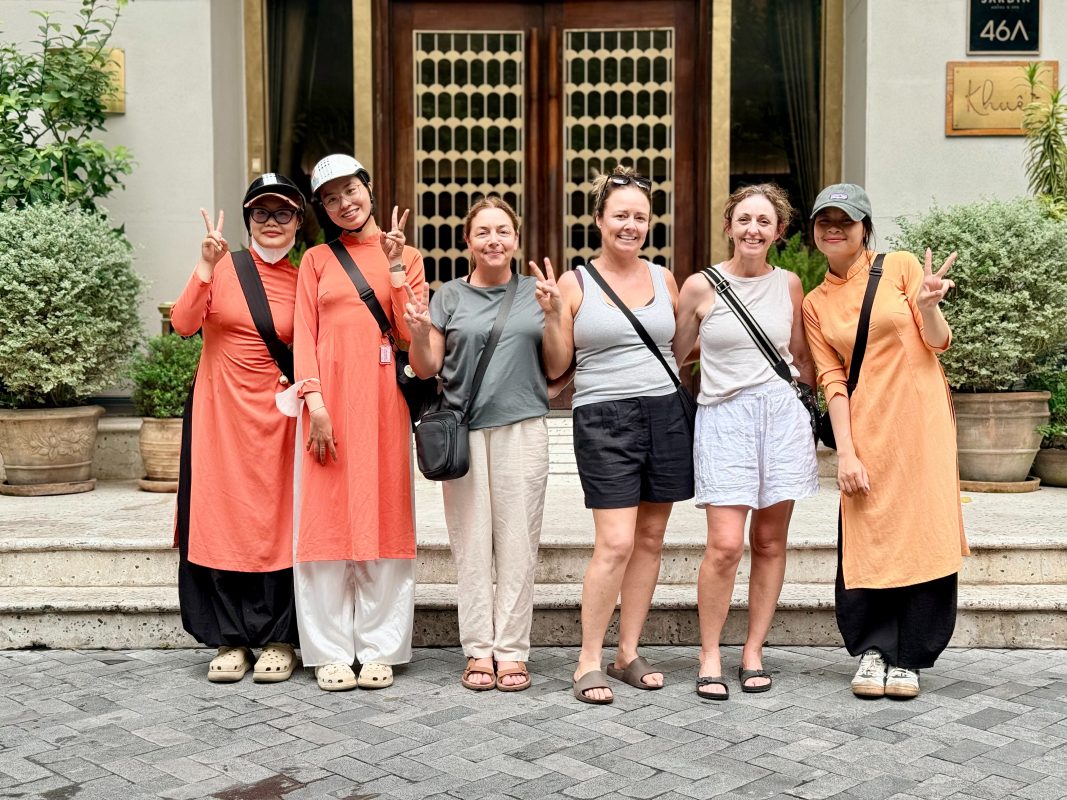
Vietnam Women Travel – Premium Private Tours Led by Women creates private journeys for travelers who want to experience Sapa with comfort, flexibility and meaningful cultural encounters.
Our approach is different from a standard group tour. Rather than moving a large group from one attraction to another, a private itinerary can be adjusted around your interests, fitness level, travel style and preferred pace.
Couples can combine boutique mountain accommodation with private trekking and romantic dining.
Families can enjoy Fansipan, waterfalls and shorter village walks without exhausting travel days.
Active travelers can focus on longer treks through the Muong Hoa Valley.
And travelers seeking a premium cultural experience can spend more time in the villages, learning about traditional crafts, agriculture and mountain life.
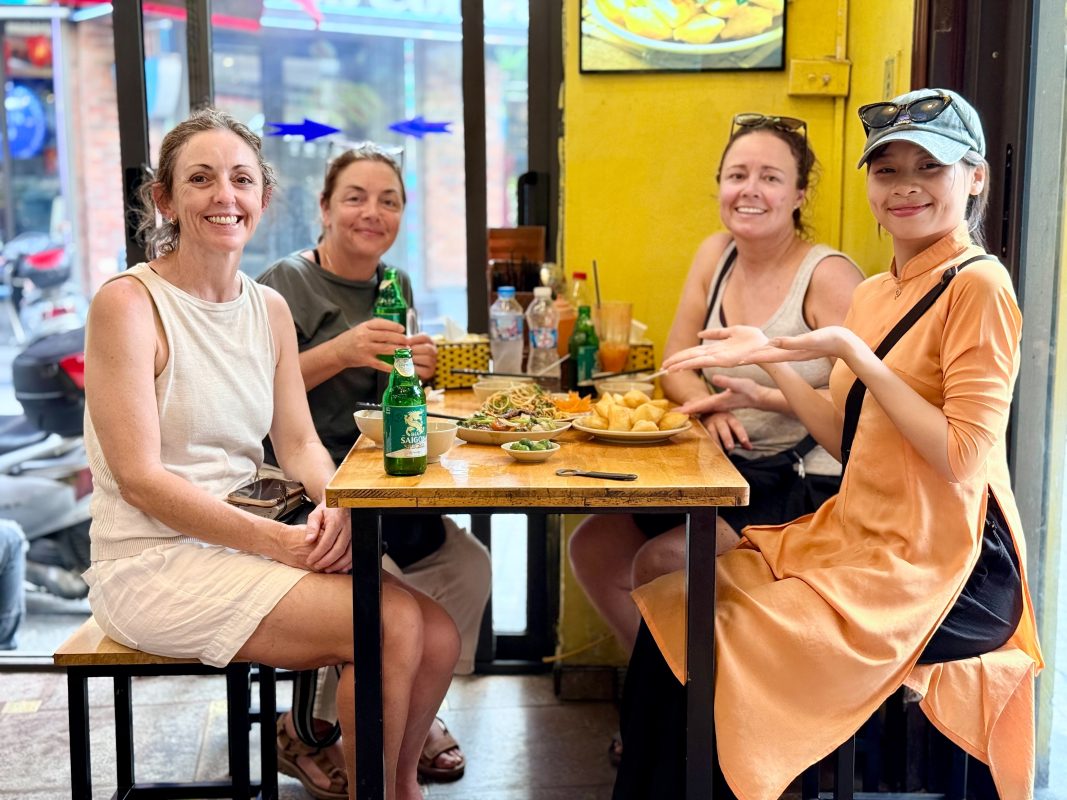
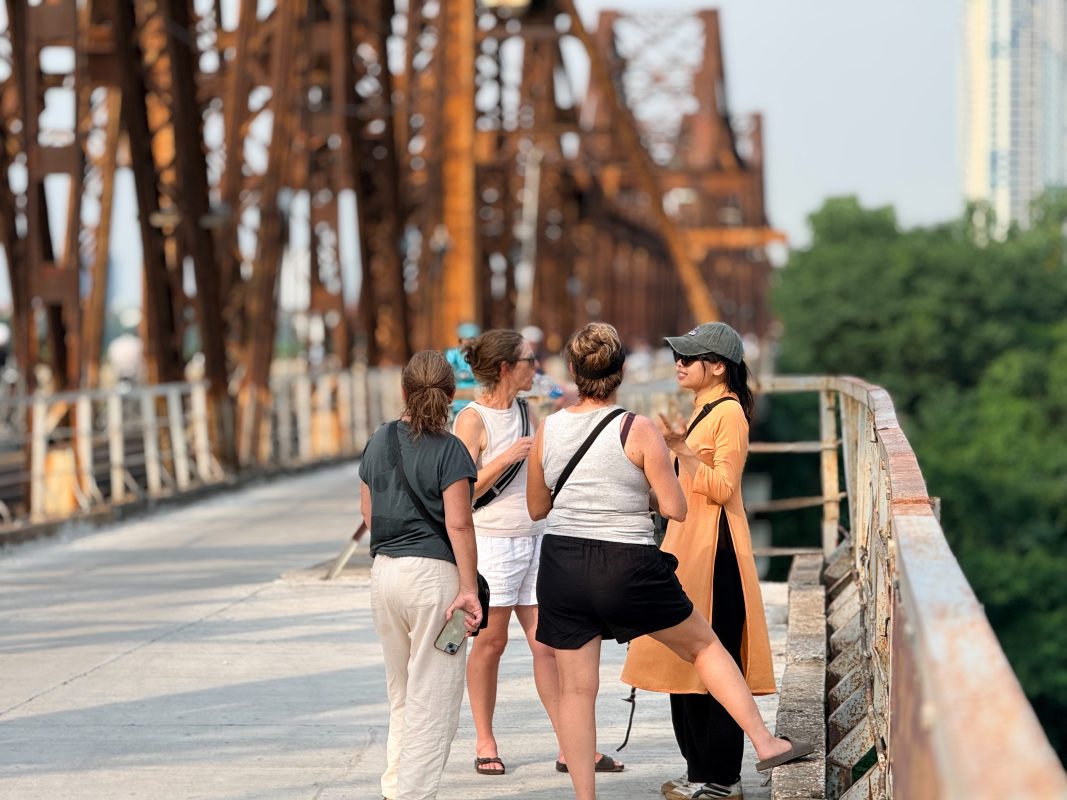
The Women-Led Difference
A women-led journey is not simply about having a female guide.
It is about creating a different style of travel.
More personal conversations.
More attention to detail.
More flexibility.
More opportunities to understand the communities and landscapes you are visiting.
For Sapa, this matters because the best experiences often happen away from the main attractions.
A village conversation.
A family meal.
A craft demonstration.
A quiet walk through the rice fields.
These moments cannot be rushed.
The Luxury of Slowing Down
Sapa is sometimes described through its highest mountain, its most famous village or its most photographed rice terrace.
But the real luxury of Sapa is time.
Time to wake up above the valley.
Time to walk without watching the clock.
Time to wait for the clouds to clear around Fansipan.
Time to stop for photographs.
Time to sit down with a cup of Vietnamese tea.
Time to have dinner while the mountains disappear into the mist.
For a premium private journey, this is often more valuable than adding another attraction to the itinerary.
The Sapa You See After the Crowds Leave
Sapa’s busy center can sometimes obscure what makes the region special.
The quieter experience begins when you leave town.
Follow the road down toward Muong Hoa.
Walk beyond the main entrance to the villages.
Stay overnight among the rice terraces.
Wake before the tour buses arrive.
Walk when the morning mist still hangs over the mountains.
This is when Sapa begins to resemble the destination travelers imagined before arriving.
A Morning Above the Muong Hoa Valley
Imagine waking before sunrise in a boutique retreat above the rice terraces.
The valley is still covered in mist.
The mountains appear and disappear behind clouds.
Farmers begin moving through the fields.
A few birds call from the forest.
You step outside with a Vietnamese coffee and watch the light slowly reveal the terraces.
Nothing spectacular has happened.
And yet this may become the moment you remember most.
That is Sapa.
Plan Your Sapa Journey
Sapa is one of Northern Vietnam’s great mountain destinations because it offers several experiences within one landscape. You can stand at 3,143 meters on Fansipan, walk through the rice terraces of Muong Hoa, discover Hmong and Dao traditions, travel across O Quy Ho Pass, relax beside a mountain waterfall or simply watch clouds move across the Hoang Lien Son range.
The destination has changed, and understanding that change is part of traveling here well. Sapa town is now a busy tourism center, but the valleys beyond it still hold the landscapes and communities that made the region famous.
With Vietnam Women Travel – Premium Private Tours Led by Women, your Sapa journey can begin in Hanoi and continue north by private vehicle, combining carefully selected accommodation, women-led travel experiences, guided trekking, Fansipan, mountain villages and the spectacular landscapes of Lao Cai.
Come for the rice terraces.
Climb toward Fansipan.
Walk into the valleys.
Meet the people who shape this mountain landscape.
And give Sapa enough time to reveal the quieter side of itself.
Vietnam Women Travel – Premium Private Tours Led by Women
Private journeys. Women guides. Authentic Vietnam.