Mekong Delta Travel Guide: Rivers, Floating Markets, Coconut Groves & Southern Vietnam
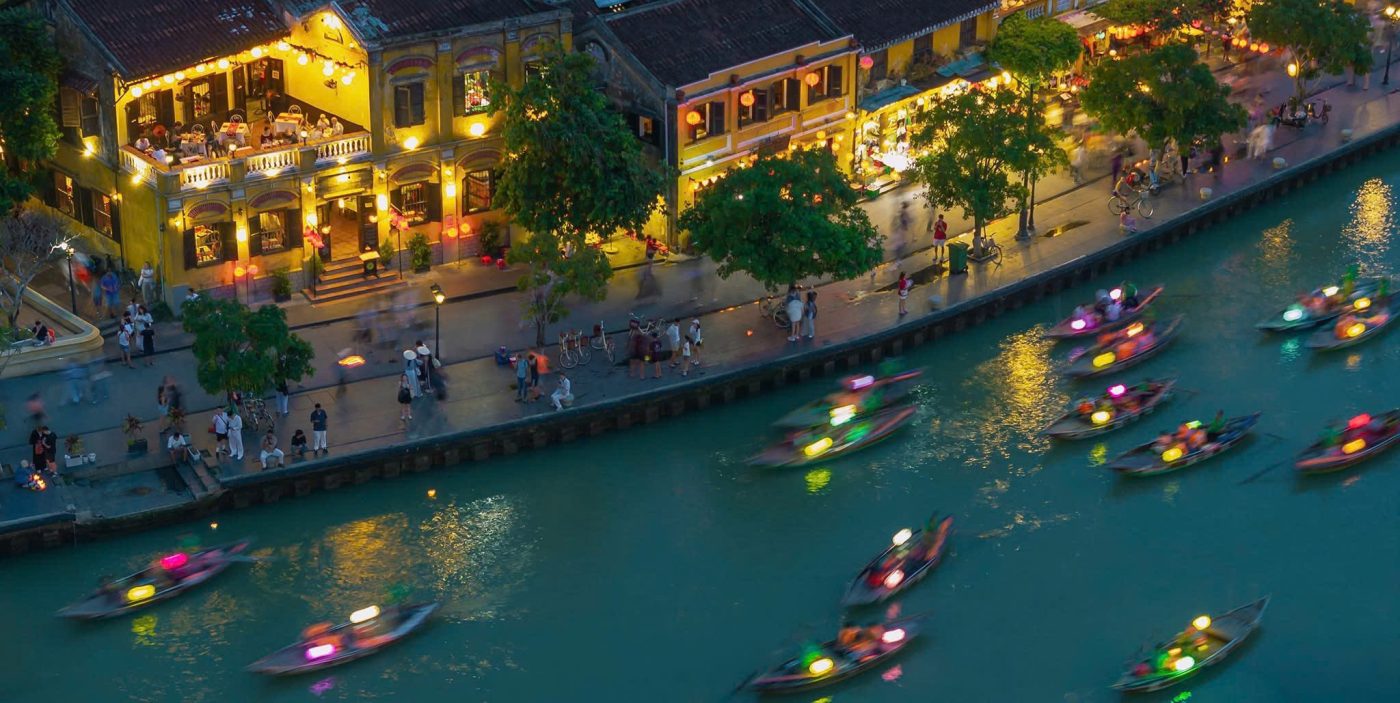
The Mekong Delta is one of Vietnam’s most distinctive regions, where rivers and canals shape almost every part of daily life. Boats carry fruit and vegetables, coconut palms line narrow waterways, orchards stretch across fertile islands, and villages remain closely connected to the river. Lonely Planet describes the Delta as a vast water world of rivers, canals, floating markets and intensely green agricultural landscapes.
For travelers, the Mekong Delta offers a completely different experience from Vietnam’s major cities and mountain destinations. The attraction is not one monument but the landscape itself: an early morning market, a quiet canal beneath coconut trees, a bicycle ride through orchards, a riverside meal or a conversation with a family whose life has been shaped by the water for generations.
Where Is the Mekong Delta?
The Mekong Delta occupies the southernmost part of Vietnam, where the Mekong River spreads into an extensive network of rivers, canals and smaller waterways before reaching the sea. The region includes destinations such as Ben Tre, Can Tho, Vinh Long, Tien Giang, Dong Thap and Chau Doc, each offering a different perspective on life in the Delta.
Ho Chi Minh City is the main gateway for international travelers, while Can Tho is one of the most important centers within the Delta itself. Can Tho is particularly convenient for experiencing the floating markets and surrounding countryside.
Why Visit the Mekong Delta?
The Mekong Delta is about slowing down. Instead of rushing between monuments, travelers spend time on the water, in gardens, along village roads and around markets.
Vietnam Tourism recommends experiencing the region through several different activities, including river journeys, cycling through coconut groves and staying in countryside accommodation.
This combination makes the Delta particularly attractive for travelers who want to experience another side of Vietnam beyond the major tourist centers.
Life Along the River
The river is more than scenery here. It is part of the transportation network, agricultural system and economy of the region.
Boats carry agricultural products between communities, while canals connect villages and farms. Houses, restaurants and markets often face the waterways, creating a landscape where land and water appear constantly interconnected.
This relationship is what gives the Mekong Delta its distinctive character.
Can Tho
Can Tho is often considered the heart of the Mekong Delta. It is a working city rather than simply a tourism destination, with an important role in the region’s trade in rice, fruit and fish.
The city combines a lively urban center with easy access to rivers, canals, orchards and agricultural communities. For travelers with limited time, Can Tho is one of the best bases from which to experience the deeper Delta.
Cai Rang Floating Market
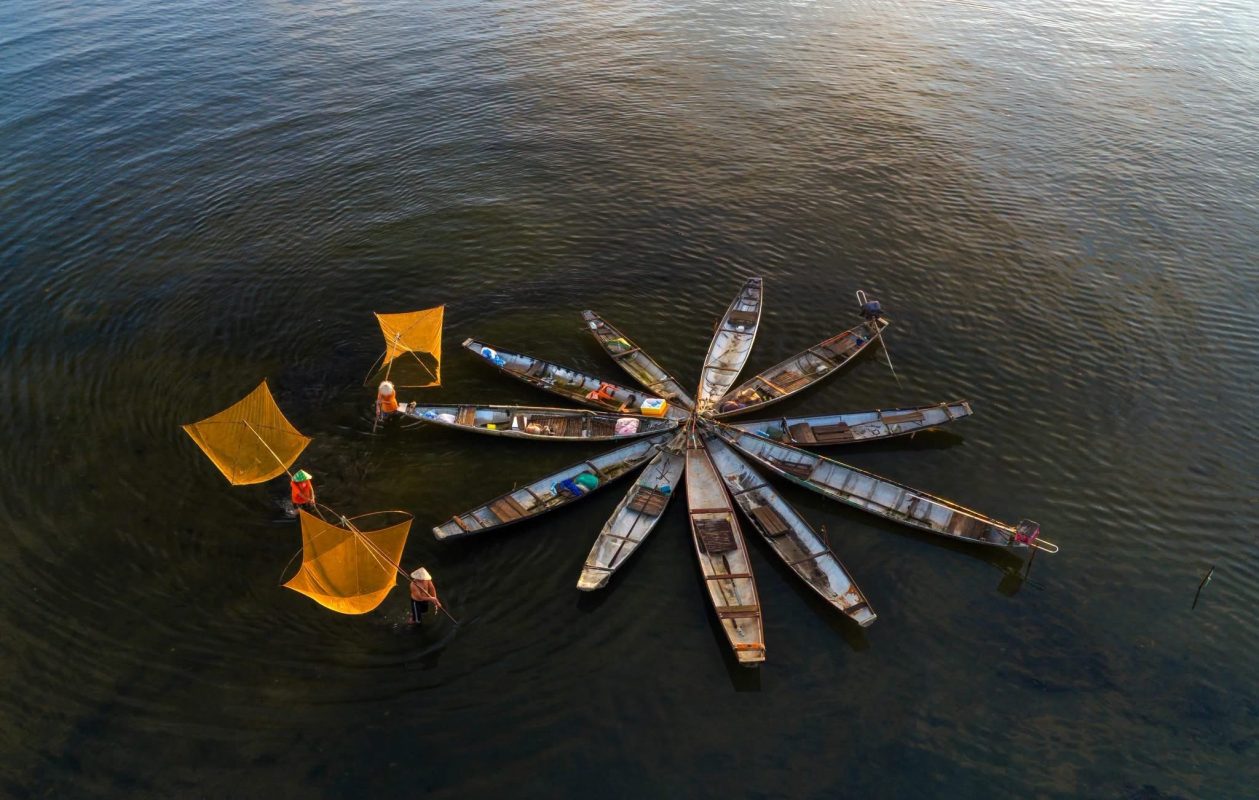
Cai Rang is the most famous floating market in the Mekong Delta and one of the region’s signature experiences. Large boats gather on the river to trade fruit, vegetables and other agricultural products, while smaller boats move between them.
The market is a working commercial environment rather than a staged attraction. For the best atmosphere, arrive very early in the morning, ideally before the busiest period begins. Current tourism guidance recommends reaching Cai Rang before 8 AM.
Breakfast on the River
One of the most memorable ways to experience Cai Rang is to have breakfast from a boat. A bowl of noodle soup, Vietnamese coffee or fresh fruit becomes part of the river experience as boats move around you.
The combination of food, water, early morning light and trading activity creates one of the most characteristic experiences in Southern Vietnam.
Phong Dien Floating Market
Phong Dien offers a quieter alternative to Cai Rang. The market is smaller and generally has fewer tourist boats, making it attractive to travelers who prefer a more relaxed atmosphere.
Rather than trying to see every floating market, a private itinerary can choose the market that best matches your interests and travel style.
Ben Tre
Ben Tre is closely associated with coconut cultivation and narrow waterways. The province is filled with coconut groves, canals, small bridges and agricultural communities.
Vietnam Tourism highlights Ben Tre for its waterways, coconut products, cycling routes and countryside experiences.
Coconut Groves
Traveling through the smaller canals of Ben Tre is one of the most peaceful ways to experience the Mekong Delta.
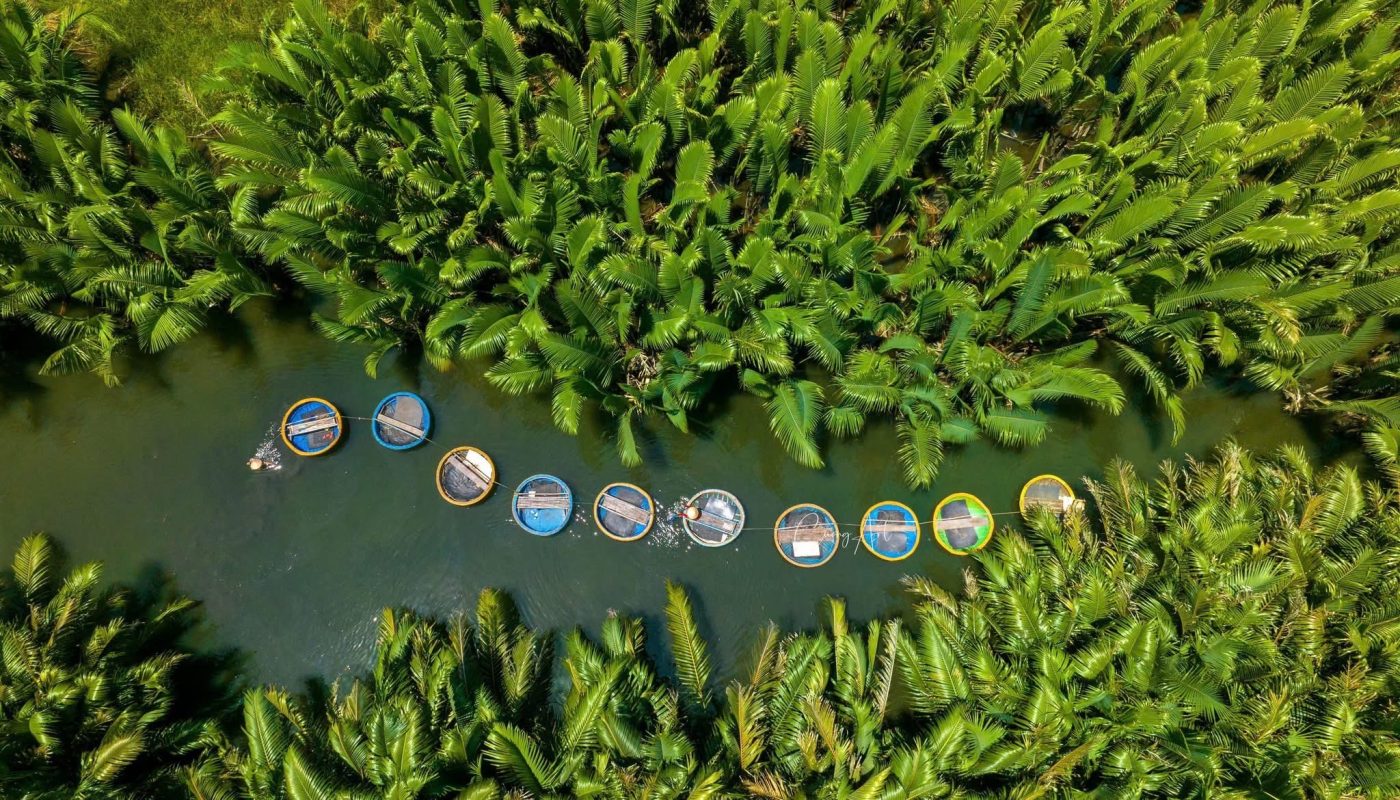
The boat moves beneath dense coconut palms while small houses, gardens and farms appear along the banks. Compared with the larger rivers, these narrow waterways feel intimate and quiet.
Coconut Candy
Coconut candy is one of Ben Tre’s best-known products. Visitors can see how coconut is processed and turned into sweets, while also learning how the coconut industry contributes to the local economy.
For a more meaningful experience, combine a workshop visit with a countryside cycling route or private boat trip.
Vinh Long
Vinh Long offers another perspective on rural Mekong life. The province is surrounded by rivers and agricultural land, with fruit orchards and island communities scattered throughout the waterways.
Cycling is particularly enjoyable here because small rural roads pass through gardens, farms and villages.
The slower pace makes Vinh Long a good choice for travelers who want fewer sightseeing stops and more time outdoors.
Cai Be
Cai Be sits along the Tien River and has long been associated with river commerce and agricultural trade. Its waterways provide access to orchards, villages and traditional agricultural communities.
Although the floating-market experience has changed over time, the surrounding countryside remains valuable for travelers interested in river life, food and agriculture.
Mekong Delta by Boat
Boat travel is essential to understanding the Delta.
Large rivers provide broad views of the landscape, while smaller boats allow travelers to enter narrow canals surrounded by vegetation.
A combination of both experiences works best. Begin with a larger private boat for longer distances, then change to a smaller sampan to explore the quieter waterways.
Sampan Through the Canals
A traditional-style sampan is ideal for narrow canals.
The boat moves quietly beneath coconut trees while the surrounding countryside becomes almost completely still. There are no large roads or buildings dominating the view.
It is one of the simplest and most atmospheric experiences in the Mekong Delta.
Cycling in the Mekong Delta
Cycling provides another way to understand the countryside.
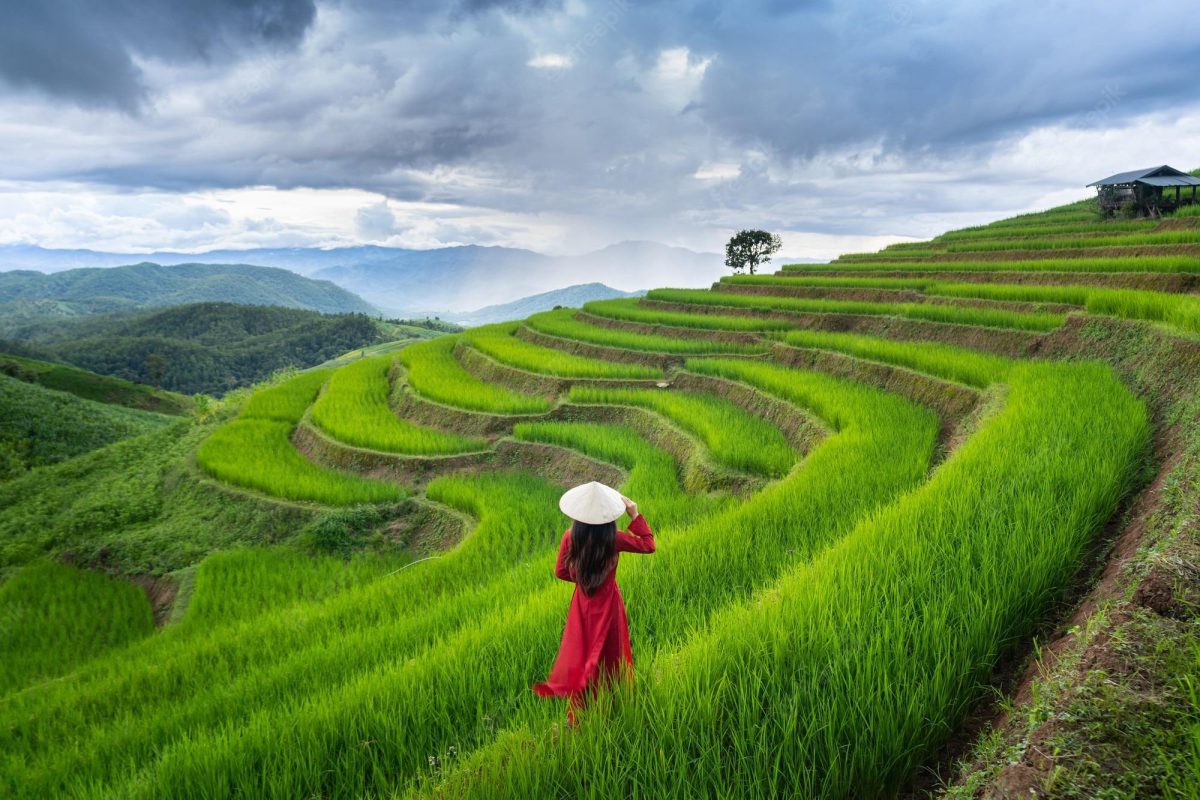
Small paths lead through orchards, rice fields and villages. Wooden bridges cross narrow canals, while farmers work around their homes and gardens.
Vietnam Tourism specifically recommends cycling as one of the best ways to explore the Delta.
For premium private travel, a guide can select quieter routes according to fitness level and interests.
Fruit Orchards
The Mekong Delta is one of Vietnam’s great agricultural regions, producing a wide range of tropical fruits.
Depending on the season, travelers may find mangoes, pomelo, rambutan, mangosteen, jackfruit and durian.
Visiting an orchard makes the experience more meaningful because travelers see where the fruit is grown rather than simply finding it served at a hotel.
Life in the Villages
Some of the most memorable moments in the Mekong Delta happen away from famous attractions.
A fisherman preparing his boat.
A family working in an orchard.
Children cycling home from school.
A small roadside café.
A farmer harvesting fruit.
These everyday scenes reveal the region’s character far better than a long list of sightseeing stops.
Mekong Delta Cuisine
Southern Vietnamese food is closely connected to the agricultural and aquatic environment.
Freshwater fish, prawns, coconut, tropical fruit, rice and herbs appear throughout the regional cuisine.
Meals are generally generous and designed to be shared.
For travelers interested in food, the Mekong Delta deserves several days rather than a rushed afternoon.
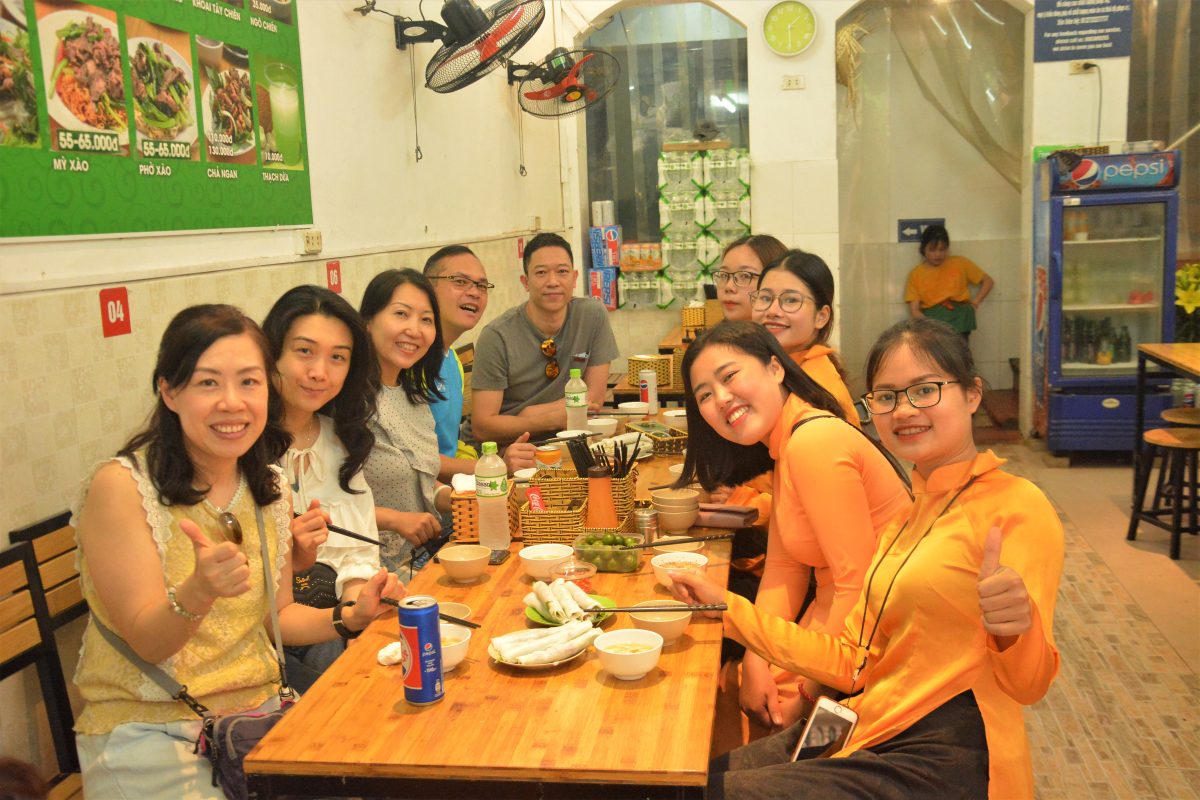
Hu Tieu
Hu Tieu is one of the most recognizable noodle dishes of Southern Vietnam.
The broth is generally light and aromatic, with noodles accompanied by pork, seafood, herbs and vegetables.
It is especially enjoyable as an early breakfast before exploring the waterways.
Banh Xeo
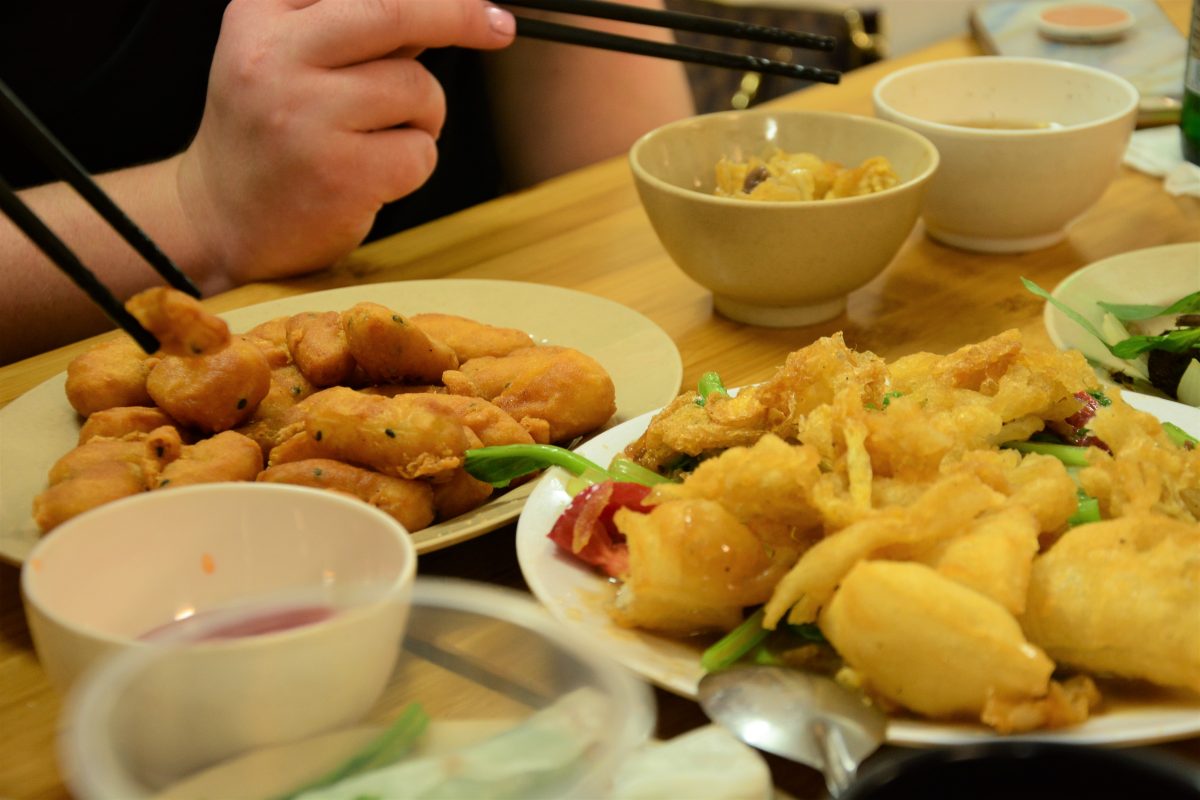
Southern-style banh xeo is often large, crisp and filled with shrimp, pork and bean sprouts.
It is wrapped with herbs and vegetables before being dipped into a savory sauce.
A countryside lunch is an ideal setting for this dish.
Fresh River Fish
Freshwater fish is an important part of Mekong cuisine.
Depending on the area and season, menus may feature grilled, fried or steamed fish served with herbs, rice and dipping sauces.
The flavors are closely tied to the waterways surrounding the communities.
Homestays and Riverside Accommodation
Staying overnight changes the experience completely.
Many day visitors leave the Delta in the afternoon, while those who remain can experience the countryside after the main sightseeing period has ended.
Evenings become quieter, the waterways calm down and mornings begin with birds and agricultural activity.
Vietnam Tourism recommends countryside homestays as one way to experience the region more closely.
For premium travelers, a beautiful riverside boutique property can provide the same connection to nature while offering greater comfort and privacy.
Sunrise in the Mekong Delta
Sunrise is one of the best times to experience the region.
The waterways become active, boats begin moving and markets gradually come alive.
The early light also transforms the green landscape into layers of gold and shadow.
This is why a private itinerary should never treat the Mekong as a destination to visit only in the middle of the day.
Sunset on the River
Sunset creates a completely different atmosphere.
The heat begins to fade, the river becomes golden and boats gradually return toward their homes.
A private sunset cruise can be a beautiful way to finish a day of cycling, markets and countryside exploration.
Nature and Wetlands
The Mekong Delta is also an important ecological region, with wetlands, mangroves, rice fields, canals and seasonal floodplains.
Travelers interested in nature can explore areas such as Tram Chim National Park, where wetlands and birdlife provide a different perspective on the Delta.
The region is not only an agricultural landscape but also a complex natural environment.
Best Time to Visit the Mekong Delta
The Mekong Delta can be visited throughout the year, but weather and seasonal landscapes change considerably.
Current travel guidance generally identifies November to April as the drier period, making it particularly convenient for boat travel and cycling.
The wetter months can bring greener landscapes, abundant fruit and a different atmosphere.
Dry Season
From approximately November to April, outdoor activities are generally easier to plan.
The weather is more predictable, making this a good period for cycling, river excursions and early-morning floating markets.
Green Season
During the wetter months, the countryside becomes particularly lush.
Tropical showers can occur, but they are often part of the Delta experience rather than a reason to avoid it.
Travelers should simply allow flexibility in their schedule.
How Long Should You Stay?
A day trip from Ho Chi Minh City is possible, but it only provides a brief introduction.
Current Mekong Delta travel guidance increasingly recommends spending at least two to four days if you want to experience the region beyond the standard day-trip route.
Two nights can combine Ben Tre and Can Tho.
Three nights allow a slower countryside experience.
Four nights make it possible to explore additional areas without constantly changing hotels.
One-Day Mekong Delta Experience
A private one-day journey can focus on Ben Tre and the surrounding waterways.
Leave Ho Chi Minh City early, travel toward the Delta, explore coconut-lined canals, enjoy lunch in the countryside and return to the city in the evening.
It is convenient, but travelers should understand that this only represents one small part of the Mekong region.
Two-Day Mekong Delta Journey
Two days provide a much better introduction.
The first day can focus on Ben Tre, coconut groves and countryside cycling, followed by a riverside overnight stay.
The second morning can begin early with a boat journey before continuing toward Can Tho or returning to Ho Chi Minh City.
Three-Day Mekong Delta Journey
Three days allow the itinerary to slow down.
Spend the first day in Ben Tre.
Continue toward Vinh Long on the second.
Then explore Can Tho and Cai Rang on the third.
This creates a much stronger connection between the different landscapes of the Delta.
Four-Day Mekong Delta Journey
Four days are ideal for a premium private experience.
You can combine Ben Tre, Vinh Long and Can Tho while allowing enough time for cycling, orchards, private boats and relaxed meals.
Instead of rushing from one attraction to another, each day can have one main theme.
A Sample 4-Day Private Mekong Delta Journey
Day 1 — Ho Chi Minh City to Ben Tre
Begin your premium private journey in Ho Chi Minh City with a comfortable private transfer toward Ben Tre. Enjoy lunch before boarding a private boat through the larger waterways and continuing into narrow coconut-lined canals. Explore the countryside by bicycle and visit an agricultural community before settling into a beautiful riverside property. Enjoy Breakfast, Lunch & Dinner as part of the private journey.
Day 2 — Ben Tre to Vinh Long
After breakfast, continue through the countryside toward Vinh Long. Visit tropical orchards, taste seasonal fruit and explore smaller waterways by private boat before enjoying lunch beside the river. Spend the afternoon cycling through quiet villages and agricultural areas. Return to your riverside accommodation for a relaxed dinner.
Day 3 — Vinh Long to Can Tho
Enjoy breakfast before continuing toward Can Tho. Explore rural communities and agricultural landscapes along the way before arriving in the city for lunch. Spend the afternoon around Ninh Kieu Wharf and the riverside before enjoying a refined Southern Vietnamese dinner. Prepare for an early start the following morning.
Day 4 — Cai Rang Floating Market & Departure
Wake early and travel by private boat to Cai Rang Floating Market while the trading activity is at its strongest. Enjoy breakfast on or beside the river before exploring nearby canals and orchards. Have lunch before beginning the private journey back toward Ho Chi Minh City or continuing to your next destination. Breakfast, Lunch & Dinner are included throughout the journey.
Mekong Delta for Couples
The Delta is particularly attractive for couples who appreciate slow travel.
A private boat at sunset, a quiet riverside dinner, cycling through coconut groves and waking beside the river create a very different atmosphere from Vietnam’s major cities.
For couples, an overnight stay is strongly preferable to a rushed day trip.
Mekong Delta for Families
Families can experience the Delta through simple activities that work well for different ages.
Boat rides, fruit orchards, cycling, cooking experiences and village visits can all be incorporated into a private itinerary.
Private transportation also allows the schedule to remain flexible around children, weather and meal times.
Mekong Delta for Food Travelers
Food lovers should spend several days in the region.
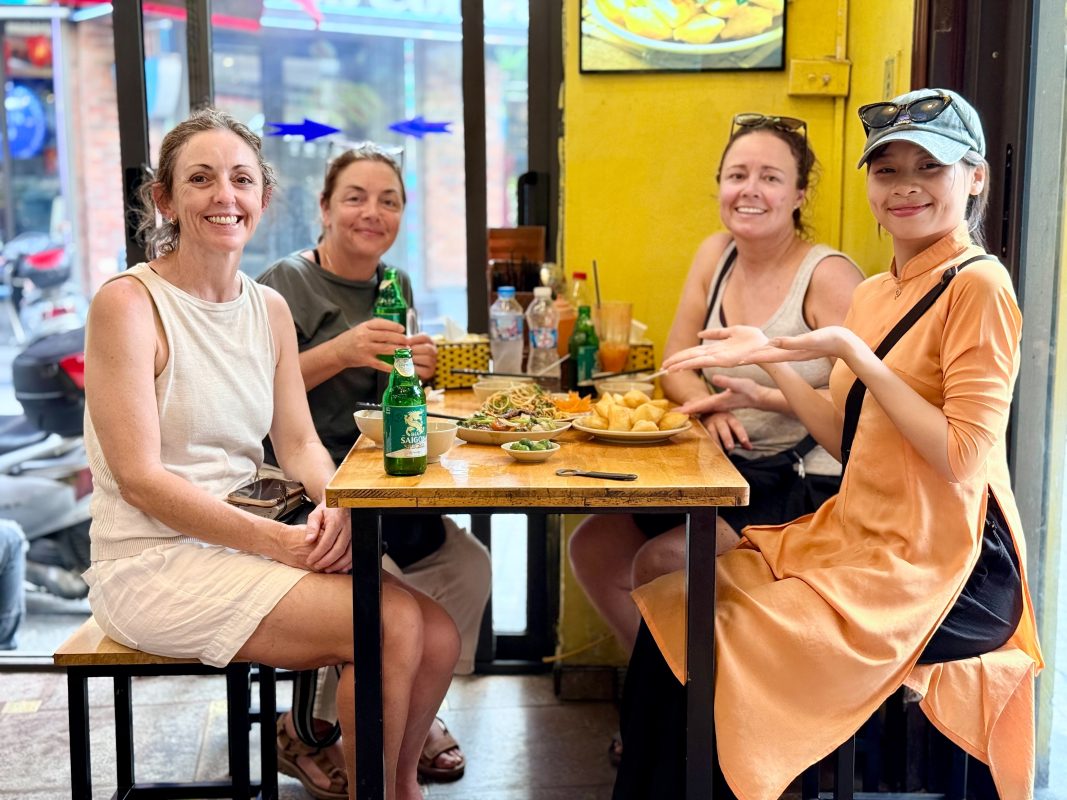
Start with breakfast at a floating market.
Continue with Southern Vietnamese dishes at lunch.
Visit an orchard in the afternoon.
Then enjoy fresh river fish and regional specialties for dinner.
The food becomes more meaningful when travelers understand where the ingredients come from.
Mekong Delta for Photographers
The Delta offers a different visual language from Northern and Central Vietnam.
There are fewer dramatic mountains.
Instead, the landscape is horizontal and layered.
Water, sky, palms, boats, fields and people create constantly changing compositions.
Early morning is particularly rewarding because of the soft light and activity on the waterways.
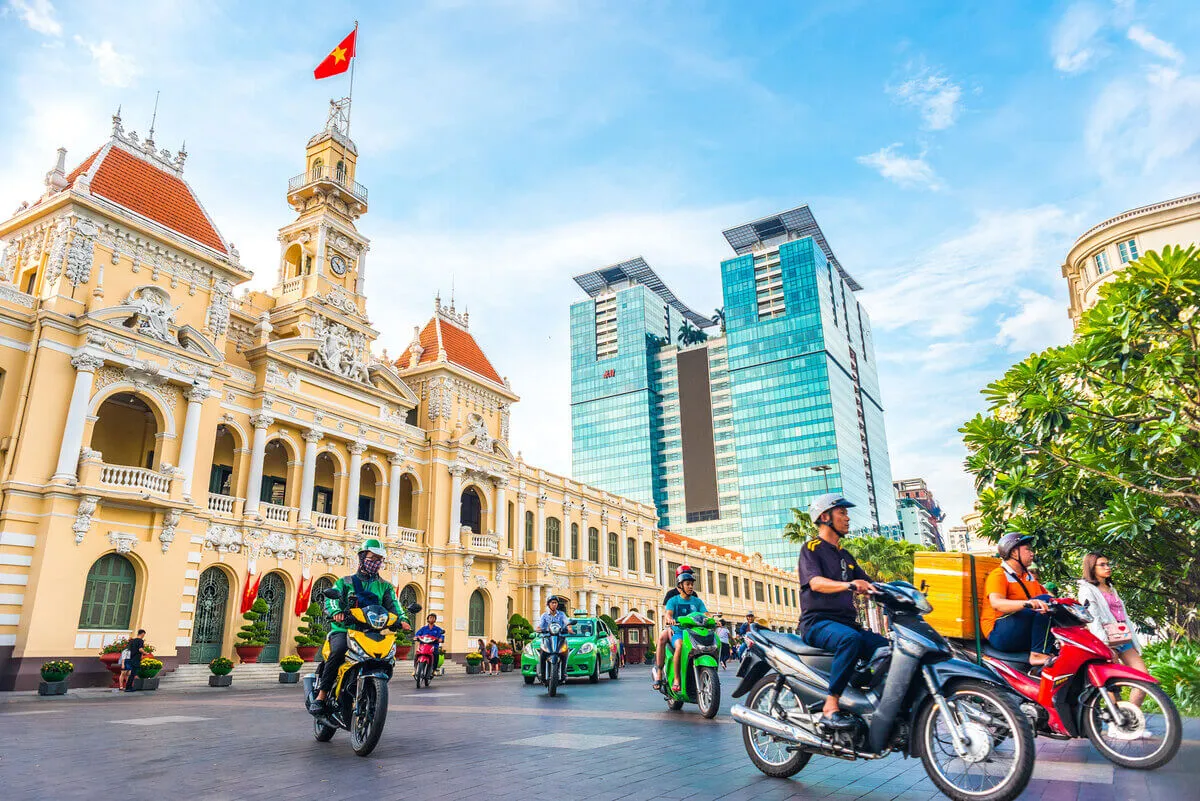
Ho Chi Minh City and the Mekong Delta
Ho Chi Minh City and the Mekong Delta make an excellent combination.
Saigon provides architecture, history, restaurants, nightlife and urban energy.
The Delta provides rivers, orchards, villages and a much slower rhythm.
The contrast between the two destinations creates a more complete Southern Vietnam experience.
The Mekong Beyond the Floating Markets
Floating markets are famous, but they should not define the entire Mekong experience.
The deeper attraction is the network of canals, orchards, farms and villages surrounding them.
Cycling through the countryside, taking a small boat through a narrow canal or eating lunch beside an orchard can be just as memorable as visiting a famous market.
Vietnam Tourism similarly recommends combining markets with cycling, waterways, orchards and countryside accommodation.
Responsible Travel
The Mekong Delta is a living agricultural environment, so responsible travel matters.
Avoid throwing plastic into waterways, respect private homes and farms, and ask permission before taking close-up photographs of residents.
Choosing smaller, community-connected experiences can also help ensure tourism benefits the people who live along the river.
The Delta is changing rapidly, and protecting its waterways and agricultural landscapes is increasingly important.
Why Choose Vietnam Women Travel for the Mekong Delta?
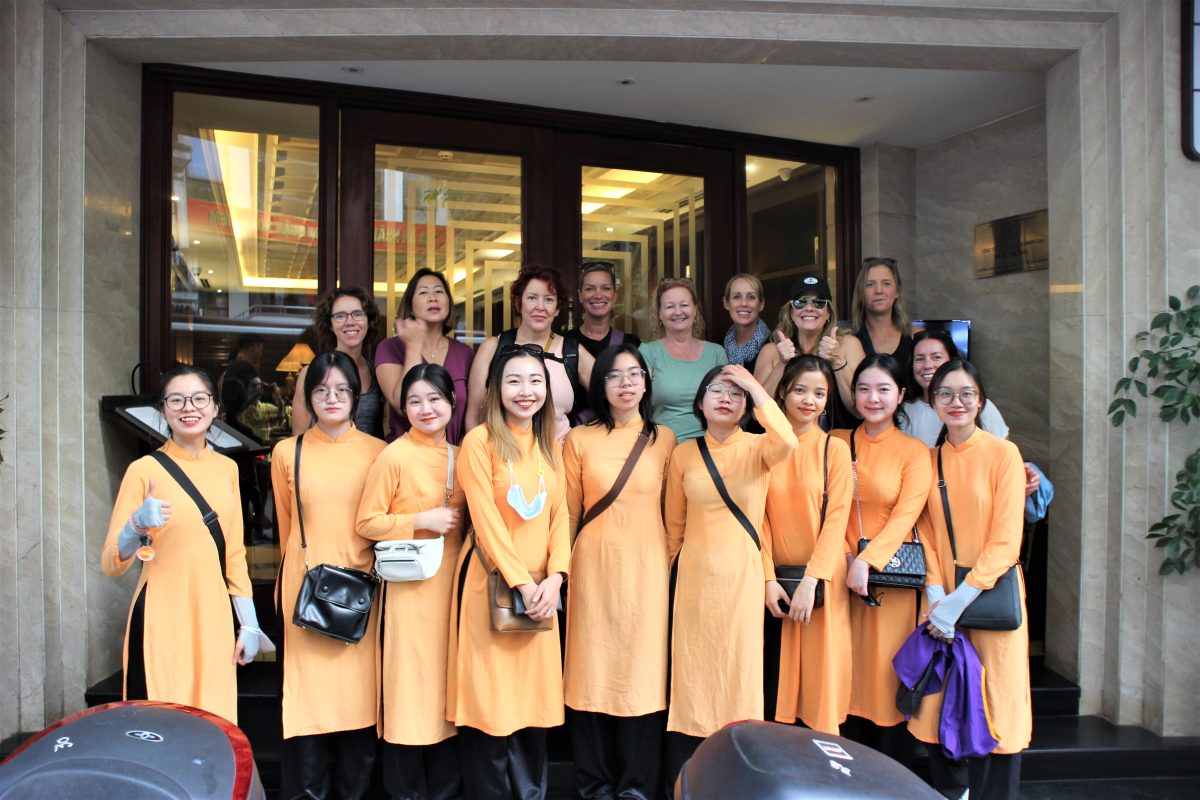
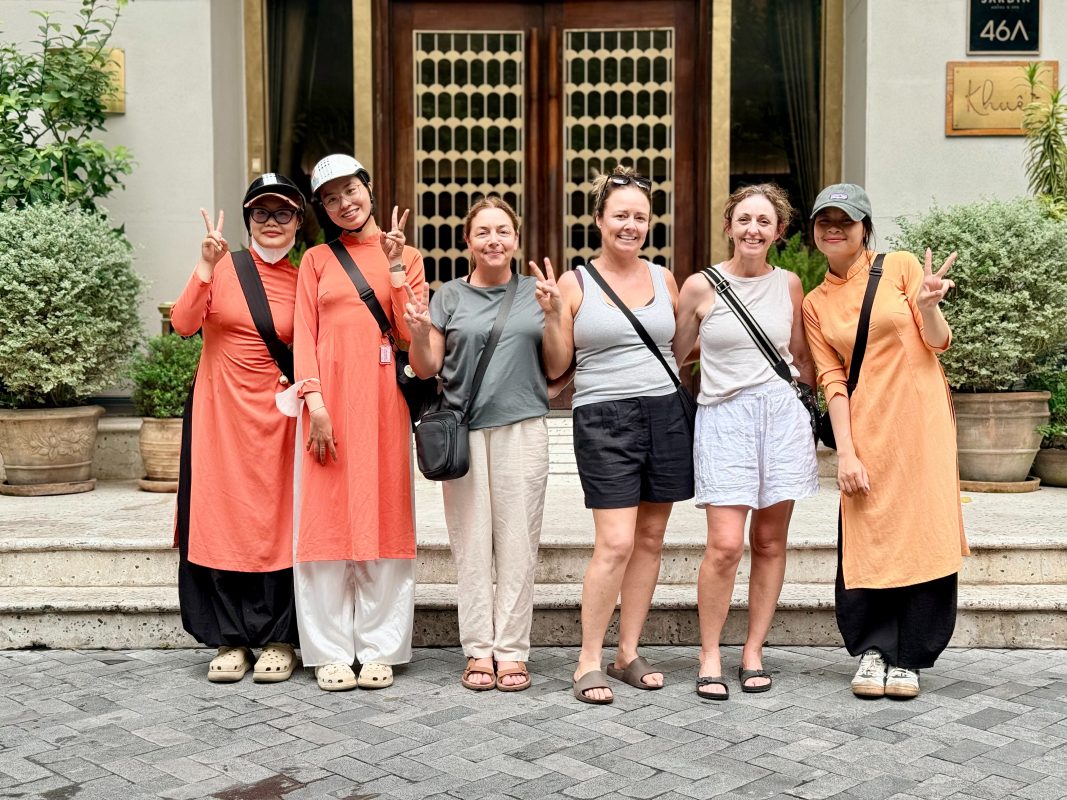
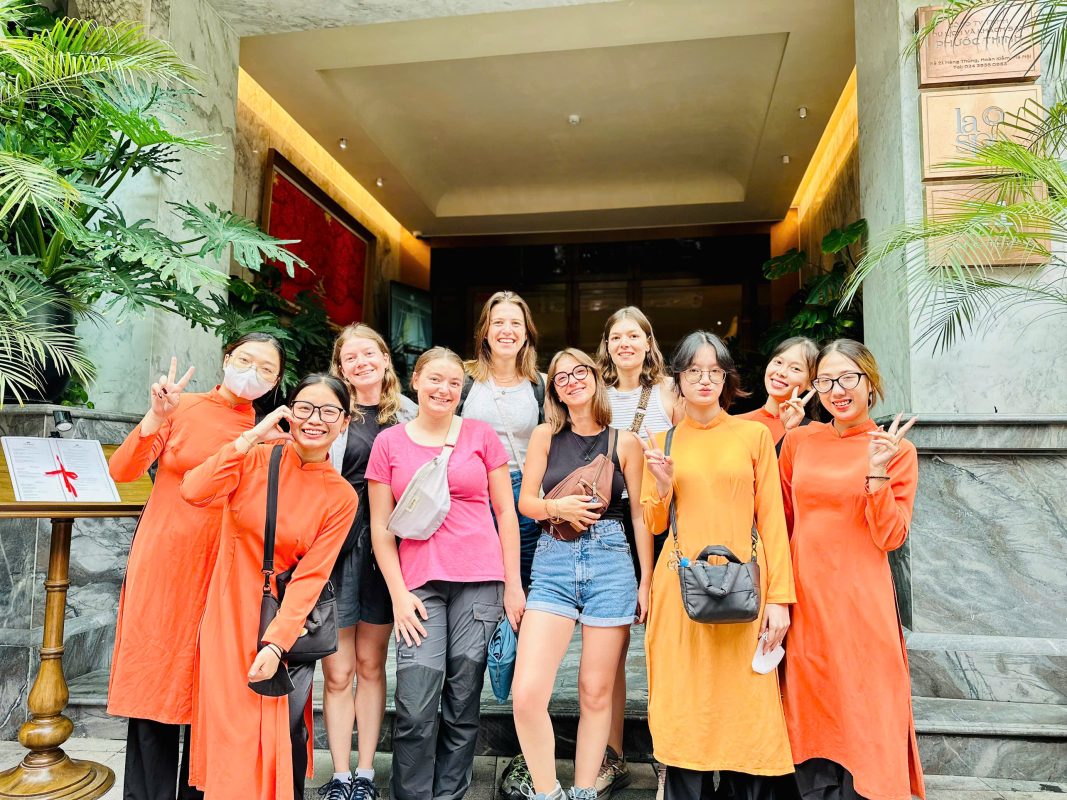
Vietnam Women Travel – Premium Private Tours Led by Women creates private Mekong Delta journeys designed around each traveler’s interests.
Instead of following a large group through a fixed itinerary, travelers can combine private boats, comfortable transportation, countryside cycling, carefully selected meals and high-quality riverside accommodation.
The itinerary can focus on food, photography, nature, culture or simply slowing down.
The Women-Led Difference
With Vietnam Women Travel – Premium Private Tours Led by Women, the Mekong Delta becomes more than a collection of sightseeing stops.
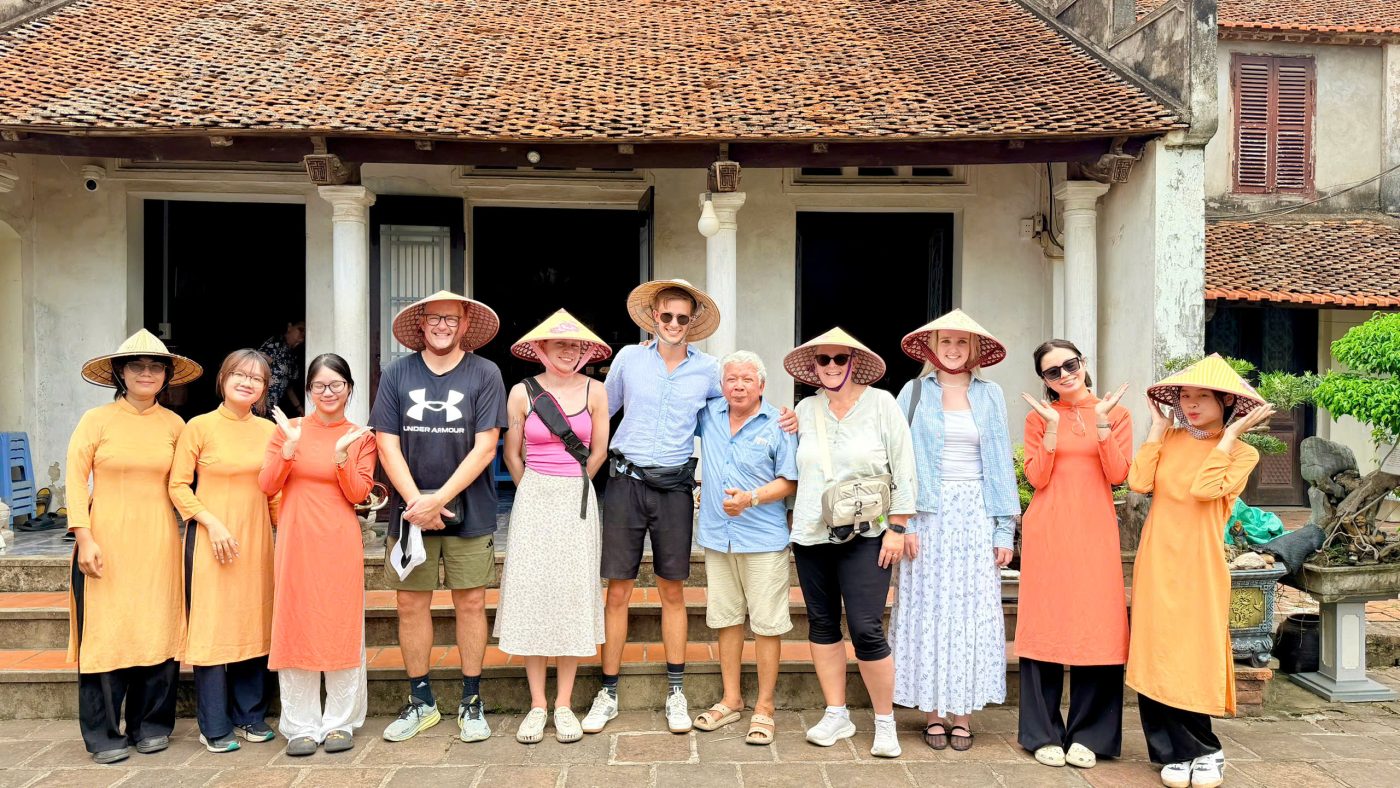
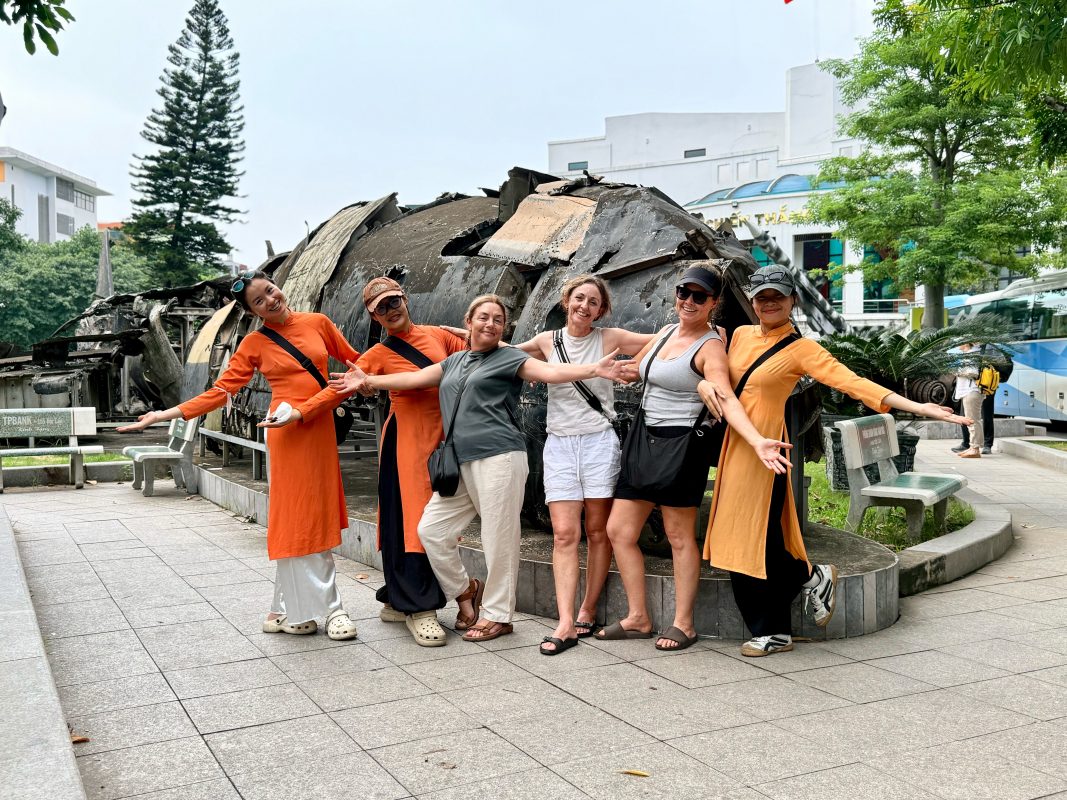
A women-led private guide can help travelers understand the connection between the river, agriculture, food and family life.
The day can also remain flexible.
Stay longer in an orchard.
Take a quieter canal.
Stop for coffee.
Spend more time photographing the market.
Or simply enjoy the river without rushing to the next attraction.
The Luxury of Slow Travel
The true luxury of the Mekong Delta is space and time.
A private boat waiting at sunrise.
A beautiful riverside hotel.
Fresh fruit picked from an orchard.
Cycling along quiet village roads.
A long lunch overlooking the water.
And an evening when the only sound is the river.
This is a different definition of luxury, but it is one that suits the Mekong Delta perfectly.
Discover the Mekong Delta
Come for the floating markets.
Stay for the waterways.
Explore Ben Tre’s coconut groves.
Cycle through Vinh Long.
Wake before sunrise in Can Tho.
Taste Southern Vietnamese cuisine.
Visit tropical orchards.
Watch boats move slowly across the river.
And give yourself enough time to experience the countryside without rushing.
The Mekong Delta is best understood gradually, one river, village, garden and meal at a time. For a premium private journey, Vietnam Women Travel – Premium Private Tours Led by Women can connect the Delta with Ho Chi Minh City and the wider Vietnam itinerary, creating a more comfortable and personal experience of Southern Vietnam.
Vietnam Women Travel – Premium Private Tours Led by Women
Private journeys. Women guides. Authentic Vietnam.