Southern Vietnam Travel Guide: Ho Chi Minh City, Mekong Delta & Phu Quoc
Southern Vietnam offers a completely different travel experience from the mountains and historic cities of the north and central regions. This part of the country combines the fast-moving energy of Ho Chi Minh City, the waterways and fruit orchards of the Mekong Delta, and the tropical beaches of Phu Quoc. Vietnam Tourism describes Southern Vietnam as a region where vibrant urban life meets relaxed countryside and island escapes, making it particularly attractive for travelers who want to combine culture, food, nature and beach time in one journey.
Why Visit Southern Vietnam?
Southern Vietnam is ideal for travelers who want variety without constantly changing countries or climates. You can begin with several days exploring Ho Chi Minh City’s historic landmarks, cafés, markets and nightlife, continue south into the Mekong Delta for boat rides and riverside villages, and finish on Phu Quoc with beaches, sunsets and resort experiences. The region also includes destinations such as Can Tho, Chau Doc, Con Dao, Mui Ne and Binh Thuan, giving travelers plenty of options for extending their itinerary.
Ho Chi Minh City: The Gateway to Southern Vietnam
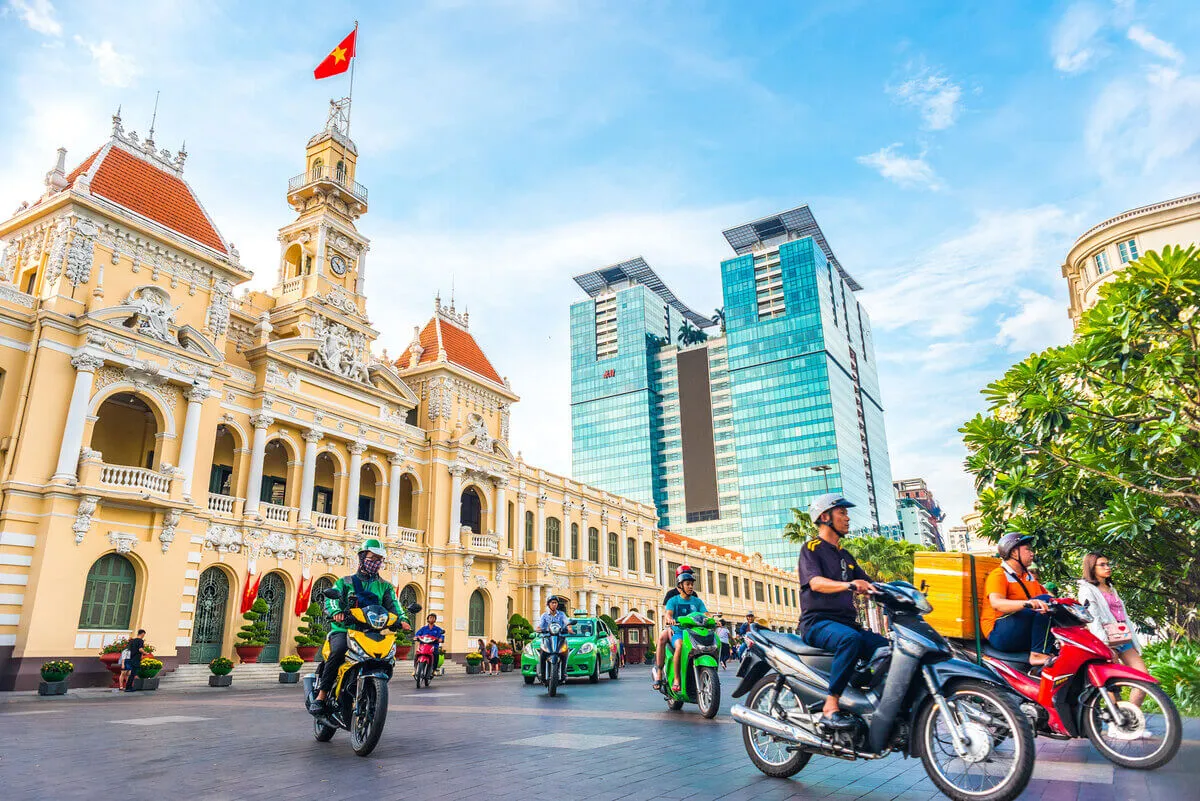
Ho Chi Minh City, formerly known as Saigon, is the economic and cultural center of Southern Vietnam. It is a large, energetic metropolis where French colonial buildings, historic landmarks, traditional markets, modern skyscrapers, cafés and thousands of motorcycles exist side by side. Vietnam Tourism describes the city as Vietnam’s economic heart and the main hub of the southern region.
For first-time visitors, the central districts are the easiest place to begin. Dong Khoi Street, the Central Post Office, Notre Dame Cathedral Basilica, Saigon Opera House, Ben Thanh Market and the Reunification Palace form a convenient sightseeing area. You can explore many of these landmarks on foot before moving into smaller streets filled with restaurants, cafés and boutiques.
Best Things to Do in Ho Chi Minh City
A good introduction to the city starts with the Reunification Palace, one of the most important historical landmarks in modern Vietnamese history. Continue toward the Central Post Office and Notre Dame Cathedral Basilica before walking along Dong Khoi Street toward the Saigon Opera House. From there, you can explore Nguyen Hue Walking Street and the surrounding neighborhoods, where historic buildings sit beside modern restaurants and shopping areas.
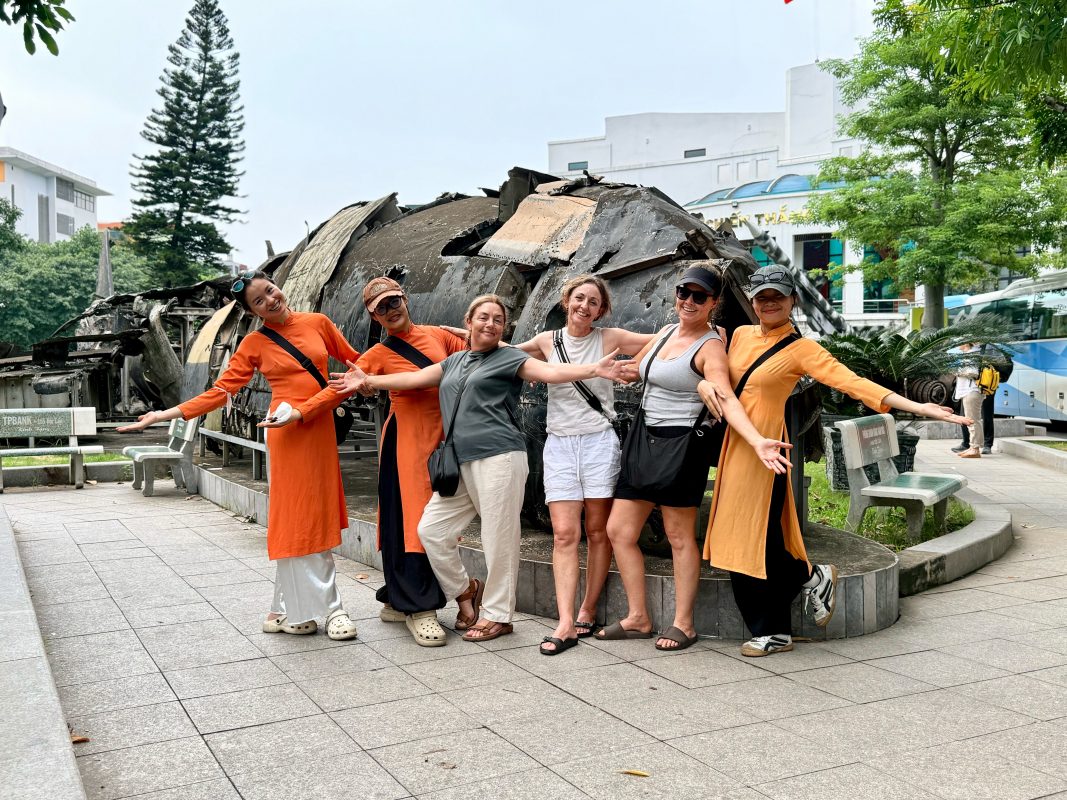
Another important stop is the War Remnants Museum, which provides a detailed perspective on the Vietnam War and its impact on Vietnam. Travelers interested in history can combine the museum with the Reunification Palace and other historical sites to better understand the country’s modern history.
Explore Cholon and Binh Tay Market
For a different side of Ho Chi Minh City, visit Cholon, the city’s historic Chinese quarter. The area has a distinct cultural character, with traditional temples, markets, food businesses and Chinese-Vietnamese architecture. Binh Tay Market is one of its major landmarks, while Thien Hau Pagoda provides an atmospheric introduction to the area’s religious heritage. Vietnam Tourism recommends exploring Cholon on foot as one of the city’s more interesting cultural experiences.
Ho Chi Minh City Street Food
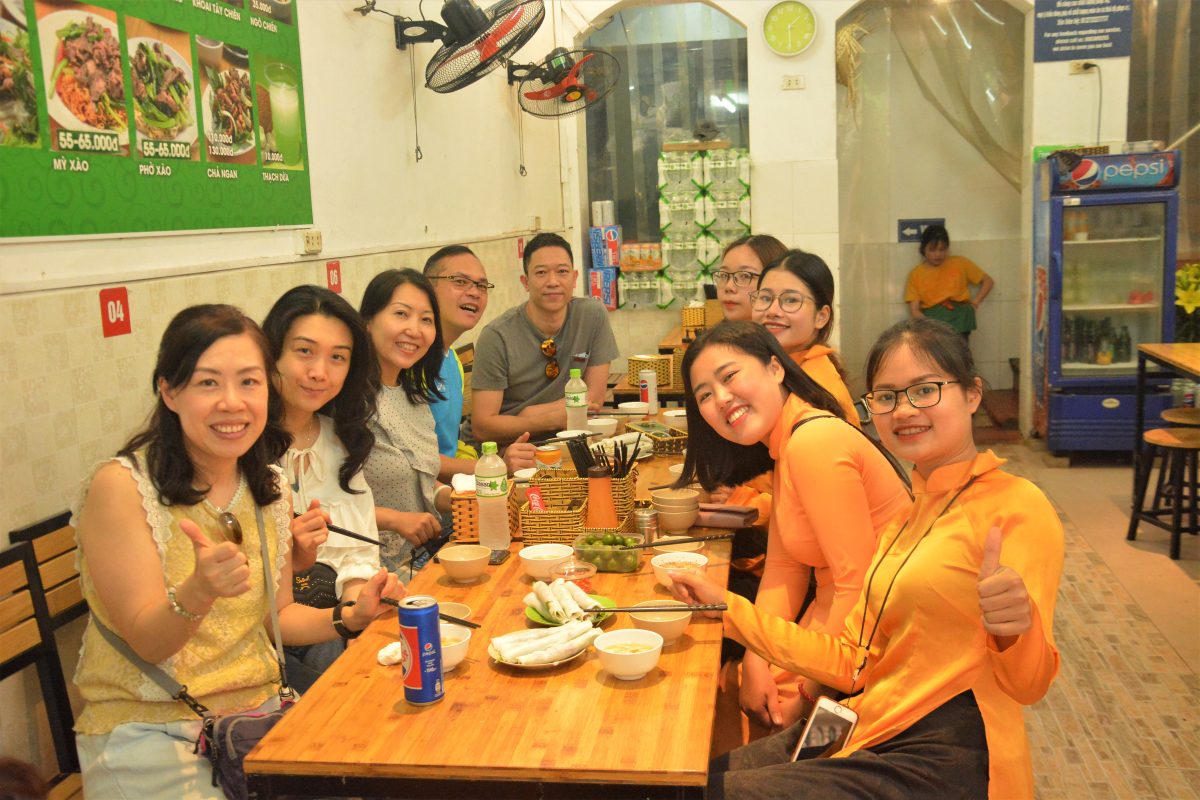
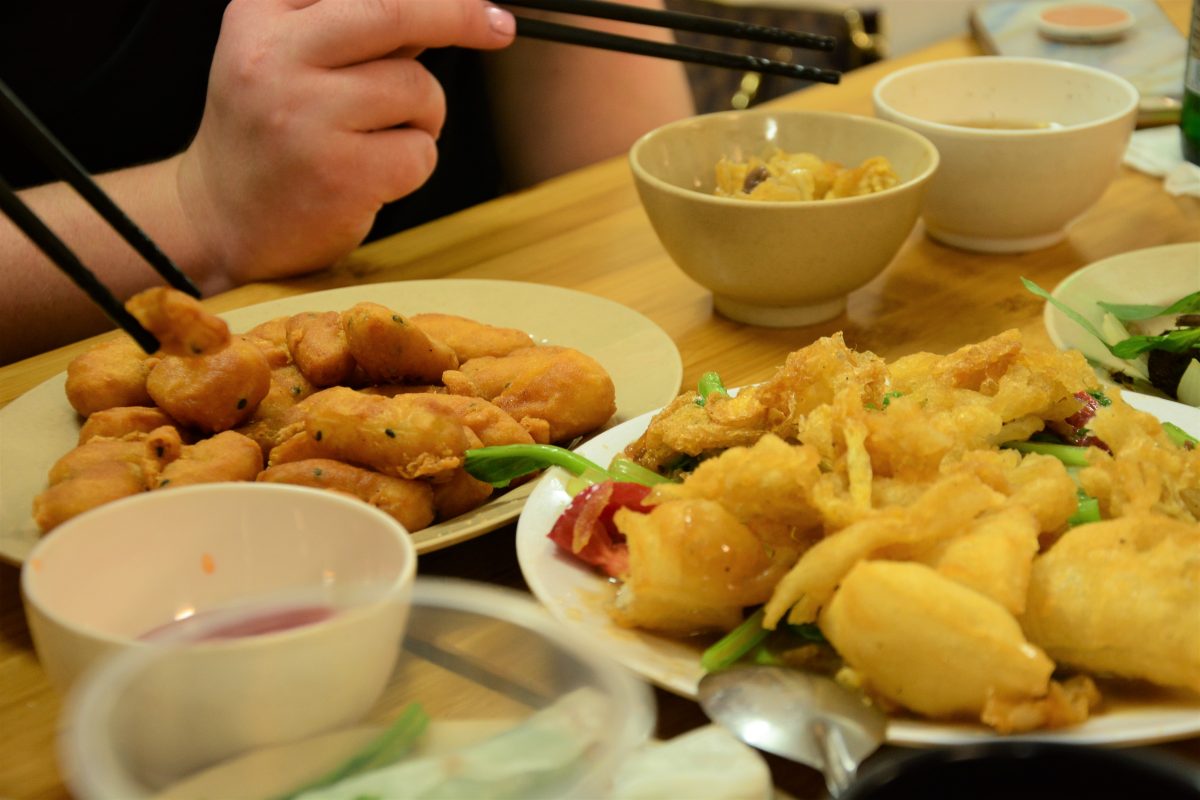
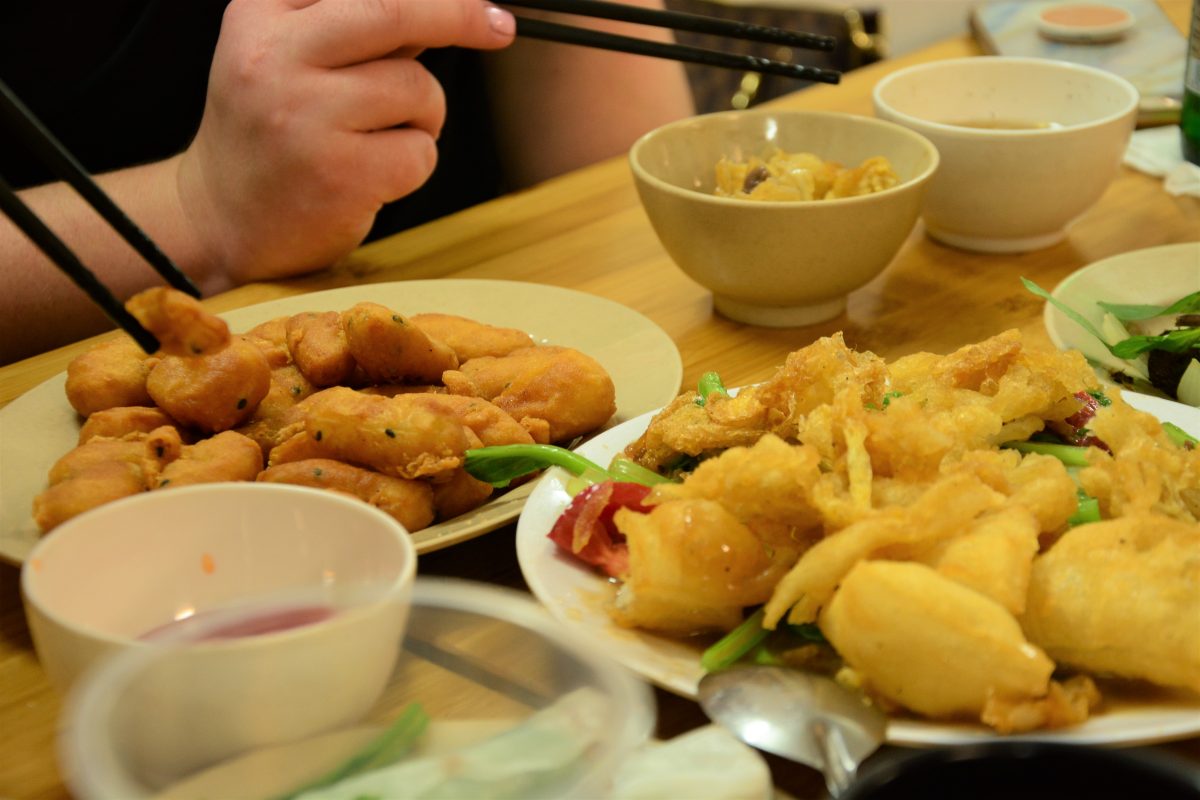
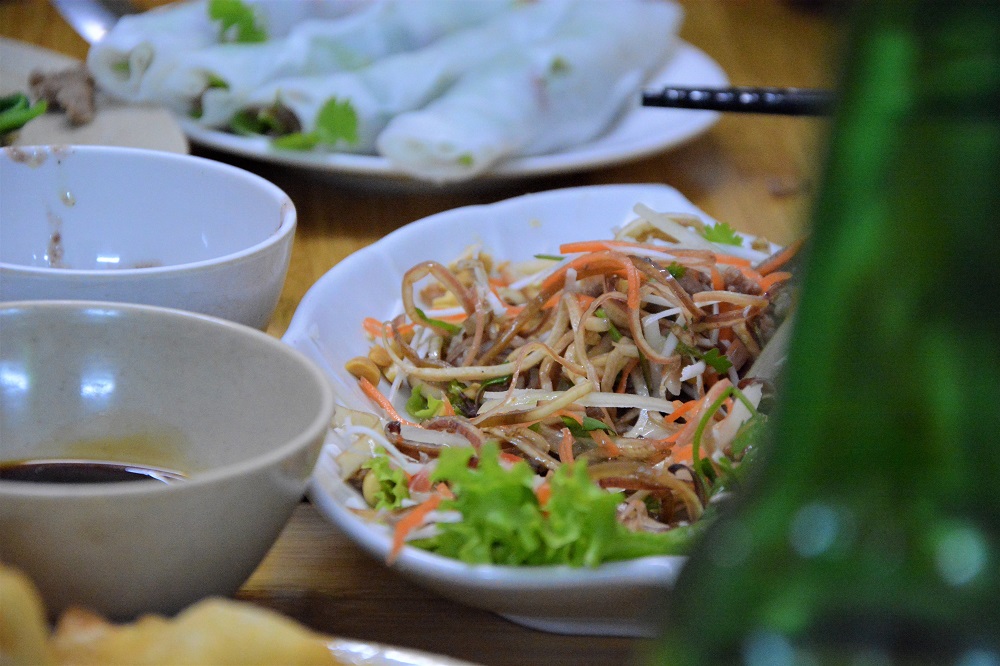
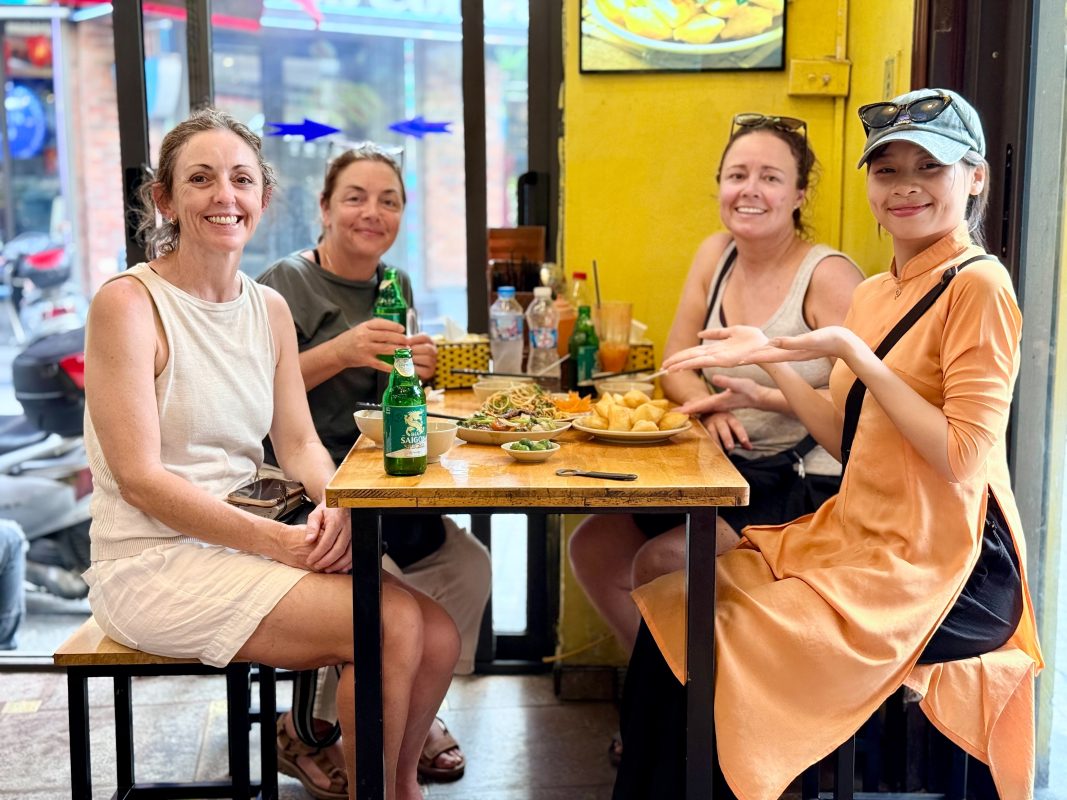
Food is one of the strongest reasons to spend several days in the city. Southern Vietnamese cuisine has its own character, often featuring fresh herbs, seafood, tropical fruits and sweet-savory flavors. Essential dishes to try include banh mi, com tam, banh xeo, hu tieu, bo kho and southern-style seafood dishes. Vietnam Tourism specifically highlights banh mi, southern banh xeo and broken rice as key Ho Chi Minh City food experiences.
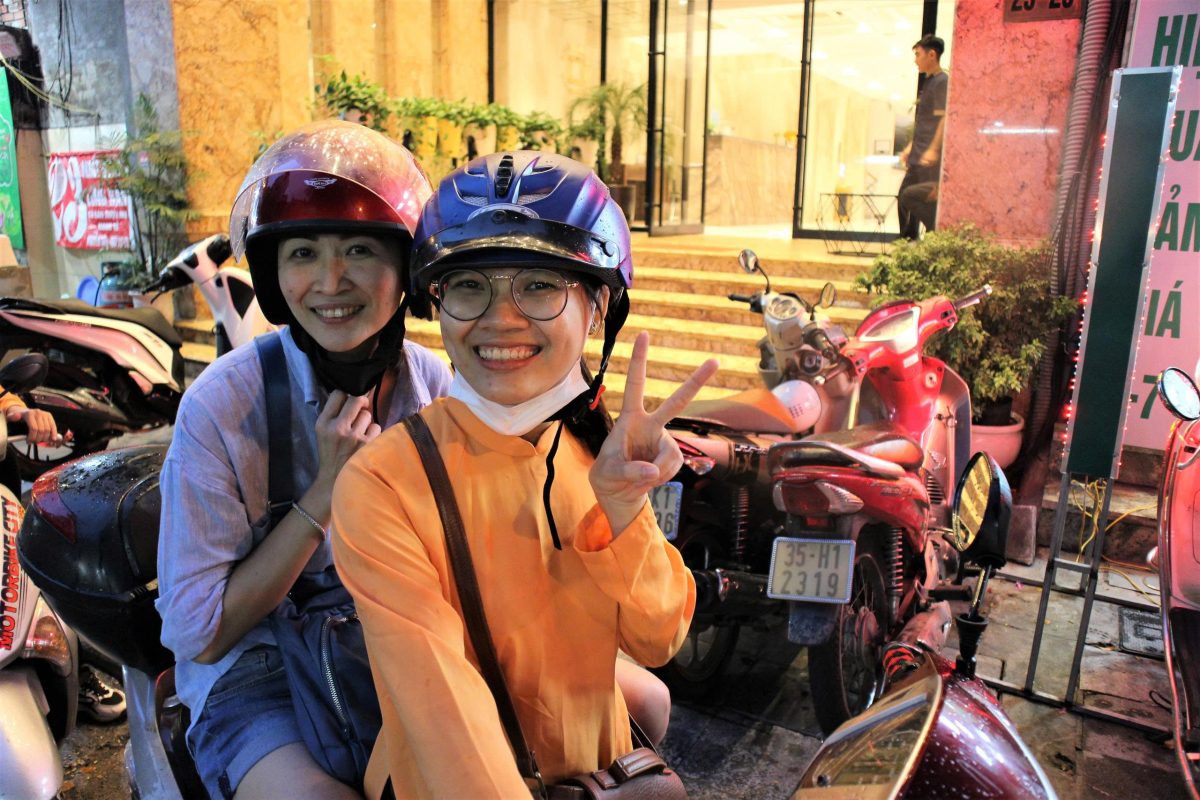
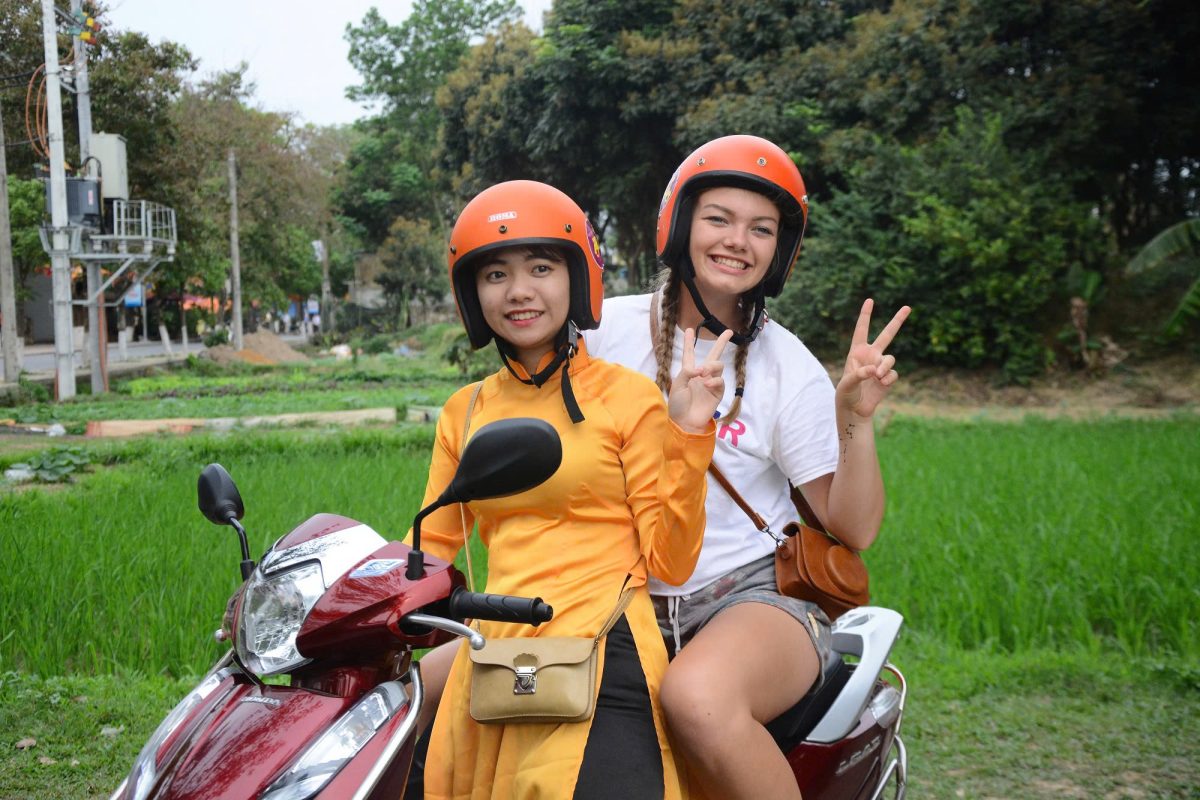
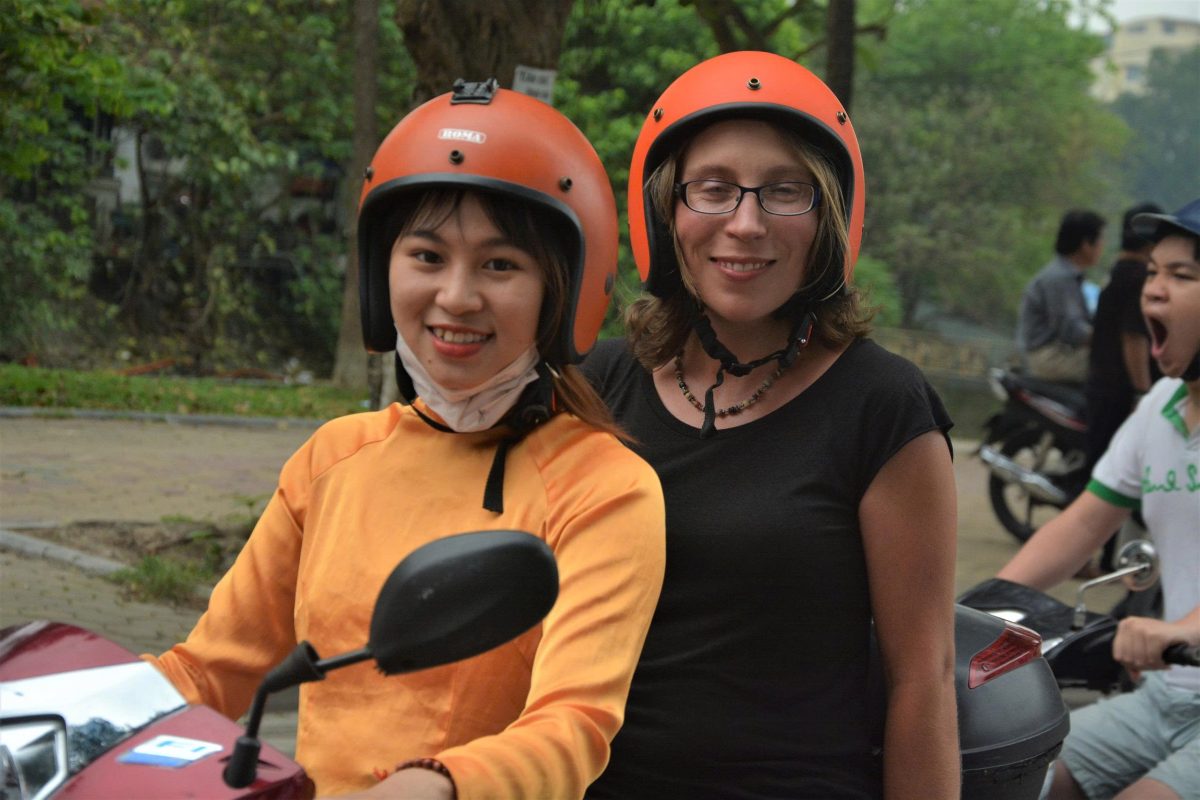
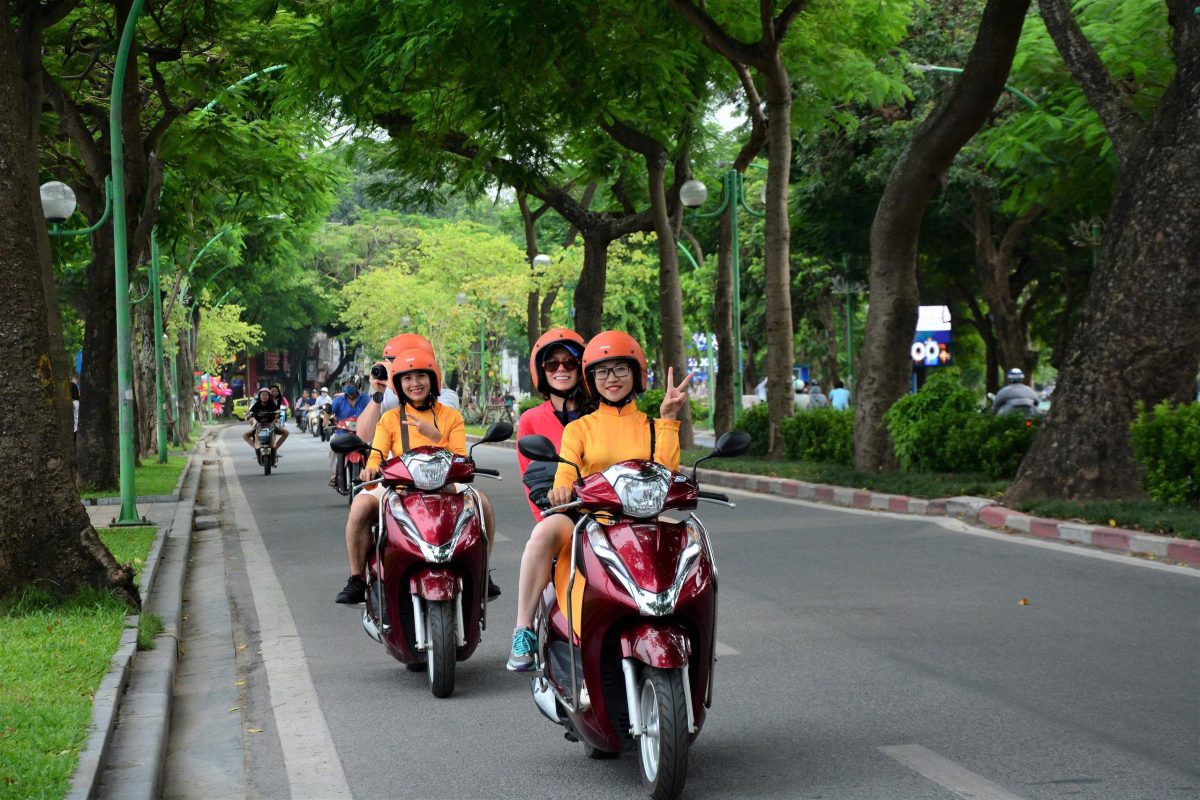
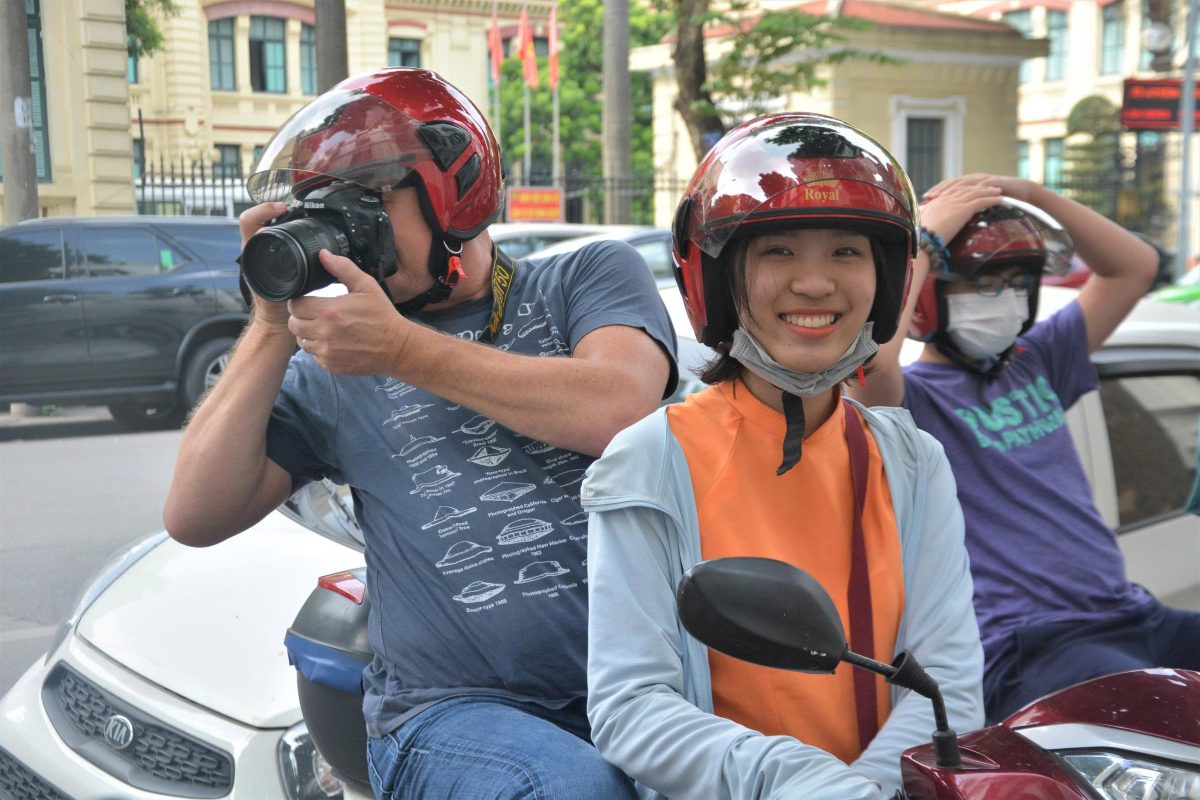
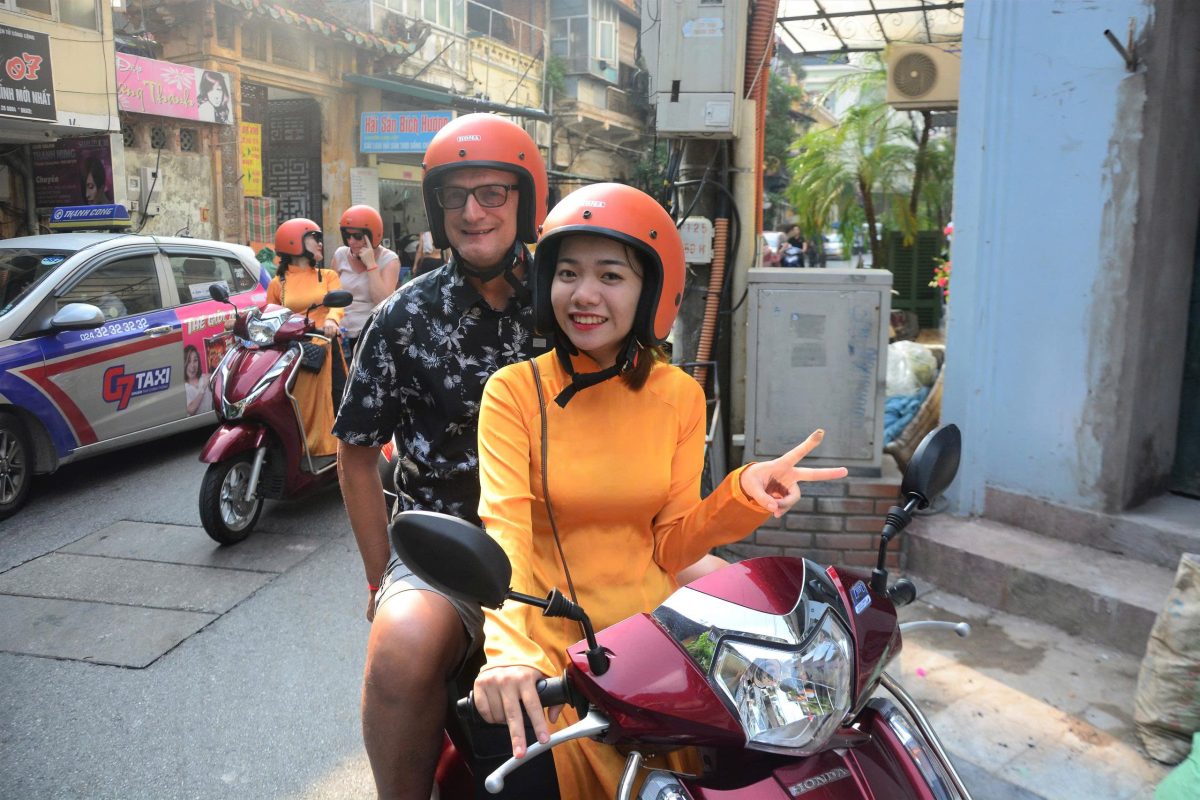
The city is also excellent for Vietnamese coffee. Spend an afternoon exploring traditional cafés, modern specialty coffee shops and converted apartment cafés around central districts. In the evening, a food tour by motorbike is an excellent way to experience the city beyond its major landmarks.
Ho Chi Minh City at Night
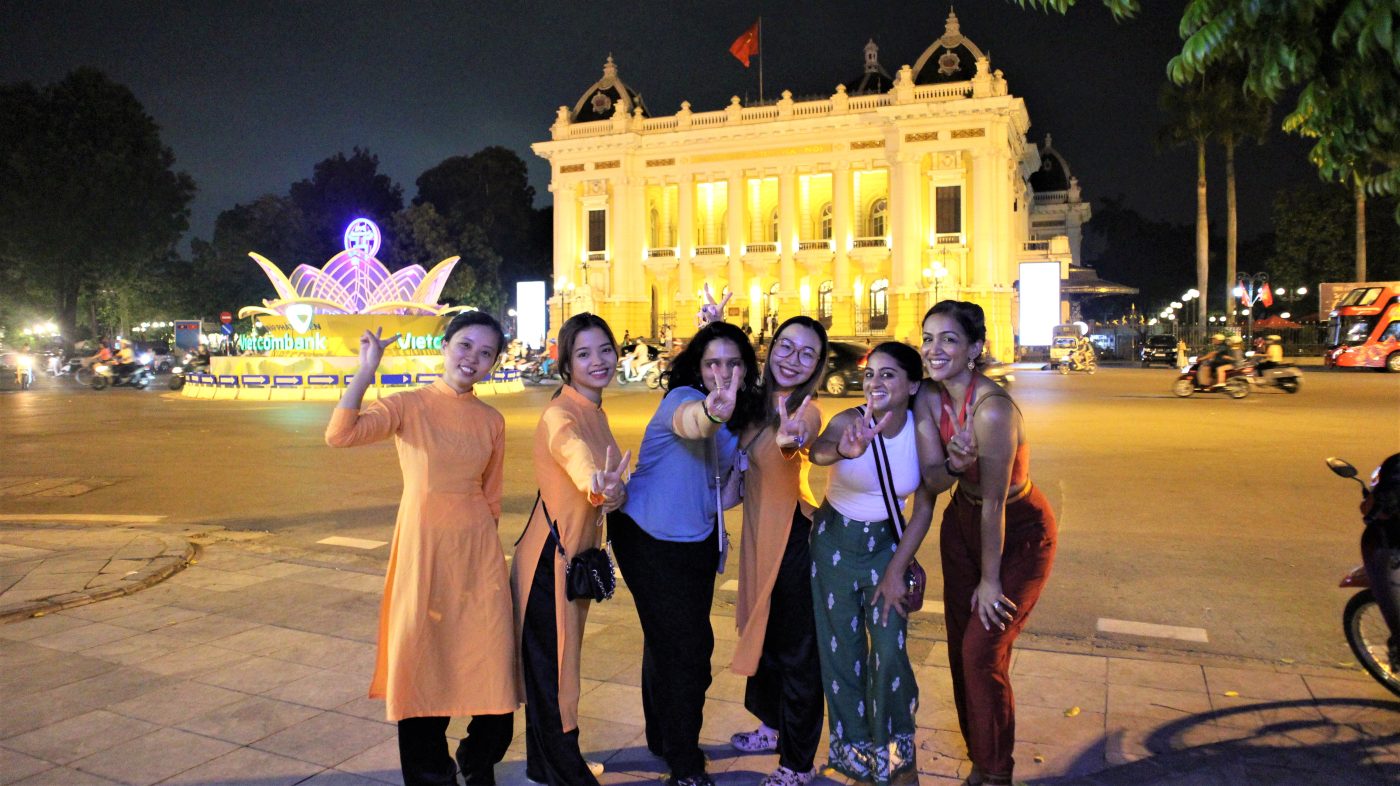
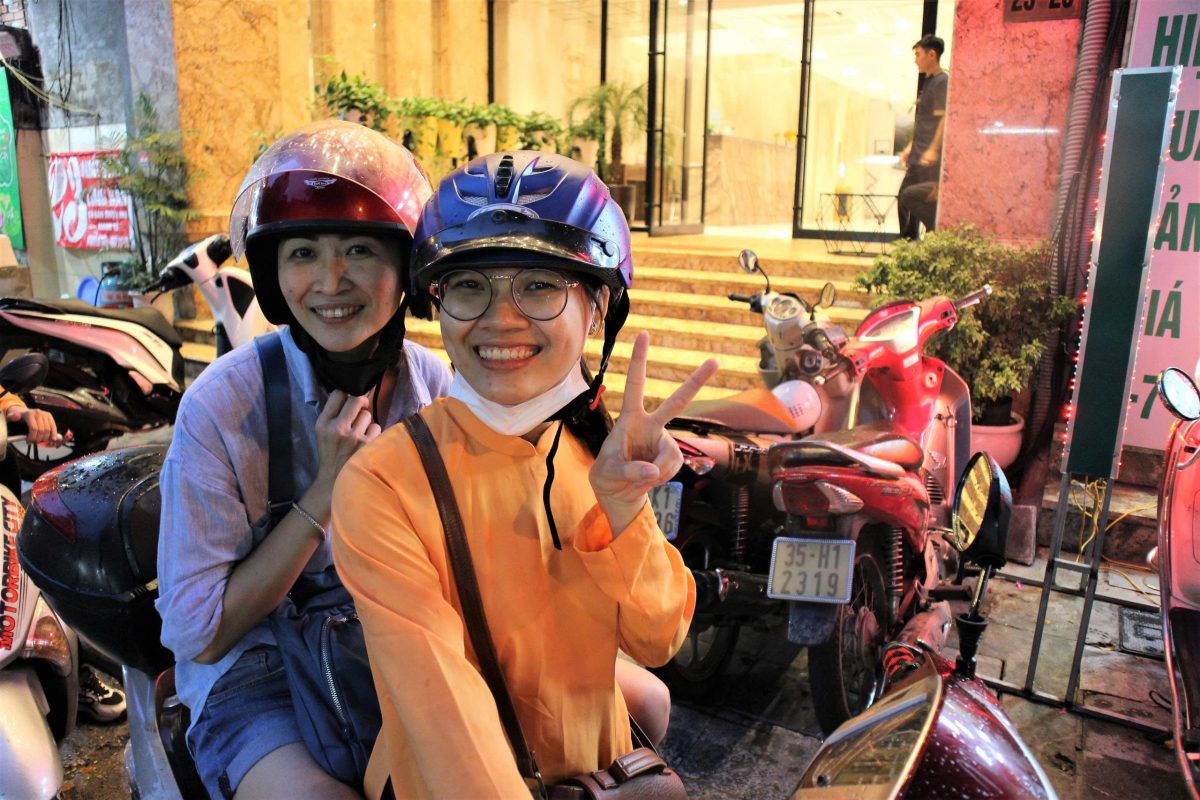
Ho Chi Minh City becomes even more energetic after sunset. Nguyen Hue Walking Street, the surrounding District 1 streets, rooftop bars, restaurants, cafés and night markets create plenty of options for an evening out. Travelers looking for a more atmospheric experience can explore the city by motorbike, stopping at several food and cultural locations rather than spending the entire evening in one neighborhood. Vietnam Tourism also recommends motorcycle experiences and street food tours as ways to experience the city after dark.
How Many Days Do You Need in Ho Chi Minh City?
For most travelers, 2–3 days is enough for a good introduction. Two days can cover the major historical attractions, Chinatown, markets, food and nightlife, while three days gives you time for additional museums, cafés, shopping and a possible excursion to the Cu Chi Tunnels. Travelers interested in food and urban culture could comfortably spend four days without running out of things to explore.
Cu Chi Tunnels
The Cu Chi Tunnels are one of the most popular excursions from Ho Chi Minh City. The extensive underground network demonstrates how Vietnamese forces used tunnels, hidden entrances and underground facilities during the war. Vietnam Tourism includes the Cu Chi Tunnels as one of the major excursions from Ho Chi Minh City and recommends combining the visit with city sightseeing.
The tunnels are particularly worthwhile for travelers interested in modern Vietnamese history. Because the site is outside the city center, allow several hours for transportation and exploration rather than treating it as a quick attraction.
From Ho Chi Minh City to the Mekong Delta
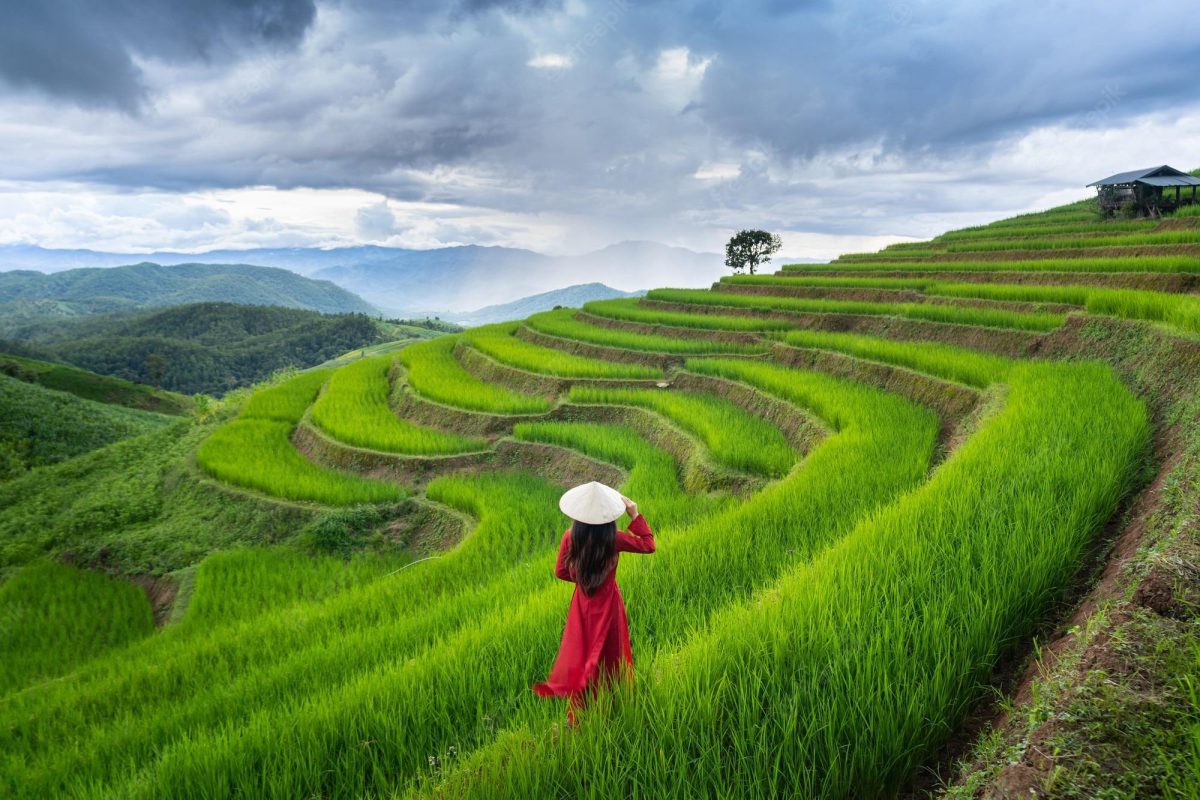
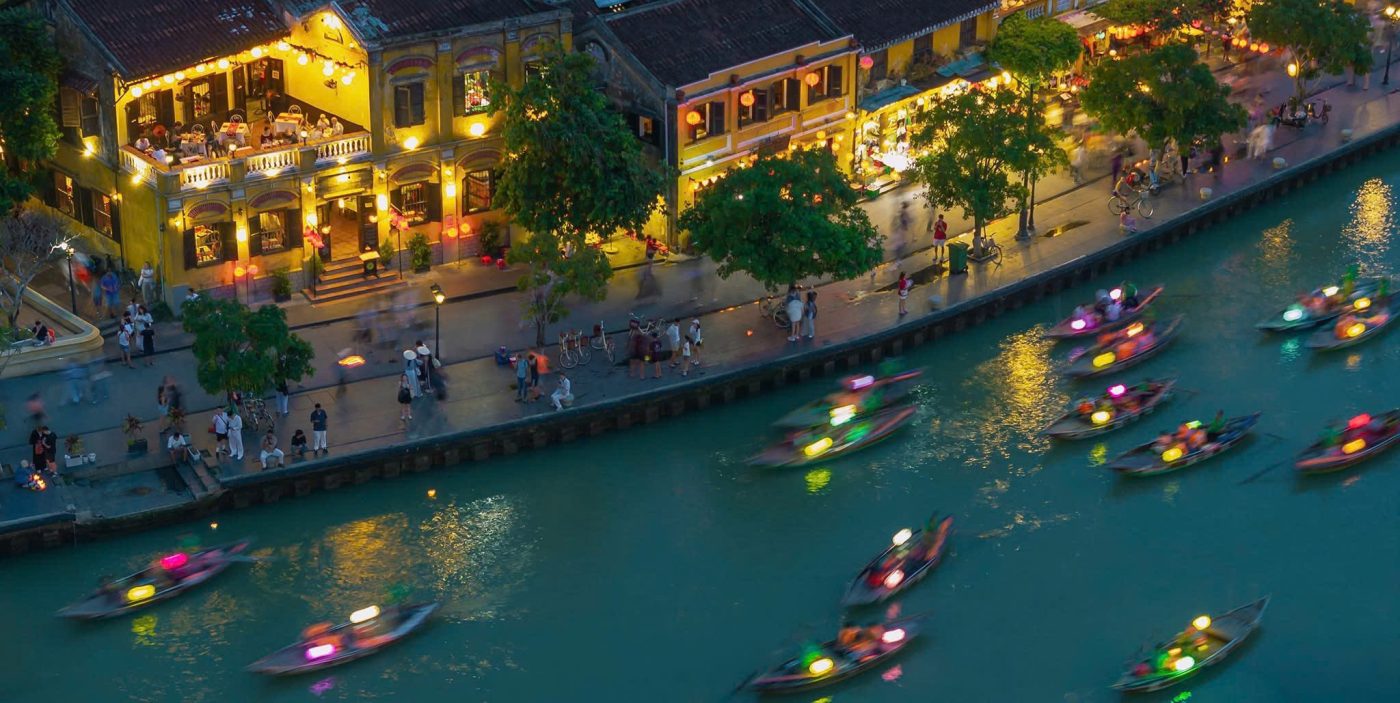
South of Ho Chi Minh City, the landscape changes dramatically. Tall buildings disappear and are replaced by rivers, canals, coconut palms, fruit orchards, rice fields and small riverside communities. The Mekong Delta is one of the most distinctive regions in Vietnam and is an excellent contrast to the intensity of Ho Chi Minh City.
For a simple day trip, Ben Tre is one of the easiest areas to visit. Vietnam Tourism notes that Ben Tre can be reached in roughly two hours from Ho Chi Minh City and offers boat rides, waterways, riverside scenery and countryside experiences.
Ben Tre: The Coconut Kingdom
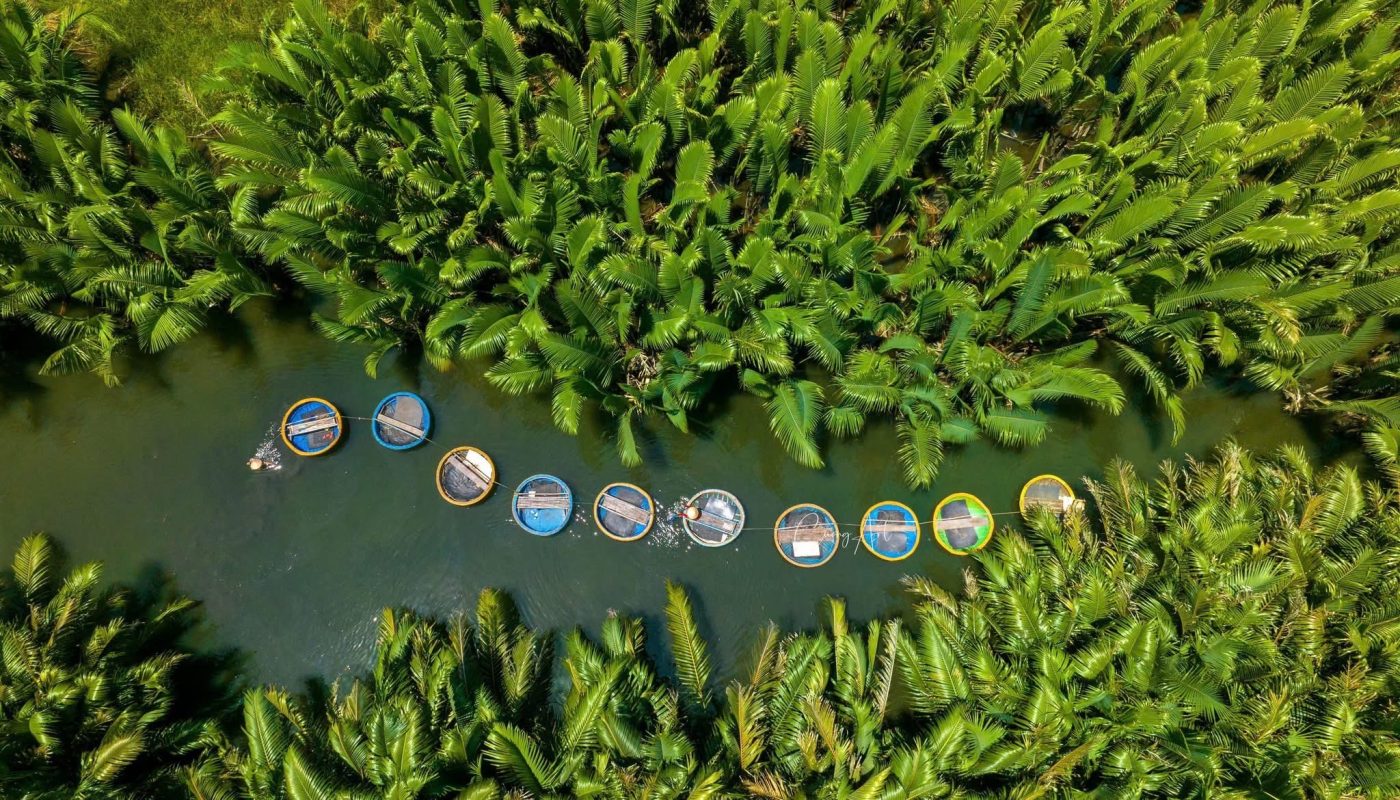
Ben Tre is famous for its coconut production and peaceful waterways. A typical experience can include a boat ride through narrow canals, cycling along village roads, visiting coconut-processing workshops and enjoying fresh tropical fruit. The scenery is slower and greener than Ho Chi Minh City, making Ben Tre an excellent choice for travelers who want to experience the countryside without traveling too far from the city.
A private day trip to Ben Tre works particularly well for couples and families because the schedule can be adjusted around boat rides, cycling, meals and photography stops.
Can Tho and Cai Rang Floating Market
For a deeper Mekong Delta experience, spend at least one night in Can Tho. Can Tho is the largest city in the Mekong Delta and is one of the best bases for exploring the region. Its most famous attraction is Cai Rang Floating Market, where boats gather on the river to sell fruit, vegetables, drinks and other products. Vietnam Tourism identifies Can Tho as one of the ideal bases for exploring the Delta and highlights its famous floating market.
The best time to visit Cai Rang is very early in the morning. A typical schedule starts before sunrise so you can reach the market while activity is at its peak. After the boat ride, continue with breakfast, riverside sightseeing and exploration of Can Tho before returning to your hotel or continuing your journey.
Mekong Delta Food
The Mekong Delta is one of Vietnam’s most productive agricultural regions, so food is an important part of the travel experience. The region produces large quantities of rice, tropical fruit, vegetables, river fish and shrimp, and these ingredients appear throughout Southern Vietnamese cuisine. Vietnam Tourism describes the Delta as a rich culinary region shaped by its waterways and fertile soil.
Try elephant ear fish, caramelized clay-pot fish, hu tieu, fresh tropical fruit, coconut-based sweets and regional rice dishes. Fruit orchards around Can Tho, Ben Tre and Vinh Long are especially enjoyable during harvest periods.
Mekong Delta Day Trip or Overnight Stay?
A one-day trip is enough if your schedule is tight. Ben Tre is a practical option because of its proximity to Ho Chi Minh City and its combination of boat rides, canals, countryside and food.
An overnight stay is better if you want to experience the Delta at a slower pace. Two days allow you to visit Can Tho, wake up early for Cai Rang Floating Market, explore smaller waterways and spend more time in the countryside. Vietnam Tourism’s longer itineraries also use Can Tho as an overnight base before returning to Ho Chi Minh City.
Phu Quoc: Southern Vietnam’s Tropical Island
After the energy of Ho Chi Minh City and the waterways of the Mekong Delta, Phu Quoc provides a completely different experience. The island is one of Vietnam’s premier beach destinations, with tropical coastlines, resort areas, seafood restaurants, nature experiences and spectacular sunsets. Vietnam Tourism describes Phu Quoc as a tropical island escape and highlights its beaches and natural landscapes.
Phu Quoc is especially suitable for travelers who want to finish a Vietnam trip with several days of relaxation rather than another busy sightseeing schedule.
Best Beaches in Phu Quoc
Sao Beach is one of the island’s best-known beaches and is famous for its white sand and tropical setting. Other beaches and coastal areas provide different experiences, from resort-oriented sections to quieter stretches of coastline. Vietnam Tourism specifically highlights Sao Beach as a major attraction for its white sand and coconut palms.
For a premium vacation, consider combining beach time with a private boat excursion, seafood dinner, spa treatment and sunset experience rather than trying to visit every beach on the island.
Phu Quoc Sunset
Sunset is one of the defining experiences of Phu Quoc. The island’s western coastline offers excellent places to watch the sun disappear over the Gulf of Thailand. A relaxed evening can include a beach walk, sunset drink, seafood dinner and a visit to one of the island’s evening entertainment areas.
Unlike Ho Chi Minh City, where the evening revolves around restaurants, cafés and nightlife, Phu Quoc offers a slower rhythm centered around the sea.
Phu Quoc Nightlife
Phu Quoc has developed a lively evening scene, particularly around Duong Dong and the island’s major resort areas. Travelers can explore night markets, seafood restaurants, beach bars and entertainment venues. Vietnam Tourism currently highlights Phu Quoc’s beaches as well as its vibrant nightlife as part of the island experience.
For travelers seeking peace and quiet, choose accommodation away from the busiest entertainment zones.
Phu Quoc Seafood
Seafood is one of the island’s culinary highlights. Look for grilled squid, prawns, crab, shellfish, fish and Vietnamese seafood hotpots. The best dining experience depends on where you stay, but evening seafood dinners are an easy addition to a Phu Quoc itinerary.
You can also explore the island’s night market for snacks, desserts and seafood dishes in a more casual atmosphere.
Phu Quoc Nature and Outdoor Experiences
Phu Quoc is more than beaches. Travelers can explore forested areas, viewpoints, fishing communities and marine environments. Boat trips to nearby islands can add snorkeling and swimming to the itinerary, while the island’s southern and northern areas offer opportunities to explore beyond the main resort zones.
If your priority is nature rather than nightlife, consider staying in a quieter part of the island and using private transportation for day excursions.
When Is the Best Time to Visit Southern Vietnam?
Southern Vietnam remains warm throughout the year, but rainfall varies by season. Ho Chi Minh City and the Mekong Delta generally have clearer, hotter conditions from December to April, while May to November brings more frequent rainfall and humidity. Vietnam Tourism notes that the rainy season often produces afternoon showers lasting a few hours rather than constant rain throughout the day.
Phu Quoc has a somewhat different pattern. Vietnam Tourism identifies October to June as generally clearer and sunnier, while July to September can be stormier, hotter and more humid, with sea conditions potentially affecting boat and ferry travel.
If you want to combine all three destinations, December to April is generally one of the most convenient periods for a Southern Vietnam journey.
How Long Should You Spend in Southern Vietnam?
For a focused trip, allow 7–9 days. A good balance is 3 days Ho Chi Minh City + 2 days Mekong Delta + 3 days Phu Quoc. If you have only five days, choose 2 days Ho Chi Minh City + 1 day Mekong Delta + 2 days Phu Quoc, although the schedule will be faster.
For a more relaxed luxury vacation, 9–12 days allows you to add additional Mekong Delta experiences, more time on Phu Quoc and a slower pace in Ho Chi Minh City.
7-Day Southern Vietnam Itinerary
Day 1 – Ho Chi Minh City: Arrive in Ho Chi Minh City and settle into your hotel. Spend the afternoon around Dong Khoi Street, the Central Post Office, Notre Dame Cathedral Basilica and Nguyen Hue Walking Street. Enjoy a Vietnamese dinner and explore the city after sunset.
Day 2 – Ho Chi Minh City: Visit the Reunification Palace and War Remnants Museum, then continue to Cholon and Binh Tay Market. In the evening, enjoy a private street food experience by motorbike or explore the city’s rooftop dining scene.
Day 3 – Mekong Delta: Travel to Ben Tre and explore the waterways by boat. Continue through coconut groves and countryside roads, visit agricultural and craft sites, enjoy a regional lunch and spend the night in the Delta for a slower experience.
Day 4 – Mekong Delta to Ho Chi Minh City: Wake early for a river or market experience, then continue toward Can Tho if you want to see more of the Delta before returning to Ho Chi Minh City. Alternatively, transfer directly to the airport for your flight to Phu Quoc.
Day 5 – Phu Quoc: Spend the morning at the beach and the afternoon exploring the island. Enjoy sunset on the western coast followed by a seafood dinner.
Day 6 – Phu Quoc: Take a private island or snorkeling excursion, relax on the beach and enjoy a leisurely evening.
Day 7 – Phu Quoc: Have a relaxed breakfast, spend your final morning by the sea and continue to the airport for your onward journey.
9-Day Southern Vietnam Itinerary
For a more comfortable trip, extend the itinerary to nine days. Spend three nights in Ho Chi Minh City, allowing enough time for the major landmarks, food and Cu Chi Tunnels. Continue with two nights in the Mekong Delta, using Ben Tre and Can Tho to experience both waterways and floating markets. Finish with three nights in Phu Quoc, giving yourself enough time for beaches, a private boat trip, sunset and resort relaxation.
This itinerary creates a natural progression from city → countryside → island, which is one of the strongest ways to experience Southern Vietnam.
Ho Chi Minh City vs Mekong Delta
These destinations should not really be treated as competitors. They provide opposite experiences.
Ho Chi Minh City is fast, urban, modern and energetic, with museums, architecture, restaurants, cafés and nightlife.
The Mekong Delta is slower, greener and shaped by rivers, agriculture, boats and fruit orchards.
If you have enough time, visit both. The contrast makes each destination more interesting.
Mekong Delta vs Phu Quoc
Again, the experiences are completely different.
Choose the Mekong Delta for rivers, canals, floating markets, fruit orchards, countryside and Southern Vietnamese food.
Choose Phu Quoc for beaches, tropical landscapes, seafood, sunsets and resort relaxation.
If you are traveling with children, a combination of both can work particularly well because the activities are varied.
Ho Chi Minh City vs Phu Quoc
Choose Ho Chi Minh City if you want culture, history, food, shopping and nightlife.
Choose Phu Quoc if you want beaches, relaxation, nature and resorts.
For a first trip to Southern Vietnam, combining them is better than choosing only one.
Southern Vietnam for Couples
Southern Vietnam is excellent for couples because it offers several different moods in one journey. Start with dinner and rooftop views in Ho Chi Minh City, slow down with a private boat ride in the Mekong Delta, then finish with several nights at a beachfront resort in Phu Quoc.
A particularly romantic itinerary is Ho Chi Minh City → Ben Tre → Can Tho → Phu Quoc, combining urban experiences, waterways and tropical beaches.
Southern Vietnam for Families
Families can enjoy Ho Chi Minh City’s museums and food experiences, the Mekong Delta’s boat rides and countryside activities, and Phu Quoc’s beaches and marine excursions. Vietnam Tourism also recommends itineraries combining Ho Chi Minh City and the Mekong Delta as part of family travel programs.
For families with younger children, avoid changing hotels every night. A slower itinerary with three nights Ho Chi Minh City, two nights Mekong Delta and three nights Phu Quoc is much more comfortable.
Southern Vietnam for Food Lovers
Food is one of the strongest reasons to visit the south. Ho Chi Minh City offers an enormous range of Vietnamese street food and modern restaurants, while the Mekong Delta brings fresh river fish, tropical fruit, rice products and coconut-based specialties. Phu Quoc adds seafood, grilled fish, shellfish and island-style dishes.
Try com tam, banh xeo, hu tieu, banh mi, clay-pot fish, fresh tropical fruit and Phu Quoc seafood during the journey. The fertile Mekong Delta is particularly important to Southern Vietnamese cuisine because of its abundance of rice, fruit, vegetables and freshwater seafood.
Southern Vietnam for Luxury Travelers
Luxury travelers can create a very comfortable itinerary by choosing five-star hotels in Ho Chi Minh City, boutique riverside accommodation in the Mekong Delta and a premium beachfront resort in Phu Quoc. Private airport transfers, private guides, private boats and carefully selected restaurants can transform the journey from a standard sightseeing trip into a much more relaxed experience.
The strongest luxury route is Ho Chi Minh City → Mekong Delta → Phu Quoc, because each destination offers a different style of premium experience: urban sophistication, riverside tranquility and tropical resort living.
How to Travel Around Southern Vietnam
Ho Chi Minh City: Walking, private car, taxi and ride-hailing services are practical within the central districts. Motorbike tours are particularly useful for food and neighborhood exploration. Vietnam Tourism notes that taxis, ride-hailing apps, buses and motorbikes are widely used in the city.
Mekong Delta: Private car and boat combinations are the most convenient for travelers who want flexibility. For a premium itinerary, private transportation allows you to combine Ben Tre, Can Tho and other destinations without being tied to a large group schedule.
Phu Quoc: Flying is generally the most convenient option for longer-distance connections, while private cars and taxis are useful for exploring the island.
What to Pack for Southern Vietnam
Pack lightweight clothing, comfortable walking shoes, sunglasses, sunscreen and insect repellent. A compact rain jacket or umbrella is useful during the rainy season, particularly in Ho Chi Minh City and the Mekong Delta. For Phu Quoc, add swimwear, sandals and beach clothing.
If visiting religious sites, bring clothing that covers the shoulders and knees when appropriate.
Is Southern Vietnam Worth Visiting?
Absolutely. Southern Vietnam is one of the country’s most varied regions because three completely different travel experiences can be combined into one journey. Ho Chi Minh City provides history, food and modern Vietnamese culture; the Mekong Delta introduces travelers to waterways, agriculture and river-based life; and Phu Quoc provides tropical beaches and resort relaxation. Vietnam Tourism itself presents Southern Vietnam through this combination of energetic cities, mellow countryside and island escapes.
For travelers who want to understand Vietnam beyond its famous northern and central destinations, Southern Vietnam is essential.
Southern Vietnam Travel Guide: Quick Highlights
Ho Chi Minh City: Best for history, street food, cafés, shopping and nightlife.
Cu Chi Tunnels: Best for understanding Vietnam’s modern wartime history.
Ben Tre: Best for coconut groves, canals, boats and countryside.
Can Tho: Best base for the Mekong Delta and Cai Rang Floating Market.
Mekong Delta: Best for rivers, agriculture, fruit orchards and Southern Vietnamese food.
Phu Quoc: Best for beaches, sunsets, seafood and resort relaxation.
Best overall route: Ho Chi Minh City → Mekong Delta → Phu Quoc.
Final Thoughts
Southern Vietnam is best experienced as a journey rather than a single destination. Start in Ho Chi Minh City to understand the region’s modern energy and history, continue into the Mekong Delta to experience a slower world shaped by rivers and agriculture, and finish on Phu Quoc for several days of beaches, seafood and tropical relaxation.
If you have seven days, focus on the three main destinations. If you have nine to twelve days, slow the itinerary down and add more time in the Mekong Delta and Phu Quoc. The result is a balanced Southern Vietnam experience combining culture, history, food, countryside and beaches without trying to see too much in a single trip.
Vietnam Women Travel – Premium Private Tours Led by Women
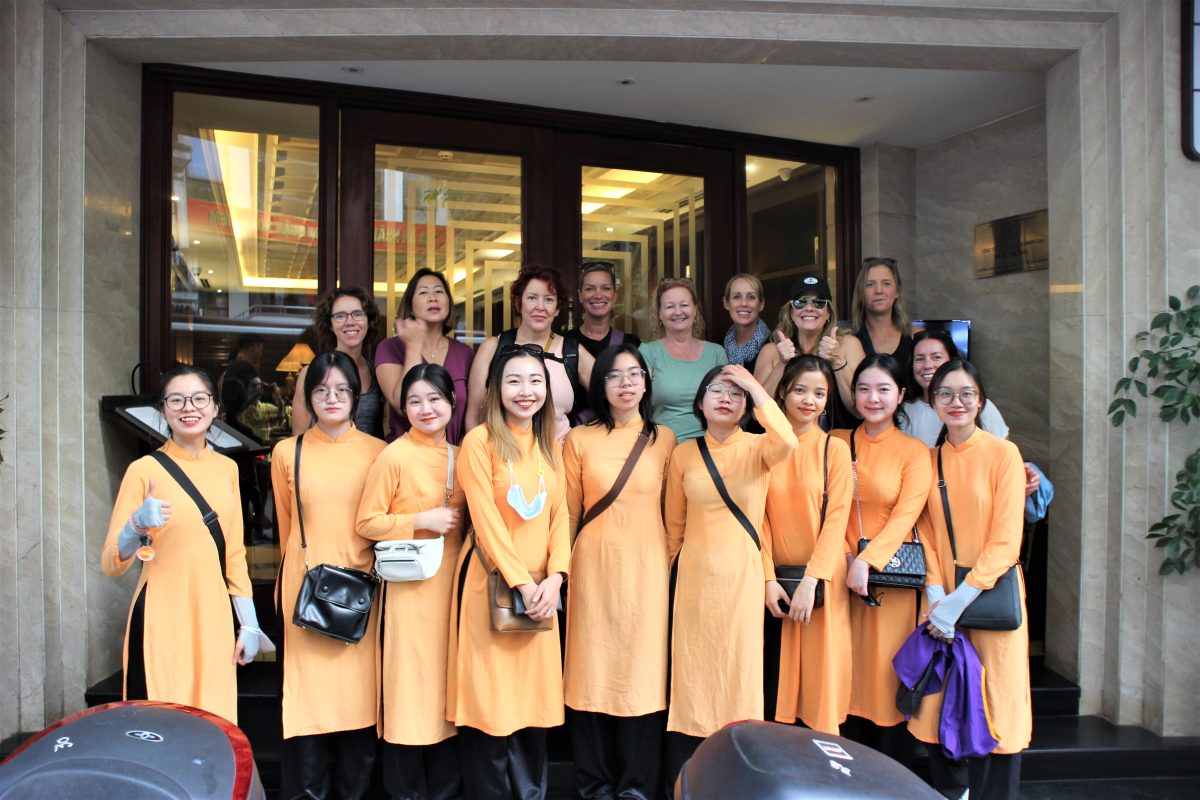
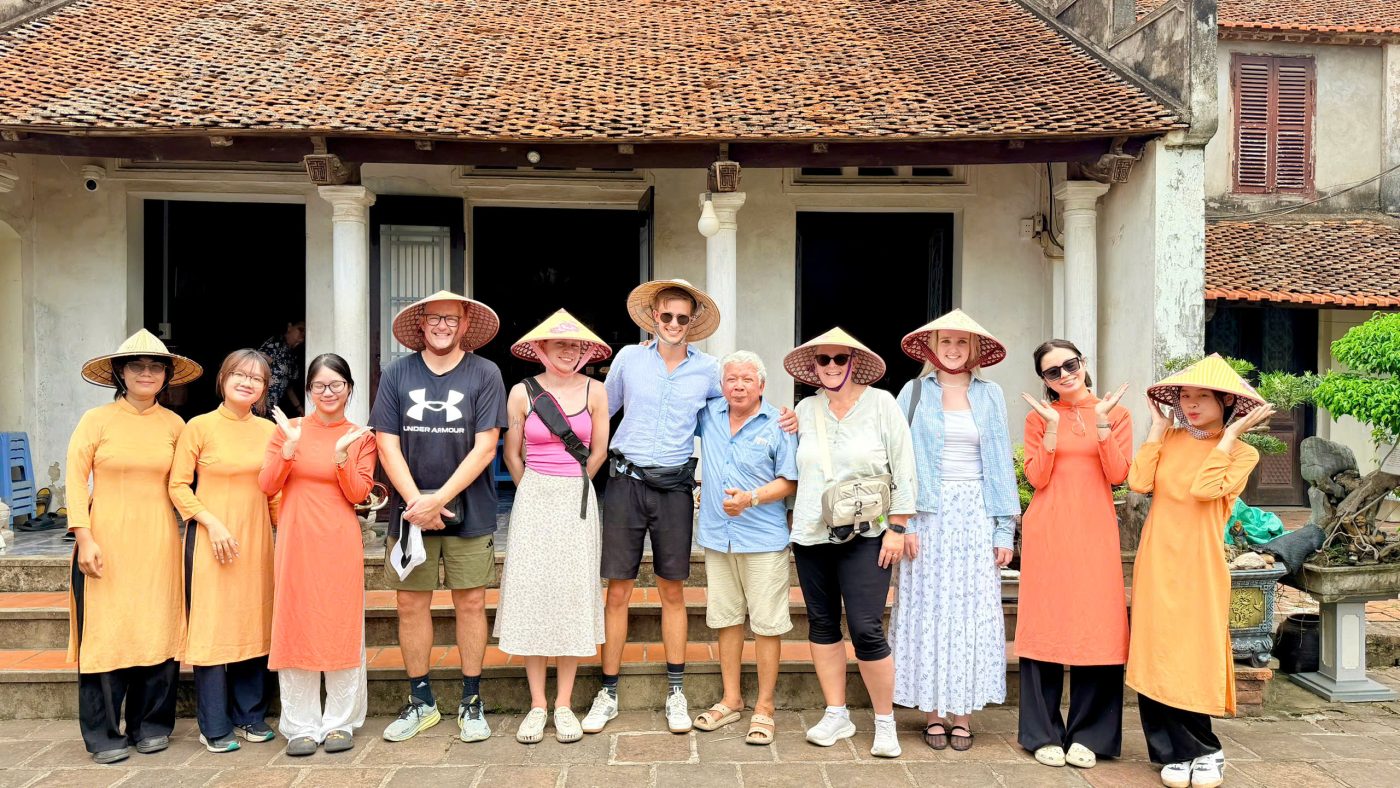
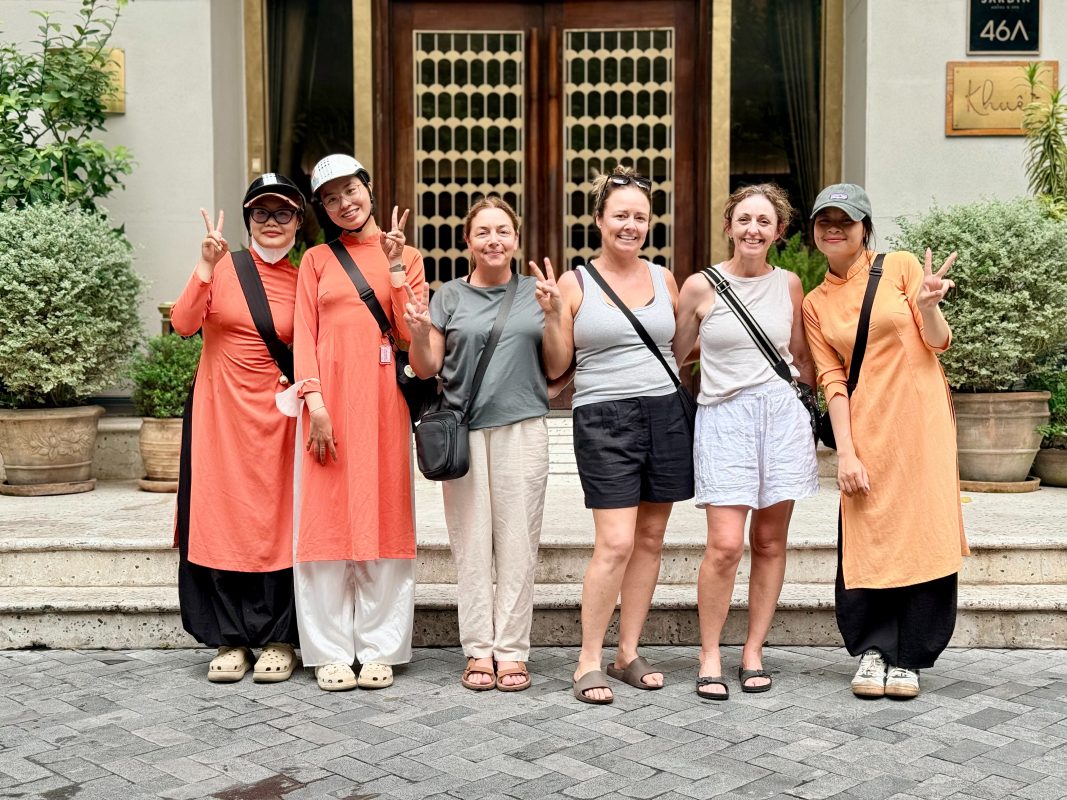
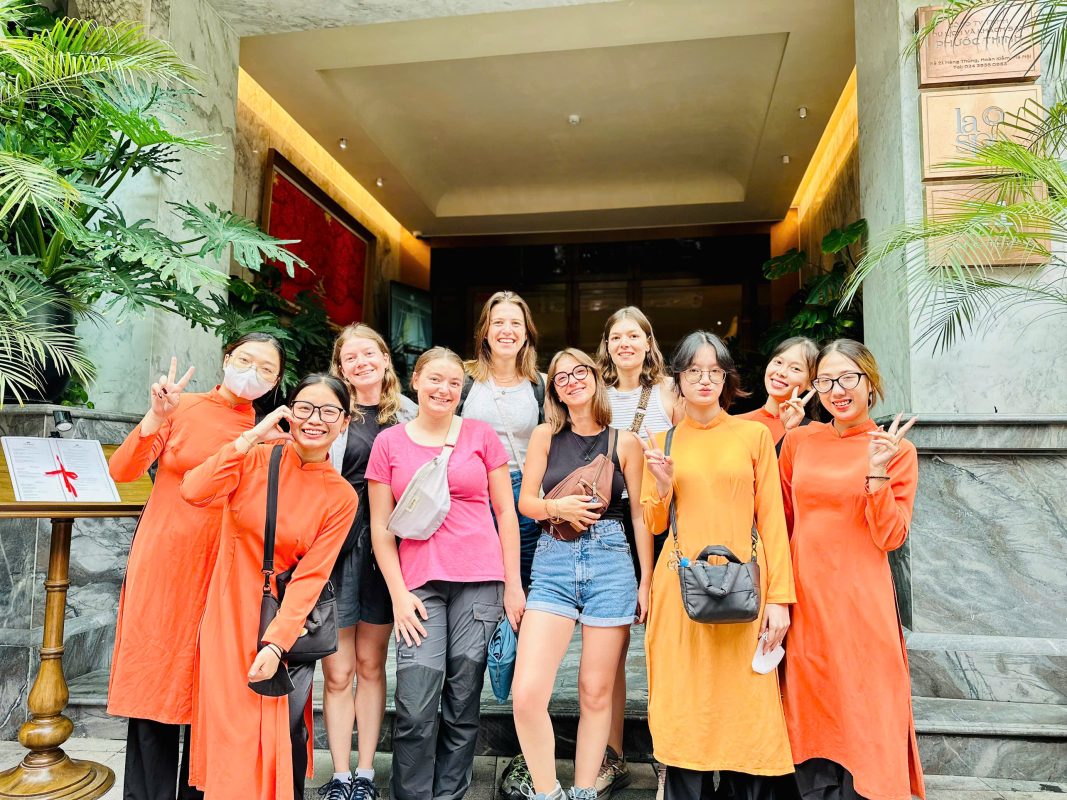
Vietnam Women Travel – Premium Private Tours Led by Women can create a private Southern Vietnam journey beginning in Ho Chi Minh City and continuing through the Mekong Delta and Phu Quoc. A premium itinerary can include private airport transfers, luxury accommodation, female tour leaders, private city sightseeing, a private motorbike or food experience in Ho Chi Minh City, private boat excursions in the Mekong Delta, carefully selected regional dining and a relaxing beachfront stay on Phu Quoc.
For travelers seeking a premium experience, the ideal route is Ho Chi Minh City → Ben Tre → Can Tho → Phu Quoc, combining the energy of Vietnam’s largest southern metropolis, the waterways and agricultural landscapes of the Mekong Delta, and the tropical beaches of Vietnam’s island paradise.