
Vietnam South to North: The Ultimate Travel Route
Traveling Vietnam from south to north is one of the best ways to experience the country’s incredible regional diversity. Starting in the energetic streets of Ho Chi Minh City, the route can continue through the Mekong Delta, Hoi An, Da Nang, Hue and Hanoi, before finishing with the dramatic limestone scenery of Ha Long Bay or Lan Ha Bay. Vietnam stretches more than 1,650 km from north to south, so trying to see everything in a short trip can become exhausting. A well-planned one-way route is much more efficient than repeatedly traveling back and forth.
For most travelers, 14–16 days is a good length for a classic South-to-North journey. With three weeks, you can travel more slowly and add destinations such as Phong Nha, Cao Bang or additional time in the Mekong Delta. Current itinerary recommendations also commonly place Ho Chi Minh City, the Mekong Delta, Hoi An, Hue, Hanoi and Ha Long Bay into a roughly two-week journey.
Why Travel Vietnam from South to North?
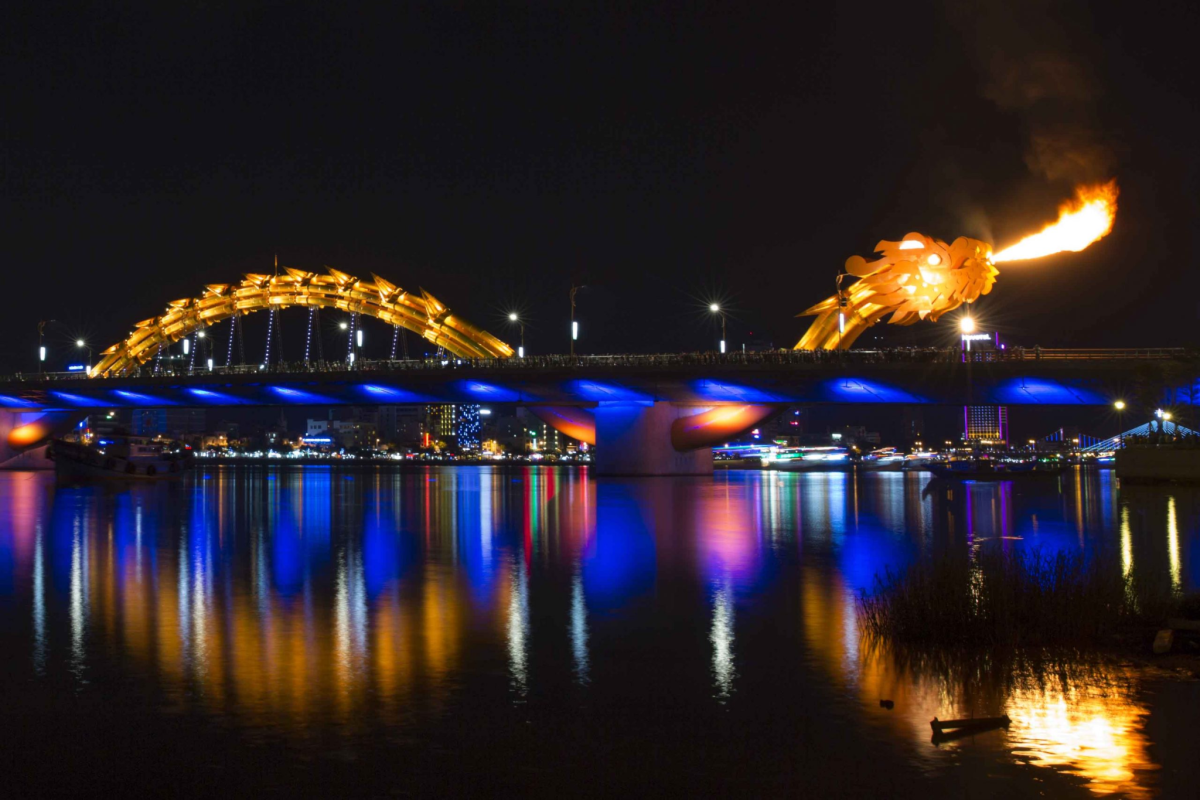
A South-to-North route creates a natural progression through Vietnam’s landscapes and cultures. You can begin with the modern energy of Ho Chi Minh City, move into the tropical waterways of the Mekong Delta, experience the historic architecture of Hoi An, discover imperial Vietnam in Hue, explore the capital’s Old Quarter in Hanoi, and finish among the limestone islands of Ha Long Bay.
The route also works well for international travelers who want to fly into Ho Chi Minh City and fly home from Hanoi, eliminating the need to return to the south. Vietnam Tourism itself presents multi-region itineraries connecting Ho Chi Minh City, Hoi An, Hue, Hanoi and Ha Long Bay.
Vietnam South to North Route at a Glance
Ho Chi Minh City → Mekong Delta → Hoi An → Da Nang → Hue → Hanoi → Ha Long Bay
This is the core route I recommend for first-time visitors.
You can adjust it depending on your interests:
Food & culture: Ho Chi Minh City → Mekong Delta → Hoi An → Hue → Hanoi → Ha Long Bay
Luxury: Ho Chi Minh City → Mekong Delta → Hoi An → Hue → Hanoi → Lan Ha Bay
Adventure: Ho Chi Minh City → Mekong Delta → Phong Nha → Hue → Hoi An → Hanoi → Ha Long Bay
Beach-focused: Ho Chi Minh City → Phu Quoc → Hoi An → Da Nang → Hue → Hanoi → Ha Long Bay
How Many Days Do You Need?
10 Days
Ten days is possible, but you need to keep the route tight. A practical itinerary is Ho Chi Minh City → Hoi An → Hue → Hanoi → Ha Long Bay, with the Mekong Delta as a day trip rather than an overnight stop. Vietnam Tourism has a 10-day highlights itinerary that connects Hanoi, Ha Long Bay, Hoi An, Hue, Ho Chi Minh City and the Mekong Delta.
14 Days
Fourteen days is the sweet spot for a classic first-time South-to-North trip. You have enough time for the major cities, the Mekong Delta and an overnight bay cruise without making every day a transfer day. Several current itinerary planners recommend around 12–14 days for the major southern, central and northern highlights.
16–18 Days
This gives you enough breathing room to spend additional nights in Hoi An, Hanoi or the Mekong Delta and add a destination such as Phong Nha.
21 Days
Three weeks allows you to slow down considerably and add northern mountain destinations or a longer Mekong Delta experience. A three-week route can combine southern cities, the central coast and northern landscapes without rushing from one hotel to another.
The Ultimate 14-Day South-to-North Vietnam Route
Days 1–3: Ho Chi Minh City
Begin your journey in Ho Chi Minh City, Vietnam’s largest southern metropolis. Spend your first day getting comfortable with the city before exploring the central landmarks.
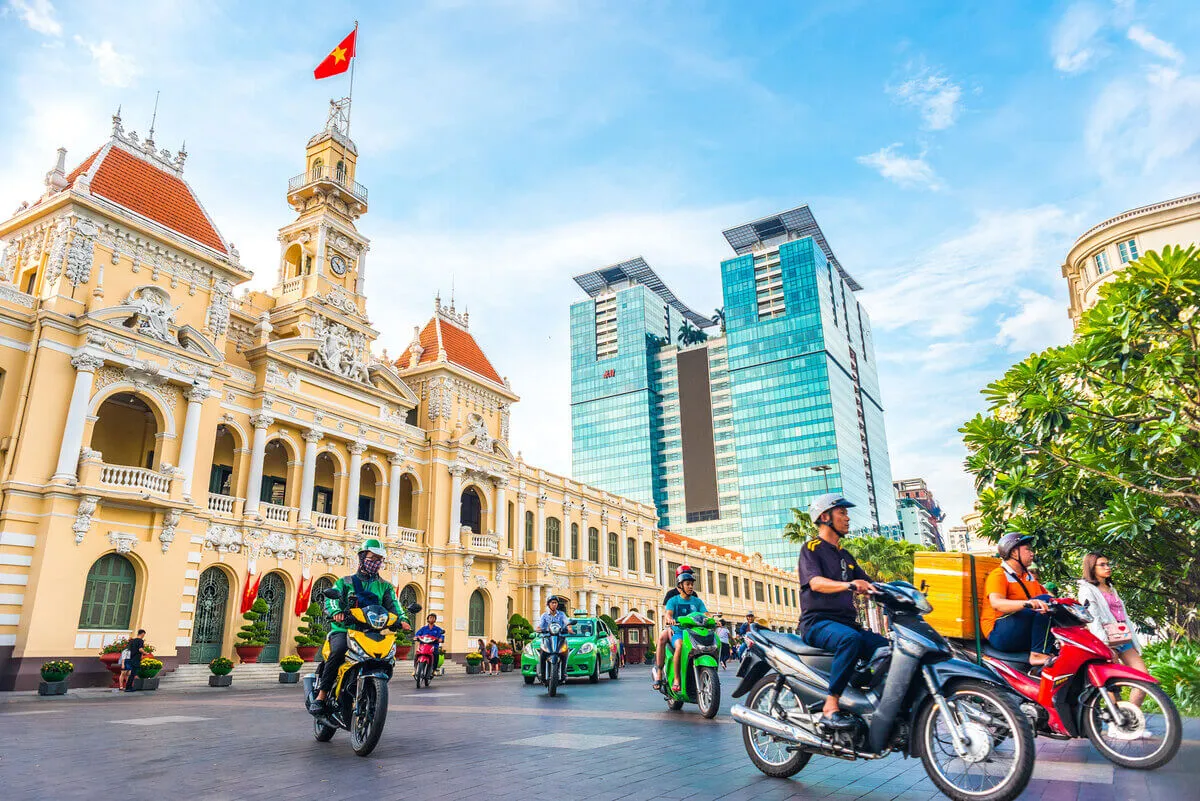
Visit Independence Palace, the War Remnants Museum, Saigon Central Post Office, Notre-Dame Cathedral Basilica of Saigon, Nguyen Hue Walking Street and Ben Thanh Market. In the evening, experience Southern Vietnamese cuisine or take a motorcycle food tour through several districts.
On Day 3, explore another side of the city. Cholon and Binh Tay Market are excellent for understanding the city’s Chinese-Vietnamese heritage, while District 3 and District 4 are particularly interesting for food.
Ho Chi Minh City works especially well at the beginning of a South-to-North itinerary because its energetic atmosphere provides a dramatic introduction to Vietnam.
Day 4: Ho Chi Minh City to the Mekong Delta
Travel south-west from Ho Chi Minh City into the Mekong Delta. For a one-day experience, Ben Tre is one of the strongest choices because it combines manageable travel time with waterways, coconut groves, fruit gardens and countryside activities.
A typical experience can include a river boat, smaller sampan, coconut workshops, tropical fruit and a Southern Vietnamese lunch. Vietnam Tourism highlights Ben Tre’s coconut groves, waterways, workshops and cycling as key experiences.
Return to Ho Chi Minh City in the evening or stay overnight if you prefer a slower itinerary.
Day 5: Mekong Delta
For the more relaxed version of this route, spend a second day in the Delta. Travel deeper into the countryside, explore orchards and waterways, cycle through villages and experience the region’s food culture.
Another option is Can Tho, particularly if you want to see Cai Rang Floating Market. Because the market is an early-morning experience, staying overnight in Can Tho is much better than trying to visit it as a rushed day trip from Ho Chi Minh City.
If your priority is seeing as much of Vietnam as possible, return to Ho Chi Minh City on Day 4 and fly north on Day 5 instead.
Day 6: Fly to Da Nang and Continue to Hoi An
Fly from Ho Chi Minh City to Da Nang, then transfer to Hoi An. This is one of the most efficient ways to cover Vietnam’s long north-south geography.
Current multi-region itineraries commonly use a domestic flight between the southern and central regions before continuing to Hoi An.
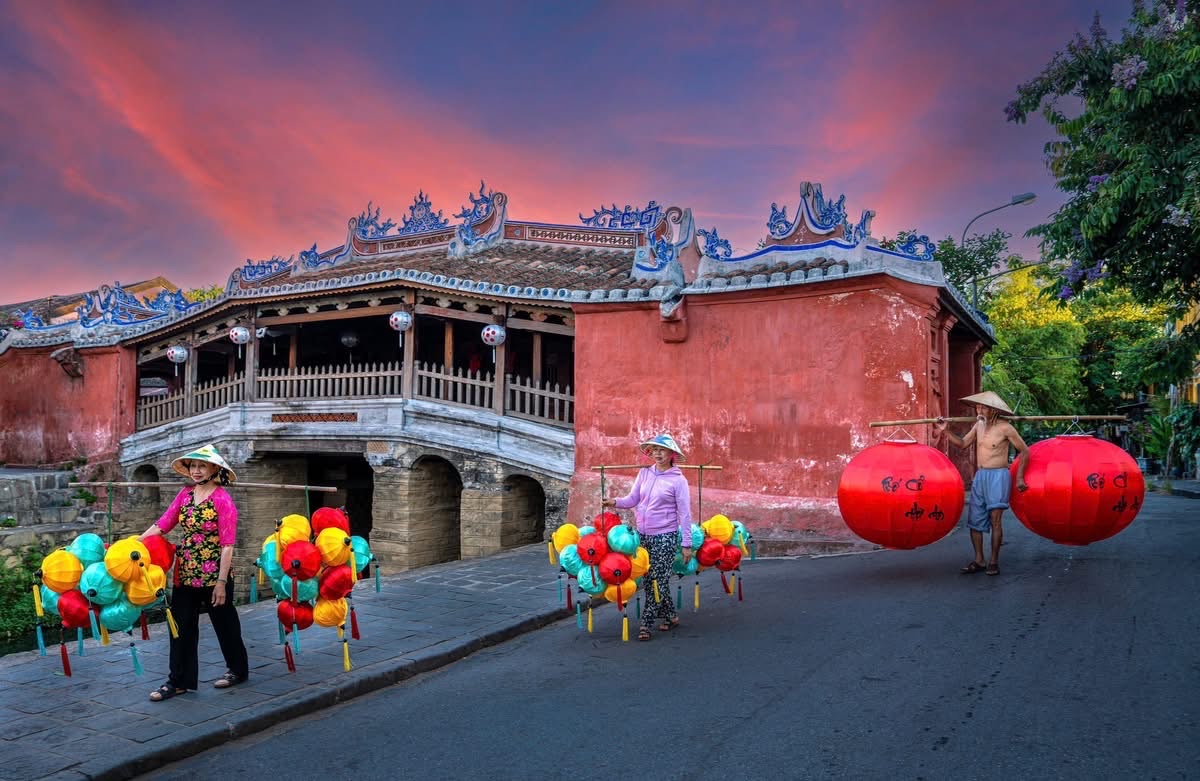
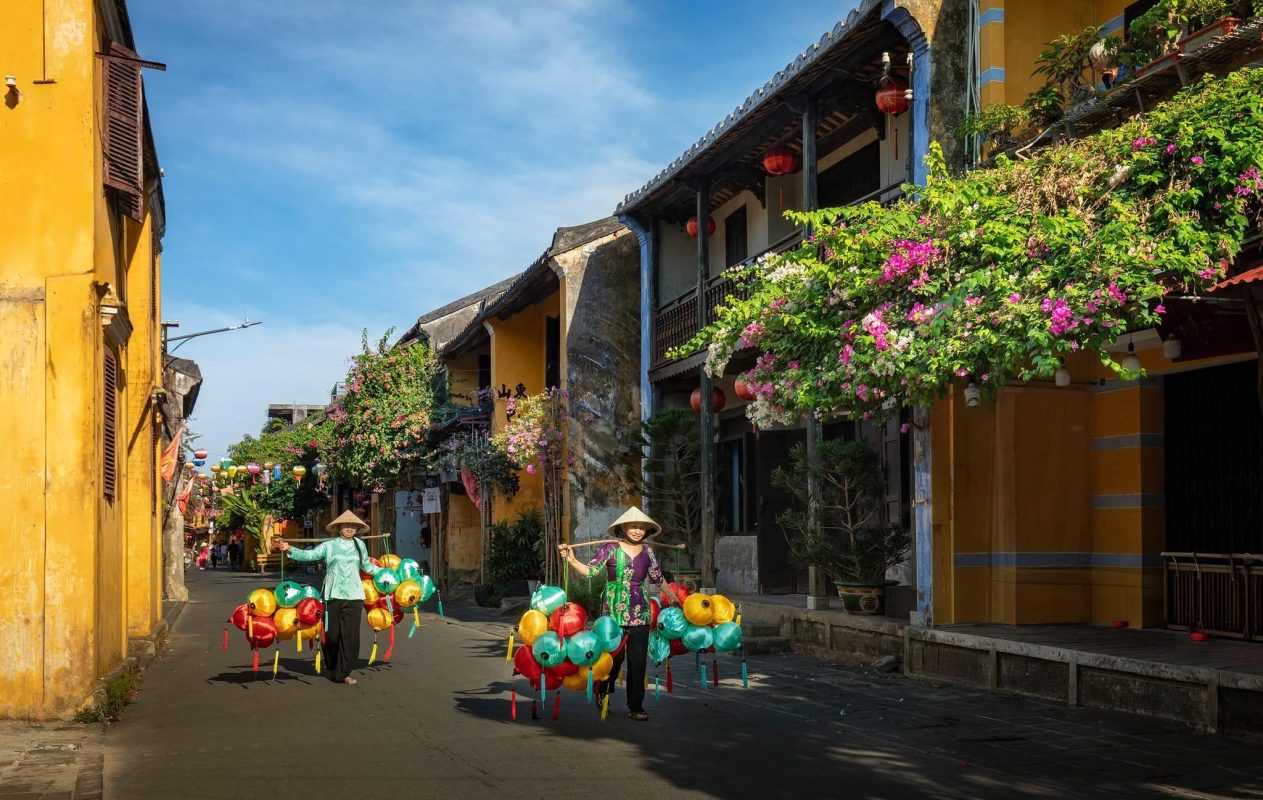
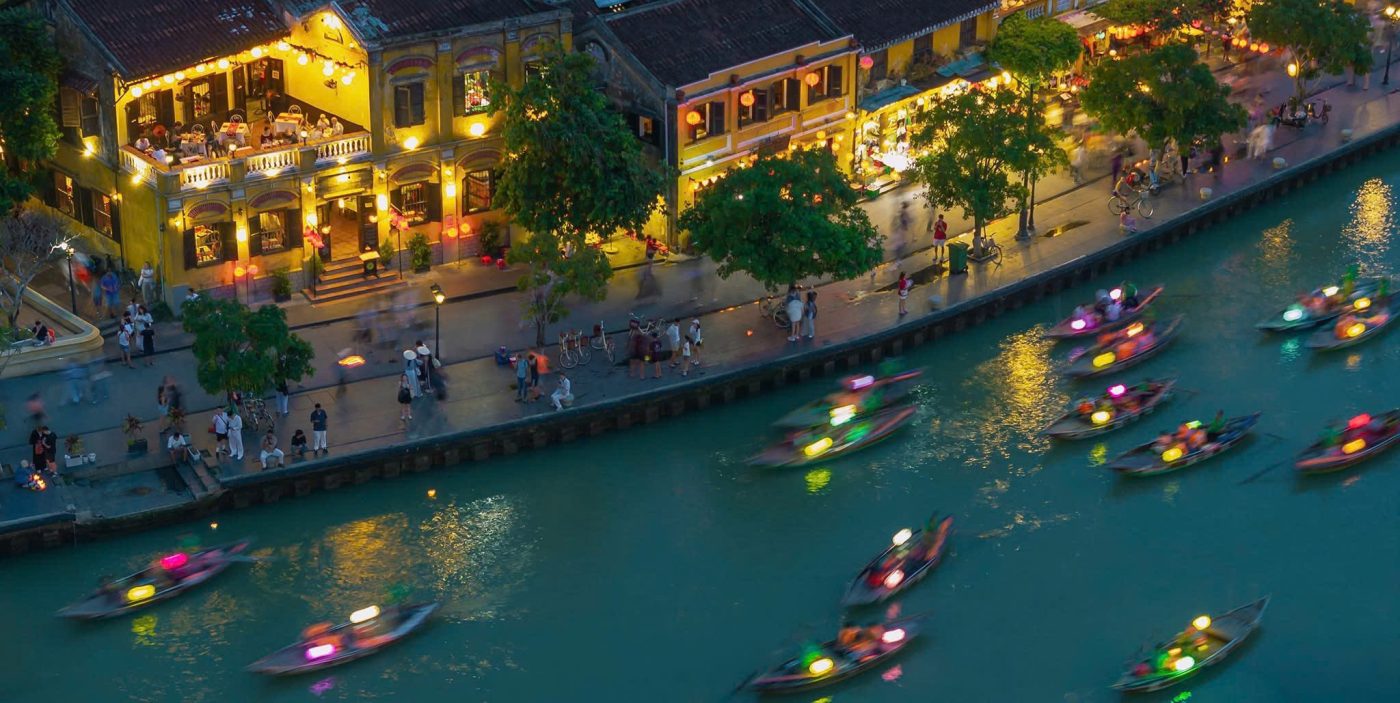
Spend the afternoon exploring Hoi An Ancient Town, including the Japanese Covered Bridge area, riverside streets, historic merchant houses and colorful lanterns.
Day 7: Hoi An
Give Hoi An a full day rather than treating it as a quick overnight stop.
Walk through the Ancient Town in the morning, explore traditional architecture and markets, then continue into the countryside. You can cycle around Cam Thanh, visit agricultural areas, enjoy Vietnamese cooking experiences or relax at An Bang Beach.
Return to the Ancient Town after sunset when the lanterns create one of the most atmospheric scenes in Central Vietnam.
Day 8: Hoi An to Hue via the Hai Van Pass
Travel north from Hoi An toward Hue. Rather than treating the journey simply as transportation, make the route itself part of the experience.
The Hai Van Pass provides spectacular coastal and mountain scenery between Da Nang and Hue. Stop for photographs and continue toward the former imperial capital.
In the afternoon, explore Hue’s riverside areas and enjoy a dinner featuring bun bo Hue, one of Central Vietnam’s best-known dishes.
Day 9: Hue
Spend a full day exploring Hue, including the Imperial City, Thien Mu Pagoda and royal tombs.
Hue is essential for travelers interested in Vietnamese history because its architecture, cuisine and monuments reveal the country’s imperial heritage.
For a more comfortable premium itinerary, use a private car between the major sites rather than trying to cover the royal tombs independently.
Day 10: Hue to Hanoi
Fly from Hue to Hanoi and continue your journey into Northern Vietnam.
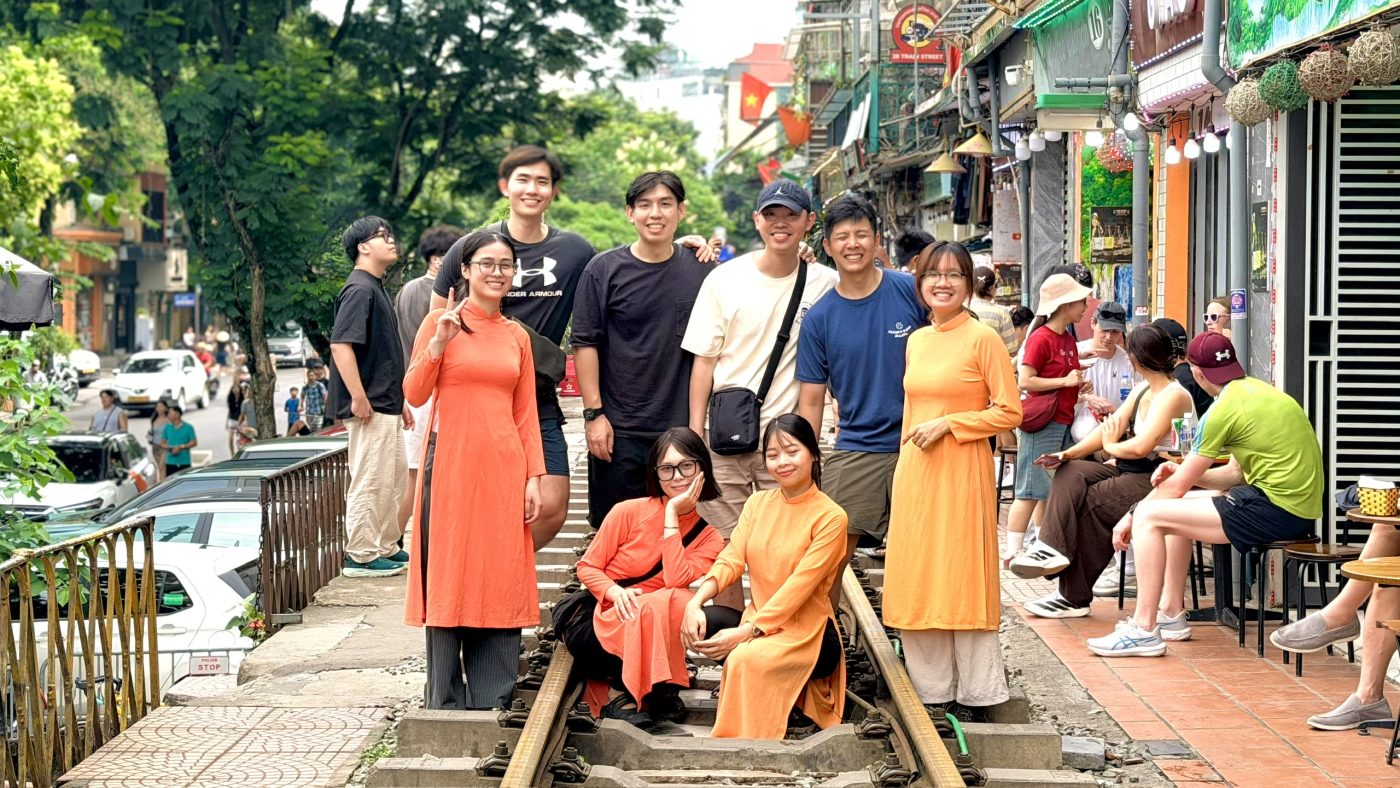
After checking into your hotel, keep the afternoon relatively relaxed. Walk around Hoan Kiem Lake, explore the Old Quarter and stop at one of Hanoi’s famous coffee shops.
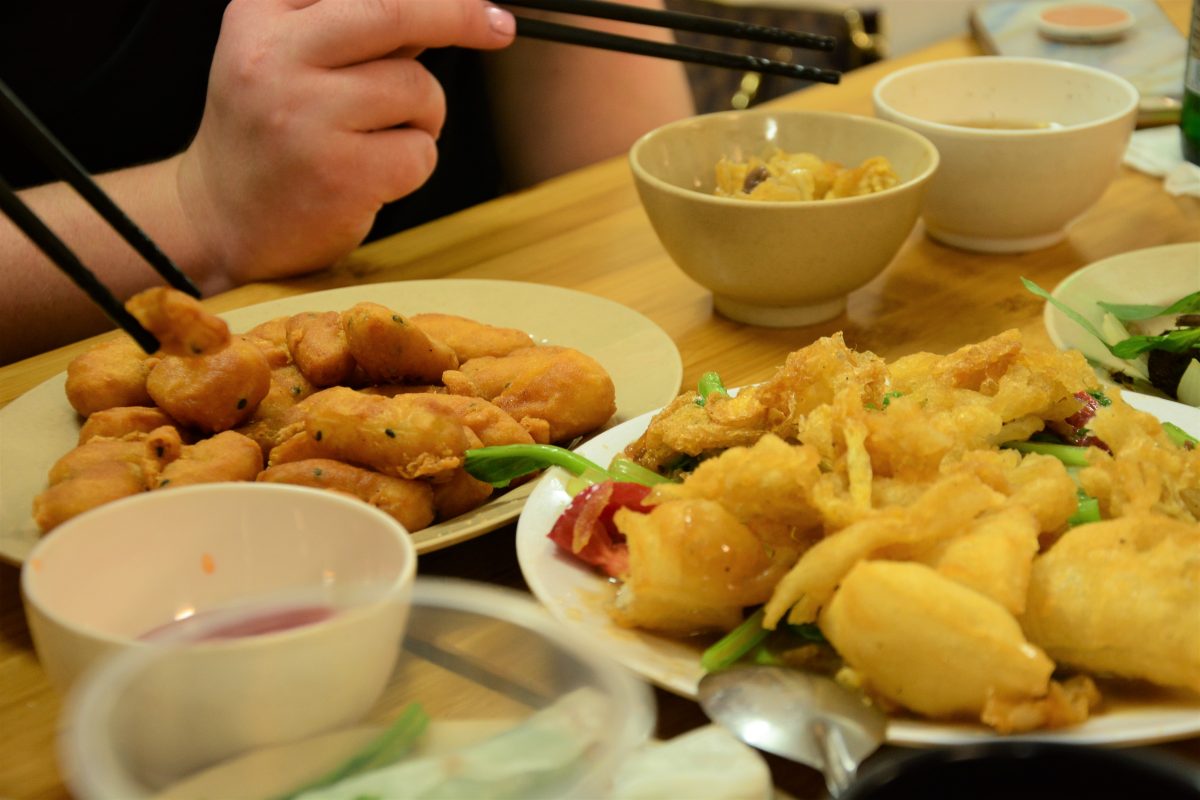
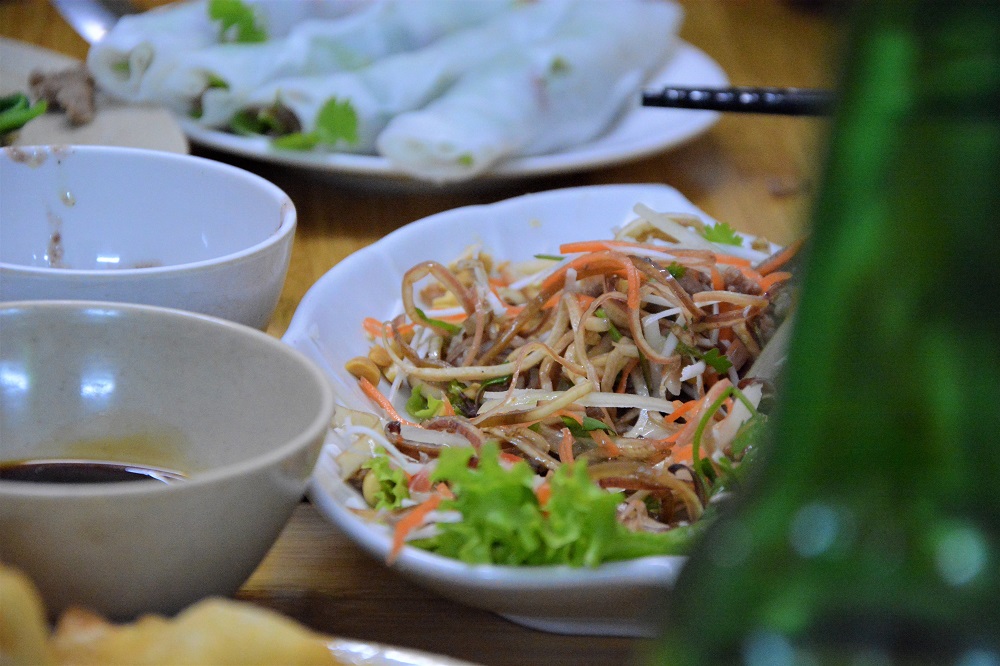
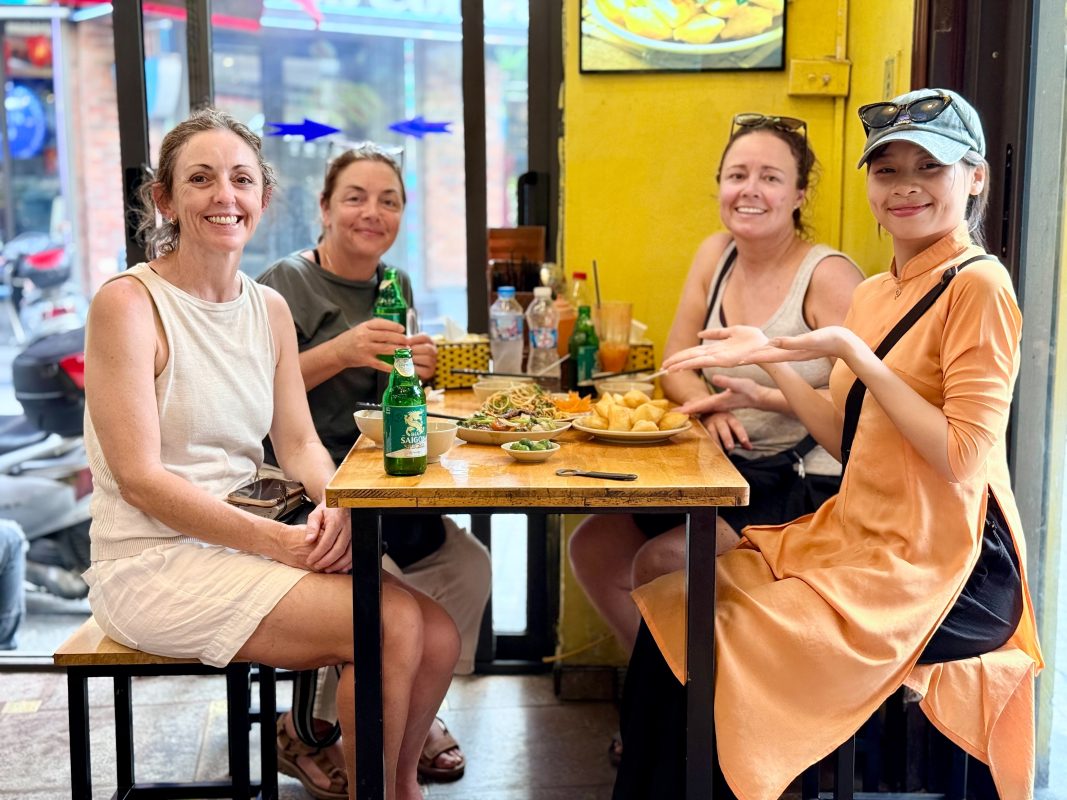
In the evening, join a food tour to experience Northern Vietnamese specialties such as bun cha, pho, banh cuon and egg coffee.
Day 11: Hanoi
Spend a full day discovering the capital.
Visit Ho Chi Minh’s Mausoleum complex, the Presidential Palace area, One Pillar Pagoda and the Temple of Literature, then continue into the Old Quarter. Vietnam Tourism specifically highlights these historical and cultural attractions as core Hanoi experiences.
In the evening, explore the Old Quarter on foot or by motorcycle and discover Hanoi’s street food after dark.
Day 12: Hanoi and Northern Culture
Use Day 12 to explore a different side of Hanoi.
You can visit West Lake, the French Quarter, Vietnam Museum of Ethnology, traditional markets or hidden cafés. Alternatively, spend the day on a private countryside experience outside the city.
If you have additional days, this is where you can insert a northern extension such as Ha Giang or Cao Bang.
Day 13: Hanoi to Ha Long Bay
Travel from Hanoi to Ha Long Bay or Lan Ha Bay and board an overnight cruise.
A one-night cruise provides a dramatic finale to the trip, with limestone islands, emerald water, caves, kayaking opportunities and sunset views.
For a premium itinerary, choose a high-quality cruise with a private balcony and fewer passengers rather than selecting solely on price.
Day 14: Ha Long Bay and Departure
Wake early for the sunrise and enjoy the final morning on the bay before returning to shore.
Depending on your international flight schedule, you can return to Hanoi and depart from Noi Bai International Airport, or spend one final night in Hanoi.
Ending the journey in northern Vietnam works beautifully because Ha Long Bay provides a completely different landscape from the tropical waterways where your trip began.
Best South-to-North Route for 10 Days
If you only have 10 days, simplify the itinerary:
Days 1–2: Ho Chi Minh City
Day 3: Mekong Delta
Day 4: Fly to Da Nang → Hoi An
Day 5: Hoi An
Day 6: Hoi An → Hue
Day 7: Hue → Hanoi
Day 8: Hanoi
Day 9: Ha Long Bay
Day 10: Ha Long Bay → Hanoi → Departure
This is fast-paced, but it covers the country’s major southern, central and northern highlights. Vietnam Tourism’s own 10-day highlights itinerary follows a similar broad structure connecting Hanoi, Ha Long Bay, Central Vietnam, Ho Chi Minh City and the Mekong Delta.
Best South-to-North Route for 21 Days
With three weeks, slow down and add more depth.
Days 1–3: Ho Chi Minh City
Days 4–5: Mekong Delta
Day 6: Fly to Da Nang → Hoi An
Days 7–9: Hoi An and Da Nang
Days 10–11: Hue
Days 12–13: Phong Nha
Days 14–16: Hanoi
Days 17–19: Northern mountain experience
Days 20–21: Ha Long Bay or Lan Ha Bay
This allows you to experience cities, countryside, caves, mountains, beaches, rivers and karst landscapes rather than concentrating only on major cities.
South-to-North Vietnam by Flight
For a comfortable itinerary, domestic flights are the most efficient way to cover long distances.
The most useful flights are:
Ho Chi Minh City → Da Nang
Da Nang → Hanoi or Hue → Hanoi
You do not need to fly between every destination. Use private cars for shorter journeys such as Da Nang → Hoi An and Hoi An → Hue, where the journey itself can be part of the experience.
Vietnam’s long geography makes one-way travel particularly practical.
Should You Travel South to North or North to South?
Both directions work.
South to North is excellent if you want to begin with Ho Chi Minh City’s energy, move through the tropical Mekong Delta and gradually transition toward Central and Northern Vietnam.
North to South is arguably the more traditional first-time route because Hanoi, Ha Long Bay, Hue and Hoi An naturally lead toward Ho Chi Minh City. Both directions are widely used in Vietnam itineraries.
The biggest advantage of South to North is that you can finish in Hanoi, making it particularly convenient if your international flight schedule works better from the capital.
Best Transportation Between Destinations
Ho Chi Minh City → Mekong Delta: Private car is the most convenient for a customized itinerary.
Ho Chi Minh City → Da Nang: Domestic flight.
Da Nang → Hoi An: Private car.
Hoi An → Hue: Private car via Hai Van Pass.
Hue → Hanoi: Domestic flight.
Hanoi → Ha Long Bay: Private car or premium transfer.
For a premium itinerary, prioritize private cars and domestic flights rather than spending long periods on slow ground transportation.
South-to-North Vietnam Without a Train
You do not need to take an overnight train to experience Vietnam’s major destinations.
A comfortable route can use private vehicles for regional journeys and domestic flights for long distances. This is particularly appropriate for travelers who want a premium itinerary with more time at destinations and less time sitting in transit.
A current Vietnam itinerary source notes that the country’s north-south distance makes transportation planning important and that flights can save substantial time compared with long overland journeys.
Best Route for Food Lovers
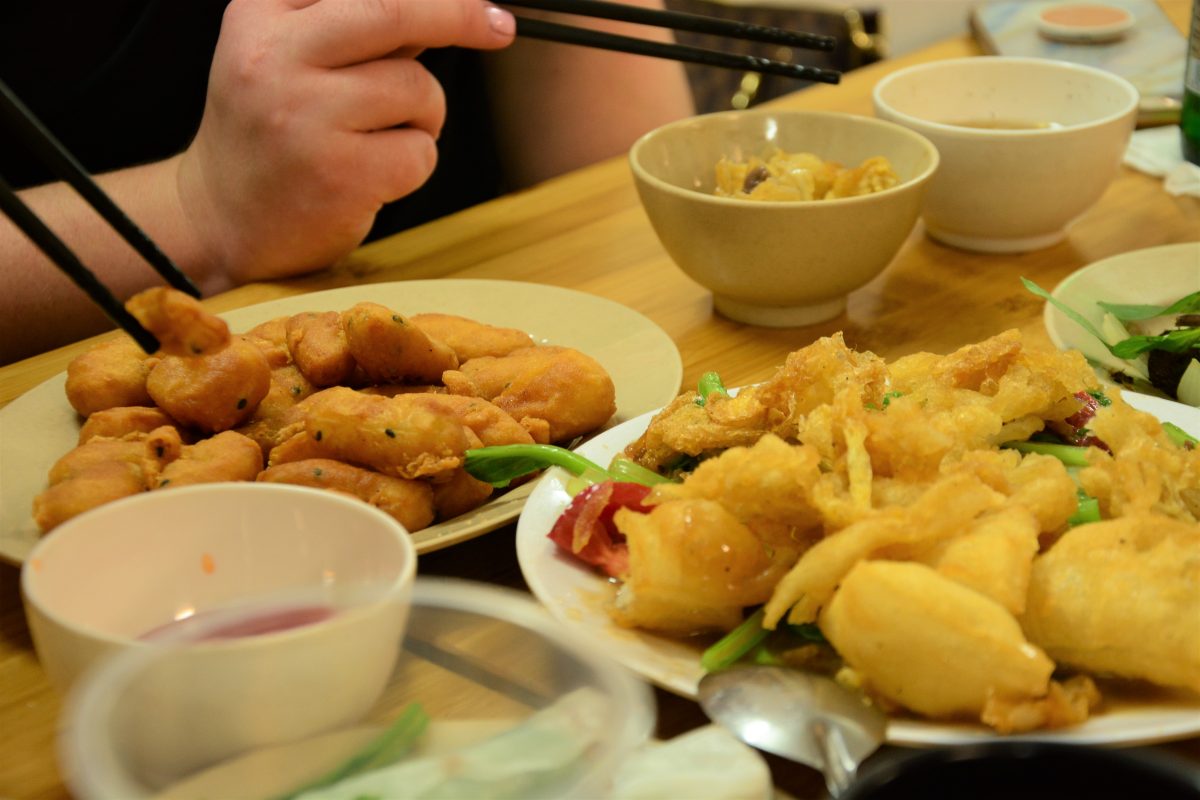
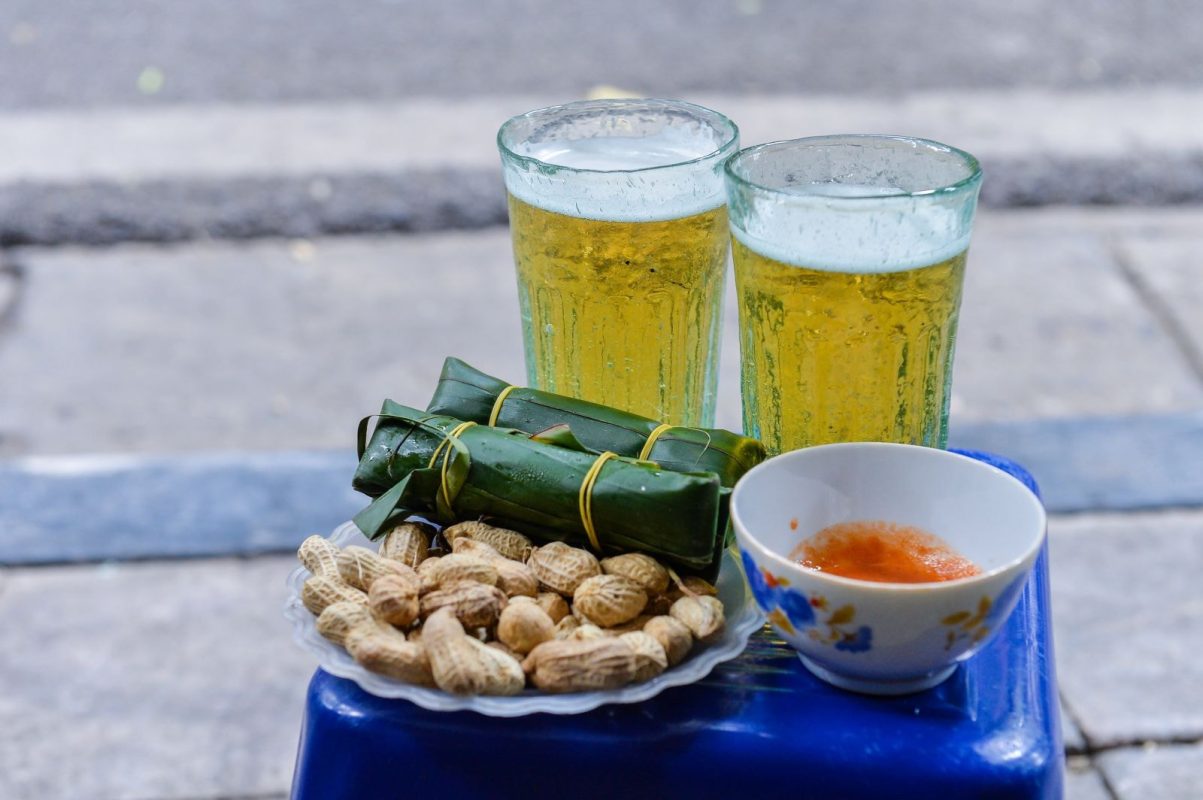
Food should be one of the main reasons to travel South to North.
Ho Chi Minh City: Com tam, hu tieu, banh xeo, oc and Southern street food.
Mekong Delta: Fresh tropical fruit, elephant-ear fish, Southern-style dishes and coconut specialties.
Hoi An: Cao lau, white rose dumplings, banh mi and Central Vietnamese dishes.
Hue: Bun bo Hue, banh beo, banh nam and royal-inspired cuisine.
Hanoi: Pho, bun cha, cha ca, banh cuon and egg coffee.
This progression lets you experience how Vietnamese food changes from South to Central to North.
Best Route for Culture and History
For history lovers, prioritize:
Ho Chi Minh City → Hue → Hoi An → Hanoi
Ho Chi Minh City provides insight into modern Vietnamese history, Hue represents the imperial period, Hoi An reveals centuries of international trade and Hanoi provides a deep connection with Northern Vietnamese history and national culture.
The combination gives you a much broader understanding of Vietnam than visiting only one region.
Best Route for Nature
For landscapes, build the itinerary around:
Mekong Delta → Hoi An countryside → Hai Van Pass → Northern Vietnam → Ha Long Bay
The scenery changes dramatically throughout the journey, from tropical waterways and coconut palms to central mountains and finally the limestone islands of northern Vietnam.
Vietnam Tourism describes the country’s north, center and south as offering markedly different landscapes, including northern mountains and bays, central beaches and rivers, and the Mekong Delta’s waterways and mangrove environments.
Best Route for Couples
Couples can make the journey more romantic by choosing private experiences rather than trying to maximize the number of attractions.
Start with a rooftop dinner in Ho Chi Minh City, spend a peaceful night in the Mekong Delta, enjoy lantern-lit Hoi An, take a private scenic drive across the Hai Van Pass, explore Hanoi’s Old Quarter and finish with a luxury cruise in Ha Long Bay.
The result feels more like a complete journey than a collection of separate city breaks.
Best Route for Families
Families should avoid changing hotels every night. A better structure is:
3 nights Ho Chi Minh City → 1–2 nights Mekong Delta → 3 nights Hoi An → 2 nights Hue → 3 nights Hanoi → 1–2 nights Ha Long Bay.
Private transportation is particularly useful because families can stop when needed and avoid navigating unfamiliar transportation systems with children.
Best Route for First-Time Visitors
For a first trip, I recommend:
Ho Chi Minh City → Mekong Delta → Hoi An → Hue → Hanoi → Ha Long Bay
This route provides a balanced introduction to Vietnamese food, modern cities, rivers, beaches, imperial history, traditional architecture and dramatic landscapes.
You do not need to visit every famous destination. Trying to add too many places can turn an exciting journey into a constant cycle of packing and checking into hotels.
What to Skip If You Have Limited Time
If you have only 10–14 days, resist adding too many distant destinations.
You can skip Phu Quoc if your main goal is cultural sightseeing. You can skip Can Tho if Ben Tre already gives you enough Mekong Delta experience. You can skip northern mountain destinations if Ha Long Bay is a priority.
The best South-to-North route is not the one with the most destinations. It is the one with the best balance between travel time and meaningful experiences.
Best Time for a South-to-North Vietnam Trip
Because Vietnam stretches across several climate zones, there is no single month that guarantees perfect weather everywhere.
A South-to-North journey can encounter different conditions in each region. Southern Vietnam generally has a tropical climate, Central Vietnam has its own rainfall patterns, and Northern Vietnam experiences more pronounced seasonal variation.
This is why flexibility matters when planning a long country-wide route.
Current itinerary guidance also emphasizes that weather varies significantly by region and that travelers should consider regional climate rather than choosing dates based on one nationwide season.
How Much Does a South-to-North Vietnam Trip Cost?
Your budget depends heavily on accommodation, transportation and whether you use group or private tours.
Budget travelers can use simple hotels, street food and shared transportation.
Mid-range travelers can choose comfortable 3–4-star hotels, private transfers for selected routes and a mixture of group and private experiences.
Luxury travelers can use 4–5-star hotels, domestic flights, private cars, premium cruises, private guides and carefully selected restaurants.
For a premium itinerary, the biggest investment is usually transportation and accommodation rather than food.
Is South to North Vietnam Worth It?
Absolutely. A South-to-North journey is one of the best ways to understand how geographically and culturally diverse Vietnam really is.
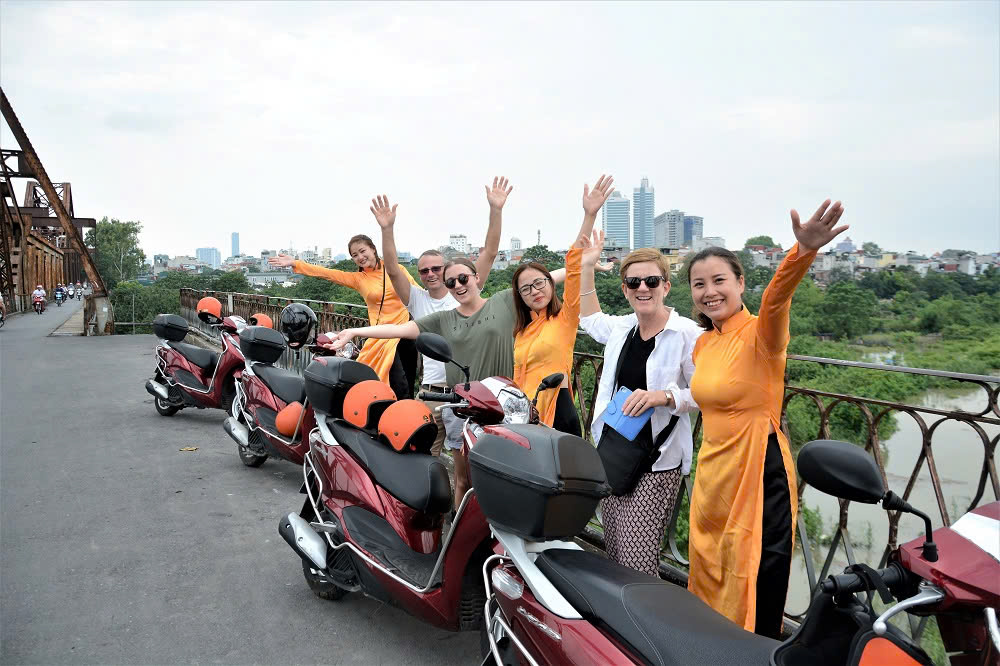
You begin with the motorbike-filled streets of Ho Chi Minh City, move into the river landscapes of the Mekong Delta, discover the lanterns of Hoi An, explore the imperial heritage of Hue, experience the historic streets of Hanoi, and finish among the limestone islands of Ha Long Bay.
The route covers the country’s three major cultural regions without requiring you to return repeatedly to the same airport.
Vietnam South to North: Ultimate Route Summary
Days 1–3: Ho Chi Minh City
Days 4–5: Mekong Delta
Day 6: Fly to Da Nang → Hoi An
Days 7–8: Hoi An
Day 9: Hoi An → Hue via Hai Van Pass
Day 10: Hue
Day 11: Fly to Hanoi
Days 12–13: Hanoi
Day 14: Ha Long Bay / Lan Ha Bay
Day 15: Return to Hanoi and depart
For travelers with 14 days, this is a strong balance between sightseeing and transportation. For travelers with 18–21 days, add Phong Nha, additional Mekong Delta time or Northern Vietnam rather than simply squeezing more destinations into the existing schedule.
Final Thoughts
The ultimate Vietnam South-to-North route is not about checking every destination off a map. It is about experiencing the country as it changes from region to region.
Start in Ho Chi Minh City for modern Southern Vietnam, continue into the Mekong Delta, fly to Central Vietnam for Hoi An and Hue, then finish in Hanoi and Ha Long Bay. This route combines cities, food, history, countryside, rivers, beaches and spectacular natural scenery in one continuous journey.
For most travelers, 14–16 days is the ideal timeframe. If you have only 10 days, simplify the route. If you have three weeks, slow down and add deeper regional experiences.
Most importantly, do not try to see all of Vietnam in a rush. Vietnam’s greatest experiences often happen between the major attractions—in a tiny restaurant, a countryside road, a market, a coffee shop or a conversation with your guide. Current itinerary recommendations similarly emphasize choosing a logical direction and avoiding excessive backtracking across the country’s long geography.
Vietnam Women Travel – Premium Private Tours Led by Women
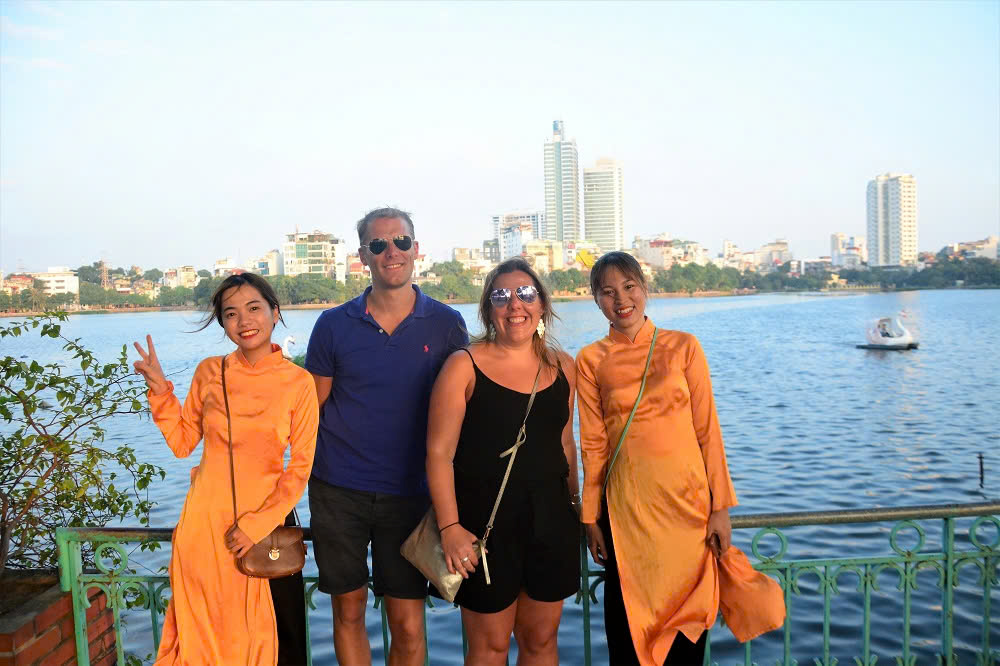
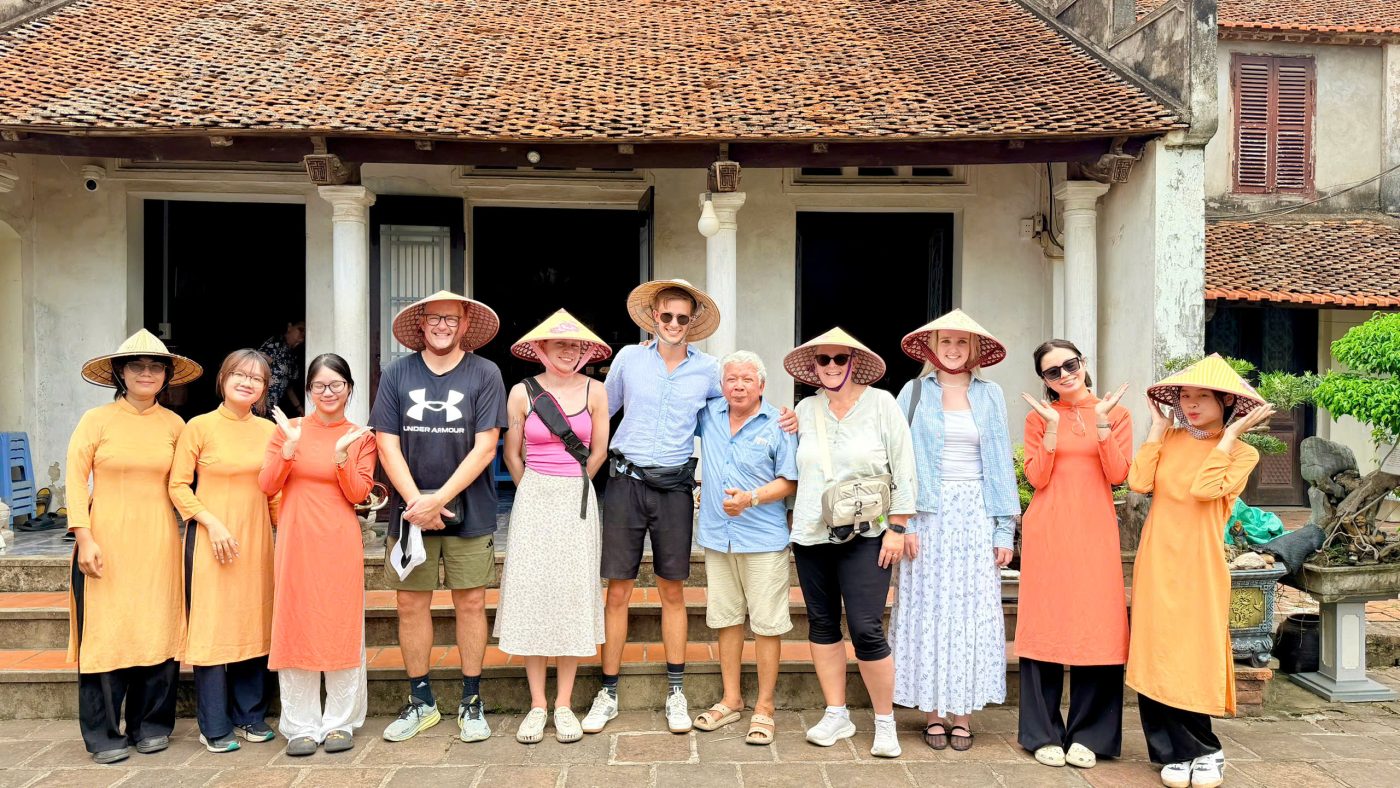
Vietnam Women Travel – Premium Private Tours Led by Women can design a complete South-to-North Vietnam journey beginning in Ho Chi Minh City and ending in Hanoi. The itinerary can combine private transportation, domestic flights, 4–5-star hotels, premium cruises, carefully selected restaurants and private cultural experiences led by women.
A premium route can include Ho Chi Minh City, the Mekong Delta, Hoi An, Hue, Hanoi and Ha Long Bay, with enough time in each destination to enjoy the experience without constantly rushing to the next hotel. For travelers seeking a deeper journey, additional time can be added in Central or Northern Vietnam while maintaining a comfortable pace.