Is Vietnam Safe for Tourists in 2026?
Yes — Vietnam is generally a safe country for tourists in 2026. The U.S. Department of State currently rates Vietnam Level 1: Exercise Normal Precautions, and Australia’s Smartraveller also advises travelers to exercise normal safety precautions. Both advisories recognize Vietnam as generally safe while warning travelers about more common issues such as petty theft, traffic, scams and severe weather.
For most visitors, the biggest risks in Vietnam are not violent crime or political instability. They are much more ordinary travel problems: motorcycles in busy streets, bag snatching, pickpocketing, taxi scams, overcharging, unsafe driving, extreme weather and occasional food or drink-related problems.
That means Vietnam is a very good destination for solo travelers, couples, families and first-time visitors, provided you use normal precautions and choose reputable transportation and tour operators.
Is Vietnam Safe to Visit in 2026?
Yes.
Vietnam currently has a Level 1 travel advisory from the United States, meaning travelers are advised to exercise normal precautions. The advisory specifically says Vietnam is generally safe for travelers and notes that violent crime against foreigners is rare.
Australia’s Smartraveller similarly recommends normal safety precautions rather than a heightened level of caution.
For tourists, this means you can comfortably visit major destinations such as:
- Hanoi
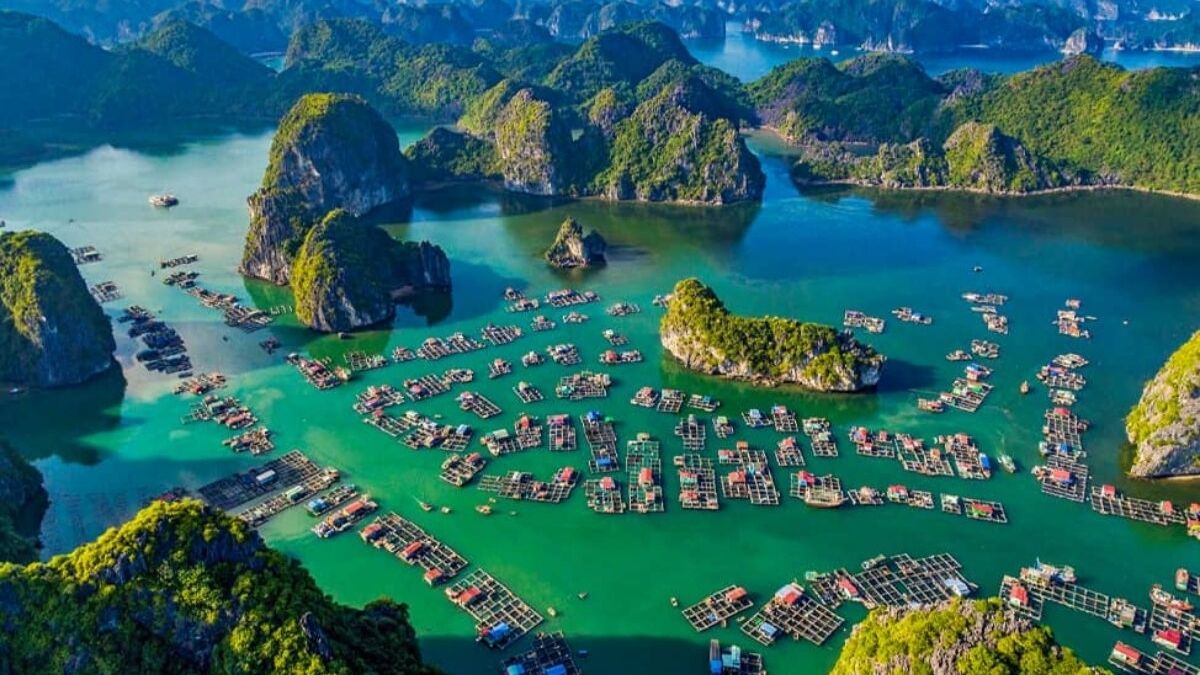
- Ha Long Bay
- Ha Giang
- Sapa
- Hoi An
- Da Nang
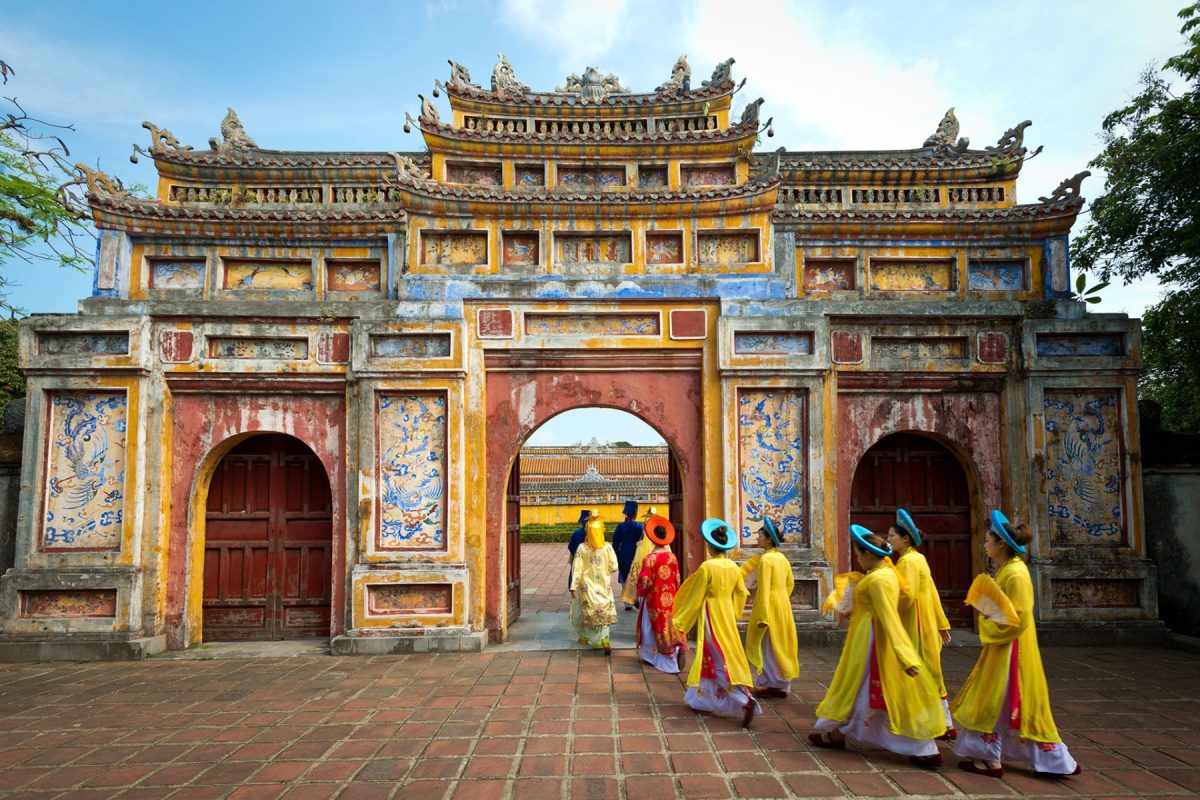
- Hue
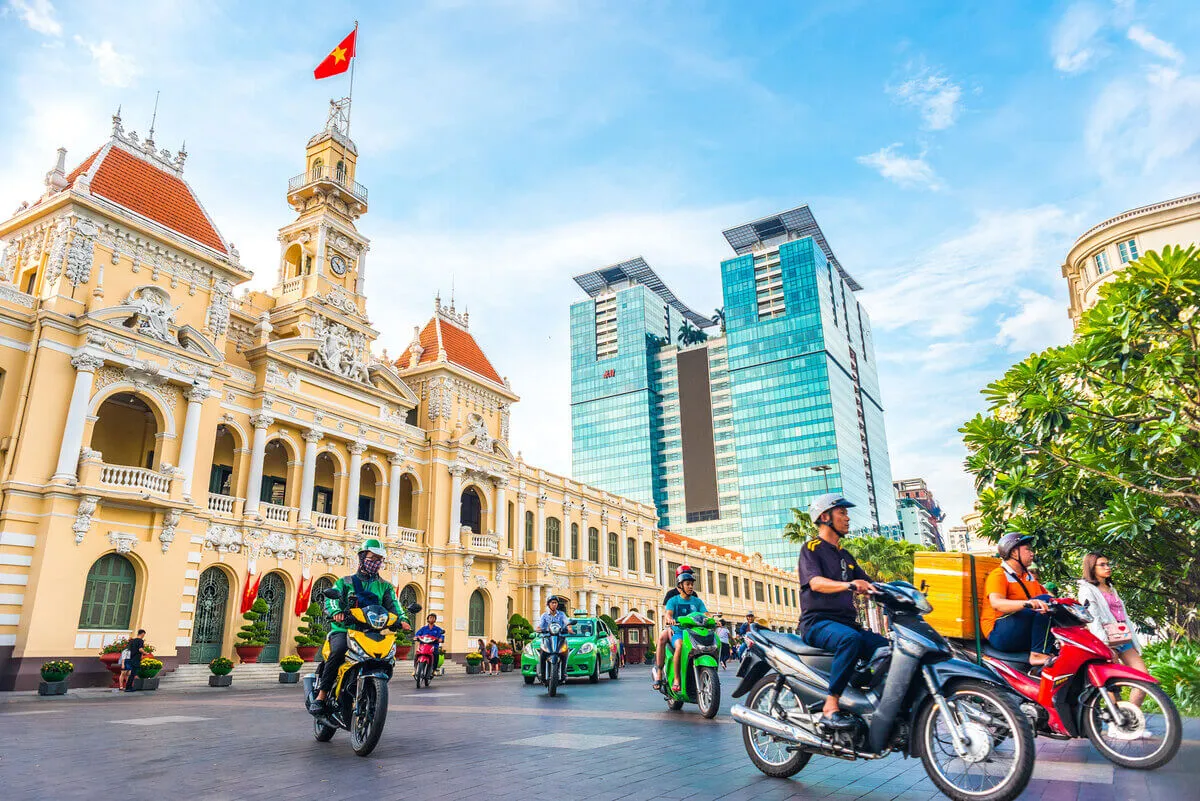
- Ho Chi Minh City
- Mekong Delta
- Phu Quoc
- Nha Trang
- Quy Nhon
The important point is that “safe” does not mean risk-free. Vietnam is a busy, densely populated country, and visitors need to pay attention to their belongings and surroundings.
Is Vietnam Safe for First-Time Travelers?
Yes.
Vietnam can feel overwhelming during your first few hours because of the traffic, motorcycles, unfamiliar street layouts and language.
But once you understand how the cities work, most travelers find Vietnam straightforward to navigate.
The most important things for first-time visitors are:
Watch your belongings.
Be careful around traffic.
Use reputable transportation.
Avoid accepting unsolicited services.
Keep copies of your passport.
Follow weather warnings.
You do not need to be constantly worried.
Is Vietnam Safe for American Tourists?
Yes.
The current U.S. State Department advisory places Vietnam at Level 1: Exercise Normal Precautions. The same advisory says violent crime against foreigners is rare, while petty theft is more common in crowded tourist areas.
American visitors should pay particular attention to:
- Phone and bag security
- Motorbike traffic
- Taxi and transportation scams
- Passport security
- Weather disruptions
- Local laws
Is Vietnam Safe for British Tourists?
Yes.
British travelers generally visit Vietnam safely, but the UK’s travel guidance warns that petty crime and pickpocketing occur regularly, particularly in crowded tourist areas. Bag-snatching is also a known problem.
A simple rule is:
Don’t walk beside the road holding your phone loosely in your hand.
Motorbike-based bag snatching can happen quickly.
Is Vietnam Safe for Australian Tourists?
Yes.
Australia’s current Smartraveller advice rates Vietnam at “Exercise normal safety precautions.”
Australian travelers should be especially aware that Vietnam requires a valid Vietnamese driver’s licence to drive or ride motorcycles, including motorcycles of 50cc or more.
This is important for visitors considering renting a scooter themselves.
Is Vietnam Safe for Solo Travelers?
Yes, Vietnam is one of the more accessible destinations in Southeast Asia for solo travelers.
Hanoi, Hoi An, Da Nang and Ho Chi Minh City have extensive tourism infrastructure, hotels at many price levels and plenty of activities that can be joined individually.
However, solo travelers should take extra care at night, especially when:
- Carrying expensive cameras
- Using their phone near busy roads
- Walking through crowded areas
- Drinking heavily
- Using unfamiliar transportation
- Exploring isolated areas alone
The risk is usually not serious violence. Petty theft and opportunistic crime are the bigger concerns.
Is Vietnam Safe for Female Travelers?
Yes.
Many women travel independently throughout Vietnam, including solo travelers.
The main precautions are the same as in many major Asian cities:
- Keep valuables secure.
- Use reputable transportation.
- Avoid accepting drinks from strangers.
- Be cautious when drinking alcohol.
- Stay in reputable accommodation.
- Use extra care when traveling alone late at night.
Australia’s travel guidance notes that sexual assault and harassment do occur and advises travelers to be alert, particularly around nightlife and situations involving drink spiking.
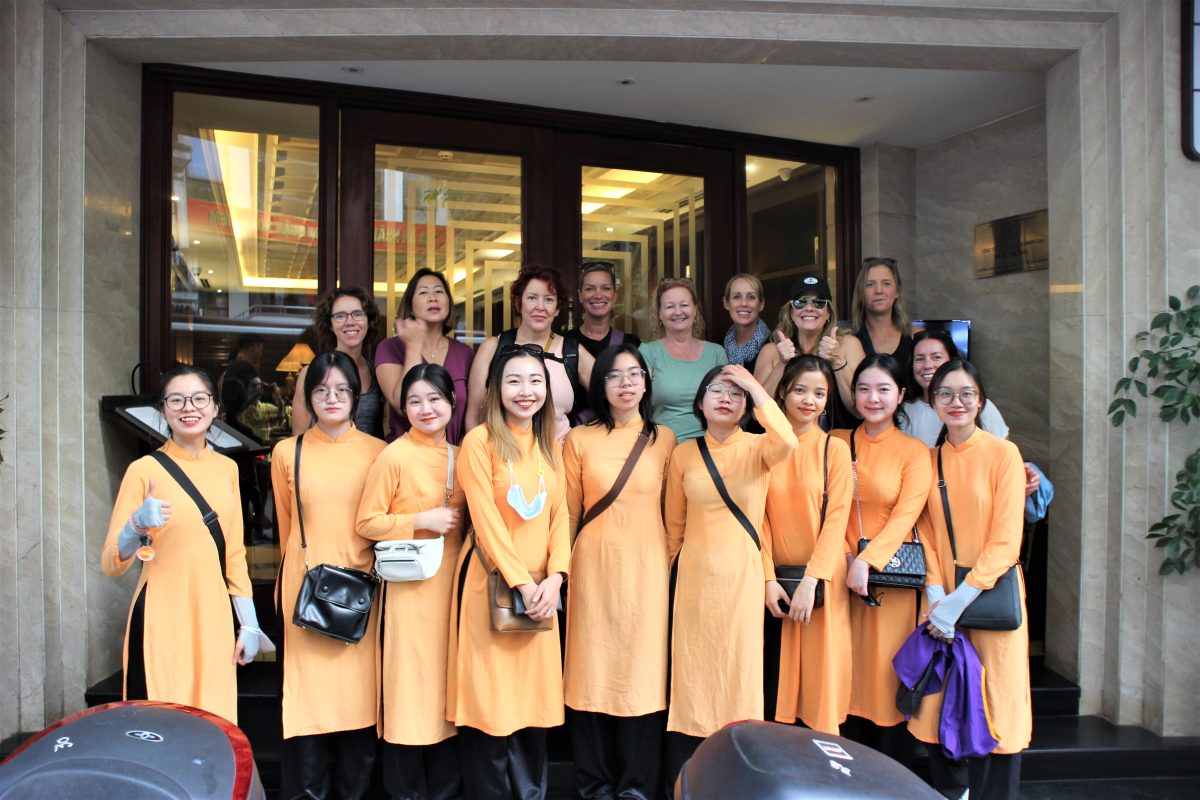
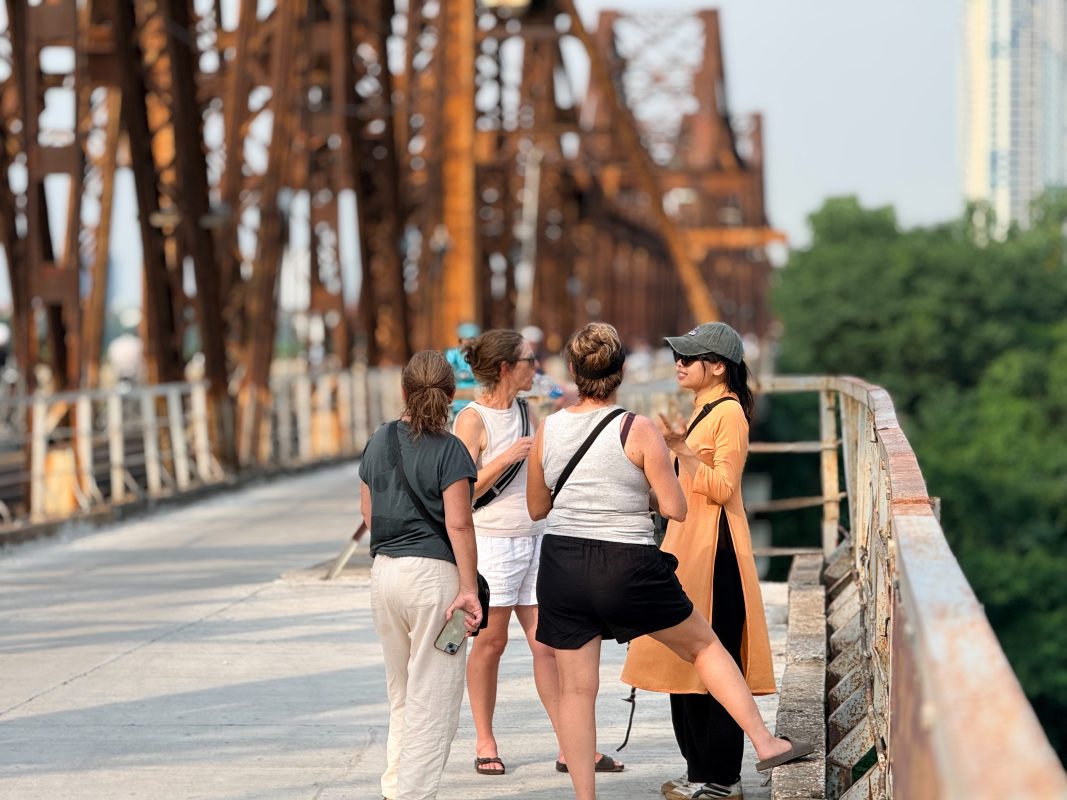
For women traveling alone, a private tour with a professional female guide can also make navigating unfamiliar destinations much easier.
Is Vietnam Safe for Families With Children?
Yes.
Vietnam can be an excellent family destination.
Families commonly enjoy:
- Hanoi
- Hoi An
- Da Nang
- Ha Long Bay
- Phu Quoc
- Ho Chi Minh City
- Mekong Delta
The biggest family safety issue is usually traffic, rather than crime.
When crossing roads, keep children close and cross together at a steady pace. Avoid letting young children walk independently beside busy streets.
For longer journeys, private cars are often more comfortable for families than complicated public transportation.
Is Vietnam Safe at Night?
Generally, yes.
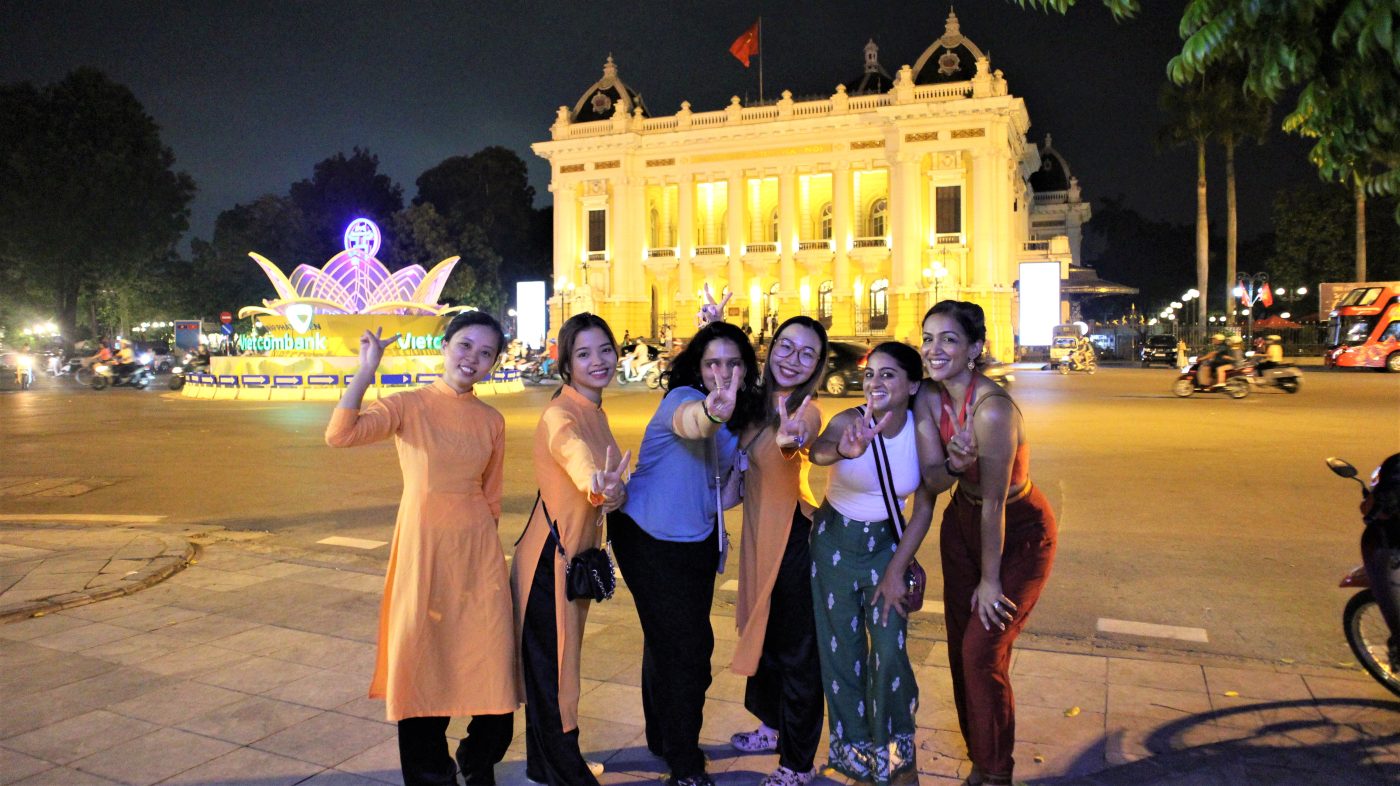
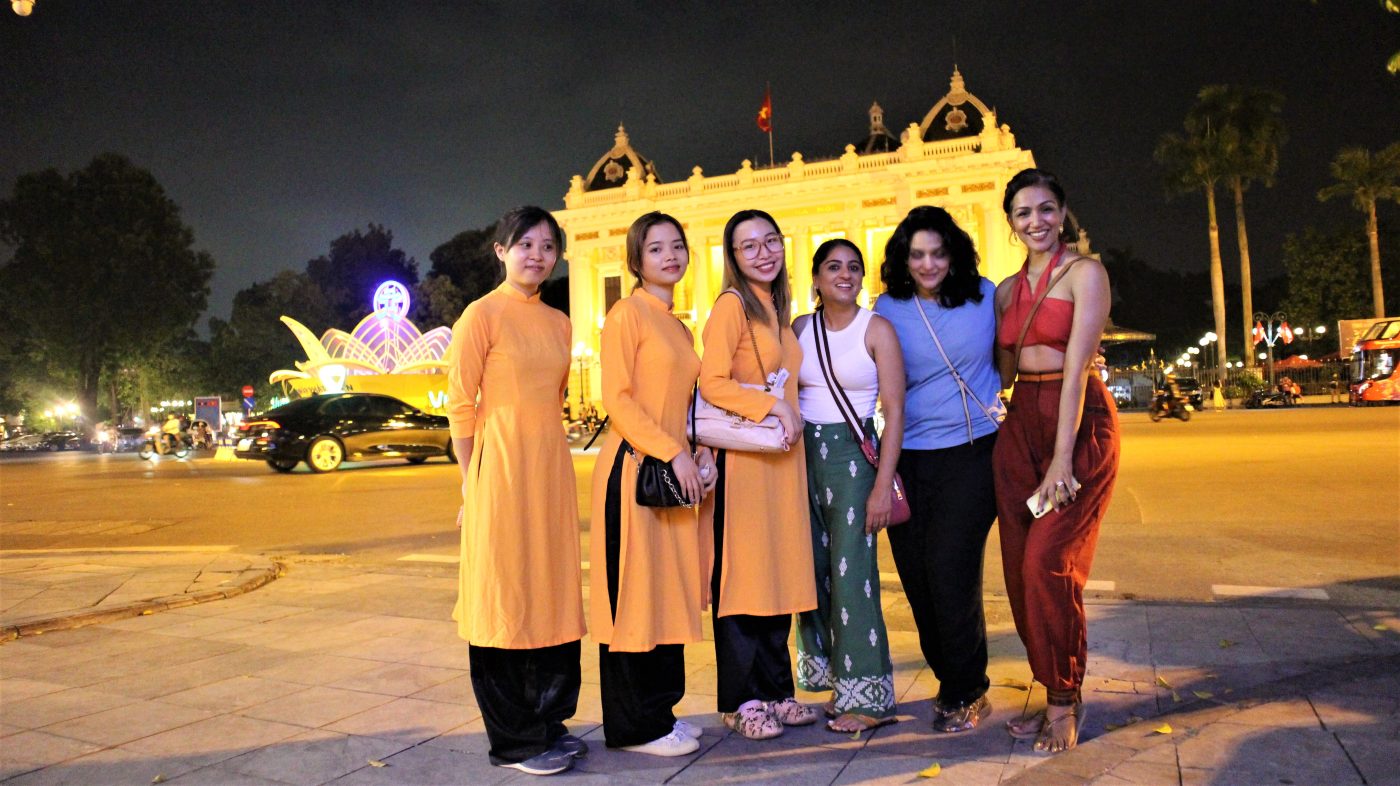
Major tourist areas in Hanoi, Hoi An, Da Nang and Ho Chi Minh City remain busy after dark.
Popular nighttime areas include:
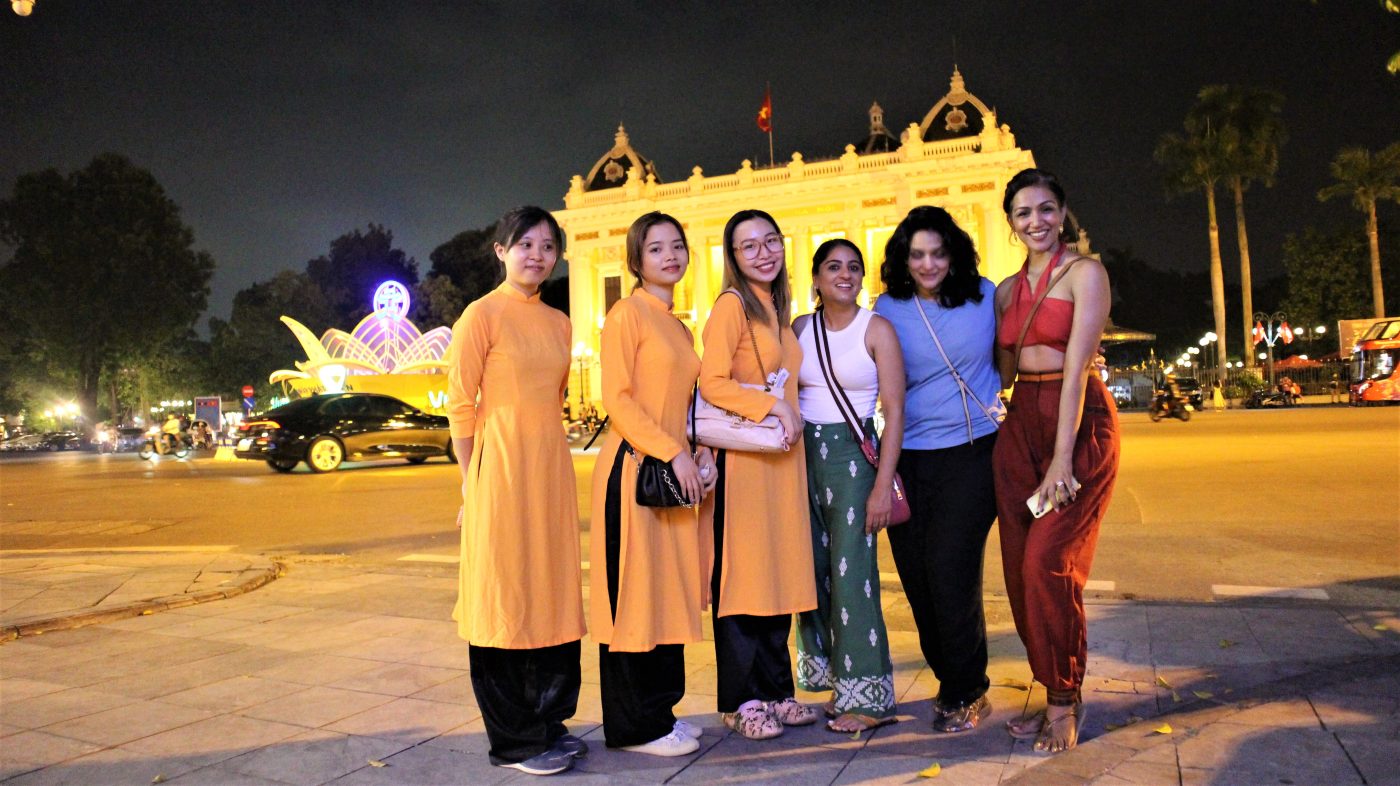
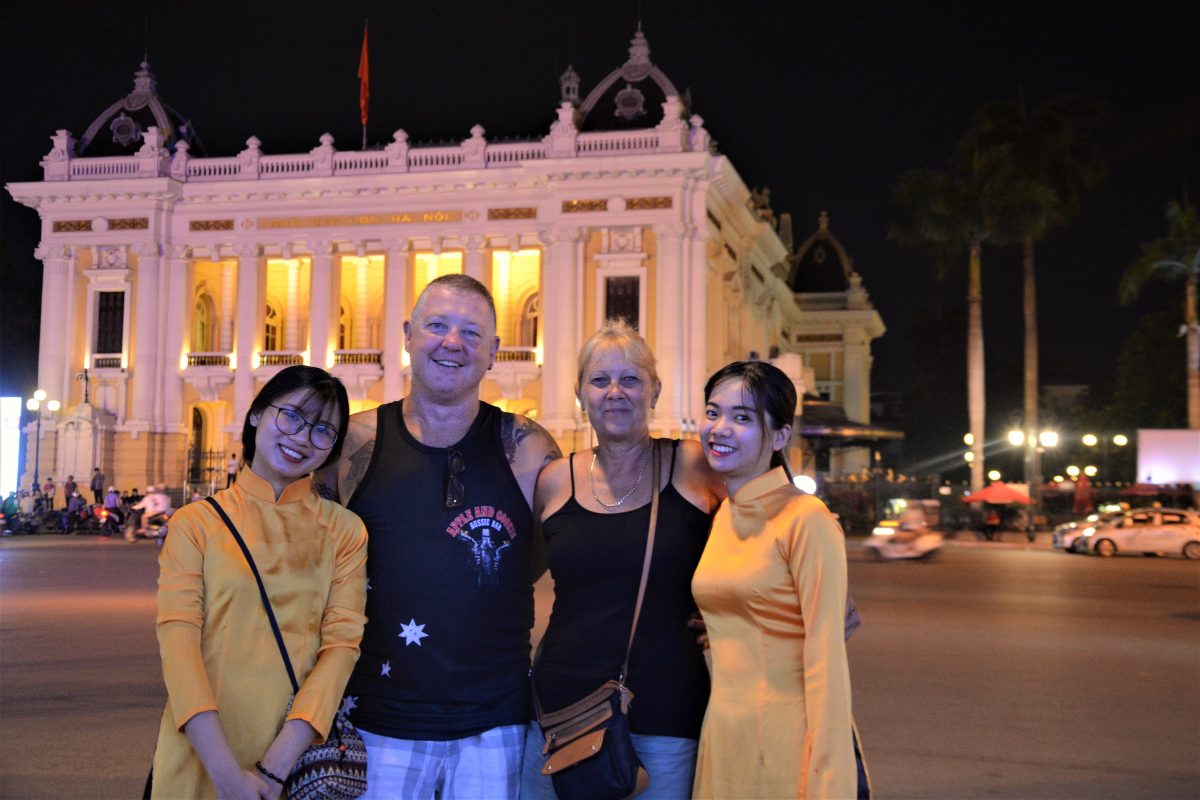
Hanoi: Old Quarter, Hoan Kiem Lake, Ta Hien area
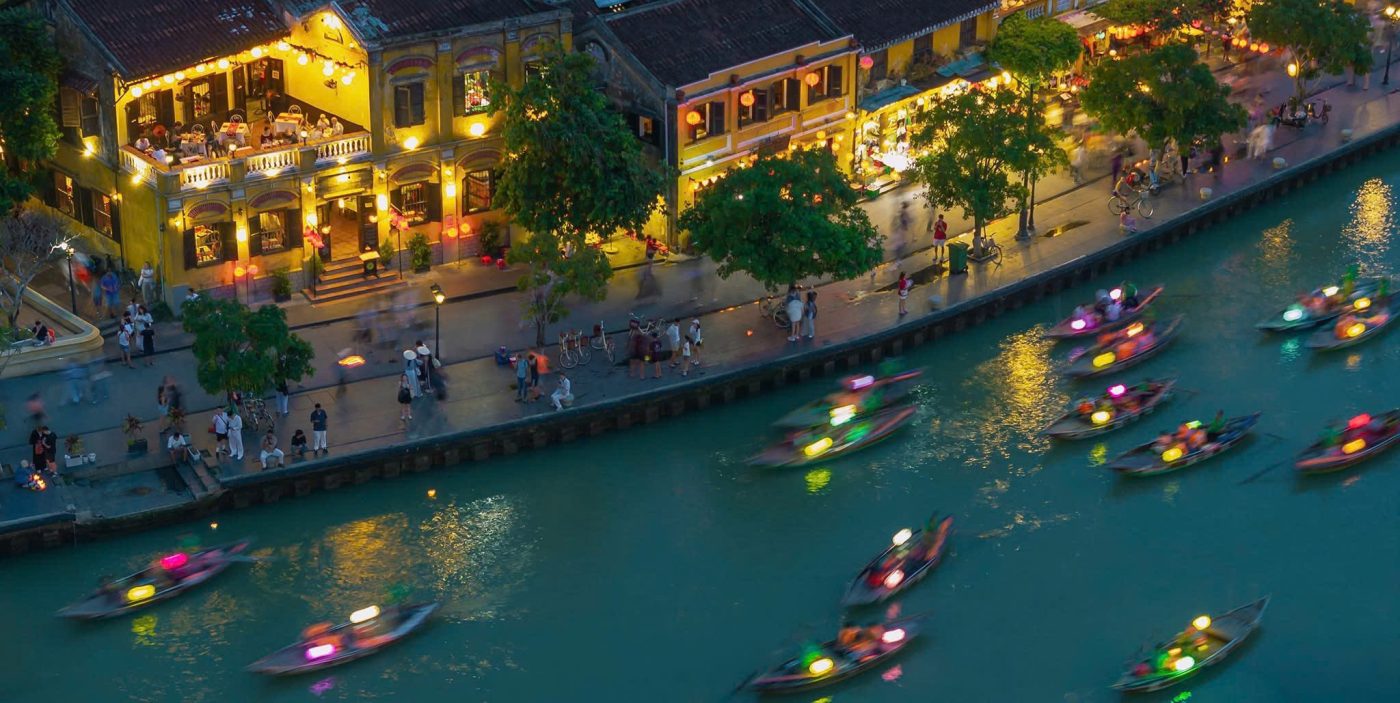
Hoi An: Ancient Town and riverside
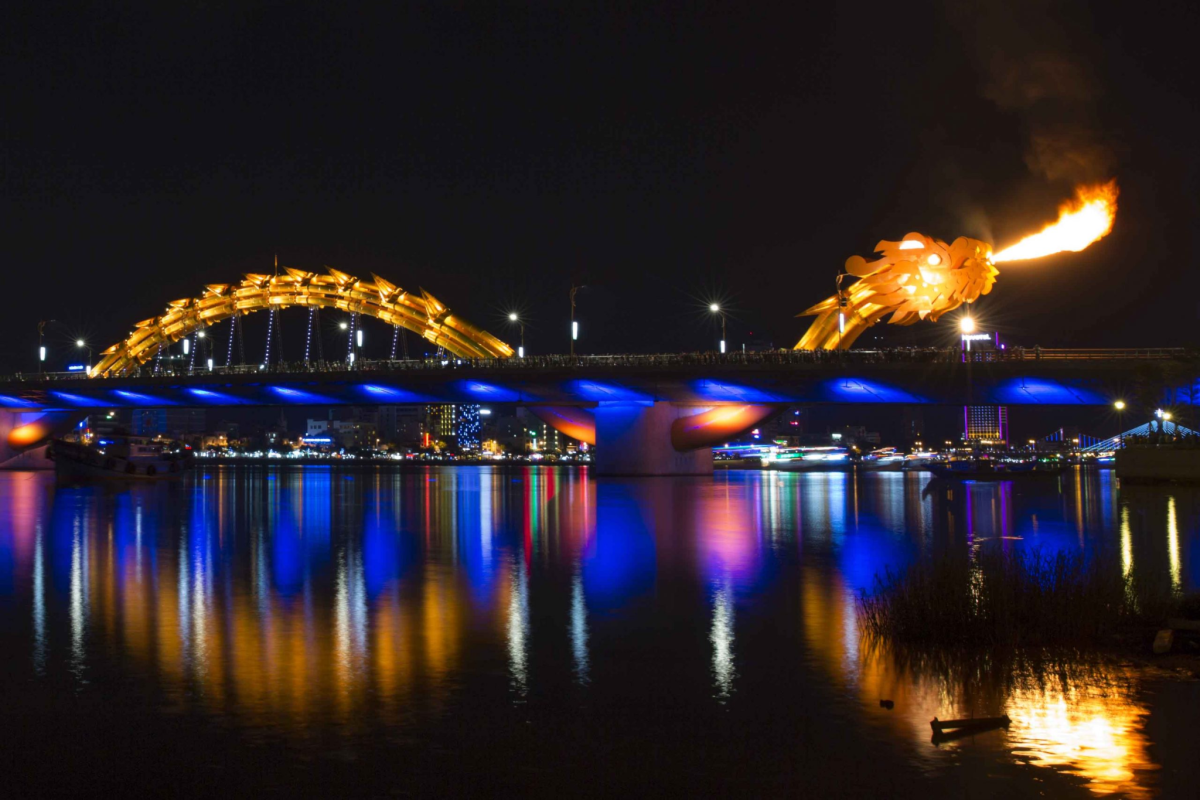
Da Nang: Han River, Dragon Bridge and beach areas
Ho Chi Minh City: Nguyen Hue, District 1, District 3 and selected nightlife areas
The main nighttime risks are theft, scams, alcohol-related incidents and traffic.
Australia’s travel guidance specifically notes petty crime and bag snatching in tourist and crowded areas.
Is Hanoi Safe?
Yes.
Hanoi is generally safe for tourists and is one of Vietnam’s most popular destinations.
The Old Quarter can be extremely crowded, particularly around Hoan Kiem Lake and the weekend pedestrian areas.
The biggest things to watch for are:
- Pickpocketing
- Bag snatching
- Traffic
- Tourist scams
- Overcharging
Keep your phone away from the road when walking along busy streets.
Is Ho Chi Minh City Safe?
Yes, but it requires more urban awareness.
Ho Chi Minh City is enormous and extremely busy. District 1, District 3 and other central areas remain active late into the evening.
The most common concerns for visitors are:
Phone snatching
Bag snatching
Pickpocketing
Taxi scams
Traffic accidents
The U.S. State Department specifically warns that petty crime is more common in crowded tourist locations.
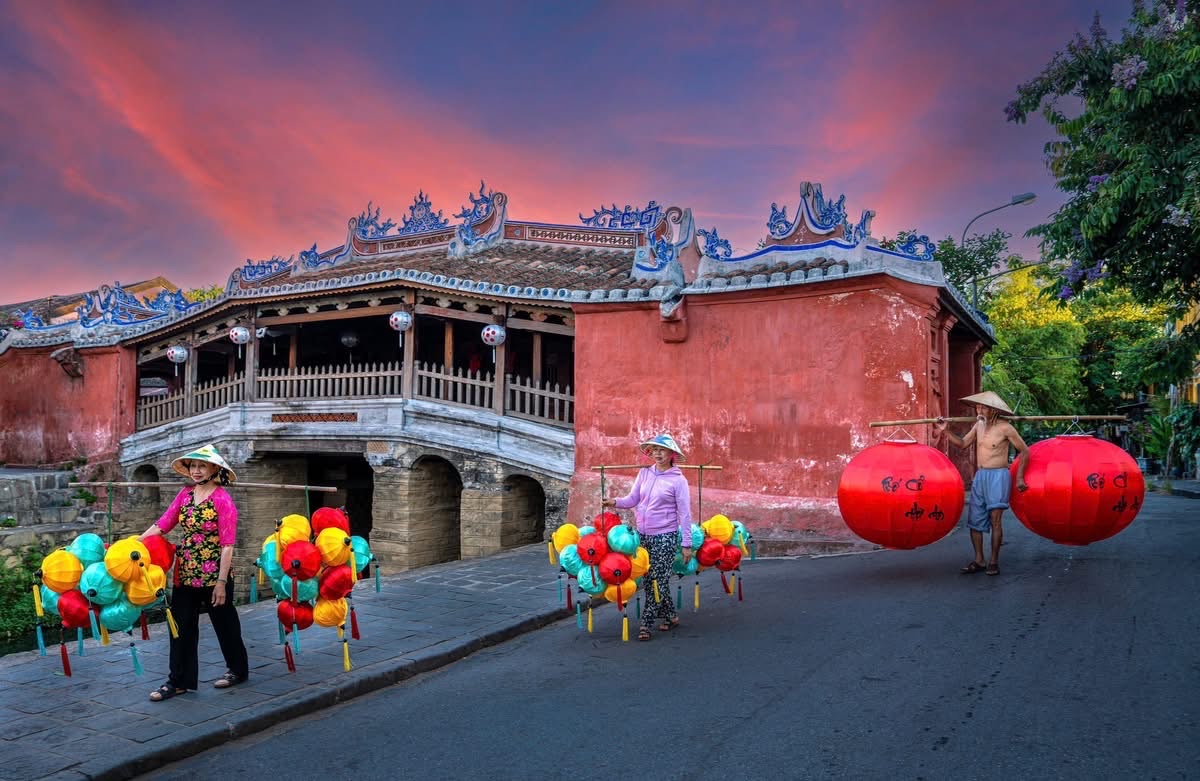
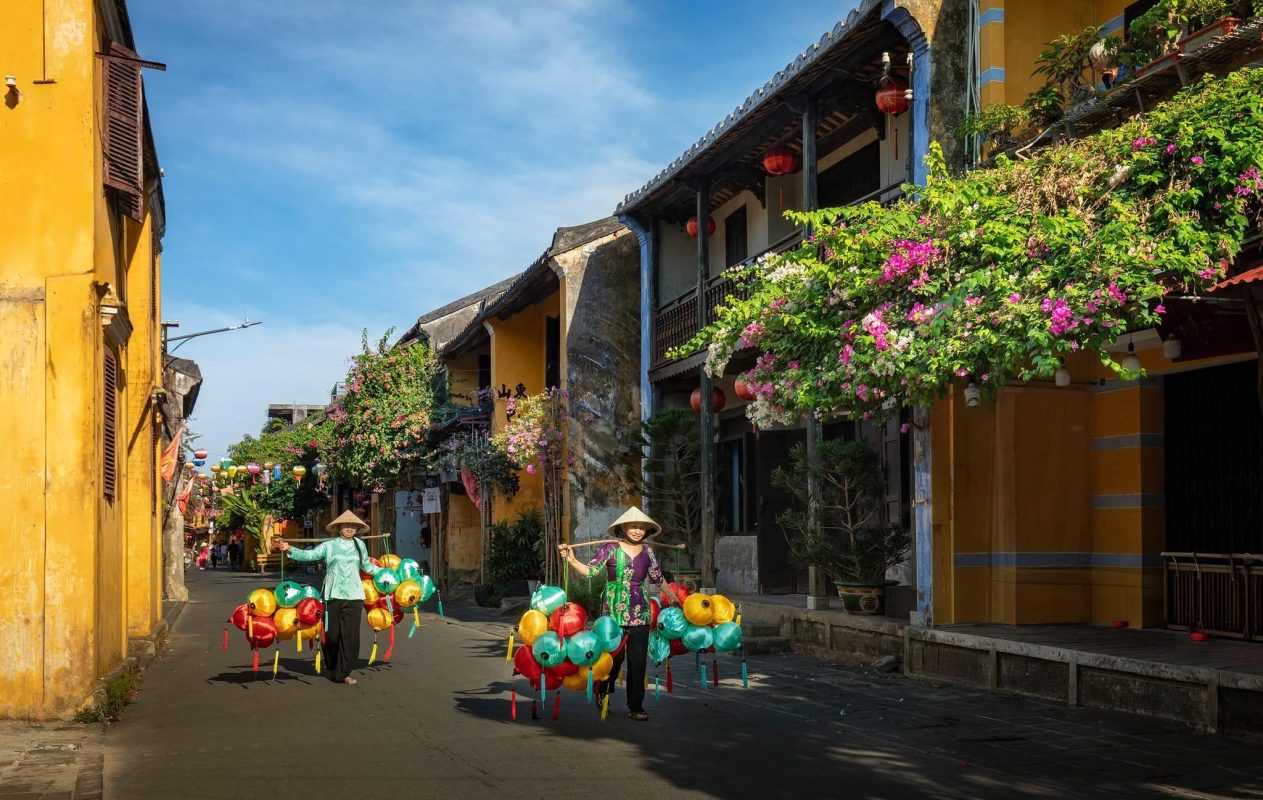
Is Hoi An Safe?
Yes.
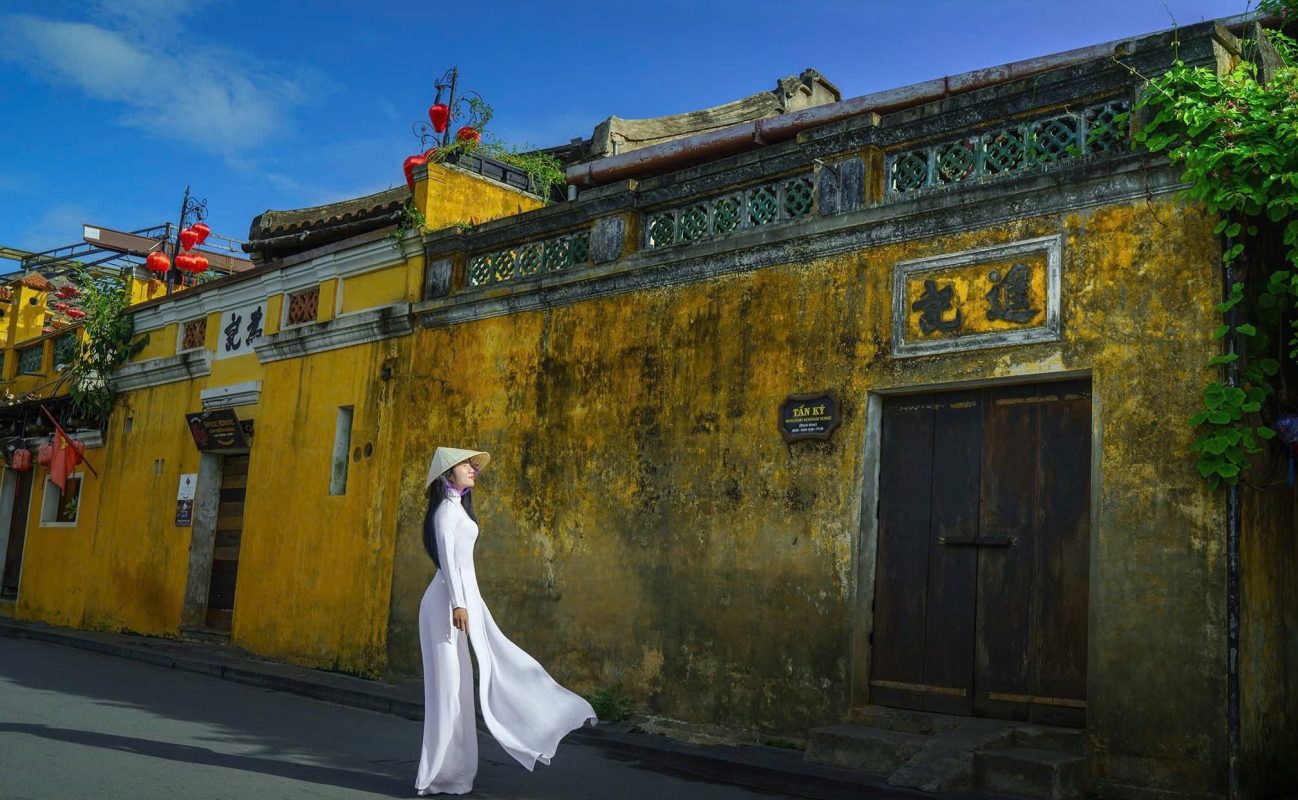
Hoi An is generally one of the easiest Vietnamese destinations for tourists to explore.
The Ancient Town is pedestrian-friendly in many areas, and the atmosphere is considerably slower than Hanoi or Ho Chi Minh City.
Normal precautions still apply, particularly around bicycles, scooters, crowded markets and nightlife.
Is Da Nang Safe?
Yes.
Da Nang is a popular coastal city with a strong tourism infrastructure.
It is generally comfortable for families and couples, but traffic remains the main everyday hazard.
If renting a motorcycle, make sure you meet Vietnam’s licensing requirements. Australia’s Smartraveller specifically warns that travelers must hold a valid Vietnamese driver’s licence to drive or ride motorcycles of 50cc or more.
Is Ha Long Bay Safe?
Generally, yes.
However, travelers should pay attention to weather and cruise safety.
Severe weather can affect boat operations, and Australian guidance warns that Vietnam experiences typhoons, floods, flash floods and landslides that can disrupt transportation.
Choose reputable cruise operators and follow crew instructions.
Never ignore a captain’s decision to modify or cancel a cruise because of weather.
Is Ha Giang Safe?
Ha Giang is an extraordinary destination, but it requires more caution than a city sightseeing trip.
The biggest concern is mountain-road safety.
Roads can include:
- Sharp bends
- Steep slopes
- Heavy rain
- Fog
- Loose gravel
- Large vehicles
- Sudden weather changes
For international visitors, using an experienced licensed driver or professional motorbike tour operator is much safer than attempting challenging mountain routes without appropriate experience.
Is Riding a Motorbike in Vietnam Safe?
This is one of the most important safety questions.
Motorcycling can be dangerous in Vietnam if you are inexperienced.
Traffic is dense, road conditions vary and driving behavior may be very different from what visitors are accustomed to.
Australia’s official guidance states that travelers must have a valid Vietnamese driver’s licence to drive or ride motorcycles of 50cc or more.
If you are not an experienced rider with the correct licence, a safer option is to:
ride as a passenger with a professional driver.
This is particularly sensible for city sightseeing and mountain routes.
Is Vietnam Traffic Dangerous?
Traffic is probably the biggest everyday safety concern for many first-time visitors.
Vietnam’s cities have huge numbers of motorcycles.
Pedestrians sometimes make the mistake of stopping suddenly in the middle of the road or changing direction unpredictably.
When crossing:
- Look carefully in both directions.
- Walk at a steady pace.
- Don’t suddenly run.
- Don’t step backward unexpectedly.
- Keep children close.
- Follow pedestrian signals where available.
The goal is not to “beat” the traffic.
It is to move predictably so drivers can anticipate your movement.
Is It Safe to Cross the Road in Vietnam?
Yes, but you need to adapt to the traffic.
In Hanoi and Ho Chi Minh City, crossing a busy road can initially look intimidating.
Choose a suitable crossing point, watch the traffic and move steadily.
Avoid staring at your phone while crossing.
For older travelers and families with young children, use pedestrian crossings or traffic lights whenever possible.
Is Grab Safe in Vietnam?
Ride-hailing services such as Grab are widely used in major Vietnamese cities.
The U.S. State Department specifically recommends checking that the vehicle and driver match the information displayed in the app and not accepting a ride from someone claiming to be your assigned driver.
Before entering a car or motorcycle:
Check the license plate.
Check the driver’s name/photo.
Check the vehicle.
Confirm the destination.
Are Taxis Safe in Vietnam?
Licensed taxis can be safe, but tourists should avoid accepting rides from random drivers who approach them aggressively at airports, bus stations or tourist attractions.
For airport transfers, use:
- Hotel-arranged transfers
- Reputable taxi companies
- Official ride-hailing applications
- Professional tour operators
Pre-booked transportation is particularly useful for first-time visitors.
Is Vietnam Safe From Pickpockets?
Petty theft exists and is probably the most relevant crime risk for tourists.
The U.S. State Department says petty crime such as theft, bag grabs and pickpocketing occurs, particularly in popular tourist locations.
Australia’s Smartraveller similarly warns about bag slashing and motorcycle snatch-and-grab theft.
Protect yourself:
- Keep bags in front of you.
- Don’t leave your phone on restaurant tables near the street.
- Avoid displaying large amounts of cash.
- Keep passports in a secure place.
- Use hotel safes when appropriate.
- Don’t hang handbags from the outside of motorcycle handlebars.
Is Phone Snatching Common in Vietnam?
It can happen, particularly in major cities.
A person riding a motorcycle may quickly grab a phone from a pedestrian.
This is why you should avoid standing beside the road while holding an expensive smartphone.
When taking photographs, step away from traffic and hold your phone securely.
Are Scams Common in Vietnam?
Tourist scams do occur.
Common problems can involve:
- Unclear taxi fares
- Overcharging
- Fake transportation services
- Unlicensed tour operators
- Unclear restaurant prices
- ATM or card scams
- Unsolicited services
Australia’s Smartraveller specifically warns about taxi scams, gambling scams and card skimming.
The easiest solution is to use transparent pricing and established businesses.
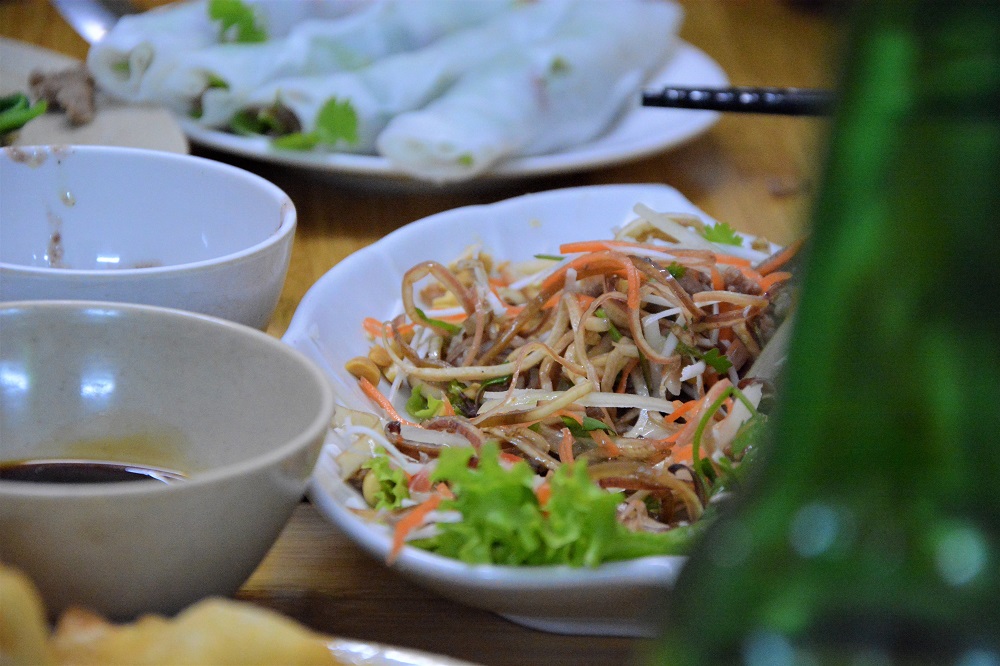
Is Vietnam Safe for Food?
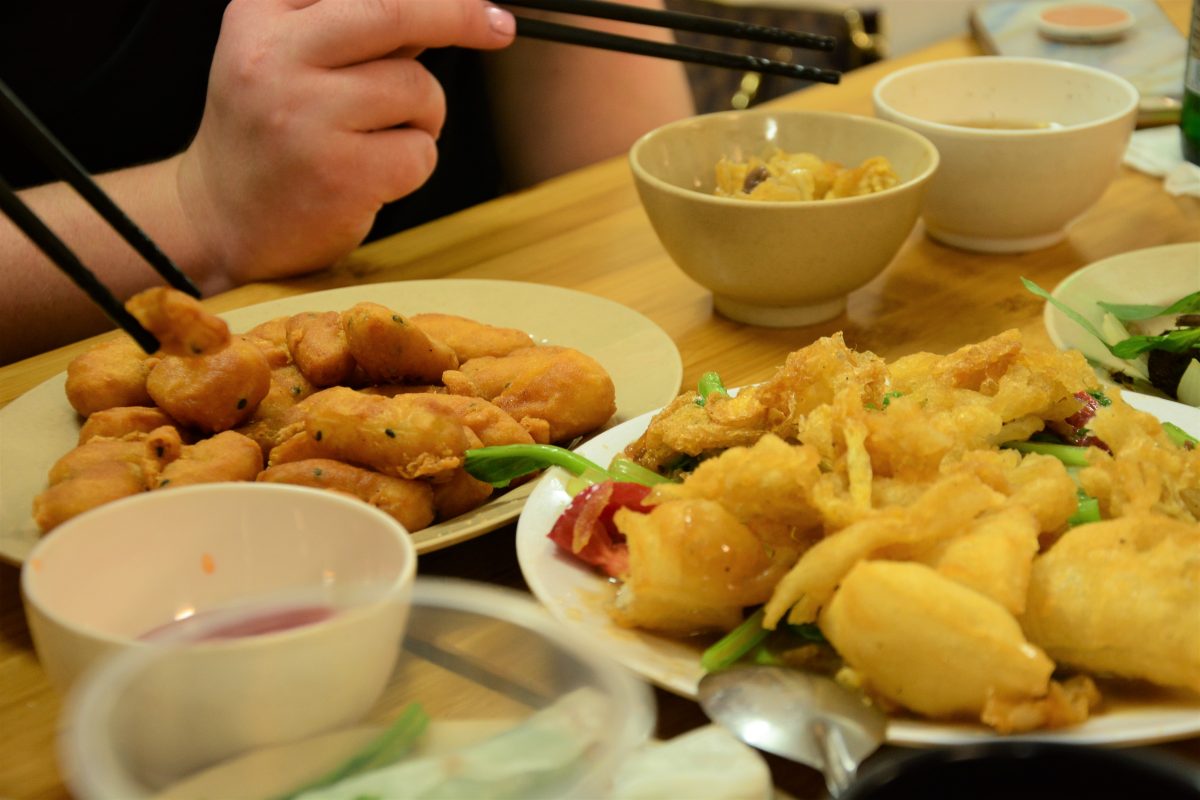
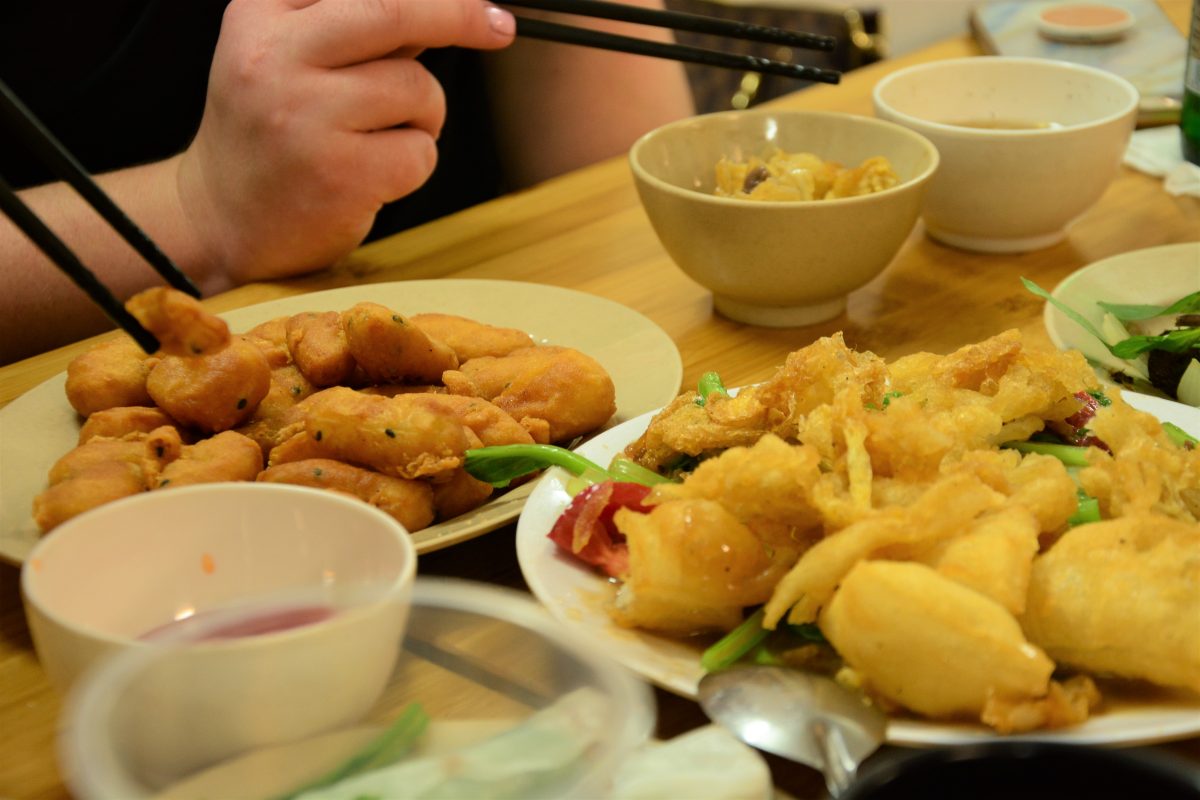
Vietnam has an excellent food culture, and millions of visitors eat street food without problems.
However, food hygiene varies between establishments.
Use common sense:
Choose busy restaurants with high customer turnover.
Eat food that is freshly cooked and served hot.
Be careful with raw seafood.
Wash your hands before eating.
Drink safe bottled or treated water.
Do not let concerns about food safety prevent you from experiencing Vietnamese cuisine. Instead, choose food vendors carefully.
Is Tap Water Safe to Drink in Vietnam?
For most tourists, bottled or properly treated water is the safer choice.
Avoid drinking untreated tap water unless you have confirmed that it is safe at your particular accommodation.
Bottled water is inexpensive and widely available.
Is Street Food Safe in Vietnam?
Yes, but choose carefully.
A good street food stall usually has:
- High customer turnover
- Freshly prepared food
- Food cooked at high temperatures
- Clean preparation surfaces
- Ingredients stored appropriately
One useful rule:
Eat where Vietnamese customers are eating.
A busy stall often means ingredients are being used quickly rather than sitting around for long periods.
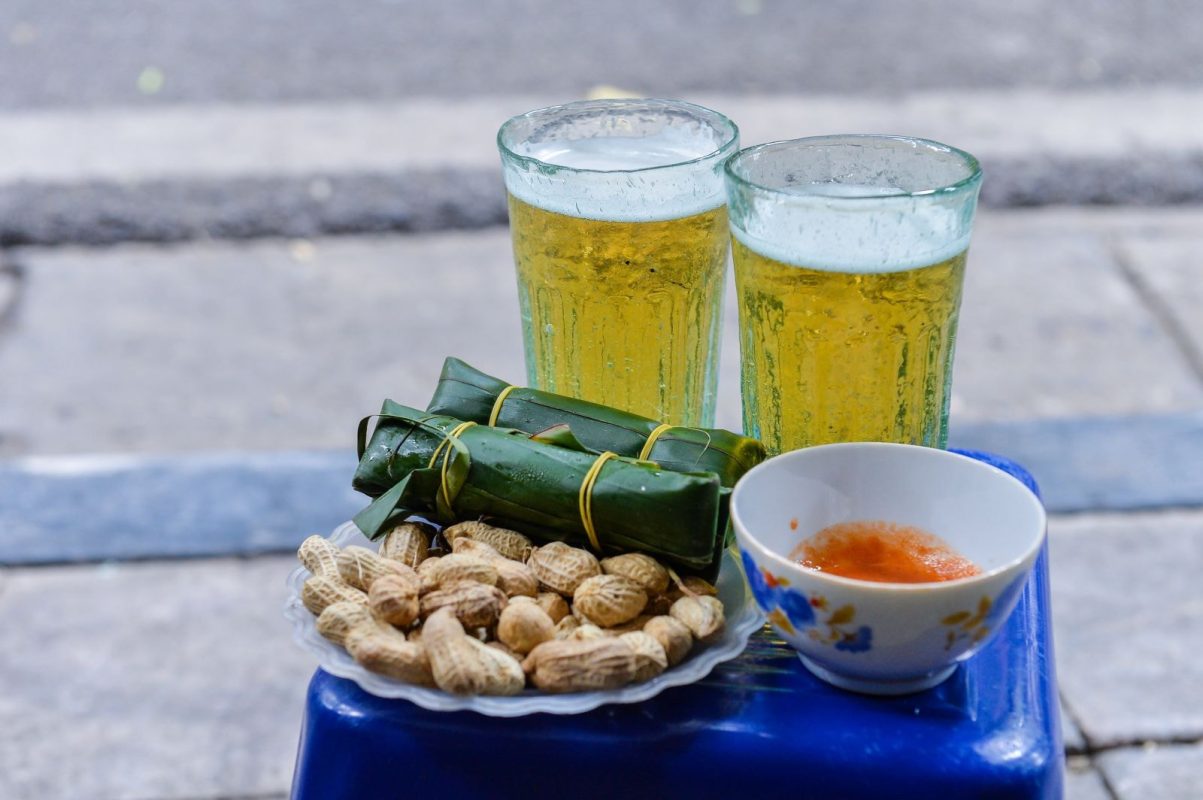
Is Vietnam Safe for Drinking Alcohol?
Generally, but visitors should drink responsibly.
Australia’s travel advice specifically warns travelers about drink spiking and methanol poisoning, and recommends never accepting drinks from strangers or leaving drinks unattended.
If drinking:
- Buy drinks from reputable establishments.
- Don’t accept open drinks from strangers.
- Keep your drink with you.
- Don’t drink excessively.
- Use reputable transportation afterward.
Is Vietnam Safe During Typhoon Season?
Vietnam experiences typhoons, flooding, flash floods and landslides.
Severe weather can affect:
- Flights
- Cruises
- Roads
- Trains
- Electricity
- Communications
Australia’s current guidance specifically warns that severe weather can disrupt transportation and infrastructure.
The U.S. State Department also identifies seasonal flooding and extreme heat as travel considerations.
If a storm is forecast, follow official instructions and your hotel’s advice.
Which Parts of Vietnam Have Flooding Risks?
Flooding can occur in different regions at different times.
The U.S. travel guidance notes:
May–October: flooding risks in the South and Central Highlands.
September–December: flooding risks along the Central Coast.
This doesn’t mean you should avoid Vietnam during these periods. It means you should monitor weather conditions and keep your itinerary flexible.
Is Vietnam Safe During Extreme Heat?
Vietnam can become very hot, especially during the warmer months.
The U.S. State Department notes heat waves particularly during:
March–May: South
May–August: North and Central regions.
Travelers should:
- Drink plenty of water.
- Wear light clothing.
- Use sunscreen.
- Take breaks.
- Avoid strenuous activities during the hottest hours.
Are There Dangerous Animals in Vietnam?
Most tourists will never encounter a dangerous wild animal.
The more practical concern is dogs and other animals that may bite or scratch.
Australia’s travel guidance notes that rabies occurs in Vietnam and advises travelers to seek medical treatment immediately after being bitten or scratched by an animal.
Do not approach unfamiliar dogs, monkeys or other animals.
Is Vietnam Safe From Terrorism?
The current risk to ordinary tourists is low.
Australia’s Smartraveller states that there is a low threat of terrorism in Vietnam, while noting that terrorist attacks can occur anywhere.
For normal tourism, terrorism is not among the primary day-to-day concerns visitors should focus on.
Traffic, petty theft and weather are much more relevant practical issues.
Are There Landmines in Vietnam?
Yes, historical unexploded ordnance and landmines remain in parts of Vietnam.
The U.S. State Department warns that unexploded ordnance exists and that construction sites can be among the higher-risk areas. It also notes that the risk is low in urban and populated tourist destinations.
Never touch unknown metal objects or military-looking objects found on the ground.
If trekking in remote areas, stay on established routes and follow your guide’s instructions.
Is Vietnam Safe for Hiking and Adventure Tours?
Yes, but choose professional operators carefully.
Australia’s Smartraveller warns that safety and maintenance standards for some tourism and adventure operators may not meet travelers’ expectations.
For activities such as:
- Mountain trekking
- Caving
- Kayaking
- Boat trips
- Motorbike tours
- Rock climbing
check that the operator provides appropriate safety equipment and qualified guides.
Is Vietnam Safe for Boat Trips?
Generally, but weather and operator standards matter.
Before booking a boat or cruise:
- Check recent reviews.
- Choose an established operator.
- Confirm life jackets are available.
- Follow crew instructions.
- Check weather conditions.
- Don’t take unnecessary risks.
This is particularly important for Ha Long Bay, Lan Ha Bay and Mekong Delta experiences.
Is Vietnam Safe for LGBTQ+ Travelers?
Vietnam is generally considered relatively tolerant toward LGBTQ+ visitors, particularly in major cities and tourist destinations.
However, attitudes can vary between individuals and regions. Travelers should use normal discretion regarding public behavior and personal safety.
Is Vietnam Safe for Older Travelers?
Yes.
Vietnam can work very well for senior travelers if the itinerary is designed around comfort.
Instead of long bus journeys, consider:
Private car + domestic flights + comfortable hotels + private guides.
This reduces physical stress and makes the trip considerably easier.
Is Vietnam Safe for Pregnant Travelers?
Many travelers visit Vietnam while pregnant, but individual circumstances vary.
Consider:
- Heat
- Food and water hygiene
- Long journeys
- Mosquito-borne diseases
- Access to medical facilities
Travelers who are pregnant should discuss their specific itinerary and health considerations with their healthcare professional before traveling.
Is Medical Care Good in Vietnam?
Vietnam has hospitals and clinics in major cities, including Hanoi and Ho Chi Minh City.
Private international hospitals and clinics are generally the preferred choice for many foreign travelers when significant medical care is required.
In remote mountain or rural destinations, medical facilities can be more limited.
For this reason, travel insurance is strongly recommended. The U.S. State Department recommends travel insurance that includes appropriate medical and evacuation coverage.
What Emergency Numbers Should Tourists Know?
Vietnam’s main emergency numbers are:
113 — Police
114 — Fire
115 — Ambulance
The U.S. State Department confirms these emergency numbers in its Vietnam travel guidance.
Keep your hotel name and address saved on your phone in case you need assistance.
Is Vietnam Safe Compared With Thailand?
Both are popular Southeast Asian destinations.
Interestingly, Australia’s current travel guidance rates Vietnam at “Exercise normal safety precautions”, while its Thailand advice is currently at a higher caution level.
However, this should not be interpreted as a simple ranking of which country is “safer.” Travel advisories change according to specific circumstances.
For Vietnam, tourists should focus primarily on petty theft, traffic, scams, weather and responsible adventure tourism.
10 Safety Rules Every Tourist Should Follow in Vietnam
1. Keep your phone away from busy roads.
This reduces the risk of motorcycle snatching.
2. Carry your bag securely.
Keep it toward the inside of the sidewalk and preferably in front of you.
3. Use reputable transportation.
Check your Grab driver and vehicle before getting in.
4. Don’t rent a motorcycle without the correct licence.
Foreign visitors need to meet Vietnam’s licensing requirements.
5. Keep your passport secure.
Carry a copy when appropriate and store the original securely.
6. Don’t accept drinks from strangers.
This reduces the risk of drink spiking and other problems.
7. Watch the weather.
Typhoons, floods and landslides can affect travel.
8. Use reputable tour operators.
This is particularly important for cruises, adventure activities and mountain tours.
9. Don’t touch unknown objects in remote areas.
Unexploded ordnance remains a historical risk in some areas.
10. Buy travel insurance.
Make sure your policy covers medical treatment and, where appropriate, evacuation.
What Tourists Should NOT Do in Vietnam
Avoid:
- Walking around with your phone next to the road
- Leaving bags unattended
- Taking random taxis from strangers
- Riding motorcycles without proper licensing
- Accepting open drinks from strangers
- Touching unexploded military objects
- Ignoring storm warnings
- Entering restricted government or military areas
- Photographing sensitive infrastructure where prohibited
- Using unlicensed adventure operators
The U.S. State Department also warns that mapping/GPS and photography near military installations, border zones or sensitive government infrastructure can create legal problems.
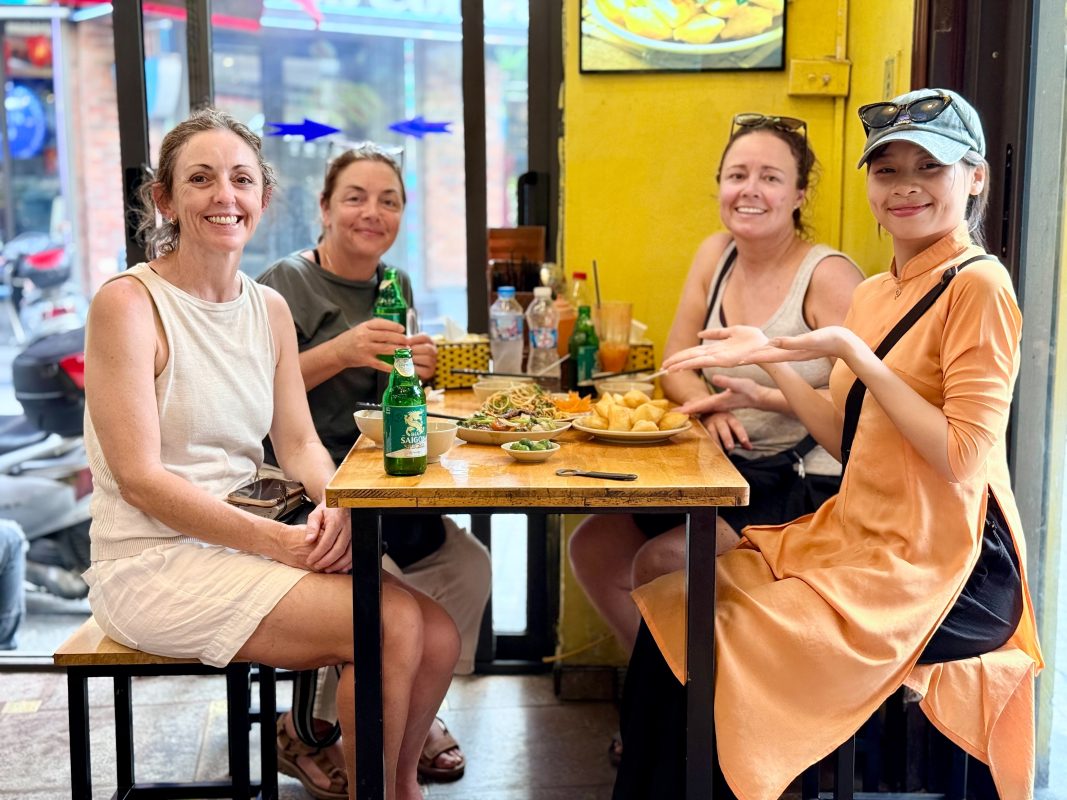
Is Vietnam Safe for Night Food Tours?
Yes, when properly organized.
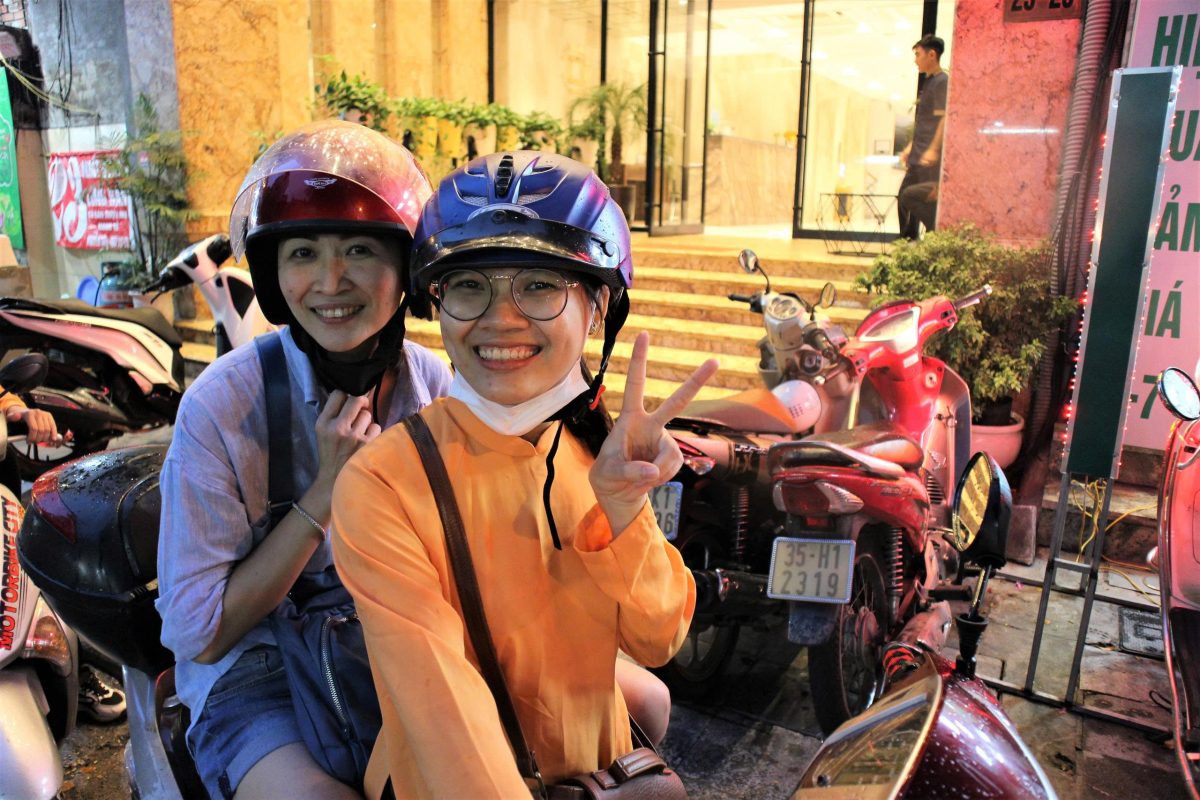
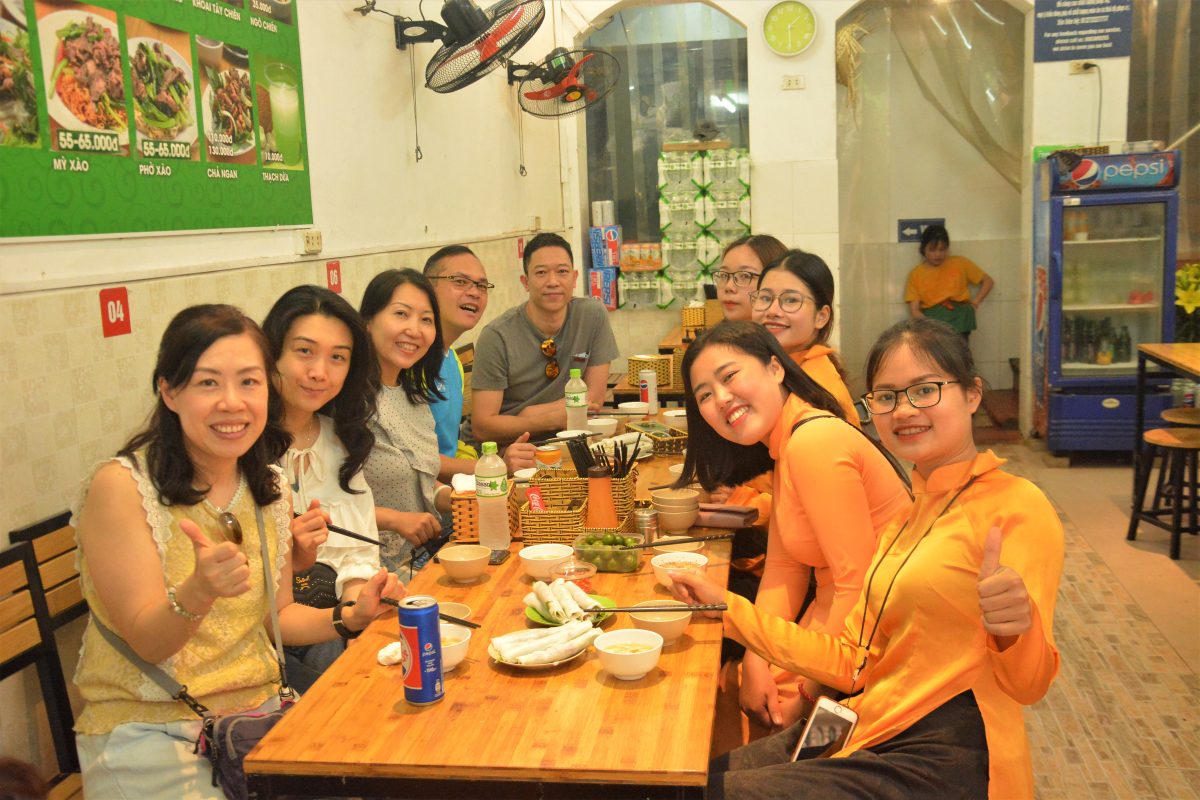
Night food tours are popular in Hanoi and Ho Chi Minh City, but visitors should use reputable operators and experienced drivers.
A well-organized food tour should provide:
- Professional guides
- Appropriate transportation
- Helmets for motorcycle tours
- Safe restaurant/food selections
- Clear itinerary
- Emergency contact
- Appropriate insurance where applicable
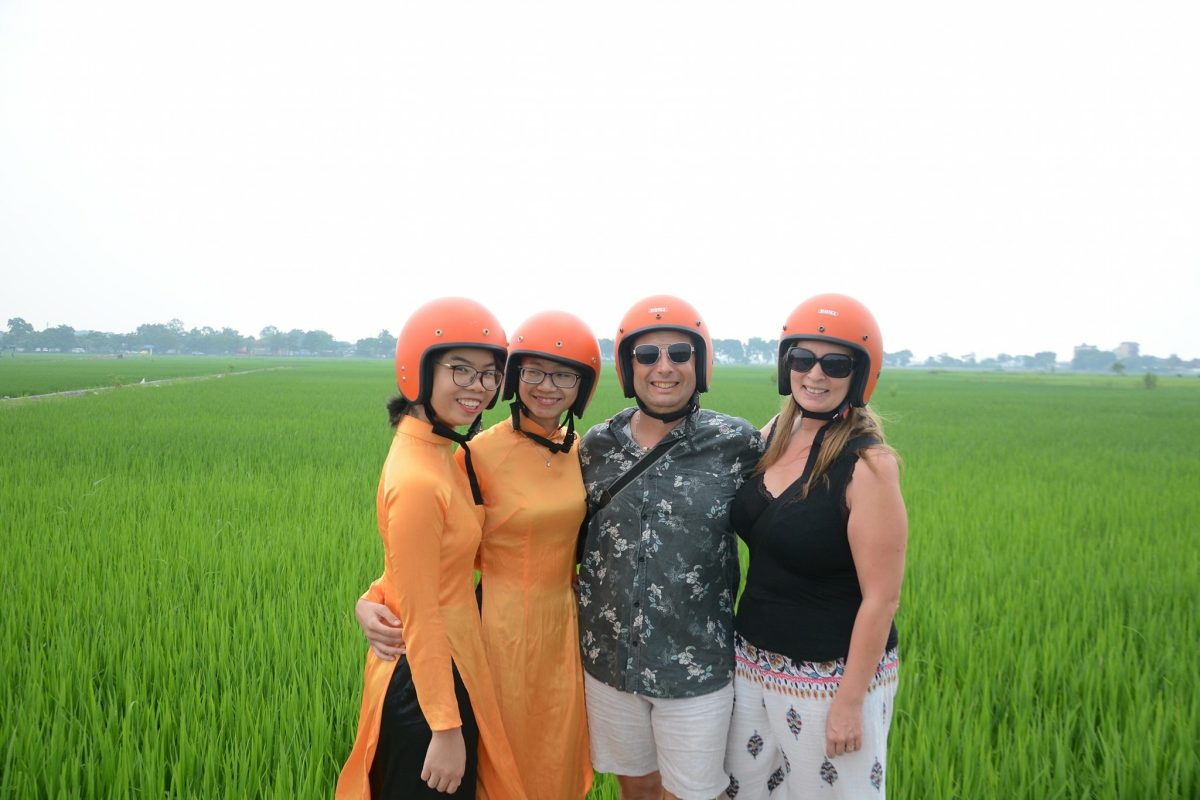
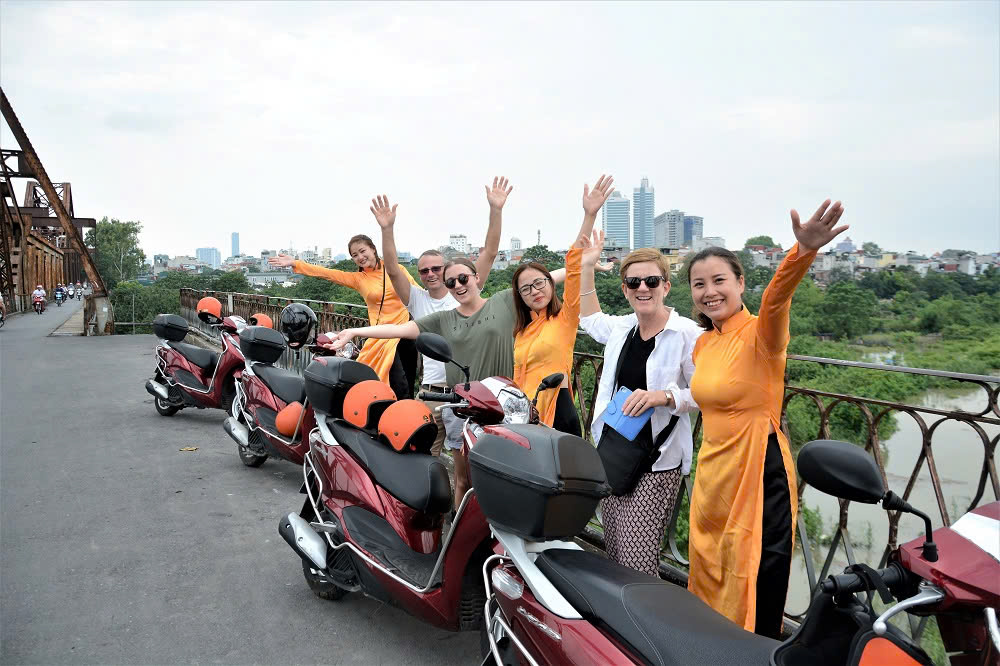
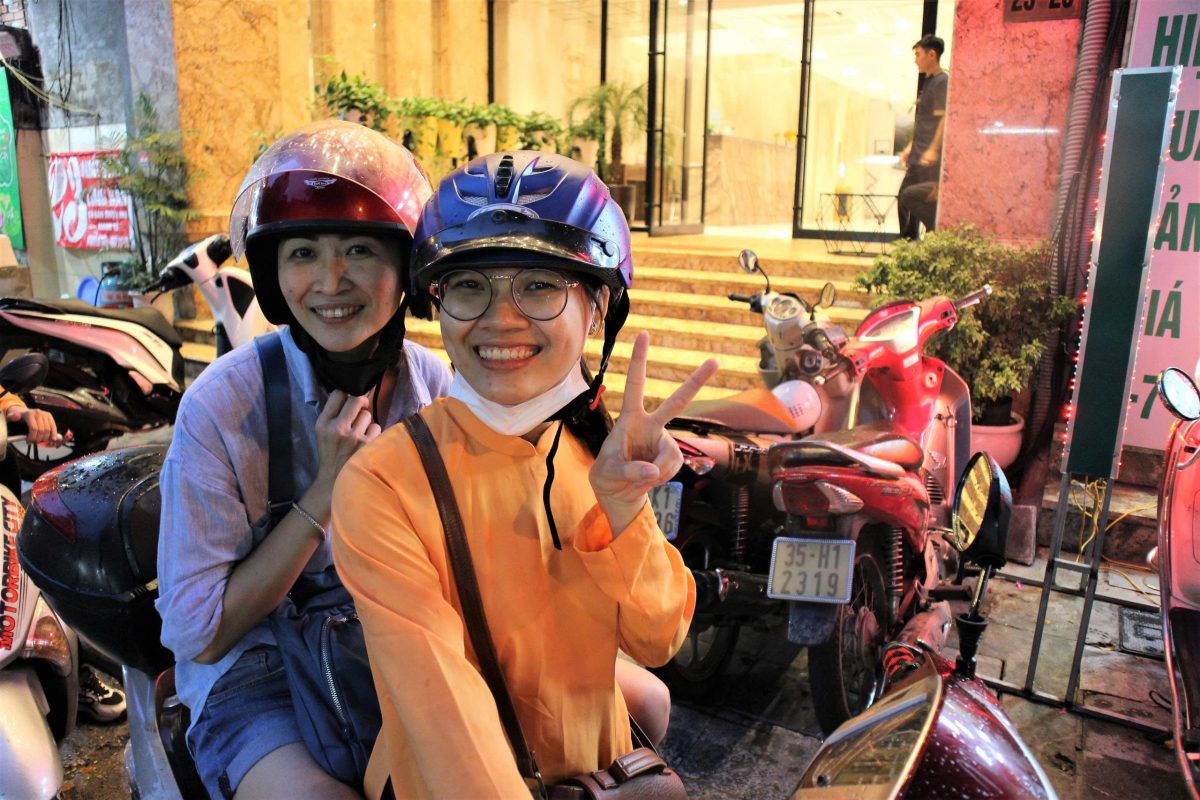
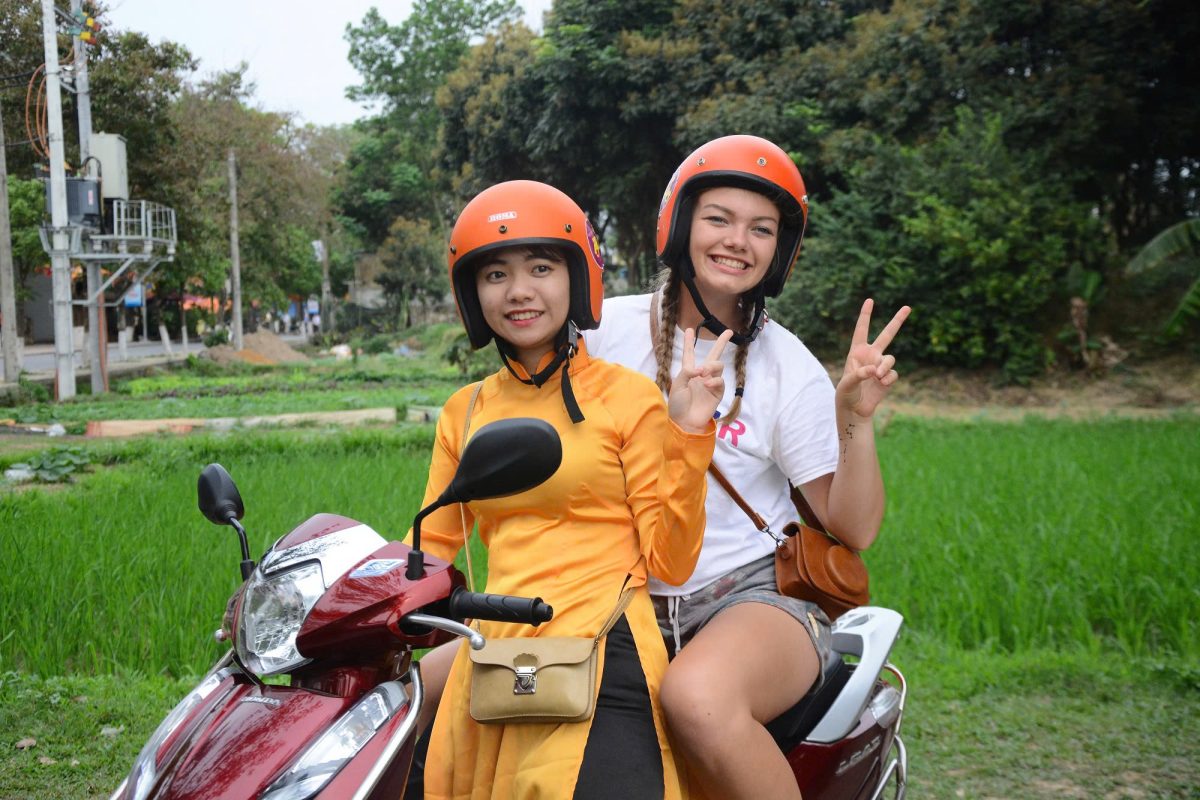
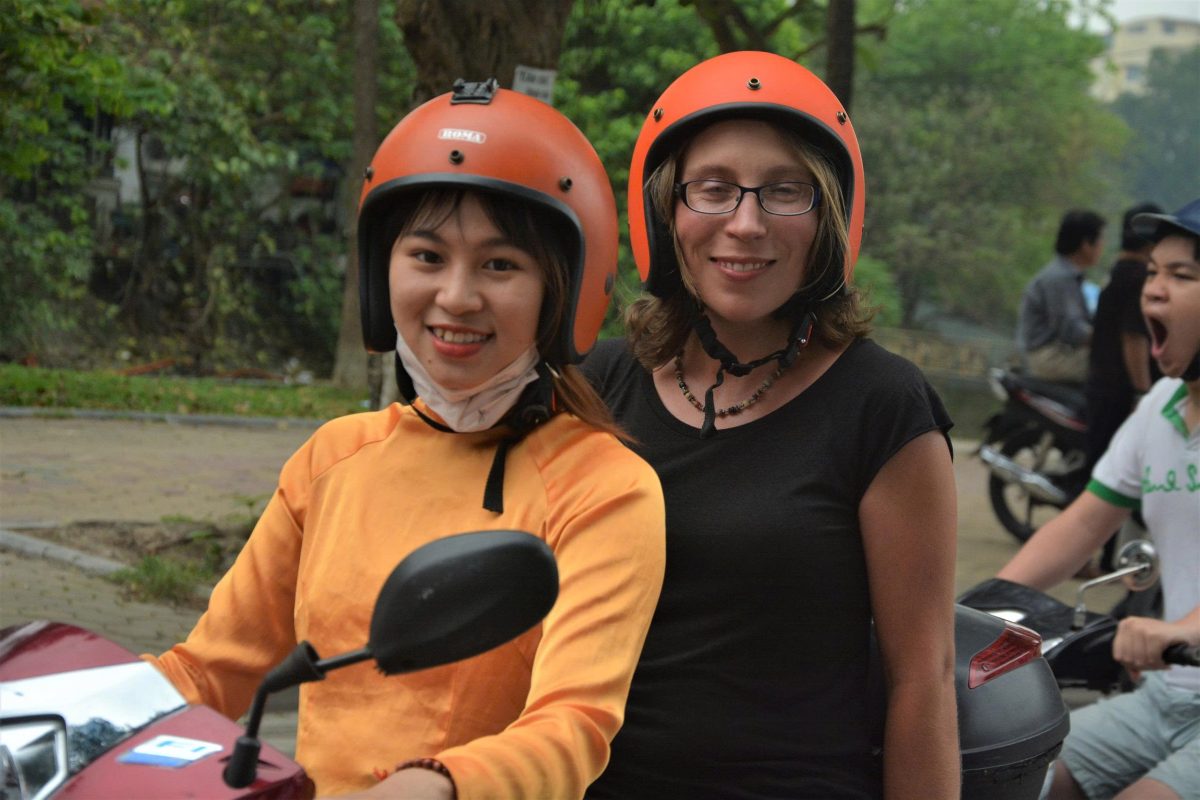
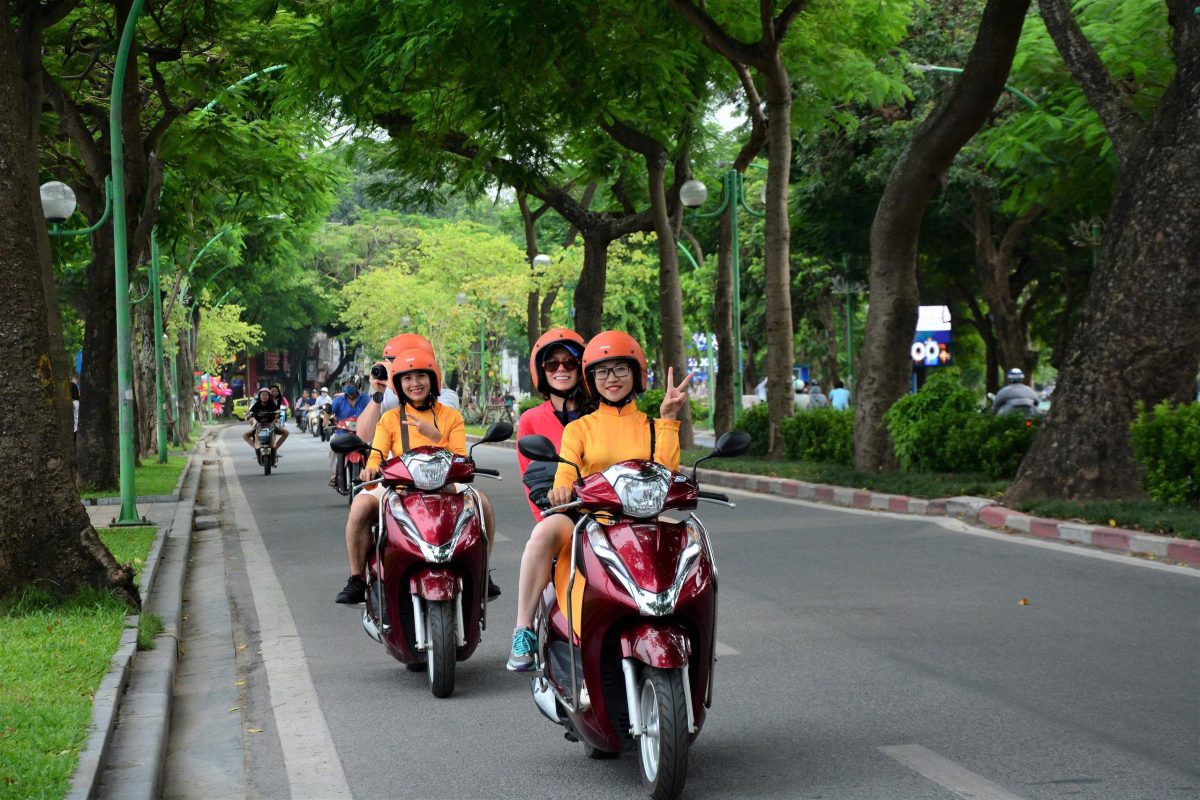
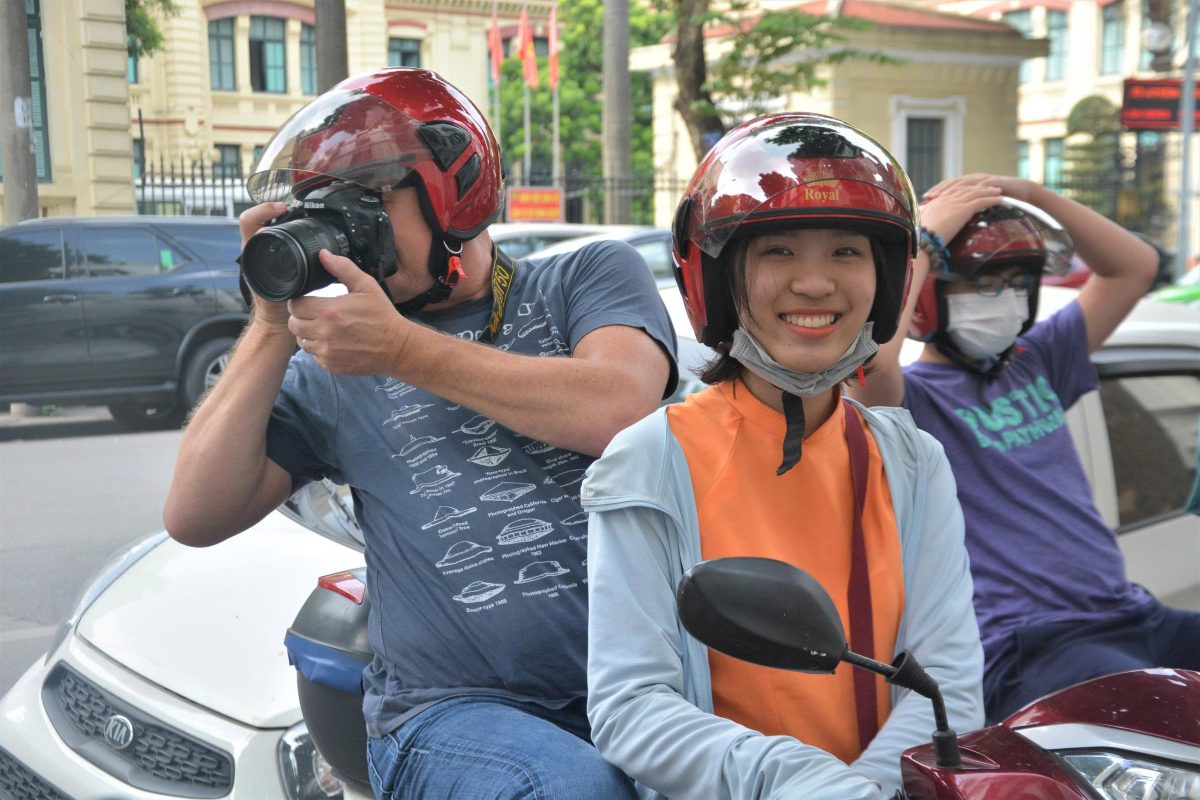
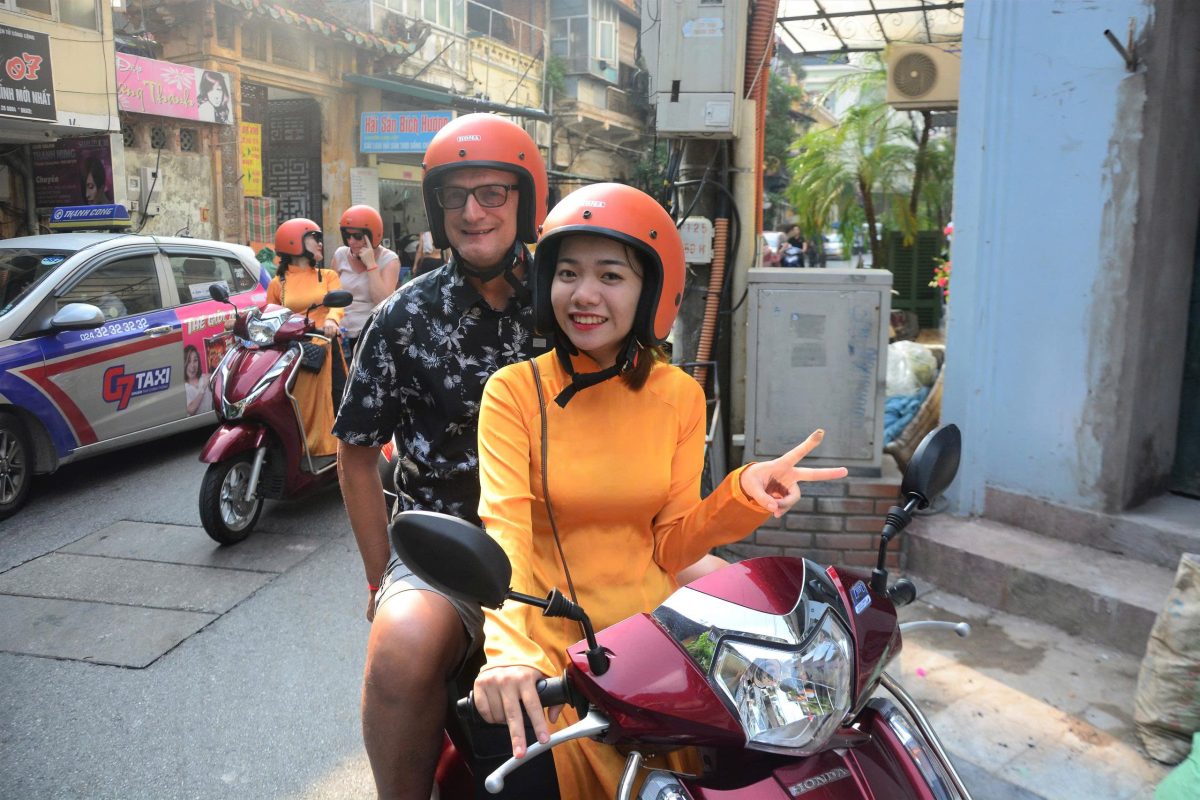
For motorcycle food tours, travelers should ride as passengers with professional drivers if they do not hold the appropriate Vietnamese motorcycle licence.
Is Vietnam Safe for Private Tours?
Private tours can be an excellent option for travelers who prioritize comfort and safety.
A private itinerary allows you to:
- Avoid unnecessary transportation changes
- Choose reputable hotels
- Use private vehicles
- Adjust the pace
- Avoid overcrowded attractions
- Have a dedicated guide
- Change plans when weather conditions change
This is particularly useful for families, couples, seniors and first-time visitors.
Best Safety Strategy for a Vietnam Trip
A comfortable 2026 itinerary could be:
Hanoi → Ha Long Bay → Hoi An → Hue → Ho Chi Minh City → Mekong Delta
Use:
Domestic flights for long distances
Private cars for regional transfers
Professional guides for sightseeing
Reputable cruises for Ha Long Bay
Experienced drivers for motorcycle experiences
This gives travelers the opportunity to experience Vietnam without taking unnecessary transportation risks.
Is Vietnam Safe in 2026? Quick Answer
| Question | Answer |
|---|---|
| Safe for tourists? | Yes |
| U.S. travel advisory | Level 1 – Normal Precautions |
| Australian travel advice | Normal Safety Precautions |
| Violent crime against foreigners | Rare |
| Petty theft | Common enough to take precautions |
| Bag snatching | Possible |
| Taxi scams | Possible |
| Traffic risk | Important |
| Motorcycle risk | Important |
| Terrorism risk | Low |
| Natural disasters | Seasonal concern |
| Food safety | Generally good with sensible choices |
| Solo travel | Generally safe |
| Female travel | Generally safe |
| Family travel | Generally safe |
| Night travel | Generally safe with normal precautions |
The U.S. advisory was issued June 24, 2026, and the Australian advice was updated July 1, 2026, so these are current 2026 safety assessments rather than old travel information.
Final Verdict: Is Vietnam Safe for Tourists in 2026?
Yes. Vietnam is a safe destination for most tourists in 2026.
The strongest evidence is that both the U.S. and Australian governments currently advise travelers to use normal safety precautions, rather than issuing heightened warnings for Vietnam.
The key is understanding what “safe” actually means.
You should not be overly concerned about violent crime. Instead, pay attention to the things that are genuinely relevant to tourists:
Traffic.
Petty theft.
Bag snatching.
Scams.
Weather.
Adventure-tour safety.
Food and drink precautions.
If you take sensible precautions, Vietnam is an excellent destination for solo travelers, couples, families and luxury travelers.
And perhaps the most important advice is simple:
Don’t let safety concerns stop you from visiting Vietnam. Just travel intelligently.
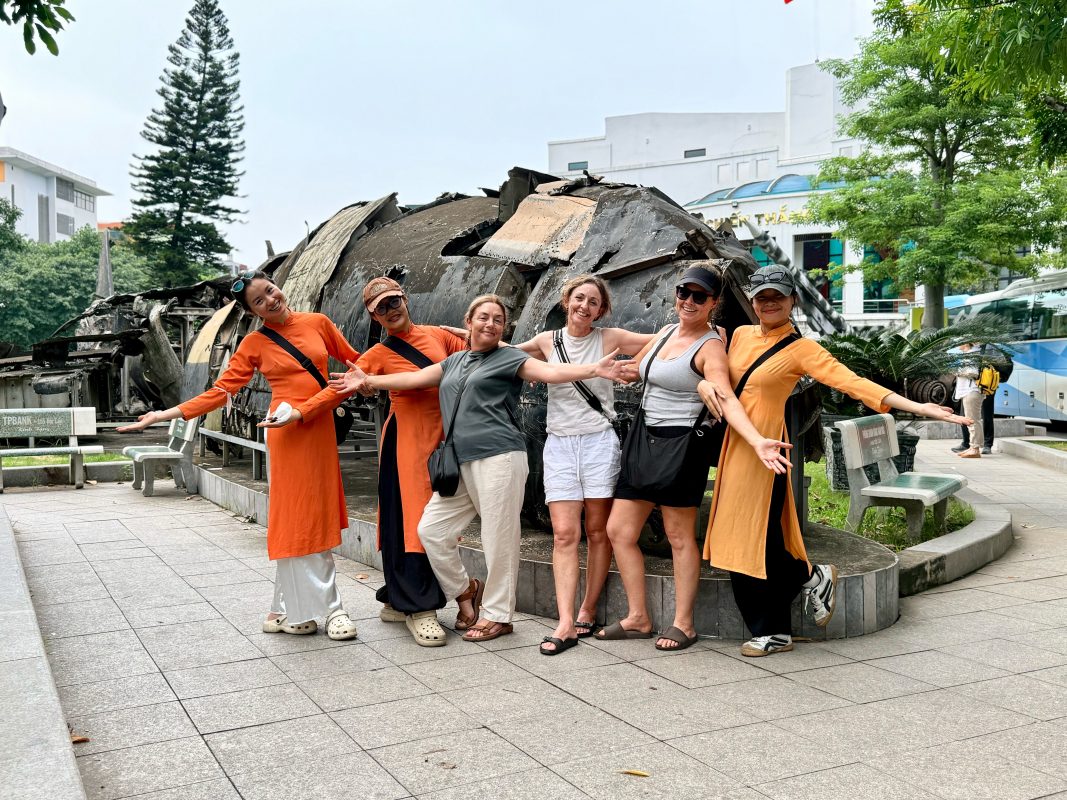
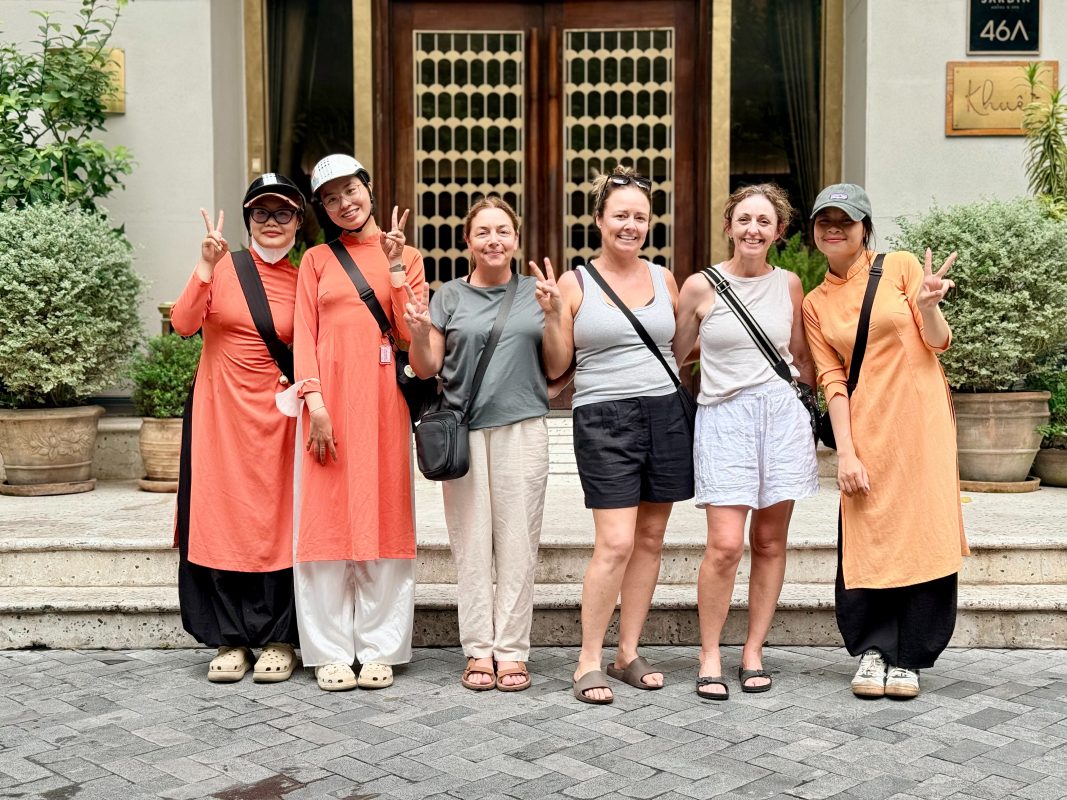
Vietnam Women Travel – Premium Private Tours Led by Women
Vietnam Women Travel – Premium Private Tours Led by Women focuses on private experiences designed around traveler comfort, professional guides and reliable transportation.
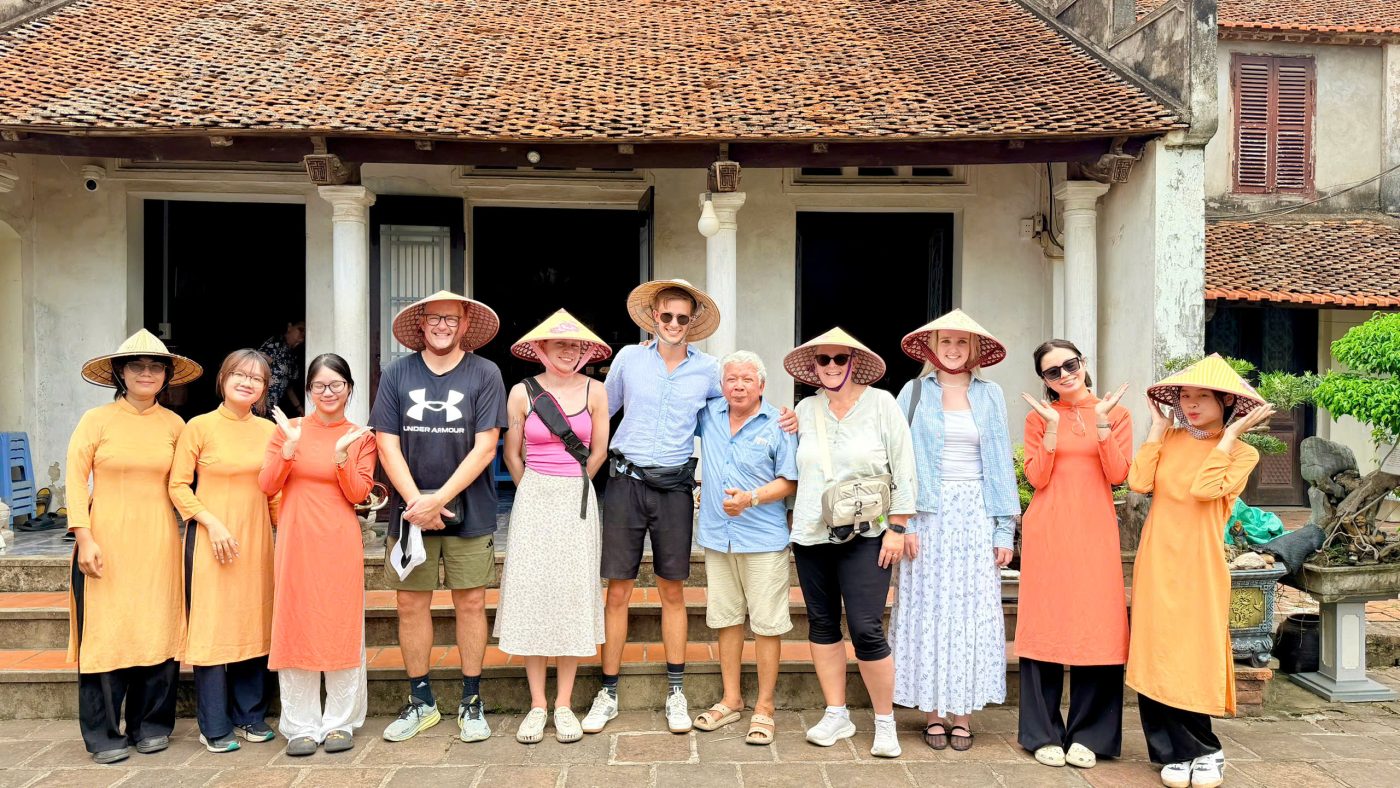
For first-time visitors concerned about safety, a private Vietnam itinerary can combine 4–5-star hotels, private cars, domestic flights, professional female guides and carefully selected experiences from Hanoi to Ha Long Bay, Hoi An, Hue, Ho Chi Minh City and the Mekong Delta.
For motorcycle experiences, guests can ride as passengers with experienced drivers rather than attempting to navigate Vietnam’s traffic themselves. This is especially useful for travelers who want to experience Vietnamese street life and food while keeping the journey comfortable and well organized.