What to Pack for Vietnam: Complete Packing List for Every Season
Packing for Vietnam is not as simple as packing for a typical tropical holiday. Vietnam stretches more than 1,650 km from north to south, and the North, Central and South can have completely different weather at the same time. Hanoi can be cool while Ho Chi Minh City is hot, and Hoi An can be experiencing heavy rain while the north has comfortable sunshine.
The best Vietnam packing strategy is therefore light, breathable clothing + comfortable walking shoes + one rain layer + a few modest outfits for temples and cultural sites. If your trip includes Sapa, Ha Giang or other northern mountain destinations in winter, add genuinely warm layers.
This complete Vietnam packing list covers what to pack by season, region, activities and travel style, including Hanoi, Ha Long Bay, Sapa, Ha Giang, Hoi An, Hue, Da Nang, Ho Chi Minh City, the Mekong Delta and Phu Quoc.
Vietnam Packing List at a Glance
If you want the short version, these are the essentials most travelers should bring:
- Passport
- Visa or visa documentation if required
- Travel insurance
- Phone
- Universal travel adapter
- Power bank
- Comfortable walking shoes
- Sandals
- Lightweight T-shirts
- Lightweight long-sleeve shirt
- Shorts
- Long pants
- Underwear and socks
- Lightweight rain jacket or poncho
- Small umbrella
- Sunglasses
- Hat
- Sunscreen
- Insect repellent
- Reusable water bottle
- Hand sanitizer
- Basic medicine
- Small daypack
- Waterproof phone pouch
- Small dry bag
- Modest outfit for temples
- Swimwear
- Copies of important documents
For most travelers, you do not need a huge suitcase.
What Clothes Should You Pack for Vietnam?
The most useful clothing strategy is light layers.
Vietnam can be hot and humid, so breathable fabrics are valuable. Quick-drying materials are particularly useful during the rainy season because sudden showers can leave clothing wet for hours if you pack heavy cotton garments.
For a typical 7–10 day trip, consider:
| Item | Recommended Amount |
|---|---|
| T-shirts | 4–6 |
| Lightweight shirts | 2–3 |
| Long-sleeve shirt | 1–2 |
| Shorts | 2–3 |
| Long pants | 1–2 |
| Underwear | 7–10 |
| Socks | 4–6 pairs |
| Lightweight sleepwear | 1 |
| Swimwear | 1–2 |
| Light jacket | 1 |
| Rain jacket/poncho | 1 |
| Comfortable shoes | 1 pair |
| Sandals | 1 pair |
You can easily do laundry during a longer Vietnam trip, so there is no need to pack a fresh outfit for every day.
What to Pack for Vietnam in January
January is one of the months when regional differences become particularly important.
Northern Vietnam: cool or cold, especially Hanoi, Sapa and Ha Giang.
Central Vietnam: generally mild but can still be wet in parts of the region.
Southern Vietnam: warm and generally dry.
Northern Vietnam’s winter can be genuinely cold, particularly in the mountains. Sapa and other highland destinations can experience very low temperatures.
Pack:
- T-shirts
- Long-sleeve shirts
- Sweater
- Fleece
- Lightweight down jacket
- Long pants
- Warm socks
- Comfortable closed shoes
- Scarf
- Light gloves for mountain travel
- Rain shell
If you are only visiting Ho Chi Minh City and Phu Quoc, you will need far fewer warm clothes.
What to Pack for Vietnam in February
February is still winter in northern Vietnam but becomes increasingly warm farther south.
Northern Vietnam
Bring:
- Long pants
- Long-sleeve shirts
- Sweater
- Light jacket
- Comfortable closed shoes
Central Vietnam
Use lightweight layers and prepare for occasional rain.
Southern Vietnam
Mostly summer-style clothing:
- T-shirts
- Shorts
- Dresses
- Sandals
- Sun protection
A multi-region trip should therefore use a layering system rather than one heavy winter outfit.
What to Pack for Vietnam in March
March is one of the easier months to pack for Vietnam.
Northern Vietnam starts becoming more comfortable, Central Vietnam is generally pleasant, and the South remains warm.
Pack:
- T-shirts
- Lightweight trousers
- Shorts
- Comfortable walking shoes
- Sandals
- Light cardigan or jacket
- Sun hat
- Sunglasses
- Sunscreen
- Small umbrella
March and April are widely considered among the more comfortable months for traveling across multiple regions.
What to Pack for Vietnam in April
April is usually warm across much of Vietnam.
For most travelers:
70% lightweight summer clothing + 30% light layers
is a good strategy.
Pack:
- T-shirts
- Shorts
- Lightweight trousers
- Linen or breathable shirts
- Sandals
- Walking shoes
- Sun hat
- Sunglasses
- Sunscreen
- Lightweight rain layer
If you are going to Sapa or Ha Giang, temperatures can still be cooler than in Hanoi, especially at night.
What to Pack for Vietnam in May
May brings increasing heat and humidity, particularly in the North and South.
Sudden showers also become increasingly relevant.
Best clothing:
- Lightweight T-shirts
- Loose trousers
- Shorts
- Breathable shirts
- Quick-dry clothing
- Sandals
- Lightweight sneakers
- Rain jacket
- Small umbrella
- Hat
- Sunglasses
Avoid bringing too many heavy cotton clothes.
They can become uncomfortable in Vietnam’s humidity.
What to Pack for Vietnam in June
June is hot and humid in many parts of the country.
Northern Vietnam can experience heavy rain, while Central Vietnam is often hot and relatively dry. Southern Vietnam is in its rainy season.
June packing list:
- 5–6 lightweight T-shirts
- 2–3 pairs of shorts
- 1–2 lightweight trousers
- Quick-dry underwear
- Sandals
- Breathable sneakers
- Rain jacket
- Waterproof phone pouch
- Sunscreen
- Hat
- Sunglasses
- Insect repellent
- Reusable water bottle
What to Pack for Vietnam in July
July is one of the hottest and wettest periods in several regions.
Northern Vietnam can be extremely humid with heavy rainfall, while Central Vietnam can be very hot.
For July, prioritize:
Breathability + quick drying + rain protection.
Bring:
- Loose T-shirts
- Shorts
- Lightweight trousers
- Quick-dry shirts
- Quick-dry socks
- Sandals
- Waterproof shoes or quick-drying walking shoes
- Rain jacket
- Waterproof bag
- Sunscreen
- Hat
- Sunglasses
If visiting Ha Long Bay, check the weather forecast before your cruise because storms can affect cruise operations.
What to Pack for Vietnam in August
August is particularly important for northern Vietnam because it is among the wetter months.
The combination of heat + humidity + sudden heavy rain means packing light is more important than packing lots of clothes.
Bring:
- Quick-dry T-shirts
- Shorts
- Lightweight trousers
- Sandals
- Rain jacket
- Waterproof phone pouch
- Dry bag
- Mosquito repellent
- Sunscreen
- Hat
- Extra socks
If hiking in Sapa or Ha Giang, bring appropriate footwear with good grip.
What to Pack for Vietnam in September
September is a transition month.
Northern Vietnam can become more comfortable, while Central Vietnam begins moving into its wetter period.
This is a month when checking each destination rather than relying on a nationwide forecast is particularly important.
Pack:
- Summer clothing
- Lightweight long sleeves
- Long pants
- Rain jacket
- Sandals
- Walking shoes
- Small umbrella
- Waterproof bag
- Light jacket
If your itinerary includes Hoi An or Hue, keep additional rain protection available.
What to Pack for Vietnam in October
October can be one of the most complicated months for packing because the regions can feel completely different.
Northern Vietnam can be cool and comfortable, Central Vietnam enters its wettest period, and Southern Vietnam begins moving toward its drier season.
Northern Vietnam
Pack:
- T-shirts
- Long-sleeve shirts
- Light jacket
- Long pants
- Walking shoes
Central Vietnam
Add:
- Waterproof jacket
- Quick-dry clothing
- Waterproof footwear
- Dry bag
Southern Vietnam
Summer clothing remains appropriate.
What to Pack for Vietnam in November
November is another month where a multi-region itinerary needs flexible packing.
Northern Vietnam becomes cooler, Central Vietnam can still receive substantial rain, while Southern Vietnam starts entering its drier period.
Pack:
- T-shirts
- Long-sleeve shirts
- Light sweater
- Light jacket
- Long pants
- Comfortable sneakers
- Sandals
- Rain jacket
- Small umbrella
If visiting the northern mountains, bring warmer layers.
What to Pack for Vietnam in December
December is perhaps the clearest example of why you should not pack for “Vietnam” as if it had one climate.
Northern Vietnam can be cold, while Southern Vietnam remains warm and tropical.
Northern Vietnam
Bring:
- Thermal base layer if visiting mountains
- Fleece
- Lightweight down jacket
- Long pants
- Warm socks
- Closed shoes
- Scarf
- Gloves
- Waterproof outer layer
Central Vietnam
Bring:
- Long-sleeve shirts
- Light jacket
- Long pants
- Rain jacket
- Comfortable shoes
Southern Vietnam
Bring:
- T-shirts
- Shorts
- Lightweight trousers
- Sandals
- Swimwear
- Sun protection
What to Pack for Hanoi
Hanoi has four recognizable seasons, unlike southern Vietnam.
Summer
Pack:
- T-shirts
- Shorts
- Breathable trousers
- Sandals
- Rain protection
Winter
Pack:
- Long-sleeve shirts
- Sweater
- Jacket
- Long pants
- Closed shoes
Spring and autumn
Use layers:
- T-shirt
- Long-sleeve shirt
- Light jacket
- Comfortable walking shoes
Vietnam’s northern climate can vary considerably throughout the year.
What to Pack for Ha Long Bay
Even when Hanoi is warm, conditions on the water can feel cooler and windier.
Bring:
- Lightweight jacket
- Sunglasses
- Hat
- Sunscreen
- Comfortable shoes
- Swimwear
- Small waterproof bag
- Motion-sickness medication if needed
- Light rain jacket
For an overnight cruise, avoid bringing a huge suitcase.
A small overnight bag is much easier to manage.
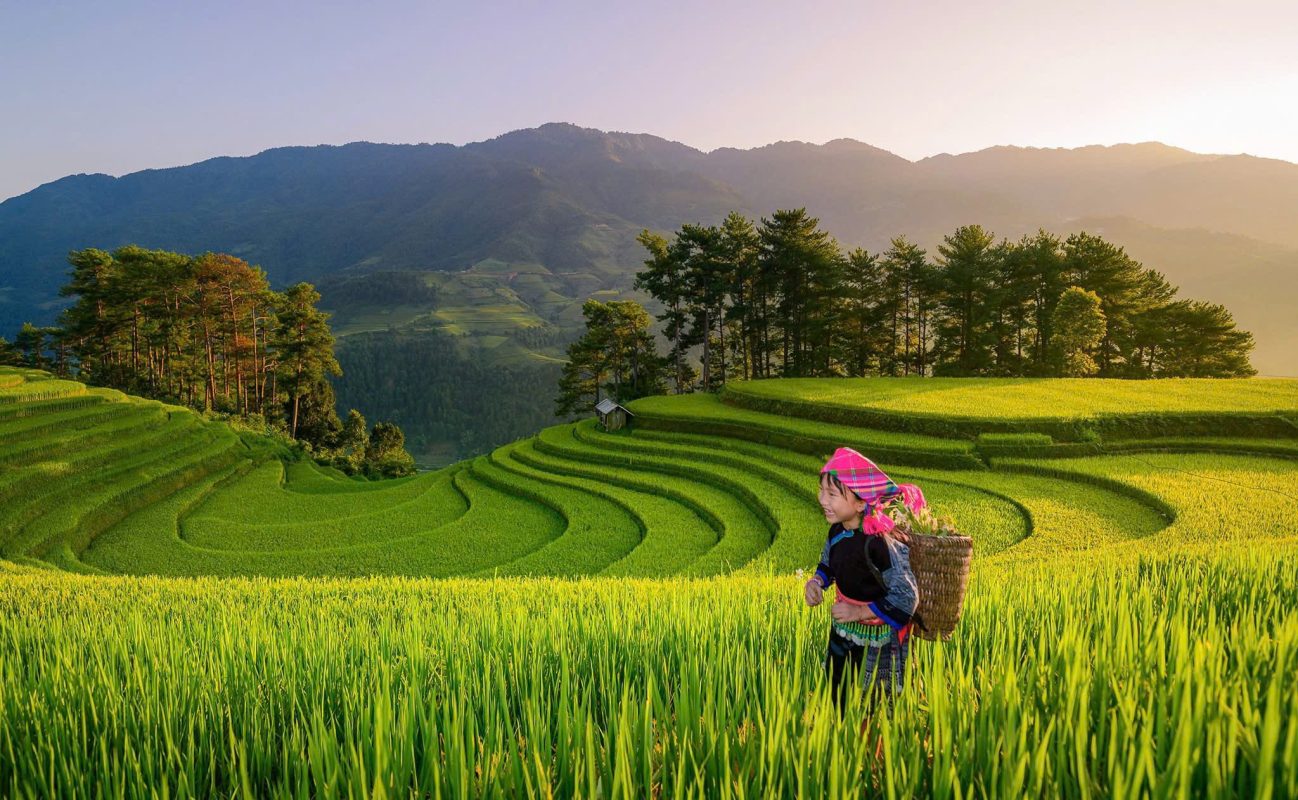
What to Pack for Sapa
Sapa requires more preparation because of its altitude.
Even during warmer months, conditions can be cooler than Hanoi, and winter can become genuinely cold. Northern mountain areas can fall below 10°C and sometimes much lower in winter.
Sapa packing list:
- Moisture-wicking T-shirts
- Long-sleeve shirts
- Fleece
- Warm jacket in winter
- Long pants
- Hiking trousers
- Hiking shoes
- Waterproof jacket
- Warm socks
- Hat
- Gloves in winter
- Small backpack
- Water bottle
For trekking, prioritize grip and comfort over fashion.
What to Pack for Ha Giang
Ha Giang is different from a normal city vacation.
If your itinerary includes mountain roads, viewpoints and trekking, pack for changing weather.
Essential Ha Giang items:
- Comfortable walking shoes
- Lightweight trousers
- Quick-dry shirts
- Long-sleeve shirt
- Waterproof jacket
- Warm layer in winter
- Sunglasses
- Sunscreen
- Gloves if riding in cooler weather
- Small daypack
- Power bank
- Waterproof phone pouch
If you are riding as a passenger on a motorbike, avoid loose scarves or clothing that could interfere with the motorcycle.
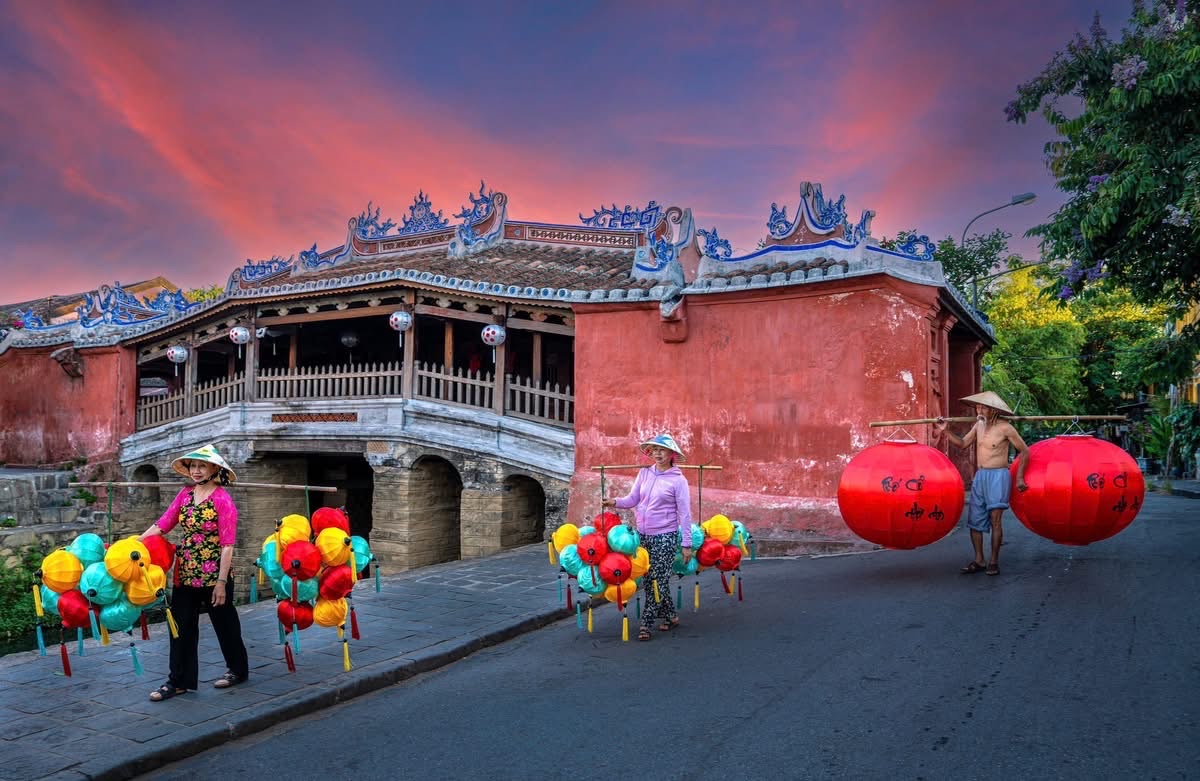
What to Pack for Hoi An
Hoi An is generally warm, but the packing requirements change considerably by season.
For the drier and hotter months:
- T-shirts
- Shorts
- Dresses
- Sandals
- Walking shoes
- Swimwear
- Sun protection
For the rainy months:
- Rain jacket
- Quick-dry clothes
- Waterproof phone pouch
- Sandals with good grip
- Small dry bag
Central Vietnam can experience significant rainfall from around September into the later months, with October and November particularly important for weather planning.
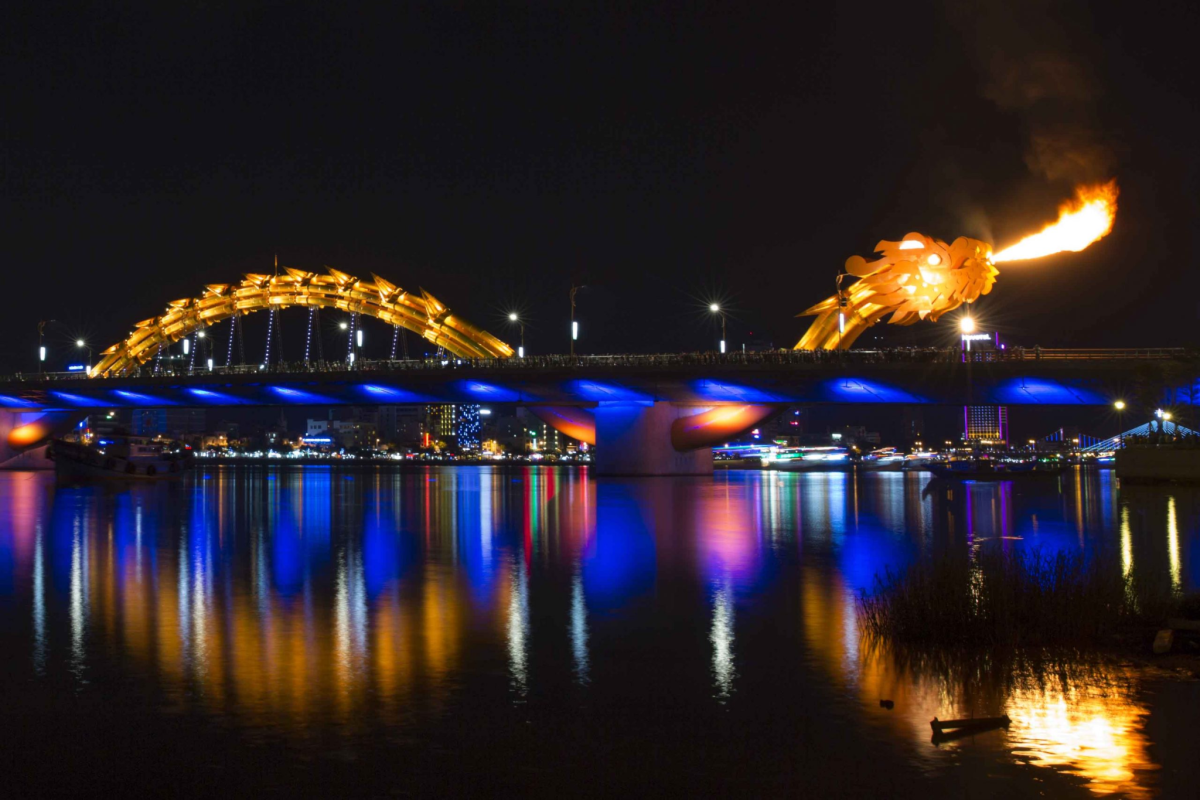
What to Pack for Da Nang
Da Nang is a beach destination, so summer packing is easy:
- Swimsuit
- T-shirts
- Shorts
- Sandals
- Sunglasses
- Hat
- Sunscreen
- Lightweight evening clothes
Add a rain jacket during the wetter months.
If you plan to visit temples or cultural attractions, keep one outfit that covers the shoulders and knees.
What to Pack for Hue
Hue can be hot, humid and sunny during some periods and significantly wetter during others.
Pack:
- Lightweight clothing
- Comfortable walking shoes
- Long pants
- Lightweight long-sleeve shirt
- Rain jacket
- Small umbrella
- Sun protection
For visiting the Imperial City and religious sites, modest clothing is useful.
What to Pack for Ho Chi Minh City
Ho Chi Minh City is warm throughout the year.
A typical packing list includes:
- T-shirts
- Shorts
- Lightweight trousers
- Sandals
- Walking shoes
- Sunglasses
- Hat
- Sunscreen
- Lightweight rain jacket
During the rainy season, afternoon downpours can be sudden, so a compact rain layer is useful. Southern Vietnam generally has a wet season from around May to October and a drier period from November to April.
What to Pack for the Mekong Delta
For the Mekong Delta, prioritize comfort.
Bring:
- Lightweight shirt
- Shorts or lightweight trousers
- Comfortable walking shoes
- Sandals
- Hat
- Sunscreen
- Insect repellent
- Rain protection
- Small daypack
- Reusable water bottle
If you take boats or sampans, a waterproof pouch for your phone is particularly useful.
What to Pack for Phu Quoc
Phu Quoc is predominantly tropical.
Bring:
- Swimsuit
- Shorts
- T-shirts
- Lightweight dresses
- Sandals
- Beach shoes
- Hat
- Sunglasses
- Sunscreen
- After-sun lotion
- Lightweight rain jacket
Phu Quoc is generally most favorable during the drier months from around November to April.
What Shoes Should You Pack for Vietnam?
Shoes are one of the most important decisions in your suitcase.
For a normal Vietnam trip, I recommend:
1. Comfortable walking shoes
Your main pair.
Choose something breathable and comfortable for several hours of walking.
2. Sandals
Useful for:
- Hot weather
- Beaches
- Casual restaurants
- Rainy days
Choose sandals with good grip.
3. Hiking shoes
Only necessary if you are doing substantial trekking in:
- Sapa
- Ha Giang
- Northern mountains
- National parks
You don’t need heavy hiking boots for a standard city itinerary.
Should You Bring Waterproof Shoes?
It depends on your itinerary.
If you’re visiting Vietnam during a wet period, quick-drying shoes or sandals with good grip can be more practical than heavy waterproof boots.
The country’s rainy-season guidance specifically recommends quick-drying clothing and footwear because rain can arrive suddenly and heavily.
For serious trekking, however, waterproof hiking shoes can be worthwhile.
What Should Women Pack for Vietnam?
Women can generally dress casually in Vietnam, especially in major cities and tourist destinations.
Recommended:
- T-shirts
- Blouses
- Lightweight trousers
- Shorts
- Dresses
- Skirts
- Sandals
- Walking shoes
- Light cardigan
- Scarf or shawl
However, temples and religious sites require more conservative clothing.
Keep one outfit that covers:
Shoulders + knees
This is useful throughout Vietnam.
Vietnam Airlines also recommends conservative clothing for temple visits and comfortable walking footwear for city sightseeing.
What Should Men Pack for Vietnam?
Men can keep the packing list simple:
- 4–6 T-shirts
- 2–3 pairs of shorts
- 1–2 pairs of long trousers
- 1–2 lightweight shirts
- Underwear
- Socks
- Sandals
- Walking shoes
- Light jacket
- Rain jacket
- Swimwear
- Hat
For temples, avoid entering in very short shorts or sleeveless clothing where a more conservative dress code applies.
What Should You Wear to Temples in Vietnam?
This is one of the most important cultural packing considerations.
Bring at least one outfit with:
Covered shoulders
Covered knees
This can be:
- Long trousers
- Midi skirt
- Long dress
- Lightweight shirt
- Shawl
- Cardigan
You don’t need formal clothing.
You simply need to be respectful.
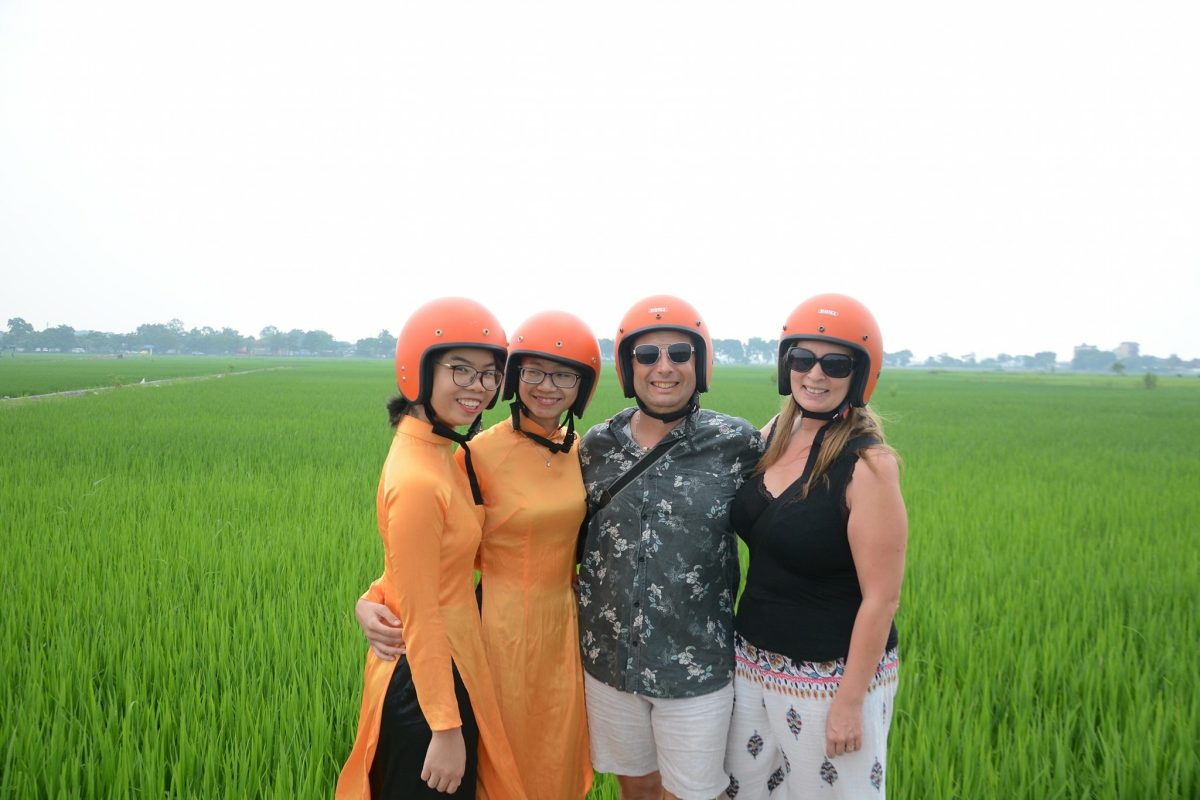
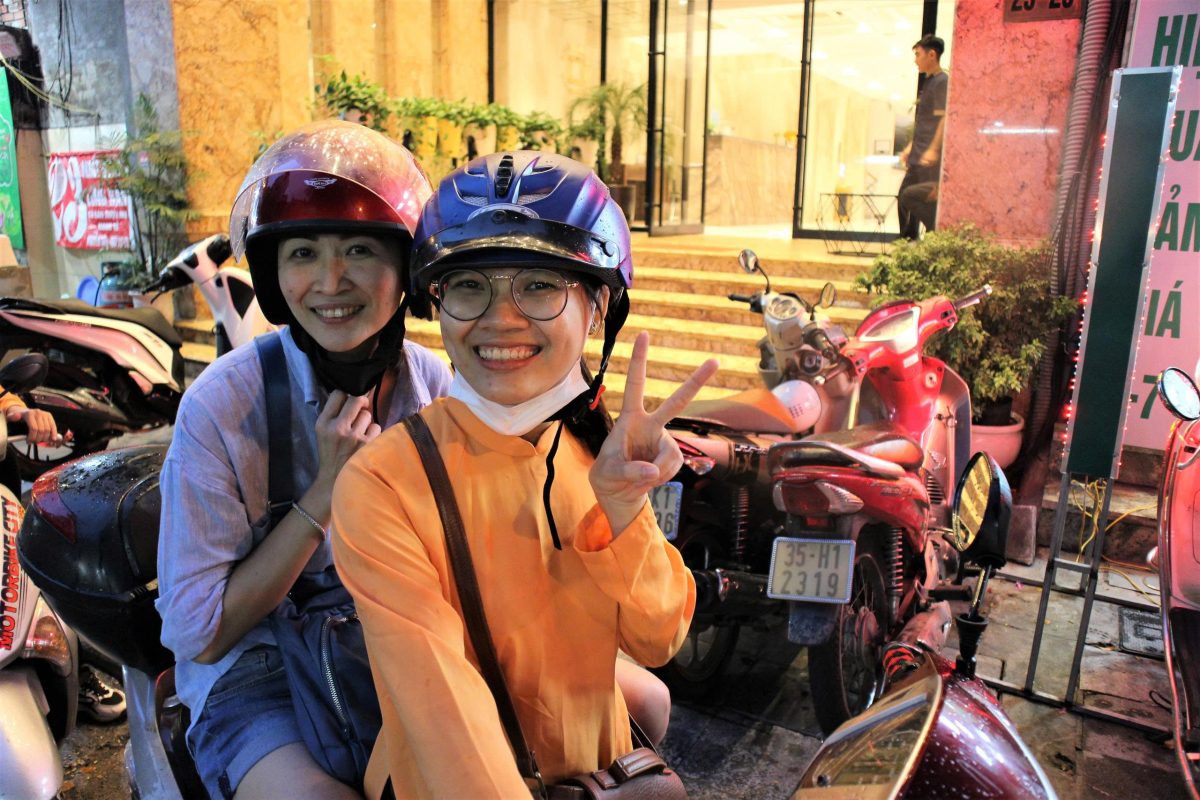
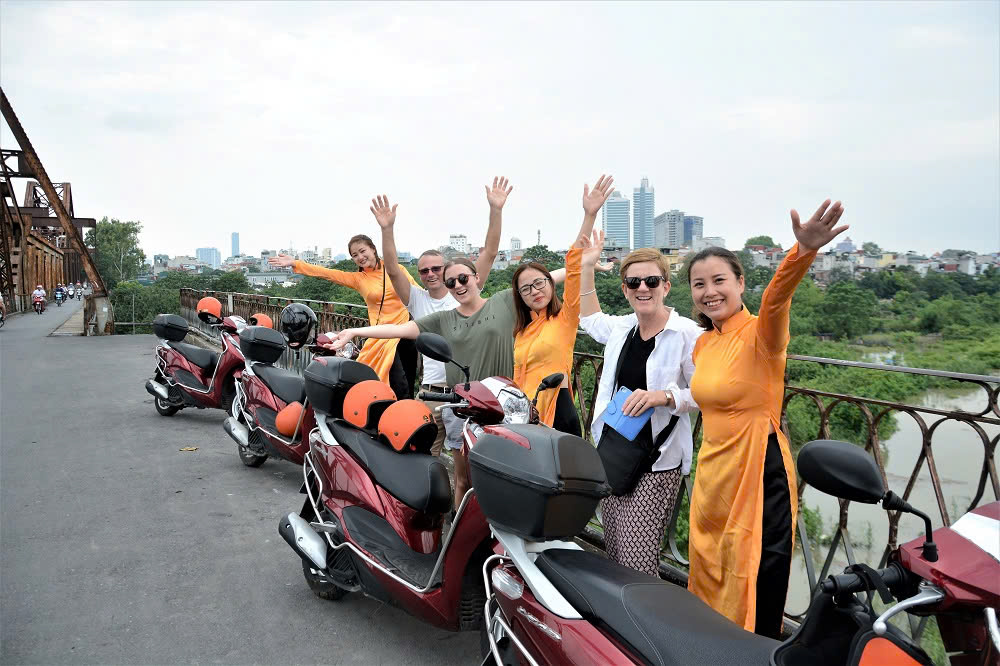
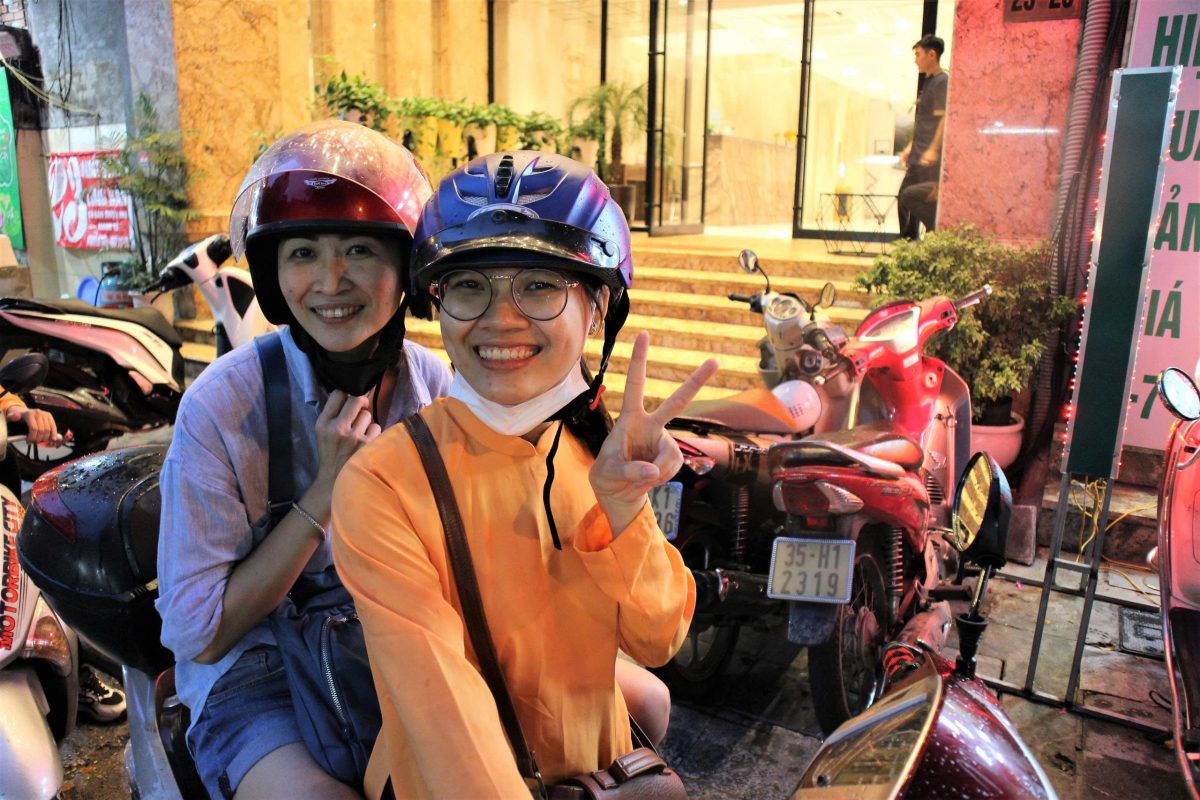
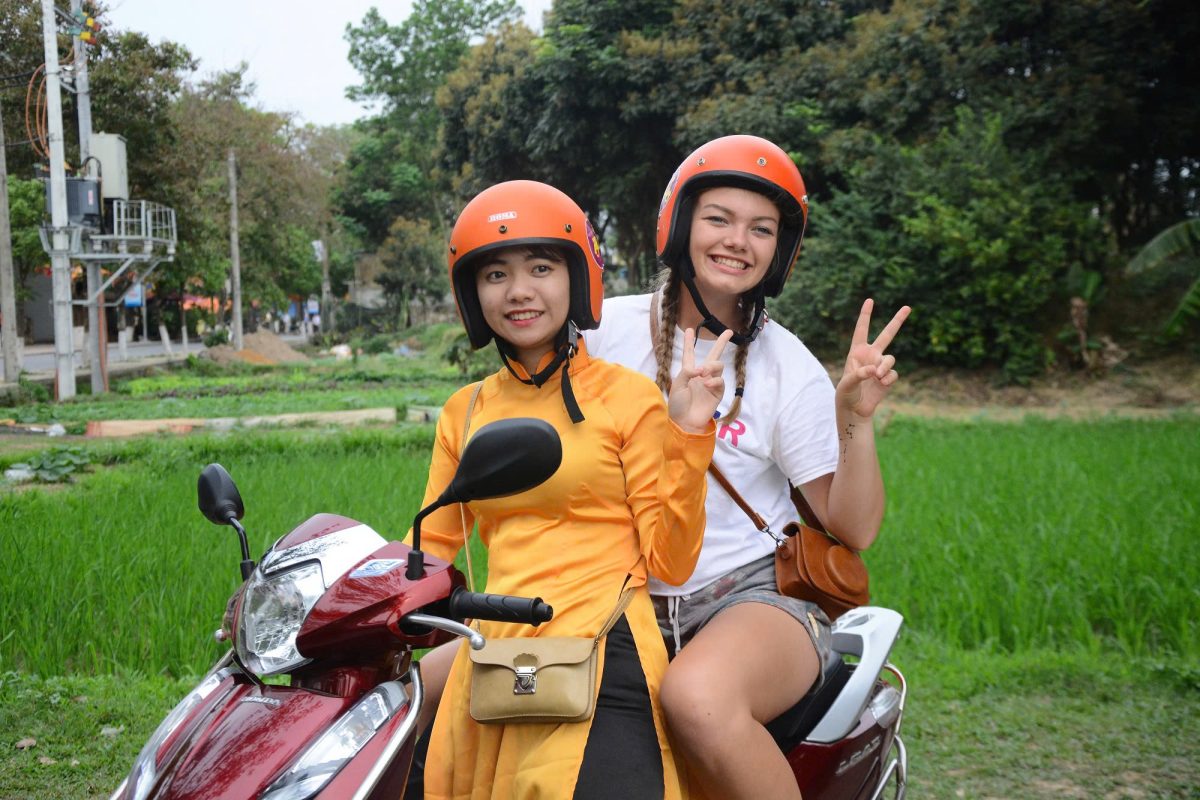
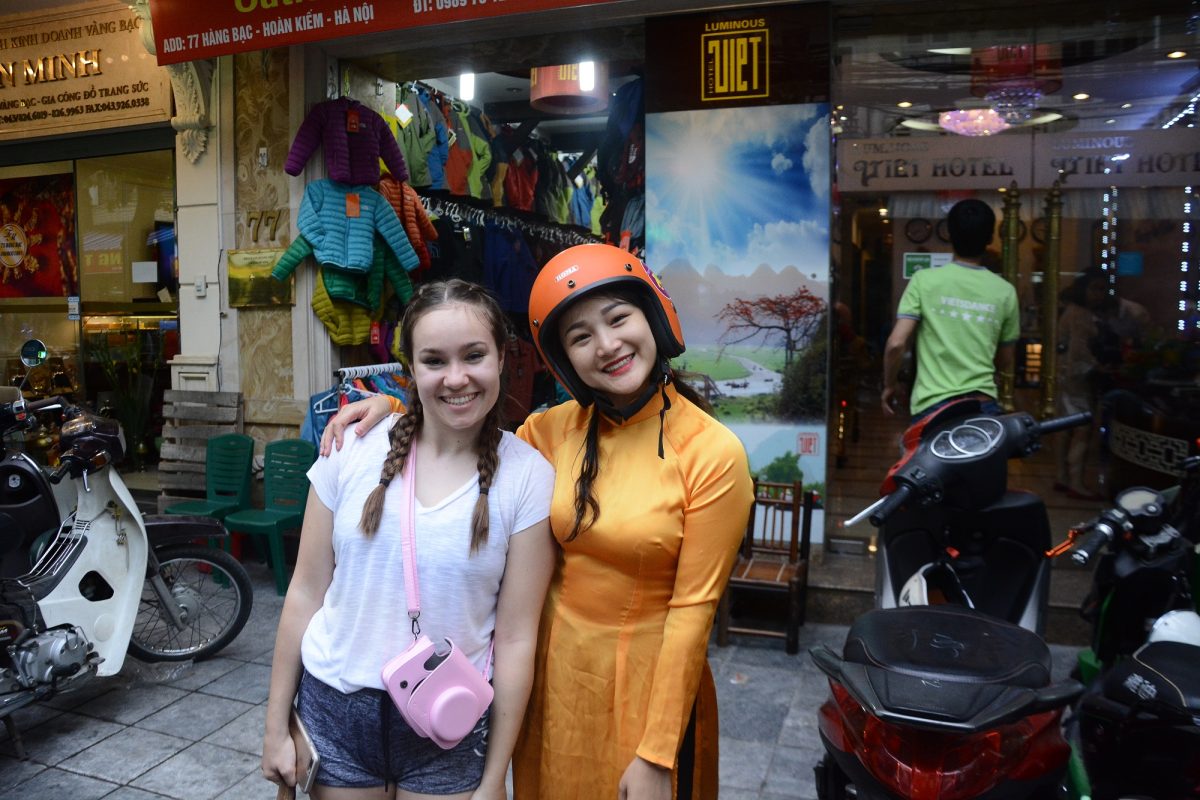
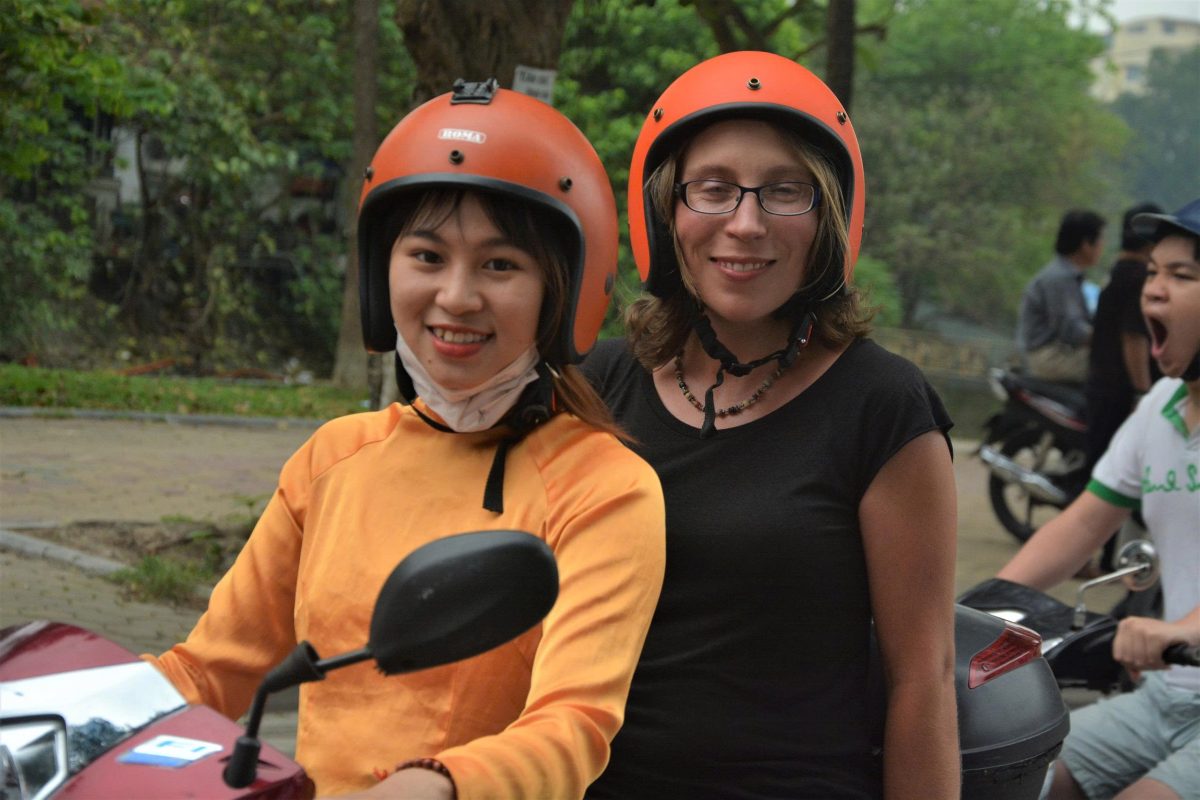
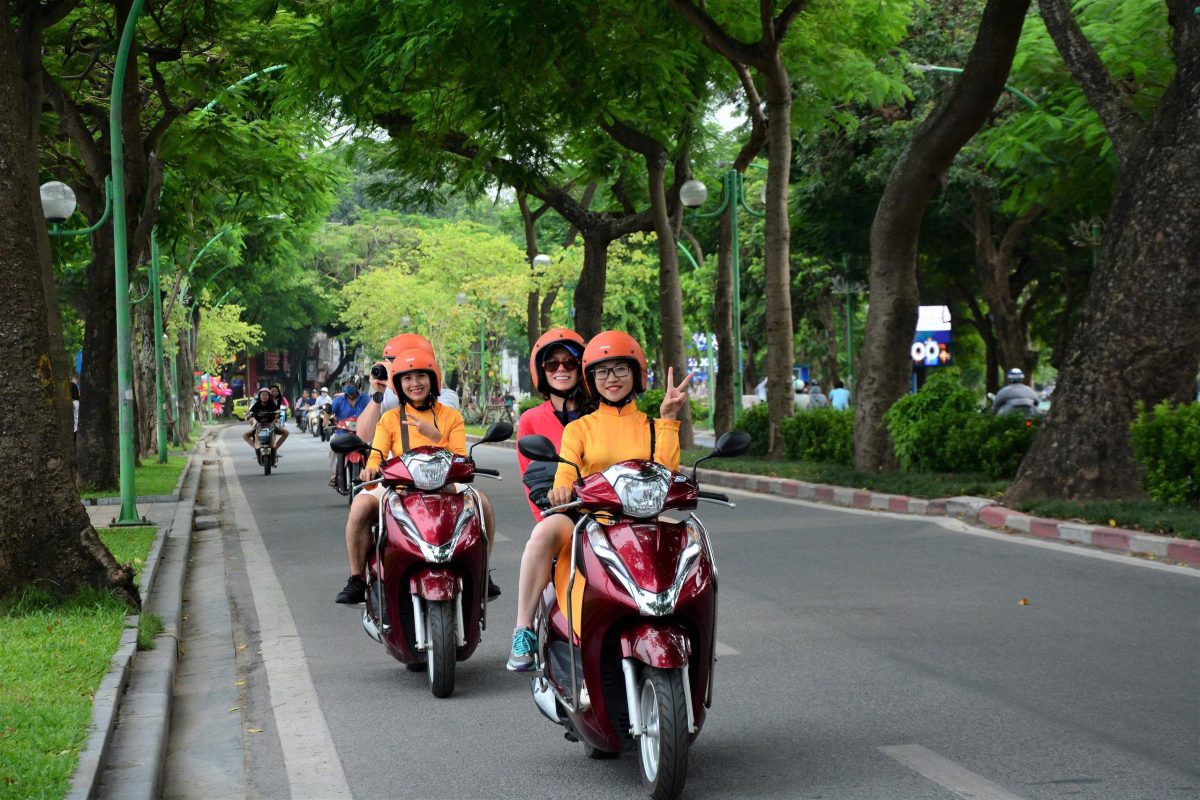
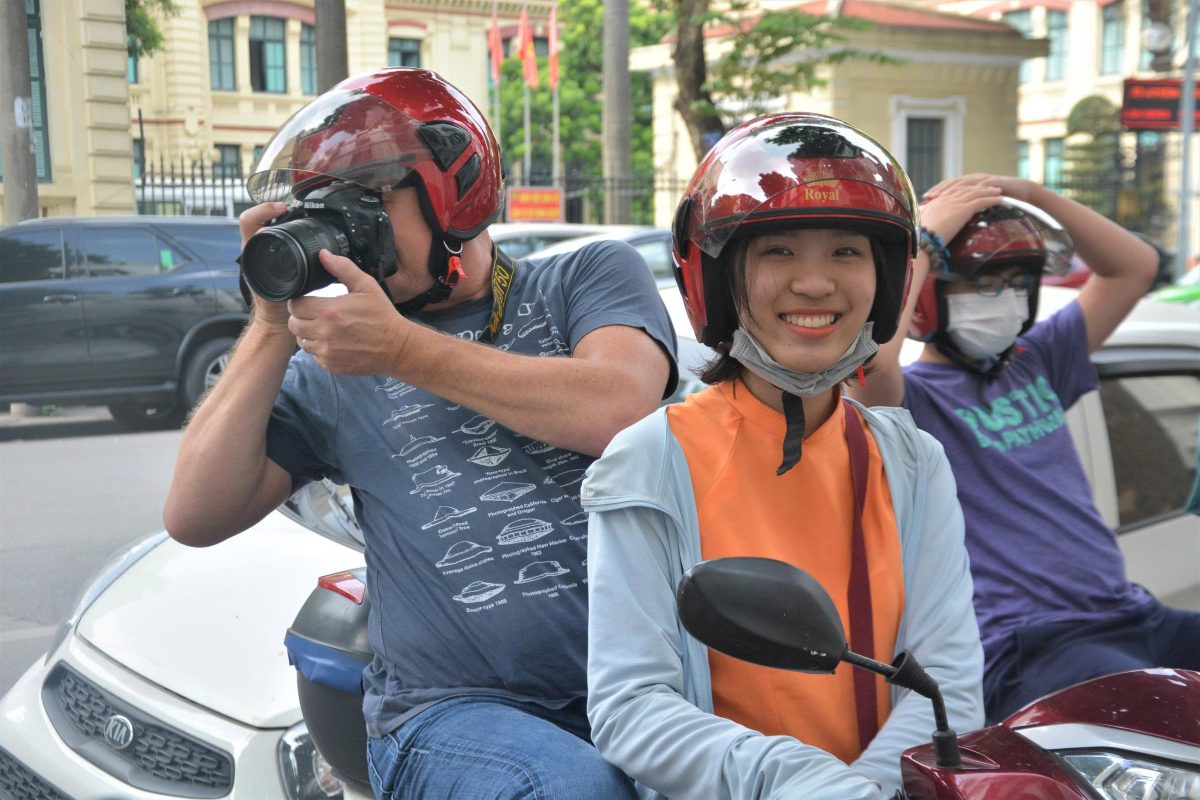
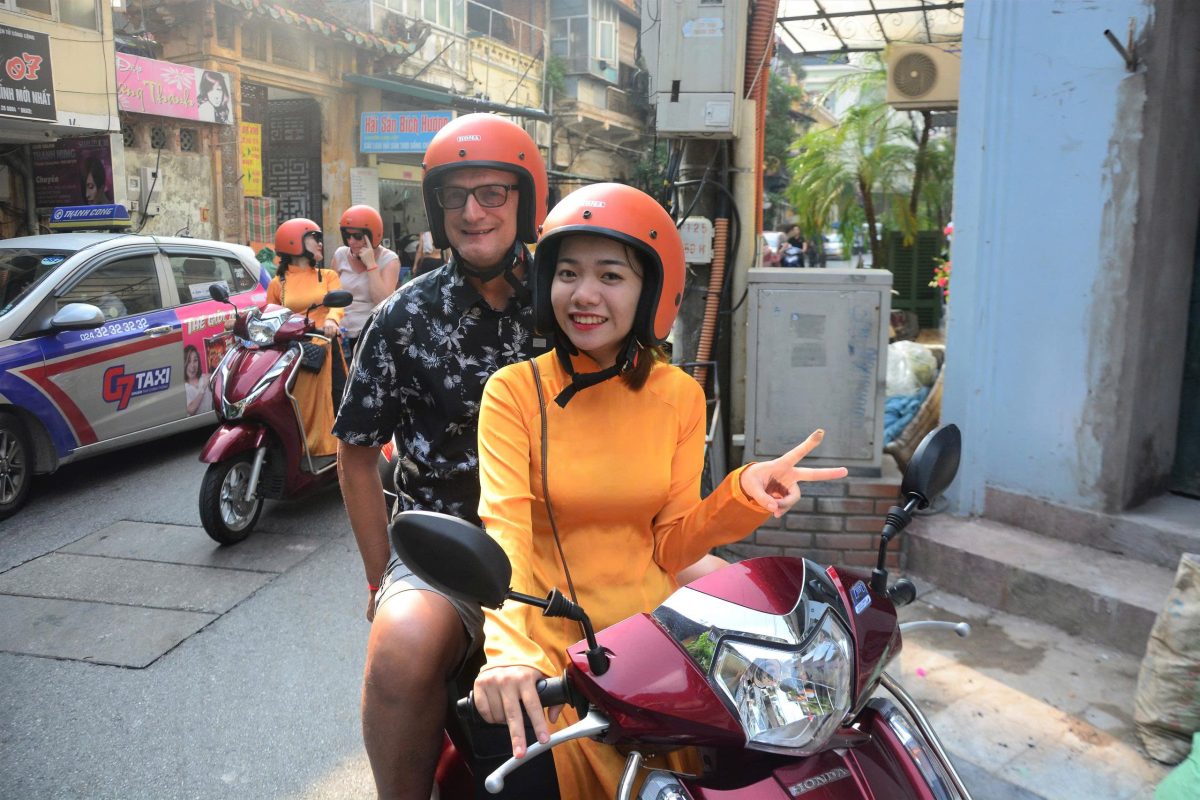
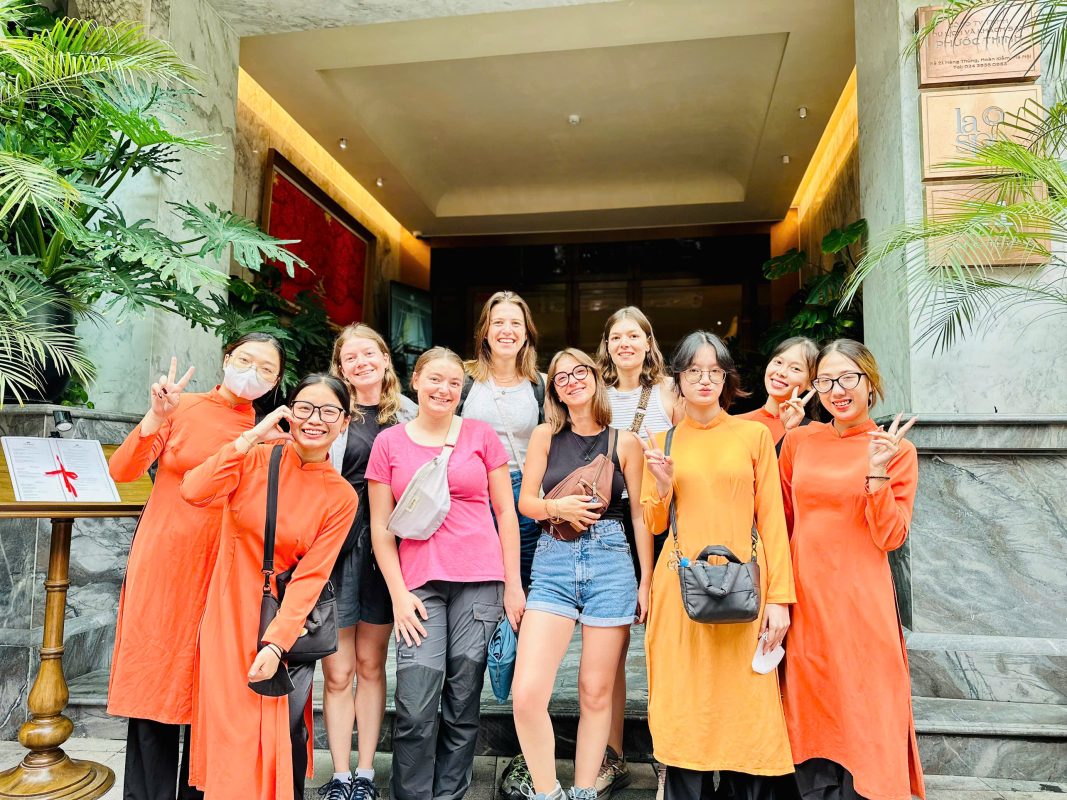
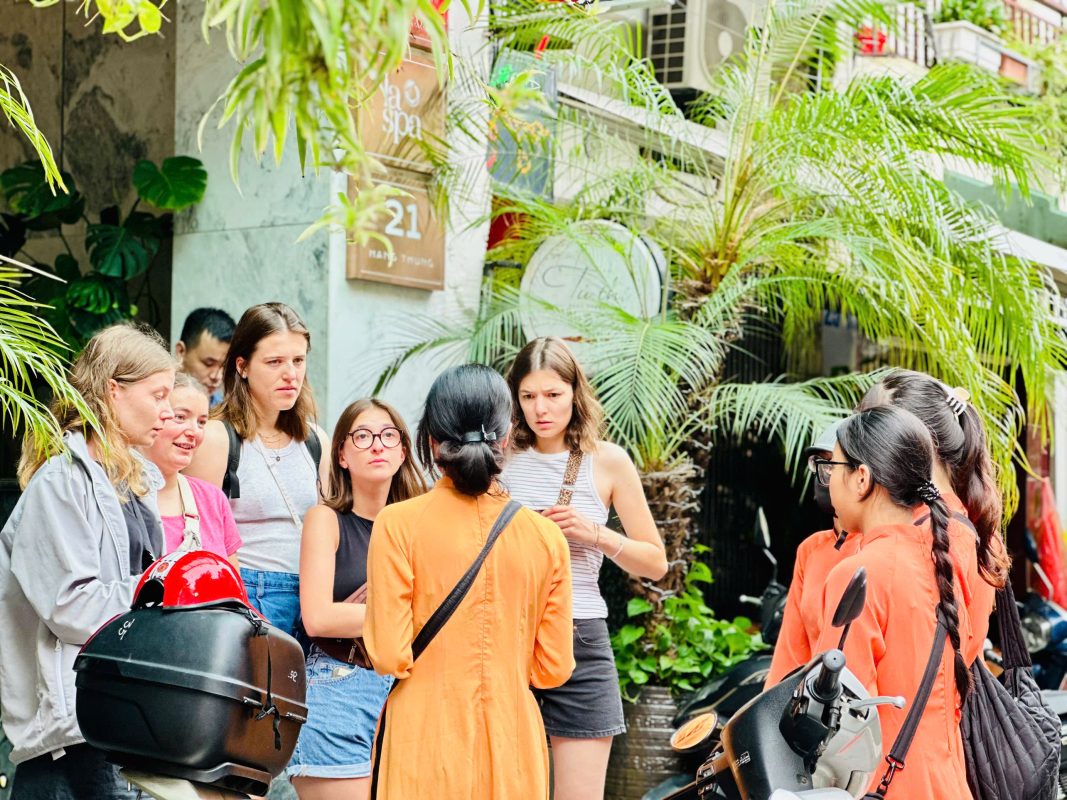
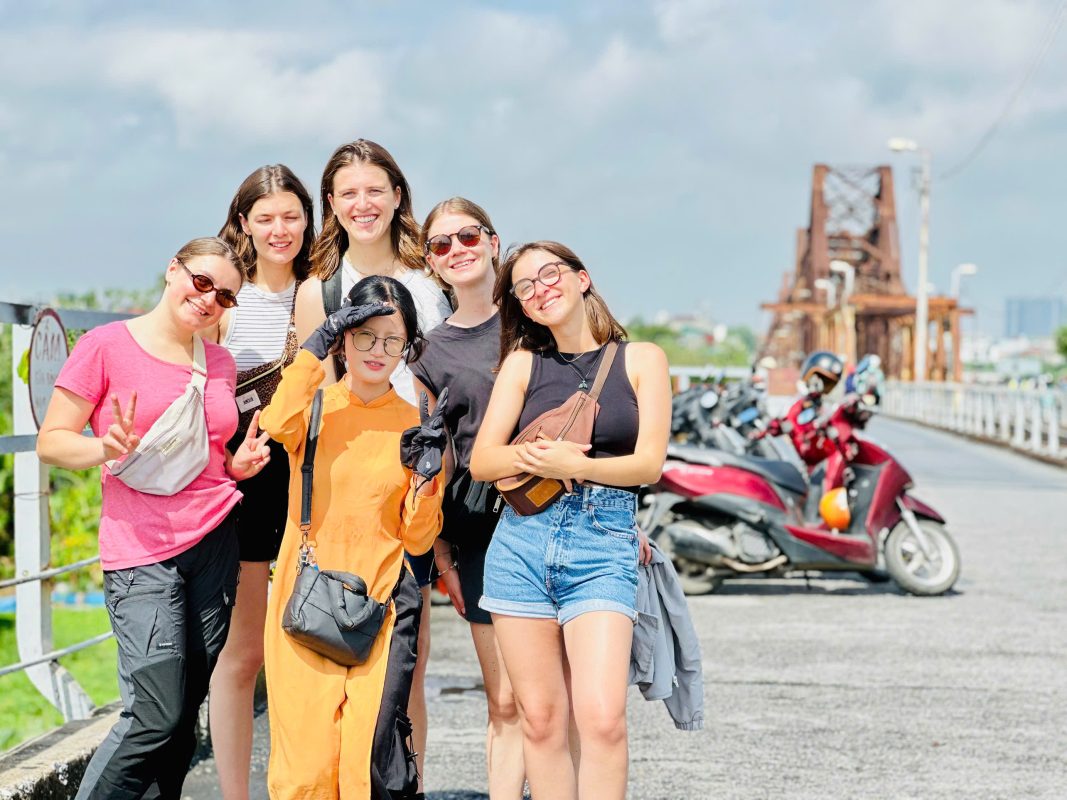
What to Pack for a Vietnam Motorbike Tour
If you’re joining a motorbike sightseeing or food tour, pack slightly differently.
Wear:
- Long trousers or comfortable pants
- Comfortable closed shoes
- T-shirt or breathable shirt
- Light jacket if needed
Bring:
- Sunglasses
- Sunscreen
- Phone
- Small bag
- Rain jacket or poncho
- Camera if desired
Avoid:
- High heels
- Long loose scarves
- Very loose clothing
- Large backpacks
For motorcycle experiences, comfortable and secure clothing is much more practical than dressing formally.
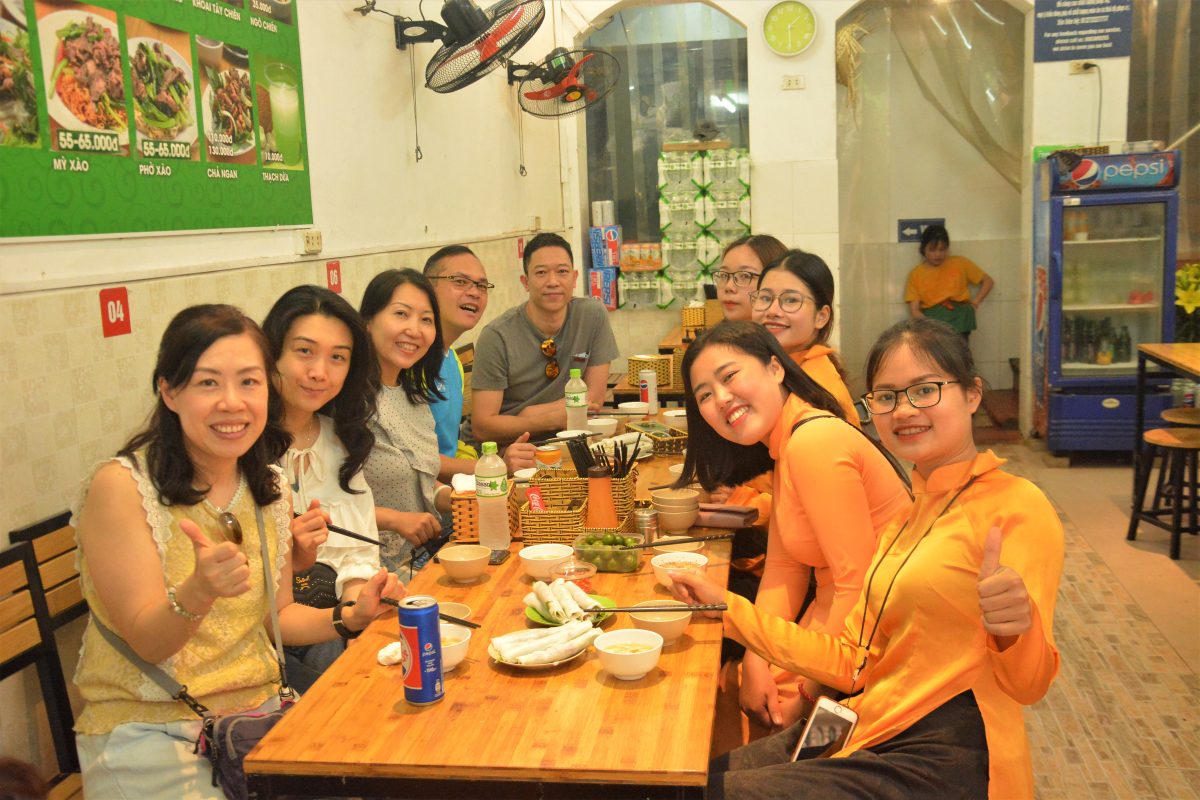
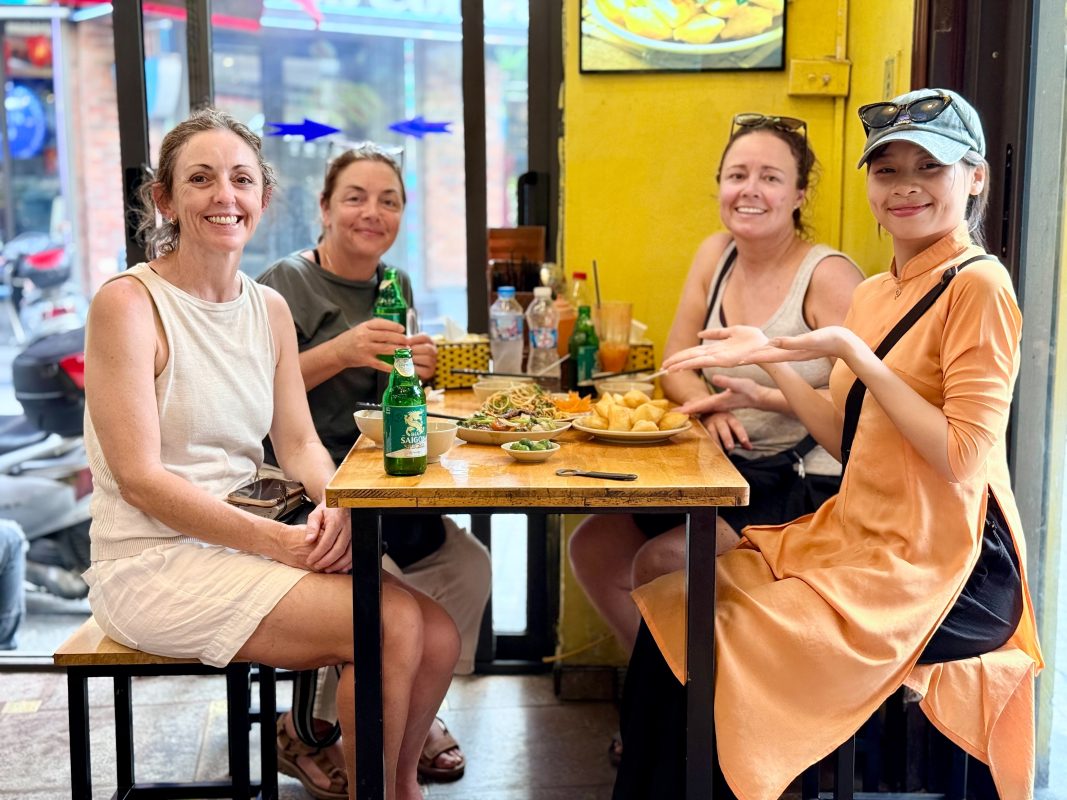
What to Pack for a Vietnam Food Tour
Food tours usually require very little special equipment.
Bring:
- Comfortable shoes
- Loose, comfortable clothing
- Small bag
- Phone
- Hand sanitizer
- Water
- Rain protection
Don’t wear extremely tight clothing if you plan to try many Vietnamese dishes!
What Electronics Should You Pack?
For most travelers:
- Smartphone
- Phone charger
- Power bank
- Universal adapter
- Camera
- Camera batteries
- Charging cables
- Earbuds
- Waterproof phone pouch
Vietnam uses 220V electricity and outlets can include Type A, C and F configurations.
A universal adapter is therefore the easiest option for international travelers.
Do You Need a Power Bank in Vietnam?
Yes, I recommend one.
You may spend 8–12 hours outside your hotel exploring cities, mountains and attractions.
Your phone is often used for:
- Google Maps
- Translation
- Grab
- Photos
- Booking confirmations
- Tickets
- Communication
A 10,000–20,000 mAh power bank is a practical choice.
Should You Bring a Camera?
A smartphone is enough for most travelers.
If photography is a major reason for your trip, a camera can be worthwhile for:
- Ha Long Bay
- Ha Giang
- Sapa
- Hoi An
- Hue
- Mekong Delta
- Phu Quoc
Remember to bring a waterproof pouch during the rainy season.
Should You Bring a Travel Adapter?
Yes.
A universal travel adapter is the easiest choice because Vietnamese sockets vary.
If you’re bringing multiple electronics, consider a compact adapter with USB-C ports.
What Toiletries Should You Pack?
Vietnam has plenty of pharmacies, supermarkets and convenience stores, so you don’t need to bring full-size bottles of everything.
Pack:
- Toothbrush
- Toothpaste
- Deodorant
- Shampoo
- Conditioner
- Moisturizer
- Lip balm
- Razor
- Hairbrush
- Sunscreen
- Insect repellent
- Hand sanitizer
- Wet wipes
For longer trips, buy basic toiletries after arrival rather than filling your suitcase.
Should You Bring Sunscreen?
Absolutely.
Vietnam can have strong UV exposure even when temperatures don’t feel extreme.
Bring:
SPF 30–50+ sunscreen
and reapply during long outdoor days.
Sunglasses and a hat are also useful.
Should You Bring Insect Repellent?
Yes.
It’s especially useful for:
- Mekong Delta
- Northern mountains
- Rural areas
- Trekking
- Camping
- Evening outdoor activities
A small bottle is enough, and you can purchase more in Vietnam if needed.
What Medicine Should You Pack for Vietnam?
Bring a small personal medical kit containing items you already know you can safely use.
Consider:
- Prescription medications
- Basic pain relief
- Motion-sickness medication
- Stomach medicine
- Bandages
- Antiseptic wipes
- Oral rehydration solution
- Allergy medication if normally used
Keep prescription medicine in its original packaging when possible.
If you take important prescription medication, bring enough for the entire trip plus a reasonable backup supply.
Should You Bring a First-Aid Kit?
A small first-aid kit is useful.
You don’t need a large medical bag.
Pack:
- Plasters
- Antiseptic wipes
- Blister protection
- Basic pain relief
- Gauze
- Personal medication
Vietnam has pharmacies in cities and towns, so you can purchase many basic items after arrival.
Should You Bring Toilet Paper?
You don’t need to bring a huge roll.
However, carrying a small pack of tissues in your daypack is useful.
It’s also useful for:
- Markets
- Road trips
- Rural areas
- Public toilets
Wet wipes are another excellent addition.
Should You Bring a Reusable Water Bottle?
Yes.
A reusable bottle is useful for long sightseeing days and reduces disposable plastic use.
If you use a bottle with a filter, remember that filtration capability varies; don’t assume every filter makes untreated water safe.
For most travelers, bottled or appropriately treated drinking water is the simpler choice.
Should You Bring a Dry Bag?
If your itinerary includes:
- Ha Long Bay
- Mekong Delta
- Kayaking
- Beaches
- Boat trips
- Rainy-season travel
a small dry bag can be extremely useful.
You can protect:
- Phone
- Passport
- Camera
- Wallet
- Power bank
- Documents
What NOT to Pack for Vietnam
This is just as important as what you should pack.
Don’t bring a huge suitcase
Vietnam involves stairs, narrow sidewalks, cars, boats and frequent hotel changes.
Don’t bring too many jeans
Heavy denim is uncomfortable in humidity and takes a long time to dry.
Don’t bring multiple formal outfits
Most Vietnam travel is casual.
Don’t bring high heels unless necessary
Vietnam’s sidewalks can be uneven, and you’ll probably walk much more than expected.
Don’t bring expensive jewelry
It is unnecessary and can attract unwanted attention in crowded places.
Don’t bring a heavy winter coat unless you’re specifically visiting cold mountain areas.
Northern Vietnam can be cold in winter, but Southern Vietnam remains tropical.
Vietnam’s current packing guidance similarly recommends avoiding heavy winter coats unless traveling in the northern mountains and limiting unnecessary formal clothing.
What to Pack for a 7-Day Vietnam Trip
For one week, keep it simple:
Clothing
- 5 T-shirts
- 2 pairs of shorts
- 2 pairs of long pants
- 1 lightweight long-sleeve shirt
- 7 sets underwear
- 4 pairs socks
- 1 light jacket
- 1 rain jacket
- 1 swimsuit
Shoes
- Walking shoes
- Sandals
Essentials
- Passport
- Visa documents
- Phone
- Charger
- Power bank
- Adapter
- Sunscreen
- Insect repellent
- Medication
- Small daypack
What to Pack for a 2-Week Vietnam Trip
Don’t simply double your 7-day packing list.
Instead, pack for 7–9 days and do laundry.
A good 14-day list:
- 6 T-shirts
- 2–3 long-sleeve shirts
- 3 pairs shorts
- 2 pairs trousers
- 8–10 underwear
- 5 pairs socks
- 1 light jacket
- 1 rain jacket
- 1 swimsuit
- 1 walking shoe
- 1 sandal
- Toiletries
- Electronics
- Medication
- Documents
This keeps your luggage manageable.
What to Pack for a Luxury Vietnam Trip
If you’re staying in 4–5-star hotels, you can pack slightly differently.
Bring:
- Smart-casual dinner outfit
- Comfortable walking shoes
- Lightweight daytime clothes
- Light jacket
- Swimwear
- Sunglasses
- Sun hat
- Small daypack
- Rain protection
You don’t need formal eveningwear for most luxury hotels in Vietnam.
Smart casual is usually enough.
What to Pack for a Backpacking Trip
For backpacking, prioritize weight.
Bring:
- 4 T-shirts
- 2 shorts
- 1 trousers
- 1 long-sleeve shirt
- Underwear
- Sandals
- Lightweight shoes
- Rain jacket
- Small towel
- Toiletries
- Power bank
- Universal adapter
- Small first-aid kit
A 40–50 liter backpack is usually more practical than a large suitcase for this style of travel.
Vietnam Packing List for Families
Families should focus on comfort and convenience.
For parents:
- Lightweight clothes
- Comfortable shoes
- Rain protection
- Sunscreen
- Insect repellent
- Medication
- Power bank
For children:
- Extra T-shirts
- Extra underwear
- Comfortable shoes
- Hat
- Sunscreen
- Swimwear
- Lightweight rain jacket
- Favorite small comfort item
- Snacks for longer journeys
Pack one extra outfit in your day bag for young children.
Vietnam Packing List for Seniors
Older travelers should prioritize:
Comfort over quantity.
Bring:
- Comfortable walking shoes
- Breathable clothing
- Light jacket
- Rain jacket
- Sun hat
- Prescription medications
- Personal medical documents
- Small daypack
- Reusable water bottle
Avoid overpacking.
A lightweight suitcase makes hotel changes and transportation much easier.
What to Wear in Vietnam for Cultural Respect
Vietnam is relatively relaxed about clothing in everyday tourist areas.
But visitors should dress more conservatively when entering:
- Temples
- Pagodas
- Religious sites
- Some historic buildings
- Rural communities
A lightweight shirt and long trousers or a skirt covering the knees are usually easy solutions.
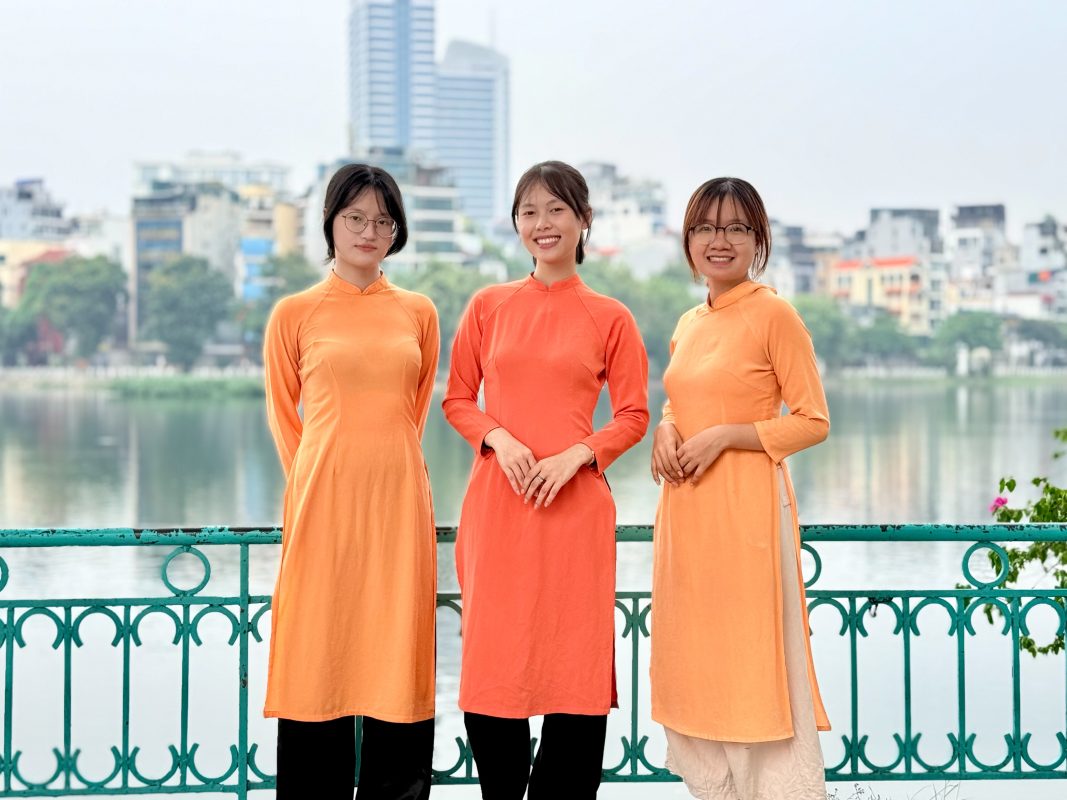
You don’t need to wear traditional Vietnamese clothing unless you specifically want to.
Best Fabrics to Pack for Vietnam
Best choices:
Linen
Excellent in hot weather.
Lightweight cotton
Comfortable and breathable.
Quick-dry synthetic fabrics
Excellent during rainy and humid periods.
Moisture-wicking sports fabrics
Useful for hiking and long outdoor days.
Less useful:
Heavy denim
Slow to dry.
Thick sweaters
Too warm except in northern winter.
Heavy leather shoes
Poor choice during wet weather.
Best Packing Strategy for Vietnam’s Three Climate Zones
If you’re traveling:
Hanoi → Ha Long Bay → Hoi An → Hue → Ho Chi Minh City
you don’t need three separate wardrobes.
Use this formula:
Base wardrobe
- T-shirts
- Shorts
- Lightweight trousers
- Walking shoes
- Sandals
Weather layer
- Light jacket
- Rain jacket
Cultural layer
- One modest outfit
Beach layer
- Swimsuit
- Beachwear
That’s enough for most trips.
If adding Sapa or Ha Giang in winter, add:
Fleece + warm jacket + warm socks + gloves.
The Ultimate Vietnam Packing Checklist
Before leaving home, check:
Documents
☐ Passport
☐ Visa/e-visa if required
☐ Travel insurance
☐ Flight confirmations
☐ Hotel confirmations
☐ Tour confirmations
☐ Copies of important documents
Clothing
☐ T-shirts
☐ Shorts
☐ Long pants
☐ Long-sleeve shirt
☐ Underwear
☐ Socks
☐ Light jacket
☐ Rain jacket
☐ Swimwear
☐ Modest temple outfit
Shoes
☐ Walking shoes
☐ Sandals
☐ Hiking shoes if needed
Electronics
☐ Smartphone
☐ Charger
☐ Power bank
☐ Travel adapter
☐ Camera
☐ Waterproof phone pouch
Health
☐ Prescription medicine
☐ Sunscreen
☐ Insect repellent
☐ Basic first-aid kit
☐ Hand sanitizer
☐ Personal medication
Useful extras
☐ Sunglasses
☐ Hat
☐ Reusable water bottle
☐ Small daypack
☐ Dry bag
☐ Small umbrella
☐ Tissues/wet wipes
What Is the Most Important Thing to Pack for Vietnam?
If you can only remember five things, remember these:
1. Comfortable shoes
You will probably walk more than you expect.
2. Lightweight clothing
Vietnam can be hot and humid.
3. Rain protection
Rain can arrive suddenly, particularly during the wet season.
4. Sun protection
Sunscreen, sunglasses and a hat are useful year-round.
5. One modest outfit
You’ll appreciate having it when visiting temples and religious sites.
Final Vietnam Packing Advice
The biggest mistake travelers make is packing for the entire country instead of packing for their actual itinerary.
Vietnam has three distinct climate zones. Northern Vietnam can be cold in winter, Central Vietnam can experience intense rain and typhoons toward the end of the year, while Southern Vietnam remains warm year-round.
If you’re traveling across the country, the smartest strategy is:
Pack light.
Use layers.
Choose breathable fabrics.
Bring comfortable shoes.
Carry rain protection.
Keep one modest outfit for temples.
Add warm clothing only if you’re visiting the northern mountains in winter.
For rainy-season travel, a lightweight rain jacket, quick-dry clothing, waterproof phone protection and footwear with good grip are particularly useful.
And don’t worry if you forget something.
Vietnam has supermarkets, pharmacies, convenience stores, shopping centers and markets in most major tourist destinations, so you can easily buy many everyday items after arrival.
The perfect Vietnam suitcase is not the biggest one. It is the one that contains exactly what you need without making your journey harder.
Vietnam Women Travel – Premium Private Tours Led by Women
Vietnam Women Travel – Premium Private Tours Led by Women helps travelers explore Vietnam through private, carefully organized experiences led by professional women.
For a premium itinerary, travelers can combine 4–5-star hotels, private transportation, domestic flights, professional female guides and carefully selected experiences from Hanoi through Central and Southern Vietnam.
Whether you’re exploring Hanoi’s Old Quarter, enjoying Vietnamese food by motorbike, cruising Ha Long Bay, discovering Hoi An, visiting Hue or traveling through the Mekong Delta, the right packing list keeps you comfortable, prepared and ready to enjoy Vietnam in every season.