Vietnam Women Travel Guide for First-Time Visitors
Vietnam is one of the most rewarding countries in Southeast Asia for first-time travelers because a single trip can combine historic cities, street food, mountains, countryside, beaches, traditional culture, modern cities, and some of Asia’s most distinctive everyday street life. But Vietnam is also long, busy, diverse, and very different from one region to another. For a first visit, the biggest challenge is not finding things to do. It is choosing the right places, arranging transportation intelligently, and leaving enough time to actually experience each destination.
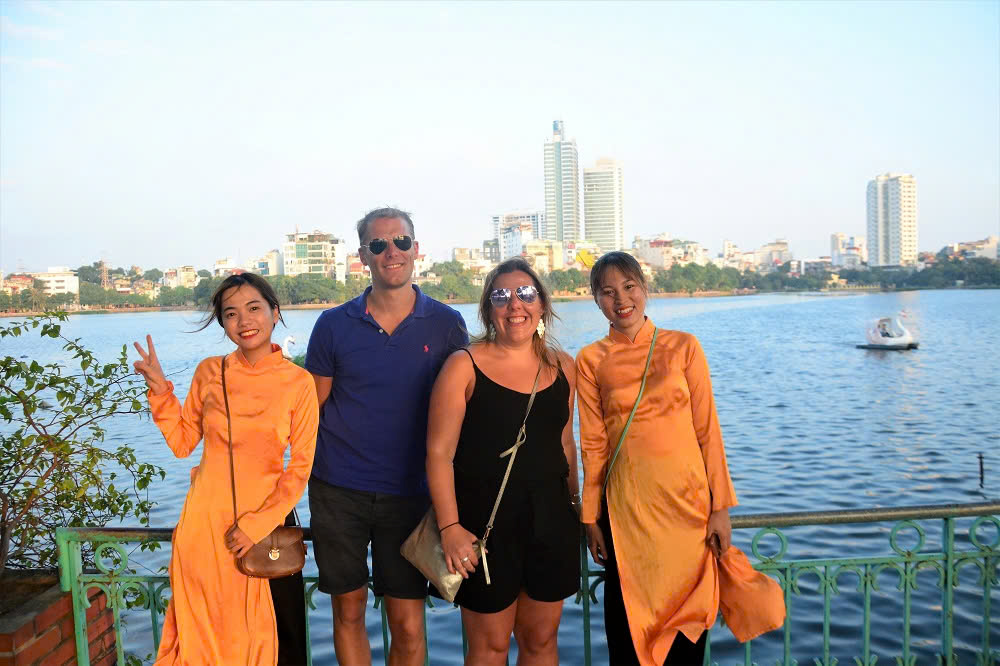
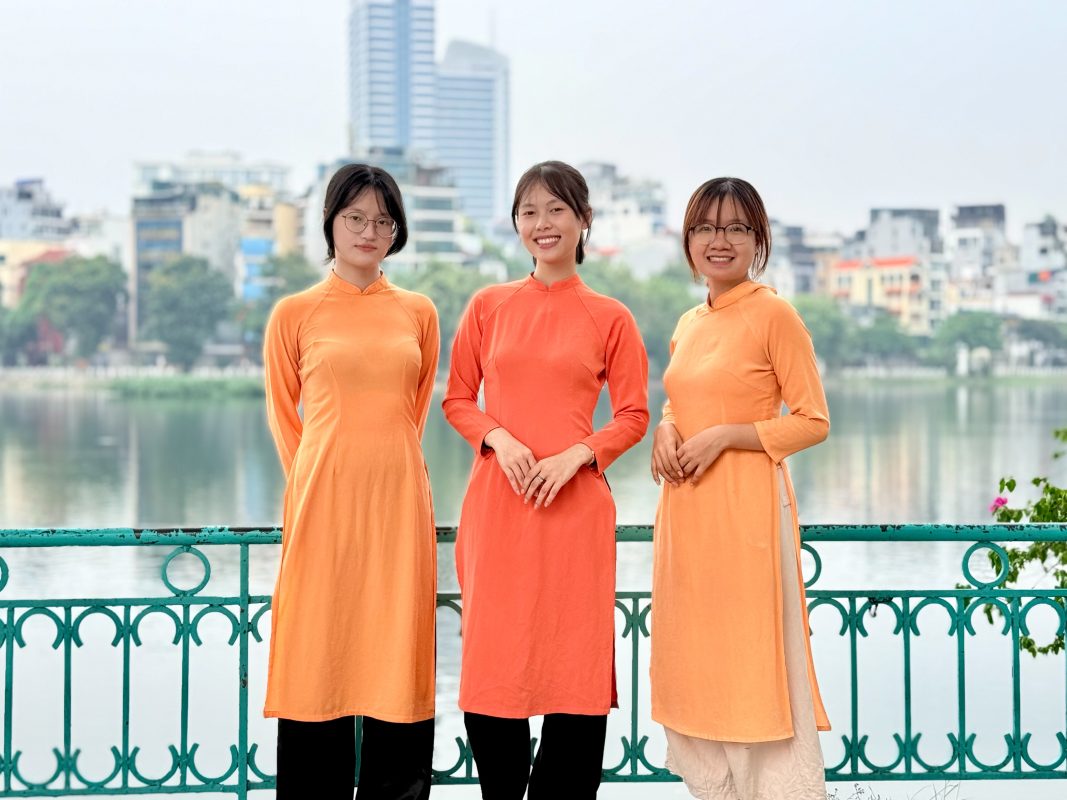
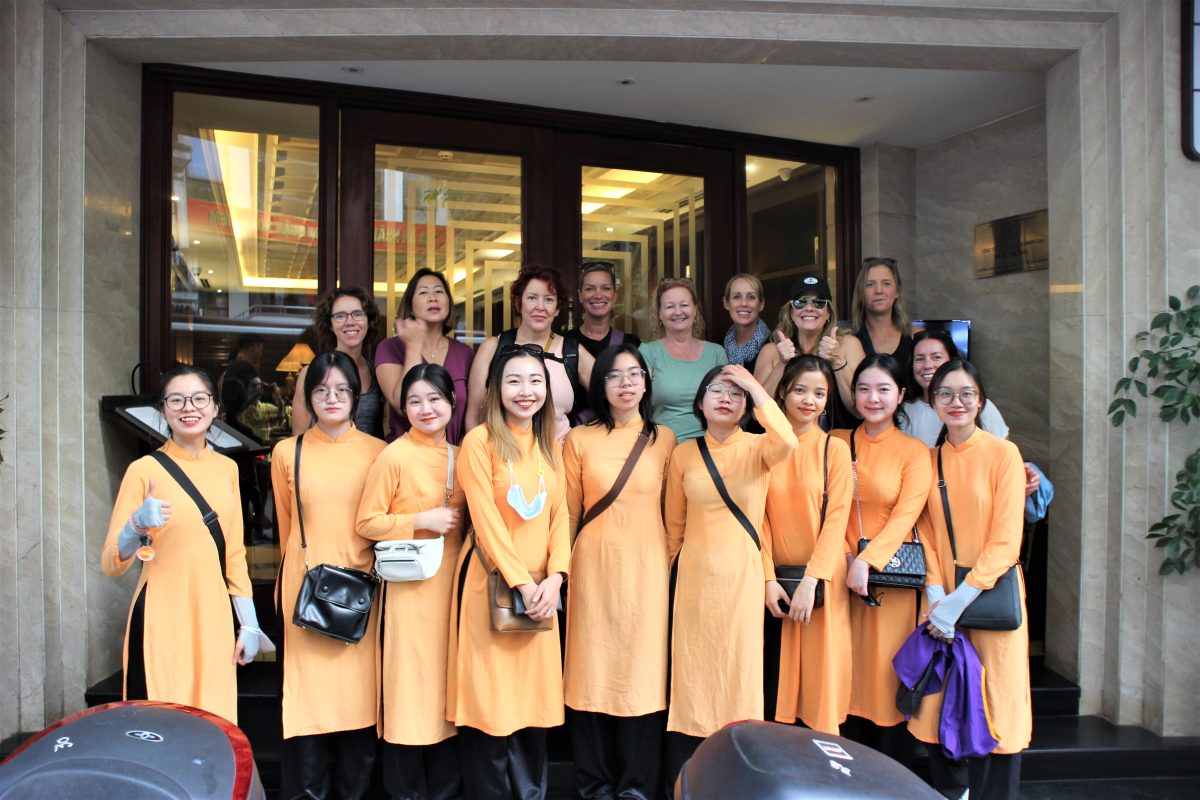
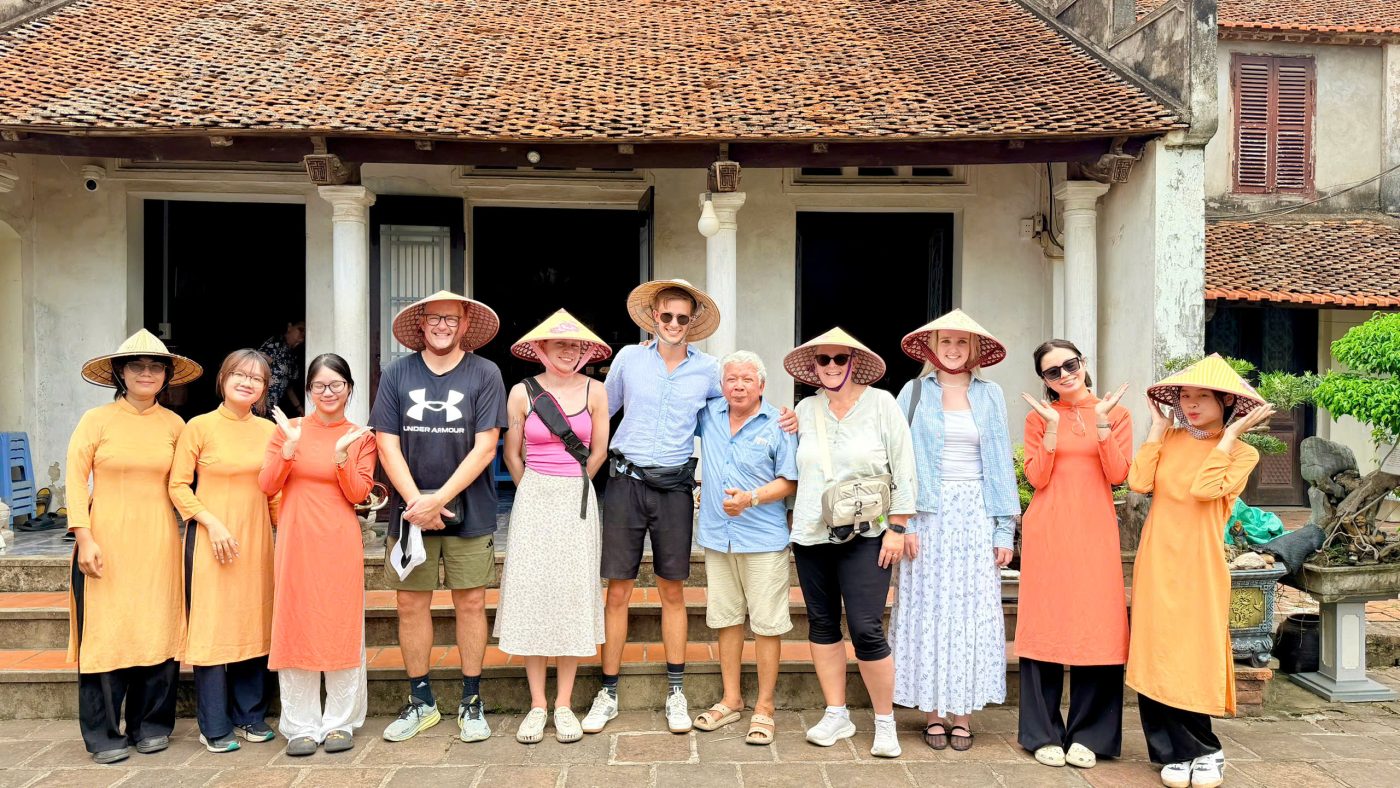
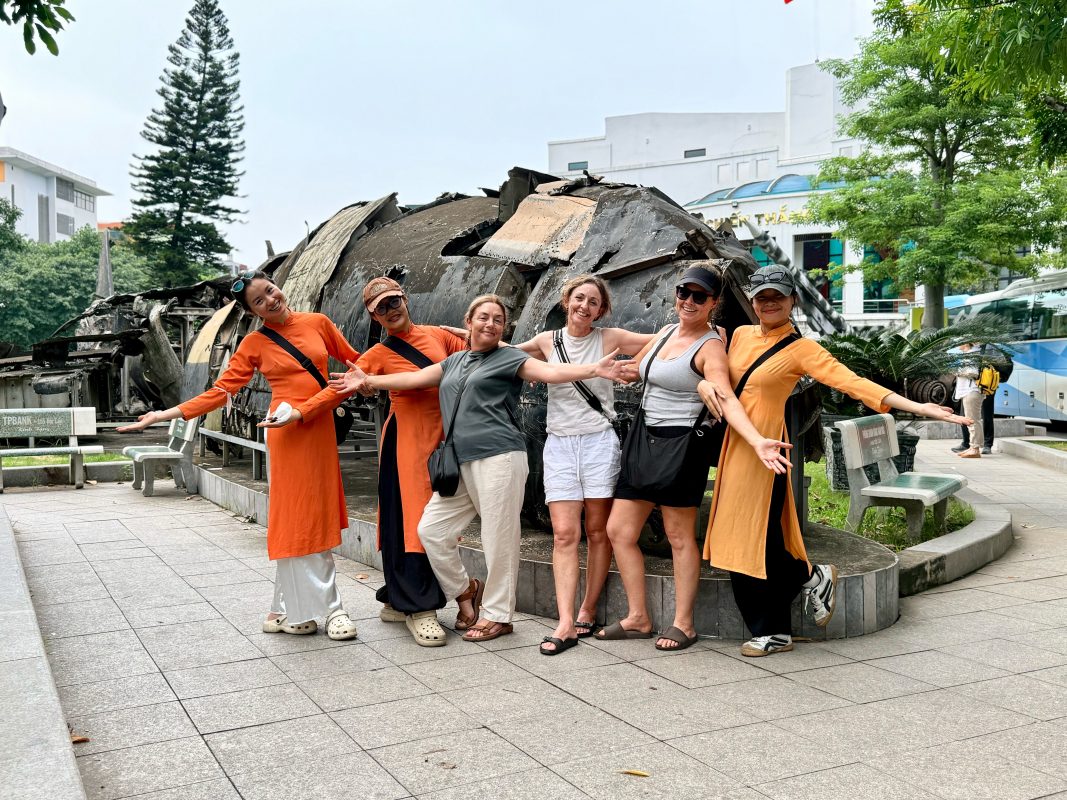
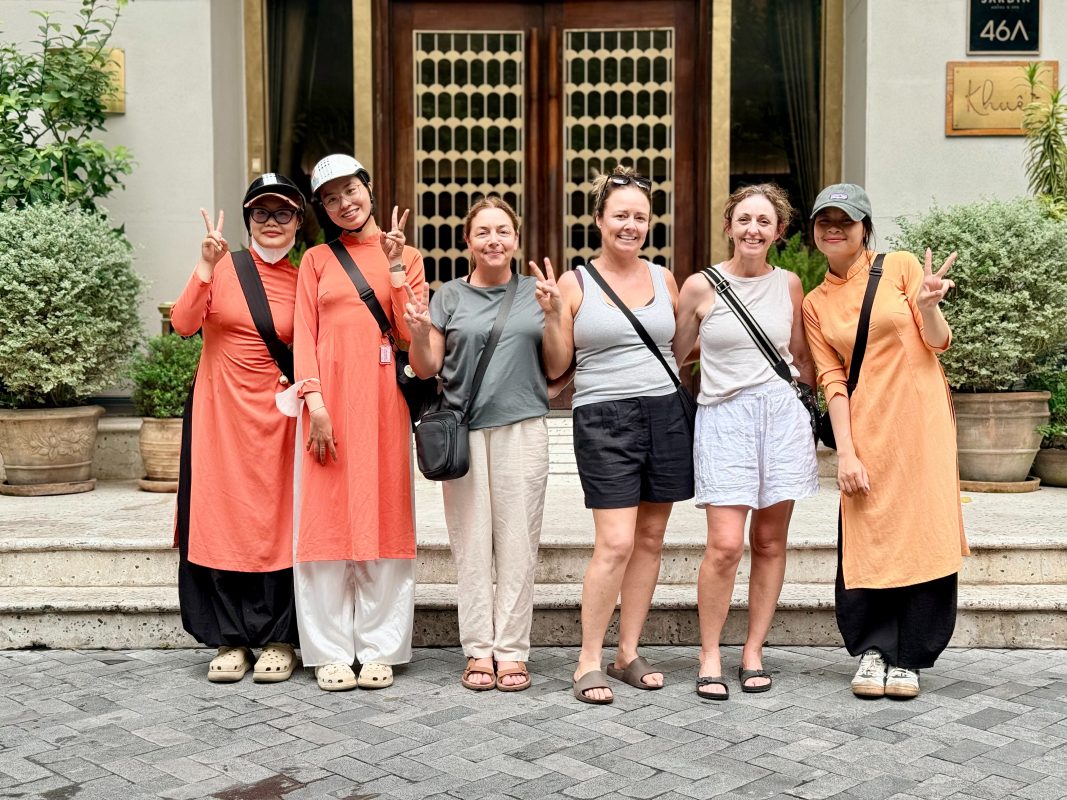
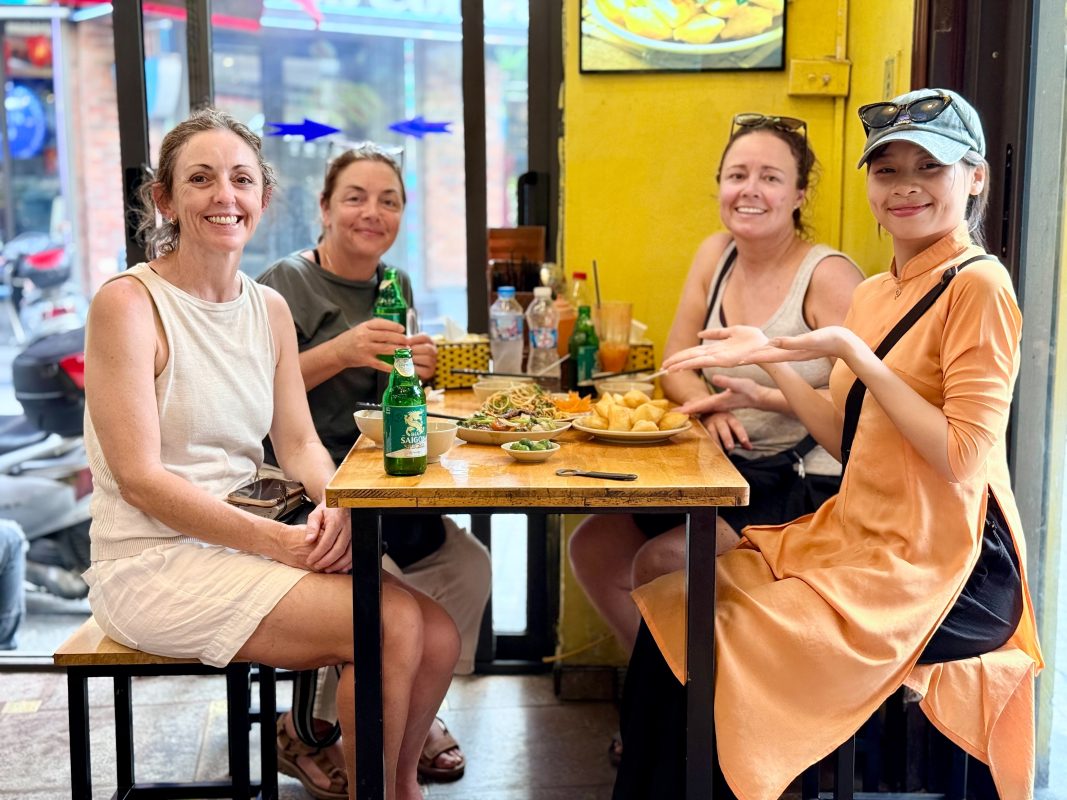
For travelers who want a more personal introduction to the country, Vietnam Women Travel offers another approach: explore Vietnam through private and women-led experiences with Vietnamese female guides who can explain the food, streets, history, customs, and daily life behind the places you visit. This guide provides practical information for first-time visitors, from where to start and how many days to spend to transportation, food, cultural etiquette, accommodation, weather, and how to organize a women-led Vietnam itinerary.
Start Your First Vietnam Trip in Hanoi
For a first-time visitor, Hanoi is an excellent place to begin. The capital gives you an immediate introduction to Vietnamese street life, but it also has enough historical and cultural depth to keep you interested for several days.
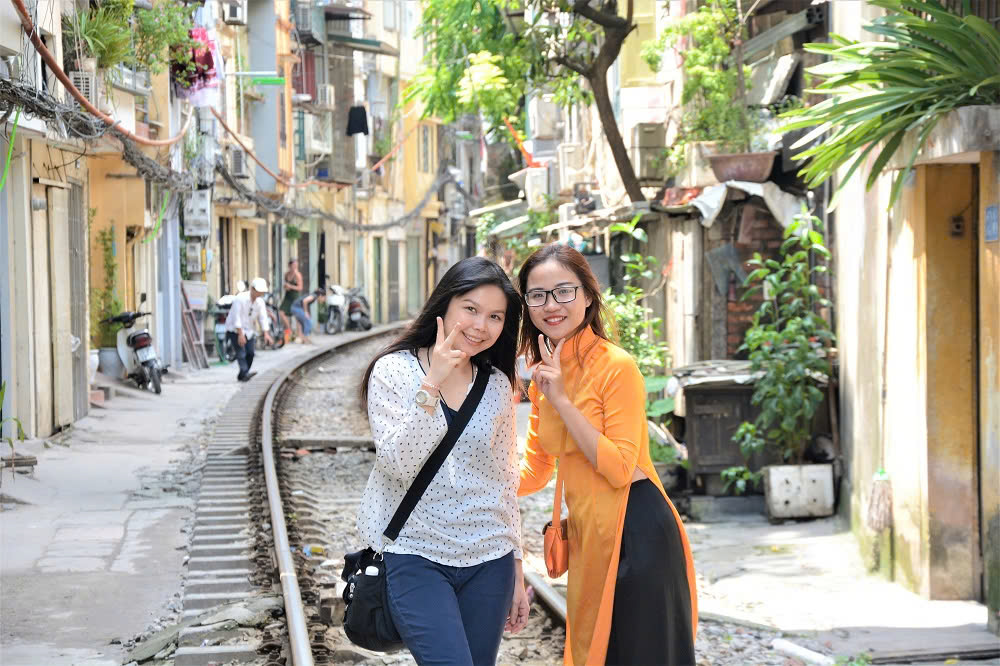
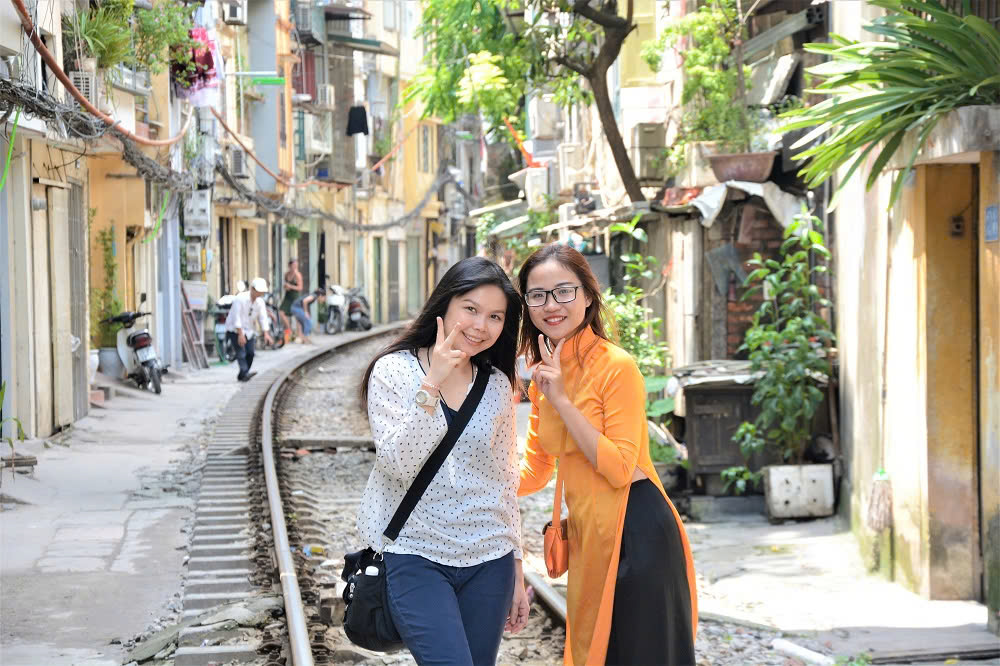
The Old Quarter is the obvious starting point, but it should not be the entire Hanoi experience. The city becomes much more interesting when you move beyond the main tourist streets and explore traditional markets, residential alleys, lakes, historic neighborhoods, cafés, food stalls, and areas where Hanoi residents go about their normal routines.
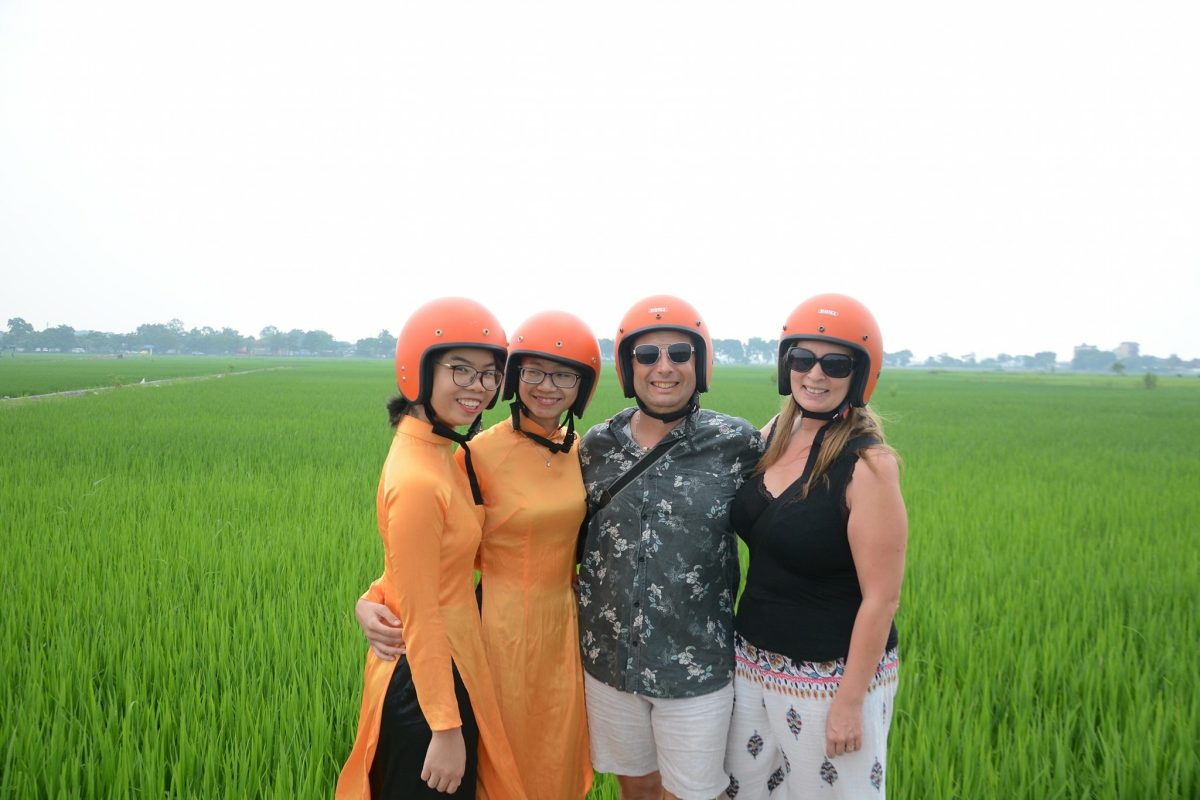
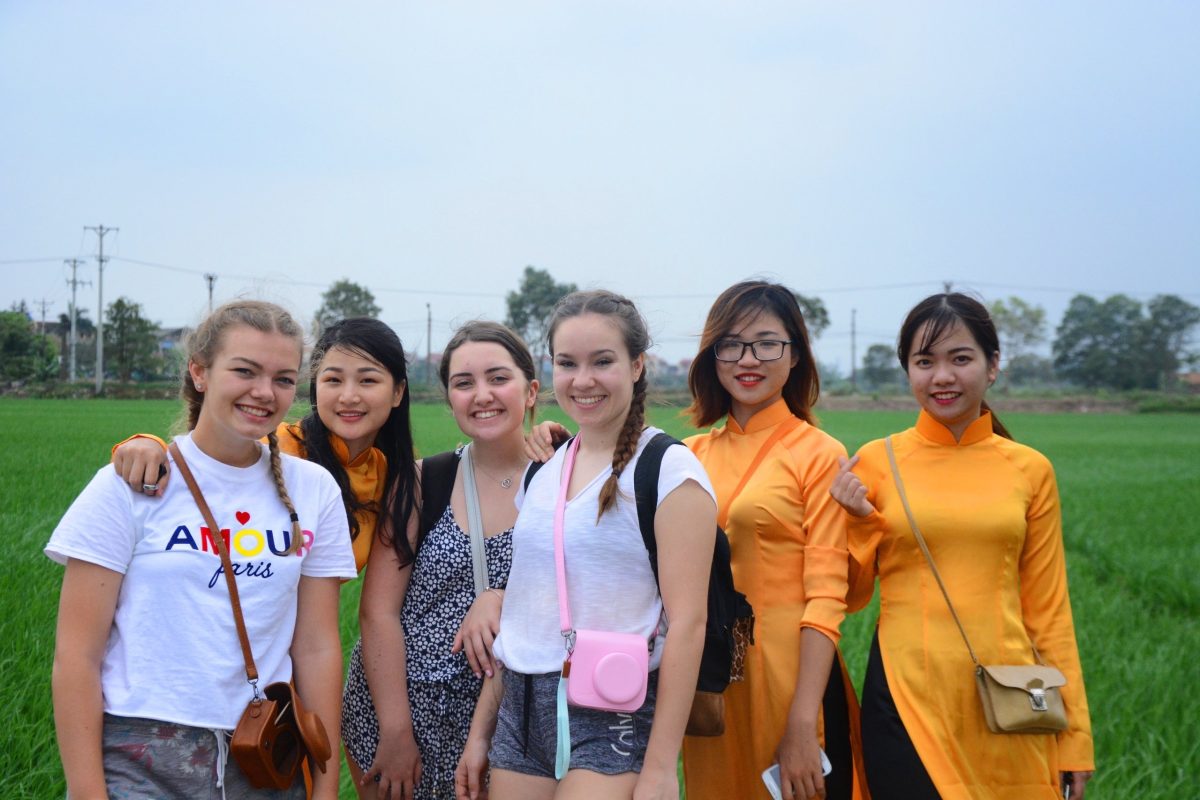
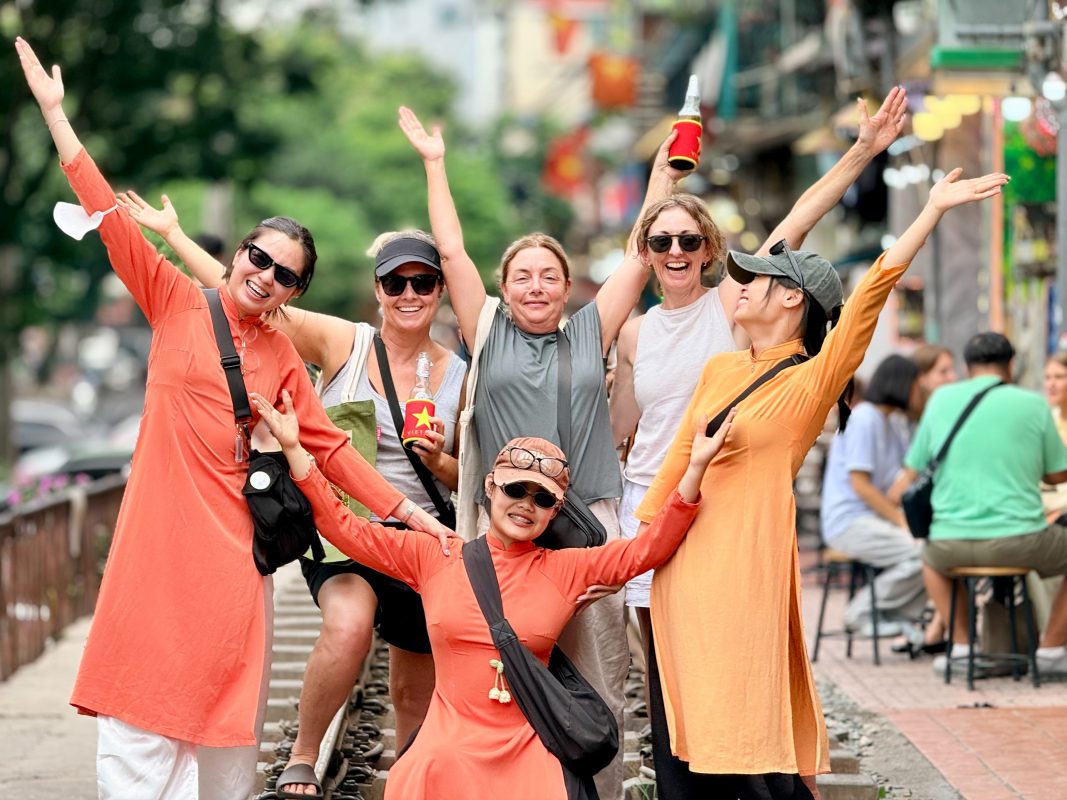
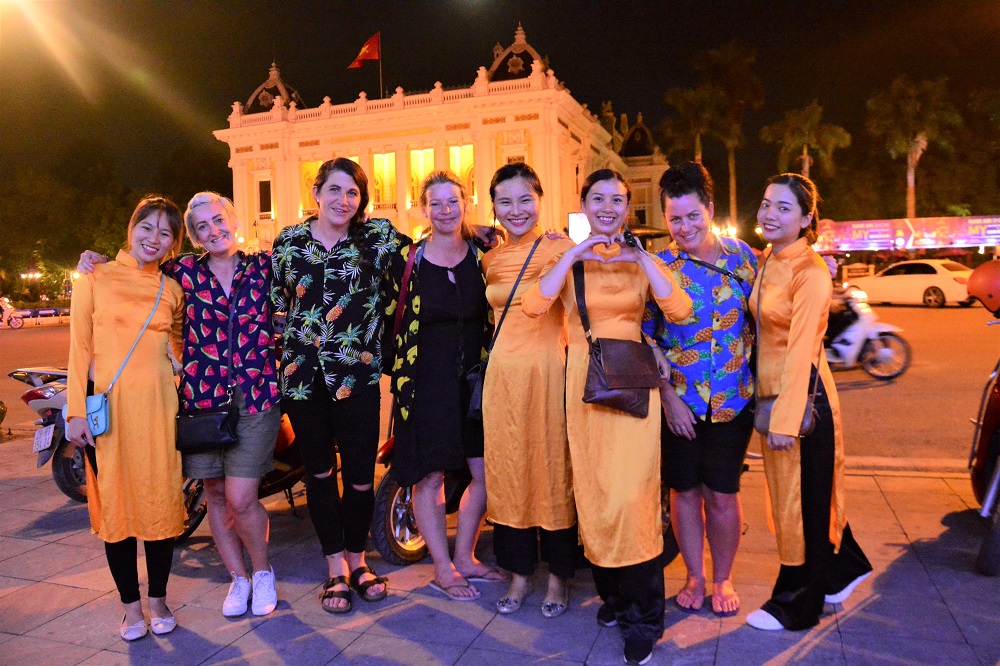
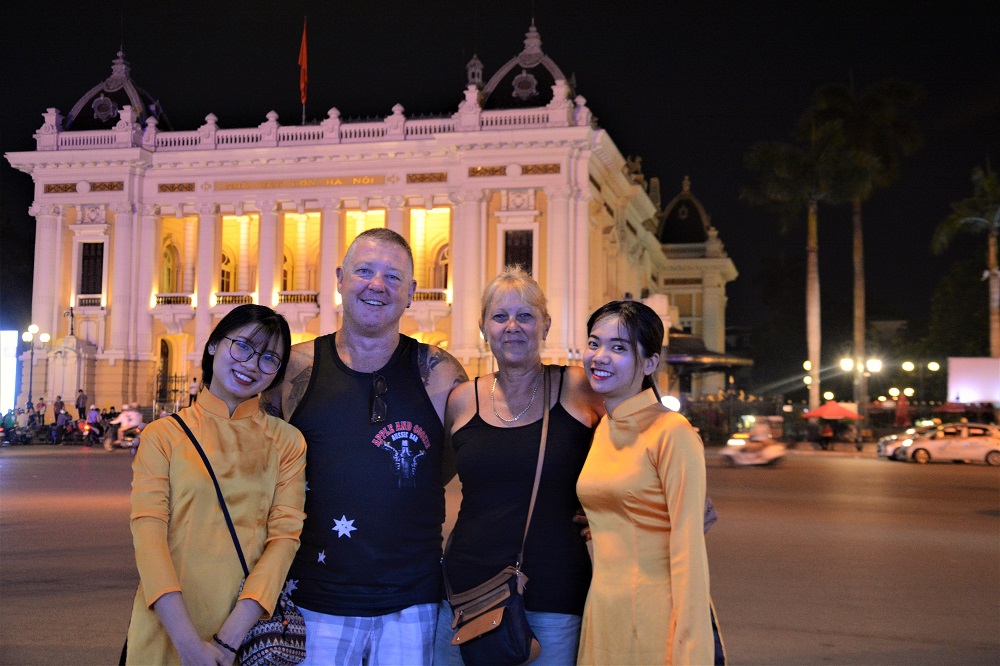
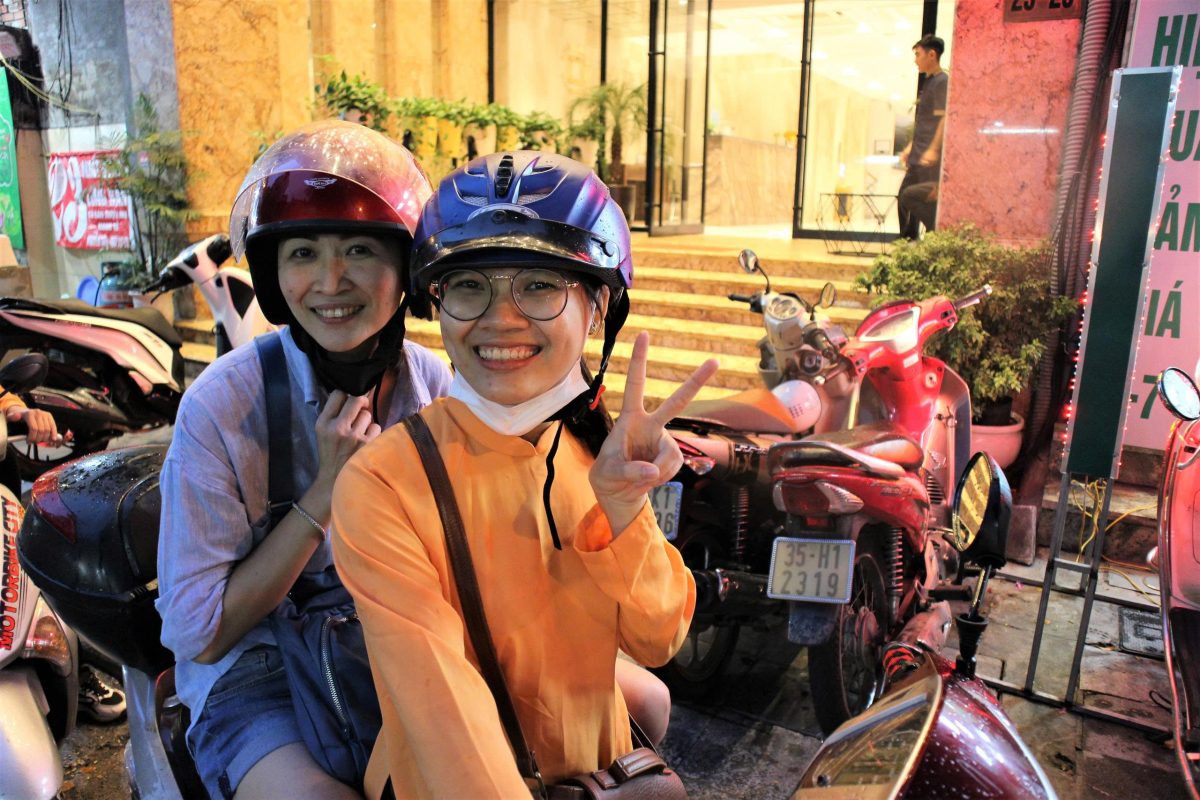
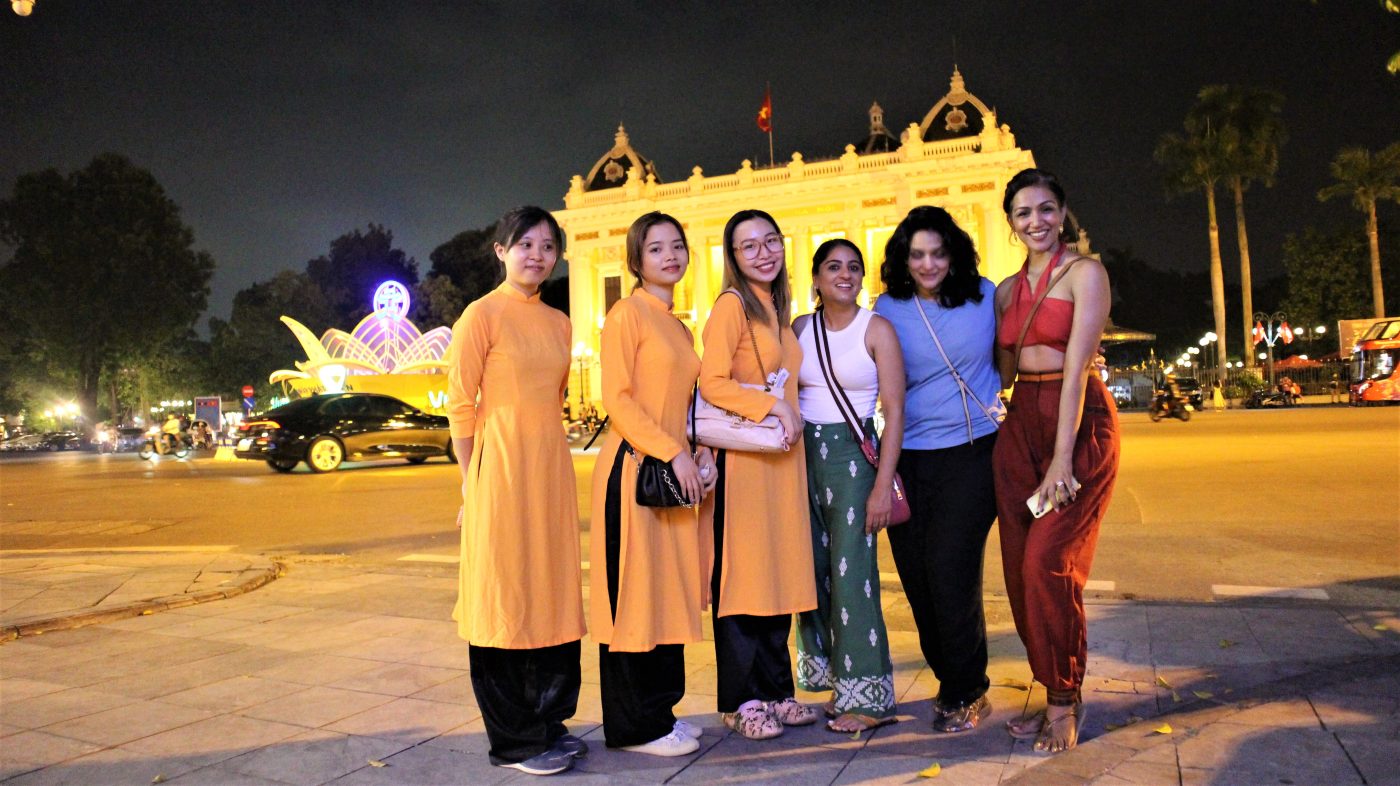
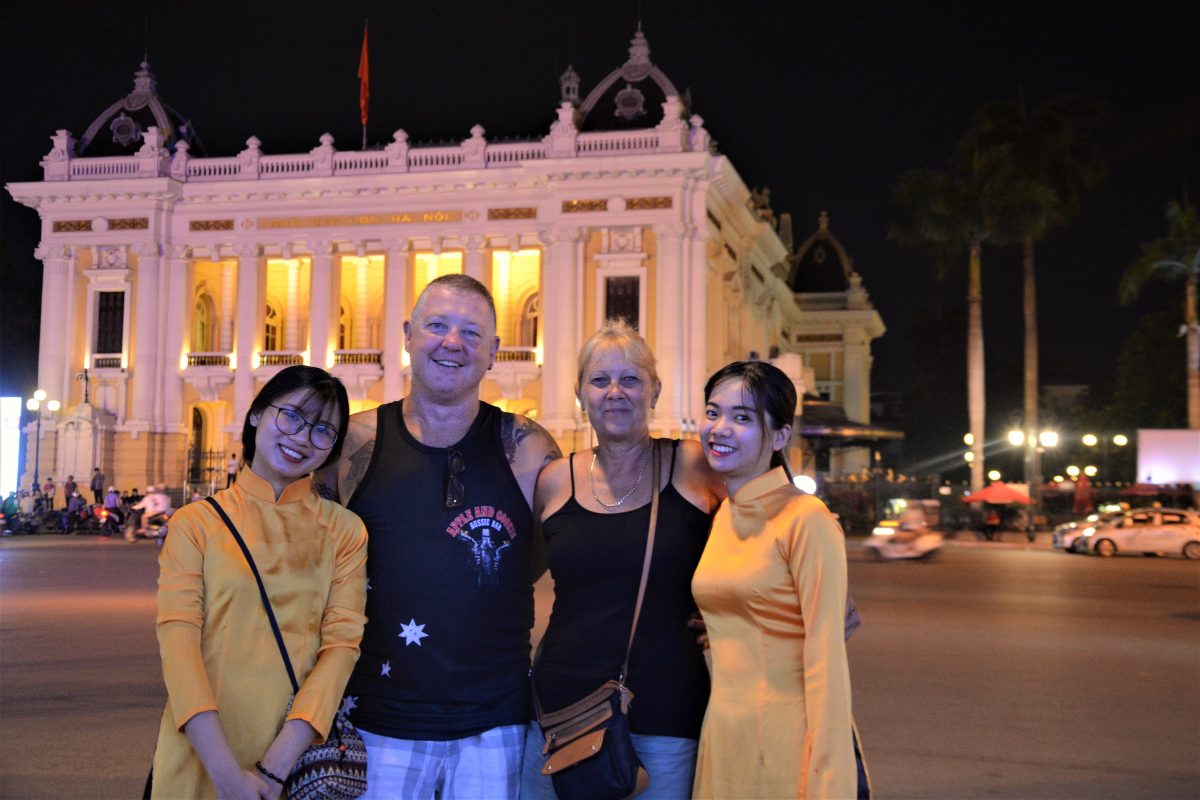
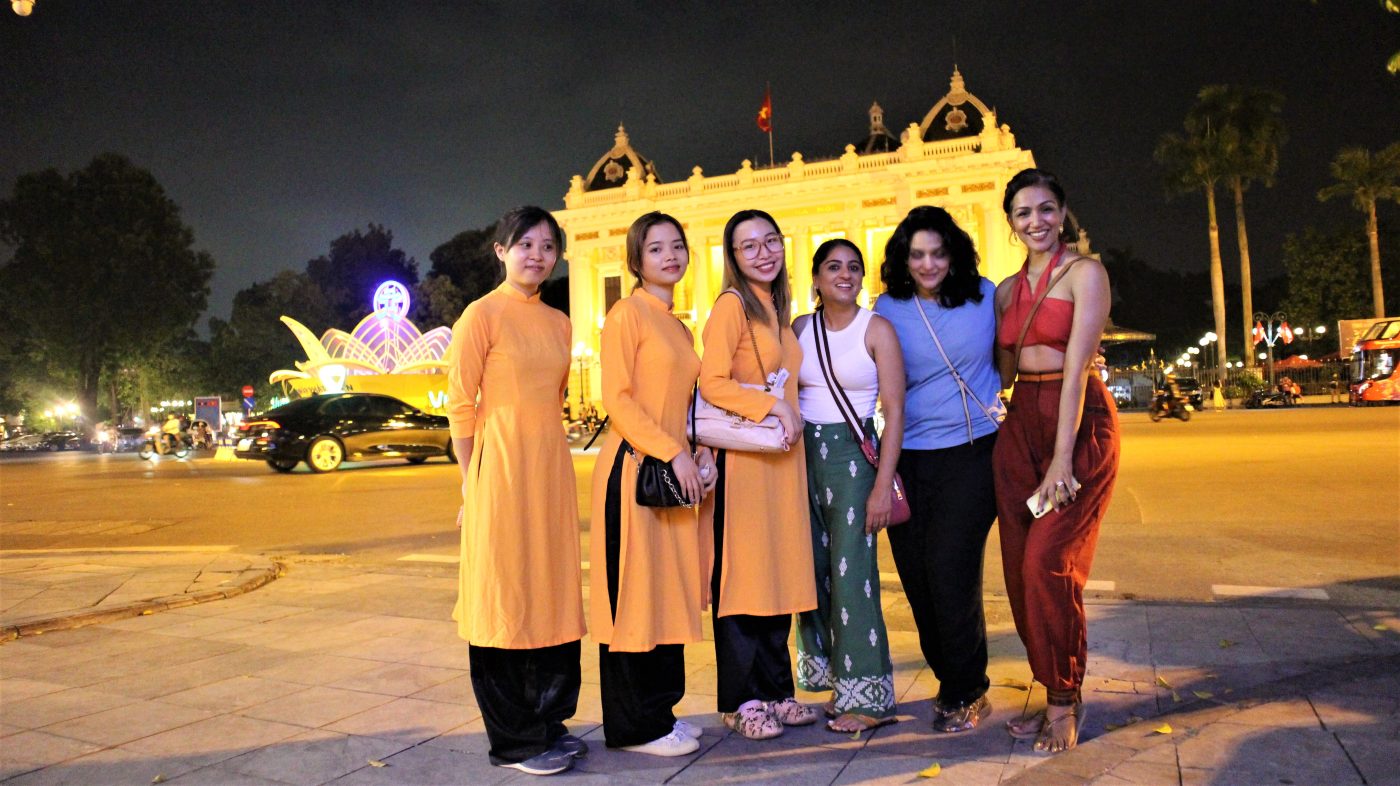
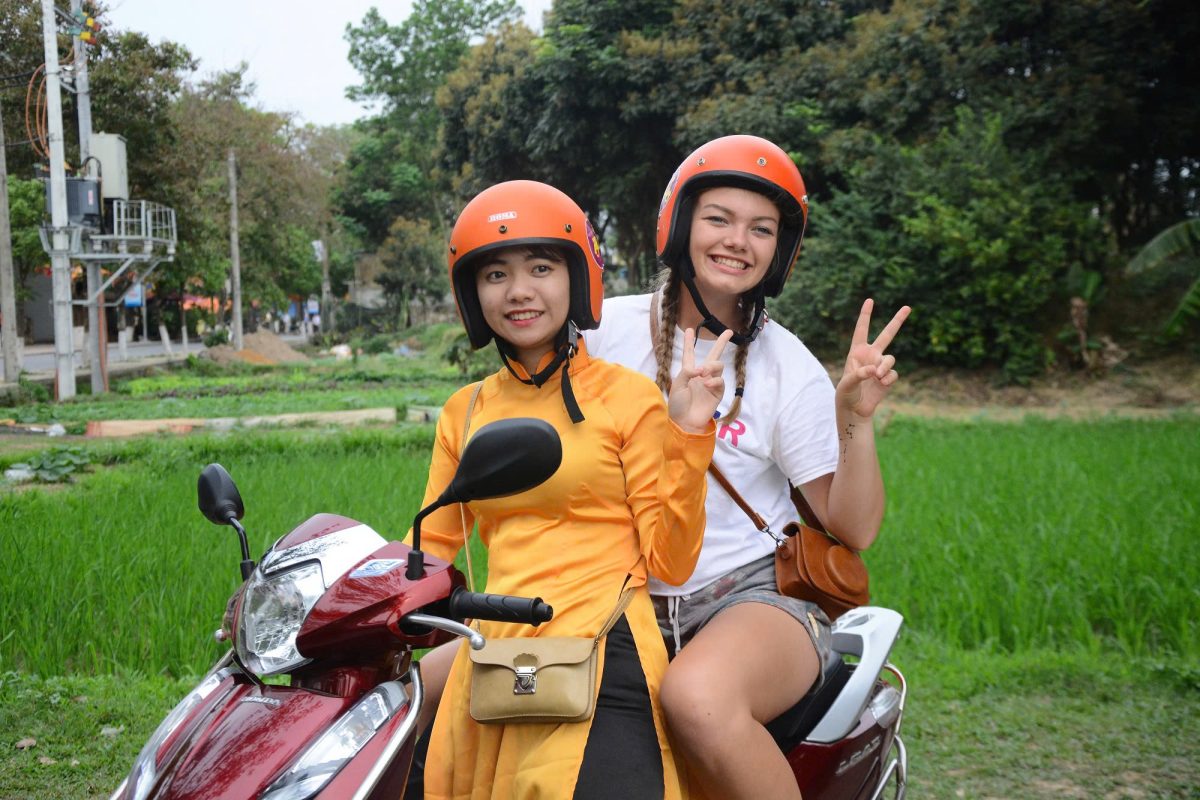
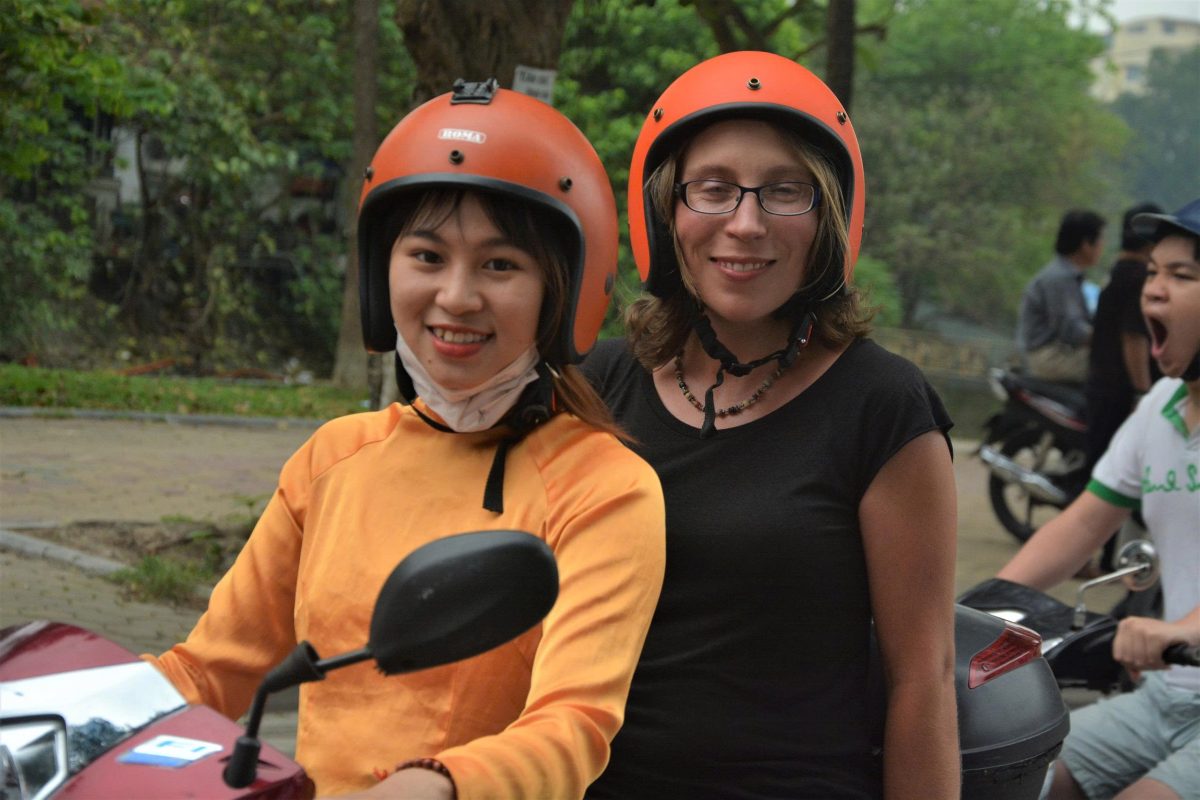
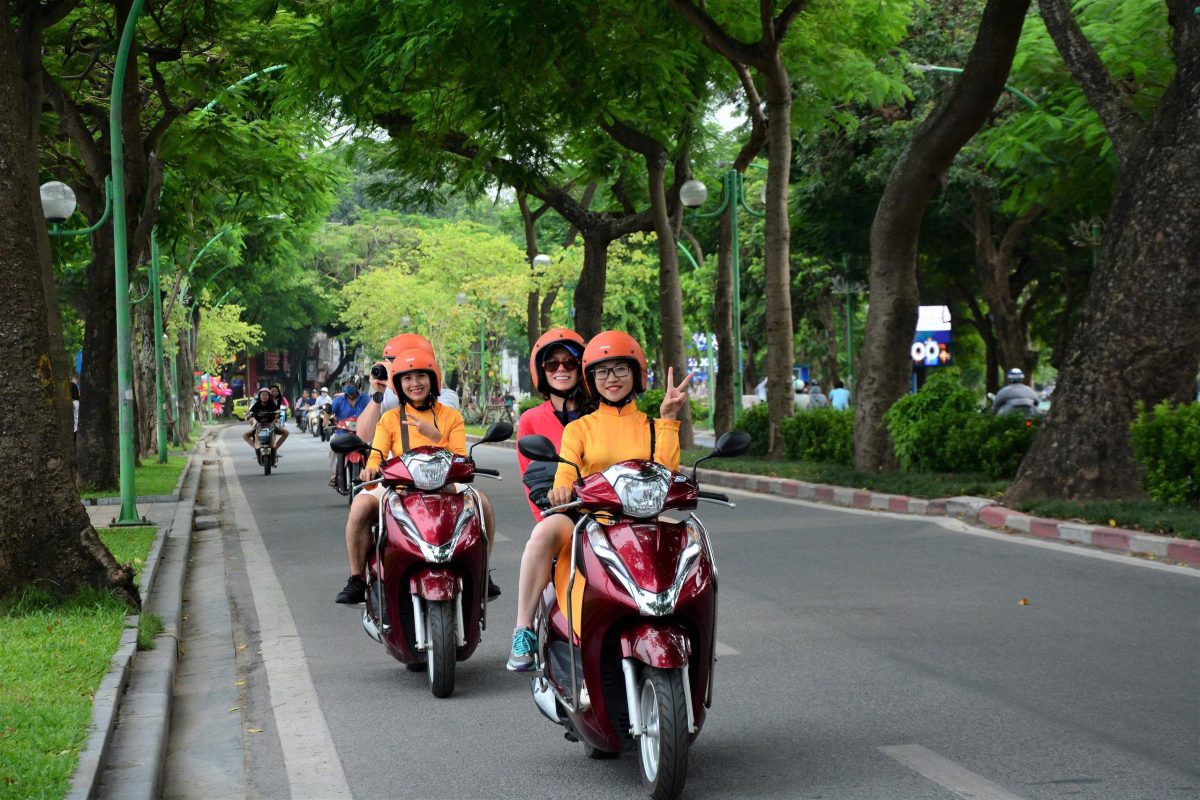
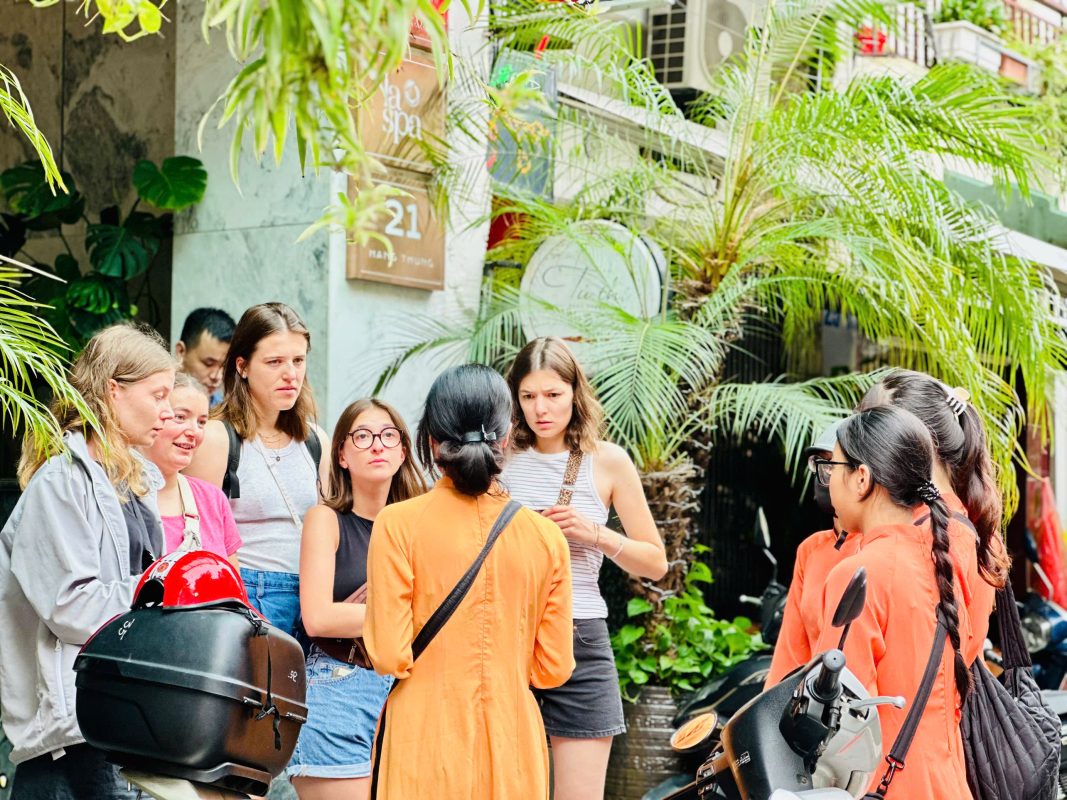
A women-led Hanoi experience can make this first introduction much easier because your guide can explain what you are seeing while taking you between different parts of the city. Motorbike tours are particularly effective because motorcycles can reach narrow streets and neighborhoods that are difficult to cover efficiently by car.
Motorbike City Tours currently offers Hanoi motorbike, Jeep, Vespa, bicycle, food, and sightseeing experiences led by women, including small-group and private options. Its Hanoi motorbike experiences combine landmarks, backstreets, markets, countryside areas, food, and cultural stops.
How Many Days Should a First-Time Visitor Spend in Hanoi?
Three full days is a practical minimum if you want to understand Hanoi rather than simply photograph the major attractions.
On your first day, concentrate on the historic center, Old Quarter, major landmarks, Vietnamese food, and coffee. On the second day, explore another side of the city through a motorbike, Jeep, Vespa, or bicycle experience. On the third day, choose between additional cultural sightseeing, food, shopping, museums, or a countryside experience.
If you have four or five nights, Hanoi becomes much more relaxed. You can schedule activities in the morning and leave afternoons or evenings open instead of filling every hour with sightseeing.
Motorbike City Tours’ published Hanoi City Insight tours operate in morning and afternoon schedules of approximately four to four and a half hours, making them practical for first-time visitors who want to combine a guided experience with independent time in Hanoi.
What First-Time Visitors Should Know About Hanoi
Hanoi traffic can look chaotic when you first arrive, but it follows patterns that become easier to understand after spending some time in the city. Motorbikes dominate many streets, pedestrians frequently cross roads, and traffic conditions change quickly.
Instead of trying to understand everything immediately, travel with an experienced guide during your first city exploration. You can then observe how people cross roads, use intersections, park motorbikes, order food, and move through the city.
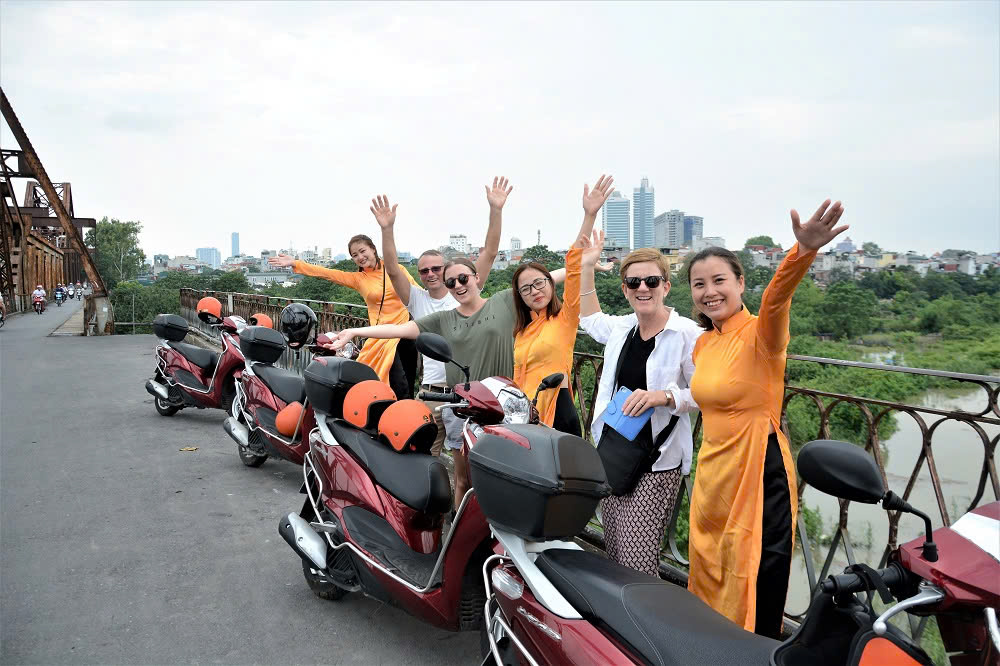
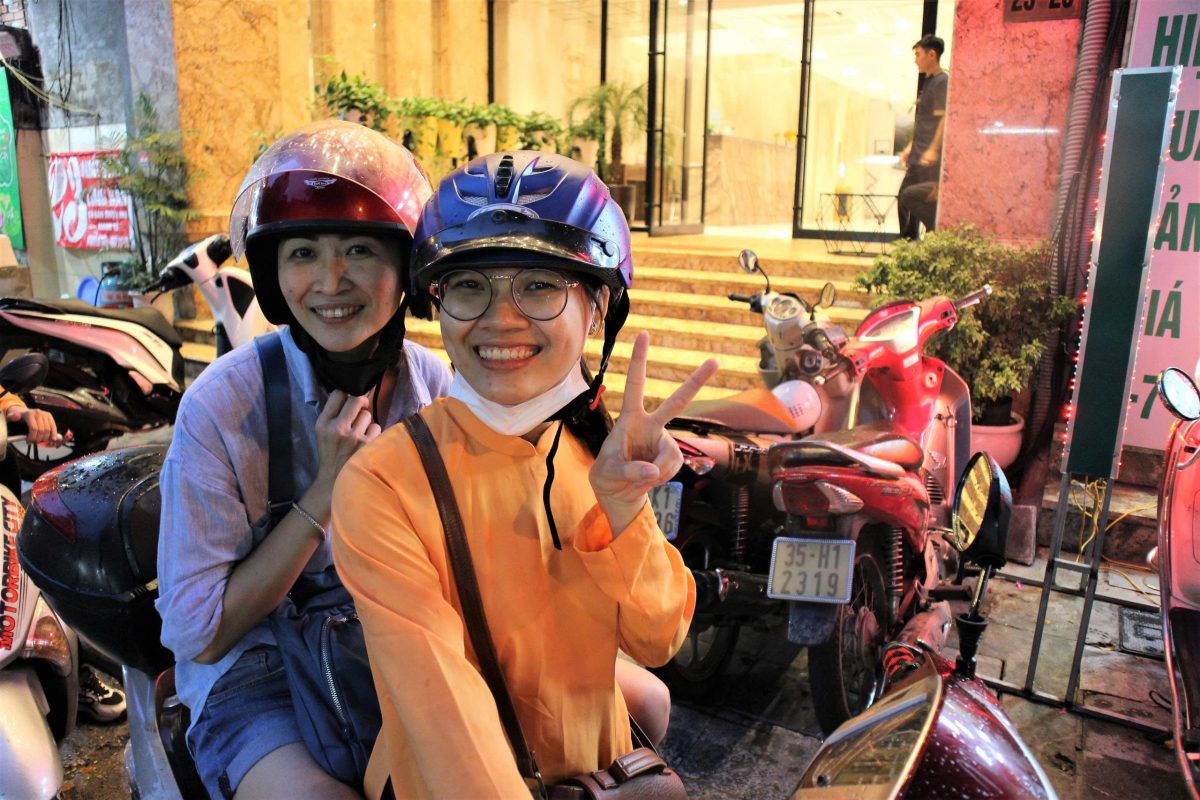
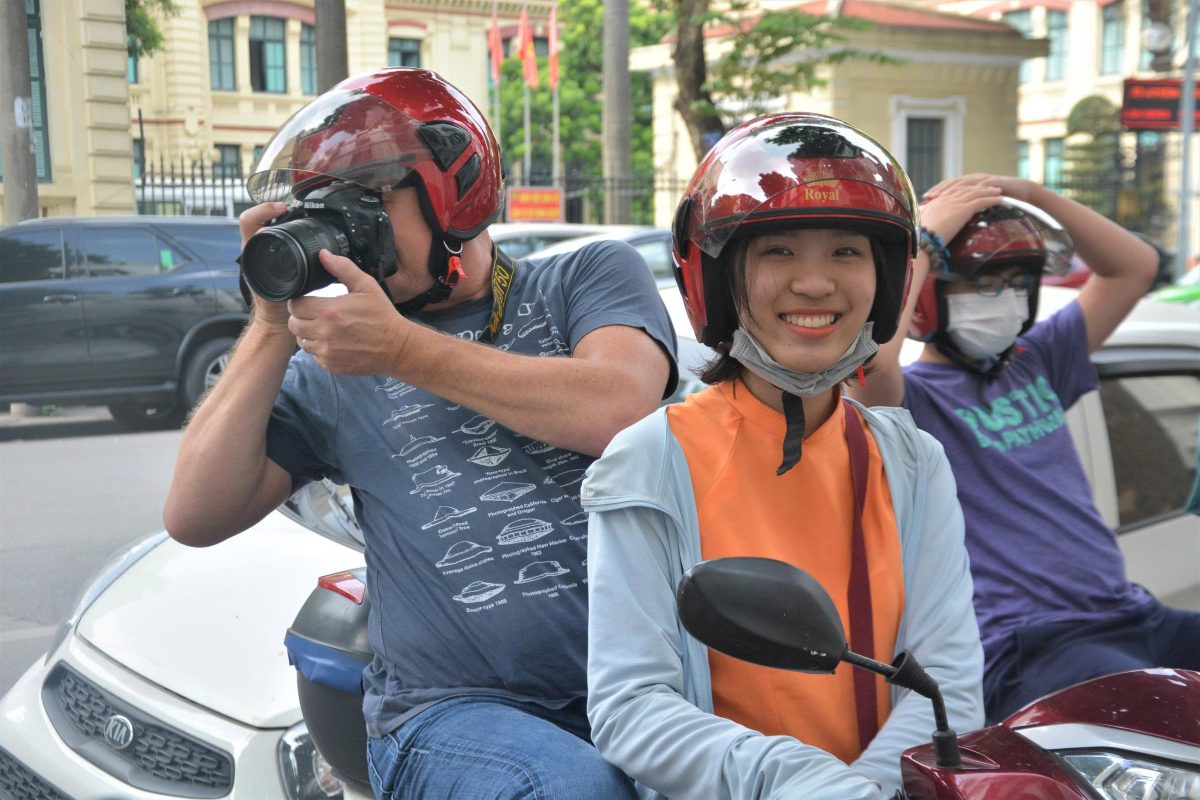
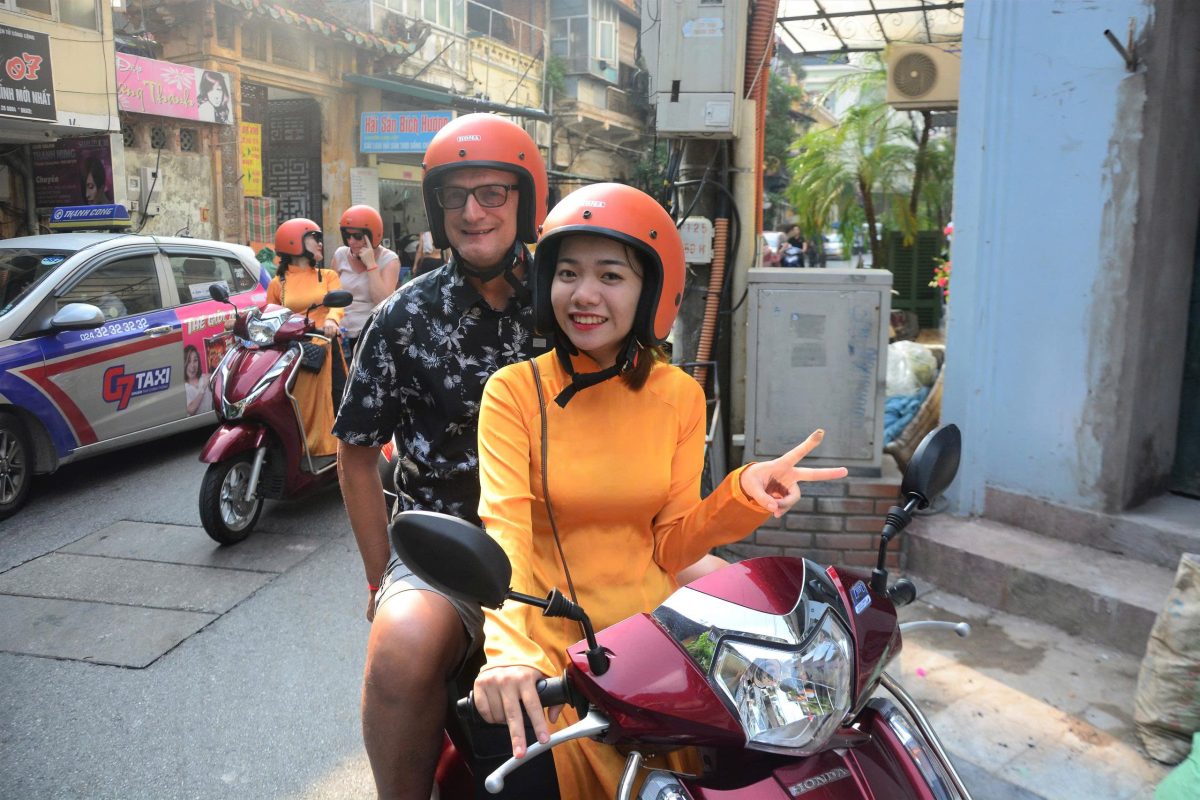
If you choose a motorbike tour, you normally ride as a passenger behind an experienced driver rather than driving yourself. Motorbike City Tours states that its Hanoi experiences use licensed female drivers, comfortable scooters with passenger backrests, helmets, and rain protection when needed.
Discover Hanoi Through Food
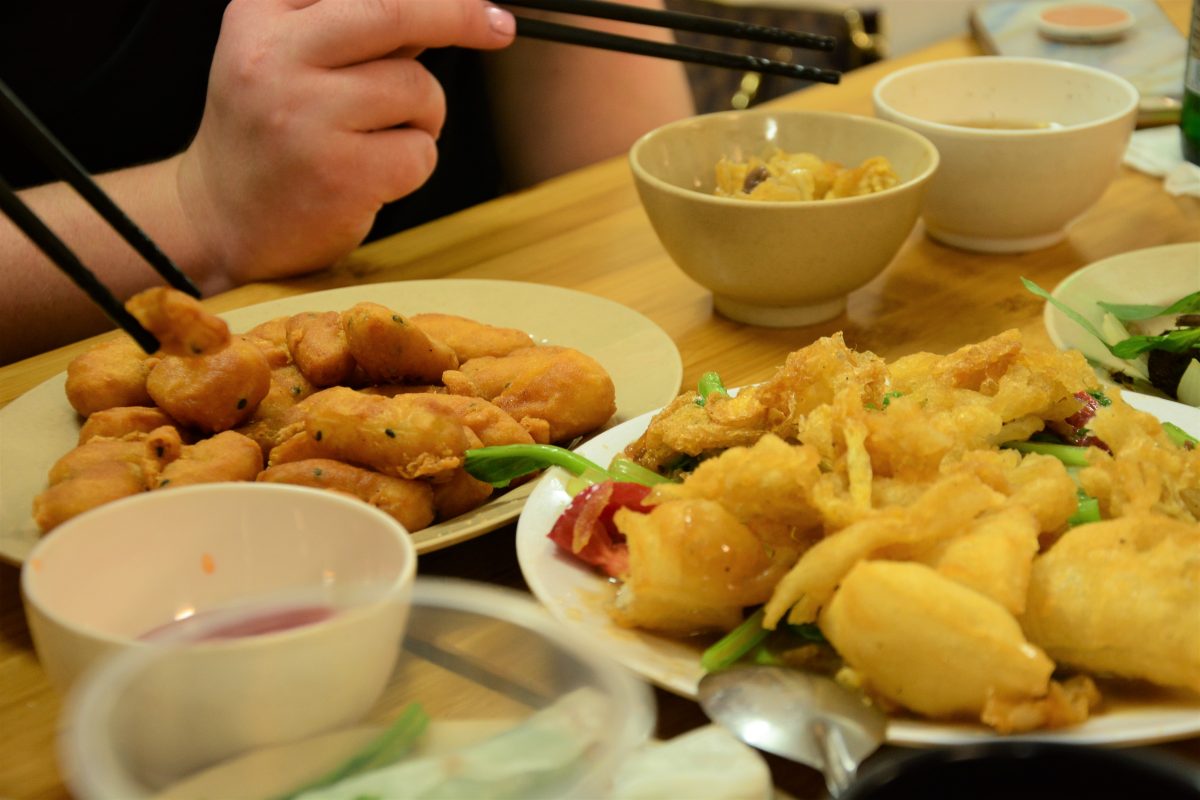
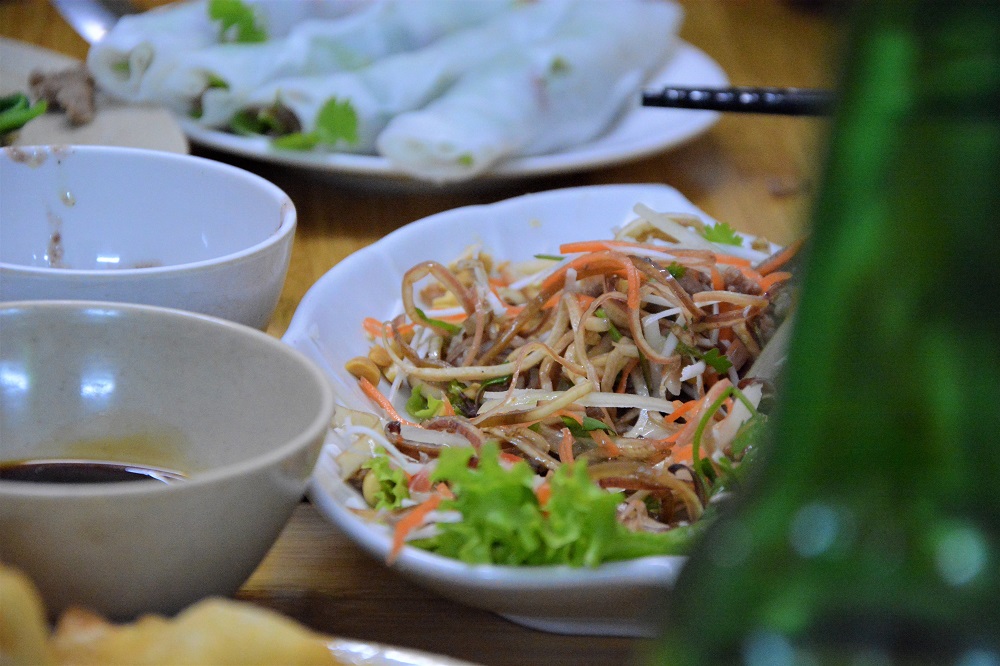
Food is one of the fastest ways for first-time visitors to understand Vietnam.
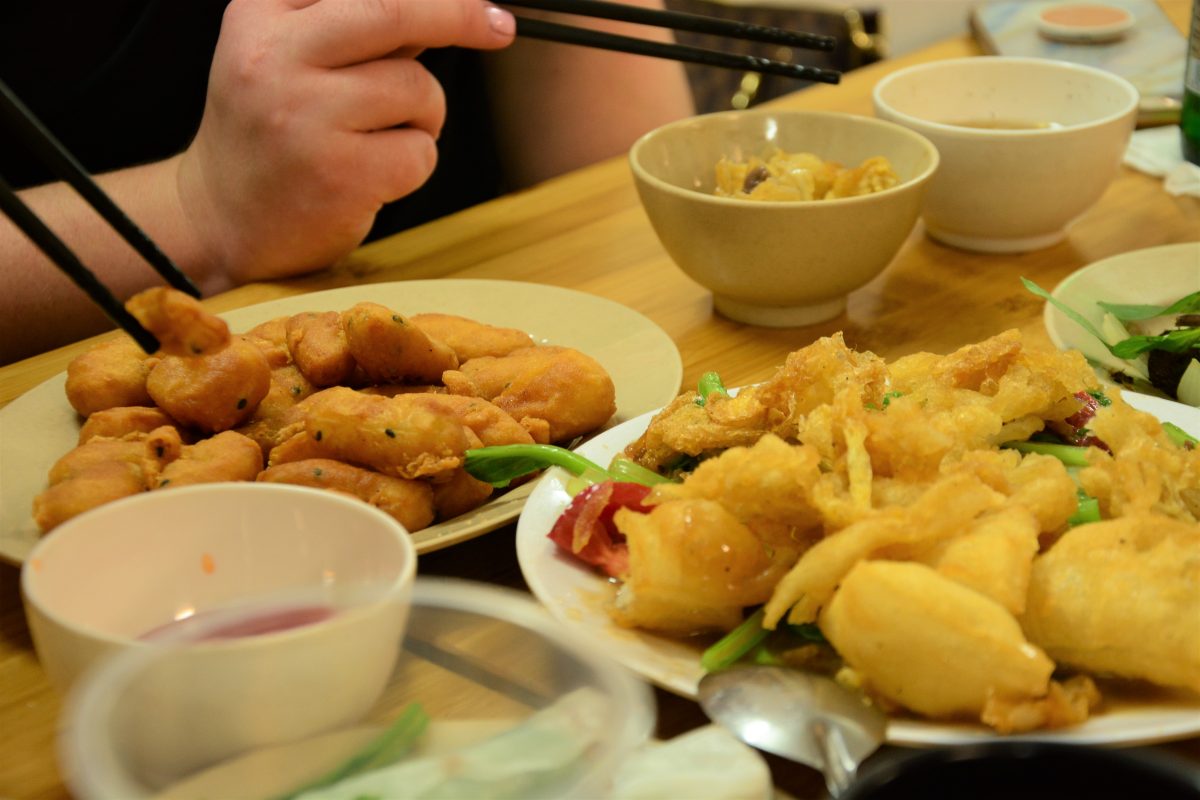
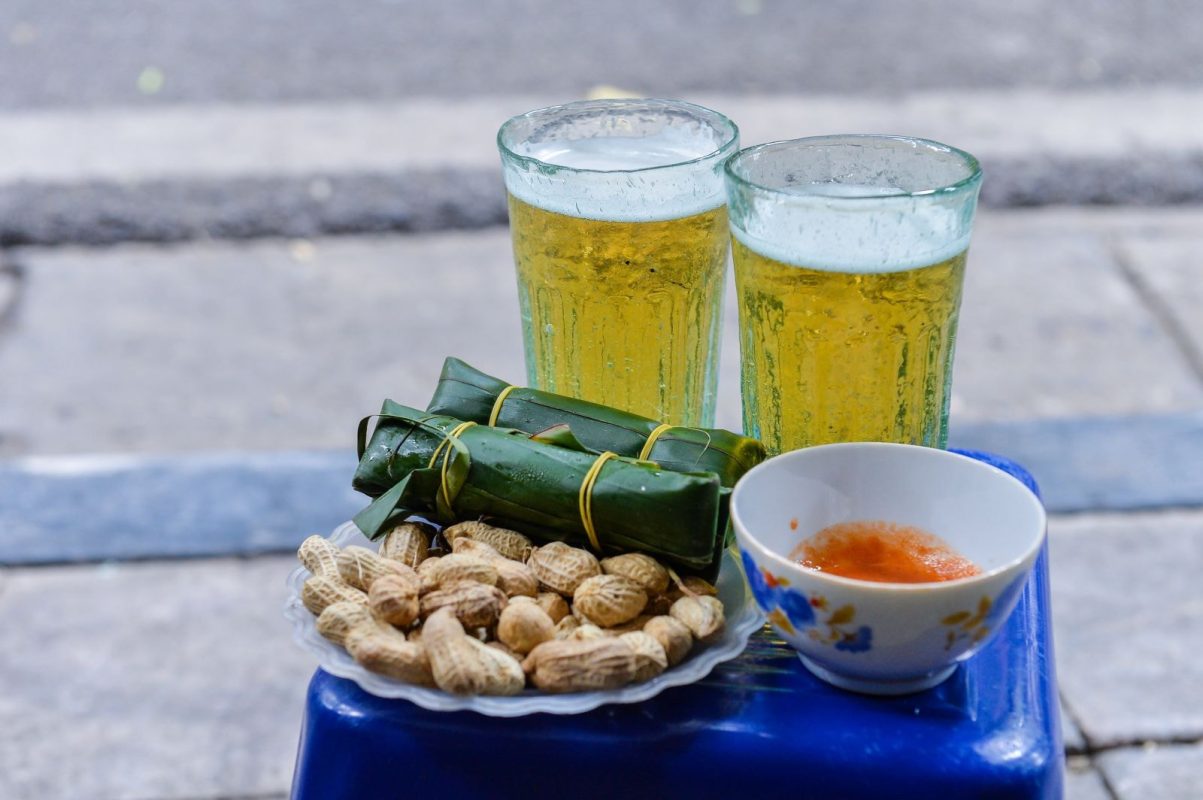
Do not limit your meals to restaurants that look familiar. Hanoi’s food culture is strongly connected with street stalls, small family businesses, markets, noodle shops, cafés, and tiny restaurants.
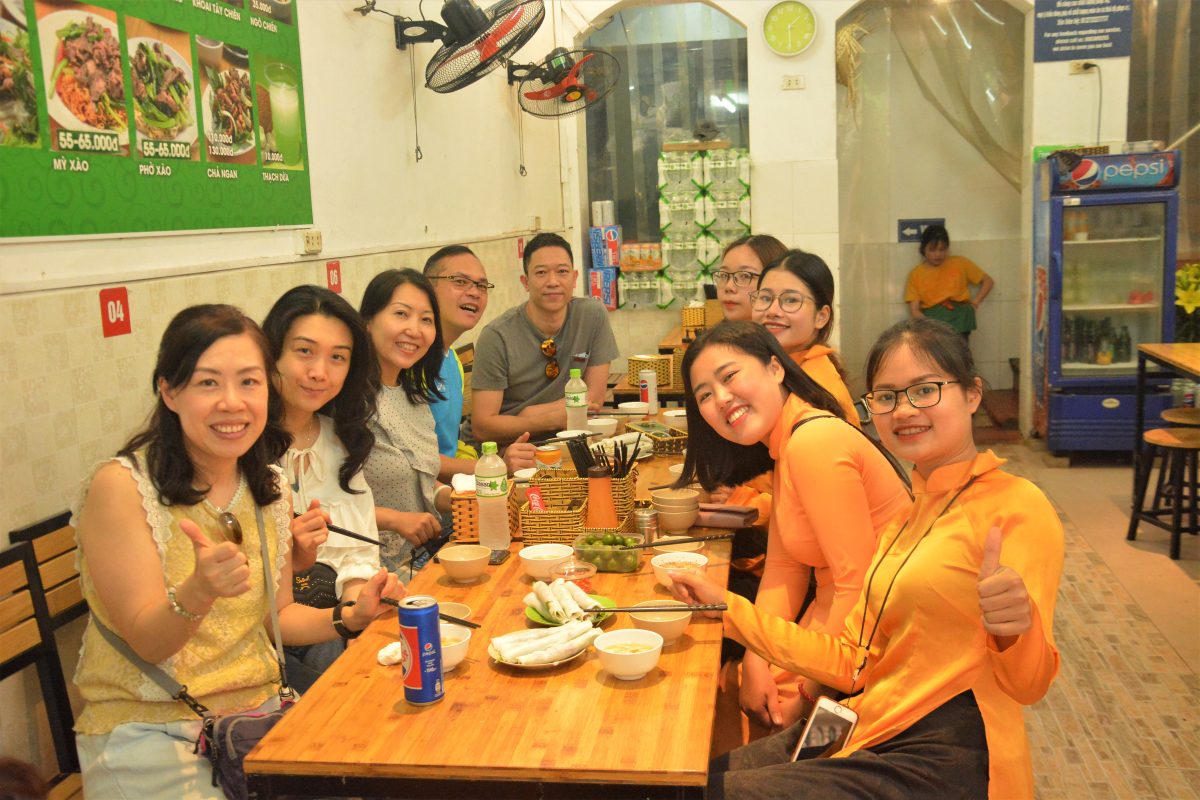
A guided food experience can introduce you to dishes while explaining ingredients and eating customs. This is particularly helpful during your first few days because you may not yet know what to order, how dishes are served, or which sauces and herbs are traditionally eaten together.
Vietnamese cuisine also changes by region. Northern food is generally different from the cuisine you will encounter later in Central and Southern Vietnam, so Hanoi provides an important culinary introduction.
Vietnamese Coffee Is Part of the Experience
Coffee should not be treated simply as something you drink between sightseeing stops.
Hanoi has a distinctive café culture, and Vietnamese coffee can be prepared in several ways. Strong drip coffee with condensed milk and egg coffee are particularly associated with Hanoi.
A guided food or city experience can help first-time visitors understand how Vietnamese people use cafés as social spaces and why coffee has become such an important part of urban life.
Motorbike City Tours includes Vietnamese egg coffee in several of its published Hanoi experiences, combining food and coffee with sightseeing and cultural exploration.
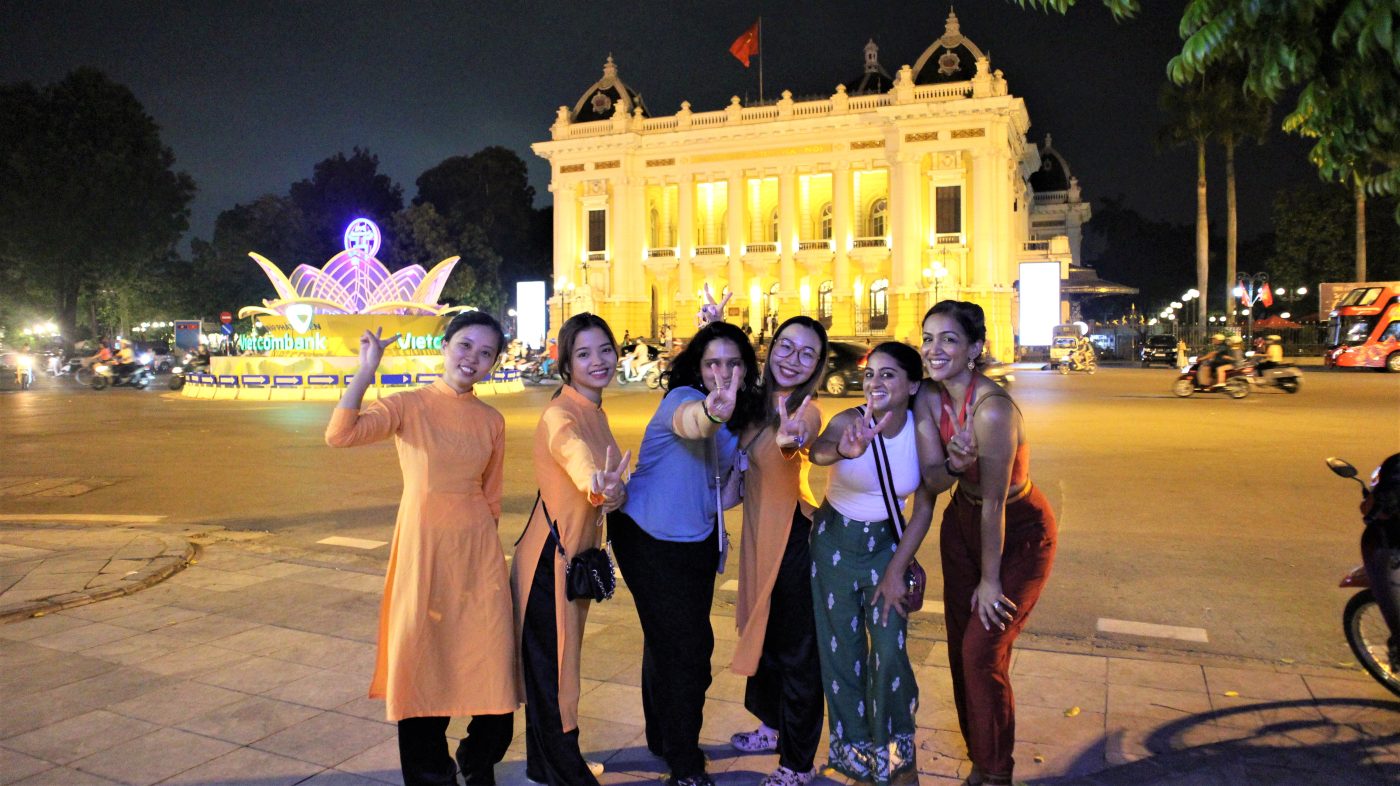
Explore Hanoi by Motorbike With Female Guides
A Hanoi motorbike experience is particularly useful for first-time visitors who want to see more than the central attractions.
Rather than spending most of the day walking between locations, you can travel through different neighborhoods and see how the city changes from busy commercial streets to residential alleys, lakeside roads, markets, historic areas, and countryside landscapes.
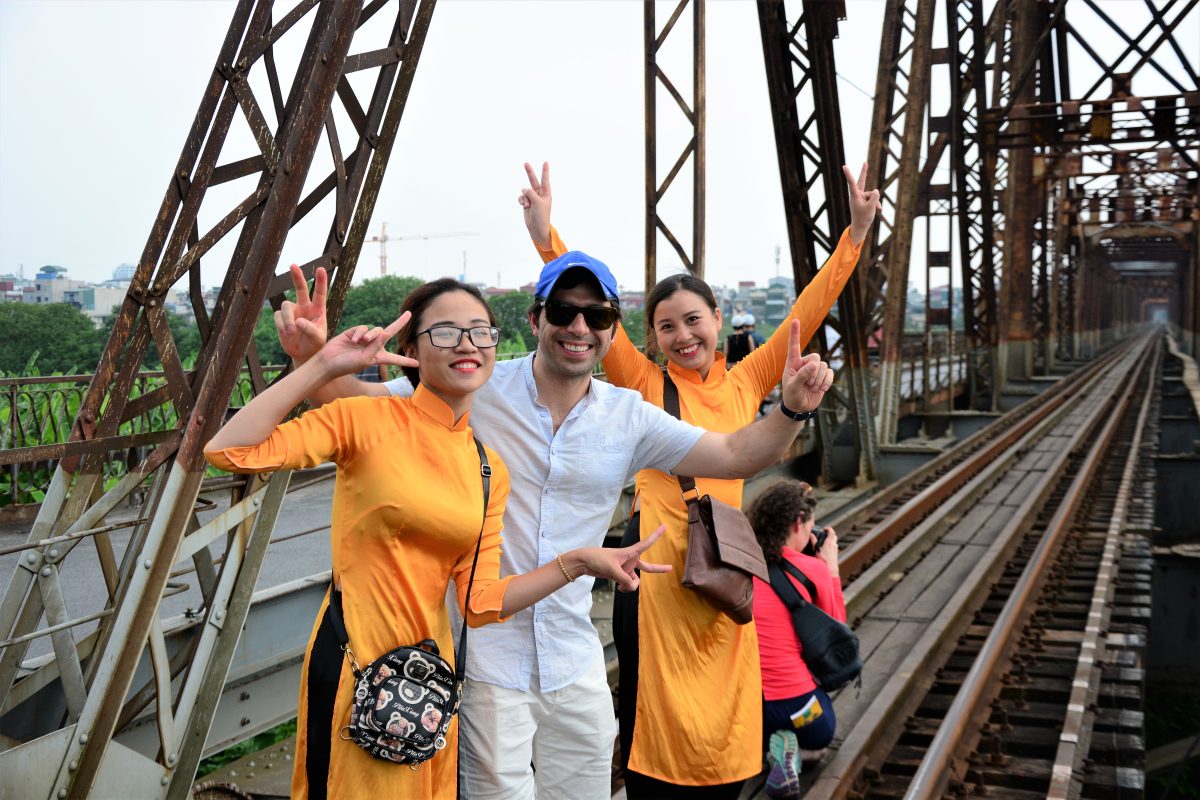
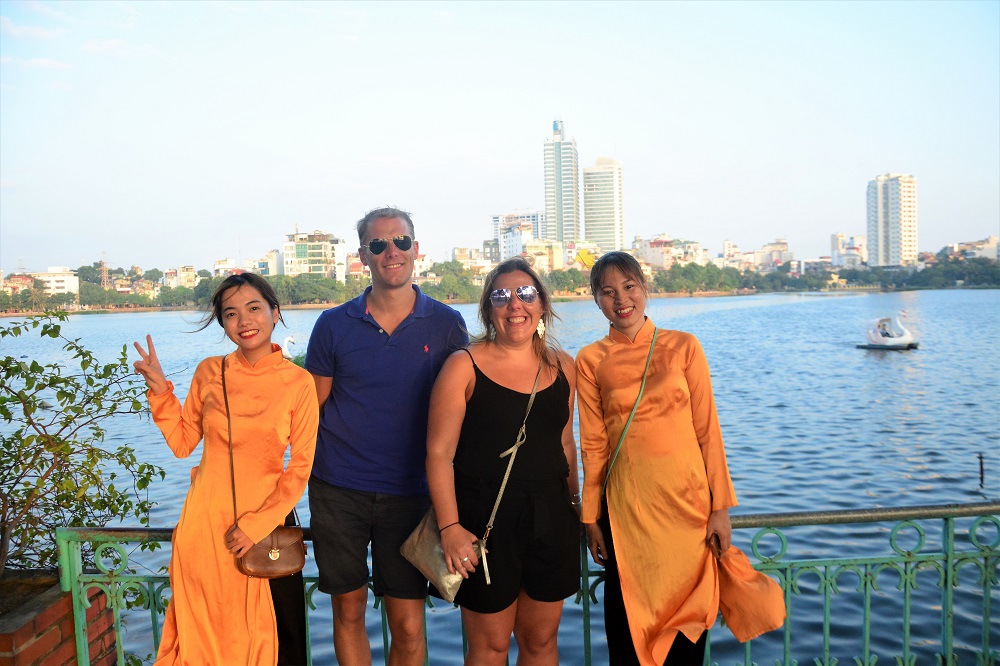
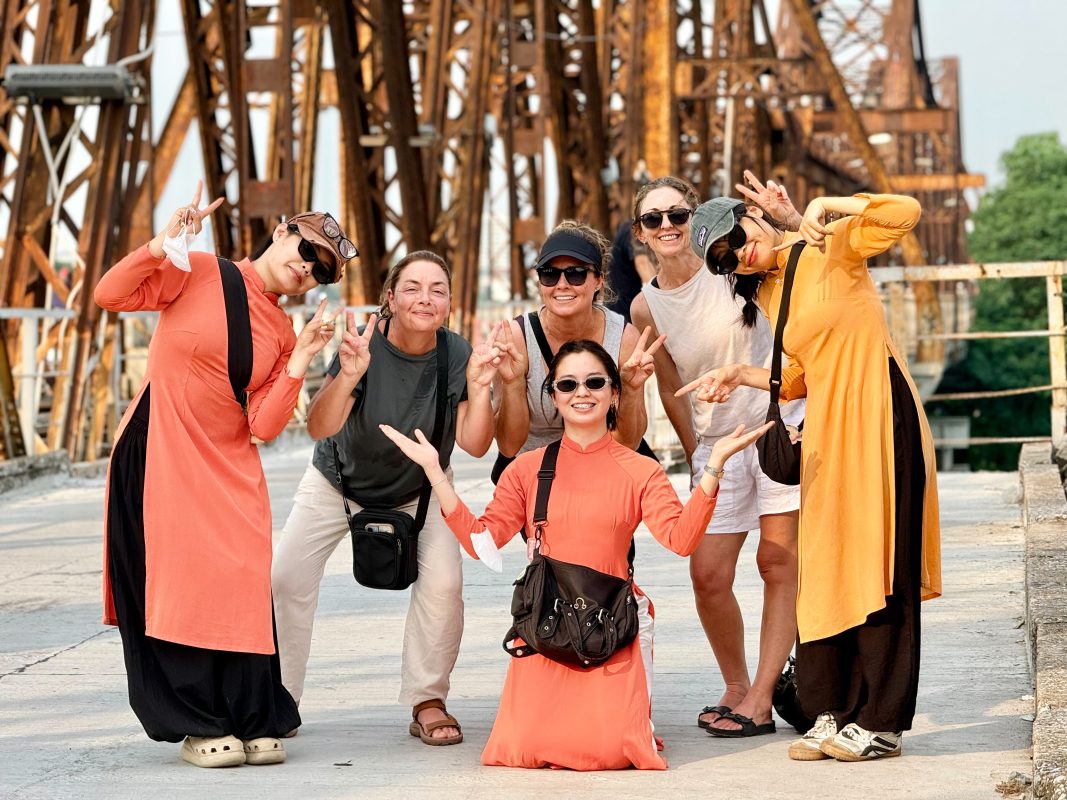
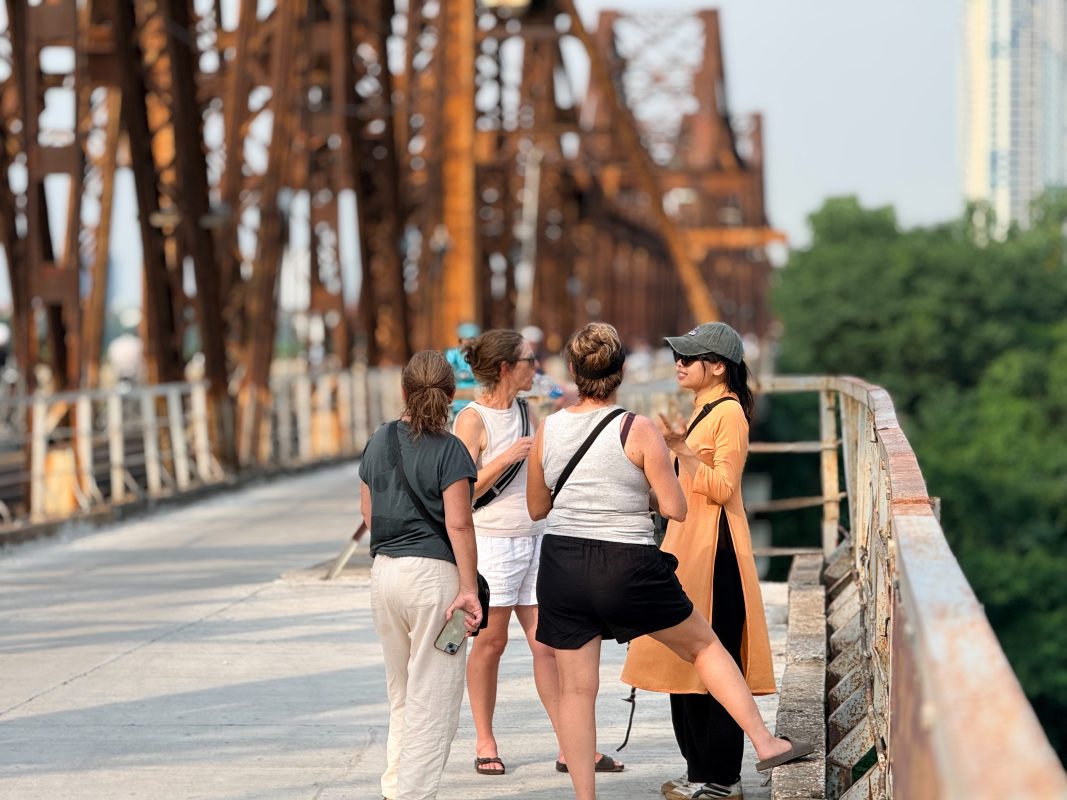
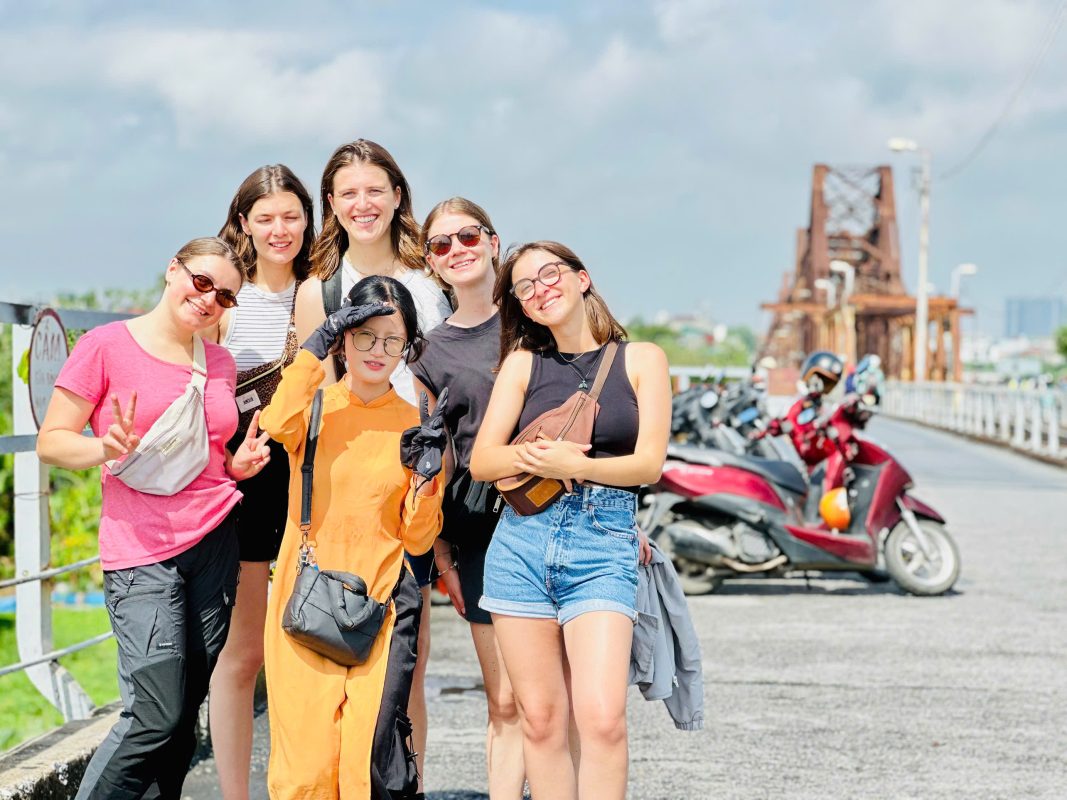
Motorbike City Tours’ published routes include places such as Long Bien Bridge, West Lake, Huu Tiep Lake, Hanoi’s Old Quarter, markets, historic landmarks, and rural areas around the city.
This type of tour is particularly useful on your first or second day because it gives you a geographic understanding of Hanoi. Afterward, you will know which areas you want to return to independently.
Jeep and Vespa Tours for First-Time Visitors
Not every traveler wants to ride a motorbike. Private Jeep and Vespa experiences provide alternatives while still allowing visitors to see more of Hanoi than a conventional walking tour.
A Jeep is useful for families, private groups, older travelers, or anyone who prefers a more comfortable vehicle. A Vespa experience provides a distinctive way to experience the streets while maintaining the atmosphere of two-wheel travel.
The important point is to select transportation according to your comfort rather than choosing an itinerary simply because it is popular.
See Hanoi Beyond the Old Quarter
One of the most common mistakes made by first-time visitors is spending the entire trip inside the Old Quarter.
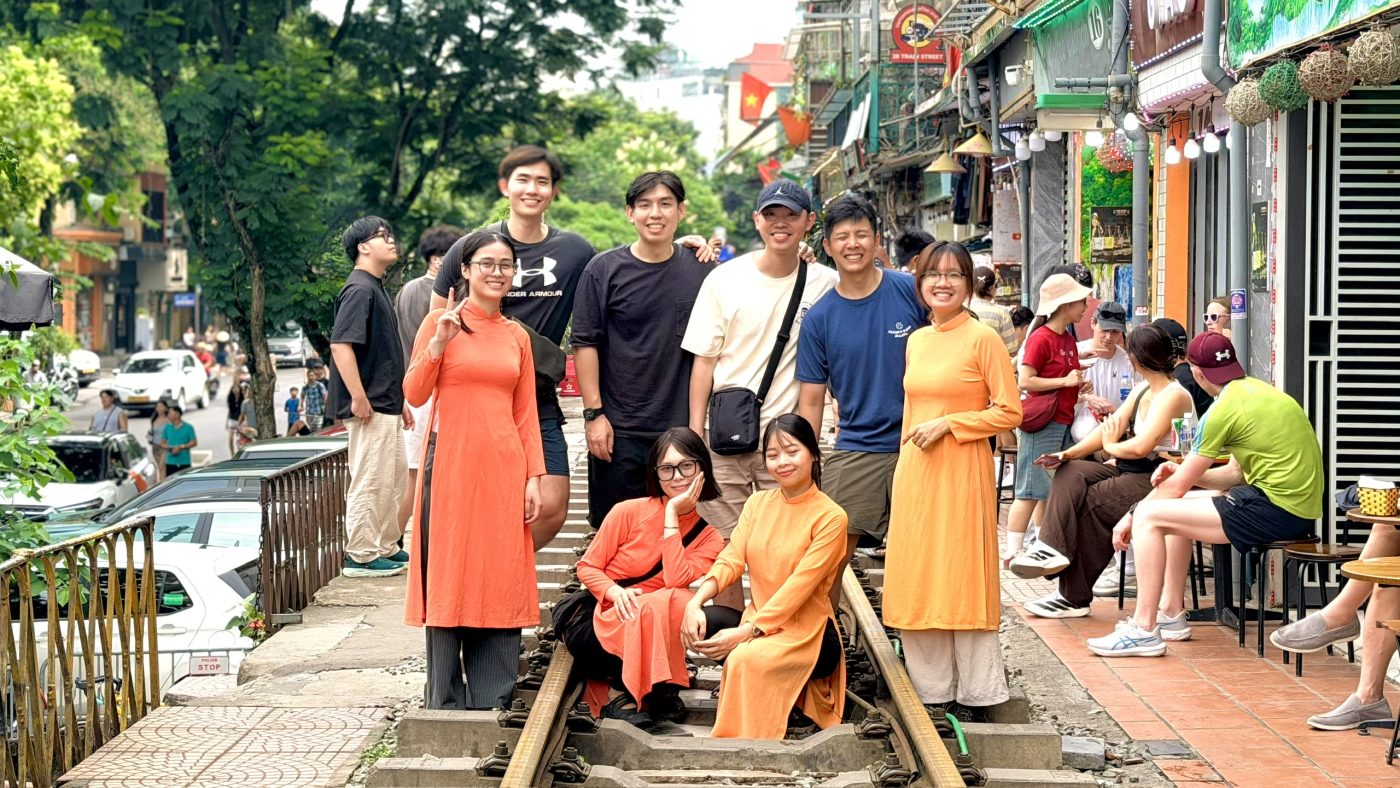
The Old Quarter is important, but Hanoi’s identity extends much further. West Lake, Truc Bach, Long Bien, historic neighborhoods, markets, residential areas, and countryside landscapes all show different sides of the capital.
A good women-led itinerary can connect these areas so that you understand how Hanoi’s history, architecture, food, agriculture, and modern urban development fit together.
Visit Hanoi’s Countryside
The countryside around Hanoi can feel surprisingly close to the city.
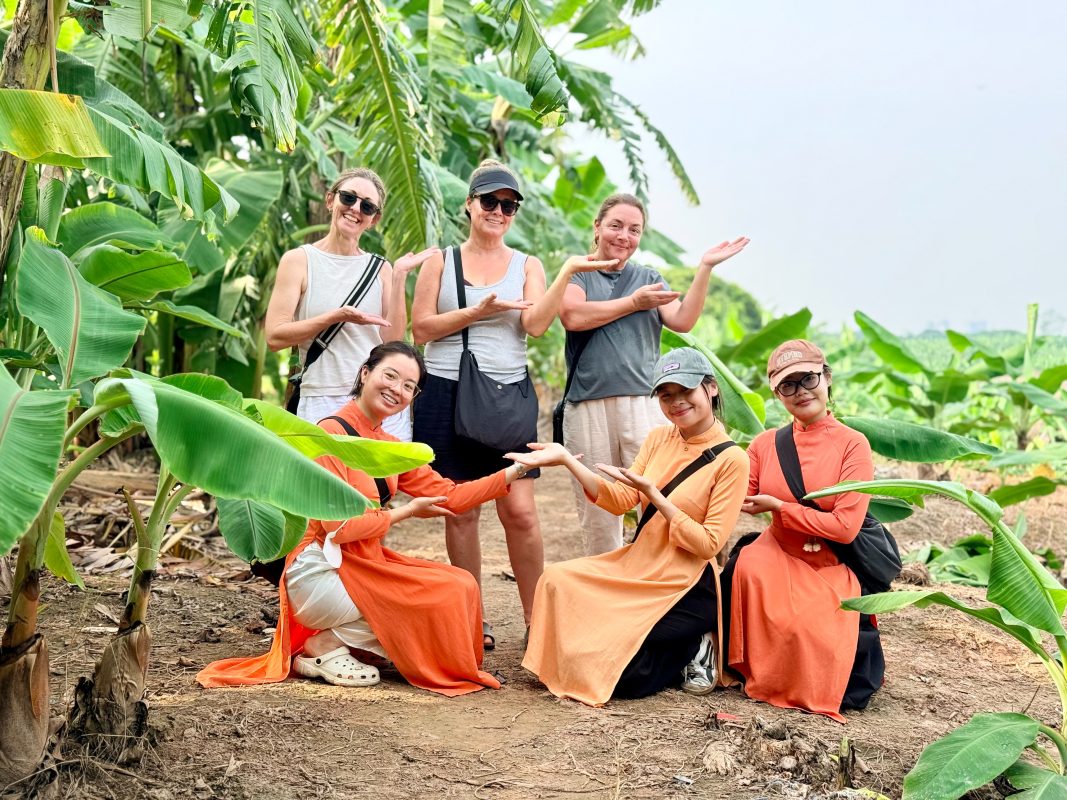
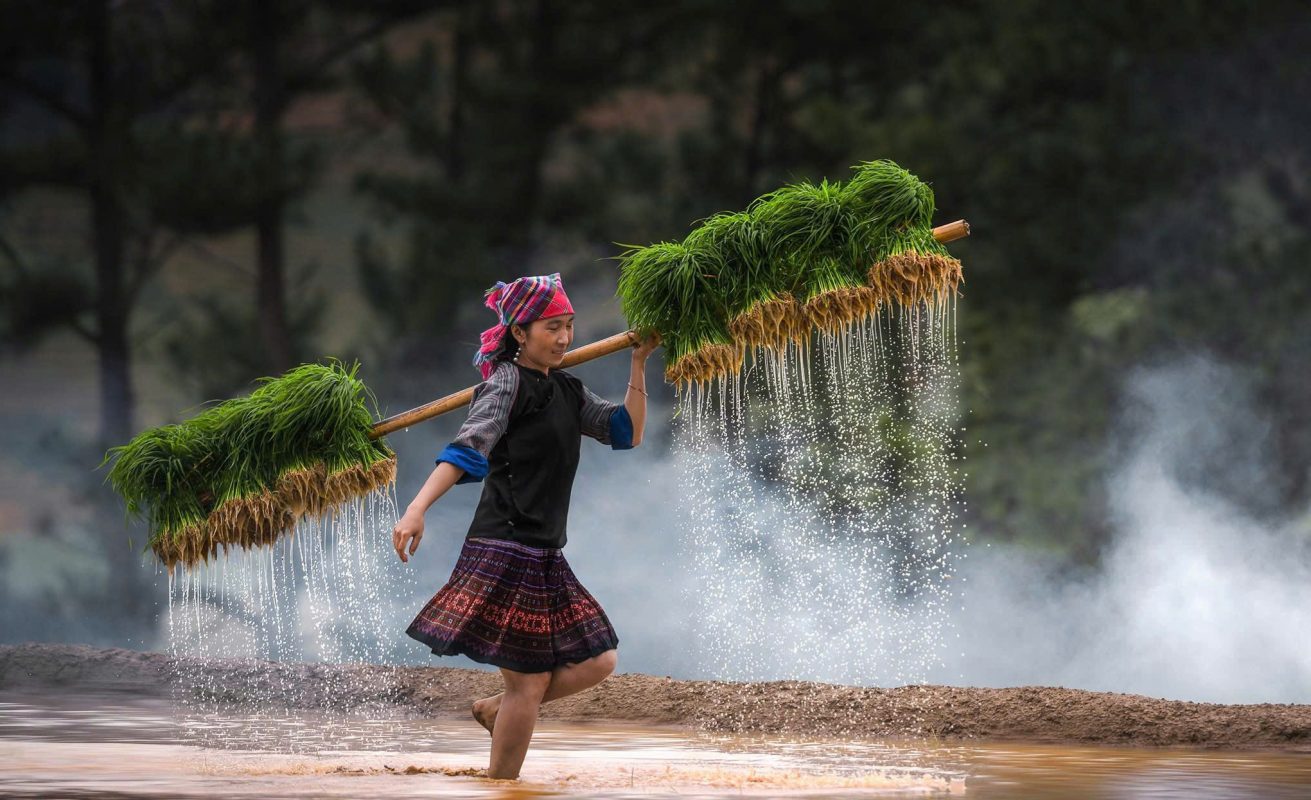
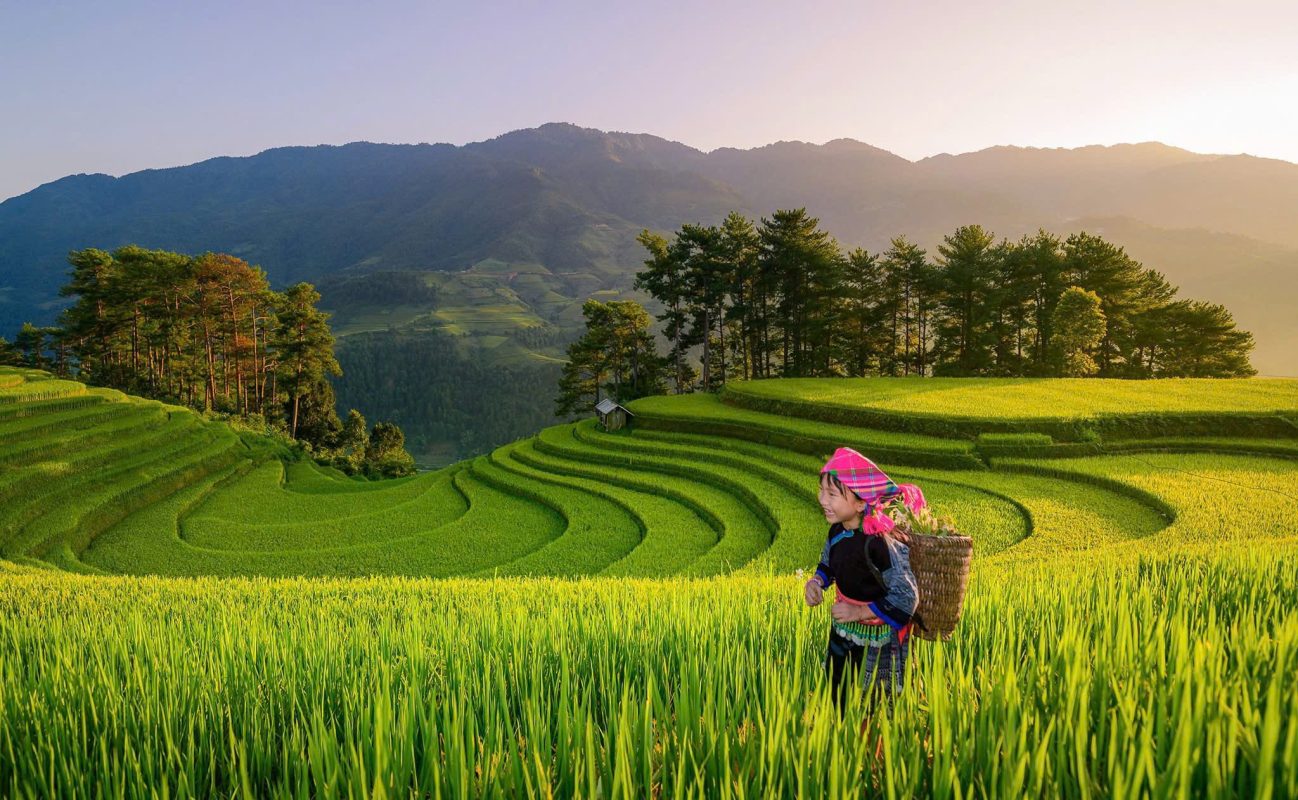
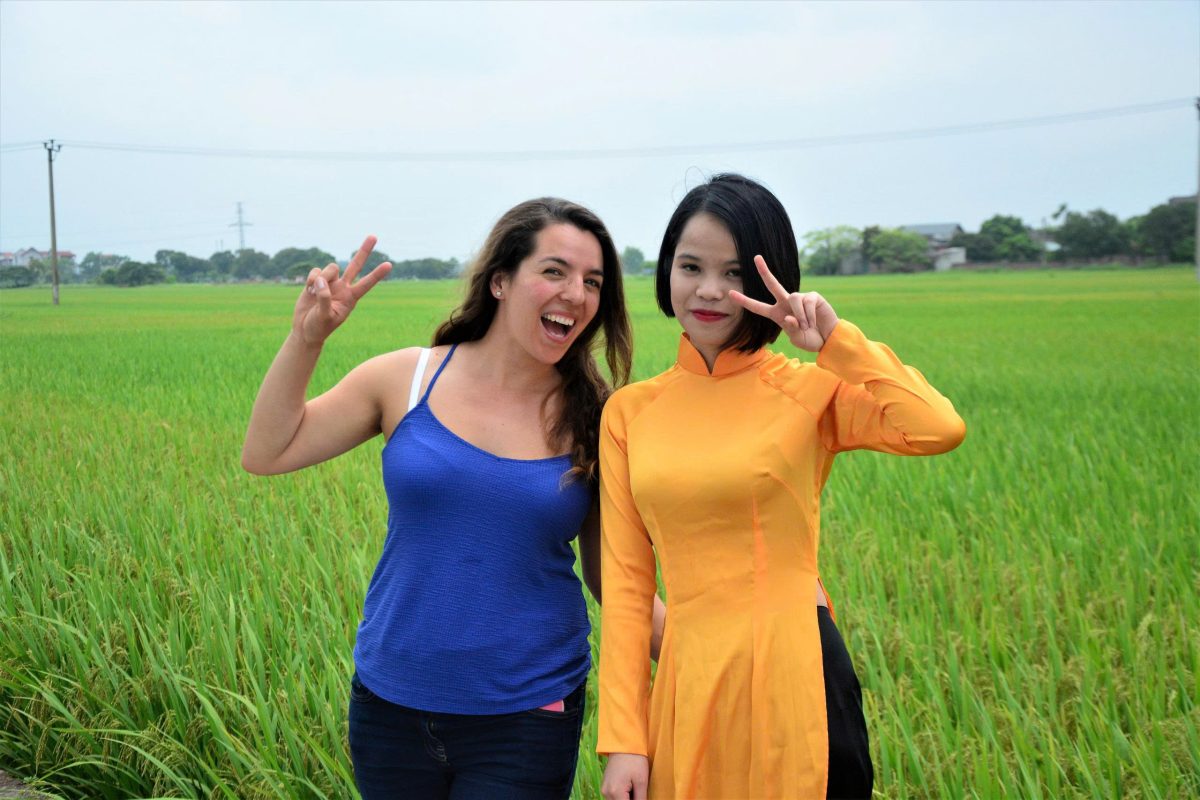
After traveling through busy streets, you can reach quieter roads, agricultural land, gardens, villages, and farming areas. This contrast helps first-time visitors understand that Hanoi is not only a dense urban center.
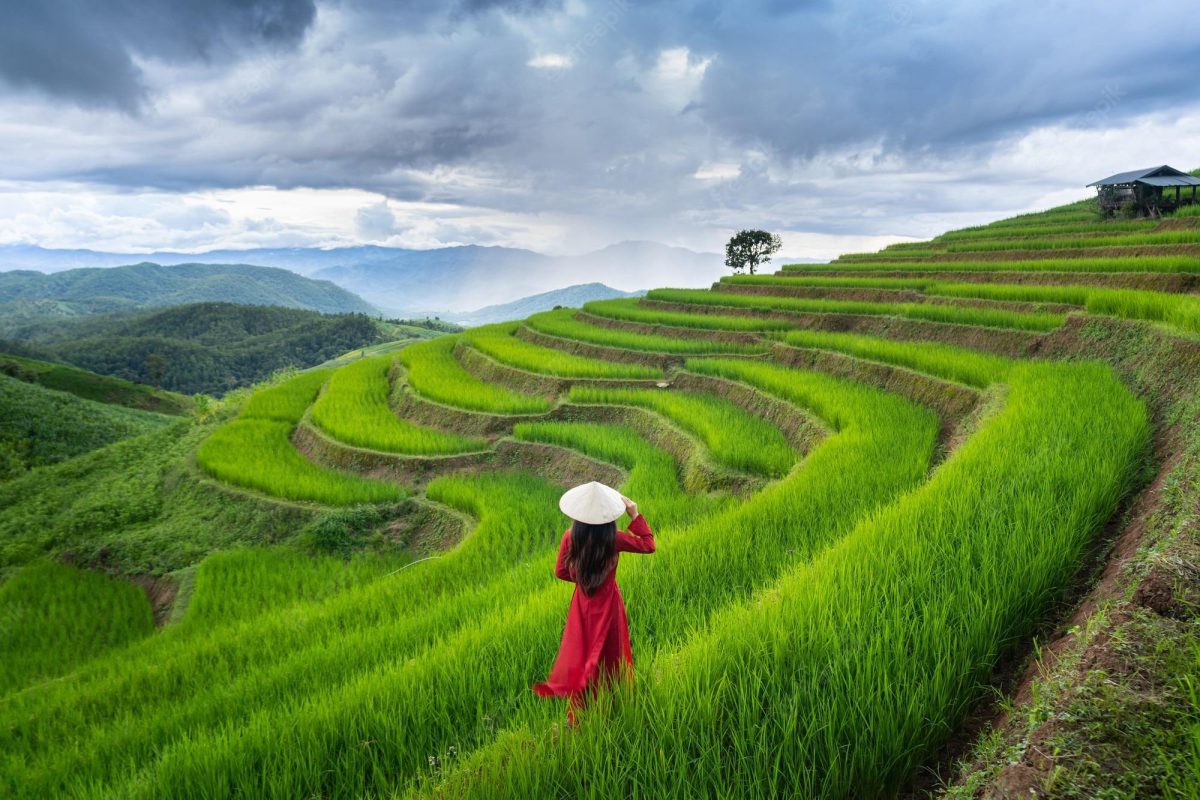
A countryside motorbike or bicycle experience is particularly useful for travelers interested in photography, agriculture, Vietnamese rural life, and landscapes.
Should You Visit Ha Long Bay?
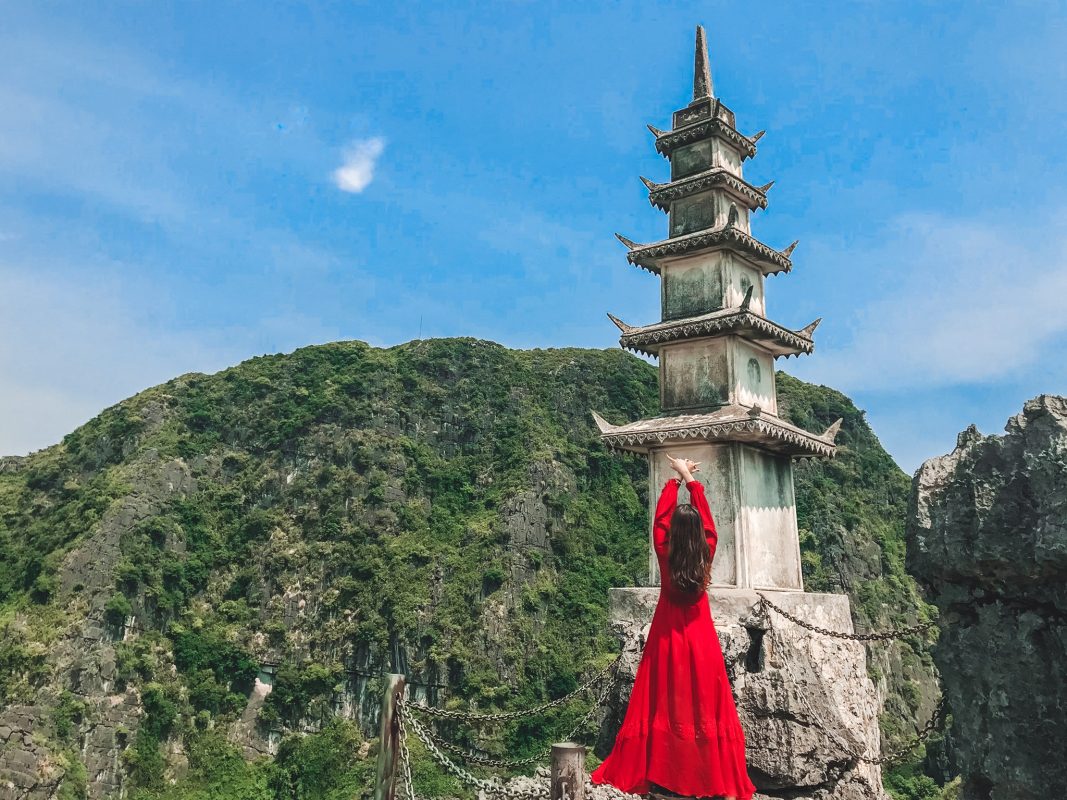
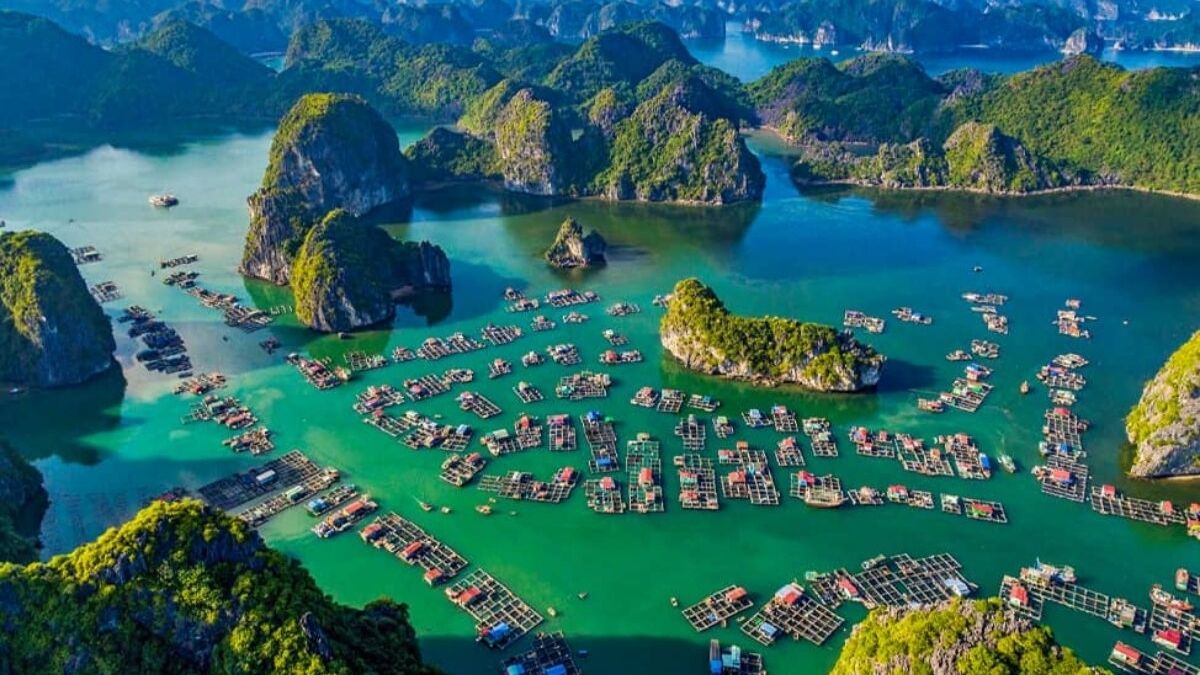
For first-time visitors with enough time, Ha Long Bay can be a worthwhile addition to a northern Vietnam itinerary.
The main attraction is the limestone landscape rising from the water, but the quality of your experience depends heavily on the cruise or boat you choose.
Before booking, check the cabin, meals, transfer arrangements, cruise size, activities, and actual time spent on the water. A low-priced cruise may not provide good value if most of your day is spent in transportation.
An overnight experience gives you more time to appreciate the scenery than a rushed day trip.
Hue for First-Time Visitors Interested in History
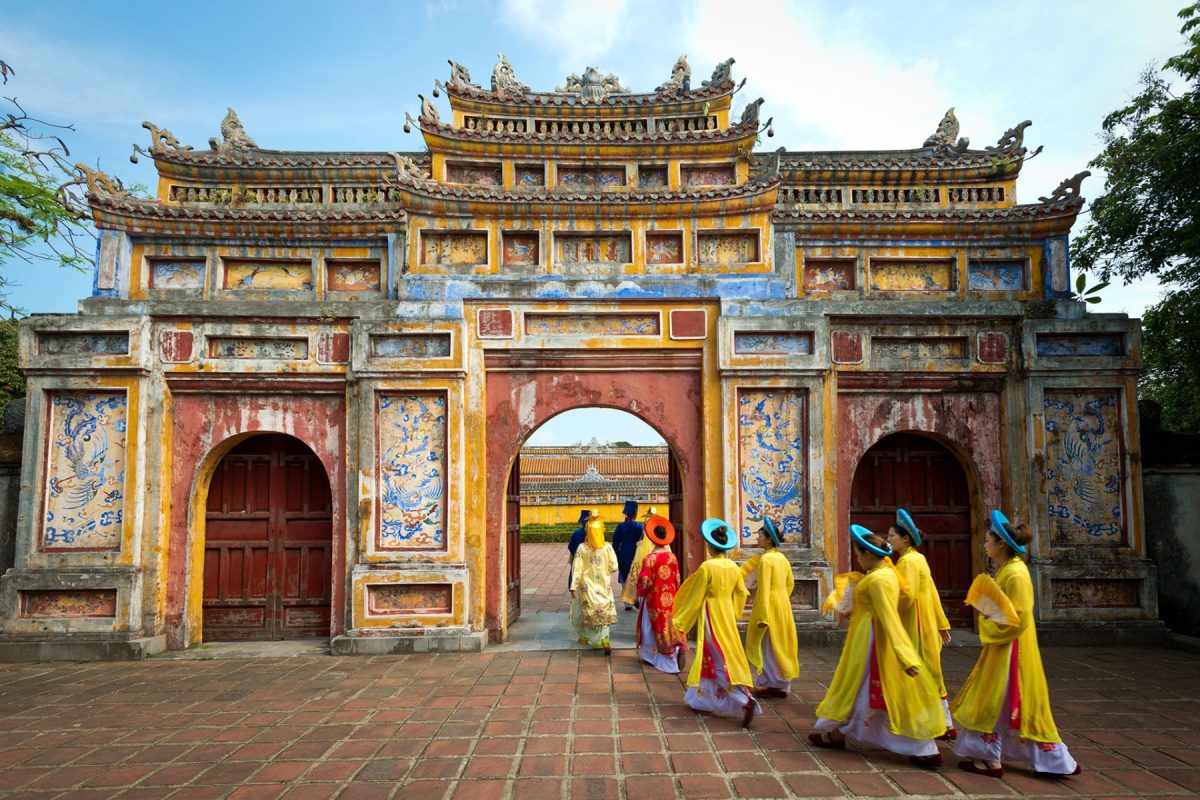
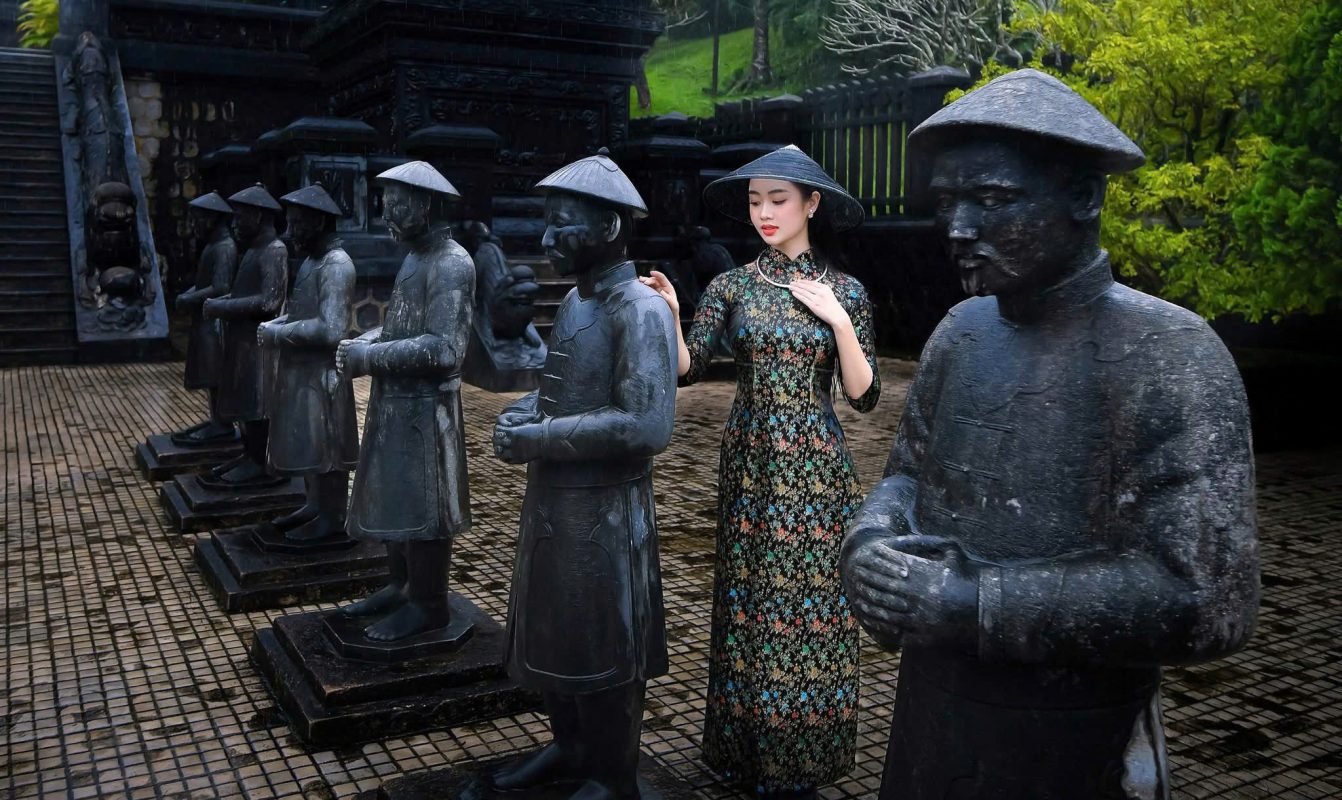
Hue should be high on the list for travelers interested in Vietnamese history.
The former imperial capital has a strong connection with Vietnam’s royal past, and the city provides a very different atmosphere from Hanoi.
Allow enough time to explore historical architecture rather than rushing through several sites in one day. Combining heritage sightseeing with Hue cuisine creates a more complete experience.
A female guide can provide context about the imperial period, architecture, traditions, and food instead of leaving you to interpret monuments without background information.
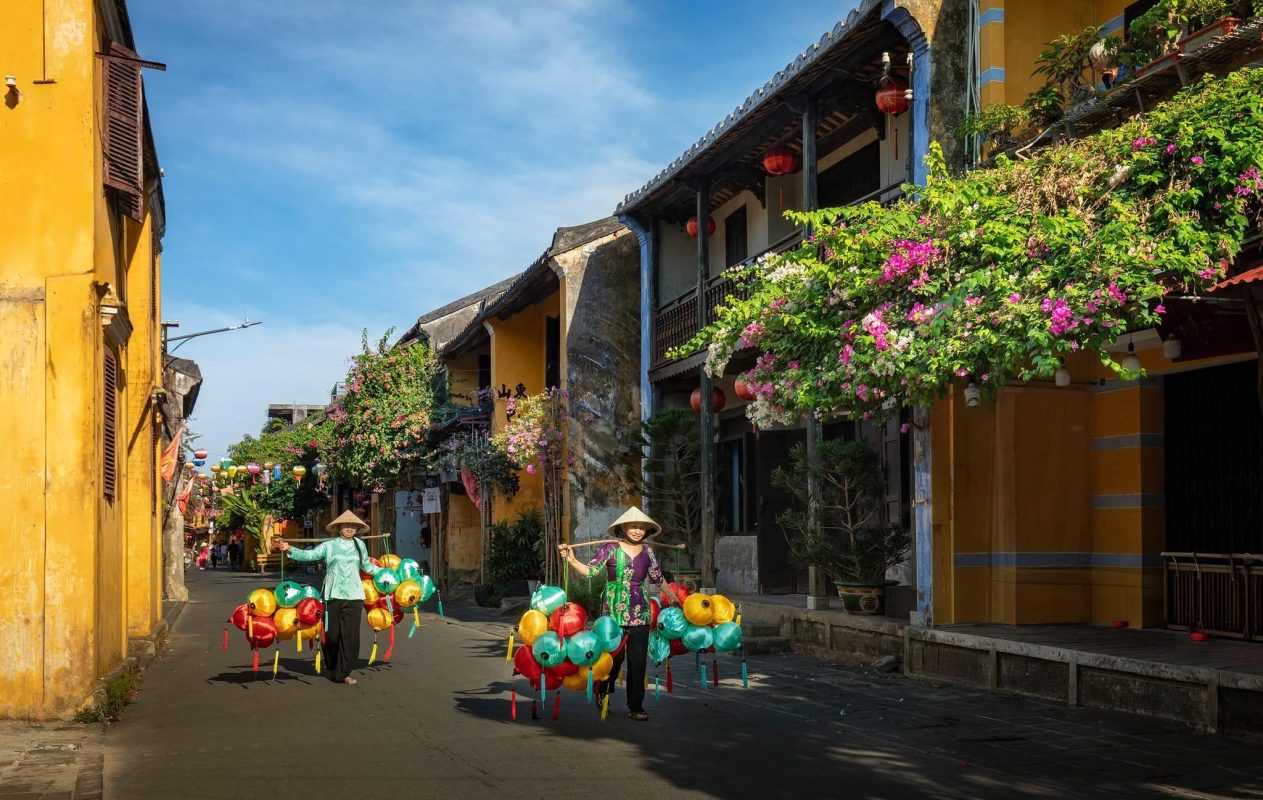
Hoi An for a Slower Vietnam Experience
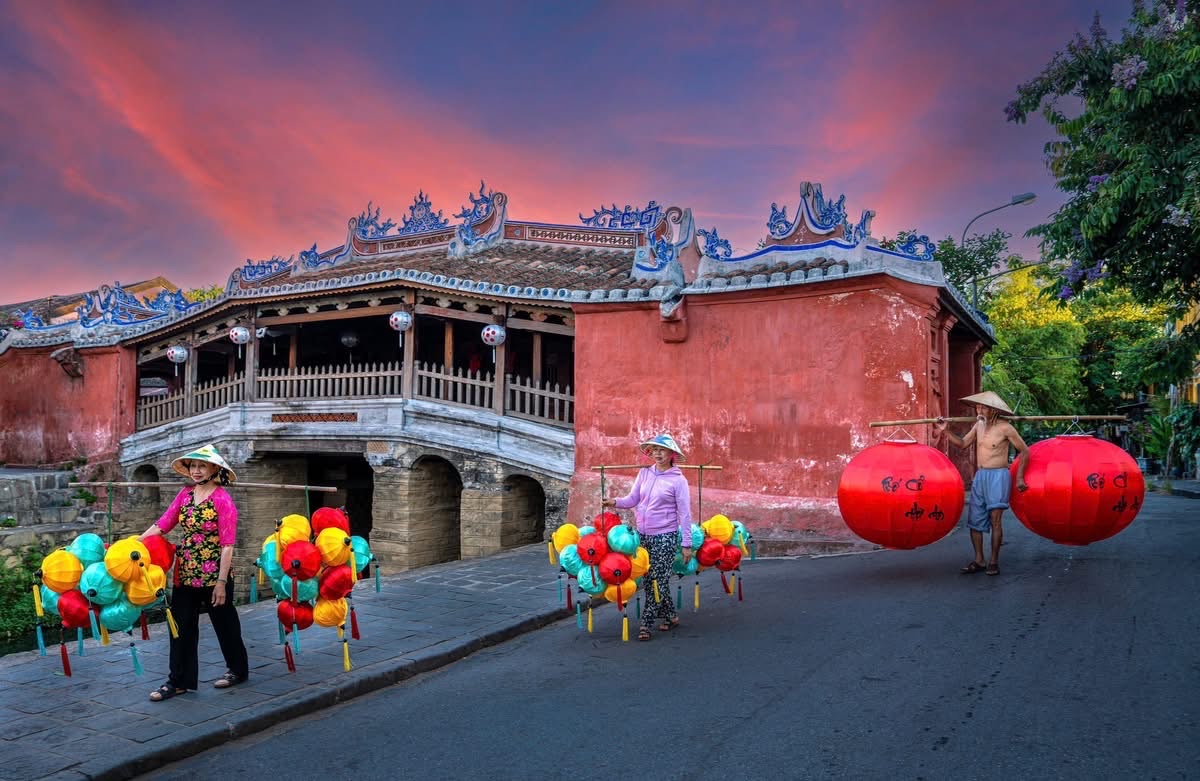
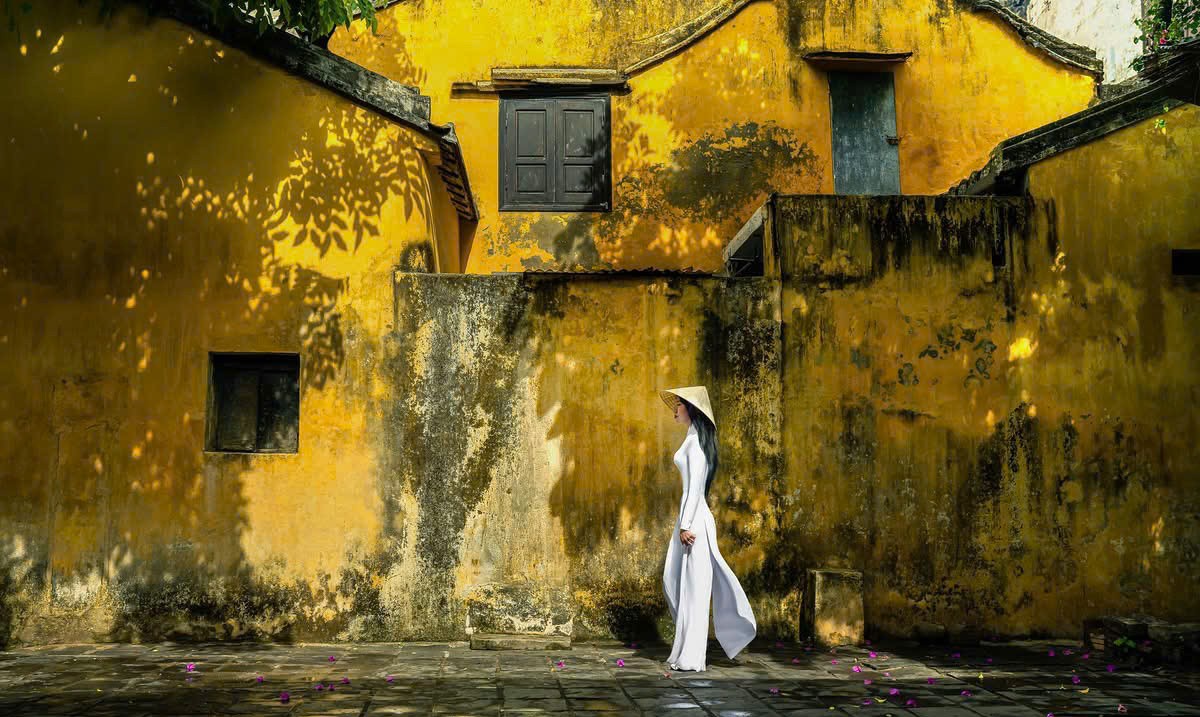
Hoi An is particularly attractive to first-time visitors who want a slower pace after busy Hanoi.
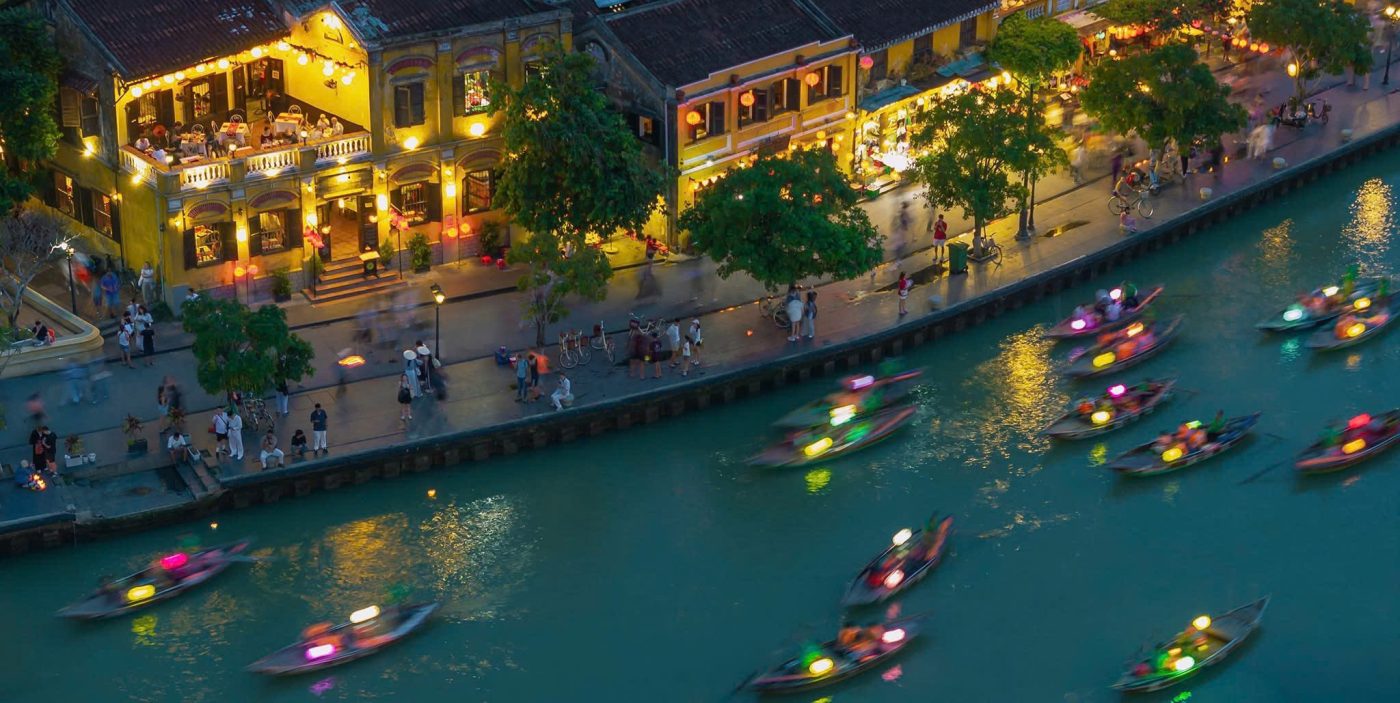
The historic center is known for traditional architecture, narrow streets, restaurants, cafés, markets, crafts, and shopping. But the surrounding countryside is also worth exploring.
A private women-led Hoi An experience can combine the old town with food, cycling, crafts, markets, and countryside scenery.
If you want custom-made clothing, allow time for measurements, fittings, and alterations. Do not schedule everything for the final few hours of your stay.
Da Nang for Beaches and Convenience
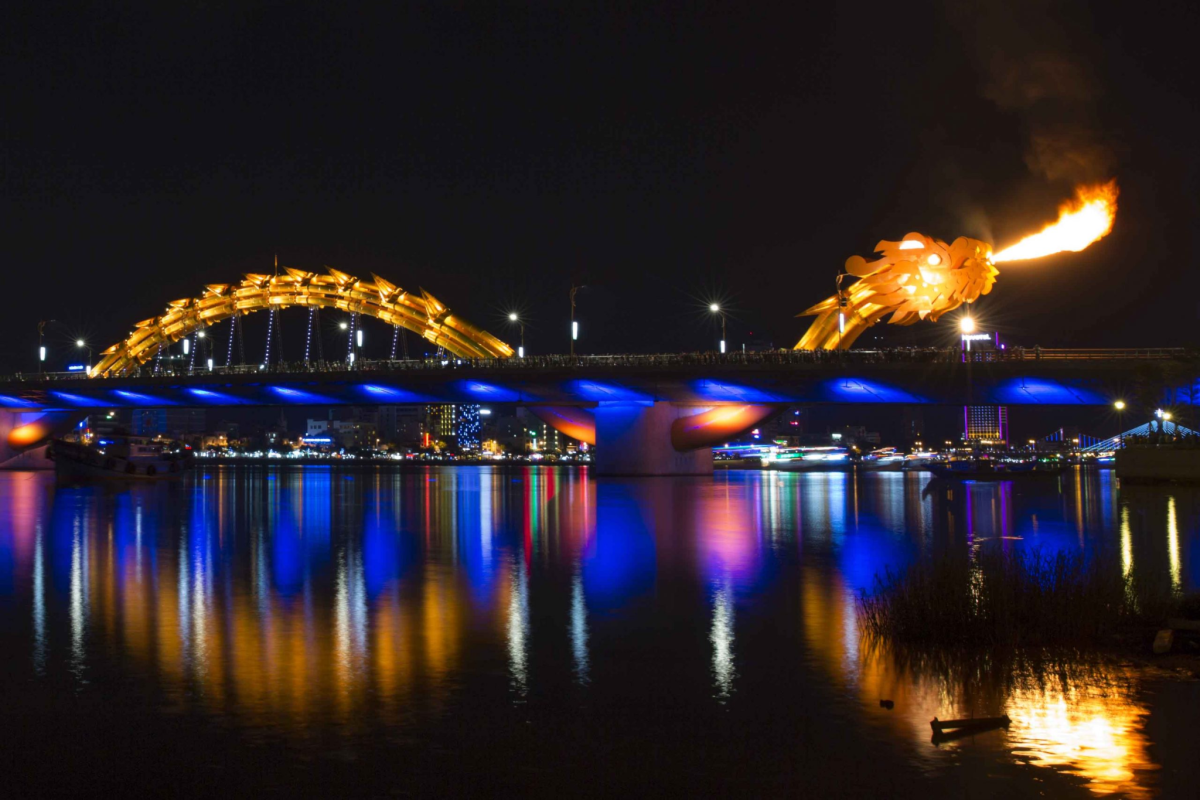
Da Nang is useful for first-time visitors who want beaches, modern hotels, restaurants, cafés, and easy access to Hoi An and Hue.
It can serve as a comfortable base for Central Vietnam, particularly for travelers who prefer modern facilities.
A few nights can provide enough time to combine beach relaxation with cultural and culinary experiences.
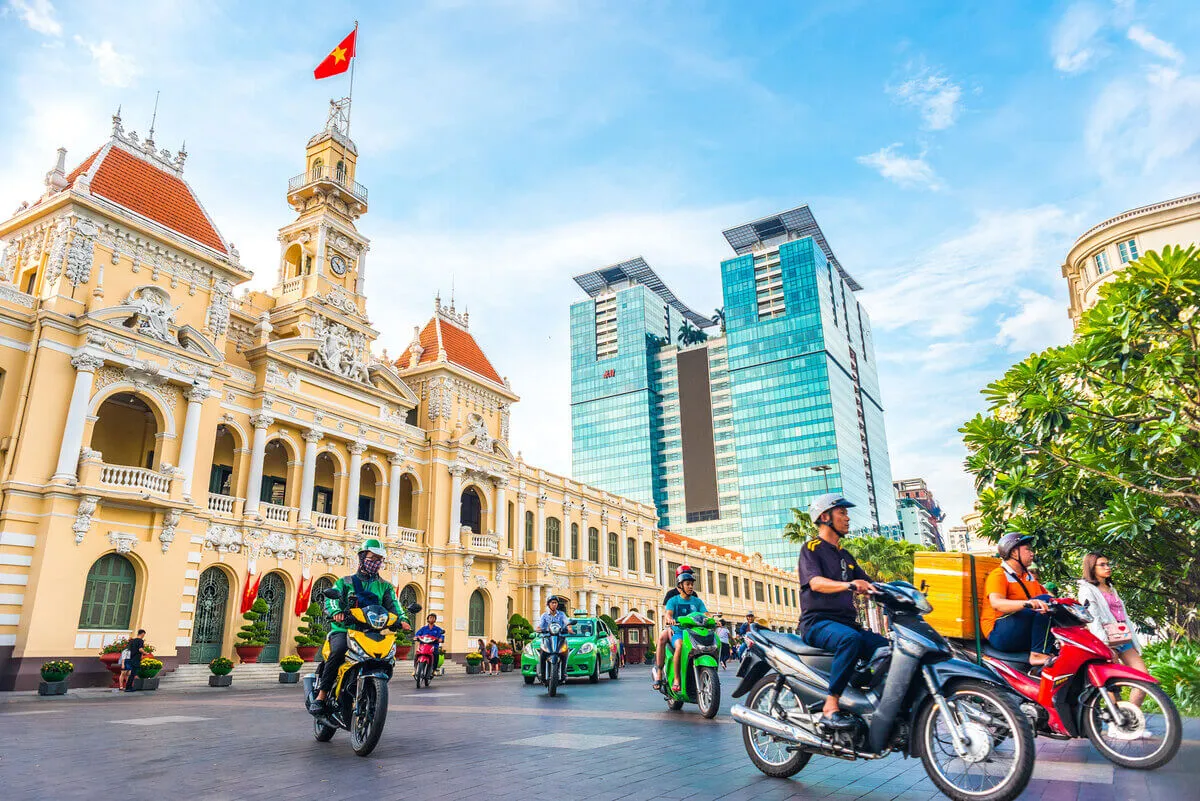
Ho Chi Minh City for a Different Side of Vietnam
Ho Chi Minh City should not be viewed simply as the southern version of Hanoi.
The two cities have different personalities, food traditions, street patterns, and historical development.
Ho Chi Minh City is fast, energetic, highly urban, and constantly moving. First-time visitors can explore markets, historic buildings, cafés, food streets, and different residential neighborhoods.
A motorbike experience is particularly useful because the city’s scale becomes much easier to understand when you travel through several districts rather than remaining around the central tourist area.
Add the Mekong Delta
The Mekong Delta is a good addition for travelers who want to see a more agricultural and rural side of Southern Vietnam.
The region is shaped by rivers, canals, farming, fruit production, fishing, and communities whose daily lives are closely connected with the water.
For first-time visitors, the Delta is more meaningful when the itinerary includes explanations about agriculture, food, markets, and community life instead of treating it only as a short boat ride.
Da Lat for a Different Climate and Landscape
Da Lat is a useful addition if you want cooler temperatures, hills, gardens, coffee, flowers, agriculture, and countryside scenery.
It provides a noticeable contrast with the tropical atmosphere of Southern Vietnam and the dense urban environment of Hanoi and Ho Chi Minh City.
Travelers interested in coffee should consider learning about the agricultural side of the region rather than visiting only cafés.
Phu Quoc for Relaxation
If you have two or three additional days at the end of your trip, Phu Quoc can provide a completely different experience.
After days of sightseeing, food tours, and city exploration, several days of beaches, seafood, island scenery, and slower mornings can make a good final chapter.
It is particularly suitable for travelers who want to combine cultural travel with a beach holiday.
How to Plan Your First Vietnam Itinerary
The biggest mistake is trying to visit too many destinations.
Vietnam stretches a long distance from north to south, and transportation between regions can take a significant portion of your holiday.
For a five-day trip, concentrate on Hanoi.
For seven days, choose Hanoi plus one additional major destination.
For ten days, you can create a northern and central or central and southern itinerary.
For fourteen days, Hanoi, Central Vietnam, and Ho Chi Minh City can form the main framework.
If you have three weeks or more, you can add countryside, islands, or additional regional experiences without making every day a travel day.
A Practical First-Time Vietnam Itinerary
7 Days
Day 1: Arrive in Hanoi and take a relaxed walk around the Old Quarter.
Day 2: Explore Hanoi by women-led motorbike, Jeep, or Vespa, combining landmarks, neighborhoods, food, and coffee.
Day 3: Hanoi food, culture, markets, museums, and independent exploration.
Day 4: Travel to Central Vietnam and explore Hue or Hoi An.
Day 5: Continue exploring Central Vietnam.
Day 6: Relax and experience food, culture, or countryside.
Day 7: Depart or continue to another region.
10 Days
Spend the first three days in Hanoi, followed by several days in Central Vietnam and the final days in Ho Chi Minh City.
This provides a useful introduction to northern, central, and southern Vietnamese culture without requiring an excessively fast schedule.
14 Days
A two-week itinerary allows greater flexibility. You can include Hanoi, a northern excursion, Central Vietnam, Ho Chi Minh City, and the Mekong Delta.
The important thing is to avoid adding destinations simply because they appear on a list. Every additional destination requires transportation, hotel changes, packing, check-in, and travel time.
Should First-Time Visitors Book Private Tours?
Private tours are especially useful during the first few days because they reduce the amount of planning you need to do yourself.
You can ask your guide questions about food, transportation, prices, customs, neighborhoods, and places you may want to visit later.
A private tour can also be adjusted around your energy level. If you want to spend longer at a market or café, you can do so. If you are tired, the itinerary can be simplified.
For families, couples, solo travelers, and groups with different interests, private tours offer substantially more flexibility than fixed group itineraries.
What to Pack for Vietnam
Keep your luggage practical rather than bringing too much.
Lightweight clothing works well for warm weather, while a light jacket or additional layers are useful depending on the season and destination.
Comfortable walking shoes are essential.
For motorbike experiences, choose secure footwear and comfortable clothing. Sunglasses, sunscreen, and a small bag are useful during daytime tours.
If you plan to visit temples and religious sites, bring clothing that provides reasonable coverage.
A lightweight rain jacket can also be useful, especially when traveling during wetter periods.
What to Know About Vietnamese Money
Vietnam uses Vietnamese đồng, and cash remains useful for small purchases, street food, markets, cafés, and other everyday transactions.
Keep smaller denominations available because small vendors may not always have change for large notes.
Cards are more commonly accepted at hotels, larger restaurants, and modern businesses, but you should not depend entirely on cards when exploring smaller establishments.
Internet and Mobile Connectivity
A reliable mobile connection is useful for maps, translation, communication, ride services, reservations, and contacting your guide.
Consider arranging your SIM or eSIM before or shortly after arrival.
Keep your phone charged during full-day excursions. A compact power bank can be useful when traveling by motorbike, bicycle, or countryside routes.
Vietnamese Food Safety for First-Time Visitors
You do not need to avoid street food simply because you are visiting Vietnam for the first time.
Instead, choose vendors with high customer turnover and food that is freshly prepared. A knowledgeable guide can help identify established food businesses and explain how particular dishes are prepared.
Be careful with unfamiliar ingredients if you have allergies.
Vegetarians should specifically ask about fish sauce, shrimp paste, meat broth, and other animal ingredients.
Food tours can be an excellent way to learn how to eat safely and confidently during the rest of your trip.
Cultural Etiquette First-Time Visitors Should Know
Vietnamese culture places importance on politeness and respect.
Dress more conservatively when visiting temples and religious locations.
Ask before photographing people closely, particularly in personal or family settings.
When entering a home or traditional business, observe your guide’s behavior.
Do not assume that every Vietnamese custom is the same across the country. Northern, Central, and Southern Vietnam have their own cultural differences.
The easiest approach is to stay curious and ask your guide when you are unsure.
Is Vietnam Suitable for Solo Female Travelers?
Vietnam can be an excellent destination for solo female travelers, particularly when the trip is planned carefully.
Private women-led tours can provide a comfortable way to explore Hanoi and other destinations while giving solo travelers access to a knowledgeable guide.
For your first days, consider booking airport pickup and a guided city experience. This reduces the stress of navigating an unfamiliar city immediately after a long flight.
As you become more familiar with the country, you can combine guided experiences with independent exploration.
Why Choose Female Guides?
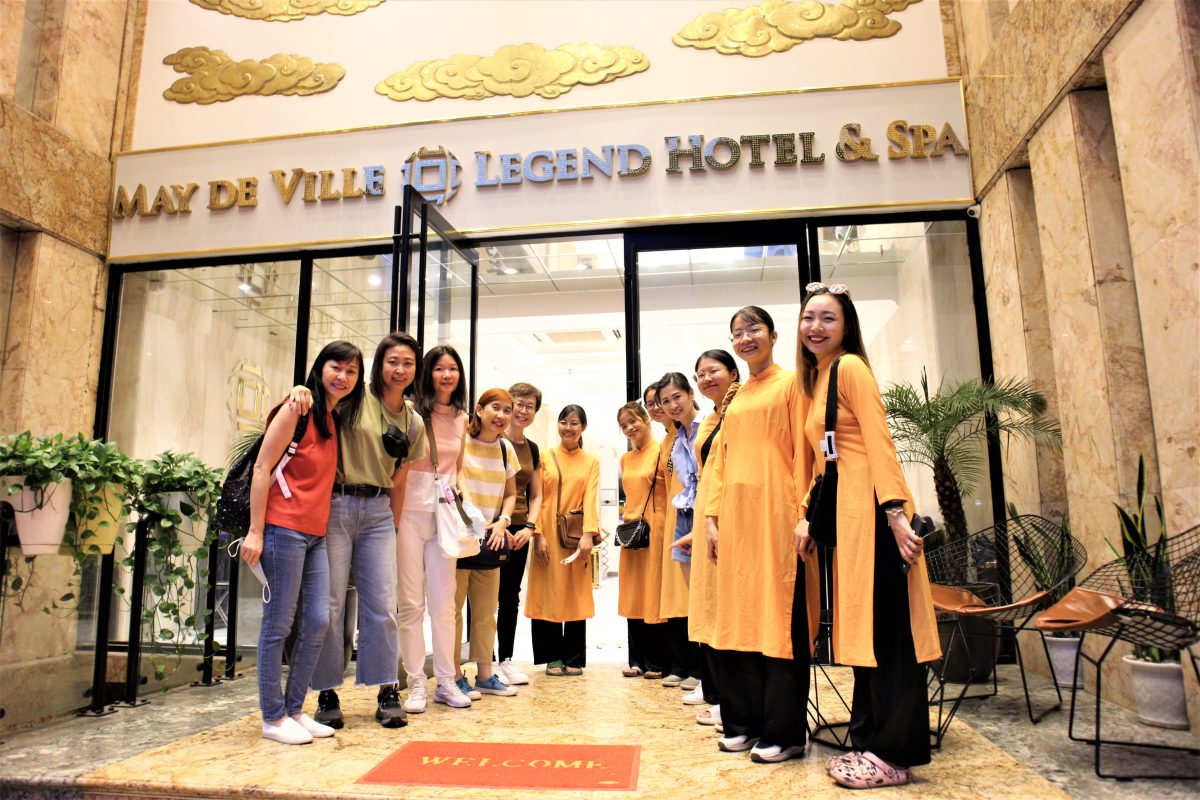
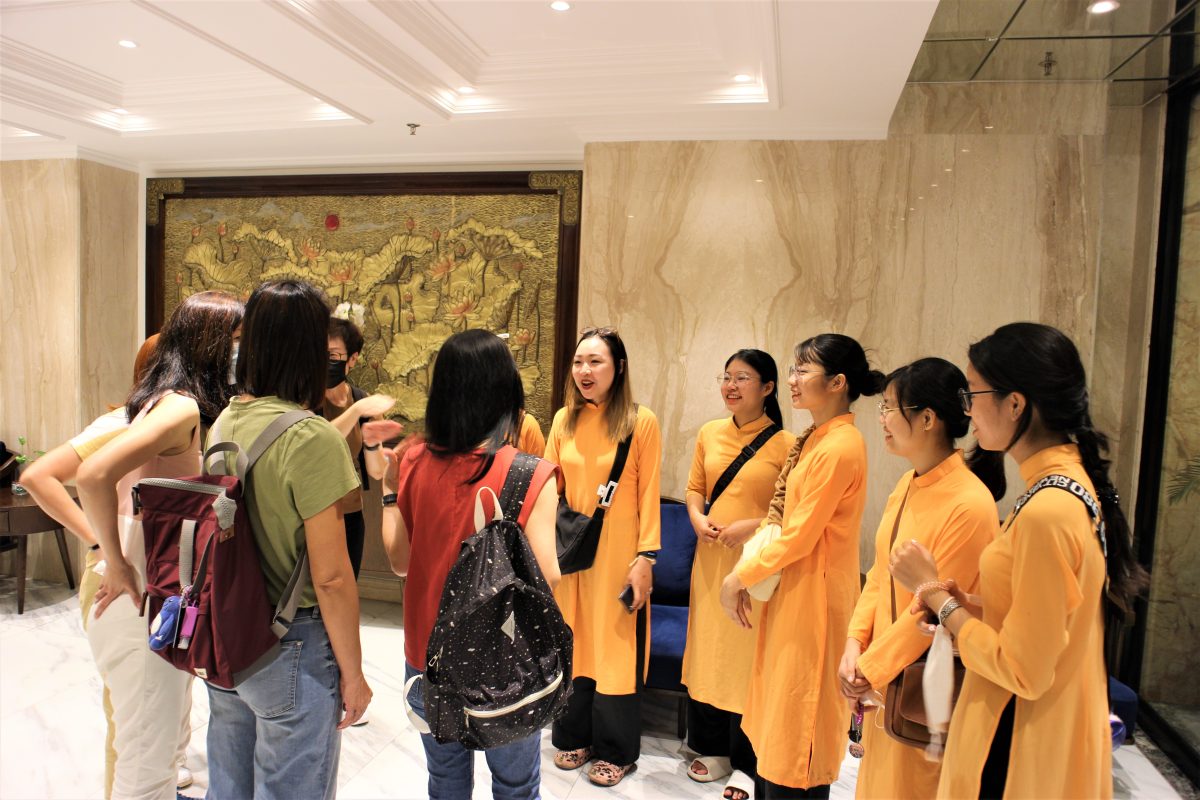
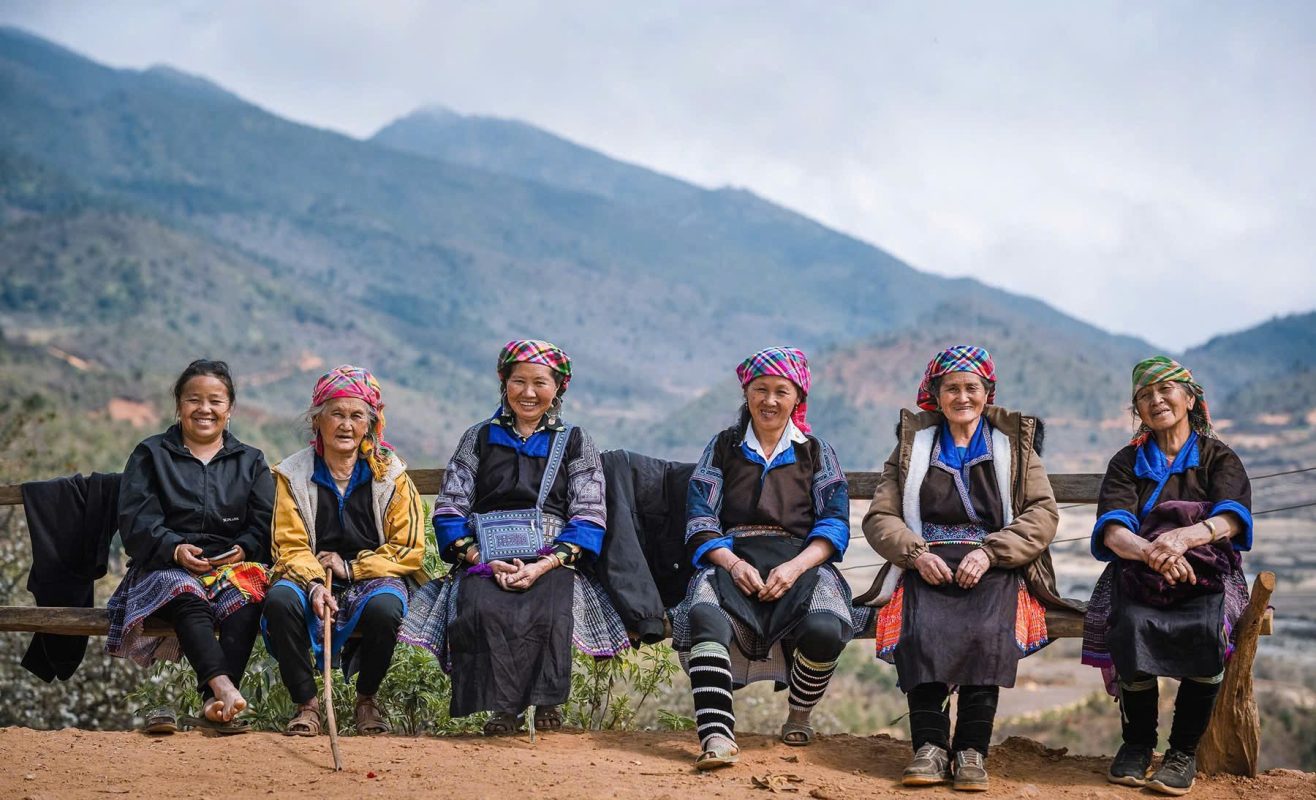
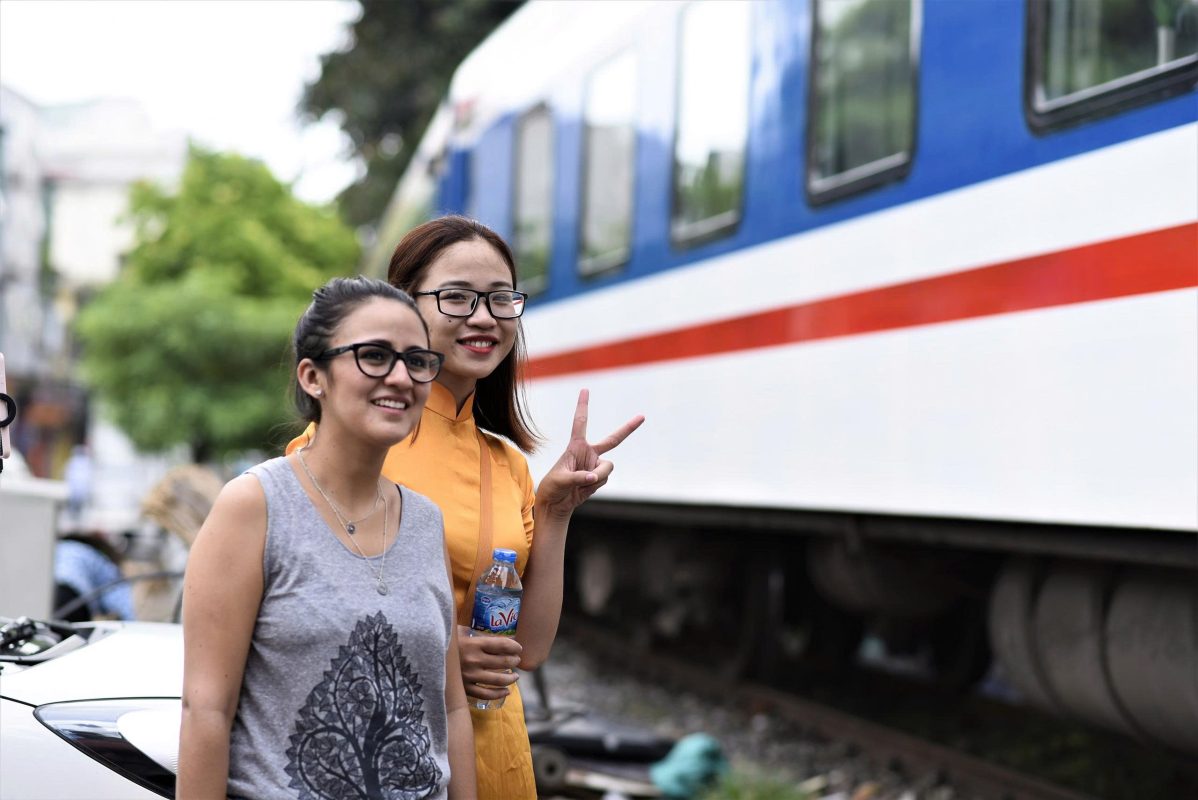
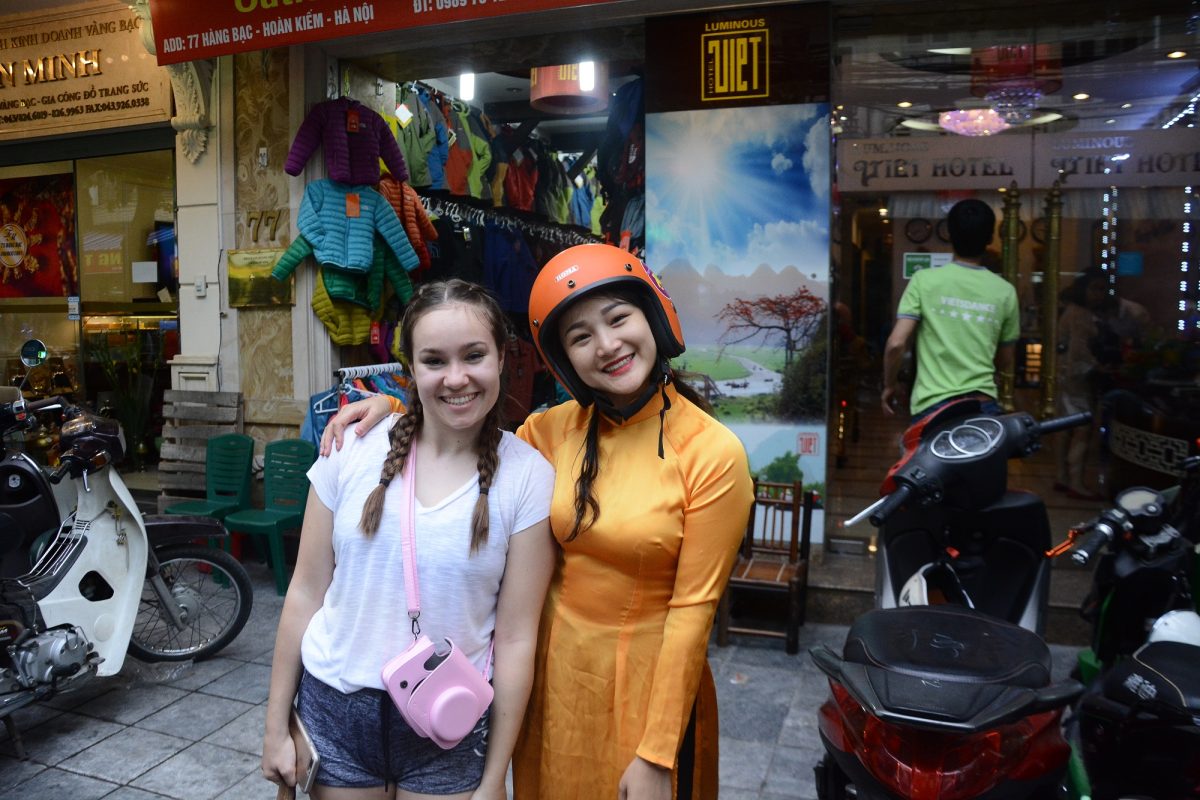
Traveling with Vietnamese female guides adds a personal dimension to the experience.
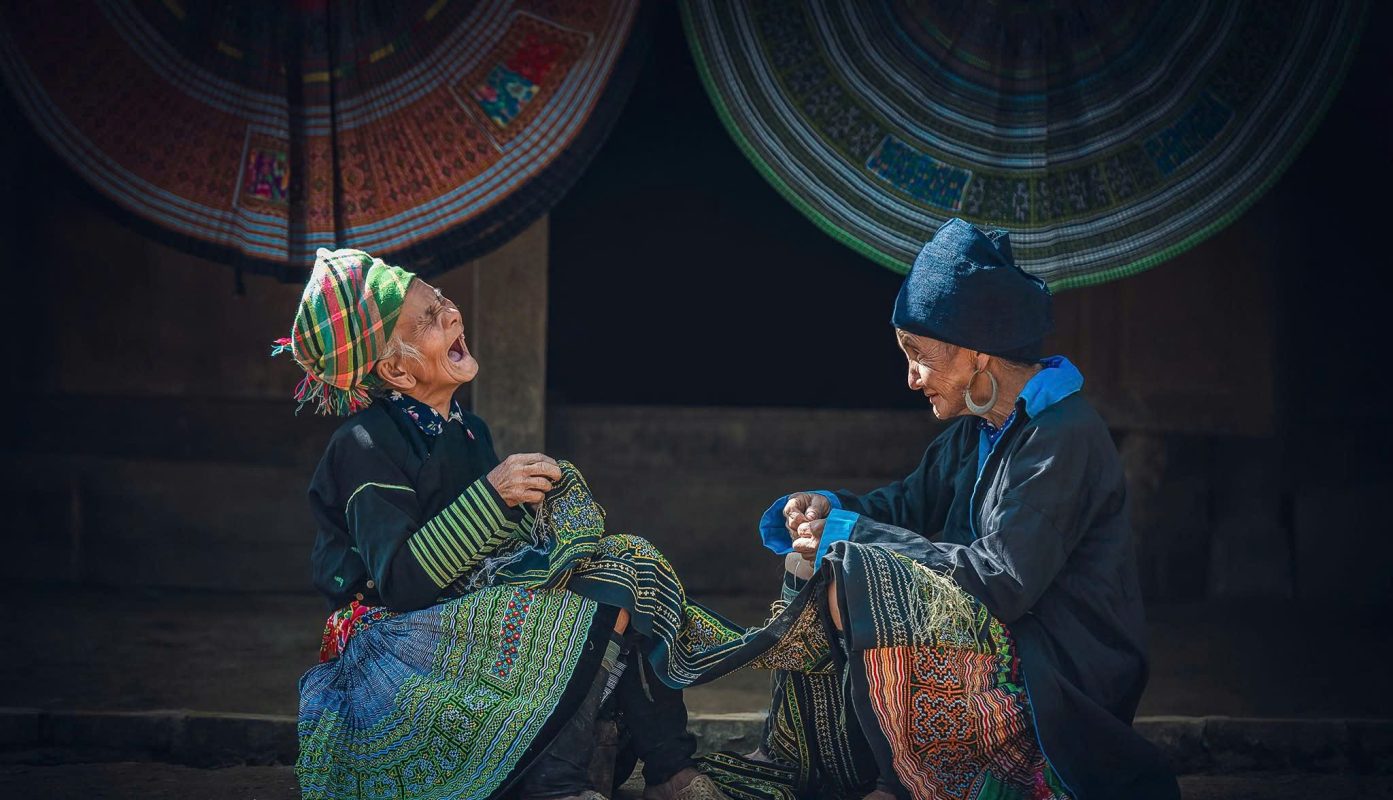
Your guide can explain the country from the perspective of someone who lives and works in Vietnam. She can help you understand food, family traditions, markets, transportation, neighborhoods, historical events, and contemporary life.
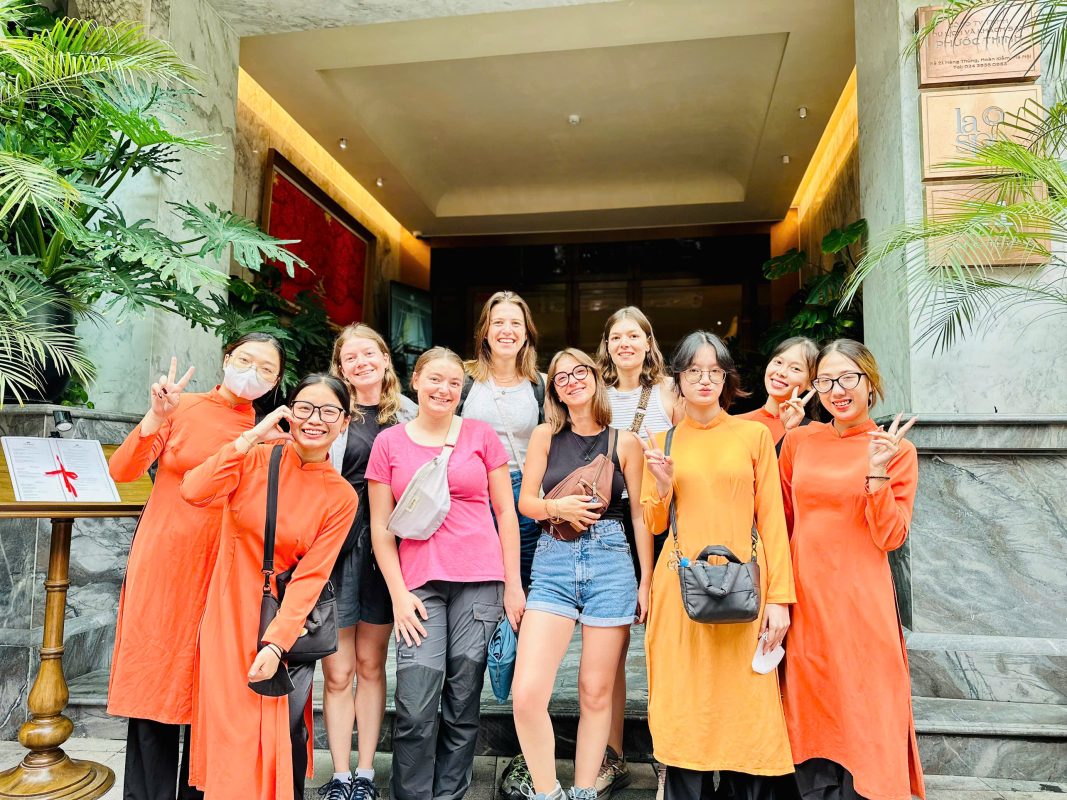
Motorbike City Tours states that it hires and trains Vietnamese women as drivers and guides and offers English-speaking female-led experiences. The company also highlights its focus on creating professional opportunities for women through tourism.
This means travelers are not simply booking transportation. They are also supporting women working in Vietnam’s tourism industry.
What Makes a Good First-Time Vietnam Tour?
A good first-time tour should answer questions rather than simply show you attractions.
Where do Vietnamese people eat breakfast?
Why are the streets organized the way they are?
What is the history behind a particular building?
Why is coffee such an important part of Vietnamese life?
How do Vietnamese families celebrate important occasions?
What foods are specific to Hanoi?
How does rural life connect with the city?
These are the questions that transform sightseeing into cultural travel.
What to Check Before Booking
Before confirming a tour, check the exact duration, pickup location, transportation, guide language, group size, meals, drinks, entrance fees, and cancellation conditions.
For motorbike tours, confirm that you will ride as a passenger if you do not have experience riding in Vietnam. Check the type of scooter, passenger seating, helmet arrangements, and weather protection.
For private tours, ask whether the itinerary can be adjusted according to your interests.
Motorbike City Tours publishes details for its Hanoi experiences including pickup and drop-off arrangements, experienced female drivers, English-speaking guides, scooters with passenger backrests, helmets, raincoats, food, drinks, and entrance fees depending on the tour.
First-Time Visitors Should Not Try to See Everything
Vietnam rewards slow observation.
Give yourself time to sit at a café, walk through a market, taste a new dish, talk with your guide, photograph an ordinary street, or watch the city wake up.
You do not need to visit ten attractions in one day to have a memorable trip.
Three meaningful experiences can be more valuable than ten rushed stops.
The purpose of your first Vietnam trip should be to understand the country enough that you already know where you want to return.
Vietnam Women Travel – Premium Private Tours Led by Women
Vietnam Women Travel is designed for travelers who want to experience Vietnam through personalized journeys led by Vietnamese women.
For first-time visitors, this approach can make the country easier to understand because your guide is there not only to show you places but also to explain the food, history, traditions, neighborhoods, transportation, and everyday life behind them.
Begin in Hanoi, experience the city by motorbike, Jeep, Vespa, bicycle, or on foot, discover Vietnamese food and coffee, explore the countryside, and then continue to the destinations that fit your interests.
Whether you are traveling alone, as a couple, with family, or with a private group, the itinerary can be designed around your preferred pace and experiences.
Contact Motorbike City Tours – Vietnam Women Travel
Motorbike City Tours – Vietnam Women Travel
91 Tho Nhuom Street, Hoan Kiem District, Hanoi, Vietnam
Call / WhatsApp / iMessage 24/7: +84 988 402 008
Email: info@motorbikecitytours.com
Website: motorbikecitytours.com
Motorbike City Tours specializes in Hanoi motorbike, Jeep, Vespa, bicycle, food, countryside, and sightseeing experiences led by women, with private options available for travelers who want a more personalized experience.
For a first visit to Vietnam, the best strategy is simple: start in Hanoi, choose fewer destinations, allow enough time in each place, use experienced guides when you need local knowledge, and build your itinerary around experiences rather than a checklist of attractions. That approach gives you the time to understand Vietnam through its food, history, streets, landscapes, culture, and people.