Vietnam Women Travel: Best Cultural Experiences for Women
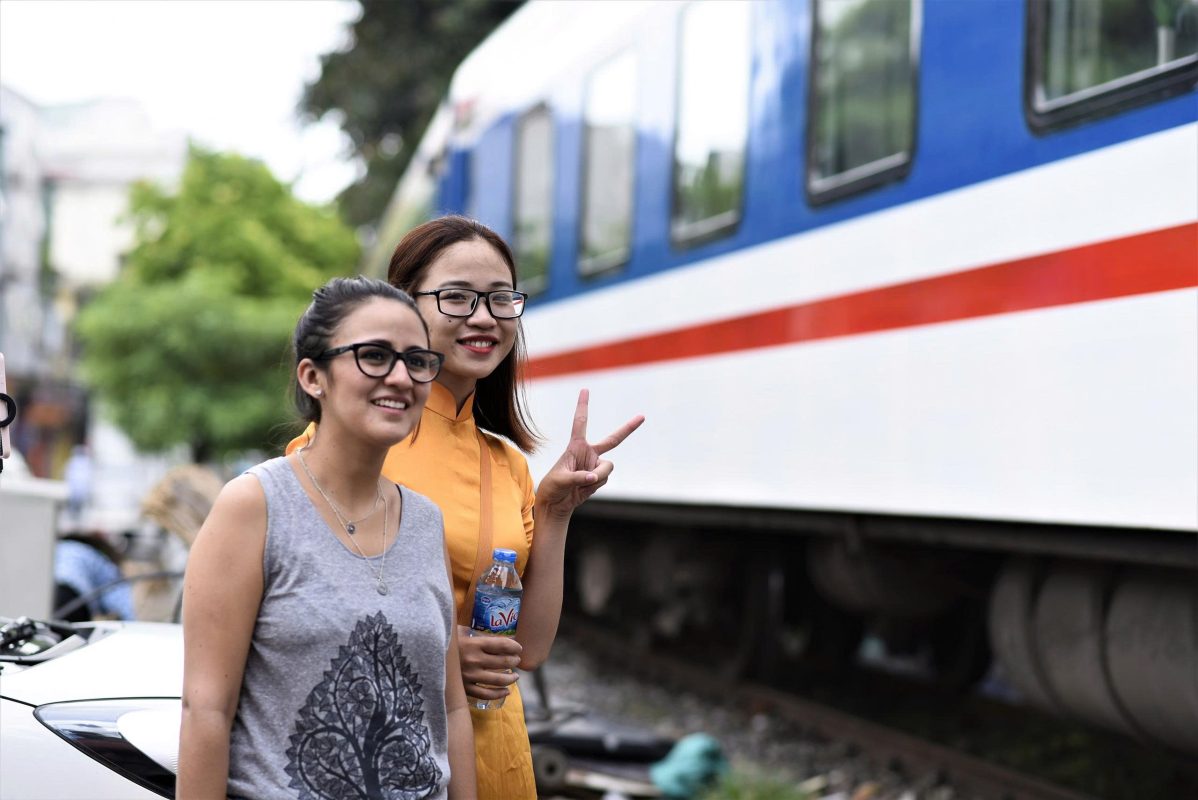
Vietnam is a country where culture is experienced through everyday life as much as through famous monuments. The most memorable moments may come from sitting at a small Hanoi café, learning how Vietnamese dishes are prepared, watching families shop at a morning market, visiting an old village, exploring a historic neighborhood by motorbike, or talking with a Vietnamese woman about life in her city. For women travelers who want more than a checklist of attractions, these experiences provide a deeper understanding of Vietnam and create a more personal connection with the country.
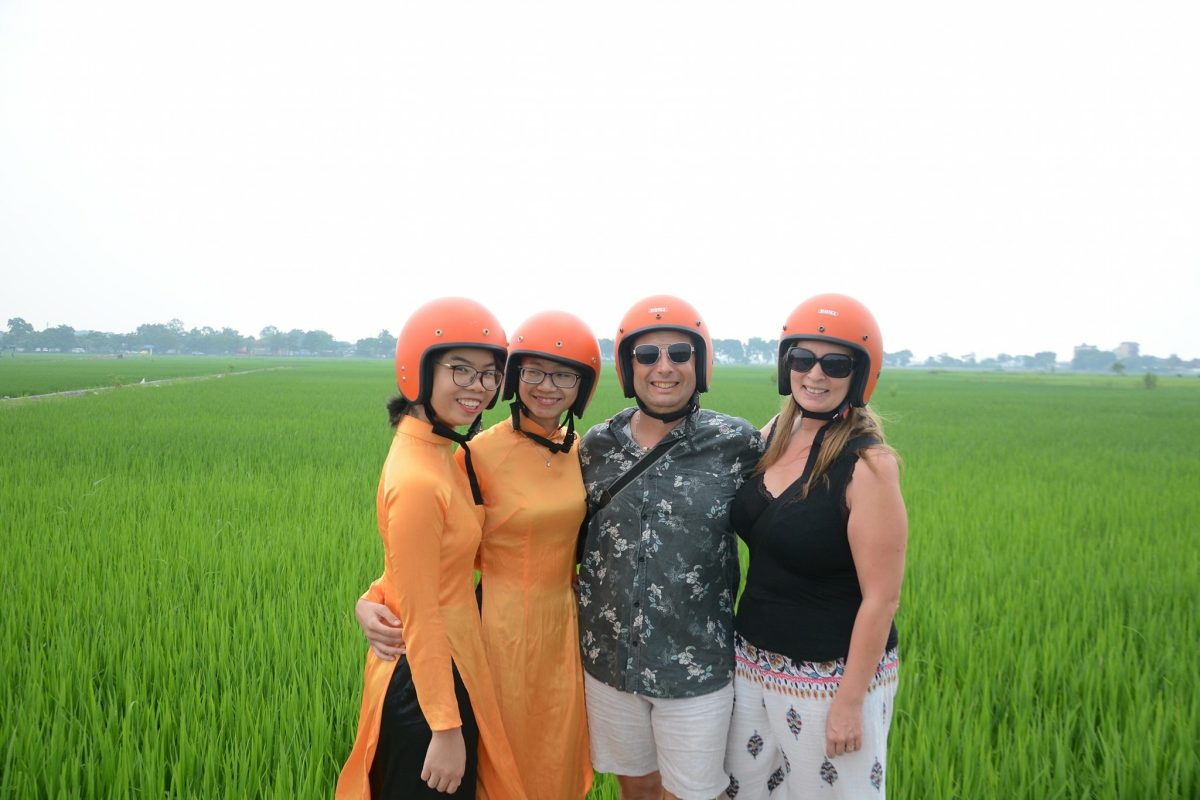
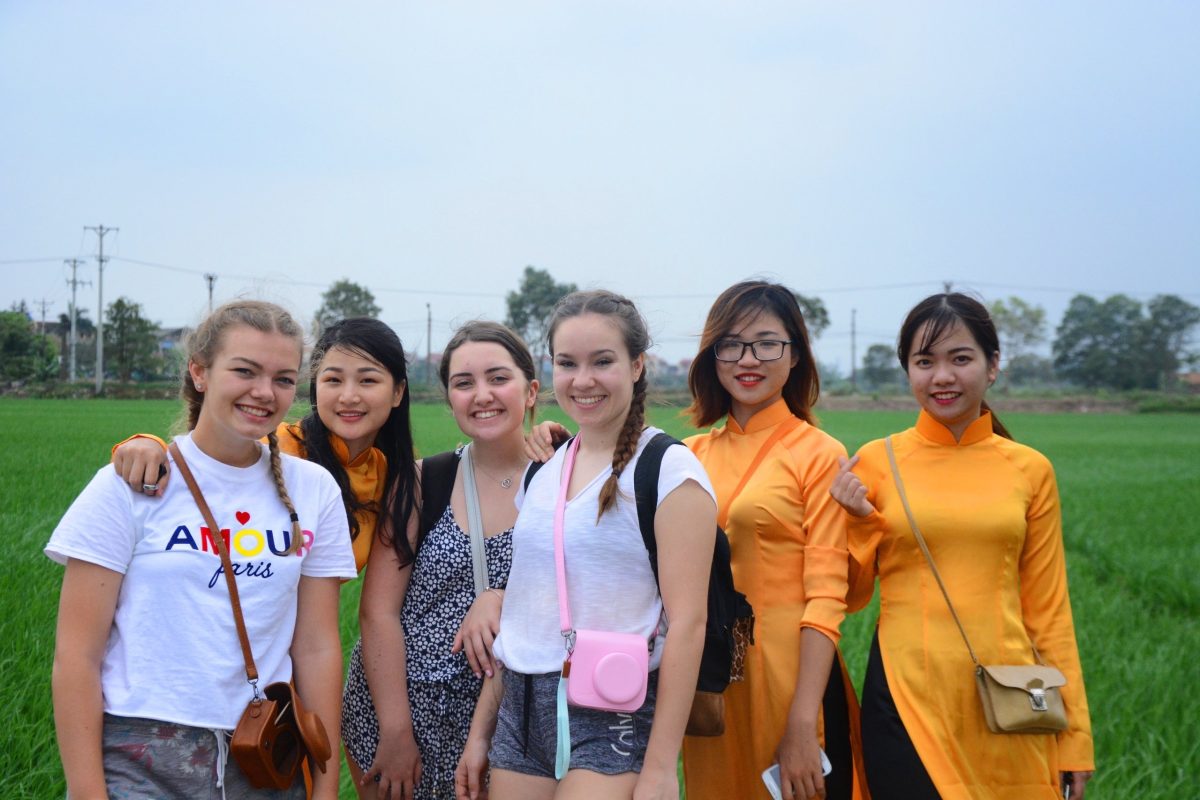
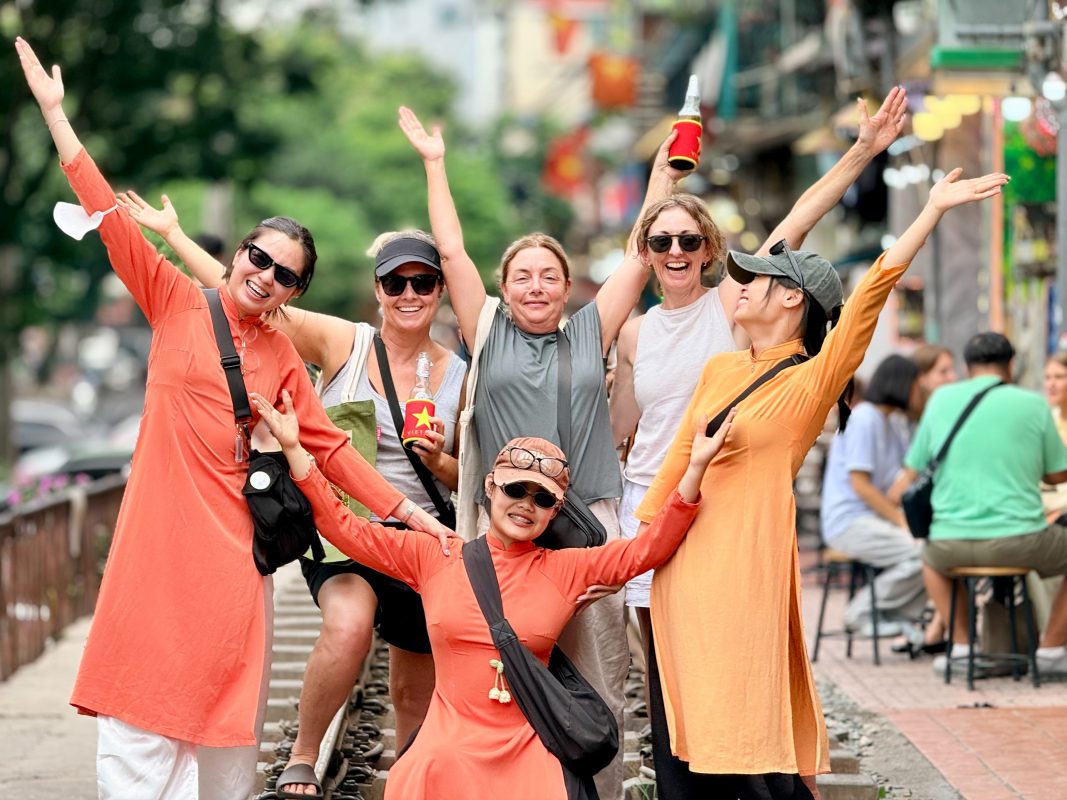
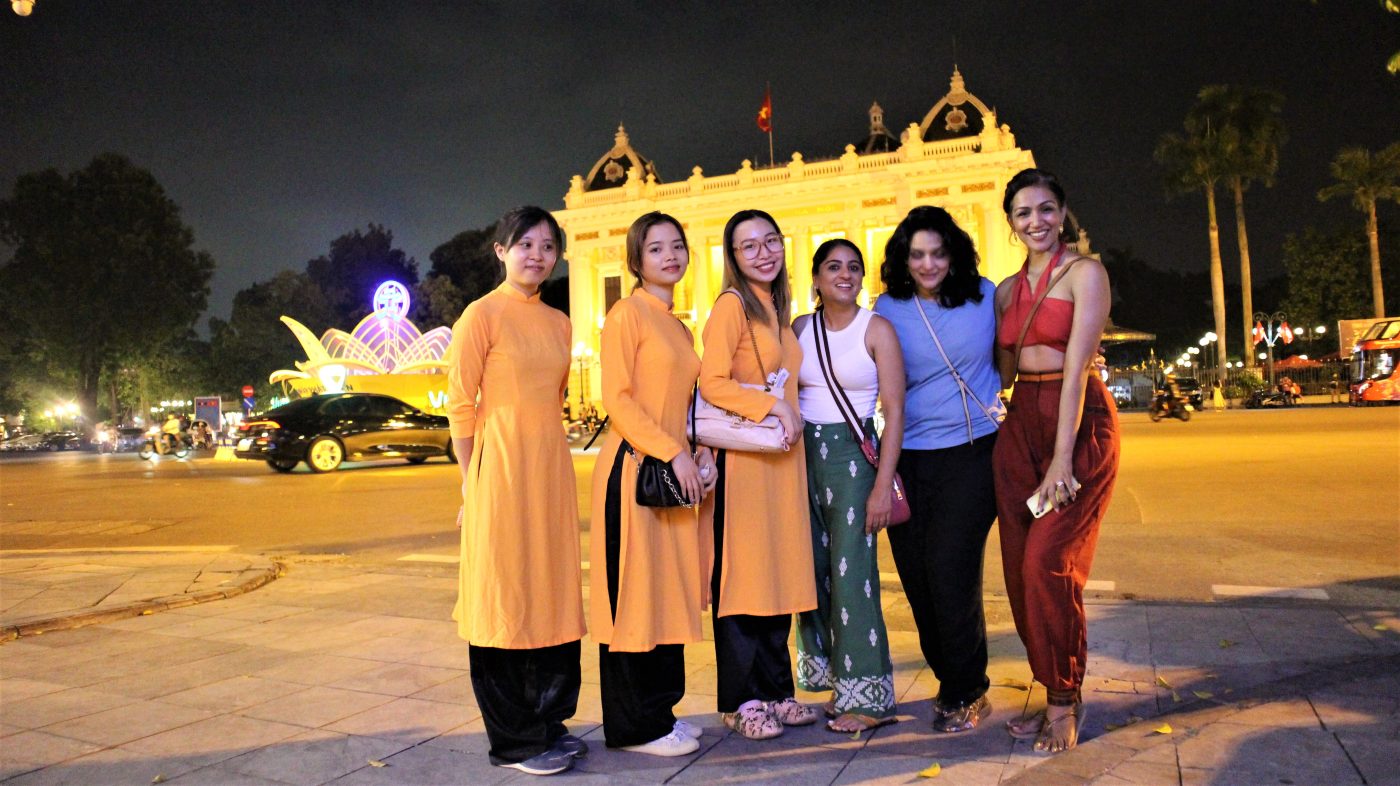
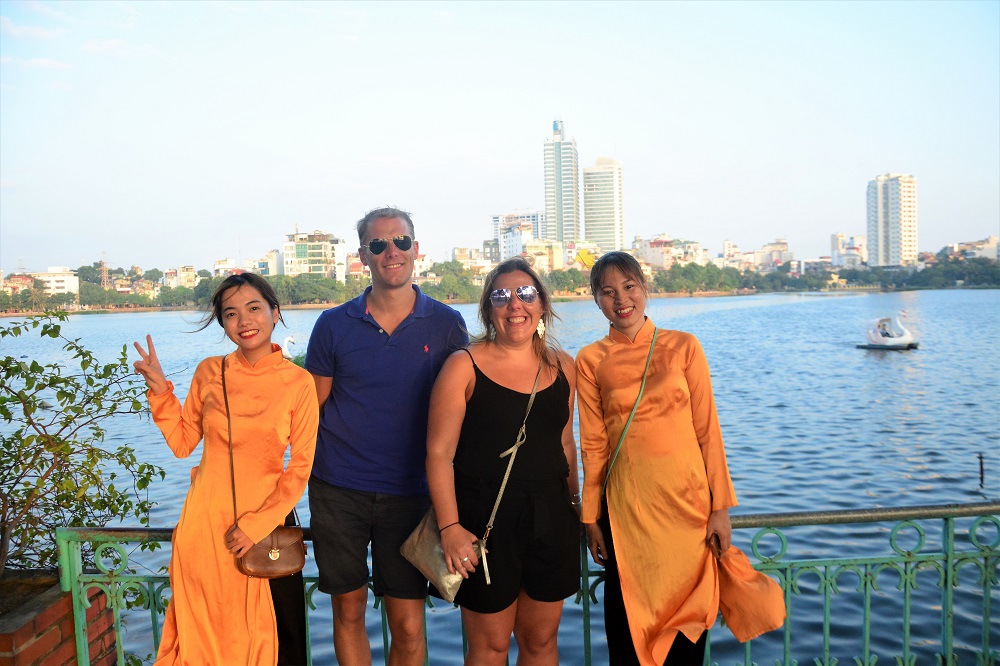
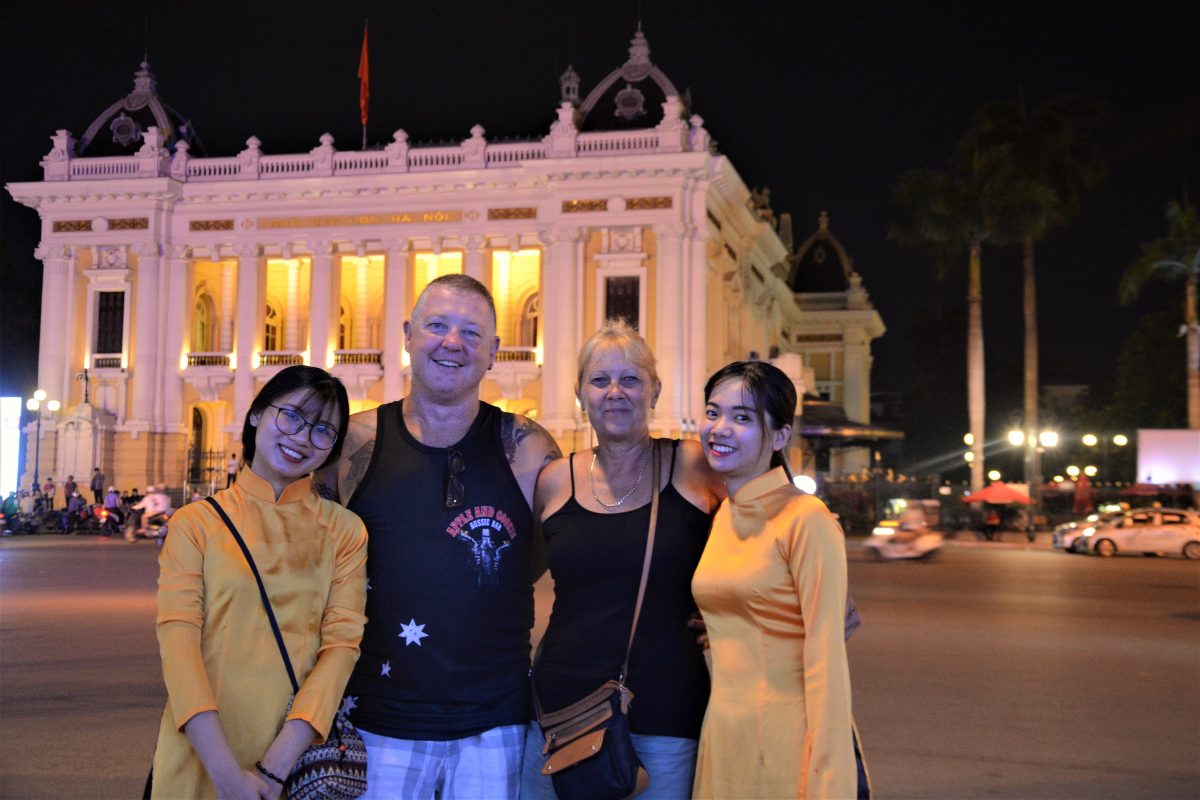
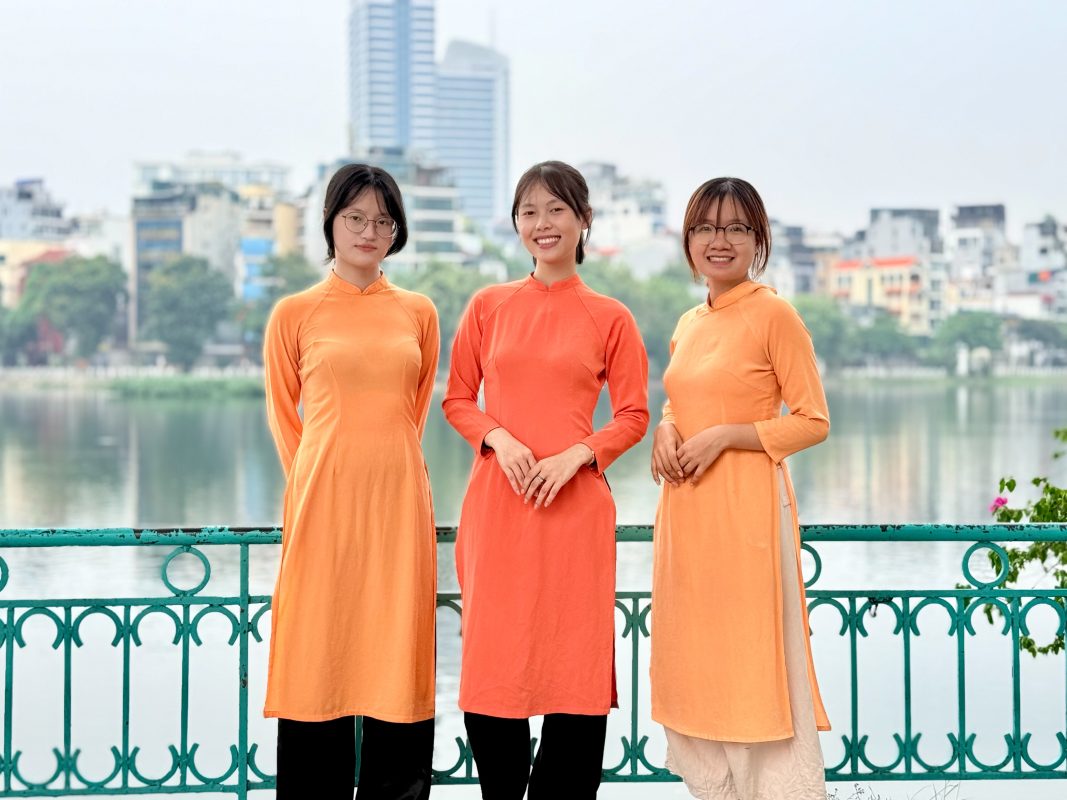
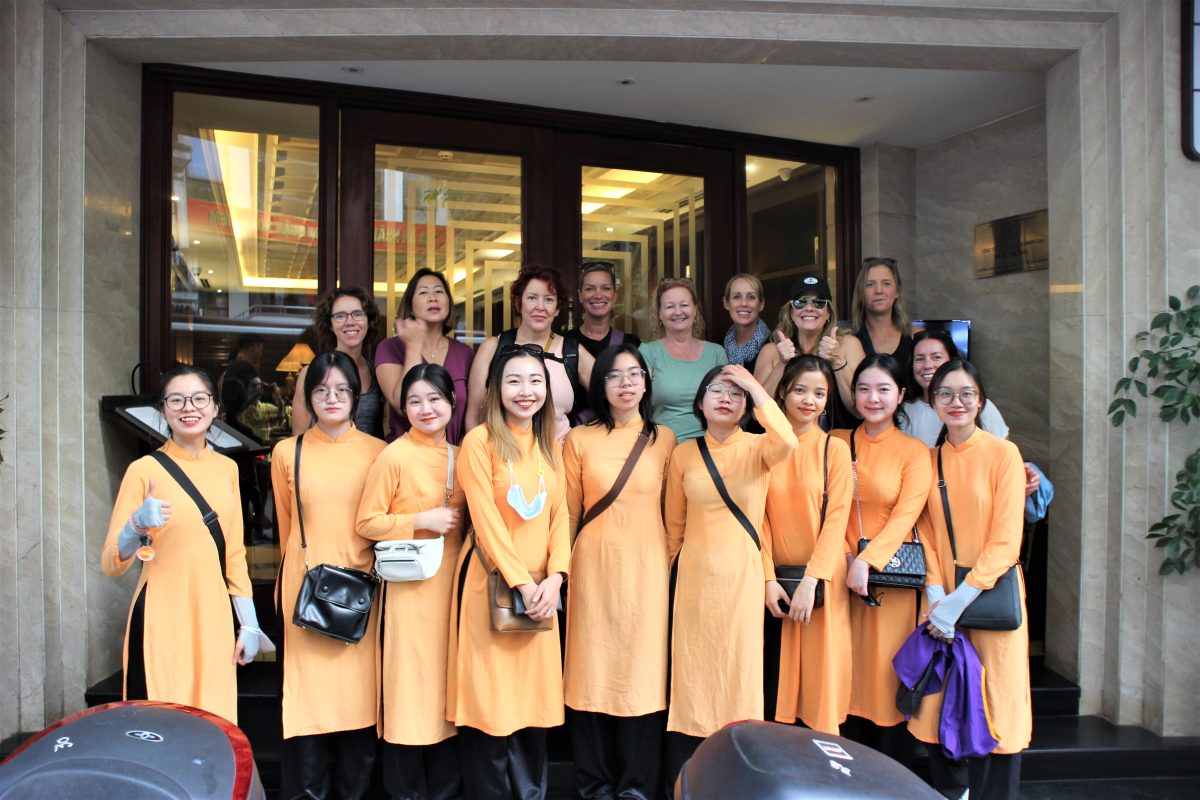
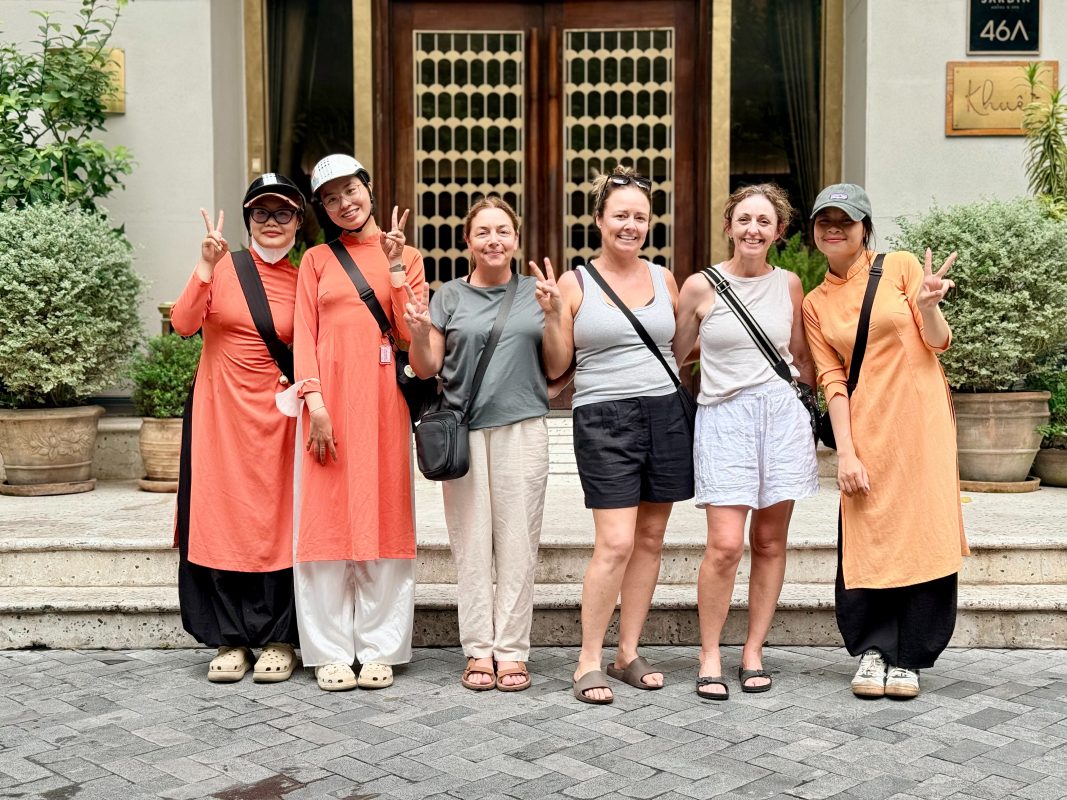
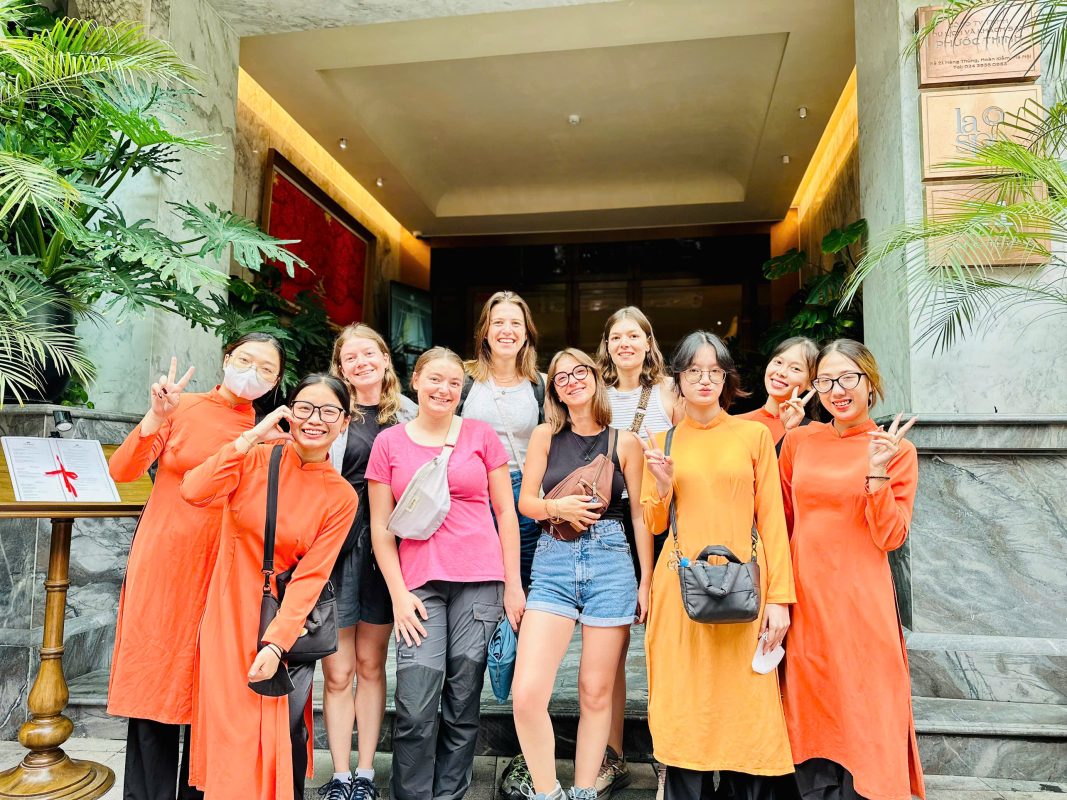
Vietnam Women Travel – Premium Private Tours Led by Women focuses on private experiences that connect travelers with Vietnamese culture through professional female guides. The tours are not limited to women travelers; couples, families, solo travelers, and private groups can all travel with Vietnamese women guides. The advantage is having someone who can explain the culture from a Vietnamese perspective while adapting the experience to your interests, schedule, and preferred pace.
Experience Hanoi Through Vietnamese Culture
Hanoi is one of the best places to begin a cultural journey through Vietnam because different periods of Vietnamese history can still be seen in the city’s streets, architecture, food, markets, temples, lakes, and residential neighborhoods. The Old Quarter is an obvious starting point, but a deeper cultural experience should go beyond the busiest tourist streets.
A private female guide can explain how Hanoi’s traditional streets developed, why many streets historically became associated with particular trades, how Vietnamese families use narrow urban houses, and how modern life has changed the capital. Instead of simply taking photographs of buildings, travelers can understand what they are seeing and why these places remain important.
The experience becomes even more interesting when sightseeing is combined with Vietnamese food, coffee, markets, and conversations about everyday life.
Hanoi Old Quarter and Traditional Street Life
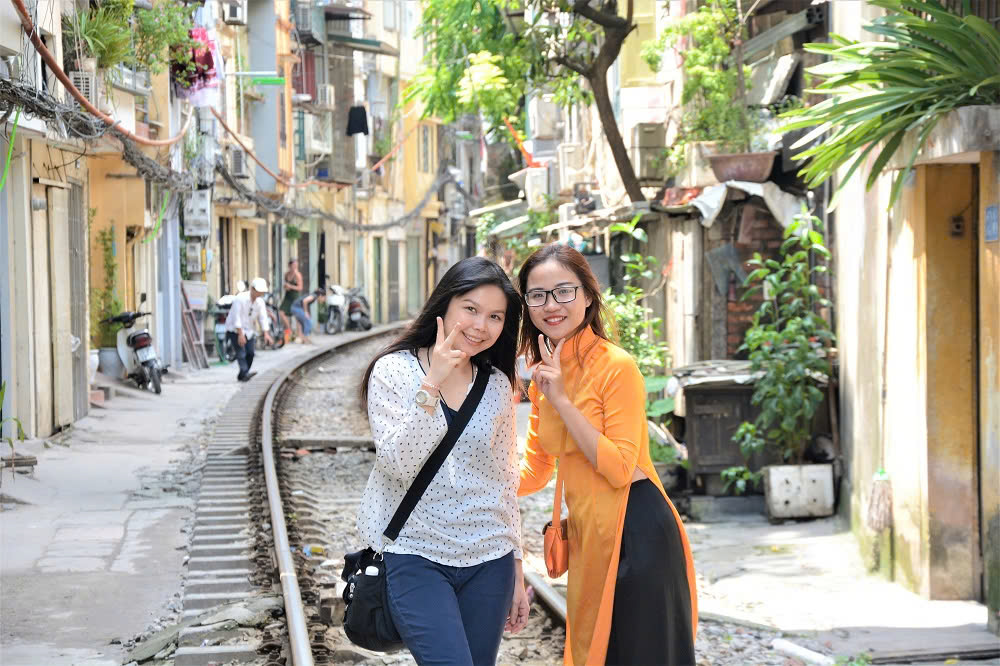
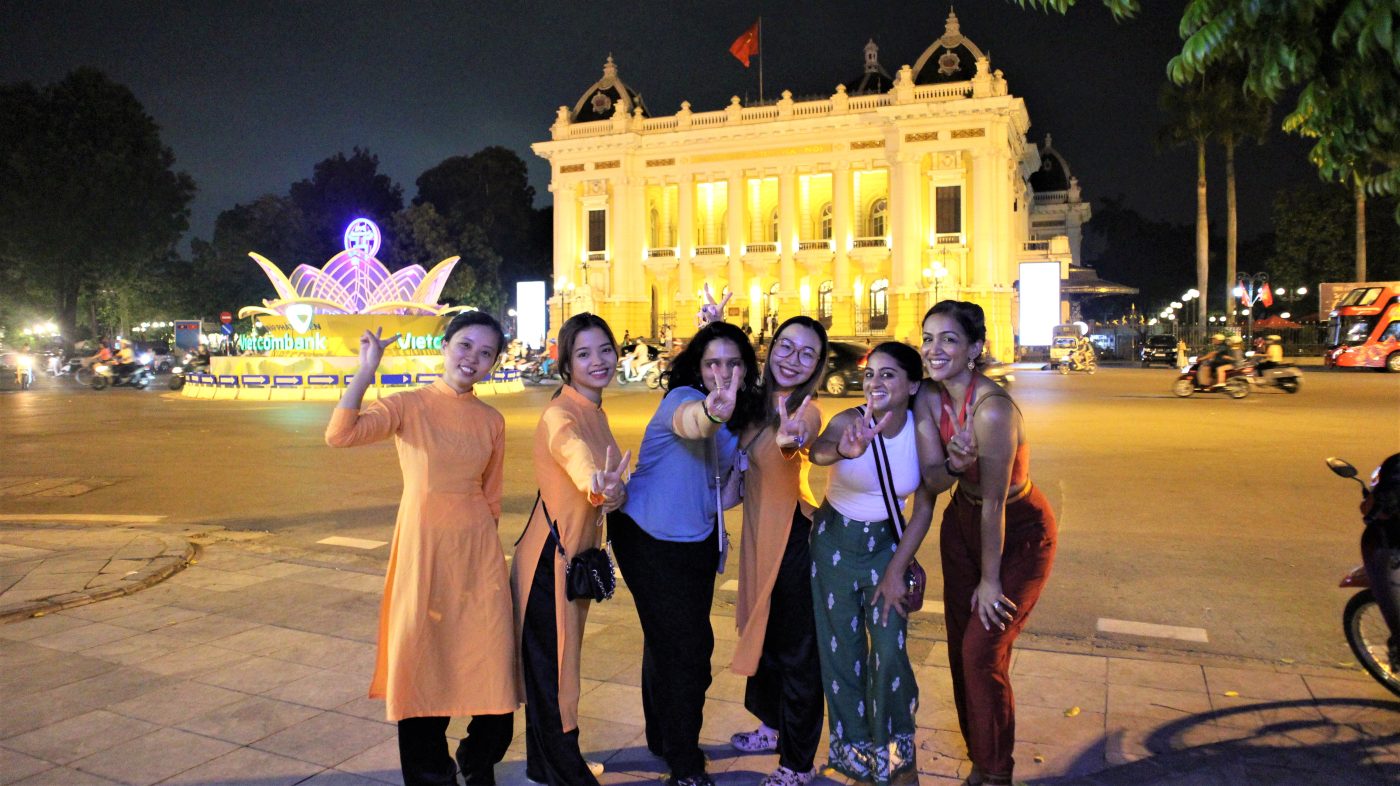
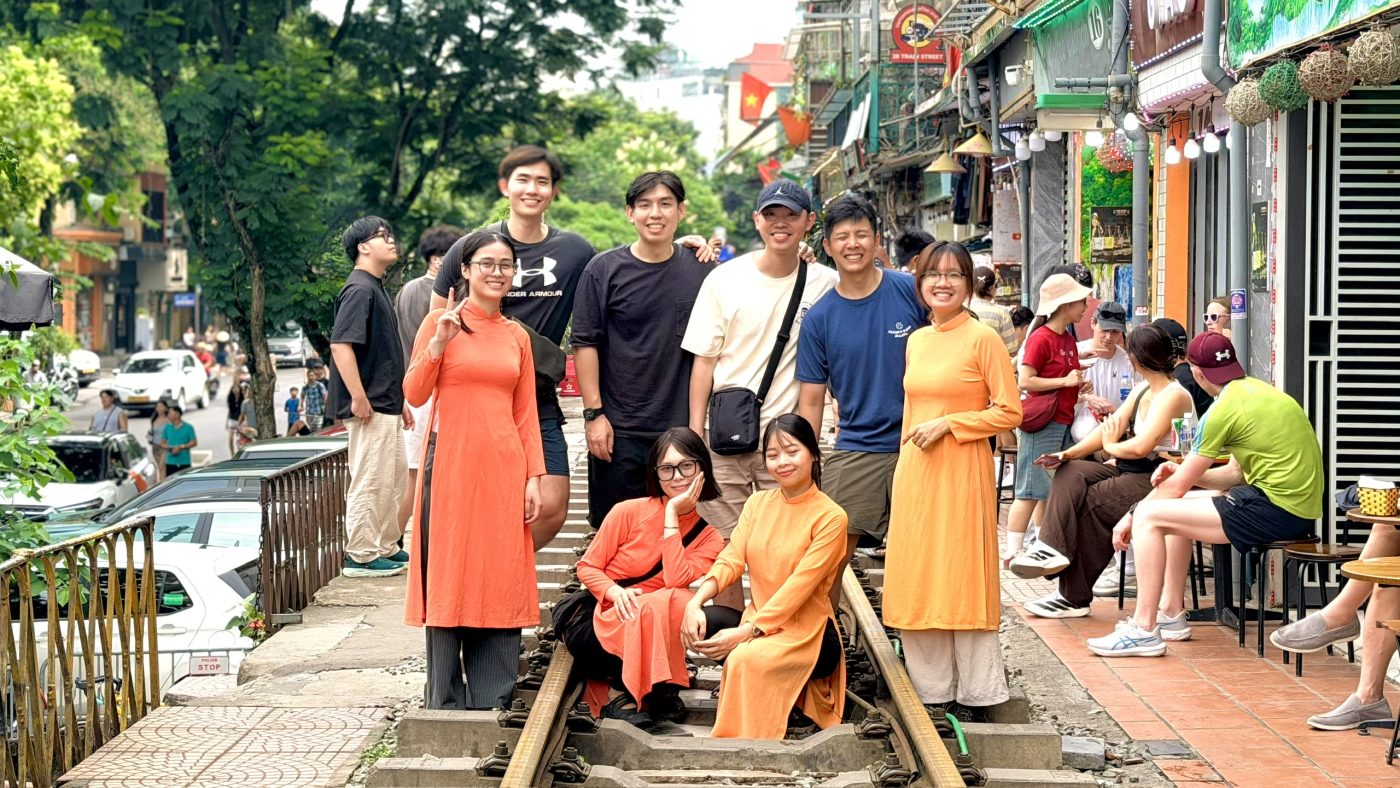
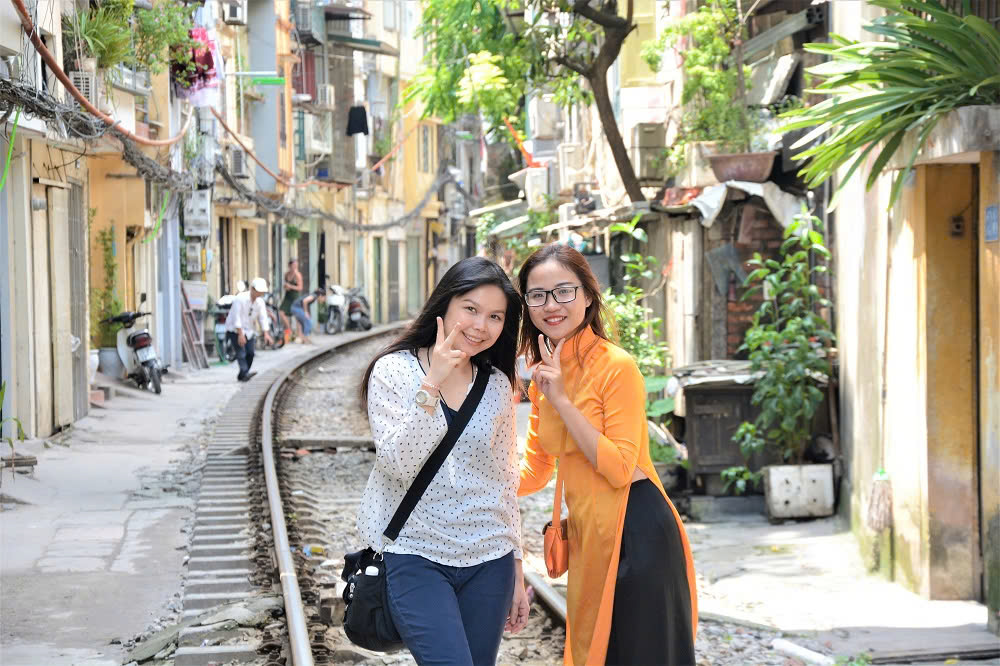
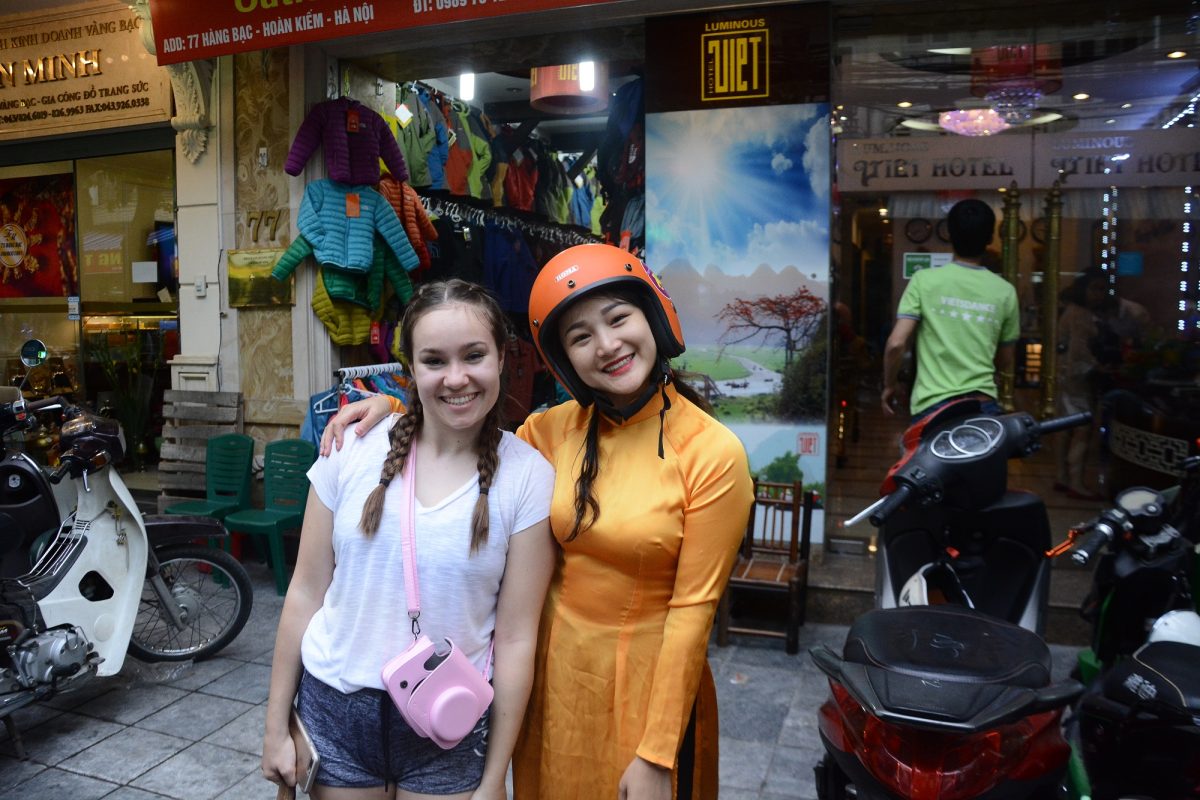
The Old Quarter is one of Hanoi’s most recognizable cultural areas. Its narrow streets, small businesses, traditional houses, cafés, food stalls, temples, and constant flow of motorcycles create an atmosphere that is very different from modern shopping districts.
A private walking, motorbike, Vespa, or Jeep experience can reveal different parts of the Old Quarter depending on your interests. Food lovers can concentrate on traditional dishes, photographers can focus on architecture and street scenes, while travelers interested in history can spend more time learning about the development of the neighborhood.
For women traveling with a female guide, the experience can also become more conversational. Ask about family traditions, working life, education, marriage customs, Vietnamese festivals, fashion, or how Hanoi has changed over the last few decades.
Vietnamese Food as a Cultural Experience
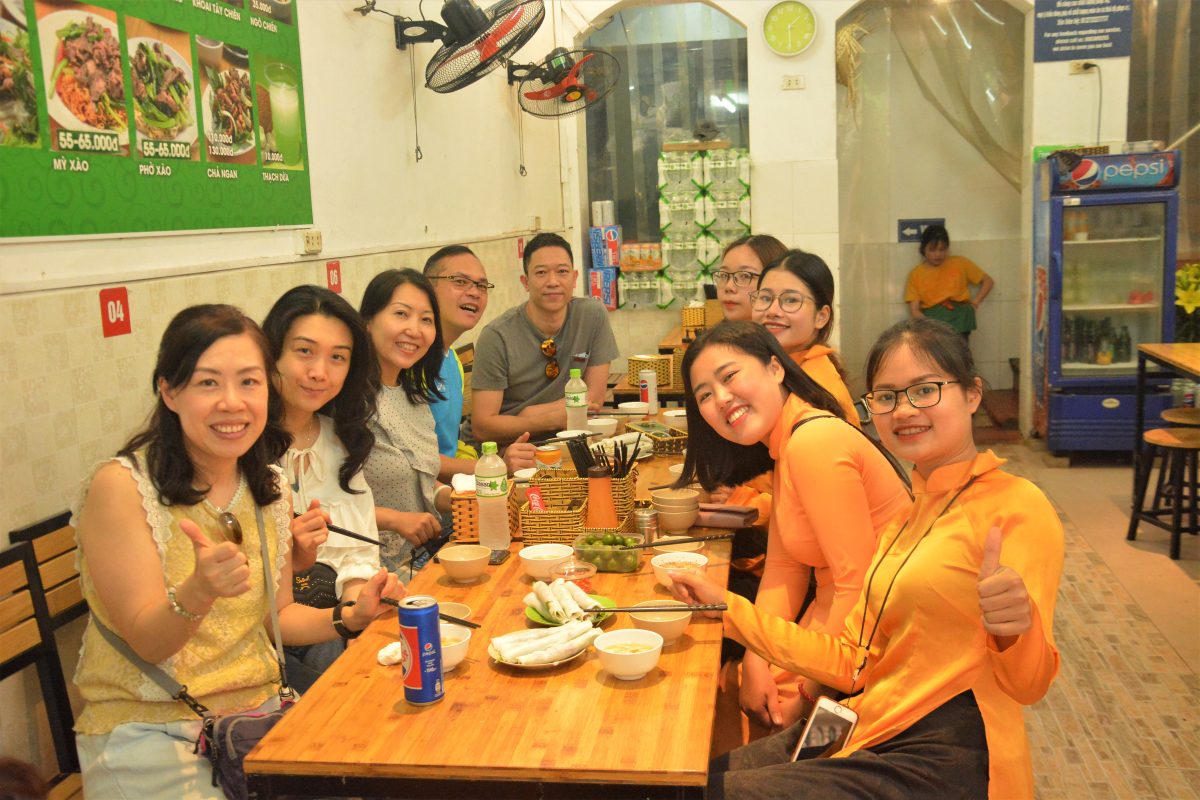
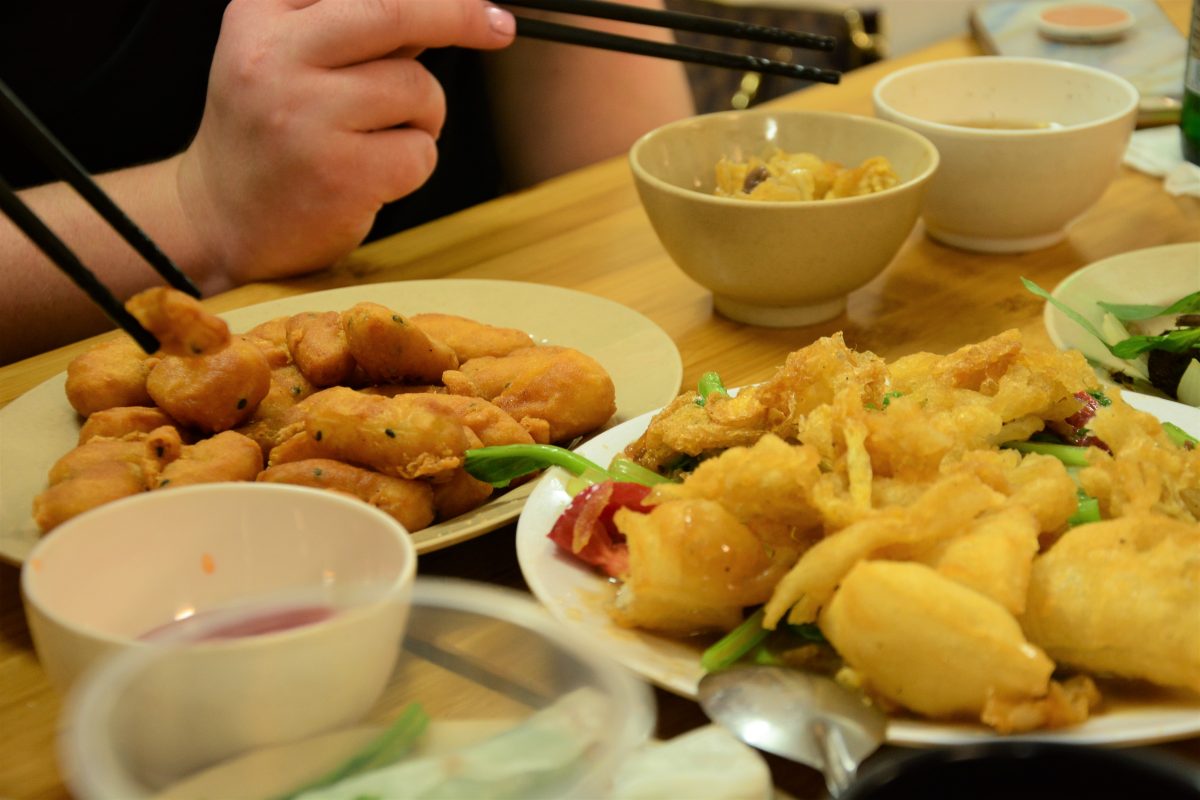
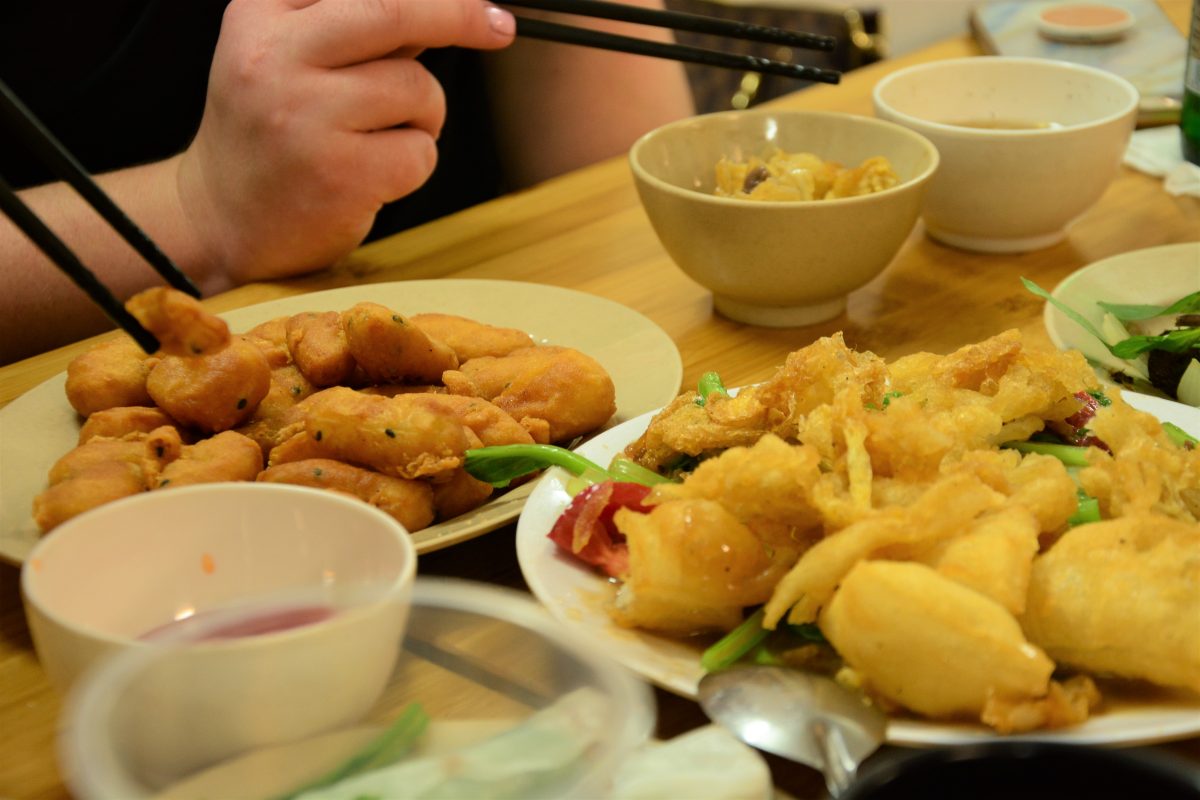
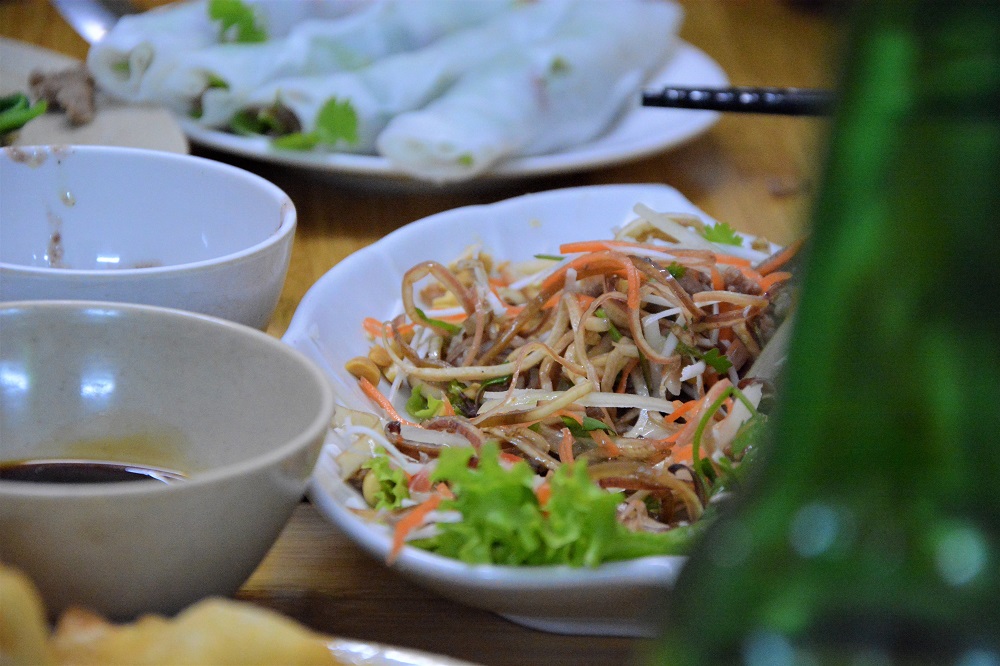
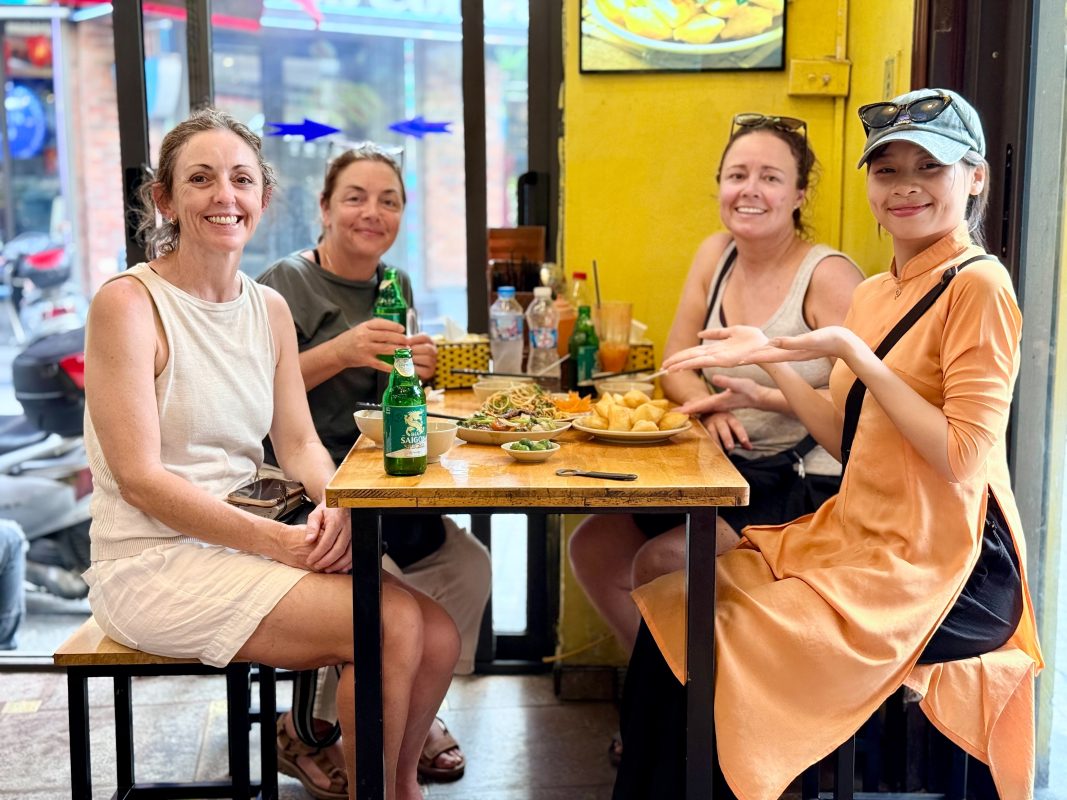
Food is one of the most accessible ways to understand Vietnamese culture. A bowl of pho, a plate of bun cha, a simple banh mi, Vietnamese spring rolls, grilled food, fresh herbs, or a cup of egg coffee can tell you something about regional ingredients and Vietnamese eating habits.
A good cultural food tour should explain more than the names of dishes. Your guide can show you how Vietnamese people use herbs, sauces, rice products, noodles, fresh vegetables, seafood, and different cooking techniques.
Private tours are especially useful for travelers with dietary restrictions because food preferences can be discussed before the experience and the route can be adjusted accordingly.
Vietnamese Coffee Culture
Coffee is deeply connected with modern Vietnamese urban life. Hanoi’s café culture ranges from tiny street cafés to beautifully designed contemporary coffee shops, and each provides a different environment for observing the city.
Egg coffee is particularly associated with Hanoi and is an experience worth trying during a first visit. Vietnamese drip coffee with condensed milk provides another introduction to the country’s distinctive coffee style.
Rather than treating coffee as a quick refreshment, travelers can use a café stop to slow down and talk with their guide about Vietnamese daily life. This simple experience often provides more cultural insight than another rushed sightseeing stop.
Explore Vietnamese Markets
Markets provide some of the clearest views of everyday Vietnamese life. Early in the morning, vendors prepare fresh produce, meat, seafood, herbs, flowers, noodles, fruit, and prepared food for customers.
A female guide can explain what different ingredients are used for, how Vietnamese families shop for meals, and which products are associated with particular regions or festivals.
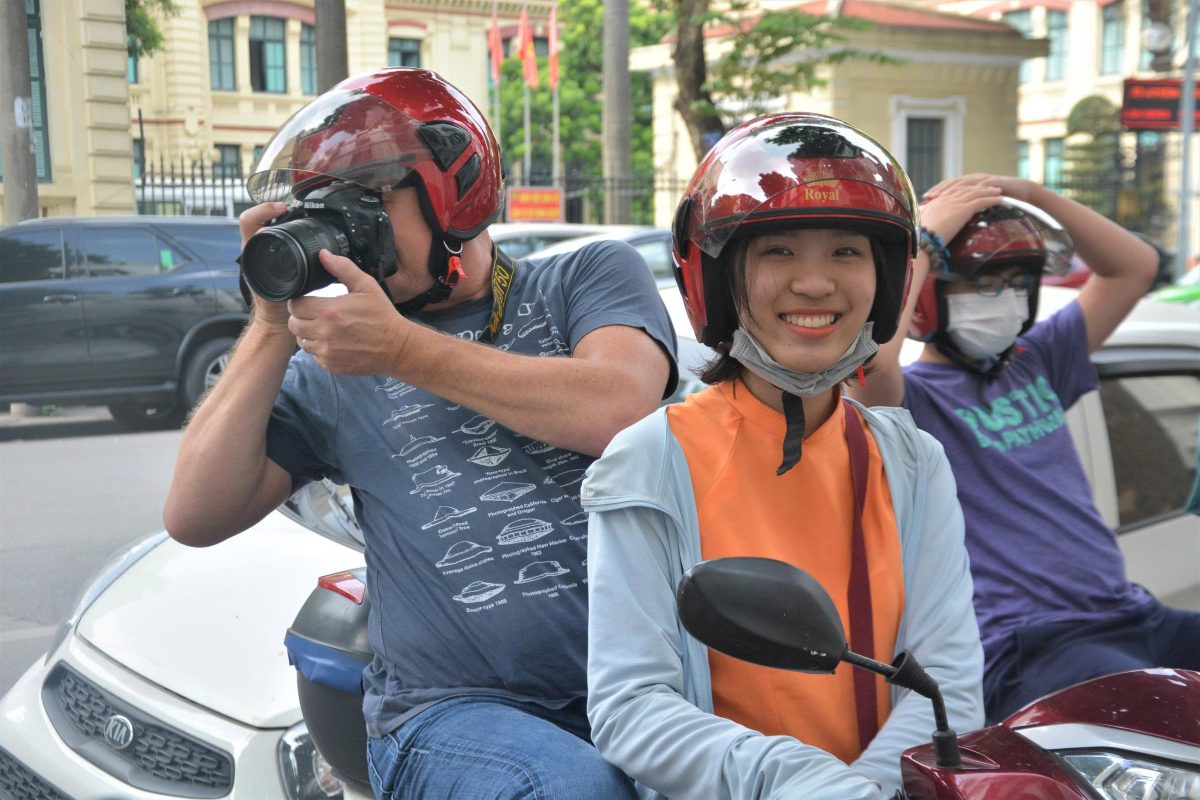
Markets are also excellent places for photography, but travelers should be respectful when photographing vendors and customers. Asking permission before taking close-up portraits is always a good practice.
Learn About Vietnamese Family Traditions
Vietnamese family culture is an important part of understanding the country. Family meals, respect for older generations, ancestral traditions, education, weddings, and major holidays all influence everyday life.
A private female guide can explain these traditions from her own perspective and discuss how customs are changing among younger generations.
This creates a cultural experience that is much more meaningful than simply reading a paragraph about Vietnamese customs. You can ask questions and compare Vietnamese traditions with those in your own country.
Visit Traditional Villages Around Hanoi
Travelers who want to see culture outside the capital should consider a private countryside experience.
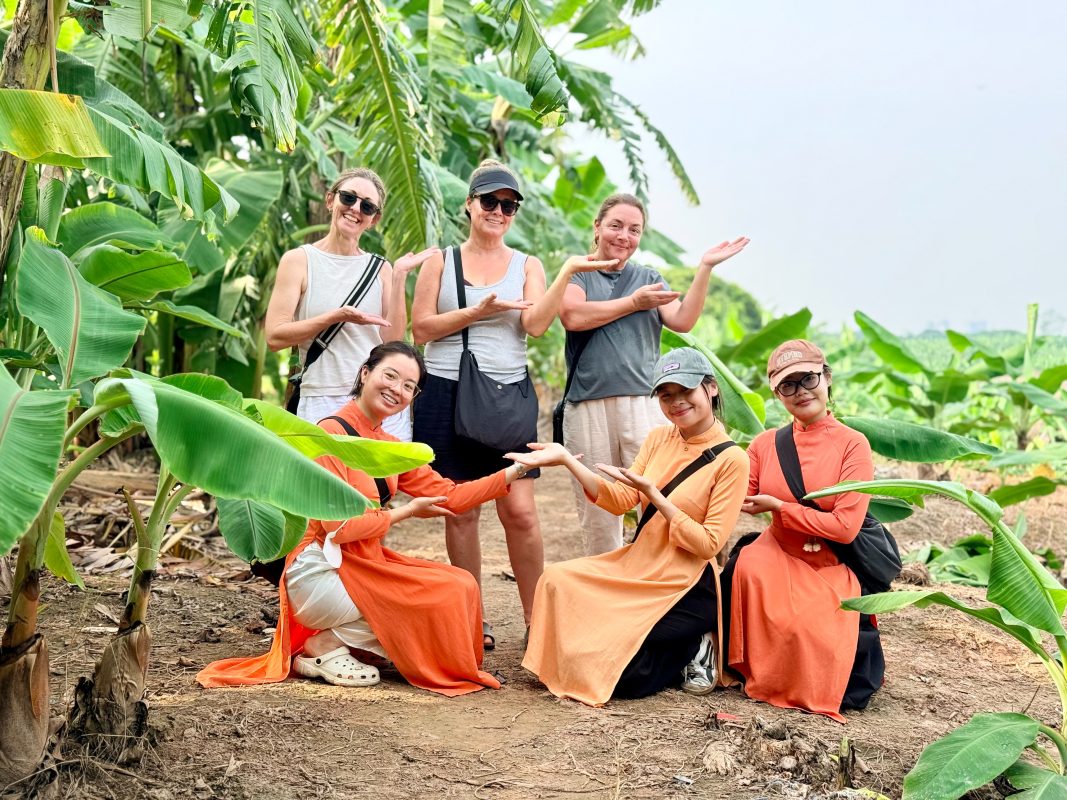
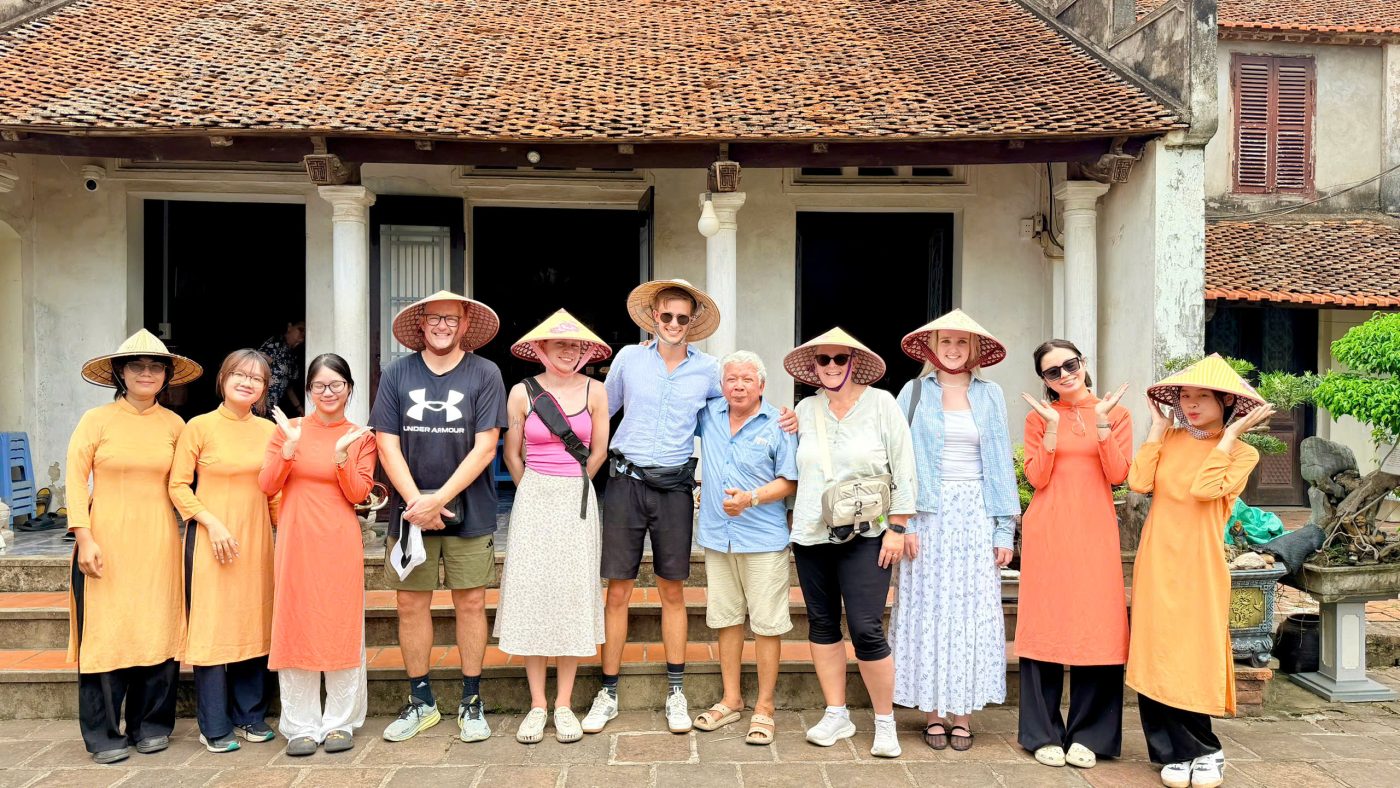
Villages around Hanoi offer opportunities to see agriculture, traditional crafts, family businesses, gardens, temples, village roads, and quieter communities. A private motorbike, bicycle, Jeep, or car tour can connect several locations without the restrictions of a large group.
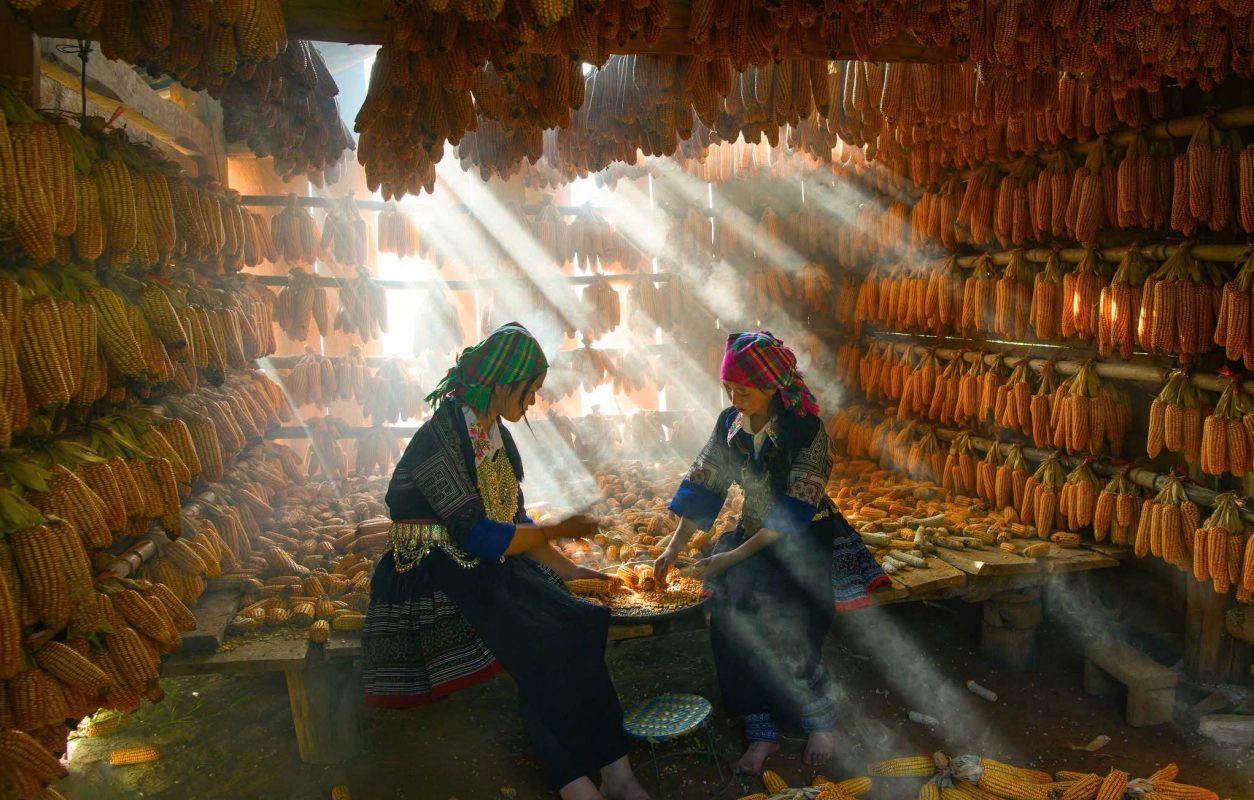
Craft villages can be particularly interesting because they show how traditional skills continue to exist alongside modern Vietnamese life. Depending on the route, travelers may encounter pottery, handicrafts, food production, agriculture, or other traditional industries.
Vietnamese Craftsmanship and Traditional Skills
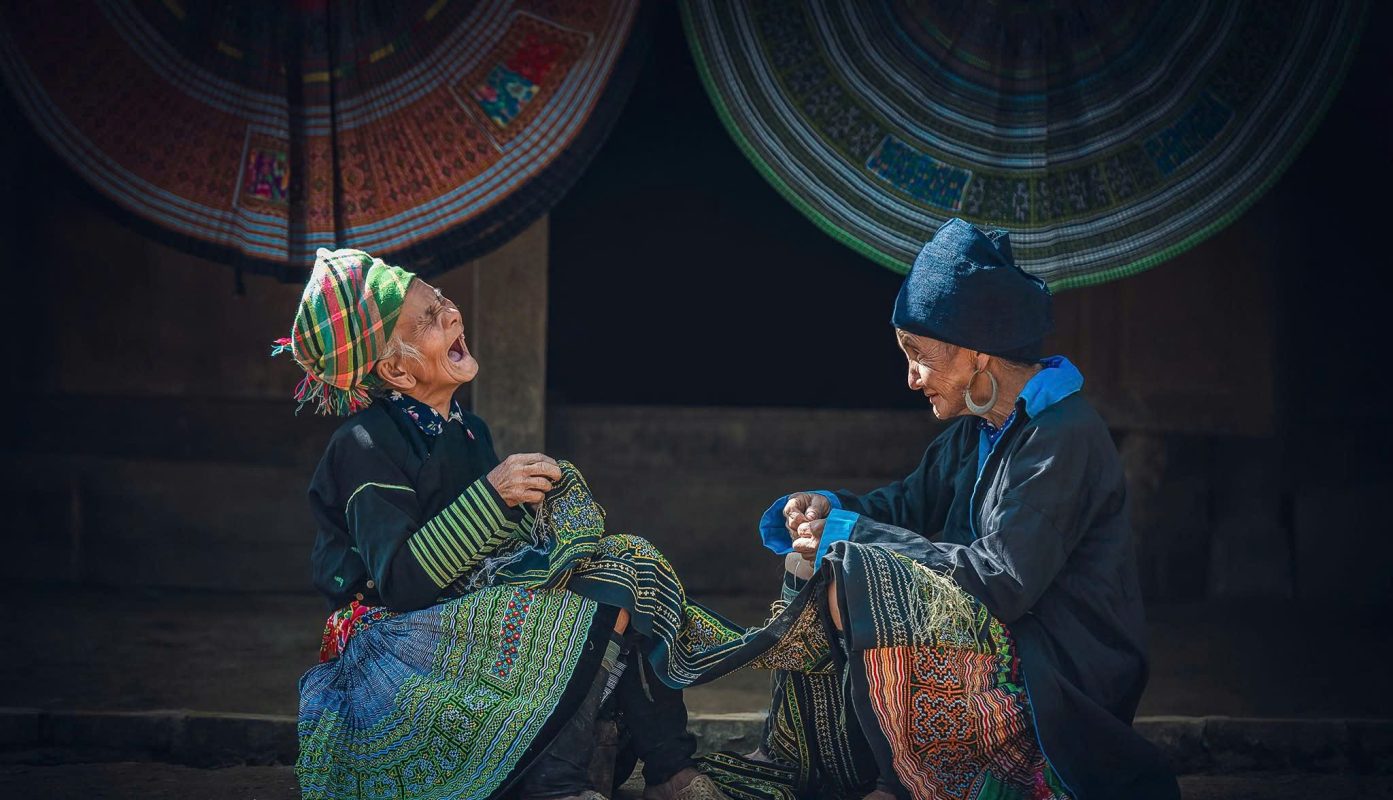
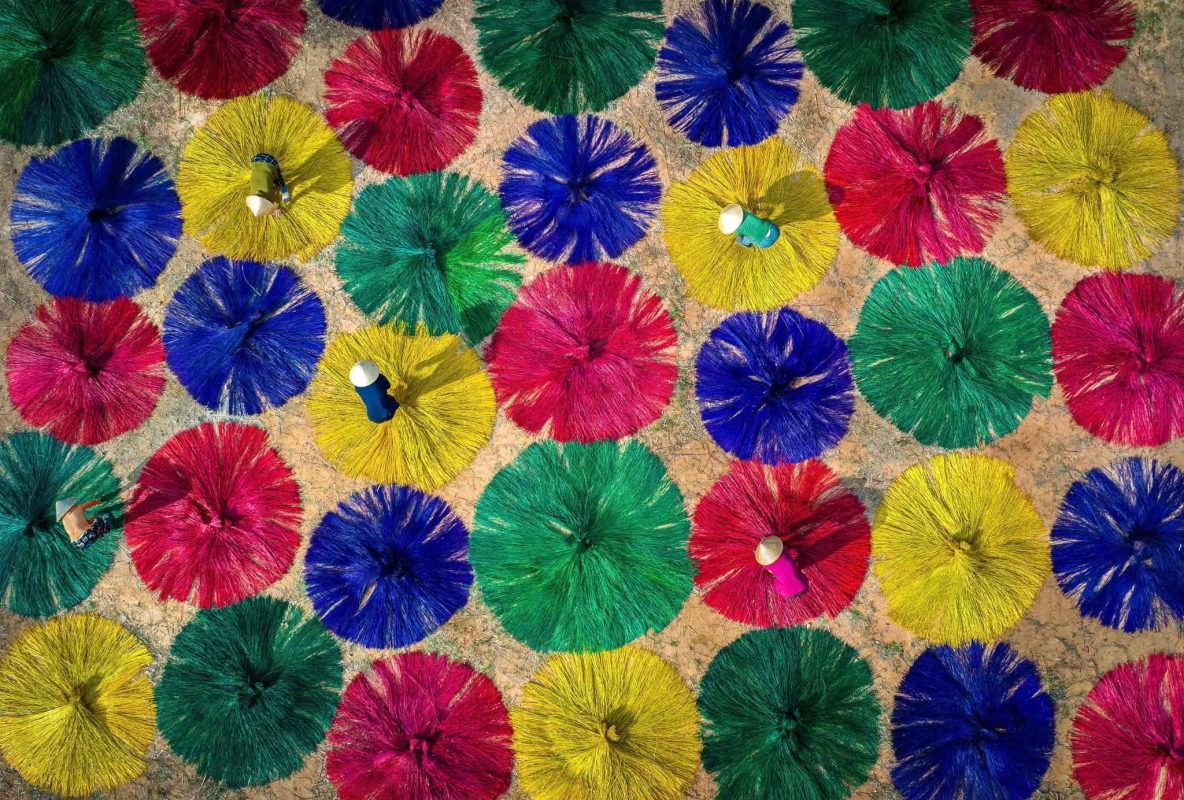
Vietnam has a long history of craftsmanship, including ceramics, textiles, lacquerware, woodwork, embroidery, basketry, and other handmade products.
The best way to appreciate these crafts is to understand the process rather than simply purchase souvenirs. A guide can explain how an item is made, what materials are used, how the craft developed, and how traditional businesses are adapting to modern tourism.
This also helps travelers distinguish between handmade products and mass-produced souvenirs.
Experience Vietnamese Festivals
Vietnamese festivals provide some of the strongest opportunities to see traditions in action. Tet, the Vietnamese Lunar New Year, is the most important annual celebration, but many other festivals are held throughout the country.
During festival periods, families may prepare special foods, decorate homes, visit relatives, make offerings, and participate in community activities.
Travelers should remember that festivals are cultural events rather than performances designed for tourists. Respectful observation is important, particularly around religious ceremonies and family activities.
Women’s Role in Vietnamese Culture
Traveling with Vietnamese female guides provides a particularly interesting opportunity to discuss the changing role of women in Vietnamese society.
Women have traditionally played important roles in family life, food preparation, small businesses, agriculture, education, and community activities. Today, Vietnamese women are also increasingly represented in tourism, business, technology, education, hospitality, and professional careers.
A conversation with a female guide can help travelers understand these changes through personal experiences rather than generalized descriptions.
Learn Vietnamese Through Everyday Conversation
You do not need to become fluent in Vietnamese to benefit from learning a few words.
Simple expressions such as “xin chào” for hello, “cảm ơn” for thank you, and “bao nhiêu?” for asking how much something costs can make interactions more enjoyable.
Your female guide can also teach you the correct pronunciation and explain when certain expressions are appropriate.
Language is one of the easiest ways to show respect for the culture you are visiting.
Experience Vietnamese Street Food by Motorbike
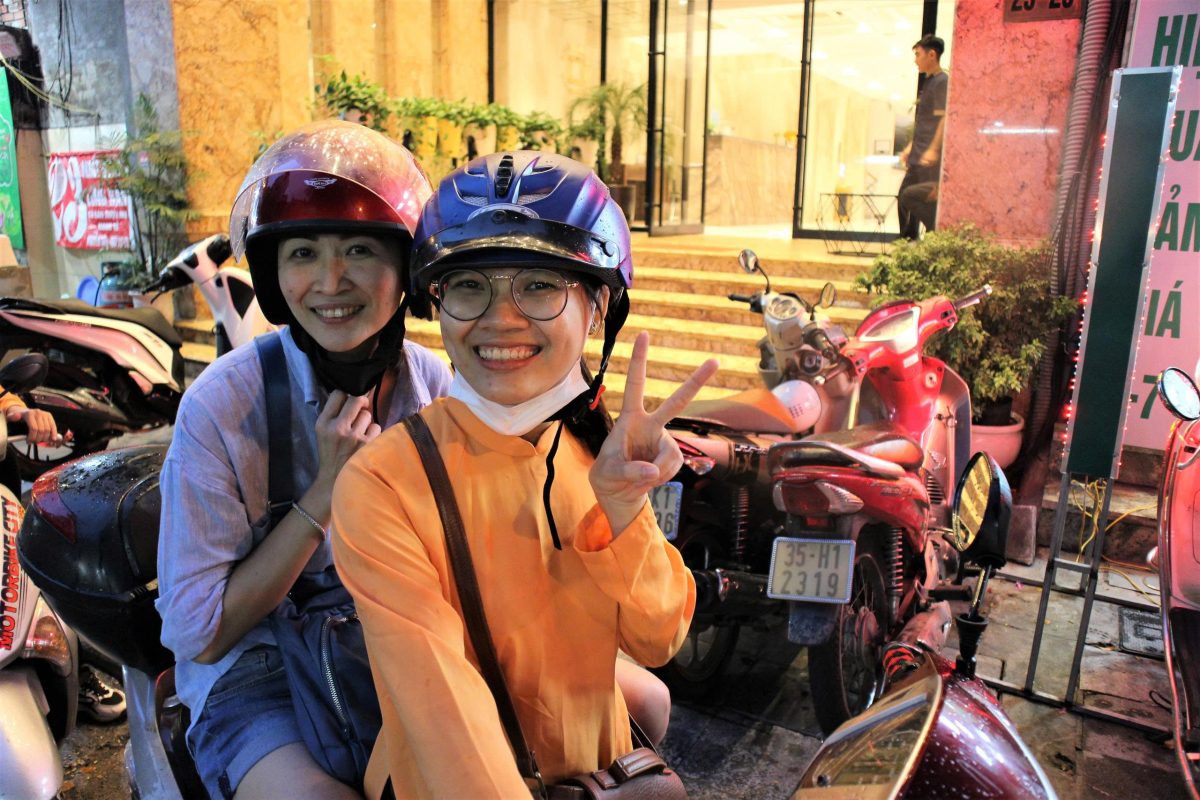
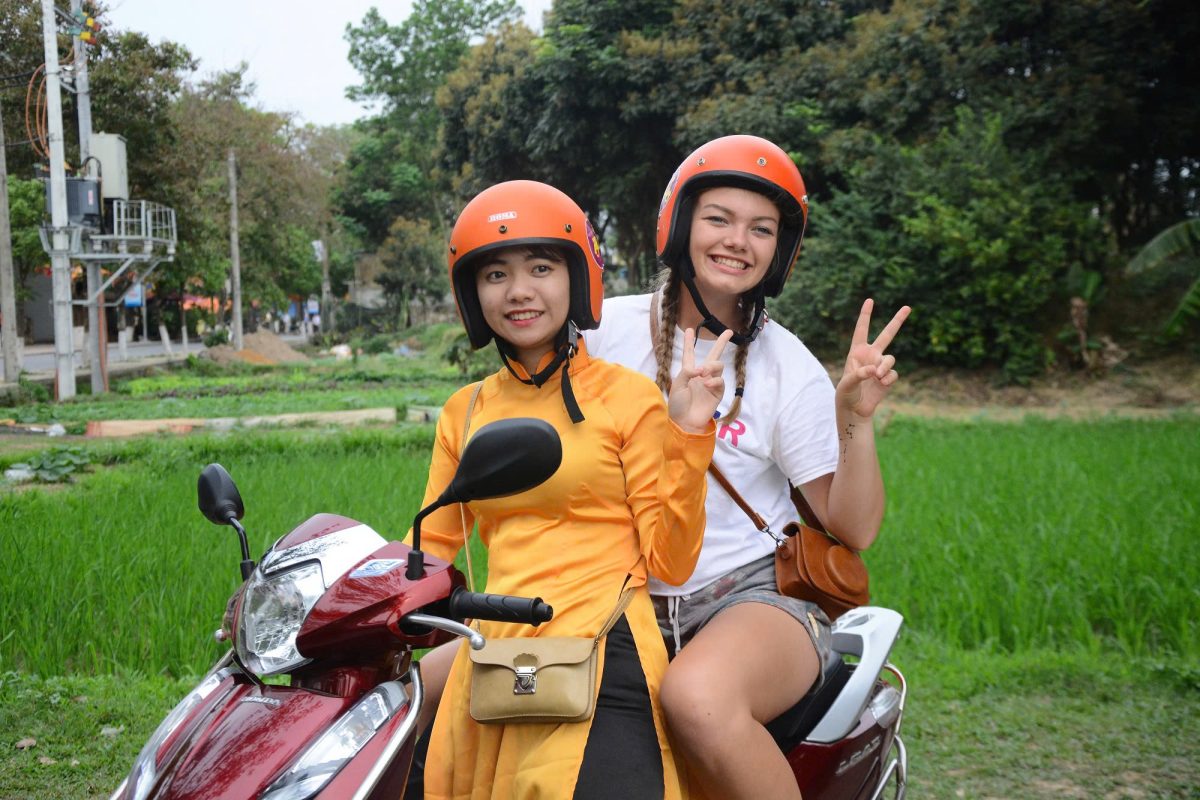
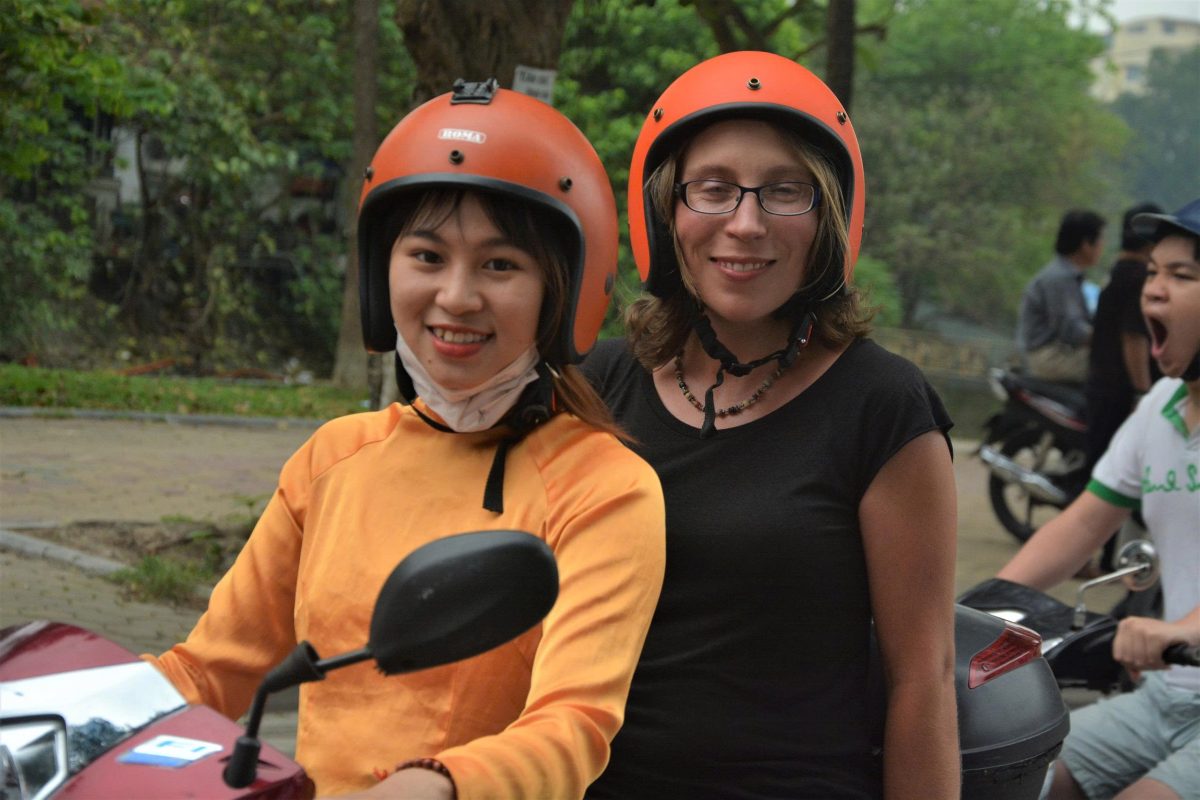
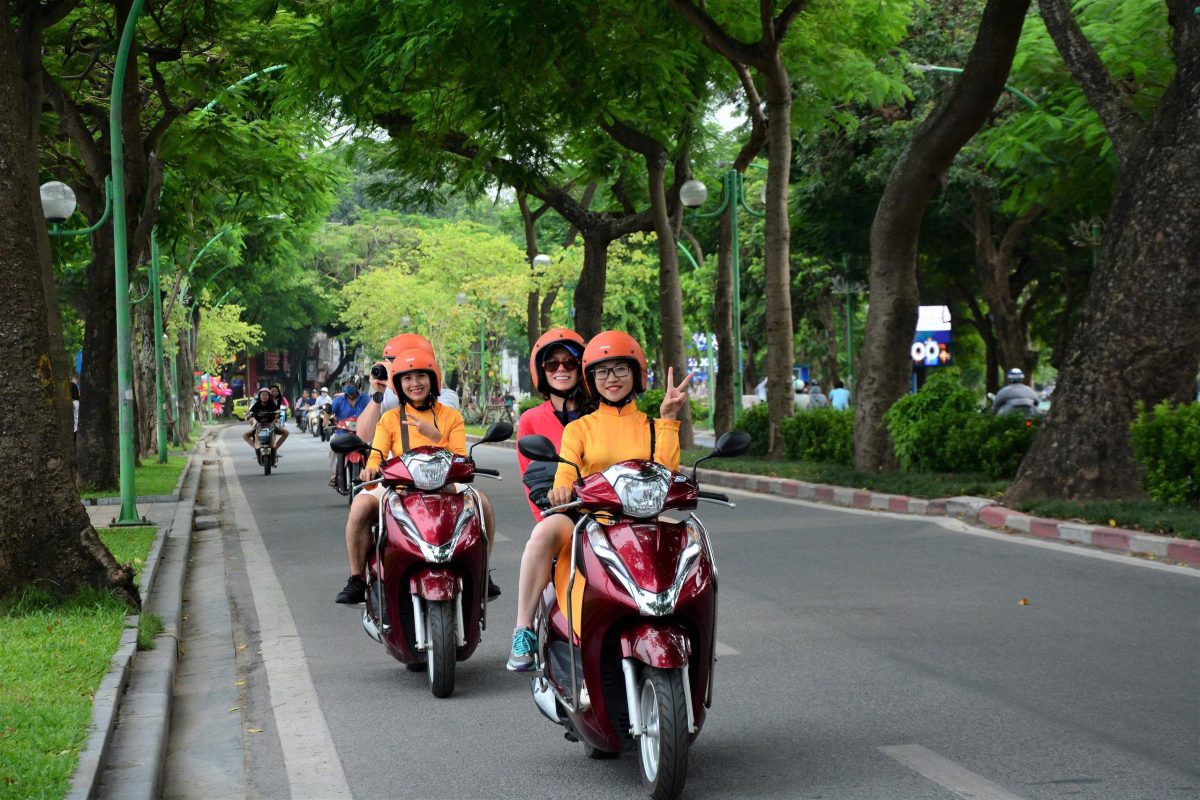
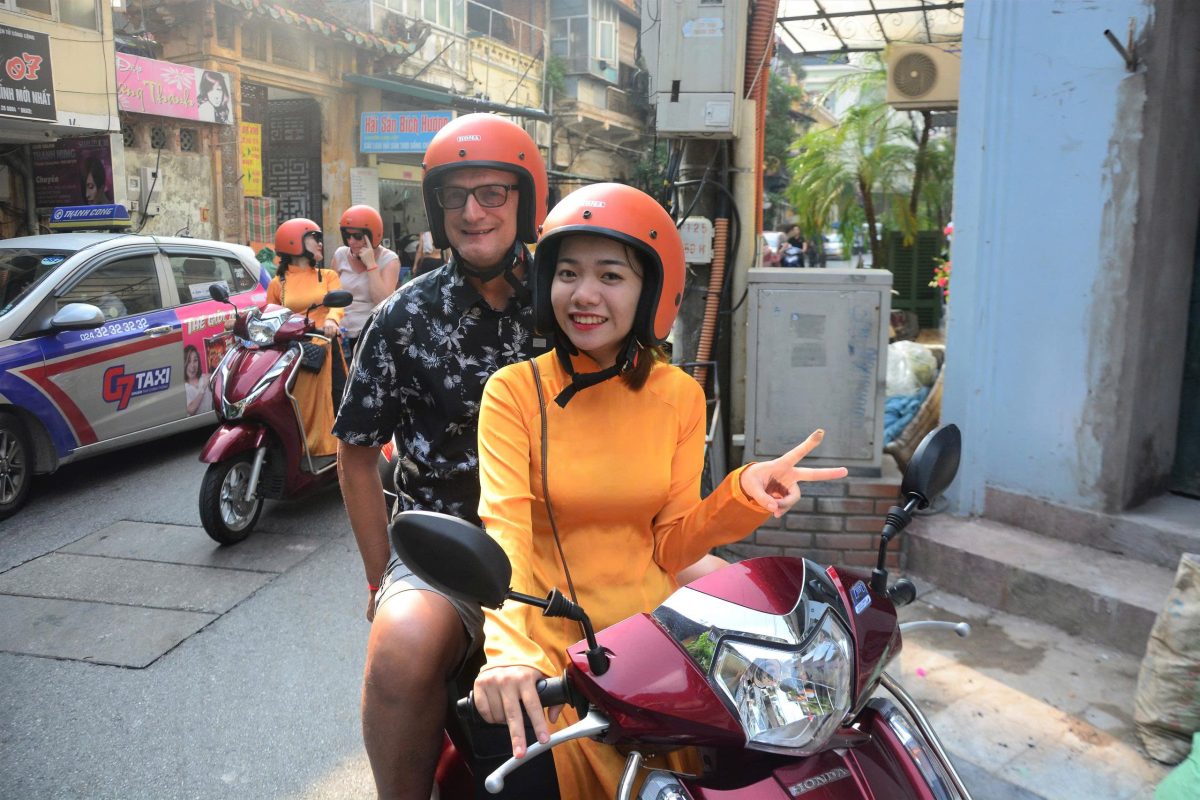
For travelers who want to combine transportation and culture, a private motorbike tour provides an excellent introduction to Hanoi.
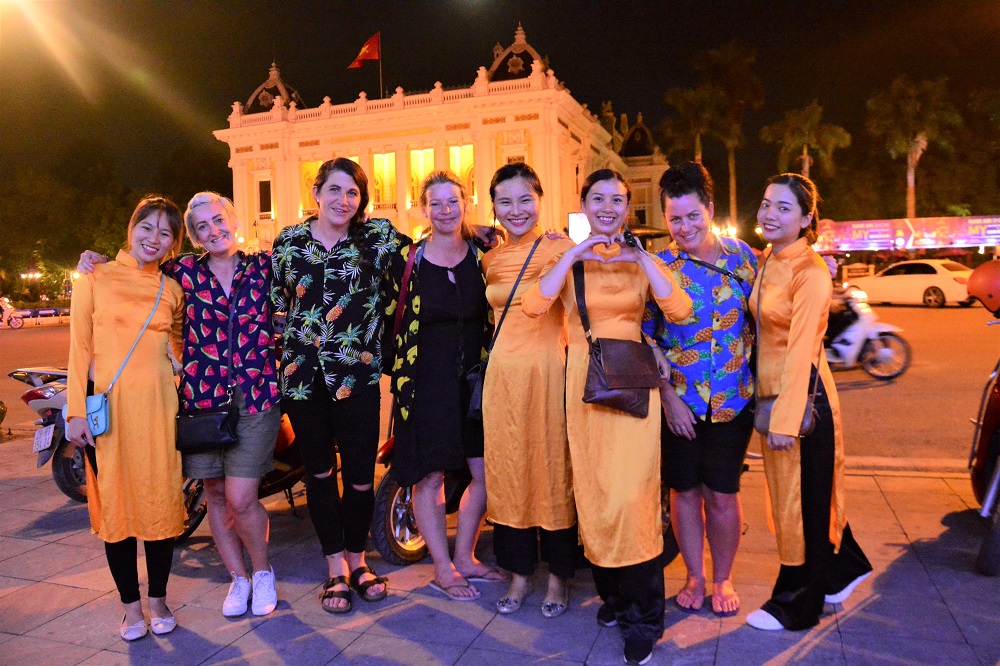
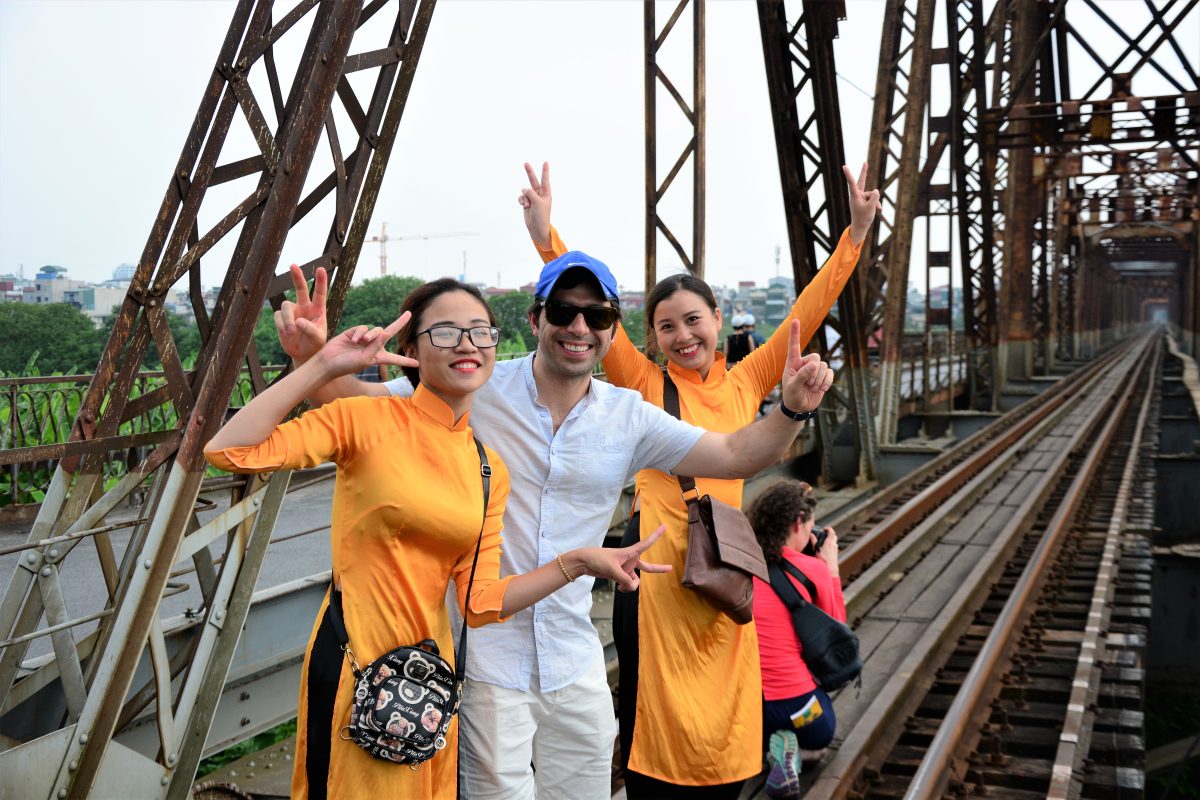
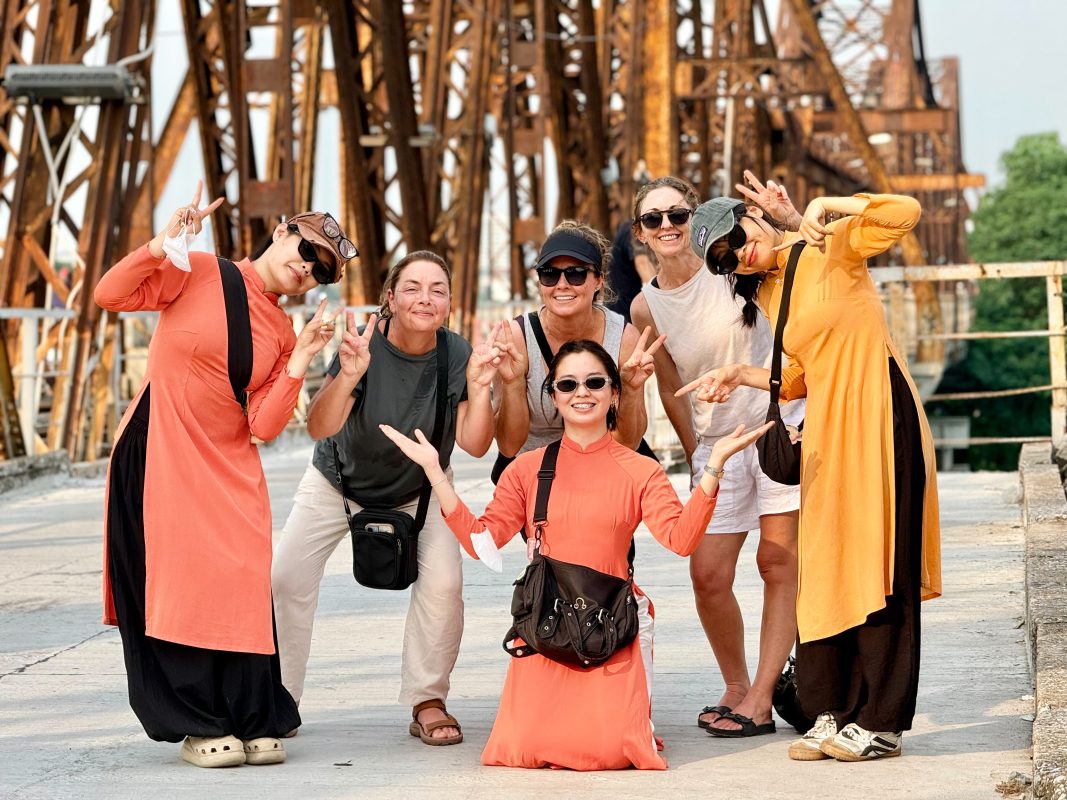
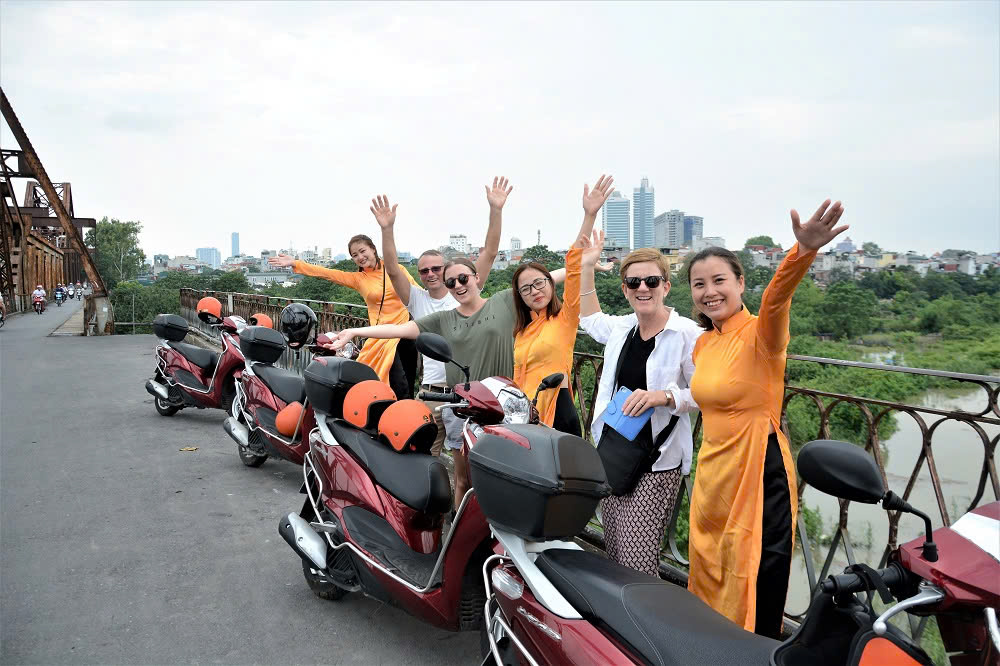
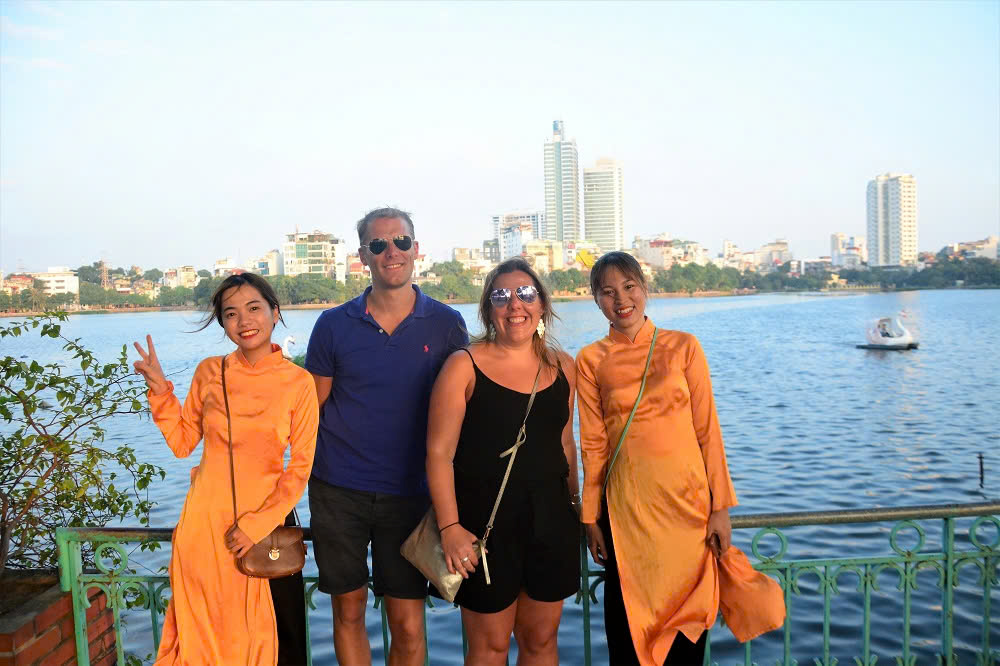
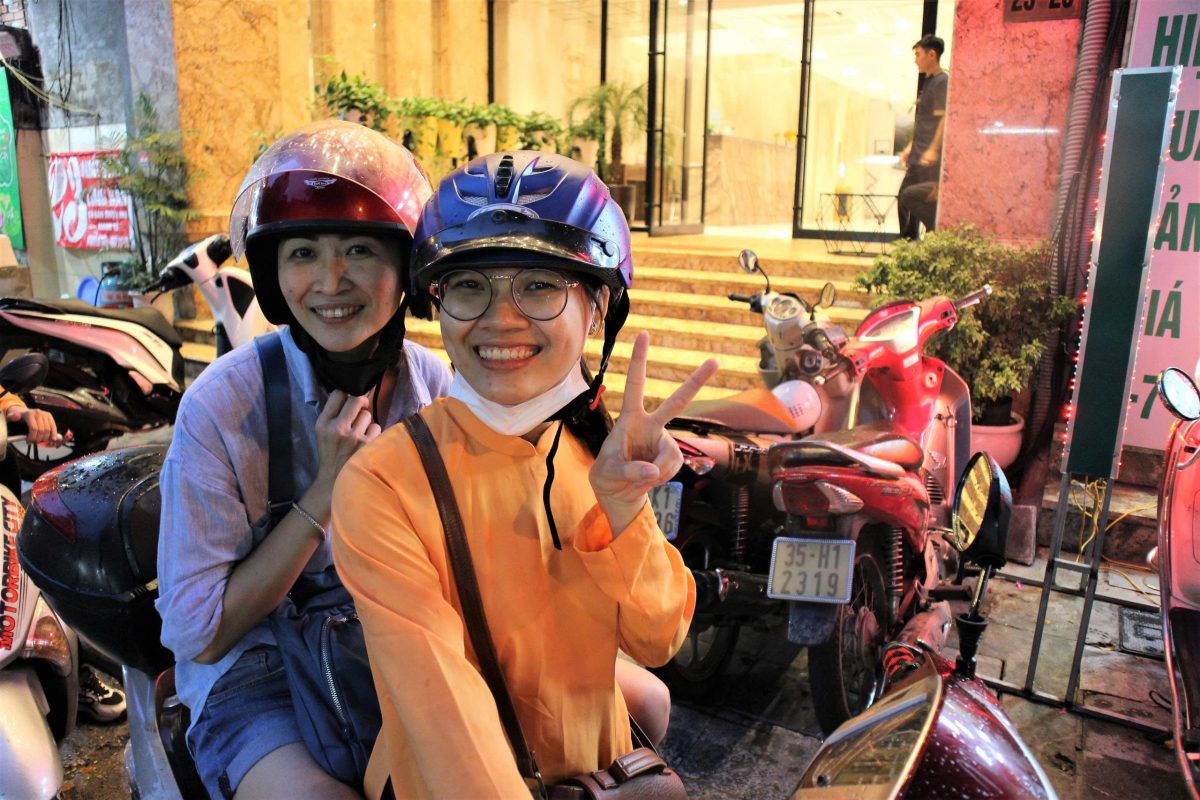
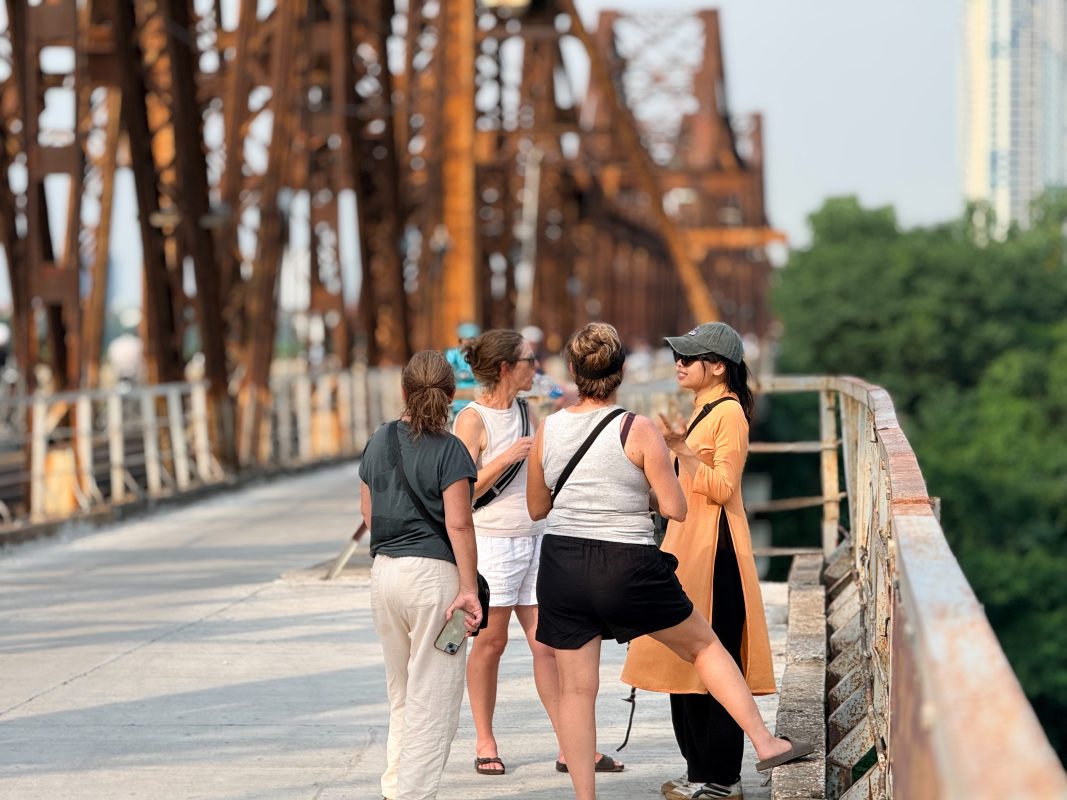
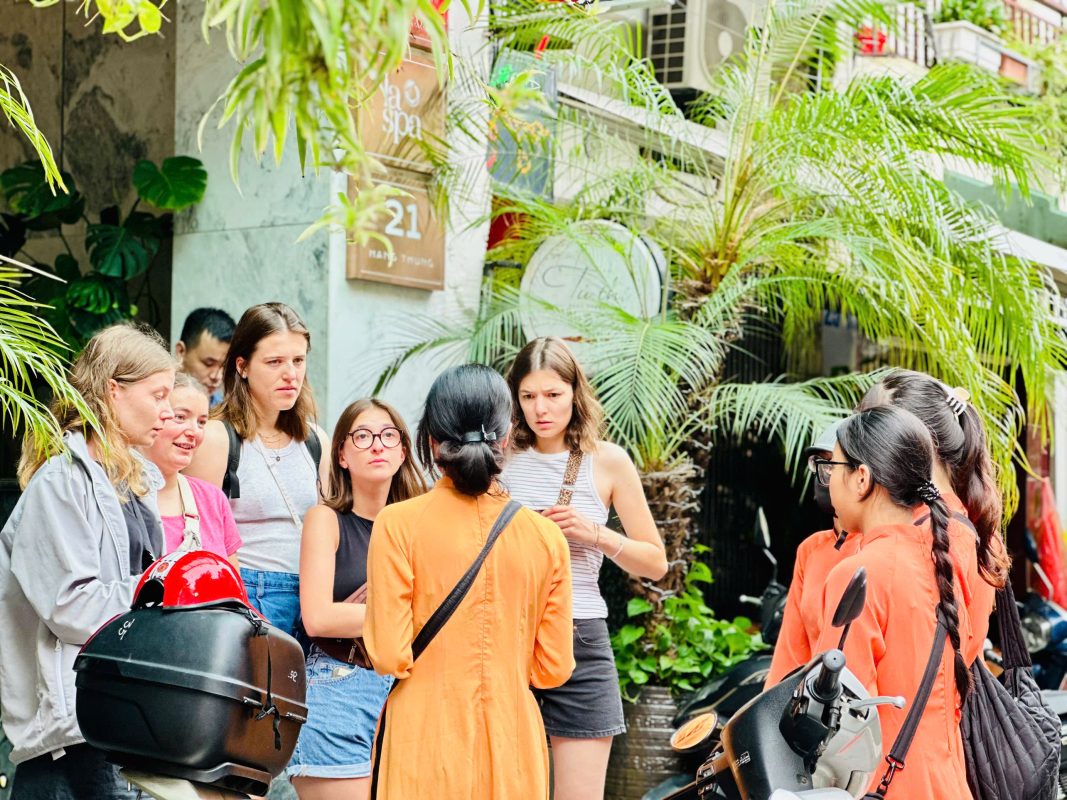
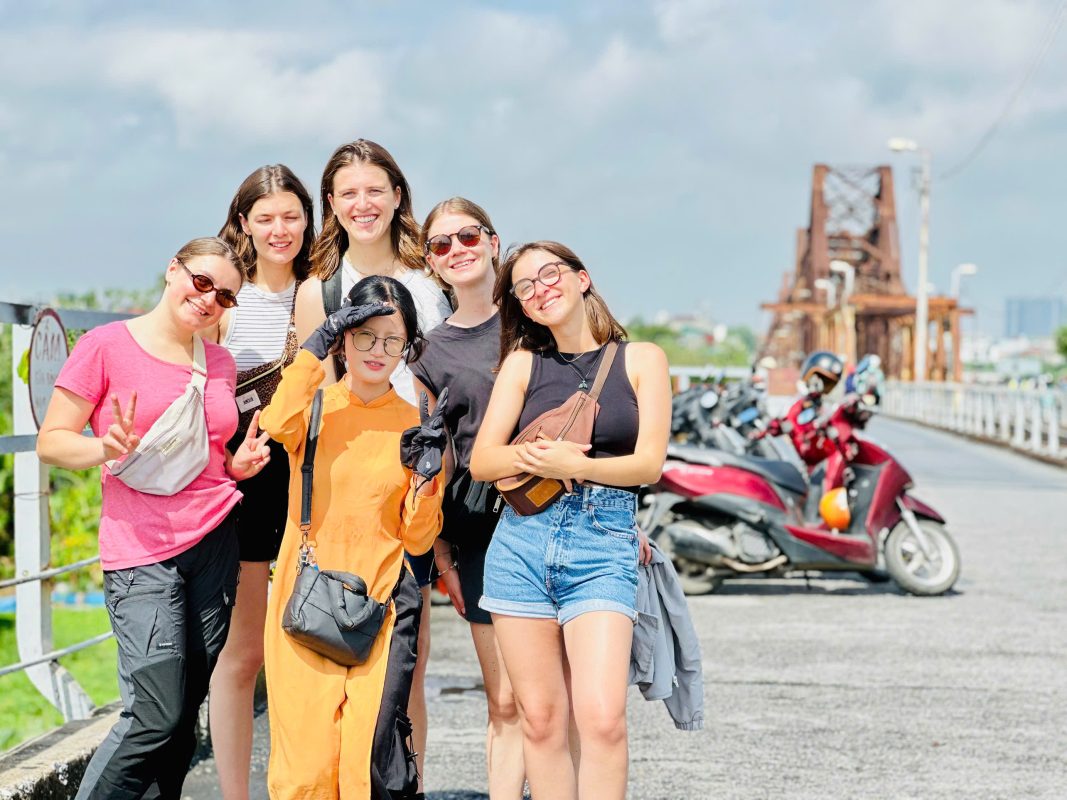
Instead of moving directly between major attractions, you can travel through different neighborhoods, stop at food businesses, visit markets, see residential streets, cross Long Bien Bridge, explore West Lake, and experience the city from the perspective of its most common form of transportation.
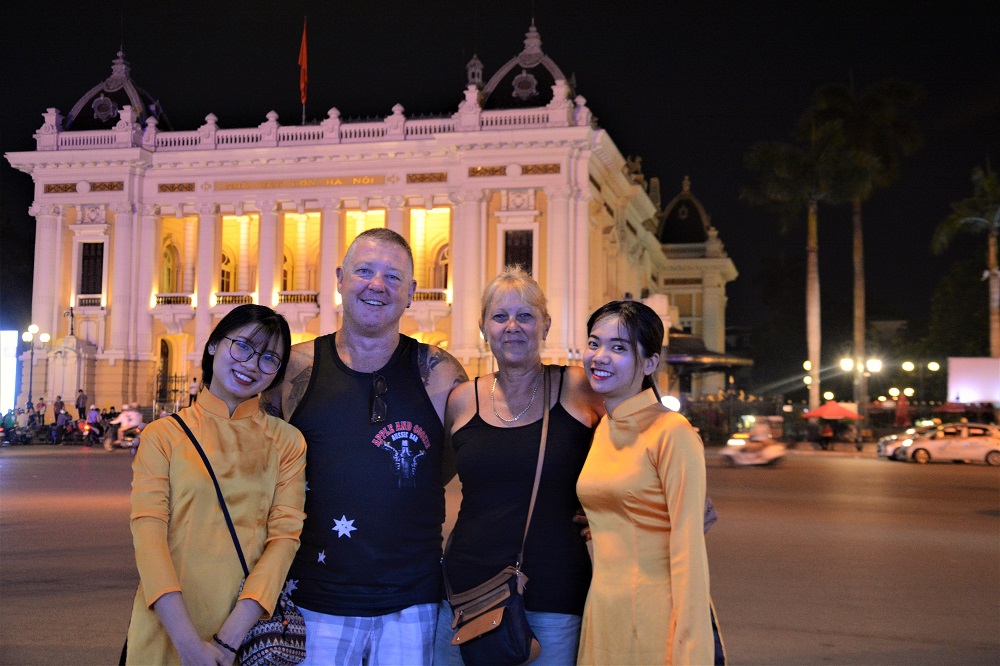
Motorbike City Tours specializes in Hanoi motorbike tours led by women and currently offers motorbike, Jeep, Vespa, bicycle, and food experiences. Its website states that it has provided opportunities for thousands of women in Vietnam’s tourism industry.
For travelers who prefer not to ride a motorbike, the same cultural approach can be experienced through a private Jeep or Vespa tour.
Discover Vietnamese Dining Customs
Vietnamese meals are often social experiences. Several dishes may be placed in the middle of the table and shared rather than ordered individually for each person.
Rice, vegetables, meat, seafood, herbs, soup, dipping sauces, and side dishes can all be part of a meal.
A female guide can explain how to use chopsticks, how dishes are commonly shared, which sauces accompany particular foods, and how dining habits differ between regions.
These details can make restaurant experiences much easier for first-time visitors.
Hue: Vietnam’s Imperial Cultural Heritage
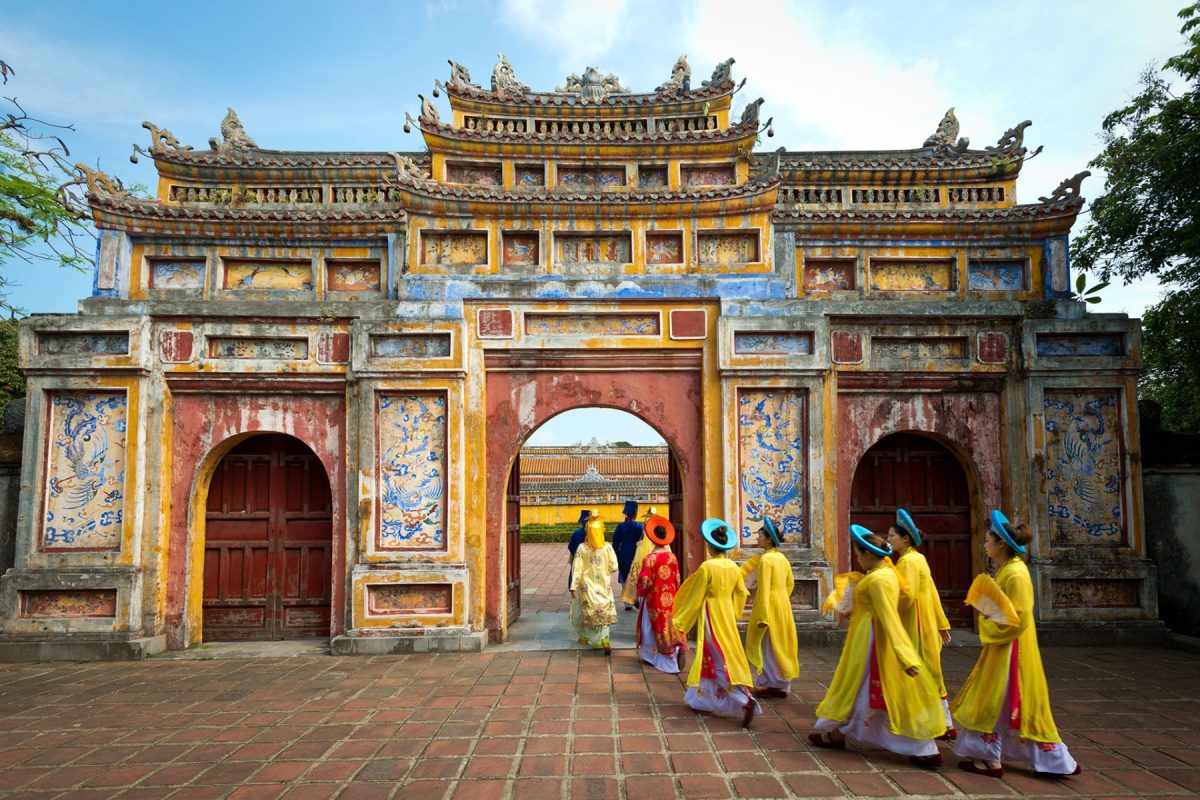
Hue offers a completely different cultural experience from Hanoi. The former imperial capital is known for the Imperial City, royal tombs, pagodas, gardens, traditional architecture, and distinctive Central Vietnamese cuisine.
A private cultural tour allows travelers to understand the historical context behind the buildings rather than simply walking through them.
Hue’s cuisine is also an important part of the experience. Dishes associated with the former imperial capital are often more elaborate in presentation and include distinctive flavors found in Central Vietnam.
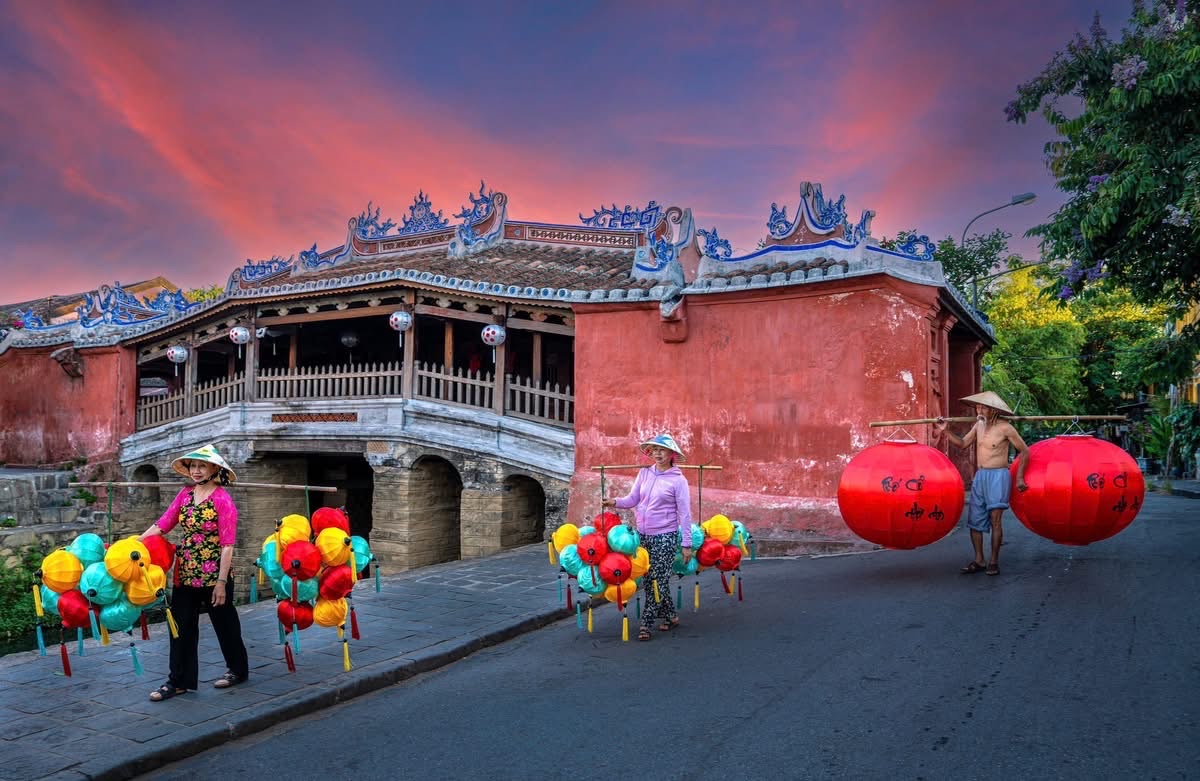
Hoi An and Traditional Architecture
Hoi An is one of Vietnam’s most attractive destinations for travelers interested in traditional architecture and cultural heritage.
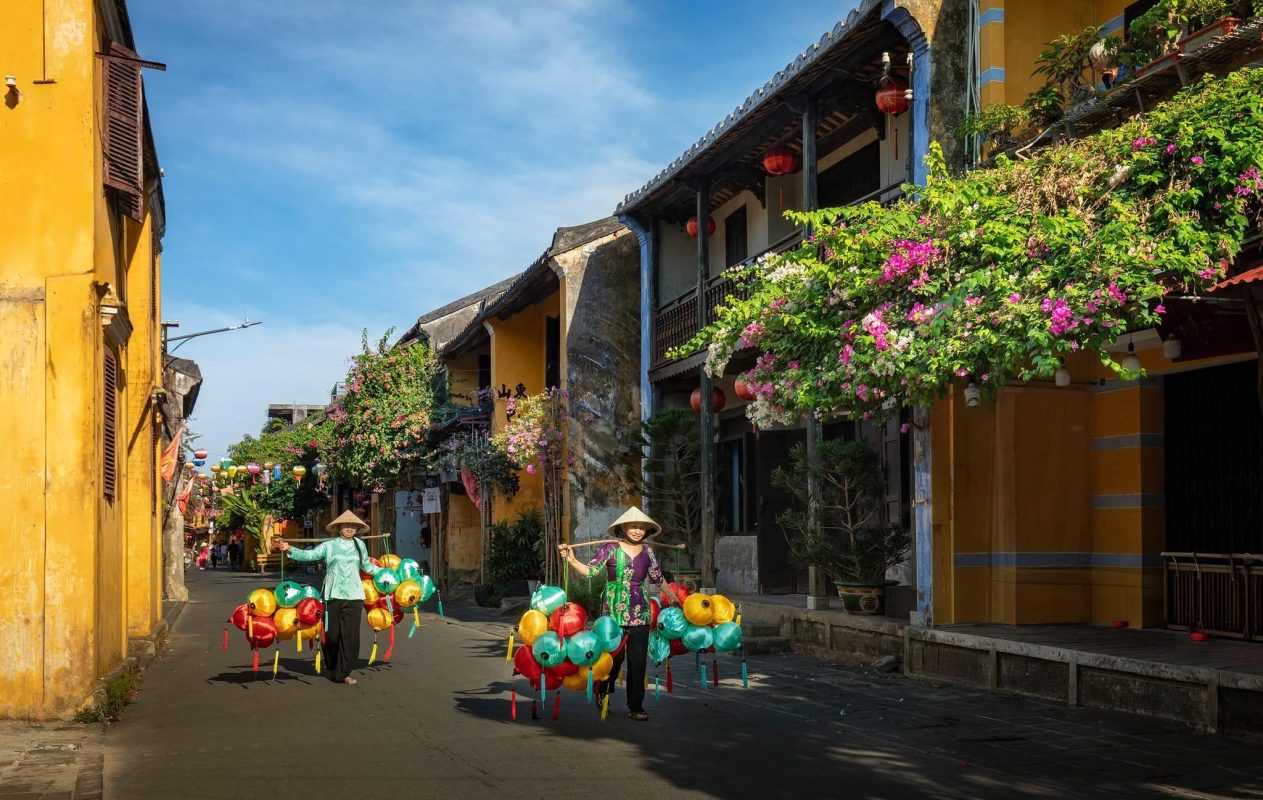
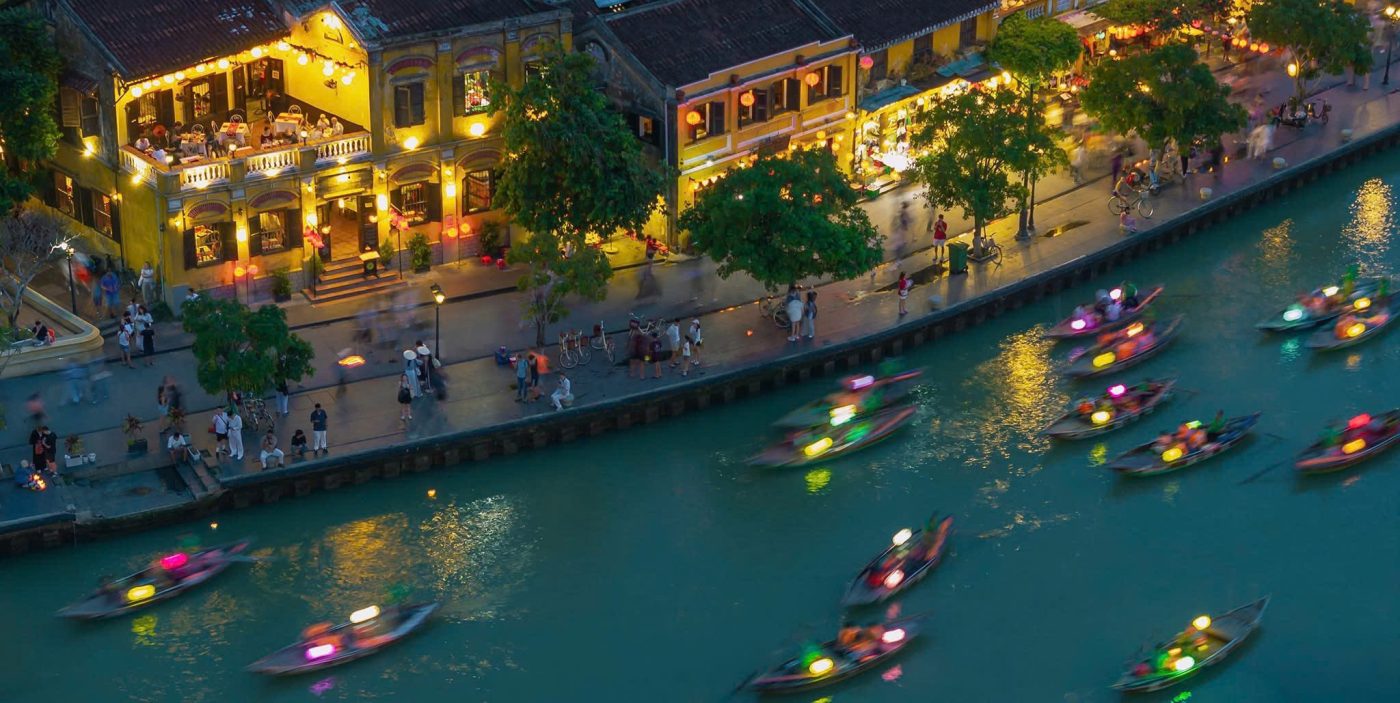
The historic town contains old merchant houses, temples, assembly halls, narrow streets, cafés, markets, craft shops, and riverside areas. Exploring early in the morning or later in the afternoon can provide a more relaxed experience than visiting during the busiest hours.
A private female guide can explain the historical connections between Hoi An and international trade while also introducing travelers to Vietnamese food, crafts, family businesses, and contemporary life in the town.
Experience Vietnamese Tailoring in Hoi An
Tailoring is one of Hoi An’s most famous experiences. Travelers can choose fabrics, discuss designs, select measurements, and have clothing created during their stay.
A good guide can help explain the process and suggest realistic timelines. If you want custom clothing, allow enough time for measurements, fitting, adjustments, and final collection rather than leaving everything until the final day.
This is a practical cultural experience because it connects traditional tailoring skills with modern tourism.
Central Vietnamese Cooking and Food Culture
Food experiences in Central Vietnam are different from Hanoi.
Hue and Hoi An have distinctive dishes, ingredients, sauces, and cooking styles. A private food experience can introduce travelers to regional specialties while explaining how geography and history have influenced cuisine.
For women interested in cooking, a private cooking experience can include visiting a market, selecting ingredients, preparing dishes, and eating the finished meal.
Ho Chi Minh City and Modern Vietnamese Culture
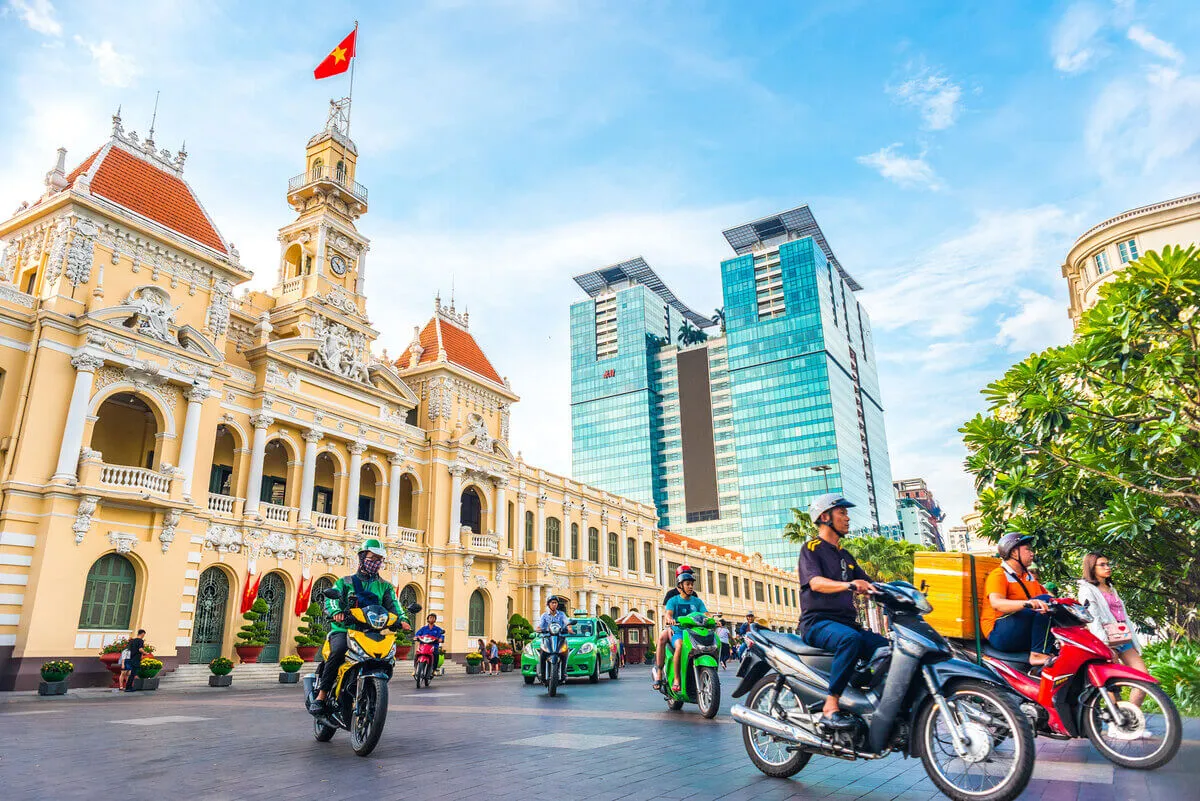
Ho Chi Minh City provides a strong contrast to Hanoi and Central Vietnam. The city is modern, energetic, commercial, and highly international while still retaining important historical neighborhoods and traditions.
A private city experience can combine architecture, markets, cafés, food, museums, and neighborhoods to show how Vietnam’s largest urban center has developed.
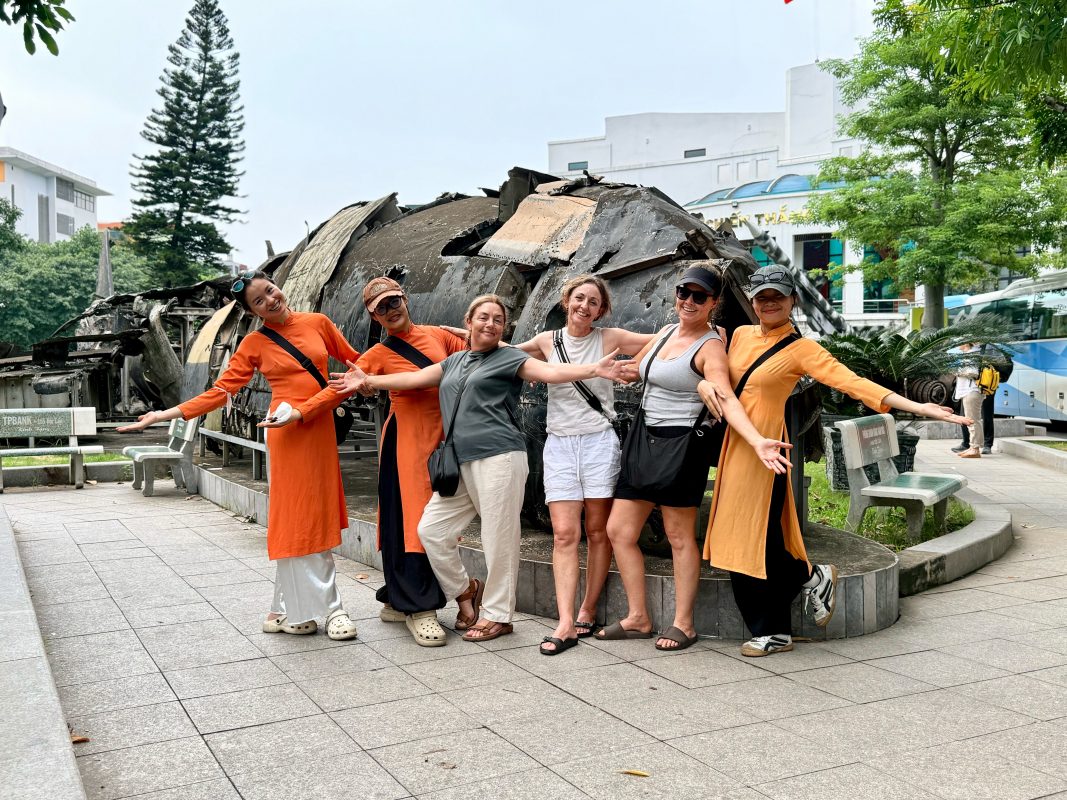
The cultural experience here should include modern Vietnam, not only wartime history. Conversations about business, education, technology, fashion, cafés, nightlife, and changing lifestyles can provide a more complete picture of contemporary Vietnamese society.
Mekong Delta: Culture Along the River
The Mekong Delta offers a very different cultural environment.
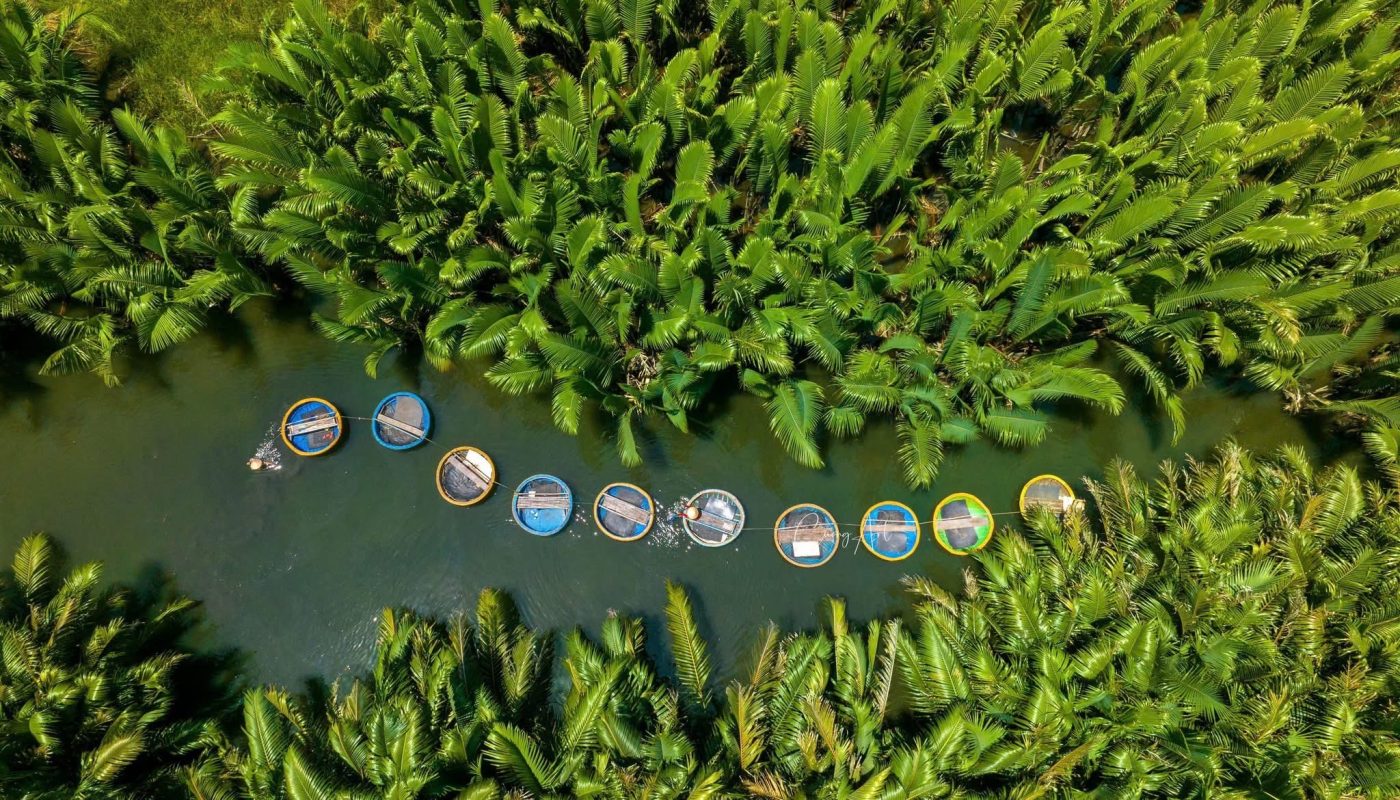
Rivers and canals influence transportation, agriculture, food production, and daily life. Fruit orchards, gardens, small waterways, family businesses, and rural communities create a strong contrast with Ho Chi Minh City.
A private tour allows travelers to explore the Delta at a comfortable pace, combining boat trips with food, gardens, agricultural experiences, and conversations about life in the region.
The cultural value comes from seeing how geography influences people’s daily routines.
Vietnamese Rural Life
Travelers who want to understand Vietnam beyond its cities should spend time in rural areas.
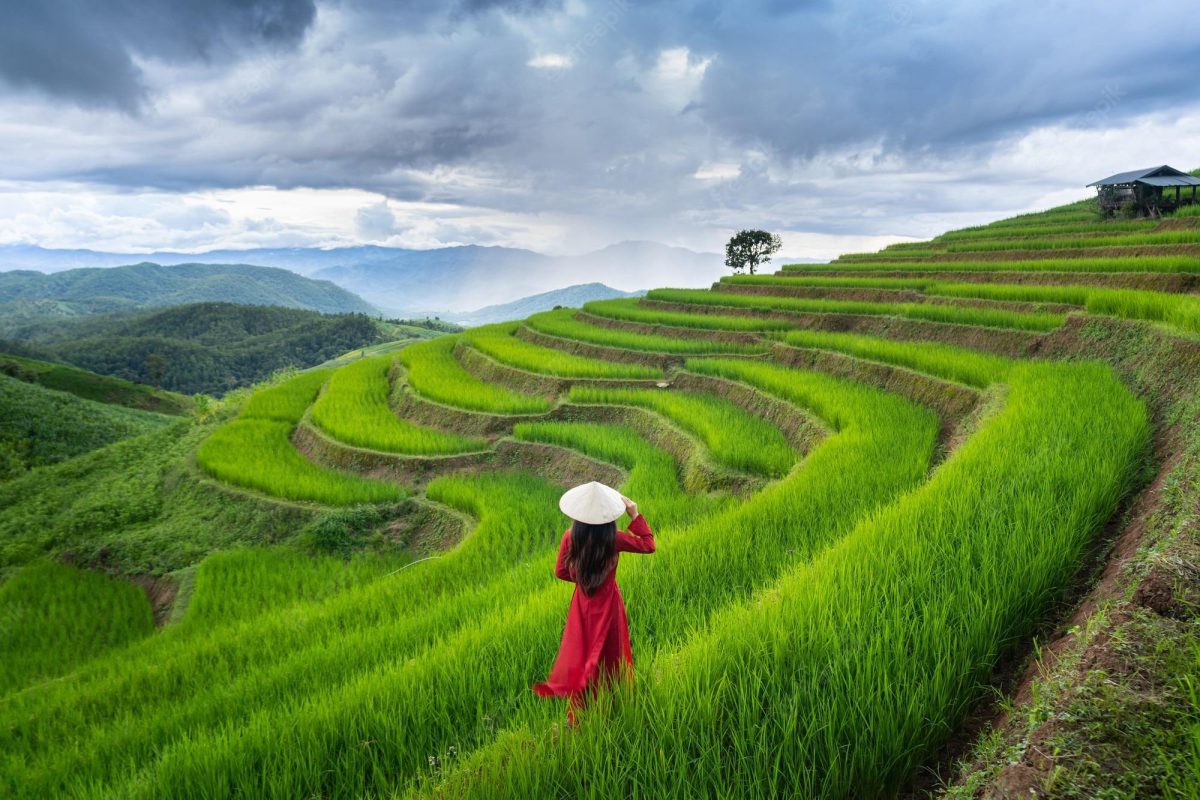
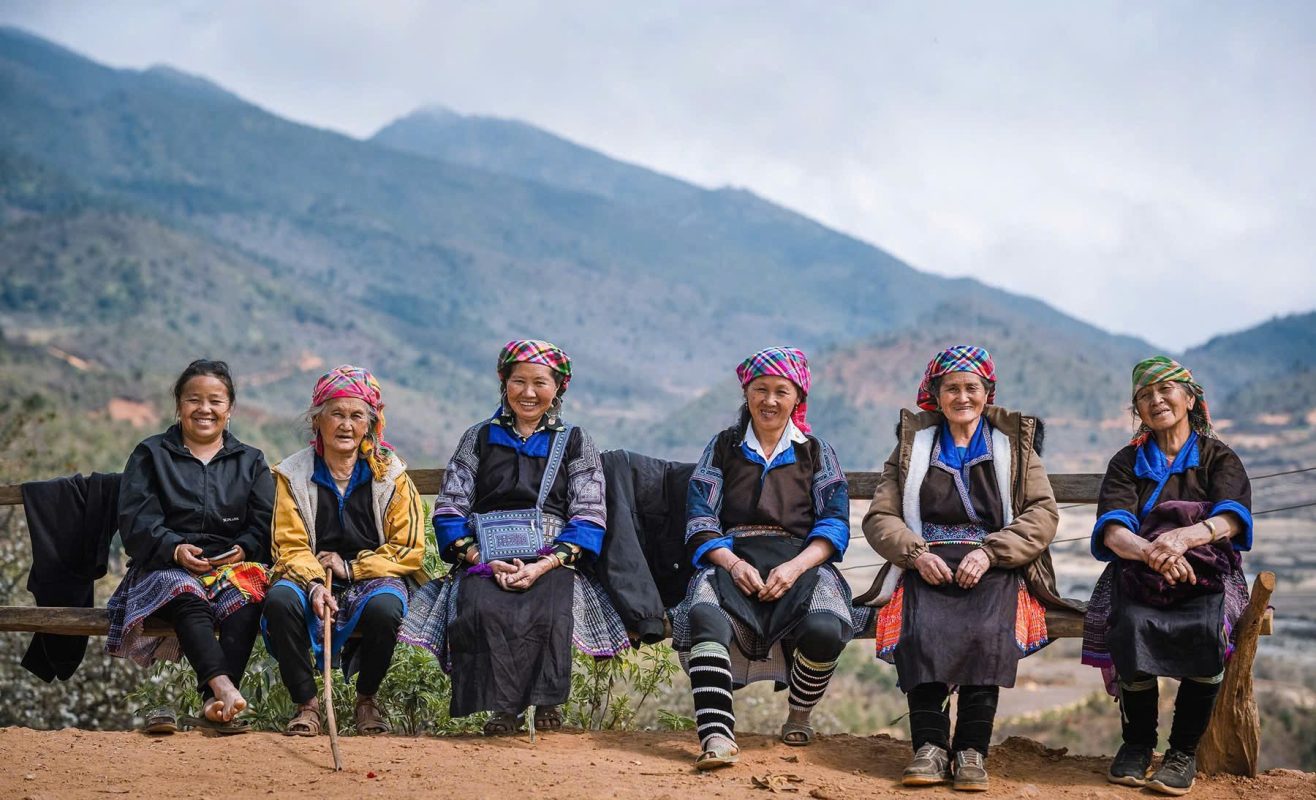
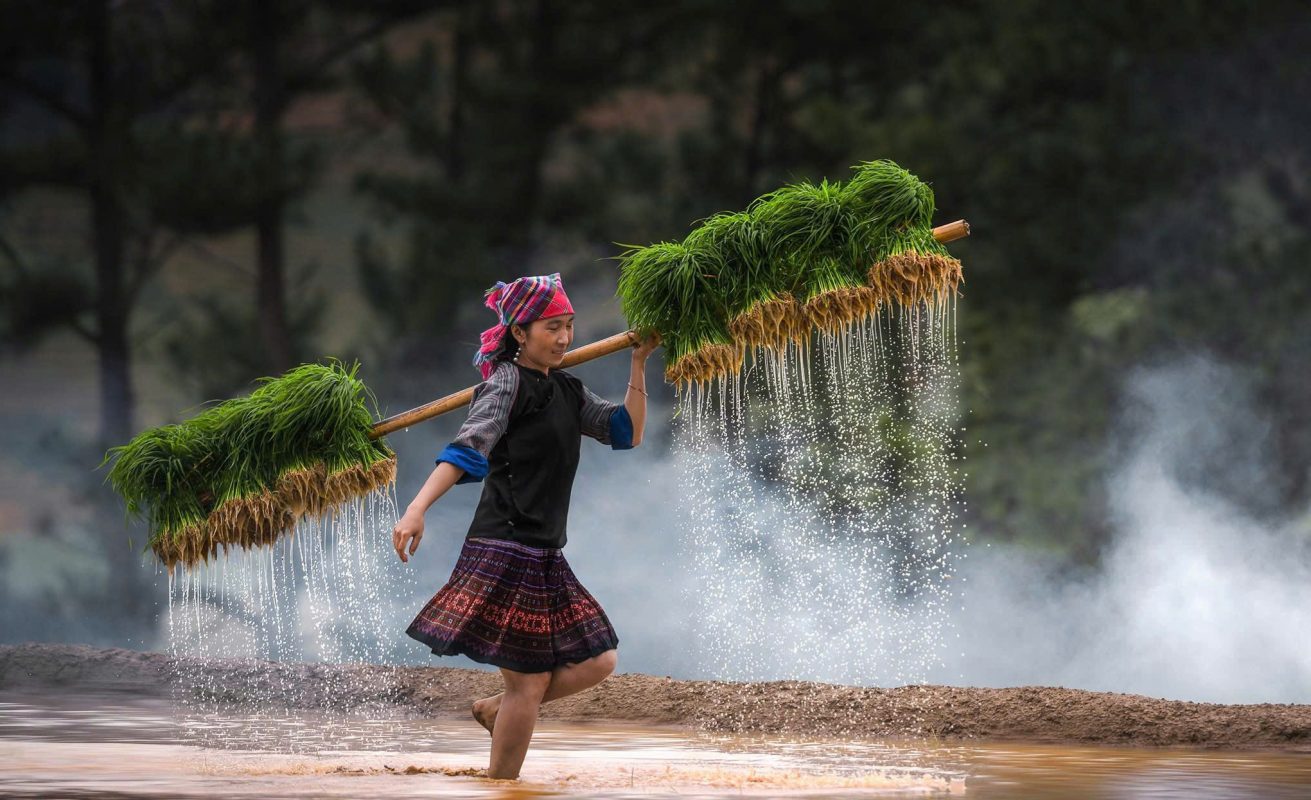
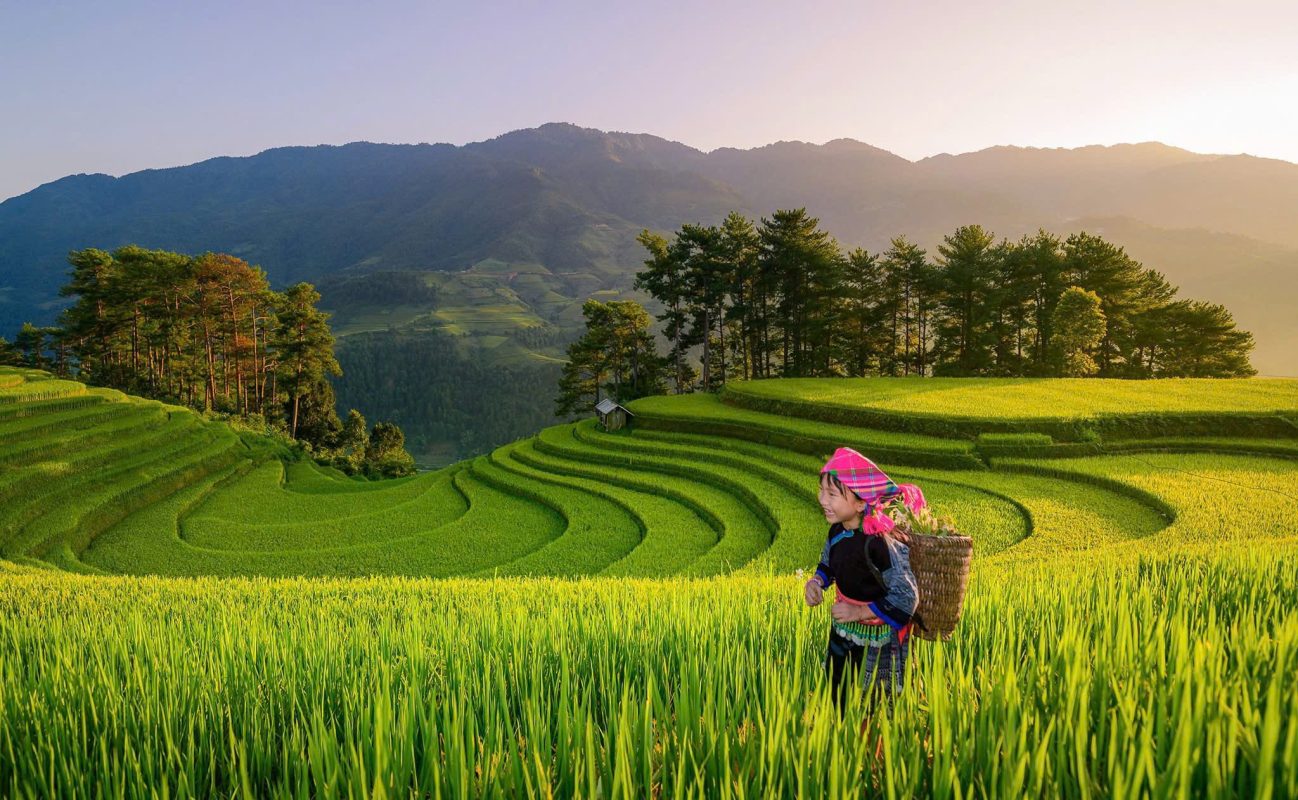
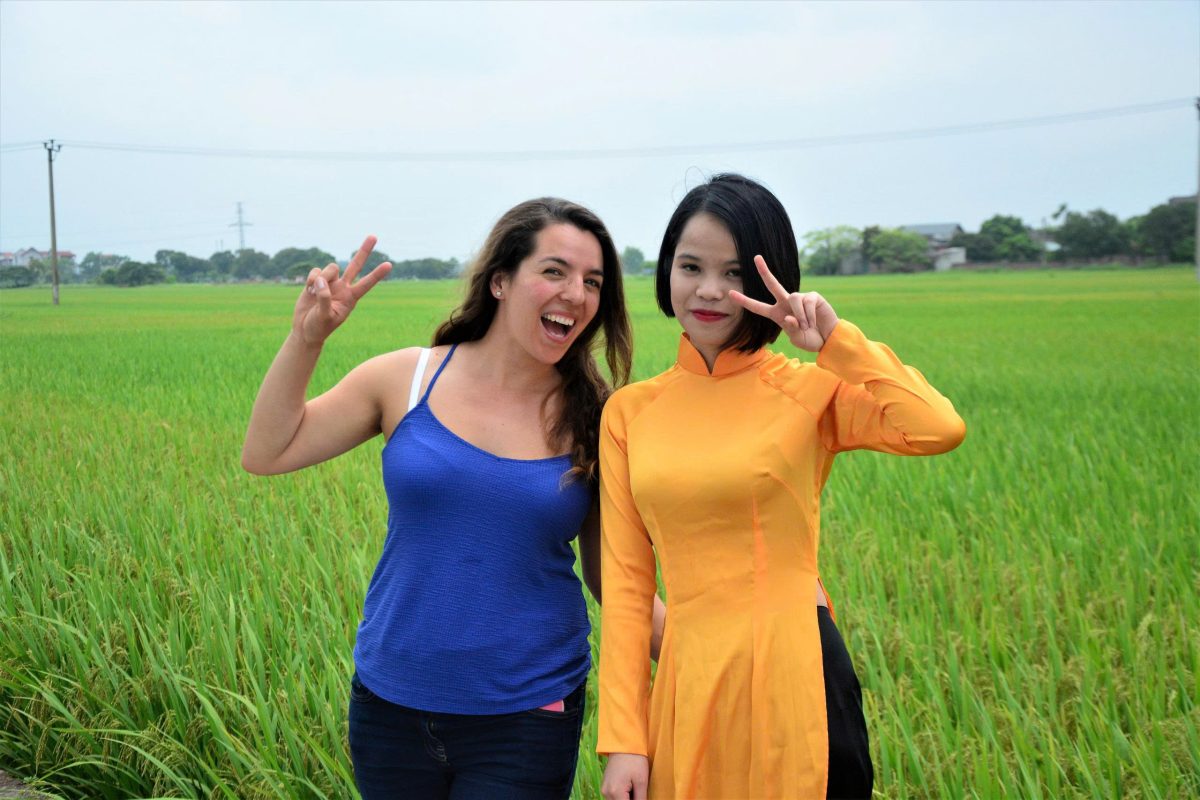
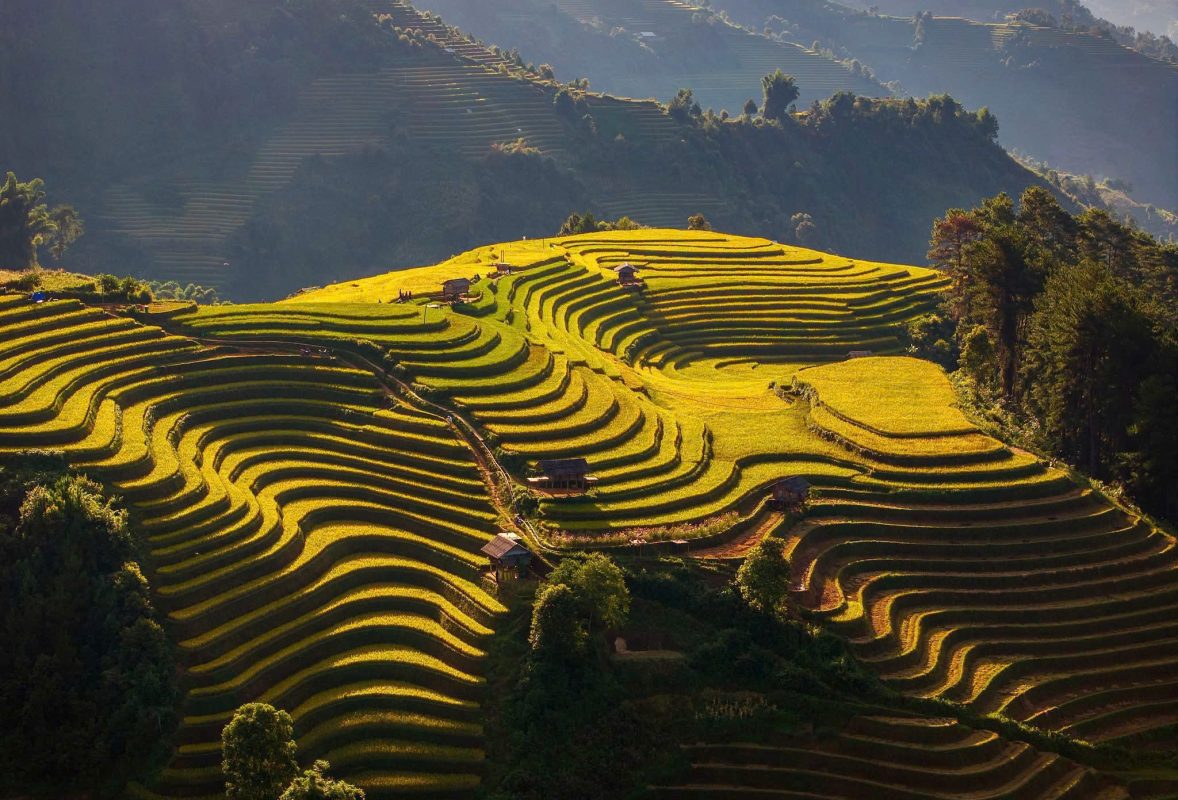
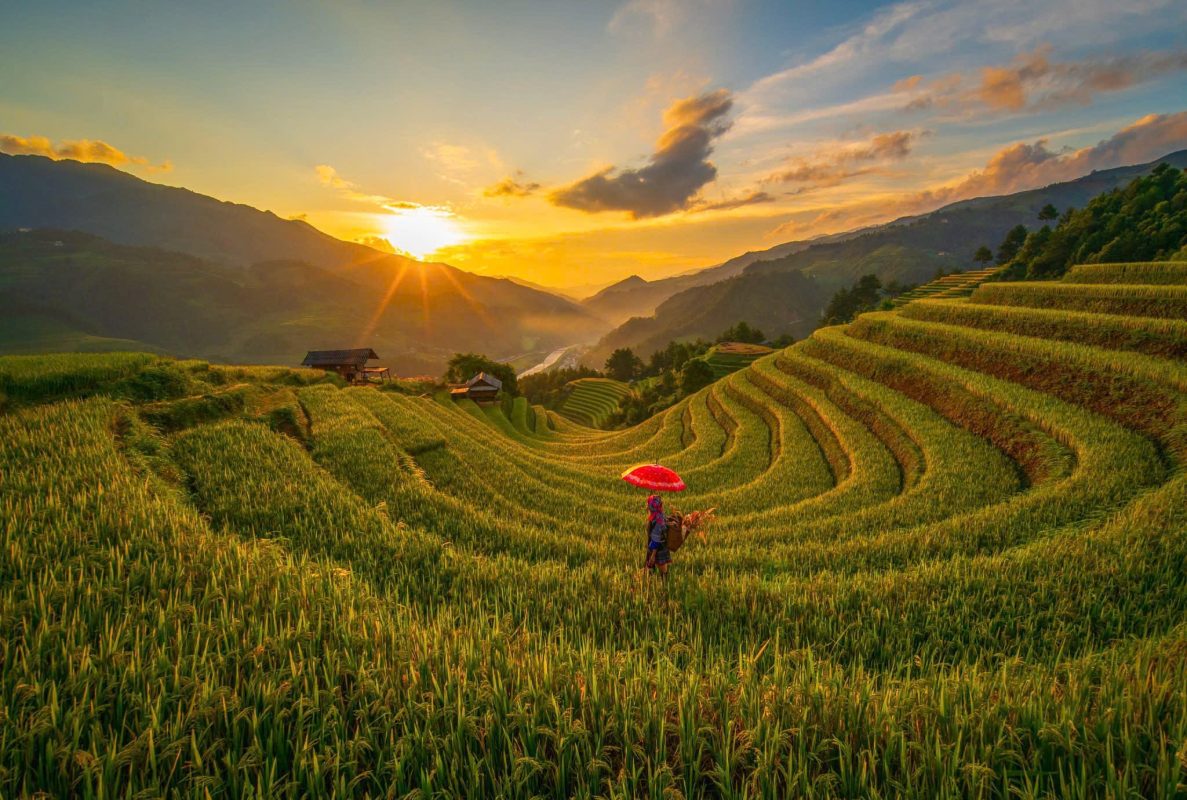
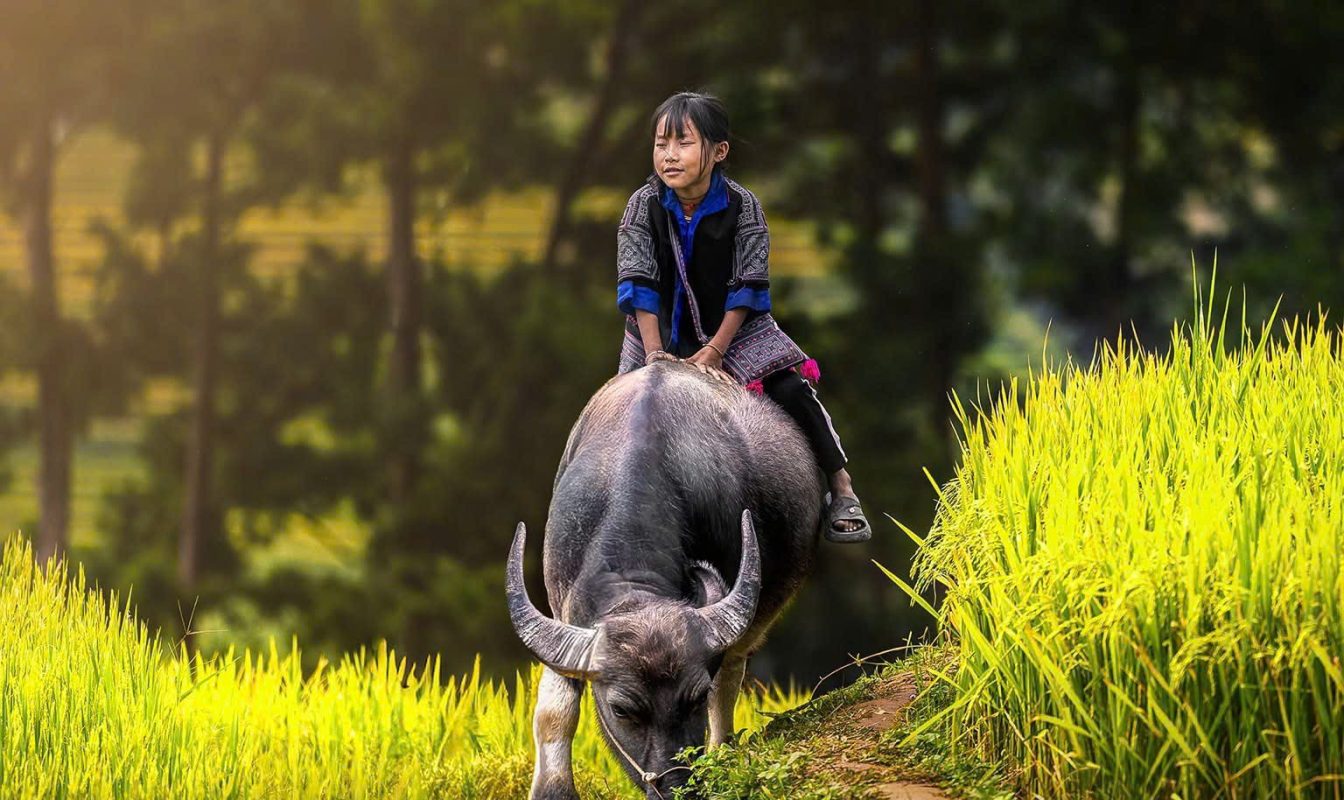
Northern Vietnam offers mountain valleys, rice terraces, villages, agricultural landscapes, and traditional communities. Central Vietnam has its own combination of farmland, villages, beaches, and historic towns. Southern Vietnam offers orchards, waterways, rice fields, and river communities.
A private guide can explain how farming, climate, geography, and family structures influence rural life.
Cultural Photography With Respect
Vietnam offers endless photography opportunities, but responsible photography is important.
Ask permission before photographing people at close range, particularly children, elderly residents, religious ceremonies, and private family activities.
Avoid treating people as tourist attractions. Instead, take time to understand the environment and, when possible, interact with people before taking photographs.
A female guide can help explain when photography is appropriate and can introduce you to situations where taking photographs is welcomed.
Visit Temples and Religious Sites Respectfully
Vietnam has a diverse religious and spiritual culture, including Buddhism, ancestor worship, Taoist influences, Christianity, and traditional beliefs.
When visiting temples and pagodas, dress respectfully and observe the behavior of people who are there for worship.
Avoid loud conversations during ceremonies and ask before photographing religious activities.
A knowledgeable guide can explain what you are seeing, including statues, incense, offerings, architecture, and traditional rituals.
Vietnamese Festivals, Food and Family
One of the most interesting aspects of Vietnamese culture is how food, family, and festivals are connected.
During important celebrations, families often prepare traditional dishes and spend time together. Certain foods are associated with particular holidays, while decorations and rituals have symbolic meanings.
A private female guide can explain these connections and help travelers understand why food is such an important part of Vietnamese celebrations.
Cultural Experiences for Solo Women
Solo women can benefit from private cultural experiences because the format provides both independence and personal interaction.
You can maintain your own hotel, schedule, and travel style while choosing selected experiences with a female guide. A private guide can introduce you to food, markets, neighborhoods, crafts, and cultural sites without requiring you to join a large group.
This is particularly useful during your first days in Vietnam when everything from ordering food to crossing a busy Hanoi street may feel unfamiliar.
Cultural Experiences for Couples
Couples can create a private cultural itinerary around food, architecture, history, photography, cooking, coffee, crafts, and traditional villages.
Instead of trying to see every attraction, choose experiences that allow time for conversation and exploration.
A private motorbike or Vespa tour in Hanoi, a cooking experience in Hoi An, a cultural tour in Hue, and a private Mekong Delta excursion can create very different experiences within the same trip.
Cultural Experiences for Families
Families can also enjoy Vietnamese culture without following a demanding sightseeing schedule.
Children may enjoy markets, food preparation, crafts, bicycles, boats, farms, and hands-on activities more than traditional museums.
Private tours make it easier to adjust the pace, stop for food, take breaks, and choose activities suitable for different ages.
A female guide can also explain Vietnamese customs to children in a conversational way, making the experience educational without feeling like a classroom.
Why Private Women-Led Cultural Experiences Matter
A cultural experience becomes stronger when travelers have the opportunity to ask questions.
A guide can explain why Vietnamese people eat certain foods, how families celebrate important events, why neighborhoods developed in particular ways, and how traditional customs are changing.
The women-led approach adds another perspective because travelers can discuss women’s work, education, family life, tourism, and modern Vietnamese society directly with Vietnamese women working in the industry.
Motorbike City Tours states that it has supported opportunities for thousands of women in Vietnam’s tourism industry and provides women-led experiences in Hanoi and throughout Vietnam.
How to Build a Cultural Vietnam Itinerary
For a first cultural trip, start with Hanoi and spend enough time understanding the capital before moving south.
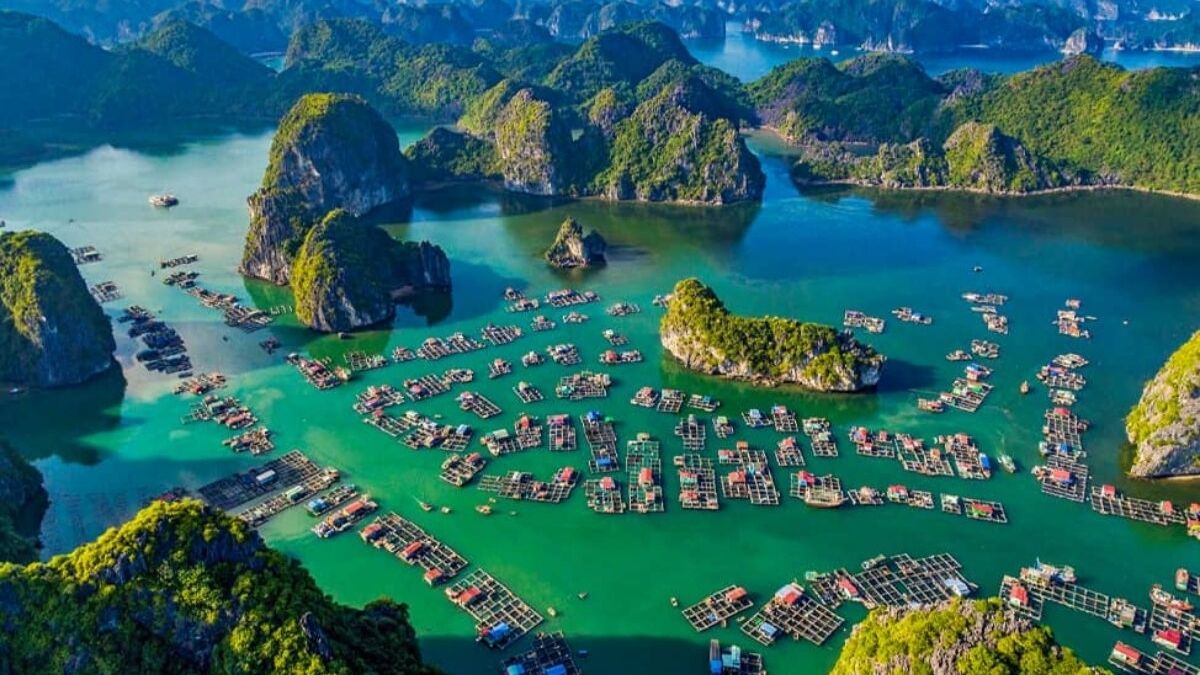
A 7-day journey can combine Hanoi with a cultural experience in another region. A 10-day itinerary allows Hanoi, Ha Long Bay or Lan Ha Bay, and Central Vietnam. A 12- to 14-day journey can connect Hanoi, Central Vietnam, Ho Chi Minh City, and the Mekong Delta.
For longer distances, domestic flights are generally more practical for premium private travel because they save valuable vacation time.
The most important principle is not to add too many destinations. Give yourself enough time in each place to actually experience the culture.
What to Look for in a Cultural Tour
When choosing a cultural experience, look beyond the title and check what is actually included.
Look for a knowledgeable guide, private or appropriately sized groups, clear transportation arrangements, realistic sightseeing times, food inclusions, entrance fees where applicable, and flexibility.
For food experiences, communicate allergies and dietary restrictions before the tour. For temple visits, ask about appropriate clothing. For village experiences, choose operators that encourage respectful interaction rather than staged encounters.
Vietnam Women Travel – Premium Private Tours Led by Women
Vietnam Women Travel – Premium Private Tours Led by Women is built around the idea that cultural travel should be personal, comfortable, and meaningful.
The experience can begin with Hanoi street life and Vietnamese food, continue through traditional villages and craft experiences, move into the imperial heritage of Hue, explore the historic streets of Hoi An, and finish with the modern energy of Ho Chi Minh City and the river culture of the Mekong Delta.
The role of the female guide is central because she can connect these destinations with real Vietnamese stories, explain cultural details, answer questions, and adjust the experience around the travelers.
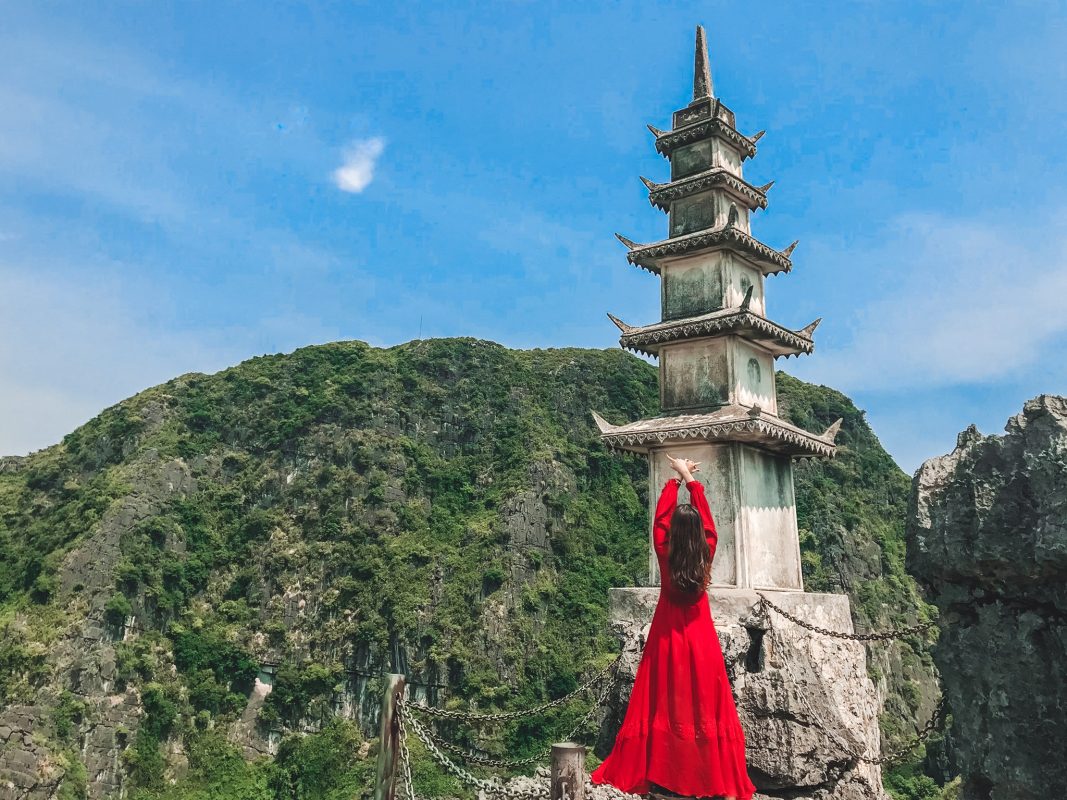
Vietnam is not a destination that should be rushed. Its culture is found in the food markets, cafés, family meals, temples, village roads, historic houses, craft workshops, rivers, and conversations that happen between major sightseeing stops.
For women travelers looking for a deeper experience, private tours led by Vietnamese women offer an opportunity to see these details with greater context and personal attention.
Contact Motorbike City Tours – Vietnam Women Travel
Motorbike City Tours – Vietnam Women Travel
91 Tho Nhuom Street, Hoan Kiem District, Hanoi, Vietnam
Call / WhatsApp / iMessage 24/7: +84 988 402 008
Email: info@motorbikecitytours.com
Website: motorbikecitytours.com
Motorbike City Tours offers Hanoi Motorbike Tours Led By Women as well as Jeep, Vespa, bicycle, food, countryside, and Vietnam travel experiences. The company identifies its Hanoi office at 91 Tho Nhuom Street, Hoan Kiem District, Hanoi, and lists +84 988 402 008 and info@motorbikecitytours.com as its contact details.