Vietnamese Breakfast in Hanoi: What Should You Try?
Hanoi breakfast is one of the best ways to experience Vietnamese food culture. The city does not rely on one standard breakfast menu: early-morning streets offer steaming bowls of phở, freshly made bánh cuốn, sticky rice, chicken vermicelli, bún thang and other rice- and noodle-based dishes. Many of these meals are inexpensive, quick to serve and deeply connected with Hanoi’s everyday food traditions. Vietnam Tourism identifies phở and bánh cuốn among the capital’s most important breakfast choices, while its Hanoi food guide emphasizes the city’s wide variety of traditional street dishes.
For a first-time visitor, breakfast in Hanoi should not simply mean finding the nearest international hotel buffet. Get outside early, sit down at a traditional Vietnamese eatery, order one dish, watch it being prepared and experience how the city starts its day. If you have several mornings in Hanoi, try a different breakfast each day.
Why Breakfast in Hanoi Is Different
Vietnamese breakfast is generally more substantial than the coffee-and-pastry routine many international travelers are accustomed to. Noodles, rice, meat, herbs and broth are common, and many dishes are cooked fresh when you order. Hanoi’s Northern cuisine is particularly known for balanced flavors, delicate broths and restrained seasoning rather than excessive sweetness or chili.
Breakfast also starts early. Phở stalls can begin serving in the early morning, with cooks preparing bowls as customers arrive. Vietnam Tourism describes phở as a staple Hanoi breakfast and notes that its morning tradition is deeply connected with the city’s street-food culture.
1. Phở Bò – The Classic Hanoi Breakfast
If you eat only one Vietnamese breakfast in Hanoi, make it phở bò.
Phở bò is a bowl of flat rice noodles, thinly sliced beef, herbs and aromatic broth. The quality of the broth is critical, with beef bones and spices such as star anise, cinnamon and cloves contributing depth. Hanoi-style phở is generally clear and delicate, with relatively simple garnishes.
The best time to eat phở is early in the morning, when the dish feels most connected to Hanoi’s traditional breakfast culture. MICHELIN’s Hanoi food itinerary also recommends beginning the day with beef phở.
For first-time visitors, do not add every condiment immediately. Taste the broth first, then adjust it with lime, chili or other condiments according to your preference.
2. Phở Gà – Hanoi Chicken Pho
If beef is not your preference, order phở gà.
Chicken phở has a lighter character, with chicken, rice noodles, herbs and a fragrant broth. It is an excellent breakfast when you want something warm and satisfying without the stronger richness of some beef preparations.
Vietnam Tourism lists chicken phở among Hanoi’s essential foods and notes that phở can be enjoyed with different toppings and preparations.
3. Bánh Cuốn – One of Hanoi’s Best Traditional Breakfasts
Bánh cuốn is arguably the best alternative to phở for travelers who want a more distinctive Hanoi breakfast.
Thin sheets of fermented rice batter are steamed over cloth, filled with minced pork and wood-ear mushrooms, then rolled and served with fried shallots, herbs, Vietnamese sausage and sweet-sour fish sauce. Vietnam Tourism explicitly identifies bánh cuốn as a traditional breakfast in Hanoi.
The preparation is part of the experience. At a good bánh cuốn restaurant, you can watch the cook spread the liquid rice batter, steam it into a delicate sheet and roll it while it is still hot.
It is lighter than many noodle soups, making it an excellent choice for travelers planning a busy morning of sightseeing.
4. Xôi – Vietnamese Sticky Rice
Xôi is a filling Vietnamese breakfast based on glutinous sticky rice. It comes in both savory and sweet varieties.
Savory versions can be topped with mung bean, chicken, pork, Vietnamese sausage, shredded meat or fried shallots. Vietnam Tourism describes savory xôi as a popular and inexpensive breakfast option and notes that Vietnam has numerous varieties of sweet and savory sticky rice.
If you expect breakfast to keep you full until lunchtime, xôi is one of the strongest choices.
5. Bún Thang – A Delicate Hanoi Noodle Breakfast
Bún thang is a traditional Hanoi noodle dish made with rice vermicelli, shredded chicken, Vietnamese ham, thin strips of omelette and a clear, savory broth.
It is considerably more delicate than bún bò Huế or many Southern noodle soups. Vietnam Tourism describes bún thang as an example of Hanoi’s long culinary creativity and includes it among the city’s iconic dishes.
Bún thang is especially interesting for travelers who have already tried phở and want something more specifically associated with Hanoi.
6. Miến – Glass Noodle Breakfast
Miến refers to Vietnamese glass noodles, which can be made from mung bean or sweet potato starch. In Hanoi, miến can be served in broth or stir-fried and topped with chicken, crab or freshwater eel.
A bowl of chicken miến is a relatively light breakfast, while miến lươn, or eel glass noodles, is a more adventurous option.
MICHELIN’s Hanoi itinerary specifically includes eel glass noodles as one of the city’s notable dishes.
7. Miến Lươn – Eel Glass Noodles
For adventurous food travelers, miến lươn is one of the breakfasts worth seeking out.
Crispy eel is combined with glass noodles, greens, peanuts and fried shallots. It can be served as a soup or as a dry mixed noodle dish. MICHELIN highlights both versions in its Hanoi food recommendations.
The crispy eel provides a completely different texture from the soft noodles and delicate broth of phở.
8. Bún Ốc – Snail Vermicelli Soup
Bún ốc is a traditional Hanoi noodle soup featuring freshwater snails, rice vermicelli, herbs and a tangy broth.
The broth commonly incorporates tomatoes, vinegar and pepper, giving it a noticeably sharper flavor than phở. Vietnam Tourism describes bún ốc as one of Hanoi’s classic comfort foods.
It is not necessarily the safest first choice for a traveler who wants a very familiar breakfast, but it is excellent for anyone interested in discovering traditional Hanoi cuisine.
9. Bánh Đa Trộn – Mixed Flat Rice Noodles
Bánh đa trộn is a dry mixed noodle dish that can include flat rice noodles, sausage, fried fish cakes, tofu, peanuts and leafy vegetables.
Vietnam Tourism specifically describes it as a Hanoi specialty that can be encountered while walking through the Old Quarter.
This is a good choice if you prefer a dry noodle dish instead of soup in the morning.
10. Bún Cá – Fish Noodle Soup
Bún cá is rice vermicelli served with fried fish, herbs and a sweet-sour broth. Hanoi versions may include tomato, pineapple and Vietnamese celery.
Vietnam Tourism describes bún cá as a refreshing dish with a balance of sweetness and acidity. It is more commonly associated with lunch, but it can also work as a substantial morning meal depending on the restaurant.
11. Bún Đậu – A Hearty Vietnamese Breakfast Option
Bún đậu combines rice vermicelli, crispy fried tofu, herbs and fermented shrimp paste, with pork and other ingredients sometimes added.
Vietnam Tourism describes bún đậu as a much-loved Hanoian dish and notes that fish sauce can be used instead of fermented shrimp paste for travelers who prefer a lighter flavor.
It is heavier than bánh cuốn, so it is better for travelers who want a substantial breakfast.
12. Bánh Mì – The Quick Hanoi Breakfast
Bánh mì is Vietnam’s famous baguette sandwich and an excellent option when you want breakfast on the move.
A typical sandwich may include pâté, pork, cold cuts, cucumber, pickled vegetables, herbs and sauces. Hanoi also has distinctive preparations such as bánh mì sốt vang, served with a rich beef stew-style sauce.
Unlike phở or bánh cuốn, bánh mì is particularly convenient if you have an early tour or transfer and do not have time for a sit-down breakfast.
13. Cháo – Vietnamese Rice Porridge
Cháo, or Vietnamese rice porridge, is another practical breakfast choice. It can be prepared with chicken, pork, fish or other ingredients and topped with herbs, pepper and aromatics.
It has a softer texture than noodles and is particularly suitable when you want a gentle, warm breakfast before a long day of sightseeing.
14. Trứng Vịt Lộn – Balut
For adventurous visitors, trứng vịt lộn, or balut, is one of Vietnam’s most famous challenging foods.
It is a fertilized duck egg that is boiled and commonly eaten with herbs, salt, pepper and other seasonings. It is not something every traveler will enjoy, but it represents the more adventurous side of Vietnamese breakfast culture.
If you are trying it for the first time, order one rather than several and follow your guide’s advice on how it is traditionally eaten.
15. Cơm Nắm and Rice-Based Breakfasts
Rice is central to Vietnamese cuisine, so it should not be surprising that rice-based breakfast foods are common.
Depending on the establishment, you may find sticky rice, rice cakes, rice porridge or other prepared rice dishes in the morning. These options are particularly useful when you want a filling breakfast without noodles.
16. Vietnamese Coffee After Breakfast
Breakfast in Hanoi is rarely complete without coffee.
Cà phê đen is strong Vietnamese black coffee, while cà phê sữa combines robusta coffee with condensed milk. If you prefer something particularly associated with Hanoi, order cà phê trứng, or egg coffee.
Vietnam Tourism describes egg coffee as a Hanoi specialty in which strong robusta coffee is balanced by sweet, creamy egg foam.
For many visitors, the ideal Hanoi morning is simply phở followed by Vietnamese coffee.
What Is the Best Hanoi Breakfast for First-Time Visitors?
If this is your first morning in Hanoi, choose phở bò. It is the most recognizable introduction to the city’s breakfast culture and gives you an immediate understanding of Northern Vietnamese broth-based cooking.
On your second morning, choose bánh cuốn. It is lighter, more delicate and demonstrates a completely different cooking technique.
On your third morning, try xôi, bún thang or miến lươn, depending on how adventurous you are.
This three-morning strategy gives you a much better understanding of Hanoi breakfast than eating phở every day.
What Should You Eat in Hanoi for a Quick Breakfast?
If you need to eat quickly before a tour, choose bánh mì or xôi.
If you have around 20–30 minutes, phở or bánh cuốn are better because they give you a more traditional Vietnamese breakfast experience.
If you have plenty of time and want to explore, choose a breakfast destination where the preparation itself becomes part of the experience.
What Should You Eat for a Light Breakfast?
Choose bánh cuốn, phở gà or a simple bowl of miến.
Bánh cuốn is particularly suitable because the rice sheets are delicate and the dish is served with herbs and dipping sauce rather than a large quantity of meat.
What Should You Eat for a Filling Breakfast?
Choose xôi, phở bò, bún đậu or a substantial bowl of miến.
Xôi is especially filling because glutinous rice is dense and provides a substantial start to the day. Vietnam Tourism describes savory xôi as an inexpensive and popular breakfast fix.
Hanoi Breakfast vs Hotel Breakfast
A hotel breakfast is convenient, especially when you have an early departure, but it rarely gives you the same connection to Hanoi’s food culture.
If your hotel offers Vietnamese dishes, try the phở, bánh cuốn or xôi available there. However, if you have time, go outside and experience breakfast at a traditional Vietnamese eatery.
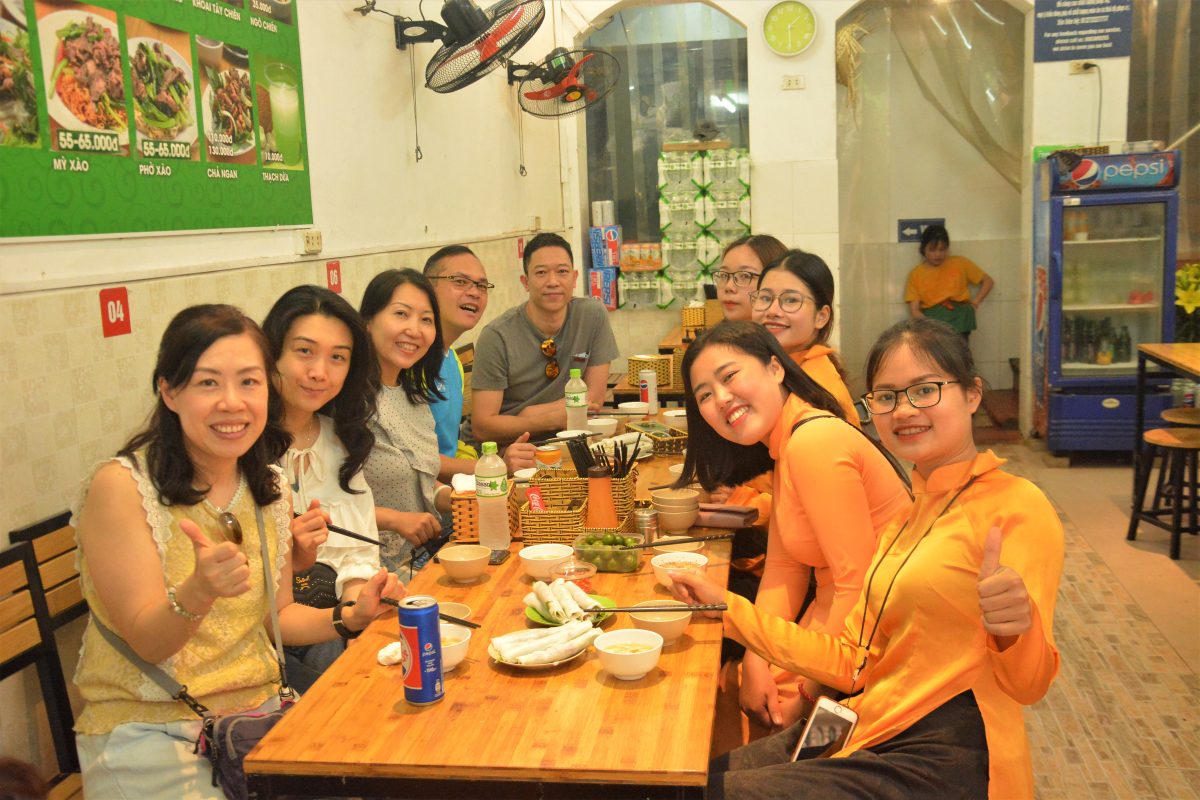
The difference is not only the food. It is the atmosphere: the steam rising from a phở pot, the sound of chopsticks, motorcycles passing outside and cooks preparing each dish to order.
Where Should You Have Breakfast in Hanoi?
For first-time visitors, the Old Quarter and Hoan Kiem area are convenient because many traditional breakfast establishments are within walking distance of major hotels and attractions.
However, do not limit your breakfast experience to one street. Hanoi’s food culture extends well beyond the Old Quarter, and different neighborhoods have their own specialties.
Vietnam Tourism’s Hanoi food guide recommends exploring the city’s streets rather than treating food as something found only inside formal restaurants.
What Time Should You Eat Breakfast in Hanoi?
For the most traditional experience, go early.
Phở stalls and other breakfast establishments can begin serving in the early morning, and some popular shops may sell out or become extremely busy later. Vietnam Tourism’s description of Hanoi phở emphasizes the early-morning street scene, while MICHELIN recommends going early for some popular breakfast establishments.
A practical window for travelers is around 6:30–9:00 AM, although exact opening hours vary considerably by establishment.
A Perfect Hanoi Breakfast Food Tour
A well-planned morning food experience could begin at around 7:00 AM with phở bò, followed by Vietnamese coffee. From there, explore the Old Quarter and Hoan Kiem Lake before stopping for freshly prepared bánh cuốn. Continue toward another neighborhood for xôi or a more adventurous noodle dish, depending on appetite.
The key is not to eat three full meals before 10 AM. Instead, use smaller portions when possible so you can experience different dishes without becoming uncomfortably full.
Hanoi Breakfast for Vegetarians
Vegetarian travelers have options, but ingredients should be confirmed carefully.
A dish that appears vegetarian may contain meat stock, fish sauce or other animal-based ingredients. Vegetarian phở, tofu, sticky rice, rice noodles, vegetables and certain bánh cuốn preparations can work, but strict vegetarians should communicate their requirements clearly.
A private food experience can be especially useful because the breakfast route can be planned around dietary restrictions before the tour begins.
Hanoi Breakfast for Families
For families, start with approachable dishes such as phở gà, phở bò, bánh mì, xôi and bánh cuốn.
Children who are new to Vietnamese food may find herbs, fish sauce or fermented shrimp paste unfamiliar. A guide can introduce stronger flavors gradually rather than putting an entire plate of unfamiliar ingredients in front of them.
Hanoi Breakfast for Food Lovers
If you are a serious food traveler, do not stop at phở.
Try bánh cuốn on one morning, bún thang on another, xôi on another and miến lươn when you want something more adventurous.
MICHELIN’s Hanoi recommendations demonstrate how much variety exists beyond the city’s famous phở and bún chả, with bánh cuốn, eel vermicelli and chả cá all forming part of its suggested food itinerary.
Hanoi Breakfast: What Should You Try First?
My ranking for first-time visitors would be:
First choice: Phở bò. The essential Hanoi breakfast experience.
Second choice: Bánh cuốn. Light, delicate and distinctly Vietnamese.
Third choice: Xôi. Filling, inexpensive and traditional.
Fourth choice: Bún thang. A more refined Hanoi specialty.
Fifth choice: Miến lươn. Best for adventurous food travelers.
Sixth choice: Bún ốc. Excellent if you want a distinctly Hanoi flavor with a tangy broth.
Experience Hanoi Breakfast with Vietnam Women Travel
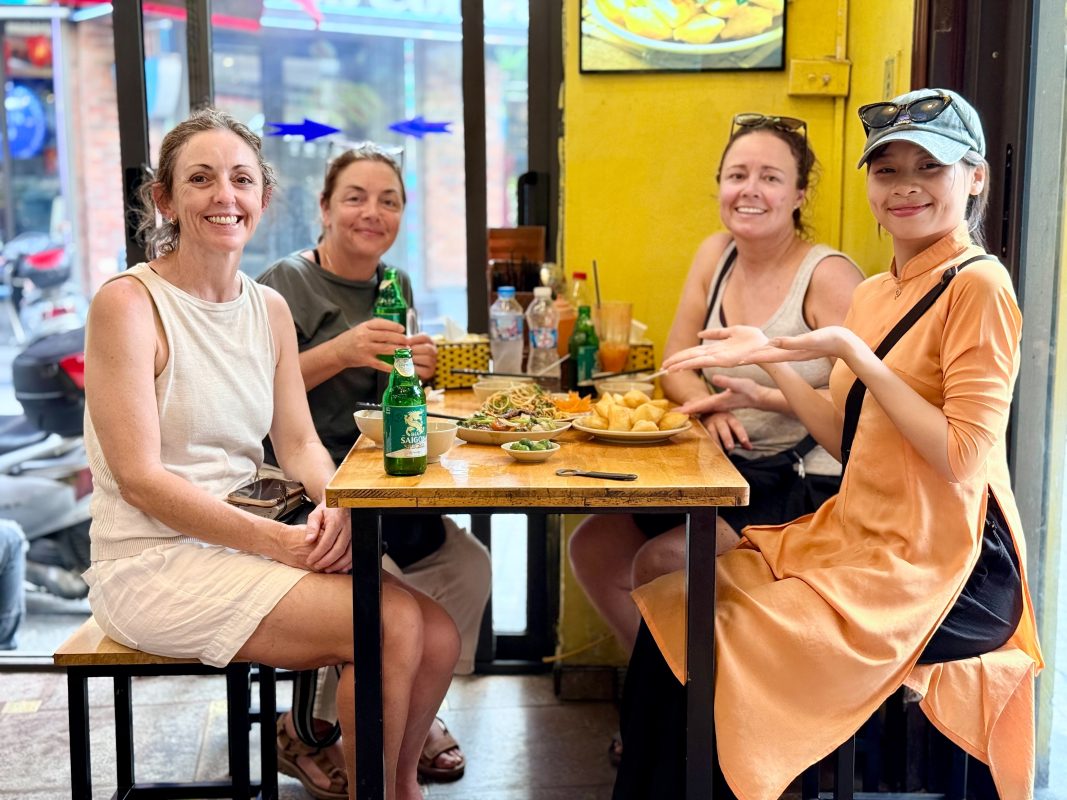
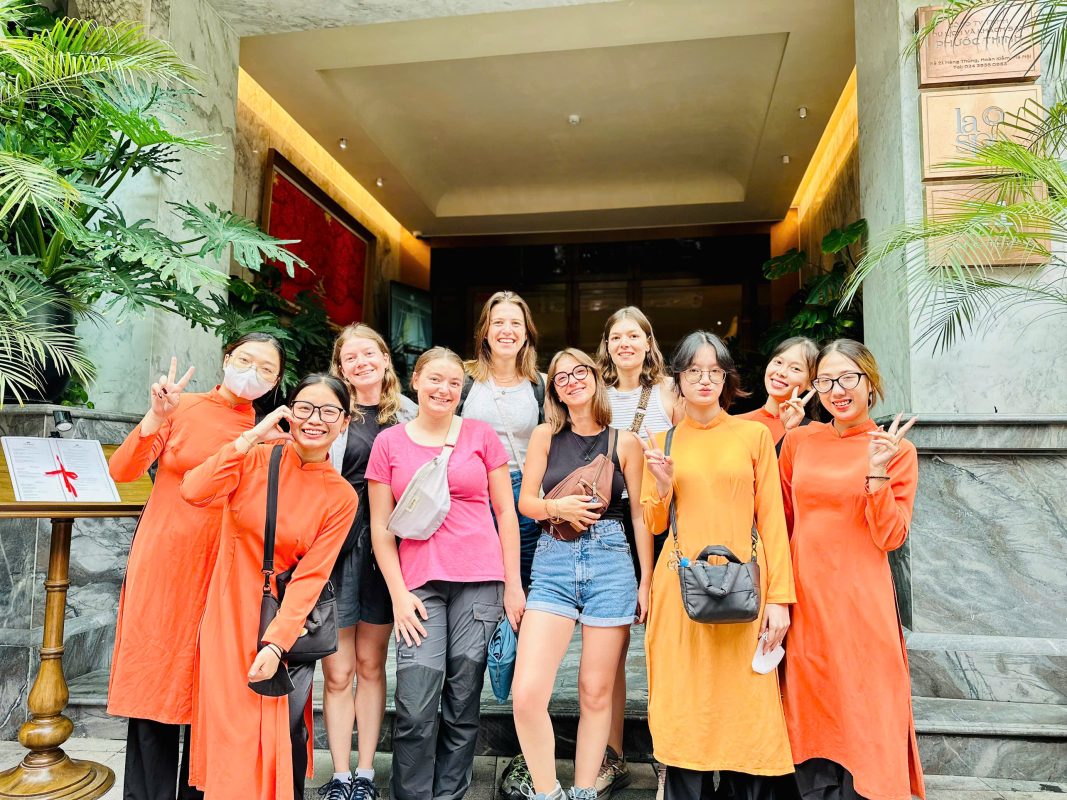
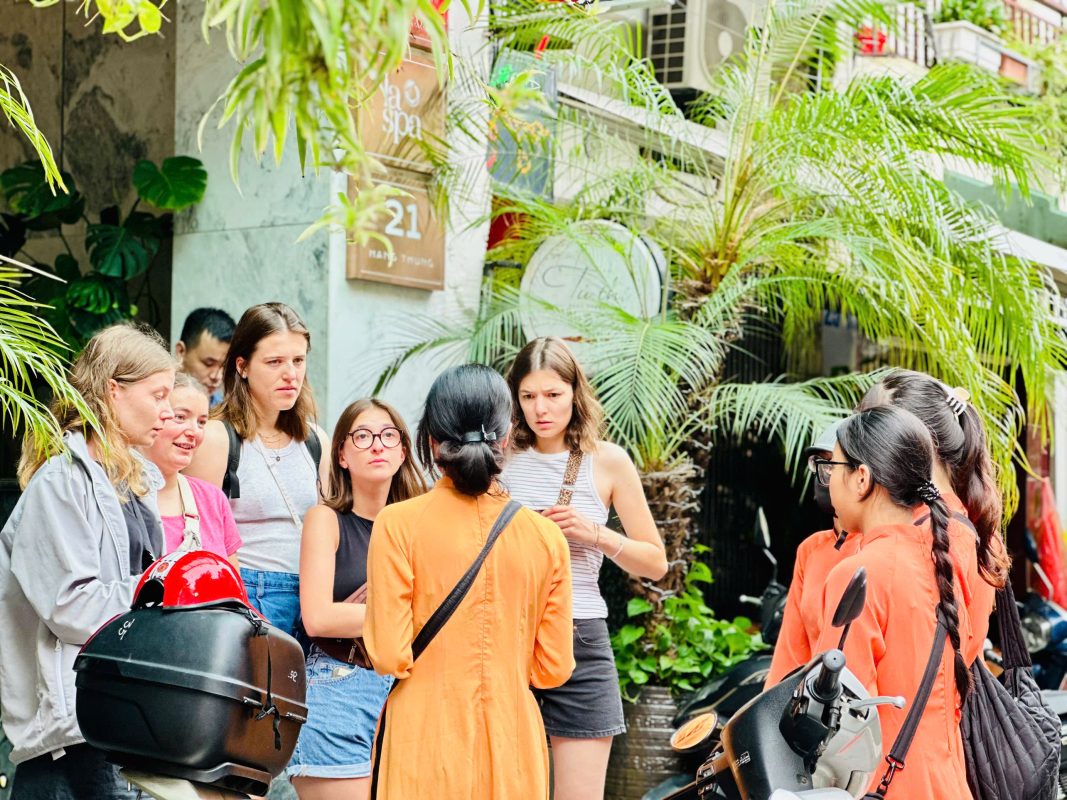
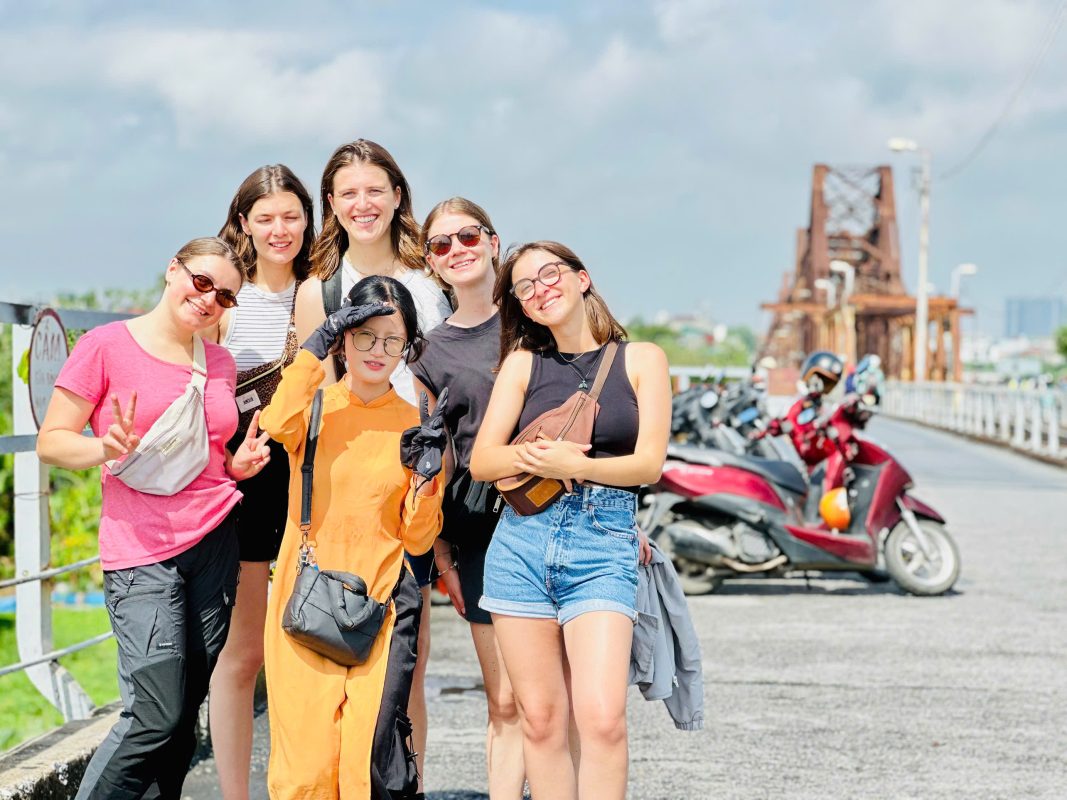
Vietnam Women Travel – Premium Private Tours Led by Women can turn a simple Hanoi breakfast into a deeper culinary experience.
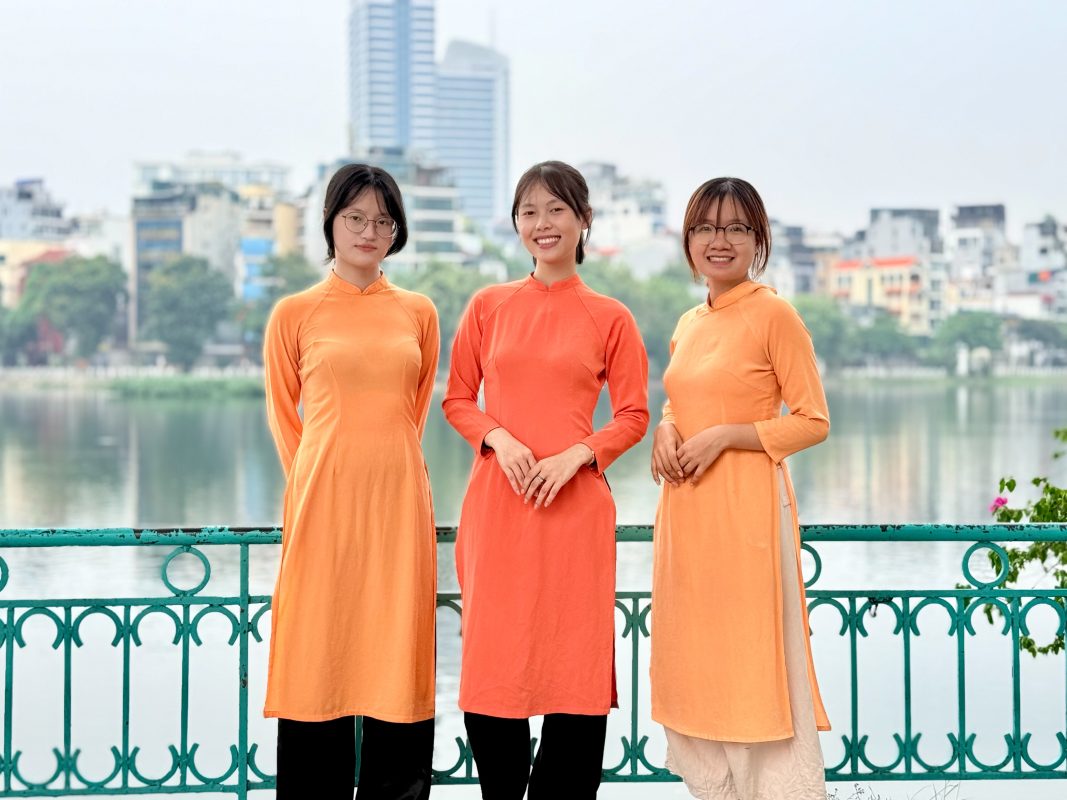
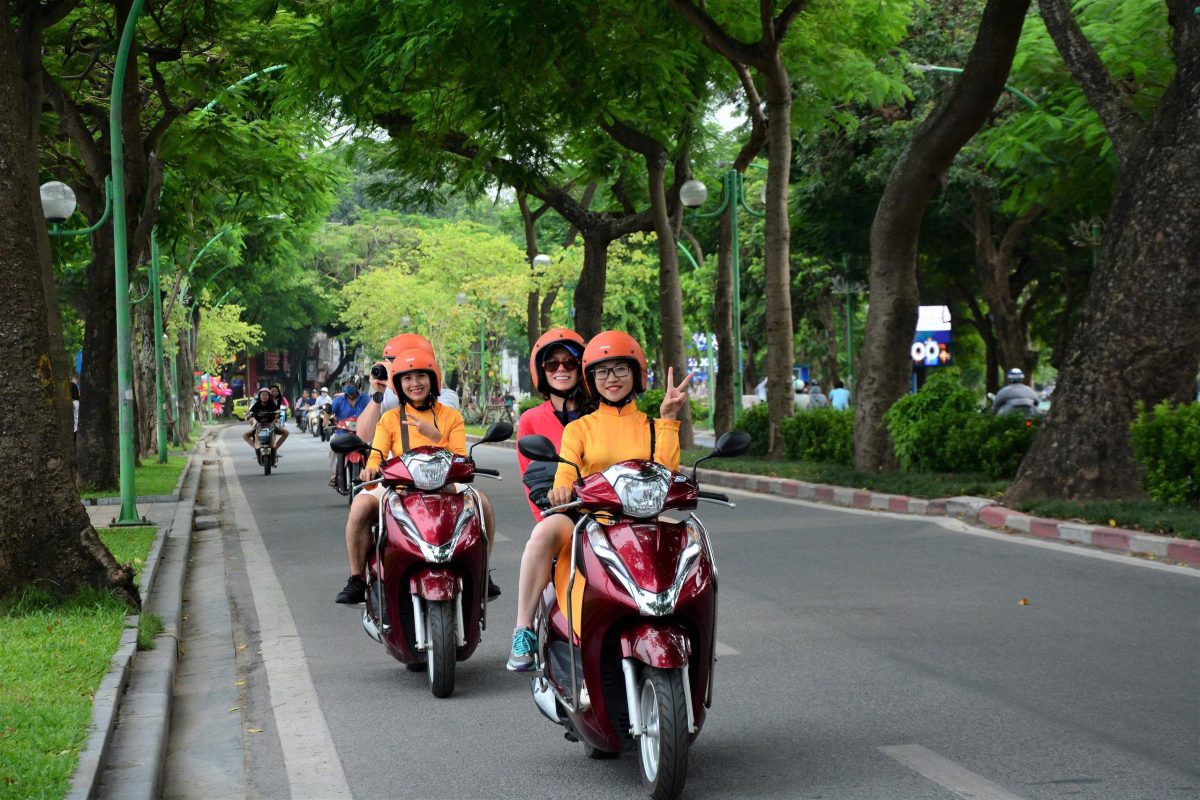
A private morning food tour can combine phở, bánh cuốn, xôi, bún thang, Vietnamese coffee and other traditional breakfast dishes with sightseeing around the Old Quarter, Hoan Kiem Lake, French Quarter, Trúc Bạch and other parts of Hanoi.
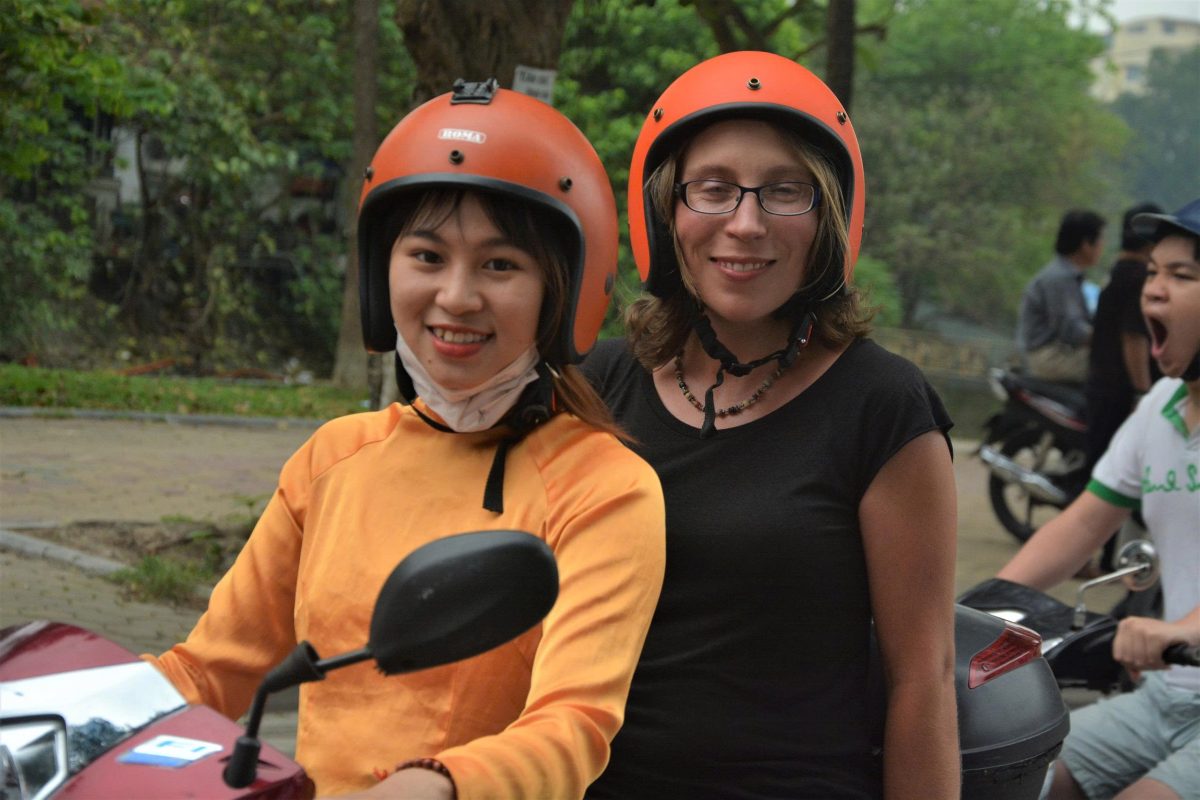
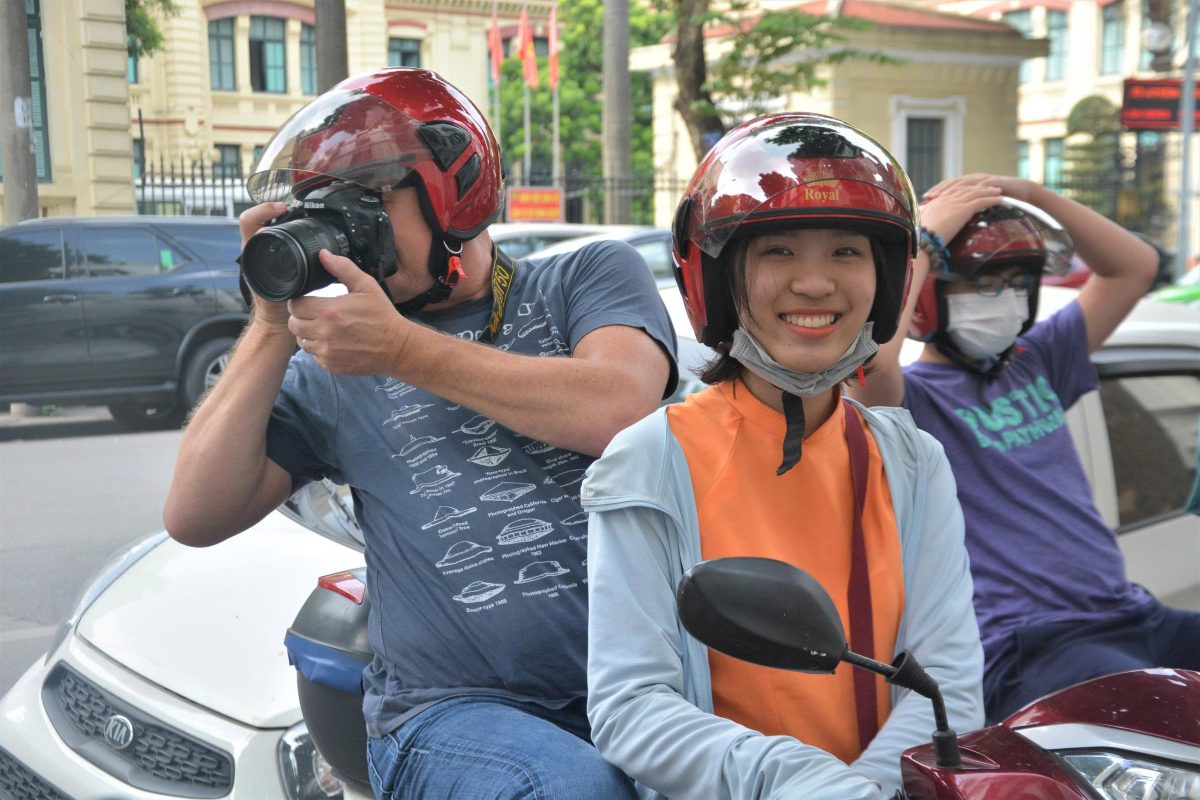
The private format is particularly useful for couples, families and small groups because the food selection can be adjusted around appetite, dietary requirements and the dishes you most want to experience. With Vietnamese women as professional guides and drivers, the focus is on connecting breakfast, food culture, Hanoi’s streets and personal service in one relaxed morning.
Final Thoughts
Vietnamese breakfast in Hanoi is far more diverse than phở. Phở bò is the essential starting point, but bánh cuốn, xôi, bún thang, miến, bún ốc and other traditional dishes reveal different sides of the city’s culinary culture.
If you have three mornings in Hanoi, do not repeat the same breakfast. Try phở on the first morning, bánh cuốn on the second and xôi or bún thang on the third. Add Vietnamese coffee each morning and you will already have experienced a surprisingly broad part of Hanoi’s food culture.
The best Hanoi breakfast is not necessarily the most famous dish. It is the meal that gets you out onto the streets early, sitting among the morning rhythm of the city, eating something freshly prepared and starting the day the Vietnamese way.