Hanoi Coffee Guide: Egg Coffee, Vietnamese Coffee & More
Hanoi is one of Asia’s most interesting coffee cities, and understanding its coffee culture is an essential part of experiencing the capital. Coffee in Hanoi is not simply something to drink before work. It is a daily ritual that takes place on tiny sidewalk stools, inside old French-colonial buildings, in hidden courtyards and in modern specialty cafés. Vietnam Tourism describes Hanoi as being at the center of the country’s evolving coffee scene, where traditional robusta-based drinks now coexist with modern roasting, specialty coffee and creative combinations such as coconut coffee and cold brew.
For first-time visitors, egg coffee, Vietnamese iced milk coffee and traditional phin coffee should be at the top of the list. But Hanoi’s coffee culture goes much further. You can try coconut coffee, black coffee, bạc xỉu, specialty Arabica, salted coffee and contemporary creations, while the café itself becomes part of the experience.
Why Coffee Is So Important in Hanoi
Coffee became deeply established in Vietnam during the French colonial period, but Vietnamese coffee culture developed its own identity. Vietnam’s coffee industry is strongly associated with robusta, a bean known for its powerful aroma, bitterness and high caffeine content. The traditional phin filter then turns this strong coffee into a slow-drip ritual rather than a quick espresso-style drink. Vietnam Tourism describes the phin as central to the country’s coffee identity and notes the growing international interest in Vietnamese robusta.
In Hanoi, the setting is just as important as the drink. You might sit on a tiny plastic stool beside a busy street, drink coffee inside a narrow tube house, climb several flights of stairs to a hidden café or sit inside a restored colonial building. Vietnam Tourism specifically highlights Hanoi’s heritage cafés, modern specialty shops and converted historic buildings as important parts of the city’s coffee culture.
1. Egg Coffee – The Hanoi Coffee You Must Try
Cà phê trứng, or Vietnamese egg coffee, is the drink most closely associated with Hanoi.
It combines strong Vietnamese coffee with a creamy mixture made from egg yolk, sugar and condensed milk. The result is rich, sweet and almost dessert-like, while the bitterness of the robusta coffee prevents it from becoming overwhelmingly sweet. Vietnam Tourism describes egg coffee as a Hanoi-born specialty and identifies it as one of the city’s essential culinary experiences.
For a first-time visitor, egg coffee is the obvious starting point.
The History of Hanoi Egg Coffee
The story of egg coffee is closely connected with Nguyễn Văn Giảng, who developed the drink during a period when milk was difficult to obtain. He used whipped egg yolk as a substitute to create a creamy topping for coffee. The drink later became associated with Café Giảng in Hanoi’s Old Quarter.
MICHELIN describes the drink as combining whipped egg yolk, condensed milk and robusta coffee, with the creamy topping balancing the bitterness of the coffee.
How Should You Drink Egg Coffee?
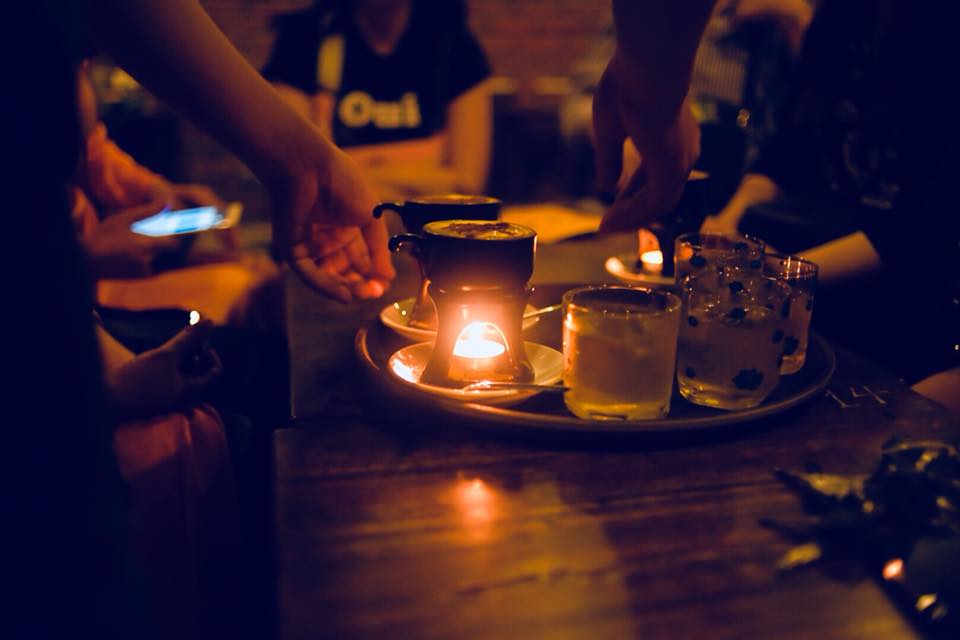
Egg coffee is normally served in a small cup, sometimes sitting inside a bowl of warm water to maintain its temperature. Rather than immediately stirring everything together, take a few spoonfuls from the top and then gradually combine the creamy egg layer with the coffee underneath.
The texture is closer to a soft custard or liquid dessert than ordinary coffee, which is why many first-time visitors are surprised by it.
2. Cà Phê Sữa Đá – Vietnamese Iced Milk Coffee
If egg coffee is Hanoi’s most famous specialty drink, cà phê sữa đá is arguably Vietnam’s most iconic everyday coffee.
Strong coffee is slowly brewed through a metal phin filter and combined with sweetened condensed milk before being poured over ice. The result is intense, sweet, creamy and refreshing.
Vietnam Tourism describes cà phê sữa đá as a quintessential Vietnamese coffee experience, particularly suited to hot weather.
If you normally drink sweet iced coffee, this is probably the easiest Vietnamese coffee for you to enjoy.
3. Cà Phê Đen – Vietnamese Black Coffee
Cà phê đen is Vietnamese black coffee without condensed milk.
It can be served hot or over ice. Because Vietnamese robusta is generally much stronger and more bitter than the coffee many international travelers are accustomed to, the first sip can be surprisingly intense.
Vietnam Tourism notes that black Vietnamese coffee can be an acquired taste because of its bitterness.
If you enjoy strong coffee, try it without sugar first. If it is too intense, add sugar or order the iced version.
4. Cà Phê Phin – The Traditional Vietnamese Brewing Method
The phin is one of the most important objects in Vietnamese coffee culture.
It is a small metal filter placed directly over a cup. Ground coffee is placed inside, hot water is added and the coffee slowly drips through the filter.
The process takes longer than using an espresso machine, but that is part of the experience. Vietnam Tourism describes the slow-dripping phin method as a coffee ritual that encourages people to pause, talk and enjoy the moment.
For coffee enthusiasts, watching a phin slowly fill your cup is almost as important as drinking the coffee itself.
5. Coconut Coffee – Cà Phê Cốt Dừa
Coconut coffee combines strong Vietnamese coffee with coconut cream or coconut milk and, depending on the preparation, ice or a blended coconut mixture.
It is creamy, cold and refreshing, making it especially enjoyable during Hanoi’s hotter months. Vietnam Tourism describes coconut coffee as one of the creative modern variations that has become popular alongside traditional Vietnamese coffee.
For travelers who find black Vietnamese coffee too strong, coconut coffee is an excellent introduction.
6. Salt Coffee – Cà Phê Muối
Although cà phê muối, or salted coffee, is strongly associated with Hue rather than Hanoi, you can increasingly find versions of it in Hanoi cafés.
The drink combines Vietnamese coffee with a creamy salted topping. The small amount of salt can reduce the perception of bitterness while making the coffee taste richer.
Vietnam Tourism identifies salted coffee as one of the creative variations now appearing alongside traditional Vietnamese coffee in Hanoi.
If you are traveling through both Hanoi and Hue, compare the two cities’ interpretations.
7. Bạc Xỉu – Sweet and Creamy Vietnamese Coffee
Bạc xỉu contains significantly more milk than traditional cà phê sữa. The coffee flavor is softer, sweeter and less bitter.
It is a good choice for travelers who enjoy milk-based coffee but are not accustomed to the intensity of Vietnamese robusta.
MICHELIN describes bạc xỉu as a drink where getting the balance between coffee and milk is important: too much milk makes it overly sweet, while too much coffee makes it too bitter.
8. Vietnamese Coffee with Condensed Milk
One of the defining characteristics of Vietnamese coffee is the use of sweetened condensed milk rather than fresh milk.
The combination works particularly well with robusta because the sweetness and creaminess balance the coffee’s bitterness and intensity. This is why Vietnamese iced milk coffee tastes dramatically different from a standard iced latte.
If you only have time for two drinks in Hanoi, I recommend egg coffee and cà phê sữa đá.
9. Coffee on a Hanoi Sidewalk
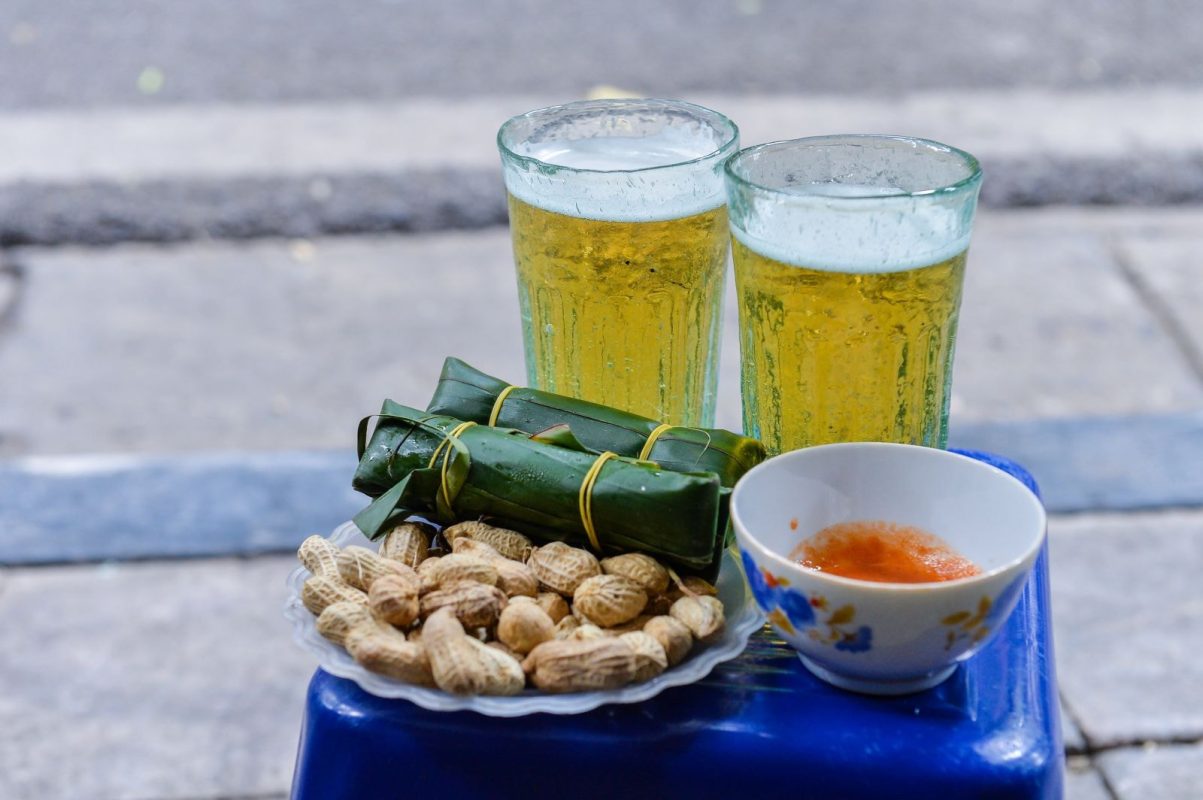
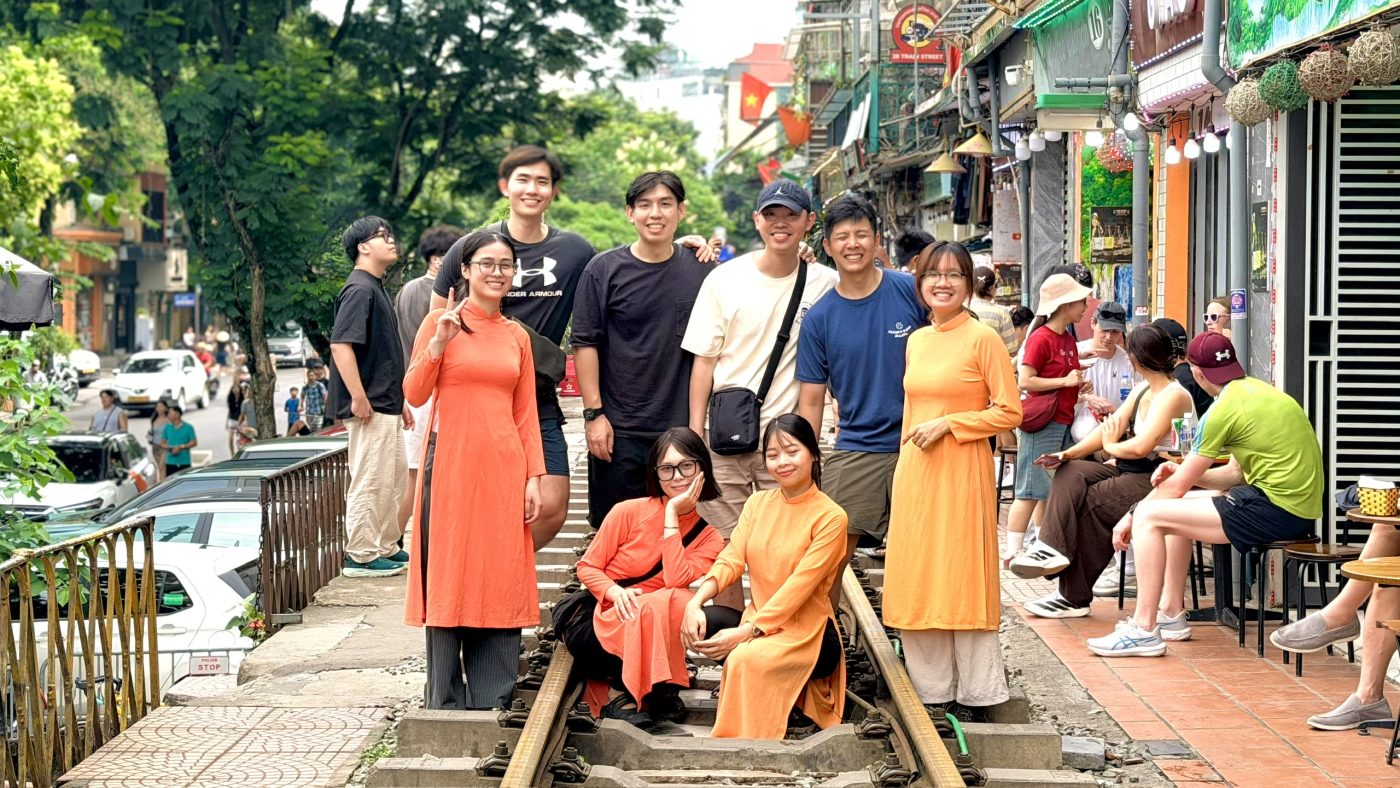
One of the simplest and most memorable coffee experiences is sitting outside on a tiny stool with a small glass of coffee while Hanoi moves around you.
Vietnam Tourism describes sidewalk coffee as an important part of the country’s social coffee culture. The experience is less about luxury service and more about sitting, talking, observing traffic and taking your time.
For travelers staying in the Old Quarter, this experience is particularly easy to find.
10. Coffee in the Hanoi Old Quarter
The Old Quarter is one of the best places to explore Hanoi’s coffee culture because cafés are everywhere, from street-level shops to hidden spaces inside narrow buildings.
Vietnam Tourism specifically recommends stopping for coffee while exploring the Old Quarter and highlights the area’s hidden cafés, traditional architecture and streets filled with food and coffee shops.
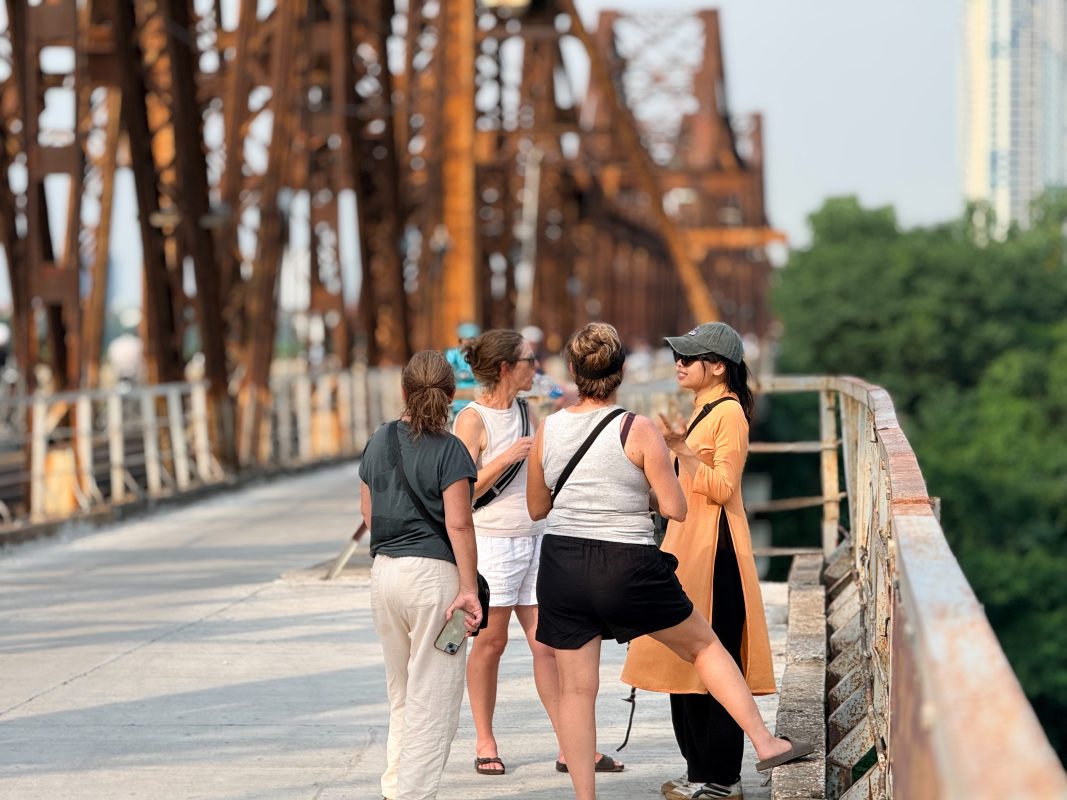
One famous route begins with egg coffee and continues through Hang Gai Street, Dong Xuan Market and toward Long Bien Bridge.
11. Café Giảng and the Original Egg Coffee Tradition
Café Giảng is one of the most important names in Hanoi’s coffee story because of its connection to the origin of egg coffee.
Vietnam Tourism identifies Café Giảng as the original home of Hanoi egg coffee and lists its current location in the Old Quarter area.
The café is not about a polished luxury interior. Its importance comes from its history and the connection between the drink and Hanoi’s culinary identity.
If you are interested in food history, this is one coffee stop worth including in your Hanoi itinerary.
12. Café Pho Co – Coffee with a Hidden Hanoi View
Café Pho Co is another interesting experience because reaching the café involves passing through an alley and discovering a hidden interior.
Vietnam Tourism recommends it as a starting point for a Hanoi walking route and describes its egg coffee and views toward Hoan Kiem Lake.
This type of café demonstrates why Hanoi coffee is about more than the beverage. Finding the café, entering the narrow passage and discovering the space becomes part of the experience.
13. Loading T Café – Coffee Inside Historic Architecture
Loading T Café occupies part of a century-old colonial villa in the Old Quarter. Vietnam Tourism highlights its Indochina-era architecture, patterned tile flooring and vintage character.
The café also has its own interpretation of Vietnamese coffee, including egg coffee and coffee flavored with cinnamon.
This is a strong option for travelers who want to combine coffee with Hanoi architecture and photography.
14. Café Duy Tri – Traditional Coffee and Yogurt
Café Duy Tri has a long history dating back to the 1930s and is located in a narrow tube-house setting around West Lake.
Vietnam Tourism highlights the café for traditional Vietnamese coffee and homemade yogurt.
It is particularly interesting if your itinerary already includes West Lake and you want to experience a different side of Hanoi’s café culture away from the busiest Old Quarter streets.
15. Specialty Coffee in Hanoi
Hanoi’s coffee scene is no longer limited to traditional phin coffee.
A new generation of cafés is experimenting with specialty roasting, single-origin beans, fermentation techniques and modern brewing methods. Vietnam Tourism notes that contemporary cafés now work with both Vietnamese Arabica and innovative processing techniques.
For travelers accustomed to espresso, pour-over or filter coffee, Hanoi has plenty of options beyond condensed milk drinks.
16. Robusta Coffee – The Taste Behind Vietnamese Coffee
To understand Vietnamese coffee, you need to understand robusta.
Vietnam is particularly important to the global robusta industry, and Vietnamese roasters have developed a distinctive style around the bean. It produces a powerful cup with substantial bitterness and aroma, making it particularly compatible with condensed milk, egg foam and other ingredients.
The modern Vietnamese coffee scene is also challenging the idea that robusta is simply an inferior alternative to Arabica. Specialty Vietnamese producers are increasingly emphasizing bean quality, processing and roasting.
17. Arabica Coffee in Hanoi
Although robusta dominates Vietnam’s coffee identity, Arabica is increasingly important in specialty cafés.
Arabica grown in Vietnam, particularly from highland regions such as Đà Lạt, can offer a lighter and more complex flavor profile. Modern Hanoi cafés use these beans for espresso, pour-over and other specialty brewing techniques.
This is the best direction for travelers who enjoy lighter, fruitier coffee rather than strong traditional Vietnamese robusta.
18. Hanoi Coffee and French-Colonial Architecture
One of the pleasures of drinking coffee in Hanoi is the architecture around you.
French influence can be seen in many older buildings, while later periods introduced narrow tube houses, Soviet-era structures and contemporary architecture. Some cafés occupy converted villas or apartments, creating spaces where coffee and Hanoi history overlap.
Vietnam Tourism specifically recommends architecture-focused cafés such as Loading T and Hanoi House for travelers interested in the city’s buildings as much as its drinks.
19. Hanoi Coffee and Street Life
Coffee is one of the easiest ways to observe Hanoi without rushing.
Sit near Hoan Kiem Lake in the morning and you may see people exercising. Sit in the Old Quarter later in the day and you will see businesses opening, motorcycles passing and tourists moving through the narrow streets.
Vietnam Tourism’s Hanoi coverage repeatedly connects coffee with street life, conversation and people-watching.
This is why ordering a coffee and drinking it slowly can be a more meaningful Hanoi experience than simply grabbing a takeaway cup.
20. Coffee Around Hoan Kiem Lake
Hoan Kiem Lake is one of the easiest areas for combining sightseeing and coffee.
You can walk around the lake, explore the Old Quarter and stop at a café for egg coffee or traditional Vietnamese coffee. Vietnam Tourism’s suggested walking routes specifically combine coffee, the Old Quarter, Dong Xuan Market and Long Bien Bridge.
For first-time visitors, this is one of the simplest ways to build a coffee-focused morning.
21. Coffee in the French Quarter
The French Quarter provides a more spacious alternative to the narrow streets of the Old Quarter.
It is particularly suitable for travelers who prefer elegant cafés, historic buildings and a slower atmosphere. MICHELIN recommends Triệu Việt Vương as an unofficial café hub, making the area interesting for travelers who want to explore Hanoi’s coffee scene beyond egg coffee.
22. Coffee Around West Lake
West Lake offers a very different coffee atmosphere.
The streets around the lake contain traditional cafés, modern specialty coffee shops and larger spaces where you can sit for longer. Café Duy Tri is one of the historic examples highlighted by Vietnam Tourism.
For travelers staying in Tay Ho or planning a West Lake sightseeing route, coffee here can be combined naturally with Trúc Bạch Lake and other northern Hanoi attractions.
23. What Is the Best Vietnamese Coffee for First-Time Visitors?
If you have never tried Vietnamese coffee, I recommend this order:
First: Cà phê sữa đá. It introduces you to the classic combination of strong coffee, condensed milk and ice.
Second: Cà phê trứng. This is the quintessential Hanoi specialty.
Third: Cà phê đen đá. This allows you to taste Vietnamese coffee without milk.
Fourth: Cà phê dừa. Try this if you prefer creamy and refreshing drinks.
Fifth: Specialty pour-over or espresso. This lets you explore modern Vietnamese coffee.
24. Best Hanoi Coffee for People Who Don’t Like Strong Coffee
If you normally prefer mild coffee, start with bạc xỉu or coconut coffee.
Egg coffee is also approachable because the creamy topping softens the bitterness, although the underlying coffee remains strong.
Avoid beginning with black robusta coffee if you are sensitive to caffeine or bitterness.
25. Best Hanoi Coffee for Coffee Lovers
Experienced coffee drinkers should try the traditional phin black coffee first, followed by a Vietnamese iced milk coffee.
Then explore Hanoi’s specialty cafés and compare Vietnamese robusta with Vietnamese Arabica. This gives you a much better understanding of the country’s coffee industry than simply drinking egg coffee.
26. How to Order Vietnamese Coffee
Ordering is relatively straightforward. Ask for cà phê đen for black coffee, cà phê sữa for coffee with condensed milk, cà phê sữa đá for iced milk coffee and cà phê trứng for egg coffee.
If you want hot coffee, specify nóng. If you want iced coffee, đá is the key word.
For travelers who are sensitive to caffeine, it is worth remembering that Vietnamese robusta can be powerful even when the drink tastes sweet and creamy.
27. When Is the Best Time to Drink Coffee in Hanoi?
There is no single correct time.
Morning is excellent for traditional phin coffee and egg coffee, particularly around Hoan Kiem Lake and the Old Quarter.
Afternoon is ideal for coconut coffee or iced milk coffee when Hanoi is warmer.
Evening works well for egg coffee and modern cafés, especially when combined with a night food tour.
MICHELIN’s Hanoi recommendations specifically include coffee as part of a morning exploration of the city.
28. How Long Should You Spend at a Hanoi Café?
Do not rush.
Vietnamese coffee culture is built around sitting and talking, so allow 30–60 minutes for a proper café stop. If you are photographing the architecture or exploring a historic café, allow longer.
The experience is not simply “drink coffee and leave.” The atmosphere is part of the attraction.
29. Hanoi Coffee Tour: The Best Route for First-Time Visitors
A practical coffee-focused route can begin around Hoan Kiem Lake, continue into the Old Quarter for egg coffee, explore Hang Gai and nearby streets, then move toward the French Quarter for another coffee style. From there, continue toward Trúc Bạch and West Lake if you want to explore more of Hanoi.
For serious coffee enthusiasts, add a specialty café and compare a traditional phin coffee with a modern espresso or pour-over.
This route also works particularly well as part of a Hanoi food tour because coffee naturally fits between breakfast, lunch and evening street food.
30. Hanoi Coffee vs Vietnamese Coffee Around the Country
Vietnam’s coffee culture changes by destination.
Hanoi is particularly famous for egg coffee and traditional Northern café culture. Hue is strongly associated with salted coffee. Ho Chi Minh City has an enormous café scene ranging from sidewalk coffee to modern specialty shops. Da Lat is important for Arabica production and specialty coffee.
This means that a North-to-South Vietnam itinerary can become a coffee journey as well as a food journey.
Hanoi Coffee for Couples
For couples, coffee is one of the easiest experiences to combine with sightseeing.
Start with egg coffee around the Old Quarter, walk around Hoan Kiem Lake, explore the French Quarter and finish with a quieter café overlooking a street or lake.
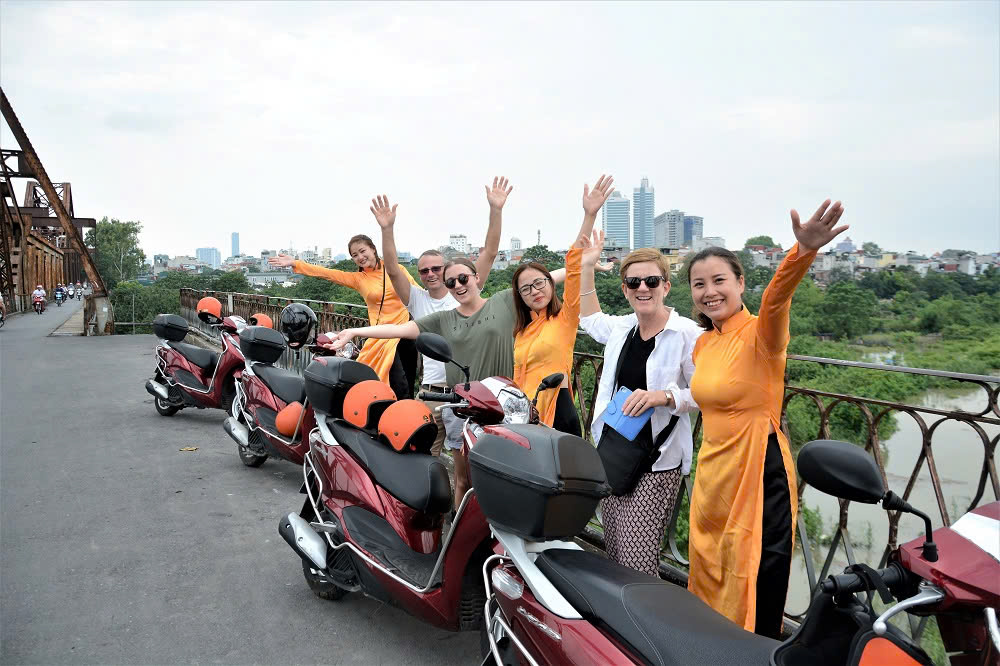
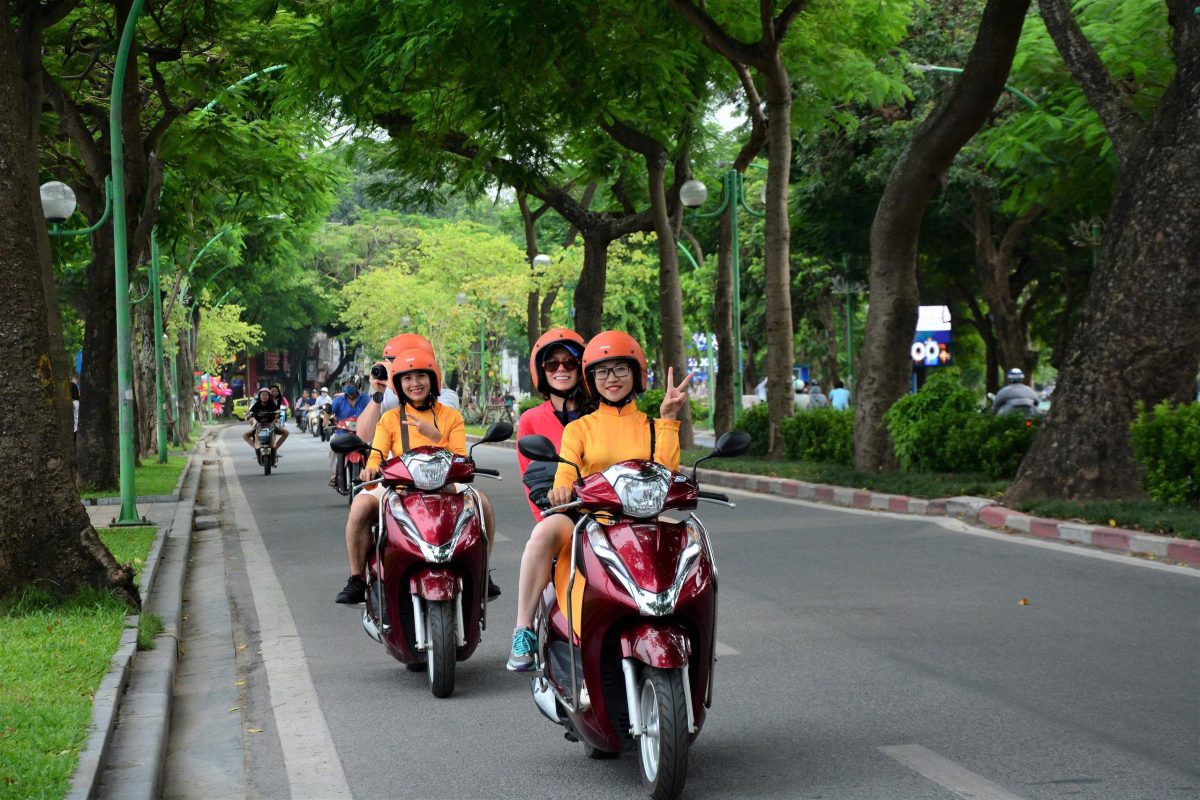
A private Vespa or motorbike tour can make the experience even more interesting by connecting several coffee neighborhoods without spending the entire day walking.
Hanoi Coffee for Families
Families should start with sweeter drinks such as coconut coffee or milk coffee rather than very strong black robusta.
Egg coffee can also be interesting for older children because it feels more like a dessert than conventional coffee. Younger children can choose yogurt, smoothies or other non-caffeinated drinks while adults explore Vietnamese coffee.
Hanoi Coffee for Food Lovers
Coffee should be included in your Hanoi food itinerary, not treated as a separate activity.
A perfect food-focused day could begin with phở and black coffee, continue with bánh cuốn, stop for egg coffee in the afternoon, enjoy street food in the evening and finish with another specialty coffee or Vietnamese dessert.
Vietnam Tourism itself places coffee alongside street food, egg coffee and other culinary experiences in its Hanoi recommendations.
What Makes Hanoi Coffee Different?
The biggest difference is the combination of strong robusta, condensed milk, slow phin brewing and café culture.
But the real distinction is the way coffee is consumed. Hanoi cafés are social spaces. They can be tiny, improvised sidewalk setups or carefully designed specialty shops, yet both can offer the same essential experience: sit down, slow down and watch Hanoi.
Experience Hanoi Coffee with Vietnam Women Travel
Vietnam Women Travel – Premium Private Tours Led by Women offers private Hanoi experiences that can combine the city’s coffee culture with food, history and sightseeing.
A private morning or afternoon route can include egg coffee, traditional phin coffee, Vietnamese iced milk coffee and specialty cafés, combined with the Old Quarter, Hoan Kiem Lake, French Quarter, West Lake and other parts of Hanoi.
For travelers who want more than simply visiting a famous café, the experience can be built around the history of Vietnamese coffee, the architecture of Hanoi’s old cafés and the street culture surrounding them. Couples, families and small groups can also adjust the pace and coffee stops around their preferences.
Final Thoughts
A Hanoi coffee experience should go far beyond ordering one egg coffee and taking a photograph.
Try cà phê sữa đá to understand classic Vietnamese coffee, cà phê trứng to experience Hanoi’s signature creation, cà phê đen đá to appreciate robusta on its own and cà phê dừa for a refreshing modern variation. Then visit a specialty café to discover how Vietnam’s coffee scene is evolving.
Most importantly, slow down. Sit on a small stool, watch the motorcycles pass, listen to the city and let the phin drip into your cup.
That is the real Hanoi coffee experience.