Northern Vietnam Itinerary: The Perfect 7, 10 & 14-Day Routes
Northern Vietnam is one of the best regions in the country for a multi-destination journey because the landscape changes dramatically from one destination to the next. Hanoi gives you historic streets, Vietnamese food and city culture; Sapa brings rice terraces and mountain villages; Ha Giang offers some of Vietnam’s most spectacular mountain roads; and Halong Bay provides a completely different experience among limestone islands and calm coastal waters. The key to planning a good Northern Vietnam itinerary is not simply adding more destinations. The route needs to make geographic sense, allow enough time for transportation and leave enough time to actually experience each place. For most first-time visitors, the strongest route begins in Hanoi, continues to Sapa, moves north to Ha Giang, returns toward Hanoi and finishes with Halong Bay.
Northern Vietnam Itinerary at a Glance
For travelers with only 7 days, the best option is to concentrate on Hanoi, Sapa and Halong Bay rather than trying to force Ha Giang into the schedule. A 10-day Northern Vietnam itinerary gives you enough time to add the Ha Giang Loop and experience the mountains without making every day a long transfer. With 14 days, you can travel much more comfortably through Hanoi, Sapa, Ha Giang and Halong Bay, while adding extra nights for trekking, cultural experiences and relaxation. The most important rule is simple: do not treat Sapa and Ha Giang as interchangeable destinations. Sapa is primarily about rice terraces, trekking and mountain culture, while Ha Giang is about dramatic roads, limestone mountains, passes and remote valleys.
7-Day Northern Vietnam Itinerary: Hanoi, Sapa & Halong Bay
A 7-day itinerary should focus on three destinations rather than attempting to cover the entire north. The recommended route is Hanoi → Sapa → Hanoi/ Halong Bay → Halong Bay → Hanoi. This route provides a good balance of culture, mountains and coastline while avoiding the exhausting transportation schedule that would result from adding Ha Giang.
Day 1: Arrive in Hanoi and Explore the Old Quarter
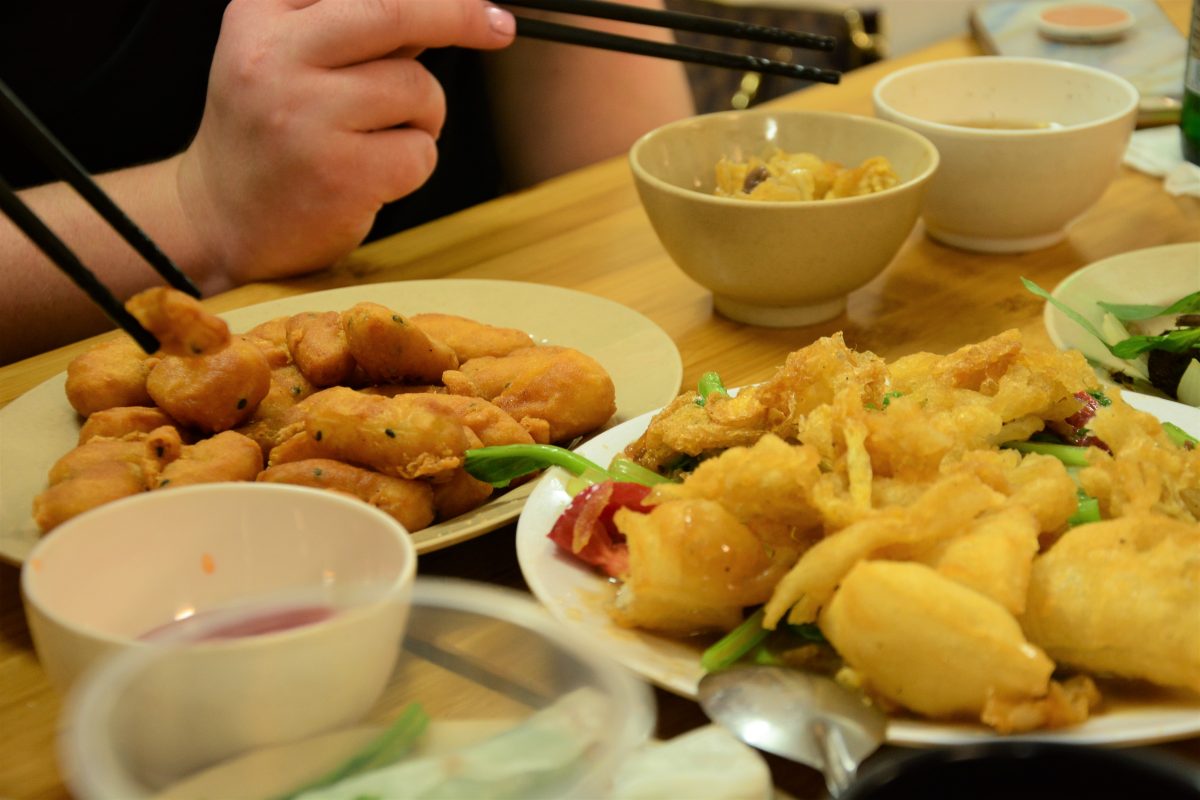
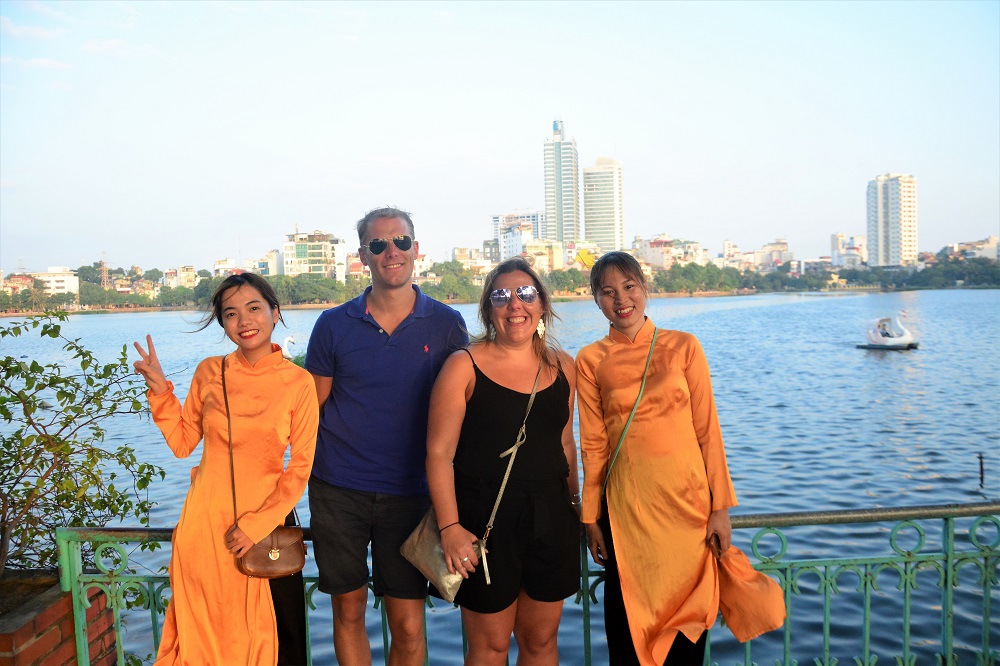
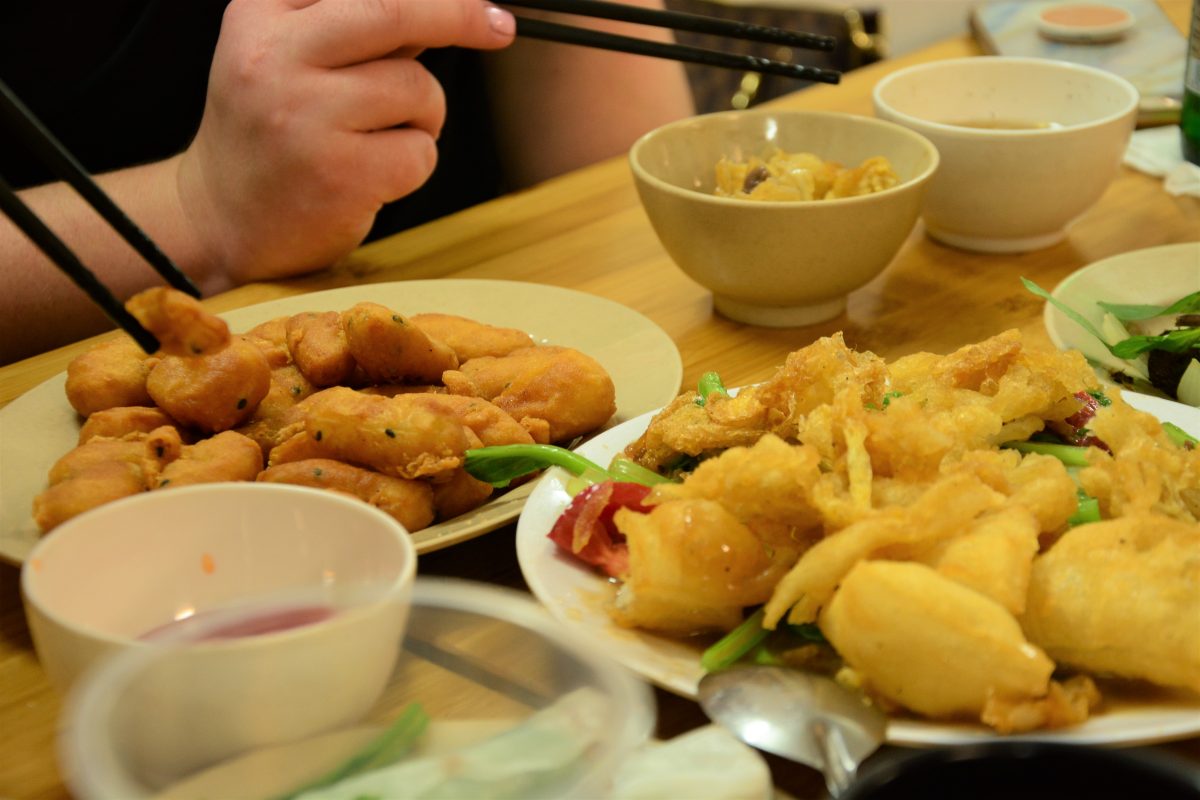
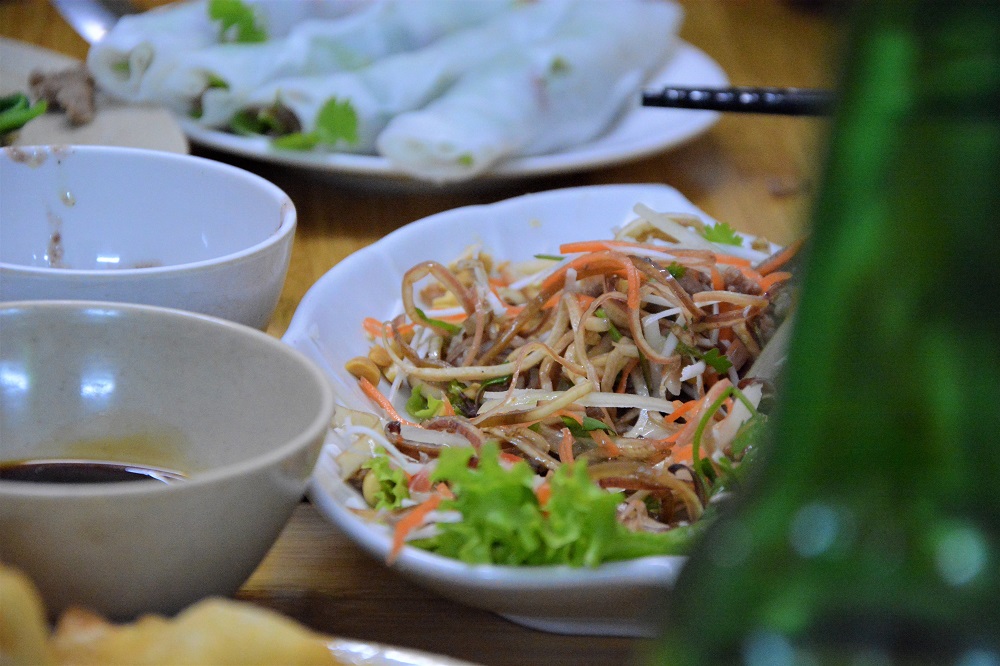
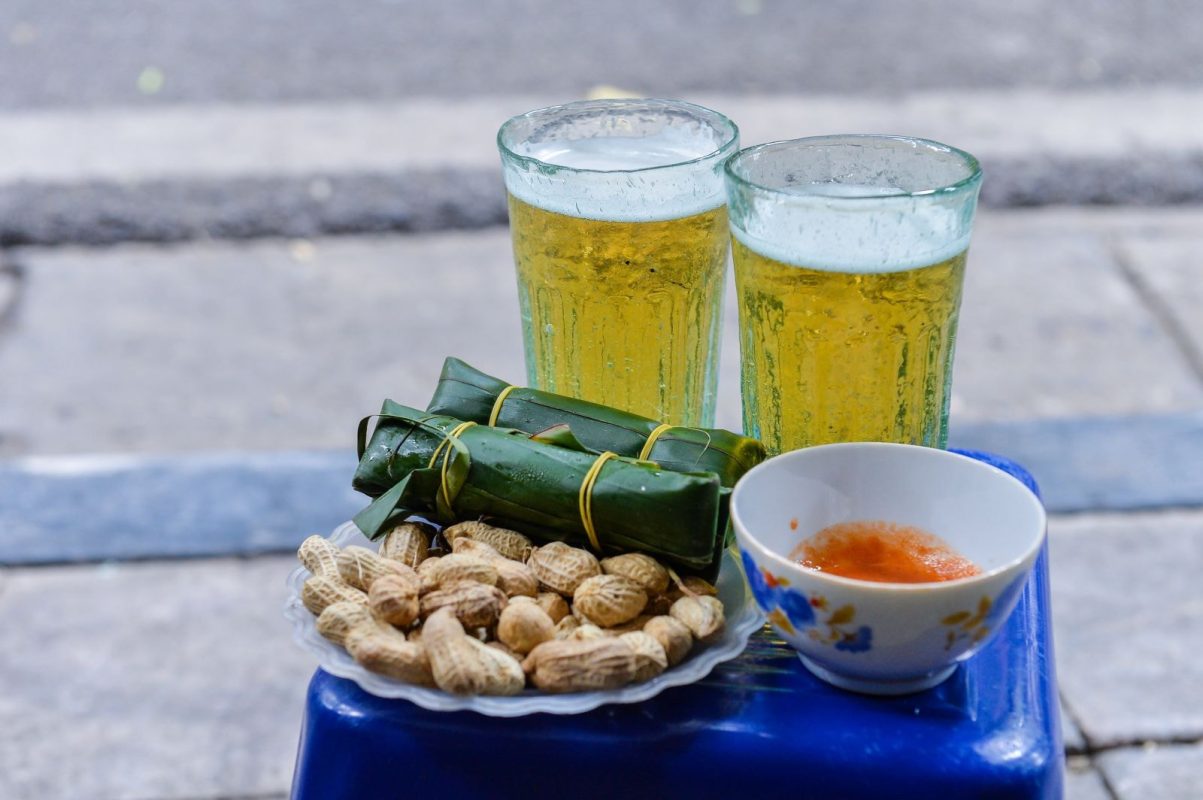
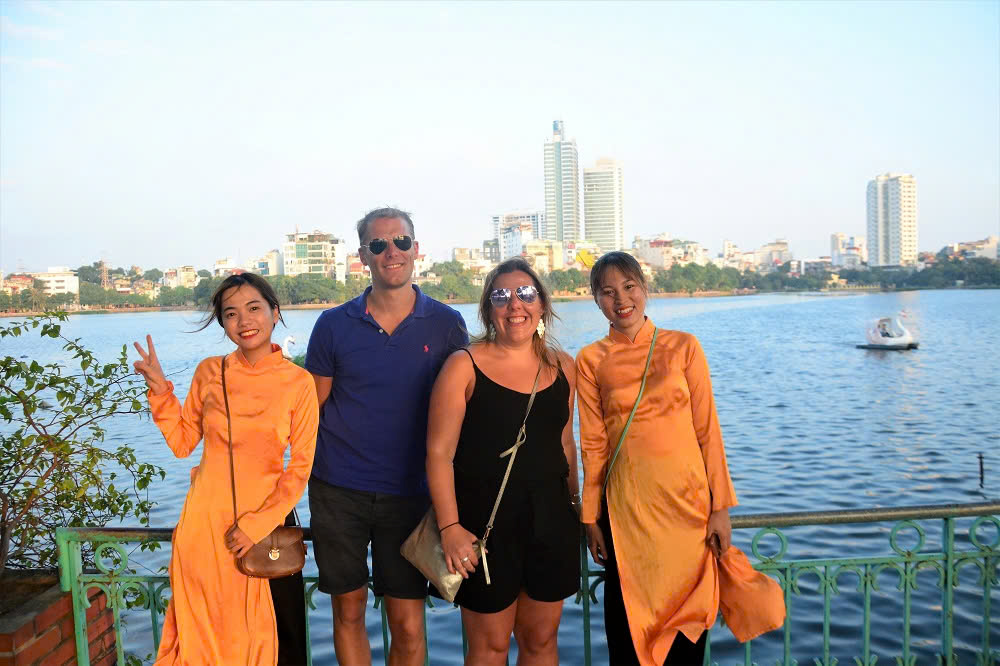
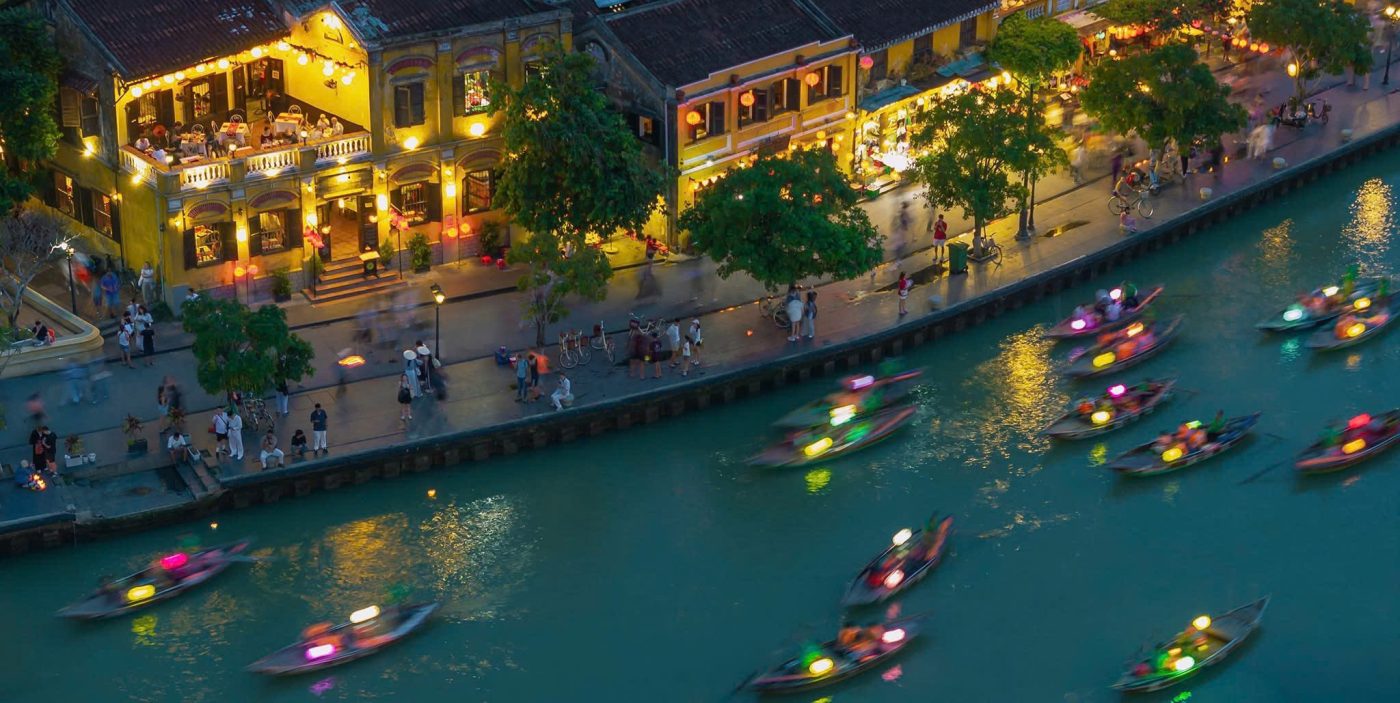
Start your Northern Vietnam journey in Hanoi. After arriving and checking into your hotel, spend the afternoon around Hoan Kiem Lake and the Old Quarter rather than traveling across the city. Walk through Hang Gai, Hang Bac, Ma May and the surrounding streets, then stop at a traditional Vietnamese café. In the evening, focus on Hanoi’s food culture with dishes such as pho, bun cha, cha ca, banh cuon and egg coffee. The first night should be relaxed because Hanoi is more enjoyable when explored on foot rather than treated as a checklist of attractions.
Day 2: Hanoi City, History and Street Food
Use your second day for Hanoi’s major cultural attractions and neighborhoods. Depending on your interests, visit the Temple of Literature, the Ho Chi Minh complex area, the Imperial Citadel of Thang Long or the city’s museums before returning toward the Old Quarter. In the afternoon, explore the French Quarter and Hoan Kiem area, then spend the evening on a dedicated Vietnamese food experience. Hanoi’s street food is one of the strongest reasons to spend two full days in the capital, and dishes are often best experienced in small family-run restaurants and street-side eateries rather than international restaurants.
Day 3: Hanoi to Sapa and Muong Hoa Valley
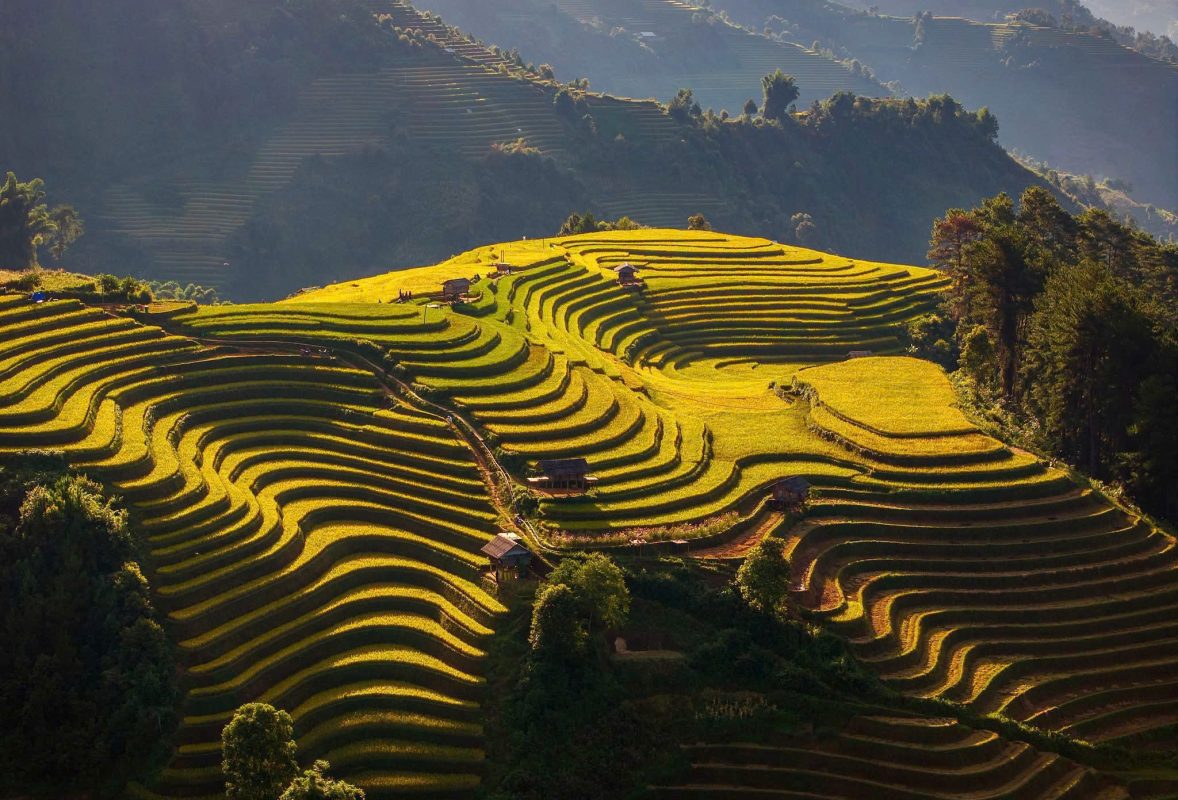
Travel from Hanoi to Sapa in the morning by comfortable road transportation. The journey takes several hours, so avoid scheduling too many activities immediately after arrival. Once in Sapa, travel into the surrounding countryside and explore Muong Hoa Valley, one of the region’s most recognizable landscapes. The valley contains extensive rice terraces and villages associated with Hmong, Red Dao and Giay communities. If conditions are suitable, take a short afternoon walk around Lao Chai or Ta Van before returning to Sapa for the evening.
Day 4: Fansipan and Sapa Mountain Villages
Spend the morning visiting Fansipan, Vietnam’s highest mountain at 3,143 meters. The cable car provides access to the summit area without requiring a multi-day climb, although weather can dramatically affect visibility. In the afternoon, return to the countryside for a shorter walk or visit Ta Phin, where travelers can learn about Red Dao culture, traditional handicrafts and herbal bathing traditions. This combination gives you two different sides of Sapa: the high-altitude mountain landscape and the rural communities below.
Day 5: Sapa to Halong Bay
This is the longest transportation day of the 7-day itinerary, so private transportation or a carefully coordinated transfer is highly recommended. Travel from Sapa back toward the Halong Bay area and check into your accommodation or cruise according to the schedule. If an overnight cruise is planned for the following day, use this evening to rest rather than adding another major attraction. A good itinerary should recognize that long-distance travel consumes time and energy.
Day 6: Halong Bay Overnight Cruise
Spend the day on Halong Bay, surrounded by limestone islands and karst formations rising from the sea. Depending on the cruise, activities may include kayaking, cave visits, swimming, sunset viewing and Vietnamese cooking activities. Halong Bay is part of the Ha Long Bay–Cat Ba Archipelago UNESCO World Heritage property, which covers 65,650 hectares and includes 1,133 islands and islets. An overnight cruise is preferable when time allows because it gives you more opportunity to experience the landscape rather than simply taking a short daytime boat trip.
Day 7: Halong Bay to Hanoi and Departure
Wake early for sunrise and enjoy the final hours on the bay before returning to port. Transfer back to Hanoi for your international flight or onward journey. If your flight departs late in the evening, you can use the afternoon for a final meal or shopping in the Old Quarter. This 7-day itinerary is best for travelers who want a first introduction to Northern Vietnam without spending most of their vacation on the road.
10-Day Northern Vietnam Itinerary: Hanoi, Sapa, Ha Giang & Halong Bay
If you have 10 days, you can add Ha Giang and experience the famous mountain loop. This is the itinerary I would recommend for travelers who want to see the greatest variety of Northern Vietnam without extending the trip to two weeks. The route is Hanoi → Sapa → Ha Giang → Hanoi → Halong Bay → Hanoi. Because Ha Giang involves mountain roads and multiple scenic stops, three days is the minimum I recommend, while four days gives you a much better experience.
Day 1: Arrive in Hanoi
Arrive in Hanoi and stay in or near the Old Quarter. Spend the afternoon walking around Hoan Kiem Lake and exploring the surrounding streets. In the evening, enjoy a Vietnamese dinner and try several Hanoi specialties instead of eating at a familiar international restaurant. Keep the first evening flexible if your international flight arrives late.
Day 2: Full-Day Hanoi City Experience
Spend the second day exploring Hanoi’s history and food culture. Visit major historical sites in the morning, explore the Old Quarter and French Quarter in the afternoon, and finish with a street-food experience in the evening. Allow time to sit in a café, watch the traffic and observe everyday life because Hanoi is a city where the atmosphere between attractions is often as interesting as the attractions themselves.
Day 3: Hanoi to Sapa
Travel to Sapa in the morning. After arrival, check into your hotel and spend the afternoon exploring Sapa town before heading into the surrounding mountains. A short trek around Muong Hoa Valley or Ta Van is a good introduction to the area without creating an exhausting first day.
Day 4: Sapa Trekking and Muong Hoa Valley
Dedicate the day to the Sapa countryside. Trek through Muong Hoa Valley and visit villages such as Lao Chai and Ta Van. The main attraction is the landscape: steep mountains, layered rice terraces, narrow paths and traditional village communities. During the appropriate agricultural season, the terraces can be intensely green or turn golden before harvest. This is the day when Sapa should feel like a mountain destination rather than simply a resort town.
Day 5: Fansipan and Sapa to Ha Giang
Visit Fansipan early if the weather is clear, then return to Sapa and begin the journey toward Ha Giang. Because the transfer takes several hours, use the evening to rest in Ha Giang City. Do not schedule a demanding mountain-road experience on the same evening you arrive. A good night’s sleep is particularly important before starting the Ha Giang Loop.
Day 6: Ha Giang to Quan Ba and Yen Minh
Begin the Ha Giang Loop with the road toward Quan Ba and Yen Minh. The scenery becomes increasingly dramatic as you leave Ha Giang City and climb into the mountains. Stop at Heaven’s Gate and viewpoints overlooking Quan Ba before continuing toward Yen Minh. This is the beginning of the classic Ha Giang landscape of limestone peaks, steep valleys and winding mountain roads.
Day 7: Yen Minh to Dong Van
Continue toward Dong Van through the Dong Van Karst Plateau. Depending on the route and road conditions, stops can include mountain viewpoints, traditional villages and the Vuong Family Residence. Arrive in Dong Van in the afternoon and explore the old town before dinner. If your visit coincides with the weekend, the Dong Van market can provide an additional cultural experience.
Day 8: Dong Van, Ma Pi Leng, Meo Vac and Du Gia
This is one of the most spectacular days of the entire Northern Vietnam itinerary. Travel across Ma Pi Leng Pass, where enormous limestone cliffs rise above the Nho Que River. Stop at viewpoints and, where available and appropriate, take a boat experience on the river. Continue toward Meo Vac before heading toward Du Gia. Because this is a mountain route, do not rush the day simply to reach the final overnight stop. The viewpoints and road sections are the experience.
Day 9: Du Gia to Hanoi
Enjoy the quieter landscape around Du Gia in the morning before beginning the journey back toward Hanoi. The return drive takes several hours, so arrive in Hanoi in the late afternoon or evening. Stay near the Old Quarter or choose a hotel convenient for your next morning’s transfer to Halong Bay.
Day 10: Halong Bay and Departure
For a 10-day itinerary, you have two options. If your international departure is late, you can take a day cruise and return to Hanoi before your flight. If you have a later departure or can extend the trip slightly, an overnight Halong Bay cruise is much better. The UNESCO property includes Halong Bay and Cat Ba Archipelago and is recognized for its spectacular marine karst landscape, limestone towers, caves and coastal ecosystems.
14-Day Northern Vietnam Itinerary: The Most Comfortable Route
Fourteen days is the ideal length for travelers who want to experience Northern Vietnam in depth without turning the trip into a constant series of transfers. The recommended route is Hanoi → Sapa → Ha Giang → Hanoi → Halong Bay, with additional time allocated to each destination. The extra four days compared with the 10-day route make a major difference because you can add a second trekking day in Sapa, a slower Ha Giang Loop and a proper overnight cruise in Halong Bay.
Day 1: Arrive in Hanoi
Arrive in Hanoi and settle into your hotel. Spend the evening around Hoan Kiem Lake and the Old Quarter. Keep the schedule light and focus on a relaxed Vietnamese dinner, especially if you have arrived after a long international flight.
Day 2: Hanoi Old Quarter, Hoan Kiem Lake and Street Food
Spend the morning around Hoan Kiem Lake and the Old Quarter. Explore the historic streets, traditional shops, markets and cafés. In the afternoon, visit selected cultural attractions before returning to the Old Quarter for dinner. Finish with Hanoi egg coffee or another traditional Vietnamese dessert.
Day 3: Hanoi Culture and Food Experience
Use your third day to explore areas that are easy to miss during a short city visit. Depending on your interests, visit the Imperial Citadel of Thang Long, the Temple of Literature, museums and the French Quarter. In the evening, dedicate several hours to Vietnamese food, trying dishes that you did not have on your first night.
Day 4: Hanoi to Sapa
Travel from Hanoi to Sapa and check into your hotel. Spend the afternoon exploring the town and nearby viewpoints before enjoying a relaxed dinner. If the weather is clear, this is also a good time to photograph the mountains around Sapa.
Day 5: Muong Hoa Valley Trek
Spend the full day trekking through Muong Hoa Valley, with a route connecting mountain villages and rice terraces. The exact trekking distance should be selected according to fitness level and weather. Rather than rushing between multiple villages, allow time for photographs, breaks and conversations with guides. This is the day to experience Sapa’s agricultural landscape at walking pace.
Day 6: Fansipan and Ta Phin
Visit Fansipan in the morning if weather conditions provide reasonable visibility. After returning to Sapa, continue toward Ta Phin for a cultural experience focused on Red Dao traditions, handicrafts and the surrounding mountain environment. Return to Sapa for the evening and enjoy a relaxed dinner.
Day 7: Sapa to Ha Giang
Travel from Sapa to Ha Giang by private vehicle or carefully coordinated road transfer. The journey takes much of the day, so treat this as a transition day rather than trying to add several sightseeing stops. Arrive in Ha Giang City, check into your hotel and prepare for the following morning.
Day 8: Ha Giang to Quan Ba and Yen Minh
Begin the Ha Giang Loop. Travel through mountain roads toward Quan Ba, stopping at Heaven’s Gate and viewpoints around the Twin Mountains. Continue toward Yen Minh through increasingly dramatic limestone landscapes. Overnight in the Yen Minh area to break up the route and avoid an unnecessarily long driving day.
Day 9: Yen Minh to Dong Van
Continue through the Dong Van Karst Plateau. This section combines mountain scenery with traditional villages and geological landscapes. Visit the Vuong Family Residence if your route and timing allow, then continue toward Dong Van. Spend the evening walking around the old town and have dinner in one of the small local restaurants.
Day 10: Dong Van to Meo Vac via Ma Pi Leng
Dedicate the day to the most spectacular mountain section of the loop. Travel from Dong Van across Ma Pi Leng Pass toward Meo Vac. Stop at viewpoints overlooking the Nho Que River and, when available, experience the river from below. The scale of the cliffs and valleys is difficult to appreciate from photographs, so give yourself enough time to stop and walk to viewpoints.
Day 11: Meo Vac to Du Gia
Continue from Meo Vac toward Du Gia. The landscape becomes quieter, with rice fields, valleys, streams and villages replacing some of the more dramatic high passes. Du Gia is an ideal place to slow down after several days of mountain travel. Spend the evening in the countryside rather than returning immediately to a large town.
Day 12: Du Gia to Hanoi
Enjoy a relaxed morning before beginning the return journey to Hanoi. After arriving, check into your hotel and have a final evening in the capital. This additional Hanoi night is valuable because it provides a buffer before your Halong Bay departure and avoids connecting a long mountain transfer directly with a cruise.
Day 13: Hanoi to Halong Bay – Overnight Cruise
Travel from Hanoi to Halong Bay and board your overnight cruise. Spend the afternoon among the limestone islands, with activities depending on your cruise itinerary. Sunset on the water is one of the best times to appreciate the scale of the landscape. An overnight stay allows you to experience the bay without reducing the visit to a short daytime boat ride.
Day 14: Sunrise in Halong Bay and Return to Hanoi
Wake early for sunrise and enjoy breakfast while cruising through the limestone formations. Depending on the cruise schedule, you may have time for kayaking, a cave visit or another short activity before returning to port. Transfer back to Hanoi for your international flight or onward travel. The 14-day itinerary finishes with a completely different landscape from where the trip began.
Why the 7-Day Route Works
The 7-day route is designed for travelers who want the major highlights without attempting to see every corner of Northern Vietnam. Hanoi provides the cultural foundation, Sapa introduces the mountains and rice terraces, and Halong Bay finishes the journey with a completely different coastal landscape. The major compromise is that there is not enough time for a proper Ha Giang Loop. Adding Ha Giang would mean reducing Sapa to one night or turning several days into long road-transfer days.
Why the 10-Day Route Works
The 10-day itinerary is the strongest option for travelers who want both Sapa and Ha Giang. You get enough time to see Hanoi, experience Sapa’s mountains and trekking, complete a shortened Ha Giang Loop and finish with Halong Bay. The schedule is active, but it provides much greater geographical and cultural variety than the 7-day route. If you are comfortable with road travel and want an adventurous Northern Vietnam trip, 10 days is a very good balance.
Why the 14-Day Route Is Better for Luxury Travel
Fourteen days is the best choice for travelers who value comfort, private transportation and a slower pace. The extra nights reduce the number of extremely long travel days and provide flexibility when mountain weather changes. You can spend two full days in Sapa, three to four days in Ha Giang and a full overnight cruise in Halong Bay while still having several nights in Hanoi. For premium private travel, this is considerably more comfortable than trying to compress everything into seven or eight days.
Best Route for Travelers Who Love Food
If food is one of your main interests, increase your time in Hanoi. The capital is the strongest food destination on this route, with specialties including pho, bun cha, cha ca, banh cuon and egg coffee. A private food tour can introduce small restaurants and street stalls that travelers may not find easily on their own. In Sapa and Ha Giang, focus more on regional ingredients, mountain dishes and food associated with ethnic communities rather than expecting the same restaurant style as Hanoi.
Best Route for Trekking
Choose the 14-day itinerary if trekking is important. Two full days in Sapa allow you to explore different sections of Muong Hoa Valley and visit villages such as Lao Chai and Ta Van without rushing. You can then dedicate the Ha Giang portion primarily to road travel and scenic viewpoints. Trying to combine long trekking days with aggressive mountain-road schedules can make the overall trip unnecessarily exhausting.
Best Route for Photography
The 14-day route also provides the best conditions for photographers. Hanoi offers architecture, street life and night photography; Sapa provides rice terraces and mountain villages; Ha Giang offers limestone peaks, mountain passes and the Nho Que River; and Halong Bay provides dramatic marine landscapes. The additional days create more opportunities to wait for better light and weather instead of photographing everything in the middle of a rushed transfer.
Best Time to Follow These Northern Vietnam Itineraries
The best timing depends on which landscapes matter most to you. March to May is generally a comfortable period for combining Hanoi, mountain destinations and Halong Bay. September and October are particularly attractive for travelers interested in rice terraces and mountain scenery, especially around Sapa. June to August can produce lush green landscapes but also brings heavier rain and potentially difficult road conditions in the mountains. December to February can be cold and foggy in Sapa and Ha Giang, especially at higher elevations. Halong Bay cruises can also be affected by weather, so cruise schedules should remain flexible.
Transportation Between Northern Vietnam Destinations
The most efficient Northern Vietnam itineraries rely on road transportation because Sapa and Ha Giang are mountain destinations. Hanoi to Sapa is a long road transfer, as is Hanoi to Ha Giang. Ha Giang Loop travel should be planned around realistic daily driving times rather than simply calculating distances on a map. For private travel, a dedicated vehicle and experienced driver provide considerably more flexibility than changing between multiple public transportation services. Halong Bay is easier to connect with Hanoi and can be arranged through private car or cruise transfer services.
Should You Add Ha Giang to a 7-Day Northern Vietnam Trip?
Generally, no. Although it is technically possible, adding Ha Giang to seven days creates a very compressed itinerary. You would spend a significant proportion of your vacation traveling between destinations and would have too little time for Sapa or Hanoi. If Ha Giang is your highest priority, redesign the seven-day itinerary around Hanoi + Ha Giang + Halong Bay rather than trying to include Hanoi, Sapa, Ha Giang and Halong Bay.
Should You Choose Sapa or Ha Giang?
Choose Sapa if you want trekking, rice terraces, Fansipan, mountain villages and easier access from Hanoi. Choose Ha Giang if you want dramatic mountain roads, limestone cliffs, remote valleys and a road-trip experience. Travelers who have enough time should visit both because the landscapes and experiences are genuinely different. Sapa is easier to organize for a shorter trip, while Ha Giang requires more time and careful transportation planning.
Why Halong Bay Belongs at the End of the Trip
Ending in Halong Bay works particularly well because it changes the rhythm of the journey. After several active days in Hanoi, Sapa and Ha Giang, the cruise provides time on the water with fewer hotel changes and a slower schedule. The UNESCO World Heritage property now includes both Ha Long Bay and the Cat Ba Archipelago, covering a large marine karst landscape of limestone islands, towers, caves and coastal ecosystems.
Northern Vietnam Itinerary: 7, 10 or 14 Days?
Choose 7 days if you want a straightforward introduction to Hanoi, Sapa and Halong Bay. Choose 10 days if you want the famous Ha Giang Loop as part of the journey. Choose 14 days if you want the most complete and comfortable Northern Vietnam experience, with enough time for Hanoi, Sapa, Ha Giang and Halong Bay without turning every day into a transfer. For travelers who value private transportation, premium accommodation, personal service and flexibility, the 14-day route is the strongest option.
Vietnam Women Travel – Vietnam Private Tours Led by Women
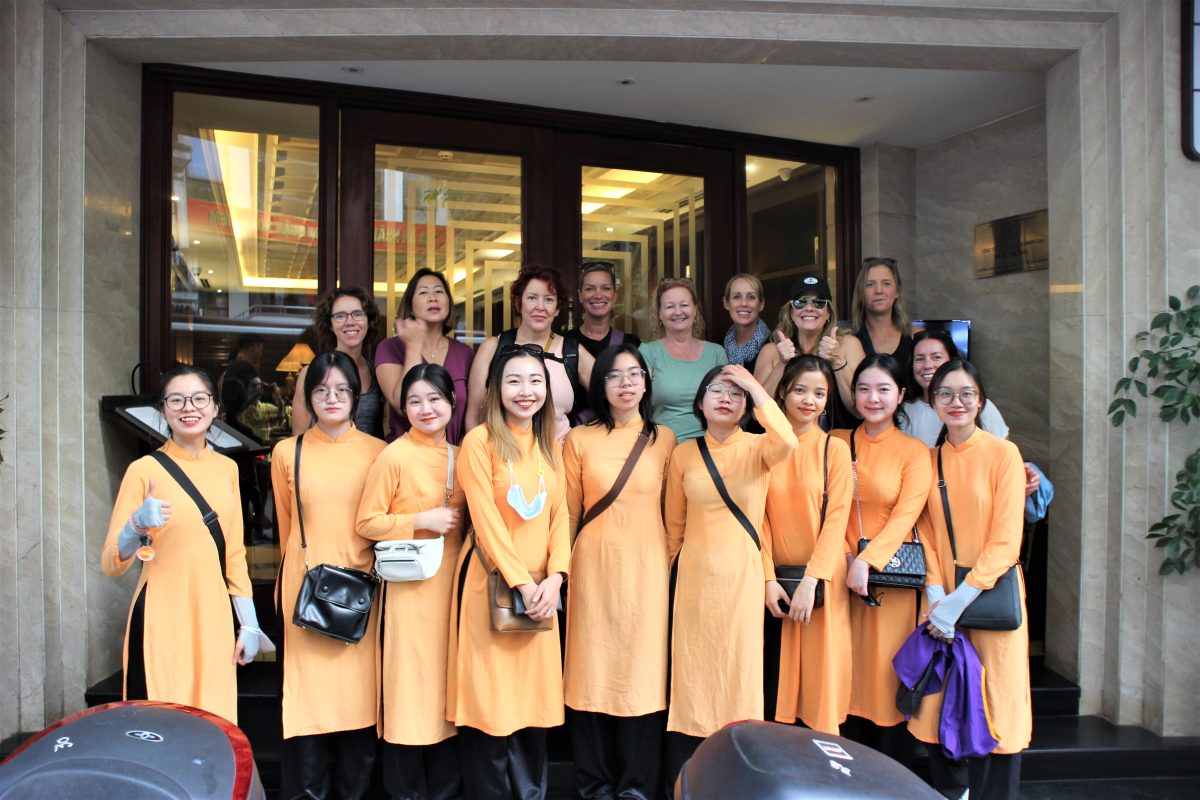
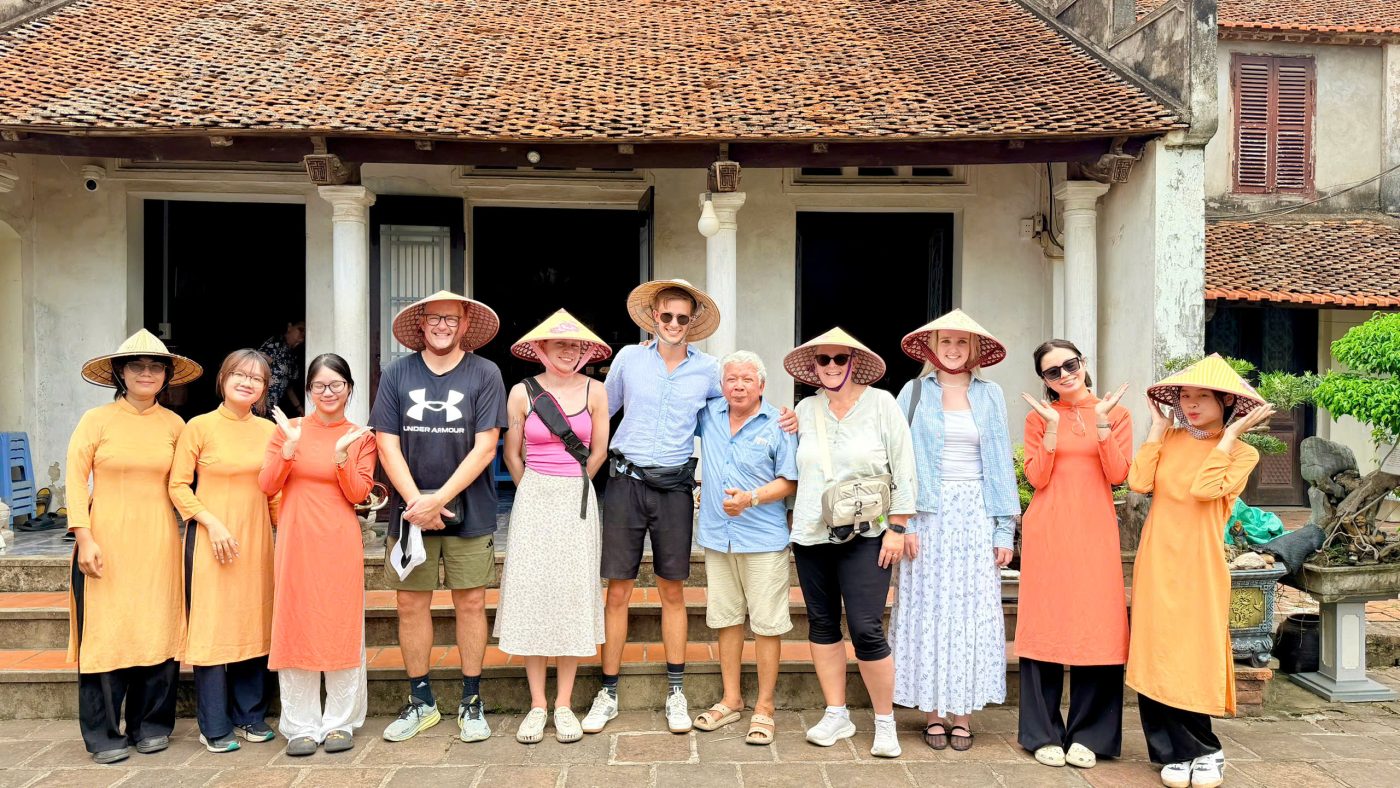
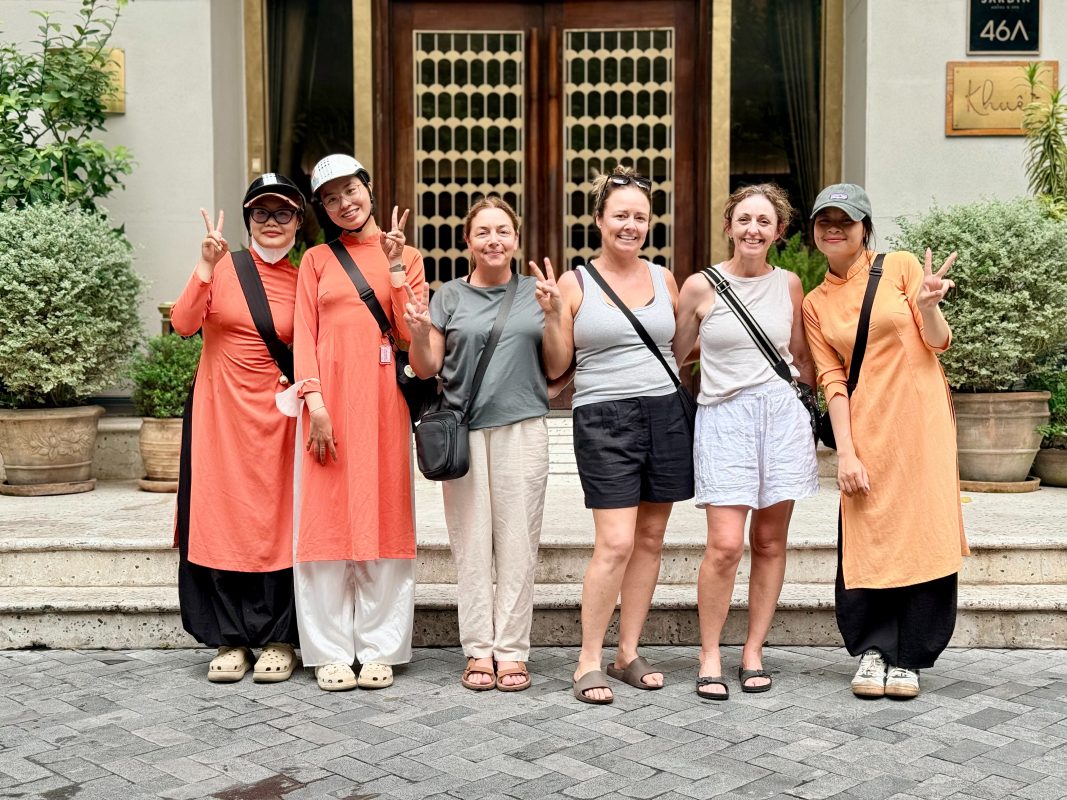
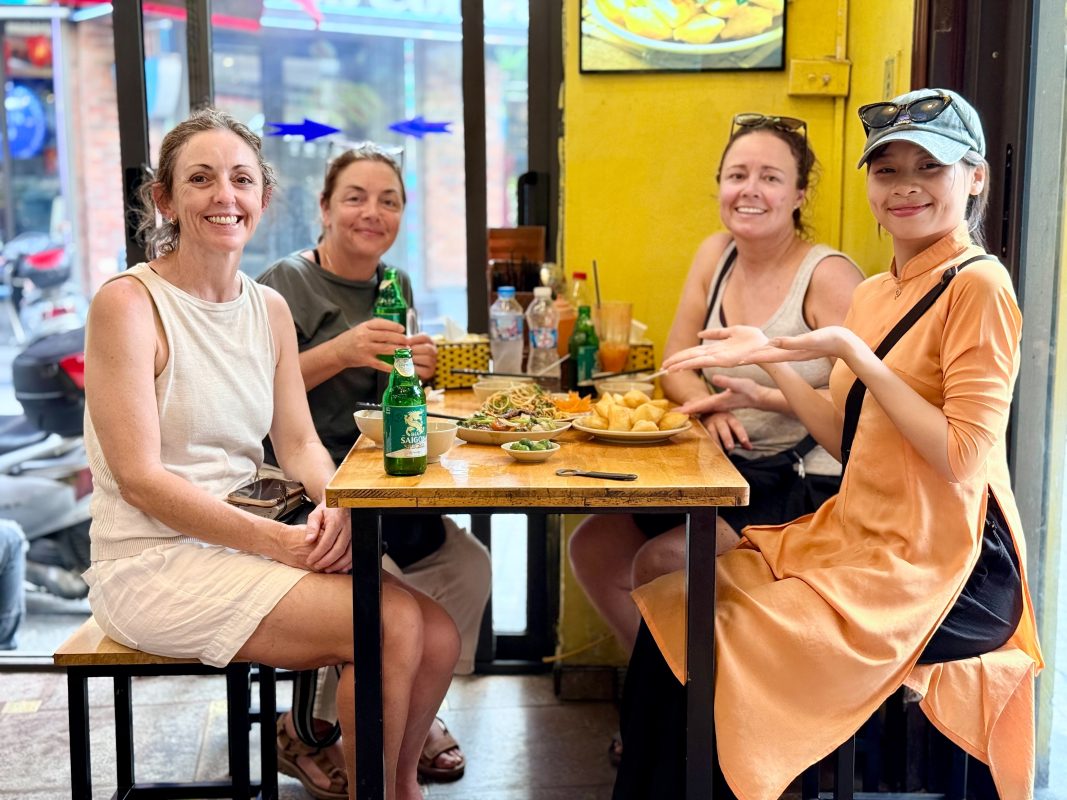
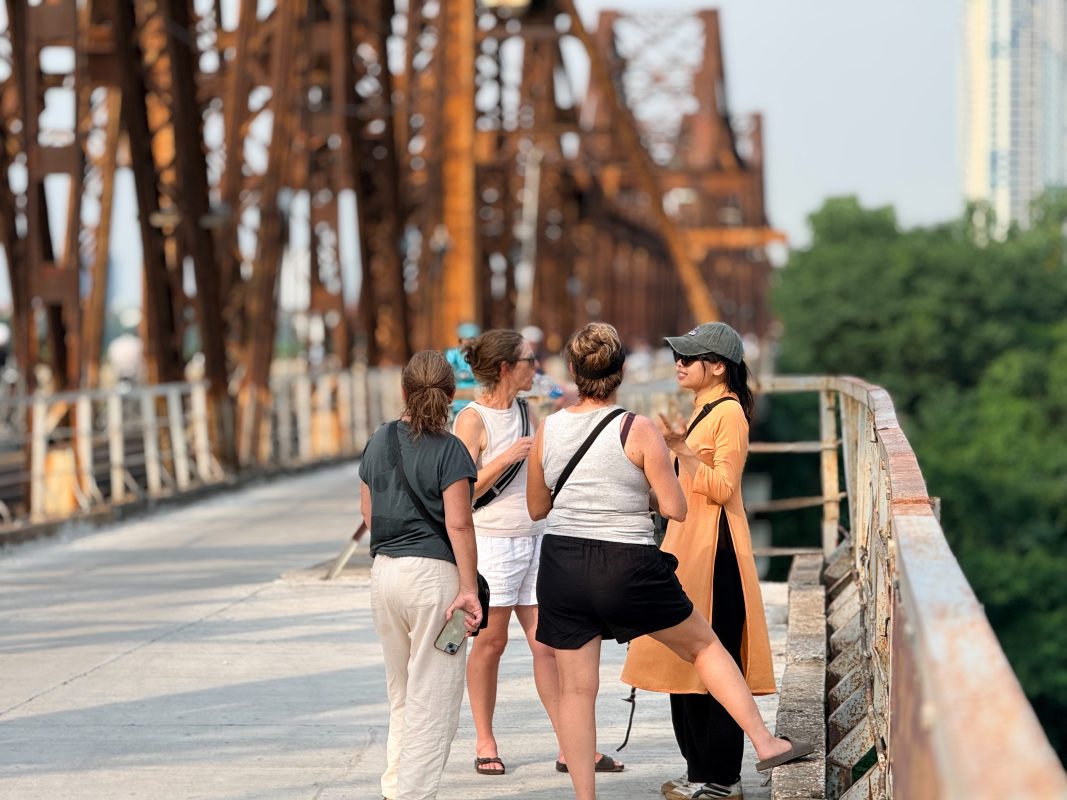
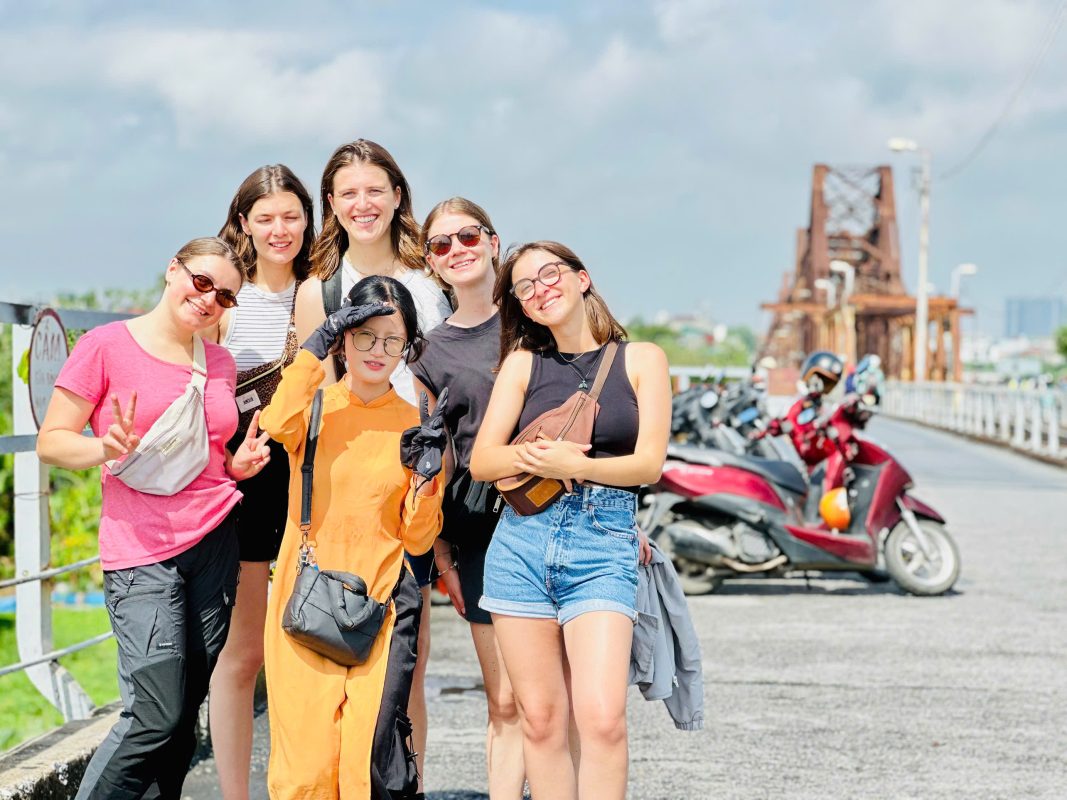
Vietnam Women Travel – Premium Private Tours Led by Women creates customized private journeys for travelers who want to experience Northern Vietnam at their own pace. Instead of following a fixed large-group schedule, a private itinerary can be designed around your preferred travel dates, hotel standard, food interests, trekking ability and desired balance between sightseeing and relaxation. The journey can start in Hanoi and connect Sapa, Ha Giang and Halong Bay with private transportation and professional female tour leaders and guides. For travelers choosing the 7, 10 or 14-day route, Vietnam Women Travel can adapt the number of nights in each destination, add private food experiences in Hanoi, arrange trekking in Sapa, organize a professionally driven Ha Giang journey and select a suitable Halong Bay cruise. The focus is on Vietnam private tours led by women, with a more personal experience, flexible scheduling and carefully planned travel throughout Northern Vietnam.