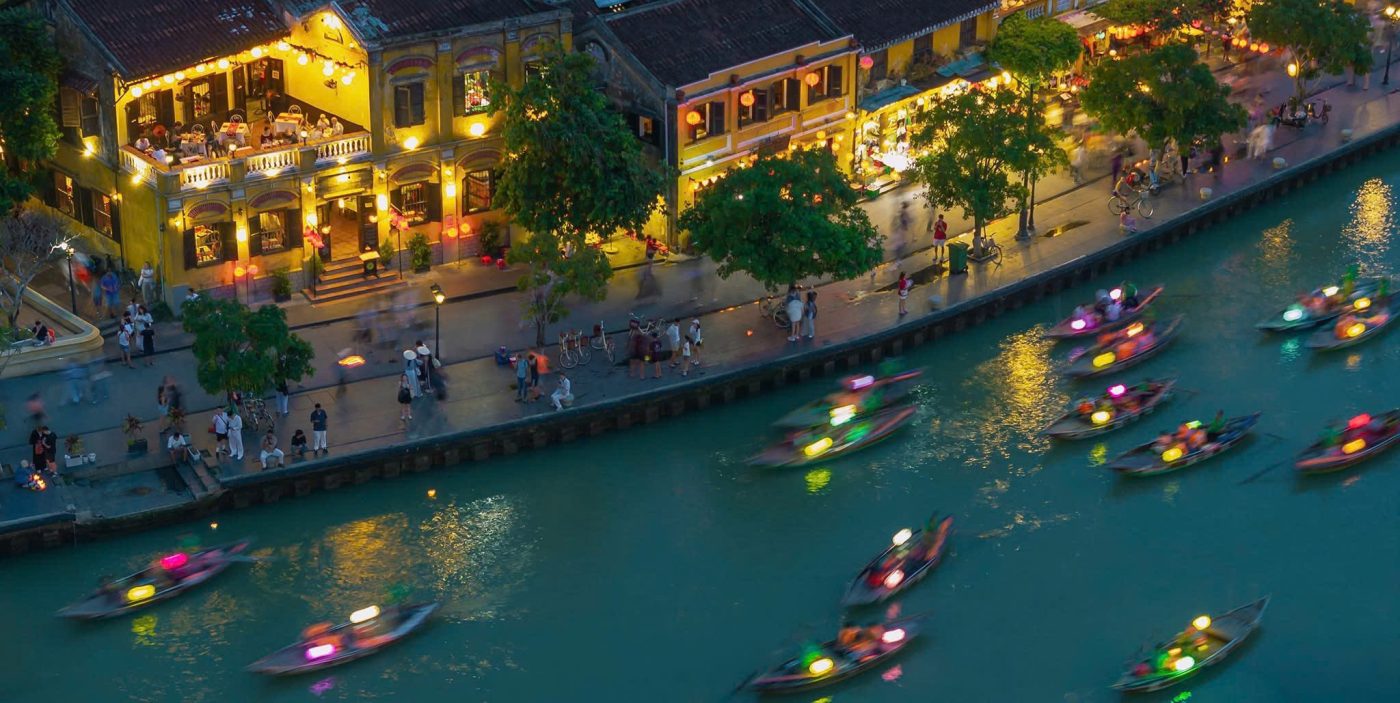
Best Places to Visit in Northern Vietnam: 25 Destinations You Should Not Miss
Northern Vietnam is the country’s most diverse region for travelers who want to combine history, street food, dramatic mountains, rice terraces, ethnic cultures, waterfalls, limestone landscapes and spectacular bays. From the busy streets of Hanoi to the remote valleys of Ha Giang, the region offers completely different travel experiences within the same journey. If you are planning a trip to Northern Vietnam, the best approach is to choose destinations according to the type of experience you want rather than trying to visit every place in one trip. Hanoi is the best starting point for culture and food, Sapa is ideal for rice terraces and trekking, Ha Giang is perfect for mountain-road adventures, and Halong Bay offers one of the country’s most famous coastal landscapes.
1. Hanoi – The Best Starting Point for Northern Vietnam
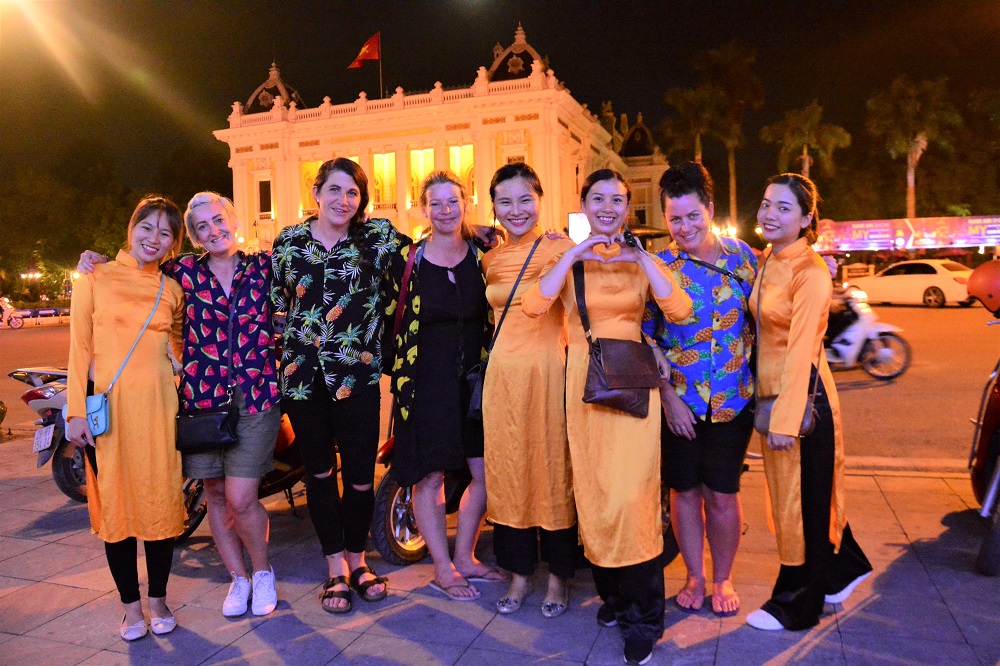
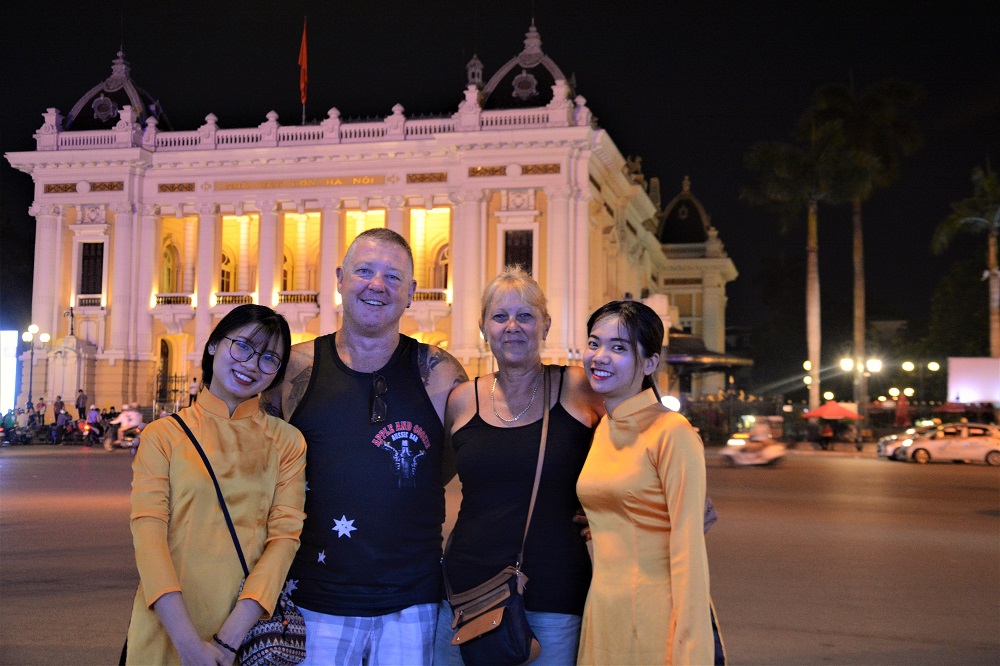
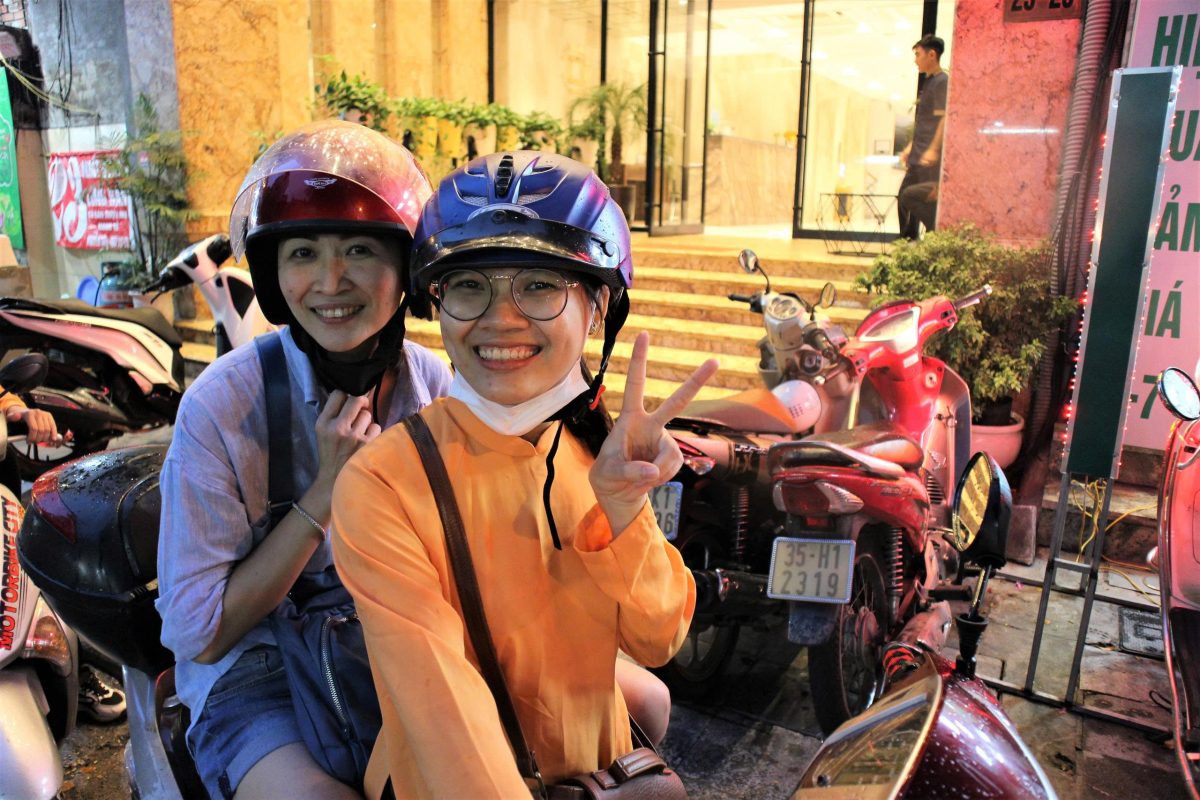
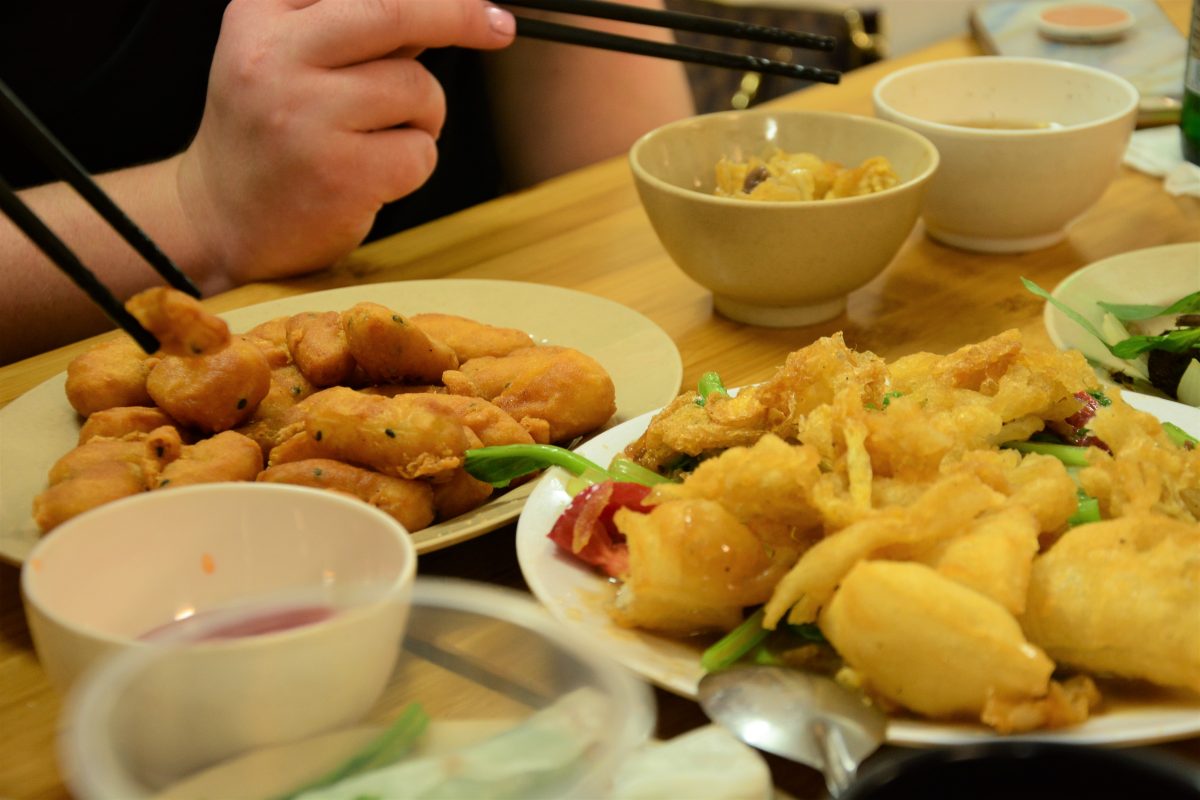
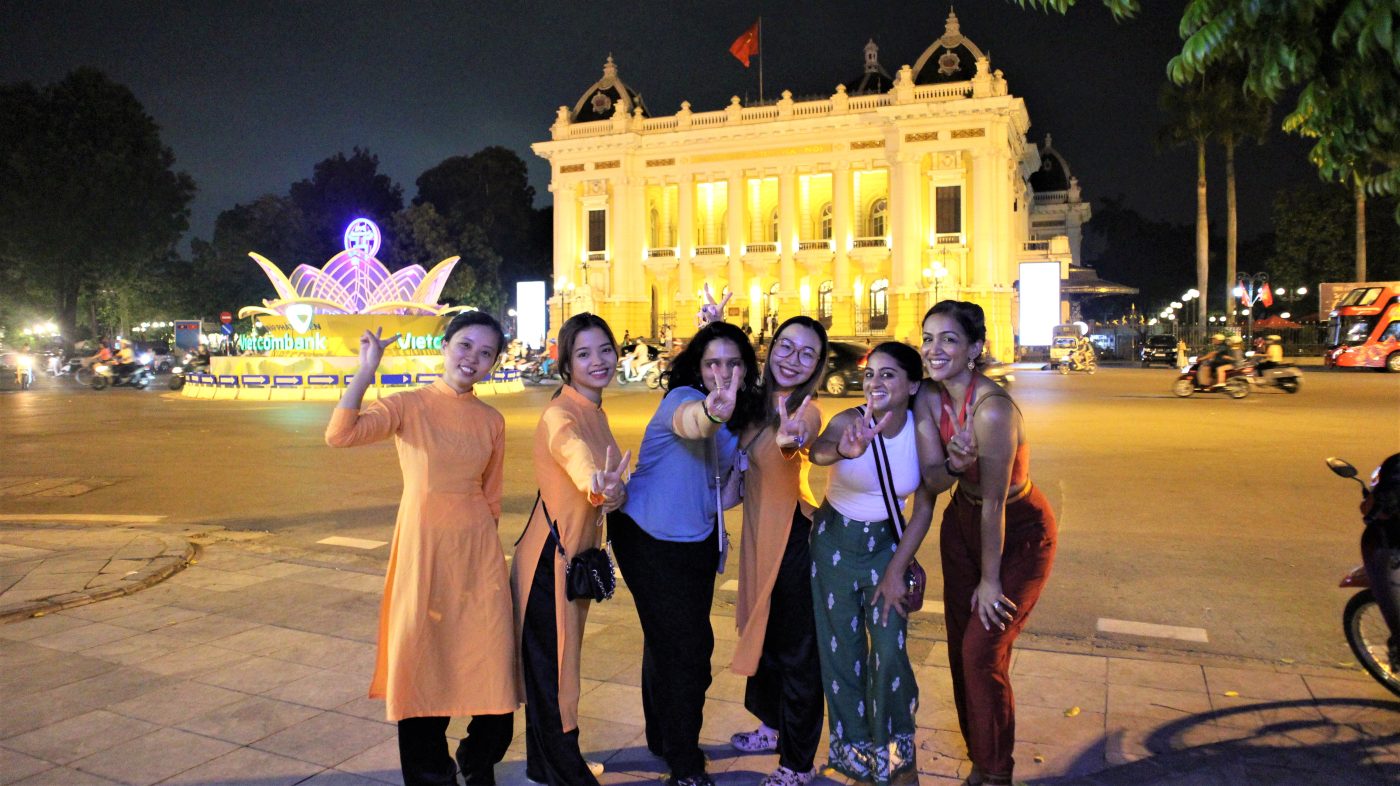
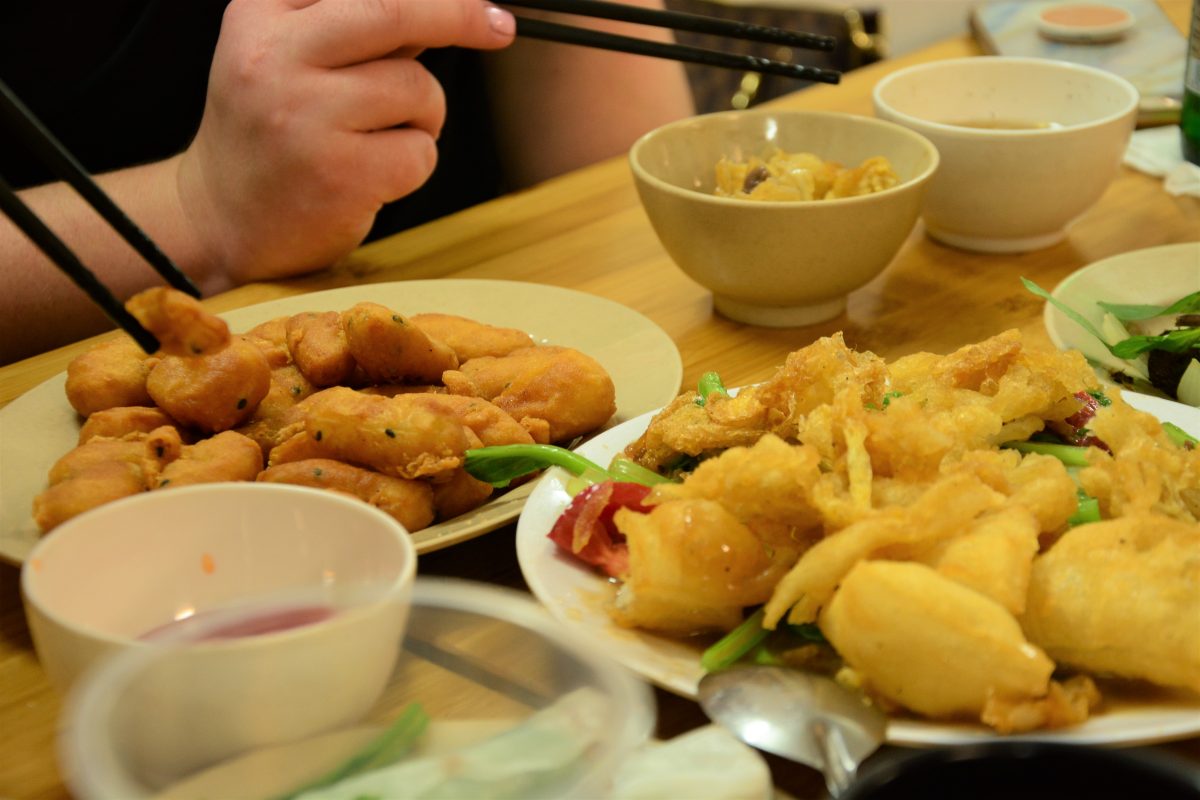
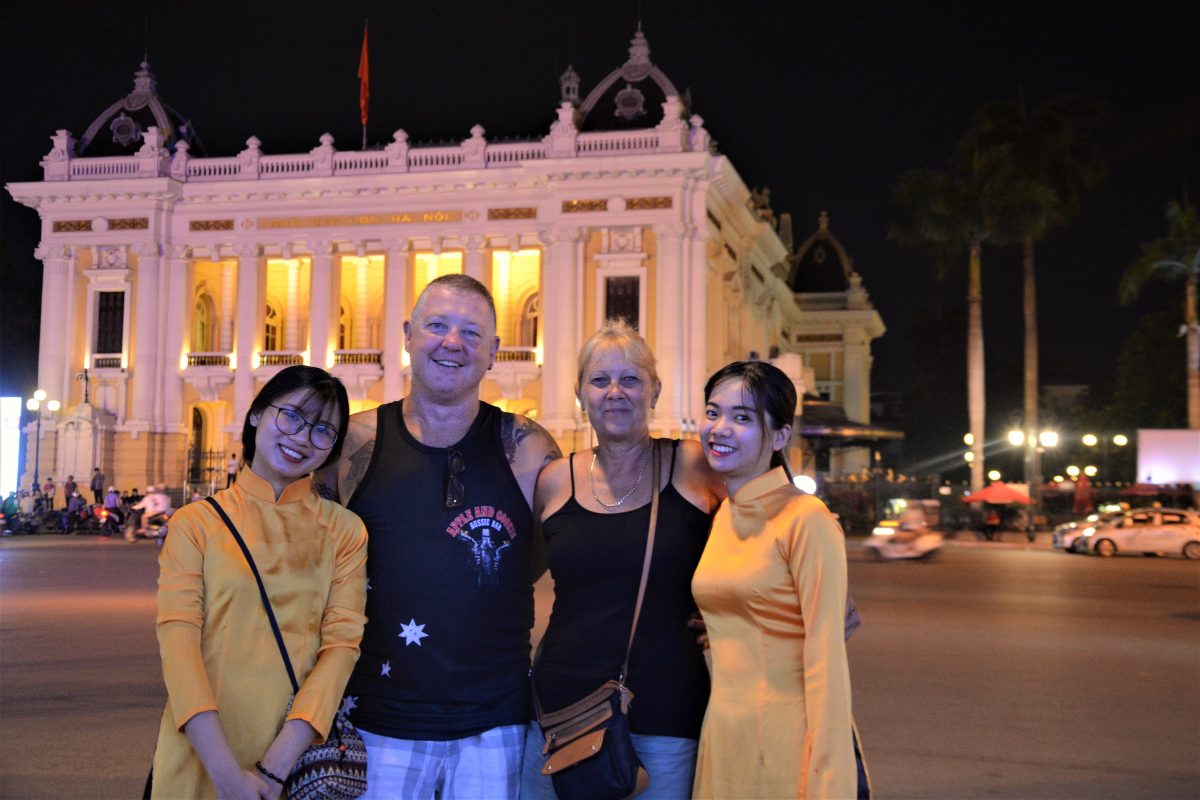
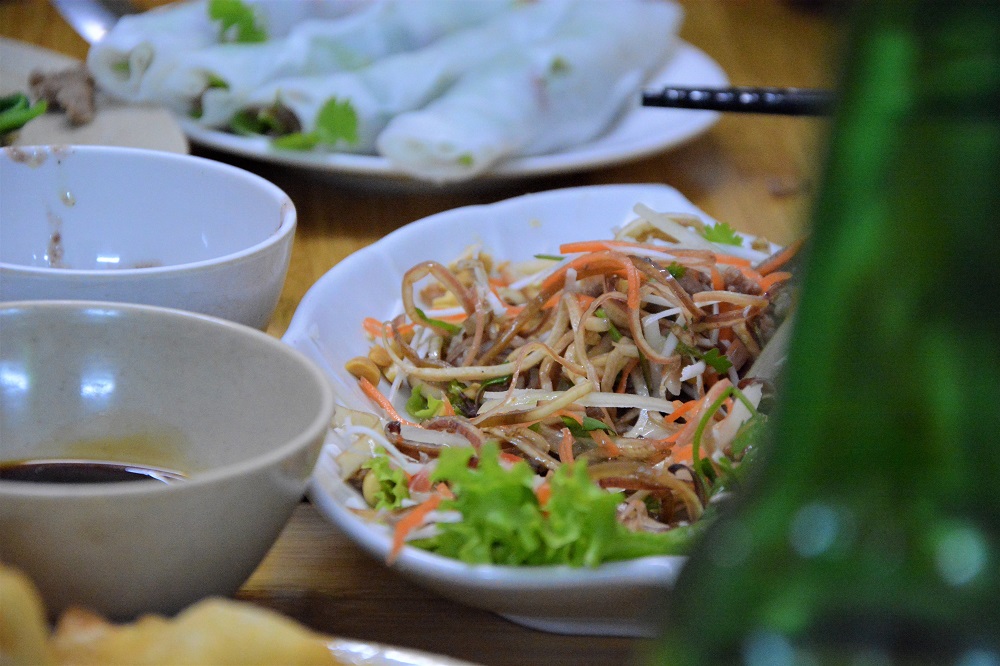
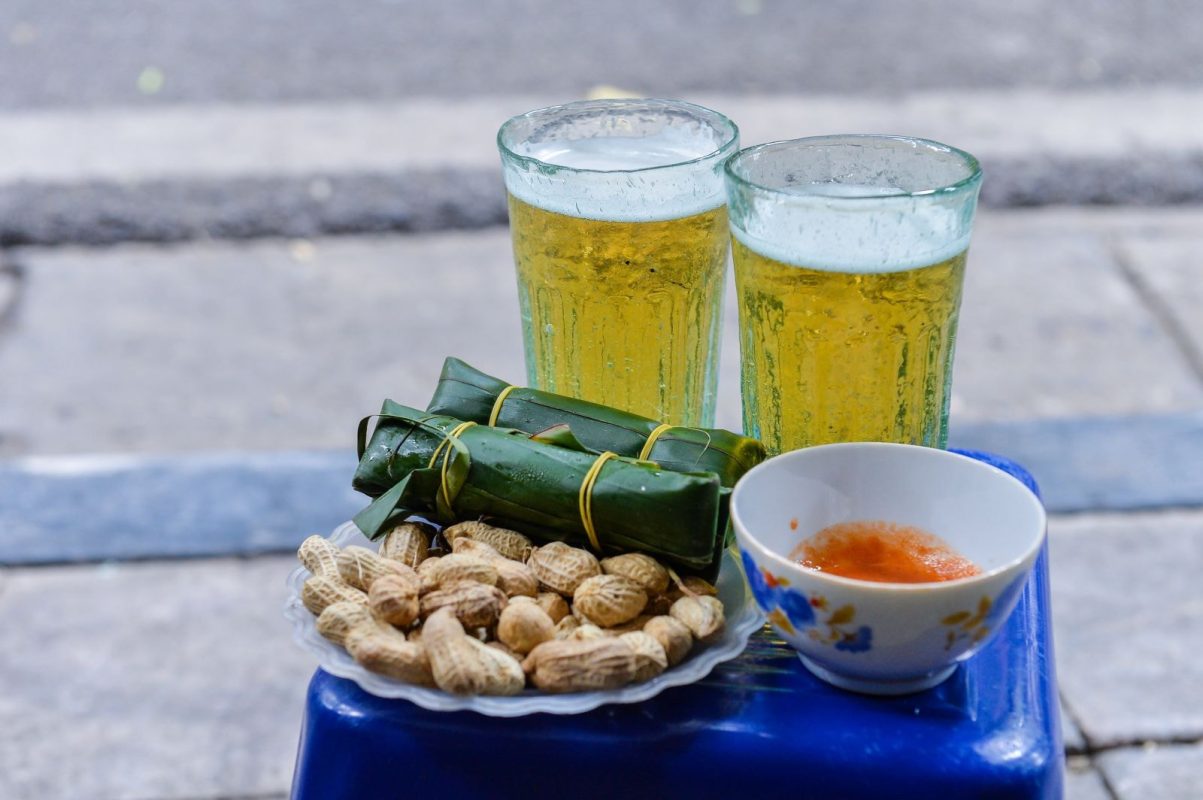
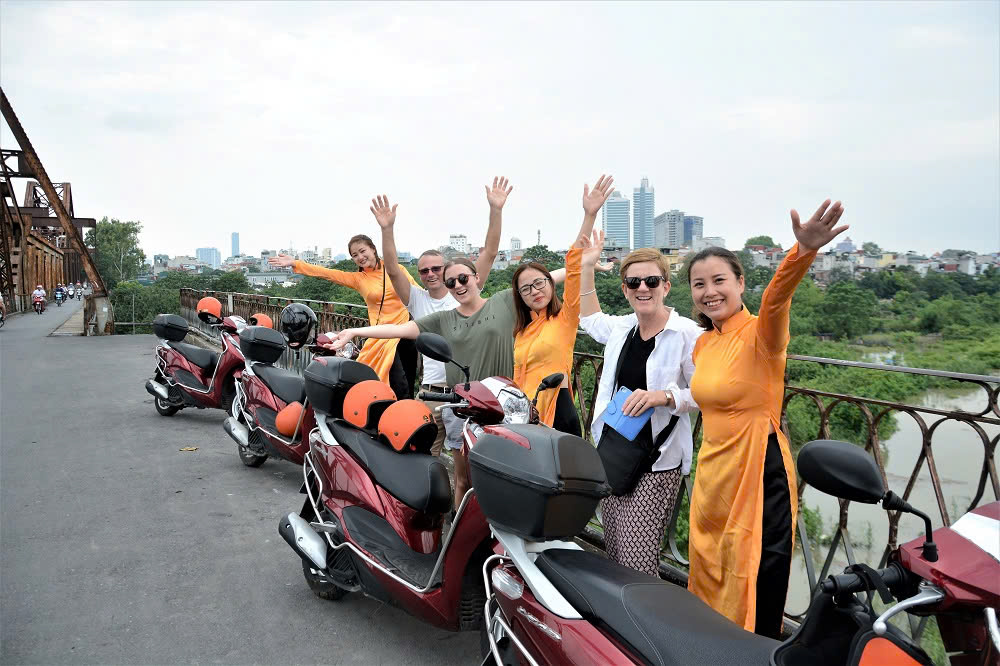
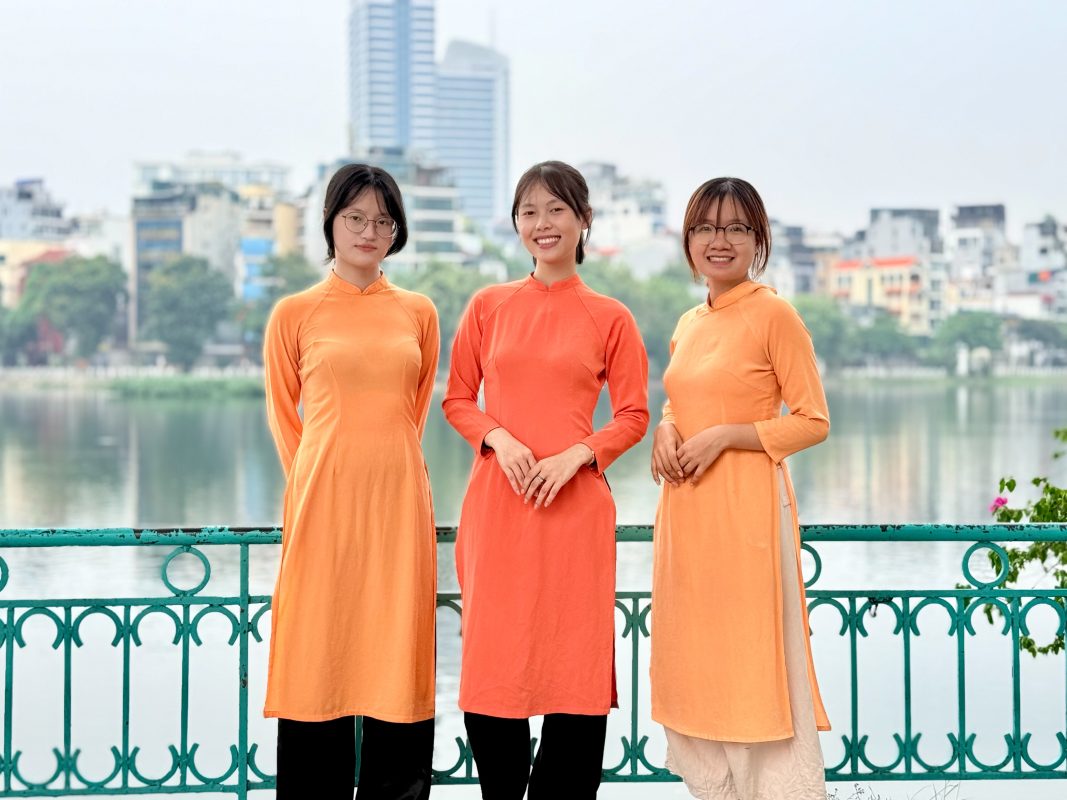
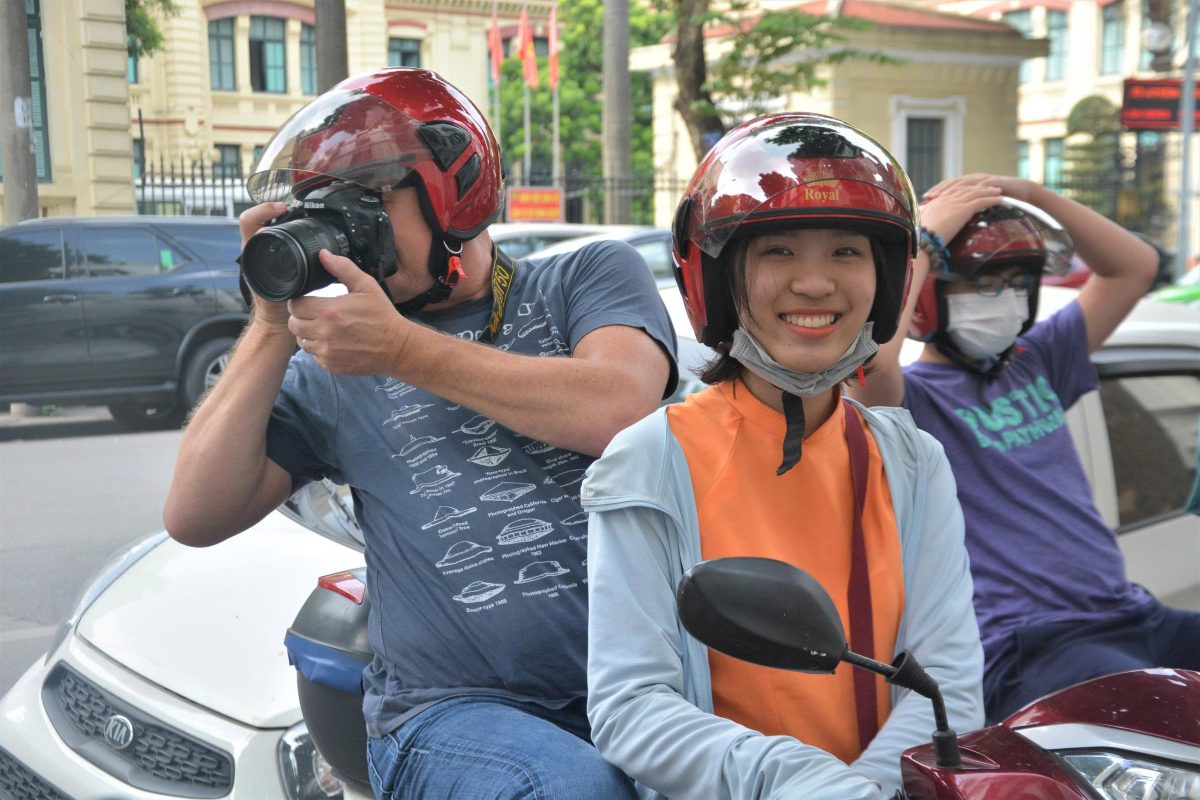
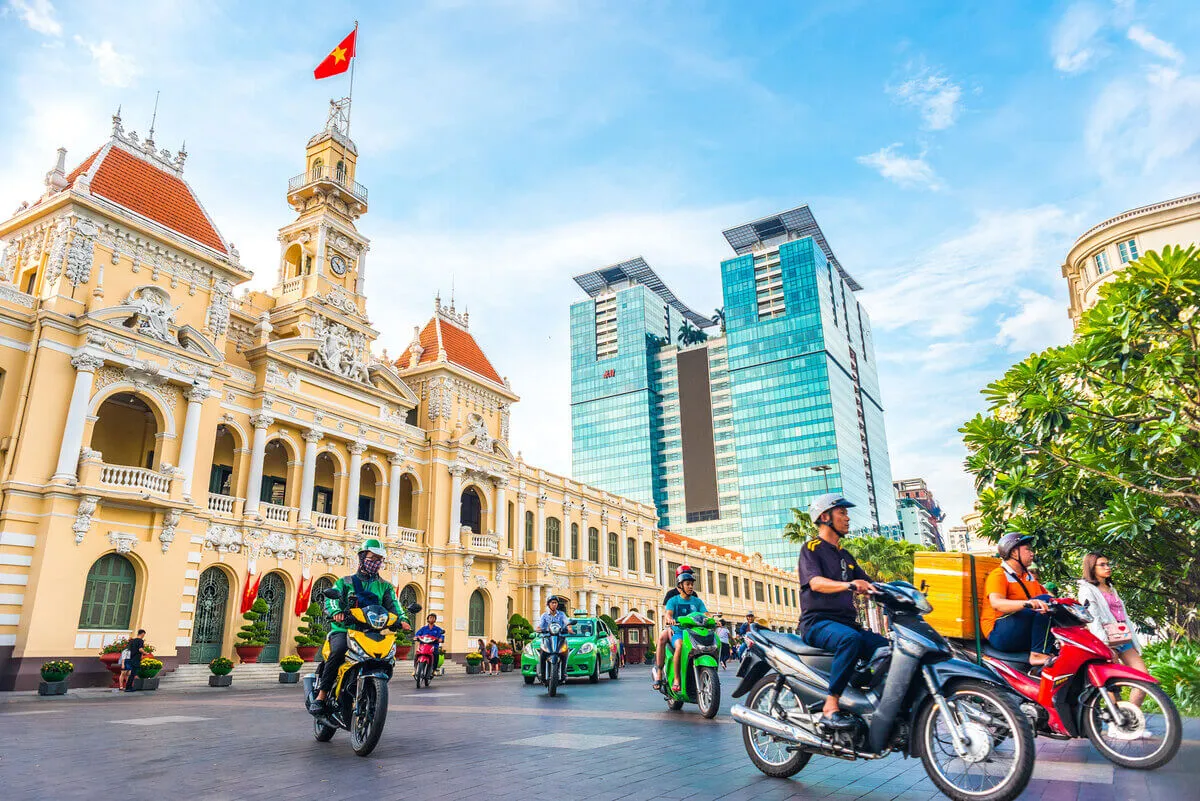
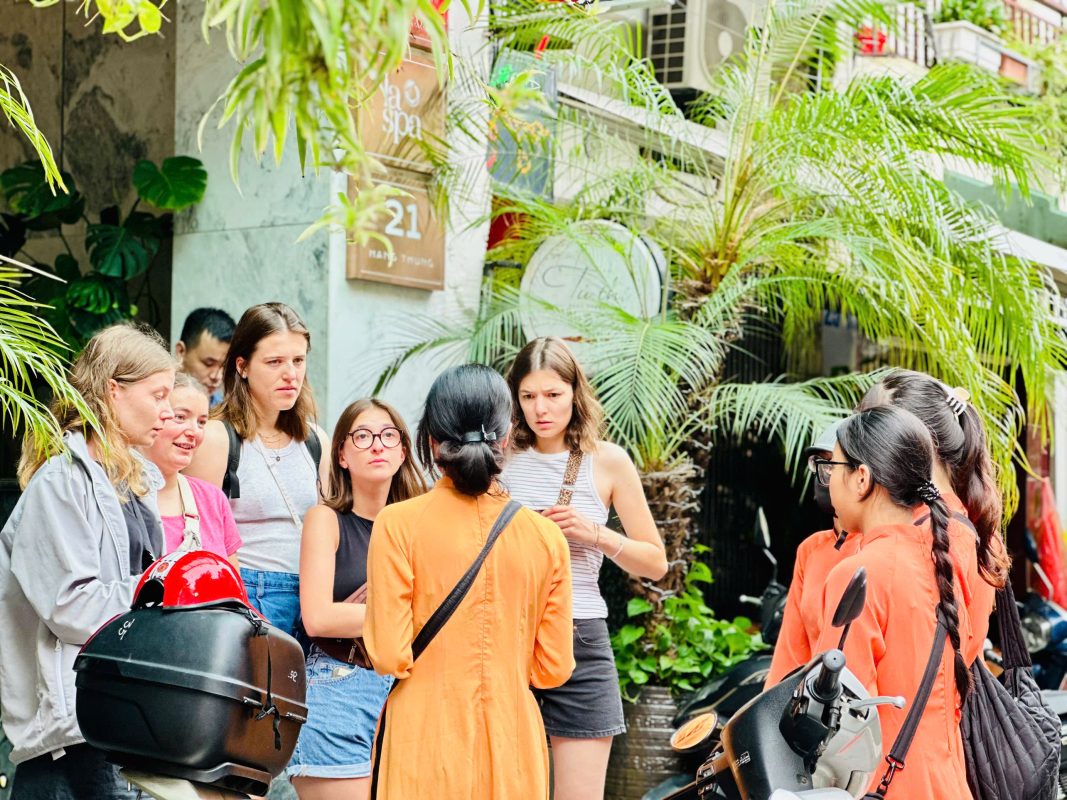
Hanoi should be at the top of any list of the best places to visit in Northern Vietnam. The capital combines historic architecture, Vietnamese culture, traditional markets, museums, lakes, cafés and an exceptional street-food scene. The Old Quarter is the most convenient area for first-time visitors because many attractions, restaurants and historic streets are concentrated within walking distance. Spend time around Hoan Kiem Lake, explore Hang Gai and Hang Bac, visit Dong Xuan Market and try Hanoi specialties such as pho bo, bun cha, cha ca, banh cuon and egg coffee. Hanoi is also the main transportation hub for trips to Sapa, Ha Giang and Halong Bay, making it the logical place to begin a Northern Vietnam itinerary.
2. Hanoi Old Quarter – The Historic Heart of the Capital
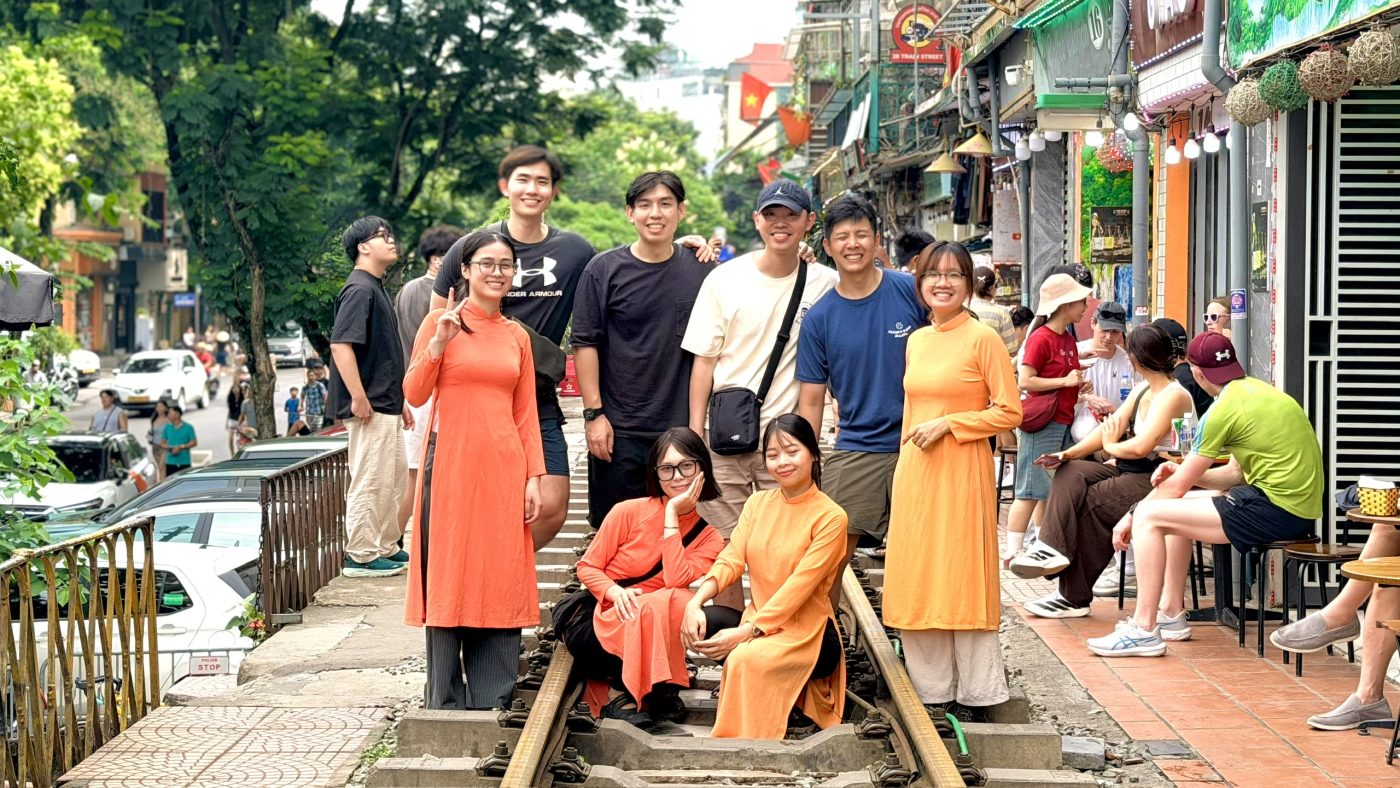
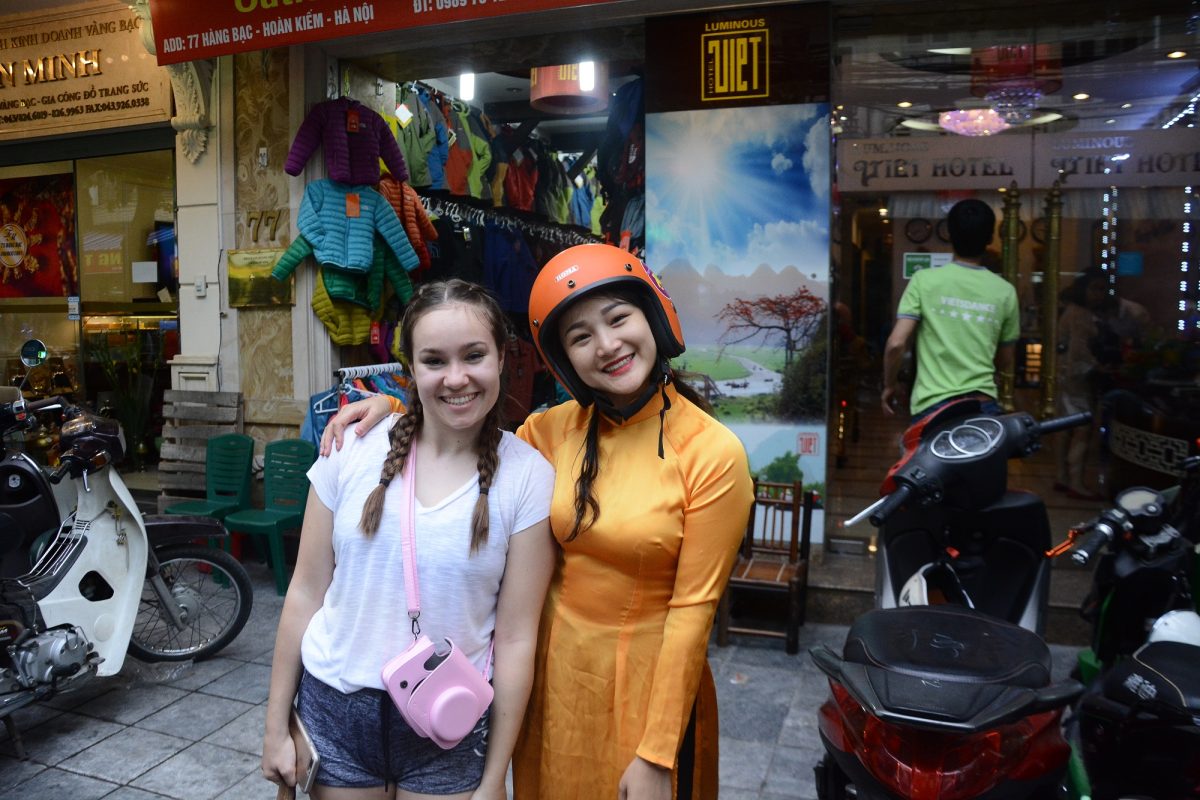
The Hanoi Old Quarter is one of the most atmospheric areas in Northern Vietnam. Its narrow streets are packed with traditional houses, small restaurants, cafés, shops and street vendors, with many streets historically associated with specific trades. The best way to experience the Old Quarter is on foot, particularly in the morning when residents start their daily routines or in the evening when restaurants and street-food stalls become busy. A walking route around Hoan Kiem Lake, Hang Gai, Hang Bac, Ma May, Ta Hien and Dong Xuan Market gives travelers a concentrated introduction to Hanoi’s history and everyday life.
3. Hoan Kiem Lake – Hanoi’s Most Recognizable Landmark
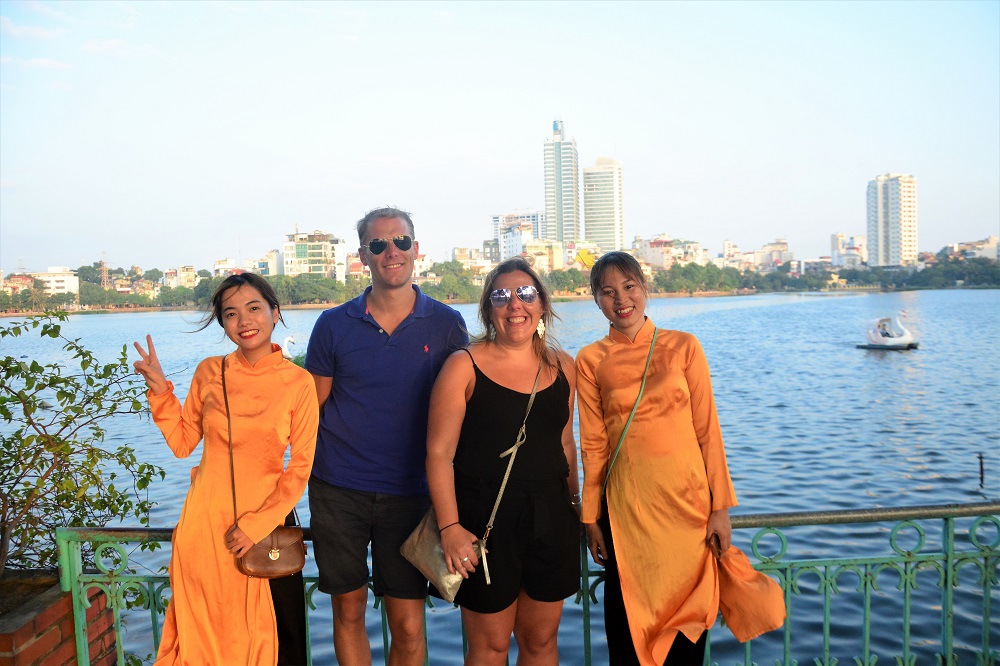
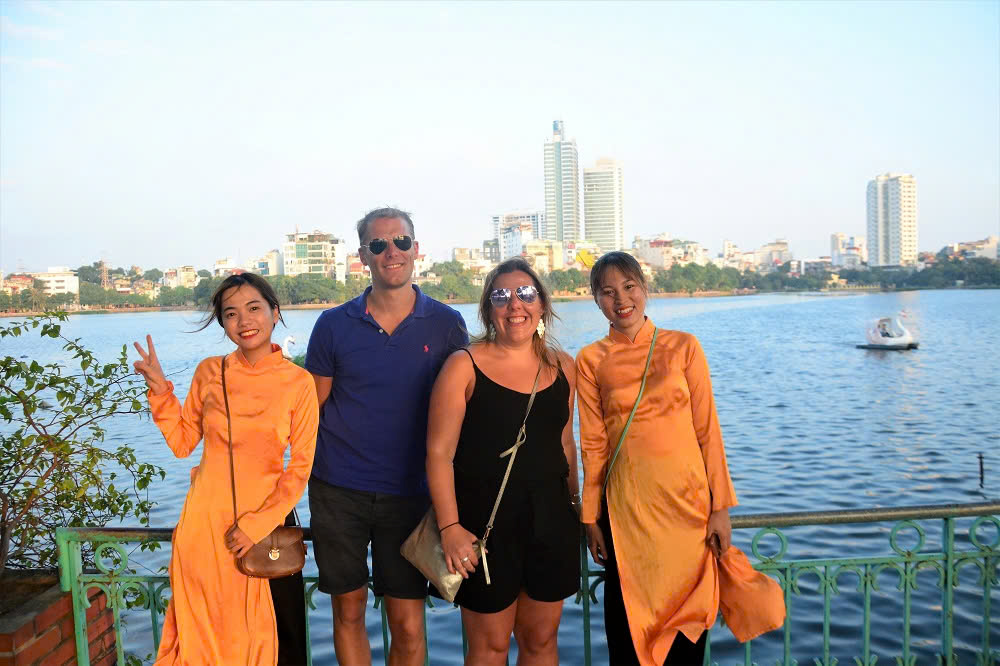
Hoan Kiem Lake is one of the most recognizable landmarks in Hanoi and a natural starting point for exploring the capital. Early morning is a particularly interesting time to visit because residents gather around the lake to exercise, walk and socialize. In the evening, the surrounding streets become lively with pedestrians, restaurants and cafés. The lake is also close to Ngoc Son Temple, the Old Quarter and several important historical streets, so it is easy to combine with a full day of sightseeing.
4. Sapa – Rice Terraces and Mountain Villages
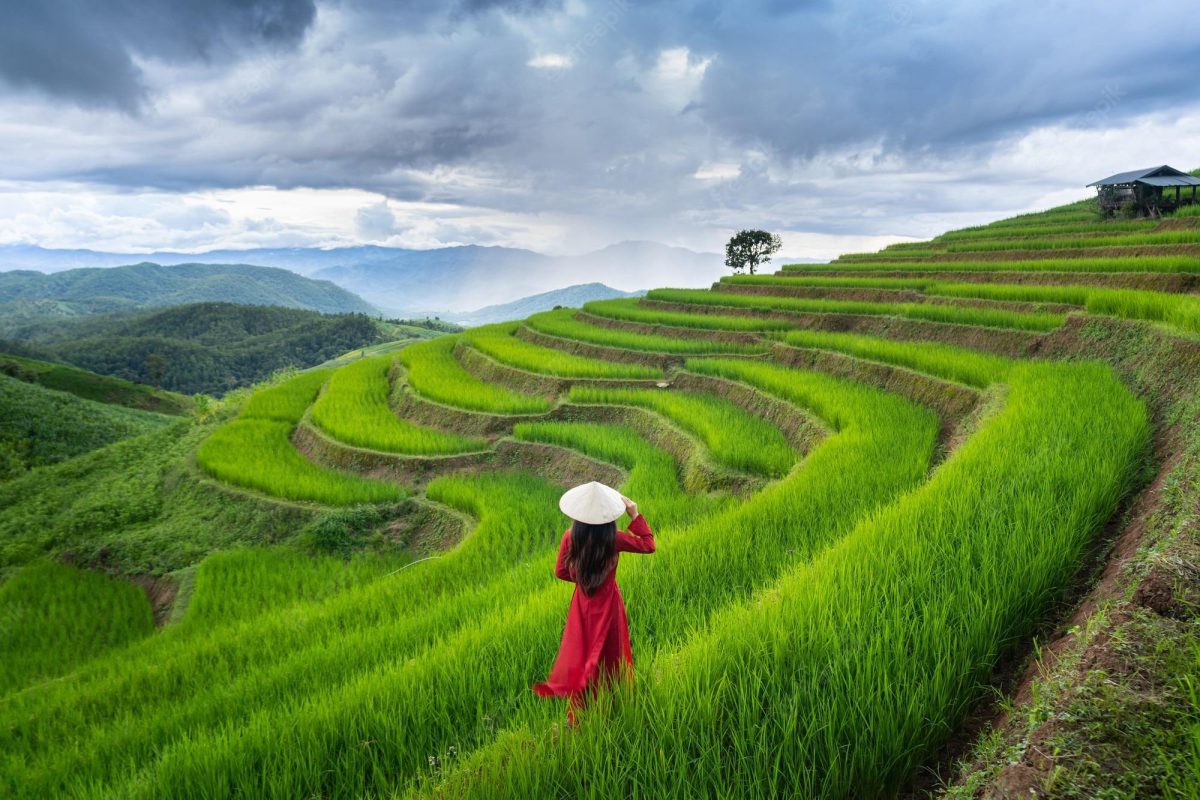
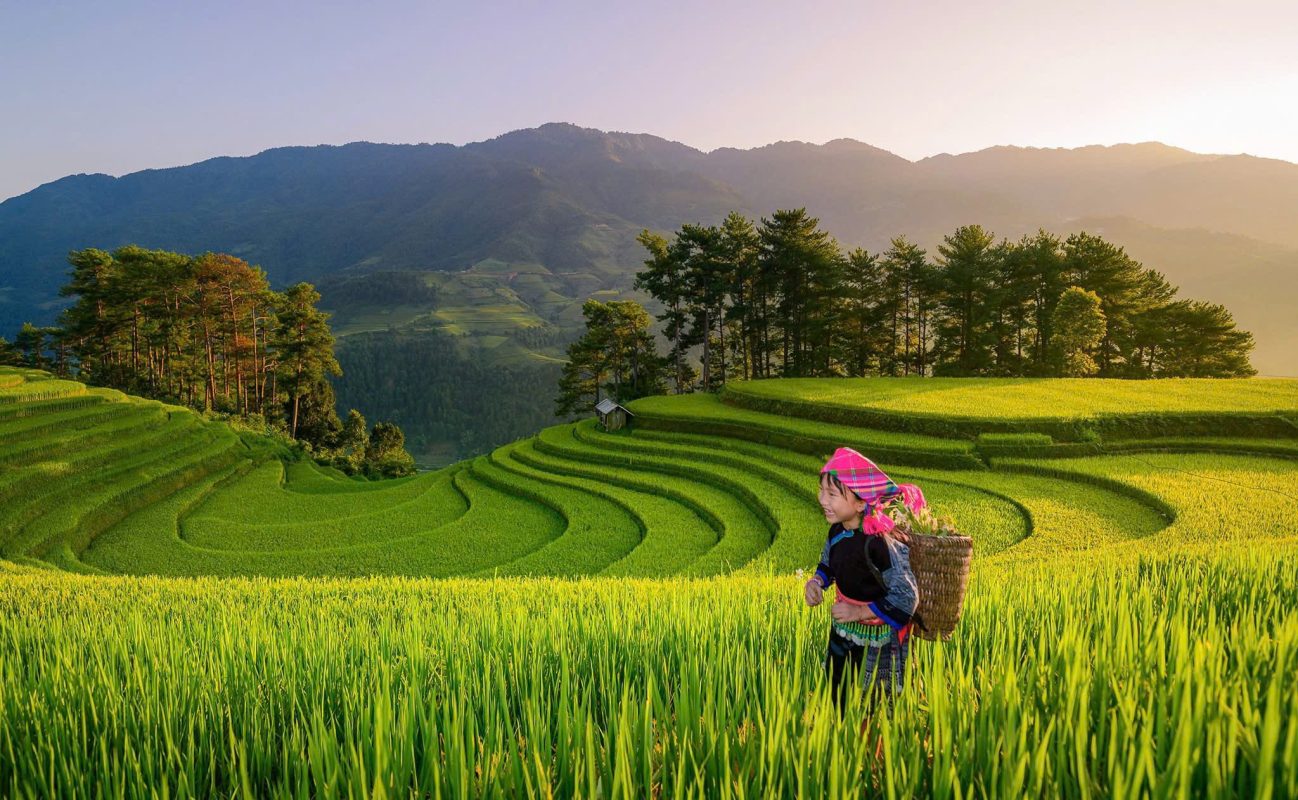
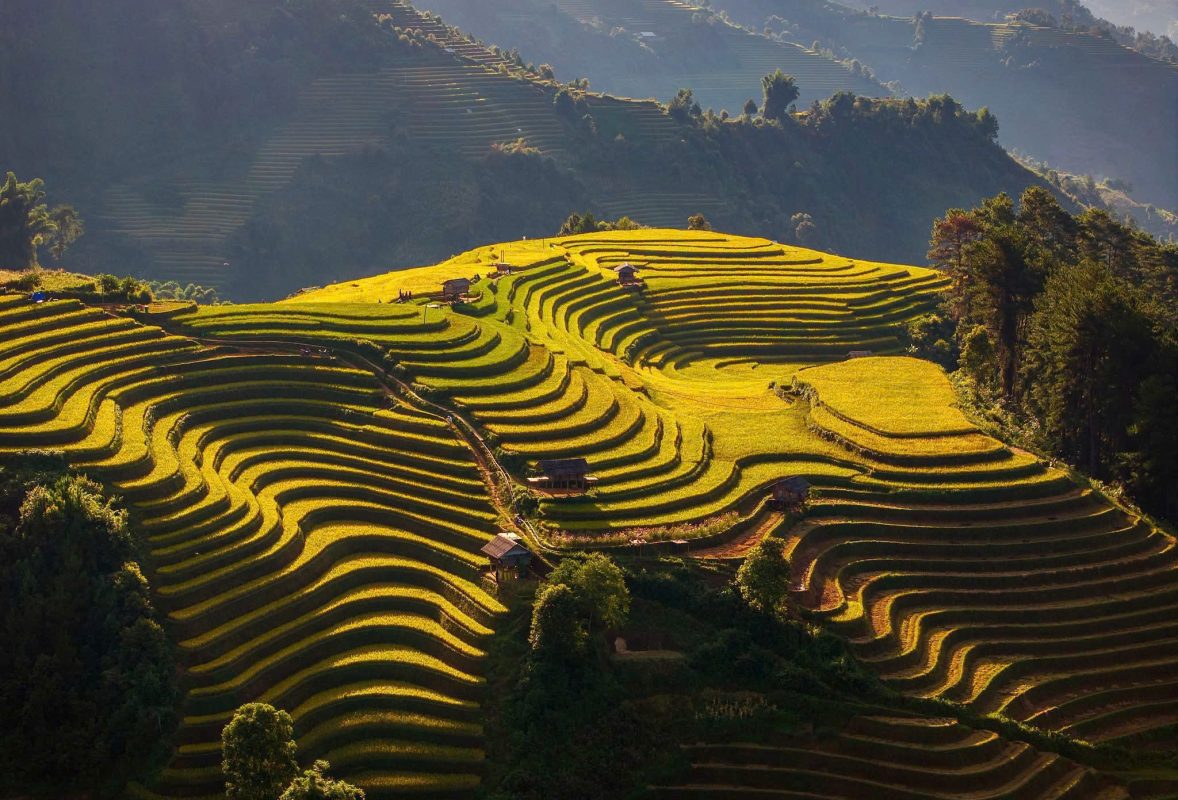
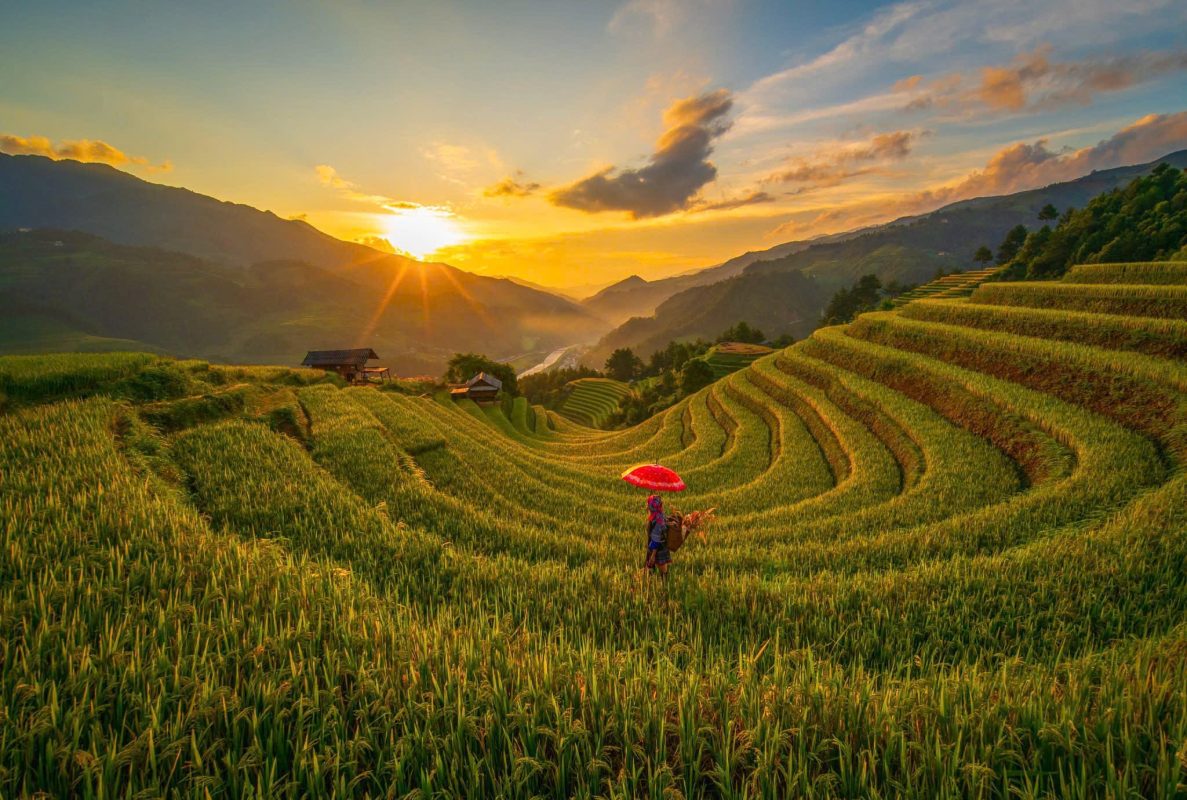
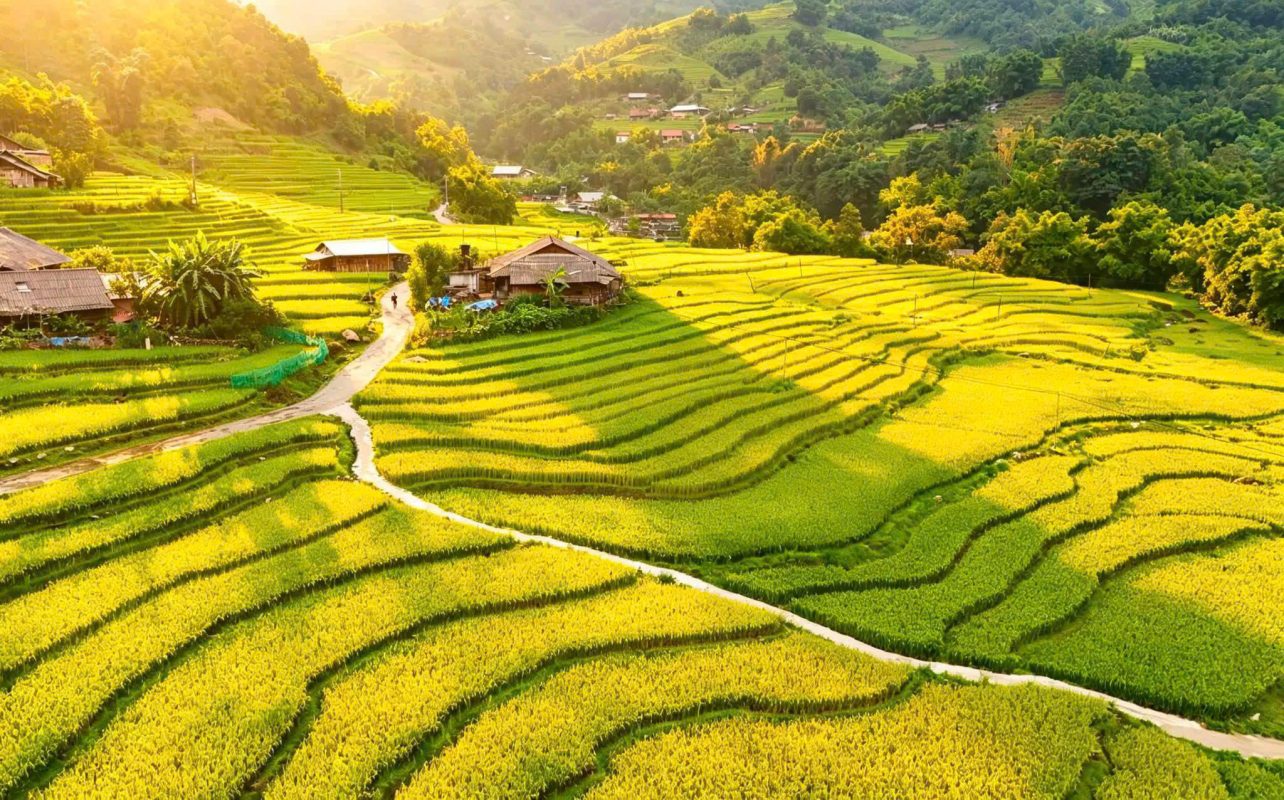
Sapa is one of the most popular mountain destinations in Northern Vietnam and is famous for its terraced rice fields, mountain valleys and ethnic communities. The town sits in the Hoang Lien Son range beneath Fansipan, Vietnam’s highest mountain at 3,143 meters. Sapa is best suited to travelers who enjoy trekking, photography, mountain scenery and cultural experiences. The surrounding countryside is much more interesting than spending all your time in Sapa town, so include a trek through Muong Hoa Valley and villages such as Lao Chai or Ta Van.
5. Fansipan – The Highest Mountain in Vietnam
Fansipan is the highest mountain in Vietnam and one of the major attractions in Sapa. The summit reaches 3,143 meters and is often called the Roof of Indochina. Travelers can undertake a challenging trek or use the cable car system to reach the summit area. On clear days, the views over the Hoang Lien Son mountains are spectacular, while cloudy weather creates a completely different high-altitude atmosphere. If Fansipan is an important reason for visiting Sapa, check the weather forecast before choosing your summit day because clouds and fog can significantly reduce visibility.
6. Muong Hoa Valley – Sapa’s Most Beautiful Landscape
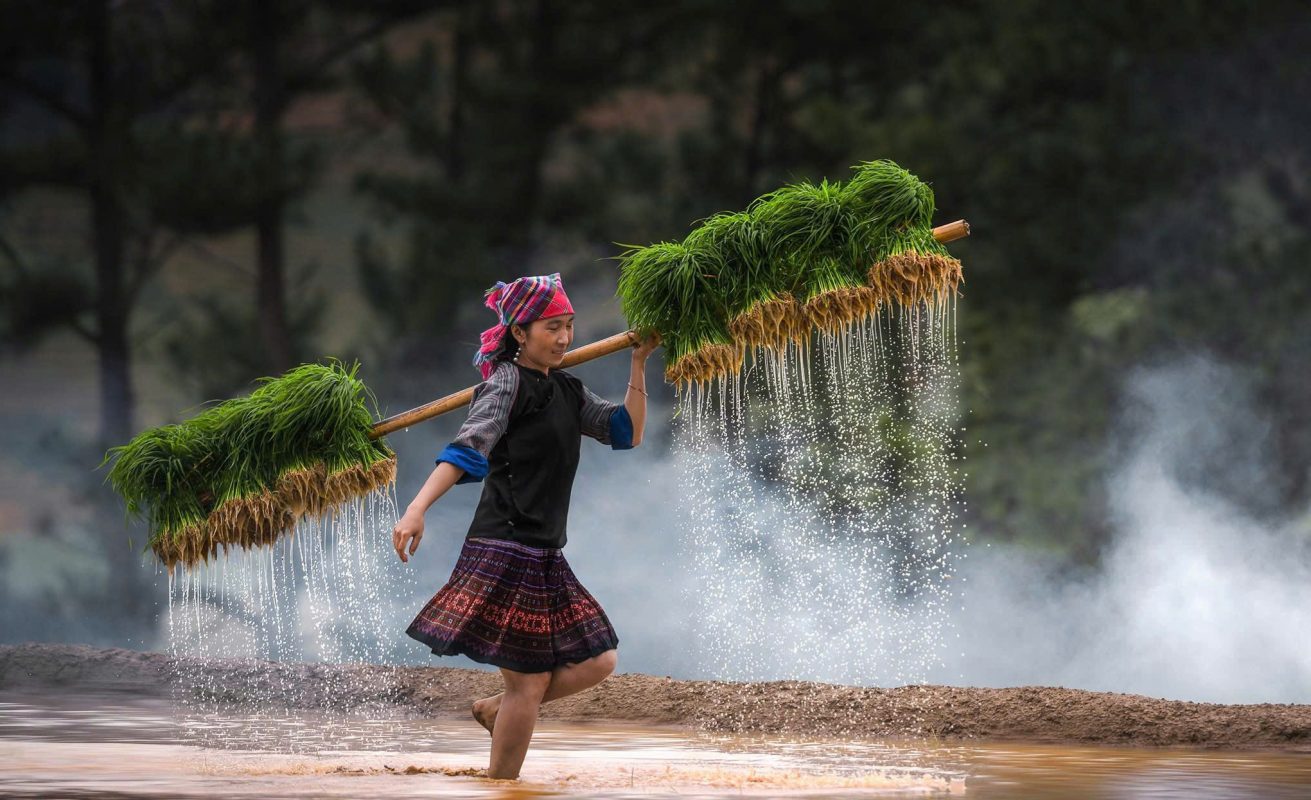
Muong Hoa Valley is one of the best places to visit in Northern Vietnam for travelers interested in rice terraces and mountain scenery. The valley stretches through a dramatic landscape of mountains, streams, farms and villages inhabited by Hmong, Red Dao and Giay communities. The terraces change appearance according to the agricultural season, appearing green during the growing period and golden before harvest. Trekking through Muong Hoa is much more rewarding than simply stopping at a viewpoint because walking routes allow you to see farms, village homes and mountain landscapes at close range.
7. Ta Phin Village – Culture Near Sapa
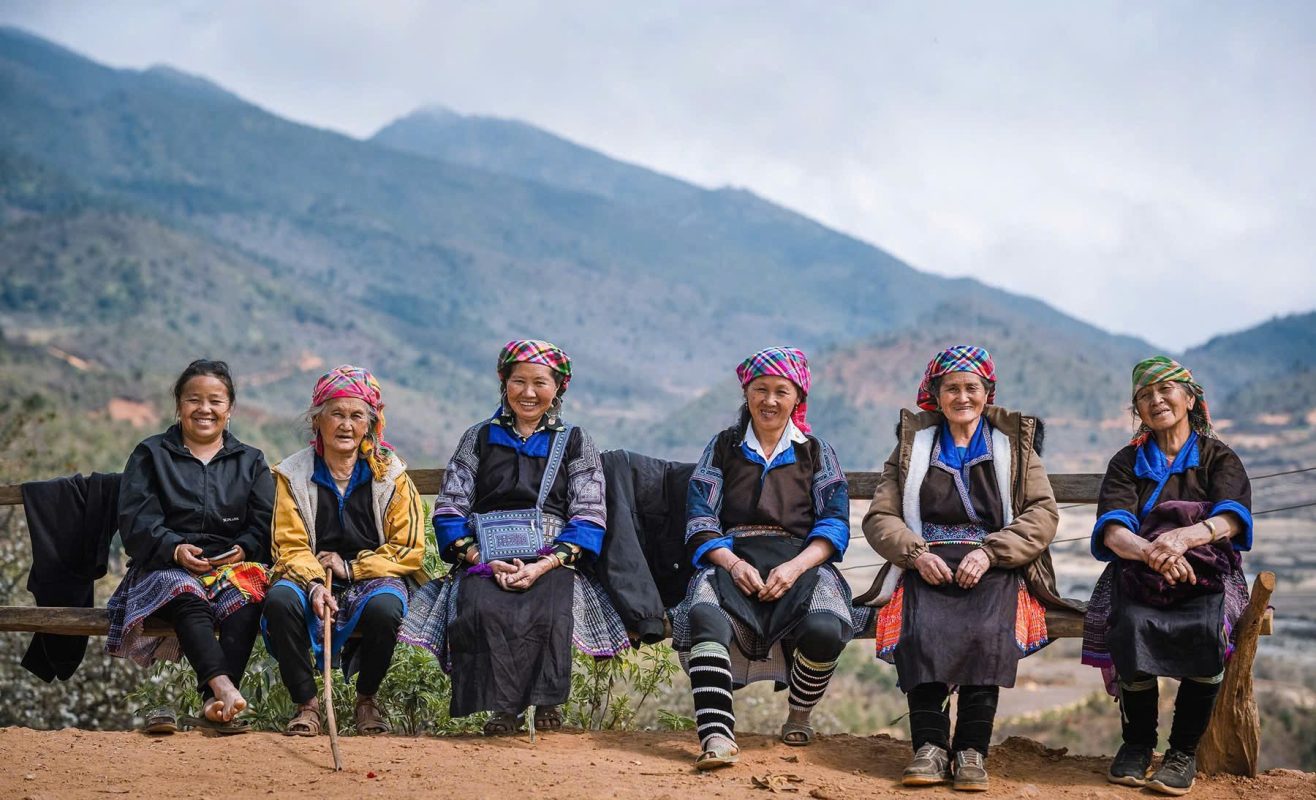
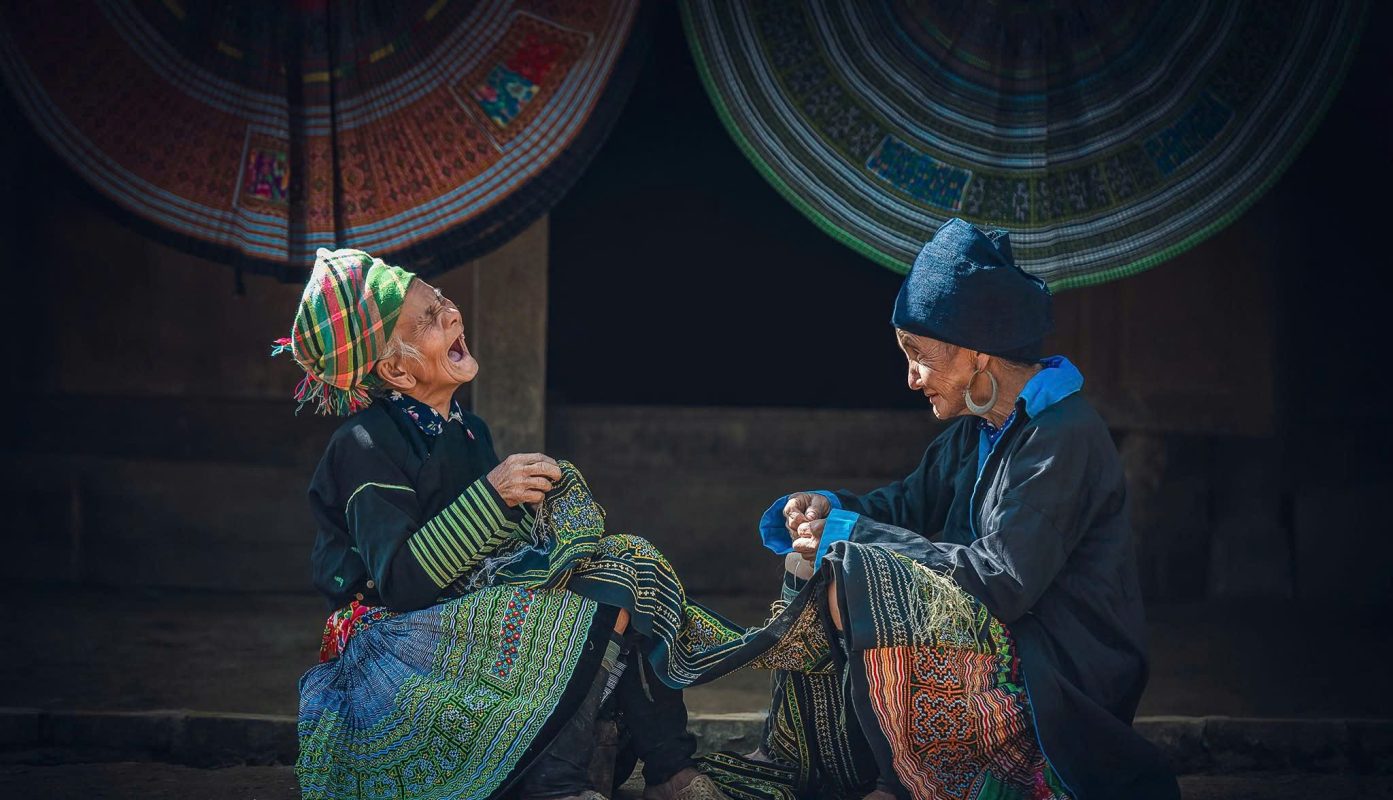
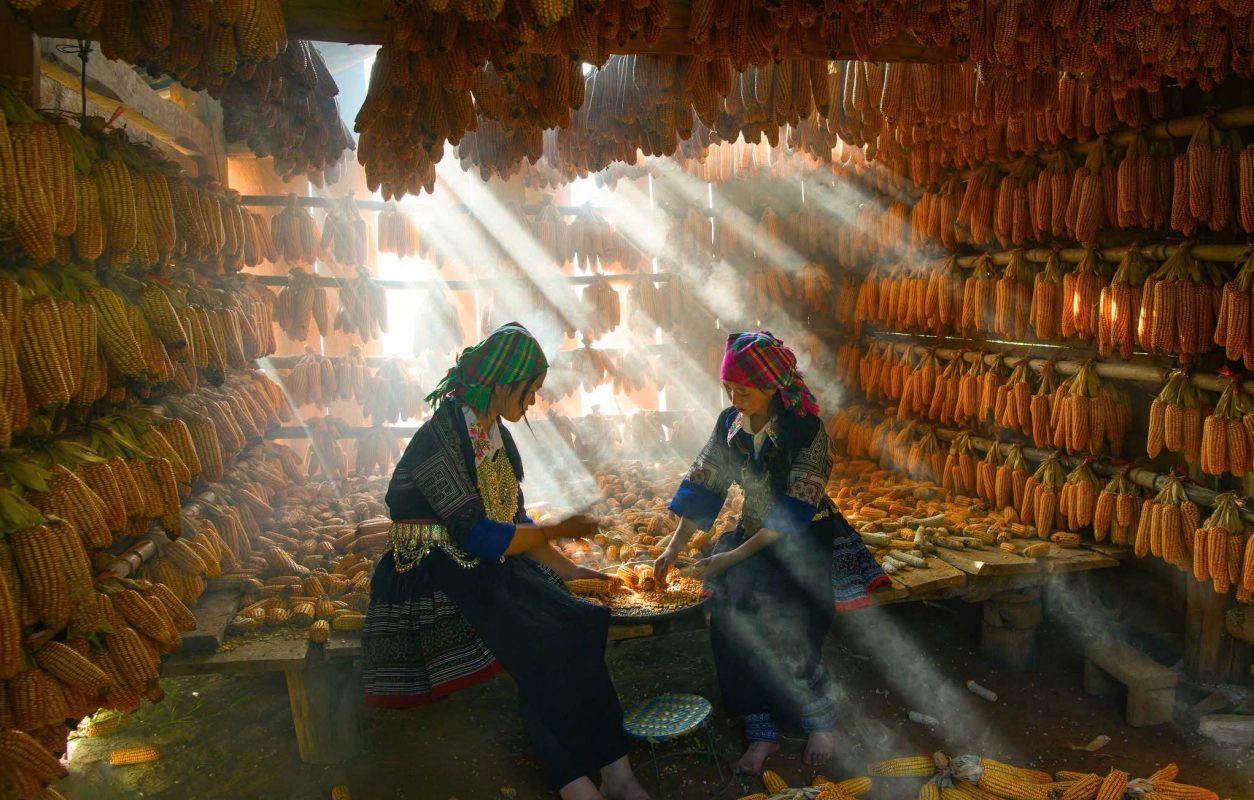
Ta Phin Village is a good choice for travelers who want to experience a quieter side of Sapa. The area is associated with Red Dao and Hmong communities and is known for traditional clothing, handicrafts, mountain scenery and herbal bathing traditions. A visit can be combined with walking through the surrounding countryside and learning about local agricultural and cultural traditions. Travelers should approach village visits respectfully, ask permission before taking photographs and remember that these are living communities rather than staged tourist attractions.
8. Ha Giang – The Best Mountain Destination for Adventure
Ha Giang is one of the best places to visit in Northern Vietnam for travelers who want dramatic mountain scenery and road-trip adventure. The province is located in the far north and is famous for the Ha Giang Loop, a multi-day route through limestone mountains, valleys, ethnic villages and high mountain passes. Unlike Sapa, where trekking and rice terraces dominate the experience, Ha Giang is about the road itself. Every section of the journey offers new scenery, from steep mountain passes to deep valleys and remote villages.
9. Ha Giang Loop – Northern Vietnam’s Iconic Road Trip
The Ha Giang Loop generally connects Ha Giang City with Quan Ba, Yen Minh, Dong Van, Meo Vac and Du Gia before returning toward Ha Giang. A three-day loop can cover the major attractions, but four days is a better choice for travelers who want enough time for photographs, villages and scenic stops. The road includes steep sections and sharp curves, so inexperienced riders should consider traveling with an experienced professional driver. The Ha Giang Loop is not simply about reaching destinations quickly; the most memorable part is often stopping along the road to look across the mountains and valleys.
10. Quan Ba – Gateway to the Ha Giang Mountains
Quan Ba is one of the first major scenic areas on the Ha Giang Loop and provides an introduction to the limestone landscapes of northern Ha Giang. The road climbs toward Heaven’s Gate, where travelers can look over surrounding valleys and mountains. The Quan Ba Twin Mountains are another recognizable landmark. This is a good place to slow down and appreciate the scale of the landscape before continuing deeper into the mountains toward Yen Minh and Dong Van.
11. Dong Van – Mountain Town and Cultural Center
Dong Van is an important stop on the Ha Giang Loop and a convenient base for exploring the surrounding karst plateau. Dong Van Old Town contains traditional-style buildings, cafés and small restaurants, creating a relaxed atmosphere after a long day on the road. The town is also known for its weekend market, when people from surrounding communities gather to trade goods and socialize. Staying overnight in Dong Van allows travelers to experience the town in the evening rather than passing through during the day.
12. Dong Van Karst Plateau Geopark – Extraordinary Limestone Landscapes
The Dong Van Karst Plateau is one of the geological highlights of Northern Vietnam and a UNESCO Global Geopark. The landscape is dominated by limestone mountains, cliffs, valleys and unusual rock formations. The area is also culturally significant because several ethnic communities live throughout the plateau. Travelers interested in geology, photography, mountain scenery and traditional cultures should allow enough time to explore this region rather than treating it as a simple road-transfer section of the Ha Giang Loop.
13. Ma Pi Leng Pass – The Most Dramatic Mountain Pass
Ma Pi Leng Pass is one of the most spectacular places to visit in Northern Vietnam. The road between Dong Van and Meo Vac cuts through a dramatic limestone landscape, with steep cliffs on one side and the Nho Que River far below. Several viewpoints provide extraordinary panoramic views, but the road itself is the main attraction. Travelers should allow extra time for stops and should avoid rushing through this section because weather and road conditions can change quickly.
14. Nho Que River – The Turquoise River of Ha Giang
The Nho Que River is one of the most photographed landscapes in Ha Giang. From Ma Pi Leng Pass, the river appears far below between enormous limestone cliffs. Depending on operating conditions, travelers can also experience parts of the river by boat, providing a different perspective of the canyon. Combining the Ma Pi Leng viewpoint with the Nho Que River creates one of the most memorable experiences on the Ha Giang Loop.
15. Du Gia – A Peaceful Mountain Escape
Du Gia is an excellent destination for travelers who want a quieter side of Ha Giang. The area is surrounded by mountains, rice fields, streams and villages and is less concentrated around major viewpoints than the Dong Van and Ma Pi Leng sections. Staying overnight in Du Gia allows travelers to slow down after several days on the road. Waterfalls, rural paths and village scenery make the area particularly attractive for travelers interested in nature and photography.
16. Halong Bay – Northern Vietnam’s Famous Seascape
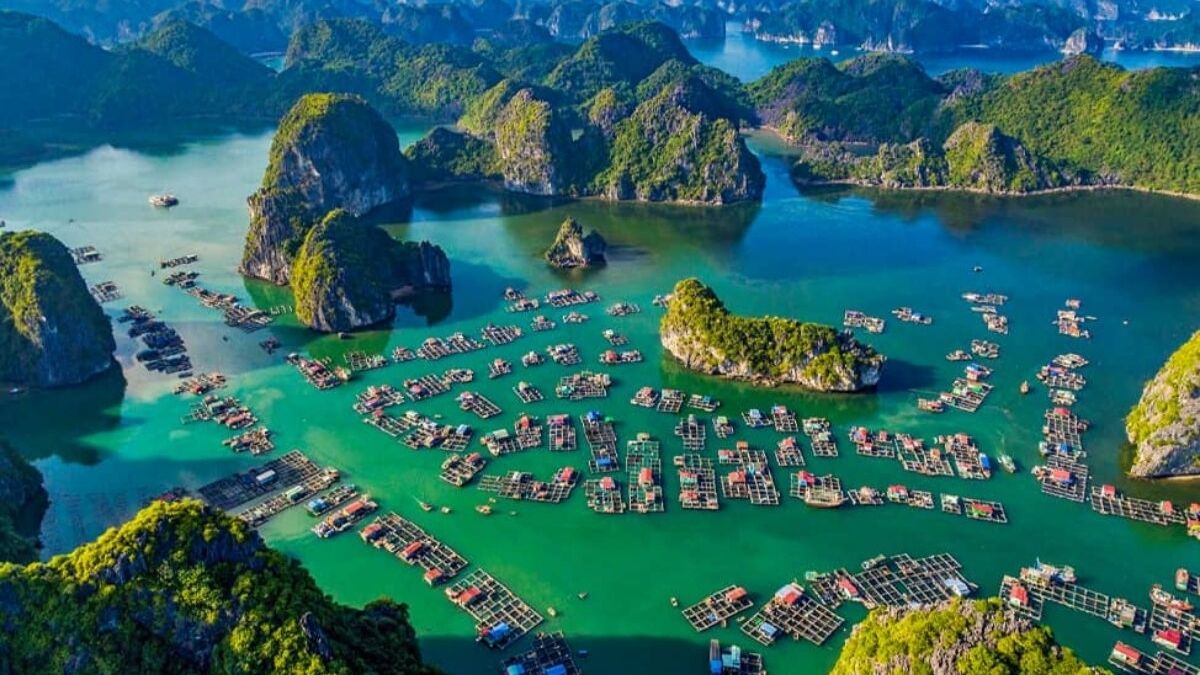
Halong Bay is one of Vietnam’s most famous destinations and a major reason many travelers visit Northern Vietnam. The bay is known for dramatic limestone islands and karst towers rising from the sea. Halong Bay is now part of the UNESCO World Heritage property known as Ha Long Bay – Cat Ba Archipelago, which was extended in 2023 to include the Cat Ba Archipelago. The landscape is particularly impressive from the water, making an overnight cruise one of the most popular ways to experience the region.
17. Halong Bay Overnight Cruise – The Best Way to Experience the Bay
An overnight cruise provides a more complete Halong Bay experience than a rushed day trip. Depending on the boat and route, activities can include kayaking, cave visits, swimming, sunset viewing, sunrise photography and Vietnamese cooking demonstrations. When selecting a cruise, look beyond the headline price and compare the actual itinerary, cabin quality, boat condition, meals, activities, transfer service and cancellation policy. A well-chosen cruise can turn Halong Bay into one of the most relaxing parts of a Northern Vietnam itinerary.
18. Cat Ba Island – Nature, Beaches and Limestone Landscapes
Cat Ba Island is the largest island in the Cat Ba Archipelago and is now included within the Ha Long Bay – Cat Ba Archipelago UNESCO World Heritage property. The island combines beaches, forested mountains, limestone cliffs and marine landscapes. Cat Ba is particularly suitable for travelers who want to combine the famous karst scenery of Halong Bay with more time on land. Travelers can explore viewpoints, beaches, Lan Ha Bay and the island’s natural landscapes.
19. Lan Ha Bay – A Quieter Alternative to Halong Bay
Lan Ha Bay lies around the Cat Ba Archipelago and features hundreds of limestone islands and small islets surrounded by clear waters. The scenery is similar to Halong Bay but can feel more secluded depending on the route and season. Kayaking and boat trips are particularly attractive because the landscape is best understood from the water. Travelers who want a combination of limestone scenery, kayaking and a quieter atmosphere should consider including Lan Ha Bay in their Northern Vietnam itinerary.
20. Ninh Binh – Limestone Mountains and Rural Landscapes
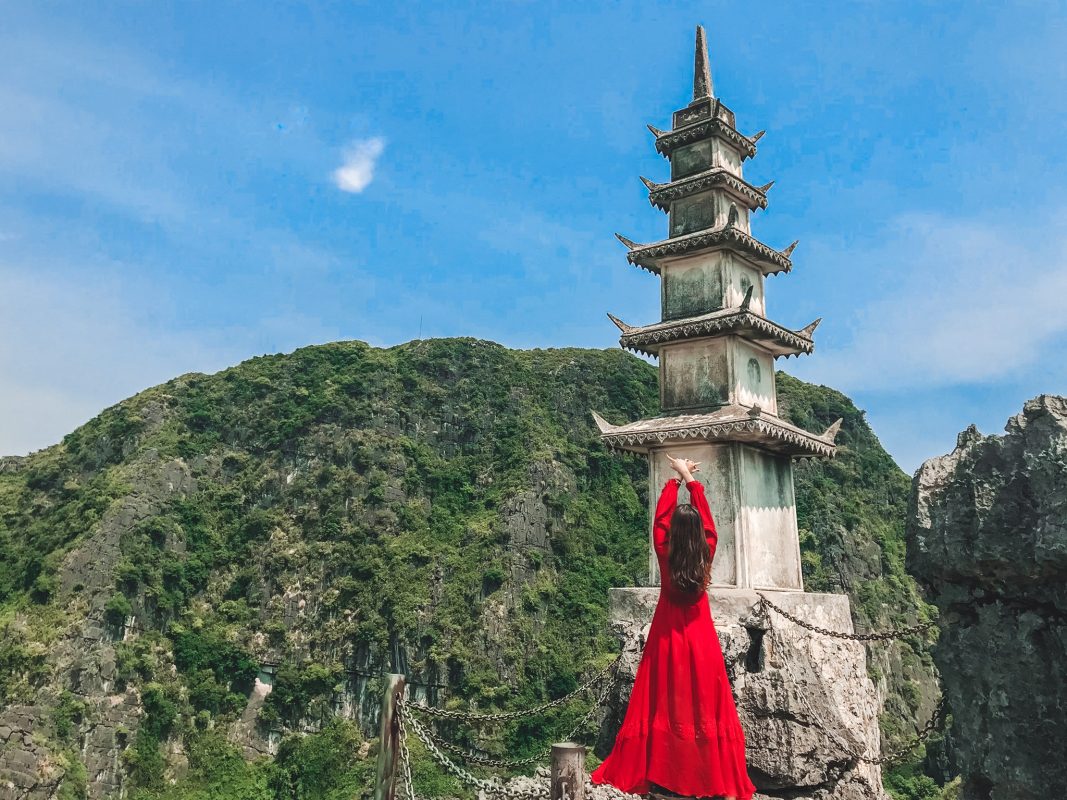
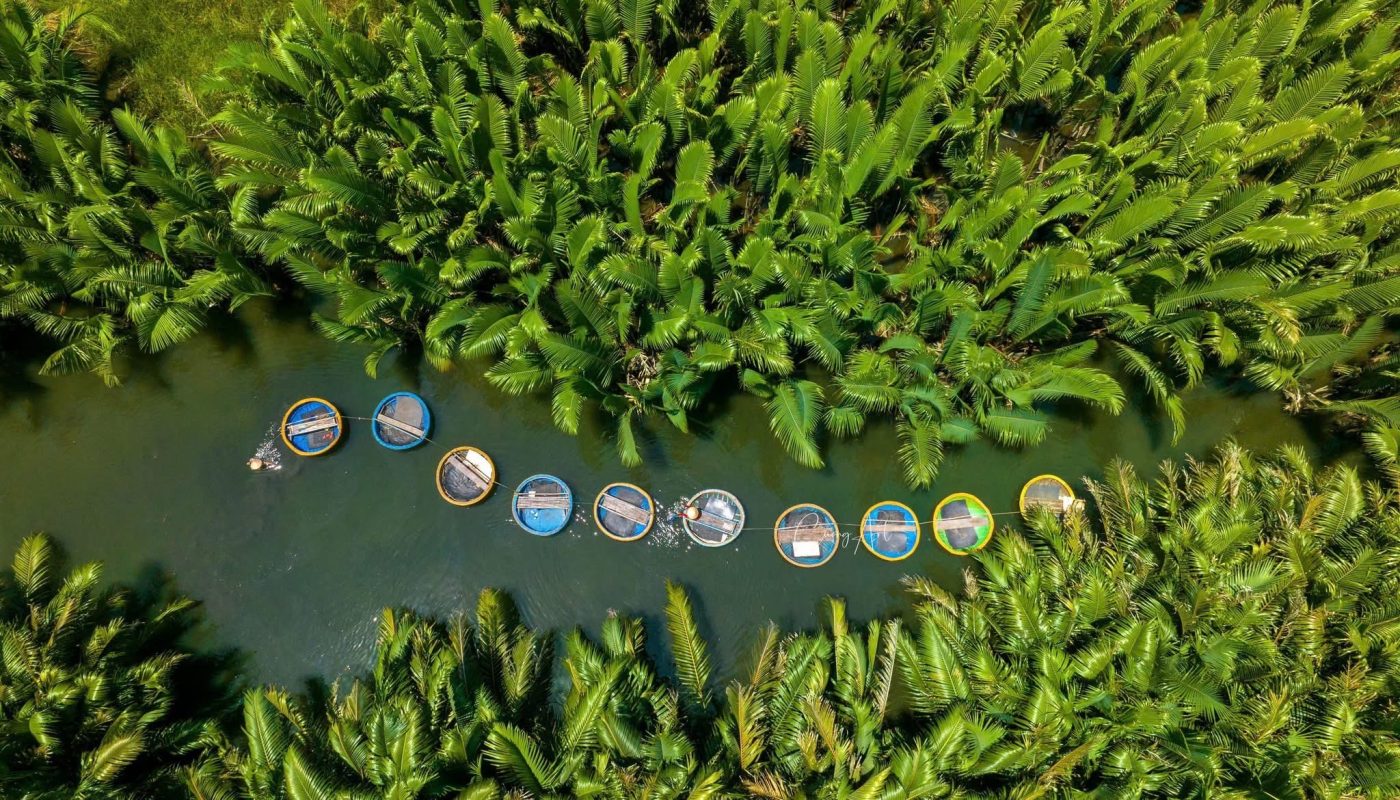
Ninh Binh is often included in Northern Vietnam itineraries because of its dramatic limestone mountains, rivers, caves and countryside landscapes. Boat trips through areas such as Trang An allow travelers to move between limestone formations, caves and waterways while surrounded by rural scenery. The region also contains important cultural and historical attractions, including Hoa Lu, the ancient capital of Vietnam. Ninh Binh works particularly well as a short extension from Hanoi for travelers who want to experience countryside landscapes without traveling deep into the northern mountains.
21. Mai Chau – Rice Valleys and Traditional Villages
Mai Chau offers a more relaxed alternative to the high mountains of Sapa and Ha Giang. The valley is surrounded by green mountains and rice fields and is known for traditional villages and stilt houses. Travelers can explore the countryside by bicycle, walk through rice fields and stay in traditional-style accommodation. Mai Chau is particularly suitable for visitors who want rural scenery and cultural experiences but do not want the longer transportation times required for Ha Giang.
22. Ba Be National Park – Lakes, Forests and Ethnic Villages
Ba Be National Park is one of Northern Vietnam’s best destinations for nature lovers. The park contains forests, limestone mountains, caves, waterfalls and Ba Be Lake, Vietnam’s largest natural freshwater lake. Boat trips on the lake provide a peaceful way to explore the landscape, while village visits introduce travelers to communities living around the park. Ba Be is a strong choice for travelers who want to move beyond the more heavily visited destinations and spend more time in nature.
23. Cao Bang – Waterfalls and Limestone Mountains
Cao Bang is an excellent destination for travelers interested in waterfalls, caves and dramatic northern landscapes. The province is home to Ban Gioc Waterfall, one of the most spectacular waterfalls in Vietnam, as well as limestone mountains and traditional villages. Cao Bang can be combined with Ba Be or Ha Giang for a longer Northern Vietnam adventure, although the distances and road conditions mean that travelers should allow several days rather than attempting to visit the province as a rushed day trip from Hanoi.
24. Ban Gioc Waterfall – One of Vietnam’s Most Beautiful Waterfalls
Ban Gioc Waterfall is located in Cao Bang near the Chinese border and is one of the most impressive natural attractions in Northern Vietnam. Water flows over multiple limestone levels surrounded by green mountains, creating a particularly dramatic landscape during the rainy season. The waterfall is best visited as part of a broader Cao Bang itinerary because the journey from Hanoi is long. Travelers who enjoy photography, waterfalls and rural landscapes will find the journey worthwhile.
25. Bac Ha – Mountain Markets and Ethnic Culture
Bac Ha is a quieter mountain destination that offers a strong cultural experience, particularly around its famous Sunday market. The surrounding area is home to several ethnic communities, and the market brings together residents from surrounding villages to trade agricultural products, clothing, livestock and household goods. Bac Ha is a good alternative to Sapa for travelers who want to experience northern mountain culture with fewer visitors. The surrounding hills and villages also provide opportunities for trekking and photography.
Best Places in Northern Vietnam for Nature Lovers
Travelers primarily interested in nature should prioritize Ha Giang, Sapa, Cao Bang, Ba Be National Park and Halong Bay. Sapa provides rice terraces and high mountains, Ha Giang offers dramatic limestone valleys and passes, Cao Bang is famous for waterfalls and karst landscapes, Ba Be combines forests and freshwater lakes, and Halong Bay provides a marine landscape of limestone islands. Choosing two or three of these destinations is usually better than trying to visit all of them in a short trip.
Best Places in Northern Vietnam for Culture
Hanoi is the strongest destination for Vietnamese history, architecture, food and urban culture, while Sapa, Ha Giang, Bac Ha, Mai Chau and Ba Be provide opportunities to learn about different ethnic communities and rural lifestyles. Travelers should avoid treating ethnic villages as photographic attractions. A respectful visit should involve appropriate behavior, permission before taking photographs and support for genuine community businesses.
Best Places in Northern Vietnam for Adventure
Ha Giang is the clear choice for travelers seeking adventure. The Ha Giang Loop combines long mountain-road days, steep passes, valleys and remote communities. Sapa is better suited to trekking and mountain activities, while Cao Bang offers waterfalls and caves. For travelers who want water-based activities, Halong Bay and Lan Ha Bay offer kayaking and boat experiences among limestone islands.
Best Places in Northern Vietnam for Food
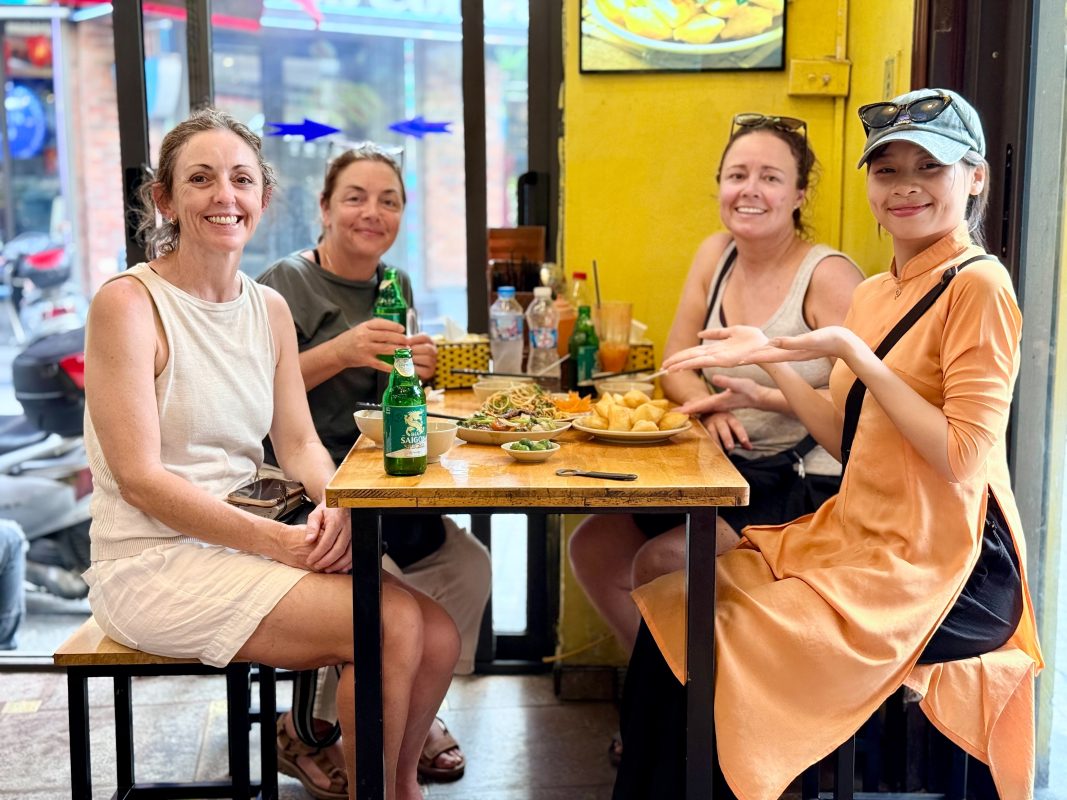
Hanoi should be the priority for food travelers. The city has an enormous range of traditional dishes, from pho and bun cha to cha ca, banh cuon and egg coffee. Mountain regions such as Ha Giang and Sapa introduce different ingredients and cooking traditions, while Halong Bay provides opportunities to enjoy seafood. A good Northern Vietnam food itinerary should include street-food experiences in Hanoi rather than relying entirely on hotel restaurants.
Best Places in Northern Vietnam for Photography
Sapa is ideal for rice-terrace photography, particularly during periods when the terraces are green or golden. Ha Giang provides dramatic mountain roads, limestone cliffs, valleys and the Nho Que River. Cao Bang offers waterfalls and karst landscapes, while Halong Bay provides the iconic combination of limestone islands and sea. Hanoi adds a completely different photographic environment with old buildings, street markets, cafés, bicycles and dense urban life.
Best Northern Vietnam Itinerary for First-Time Visitors
For travelers visiting Northern Vietnam for the first time, a route combining Hanoi, Sapa, Ha Giang and Halong Bay provides the greatest variety. Spend two or three nights in Hanoi, two or three nights in Sapa, three or four days on the Ha Giang Loop and one or two nights around Halong Bay. This route covers the region’s most distinctive experiences without requiring travelers to constantly change hotels every night. If you have more than twelve days, consider adding Cao Bang, Ba Be or Mai Chau rather than simply making every existing stop longer.
How Long Should You Spend in Northern Vietnam?
A six-to-eight-day trip can cover Hanoi, Sapa and Halong Bay. A nine-to-twelve-day itinerary is better if you want to include Ha Giang. Travelers with twelve to fourteen days can comfortably combine Hanoi, Sapa, Ha Giang and Halong Bay with additional time for slower travel. The most important consideration is transportation time. Mountain destinations take longer to reach than their distances on a map suggest, so adding one extra night can make a major difference to the quality of the trip.
Best Time to Visit Northern Vietnam
The best travel period depends on the destinations you want to visit. September and October are particularly attractive for travelers interested in Sapa’s rice terraces and the mountain landscapes of Ha Giang. March to May generally offers comfortable conditions for exploring cities and mountains, while June to August brings greener landscapes but a greater possibility of heavy rain. December to February can be cold in Sapa and Ha Giang, especially at higher elevations. Halong Bay can also experience fog, rain and occasional weather-related cruise changes, so travelers should always check conditions close to their departure date.
How to Travel Around Northern Vietnam
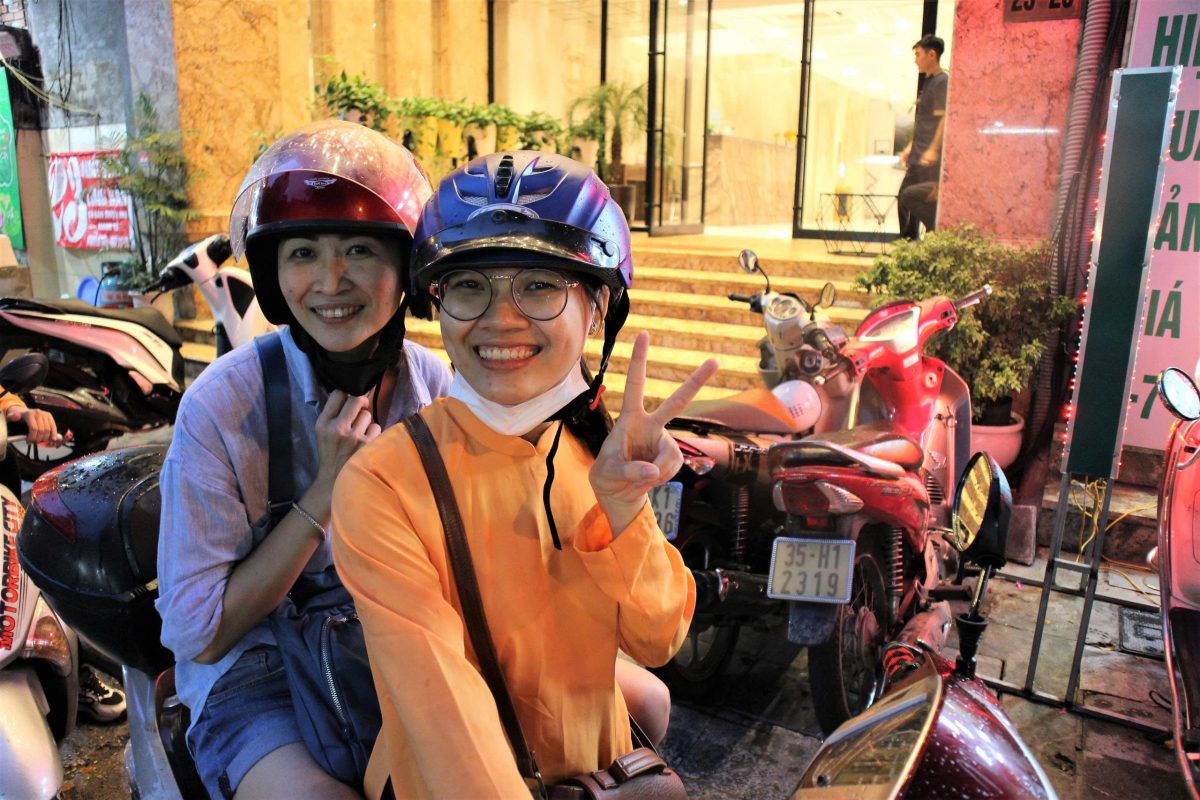
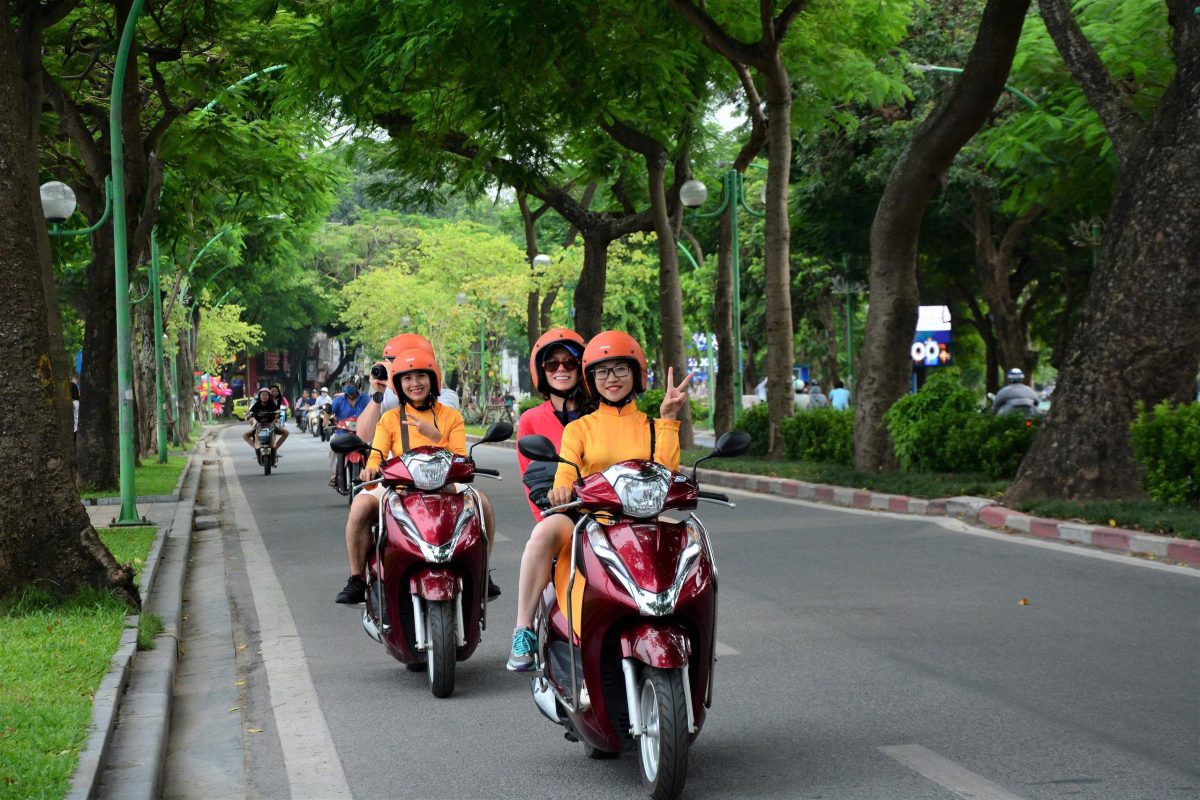
Hanoi is the main transportation hub for the region. Sapa can be reached from Hanoi by road, while Ha Giang is primarily a road destination. Halong Bay is easily connected with Hanoi by private car, limousine services and cruise transfers. For a multi-destination itinerary, private transportation can be particularly valuable because it reduces waiting time and provides greater flexibility for scenic stops. Travelers joining the Ha Giang Loop should prioritize experienced drivers and suitable vehicles because the mountain roads are very different from Hanoi’s urban streets.
What to Pack for Northern Vietnam
A practical Northern Vietnam packing list should include comfortable walking shoes, lightweight clothing, a warm layer, rain protection, sunscreen, sunglasses, insect repellent, a small daypack and a power bank. If visiting Sapa or Ha Giang during the cooler months, bring warmer clothing because temperatures in the mountains can be considerably lower than in Hanoi. Travelers taking a motorcycle journey should also wear appropriate footwear and protective equipment and avoid carrying unnecessary luggage.
Final Thoughts: Which Northern Vietnam Destinations Are Worth Visiting?
The best places to visit in Northern Vietnam depend on the type of trip you want, but several destinations stand out. Hanoi is essential for history and food, Sapa is the classic destination for rice terraces and trekking, Ha Giang is the strongest choice for mountain-road adventure, and Halong Bay is the region’s most famous coastal landscape. Cao Bang, Ba Be, Bac Ha and Mai Chau are excellent additions for travelers with more time who want waterfalls, forests, markets and rural culture. Rather than trying to collect as many destinations as possible, build your itinerary around contrasting experiences and allow enough time to appreciate each place.
Vietnam Women Travel – Vietnam Private Tours Led by Women
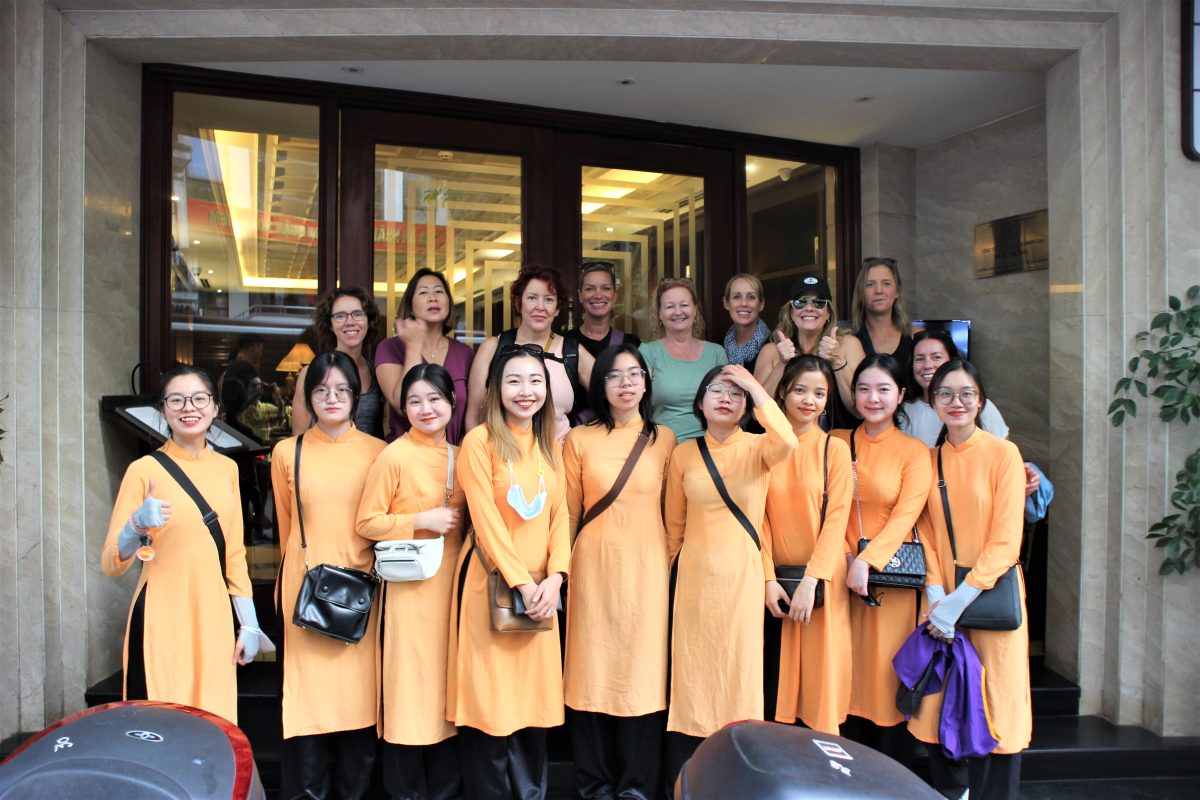
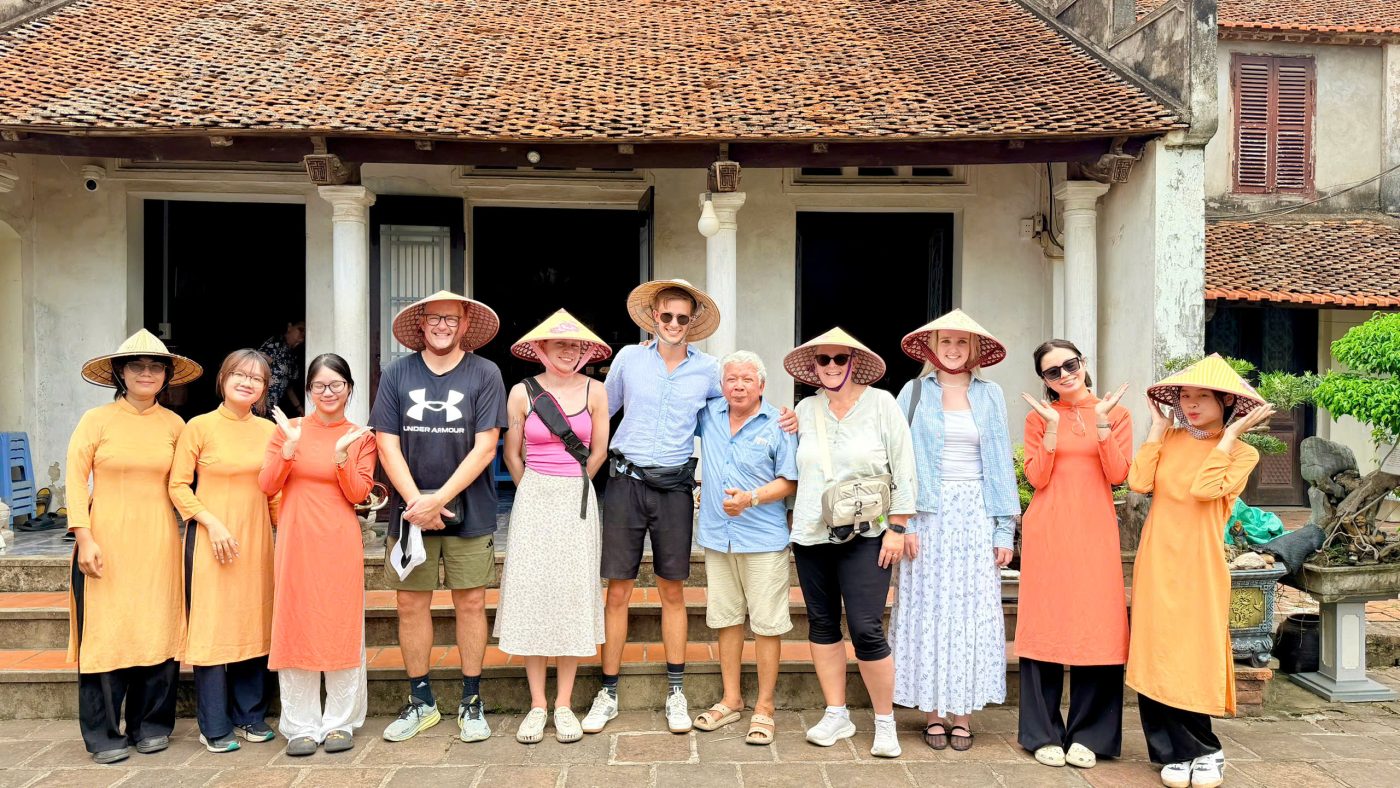
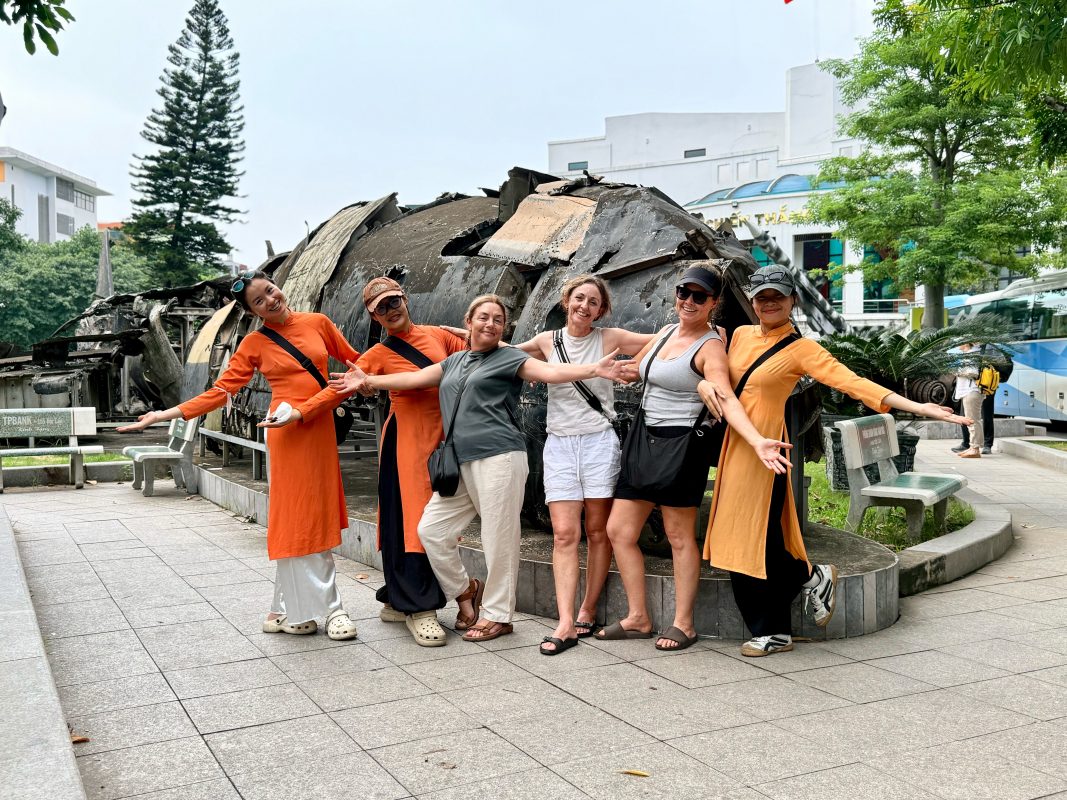
For travelers who want to explore these destinations with greater flexibility, Vietnam Women Travel – Premium Private Tours Led by Women offers private journeys designed around each group’s interests, schedule and preferred travel style. The focus is on Vietnam private tours led by women, rather than large standard group tours, allowing travelers to enjoy private transportation, carefully selected experiences and professional female tour leaders and guides. A private Northern Vietnam journey can be customized to combine Hanoi, Sapa, Ha Giang, Halong Bay and other destinations according to the time available, with more flexibility for food experiences, photography, trekking, cultural visits and comfortable travel. The aim is to create a personal Northern Vietnam experience where travelers can see the famous destinations while also having enough time to enjoy the landscapes, food and culture along the way.