Northern Vietnam Travel Guide: Hanoi, Sapa, Ha Giang & Halong Bay
Northern Vietnam is one of the most diverse regions in the country, combining historic cities, spectacular mountain landscapes, traditional villages, dramatic mountain roads and UNESCO-recognized seascapes. For travelers planning their first trip to Vietnam, a journey through Hanoi, Sapa, Ha Giang and Halong Bay offers an excellent introduction to the country’s culture and scenery. Each destination has a completely different character: Hanoi is known for its Old Quarter, architecture, history and extraordinary food culture; Sapa is famous for rice terraces, Fansipan and mountain villages; Ha Giang is the destination for dramatic passes, limestone mountains and the famous Ha Giang Loop; and Halong Bay offers a completely different landscape of limestone islands rising from the sea. A well-planned Northern Vietnam itinerary should not simply try to visit as many places as possible. The most enjoyable journeys allow enough time in each destination to experience its landscapes, food, people and daily life.
Why Travel to Northern Vietnam?
Northern Vietnam is particularly appealing because several of the country’s most important attractions can be combined into one journey. Hanoi provides the cultural starting point, while Sapa and Ha Giang take travelers into the northern mountains before Halong Bay provides a spectacular coastal ending. The region is also geographically and culturally diverse. Within a single trip, you can eat pho in a small Hanoi restaurant in the morning, walk through rice terraces in Sapa, travel along a mountain pass in Ha Giang and wake up surrounded by limestone islands in Halong Bay. This contrast is one of the biggest reasons Northern Vietnam remains such a popular destination for travelers who want more than a conventional city-and-beach holiday.
Hanoi: The Best Starting Point for Northern Vietnam
Hanoi is the natural starting point for a Northern Vietnam itinerary and deserves more than a quick overnight stay. The Vietnamese capital combines more than a thousand years of history with French colonial architecture, traditional neighborhoods, modern cafés, markets and one of Asia’s most recognizable street-food cultures. For first-time visitors, spending two or three nights in Hanoi allows enough time to explore the Old Quarter, Hoan Kiem Lake, historic attractions, local markets and the city’s famous food streets before continuing into the mountains.
Hanoi Old Quarter
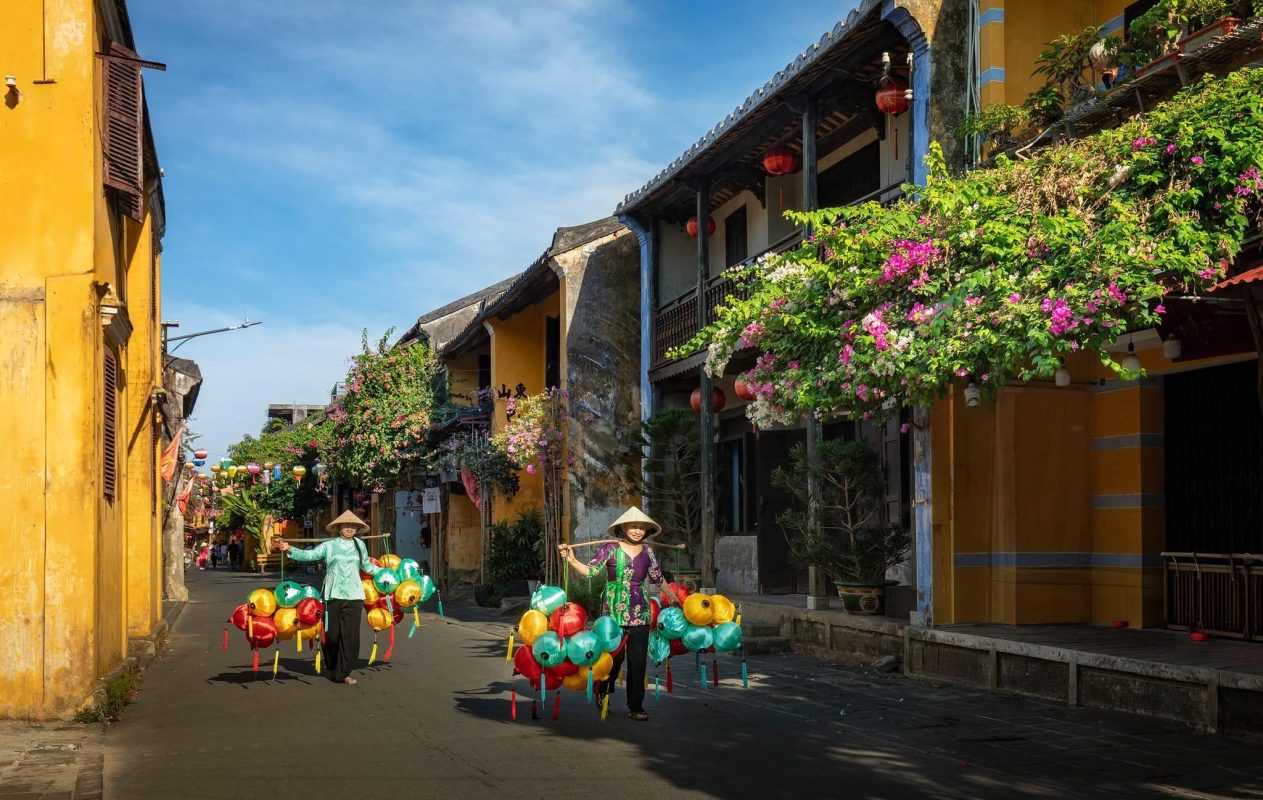
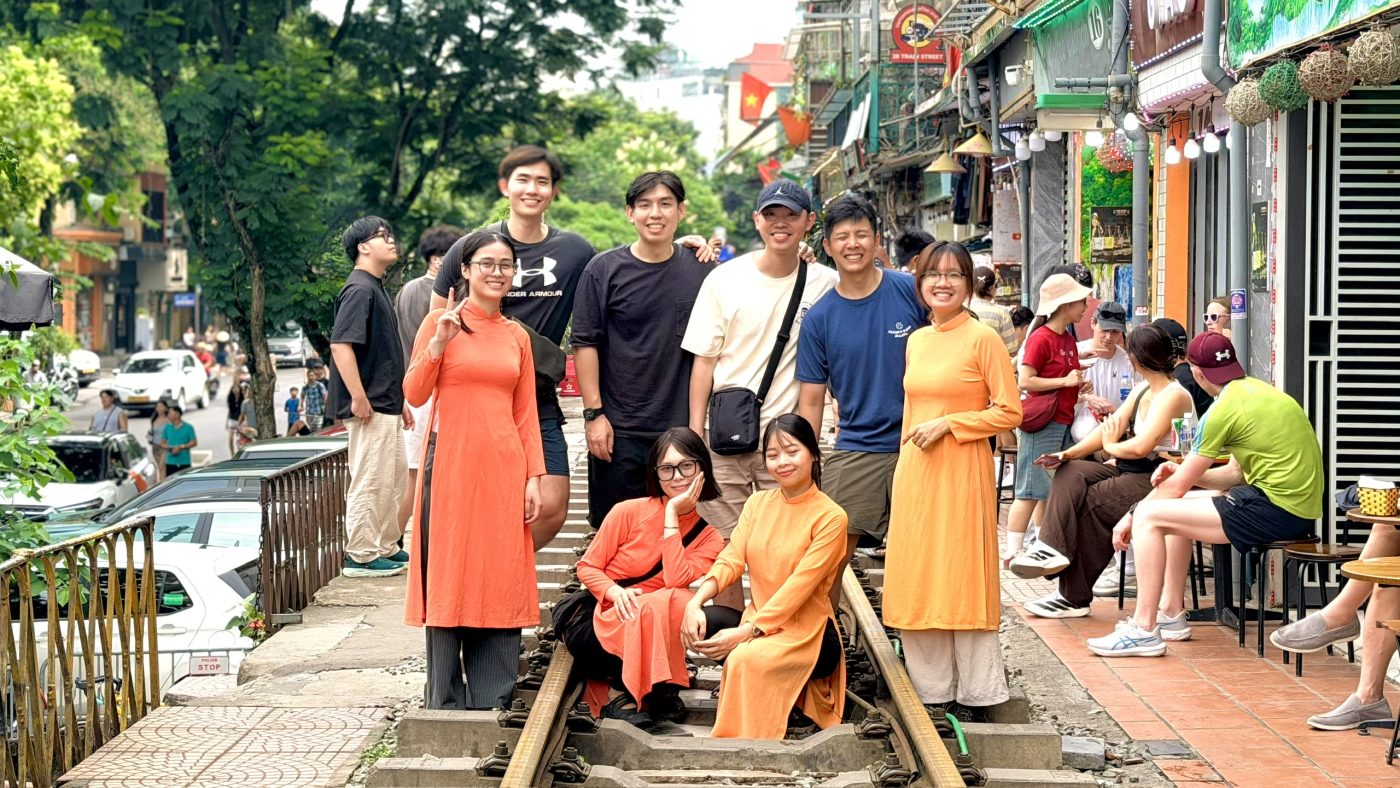
The Old Quarter is the heart of historic Hanoi and one of the most rewarding areas to explore on foot. Its narrow streets are filled with traditional houses, family businesses, cafés, restaurants, small temples, souvenir shops and street-food vendors. Many streets historically developed around specific trades, which explains the names and character of different parts of the district. A walk from Hoan Kiem Lake through Hang Gai, Hang Bac, Ma May, Ta Hien and toward Dong Xuan Market gives visitors a good introduction to the architecture, food and everyday activity of central Hanoi. The best way to experience the Old Quarter is to slow down rather than trying to see everything in a single afternoon.
Hoan Kiem Lake and Hanoi’s Historic Center
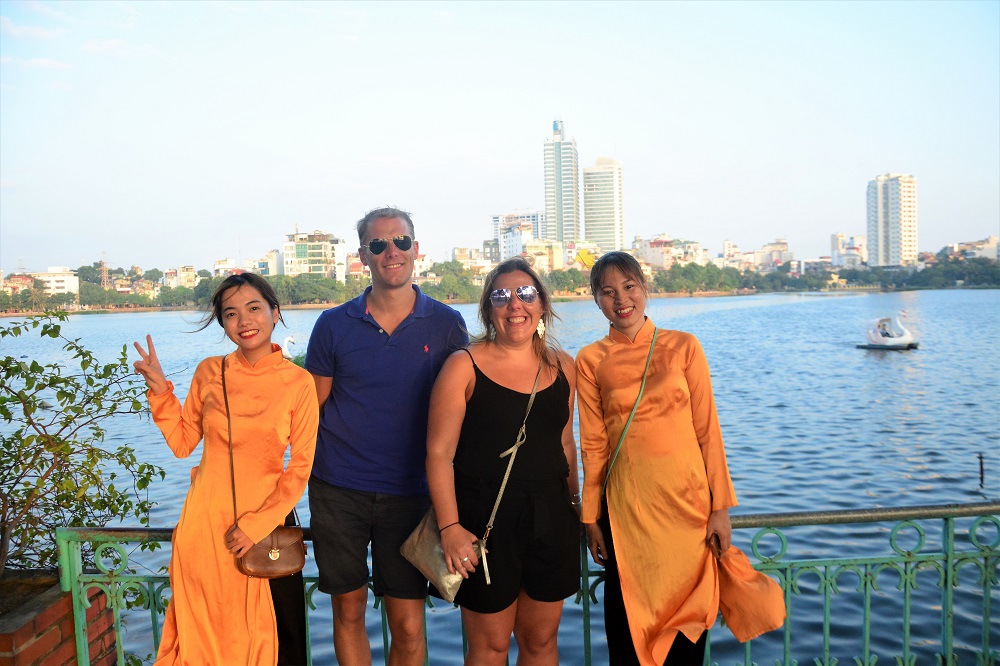
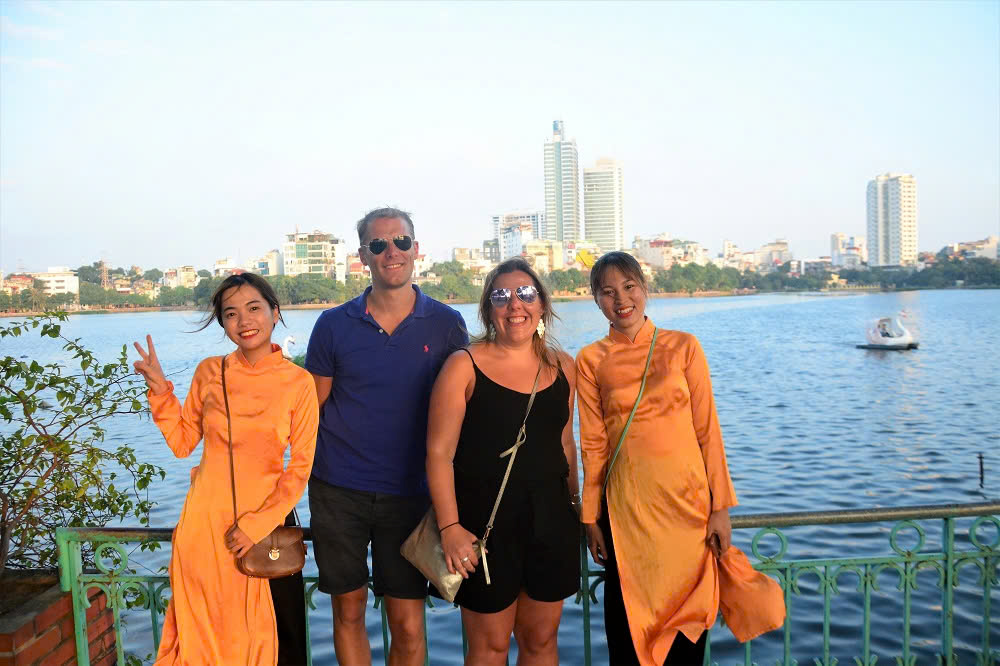
Hoan Kiem Lake is one of Hanoi’s most recognizable landmarks and an excellent place to begin exploring the city. Early morning is particularly interesting because residents gather around the lake to walk, exercise, practice tai chi and socialize. In the evening, the atmosphere changes as visitors and residents gather around the pedestrian areas, restaurants and cafés. From Hoan Kiem Lake, travelers can easily walk into the Old Quarter and explore several of Hanoi’s most historic streets without needing transportation.
What to Eat in Hanoi
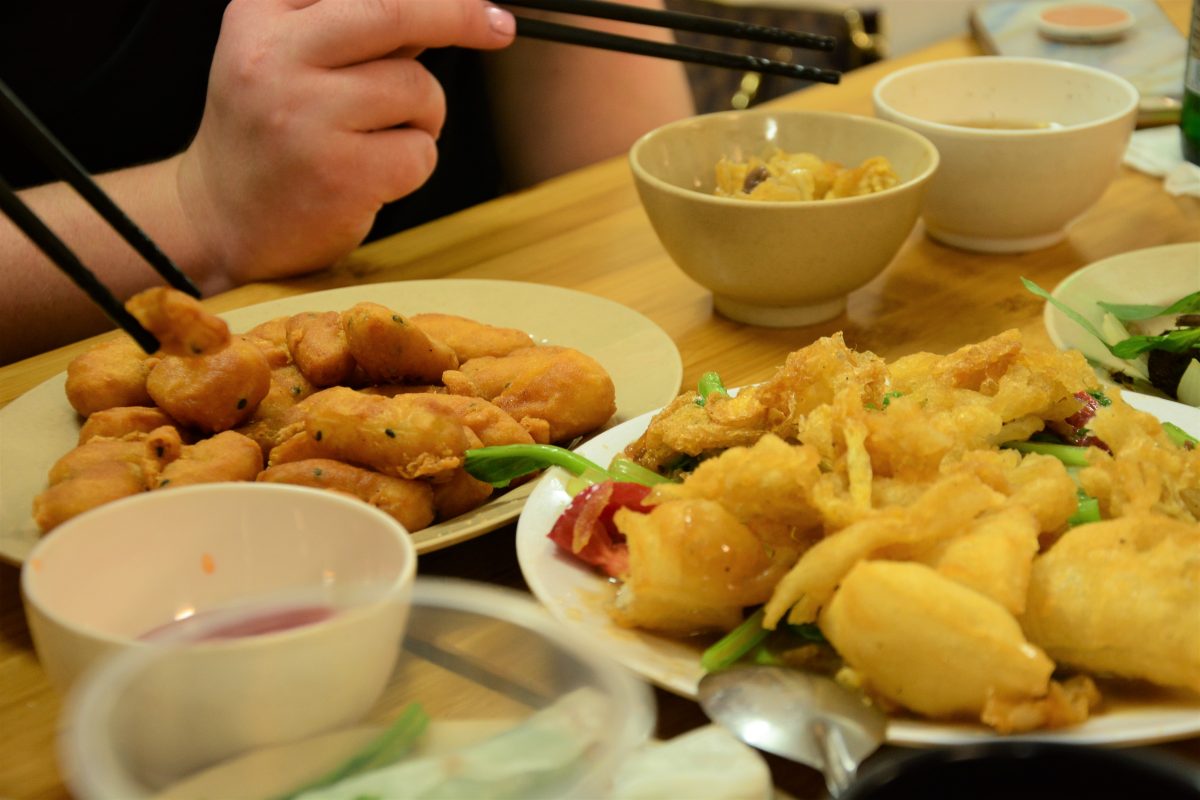
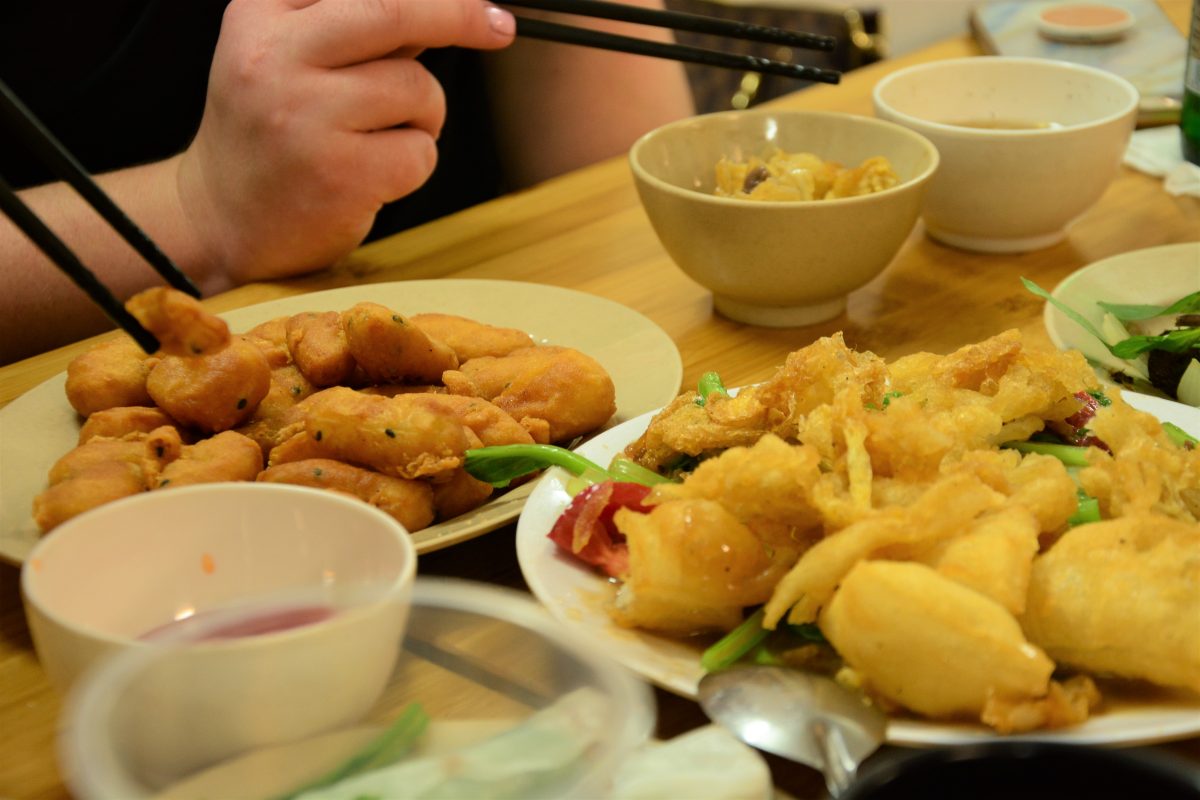
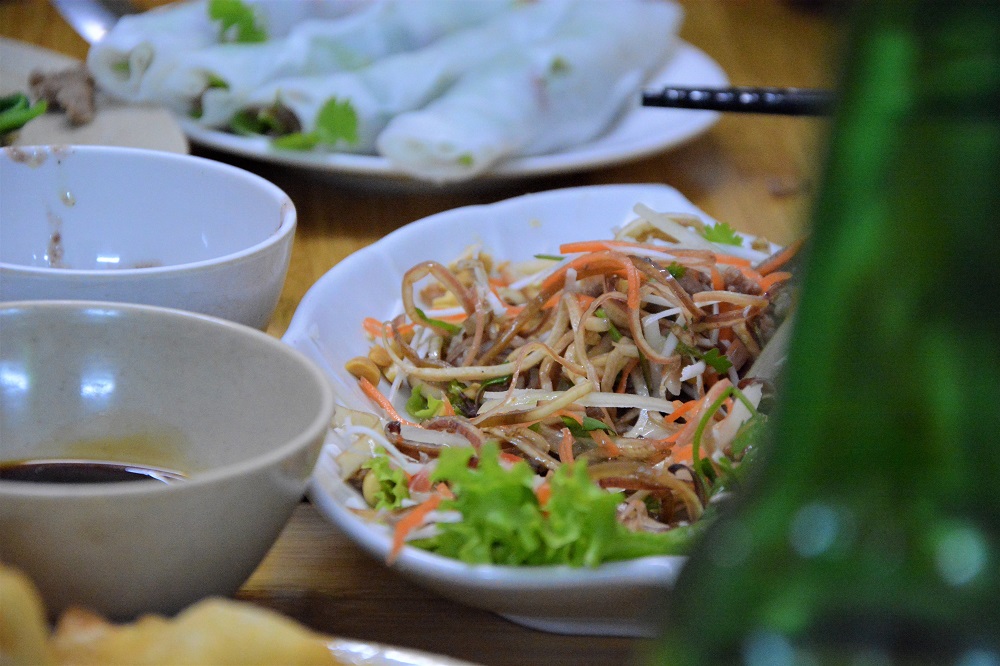
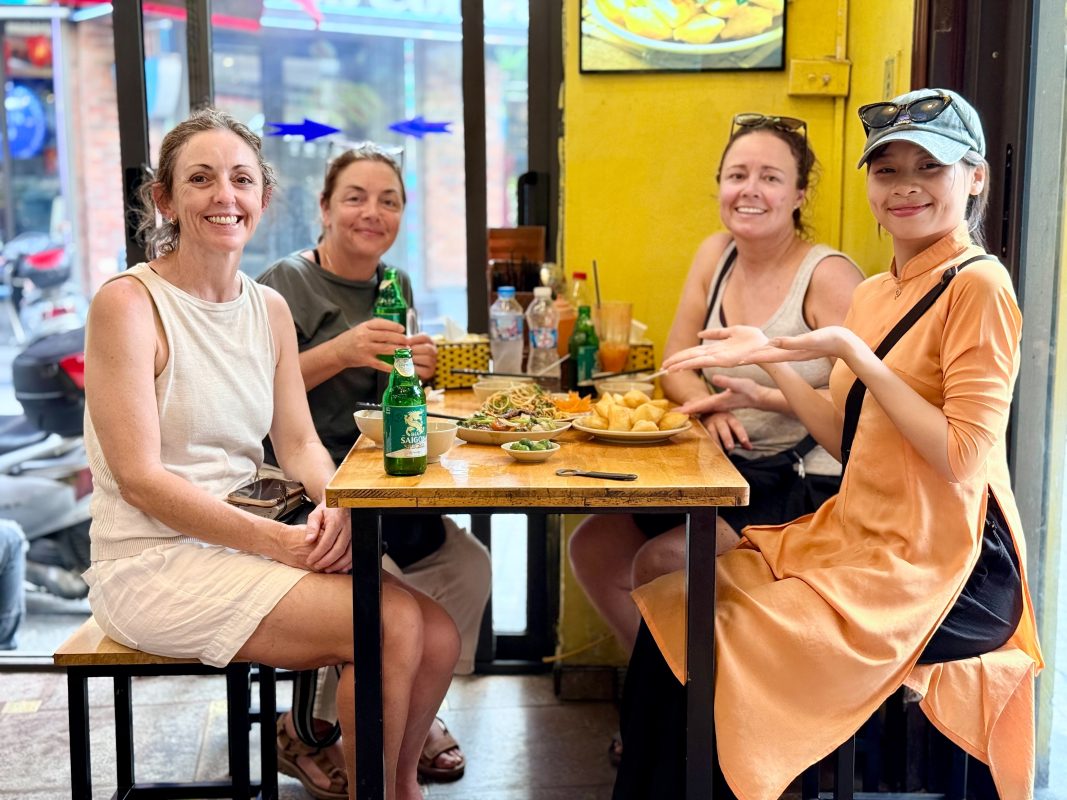
Food should be one of the main reasons to spend several days in Hanoi. The city is particularly famous for pho bo, bun cha, cha ca, banh cuon, banh mi and egg coffee. Pho bo is traditionally enjoyed as a breakfast, with rice noodles, beef and an aromatic broth. Bun cha combines grilled pork, rice noodles, herbs and dipping sauce and is one of Hanoi’s signature dishes. Cha ca is another Hanoi specialty, traditionally prepared with turmeric-marinated fish, dill, herbs, noodles and peanuts. Banh cuon offers a lighter option, consisting of delicate steamed rice sheets served with fillings and dipping sauce. Hanoi egg coffee is another must-try experience, combining strong Vietnamese coffee with a rich whipped egg mixture to create a drink that is closer to a dessert than a standard coffee.
Hanoi at Night
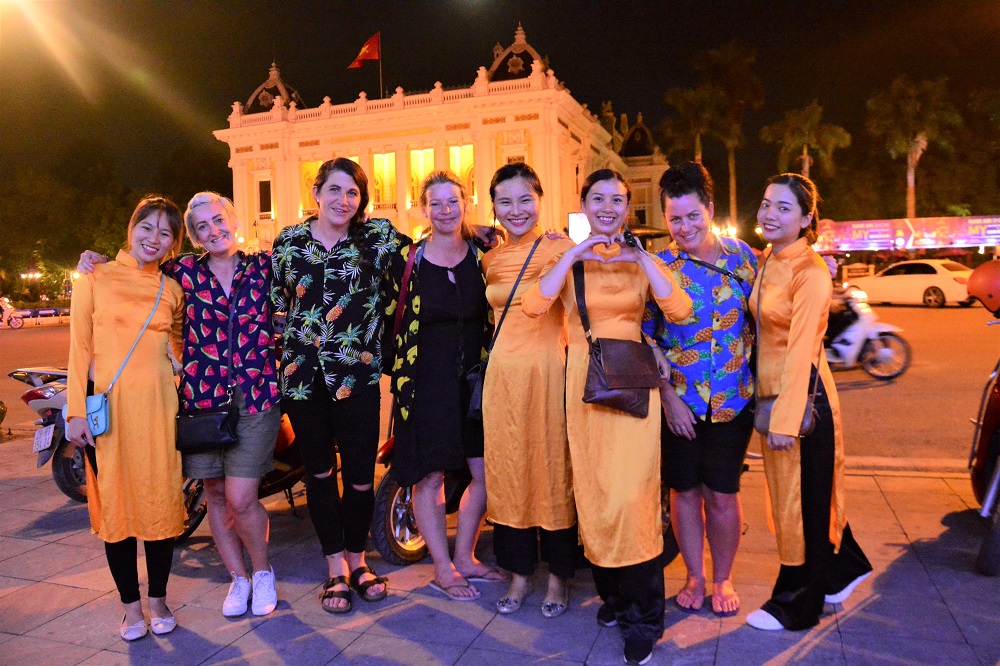
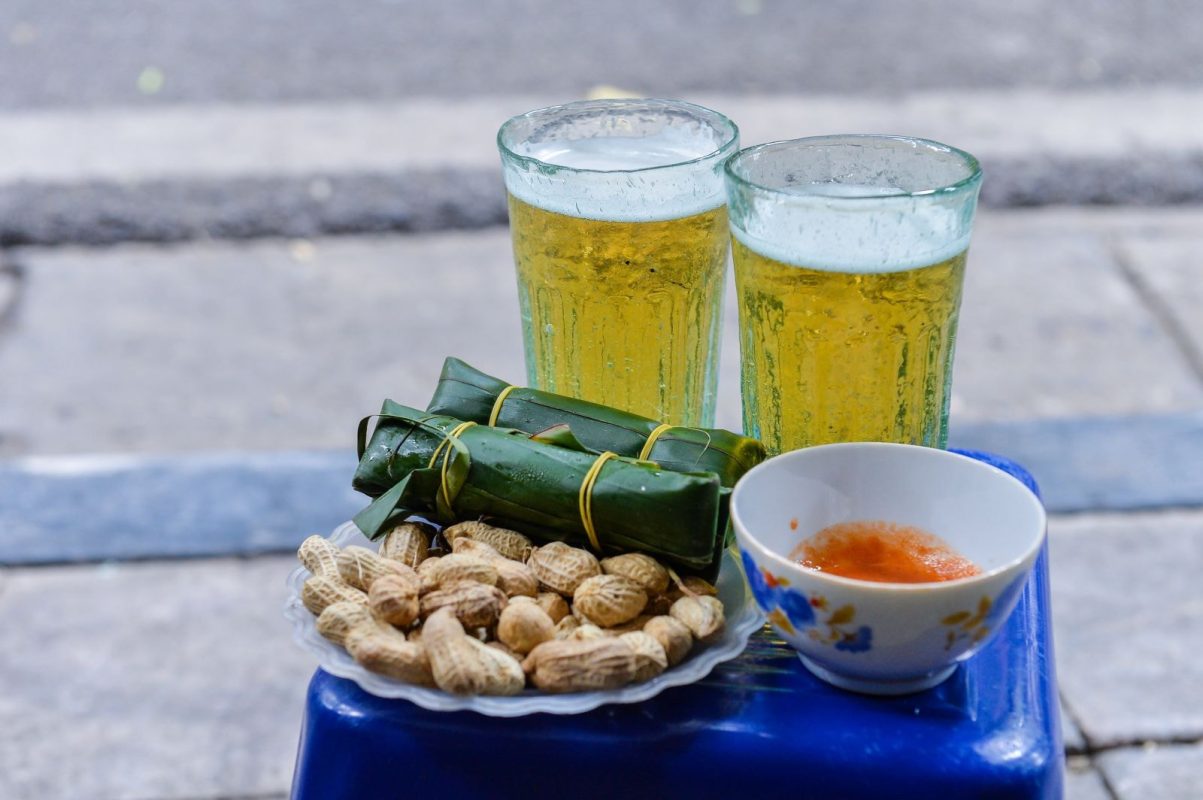
Hanoi becomes particularly atmospheric after sunset. The Old Quarter fills with restaurants, street-food stalls, cafés and nightlife, while the area around Hoan Kiem Lake becomes an important evening gathering place. Ta Hien Street is famous for its casual beer-and-street-food atmosphere, while smaller streets throughout the Old Quarter offer everything from grilled dishes and noodle soups to Vietnamese desserts. Travelers who want to understand Hanoi’s food culture in a short amount of time can benefit from a guided food experience because many of the best food stalls are small businesses with limited menus and few English signs.
How Many Days Do You Need in Hanoi?
Two nights is a reasonable minimum for a first visit, while three nights is much better for travelers who want to experience Hanoi without rushing. With one full day, concentrate on Hoan Kiem Lake, the Old Quarter, major historical attractions and Vietnamese food. With two full days, you can add museums, temples, the French Quarter and a dedicated evening food experience. Hanoi should not be treated only as the place where you sleep before traveling to Sapa or Ha Giang because the city provides important cultural and culinary context for the rest of Northern Vietnam.
Sapa: Rice Terraces and Mountain Landscapes
Sapa is one of Northern Vietnam’s most famous mountain destinations and is located in the Hoang Lien Son mountain range. The town is surrounded by valleys, steep mountains and extensive rice terraces, while Fansipan rises to 3,143 meters and is the highest mountain in Vietnam. Sapa is particularly suitable for travelers interested in trekking, mountain scenery, photography, ethnic communities and cooler weather. The landscape changes dramatically depending on the season, making the timing of your visit important if rice terraces are a major priority.
Fansipan: The Roof of Indochina
Fansipan is the highest mountain in Vietnam and one of Sapa’s major attractions. Travelers who do not want to undertake a demanding multi-day climb can reach the summit area by cable car and experience the high-altitude landscape with considerably less physical effort. Clear weather can provide expansive mountain views, while clouds and mist can create a completely different atmosphere. Because mountain weather changes quickly, it is worth checking conditions before planning your visit to Fansipan.
Muong Hoa Valley
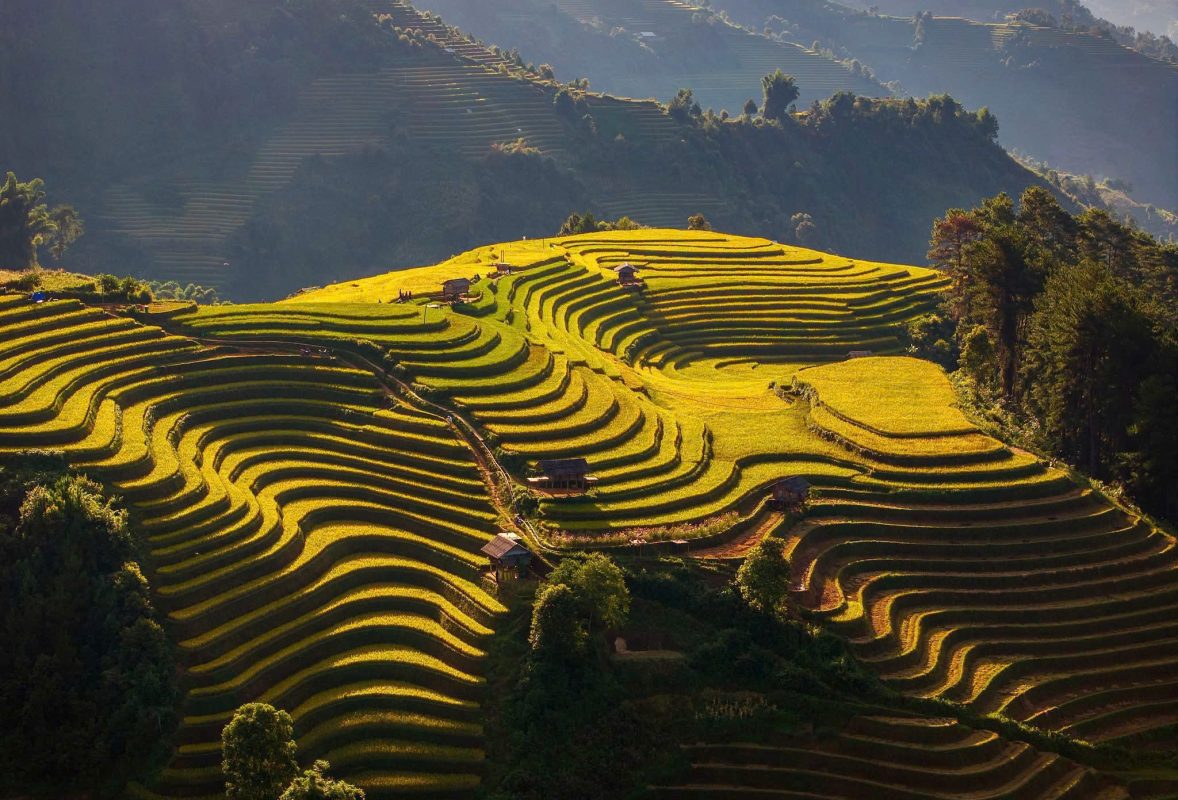
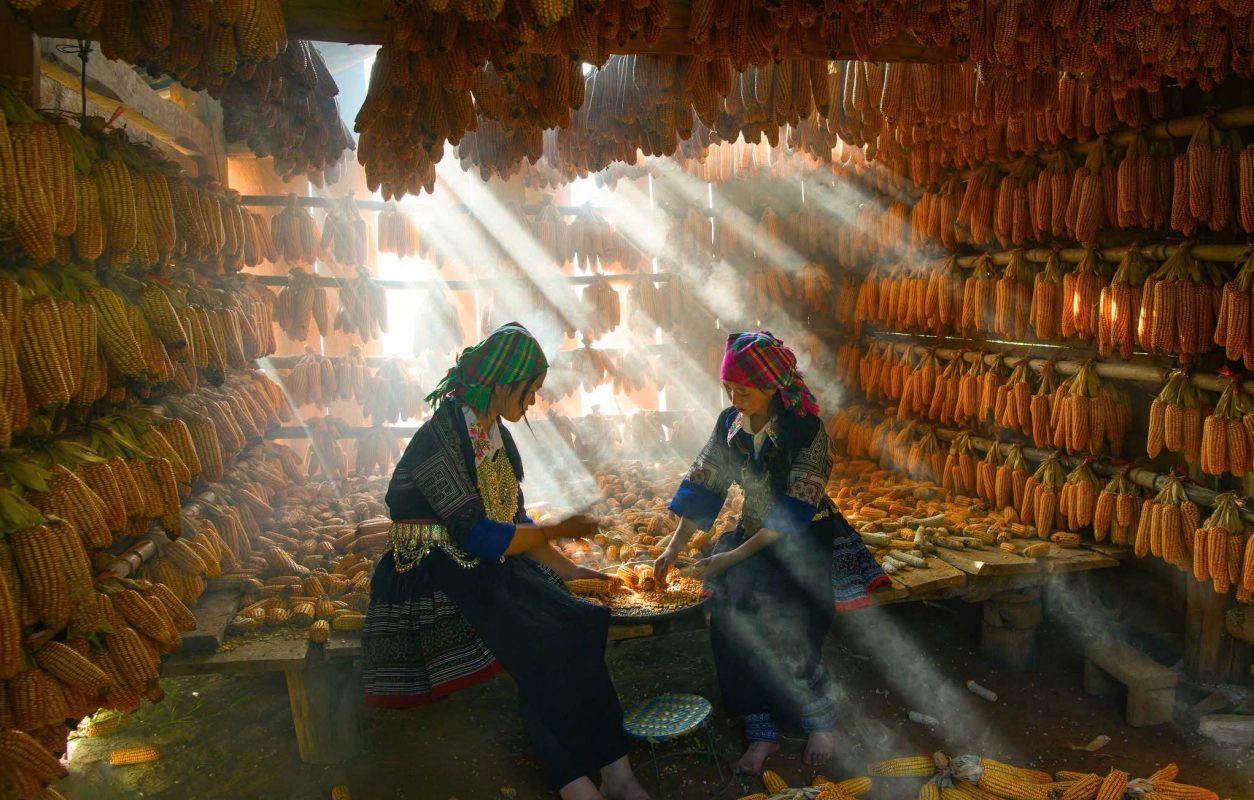
Muong Hoa Valley is one of the most beautiful landscapes in Sapa and arguably more representative of the region than Sapa town itself. The valley is surrounded by mountains and contains extensive terraced rice fields together with villages inhabited by Hmong, Red Dao and Giay communities. The appearance of the terraces changes throughout the agricultural cycle. Green terraces dominate during the growing period, while the fields can become golden as the rice ripens before harvest. Walking through Muong Hoa Valley is much more rewarding than simply stopping at a viewpoint because trekking allows travelers to see farms, paths, villages and mountain life at a slower pace.
Trekking and Mountain Villages in Sapa
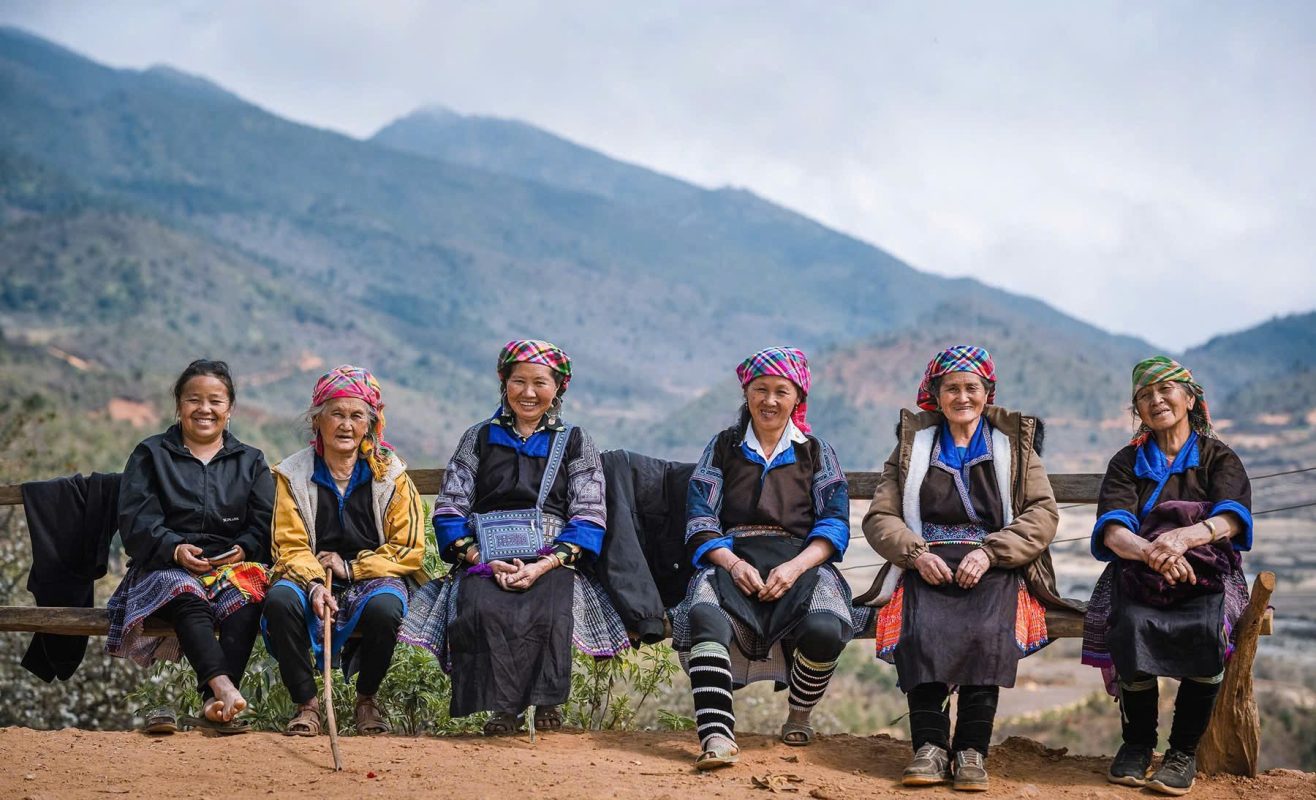
Sapa offers numerous trekking possibilities, including routes through Lao Chai, Ta Van, Y Linh Ho and other communities around Muong Hoa Valley. A village trek can combine mountain scenery with opportunities to learn about agriculture, traditional crafts and everyday life. Visitors should remember that these are real residential communities rather than tourist attractions created solely for visitors. Ask permission before photographing people, respect private homes and support genuine handicraft producers when possible.
Ta Phin Village
Ta Phin is another interesting destination near Sapa and is associated particularly with Red Dao and Hmong communities. The area is known for traditional culture, handicrafts, mountain scenery and herbal bathing traditions. Ta Phin can be a good alternative for travelers who want to move beyond the busiest parts of Sapa and spend more time in a mountain community. A visit becomes more meaningful when combined with walking and cultural interaction rather than simply arriving, taking photographs and leaving.
Best Time to Visit Sapa
Sapa can be visited throughout the year, but each season produces a different landscape. From March to May, the weather is generally suitable for outdoor activities and the countryside becomes increasingly green. June to August brings lush landscapes but can also bring heavier rain. September and October are particularly attractive for travelers who want to see rice terraces changing to golden colors before harvest. November to February is cooler and can be foggy, with occasional very cold conditions at higher elevations. Travelers should therefore pack appropriately and avoid assuming that Northern Vietnam is always warm.
Ha Giang: Northern Vietnam’s Greatest Mountain Adventure
Ha Giang is very different from Sapa. While Sapa is strongly associated with rice terraces and trekking, Ha Giang is famous for dramatic mountain roads, limestone landscapes, deep valleys and the Ha Giang Loop. Located in the far north of Vietnam, Ha Giang offers some of the most spectacular road scenery in the country. The region is also home to numerous ethnic communities, making the journey as much a cultural experience as a scenic one.
The Ha Giang Loop
The classic Ha Giang Loop generally connects Ha Giang City with Quan Ba, Yen Minh, Dong Van, Meo Vac and Du Gia before returning toward Ha Giang. Exact routes vary depending on weather, road conditions and the traveler’s interests. The attraction is not simply reaching a destination but experiencing the road itself. Travelers pass through limestone mountains, valleys, agricultural areas, villages and high mountain passes, with frequent opportunities to stop for photographs. A three-day itinerary can cover major highlights, but four days provides a considerably better experience because it reduces the pressure to travel continuously.
Quan Ba and Heaven’s Gate
Quan Ba is one of the first major scenic areas on the Ha Giang Loop. The road climbs through mountain landscapes toward Heaven’s Gate, where travelers can look across valleys and limestone peaks. The famous Quan Ba Twin Mountains are another recognizable feature of this area. This section provides an early introduction to the dramatic geography that becomes even more impressive as the route continues toward Dong Van.
Dong Van Karst Plateau
The Dong Van Karst Plateau is one of the geological highlights of Northern Vietnam and is recognized as a UNESCO Global Geopark. The landscape consists of limestone mountains, cliffs, valleys and unusual rock formations, while numerous ethnic communities live throughout the region. The combination of geology and culture makes the plateau one of the most important areas to experience on the Ha Giang Loop. Travelers should allow enough time to stop rather than viewing the landscape only through a vehicle window.
Dong Van Old Town
Dong Van Old Town is a popular overnight stop on the Ha Giang Loop. After a full day on mountain roads, the town offers a more relaxed atmosphere with small restaurants, cafés and traditional-style buildings. If your schedule coincides with the weekend, the Dong Van market can add another cultural dimension to the journey. Mountain markets are not simply shopping destinations; they are important places where people from surrounding communities meet, trade products and socialize.
Ma Pi Leng Pass
Ma Pi Leng Pass is often considered the most spectacular section of the Ha Giang Loop. The road crosses a dramatic limestone mountain landscape between Dong Van and Meo Vac, with the Nho Que River far below. The combination of steep cliffs, winding roads and enormous valleys makes this one of Vietnam’s most memorable scenic routes. Travelers should allow time for viewpoints but should also treat the road with respect. Mountain driving requires experience, and visitors who are not confident riders are better off traveling with an experienced professional driver familiar with the route.
Nho Que River
The Nho Que River is one of Ha Giang’s most photographed natural features. From the high sections of Ma Pi Leng Pass, the river appears as a narrow ribbon winding between enormous limestone walls. Depending on the season and conditions, travelers can also experience sections of the river by boat. Seeing the landscape from the water provides a completely different perspective from the mountain road above.
Du Gia
Du Gia offers a quieter experience toward the end of the Ha Giang Loop. The area is surrounded by mountains, rice fields, villages, streams and waterfalls and generally feels less crowded than the most famous viewpoints around Ma Pi Leng. For travelers who want to slow down and experience rural Northern Vietnam, spending a night in Du Gia is one of the strongest reasons to choose a four-day Ha Giang itinerary instead of trying to complete the loop in two or three days.
How Many Days Do You Need for Ha Giang?
Two days is possible but extremely rushed. Three days is a practical minimum for travelers with limited time, while four days is a much better choice for a first Ha Giang Loop. Five or more days are suitable for travelers interested in trekking, photography, village experiences and slower road travel. The most important point is to avoid measuring the Ha Giang experience only by the number of kilometers covered each day. The best memories often come from the unexpected stops between the major destinations.
Halong Bay: Limestone Islands Rising From the Sea
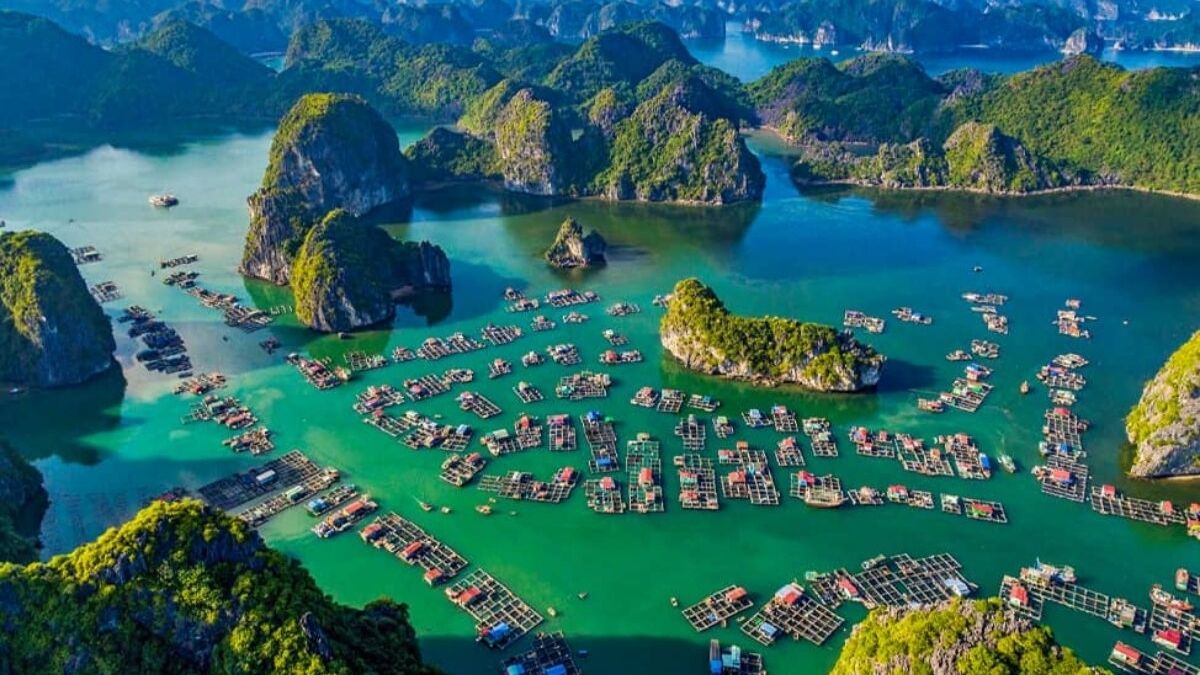
Halong Bay provides a dramatic contrast to the mountains of Sapa and Ha Giang. Instead of rice terraces and mountain passes, travelers encounter thousands of limestone formations rising from the sea. Halong Bay forms part of the UNESCO World Heritage property known as Ha Long Bay – Cat Ba Archipelago, which was extended in 2023 to include the Cat Ba Archipelago. The area is recognized for its exceptional marine karst landscape, including limestone islands, caves, cliffs and sheltered waters.
Why Take an Overnight Halong Bay Cruise?
A day trip can provide an introduction to Halong Bay, but an overnight cruise gives travelers considerably more time to experience the landscape. Typical cruise programs may include kayaking, cave visits, swimming, sunset viewing, sunrise photography, Vietnamese cooking activities and meals onboard. When selecting a cruise, do not compare operators only by price. Look carefully at the boat, cabin category, itinerary, activities, meal arrangements, transfer service and cancellation conditions. The route and quality of the cruise can have a major effect on the overall experience.
Halong Bay and Cat Ba
Travelers should understand that Halong Bay is now part of the larger UNESCO World Heritage property covering Ha Long Bay and the Cat Ba Archipelago. The expanded property combines marine karst landscapes with islands and coastal ecosystems. This makes the region more than a collection of famous photographs; it is a large geological and ecological environment that requires responsible tourism. Visitors should follow cruise regulations, avoid littering, respect marine environments and choose operators that take environmental responsibilities seriously.
Best Time to Visit Halong Bay
Weather can strongly affect the Halong Bay experience. Clear conditions provide the best views of the limestone formations, while mist and cloud can create a more atmospheric landscape. Spring and autumn are generally attractive periods for combining Halong Bay with other Northern Vietnam destinations, while summer can bring heavy rain and tropical storms that occasionally affect cruise schedules. Winter can be cooler and mistier, so travelers should consider whether they prefer clear panoramic views or a more atmospheric experience.
How to Travel Between Hanoi, Sapa, Ha Giang and Halong Bay
Transportation should be considered carefully when planning Northern Vietnam because mountain travel takes considerably longer than distances on a map may suggest. Hanoi to Sapa is commonly traveled by road using sleeper buses, limousine-style services or private cars. Hanoi to Ha Giang is also a road journey, and travelers joining the Ha Giang Loop should ideally arrive with enough time to rest before starting the mountain route. Hanoi to Halong Bay is comparatively straightforward, with private cars, limousine services and cruise transfers available. For travelers who value comfort and flexibility, private transportation can make the overall itinerary significantly easier.
How Many Days Do You Need for Northern Vietnam?
A short Northern Vietnam trip can focus on Hanoi, Sapa and Halong Bay in around six to eight days. Travelers who want to include Ha Giang should allow approximately nine to twelve days. A comfortable itinerary might include three nights in Hanoi, two or three nights in Sapa, three or four days on the Ha Giang Loop and one or two nights around Halong Bay. If you prefer premium hotels, private transportation and a slower pace, twelve to fourteen days allows a much more relaxed experience.
Example 10-Day Northern Vietnam Itinerary
A practical 10-day itinerary can begin with two nights in Hanoi, followed by three nights in Sapa, four days exploring Ha Giang and one night around Halong Bay. Day 1 can focus on arrival and the Old Quarter, while Day 2 can be dedicated to Hanoi’s historical attractions and food culture. Day 3 is suitable for traveling from Hanoi to Sapa, with Day 4 focused on Fansipan and Day 5 on Muong Hoa Valley trekking and mountain villages. Day 6 can be used to travel toward Ha Giang, followed by three days on the Ha Giang Loop covering Quan Ba, Yen Minh, Dong Van, Ma Pi Leng, Meo Vac and Du Gia. The final day can be dedicated to Halong Bay if transportation and departure schedules allow, although an overnight cruise generally works better when the trip can be extended by an additional night.
Example 12-Day Northern Vietnam Itinerary
A 12-day itinerary provides a much better balance between sightseeing and relaxation. Spend Days 1–3 in Hanoi, Days 4–6 in Sapa, Days 7–10 on the Ha Giang Loop and Days 11–12 around Halong Bay. This route allows you to experience Hanoi’s food and history, trek through Sapa’s rice terraces, travel slowly through the spectacular mountains of Ha Giang and finish the journey among Halong Bay’s limestone islands. Most importantly, it avoids turning every day into a long transportation day.
What to Pack for Northern Vietnam
Packing for Northern Vietnam depends heavily on the season, but comfortable walking shoes, lightweight clothing, a warm layer, rain protection, sunscreen, sunglasses, insect repellent, a small daypack, power bank and reusable water bottle are useful throughout the year. Travelers visiting Sapa or Ha Giang during the cooler months should bring proper warm clothing because temperatures in the mountains can be dramatically lower than in Hanoi. If you are traveling on the Ha Giang Loop, comfortable trousers, closed-toe shoes and appropriate protective equipment are especially important.
Safety on the Ha Giang Loop
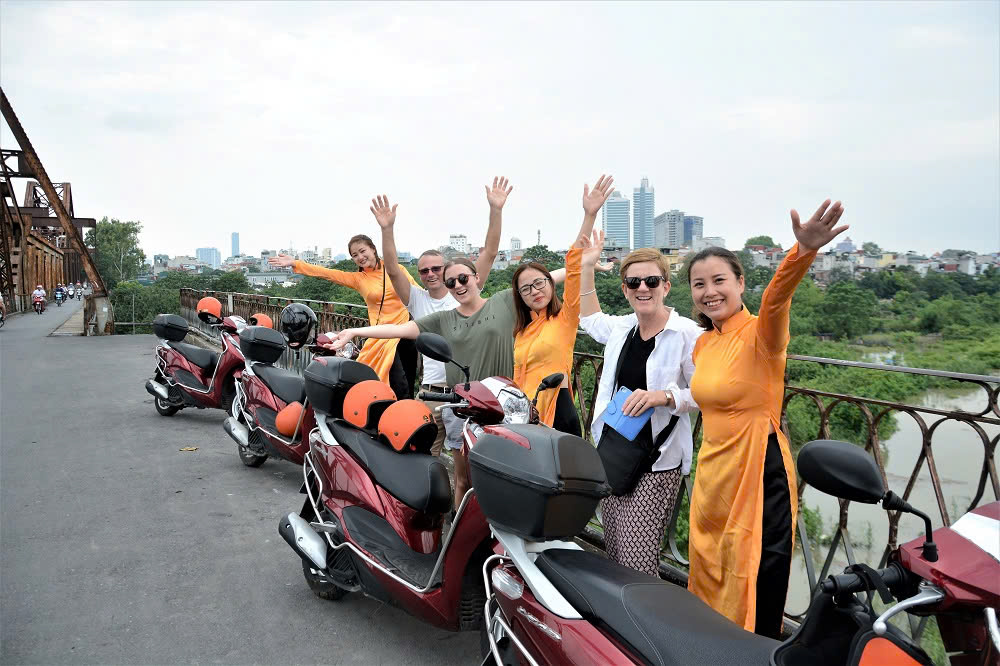
Ha Giang requires more preparation than Hanoi or Halong Bay because the route includes steep mountain roads, sharp curves and rapidly changing weather. Travelers should not treat the Ha Giang Loop like an ordinary city motorcycle trip. If you do not have substantial experience riding on mountain roads, traveling with a professional driver is the safer choice. Avoid riding after dark, check weather conditions before leaving each morning, keep your phone and power bank charged and allow additional time for road conditions and scenic stops.
Responsible Travel in Northern Vietnam
Responsible tourism is particularly important in Sapa and Ha Giang because many popular attractions are located in residential communities. Travelers should ask permission before photographing people, avoid entering private homes without permission and support genuine local businesses and handicraft producers. In Halong Bay, visitors should follow cruise regulations and avoid damaging marine environments or leaving waste behind. Respect for communities and landscapes helps ensure that Northern Vietnam remains attractive for future generations.
Hanoi, Sapa, Ha Giang or Halong Bay: Which Should You Visit?
If you only have time for one destination outside Hanoi, your choice should depend on your interests. Choose Sapa if you want rice terraces, trekking, mountain villages and Fansipan. Choose Ha Giang if you want dramatic mountain roads, limestone landscapes and adventure. Choose Halong Bay if you prefer an easier coastal experience with an overnight cruise, caves and limestone islands. Choose Hanoi if food, history, architecture and urban culture are your priorities. If you have enough time, however, combining all four creates a much richer experience because every destination provides something that the others cannot.
The Best Northern Vietnam Travel Route
For most international visitors, the most logical journey starts in Hanoi and gradually moves into different landscapes. Begin with Hanoi’s historic streets and food culture, continue west toward Sapa for rice terraces and mountain villages, travel north to Ha Giang for the spectacular mountain roads and karst landscapes, return toward Hanoi and finish with Halong Bay. The resulting journey moves from urban culture to agricultural landscapes, then dramatic mountains and finally the sea. This contrast is what makes Northern Vietnam such an unforgettable part of Vietnam.
Final Thoughts on Northern Vietnam Travel
Northern Vietnam is not a destination that should be rushed. Hanoi deserves time for food and history, Sapa deserves time for trekking and mountain landscapes, Ha Giang deserves several days on the road and Halong Bay is best experienced without watching the clock. The combination of these destinations provides an unusually complete picture of Northern Vietnam, from Hanoi’s centuries-old streets and traditional cuisine to Sapa’s terraced fields, Ha Giang’s limestone mountains and Halong Bay’s spectacular marine landscape. For travelers planning their first visit, a nine-to-fourteen-day journey offers the best balance between seeing the major destinations and actually having time to experience them.
Vietnam Women Travel – Vietnam Private Tours Led by Women
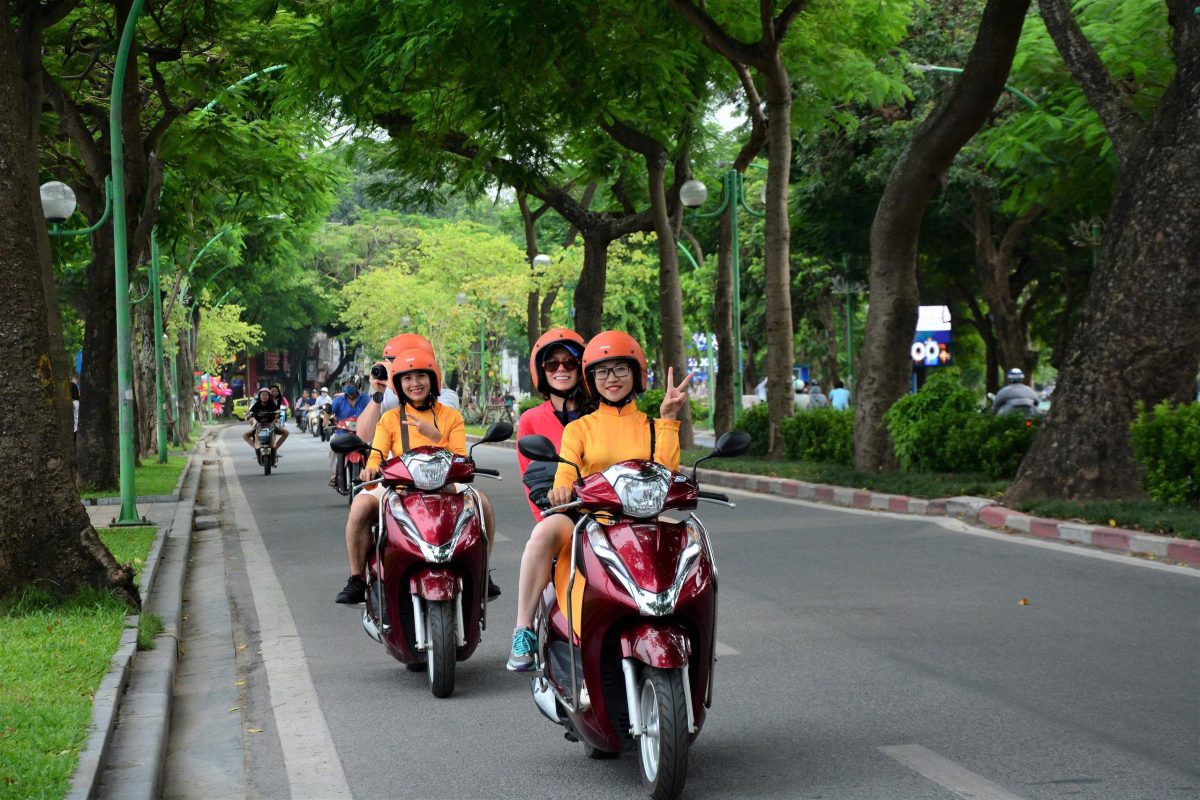
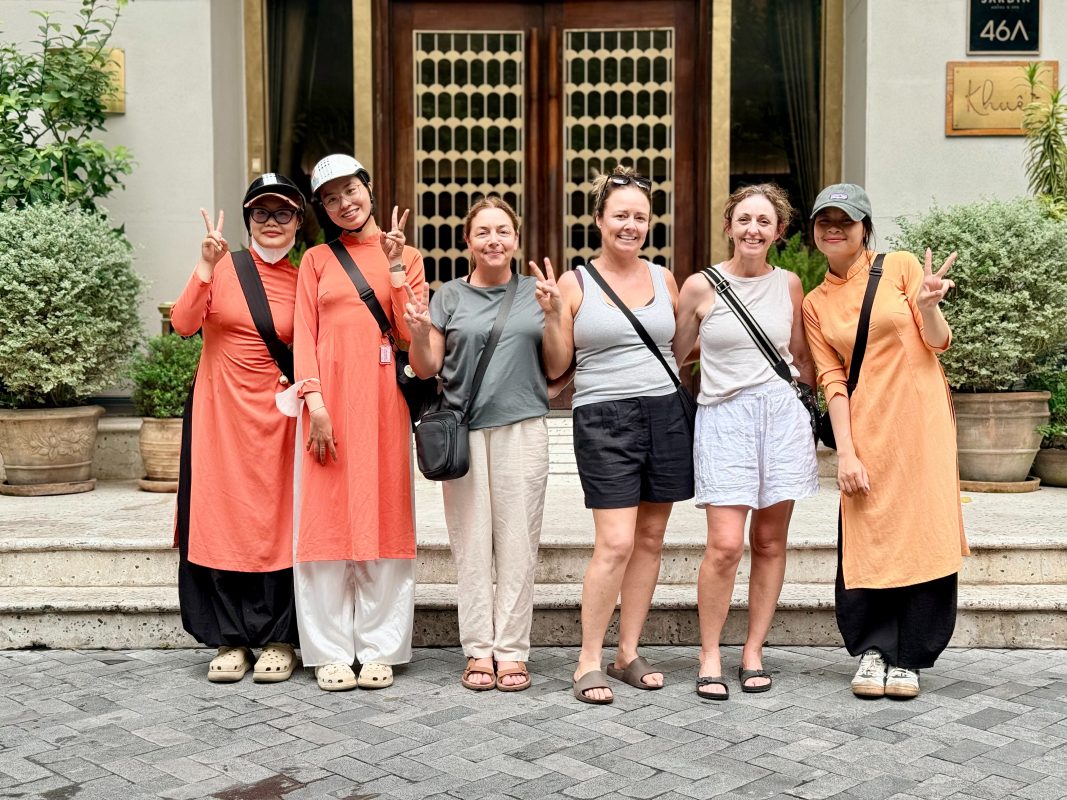
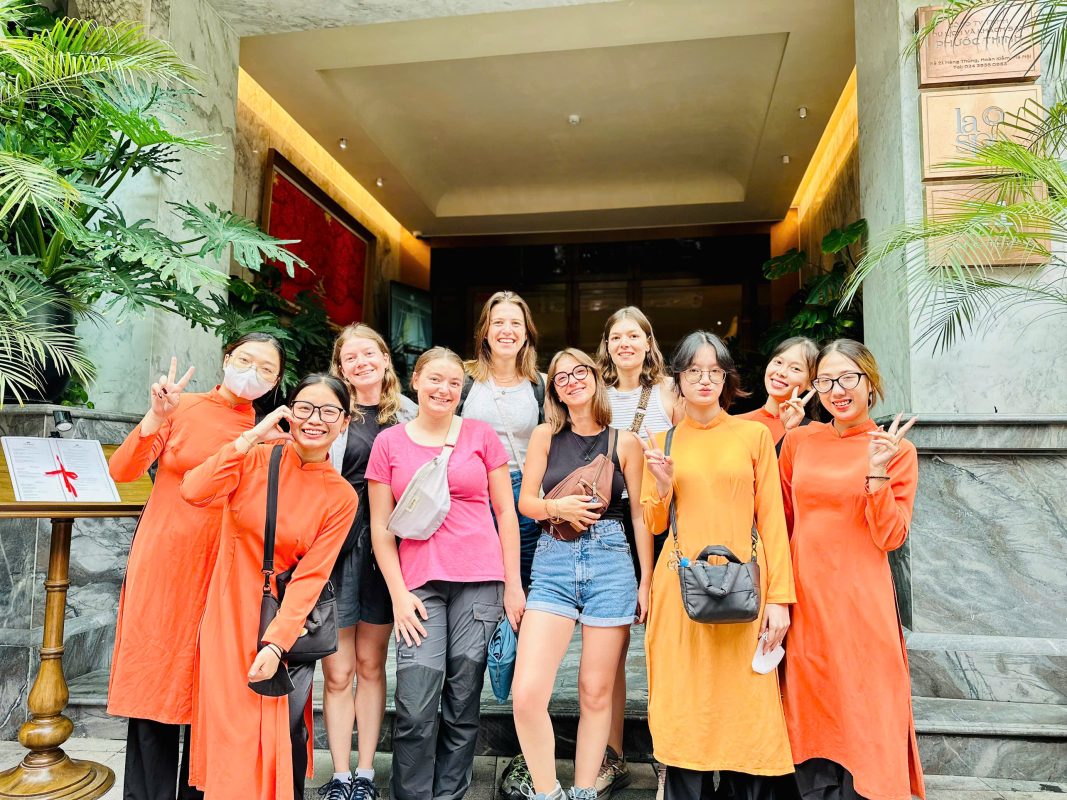
For travelers who prefer a more personal way to discover Northern Vietnam, Vietnam Women Travel – Premium Private Tours Led by Women creates private journeys designed around the interests, pace and comfort of each group. Instead of placing travelers into large standard groups, private tours allow the itinerary, transportation, accommodation, activities and daily schedule to be arranged around the people traveling. Vietnam Women Travel focuses on private tours led by women, combining professional female tour leaders and guides with carefully selected experiences across Vietnam. For a Northern Vietnam journey, a private itinerary can connect Hanoi, Sapa, Ha Giang and Halong Bay while allowing more flexibility for photography, food experiences, mountain villages, cultural visits and comfortable transportation. The goal is not simply to visit famous attractions but to create a smoother, more personal journey through Vietnam with women leading the experience from Hanoi and throughout the trip.