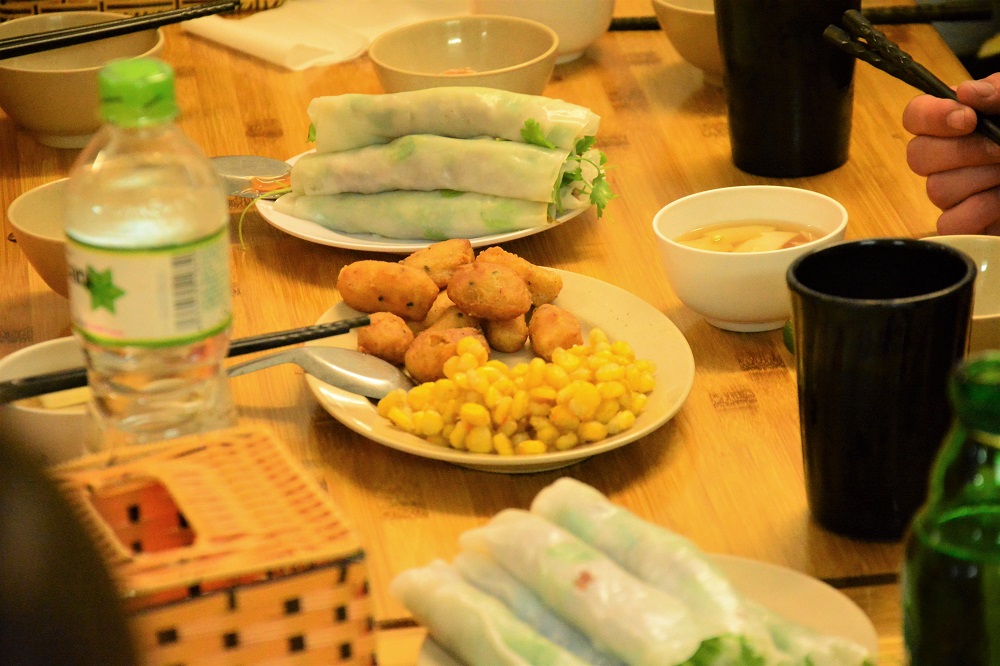
Hanoi Street Food vs Restaurant Food: What Should Travelers Try?
Hanoi is one of the best cities in Vietnam for travelers who want to take food seriously. The important question is not simply “Where should I eat?” but “Should I eat street food or restaurant food?” The answer is: both. Hanoi’s street stalls, tiny noodle shops and sidewalk eateries offer some of the city’s most characteristic dishes, while restaurants provide a more comfortable setting, broader menus, better seating and often more elaborate presentations. The MICHELIN Guide now covers both humble street-food establishments and sophisticated Vietnamese restaurants across Hanoi, showing that the city’s food scene cannot be reduced to one style.
For a first-time visitor, the best strategy is not to choose one over the other. Eat phở, bún chả, bánh cuốn and other everyday dishes at specialized street-food shops, then choose a good Vietnamese restaurant for dishes that benefit from table service, more elaborate preparation or a comfortable dinner setting. This combination gives you a much more complete understanding of Hanoi food culture.
What Is the Difference Between Hanoi Street Food and Restaurant Food?
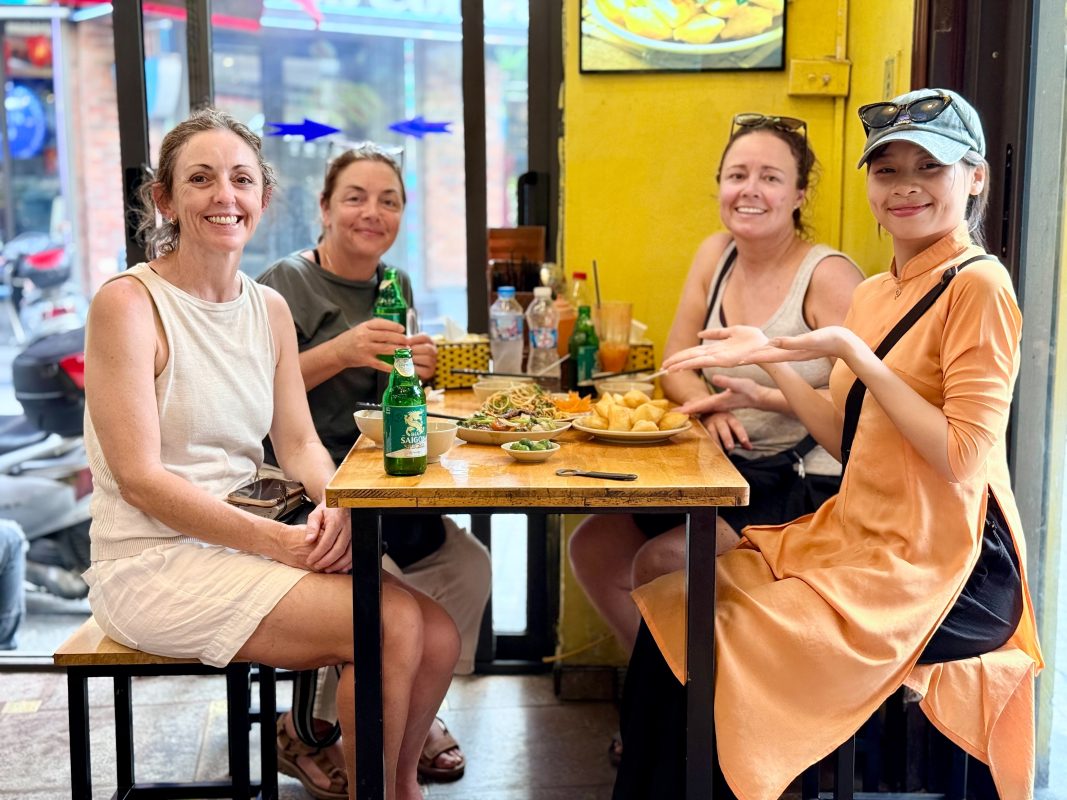
Hanoi street food is usually built around specialization. A small shop may prepare one dish extremely well: phở, bún chả, bánh cuốn, miến lươn or another specialty. The menu can be short, the seating simple and the food prepared quickly. Vietnam Tourism describes Hanoi’s food scene as being found throughout the city’s streets, with many traditional dishes remaining closely connected to the capital.
Restaurants work differently. They may offer a wider selection of Vietnamese dishes, including appetizers, seafood, grilled meats, hot pots, regional specialties and desserts. The environment is usually more comfortable, with proper tables, chairs, air conditioning and bathrooms. Some restaurants also reinterpret traditional Vietnamese dishes in a contemporary style.
Neither format is automatically better. Street food is about specialization, immediacy and atmosphere; restaurants are about comfort, choice and a more complete dining experience.
1. Phở: Street Food Is Usually the Better Choice
If you want phở, I would recommend trying it at a specialized phở restaurant or traditional noodle shop rather than a general Vietnamese restaurant.
The reason is simple: a good phở specialist spends much of its attention on the broth, noodles, meat and serving technique. Hanoi’s phở is particularly associated with a clear, aromatic broth and relatively restrained seasoning. Vietnam Tourism lists phở as one of the capital’s essential dishes, while MICHELIN currently recognizes multiple Hanoi phở establishments.
A good example of the difference is the atmosphere. At a traditional phở shop, you may sit at a simple table while the cook serves steaming bowls continuously during the breakfast rush. That experience is difficult to reproduce inside a formal restaurant.
Verdict: Street food / specialist shop wins.
2. Bún Chả: Definitely Try the Traditional Version
Bún chả is another dish where a specialized shop is usually the better first experience.
The dish consists of grilled pork patties and sliced pork, rice vermicelli, herbs and a sweet-sour dipping sauce. The pork is grilled over charcoal, so the smell and sound of the grilling are part of the experience. MICHELIN describes bún chả as quintessentially Hanoian and highlights specialist establishments where the pork is grilled to order.
At a traditional shop, you can often see the pork being grilled near the entrance. The smoke, charcoal aroma and constant movement are part of what makes the meal memorable.
Verdict: Street food / specialist shop wins.
3. Bánh Cuốn: Choose a Specialized Shop
Bánh cuốn is another dish where specialization matters.
The rice batter is steamed into extremely thin sheets, filled with ingredients such as minced pork and wood-ear mushroom, then rolled and served with dipping sauce, herbs and Vietnamese sausage. MICHELIN inspectors specifically highlight bánh cuốn shops where customers can watch the rice sheets being steamed and rolled to order.
A general restaurant can serve bánh cuốn, but watching it being prepared fresh is part of the appeal.
Verdict: Street food / specialist shop wins.
4. Chả Cá: Restaurant Food Has the Advantage
Chả cá is a different story.
This Hanoi specialty involves turmeric-marinated fish cooked with dill and other ingredients, traditionally served with rice noodles, herbs and dipping sauces. Because the fish is commonly finished at the table, a restaurant is often more practical than a tiny sidewalk stall.
MICHELIN’s Hanoi food itinerary specifically notes that chả cá, which historically had street-food roots, is now generally experienced in restaurants.
A proper restaurant gives you enough space for the hot pan, noodles, herbs and sauces and allows the dish to become a complete meal.
Verdict: Restaurant wins.
5. Bún Đậu Mắm Tôm: Street Food for the Full Experience
If you want to try bún đậu mắm tôm, I recommend a traditional shop.
The combination of rice vermicelli, fried tofu, herbs, pork and fermented shrimp paste is strongly associated with casual Hanoi dining. The dish is visually simple but highly flavorful, and the informal atmosphere suits it perfectly.
For travelers who are not comfortable with fermented shrimp paste, ask for fish sauce instead. The important thing is to try the dish in a setting where it is prepared and served in its traditional format.
Verdict: Street food wins.
6. Miến Lươn: Street Food at Its Best
Miến lươn, or eel glass noodles, is another specialized dish that is worth seeking out.
MICHELIN currently lists Miến Lươn Đông Thịnh among Hanoi’s recommended establishments and describes its long history serving glass noodles with eel, greens, peanuts and fried shallots.
This is exactly the kind of dish that demonstrates why Hanoi’s food culture rewards travelers who are willing to go beyond the most famous dishes.
Verdict: Specialist street-style shop wins.
7. Bánh Mì: Street Food Wins Again
For bánh mì, I would almost always choose a dedicated bánh mì stall or small shop.
A good bánh mì is fast, inexpensive and made to order. You can see the bread being sliced and filled with meat, pâté, pickles, herbs and sauces.
There is little reason to order bánh mì in an expensive restaurant when the street version is one of the most enjoyable examples of Vietnamese casual food.
Verdict: Street food wins.
8. Bún Ốc: Try It at a Traditional Shop
Bún ốc, or snail vermicelli soup, is a traditional Hanoi dish with a more distinctive flavor profile than phở. The broth can have a tangy character from tomatoes and vinegar, while freshwater snails provide the main ingredient.
Vietnam Tourism includes bún ốc among the traditional dishes visitors should explore in Hanoi.
This is another case where a specialist shop usually offers a more authentic format than a general restaurant.
Verdict: Street food wins.
9. Bún Thang: Specialist Restaurants or Traditional Shops
Bún thang is a delicate Hanoi noodle dish made with rice vermicelli, chicken, Vietnamese ham, egg and a refined broth.
Because the dish involves multiple components and careful preparation, a traditional specialist restaurant can be a good choice. You do not necessarily need a luxury restaurant, but look for an establishment known specifically for Hanoi cuisine.
Verdict: Either works, with a specialist restaurant slightly preferred.
10. Vietnamese Hot Pot: Restaurant Food Wins
For lẩu, or Vietnamese hot pot, choose a restaurant.
Hot pot requires a table large enough for the burner, broth, vegetables, meat, noodles and dipping sauces. A restaurant is therefore much more comfortable and practical.
It is also better for groups because everyone can share the same pot and order different ingredients.
Verdict: Restaurant wins.
11. Vietnamese Seafood: Restaurant Wins
Hanoi is not a coastal city, but seafood is widely available.
For a seafood meal, I would choose a proper restaurant where you can see the selection, order several dishes and sit comfortably. Grilled seafood, shellfish, prawns and hot pots are much easier to enjoy around a proper dining table.
Verdict: Restaurant wins.
12. Grilled Meat: It Depends
For grilled pork associated with bún chả, choose the specialist shop.
For a larger meal featuring grilled beef, seafood, chicken or multiple dishes, choose a restaurant.
The difference is whether the grill itself is the centerpiece of the experience or simply one component of a larger meal.
Verdict: Specialist shop for bún chả; restaurant for a larger grilled meal.
13. Vietnamese Vegetarian Food: Restaurant Can Be Easier
Vegetarian travelers often find restaurants more convenient because menus can be broader and dietary requirements easier to communicate.
Hanoi also has dedicated vegetarian restaurants and a growing range of contemporary Vietnamese dining options. The MICHELIN Hanoi restaurant listings currently include vegetarian establishments as well as street-food and Vietnamese restaurants.
However, street food is not impossible. Vegetarian phở, tofu dishes, sticky rice and certain noodle dishes can work well, but ingredients should be confirmed carefully because broth or sauces may contain fish sauce or meat.
Verdict: Restaurant for convenience; street food for adventurous vegetarians.
14. Hanoi Breakfast: Street Food Is Usually Better
Breakfast is one of the strongest arguments for street food.
Go out early and you will find phở, bánh cuốn, xôi, cháo and other breakfast dishes being prepared for Hanoi residents heading to work or school. Vietnam Tourism specifically recommends eating early because many street-food businesses operate around traditional meal times.
MICHELIN similarly recommends an early start for some of Hanoi’s famous phở shops, noting that popular establishments can become busy before lunchtime.
Verdict: Street food wins.
15. Lunch: Street Food or Restaurant?
Lunch depends on what you want.
For a quick bowl of phở, bún chả, bún cá or miến, choose a specialist shop.
For a longer Vietnamese meal with several dishes shared around a table, choose a restaurant.
If you are traveling with family or a larger group, restaurant dining becomes more attractive because everyone can order different dishes and eat together.
16. Dinner: Restaurant Food Has More Advantages
Dinner is when restaurants become particularly useful.
A traditional Vietnamese dinner can include several shared dishes: vegetables, soup, seafood, grilled meat, tofu, rice and dessert. A restaurant allows you to order this kind of meal comfortably.
MICHELIN’s Hanoi restaurant selection demonstrates the range available, from inexpensive street-food establishments to contemporary Vietnamese restaurants and fine dining.
For dinner, I would generally choose a restaurant unless your goal is specifically to experience Hanoi’s street-food nightlife.
17. Street Food Is Not Automatically Better
There is a common mistake among travelers: assuming that street food equals authentic and restaurants equal tourist food.
That is simply not true.
Hanoi has excellent restaurants serving traditional Vietnamese cuisine, and some restaurants work very hard to preserve regional recipes while improving presentation, service and ingredient quality. At the same time, not every street stall is exceptional.
MICHELIN’s current Hanoi selections demonstrate this clearly: the guide includes humble street-food shops alongside Vietnamese contemporary restaurants and fine-dining establishments.
The question should therefore be “Is this a good place for this particular dish?”, not simply “Is it street food?”
18. Restaurants Are Better for Comfort
Restaurants have obvious practical advantages.
You normally get proper chairs and tables, more space, better protection from heat and rain, bathrooms and often air conditioning. This matters particularly during Hanoi’s hotter or wetter periods.
Restaurants are also easier for travelers who have mobility limitations or simply do not enjoy sitting on small plastic stools.
If comfort is important to you, there is no reason to force yourself into a street stall just because you think it is more authentic.
19. Street Food Is Better for Atmosphere
Street food wins when the environment is part of the meal.
You hear motorcycles passing, watch cooks prepare food, see ingredients being assembled and experience the rhythm of Hanoi’s streets.
MICHELIN describes the Old Quarter as a place where tiny stools, narrow streets and sophisticated dining rooms coexist, making the surroundings an important part of Hanoi’s food experience.
That atmosphere is difficult to reproduce inside an elegant restaurant.
20. Restaurant Food Is Better for Sharing
If you are traveling with four or more people, restaurants become much more useful.
You can order chả cá, grilled meat, vegetables, spring rolls, rice, soup and other dishes and share everything.
A tiny noodle shop is optimized for one specific dish per person. A Vietnamese restaurant is designed for a group meal.
21. Street Food Is Better for Trying Many Dishes
If your objective is to taste as many Hanoi specialties as possible, street food has another advantage: small portions and specialization.
You can have bánh cuốn in the morning, phở later, bún chả for lunch, egg coffee in the afternoon and another street-food dish at night.
This is why MICHELIN’s two-day Hanoi food itinerary moves between specialized establishments rather than relying on one restaurant for every meal.
22. Which Is More Authentic?
There is no single answer.
A traditional street-food shop can give you a very direct experience of how a particular dish is prepared and eaten. A traditional Vietnamese restaurant can preserve recipes and dining customs while offering a more comfortable environment.
Authenticity comes from the food, preparation, history and quality—not from whether there is a plastic chair outside.
23. Which Is Better for First-Time Visitors?
For a first-time visitor, I recommend a 50/50 approach.
Use street-food specialists for the dishes Hanoi is famous for: phở, bún chả, bánh cuốn, bánh mì and miến lươn.
Use restaurants for chả cá, hot pot, seafood, multi-course Vietnamese dinners and contemporary Vietnamese cuisine.
This gives you both sides of Hanoi without becoming trapped in either extreme.
24. Best Hanoi Street Food to Try First
If you have never eaten Vietnamese food before, start with phở bò, bún chả, bánh cuốn, bánh mì and Vietnamese egg coffee.
These dishes provide a relatively accessible introduction to Hanoi’s flavors.
Vietnam Tourism specifically identifies phở, bún chả, bánh cuốn and other dishes among the city’s essential foods.
Once you are comfortable, move to bún đậu mắm tôm, bún ốc, miến lươn and other more distinctive specialties.
25. Best Hanoi Restaurant Food to Try
For a restaurant meal, look for dishes that benefit from a larger table and more elaborate preparation.
Try chả cá, Vietnamese hot pot, grilled meats, seafood, seasonal vegetables, traditional Hanoi specialties and contemporary Vietnamese tasting menus.
Hanoi’s current MICHELIN selection ranges from inexpensive street-food establishments to Vietnamese contemporary restaurants and fine dining, so travelers have a wide spectrum to choose from.
26. Street Food vs Restaurant Food for Couples
For couples, I recommend combining both.
Have breakfast at a traditional phở or bánh cuốn shop, spend the afternoon exploring Hanoi’s cafés and attractions, then choose a comfortable Vietnamese restaurant for dinner.
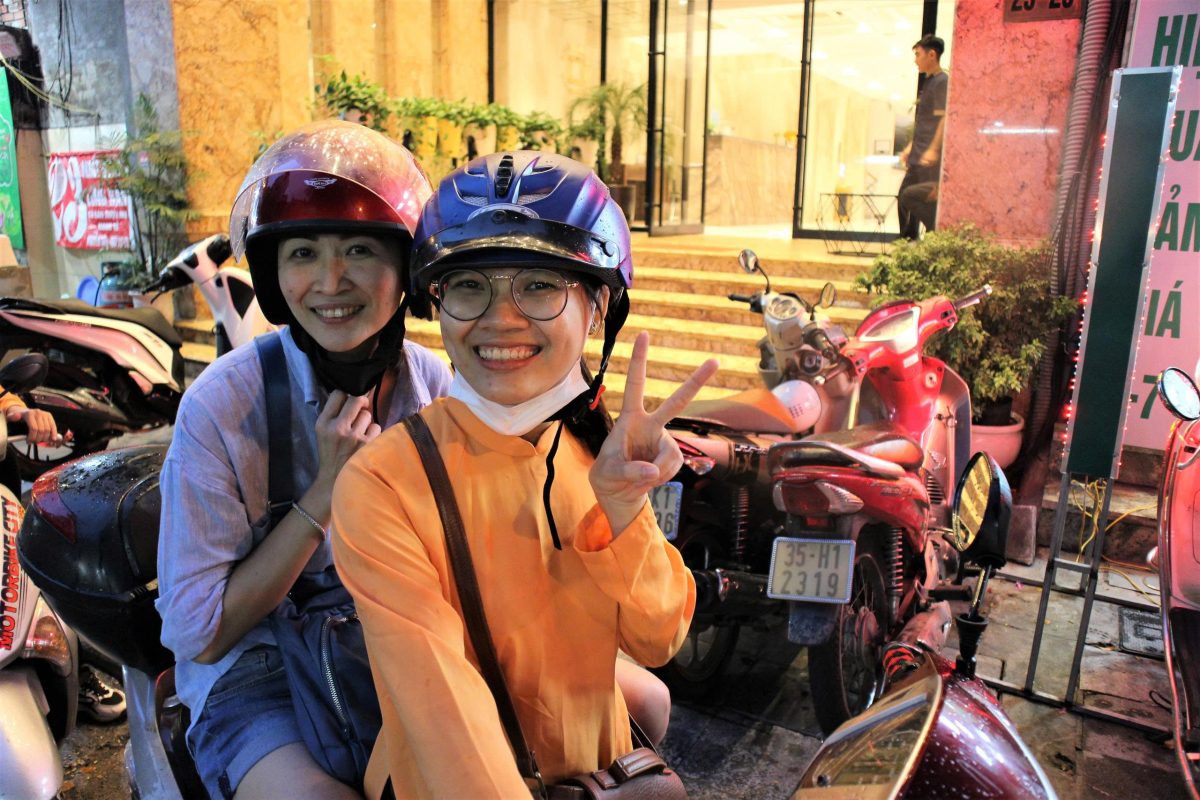
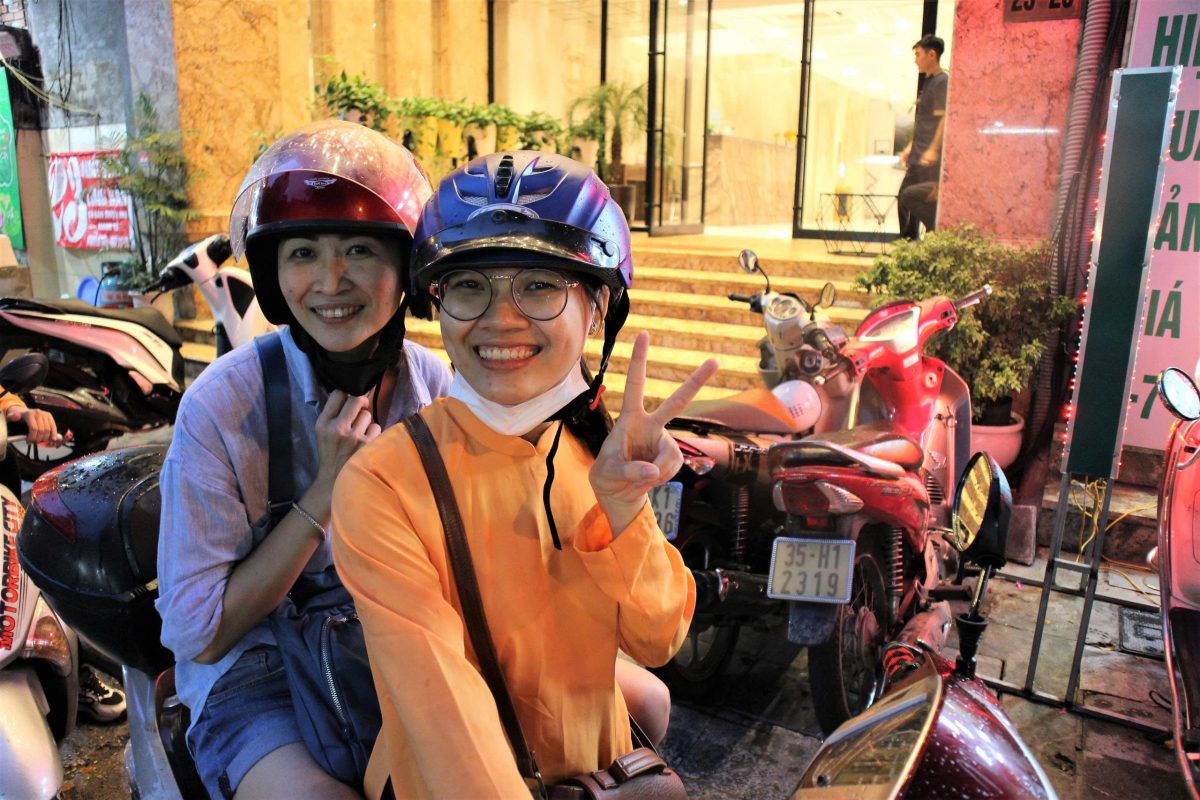
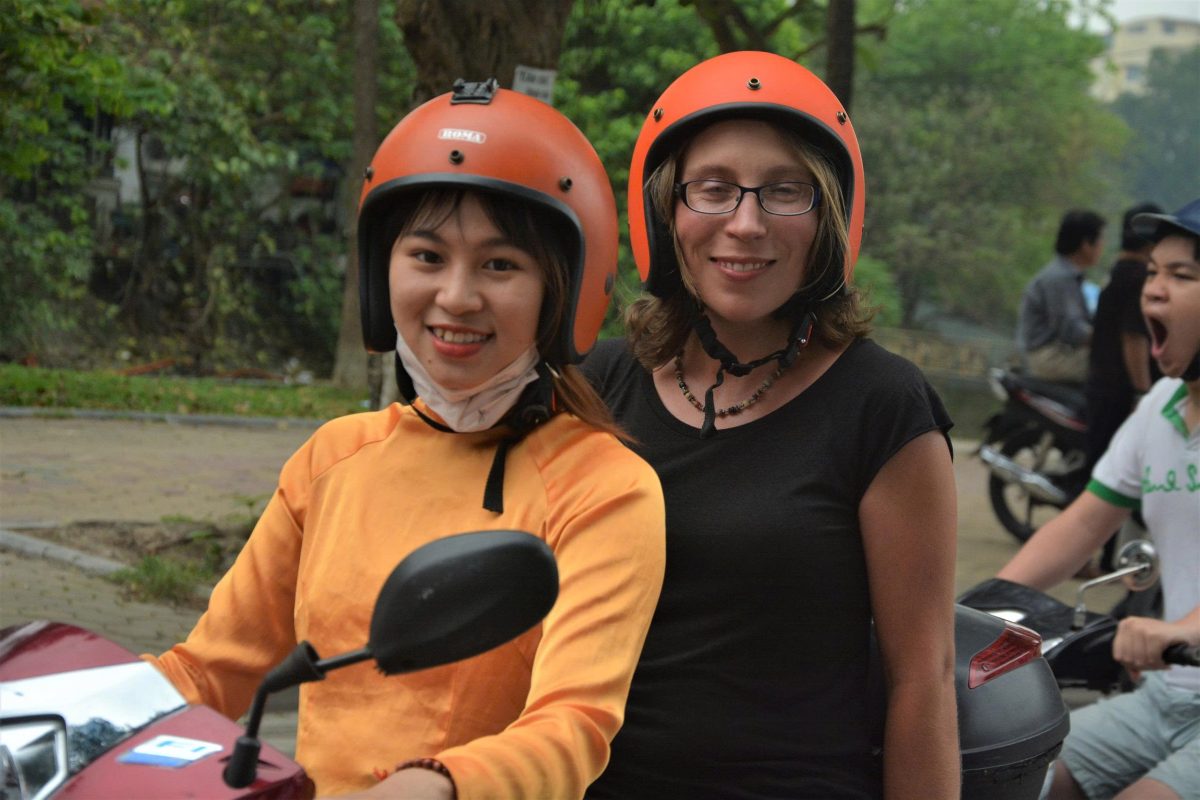
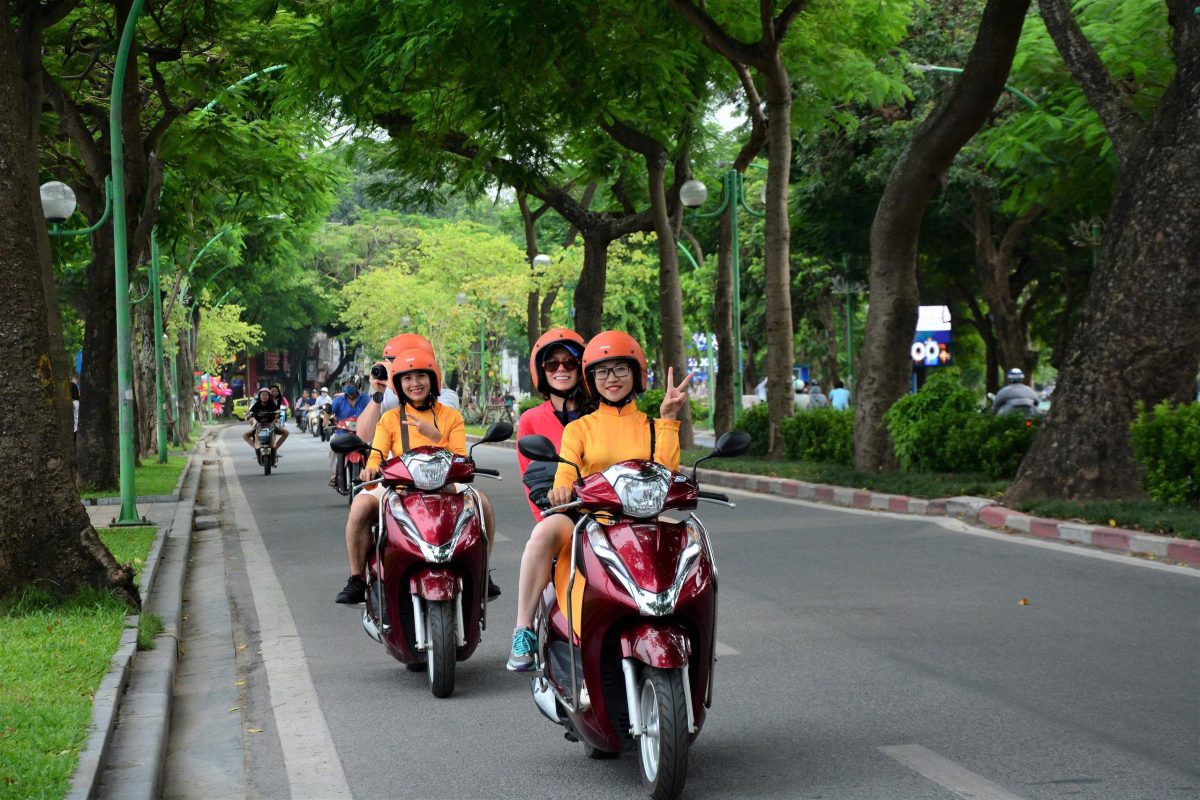
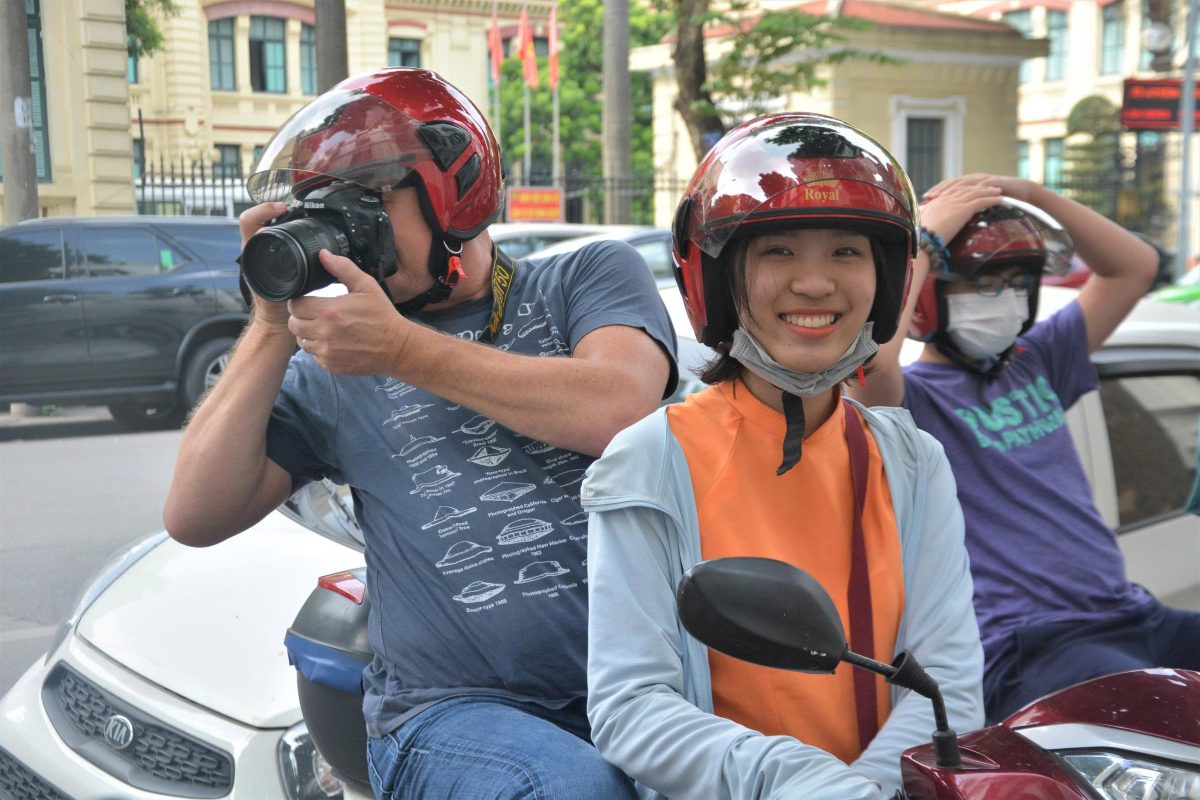
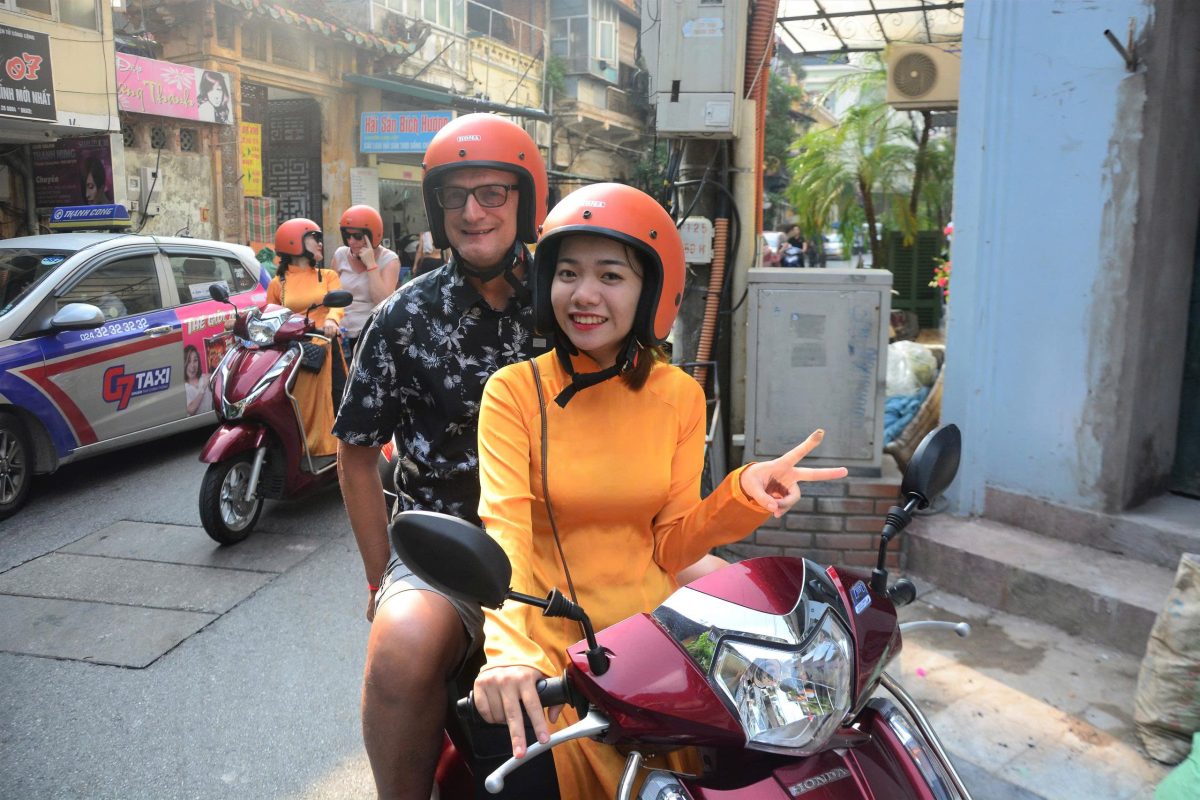
If you want more atmosphere, replace dinner with a private evening food tour by Vespa or motorbike.
27. Street Food vs Restaurant Food for Families
Families often benefit from restaurants because children may need more space, comfortable seating and a wider choice of dishes.
However, introducing children to one or two simple street-food experiences can be memorable. Phở, bánh mì and bánh cuốn are usually easier starting points than fermented shrimp paste or strongly flavored dishes.
28. Street Food vs Restaurant Food for Older Travelers
Older travelers may prefer restaurants because of seating, air conditioning, bathrooms and easier access.
That does not mean skipping street food. A good solution is to choose reputable specialist establishments with proper indoor seating rather than insisting on sidewalk dining.
29. Street Food vs Restaurant Food for Solo Travelers
Solo travelers have an advantage at specialist food shops because most Hanoi street-food dishes are naturally designed for individual portions.
You can sit down, order one bowl, eat and continue exploring without committing to a full restaurant meal.
This makes street food particularly efficient when you want to sample many different dishes in a single day.
30. Street Food vs Restaurant Food for Food Lovers
Serious food travelers should never choose only one.
Street food gives you the foundation: phở, bún chả, bánh cuốn, bánh mì, miến lươn and other specialized dishes.
Restaurants then show you what happens when Vietnamese cuisine is expanded into multi-course dining, regional menus and contemporary presentations.
The contrast itself is part of the Hanoi food experience.
A Perfect One-Day Hanoi Food Plan
A strong first-day food itinerary could begin around 7:00 AM with phở, followed by Vietnamese coffee. Around late morning, try bánh cuốn as a smaller second meal. For lunch, choose bún chả from a specialist shop. Spend the afternoon exploring the Old Quarter and stopping for egg coffee.
For dinner, switch formats and choose a comfortable Vietnamese restaurant for chả cá or a shared multi-course meal. If you still have room, finish with Vietnamese dessert or another coffee.
This approach lets you experience both street food and restaurant dining in the same day without trying to make one format do everything.
The Best Strategy: Eat the Dish Where It Makes Sense
The smartest way to eat in Hanoi is to match the dish to the type of establishment.
Choose a specialist street-food shop for phở, bún chả, bánh cuốn, bánh mì and miến lươn. Choose a restaurant for chả cá, hot pot, seafood and multi-course Vietnamese meals. Choose contemporary Vietnamese restaurants when you want to see how traditional ingredients and techniques are being interpreted for modern dining.
This is much more useful than simply asking whether street food or restaurants are better.
Is Hanoi Street Food Safe?
Food safety depends on the individual establishment, not simply whether food is sold on the street.
Look for high turnover, food prepared fresh, ingredients stored appropriately and cooking temperatures that make sense for the dish. Busy specialist shops can be encouraging because food moves quickly, but popularity alone is not a guarantee.
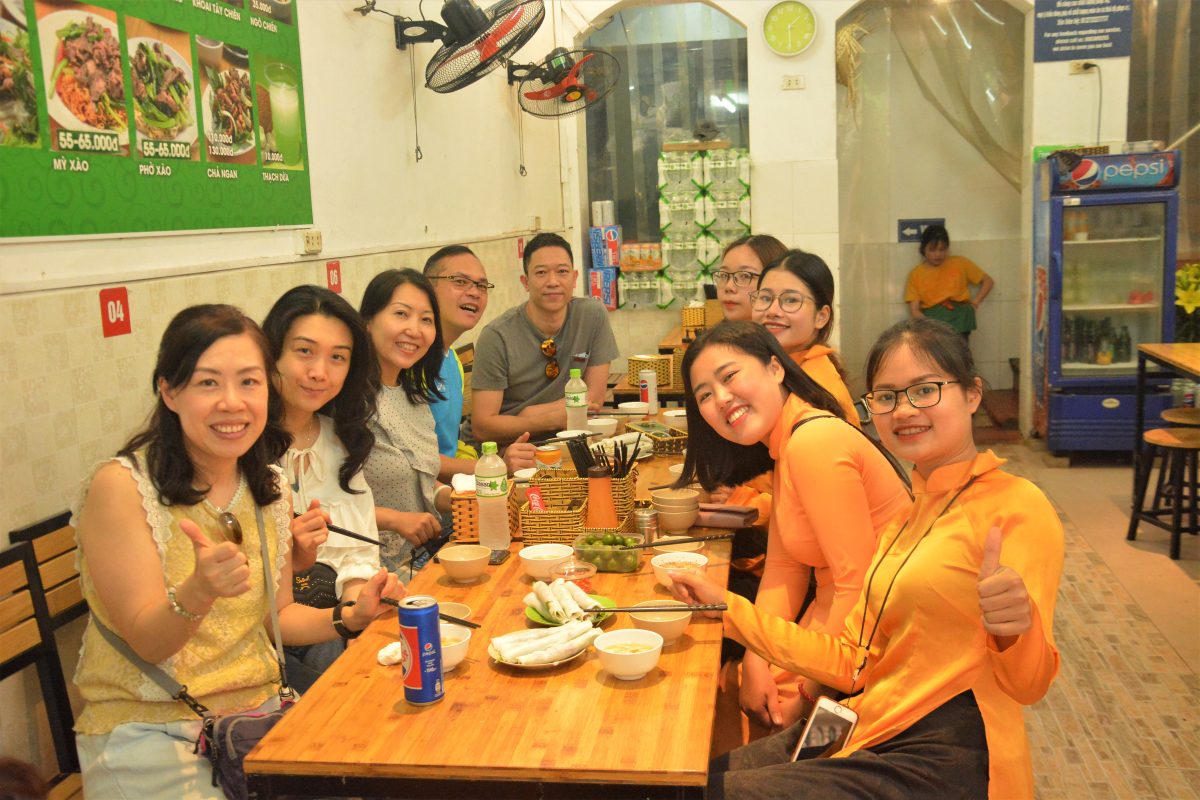
For first-time travelers who are nervous about street food, a guided food tour can remove much of the uncertainty by taking you to established establishments and explaining what you are eating.
Why a Hanoi Food Tour Can Be Better Than Exploring Alone
Hanoi’s food culture can be confusing because many of the best establishments are small, specialized and easy to miss. A guide can explain what to order, how to eat it, which dishes are worth prioritizing and how to move between different food neighborhoods.
A food tour also makes it easier to try five or six dishes without ordering full portions at every stop.
For travelers who want both street food and restaurants, a private food experience can be designed around exactly that contrast.
Hanoi Street Food vs Restaurant Food: The Final Verdict
Do not choose one. Choose both.
Street food is the better introduction to dishes such as phở, bún chả, bánh cuốn, bánh mì and miến lươn, particularly when you want to see food being prepared and experience Hanoi’s street atmosphere. MICHELIN’s current recommendations demonstrate that many of Hanoi’s highly regarded establishments remain simple, specialized shops.
Restaurants are better when you want comfort, a larger menu, shared dishes, seafood, hot pot, chả cá or a more sophisticated Vietnamese dining experience. Hanoi’s current restaurant scene ranges from affordable Vietnamese establishments to contemporary cuisine and fine dining.
For a first trip, my ideal combination is simple: street food for breakfast and lunch, a Vietnamese restaurant for dinner, and coffee and snacks in between. That gives you the real contrast that makes Hanoi such an exciting food destination.
Experience Both with Vietnam Women Travel
Vietnam Women Travel – Premium Private Tours Led by Women can combine Hanoi’s street-food culture with comfortable restaurant dining in one private experience.
A customized food itinerary can include phở, bánh cuốn, bún chả, Vietnamese coffee, street snacks and traditional Vietnamese dishes, followed by a restaurant meal featuring chả cá, seafood, hot pot or contemporary Vietnamese cuisine. The route can also combine food with the Old Quarter, Hoan Kiem Lake, French Quarter, West Lake and other Hanoi neighborhoods.
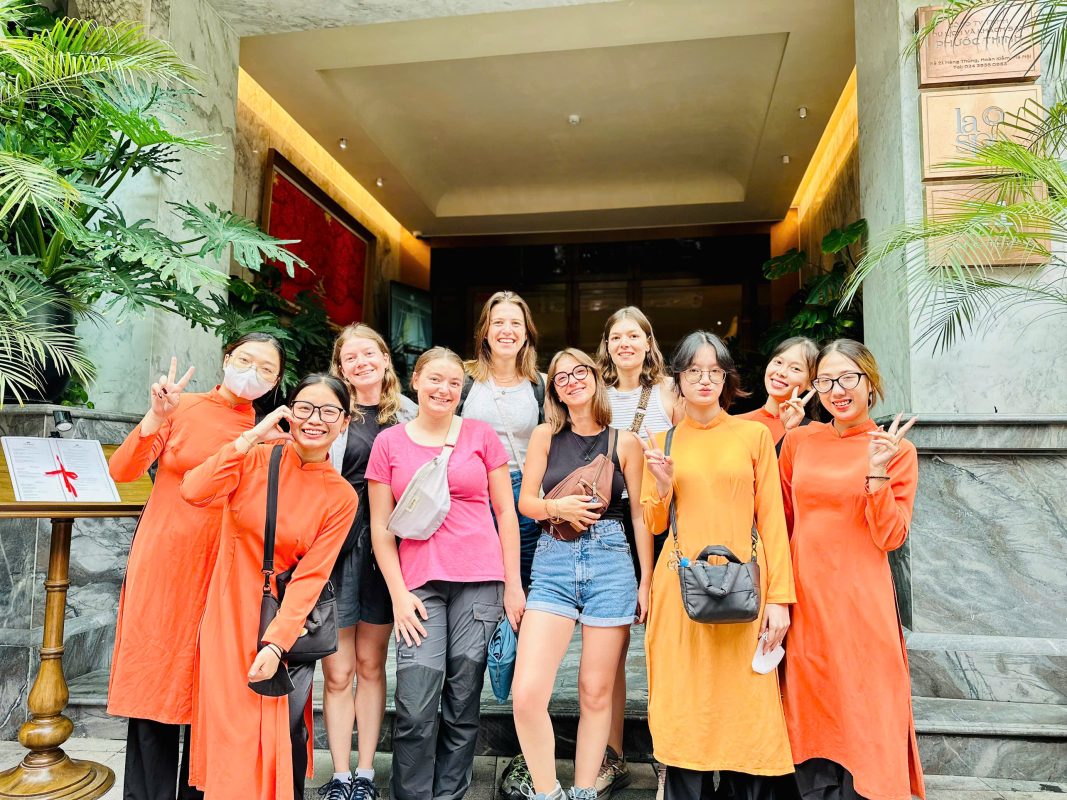
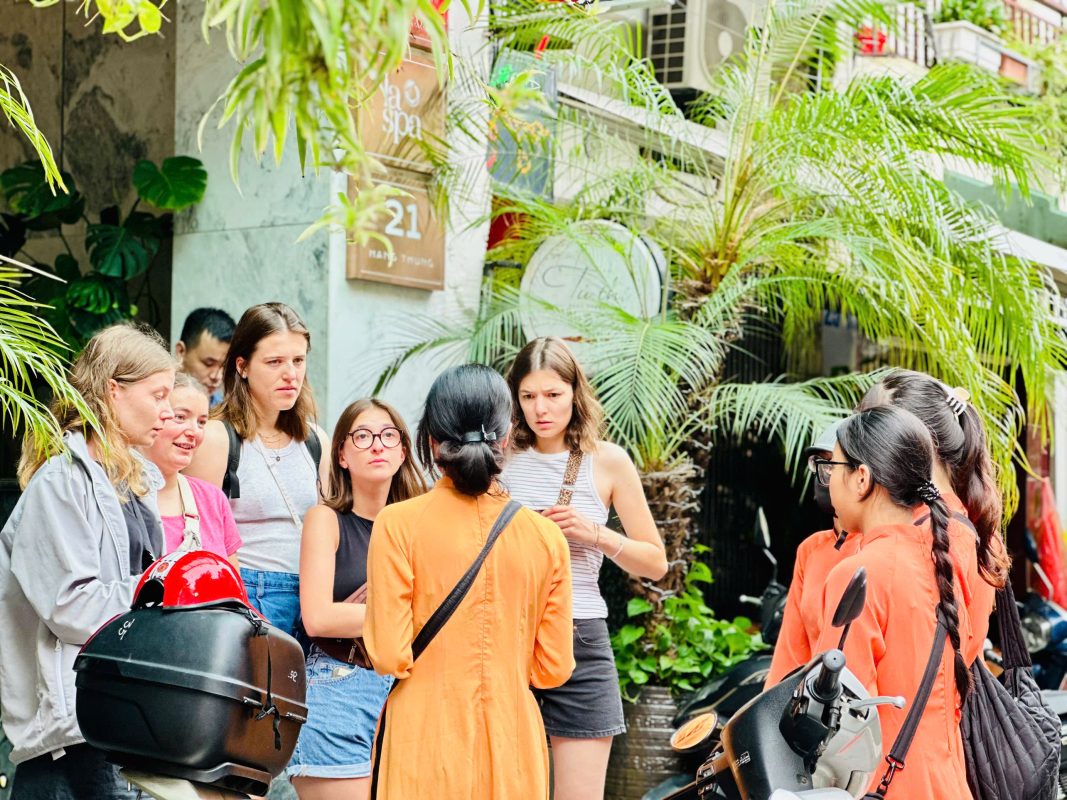
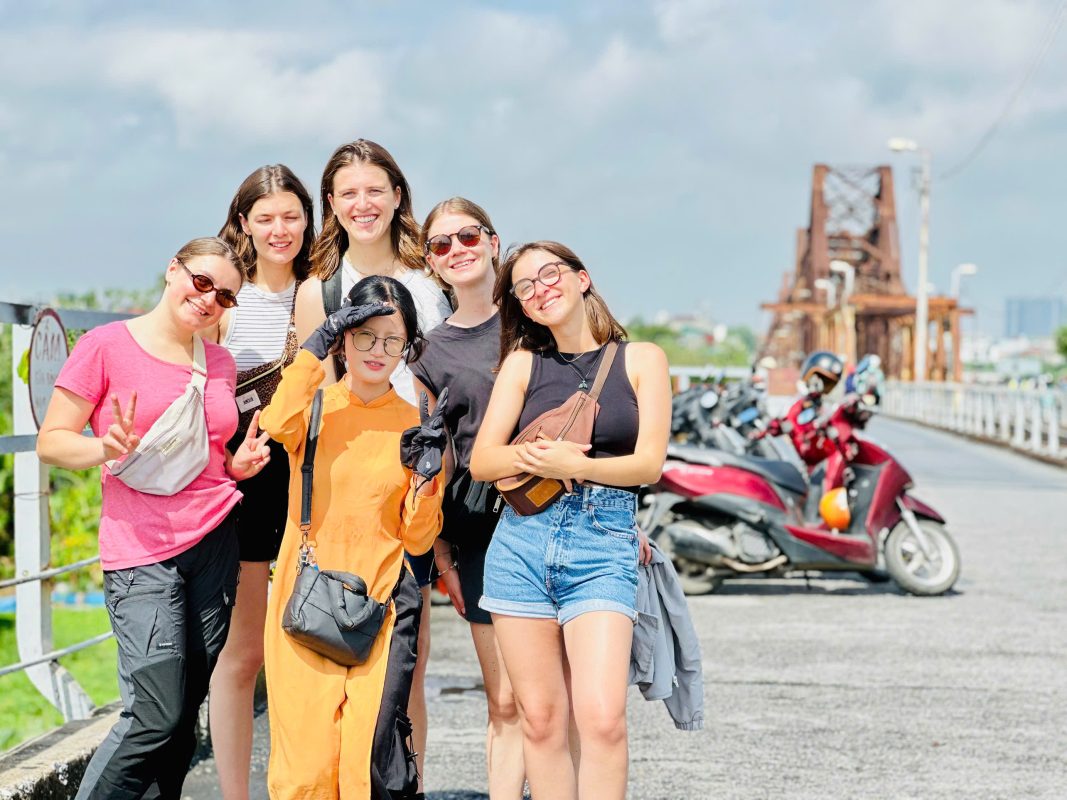
For couples, families and small groups, a private motorbike, Vespa or Jeep food experience is particularly useful because you can move beyond one food street and compare different styles of Hanoi dining without having to navigate the city’s traffic yourself.
The best Hanoi food experience is not street food versus restaurant food. It is knowing when to choose each one.