Hanoi to Ha Giang: Complete Travel Guide for First-Time Visitors
Traveling from Hanoi to Ha Giang is the gateway to one of the most spectacular mountain journeys in Northern Vietnam. The route connects the historic capital with a remote landscape of limestone mountains, deep valleys, winding passes, traditional villages and some of the most dramatic roads in the country. Ha Giang is approximately 300 kilometers from Hanoi, and the direct road journey generally takes around six hours depending on the vehicle, traffic and road conditions. Unlike Sapa, Ha Giang does not have a railway station or airport, so road transportation is the practical way to reach the region. For first-time visitors, the most important decision is not simply how to get from Hanoi to Ha Giang, but how to organize the journey once you arrive because the real highlight begins after Ha Giang City, when the road climbs toward Quan Ba, Yen Minh, Dong Van, Meo Vac and Du Gia.
Hanoi to Ha Giang at a Glance
The distance from Hanoi to Ha Giang is approximately 300 kilometers, and direct buses, sleeper buses, VIP minibuses, private cars and organized tours operate between the two destinations. Vietnam Tourism currently describes the road journey as taking around six hours, although the exact duration depends on the vehicle and driver. There is no direct train to Ha Giang and no airport serving Ha Giang City, so travelers should plan their journey by road from the beginning. For first-time visitors who want to continue directly into the Ha Giang Loop, a private car or organized private tour is the most flexible option because your transportation can be coordinated with accommodation, sightseeing stops and the mountain-road itinerary.
How Far Is Ha Giang from Hanoi?
Hanoi and Ha Giang are approximately 300 kilometers apart by road. That distance does not tell the whole story because the journey involves leaving the densely populated Red River Delta and gradually entering the mountainous landscape of Northern Vietnam. The first part of the trip is relatively straightforward, but the landscape changes significantly as you approach Ha Giang. Once you begin traveling deeper into the province, roads become more winding and travel times depend much more heavily on road conditions, weather and the number of scenic stops you make. This is why a Ha Giang trip should be planned by travel time rather than simply by kilometers.
How Long Does It Take from Hanoi to Ha Giang?
A direct bus or private vehicle generally takes around six hours between Hanoi and Ha Giang City under normal conditions. Sleeper buses and VIP minibuses may have different schedules and can take longer depending on pickup points and stops. A private car can sometimes make the journey more efficient because you do not need to wait for other passengers, and you can arrange departure around your own schedule. The journey can also take longer during periods of heavy rain, traffic or road construction, so it is better to leave some flexibility in your itinerary rather than scheduling an important activity immediately after the estimated arrival time.
How to Travel from Hanoi to Ha Giang
There are four practical choices for first-time visitors: sleeper bus, VIP limousine/minivan, private car and organized private tour. Sleeper buses are usually the budget option and operate both during the day and overnight. VIP minibuses offer a more comfortable alternative and can be convenient for travelers who do not want to spend six hours in a standard sleeper bus. A private car provides the greatest flexibility and is particularly suitable for families, couples and private groups. An organized private tour is the easiest choice when you want the Hanoi transfer, Ha Giang Loop, accommodation, driver and sightseeing schedule arranged together. Vietnam Tourism confirms that daytime and overnight buses operate from Hanoi and that private transfers and tours are also available.
Hanoi to Ha Giang by Sleeper Bus
The sleeper bus is one of the most common ways to travel from Hanoi to Ha Giang. It is particularly attractive to budget travelers because the direct service eliminates the need to organize several separate transfers. Overnight departures can also save a hotel night in Hanoi. However, first-time visitors should check the exact vehicle before booking because sleeper-bus layouts and comfort levels vary between operators. Confirm the departure point, arrival time, luggage allowance, number of passengers and whether the bus provides hotel pickup. If you arrive in Ha Giang very early in the morning, remember that your hotel may not be ready for check-in, so an overnight bus can create a long gap before your first activity.
Hanoi to Ha Giang by VIP Limousine
A VIP limousine or minivan is a better choice for travelers who want more comfort than a standard sleeper bus but do not need a fully private vehicle. Many services use modern vans with reclining seats and operate between central Hanoi and Ha Giang. Depending on the operator, pickup may be available from hotels in the Old Quarter or from a designated meeting point. This option works particularly well for couples and small groups who want a direct road transfer without paying the full cost of a private car.
Hanoi to Ha Giang by Private Car
For travelers who prioritize comfort, privacy and flexibility, a private car is the best way to travel from Hanoi to Ha Giang. You can choose your departure time, stop for coffee or meals, control the pace and coordinate the arrival with your hotel. A private car is particularly useful for families with children, older travelers and photographers carrying equipment. It is also the most convenient option if Hanoi to Ha Giang is only the first stage of a longer Northern Vietnam journey because the same private transportation arrangement can be integrated with the Ha Giang Loop and onward travel.
Hanoi to Ha Giang by Motorbike
Experienced riders can travel from Hanoi toward Ha Giang by motorbike, but this should not be confused with simply renting a scooter for a few hours in Hanoi. It is a long-distance journey followed by several days of mountain roads, and it requires substantial riding experience. Weather can change quickly, roads can contain construction or unexpected obstacles, and mountain curves require much greater attention than urban roads. Vietnam Tourism specifically advises riders to approach curves carefully, travel during daylight and stop after dark. For inexperienced riders, traveling with an experienced professional driver is a much safer way to enjoy the Ha Giang landscape.
Is There a Train from Hanoi to Ha Giang?
No. Ha Giang does not have a direct railway connection from Hanoi. Unlike Sapa, where travelers can take a train to Lao Cai and continue by road, Ha Giang is a road-only destination. This makes the choice of bus, limousine, private car or organized tour particularly important. Travelers who prefer not to spend six hours on a standard bus should consider a private vehicle or VIP minivan.
Is There an Airport in Ha Giang?
There is no commercial airport serving Ha Giang for normal international tourist travel. Hanoi is therefore the main arrival point for travelers flying into Northern Vietnam before continuing to Ha Giang by road. This is one reason Hanoi works so well as the starting point for a Northern Vietnam itinerary: you can arrive in Hanoi, spend two or three nights exploring the capital, then continue north by private vehicle or bus toward Ha Giang.
What Is the Best Way to Travel from Hanoi to Ha Giang?
For most first-time international visitors, the best choices are VIP limousine for value or private car for comfort and flexibility. A sleeper bus is appropriate when budget is the priority. If you are planning the entire Ha Giang Loop rather than simply visiting Ha Giang City, a private tour with an experienced driver is particularly convenient because transportation and sightseeing can be planned as one continuous journey. The official Vietnam Tourism website also recommends organized tours or experienced drivers for visitors who want to explore the region by motorbike or private car.
When Should You Leave Hanoi for Ha Giang?
For a comfortable itinerary, leaving Hanoi in the morning is generally preferable. You can travel during daylight, arrive in Ha Giang in the afternoon and have time to check into your hotel and prepare for the Loop. If you take an overnight sleeper bus, you may arrive early enough to begin the Loop on the same morning, but this can make the first day tiring. For private tours, a morning departure also provides more flexibility for a stop in the countryside or a relaxed lunch before reaching Ha Giang City.
Should You Stay One Night in Ha Giang City?
Yes, especially for first-time visitors. Ha Giang City is primarily the gateway to the mountain region, rather than the main attraction itself. Staying one night allows you to recover after the journey from Hanoi, have dinner, organize luggage and prepare for the next morning’s road trip. Travelers who arrive late in the afternoon should not try to immediately begin the Ha Giang Loop because the most scenic mountain sections are better experienced during daylight. The official four-day road-trip guidance starts the Loop after breakfast in Ha Giang City and emphasizes daylight travel.
What to Do in Ha Giang City Before the Loop
Ha Giang City is not as packed with major attractions as Hanoi, but there are worthwhile experiences around the city. One option is Thon Tha Village, located close to Ha Giang City, where visitors can see traditional stilt houses and experience rural life before heading deeper into the mountains. Vietnam Tourism specifically highlights Thon Tha as a place to rest after the Hanoi transfer and experience traditional accommodation and family-style meals.
The Ha Giang Loop: What Is It?
The Ha Giang Loop is a multi-day road journey through the mountainous districts of Northern Vietnam. The classic route passes through Quan Ba, Yen Minh, Dong Van and Meo Vac, with many itineraries continuing toward Du Gia before returning to Ha Giang. The attraction is not one single monument; it is the combination of mountain roads, limestone cliffs, valleys, villages, markets and viewpoints encountered throughout the journey. Vietnam Tourism describes the Loop as one of the region’s major road-trip experiences and highlights the dramatic mountain passes and ethnic communities along the route.
How Many Days Do You Need for the Ha Giang Loop?
A three-day Loop is possible for travelers with limited time, but it is fast-paced. Four days is the better choice for first-time visitors because it allows more time for scenic stops and reduces the pressure to drive continuously. Five days or more is ideal for travelers interested in photography, trekking, village experiences and slower travel. Vietnam Tourism’s official route guidance presents a four-day road trip, while its broader Northern Vietnam guidance recommends approximately three to five days for the Loop.
Day 1 of the Ha Giang Loop: Ha Giang to Quan Ba and Yen Minh
The first major section of the Loop takes you north from Ha Giang toward Quan Ba and Yen Minh. One of the important stops is Heaven’s Gate, where the road climbs into the mountains and opens views across the valleys. The Quan Ba Twin Mountains are another recognizable landscape. As you continue toward Yen Minh, the scenery becomes increasingly dominated by limestone mountains and deep valleys. This is the point where the journey changes completely from a normal road transfer into a mountain adventure.
Heaven’s Gate and Quan Ba
Heaven’s Gate is one of the first major viewpoints on the Ha Giang Loop and provides a clear introduction to the scale of the northern mountains. Quan Ba is also known for the distinctive Twin Mountains surrounded by agricultural valleys. A useful tip is to allow time for a proper stop rather than simply photographing the view from the road. Vietnam Tourism also highlights coffee stops around Quan Ba Pass, including viewpoints overlooking the winding mountain road.
Day 2: Yen Minh to Dong Van
The second day takes you deeper into the Dong Van Karst Plateau, where the mountains become more rugged and the roads more dramatic. Depending on your route and schedule, you can stop at viewpoints, villages and historical attractions before arriving in Dong Van. One important cultural attraction is the Vuong Family Residence, also known as the Hmong King Palace, located in Sa Phin. The residence was built in 1902 and combines traditional architectural influences with the history of the Hmong royal family in the region.
Dong Van Karst Plateau Geopark
The Dong Van Karst Plateau Geopark is one of the geological highlights of Northern Vietnam. Vietnam Tourism describes it as Vietnam’s first UNESCO Global Geopark and the second in Southeast Asia. The landscape is characterized by limestone peaks, cliffs, valleys and unusual rock formations, while traditional villages are scattered throughout the plateau. For travelers interested in geology, photography and mountain culture, this is one of the most important sections of the entire Ha Giang journey.
Dong Van Old Town
Dong Van Old Town is one of the most atmospheric overnight stops on the Loop. The town has traditional buildings, small cafés, restaurants and a compact central area that is easy to explore after arriving from the mountains. If you visit on a weekend, the Dong Van market provides an opportunity to see people from surrounding communities gathering to trade and socialize. Staying overnight is much better than simply passing through because the town has a different atmosphere after the roads become quiet in the evening.
Day 3: Dong Van, Ma Pi Leng Pass and Meo Vac
The third day is often the highlight of the Ha Giang Loop because it includes Ma Pi Leng Pass, one of the most dramatic mountain roads in Vietnam. The road between Dong Van and Meo Vac cuts across steep limestone mountains, with the Nho Que River visible far below. Vietnam Tourism describes Ma Pi Leng as the jewel of Ha Giang and one of the region’s most impressive road sections. This is a day when you should plan several stops because the landscape changes constantly as the road climbs and descends through the mountains.
Ma Pi Leng Pass
Ma Pi Leng is not simply a viewpoint; it is an entire mountain section where the road itself is part of the experience. The cliffs, valleys and winding road create some of the most recognizable images of Ha Giang. The historic Happiness Road was constructed through this challenging terrain and became an important connection through the northern mountains. Travelers should never rush this section or attempt to overtake recklessly. The combination of steep terrain, curves and changing weather requires careful driving.
Nho Que River and Tu San Canyon
The Nho Que River runs through the dramatic landscape below Ma Pi Leng and is one of Ha Giang’s most photographed natural features. From the high viewpoints, the river appears as a narrow turquoise line between enormous limestone walls. The area is associated with Tu San Canyon, another major natural attraction. Where boat operations are available, descending toward the river provides a completely different perspective from viewing it from the mountain road. The official Vietnam Tourism sources specifically identify Ma Pi Leng and the Nho Que River as central highlights of the Ha Giang experience.
Meo Vac
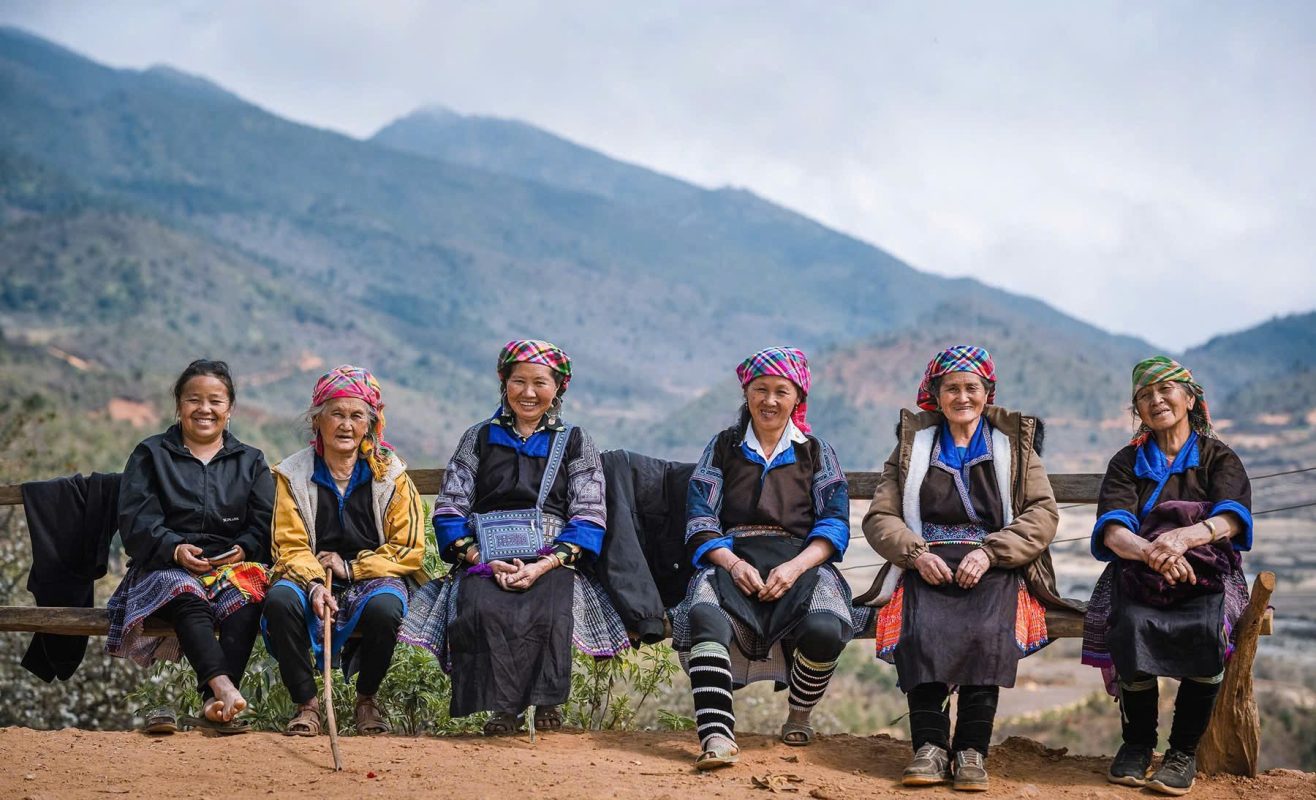
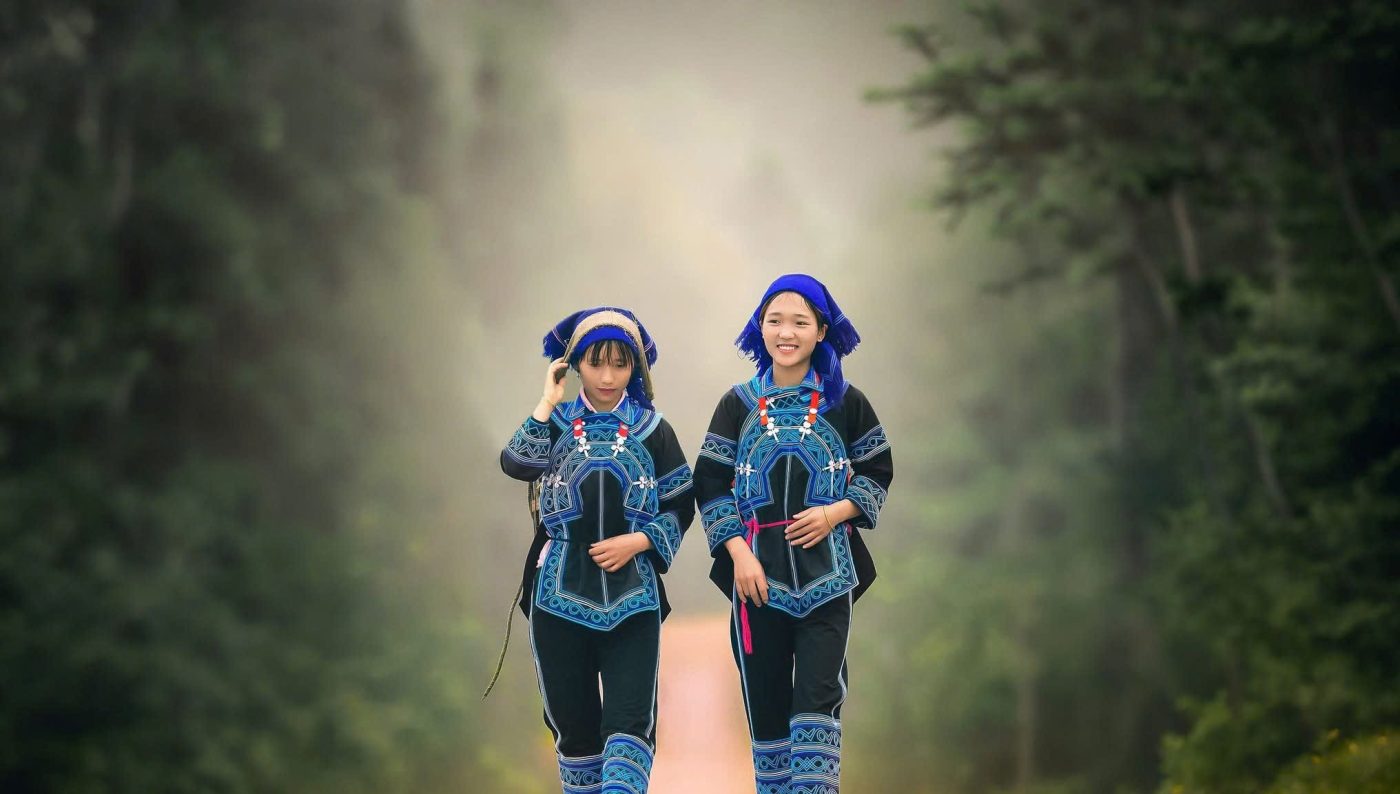
Meo Vac is one of the main towns on the Ha Giang Loop and an important cultural center for surrounding mountain communities. The town is particularly interesting on market days, when people travel from villages throughout the region to buy and sell agricultural products, food, clothing and livestock. If your itinerary can be timed around a Sunday market, the experience can add an important cultural dimension to the mountain journey. Vietnam Tourism highlights Sunday markets in Dong Van and Meo Vac as opportunities to see Hmong, Tay, Dao and other communities gathering together.
Day 4: Meo Vac to Du Gia and Back Toward Ha Giang
A four-day itinerary can continue from Meo Vac toward Du Gia, a quieter mountain area surrounded by valleys, rice fields, streams and villages. This section is less focused on famous viewpoints and more about the changing rural landscape. Du Gia is particularly useful as an overnight stop because it allows travelers to slow down after the demanding mountain roads around Dong Van and Ma Pi Leng. From Du Gia, the route can continue back toward Ha Giang City before returning to Hanoi. The exact route should be adjusted according to weather, road conditions and the driver’s assessment.
Why Du Gia Is Worth Including
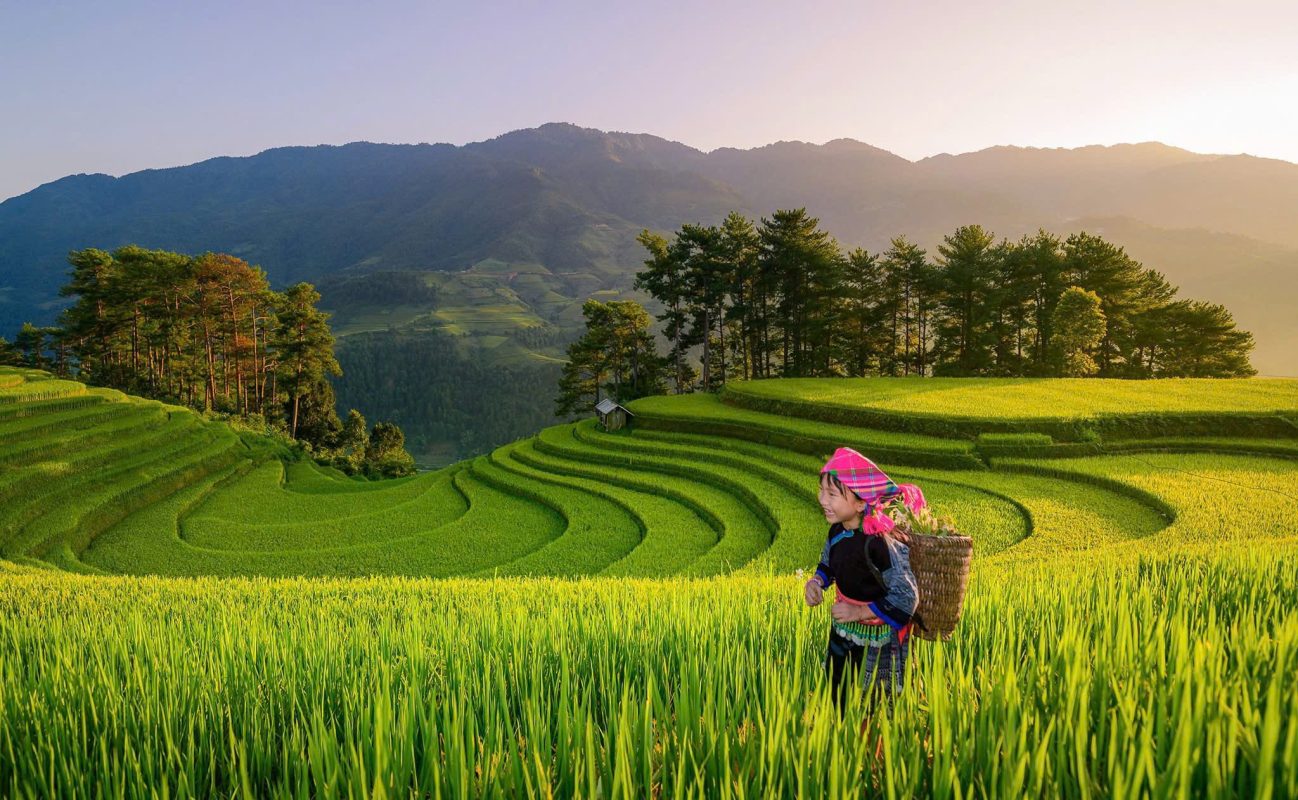
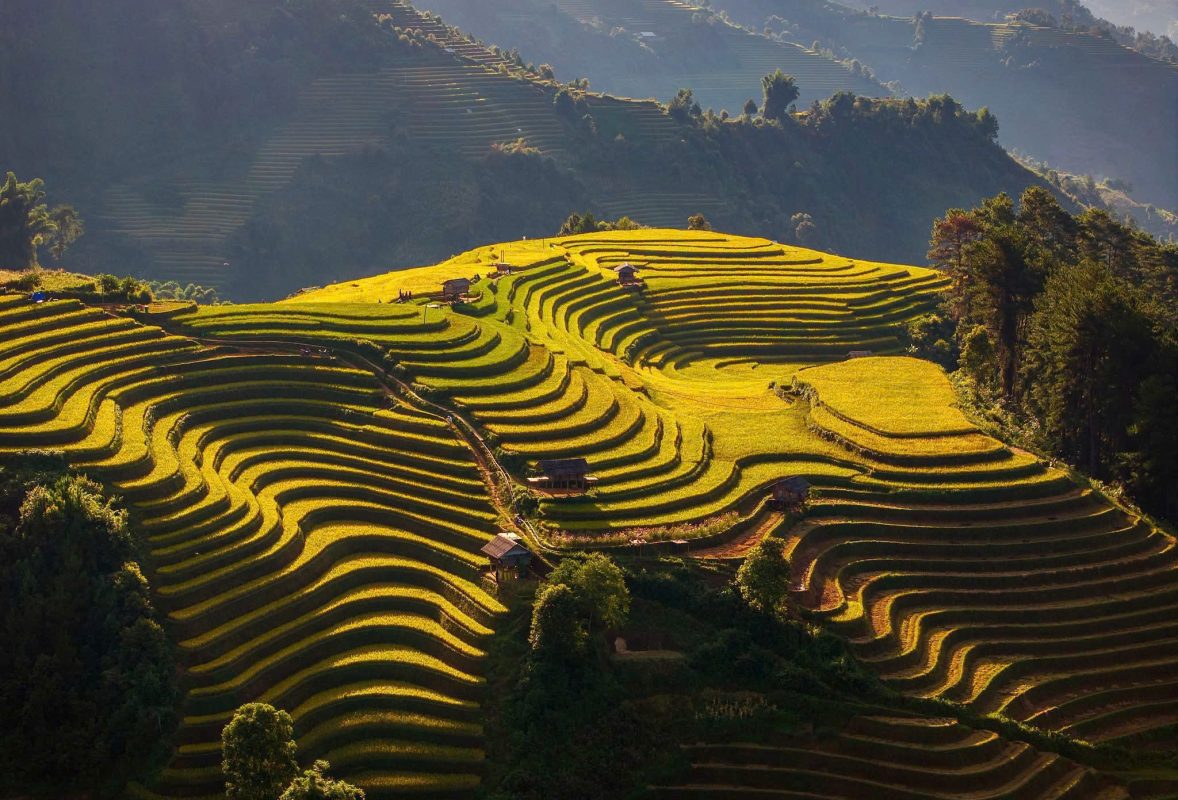
Du Gia is valuable because it changes the rhythm of the Loop. The Dong Van and Ma Pi Leng sections are dominated by dramatic limestone mountains and high passes, while Du Gia provides greener valleys, rice fields and quieter village scenery. Travelers who have enough time should avoid treating Du Gia simply as a place to sleep. Use the afternoon or morning to walk around the countryside, photograph the rice fields and experience the slower pace of mountain life.
Should First-Time Visitors Ride a Motorbike?
Only if they have genuine experience riding motorcycles on mountain roads. Ha Giang is not an appropriate place for someone who has only ridden a scooter around a city. The Loop includes steep climbs, hairpin bends, narrow sections, changing weather and unexpected road conditions. Vietnam Tourism specifically advises travelers to use experienced drivers and notes that riding the Ha Giang roads requires professional steering skills. The current official tourism guidance also recommends traveling with a driver rather than riding alone for safety and a better overall experience.
Easy Rider: A Better Choice for Inexperienced Riders
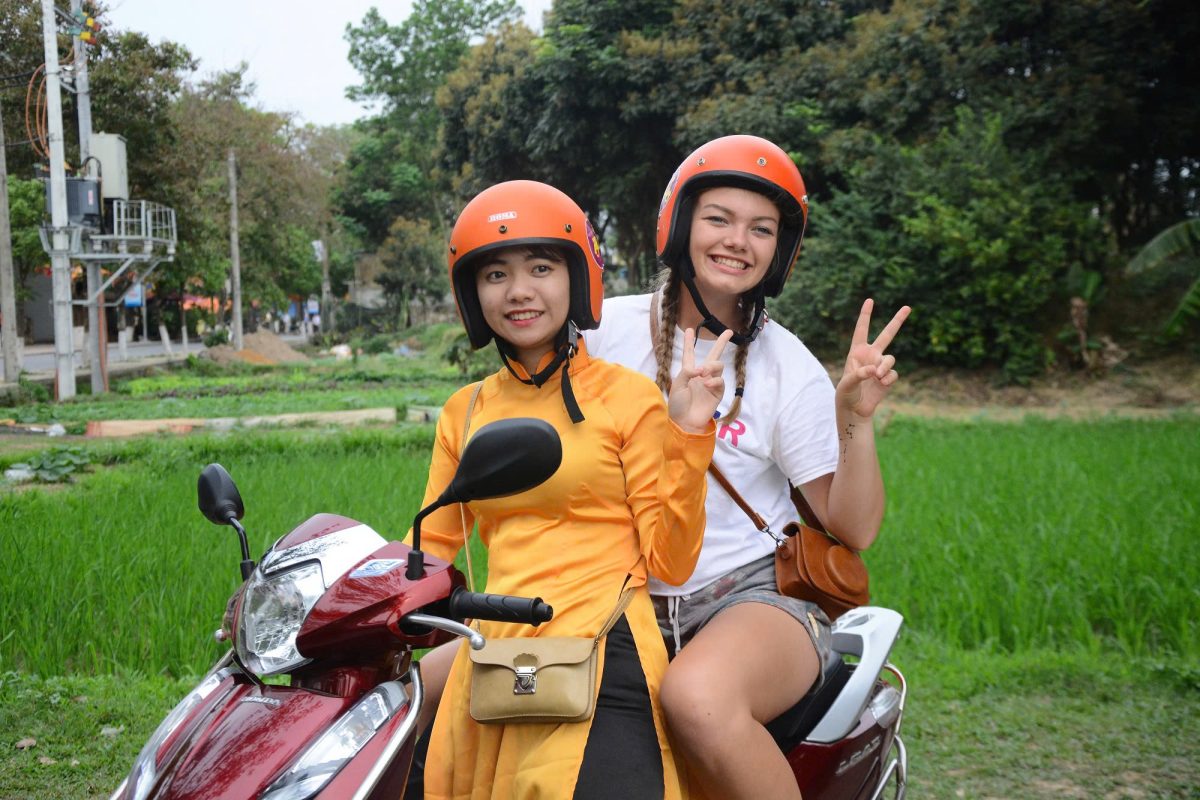
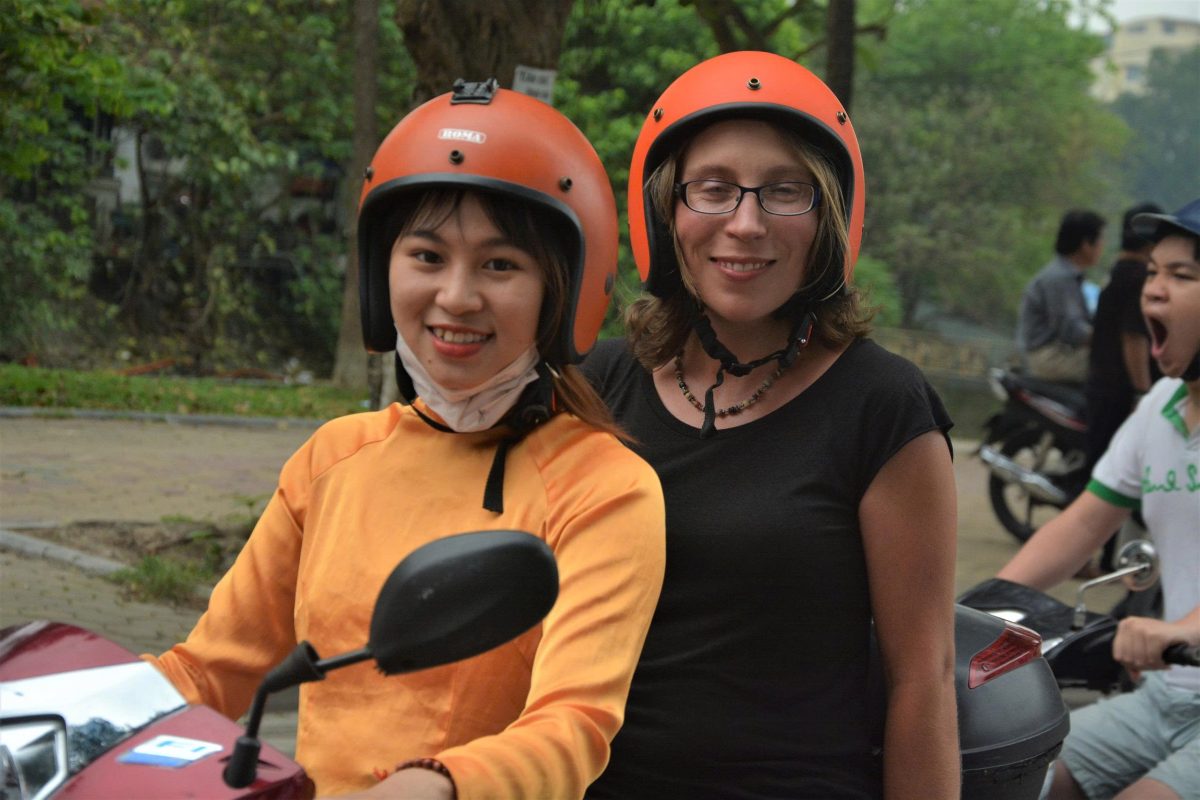
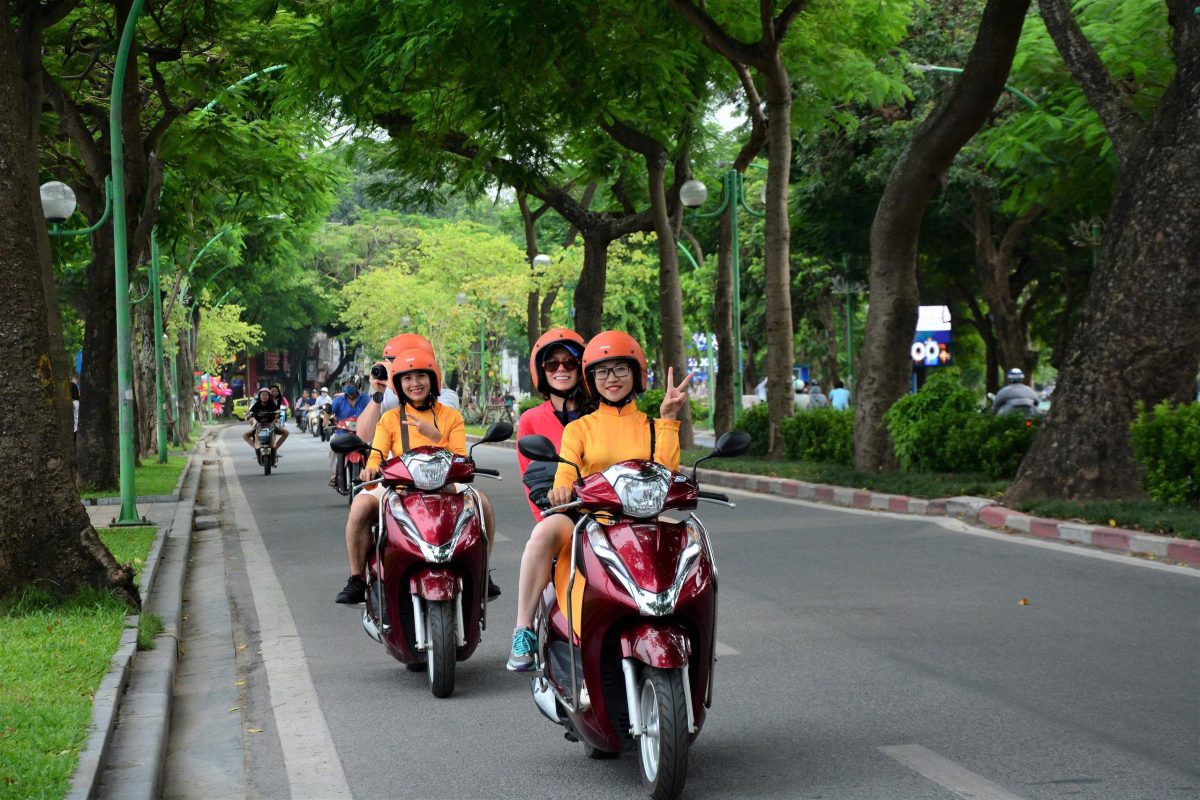
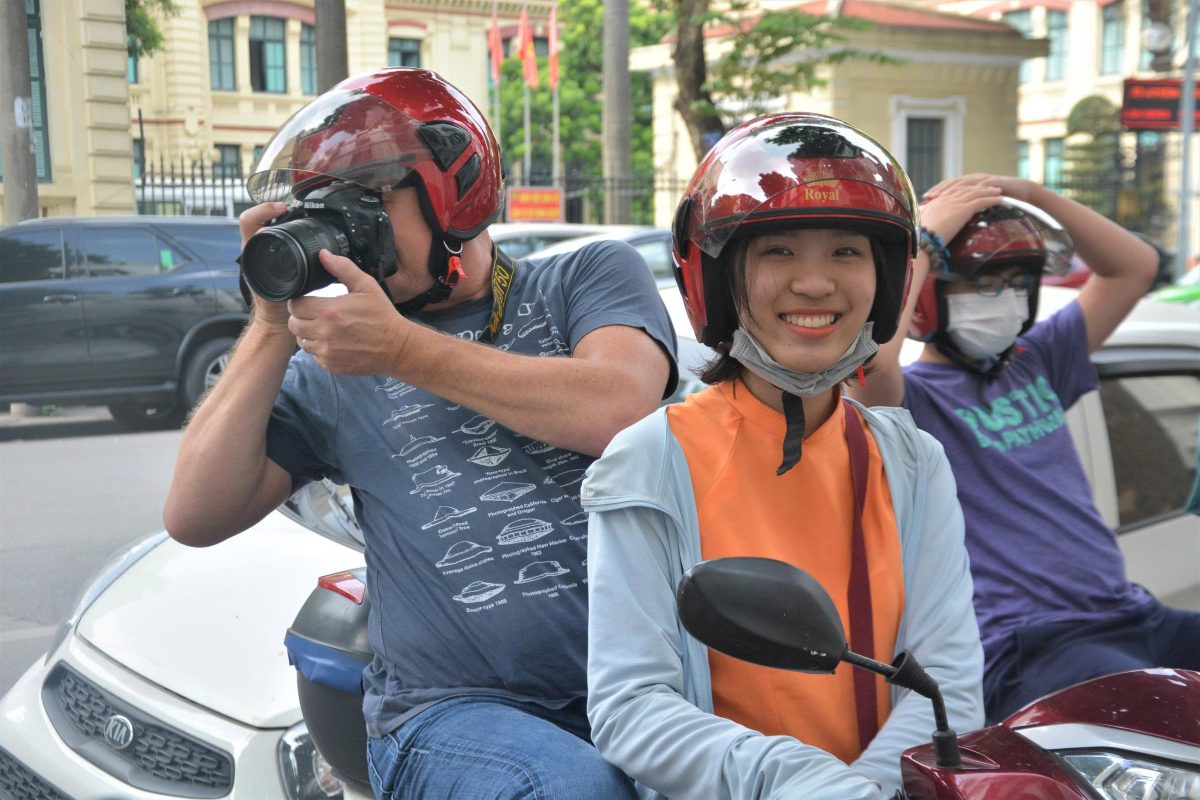
If you want the feeling of traveling by motorbike without taking responsibility for the mountain roads yourself, an experienced driver or Easy Rider is a much better option. You can sit behind the driver, enjoy the scenery and stop for photographs while someone familiar with the route handles the difficult sections. This is particularly useful for international visitors who have limited experience with Vietnamese mountain roads. It also allows you to focus on the landscape rather than constantly watching the road surface.
Ha Giang by Private Car
Traveling the Ha Giang Loop by private car with an experienced driver is an excellent choice for families, couples, older travelers and premium private groups. You lose some of the open-air feeling of a motorbike but gain air-conditioning, luggage space, weather protection and greater comfort. The driver can also stop at viewpoints and villages according to your interests. For travelers who want to photograph the landscape without riding a motorcycle themselves, a private car is one of the most practical options.
Is Ha Giang Safe for First-Time Visitors?
Ha Giang is suitable for first-time visitors when the trip is properly planned, but the mountain environment requires more caution than Hanoi or Halong Bay. Travel during daylight, wear appropriate clothing and footwear, check weather conditions, keep enough cash with you and avoid driving after dark. Vietnam Tourism notes that resources become limited once travelers leave Ha Giang City and recommends carrying enough cash because ATMs are scarce. Road conditions can also change because of construction or unexpected obstacles.
Money and ATMs in Ha Giang
Do not rely entirely on your bank card once you enter the remote mountain areas. Vietnam Tourism specifically recommends carrying enough cash because ATMs are scarce outside the main towns. Withdraw sufficient Vietnamese dong in Hanoi or Ha Giang City before starting the Loop. Small restaurants, markets, homestays and roadside businesses may not accept international cards, and mobile payment options can also be inconsistent in remote areas.
Mobile Phone and Internet Coverage
Mobile coverage is generally available in the main towns, but travelers should expect weaker or inconsistent signals in remote valleys and mountain sections. Download important maps, hotel information and booking details before leaving Ha Giang City. Keep your phone and power bank charged, particularly if you are traveling by motorbike. Do not depend exclusively on Google Maps or online navigation because mountain roads can be confusing and conditions can change.
What to Pack for Hanoi to Ha Giang
Pack light but prepare for changing mountain weather. A practical list includes comfortable walking shoes, a waterproof jacket, warm layers, sunscreen, sunglasses, insect repellent, a small backpack, power bank, reusable water bottle and basic personal medication. If traveling by motorbike, wear proper closed shoes and protective clothing rather than sandals and shorts. During cooler months, bring significantly warmer clothing because temperatures in the mountains can be much lower than Hanoi. If you are traveling by private car, leave large luggage in Hanoi if possible and take only what you need for the Loop.
What to Eat on the Ha Giang Loop
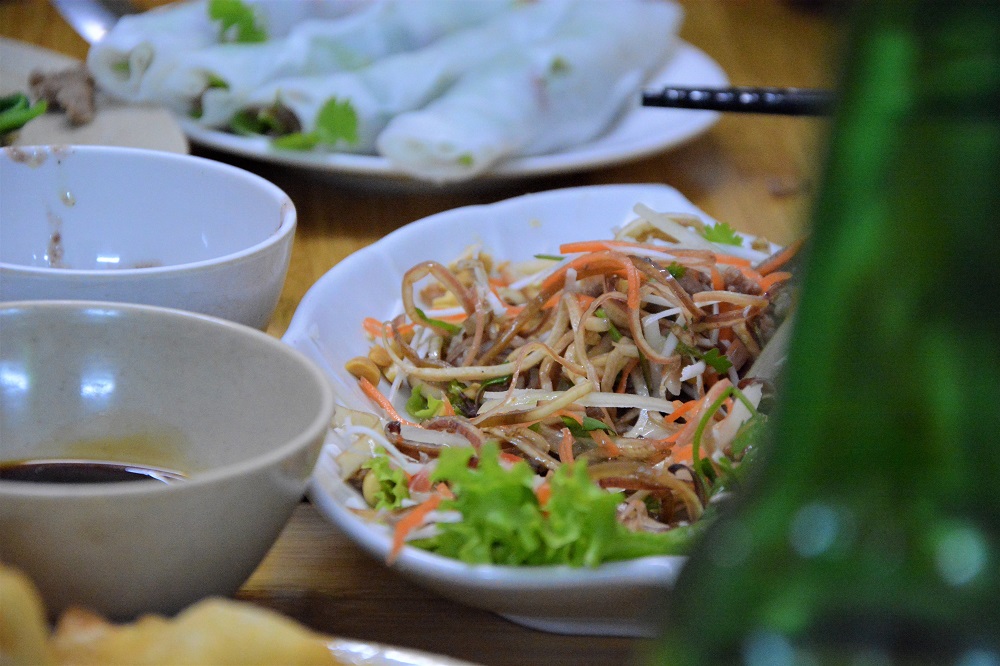
Food in Ha Giang is part of the experience, especially in the mountain towns and markets. In Dong Van, try traditional banh cuon, which is served differently from the Hanoi version, often accompanied by a bowl of warm broth and pork sausage. Mountain markets also offer regional dishes, grilled foods, rice-based meals and ingredients associated with different ethnic communities. Vietnam Tourism specifically highlights banh cuon in Dong Van as a northern specialty worth trying for breakfast.
Ha Giang Market Days
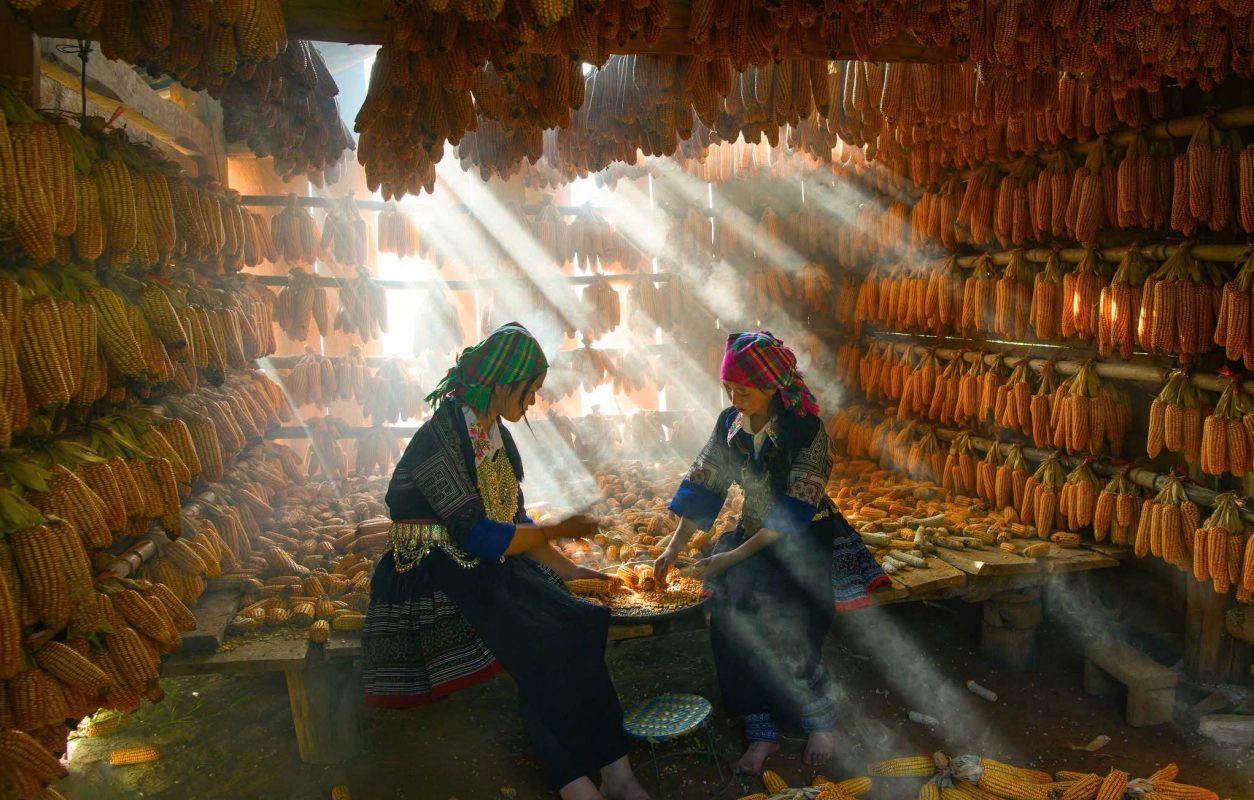
Market days are important cultural events in the northern mountains. Sunday markets in Dong Van and Meo Vac bring together people from surrounding villages and create an atmosphere very different from a conventional tourist market. You can see traditional clothing, agricultural products, food, household goods and livestock being traded. If you want to experience one of these markets, plan the route around the actual market day rather than simply hoping to encounter one during your journey.
Best Time to Travel from Hanoi to Ha Giang
The best season depends on the landscape you want to see. March to May generally offers pleasant conditions for mountain travel and is a strong choice for travelers who want comfortable trekking and road-trip weather. September to November is another excellent period, with cooler conditions and seasonal mountain scenery. November is particularly associated with buckwheat flowers in Ha Giang. June to August can be hot and affected by monsoon rains, which can make mountain-road travel less predictable. Vietnam Tourism identifies September through November as a good period to visit and notes that April through June can also be pleasant.
Ha Giang in March to May
Spring is an attractive period for a Ha Giang Loop because temperatures are generally comfortable and the mountain landscape becomes increasingly green. This is a good season for travelers who want to combine road travel with short hikes and village walks. The roads can still be affected by rain, however, so daily conditions should always be checked before departure.
Ha Giang in June to August
Summer brings greener landscapes but also greater weather uncertainty. Heavy rainfall can affect mountain roads, visibility and travel times. If you travel during this period, build flexibility into the itinerary and listen to your driver’s assessment of road conditions. Do not schedule extremely long riding days simply to maintain a fixed timetable.
Ha Giang in September to November
September through November is one of the strongest periods for a first Ha Giang trip. The weather becomes cooler, mountain scenery can be particularly attractive and the rice and buckwheat seasons create different colors across the valleys. November is especially associated with buckwheat flowers and the annual Buckwheat Flower Festival.
Ha Giang in December to February
Winter can be surprisingly cold in the mountains, especially in Dong Van and higher elevations. Fog can reduce visibility and make the roads feel colder than expected. If you travel during these months, bring warm layers, gloves and proper rain protection. The landscape can still be beautiful, but travelers should prioritize comfort and road safety over maintaining an aggressive sightseeing schedule.
Hanoi to Ha Giang in 3 Days
A three-day trip can work if your schedule is limited. Day 1: Travel from Hanoi to Ha Giang early, then continue toward Quan Ba and Yen Minh. Day 2: Travel from Yen Minh through Dong Van and across Ma Pi Leng Pass toward Meo Vac. Day 3: Continue toward Du Gia or another return route and travel back toward Hanoi. This itinerary is active and involves long road days, so it is best for travelers who are comfortable spending many hours in a vehicle or on a motorbike.
Hanoi to Ha Giang in 4 Days
Four days is the better option for first-time visitors. Day 1: Hanoi to Ha Giang and onward to Quan Ba/Yen Minh. Day 2: Yen Minh to Dong Van, including mountain viewpoints and the Hmong King Palace. Day 3: Dong Van through Ma Pi Leng to Meo Vac and onward toward Du Gia. Day 4: Du Gia back toward Ha Giang and then Hanoi, depending on the exact route and road conditions. This structure gives you more time for photographs, village stops and viewpoints without trying to cover the entire region at maximum speed. Vietnam Tourism also publishes a four-day Ha Giang road-trip route as a practical framework for exploring the region.
Hanoi to Ha Giang in 5 Days
Five days is ideal for travelers who want a slower and more comfortable experience. You can spend the first night in Ha Giang City or Thon Tha, then travel through Quan Ba and Yen Minh, spend a night in Dong Van, continue through Ma Pi Leng and Meo Vac, stay in Du Gia and return to Ha Giang. The extra day gives you more opportunities to hike, photograph villages, visit markets or simply stop when the scenery is exceptional instead of worrying about reaching the next hotel.
Hanoi to Ha Giang and Sapa
Combining Hanoi, Sapa and Ha Giang is an excellent choice for travelers with at least seven days. Sapa and Ha Giang should not be treated as the same experience. Sapa focuses on rice terraces, trekking and Fansipan, while Ha Giang focuses on mountain passes, limestone formations and road travel. A practical route is Hanoi → Sapa → Ha Giang → Hanoi, using private road transportation between destinations. If you have more time, Halong Bay can be added after returning to Hanoi.
Hanoi to Ha Giang and Halong Bay
Travelers with around seven to ten days can also combine Hanoi, Ha Giang and Halong Bay. Spend two nights in Hanoi, four days on the Ha Giang Loop and one or two nights around Halong Bay. This route works particularly well for travelers who prioritize mountain landscapes over trekking. Halong Bay then provides a relaxing contrast after several active days in the northern mountains.
Hanoi to Ha Giang for Families
Families should generally choose a private car rather than renting motorbikes. The journey from Hanoi is long enough that children benefit from being able to stop when necessary, and the Ha Giang Loop itself contains many mountain roads. A family itinerary should avoid overly long driving days and include comfortable accommodation in Dong Van and Du Gia. Short walks and viewpoints can replace strenuous trekking when necessary. The private format also allows parents to adjust the schedule around children’s energy levels.
Hanoi to Ha Giang for Couples
Couples can choose between a private car and a professional motorbike driver depending on how adventurous they want the trip to be. A private motorbike experience provides a stronger connection to the mountain landscape, while a private car provides greater comfort and protection from rain and cold. A four-day Loop is ideal because it leaves enough time for scenic stops, photographs and relaxed evenings in Dong Van or Du Gia.
Hanoi to Ha Giang for Luxury Travelers
Ha Giang is an adventure destination, but that does not mean the journey has to be uncomfortable. Premium private travel can include private transportation from Hanoi, carefully selected hotels or high-quality mountain accommodation, an experienced driver, private guides, flexible departure times and personalized meals and sightseeing stops. Travelers who prefer comfort can travel the Loop by private SUV rather than motorcycle and select accommodation with mountain views and better facilities. The goal is to preserve the dramatic landscape experience while removing unnecessary logistical stress.
Common Mistakes First-Time Visitors Make
The biggest mistake is trying to complete Ha Giang too quickly. A two-day Loop may look efficient on paper but can turn into long hours on mountain roads with little time to stop. Another common mistake is riding a motorbike without sufficient experience. Travelers also underestimate how cold or wet the mountains can become and arrive without proper clothing. Finally, many visitors focus only on Ma Pi Leng and forget that the villages, markets, food and road sections between the famous viewpoints are an important part of the experience.
Is Hanoi to Ha Giang Worth the Journey?
Yes. The six-hour journey from Hanoi is only the beginning, and the reward is access to a part of Northern Vietnam that feels dramatically different from the capital. Ha Giang combines the Dong Van Karst Plateau, Quan Ba, Heaven’s Gate, Dong Van, Ma Pi Leng Pass, Nho Que River, Meo Vac and Du Gia into one of the country’s most memorable road journeys. The region also offers a strong cultural dimension through Hmong, Tay, Dao and other communities living throughout the mountains.
Hanoi to Ha Giang: The Best Plan for First-Time Visitors
For a first visit, the most practical plan is to leave Hanoi in the morning, travel to Ha Giang by private car or VIP limousine, stay one night before beginning the Loop, then spend four days exploring Quan Ba, Yen Minh, Dong Van, Ma Pi Leng, Meo Vac and Du Gia. If you are an experienced motorcyclist, you can ride the Loop yourself, but inexperienced riders should use an experienced driver. Carry cash, travel during daylight, check weather conditions every morning and keep the schedule flexible. Most importantly, do not think of Ha Giang as simply another destination to check off a Northern Vietnam itinerary. The road, the mountains, the villages and the people are the destination.
Vietnam Women Travel – Vietnam Private Tours Led by Women
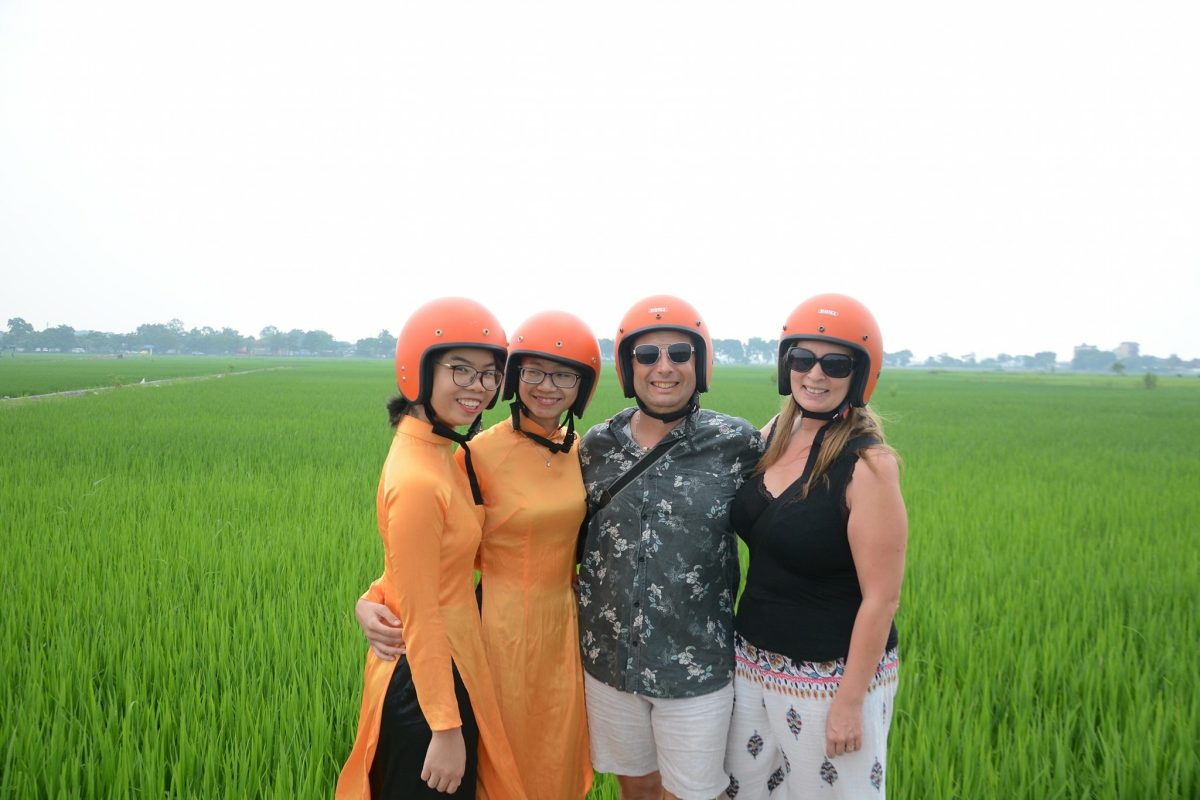
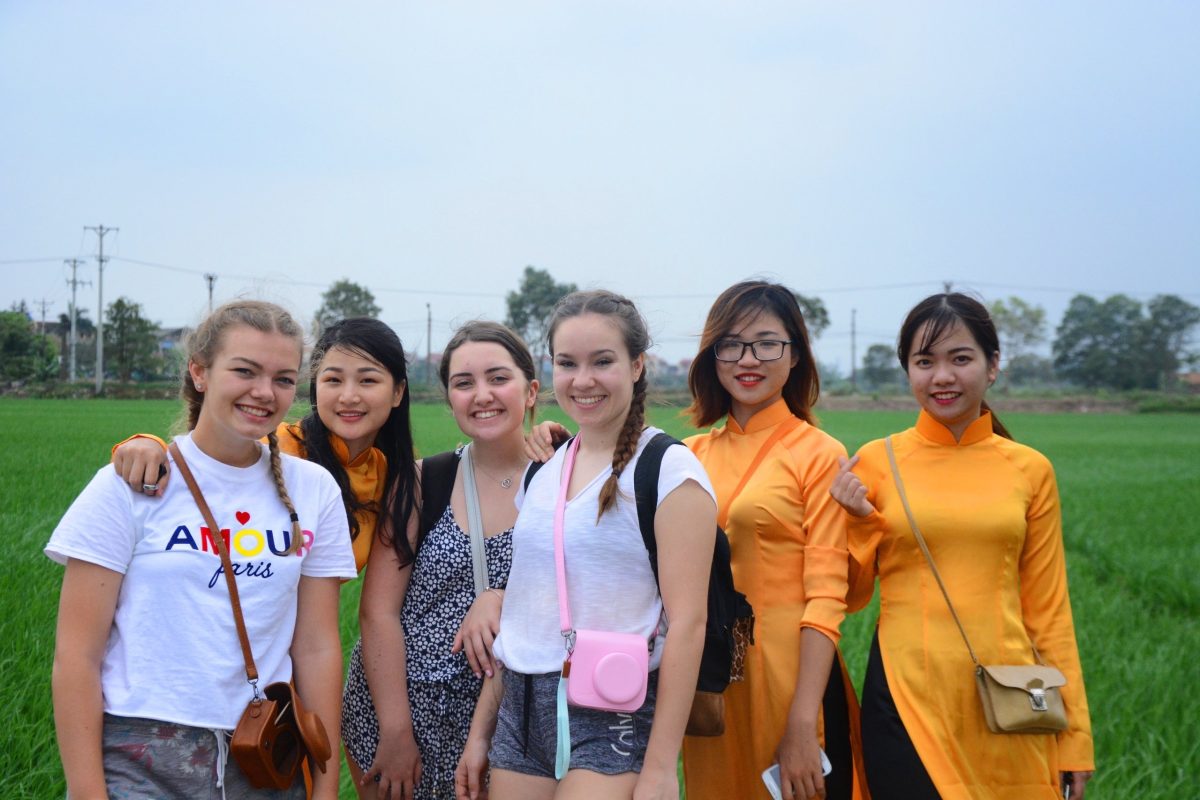
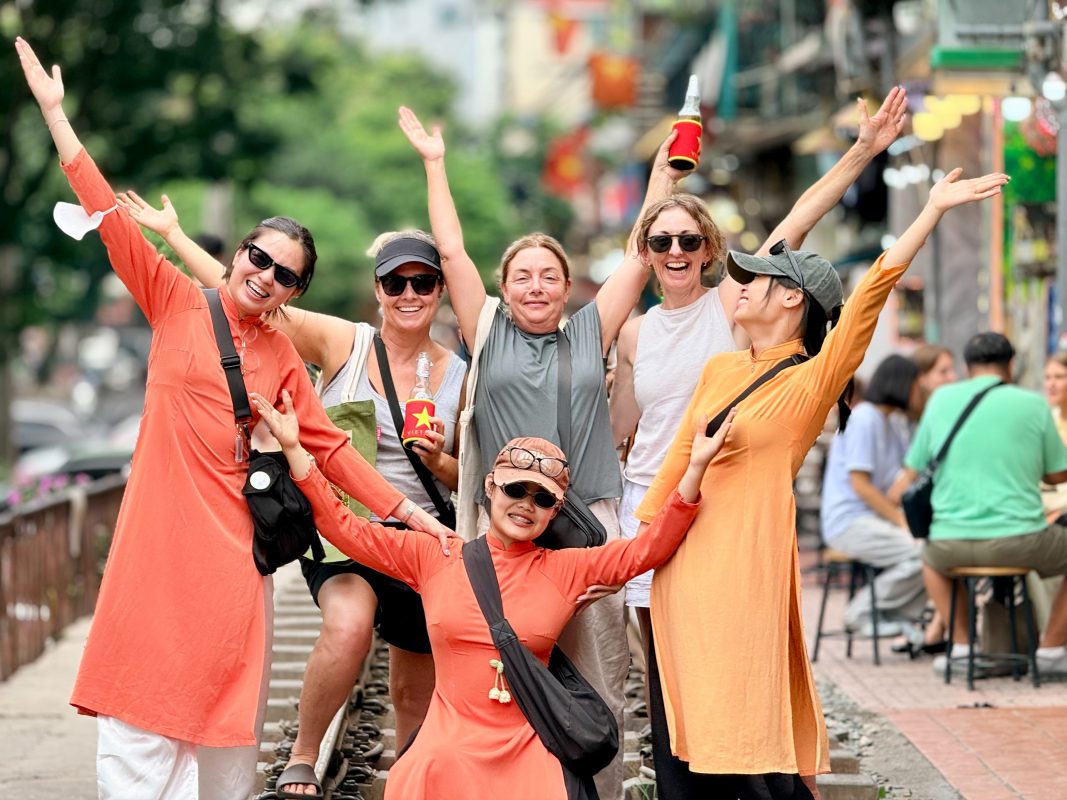
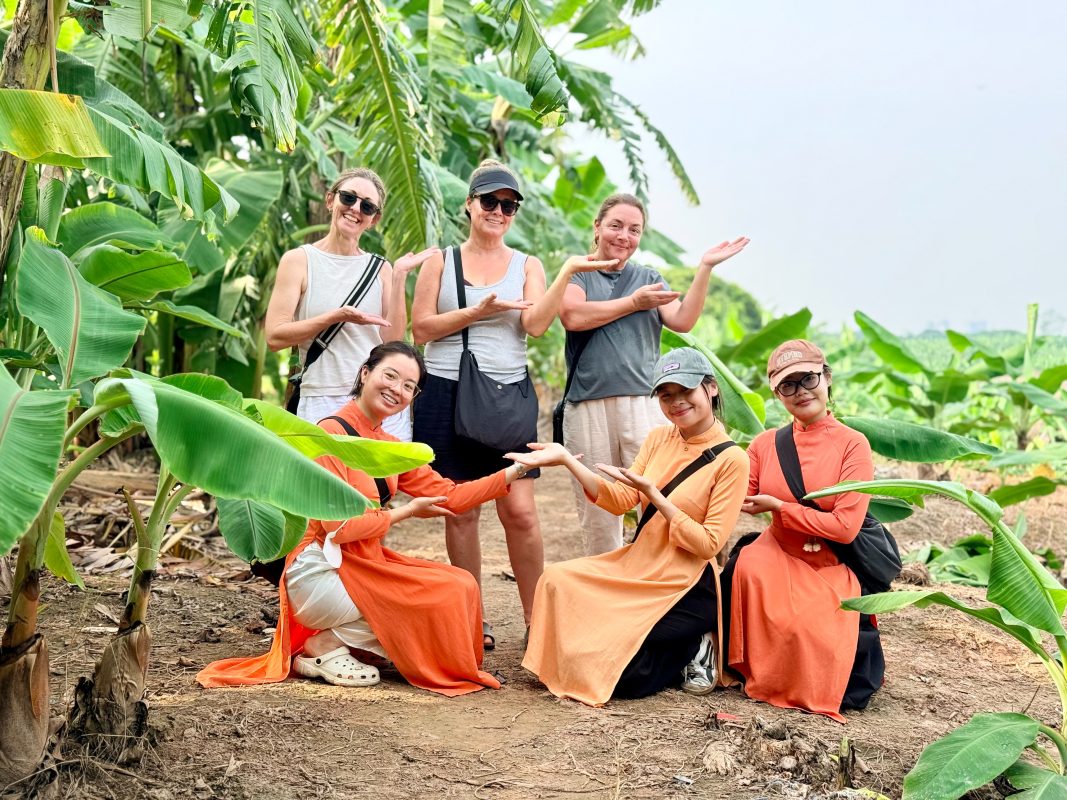
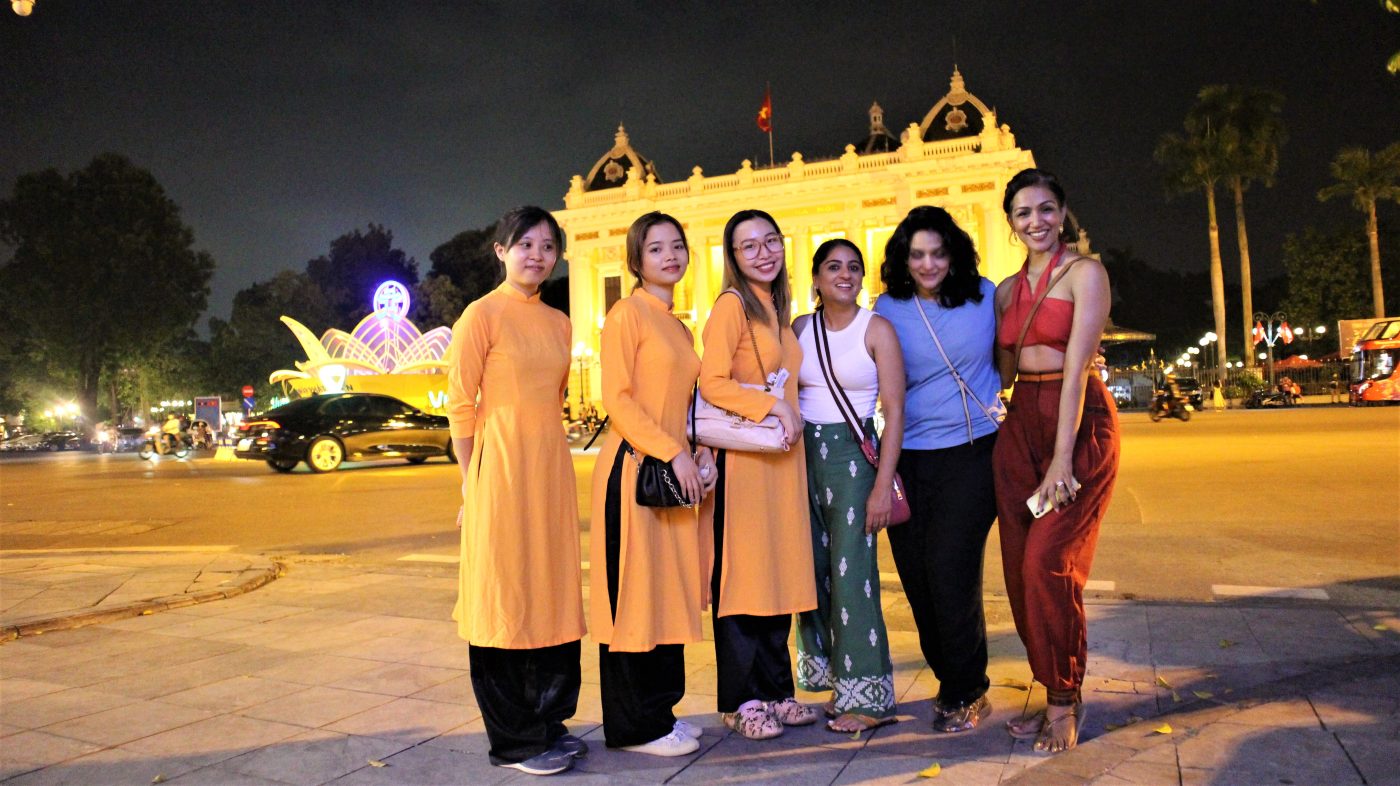
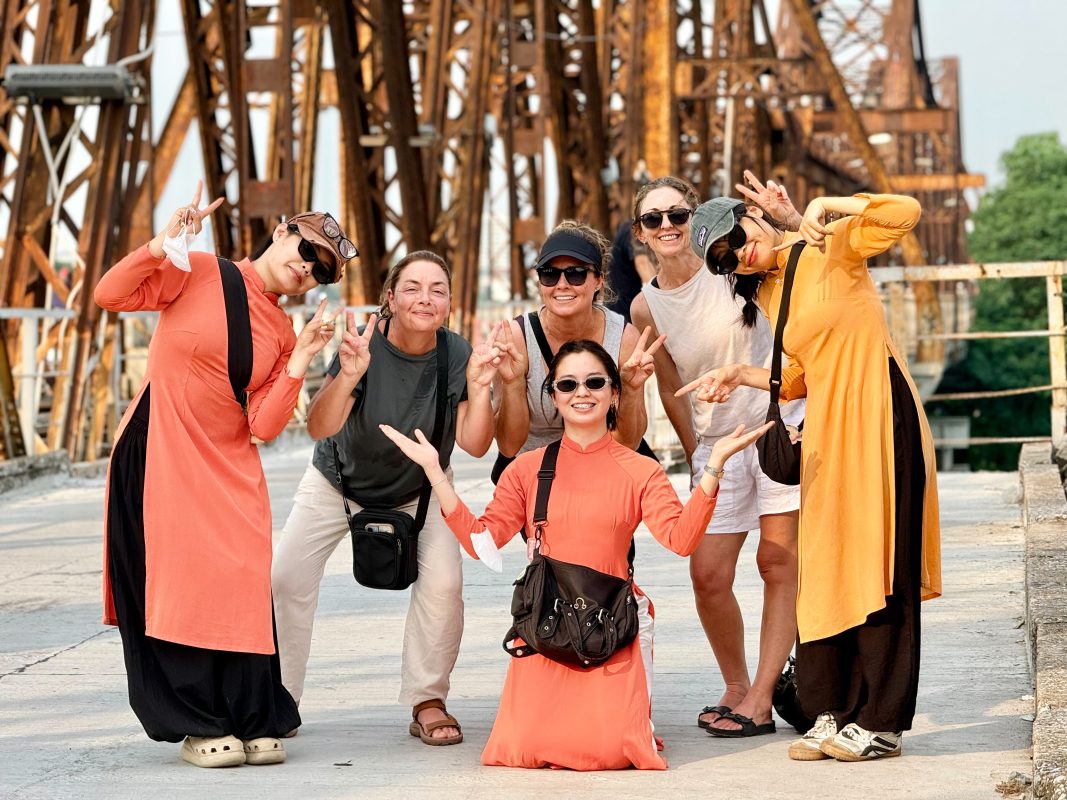
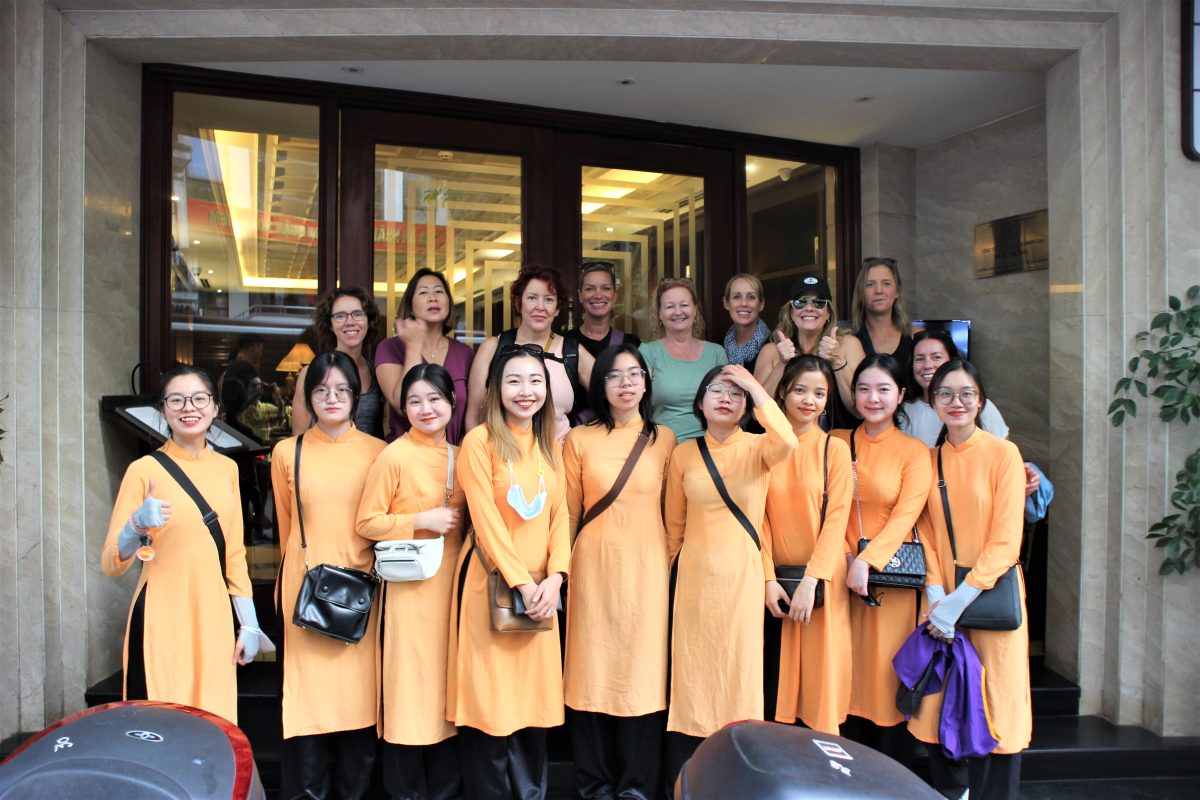
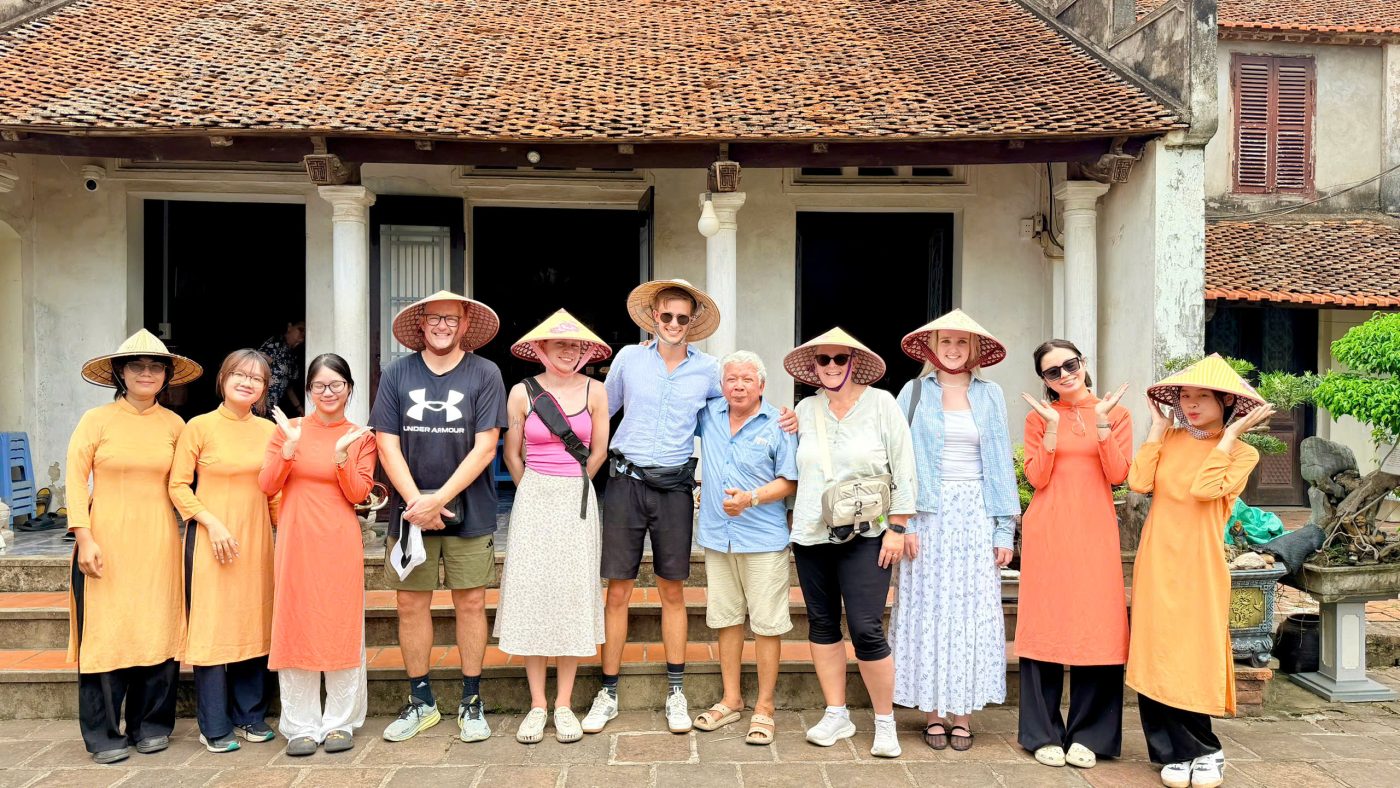
For travelers who want to experience Ha Giang without dealing with the logistics themselves, Vietnam Women Travel – Premium Private Tours Led by Women offers private journeys designed around each group’s travel style, schedule and comfort level. A private Hanoi-to-Ha Giang itinerary can include hotel pickup in Hanoi, private transportation to Ha Giang, an experienced professional driver for the mountain route, carefully selected accommodation, private sightseeing and flexible stops throughout the Ha Giang Loop. Travelers who want the motorbike experience but do not have sufficient mountain-riding experience can travel with a professional female driver, while families and luxury travelers can choose a private car for greater comfort. The journey can also be extended to connect Hanoi, Sapa, Ha Giang and Halong Bay, creating a complete Northern Vietnam experience rather than a standalone transfer. Vietnam Women Travel focuses on Vietnam private tours led by women, giving travelers a more personal way to experience the mountains, culture, food and landscapes of Northern Vietnam.