Hoi An Travel Guide: Best Things to Do, Eat & See
Hoi An is one of the most beautiful and distinctive destinations in Vietnam, combining centuries-old architecture, lantern-lit streets, riverside cafés, traditional cuisine, nearby beaches and peaceful countryside. The heart of the destination is Hoi An Ancient Town, a remarkably preserved trading port that flourished from the 15th to 19th centuries. UNESCO inscribed Hoi An as a World Heritage Site in 1999, recognizing its historic street plan, traditional wooden buildings and the fusion of Vietnamese, Chinese, Japanese and European influences.
For first-time visitors, 2–3 days in Hoi An is ideal. This gives you enough time to explore the Ancient Town, enjoy the food, visit the countryside, relax at An Bang Beach and take an excursion to My Son Sanctuary. If you have more time, add the Cham Islands or spend an additional night in a boutique hotel near the Old Town.
Why Visit Hoi An?
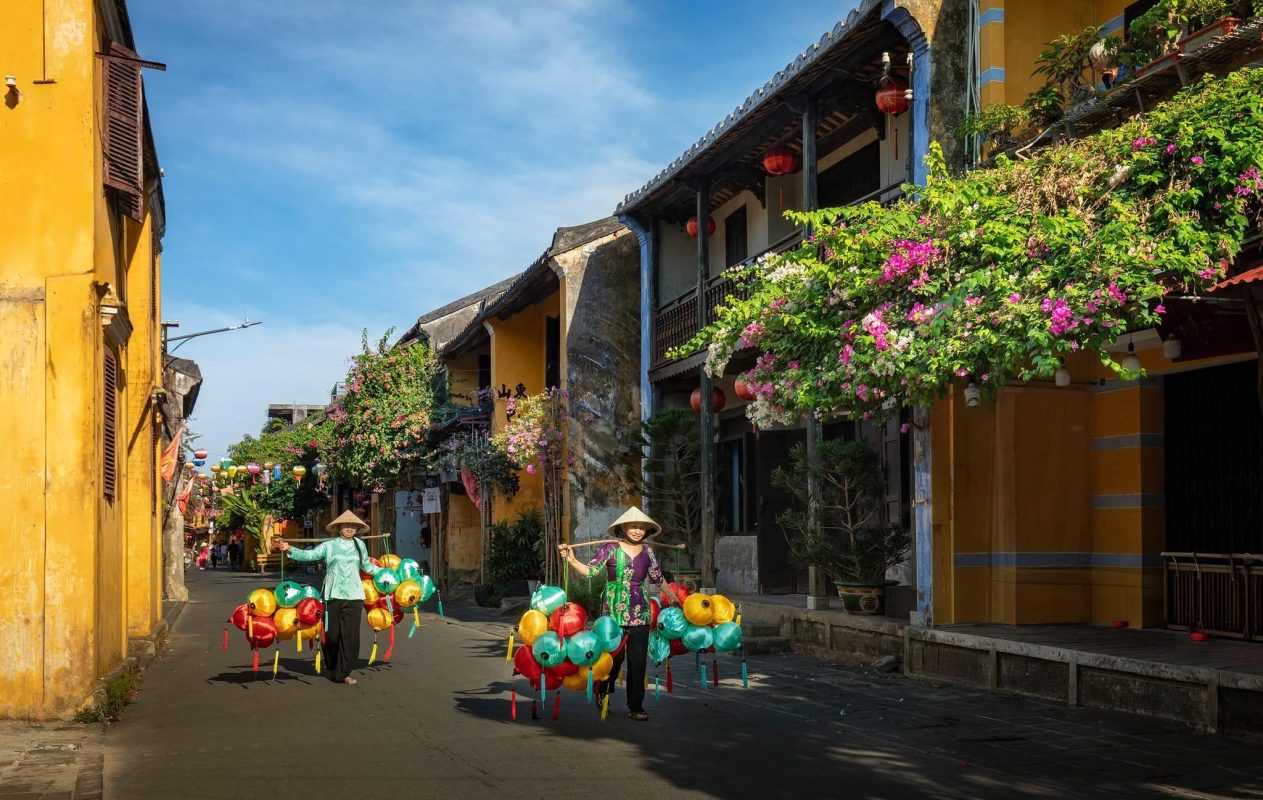
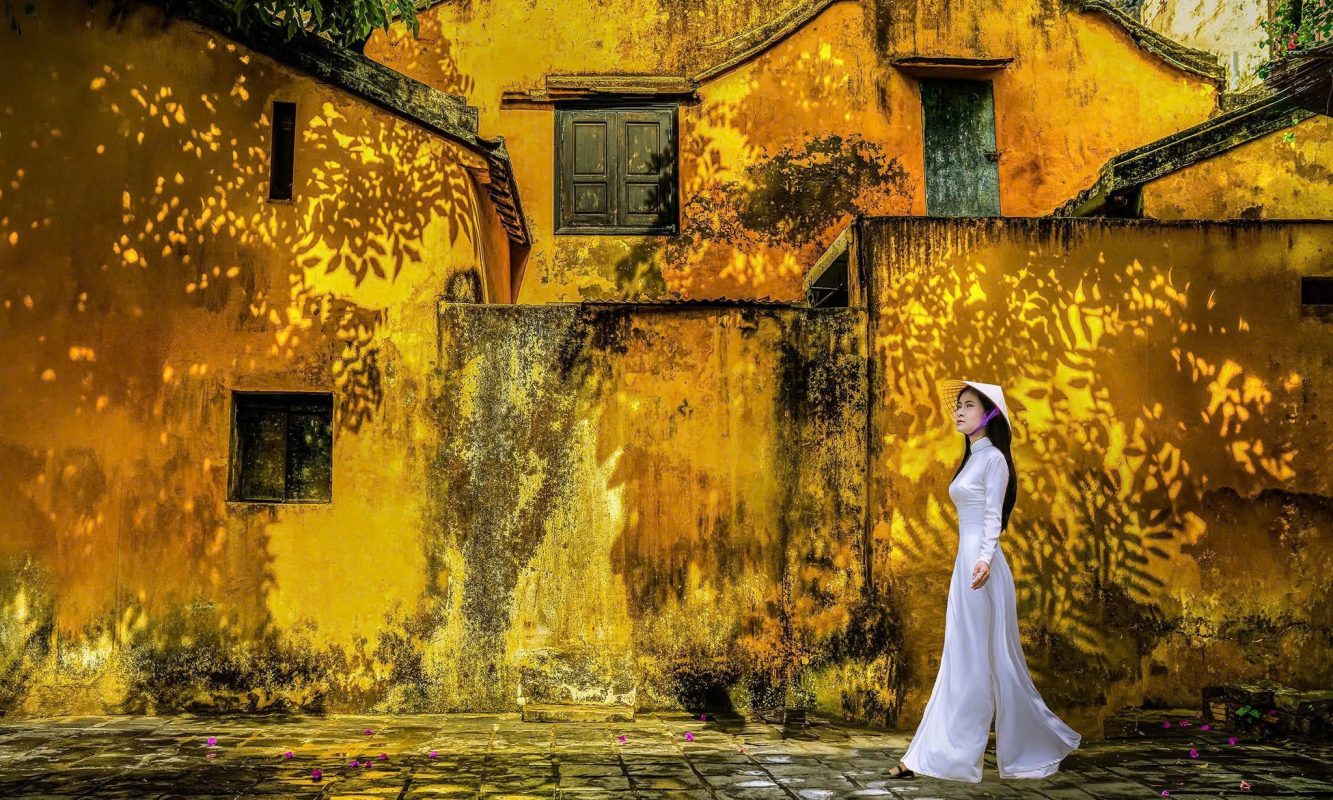
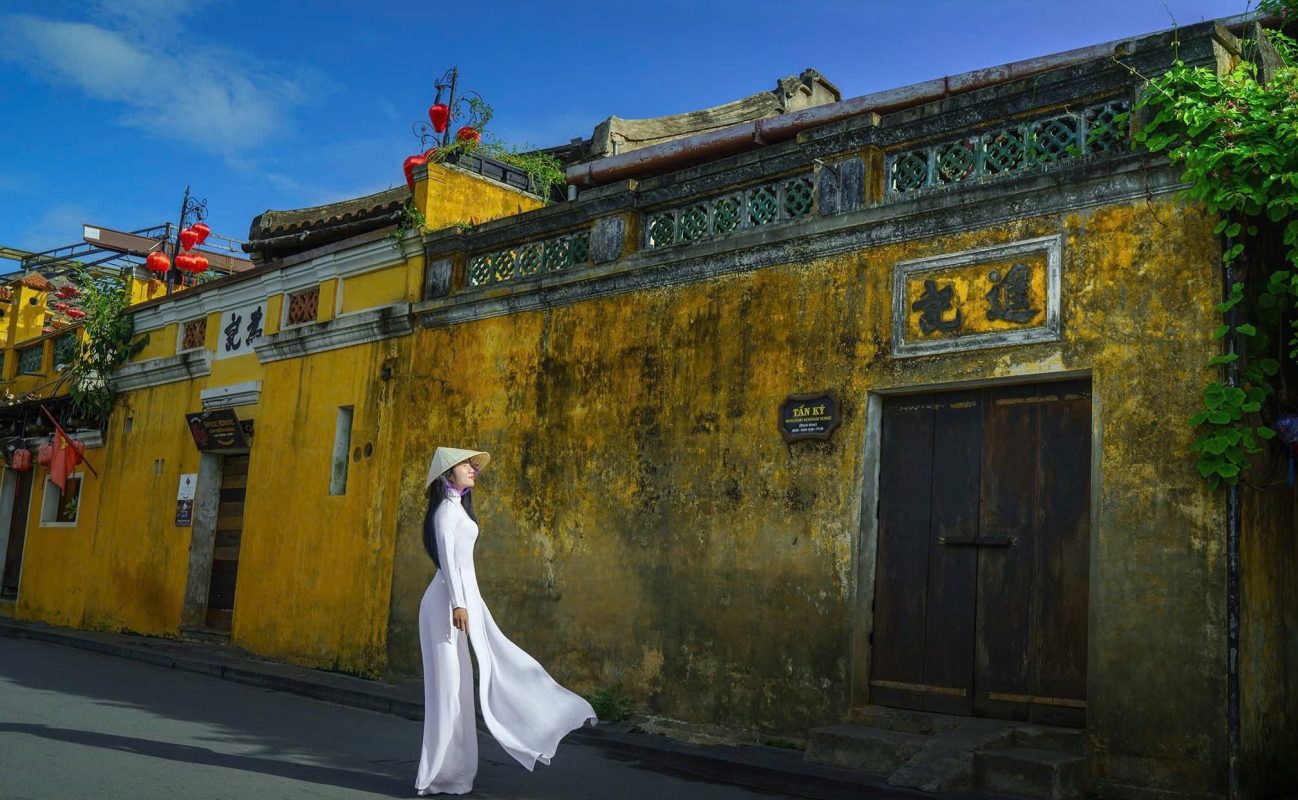
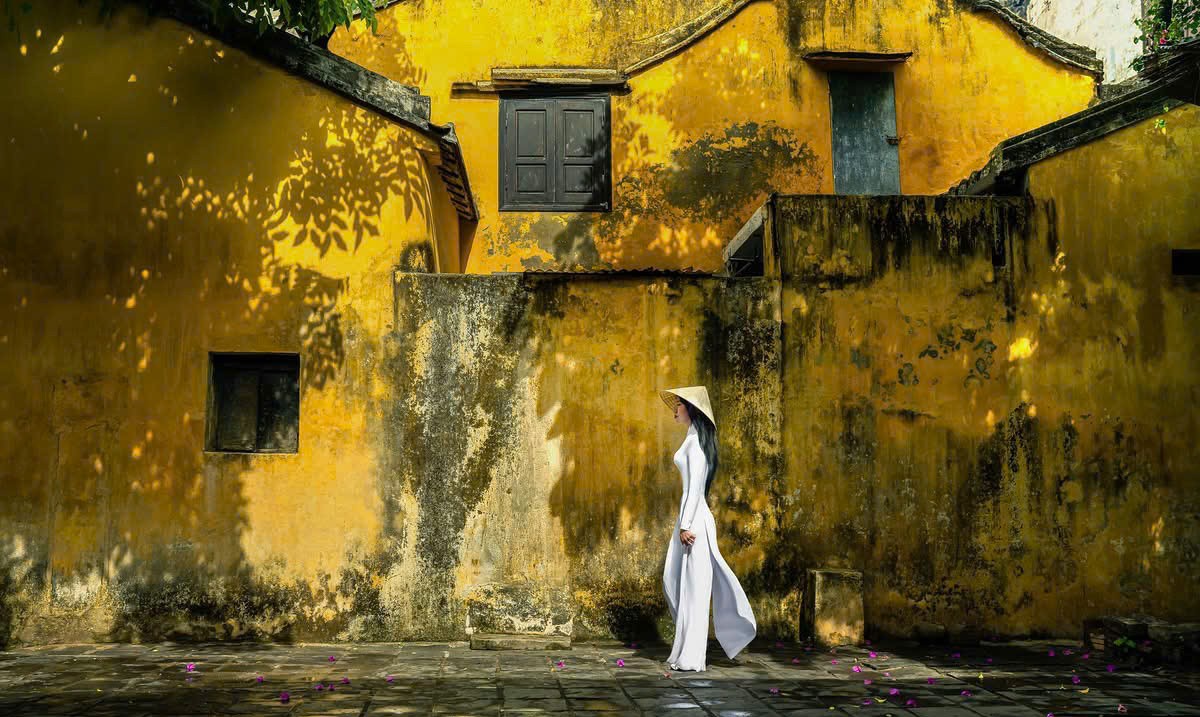
Hoi An is different from most Vietnamese cities because its greatest attraction is not one individual monument but the entire historic townscape. Narrow streets, yellow merchant houses, wooden doors, Chinese temples, Japanese architectural details, riverside buildings and colorful lanterns create an atmosphere that is difficult to reproduce elsewhere.
UNESCO describes Hoi An as an exceptionally well-preserved Southeast Asian trading port, with its original street plan and a large collection of traditional buildings still forming the historic townscape.
The destination also combines culture with relaxation. You can spend the morning walking through heritage buildings, have lunch featuring cao lau, cycle through rice fields in the afternoon and return to the Ancient Town for a lantern-lit evening.
Best Things to Do in Hoi An
1. Explore Hoi An Ancient Town
The Ancient Town should be the first priority on any Hoi An itinerary. Walk through streets such as Tran Phu, Nguyen Thai Hoc, Bach Dang and the surrounding lanes to see historic merchant houses, temples, cafés, galleries and traditional shops.
The town’s architecture reflects centuries of international trade. Chinese, Japanese and European influences were integrated with Vietnamese traditions, creating the architectural character Hoi An is known for today.
Go early in the morning if you want quieter streets and softer light for photography. Return after sunset to experience an entirely different atmosphere.
2. See the Japanese Covered Bridge
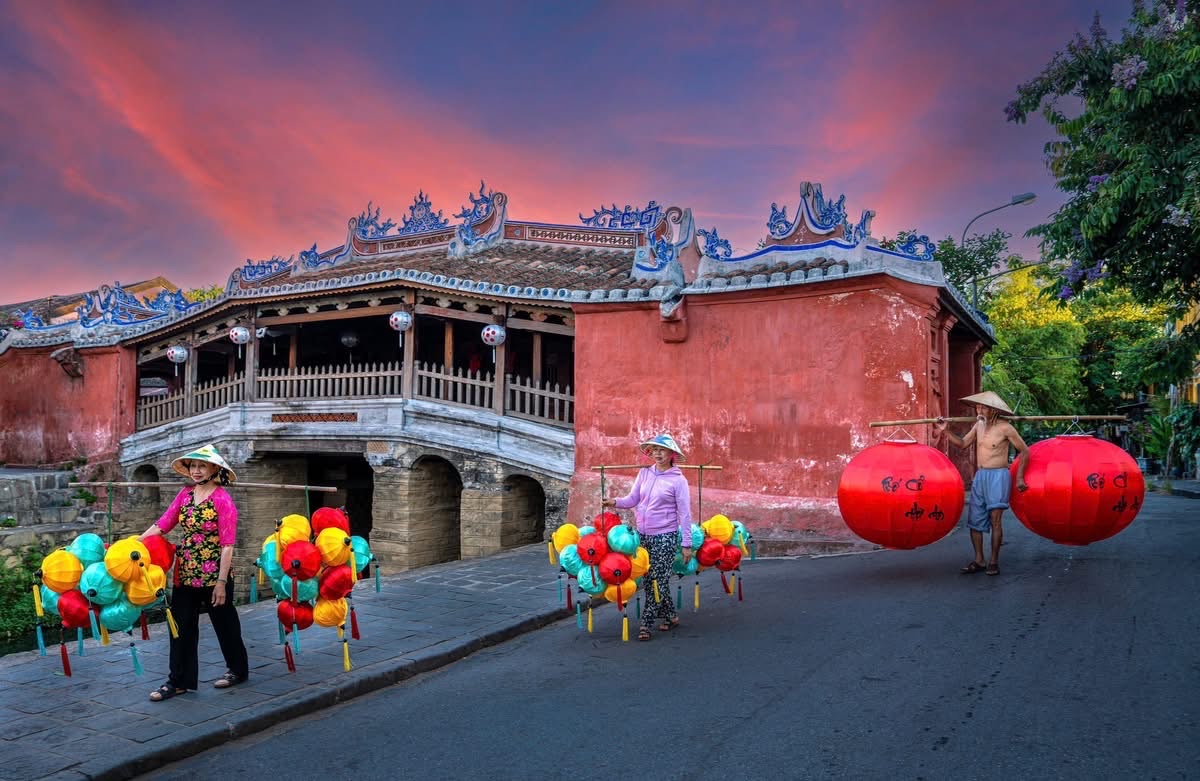
The Japanese Covered Bridge is one of Hoi An’s most recognizable landmarks and one of the symbols of the city.
The historic bridge dates from the trading-port period and represents the Japanese influence that became part of Hoi An’s architectural identity. It is also featured on Vietnam’s 20,000 VND banknote.
Because the bridge is located directly inside the Ancient Town, it is easy to include during a walking tour.
3. Visit Tan Ky Ancient House
Tan Ky Ancient House is one of the best places to understand how wealthy merchant families lived in historic Hoi An.
Vietnam Tourism notes that the house was built in 1741 and has remained in the same family for seven generations. Its architecture demonstrates the combination of Vietnamese, Chinese and Japanese influences found throughout the old trading port.
Look closely at the wooden details, carved decorations and traditional interior layout.
4. Visit Phuc Kien Assembly Hall
Phuc Kien Assembly Hall is another important heritage building in the Ancient Town. Its elaborate entrance, courtyard, ornamental details and religious architecture make it one of Hoi An’s most photogenic cultural attractions.
It also provides insight into the Chinese merchant communities that played an important role in the historic port.
5. Visit Hoi An’s Museums
Hoi An has several museums that help explain the city’s long history.
The Museum of History and Culture, Museum of Folklore, Museum of Sa Huynh Culture and Museum of Trade Ceramics each focus on different aspects of the city’s development.
For travelers interested in Hoi An beyond photography, spending an hour or two inside the museums adds valuable historical context. Vietnam Tourism highlights these museums as important ways to understand the town’s trading history and cultural diversity.
6. Experience Hoi An at Night
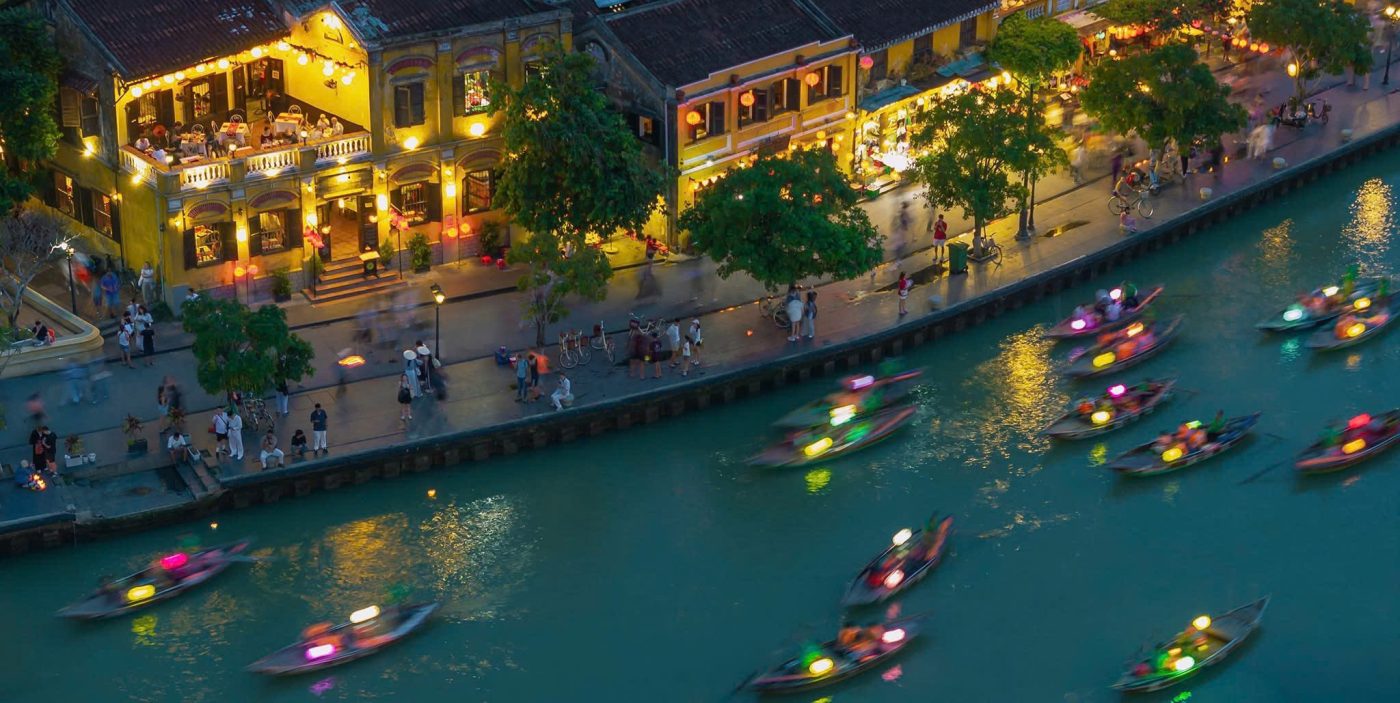
Hoi An becomes particularly atmospheric after sunset. Lanterns illuminate the streets, restaurants open onto the sidewalks and the Thu Bon River reflects the lights of the Ancient Town.
The lantern tradition is deeply connected with Hoi An’s trading history. Vietnam Tourism notes that lanterns were introduced centuries ago by Chinese and Japanese traders and remain one of the city’s most recognizable cultural symbols.
Even if you are not interested in organized activities, simply walking through the Ancient Town after dinner is one of the best things to do in Hoi An.
7. Visit Hoi An During the Lantern Festival
The Hoi An Lantern Festival is held on the 14th day of each lunar month. During the event, the Ancient Town reduces electric lighting and lanterns become the dominant source of illumination.
The festival is particularly attractive for photographers and first-time visitors who want to experience Hoi An at its most visually distinctive.
Because the festival follows the lunar calendar, check the current date before planning your trip around it.
8. Take a Boat Ride on the Thu Bon River
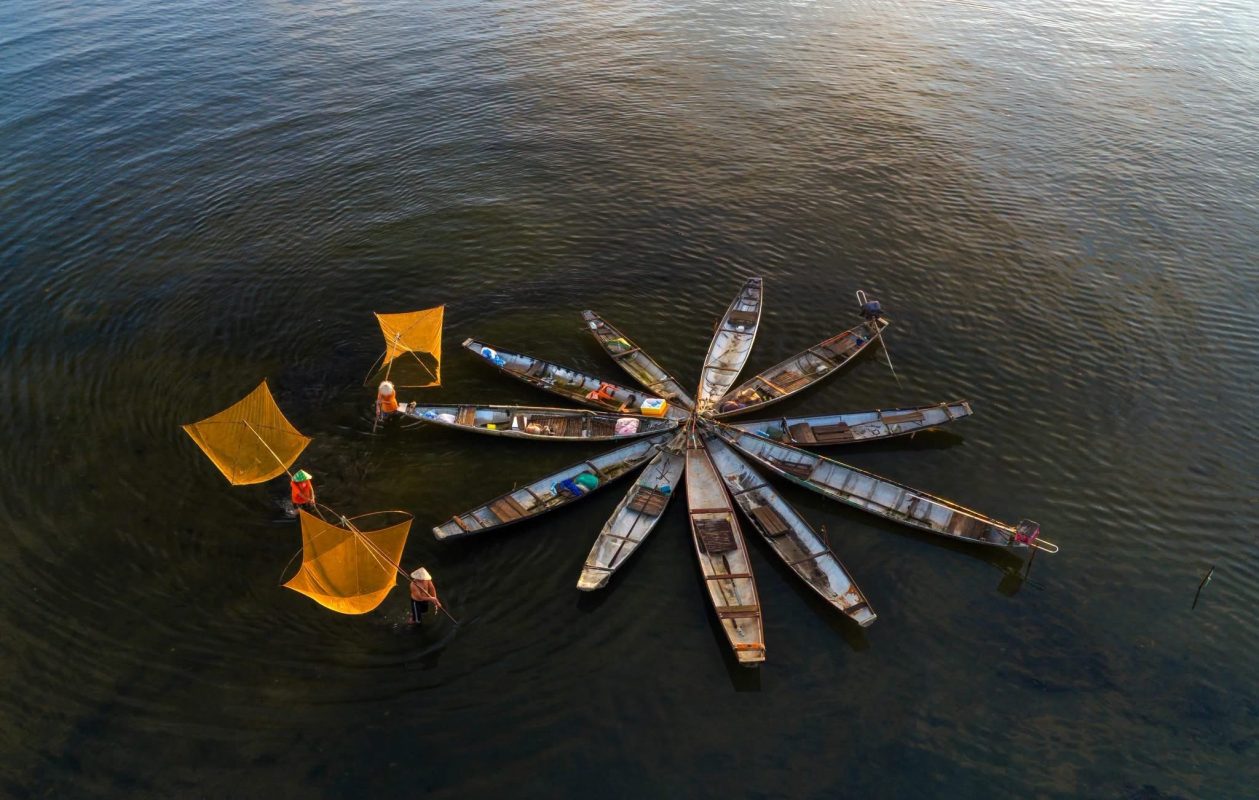
The Thu Bon River has been central to Hoi An’s development for centuries. Today, travelers can experience the river through short boat rides, sunset cruises and traditional boat experiences.
A sunset boat trip is particularly attractive because you can see the historic waterfront from the water as the town begins to light up. Vietnam Tourism also recommends early-morning boat trips for travelers interested in seeing the fishing trade around Hoi An.
9. Ride a Bicycle Through the Countryside
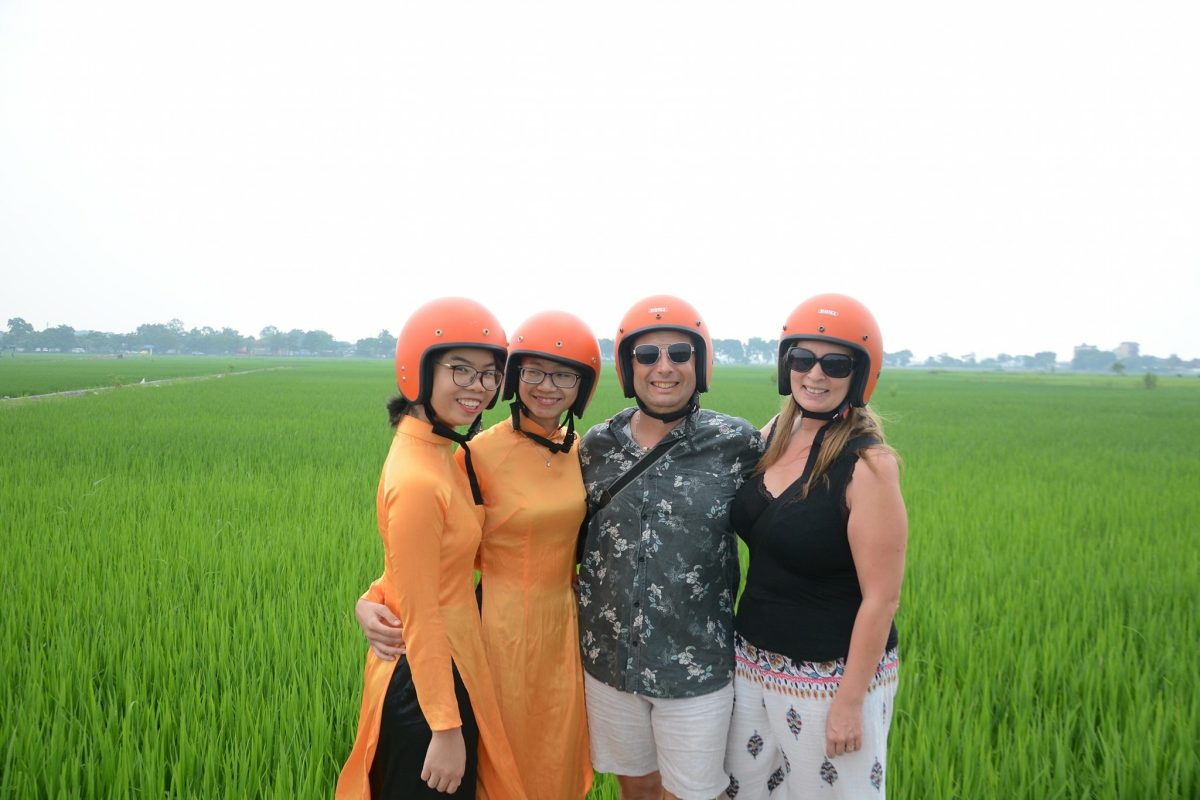
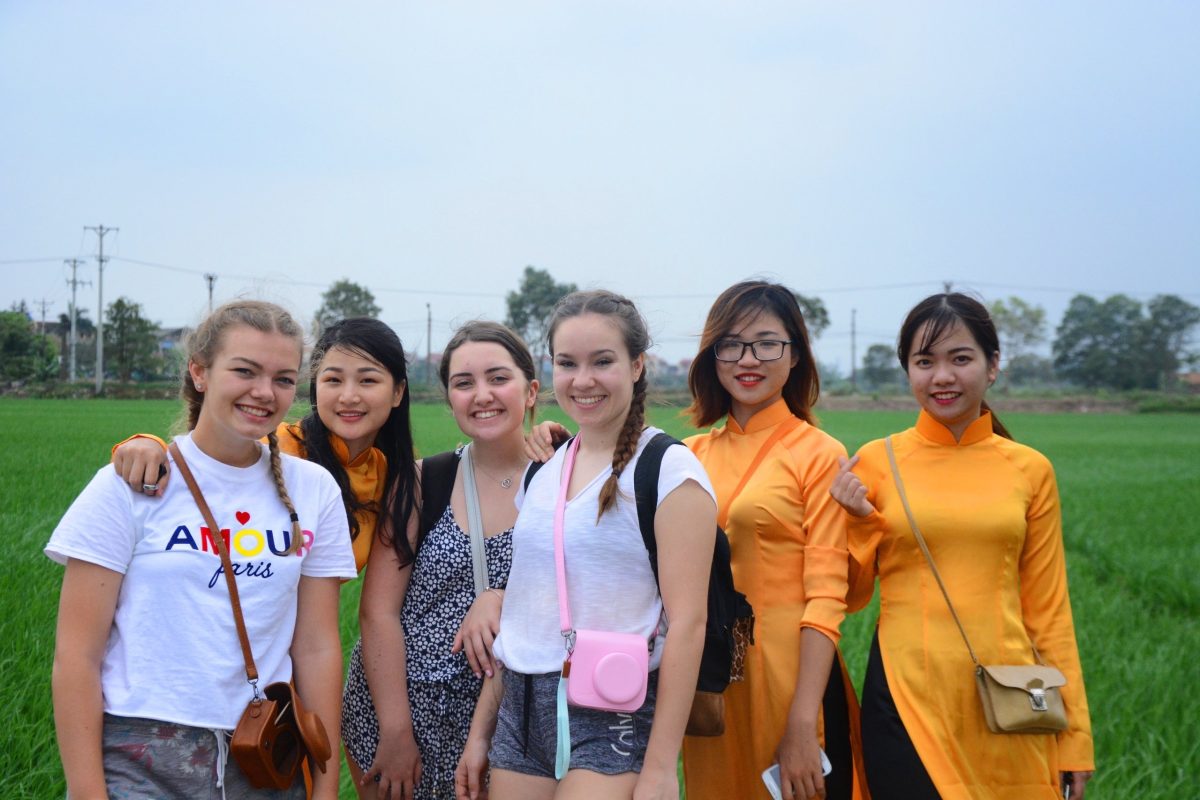
One of the best ways to see another side of Hoi An is to leave the Ancient Town by bicycle.
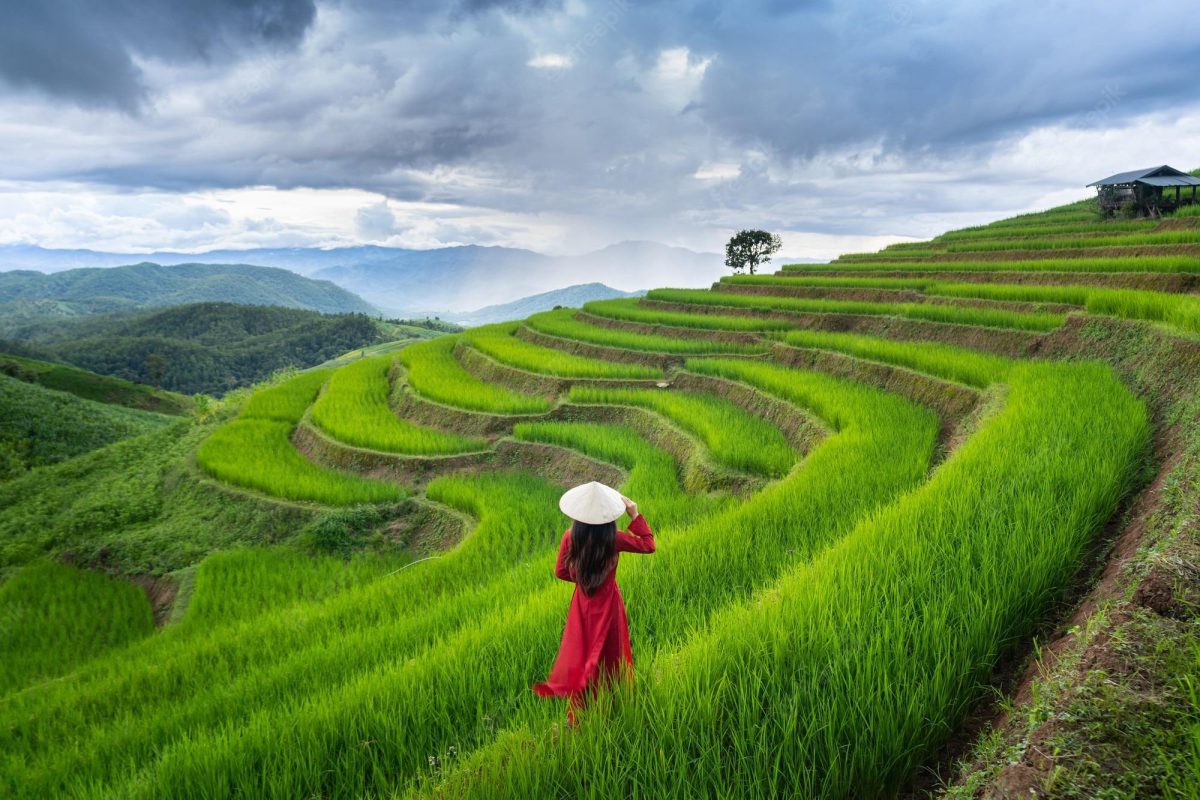
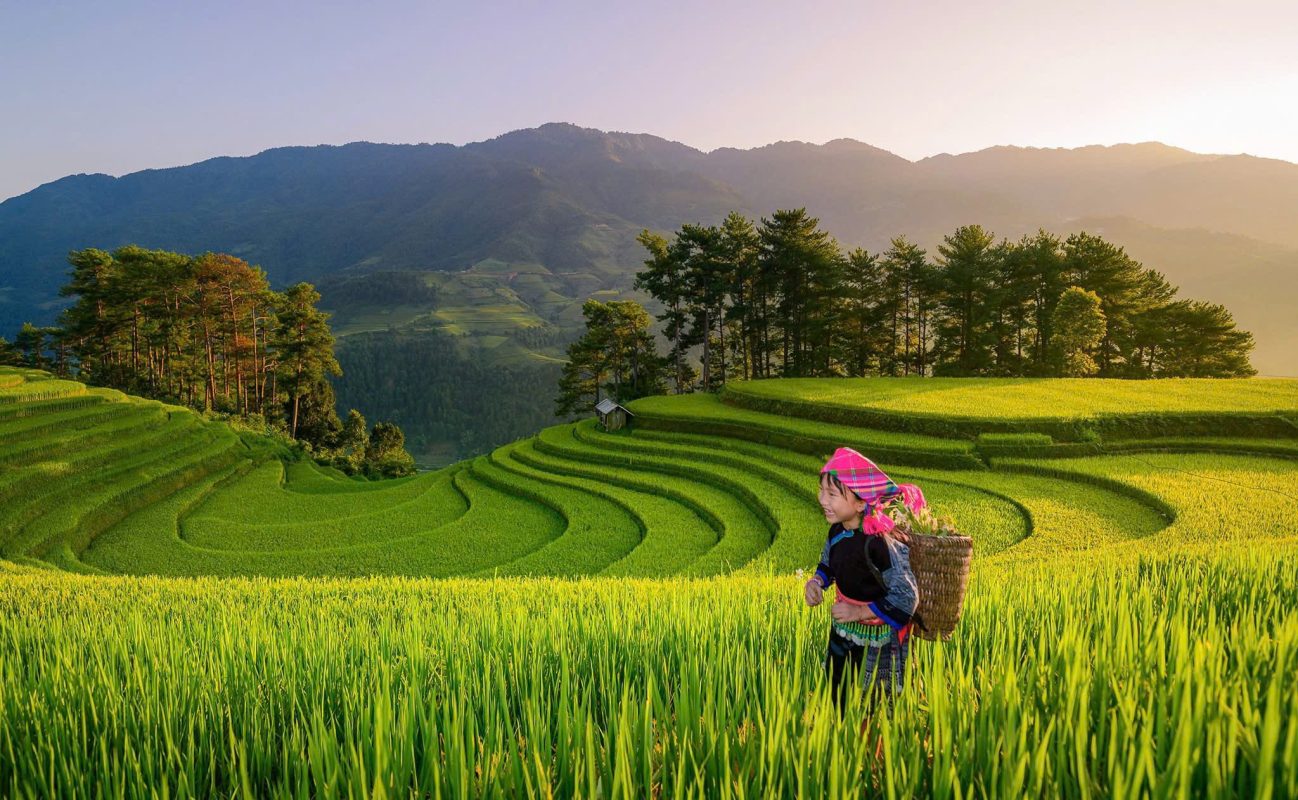
Routes through Cam Thanh, Cam Chau, Tra Que and surrounding villages take you past rice fields, vegetable gardens, waterways and traditional homes. Vietnam Tourism specifically recommends cycling through these countryside areas as an alternative to staying entirely within the historic center.
Early morning is the most comfortable time for cycling, particularly during hotter months.
10. Explore Tra Que Vegetable Village
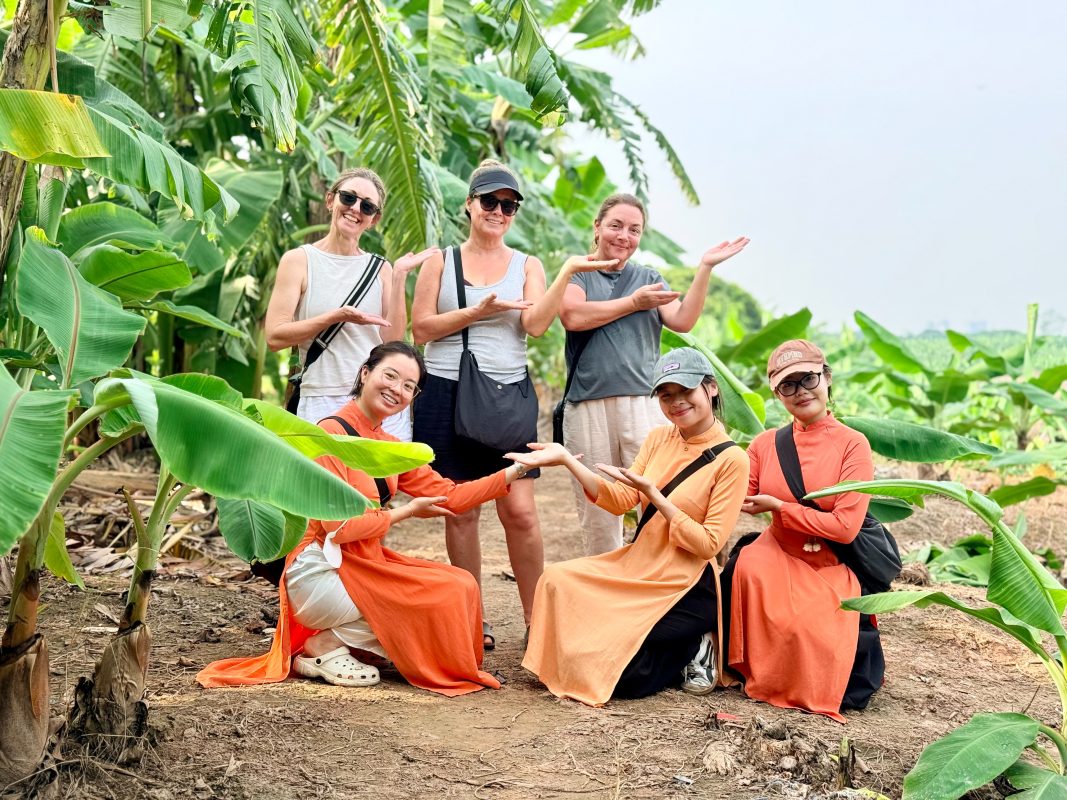
Tra Que Vegetable Village is located close to Hoi An and is known for its vegetable gardens and agricultural traditions.
A countryside experience can include walking through the gardens, learning about traditional cultivation methods and enjoying a meal prepared with freshly harvested ingredients.
It is a good choice for travelers who want to experience the rural landscape surrounding Hoi An rather than spending the entire trip inside the Ancient Town.
11. Visit Cam Thanh Coconut Village
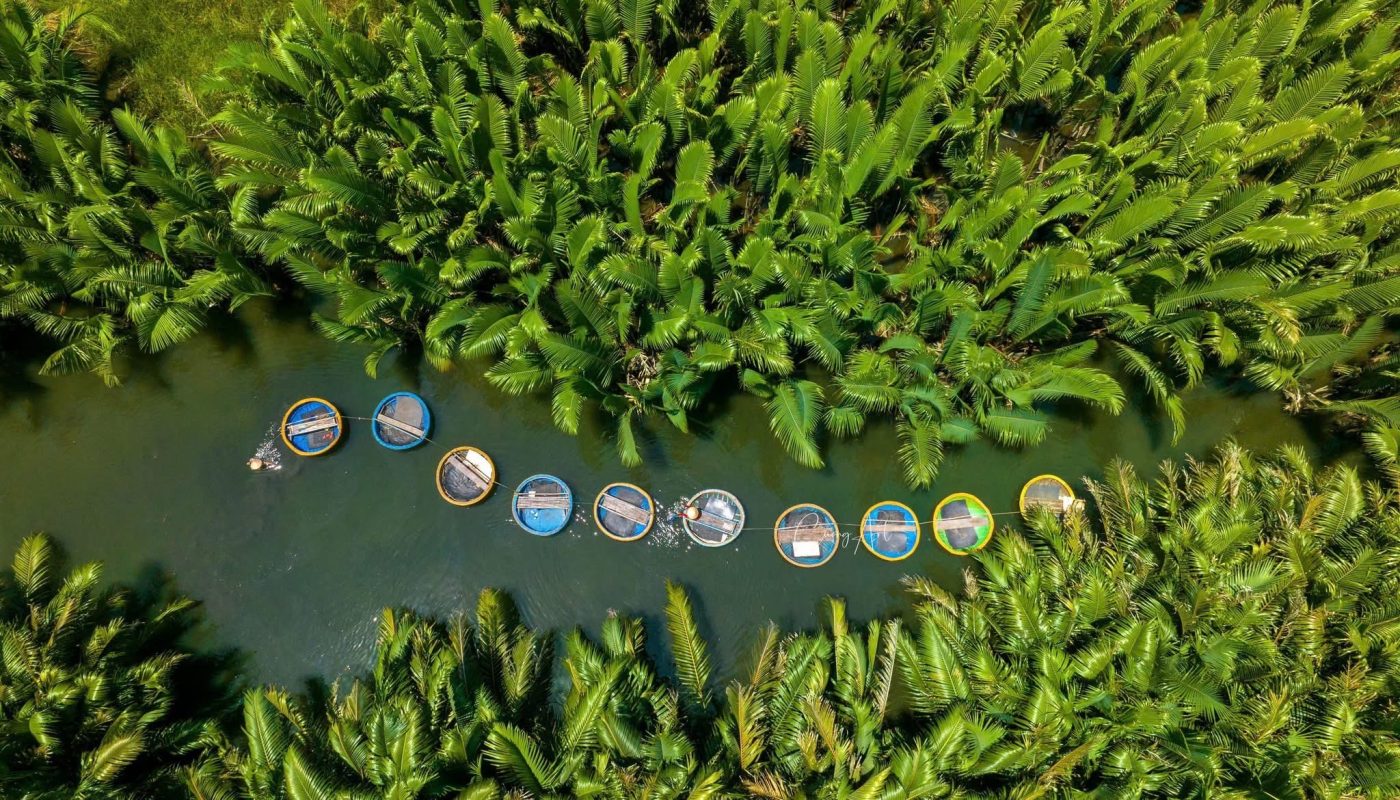
Cam Thanh is famous for its water coconut landscape and traditional round basket boats.
A basket-boat experience can be combined with a countryside tour, cooking class or food experience. Vietnam Tourism also identifies the surrounding waterways and countryside as important parts of the Hoi An experience.
For a more relaxed experience, visit in the morning or late afternoon rather than during the hottest part of the day.
12. Relax at An Bang Beach
An Bang Beach is the easiest beach escape from Hoi An. It is only a short drive from the Ancient Town and offers sandy shores, restaurants, cafés and places to relax.
Vietnam Tourism describes An Bang as Hoi An’s nearest and most popular beach, with restaurants and water activities available along the coast.
A good itinerary combines sightseeing in the Ancient Town with an afternoon at the beach.
13. Visit Cua Dai Beach
Cua Dai Beach is another coastal option near Hoi An and is particularly associated with beachfront resorts.
It is a good choice if you prefer to stay in a resort environment rather than directly in the Ancient Town.
14. Take a Day Trip to My Son Sanctuary
My Son Sanctuary is one of the most important historical excursions from Hoi An. Located approximately 40 kilometers from Hoi An, the site contains the remains of Hindu temples built by the Champa civilization.
The archaeological complex offers a completely different perspective on Central Vietnam’s history compared with Hoi An’s trading-port architecture.
For cooler temperatures and better photography, visit in the morning.
15. Visit the Cham Islands
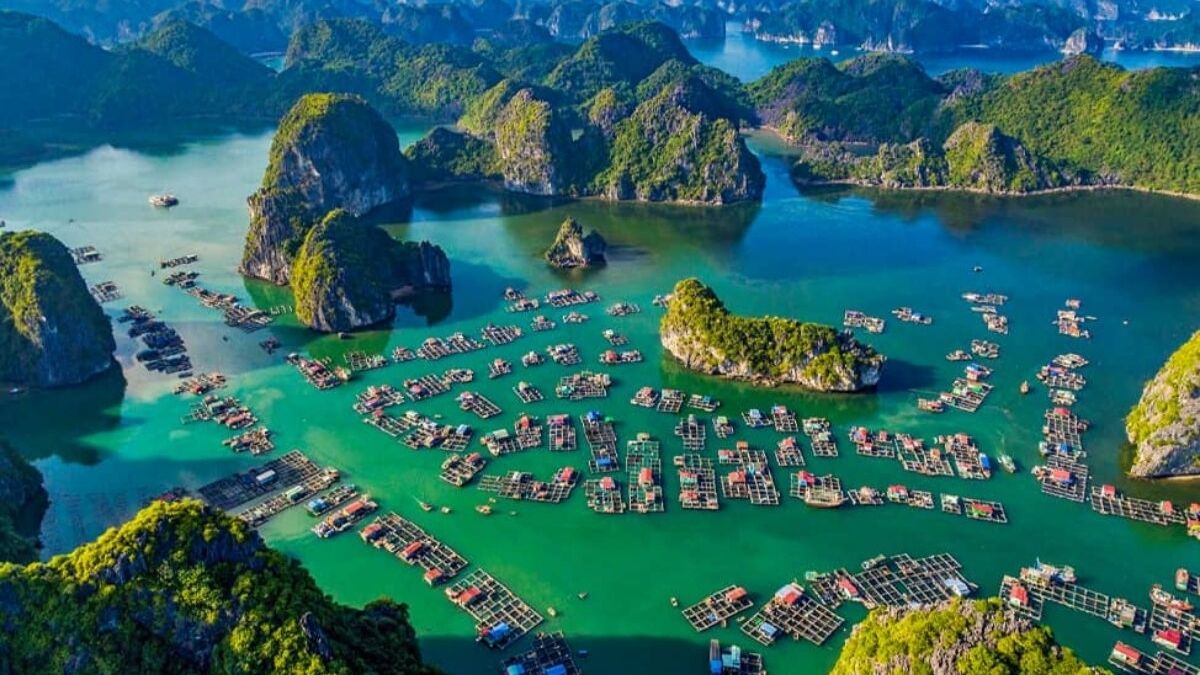
The Cham Islands are located offshore from Hoi An and provide an opportunity to add beaches, snorkeling and marine activities to your itinerary.
The Cu Lao Cham Marine Park is a UNESCO Biosphere Reserve consisting of eight islands. Visitors can take day trips for snorkeling, diving and beach activities, while an overnight stay offers a slower island experience.
Weather and sea conditions can affect boat schedules, so keep this excursion flexible.
Best Food to Eat in Hoi An
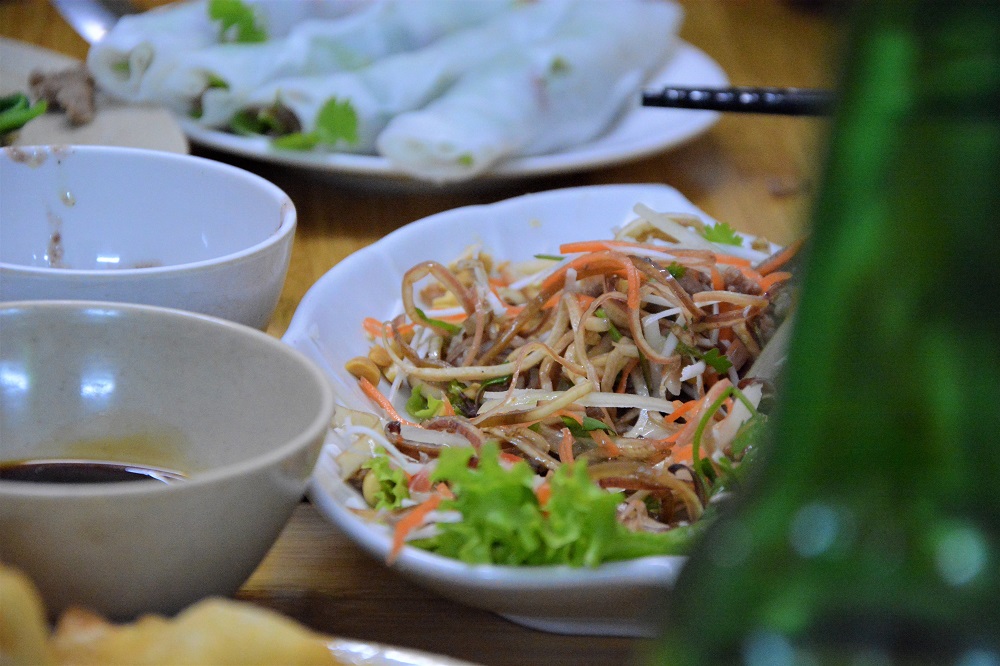
Hoi An is one of Vietnam’s best food destinations. Its cuisine reflects the city’s history as an international trading port, with influences from Vietnamese, Chinese, Japanese and other culinary traditions.
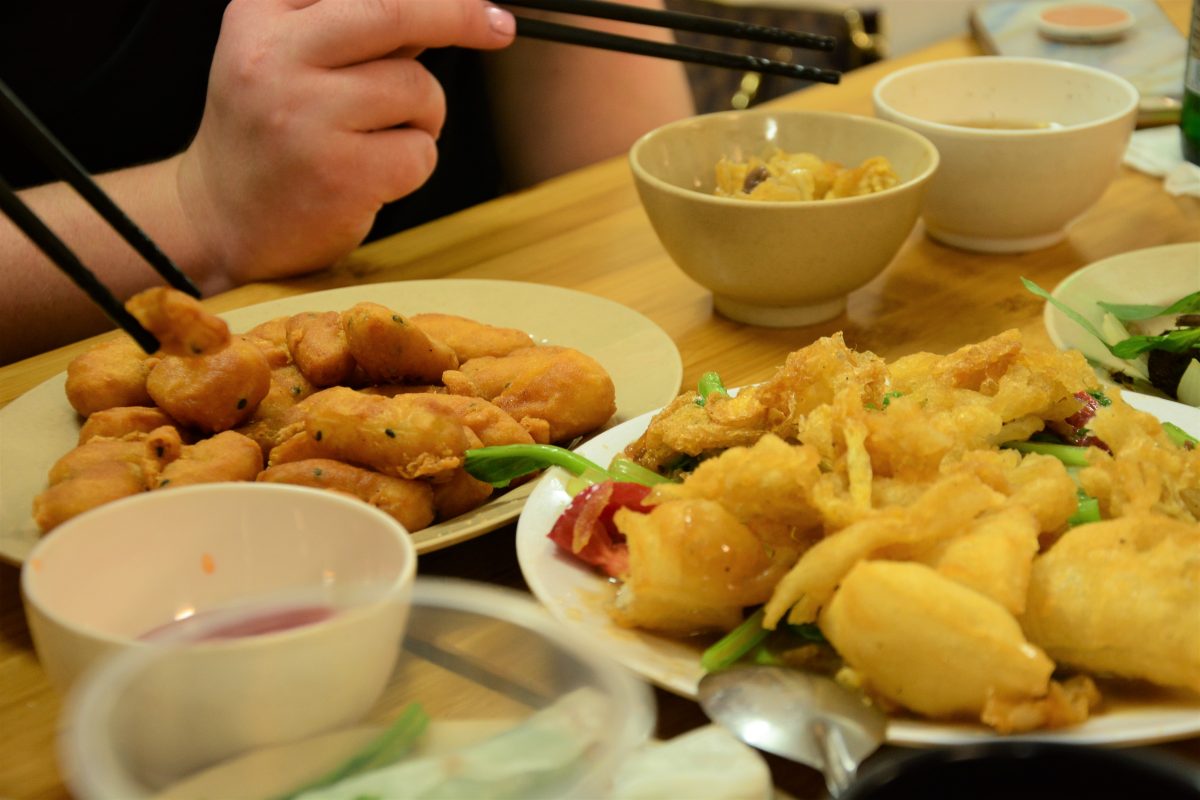
The most important dishes to try are cao lau, white rose dumplings, Hoi An chicken rice, mi Quang, wonton noodles and banh xeo.
16. Cao Lau
Cao lau is Hoi An’s signature noodle dish.
It combines thick noodles with slices of pork, herbs, greens and crunchy toppings. Unlike many Vietnamese noodle dishes, cao lau is strongly associated with Hoi An and the surrounding Quang Nam region.
For first-time visitors, this should be near the top of the food list.
17. White Rose Dumplings
White rose dumplings, known as banh bao banh vac, are delicate steamed dumplings traditionally filled with shrimp.
Their translucent appearance and carefully folded shape make them one of Hoi An’s most recognizable dishes.
They are usually served as a small shared dish rather than a complete meal.
18. Hoi An Chicken Rice
Com ga Hoi An is another essential dish. The rice is prepared with chicken stock and served with shredded chicken, herbs, onions and other accompaniments.
It is simple but flavorful and makes an excellent lunch after exploring the Ancient Town.
19. Mi Quang
Mi Quang is strongly associated with Quang Nam and Central Vietnam. The dish combines noodles with a small amount of rich broth, herbs, vegetables, meat or seafood and crunchy toppings.
It is an excellent choice for travelers who want to try another Central Vietnamese specialty beyond cao lau.
20. Hoi An Wonton Noodles
Hoi An-style wonton noodles reflect the city’s historic Chinese influence.
Crispy wontons, noodles, vegetables and a savory sauce or broth create a dish that is very different from the more familiar Vietnamese noodle soups.
21. Banh Xeo
Banh xeo is a crispy Vietnamese savory pancake filled with ingredients such as shrimp, pork and bean sprouts.
In Hoi An, it is commonly served with herbs, vegetables and dipping sauce, making it ideal for a casual meal or food tour.
22. Hoi An Coffee
Do not overlook Hoi An’s café culture. Historic shophouses and riverside cafés provide excellent places to enjoy Vietnamese iced coffee, egg coffee and other regional coffee drinks.
An early-morning coffee in the Ancient Town is one of the simplest ways to experience the city before the streets become busy.
Best Hoi An Food Experiences
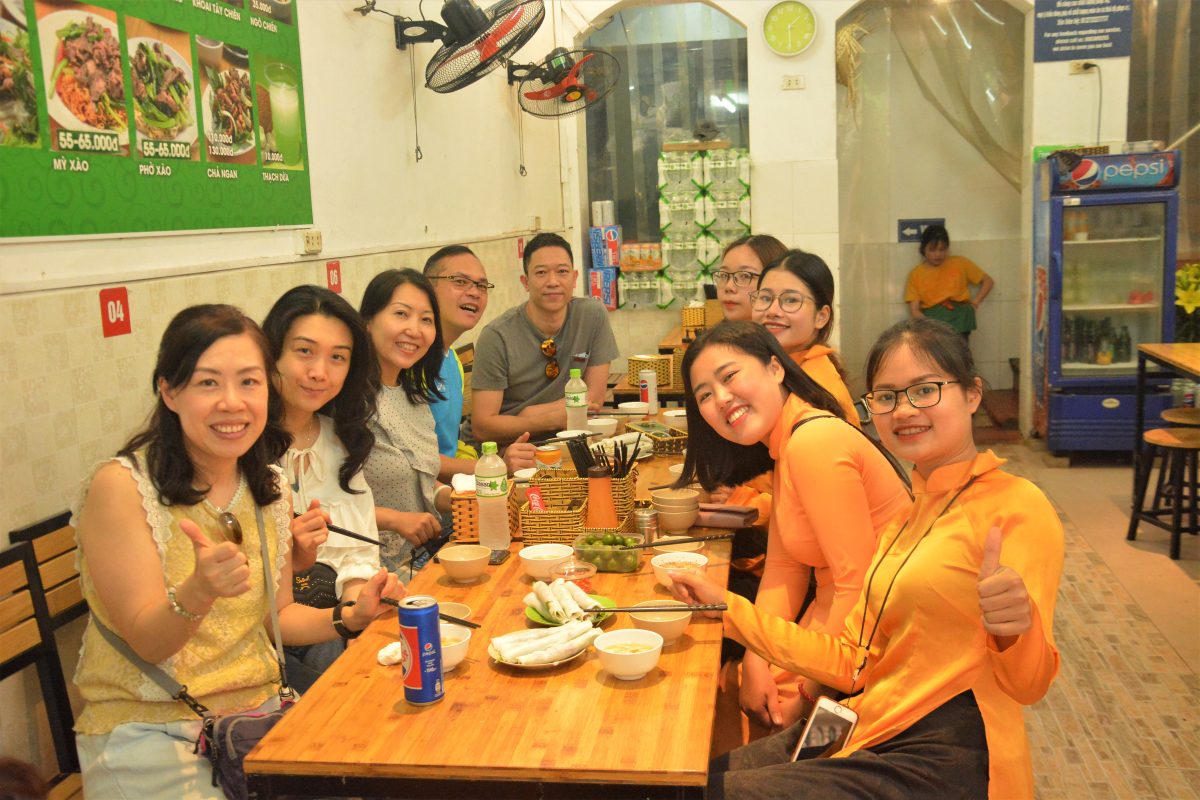
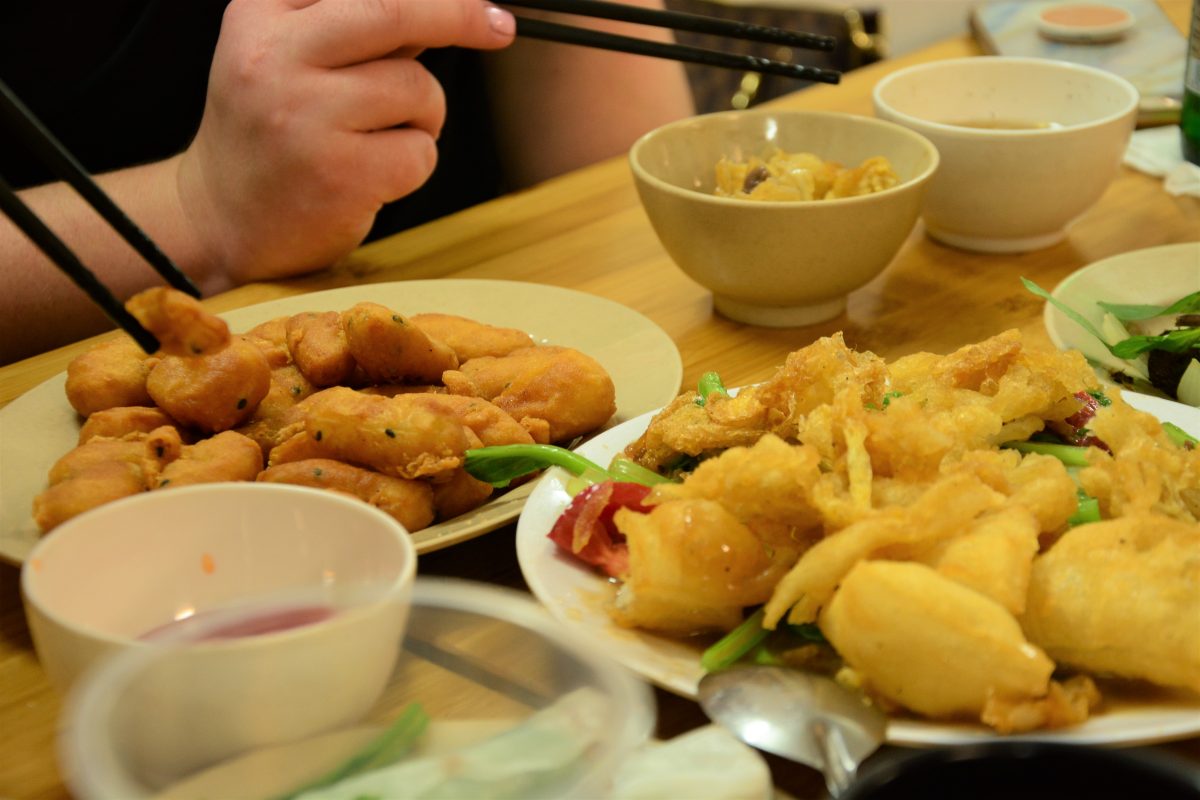
A food tour is one of the best ways to understand Hoi An because many of the city’s specialties are served in small restaurants, markets and family-run food businesses.
A good food-focused itinerary should include several small dishes rather than one large meal. This gives you the opportunity to try cao lau, white rose dumplings, banh xeo, chicken rice, Vietnamese coffee and regional desserts in one evening.
Vietnam Tourism emphasizes that Hoi An’s food is closely connected to its history as a trading port and the agricultural and fishing environment around the city.
Hoi An Tailoring
Hoi An is famous for custom-made clothing, particularly suits, dresses, shirts and traditional garments.
The tradition is closely connected to the city’s history of silk and textile trading. Vietnam Tourism notes that fabric and tailor-made clothing remain important parts of Hoi An’s visitor experience.
If you want custom clothing, do not wait until the final morning. Allow time for measurements, the first fitting and adjustments.
Hoi An Shopping
Beyond tailoring, Hoi An is known for silk, lanterns, ceramics, handicrafts, artwork, leather products and souvenirs.
The best shopping experience comes from taking your time and comparing craftsmanship rather than buying the first item you see.
For heritage preservation, travelers should also remember that Hoi An is a living historic town rather than simply an outdoor museum.
Best Time to Visit Hoi An
Hoi An can be visited throughout the year, but weather can significantly affect the experience.
February to April is generally attractive for comfortable sightseeing and outdoor activities.
May to August can be hot, but beach conditions are often appealing. Plan walking tours for early morning or late afternoon.
September to January can bring more rain, and parts of the historic town can experience flooding during periods of heavy rainfall.
If you want the best combination of walking, cycling and beach activities, choose a period with relatively dry weather.
How Many Days Do You Need in Hoi An?
Hoi An in 1 Day
With only one day, focus on the Ancient Town, Japanese Covered Bridge, Tan Ky Ancient House, Phuc Kien Assembly Hall, local food and an evening lantern walk.
This gives you the essential Hoi An experience but leaves little time for the countryside or beach.
Hoi An in 2 Days
Two days is much better.
Day 1: Ancient Town, heritage buildings, food and lantern-lit evening.
Day 2: Countryside, Tra Que or Cam Thanh, An Bang Beach and another evening in the Ancient Town.
Hoi An in 3 Days
Three days allows you to add My Son Sanctuary or the Cham Islands.
This is an ideal length for travelers who want culture, food, countryside and relaxation without rushing.
Perfect 3-Day Hoi An Itinerary
Day 1: Arrive in Hoi An, explore the Ancient Town, visit the Japanese Covered Bridge, Tan Ky Ancient House and Phuc Kien Assembly Hall. Enjoy a Vietnamese coffee and a Hoi An food tour in the evening.
Day 2: Cycle through Cam Chau and Tra Que, visit Cam Thanh or enjoy a countryside experience, then relax at An Bang Beach. Return to the Ancient Town for a lantern-lit evening.
Day 3: Take a morning excursion to My Son Sanctuary or the Cham Islands, depending on your interests and weather. Return to Hoi An for a final dinner before departure.
Hoi An for Couples
Hoi An is one of Vietnam’s strongest destinations for couples because it combines boutique hotels, historic architecture, riverside restaurants, beaches and romantic evening walks.
Stay close to the Ancient Town, enjoy a private dinner, take a sunset boat ride and leave one afternoon free for An Bang Beach.
Hoi An for Families
Families can easily combine heritage sightseeing with activities that appeal to children.
Consider basket boats, cycling, cooking classes, beaches, boat trips and the Ancient Town. Private transportation is especially useful for families because it makes it easier to adjust the itinerary around younger travelers.
Hoi An for Luxury Travelers
Luxury travelers should consider staying at a high-end resort between the Ancient Town and beach, allowing easy access to both.
A premium itinerary can include private transportation, a female tour leader, private food experiences, tailor appointments, a countryside excursion, My Son Sanctuary and a carefully arranged evening in the Ancient Town.
Hoi An for Food Lovers
Food lovers should stay at least two nights.
Use one evening for a dedicated food tour and another for a restaurant experience. During the day, explore markets and cafés while making time for Hoi An’s signature dishes.
How to Get to Hoi An
Hoi An does not have its own commercial airport. Most international visitors arrive through Da Nang International Airport, followed by a private transfer to Hoi An.
The journey from Da Nang to Hoi An is convenient and can be combined with sightseeing if you are traveling from Hue or Da Nang.
For a premium itinerary, a private car is the most flexible option, especially when arriving with luggage or continuing to Hue.
Hoi An from Da Nang
Da Nang and Hoi An are close enough to visit either as a day trip or as part of a multi-day itinerary.
However, staying overnight in Hoi An is strongly recommended. The Ancient Town changes significantly after sunset, and a day trip can make you miss one of the destination’s most memorable experiences.
Hoi An from Hue
The most scenic route from Hue to Hoi An passes through Lang Co and Hai Van Pass, followed by Da Nang.
Instead of treating the journey as a simple transfer, make it a sightseeing day with stops at viewpoints and coastal areas.
This is particularly effective with a private vehicle.
What to Wear in Hoi An
Hoi An is generally casual, but comfortable walking shoes are essential because you may spend several hours walking through the Ancient Town.
Lightweight clothing works well in hot weather. Bring a light rain jacket during wetter months.
When visiting temples, assembly halls and religious sites, dress respectfully and avoid overly revealing clothing.
How to Avoid the Crowds in Hoi An
The easiest strategy is wake up early.
The Ancient Town is much quieter in the early morning, making this the best time for photography and peaceful walks.
Another strategy is to explore the countryside during the busiest hours and return to the Ancient Town later in the afternoon.
Avoid trying to see everything between late morning and mid-afternoon. Instead, divide the day into several smaller experiences.
Is Hoi An Worth Visiting?
Yes. Hoi An is worth visiting because few destinations in Vietnam combine heritage architecture, food, beaches, countryside and evening atmosphere so effectively.
Its importance goes beyond beautiful yellow buildings. UNESCO recognizes Hoi An for the preservation of its traditional urban structure, architecture and evidence of its history as an international trading port.
The ideal Hoi An experience is not about rushing from attraction to attraction. It is about walking slowly, eating well, taking time for coffee, exploring the countryside and returning to the Ancient Town after sunset.
Best Things to Do in Hoi An: Quick List
For a first visit, prioritize:
- Walk through Hoi An Ancient Town
- See the Japanese Covered Bridge
- Visit Tan Ky Ancient House
- Visit Phuc Kien Assembly Hall
- Explore Hoi An’s museums
- Watch the Ancient Town light up at night
- Experience the lantern tradition
- Take a Thu Bon River boat ride
- Cycle through Tra Que and the countryside
- Visit Cam Thanh Coconut Village
- Relax at An Bang Beach
- Try cao lau
- Eat white rose dumplings
- Try Hoi An chicken rice
- Visit My Son Sanctuary
- Take a trip to the Cham Islands
- Order custom-made clothing
- Enjoy Vietnamese coffee in a historic shophouse
Final Hoi An Travel Tips
Stay at least two nights if your schedule allows. Explore the Ancient Town early in the morning, take a break during the hottest part of the day and return after sunset.
Do not spend your entire trip inside the historic center. The rice fields, vegetable gardens, waterways and beaches surrounding Hoi An are an important part of the destination’s character. Vietnam Tourism specifically highlights the combination of Ancient Town, countryside and coastline as one of Hoi An’s greatest strengths.
Most importantly, leave some time unplanned. Hoi An rewards slow travel: a coffee beside an old wooden house, a bicycle ride through the countryside, an unexpected food stop or an evening walk along the Thu Bon River can become more memorable than a tightly scheduled sightseeing list.
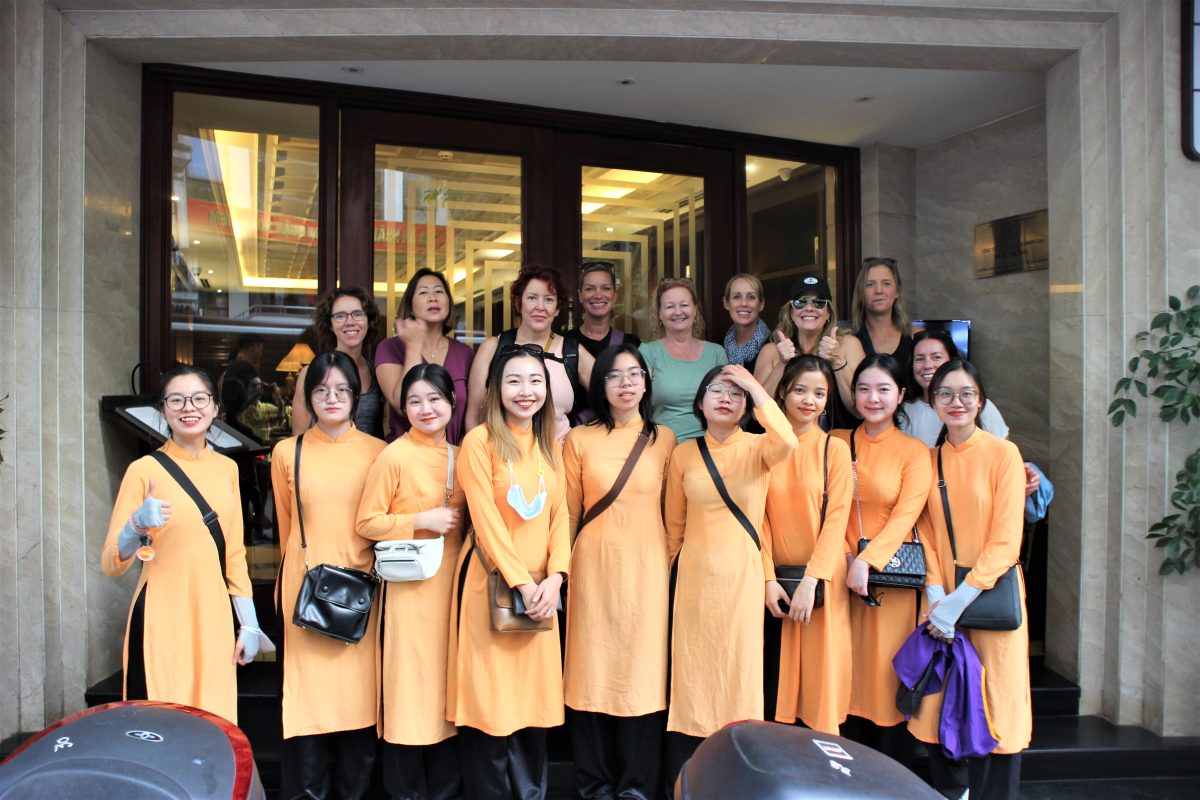
Vietnam Women Travel – Premium Private Tours Led by Women
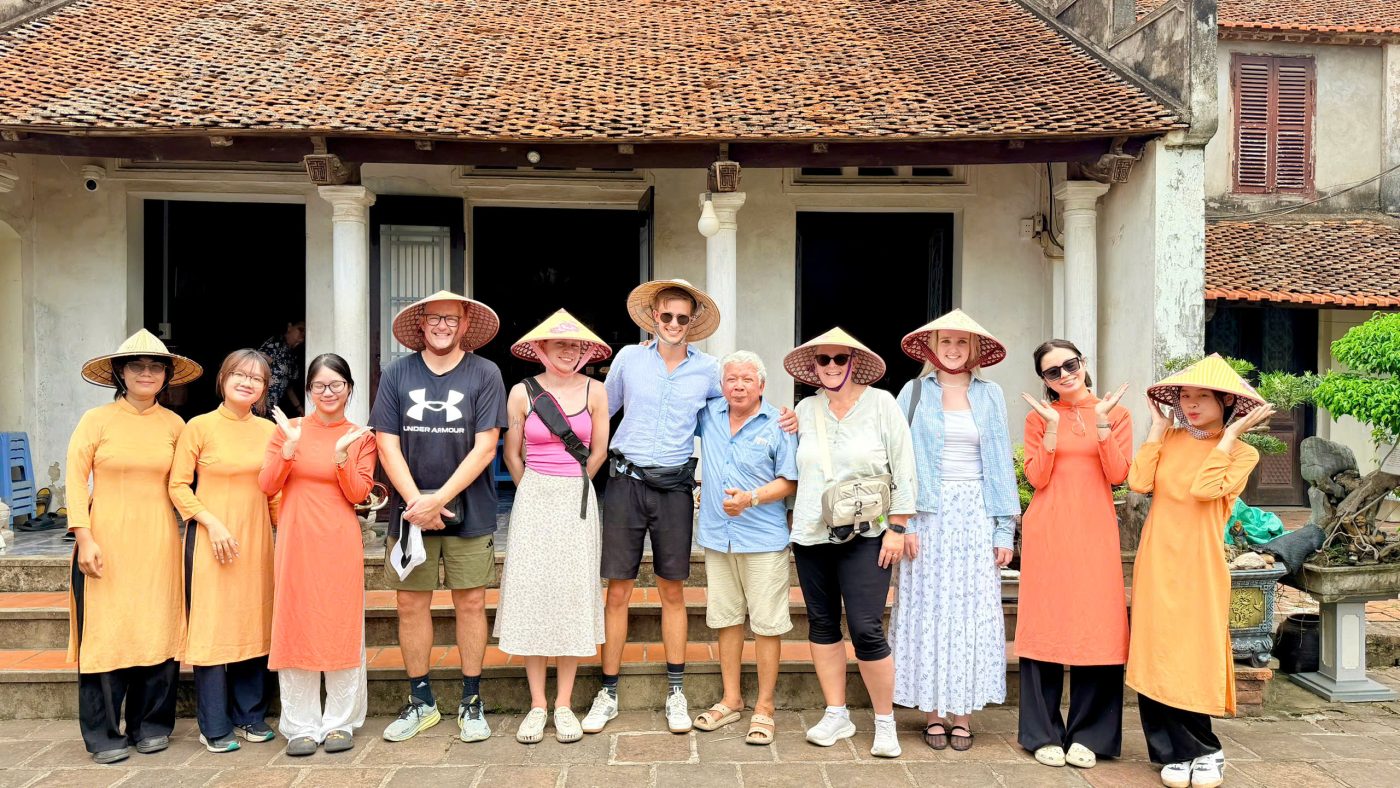
Vietnam Women Travel – Premium Private Tours Led by Women can arrange a private Hoi An journey combining heritage, food, countryside, beaches and carefully selected cultural experiences.
A premium private itinerary can include private airport transfers from Da Nang, luxury accommodation, a female tour leader, private Hoi An Ancient Town sightseeing, Hoi An food experiences, countryside cycling or private vehicle tours, Tra Que, Cam Thanh, An Bang Beach, My Son Sanctuary and tailor appointments.
For travelers starting in Hanoi, Hoi An can be incorporated into a larger Central Vietnam journey connecting Hanoi → Hue → Hai Van Pass → Da Nang → Hoi An, followed by further travel south if desired.
The focus is on Vietnam Women Travel – Premium Private Tours Led by Women, creating a comfortable, flexible and highly personalized way to experience Hoi An beyond the standard sightseeing route.