Ho Chi Minh City Travel Guide 2026
Ho Chi Minh City is the energetic heart of Southern Vietnam and one of the country’s most exciting destinations for first-time visitors. Still widely known as Saigon, the city combines French colonial architecture, historic landmarks, traditional markets, modern skyscrapers, rooftop bars, hidden cafés, vibrant street food and an extraordinary motorcycle culture. Vietnam Tourism describes Ho Chi Minh City as the economic heart and main hub of Southern Vietnam, where old and new Vietnam exist within a remarkably compact urban area.
Why Visit Ho Chi Minh City in 2026?
Ho Chi Minh City is an excellent destination for travelers who want to experience the modern side of Vietnam while still discovering its history and traditions. You can spend the morning visiting the Reunification Palace and War Remnants Museum, walk through the Central Post Office and Dong Khoi Street in the afternoon, explore Cholon and Binh Tay Market later in the day, and finish with Vietnamese street food or rooftop drinks at night. The city’s appeal comes from this constant contrast between historic buildings, busy markets, contemporary restaurants and rapidly developing urban neighborhoods.
Best Things to Do in Ho Chi Minh City
The best way to experience Ho Chi Minh City is to combine major landmarks with neighborhoods, food and everyday city life. Start around District 1 with the Reunification Palace, Central Post Office, Notre Dame Cathedral Basilica, Saigon Opera House and Nguyen Hue Walking Street. Then move beyond the main tourist center to Cholon, District 3, District 5 and other neighborhoods where you can discover traditional markets, temples, cafés and restaurants. Vietnam Tourism specifically recommends exploring the central landmarks, Cholon, small boutiques and the city by motorcycle.
1. Reunification Palace
The Reunification Palace, also known as Independence Palace, is one of the most important historical landmarks in Ho Chi Minh City. The building was the administrative and residential center of the former South Vietnamese government and witnessed major events connected with the reunification of Vietnam in 1975. Visitors can explore reception rooms, offices, meeting rooms, living quarters and the underground command center.
Allow around one to two hours for the visit. History enthusiasts should combine the palace with the War Remnants Museum because the two attractions provide complementary perspectives on Vietnam’s modern history.
2. War Remnants Museum
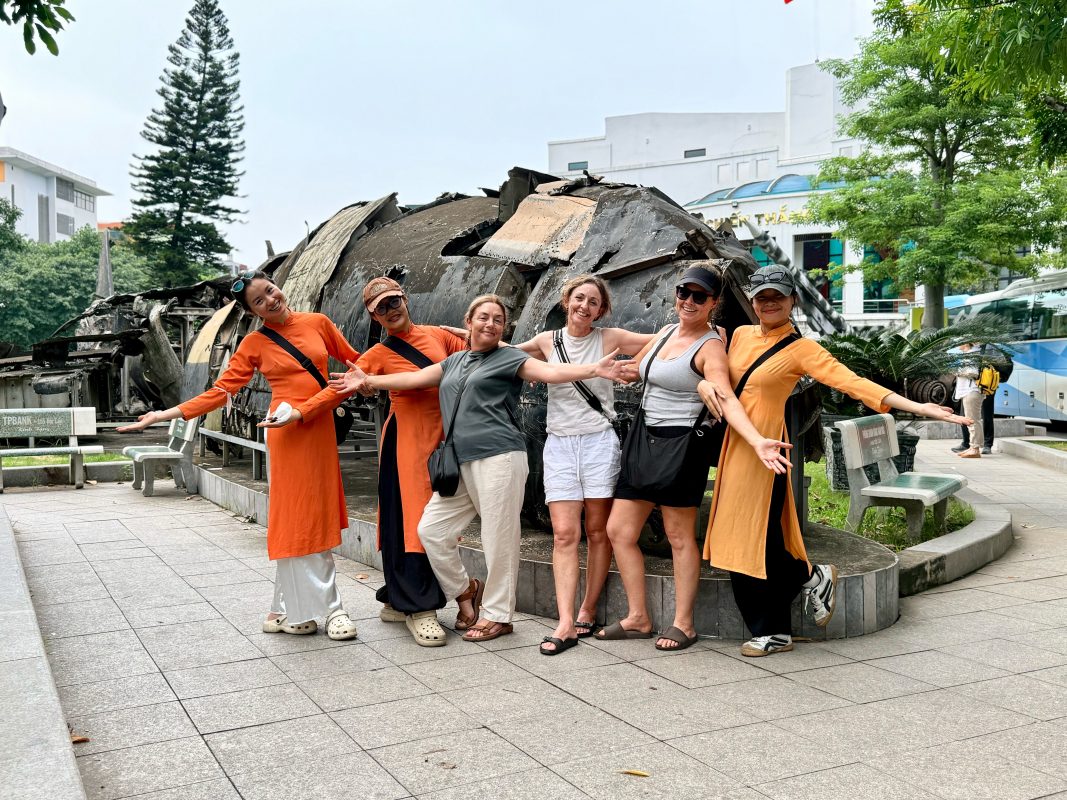
The War Remnants Museum is one of the most significant museums in Ho Chi Minh City. Its exhibitions document the Vietnam War and its consequences through photographs, military equipment and historical material. Some displays are emotionally difficult, so visitors should allow enough time to process what they see rather than rushing through the museum. Vietnam Tourism lists it among the city’s essential attractions for travelers interested in history.
For first-time visitors, combining the museum with the Reunification Palace creates a strong historical half-day itinerary.
3. Notre Dame Cathedral Basilica
The Notre Dame Cathedral Basilica of Saigon is one of the city’s best-known architectural landmarks. Located in the center of District 1, it stands near the Central Post Office and Dong Khoi Street, making it easy to include in a walking itinerary. Vietnam Tourism identifies the cathedral and its surrounding area as one of the city’s principal historic sightseeing zones.
When planning your visit, check current access conditions because restoration and religious activities can affect visitor access.
4. Saigon Central Post Office
Directly opposite the cathedral is the Saigon Central Post Office, a photogenic historic building with a large interior hall, decorative details and old-style maps. It remains a functioning post office, so visitors can combine sightseeing with sending postcards home. Vietnam Tourism recommends the post office as one of the central attractions that can easily be explored on foot.
The post office is particularly convenient because it sits within walking distance of Dong Khoi Street, the Opera House and Nguyen Hue Walking Street.
5. Dong Khoi Street
Dong Khoi Street is one of the most important historic and commercial streets in central Ho Chi Minh City. Walking from the cathedral and Central Post Office toward the Saigon Opera House reveals historic hotels, restaurants, boutiques, cafés and luxury shopping. Vietnam Tourism includes Dong Khoi among the city’s essential historic walking routes.
It is a good area for travelers who want to combine sightseeing with shopping, coffee and upscale dining.
6. Saigon Opera House
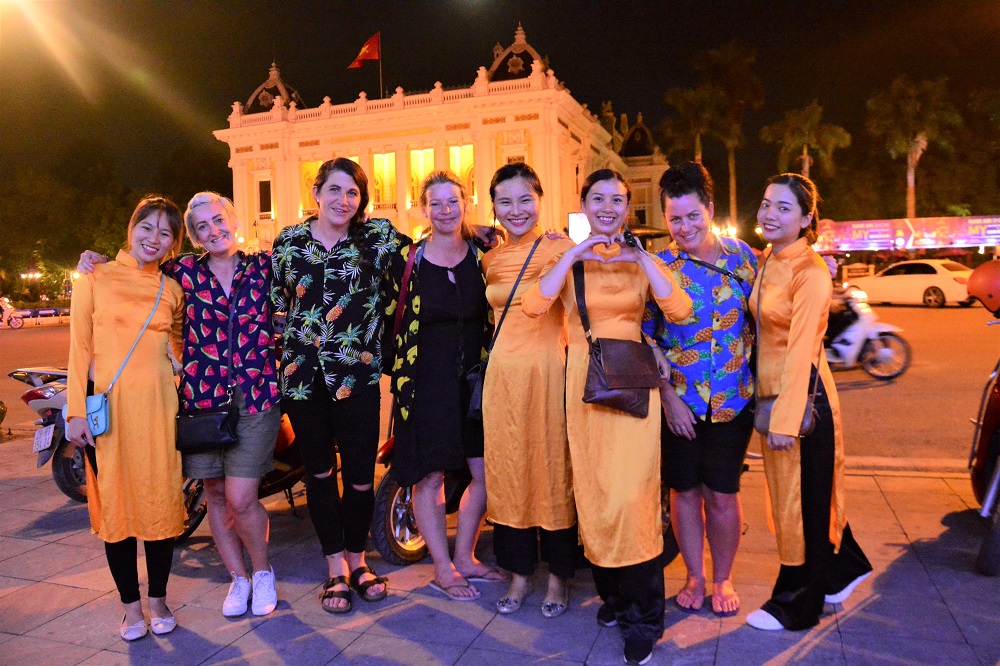
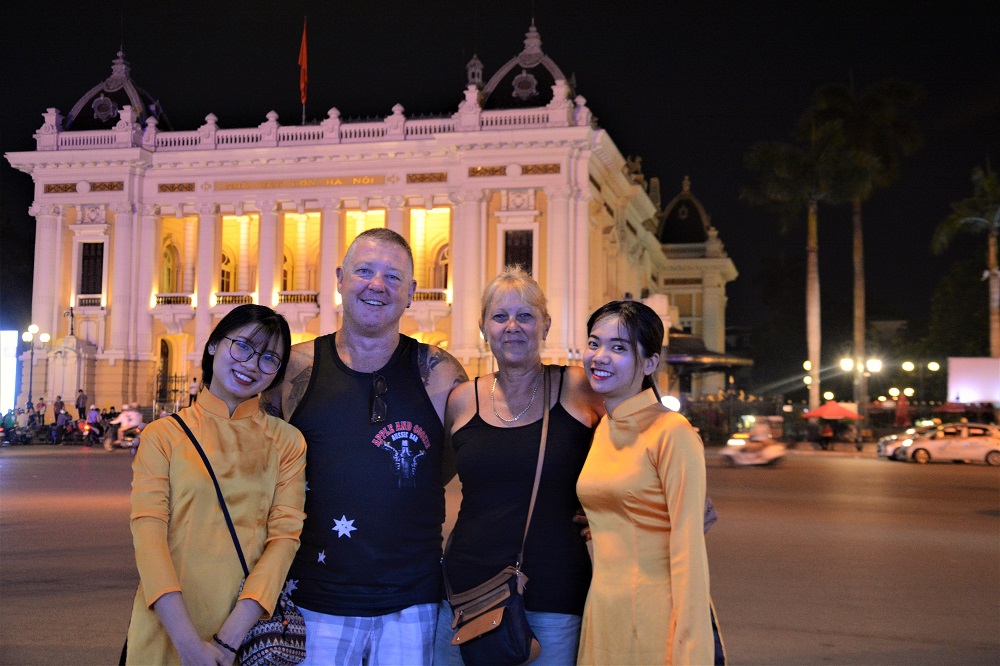
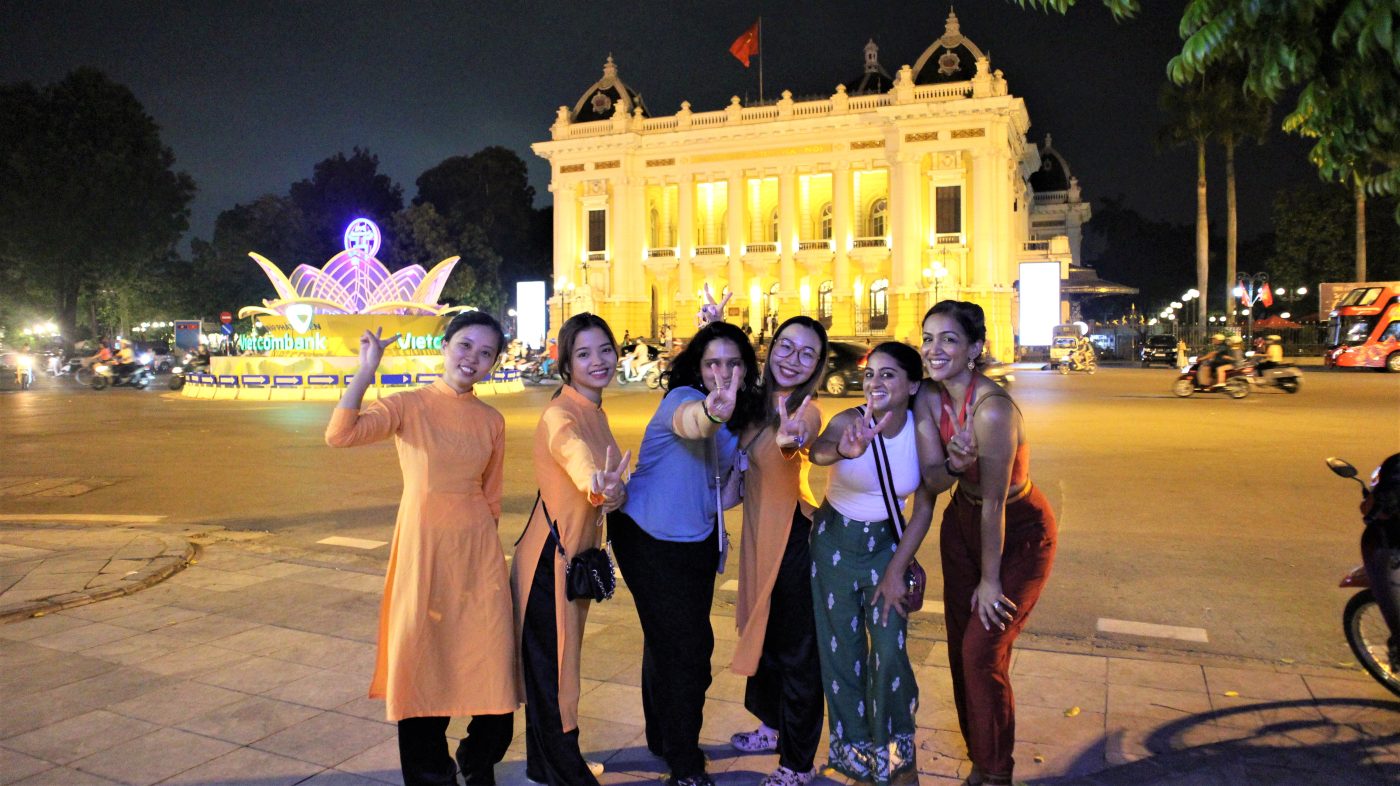
The Saigon Opera House is another prominent colonial-era landmark in District 1. Its location makes it easy to combine with Dong Khoi Street, the Central Post Office and Nguyen Hue Walking Street. Even if you do not attend a performance, the building is worth seeing as part of a central-city walking tour.
7. Nguyen Hue Walking Street
Nguyen Hue Walking Street is one of the most recognizable public spaces in modern Ho Chi Minh City. The broad pedestrian boulevard stretches toward the Saigon River and is surrounded by restaurants, shopping areas, hotels and high-rise buildings. It becomes particularly lively around sunset and in the evening.
Visit in the late afternoon, when temperatures begin to fall, and stay into the evening to see the area transform as residents and visitors gather.
8. Ben Thanh Market
Ben Thanh Market is one of the city’s most famous markets and a classic stop for first-time visitors. The market sells clothing, souvenirs, handicrafts, food products and prepared dishes. Vietnam Tourism describes it as a central marketplace where travelers can find everything from conical hats and lacquerware to Vietnamese food.
The market is worth visiting even if you are not planning to shop. Its busy aisles provide an immediate introduction to the commercial energy of Saigon.
9. Cholon – Ho Chi Minh City’s Chinatown
For a different cultural experience, head to Cholon, the historic Chinese quarter covering parts of District 5 and nearby areas. Cholon is known for its temples, traditional businesses, markets and distinctive architecture. Vietnam Tourism recommends exploring the neighborhood on foot, particularly around Binh Tay Market and Thien Hau Pagoda.
Cholon is best visited with enough time to wander rather than simply checking off one attraction. The streets around the markets and temples reveal a different side of Ho Chi Minh City.
10. Binh Tay Market
Binh Tay Market is one of the major landmarks of Cholon and functions as an important wholesale trading center. Compared with the tourist-oriented atmosphere around Ben Thanh Market, Binh Tay offers a different perspective on the city’s commercial life.
Combine the market with Thien Hau Pagoda and several streets around Cholon for a half-day cultural itinerary.
11. Thien Hau Pagoda
Thien Hau Pagoda is one of Cholon’s most atmospheric religious sites. The temple is associated with the Chinese-Vietnamese community and is dedicated to Thien Hau, the sea goddess. Its incense-filled interior, carved details and traditional architecture make it particularly interesting for photographers and travelers interested in Vietnamese-Chinese heritage.
Dress respectfully when visiting temples and avoid disturbing worshippers during ceremonies.
12. Jade Emperor Pagoda
The Jade Emperor Pagoda provides another opportunity to experience the religious architecture of Ho Chi Minh City. It is included by Vietnam Tourism among the city’s worthwhile attractions and offers a quieter atmosphere compared with the busy streets outside.
A temple visit can easily be combined with District 1 or District 3 sightseeing.
13. Ho Chi Minh City Fine Arts Museum
Art lovers should include the Fine Arts Museum in their itinerary. The museum is housed in an elegant historic building and contains Vietnamese artworks spanning different periods and styles. Vietnam Tourism includes the museum in its recommended weekend itinerary for visitors who want to explore the city’s artistic side.
The museum is particularly useful for travelers who want a break from the city’s traffic and outdoor sightseeing.
14. Landmark 81
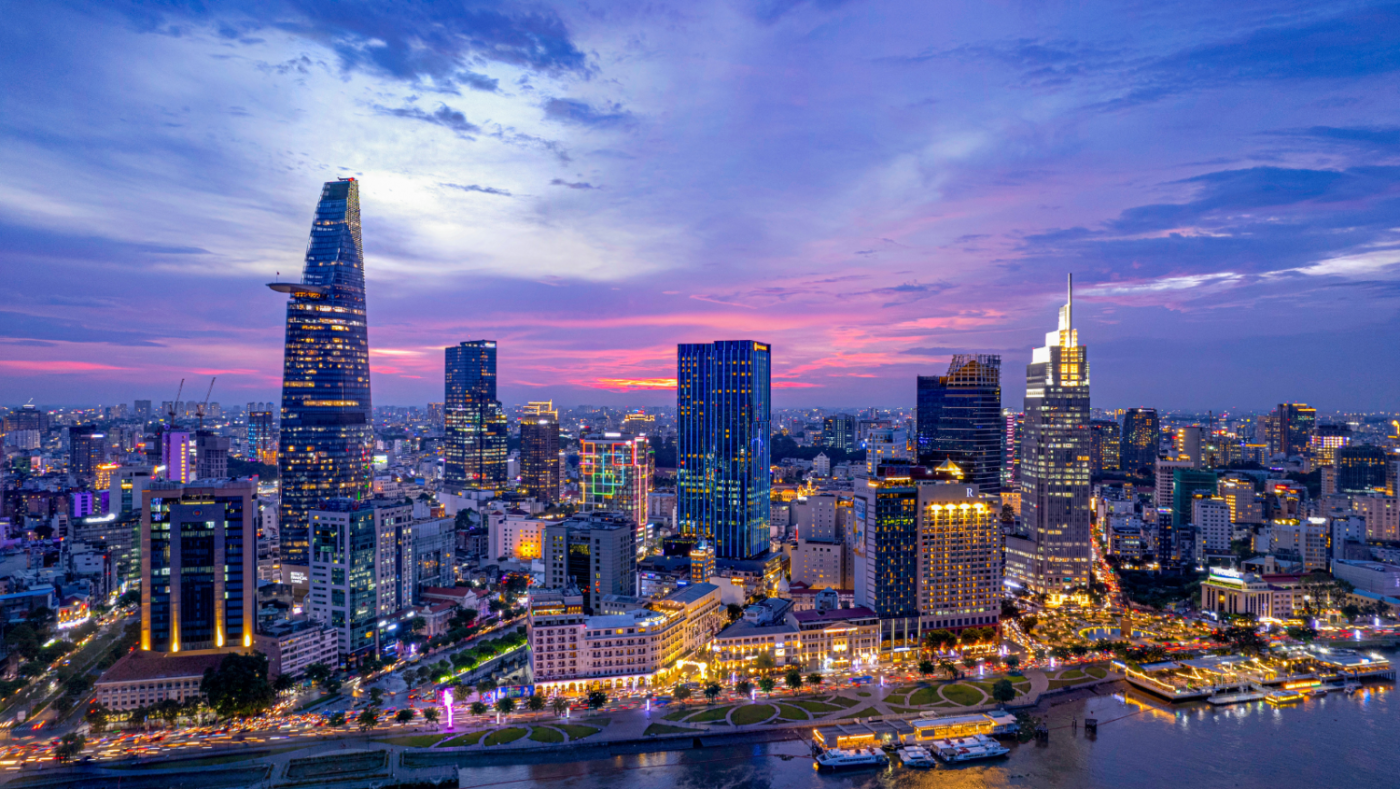
For a modern perspective on Ho Chi Minh City, visit Landmark 81, one of the city’s most recognizable skyscrapers. Vietnam Tourism notes that the tower reaches 461.2 meters and offers panoramic city views from its observation facilities.
The contrast between Landmark 81 and the colonial architecture of central District 1 demonstrates how quickly Ho Chi Minh City has evolved.
15. Saigon River
The Saigon River provides another way to experience the city. A sunset cruise can reveal the skyline from a completely different perspective, while riverside areas offer opportunities for dining and evening walks. Vietnam Tourism specifically recommends seeing Ho Chi Minh City from the river as one of the ways to understand its different sides.
A private sunset cruise is especially suitable for couples or travelers looking for a more relaxed evening.
Ho Chi Minh City Street Food
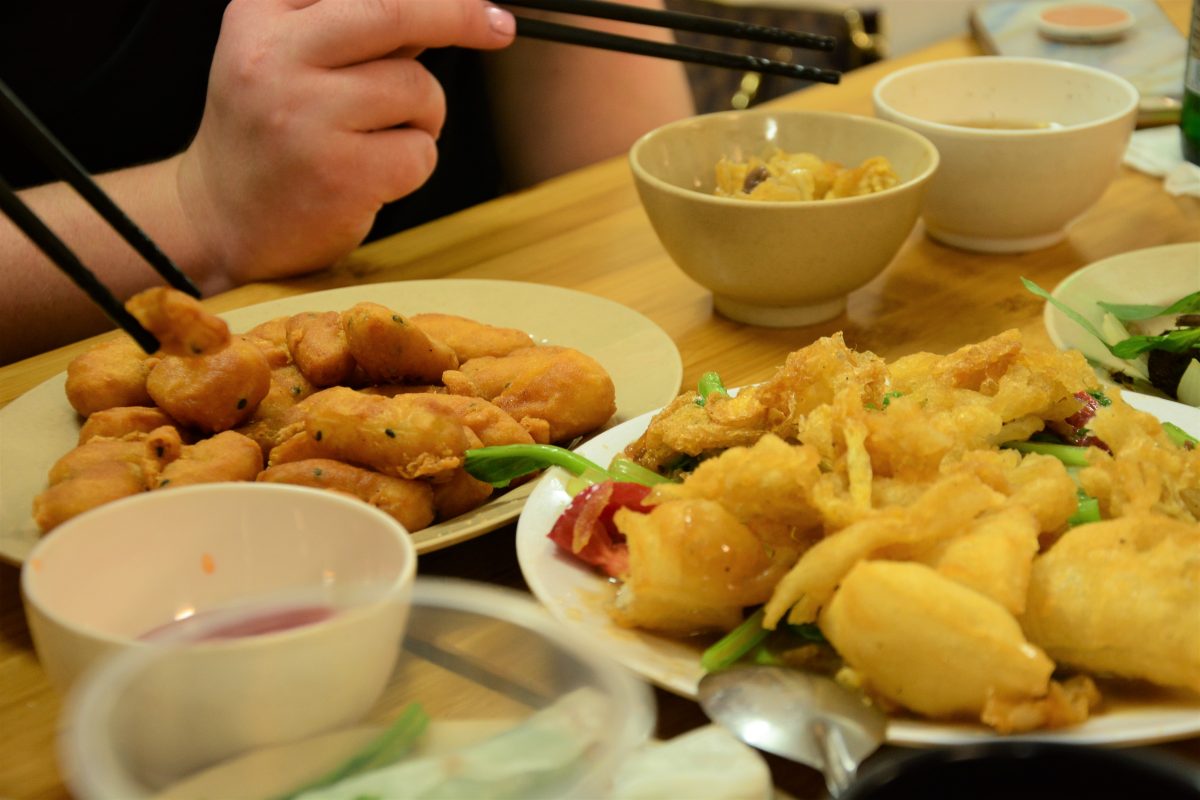
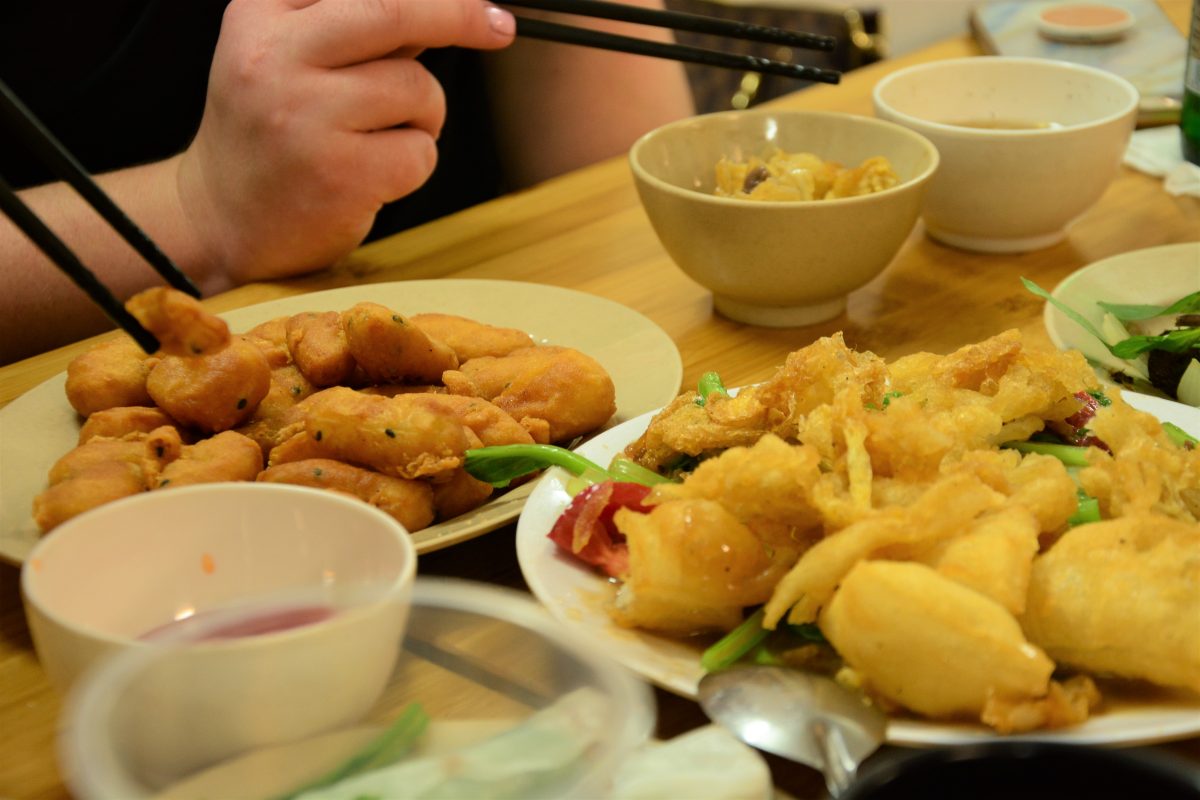
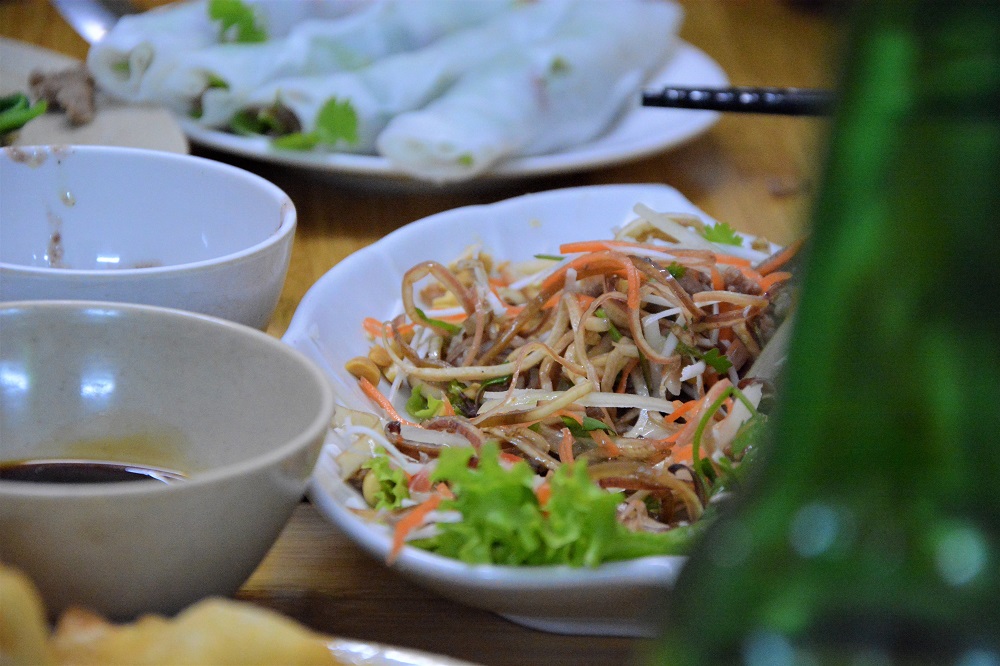
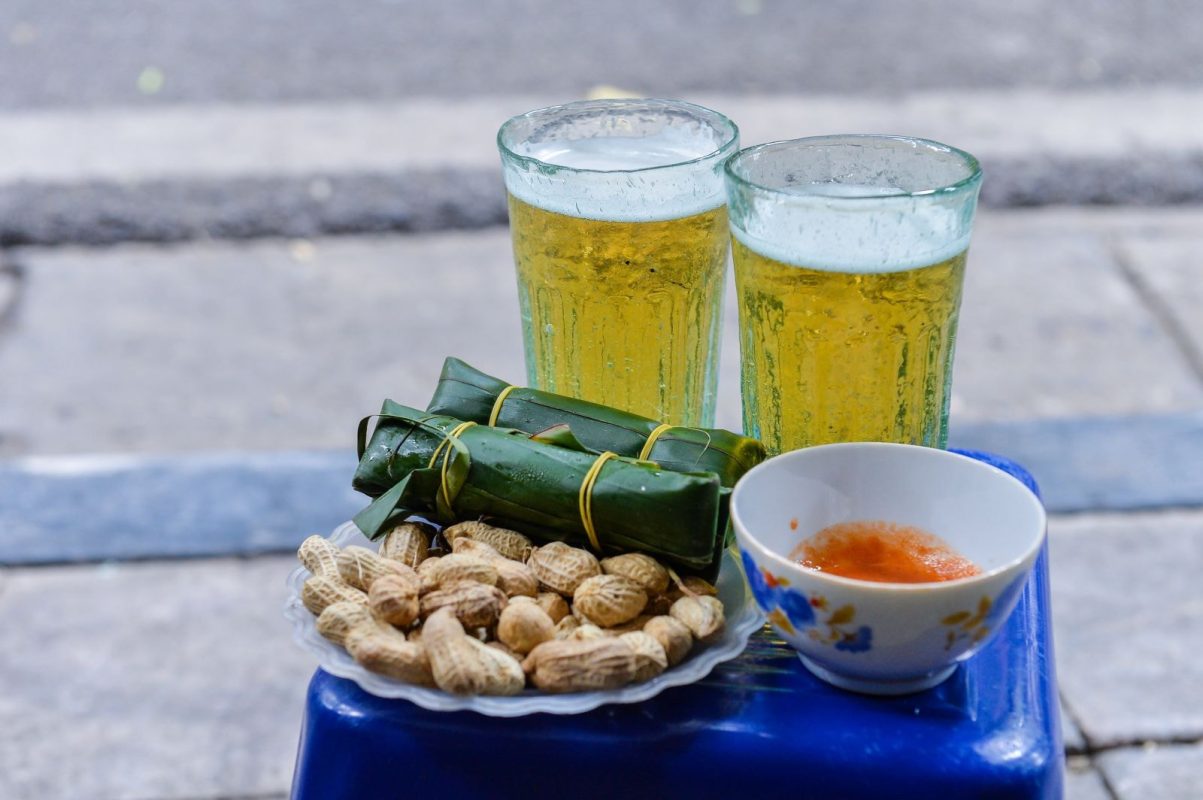
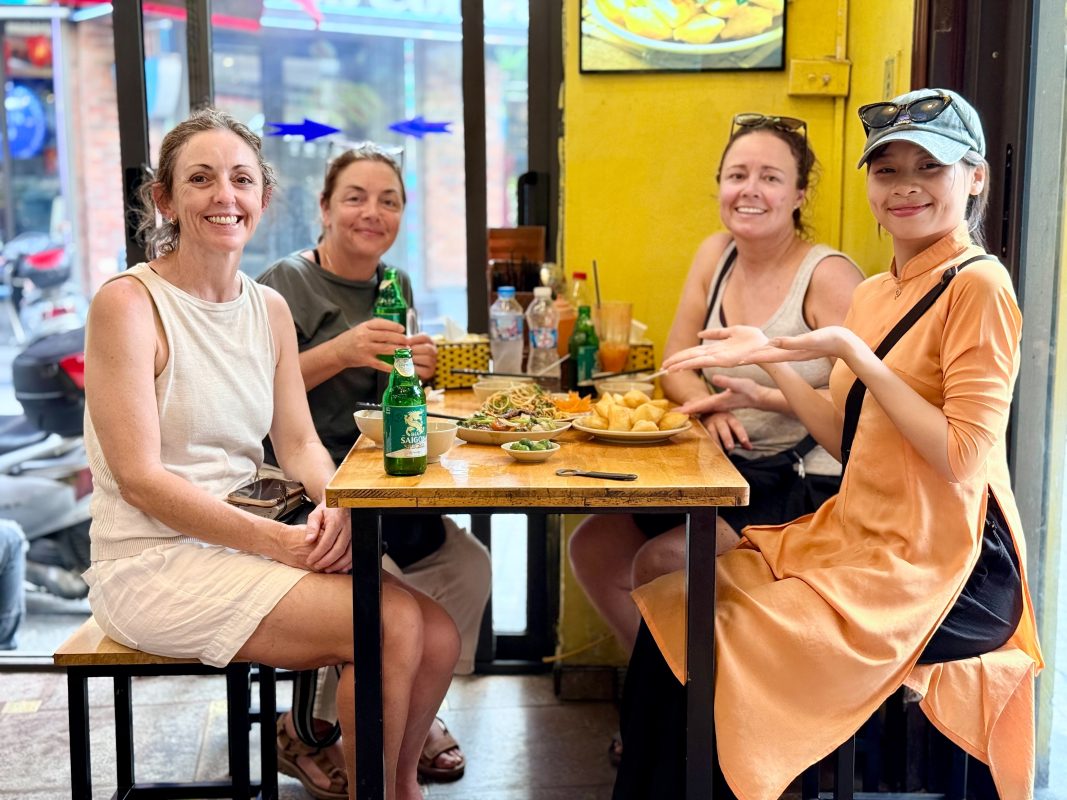
Food is one of the strongest reasons to visit Ho Chi Minh City. The city’s street food culture ranges from quick breakfasts and noodle dishes to elaborate seafood meals and late-night snacks. Essential dishes include banh mi, com tam, banh xeo, hu tieu, bo kho, grilled seafood and Vietnamese desserts. Vietnam Tourism specifically highlights banh mi, southern-style banh xeo and broken rice as dishes visitors should try.
Do not limit yourself to restaurants around the major tourist attractions. Some of the city’s most interesting food experiences are found on small streets, in neighborhood markets and at simple sidewalk eateries.
Best Food to Try in Ho Chi Minh City
Start the day with banh mi and Vietnamese coffee, then try com tam for lunch. In the afternoon, look for a café serving Vietnamese iced coffee before enjoying banh xeo, hu tieu or grilled seafood in the evening. For dessert, try tropical fruit, che or other Vietnamese sweet dishes.
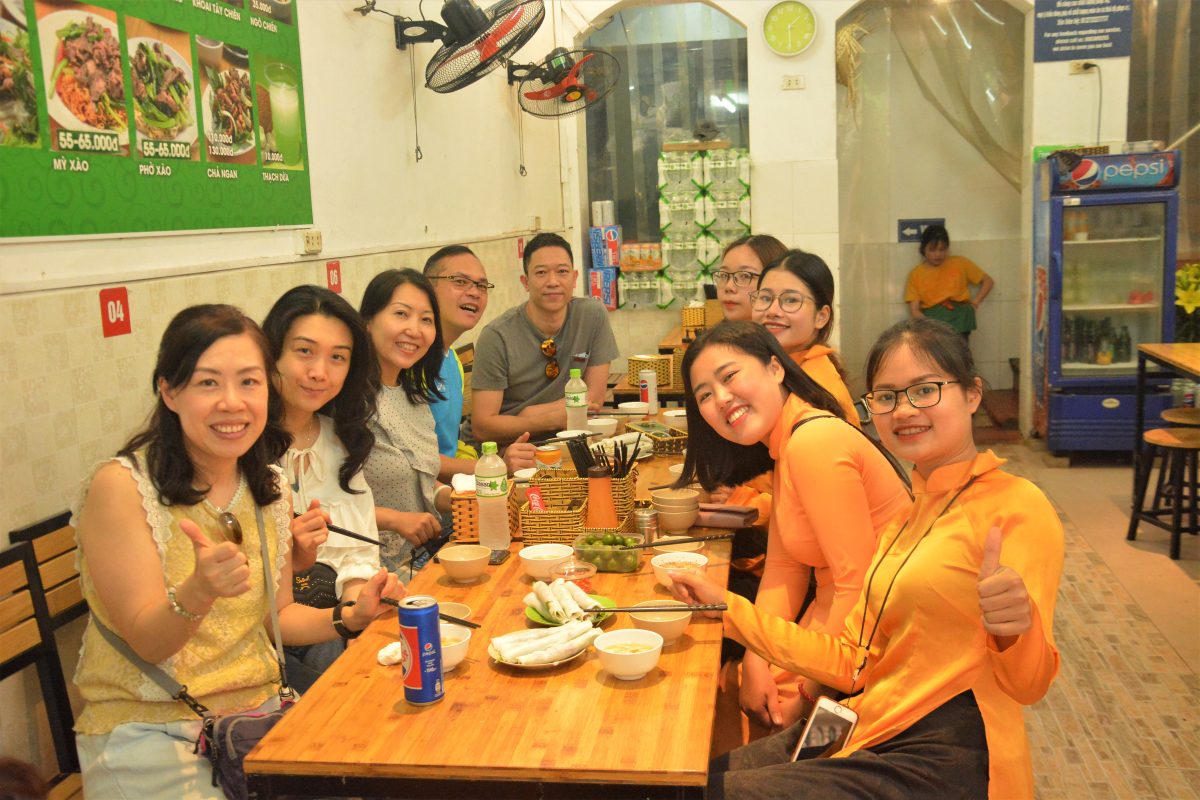
A food-focused itinerary can easily fill an entire evening. A motorcycle food tour is particularly useful because you can cover several neighborhoods and sample multiple dishes instead of staying in one restaurant.
Ho Chi Minh City Coffee Culture
Coffee is deeply connected with daily life in Ho Chi Minh City. You will find traditional Vietnamese coffee served with condensed milk, modern specialty cafés, rooftop cafés and creative coffee shops hidden inside old apartment buildings.
One interesting example is the apartment building at 42 Nguyen Hue, which has been transformed into a collection of cafés, restaurants and independent shops. Vietnam Tourism recommends exploring this building as one way to see a more contemporary side of Saigon.
Ho Chi Minh City at Night
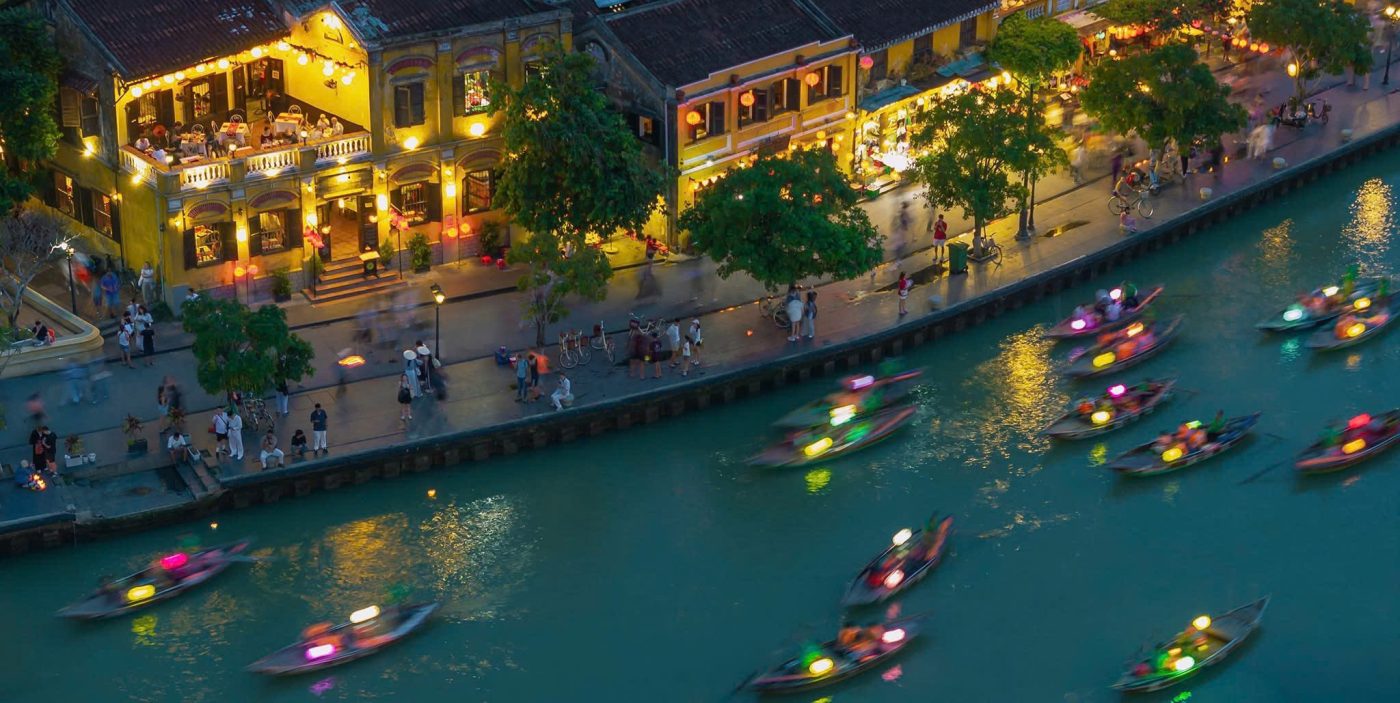
Ho Chi Minh City becomes even more energetic after sunset. Nguyen Hue Walking Street, rooftop bars, restaurants, cafés, night markets and street food stalls create a huge range of evening options. Travelers can enjoy a cocktail overlooking the skyline, explore the streets by motorcycle or spend the evening sampling Vietnamese dishes.
Vietnam Tourism specifically recommends motorcycle tours in the evening because this is when the city’s street food vendors become particularly active and the atmosphere becomes more romantic.
Best Rooftop Experiences
The city’s skyline is particularly impressive after dark. Rooftop bars around District 1 offer views over the modern skyline, while Landmark 81 provides a much higher perspective. A rooftop evening works especially well after a busy day of museums and walking because it allows you to sit down and see the city from above.
For couples, combine sunset views with dinner. For first-time visitors, a rooftop drink is one of the easiest ways to appreciate the scale of Ho Chi Minh City.
Ho Chi Minh City by Motorbike
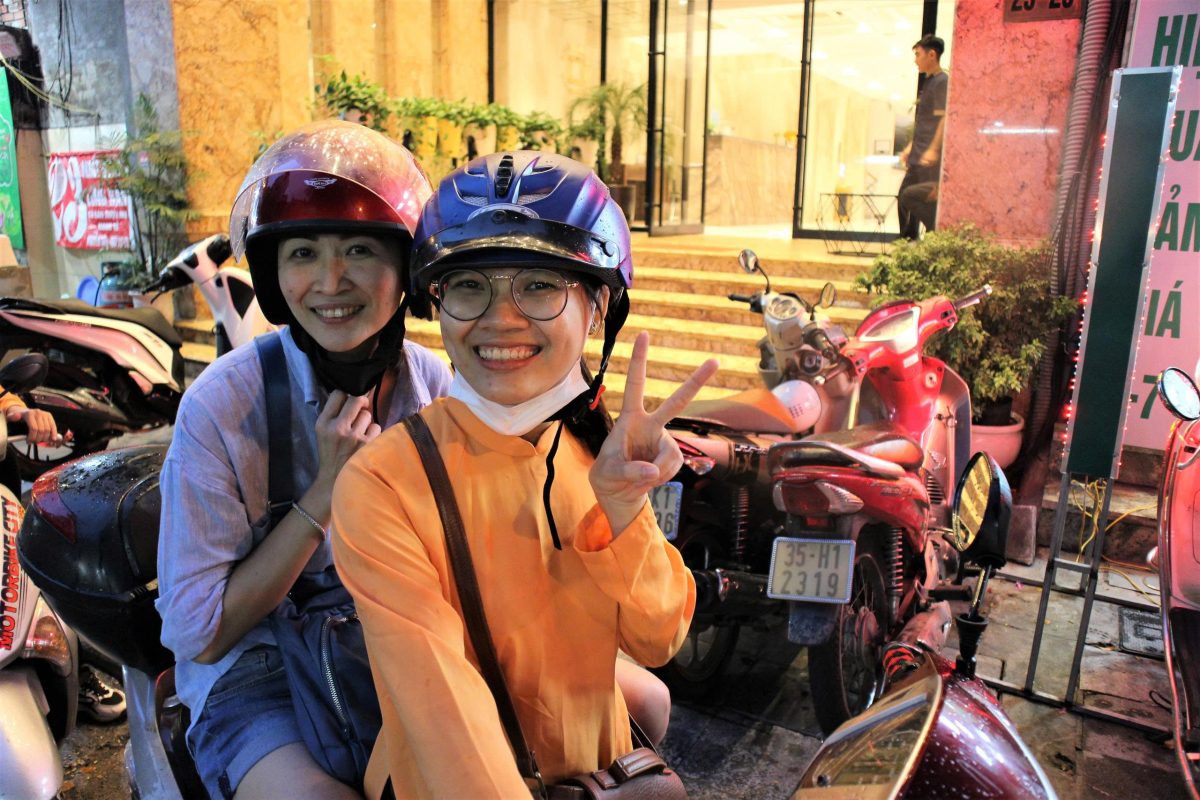
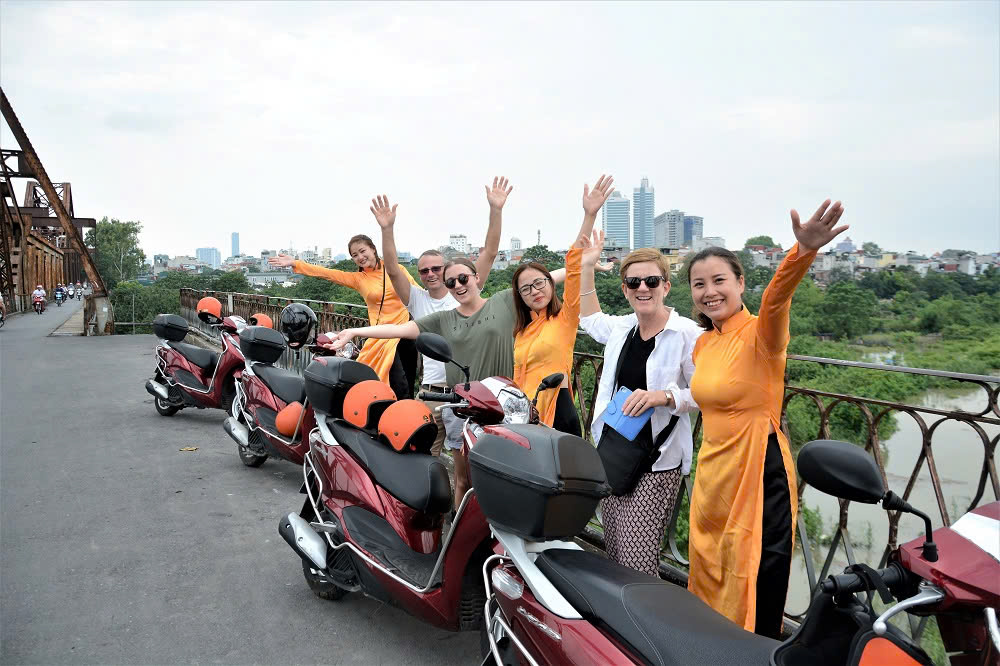
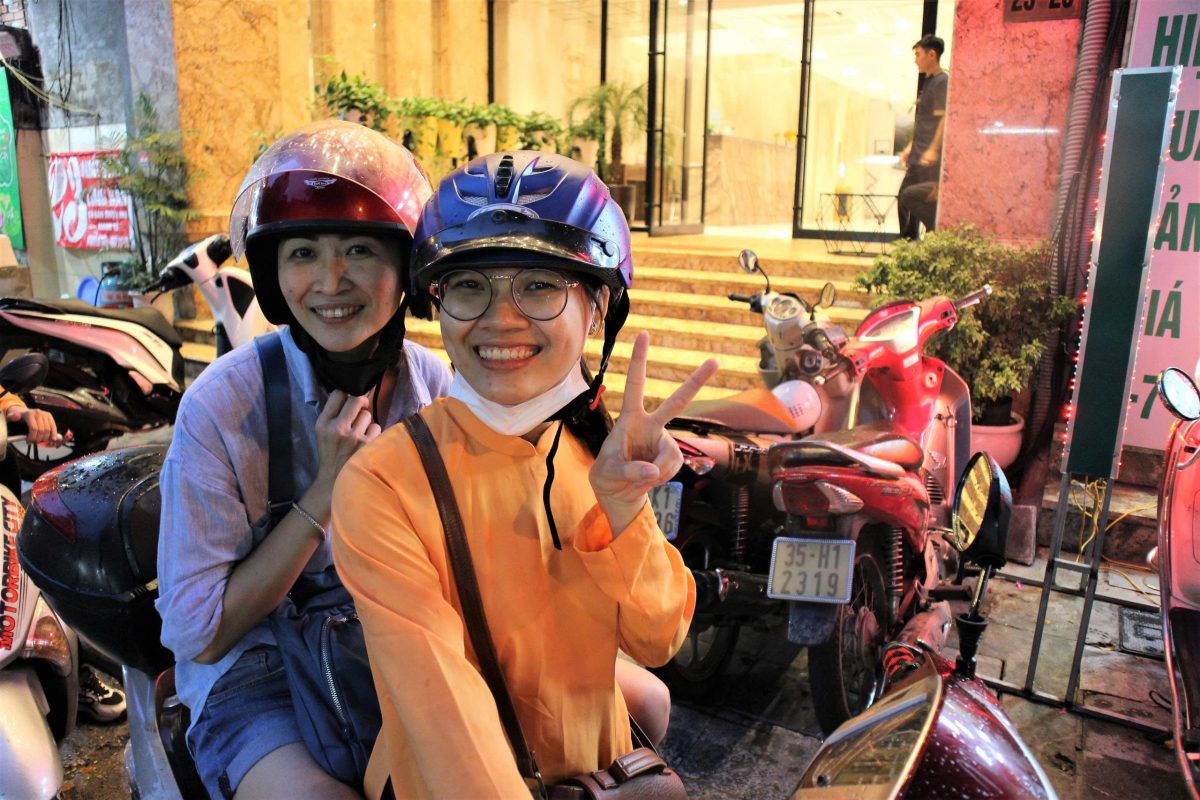
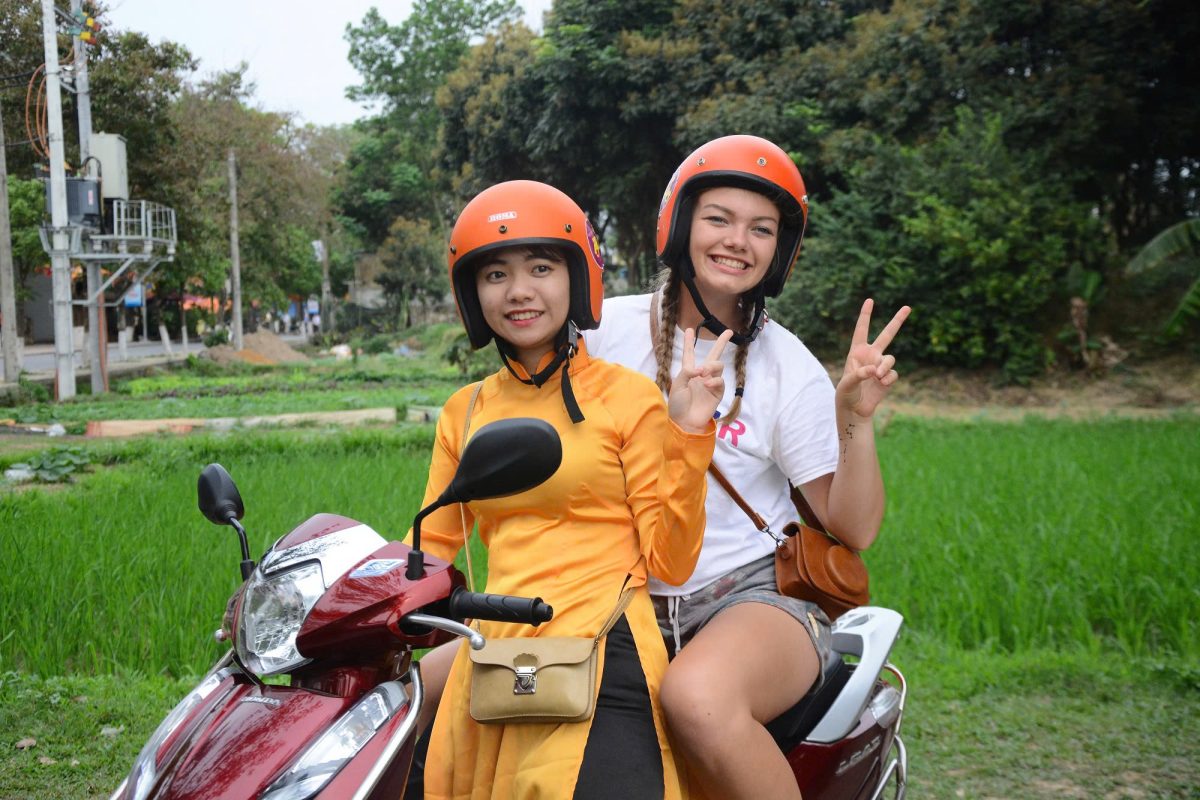
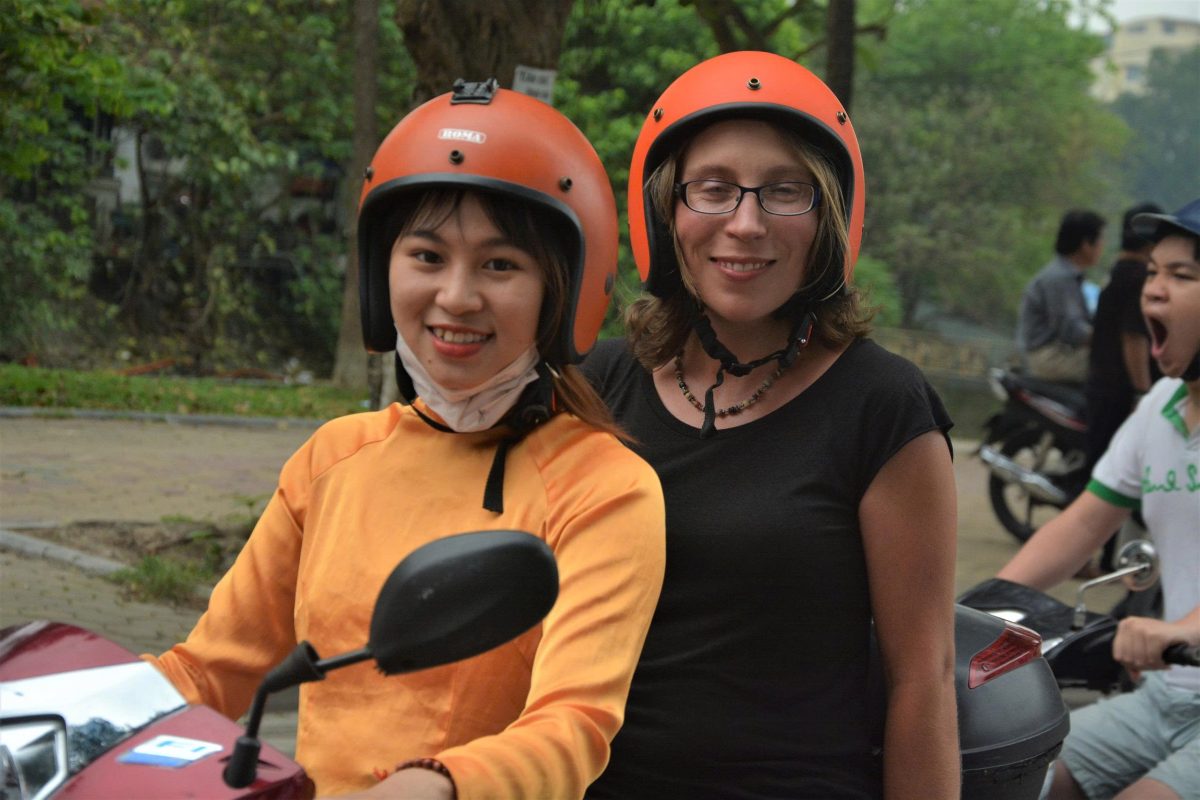
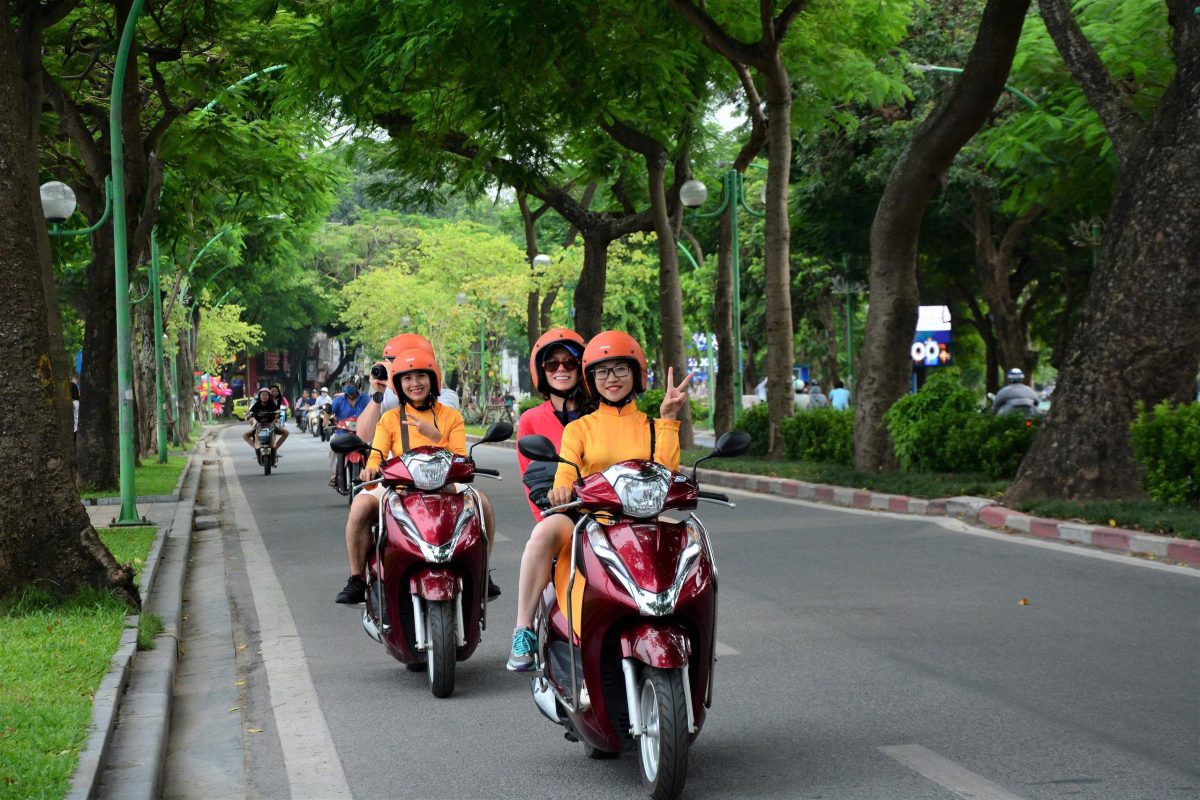
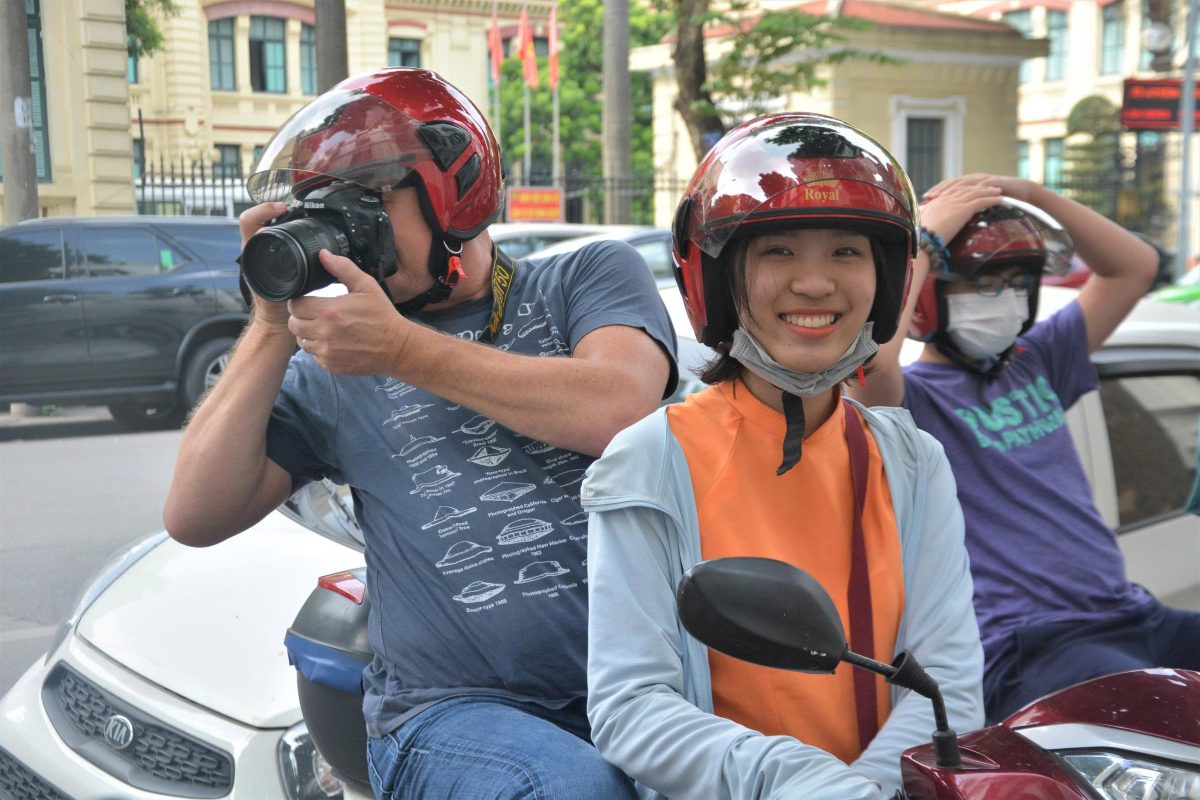
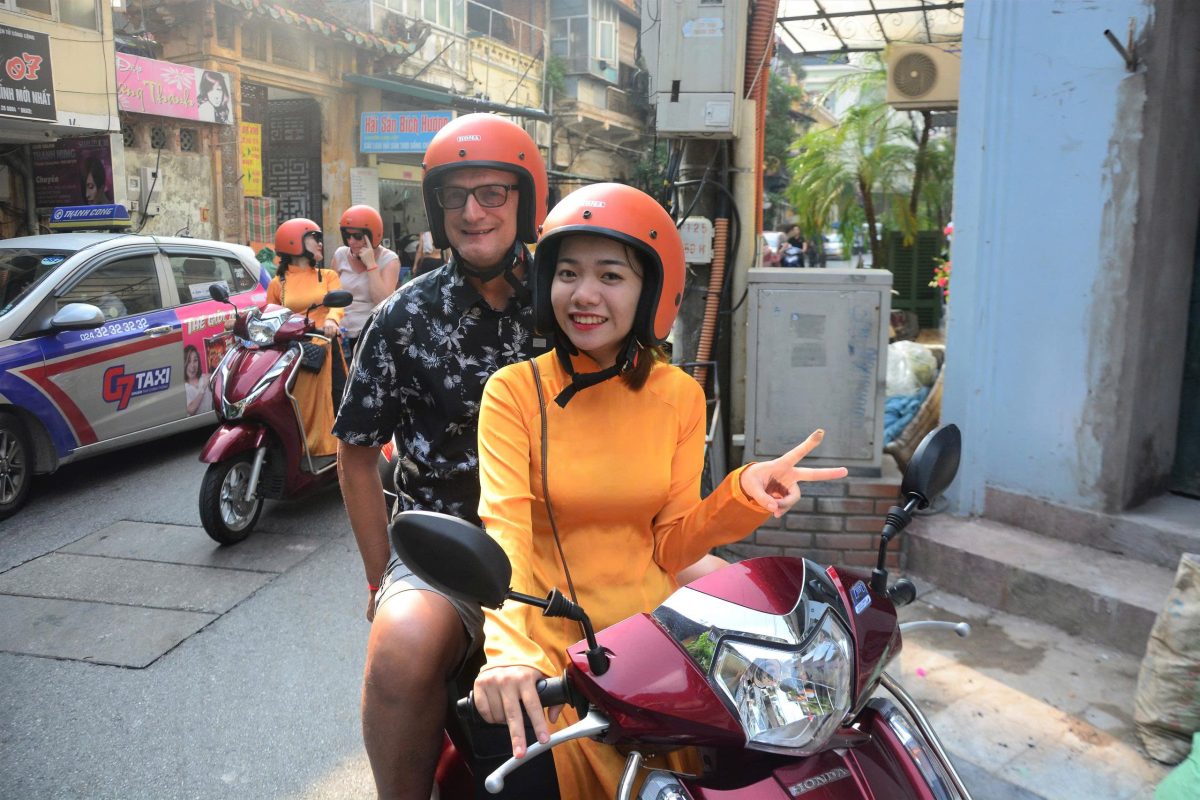
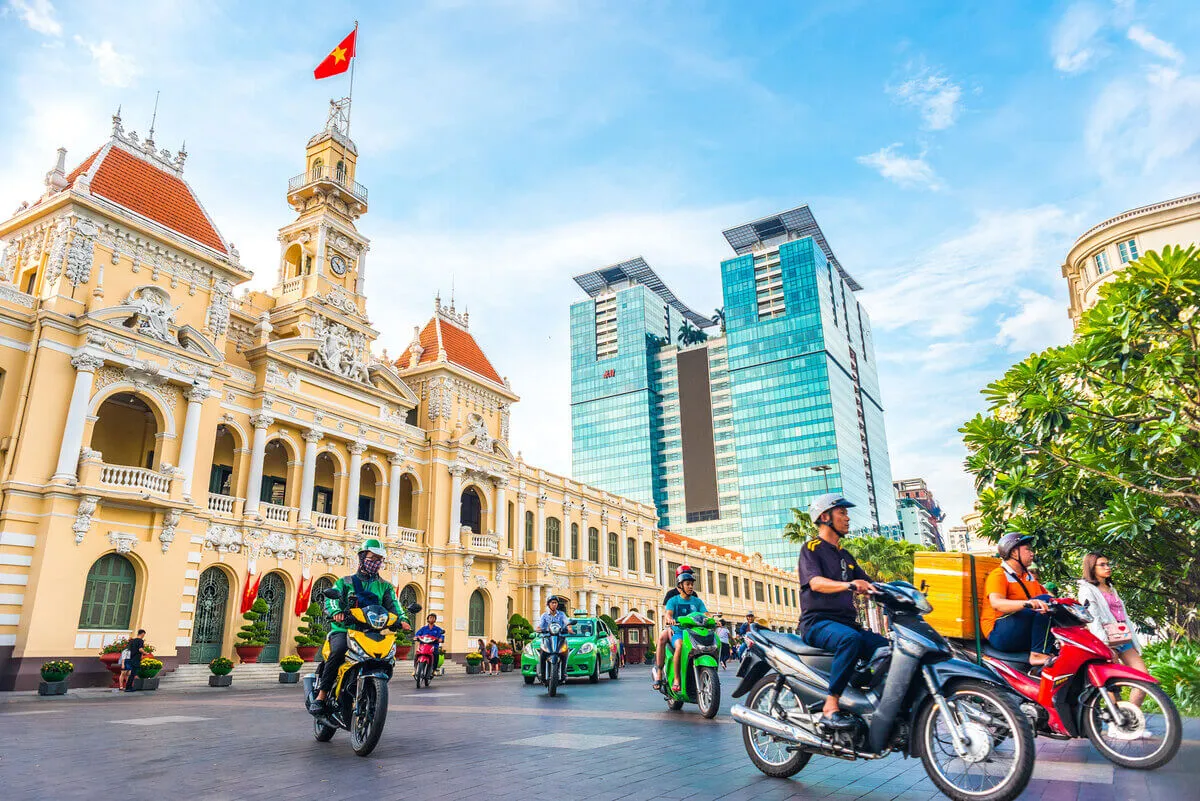
Motorbikes are one of the defining features of Ho Chi Minh City’s streets. For visitors, riding as a passenger with an experienced driver can be an excellent way to explore neighborhoods that are difficult to cover on foot. Vietnam Tourism itself recommends hopping on a motorcycle to experience the city at street level.
A guided motorcycle tour is particularly useful for food-focused travel because the driver can move between several neighborhoods efficiently while you concentrate on the food, architecture and atmosphere.
Best Neighborhoods to Explore
District 1 is the easiest area for first-time visitors, with major landmarks, restaurants, hotels, nightlife and shopping concentrated around the historic center.
District 3 offers a more relaxed atmosphere with cafés, traditional food and residential streets while remaining close to District 1.
District 5 and Cholon are best for Chinese-Vietnamese culture, temples and traditional markets.
Binh Thanh combines older neighborhoods with modern developments and provides access to Landmark 81.
Thao Dien is known for international restaurants, cafés, boutiques and a more contemporary expatriate atmosphere.
How Many Days Do You Need in Ho Chi Minh City?
For a first visit, 2–3 days is ideal. Two days are enough to see the major historic attractions, explore Cholon and experience the city’s food and nightlife. Three days allow you to add museums, shopping, cafés, Landmark 81 or a more relaxed neighborhood itinerary.
If you want to visit the Cu Chi Tunnels, allow an additional half or full day depending on the tour and transportation. Travelers interested in food, photography and urban culture could easily spend four days without feeling that they have seen everything.
Best Day Trips from Ho Chi Minh City
The Cu Chi Tunnels are one of the most popular historical excursions. The tunnel network stretches across the Cu Chi area and provides insight into wartime underground life. Vietnam Tourism identifies Cu Chi as one of the major excursions from the city.
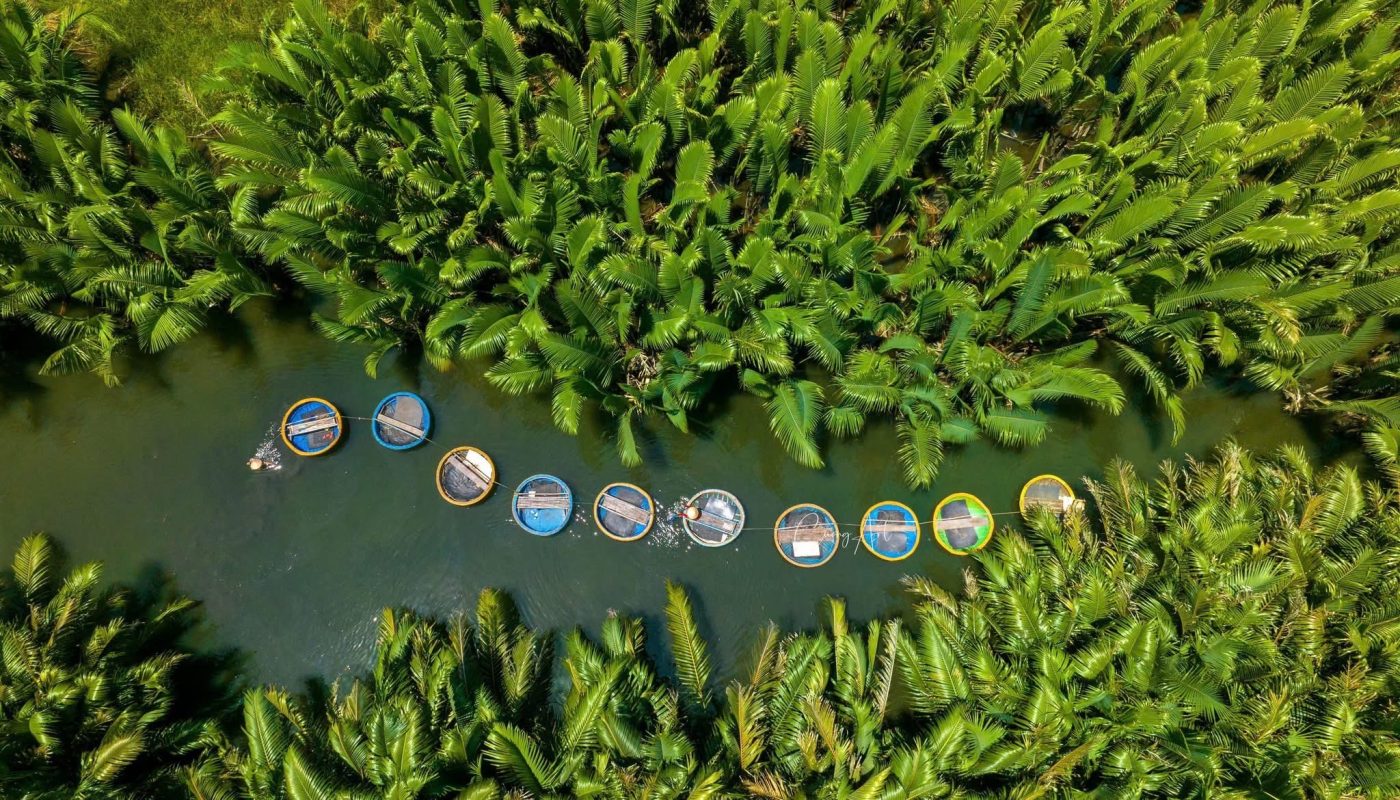
For nature and countryside, consider the Mekong Delta, particularly Ben Tre or Can Tho. Travelers can experience rivers, canals, orchards, boats and agricultural landscapes. Vietnam Tourism also notes that boats can be used for excursions toward the Cu Chi Tunnels and Mekong Delta.
Tay Ninh is another option for travelers interested in religious culture, while Can Gio provides a closer nature escape within the broader Ho Chi Minh City area.
Ho Chi Minh City and the Mekong Delta
Combining Ho Chi Minh City with the Mekong Delta is one of the best ways to experience Southern Vietnam. The city provides history, food, architecture and nightlife, while the Delta offers rivers, fruit orchards, boats and a slower pace.
For a short trip, spend 2–3 nights in Ho Chi Minh City and 1–2 nights in the Mekong Delta. If you have more time, continue south toward Can Tho before returning to the city or flying onward to Phu Quoc.
Best Hotels and Areas to Stay
For first-time visitors, District 1 is the most convenient area because many major attractions are within walking distance or a short ride away. It is also the easiest base for restaurants, nightlife and organized tours.
District 3 is a good alternative for travelers who want a slightly quieter atmosphere while staying close to the center.
Binh Thanh works well for travelers interested in modern hotels, restaurants and Landmark 81, while Thao Dien is better suited to visitors seeking cafés, international restaurants and a more residential atmosphere.
For a premium trip, choose a five-star hotel in central District 1 or along the Saigon River so you can combine convenience with skyline views.
How to Get to Ho Chi Minh City
Most international visitors arrive through Tan Son Nhat International Airport, the principal airport serving the city. Domestic flights connect Ho Chi Minh City with Hanoi, Da Nang, Hue, Nha Trang, Phu Quoc and many other destinations.
Travelers can also reach the city by train, long-distance bus and private car. Vietnam Tourism confirms that Ho Chi Minh City has air, rail and road connections with destinations throughout Vietnam.
Getting Around Ho Chi Minh City in 2026
For visitors, the easiest combination is usually walking + ride-hailing + private car + guided motorbike tours. Central District 1 is walkable between several major landmarks, while ride-hailing services are useful for longer distances.
Taxis are widely available, and Vietnam Tourism notes that travelers with a Vietnamese SIM card can use ride-hailing applications such as Grab. Local buses also cover significant parts of the city.
If you are visiting for only two or three days, private transportation or guided tours can save considerable time compared with trying to navigate every part of the city independently.
Is Ho Chi Minh City Safe for Tourists?
Ho Chi Minh City is a major international tourism destination, but visitors should use normal big-city precautions. Keep phones, wallets and cameras secure when walking near busy roads, pay attention when crossing streets and use reputable transportation services.
Traffic is one of the biggest challenges for first-time visitors. Do not assume that a road is safe to cross simply because traffic appears slow; follow pedestrian signals where available and cross steadily rather than making sudden movements.
Ho Chi Minh City Weather
Ho Chi Minh City is warm throughout the year. Vietnam Tourism notes that hotter conditions are common around April and May, followed by the rainy season from May to November, while somewhat cooler conditions generally arrive around December and January.
Rain during the wet season does not necessarily mean that an entire day will be lost. Showers can be intense but relatively short, so flexible sightseeing plans are useful. During the hottest months, schedule outdoor walking early in the morning or later in the afternoon.
Best Time to Visit Ho Chi Minh City
For travelers who prefer drier weather, December to April is generally a comfortable period for sightseeing. January and February can be particularly pleasant for walking and outdoor activities, although temperatures remain warm.
The rainy season from May to November can still be a good time to visit, especially for travelers who do not mind afternoon showers. Hotels and attractions remain open, and the city continues operating at full speed.
Ho Chi Minh City Travel Costs
Ho Chi Minh City can accommodate almost every travel budget. Street food and small cafés can be inexpensive, while luxury hotels, private tours and fine-dining restaurants can create a premium experience.
A mid-range traveler can combine comfortable hotels, restaurants and ride-hailing services without spending excessively. Luxury travelers can choose five-star accommodation, private transportation, private guides, rooftop restaurants, spa treatments and customized day trips.
The city is therefore suitable for backpackers, families, couples and high-end travelers alike.
2-Day Ho Chi Minh City Itinerary
Day 1 – Historic Ho Chi Minh City: Start with the Reunification Palace and War Remnants Museum, then walk toward Notre Dame Cathedral Basilica and the Central Post Office. Continue along Dong Khoi Street to the Saigon Opera House and Nguyen Hue Walking Street. In the evening, enjoy Vietnamese street food and rooftop views over the city.
Day 2 – Cholon, Food & Modern Saigon: Begin in Cholon with Binh Tay Market and Thien Hau Pagoda, then return toward central Ho Chi Minh City for lunch. Spend the afternoon exploring cafés, boutiques or the Fine Arts Museum before visiting Landmark 81 or taking a sunset cruise on the Saigon River. Finish with a private motorcycle food tour or a relaxed dinner.
3-Day Ho Chi Minh City Itinerary
Day 1 – Central Landmarks: Explore the Reunification Palace, War Remnants Museum, Central Post Office, Notre Dame Cathedral Basilica, Dong Khoi Street and Saigon Opera House. End the day around Nguyen Hue Walking Street and enjoy dinner in District 1.
Day 2 – Cholon & Street Food: Explore Binh Tay Market, Thien Hau Pagoda and the surrounding streets of Cholon. Return to central Ho Chi Minh City for cafés and shopping, then take a motorcycle food tour through several neighborhoods after sunset.
Day 3 – Cu Chi or City Experiences: Spend the morning and early afternoon visiting the Cu Chi Tunnels, or stay in the city for the Fine Arts Museum, markets, cafés and shopping. Finish with a sunset cruise, rooftop drink or premium Vietnamese dinner.
Ho Chi Minh City for Couples
Ho Chi Minh City is surprisingly romantic when experienced beyond the busiest streets. Couples can enjoy a sunset cruise on the Saigon River, rooftop cocktails, elegant Vietnamese restaurants, evening motorcycle rides and quiet cafés hidden inside old buildings.
A particularly memorable evening begins with sunset views, continues with a private dinner and ends with a motorcycle food tour through the illuminated streets.
Ho Chi Minh City for Families
Families can combine the city’s major attractions with easier-paced activities. Museums, markets, shopping centers, cafés, river experiences and day trips provide plenty of variety.
For families with children, avoid scheduling too many museums and historical attractions on the same day. Combine one major historical site with food, shopping or an outdoor experience to keep the itinerary balanced.
Ho Chi Minh City for Food Lovers
Food lovers should allow at least one full evening for a dedicated culinary experience. Try com tam, banh mi, banh xeo, hu tieu, grilled seafood, Vietnamese coffee and traditional desserts.
The best food itinerary is not necessarily a list of famous restaurants. Instead, explore several neighborhoods and sample different dishes throughout the evening. This is one reason motorcycle food tours work particularly well in Ho Chi Minh City. Vietnam Tourism also highlights street food and motorcycle experiences as key ways to experience the city.
Ho Chi Minh City for Luxury Travelers
Luxury travelers can create a sophisticated itinerary without losing the character of Saigon. Stay in a five-star hotel, use private airport transfers, explore the city with a private guide, enjoy a private motorcycle or vintage-car experience, book a sunset river cruise and dine at high-end Vietnamese restaurants.
The best luxury experience is not simply staying in an expensive hotel. It is combining premium comfort with carefully selected cultural experiences that reveal the city’s history, food and modern lifestyle.
Is Ho Chi Minh City Worth Visiting in 2026?
Yes. Ho Chi Minh City remains one of the best destinations in Vietnam for travelers who want to combine history, food, culture and modern urban life. The city continues to evolve rapidly while retaining its colonial architecture, traditional markets, temples, street food culture and distinctive motorcycle-filled streets. Vietnam Tourism continues to position the city as the main urban hub of Southern Vietnam.
For first-time visitors, the ideal strategy is not to see every attraction. Instead, combine several major landmarks with one neighborhood experience, one food experience and one evening activity.
Ho Chi Minh City Travel Guide 2026: Quick Highlights
Best for: History, Vietnamese food, nightlife, shopping, cafés and urban culture.
Best attractions: Reunification Palace, War Remnants Museum, Central Post Office, Notre Dame Cathedral Basilica, Ben Thanh Market and Nguyen Hue Walking Street.
Best cultural area: Cholon and its Chinese-Vietnamese temples.
Best food experience: Vietnamese street food by motorcycle.
Best evening experience: Rooftop views, Saigon River sunset or a nighttime food tour.
Best day trip: Cu Chi Tunnels or the Mekong Delta.
Best area to stay: District 1 for first-time visitors.
Recommended stay: 2–3 days.
Best time: December–April for generally drier weather.
Best combination: Ho Chi Minh City + Mekong Delta + Phu Quoc.
Final Thoughts
Ho Chi Minh City is much more than a gateway to Southern Vietnam. It deserves several days of exploration because its strongest attractions are found not only in famous landmarks but also in its food, neighborhoods, cafés, markets, temples and nighttime atmosphere.
For a first visit, spend your first day exploring the historic heart around the Reunification Palace, War Remnants Museum, Central Post Office, Notre Dame Cathedral Basilica, Dong Khoi Street and Nguyen Hue Walking Street. Use your second day for Cholon, Binh Tay Market, Thien Hau Pagoda and Vietnamese street food. If you have a third day, add the Cu Chi Tunnels, Mekong Delta, Landmark 81 or a more relaxed neighborhood experience. This combination gives you a much more complete picture of modern Saigon.
Vietnam Women Travel – Premium Private Tours Led by Women
Vietnam Women Travel – Premium Private Tours Led by Women can create a private Ho Chi Minh City experience designed around your interests, whether you want history, Vietnamese cuisine, photography, shopping, architecture, nightlife or a combination of everything. A premium private itinerary can include airport transfers, a private female tour leader, carefully selected restaurants, private city sightseeing, a motorcycle food experience, Cholon cultural exploration, a Saigon River sunset cruise and customized day trips.
For travelers continuing through Southern Vietnam, Ho Chi Minh City is the ideal first stop before traveling to the Mekong Delta and Phu Quoc. A private journey can connect all three destinations into one seamless Southern Vietnam experience, combining the energy of Saigon, the peaceful waterways of the Mekong and the tropical beaches of Phu Quoc.