Ho Chi Minh City Street Food Guide
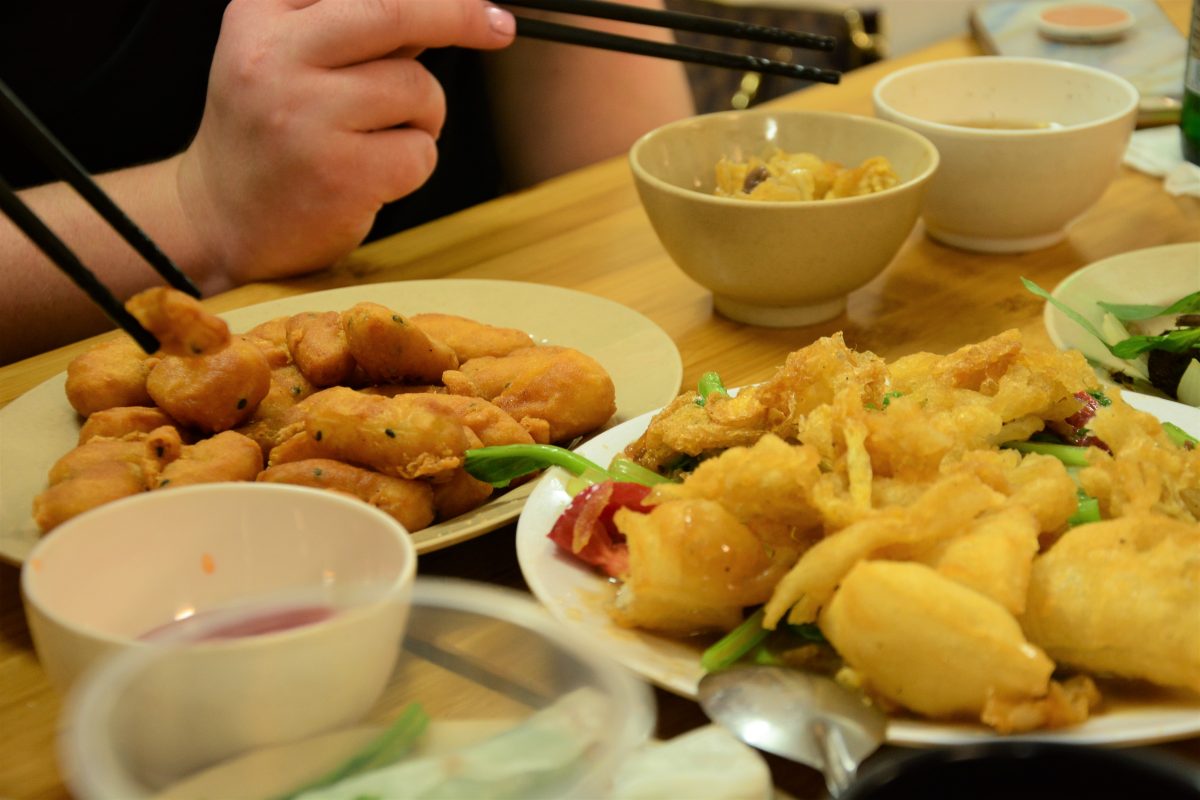
Ho Chi Minh City is one of the best places in Vietnam for travelers who want to experience the country through food. Formerly known as Saigon, the city has developed a street food culture that reflects Southern Vietnamese cooking while also incorporating influences from Central Vietnam, Northern Vietnam, China and Cambodia. Food is everywhere: on sidewalks, inside narrow alleys, around traditional markets, beside busy roads and in small family-run eateries. Vietnam Tourism describes Ho Chi Minh City as a city where street food reaches an especially impressive scale, with dishes prepared directly in front of diners and enjoyed on small plastic stools.
Why Ho Chi Minh City Is a Great Street Food Destination
The best thing about eating in Ho Chi Minh City is the variety. You can start the morning with hủ tiếu, have cơm tấm for lunch, stop for bánh mì and Vietnamese iced coffee in the afternoon, then spend the evening eating ốc, bánh xèo, bò lá lốt and bánh tráng nướng. Unlike a traditional restaurant meal, street food allows you to taste several small dishes in different neighborhoods during the same day. The city’s food culture is also highly social, with friends and families gathering around shared dishes, drinks and sidewalk tables.
1. Bánh Mì – The Essential Saigon Street Food
Bánh mì should be at the top of every Ho Chi Minh City food list. The Saigon version typically combines a crisp Vietnamese baguette with pâté, meat, pickled vegetables, herbs, cucumber, chili and a flavorful sauce. Different vendors create their own combinations, including roasted pork, shredded chicken, fish cake, pork skin and other fillings. Vietnam Tourism highlights the remarkable variety of bánh mì available throughout the city.
Bánh mì is ideal for breakfast, a quick lunch or an afternoon snack. One of the pleasures of eating it in Saigon is trying different versions rather than deciding that there is only one “correct” recipe.
2. Cơm Tấm – The Dish You Should Not Miss
If bánh mì is the most convenient street food, cơm tấm may be the dish most closely associated with everyday Saigon dining. The name means “broken rice,” referring to small fractured rice grains traditionally served with grilled pork, pork skin, steamed egg, pickles, cucumber and sweet fish sauce.
The grilled pork is often the star of the plate. Look for stalls where the pork is grilled over charcoal and the aroma reaches the street before you even see the restaurant. Cơm tấm can be eaten for breakfast, lunch or dinner, making it one of the city’s most flexible dishes.
3. Hủ Tiếu – Southern Vietnam’s Signature Noodle Soup
Hủ tiếu is one of the most important noodle dishes to try in Southern Vietnam. It is particularly associated with Ho Chi Minh City and the Mekong Delta. The broth is generally clear and gently sweet, with pork bones and dried seafood contributing depth of flavor. Common toppings include pork, shrimp, minced meat, vegetables and quail eggs.
You can order hủ tiếu nước, served as a soup, or hủ tiếu khô, where the noodles are dressed separately and the broth comes in another bowl. Hủ tiếu also has several regional styles, including Nam Vang, Mỹ Tho and Sa Đéc.
For travelers interested in Southern Vietnamese cuisine, hủ tiếu is arguably more important than simply ordering another bowl of phở.
4. Phở – Try the Southern Version
Although phở is strongly associated with Hanoi and Northern Vietnam, it is also widely enjoyed in Ho Chi Minh City. The Southern style generally has a richer and sweeter profile and is commonly accompanied by bean sprouts, herbs, chili, lime and other fresh vegetables.
Trying phở in both Hanoi and Ho Chi Minh City is an excellent way to understand how the same Vietnamese dish can change according to regional taste. Northern phở tends to emphasize a clearer broth and restrained seasoning, while Southern versions are often more generous with herbs and accompaniments.
5. Bánh Xèo – Crispy Vietnamese Pancakes
Bánh xèo is one of the most enjoyable dishes to eat with a group. The thin, crispy pancake is generally filled with shrimp, pork and bean sprouts, then cut into pieces and wrapped with lettuce and herbs before being dipped into fish sauce.
Ho Chi Minh City has both Central-style and Southern/Western-style bánh xèo. The Central version is typically smaller, while the Southern version can be considerably larger and more generously filled.
Order bánh xèo when it comes directly from the pan. The contrast between the crisp exterior, fresh herbs and savory filling is what makes the dish so satisfying.
6. Bánh Tráng Trộn – Saigon’s Famous Snack
Bánh tráng trộn, or mixed rice paper, is a popular snack among young people in Ho Chi Minh City. Strips of rice paper are mixed with shredded green mango, Vietnamese herbs, shrimp salt, kumquat, peanuts, quail eggs, dried shrimp and often beef jerky.
It is colorful, spicy, sour, salty and slightly sweet at the same time. Vietnam Tourism recommends areas such as Nguyen Thuong Hien Street, Turtle Lake, September 23 Park and the Ben Thanh Market area for finding this snack.
7. Bánh Tráng Nướng – Vietnamese “Street Pizza”
Bánh tráng nướng is another popular evening snack. A sheet of rice paper is grilled over charcoal and topped with ingredients such as egg, dried shrimp, spring onions and chili sauce. The result is crisp, smoky and easy to eat while walking around the city.
It is especially popular with younger diners and works well as a snack between larger meals.
8. Ốc – The Ultimate Saigon Evening Food
If you want to understand Ho Chi Minh City’s nightlife through food, spend an evening eating ốc, the Vietnamese term commonly used for snails and shellfish dishes. Vendors may steam, boil, grill or stir-fry different varieties with garlic, chili, tamarind, salted egg, butter and other sauces.
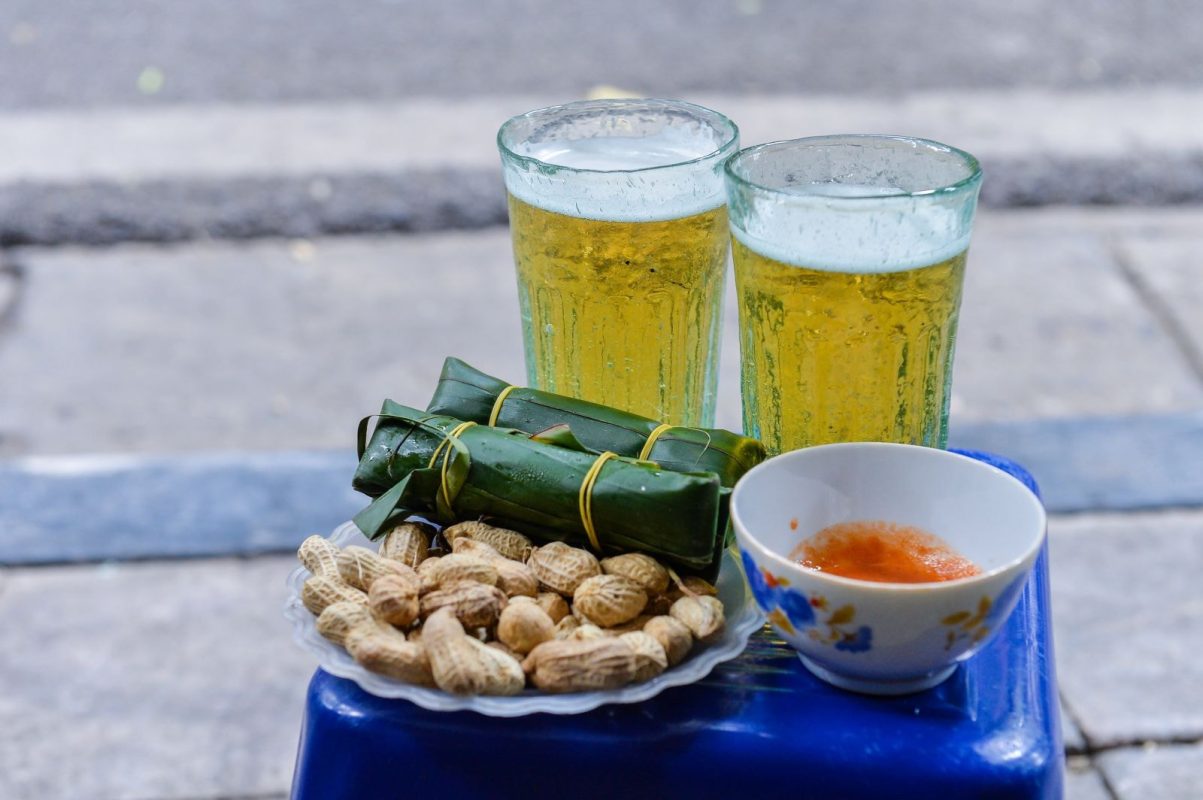
Ốc is not simply about the food. It is a social experience, usually involving small dishes shared around a table with cold drinks. Vietnam Tourism describes snails as one of the quintessential Ho Chi Minh City street foods.
District 4, particularly around Vinh Khanh Street, is strongly associated with seafood and ốc restaurants, while other districts also have excellent options.
9. Bò Lá Lốt – Grilled Beef Wrapped in Wild Betel Leaves
Bò lá lốt consists of seasoned beef wrapped in aromatic piper lolot leaves and grilled until the leaves become fragrant and slightly charred. It is usually served with rice paper, noodles, herbs and dipping sauce so that diners can assemble their own rolls.
The smoky aroma is one of the best parts of the experience. It is particularly suitable for travelers who enjoy grilled meat and interactive meals. Vietnam Tourism includes bò lá lốt among the classic street foods of Ho Chi Minh City.
10. Bánh Canh Cua – Thick Noodles with Crab
Bánh canh cua is a rich noodle soup made with thick rice or tapioca noodles and a seafood-focused broth. Crab is usually combined with shrimp and other ingredients, producing a hearty dish that feels very different from phở or hủ tiếu.
The thick, chewy noodles and sweet seafood flavor make bánh canh cua particularly satisfying after a long day exploring the city. It is one of the dishes highlighted by Vietnam Tourism in its guide to Ho Chi Minh City’s street food.
11. Bánh Bèo – Small Steamed Rice Cakes
Bánh bèo consists of small steamed rice cakes traditionally topped with shrimp, pork crackling, scallions and other savory ingredients. Although the dish originates from Central Vietnam, it has become part of the diverse food culture found in Ho Chi Minh City.
Because bánh bèo usually arrives in several small pieces, it is an excellent dish to share with friends or family while exploring multiple Southern Vietnamese flavors.
12. Bánh Cuốn – Steamed Rice Rolls
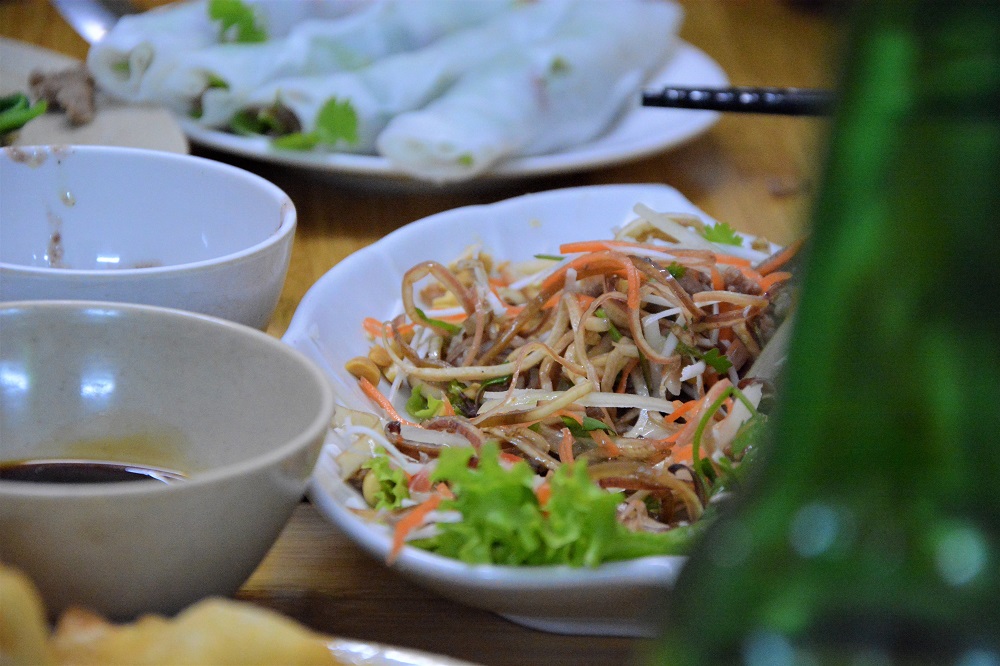
Bánh cuốn is made from thin sheets of steamed rice batter filled with ingredients such as minced pork and wood-ear mushrooms. The rolls are generally served with herbs, fried shallots and dipping sauce.
It is particularly popular as a breakfast or light meal. For travelers who want something less heavy than grilled meat or fried food, bánh cuốn is a good choice.
13. Bò Kho – Vietnamese Beef Stew
Bò kho is a slow-cooked beef stew prepared with beef, vegetables and aromatic spices. It is commonly served with a fresh Vietnamese baguette for dipping into the rich broth.
The combination of tender beef, aromatic broth and crusty bread makes bò kho an excellent breakfast or lunch choice. Vietnam Tourism includes it among the street foods visitors can discover around Ho Chi Minh City.
14. Gỏi Cuốn – Fresh Spring Rolls
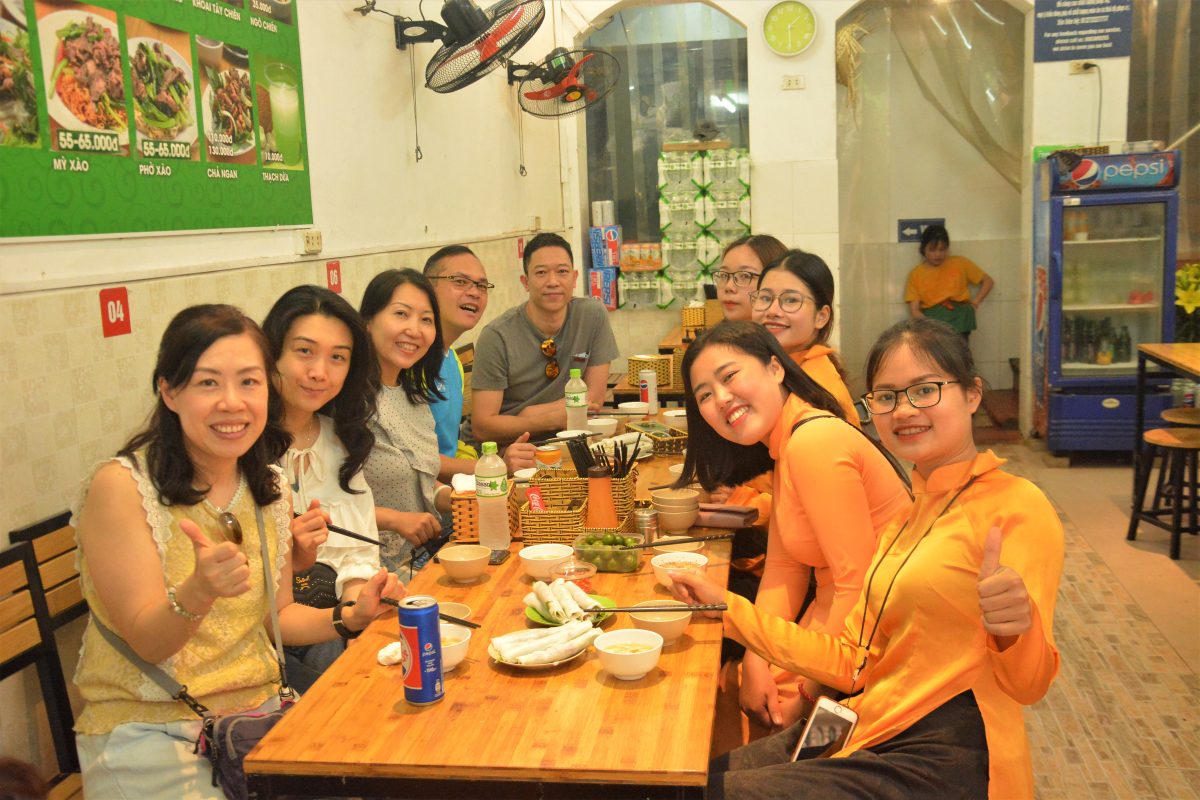
Gỏi cuốn, or Vietnamese fresh spring rolls, are lighter than many of the city’s grilled and fried dishes. Rice paper is wrapped around ingredients such as shrimp, pork, vermicelli and fresh herbs, then served with a dipping sauce.
They are particularly good during hot weather because they are fresh and relatively light. Order several alongside heavier dishes for a more balanced street food meal.
15. Chè – Vietnamese Sweet Desserts
After several savory dishes, try chè, a broad category of Vietnamese sweet soups and desserts. Ho Chi Minh City offers numerous varieties made with beans, banana, corn, taro, coconut, jelly, sticky rice and other ingredients.
Vietnam Tourism notes that several districts of the city have shops specializing in Southern-style chè, with some locations offering many different varieties.
16. Vietnamese Iced Coffee – Cà Phê Sữa Đá
No Ho Chi Minh City food tour is complete without cà phê sữa đá, strong Vietnamese coffee poured over condensed milk and ice. The drink is sweet, powerful and particularly refreshing in the city’s warm climate.
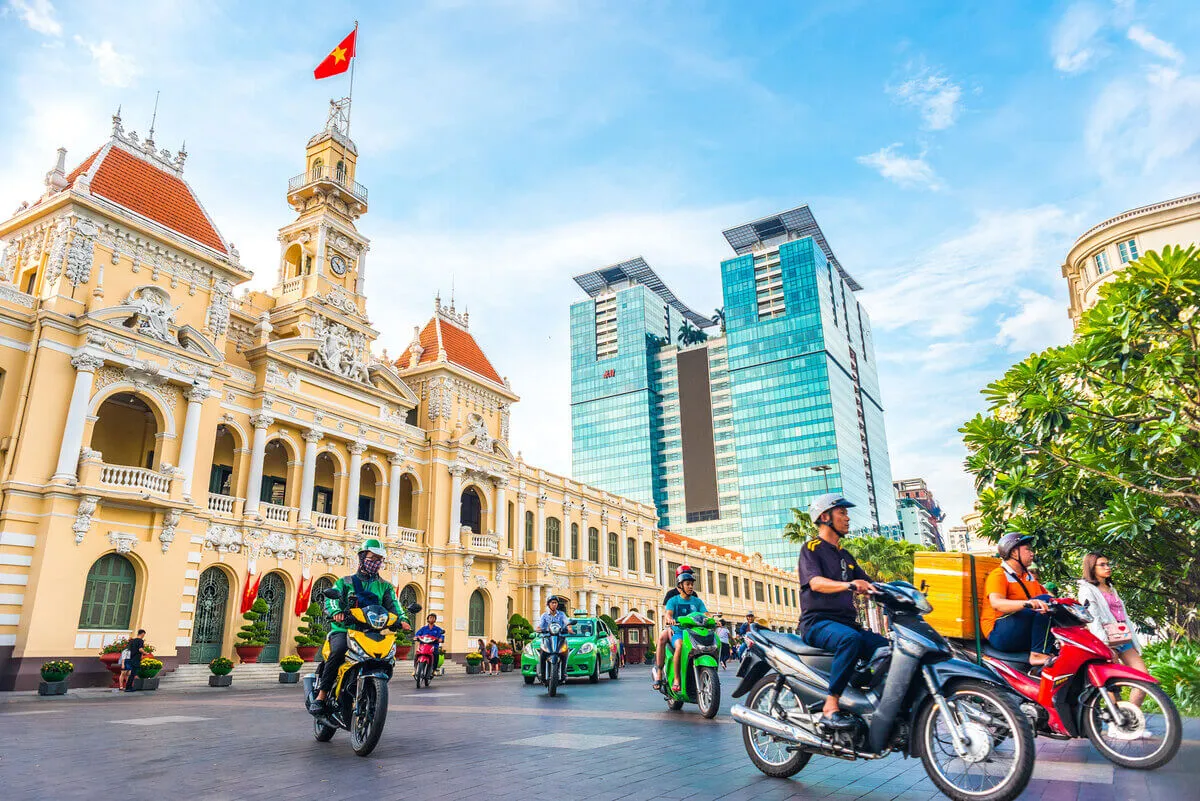
Try it at a small sidewalk café rather than only at international coffee chains. Sitting on a tiny plastic stool while watching motorcycles move through the street is part of the experience.
17. Sugarcane Juice – Nước Mía
Nước mía, or fresh sugarcane juice, is another classic Vietnamese street drink. Sugarcane is pressed through a machine and the juice is often served cold with kumquat or another citrus element.
It is inexpensive, refreshing and especially enjoyable during a hot afternoon of sightseeing.
Best Areas for Street Food in Ho Chi Minh City
District 1 is the easiest starting point for visitors because it contains major attractions, hotels and numerous food streets. Co Giang Street is highlighted by Vietnam Tourism as an area with a strong street food atmosphere, while Tran Khac Chan Street is another well-known food-focused street in District 1.
District 3 is excellent for traditional Vietnamese dishes, cafés and smaller neighborhood eateries. District 4 is particularly famous for seafood and ốc, while District 5 and Cholon are strong choices for Chinese-Vietnamese dishes, noodles, dim sum and traditional desserts.
Phu Nhuan District is another excellent area for serious food exploration because it has a large number of neighborhood restaurants and food stalls away from the main tourist center.
Best Street Food Streets in Ho Chi Minh City
Co Giang Street is a strong choice for a classic sidewalk dining atmosphere in District 1. Vietnam Tourism describes the street as a food-focused area filled with grilling, frying and steaming stalls.
Tran Khac Chan Street is another District 1 option, with a wide variety of dishes and a lively evening atmosphere.
Nguyen Thuong Hien Street in District 3 is especially associated with snacks such as bánh tráng trộn.
Vinh Khanh Street in District 4 is a popular choice for seafood and ốc, making it ideal for an evening food crawl.
Ben Thanh Market Street Food
Ben Thanh Market is one of the most convenient places for first-time visitors to start exploring Vietnamese food. You can sample several dishes in one location, although prices and quality can vary between vendors.
The surrounding streets also become increasingly active as the evening develops. Rather than spending your entire food trip inside the market, use Ben Thanh as a starting point and then continue into nearby neighborhoods.
Best Time to Eat Street Food in Ho Chi Minh City
Breakfast: 6:00–9:00 AM is ideal for bánh mì, hủ tiếu, phở, bánh cuốn and cơm tấm.
Lunch: Around 11:00 AM–1:30 PM is a good time for cơm tấm, hủ tiếu, bánh canh and other filling meals.
Afternoon: 2:00–5:00 PM is perfect for Vietnamese coffee, bánh tráng trộn, chè and other snacks.
Dinner: 5:30–9:00 PM is when grilled dishes, bánh xèo, bò lá lốt, seafood and ốc become especially appealing.
Late night: After 9:00 PM, look for noodle dishes, grilled snacks, desserts and late-night cafés. Vietnamese street food culture is not limited to conventional restaurant hours.
How to Order Street Food in Ho Chi Minh City
The easiest approach is to watch what other diners are eating and point to the dish you want. At small stalls, menus may be limited or entirely in Vietnamese. Look for vendors with a steady stream of customers and ingredients that are being cooked continuously.
If you have dietary restrictions, learn a few simple Vietnamese phrases before your food tour. “Không cay” means “not spicy,” while “Không thịt” means “no meat.” If you are unsure about an ingredient, ask before ordering.
How Much Does Street Food Cost in Ho Chi Minh City?
Street food ranges from inexpensive snacks to more substantial meals. Prices vary considerably depending on the dish, neighborhood, ingredients and type of establishment. Recent 2026 travel information puts many classic dishes within the tens of thousands of Vietnamese dong, while seafood and specialty dishes can cost more.
The best strategy is to carry smaller Vietnamese notes and ask the price before ordering when there is no visible menu. For seafood and ốc, check whether dishes are priced by plate, portion or weight.
Street Food Etiquette
Street food in Ho Chi Minh City is casual, but a few simple habits make the experience easier. Wait for the vendor to indicate where to sit, avoid blocking the sidewalk, keep personal belongings close and be respectful when photographing people preparing food.
When eating shared dishes, use the serving utensils provided when available. At busy stalls, avoid occupying a table for a long time after finishing if other customers are waiting.
Street Food Safety Tips
Choose stalls with high customer turnover, ingredients that are stored appropriately and food that is cooked thoroughly in front of you. Busy stalls can be a useful indicator because ingredients tend to move quickly. Vietnam Tourism’s broader street food guidance also recommends following crowds and looking for vendors who specialize in a particular dish.
For visitors who are sensitive to unfamiliar food, begin with cooked dishes such as cơm tấm, bánh xèo, hủ tiếu and grilled foods. Drink bottled or filtered water and use caution with raw ingredients if you are unsure about their preparation.
A Perfect Ho Chi Minh City Street Food Day
Breakfast: Start with a bowl of hủ tiếu or a freshly prepared bánh mì and Vietnamese iced coffee. Late morning: Explore Ben Thanh Market and the historic center before stopping for a small snack. Lunch: Have cơm tấm with grilled pork, pickles and sweet fish sauce. Afternoon: Relax at a traditional café and try chè or bánh tráng trộn. Dinner: Head toward District 4 for ốc and seafood, then finish the evening with bánh tráng nướng and another cà phê sữa đá.
Best 1-Day Ho Chi Minh City Food Tour Route
Morning – District 1: Start with bánh mì and Vietnamese coffee, then walk around Ben Thanh Market, Nguyen Hue Walking Street and the surrounding streets. Lunch – District 3: Try cơm tấm or hủ tiếu before exploring smaller food streets. Afternoon – District 3: Sample bánh tráng trộn and chè, followed by a traditional Vietnamese coffee. Evening – District 4: Explore Vinh Khanh Street for ốc, grilled seafood and other shared dishes. Night – District 1: Finish with bánh tráng nướng, dessert or a rooftop drink overlooking the city.
Best 2-Day Ho Chi Minh City Food Itinerary
Day 1 – Classic Saigon Food: Begin with bánh mì and coffee, visit the central landmarks, then have cơm tấm for lunch. Spend the afternoon exploring District 3 and tasting snacks before heading to District 4 for an evening of ốc and seafood.
Day 2 – Cholon & Southern Flavors: Explore Cholon and District 5 in the morning, trying hủ tiếu, bánh cuốn or Chinese-Vietnamese specialties. Continue with chè and coffee in the afternoon, then finish with bánh xèo, bò lá lốt and grilled dishes in the evening.
Ho Chi Minh City Street Food for First-Time Visitors
If this is your first visit, do not try to eat everything in one day. Begin with the classics: bánh mì, cơm tấm, hủ tiếu, bánh xèo, ốc, bò lá lốt, bánh tráng trộn, chè and cà phê sữa đá. These dishes provide a broad introduction to the flavors and eating styles of Southern Vietnam. Vietnam Tourism’s own food guides repeatedly highlight bánh mì, cơm tấm, hủ tiếu, bánh xèo, ốc and other dishes as key parts of the city’s culinary identity.
Ho Chi Minh City Street Food for Vegetarians
Vegetarian travelers can find vegetarian versions of many Vietnamese dishes, especially in dedicated vegetarian restaurants and Buddhist-influenced eateries. However, ingredients such as fish sauce, shrimp paste, meat stock and dried seafood can appear in dishes that look vegetarian.
When ordering, clearly explain your dietary requirements rather than simply asking whether a dish contains visible meat. This is particularly important for soups and sauces.
Ho Chi Minh City Street Food for Families
Families can enjoy street food by choosing dishes that are easy to share. Bánh mì, bánh xèo, gỏi cuốn, cơm tấm and grilled foods work well because everyone can sample different flavors.
For younger children, choose busy but comfortable restaurants rather than very crowded roadside stalls. A private food tour can also be helpful because the guide can select appropriate dishes and adjust the pace around the family’s preferences.
Ho Chi Minh City Street Food for Couples
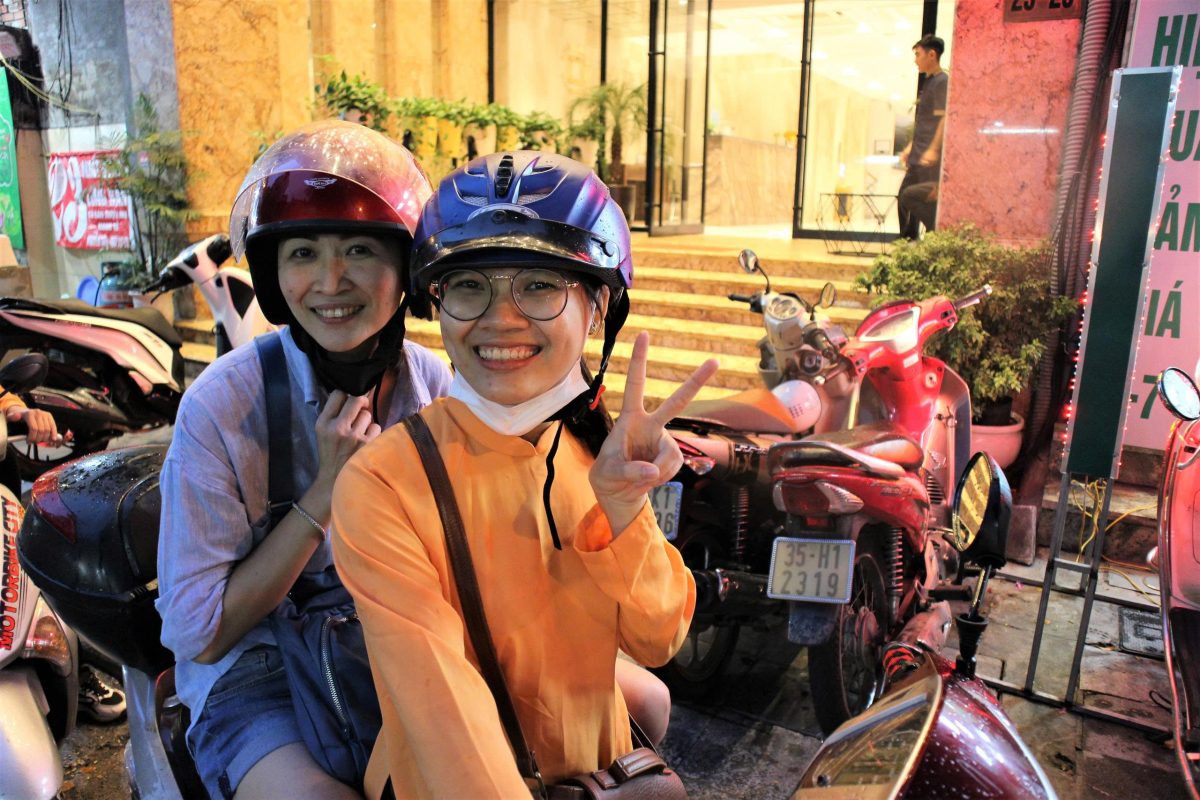
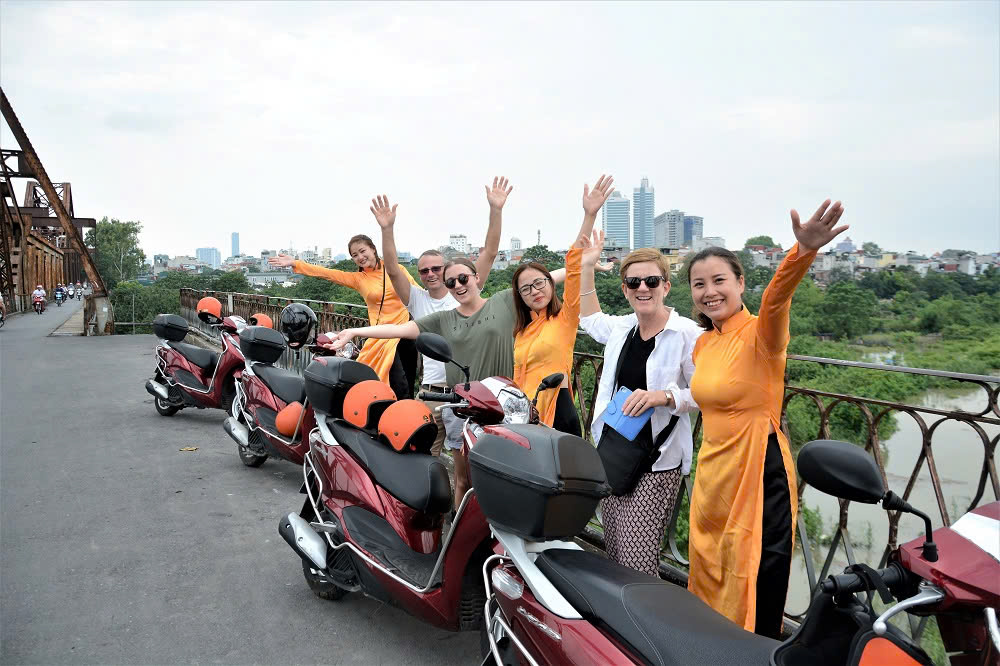
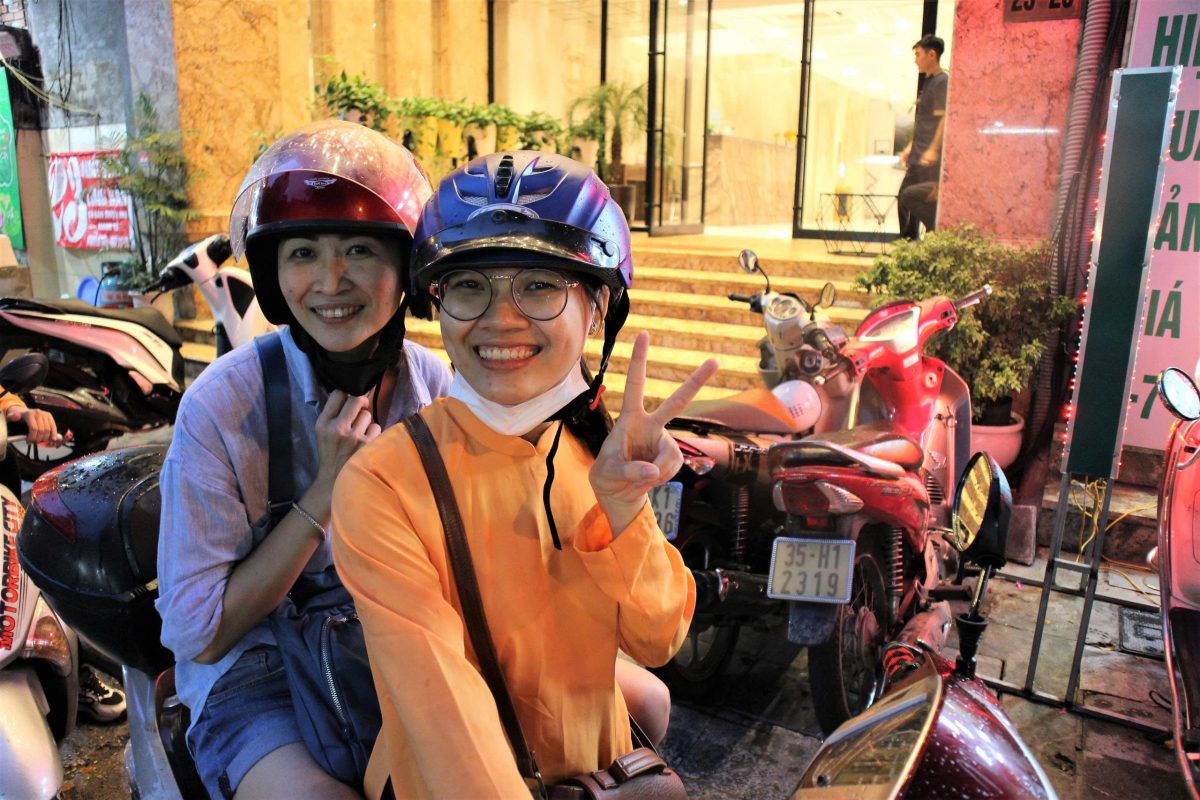
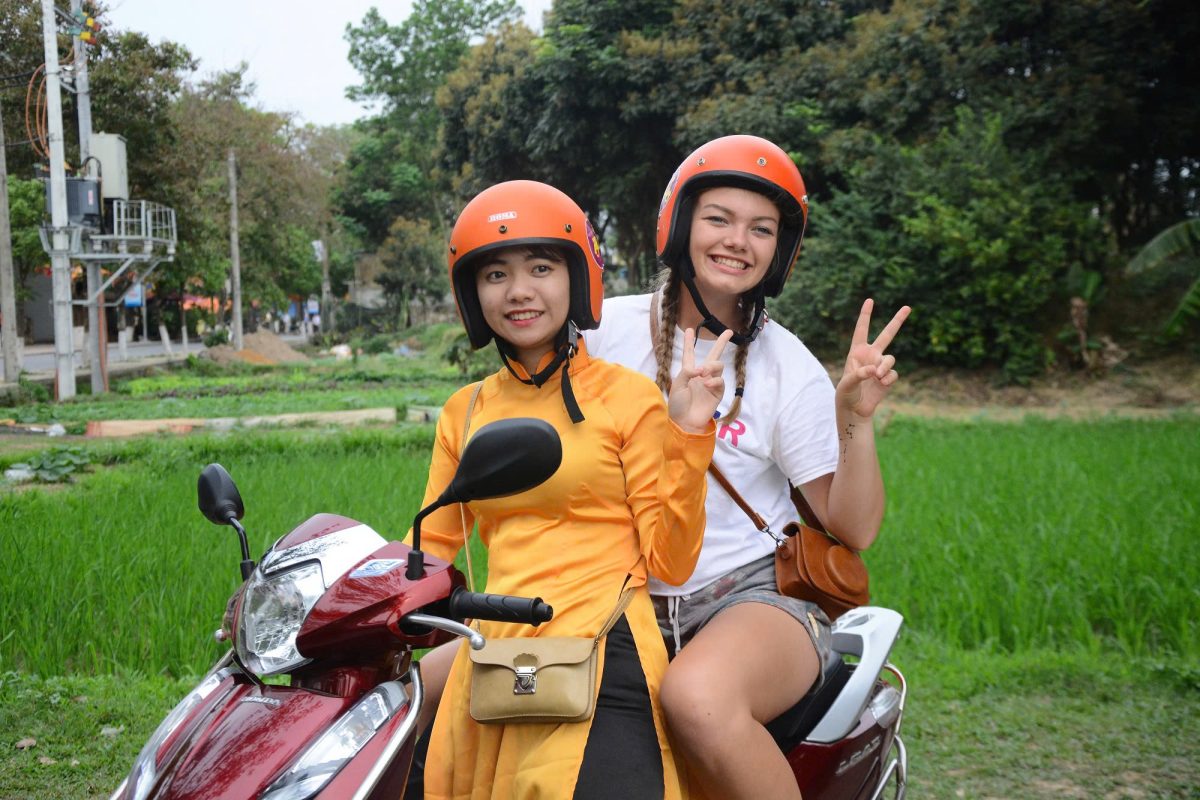
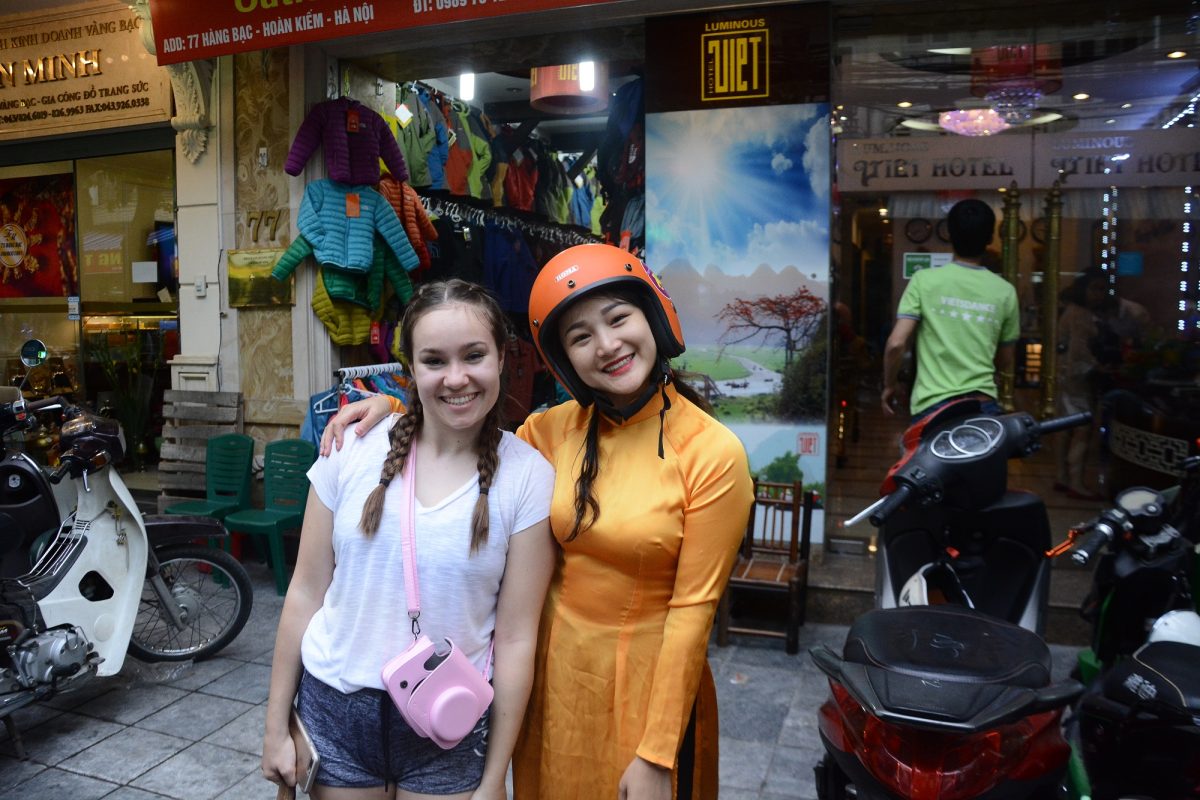
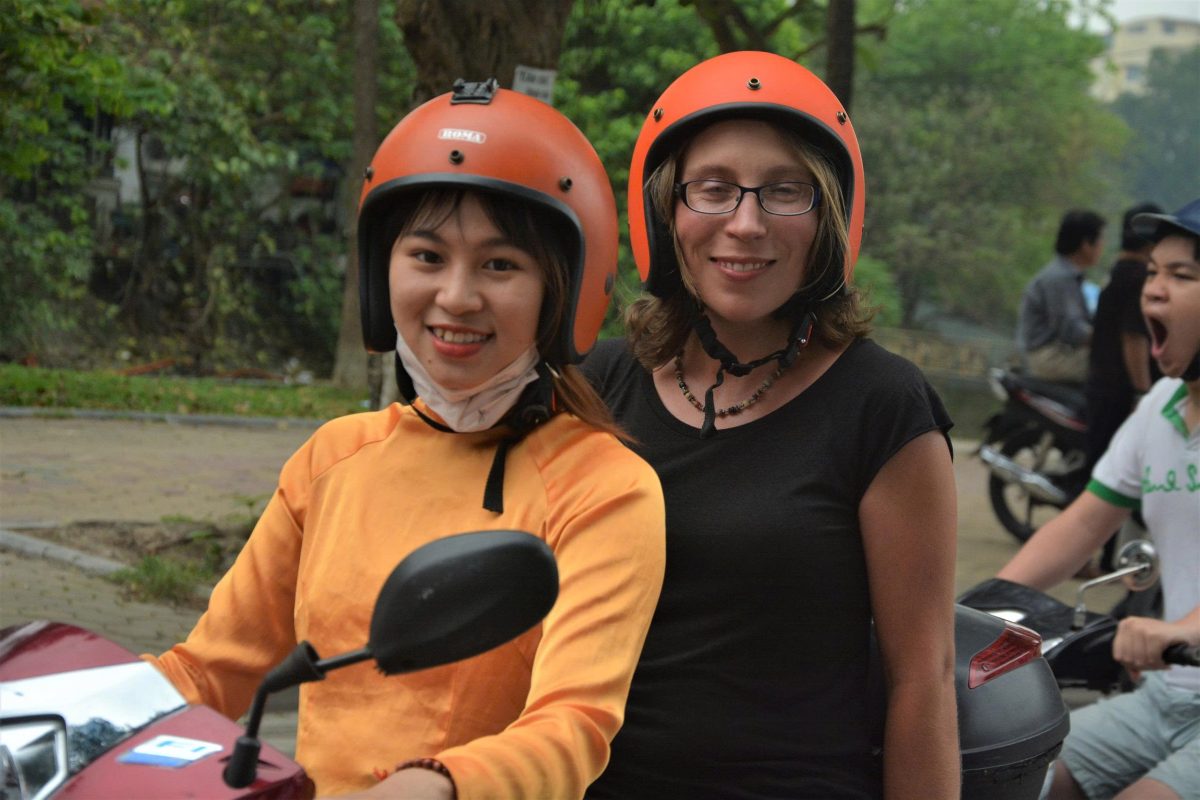
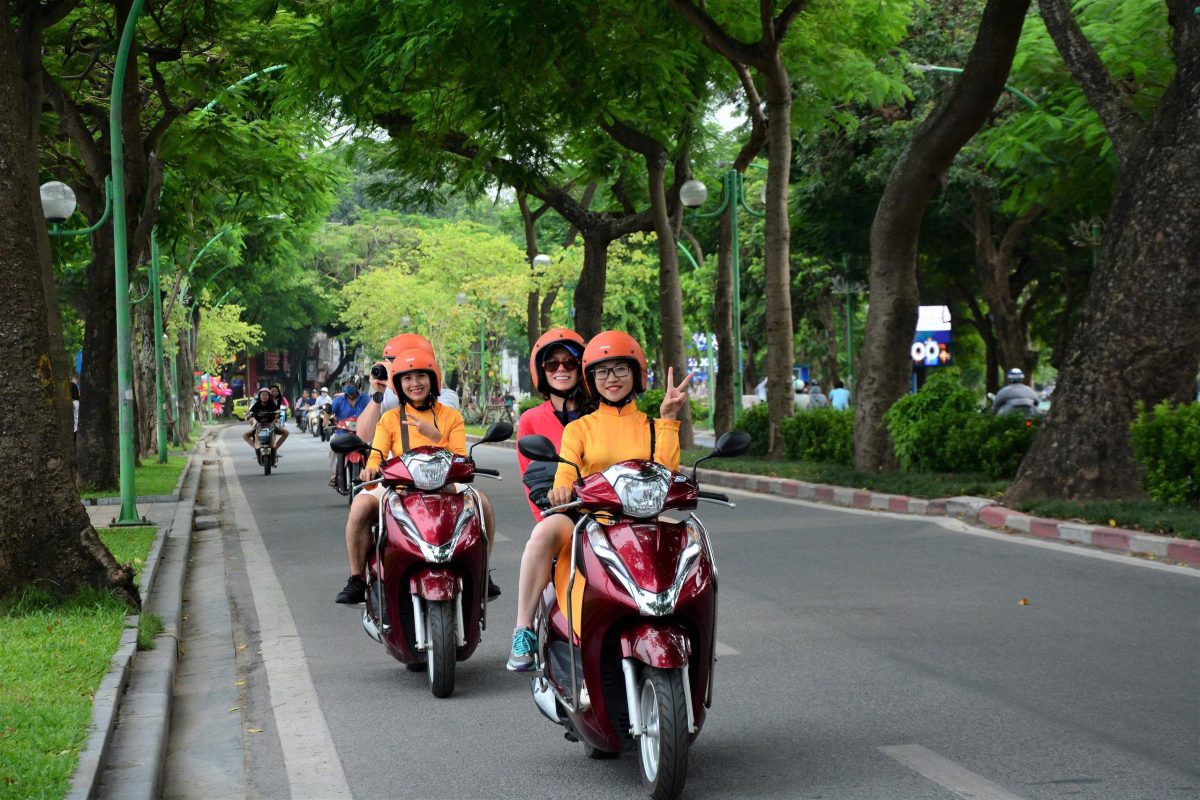
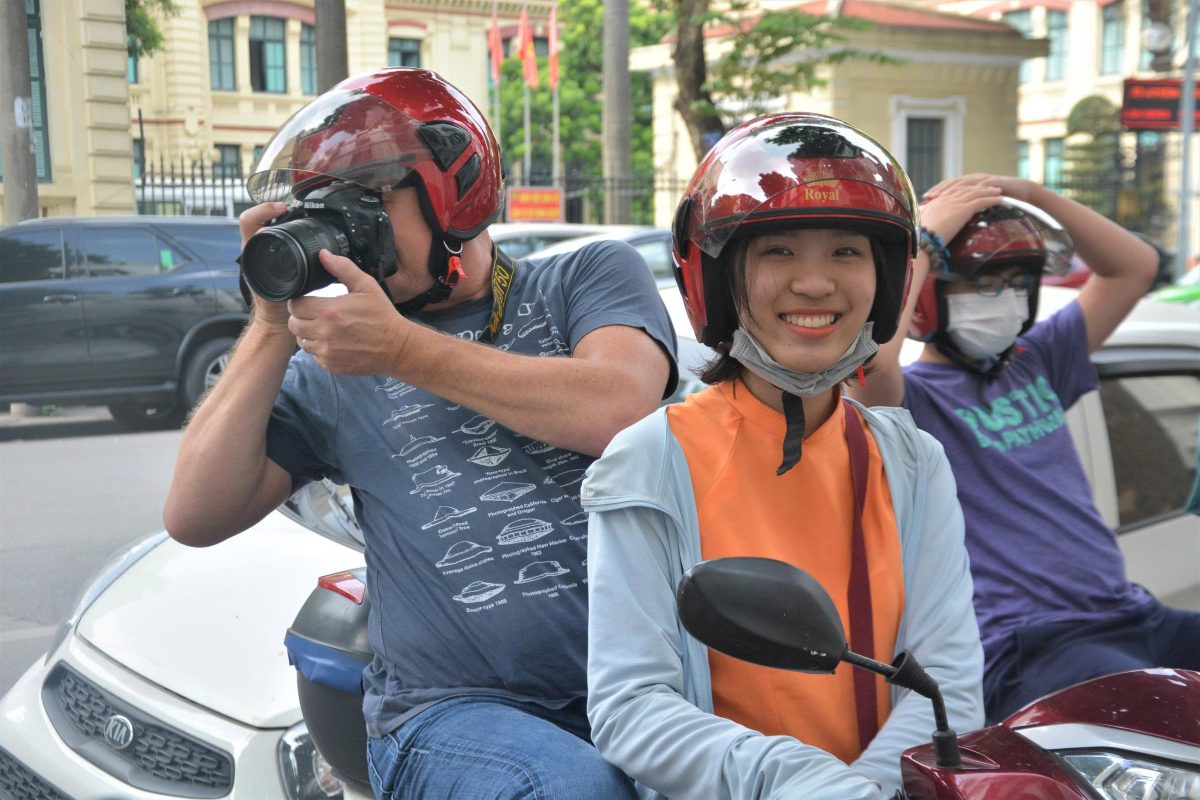
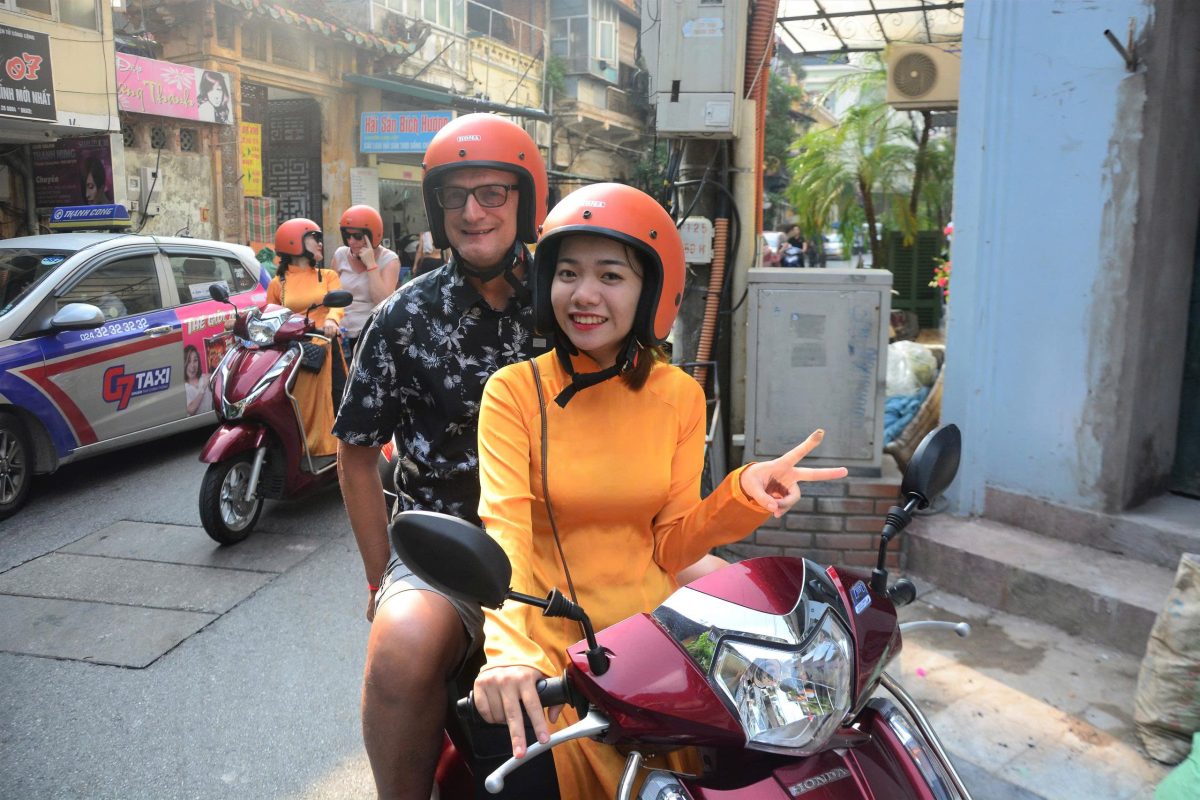
For couples, the most memorable food experiences often happen in the evening. Start with a sunset drink, continue with a private motorcycle food tour through several neighborhoods, stop for ốc or grilled seafood, and finish with Vietnamese dessert or coffee.
A motorcycle experience is particularly effective because it combines transportation, sightseeing and food in one evening. Instead of sitting in one restaurant for two hours, you can experience several different parts of Saigon.
Ho Chi Minh City Street Food for Luxury Travelers
Luxury does not have to mean avoiding street food. Some of the best premium food experiences combine private transportation, a knowledgeable guide, carefully selected street food vendors and upgraded dining experiences.
A private itinerary can include iconic street dishes during the day, followed by a high-end Vietnamese restaurant or private sunset cruise in the evening. This creates a balance between authentic food culture and premium comfort.
Why Take a Ho Chi Minh City Food Tour?
The biggest advantage of a guided food tour is variety. A knowledgeable guide can take you beyond the most obvious tourist restaurants and introduce dishes you might otherwise overlook, while also explaining how Southern Vietnamese cuisine differs from food in Hanoi, Hue, Hoi An and the Mekong Delta.
A motorcycle food tour is particularly effective in Ho Chi Minh City because the city’s food scene is spread across multiple districts. You can move from District 1 to District 3, District 4, Phu Nhuan or Cholon instead of spending the entire evening in one area.
Final Thoughts
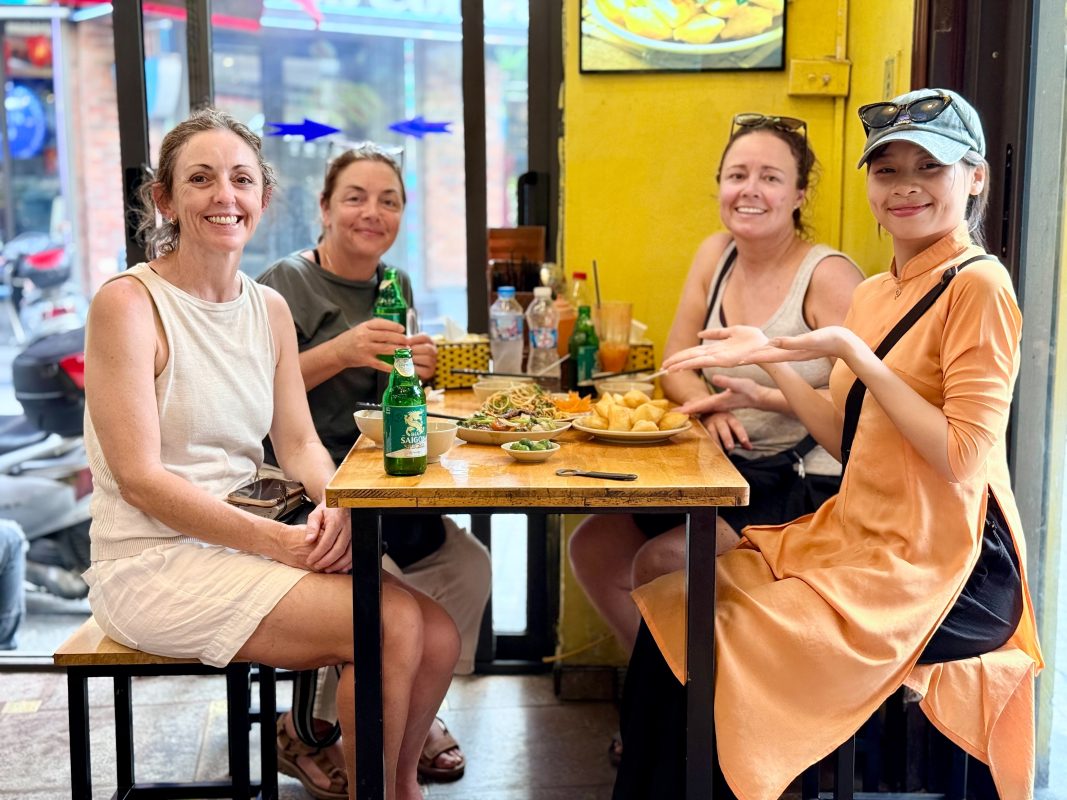
A Ho Chi Minh City street food adventure is about much more than checking dishes off a list. It is about sitting on a tiny plastic stool, watching food being cooked directly in front of you, hearing motorcycles pass by, sharing several dishes with friends and discovering how dramatically Vietnamese cuisine changes from one region to another.
Start with the classics: bánh mì, cơm tấm, hủ tiếu, phở, bánh xèo and ốc. Then go deeper with bò lá lốt, bánh canh cua, bánh tráng trộn, bánh tráng nướng, bánh bèo, chè and Vietnamese iced coffee. Explore different districts rather than staying around one tourist street, and give yourself enough time to eat both during the day and after dark. Vietnam Tourism’s current food guides similarly emphasize the city’s remarkable variety of street dishes and the importance of exploring its neighborhoods through food.
Vietnam Women Travel – Premium Private Food Tours Led by Women
Vietnam Women Travel – Premium Private Tours Led by Women can create a private Ho Chi Minh City culinary experience focused on the flavors you actually want to discover. Instead of following a fixed restaurant list, a private food itinerary can combine bánh mì, cơm tấm, hủ tiếu, bánh xèo, ốc, bò lá lốt, Vietnamese coffee and Southern desserts while traveling comfortably between different neighborhoods.
For travelers who want a deeper Southern Vietnam experience, Ho Chi Minh City can also be combined with Ben Tre, Can Tho and Phu Quoc, creating a private journey that connects Saigon’s street food culture with the flavors of the Mekong Delta and the seafood traditions of Southern Vietnam.