Mekong Delta Travel Guide: Everything You Need to Know
The Mekong Delta is one of the most fascinating regions in Southern Vietnam, where rivers, canals, coconut groves, fruit orchards, rice fields, floating markets and riverside villages shape everyday life. Located in the southernmost part of Vietnam, the Delta is very different from the country’s major cities. Instead of skyscrapers and busy urban streets, you find narrow waterways, wooden boats, tropical gardens, traditional markets and communities whose lives are closely connected to the river. Vietnam Tourism describes the Mekong Delta as a water-rich region of rivers, forests, farmland, markets and distinctive Southern Vietnamese cuisine.
What Is the Mekong Delta?
The Mekong Delta is the vast low-lying region where the Mekong River divides into numerous branches and waterways before reaching the sea. It covers a large part of Southern Vietnam and includes destinations such as Ben Tre, Can Tho, Cai Be, Chau Doc, Sa Dec, Vinh Long and Soc Trang. Each destination has its own character, so the Delta should not be thought of as one single tourist attraction. Can Tho is known for its floating markets and waterways, Ben Tre for coconut groves, Chau Doc for its multicultural heritage and Tra Su Forest, while Cai Be and Vinh Long are associated with orchards, canals and traditional river communities.
Why Visit the Mekong Delta?
The Mekong Delta is ideal for travelers who want to experience a slower and more natural side of Vietnam. A typical day can include traveling by boat through narrow canals, cycling through fruit orchards, tasting tropical fruit, visiting traditional workshops, eating Southern Vietnamese food and watching boats move along the river. The region is particularly rewarding for travelers interested in nature, photography, food and cultural experiences. Vietnam Tourism notes that the Delta can be explored through boat rides, cycling, markets, orchards and community-based experiences.
Best Places to Visit in the Mekong Delta
The Delta is large, so choosing the right destinations is important. For a first visit, Ben Tre and Can Tho are among the easiest places to experience the region. Travelers with more time can continue toward Cai Be, Vinh Long and Chau Doc, while those interested in Khmer culture can explore destinations farther west and south.
1. Ben Tre
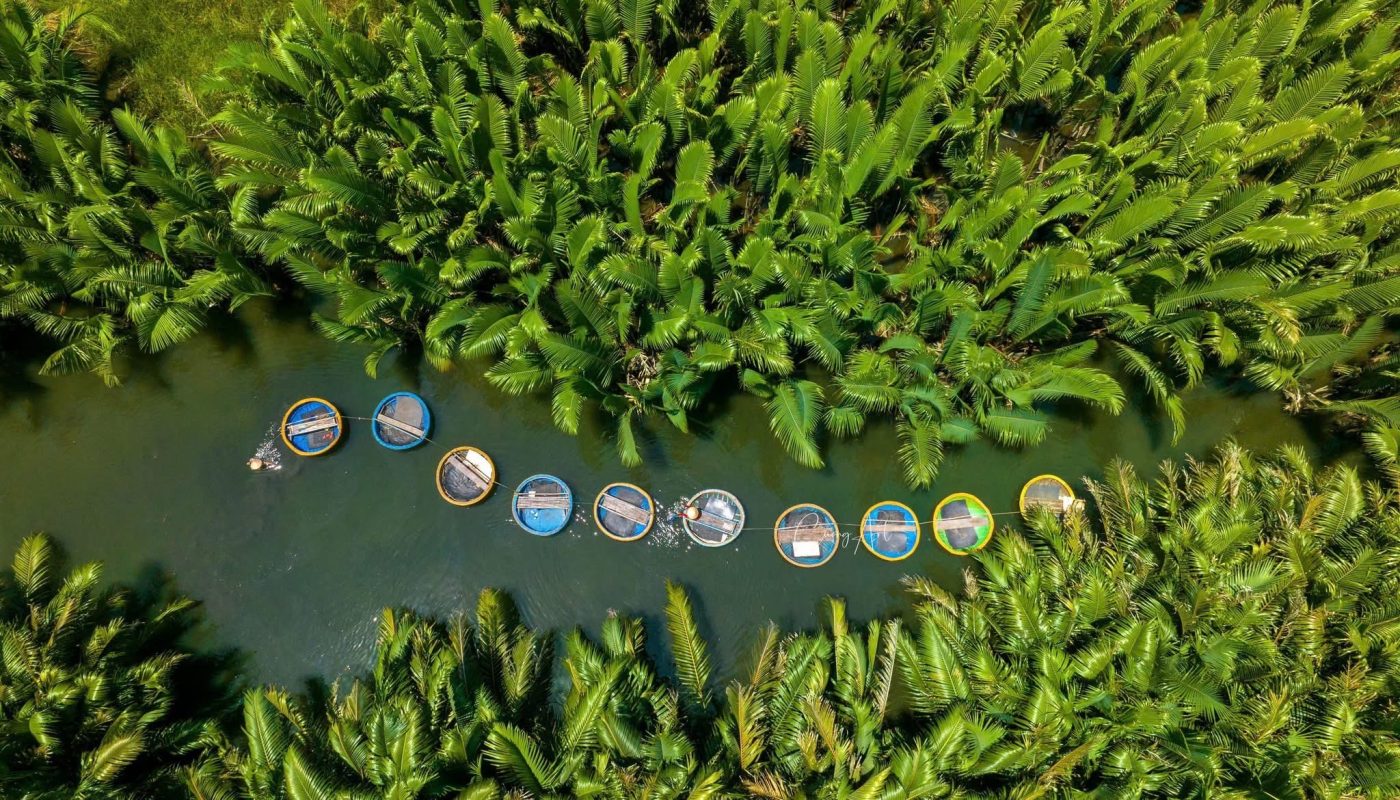
Ben Tre is one of the best places to experience the classic tropical landscape of the Mekong Delta. The province is particularly famous for coconuts, and visitors can travel through coconut groves, narrow waterways and small villages by boat or bicycle. Vietnam Tourism describes Ben Tre as approximately two hours from Ho Chi Minh City and highlights its coconut products, family-run industries and countryside scenery.
A typical Ben Tre experience combines a boat ride, a smaller sampan through narrow canals, a visit to a coconut workshop, tropical fruit tasting and cycling through the countryside. For travelers with only one day in the Mekong Delta, Ben Tre is one of the most practical choices.
2. Can Tho
Can Tho is the largest major city in the Mekong Delta and one of the best bases for exploring the region. Despite its urban size, the city provides easy access to rivers, canals, orchards and floating markets. Vietnam Tourism recommends Can Tho as an ideal base for a first visit because it combines comfortable accommodation and restaurants with easy access to Delta experiences.
The most famous attraction is Cai Rang Floating Market, but Can Tho also offers riverside walks, temples, food streets, fruit gardens and boat trips through smaller waterways.
3. Cai Rang Floating Market
Cai Rang Floating Market is one of the Mekong Delta’s most famous experiences. The market is most active in the early morning, when boats carrying fruit, vegetables, noodles, coffee and other products gather on the river. Vendors traditionally display their products on tall poles called cây bẹo, allowing buyers to see what each boat is selling.
Timing is extremely important. Current Vietnam Tourism guidance recommends being on the water around 5:00–5:30 AM, with the busiest and most atmospheric period occurring early in the morning. By around 8:00 AM, activity begins to diminish and the heat increases.
4. Cai Be
Cai Be is a historic riverside destination surrounded by orchards, canals and traditional communities. It is especially attractive for travelers who want a quieter alternative to the larger floating markets. Cycling around the countryside provides opportunities to see fruit gardens, traditional houses and village life.
Cai Be can also be incorporated into longer luxury journeys through the Delta, including private sampan experiences and overnight river cruises. Vietnam Tourism has highlighted Cai Be as a starting point for river-based itineraries toward Can Tho and Chau Doc.
5. Vinh Long
Vinh Long sits along the Co Chien and Tien River systems and provides easy access to islands, orchards and waterways. It is a good choice for travelers who want to experience river life without focusing entirely on floating markets.
A visit can include boat trips, fruit gardens, cycling, traditional food and time on the smaller islands scattered throughout the waterways.
6. Chau Doc
Chau Doc is one of the most culturally interesting destinations in the Mekong Delta. Located near the Cambodian border, the city reflects Vietnamese, Cham and other cultural influences. Vietnam Tourism highlights its riverside setting, floating fish farms, Cham communities, temples and distinctive cuisine.
Chau Doc is particularly worthwhile for travelers who have more than one or two days for the Delta. From here, you can visit Sam Mountain, Tra Su Cajuput Forest, floating villages and Cham communities.
7. Tra Su Cajuput Forest
Tra Su Cajuput Forest is one of the most beautiful nature experiences in the western Mekong Delta. The flooded forest is filled with cajuput trees and waterways covered with floating vegetation. Visitors can travel through the forest on a small motorized boat while looking for birds and other wildlife. Vietnam Tourism reports that more than 70 bird species inhabit the area.
The forest is particularly attractive for photographers because the combination of green vegetation, narrow waterways and boats creates a distinctive landscape.
8. Sam Mountain
Near Chau Doc, Sam Mountain is an important religious and cultural site. Its slopes contain temples and pagodas, including Ba Chua Xu Temple, Tay An Pagoda and Chua Hang, also known as Cave Pagoda. From higher points, visitors can enjoy views over the surrounding plains.
Sam Mountain is an excellent addition to a Chau Doc itinerary because it provides a completely different experience from the river and orchard landscapes.
9. Cham Villages in Chau Doc
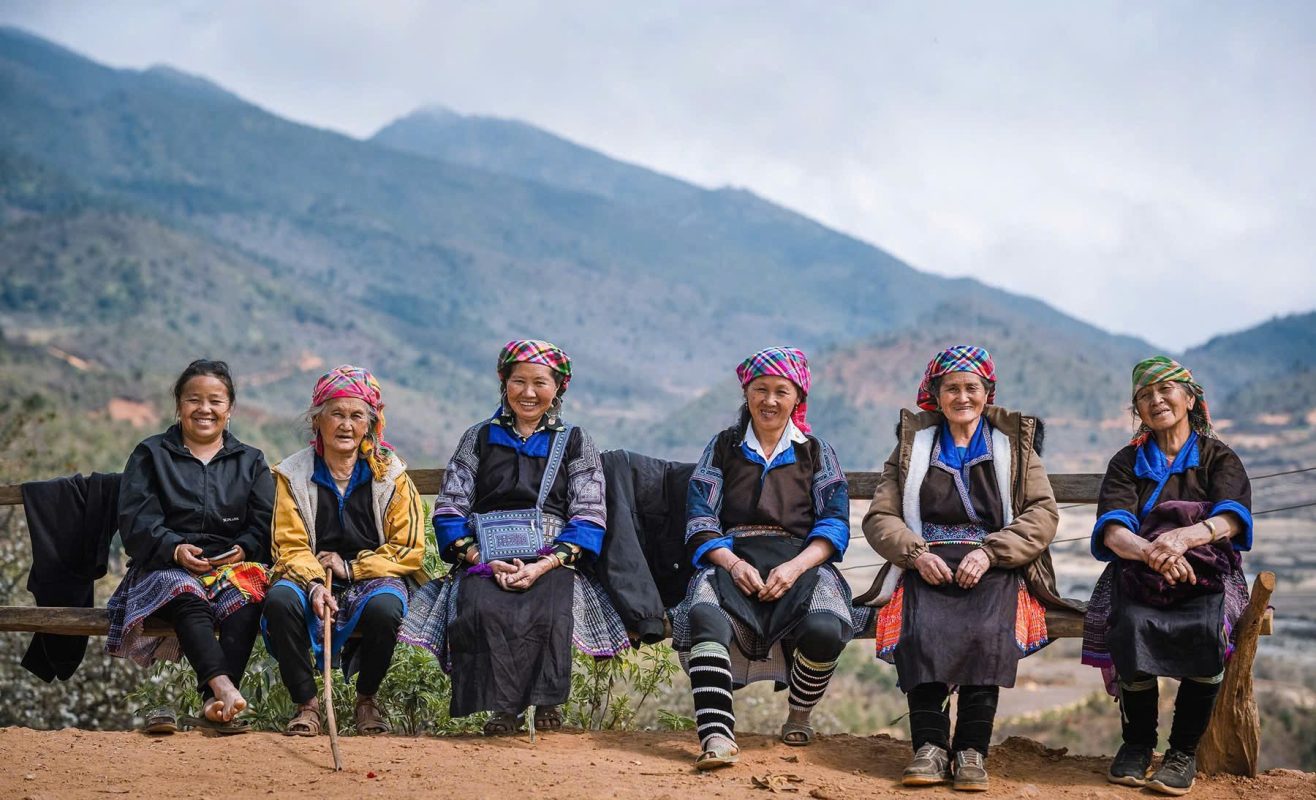
The Chau Doc area is home to significant Cham communities, particularly around Chau Phong and Chau Giang. Visitors can see traditional stilt houses, mosques and weaving traditions while learning about the distinctive cultural heritage of the Cham people. Vietnam Tourism identifies these communities as one of Chau Doc’s major cultural attractions.
This is particularly valuable for travelers who want their Mekong Delta itinerary to go beyond boats and fruit orchards.
Best Things to Do in the Mekong Delta
The best Mekong Delta experiences are connected to the region’s landscape and culture rather than traditional sightseeing. Take a sunrise boat trip, visit a floating market, travel through narrow canals, cycle through orchards, taste tropical fruit, visit coconut workshops, eat Southern Vietnamese food, explore temples, visit traditional villages and spend a night beside the river. These experiences reveal how closely daily life remains connected to the waterways.
Take a Boat Through the Mekong Canals
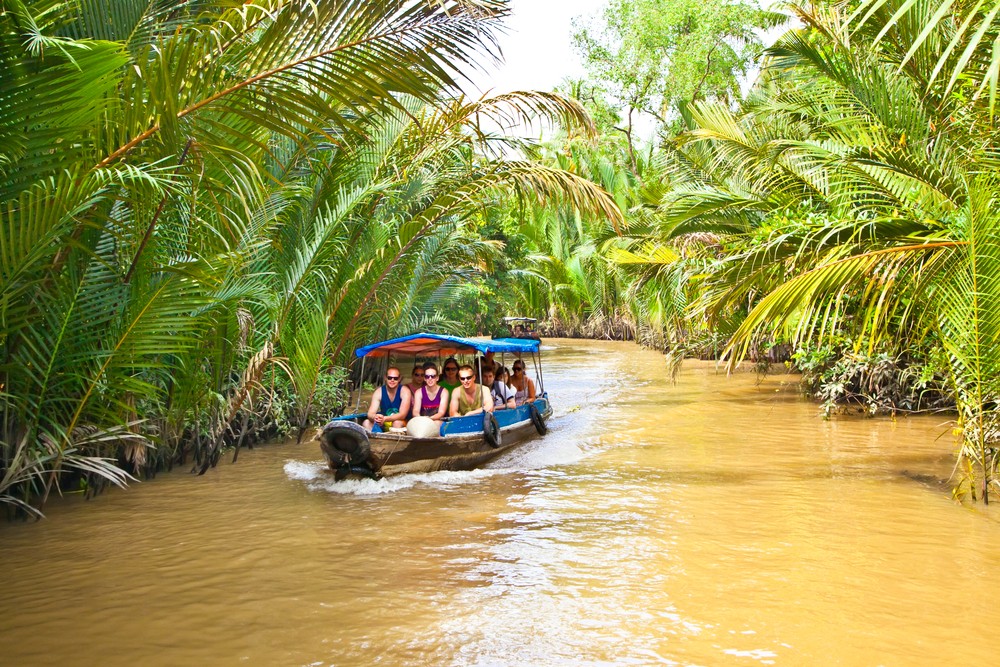
A boat trip is essential for understanding the Delta. Larger boats can take you along major rivers, while smaller sampans can navigate narrow canals shaded by coconut palms and tropical vegetation.
The best experiences are not necessarily the longest cruises. A short journey through a narrow canal can provide more interesting views of houses, gardens, bridges and everyday river life than a long ride on a major waterway.
Go Cycling Through the Countryside
Cycling is one of the best ways to explore the Delta at a relaxed pace. Roads around orchards and villages are generally much quieter than those in major Vietnamese cities, allowing travelers to observe gardens, farms, houses and waterways more closely.
Ben Tre and Can Tho are particularly suitable for cycling experiences. Vietnam Tourism specifically recommends cycling through Ben Tre’s coconut groves and exploring the islets around Can Tho by bicycle.
Visit Tropical Fruit Orchards
The fertile soil of the Mekong Delta supports an enormous variety of fruit. Depending on the season, travelers may encounter mangoes, pomelo, rambutan, mangosteen, durian, longan, coconut, jackfruit and dragon fruit.
Visiting an orchard is much more enjoyable when the experience includes tasting fruit directly from the garden and learning about how it is grown. Fruit seasons vary, so travelers should not expect every variety to be available throughout the year.
Visit a Coconut Candy Workshop
Ben Tre is famous for coconut products, and small workshops demonstrate how coconuts are processed into candy and other products. These visits are often included in traditional Delta excursions and can be combined with boat rides and cycling.
For travelers interested in Vietnamese food, the experience is more meaningful when you can see the entire process rather than simply purchasing packaged candy.
Experience a Floating Market
Floating markets are among the most recognizable symbols of the Mekong Delta, but timing matters. Cai Rang is the most famous market for international visitors, and early morning is essential for seeing it at its most active.
Do not expect a floating market to look exactly like a conventional shopping market. Much of the trade is wholesale, with larger boats carrying agricultural products and smaller boats moving between them.
Eat Breakfast on the River
One of the most memorable Mekong Delta experiences is eating breakfast while traveling by boat. At Cai Rang, visitors can find vendors serving noodle dishes and coffee directly from boats. Vietnam Tourism describes early-morning floating-market breakfasts as a distinctive culinary experience.
Try hủ tiếu, Vietnamese coffee and fresh tropical fruit while watching the market wake up around you.
Mekong Delta Food Guide
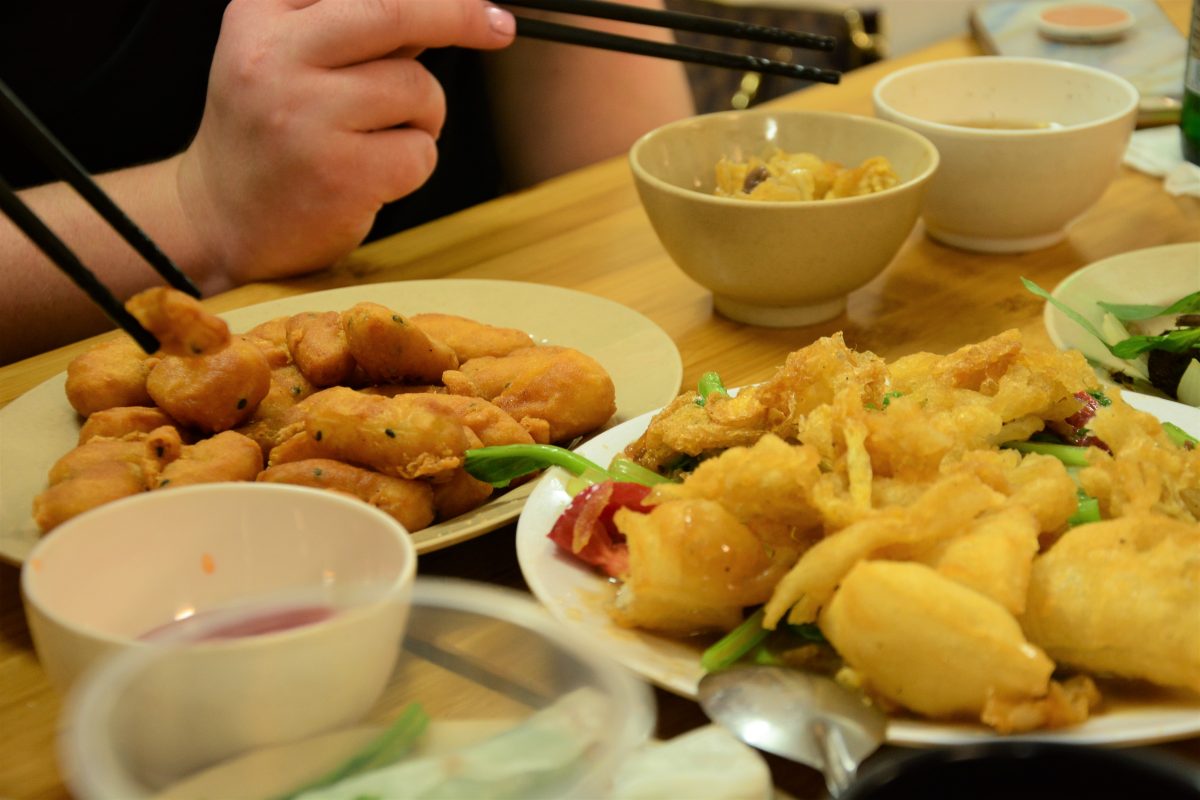
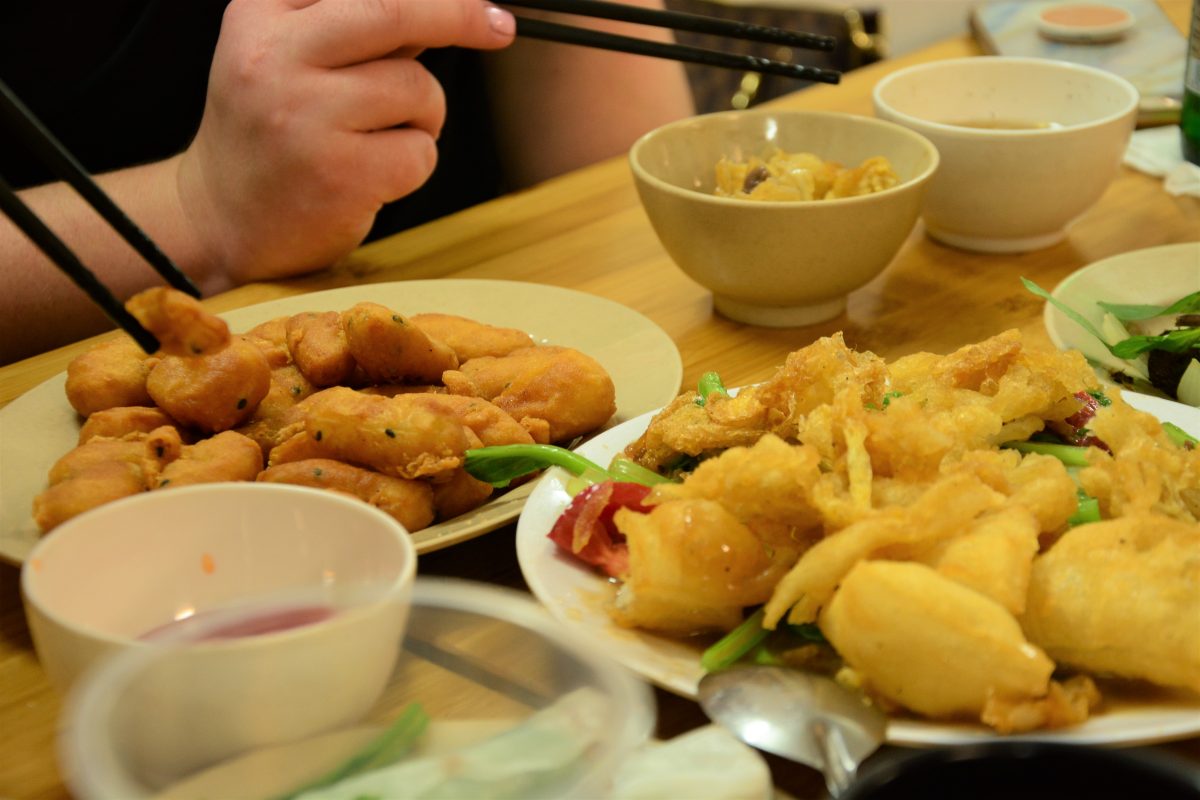
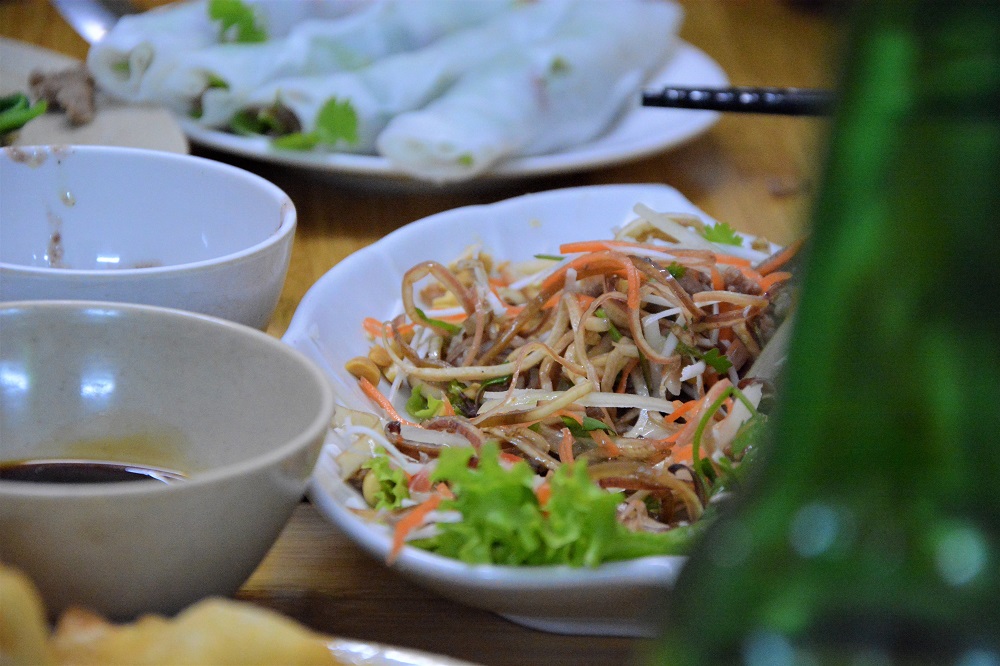
Southern Vietnamese cuisine is closely connected to the Delta’s rivers, gardens and agricultural land. Important dishes include cá kho tộ, canh chua, hủ tiếu, bún cá, elephant-ear fish, grilled river fish, fresh fruit and coconut-based sweets.
In Chau Doc, try bún cá, lẩu mắm and bánh bò thốt nốt. Vietnam Tourism highlights these dishes as distinctive parts of the area’s cuisine.
Can Tho is also an excellent place to explore Southern Vietnamese cooking. The city’s De Tham Street is known for food, while restaurants around the center serve dishes using freshwater fish, herbs, vegetables and tropical fruit.
Best Time to Visit the Mekong Delta
The Mekong Delta can be visited throughout the year, but conditions change between the dry and wet seasons. December to April is generally drier, making it comfortable for cycling, sightseeing and boat trips. May to November is the wetter period, although this can also produce lush landscapes and higher water levels.
Can Tho experiences a tropical climate with an average temperature around 28°C. Vietnam Tourism notes that June to August is particularly attractive for fruit gardens, while September to November is associated with the flooding season.
In Chau Doc, the high-water period from August to November can be particularly interesting for visiting Tra Su Forest and floating villages.
Is the Rainy Season Worth Visiting?
Yes. Rain should not automatically discourage you from visiting the Mekong Delta. The wet season can create greener landscapes and fuller waterways, and the changing water levels are part of the Delta’s natural rhythm.
However, flexible planning is important. Boat and cycling activities may need to be adjusted during heavy rain, so private tours are useful because schedules can be modified more easily.
How Many Days Do You Need in the Mekong Delta?
One day is enough for a quick introduction, especially if you travel from Ho Chi Minh City to Ben Tre.
Two days allow a more relaxed experience with an overnight stay and additional countryside activities.
Three days are ideal for combining Ben Tre or Cai Be with Can Tho and Cai Rang Floating Market.
Four days or more allow you to travel farther west toward Chau Doc, Tra Su Forest and the Cham communities.
Vietnam Tourism has published a four-day Delta itinerary combining Ben Tre, Can Tho, the floating markets and other regional experiences, demonstrating how much can be covered when travelers spend several nights in the region.
Mekong Delta in 1 Day
For travelers with only one day, Ben Tre is one of the most convenient options. The drive from Ho Chi Minh City takes roughly two hours under normal conditions. Once there, take a boat through the waterways, visit a coconut workshop, explore a narrow canal by sampan, taste tropical fruit and cycle through the countryside before returning to Ho Chi Minh City.
This is a good introduction, but it will feel relatively fast compared with staying overnight.
Mekong Delta in 2 Days
A two-day itinerary can begin in Ben Tre, with a boat ride, coconut groves, cycling and a riverside overnight stay. On the second morning, continue toward Can Tho, explore the city and prepare for an early departure to Cai Rang Floating Market the following morning.
This itinerary provides more time for the countryside and avoids trying to complete everything in a single rushed day.
Mekong Delta in 3 Days
Day 1: Travel from Ho Chi Minh City to Ben Tre, explore the coconut groves, take a boat through the canals, visit a traditional workshop and cycle through the countryside. Stay overnight in a riverside hotel or boutique property.
Day 2: Continue toward Can Tho, stopping at orchards and villages along the way. Explore Can Tho in the afternoon, visit riverside areas and enjoy Southern Vietnamese cuisine for dinner.
Day 3: Wake before sunrise for a boat trip to Cai Rang Floating Market, enjoy breakfast on the river and continue exploring smaller waterways before returning to Can Tho or traveling onward. The early start is essential for experiencing Cai Rang when trading activity is at its strongest.
Mekong Delta in 4 Days
A four-day itinerary provides a much deeper experience. Start in Ben Tre, continue through Cai Be or Vinh Long, spend a night in Can Tho, wake early for Cai Rang Floating Market, and then travel toward Chau Doc for Sam Mountain, Tra Su Forest and Cham cultural experiences.
This route combines the Delta’s major landscapes: coconut groves, orchards, rivers, floating markets, wetlands, temples and multicultural communities. Vietnam Tourism’s longer itineraries similarly combine Ben Tre, Can Tho and Chau Doc to create a broader picture of the region.
How to Get to the Mekong Delta from Ho Chi Minh City
The Mekong Delta is easily accessible from Ho Chi Minh City by private car, bus and organized tour. Ben Tre is approximately two hours from Ho Chi Minh City under typical road conditions, making it practical for a day trip.
Can Tho is farther away but offers better access to the western Delta and Cai Rang Floating Market. For premium travel, a private car is often the most comfortable option because the itinerary can include multiple stops without following a fixed bus schedule.
How to Travel Around the Mekong Delta
The best combination is private car + boat + sampan + bicycle. Cars are useful for moving between provinces, boats provide access to major rivers and floating markets, sampans allow you to enter narrow canals, and bicycles are ideal for exploring villages and orchards.
There is no need to choose only one form of transportation. The variety is what makes a Mekong Delta itinerary interesting.
Should You Take a Mekong Delta Cruise?
An overnight cruise can be an excellent option for travelers who want a slower and more luxurious experience. Instead of returning to a city hotel each evening, you can sleep on or beside the river and wake up surrounded by waterways.
Luxury river journeys can connect Cai Be, Can Tho and Chau Doc, with private sampans, riverside excursions and cultural visits included. Vietnam Tourism has highlighted luxury cruise itineraries traveling through these destinations.
Where to Stay in the Mekong Delta
For first-time visitors, Can Tho offers the widest range of hotels, restaurants and services. It is particularly convenient for travelers who want to visit Cai Rang Floating Market.
Ben Tre is better for travelers looking for coconut groves, gardens and a peaceful countryside atmosphere. Chau Doc is ideal for longer journeys that include Tra Su Forest, Sam Mountain and Cham culture.
For a premium trip, consider a boutique riverside resort or a carefully selected luxury hotel rather than staying only in a standard city-center property.
Mekong Delta for Couples
The Delta is an excellent destination for couples because its atmosphere is slower and more peaceful than Ho Chi Minh City. Couples can enjoy private boat rides, cycling through orchards, riverside dinners, sunset cruises and boutique accommodation surrounded by tropical gardens.
A private sampan through a narrow canal followed by a riverside lunch is particularly memorable for couples who want a quieter experience.
Mekong Delta for Families
Families can enjoy boat rides, fruit gardens, cycling and hands-on food experiences. Children often enjoy watching coconuts being processed, traveling through narrow canals and seeing boats carrying fruit and vegetables.
For families with young children, avoid overly ambitious itineraries. One or two major activities each day usually provide a better experience than moving between many provinces.
Mekong Delta for Food Lovers
Food is one of the strongest reasons to spend more than one day in the Delta. Try hủ tiếu, canh chua, cá kho tộ, bún cá, grilled river fish, fresh tropical fruit, coconut candy and Southern Vietnamese desserts.
Chau Doc is particularly interesting for travelers who enjoy strong flavors, with its fermented fish dishes and distinctive regional specialties.
Mekong Delta for Photographers
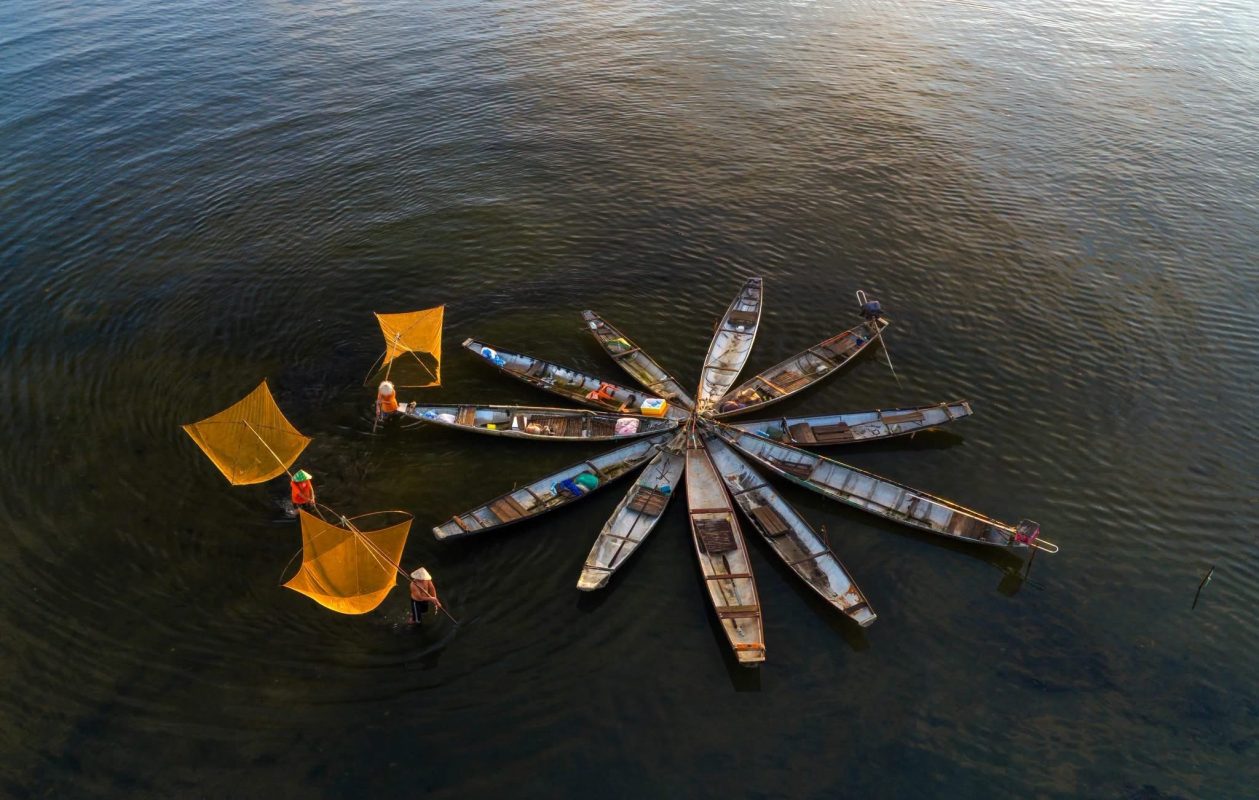
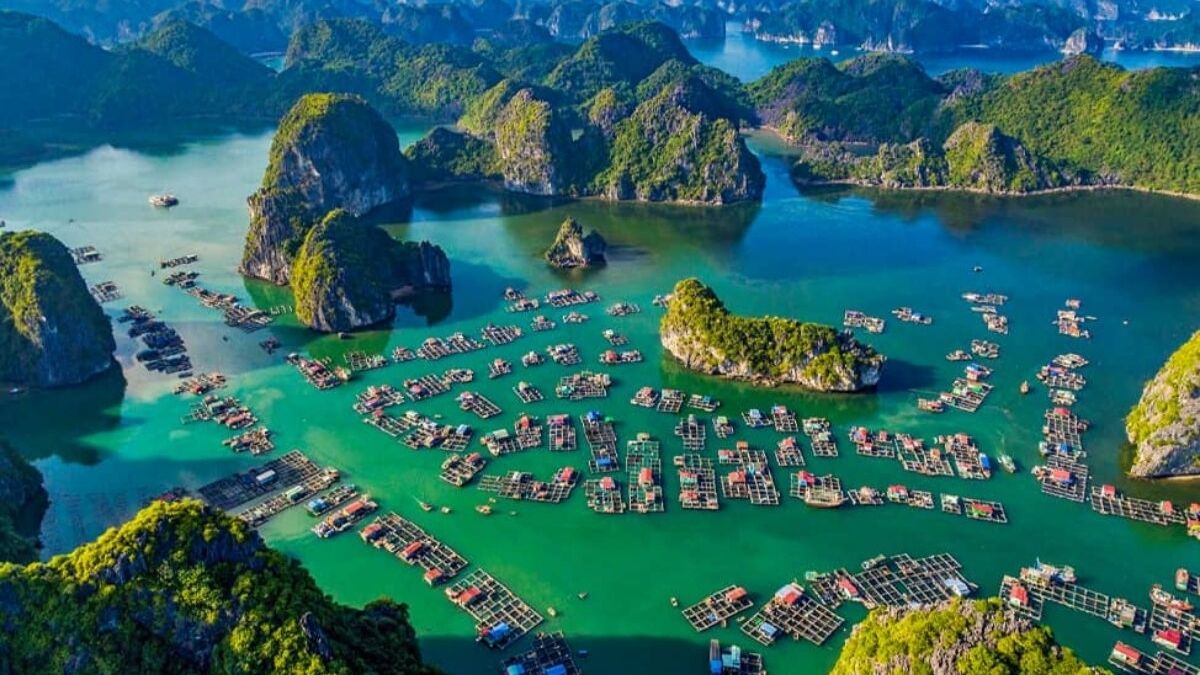
The Delta provides excellent photographic opportunities throughout the day. Sunrise at Cai Rang, colorful boats, coconut-lined canals, fruit gardens, riverside markets, floating houses, fishing farms and traditional temples all provide different subjects.
Early morning is particularly valuable because the light is softer and river activity is at its peak. At Cai Rang, arriving around 5:00–5:30 AM provides a much better photographic experience than arriving later in the morning.
Is the Mekong Delta Authentic?
The Mekong Delta is a real, working agricultural and river region, but some tourist experiences are designed specifically for visitors. The best way to experience the region more meaningfully is to combine major attractions with quieter villages, cycling routes, family-run workshops, markets and smaller waterways.
A private guide can also make a major difference by explaining what you are seeing rather than simply taking you from one attraction to another.
Common Mekong Delta Travel Mistakes
One of the biggest mistakes is trying to see too much in one day. Another is arriving at Cai Rang Floating Market too late. Travelers should also avoid spending the entire trip inside tourist compounds without exploring the surrounding countryside.
Another common mistake is assuming that every part of the Delta looks the same. Ben Tre, Can Tho and Chau Doc offer noticeably different landscapes and cultural experiences, so choosing destinations according to your interests is important.
What to Pack for the Mekong Delta
Bring lightweight clothing, comfortable walking shoes, sunscreen, insect repellent, sunglasses, a hat, a light rain jacket and a small waterproof bag for boat trips. A phone or camera with enough battery is important because the scenery provides countless photo opportunities.
For temple visits, bring clothing that covers shoulders and knees or be prepared to dress respectfully when entering religious sites.
Mekong Delta Travel Tips
Start outdoor activities early whenever possible. The temperature rises quickly during the day, and early morning is also when markets and river activity are most interesting. Keep some Vietnamese cash with you for small purchases, snacks and drinks. Be flexible with weather because rain can change boat and cycling schedules. Most importantly, slow down. The Mekong Delta is best experienced without trying to rush from one attraction to another.
Best Mekong Delta Route for First-Time Visitors
For a first trip, a strong route is Ho Chi Minh City → Ben Tre → Can Tho → Cai Rang Floating Market → Chau Doc. This route combines the Delta’s most recognizable experiences with a progression from coconut country to the major river city and then the culturally diverse western Delta.
If you have only two days, shorten the route to Ho Chi Minh City → Ben Tre → Can Tho. If you have four days or more, continue toward Chau Doc and Tra Su Forest.
Mekong Delta vs. Ho Chi Minh City
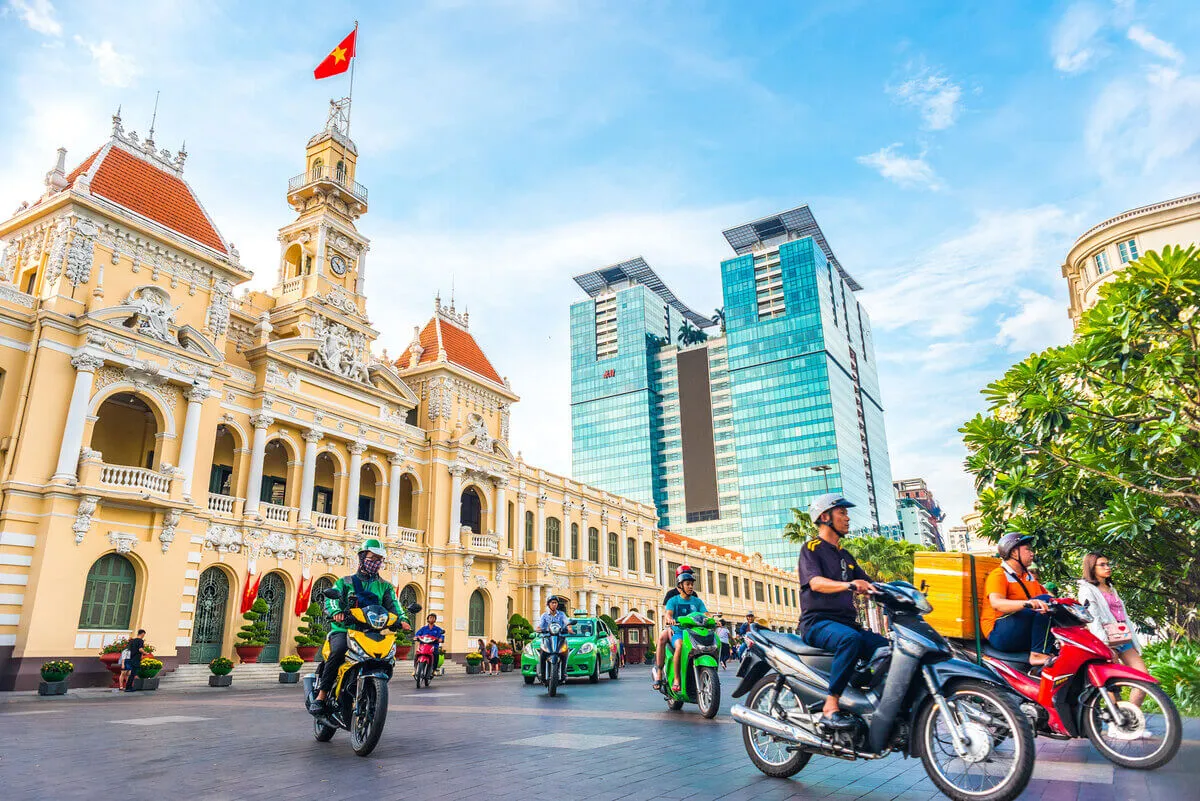
Ho Chi Minh City and the Mekong Delta complement each other perfectly. Ho Chi Minh City offers history, architecture, shopping, nightlife and street food, while the Delta provides rivers, orchards, villages and a slower pace.
A Southern Vietnam itinerary should ideally include both. Spend 2–3 days in Ho Chi Minh City, followed by 2–4 days in the Mekong Delta, before continuing south toward Phu Quoc if you want a beach holiday.
Is the Mekong Delta Worth Visiting?
Absolutely. The Mekong Delta offers a side of Vietnam that cannot be experienced in Hanoi, Ho Chi Minh City, Da Nang or Hoi An. Its identity comes from the relationship between people and water: boats replace some roads, orchards replace dense urban neighborhoods, and floating markets become places of commerce.
For travelers who enjoy nature, food, photography and cultural experiences, the Delta can become one of the most memorable parts of a Vietnam journey.
Final Thoughts
The Mekong Delta is not simply a day trip from Ho Chi Minh City. It is a huge and diverse region that deserves time if your schedule allows. Ben Tre is excellent for coconut groves and countryside experiences, Can Tho is the best base for floating markets, Cai Rang offers the classic early-morning river experience, and Chau Doc adds temples, wetlands, Cham culture and a distinctive border-region atmosphere.
For a quick introduction, choose a one-day Ben Tre experience. For a more complete trip, spend three or four days combining Ben Tre, Can Tho and Chau Doc. Most importantly, leave enough time to travel slowly by boat, bicycle and sampan. The waterways, gardens and riverside communities are the real attraction.
Vietnam Women Travel – Premium Private Tours Led by Women
Vietnam Women Travel – Premium Private Tours Led by Women can create a private Mekong Delta journey that combines premium accommodation, private transportation, female tour leaders and carefully selected cultural experiences. A customized itinerary can begin in Hanoi, continue by flight to Southern Vietnam, explore Ho Chi Minh City, travel by private car into the Mekong Delta, and then continue to Phu Quoc for a luxury beach stay.
A premium Mekong Delta journey can include Ben Tre coconut groves, private sampan rides, tropical fruit gardens, Cai Rang Floating Market at sunrise, riverside dining, boutique accommodation, Chau Doc, Tra Su Forest and Cham cultural experiences. Rather than rushing through a standard day tour, a private itinerary allows more time for the experiences that matter most to you.