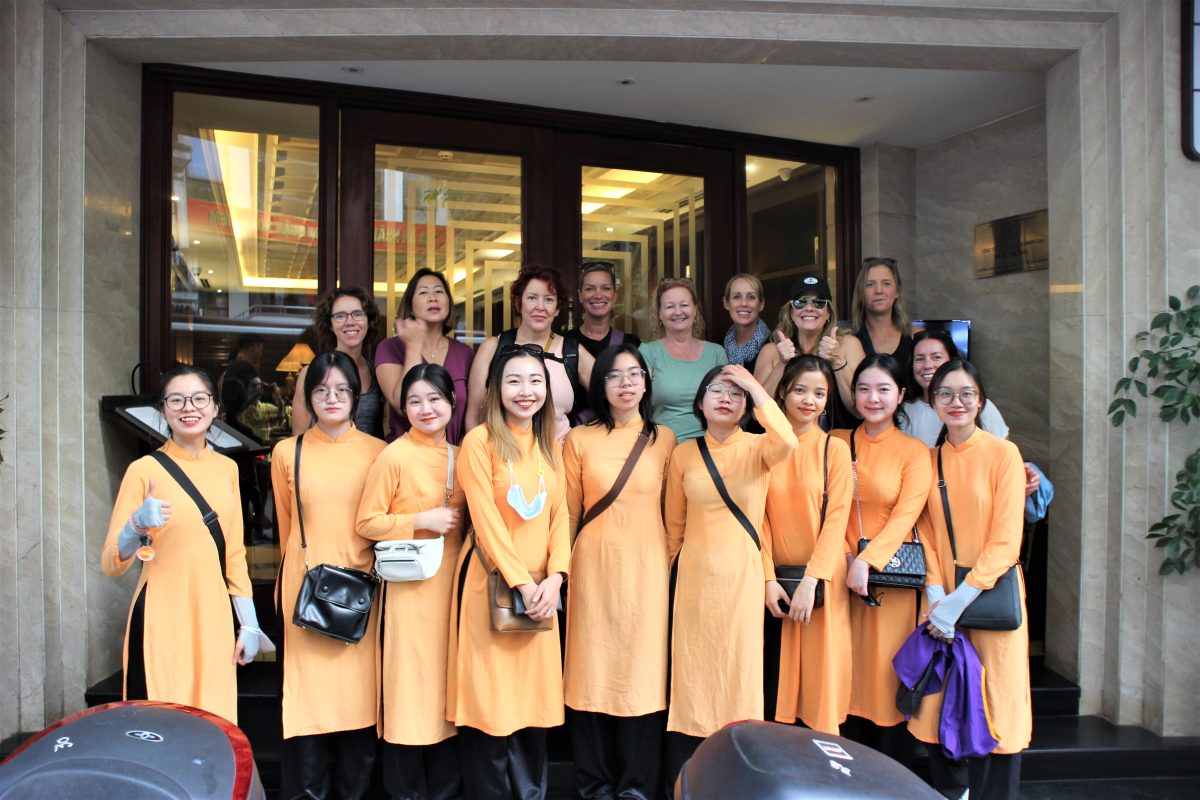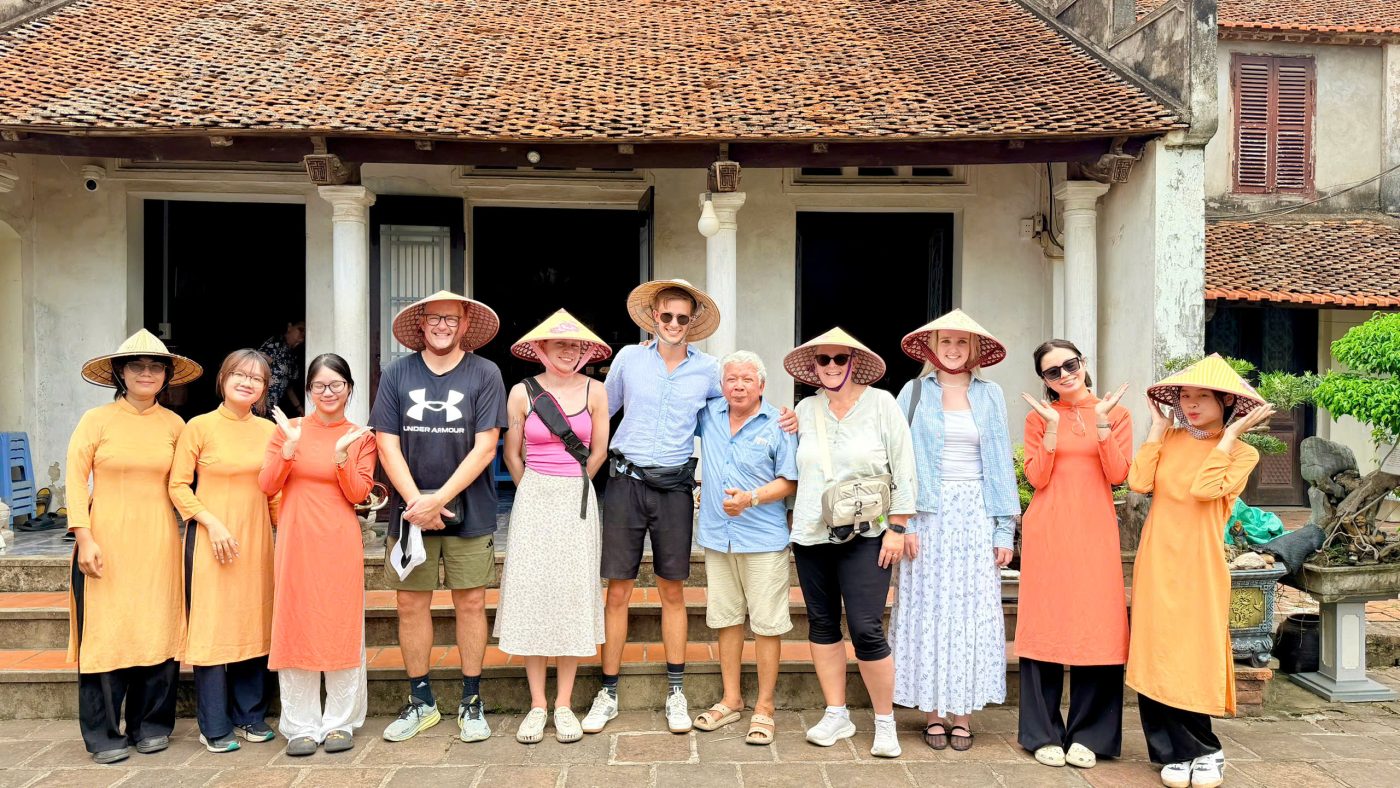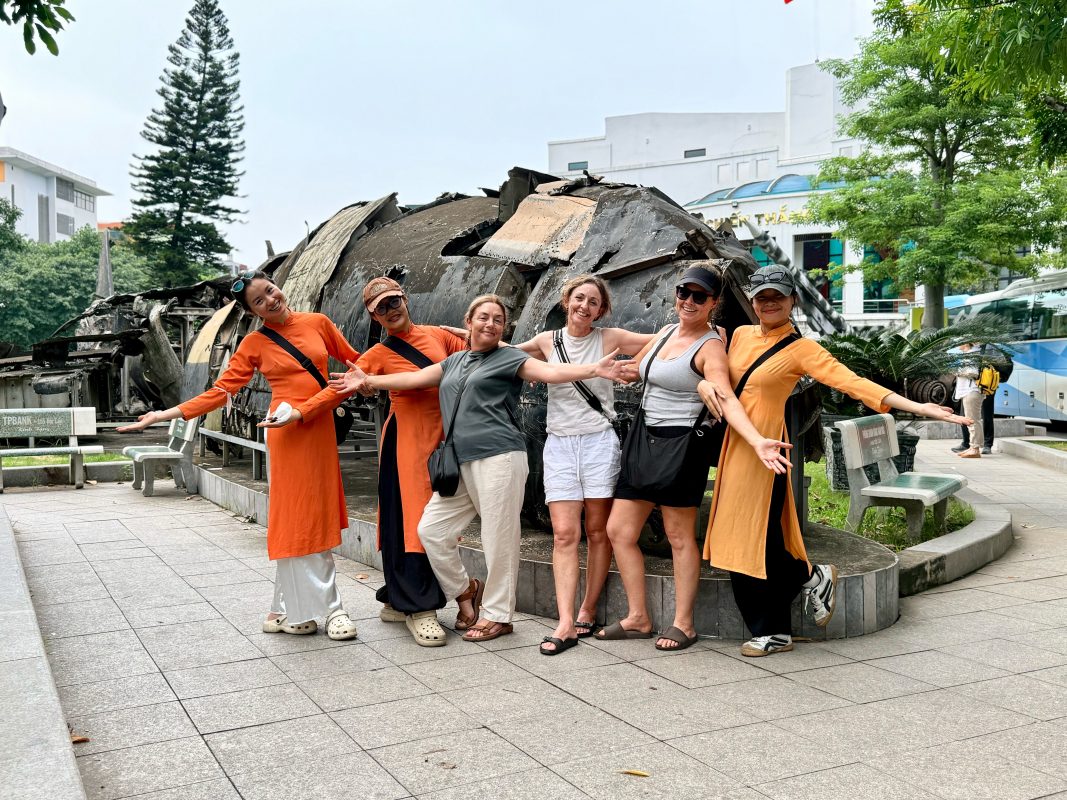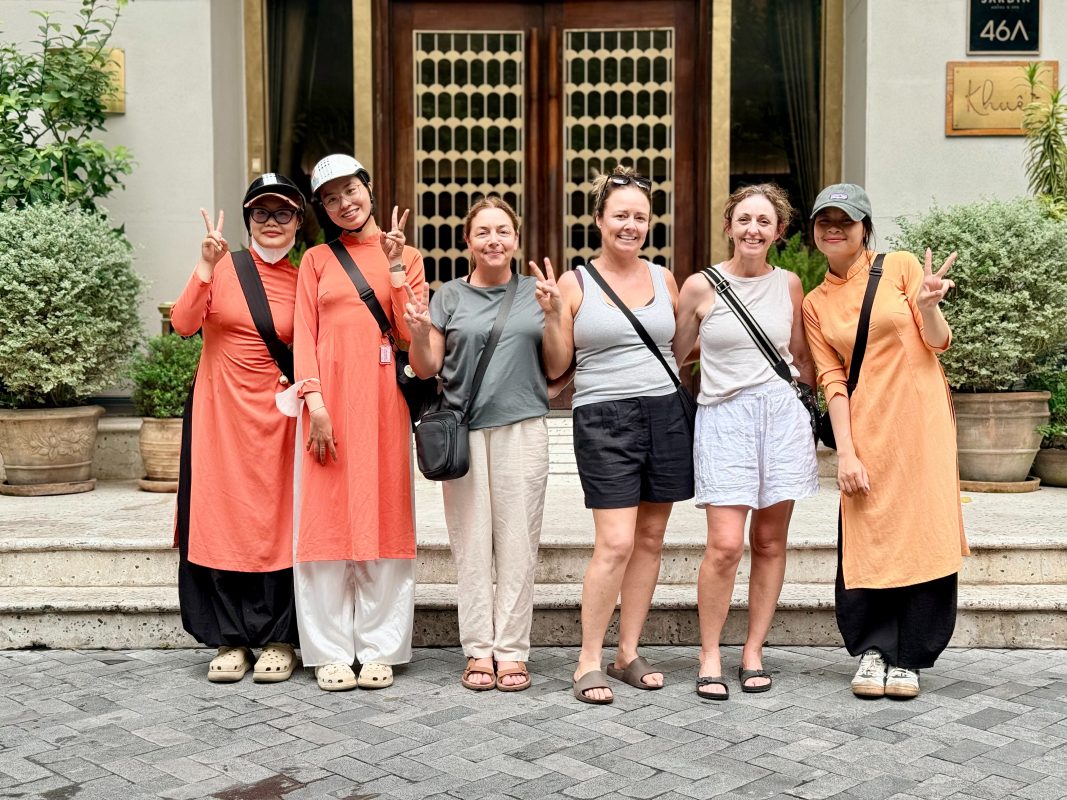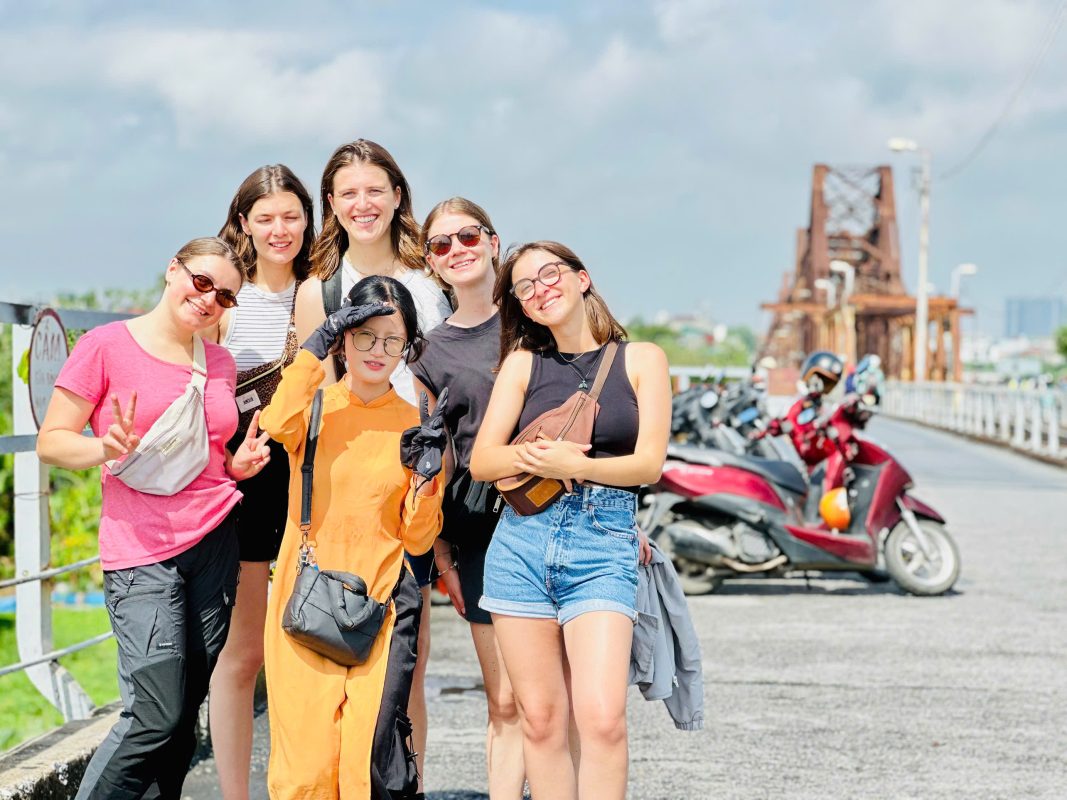
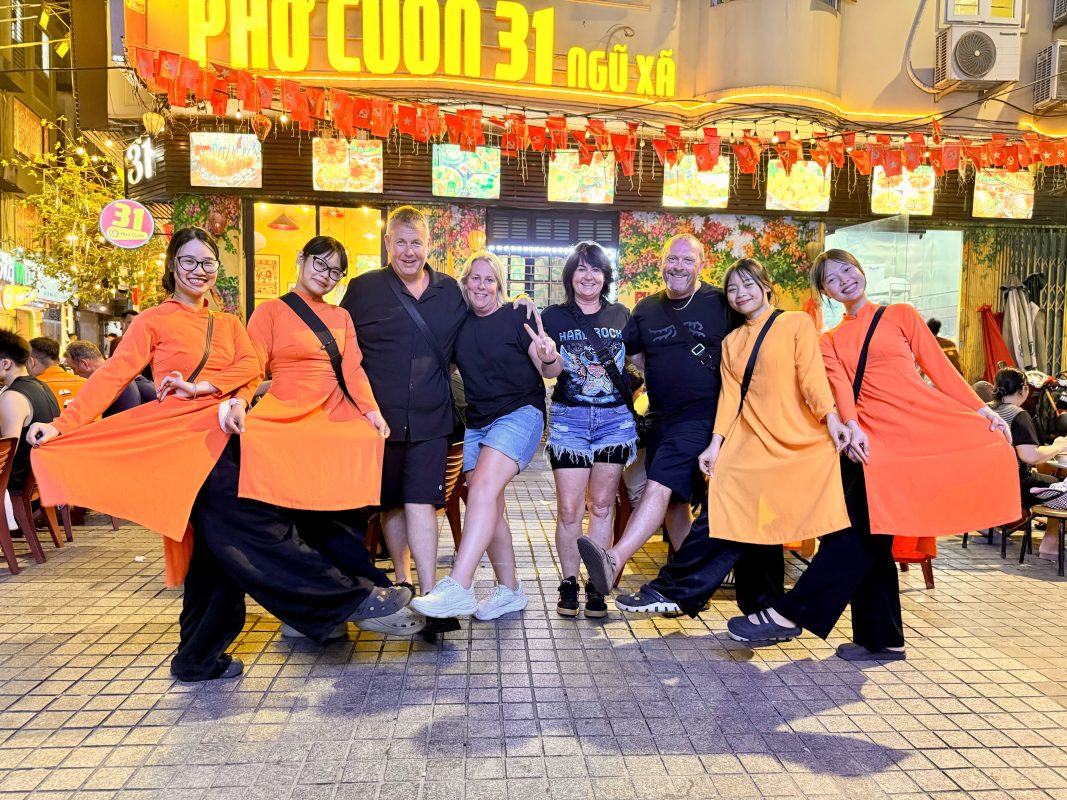
What to Wear in Vietnam: Complete Guide for Tourists
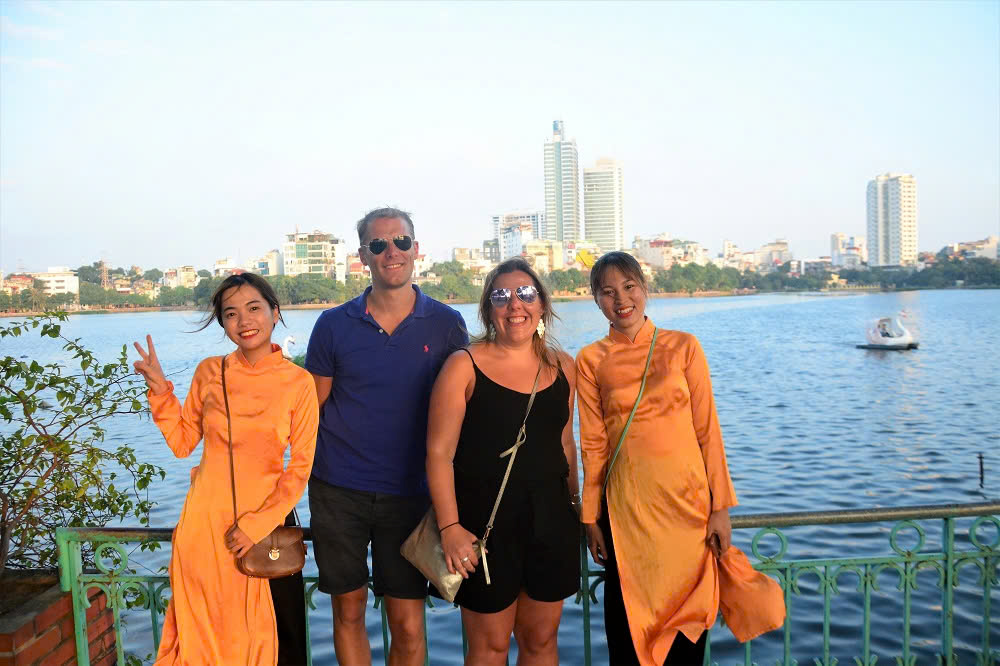
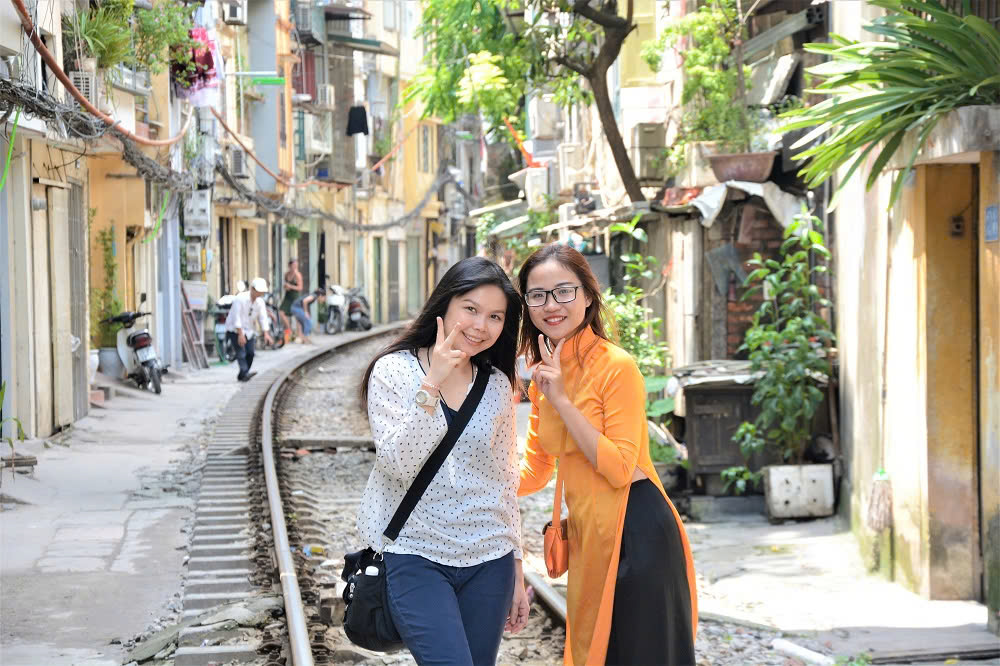
What should tourists wear in Vietnam? For most of your trip, the answer is simple: lightweight, breathable and comfortable clothing. Vietnam is generally relaxed about everyday clothing in cities and tourist areas, but visitors should dress more conservatively when entering temples, pagodas, religious sites and some rural communities.
The biggest factor is Vietnam’s geography. The country has three distinct climate regions, so what you wear in Hanoi in January can be completely different from what you need in Ho Chi Minh City or Phu Quoc. Northern Vietnam can be cool or cold in winter, Central Vietnam has a distinct rainy season, while Southern Vietnam stays warm throughout the year.
The good news is that you don’t need a complicated wardrobe. With T-shirts, lightweight trousers, shorts, comfortable shoes, sandals, one light jacket and a rain layer, most travelers can handle almost any Vietnam itinerary.
What Should Tourists Wear in Vietnam?
For everyday sightseeing, a good combination is:
- T-shirts or breathable shirts
- Lightweight trousers
- Knee-length shorts
- Cotton or linen clothing
- Comfortable sneakers
- Sandals
- Sunglasses
- Hat
- Light jacket
- Rain jacket or compact umbrella
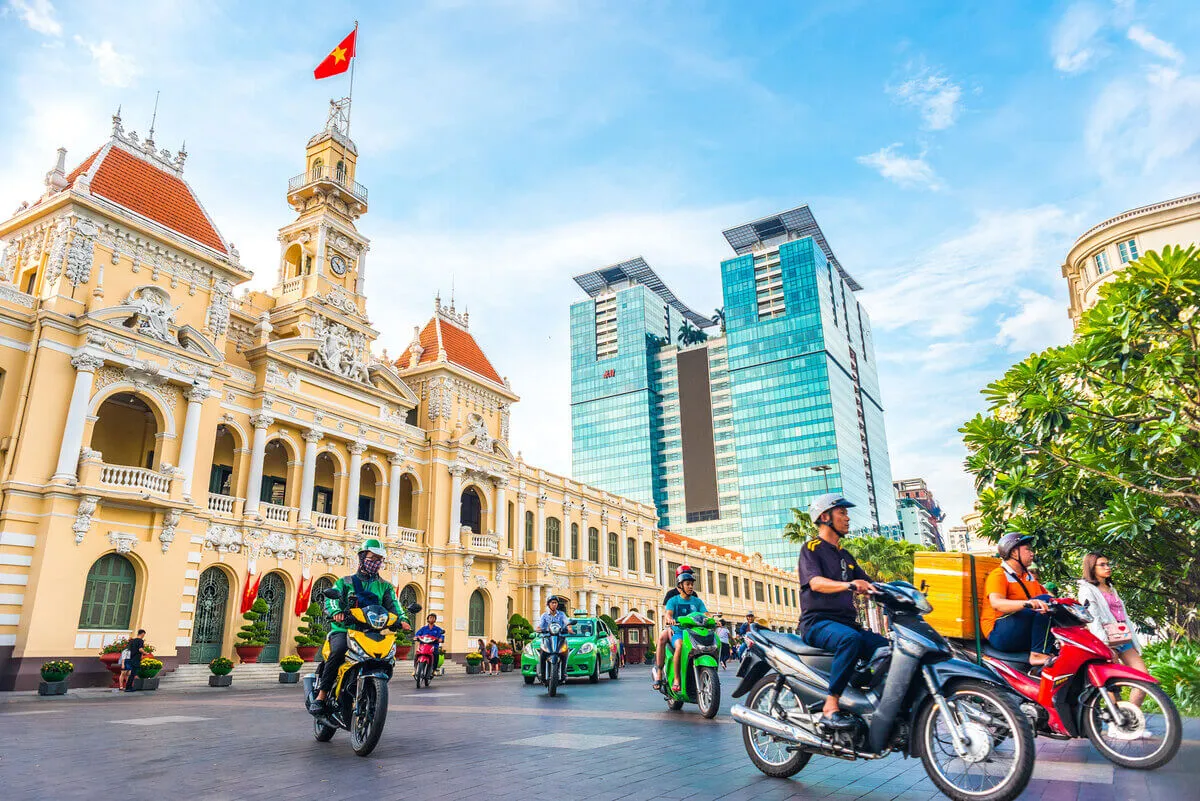
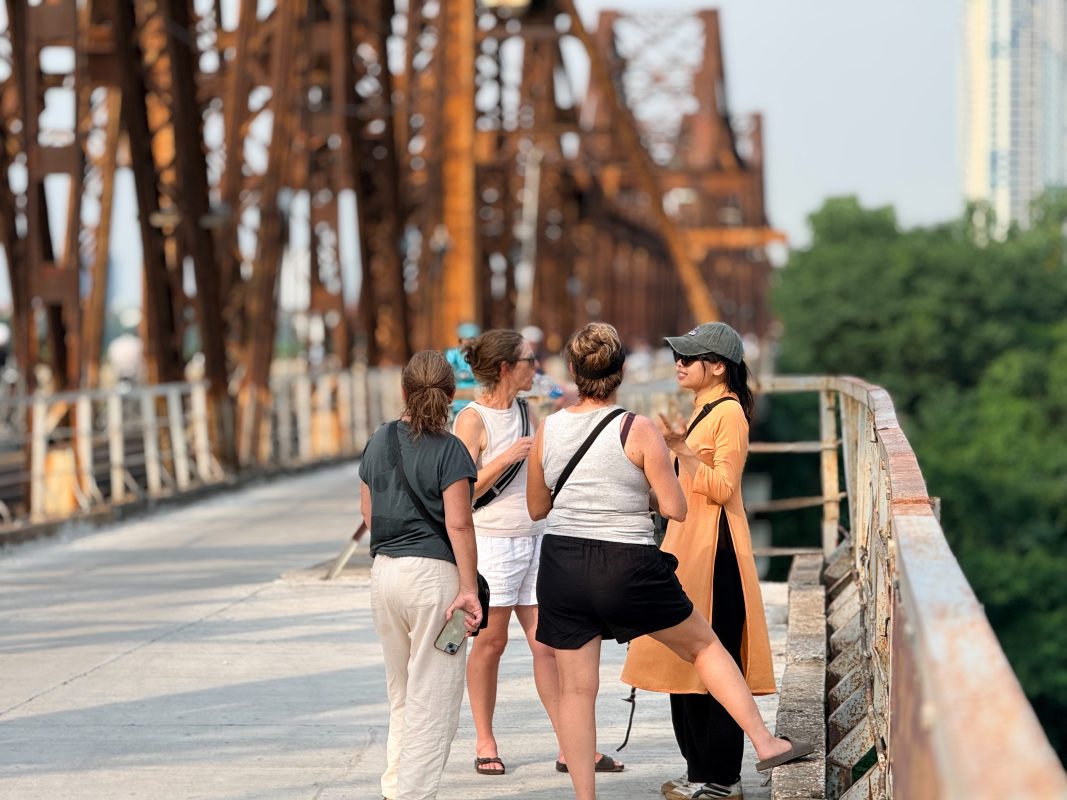
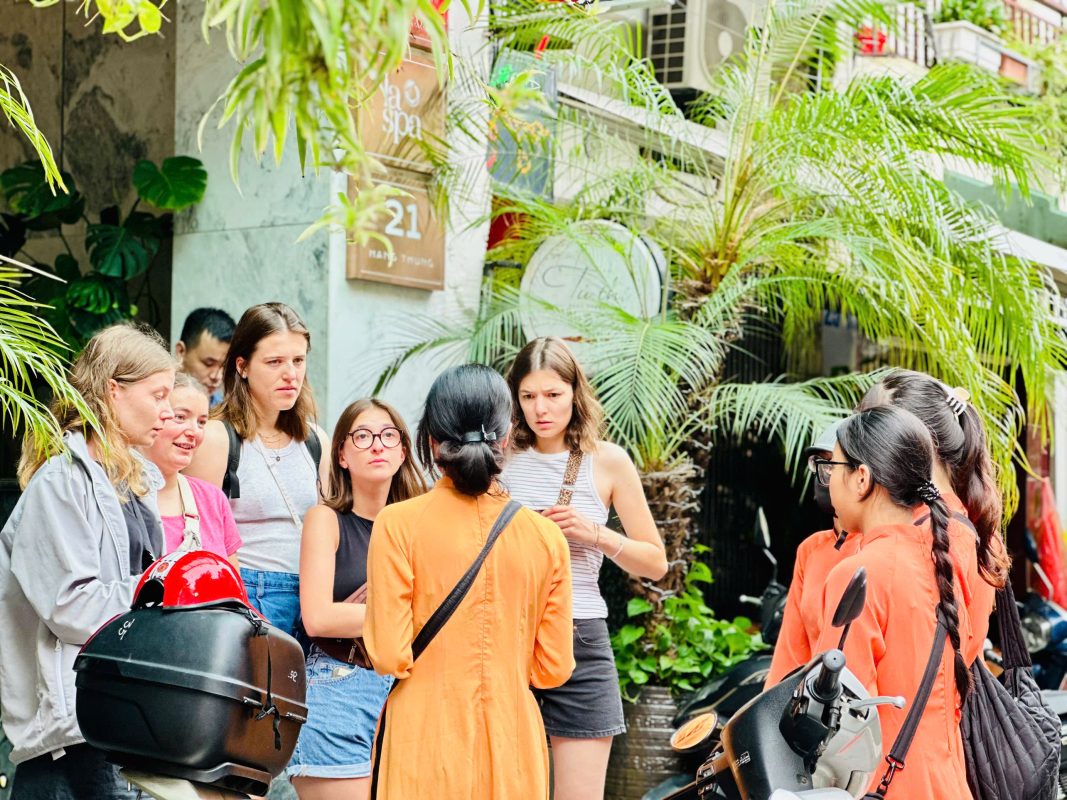
Vietnamese cities are modern and fashionable, particularly Hanoi, Da Nang and Ho Chi Minh City. Tourists do not need to dress traditionally.
However, Vietnam remains relatively conservative outside major urban centers, so very revealing clothing is better reserved for beaches and resorts.
Is There a Dress Code in Vietnam?
There is no general dress code for tourists in Vietnam.
You can wear:
- Shorts
- T-shirts
- Dresses
- Skirts
- Jeans
- Sandals
- Sneakers
- Casual shirts
when walking around cities, shopping, eating at restaurants or sightseeing.
The main exception is religious and sacred places.
When visiting temples and pagodas, Vietnam’s official tourism guidance recommends modest clothing and removing shoes and hats where appropriate.
A simple rule is:
City = casual
Beach = swimwear
Temple = shoulders and knees covered
What to Wear in Hanoi
Hanoi has four distinct seasons, so your clothing depends heavily on the month.
Northern Vietnam can become surprisingly cold from December through March, while summer is hot, humid and rainy.
Hanoi in Summer
Wear:
- T-shirts
- Linen shirts
- Shorts
- Lightweight trousers
- Dresses
- Sandals
- Sneakers
- Sunglasses
- Hat
A lightweight rain jacket or umbrella is useful because summer rainfall can be sudden.
Hanoi in Winter
Wear:
- Long trousers
- Long-sleeve shirts
- Sweater
- Fleece
- Light or medium jacket
- Closed shoes
- Warm socks
If you’re traveling into the northern mountains, bring additional warm layers.
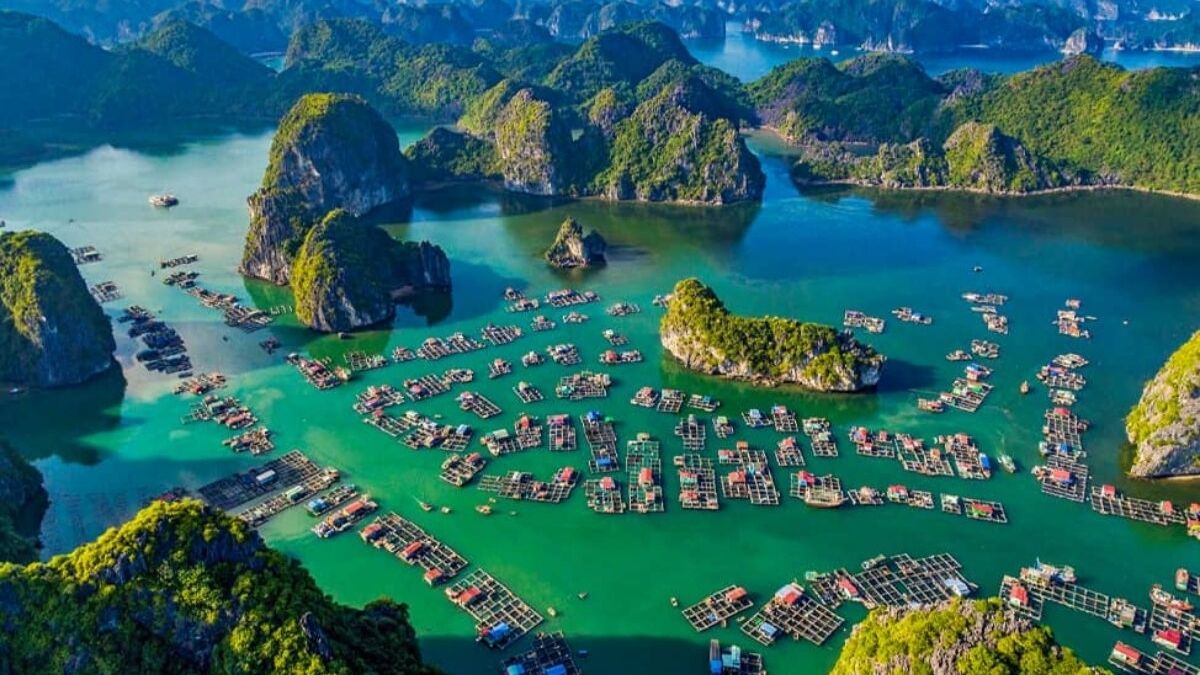
What to Wear in Ha Long Bay
Ha Long Bay can feel cooler and windier than Hanoi, particularly during winter or when you’re on the water.
For a cruise, pack:
- T-shirt
- Lightweight trousers
- Shorts in warm weather
- Comfortable shoes
- Sandals
- Light jacket
- Sunglasses
- Hat
- Swimwear
- Rain jacket
For an overnight cruise, smart casual clothing is usually enough.
You do not need formal eveningwear.
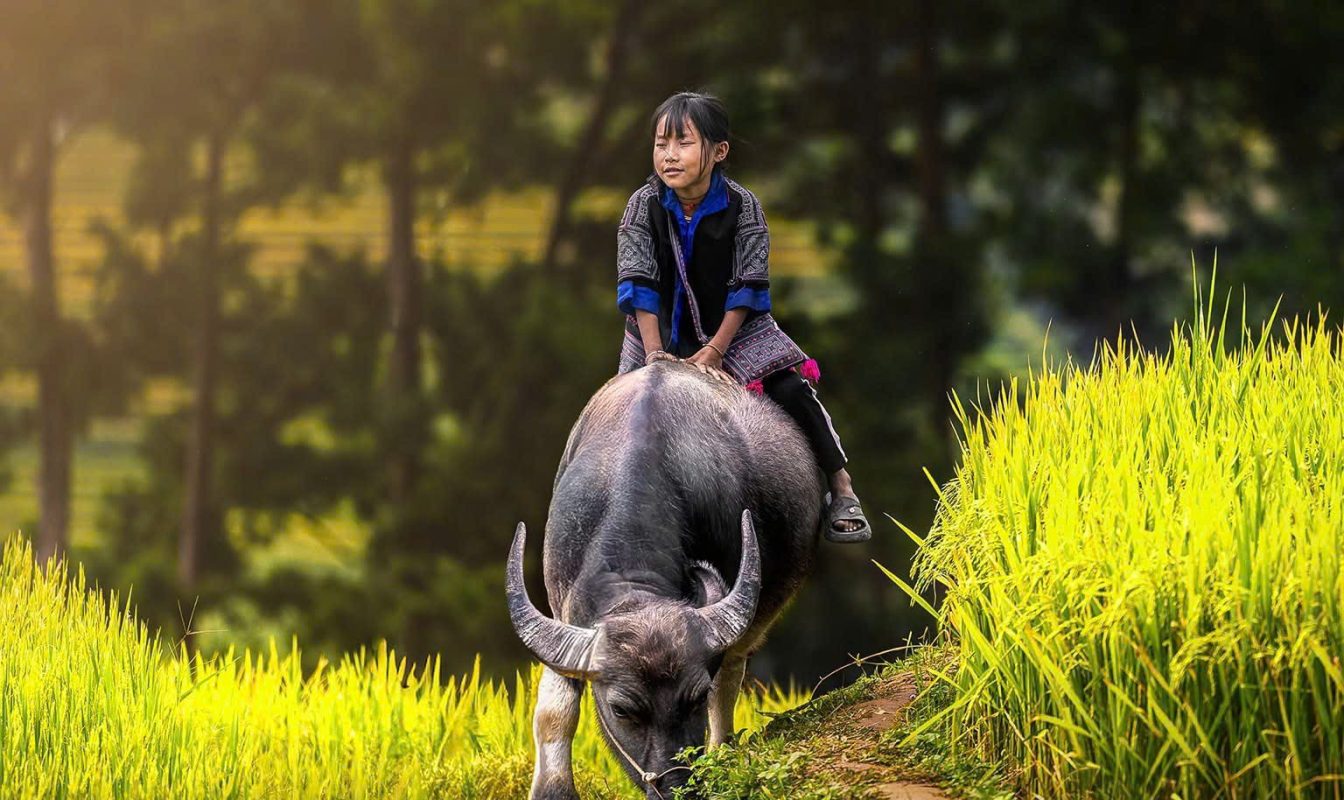
What to Wear in Sapa
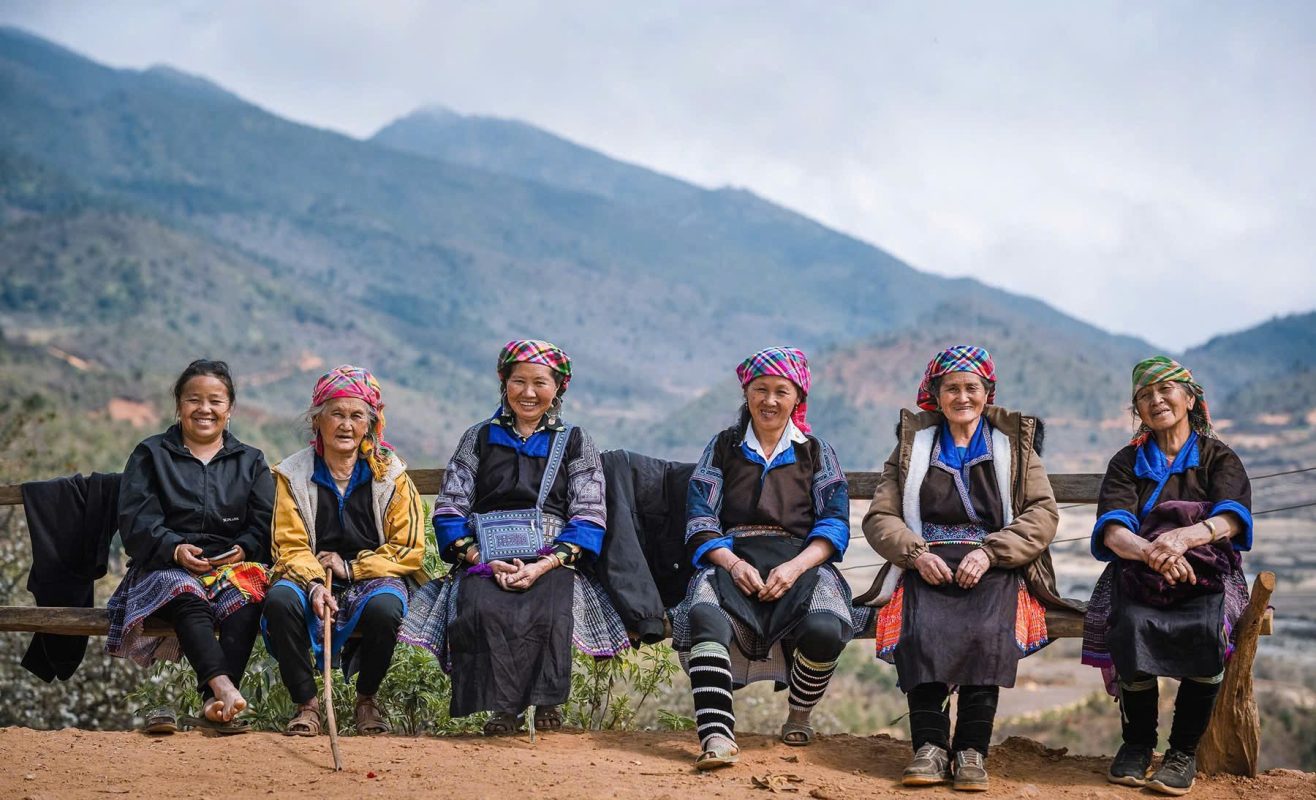
Sapa is one of the places where tourists should pay more attention to clothing.
Its elevation makes the climate considerably cooler than Hanoi, particularly in winter. Sapa can even experience occasional snowfall during particularly cold periods.
For Sapa in cold weather:
- Thermal base layer
- Long-sleeve shirt
- Fleece
- Warm jacket
- Long trousers
- Warm socks
- Closed walking shoes
- Gloves
- Scarf
For Sapa in warmer months:
- T-shirt
- Lightweight trousers
- Hiking pants
- Long-sleeve shirt
- Comfortable hiking shoes
- Lightweight rain jacket
If trekking, function is more important than fashion.
What to Wear in Ha Giang
Ha Giang requires practical clothing because many itineraries involve mountain roads, viewpoints, walking and outdoor activities.
Recommended:
- T-shirt
- Lightweight long-sleeve shirt
- Long trousers
- Comfortable sneakers
- Hiking shoes
- Lightweight rain jacket
- Sun hat
- Sunglasses
- Warm jacket during winter
If you’re traveling by motorbike, avoid loose scarves, extremely loose clothing or footwear that isn’t secure.
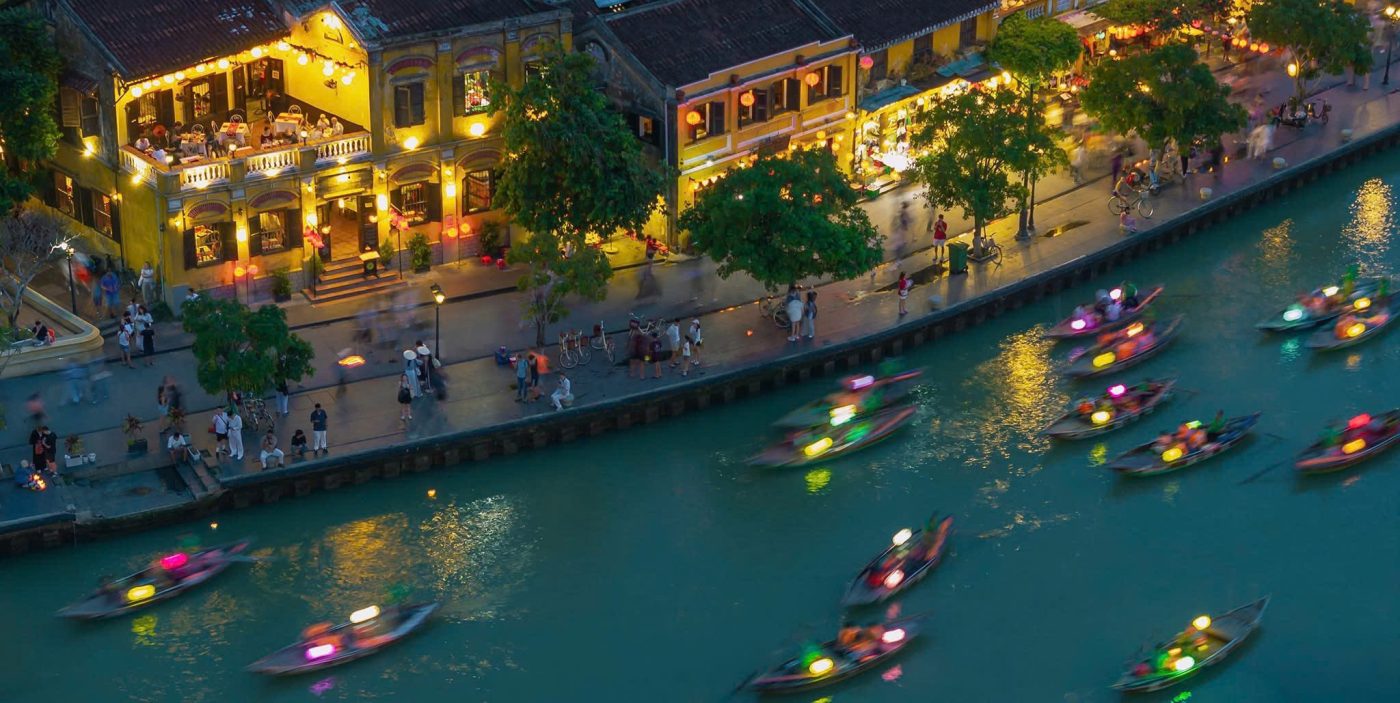
What to Wear in Hoi An
Hoi An is generally relaxed and casual.
During warm weather, wear:
- T-shirts
- Shorts
- Lightweight dresses
- Linen shirts
- Sandals
- Sneakers
For evening walks around the Ancient Town, comfortable footwear is important because you’ll probably spend several hours walking.
During the wetter months, add:
- Lightweight rain jacket
- Quick-dry clothing
- Waterproof sandals
- Small umbrella
Central Vietnam has a markedly wetter period, especially from around September through January in Hoi An.
What to Wear in Da Nang
Da Nang is one of the easiest destinations for tourists to dress for.
During the day:
- T-shirt
- Shorts
- Lightweight trousers
- Sandals
- Sneakers
At the beach:
- Swimsuit
- Beach dress
- Board shorts
- Sandals
- Hat
- Sunglasses
For restaurants:
Smart casual clothing is usually sufficient.
If visiting religious or cultural sites, switch to more conservative clothing.
What to Wear in Hue
Hue is hot and humid during much of the warmer season, but the city can be cool and rainy during its wetter months.
For sightseeing:
- Breathable T-shirt
- Lightweight trousers
- Knee-length shorts
- Comfortable walking shoes
- Sandals
- Hat
- Sunglasses
When visiting historic and religious sites, choose clothing that covers the shoulders and knees.
What to Wear in Ho Chi Minh City
Ho Chi Minh City is hot throughout the year.
Typical daytime clothing:
- T-shirts
- Polo shirts
- Shorts
- Lightweight trousers
- Dresses
- Skirts
- Sandals
- Sneakers
During the rainy season, keep a compact umbrella or rain jacket with you.
Southern Vietnam generally experiences its wetter period from approximately May through November, with frequent afternoon rainfall.
What to Wear in the Mekong Delta
For the Mekong Delta, comfort is more important than style.
Wear:
- Lightweight T-shirt
- Loose trousers
- Knee-length shorts
- Comfortable walking shoes
- Sandals
- Sun hat
- Sunglasses
Long lightweight trousers can be useful for protection from sun and insects.
If you’re taking boats through canals or visiting rural areas, avoid expensive or delicate clothing.
What to Wear in Phu Quoc
Phu Quoc is a tropical beach destination, so your wardrobe can be much more relaxed.
Bring:
- Swimsuit
- Shorts
- T-shirts
- Beach dress
- Sandals
- Sunglasses
- Sun hat
- Lightweight cover-up
Swimwear is perfectly normal at the beach or resort, but it should not be worn while walking through town, visiting markets or entering restaurants away from the beach. Vietnam’s tourism guidance specifically notes that swimwear is appropriate on beaches and at resorts rather than in ordinary public areas.
What Should Women Wear in Vietnam?
Women can dress casually in most Vietnamese cities.
Good choices include:
- T-shirts
- Blouses
- Linen shirts
- Maxi dresses
- Midi dresses
- Knee-length skirts
- Lightweight trousers
- Knee-length shorts
- Sneakers
- Sandals
For temples and pagodas, choose:
- Long trousers
- Long skirt
- Midi skirt
- Dress covering the knees
- Shirt with sleeves
- Light scarf or shawl
Vietnam Airlines’ current visitor guidance similarly recommends lightweight clothing for everyday wear and more conservative clothing for religious sites.
What Should Men Wear in Vietnam?
Men can dress very casually in Vietnam.
Recommended:
- T-shirts
- Polo shirts
- Linen shirts
- Lightweight trousers
- Chino shorts
- Sneakers
- Sandals
For temples and religious sites, wear:
- Long trousers
- T-shirt or collared shirt with sleeves
- Closed or easily removable shoes
Avoid going shirtless in cities or public areas. Vietnam’s tourism guidance specifically advises male visitors not to appear shirtless in public.
Can You Wear Shorts in Vietnam?
Yes.
Shorts are completely normal in:
- Hanoi
- Ho Chi Minh City
- Da Nang
- Hoi An
- Tourist areas
- Restaurants
- Shopping malls
- Beaches
However, very short shorts are not the best choice for temples, pagodas or some rural cultural sites.
For maximum flexibility, knee-length or longer shorts are a good option.
Can Women Wear Short Skirts in Vietnam?
Yes, short skirts are not prohibited in ordinary urban areas.
However, they are not appropriate for many religious sites.
If you plan to visit temples during the same day, carry a lightweight scarf, shawl or long outer layer so you can cover yourself when necessary.
For sacred sites, the general expectation is to cover shoulders and knees.
Can You Wear Tank Tops in Vietnam?
You can wear tank tops in:
- Hotels
- Resorts
- Beaches
- Casual restaurants
- Tourist areas
But they are not appropriate for many temples and pagodas.
They can also attract more attention in rural communities than in major cities.
A simple solution is to carry a lightweight shirt or cardigan.
Can You Wear Crop Tops in Vietnam?
Crop tops are increasingly common among younger Vietnamese people in modern urban areas.
They can be worn in:
- Modern cafés
- Shopping malls
- Nightlife areas
- Beaches
- Resorts
However, they are not ideal for:
- Temples
- Pagodas
- Rural communities
- Traditional cultural sites
If you’re visiting cultural attractions, choose something less revealing.
Can You Wear Leggings in Vietnam?
Yes.
Leggings are practical for:
- Flights
- Walking
- Hiking
- Motorbike tours
- Long-distance travel
For temples, however, very tight leggings may not be the best choice. Lightweight loose trousers are a safer and more culturally appropriate option.
Can You Wear Jeans in Vietnam?
Absolutely.
Jeans are common in Vietnamese cities.
However, heavy denim can become uncomfortable during hot and humid weather.
For summer travel, lightweight trousers or linen pants are often much more comfortable.
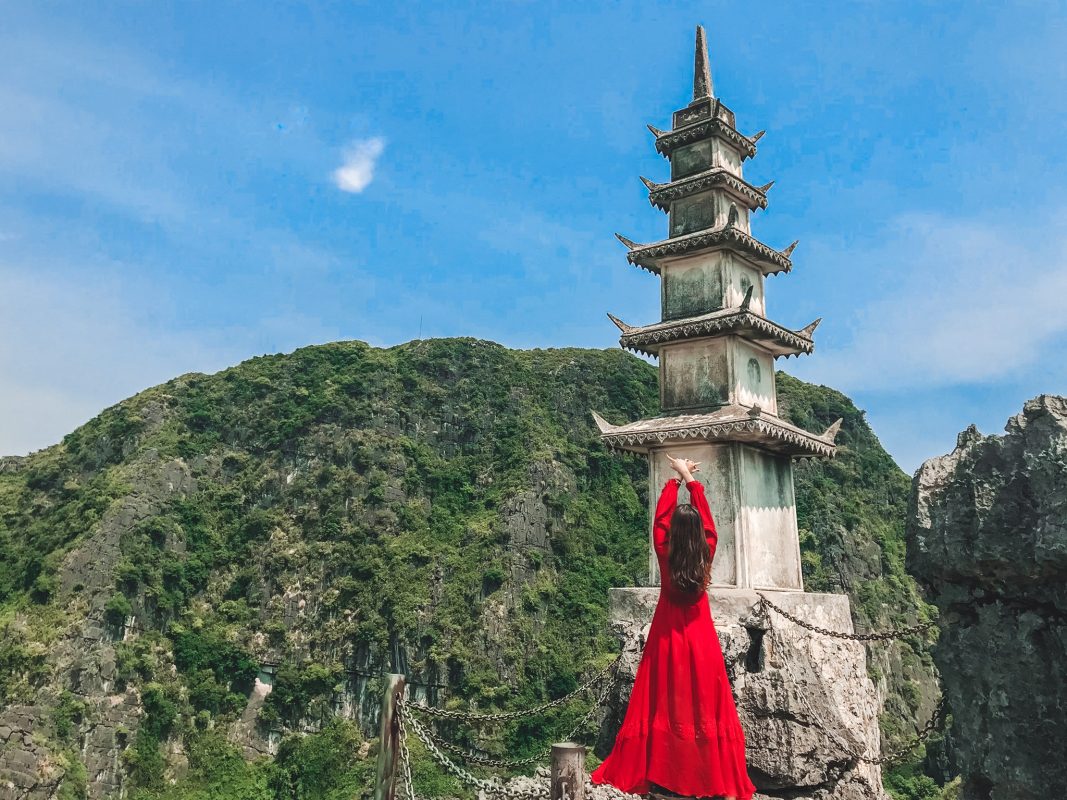
What Should You Wear to Vietnamese Temples?
This is the most important clothing rule for tourists.
When visiting temples and pagodas:
Cover your shoulders.
Cover your knees.
Avoid transparent clothing.
Avoid very revealing outfits.
Remove your hat.
Remove shoes where required.
Vietnam’s official tourism guidance specifically recommends modest clothing at temples and removing shoes and hats when appropriate.
Many individual temples and pagodas also specify that visitors should avoid shorts, sleeveless tops and revealing clothing.
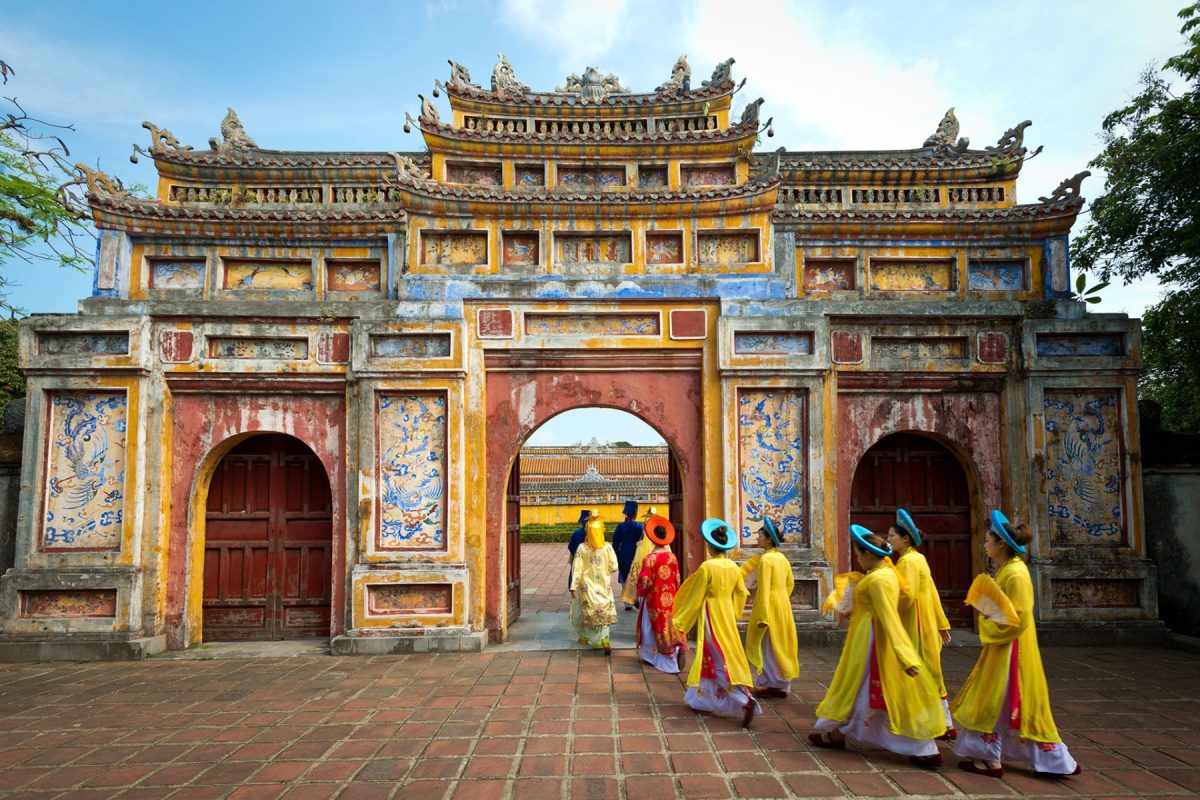
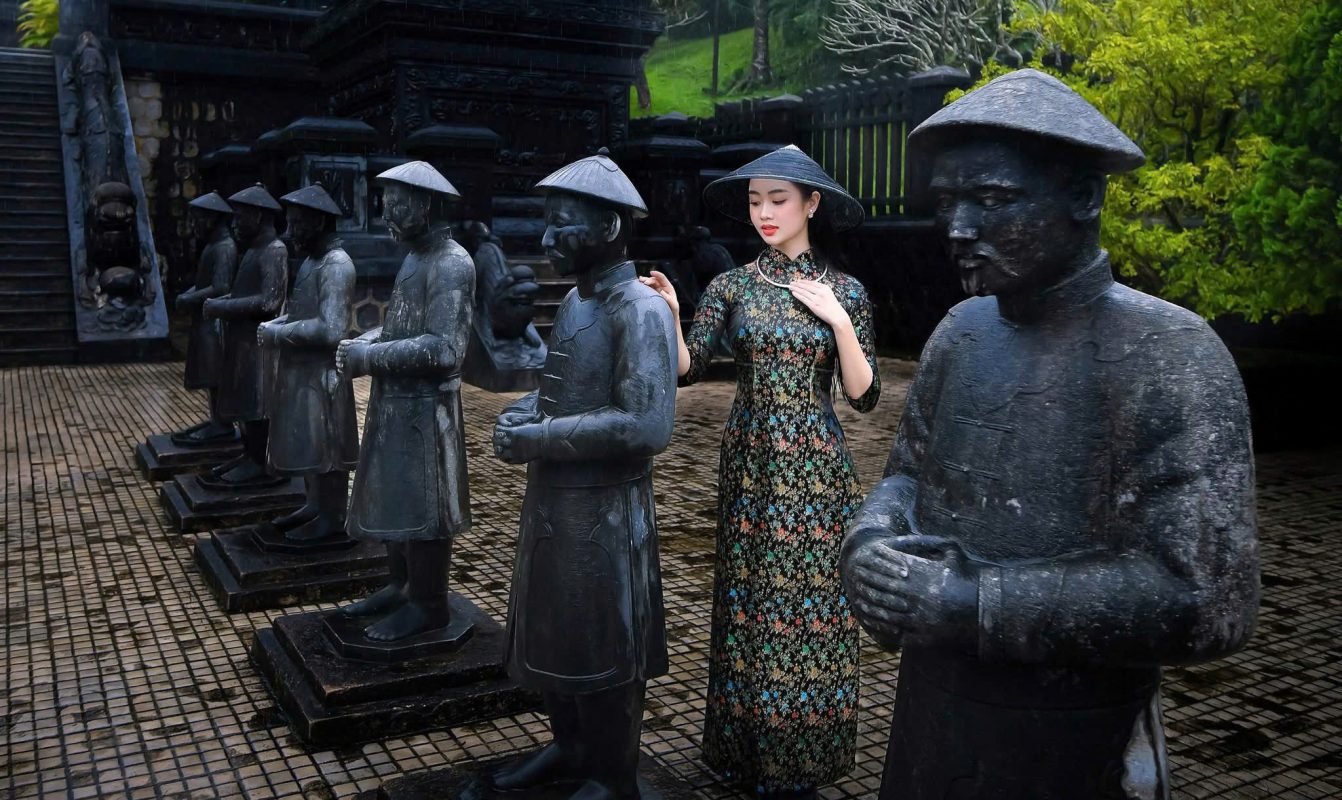
What to Wear at the Imperial City of Hue
When visiting Hue’s historic and religious sites, modest clothing is the safest choice.
Wear:
- T-shirt with sleeves
- Polo shirt
- Long trousers
- Midi skirt
- Comfortable walking shoes
Avoid:
- Very short shorts
- Crop tops
- Bare shoulders
- Transparent clothing
You’ll be more comfortable and won’t need to change clothes during your sightseeing day.
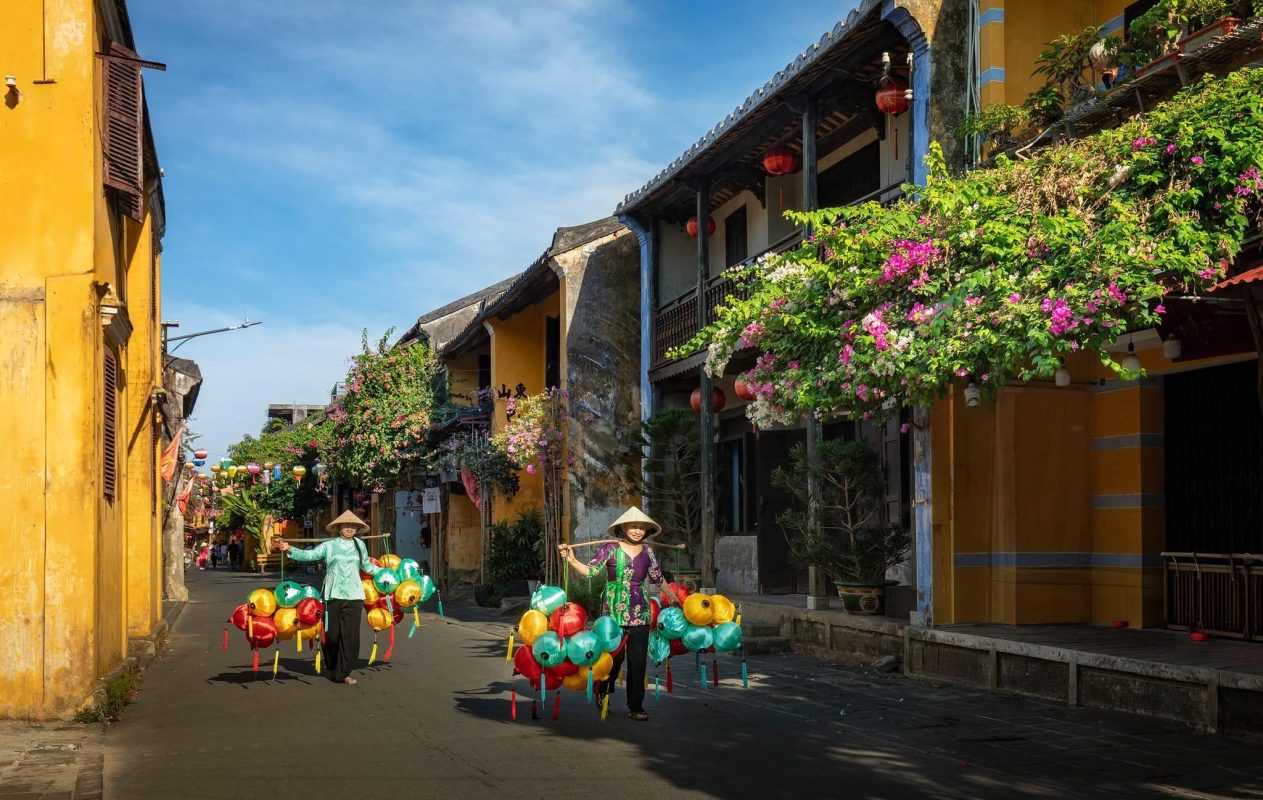
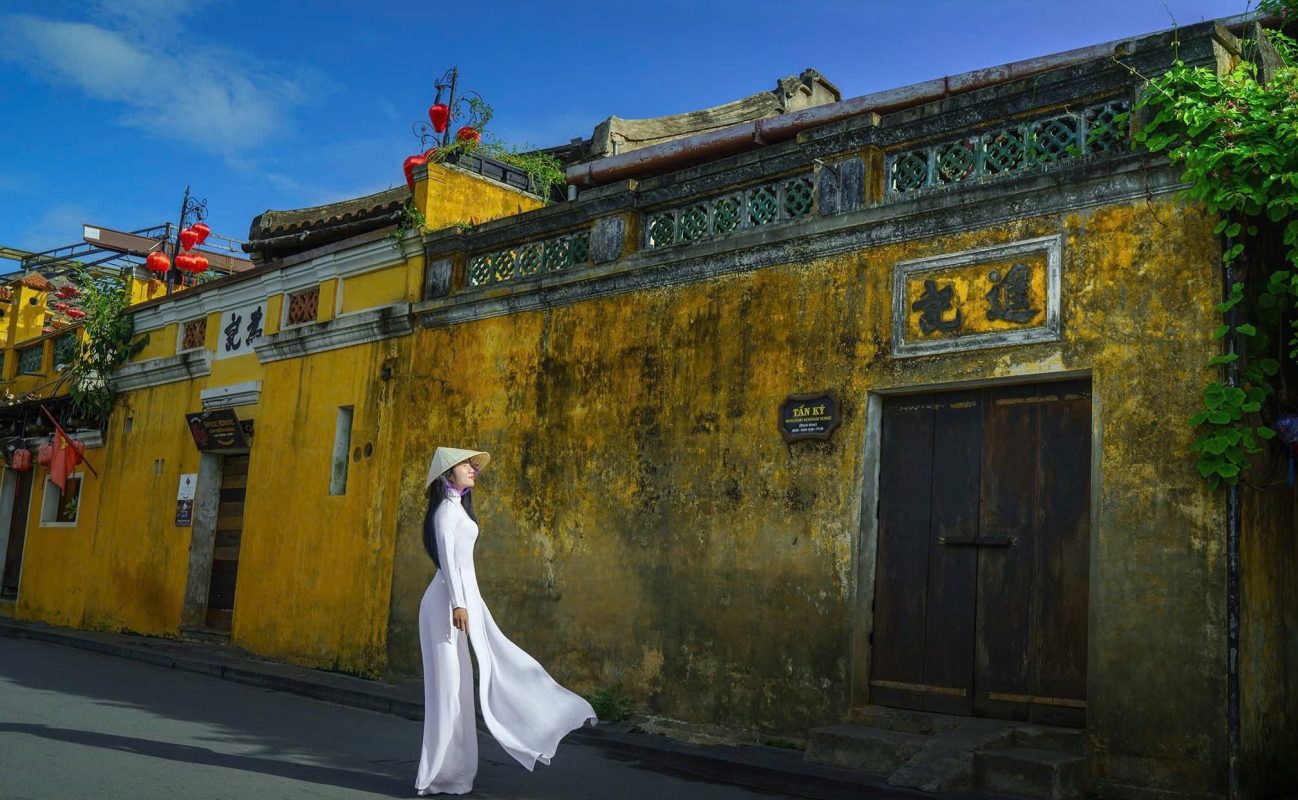
What to Wear in Hoi An Ancient Town
Hoi An Ancient Town is more relaxed than a temple, so ordinary tourist clothing is fine.
Good choices:
- T-shirt
- Linen shirt
- Dress
- Shorts
- Long trousers
- Sandals
- Sneakers
If you’re entering a temple or shrine within the Ancient Town, have a cover-up available.
For example, Quan Cong Temple recommends clothing covering the shoulders and knees.
What to Wear at the Beach in Vietnam
Vietnam’s beaches are relatively relaxed.
You can wear:
- Bikini
- One-piece swimsuit
- Board shorts
- Swim trunks
- Beach dress
- Rash guard
- Flip-flops
But remember:
Beachwear belongs on the beach.
Don’t walk through city streets, markets or restaurants wearing only a bikini or swim trunks.
This distinction is particularly important because everyday Vietnamese dress tends to be more conservative than beach culture in some Western countries.
What to Wear at Luxury Hotels and Restaurants
Vietnam’s upscale restaurants generally don’t require formal clothing.
For a nice restaurant, choose:
Women
- Midi dress
- Maxi dress
- Blouse
- Trousers
- Smart sandals
- Flats
Men
- Polo shirt
- Collared shirt
- Chinos
- Long trousers
- Clean sneakers or loafers
For the most exclusive restaurants, a smart-casual outfit is a safe choice.
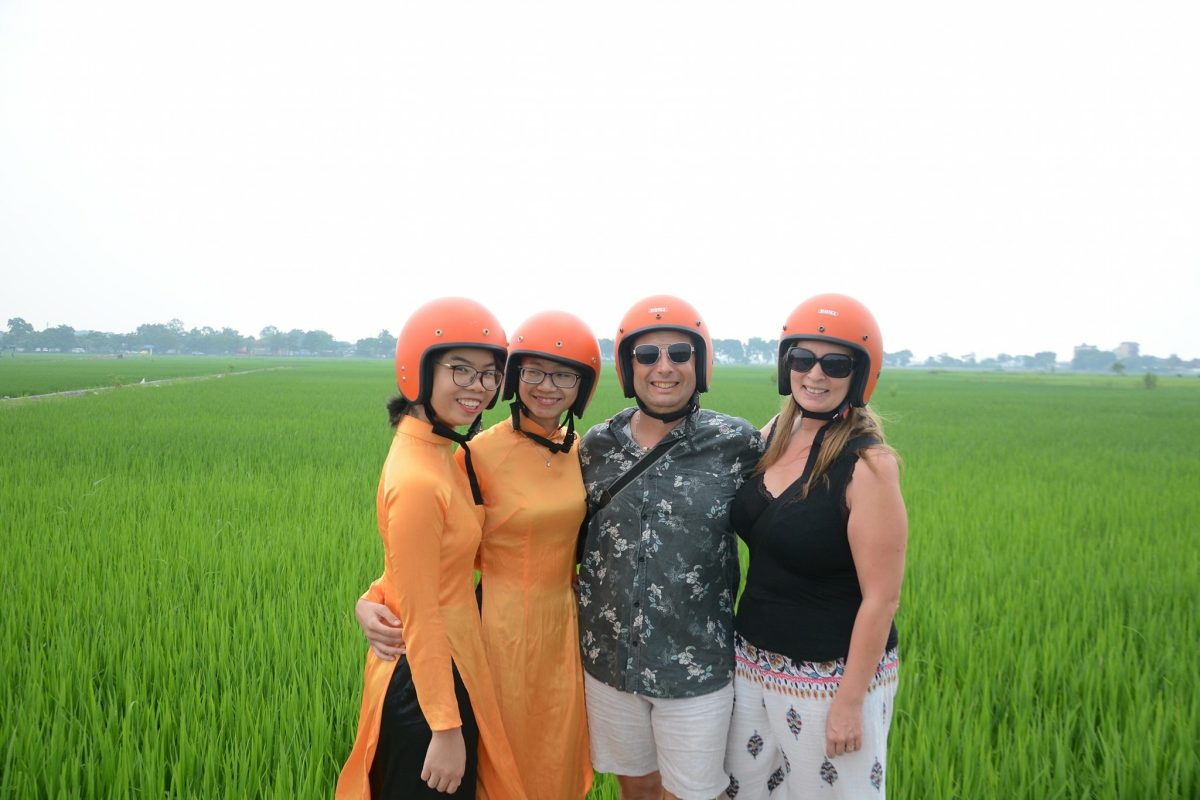
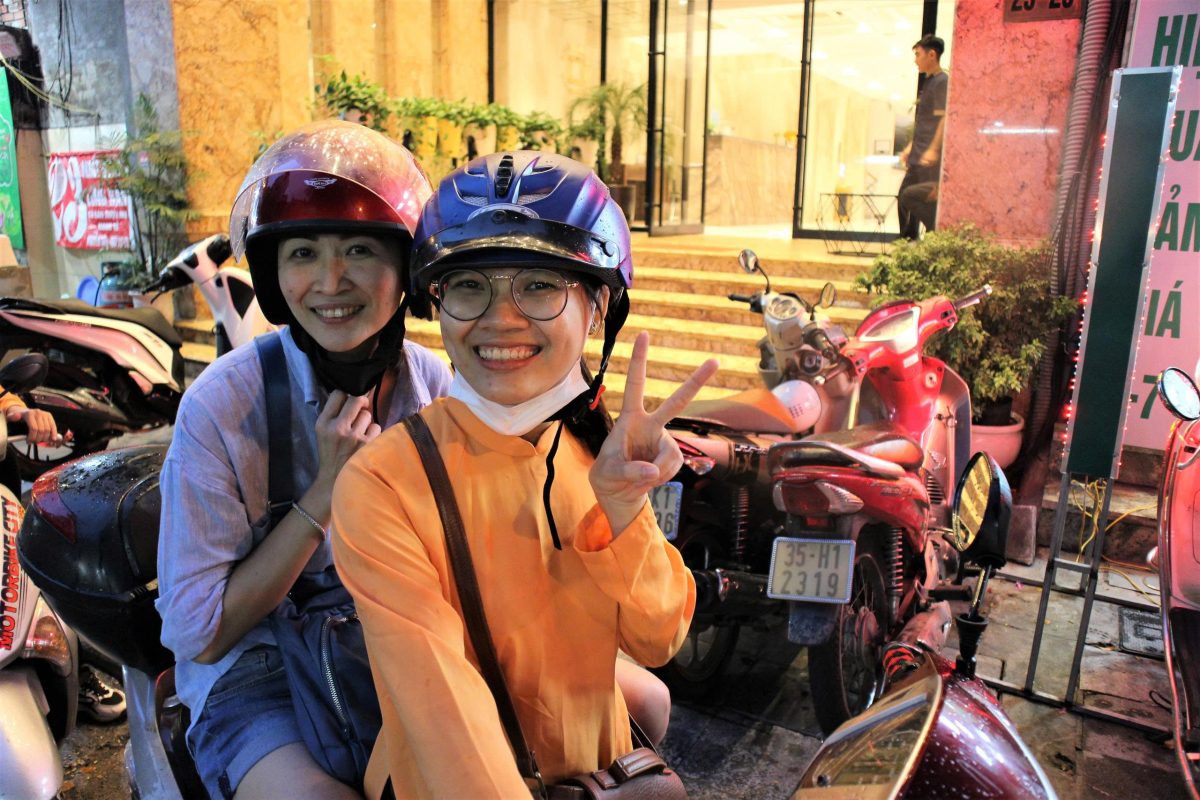
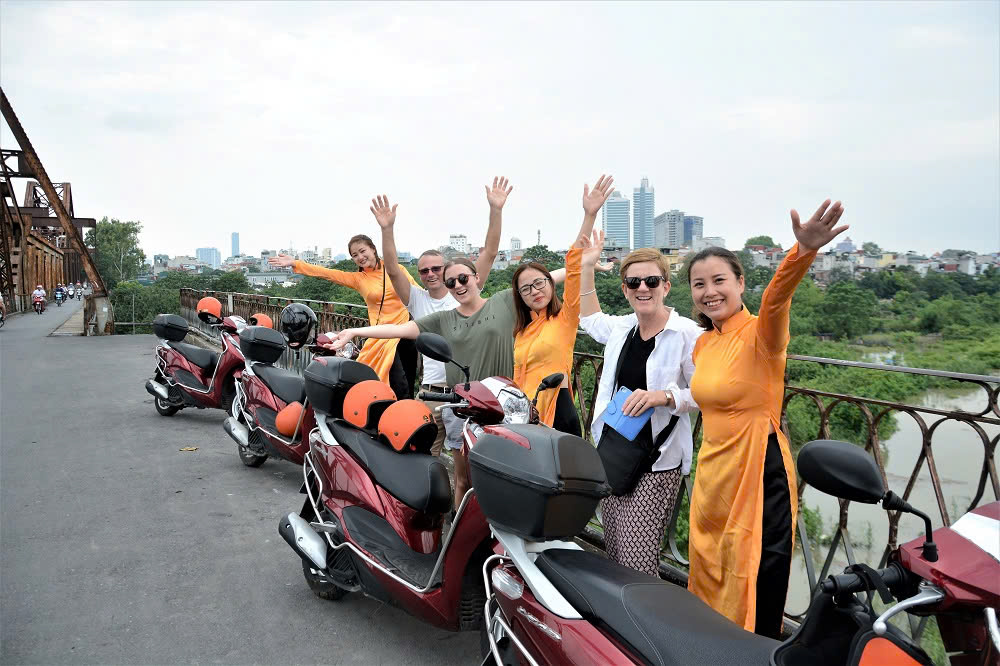
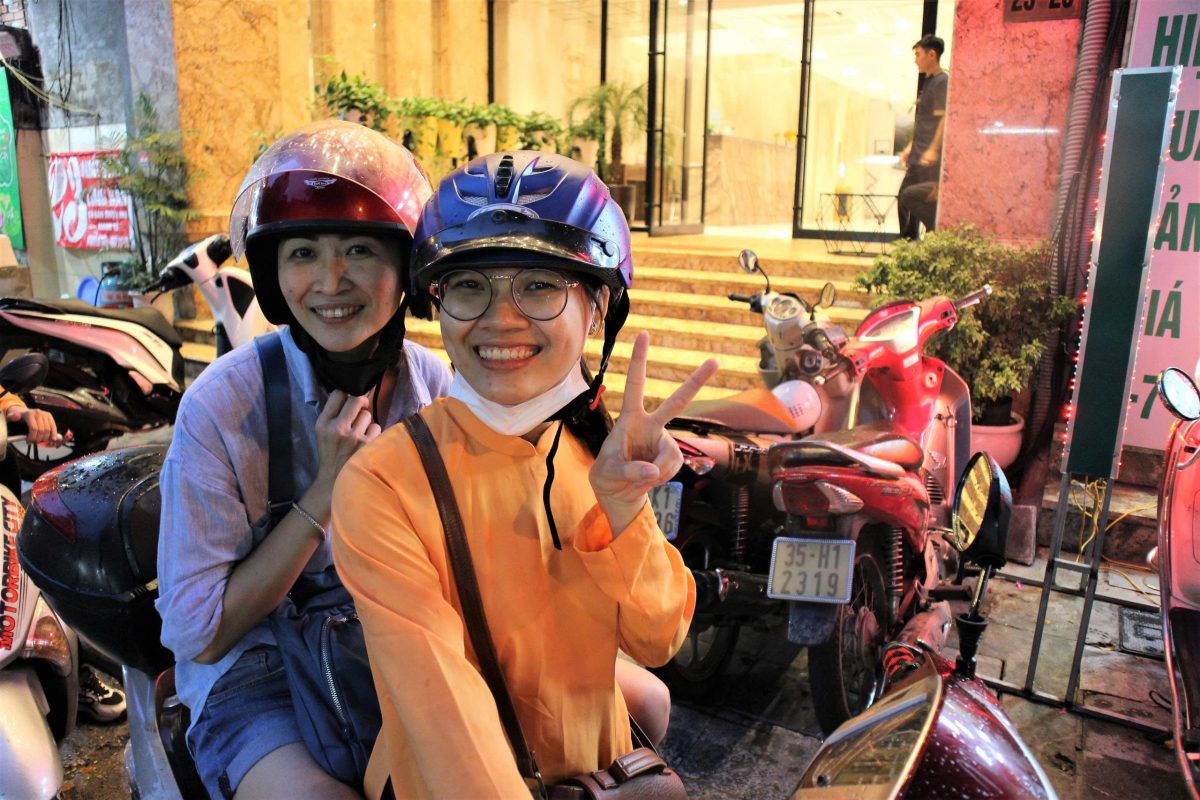
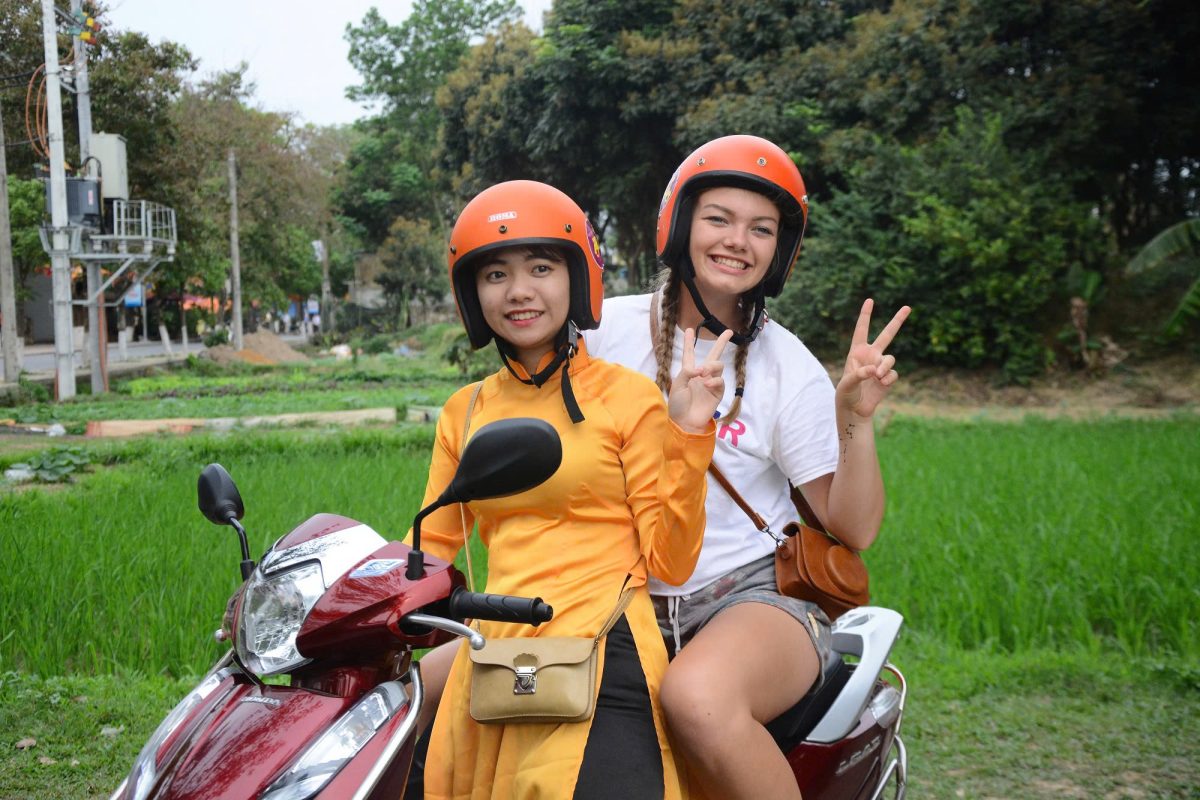
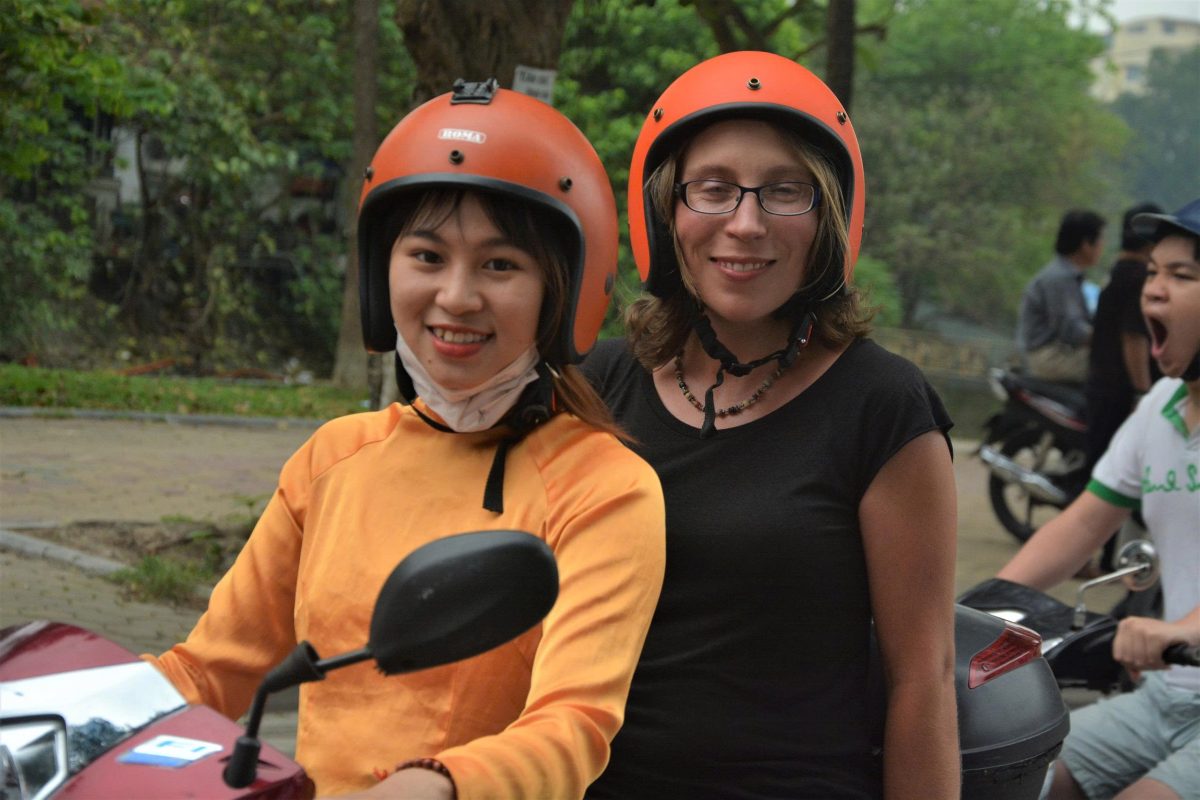
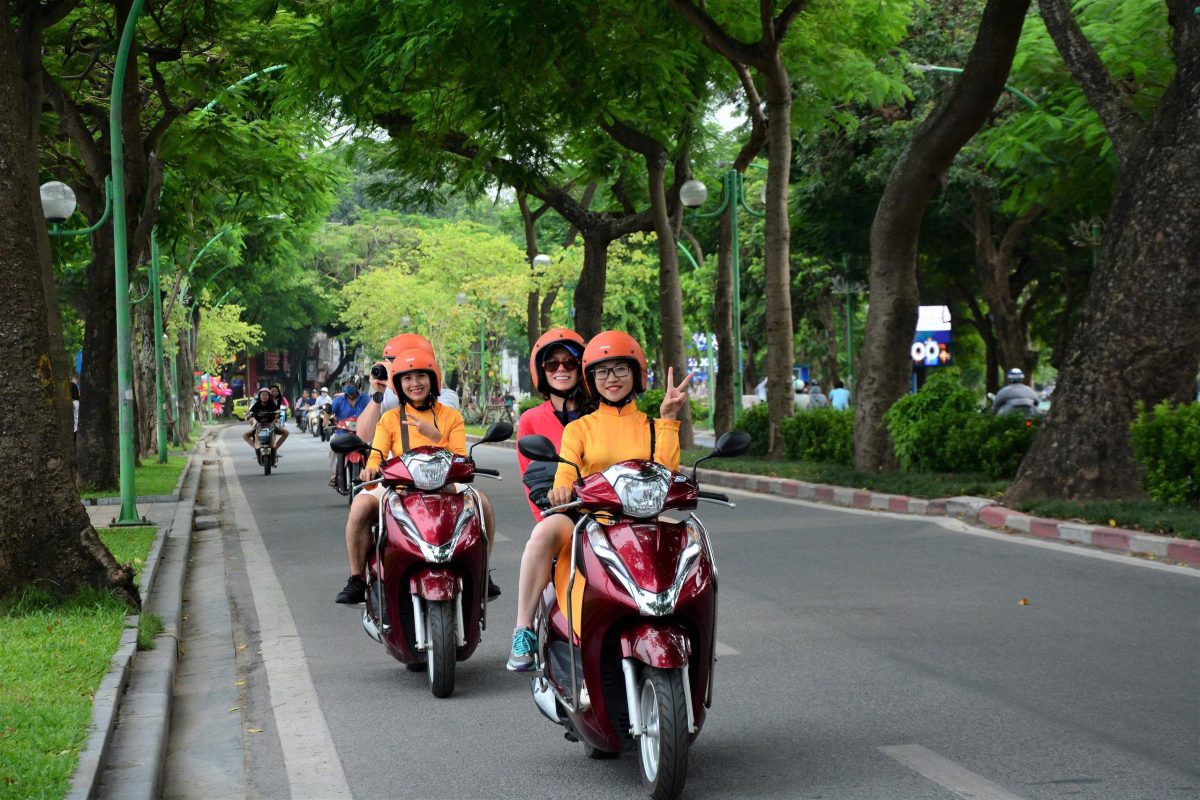
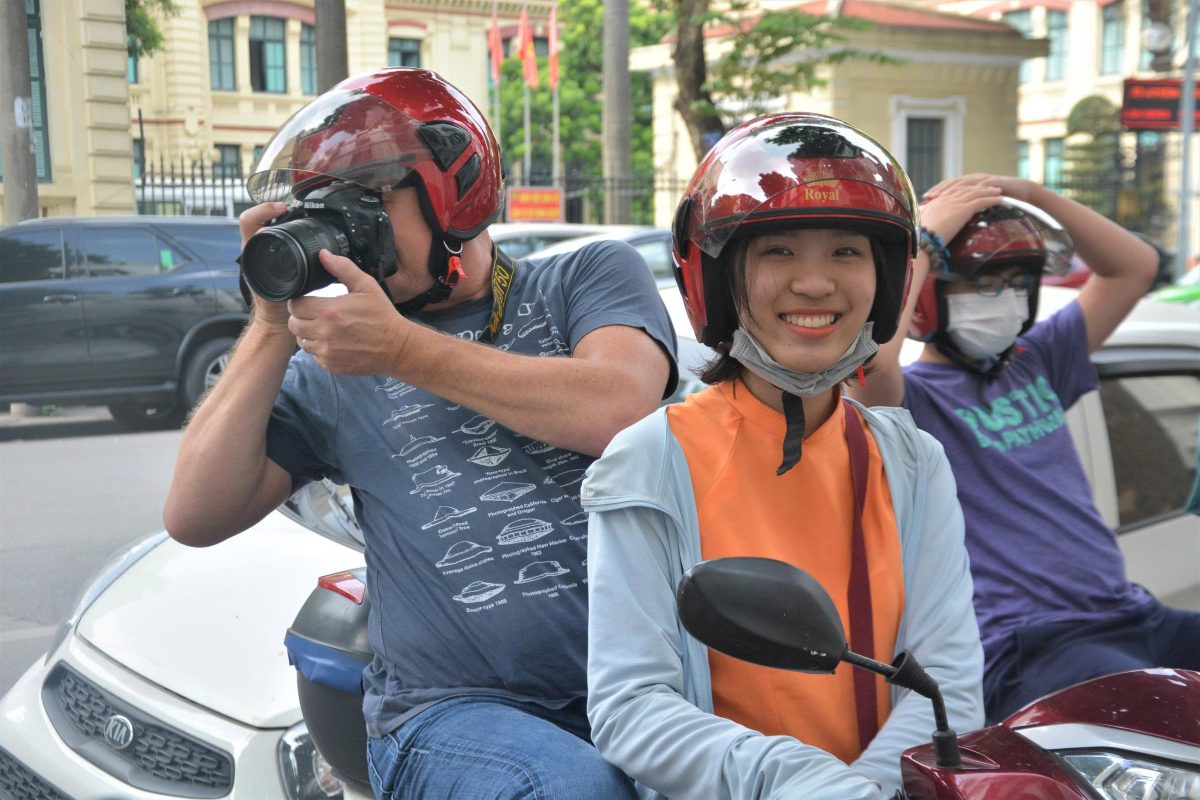
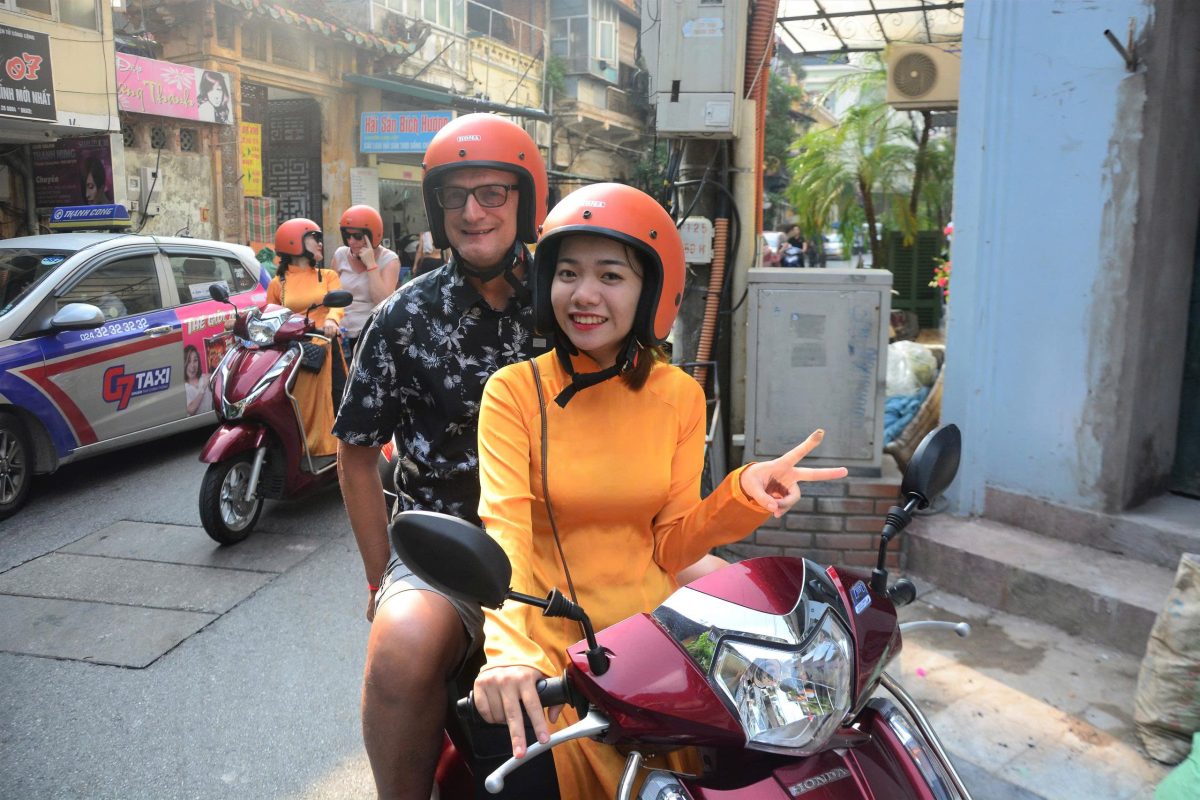
What to Wear for a Vietnam Motorbike Tour
If you’re joining a motorbike tour, practical clothing matters.
Wear:
- Comfortable trousers
- T-shirt
- Closed shoes
- Sneakers
- Light jacket if needed
Bring:
- Sunglasses
- Sunscreen
- Rain jacket or poncho
- Small crossbody bag
- Phone
Avoid:
- High heels
- Loose scarves
- Extremely wide trousers
- Slippery sandals
- Large backpacks
If riding as a passenger, secure clothing and footwear are much more practical.
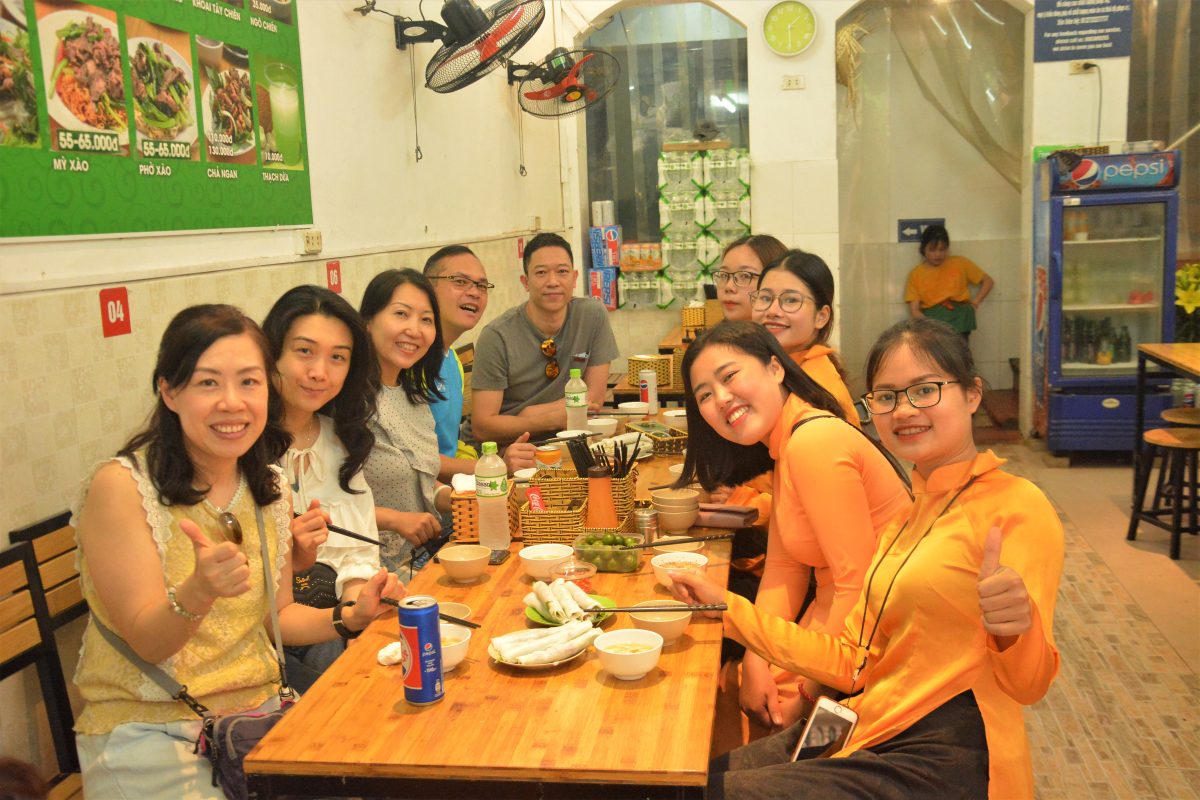
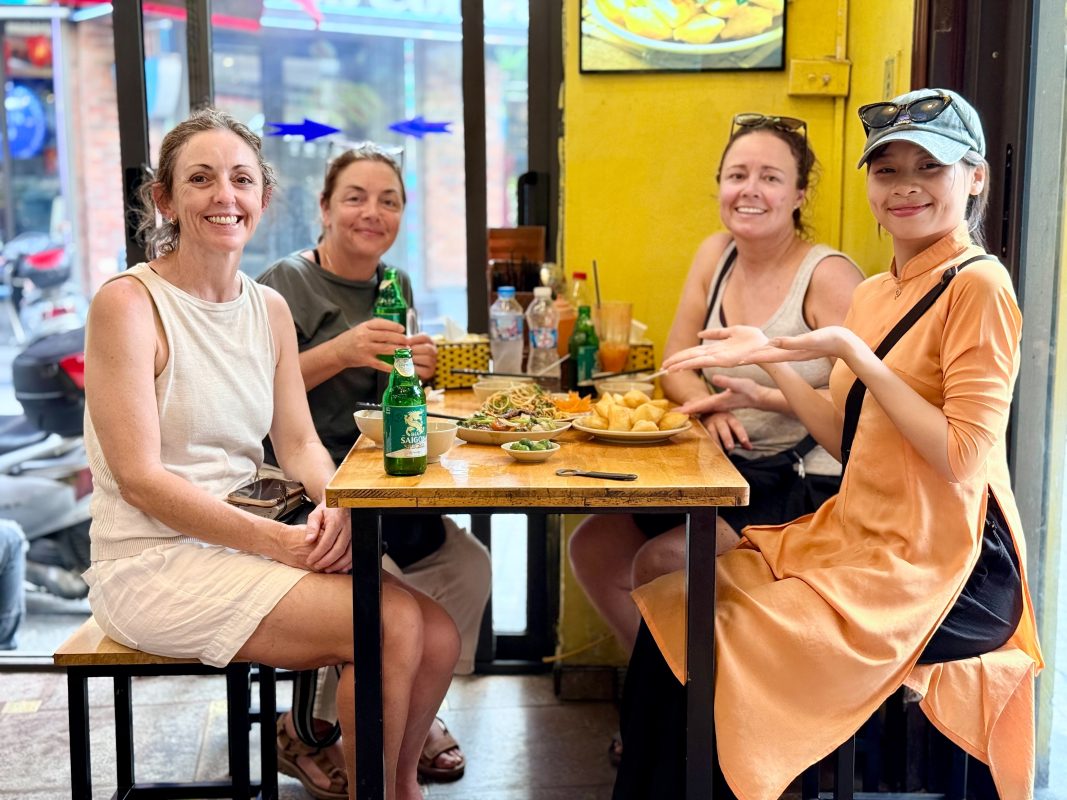
What to Wear on a Vietnam Food Tour
A food tour usually involves walking, sitting on small stools and moving between different food stops.
Wear:
- Comfortable shoes
- Loose trousers
- Shorts
- T-shirt
- Breathable shirt
Avoid very tight clothing.
After all, you’re going to eat a lot!
What to Wear for Trekking in Vietnam
For Sapa, Ha Giang and other mountain areas, change your wardrobe completely.
Wear:
- Quick-dry T-shirt
- Long-sleeve technical shirt
- Hiking trousers
- Hiking shoes
- Lightweight waterproof jacket
- Sun hat
Long sleeves can provide useful protection from sun and insects.
During colder months, add:
- Thermal layer
- Fleece
- Warm jacket
- Gloves
- Warm socks
Vietnam’s northern mountains have considerably cooler conditions than the major lowland cities.
What to Wear During Vietnam’s Rainy Season
Vietnam’s rainy season doesn’t mean it rains all day.
In many areas, rainfall often comes as short, heavy showers, particularly in the afternoon.
Wear:
- Quick-dry clothing
- Sandals or quick-drying shoes
- Lightweight trousers
- T-shirts
- Rain jacket
Carry:
- Small umbrella
- Waterproof phone pouch
- Dry bag
The exact rainy period differs by region, so check your destination rather than relying on one nationwide forecast.
What to Wear in Vietnam During Summer
Summer can be extremely hot and humid, particularly in Hanoi and parts of Central Vietnam.
Best clothing:
Cotton
Linen
Lightweight rayon
Quick-dry fabrics
Wear:
- T-shirts
- Shorts
- Loose trousers
- Lightweight dresses
- Sandals
- Breathable sneakers
Avoid heavy denim whenever possible.
What to Wear in Vietnam During Winter
Winter clothing depends on where you are going.
Hanoi
Bring:
- Sweater
- Jacket
- Long trousers
- Closed shoes
Sapa / Ha Giang
Bring:
- Thermal layer
- Fleece
- Warm jacket
- Warm socks
- Gloves
- Scarf
Ho Chi Minh City
You may still be wearing:
- T-shirt
- Shorts
- Sandals
That’s the strange but wonderful thing about Vietnam: you can have winter clothing in the north and beach clothing in the south during the same trip.
What Fabrics Are Best for Vietnam?
Linen
Excellent for hot weather because it is lightweight and breathable.
Cotton
Comfortable for everyday sightseeing.
Quick-dry synthetic fabrics
Excellent for rainy-season travel, trekking and motorbike tours.
Merino wool
Useful for cold northern mountain trips because it works well as a lightweight insulating layer.
Vietnam Airlines’ travel guidance also recommends cotton and linen for humidity, quick-dry materials during wet weather and merino wool for cooler northern conditions.
What Shoes Should You Wear in Vietnam?
For most travelers, bring two pairs.
Pair 1: Comfortable sneakers
Use them for:
- Hanoi
- Ho Chi Minh City
- Hoi An
- Hue
- Walking tours
- Museums
- City sightseeing
Pair 2: Sandals
Use them for:
- Beaches
- Hotels
- Hot weather
- Casual evenings
- Rain
If you’re doing serious mountain trekking, add hiking shoes.
Should You Wear Flip-Flops in Vietnam?
Yes, but use common sense.
Flip-flops are excellent for:
- Beaches
- Hotels
- Resorts
- Short walks
- Casual use
They’re less suitable for:
- Long city walks
- Mountain trekking
- Motorbike tours
- Wet stone surfaces
A pair of sandals with a secure strap is often more versatile.
Should You Bring a Hat?
Yes.
A lightweight hat is one of the most useful accessories in Vietnam.
A wide-brimmed hat is particularly useful for:
- Mekong Delta
- Hoi An
- Beaches
- Rural areas
- Walking tours
A baseball cap works well for city sightseeing.
Should You Bring a Scarf?
A lightweight scarf is surprisingly useful.
It can provide:
- Temple coverage
- Sun protection
- Air-conditioning protection
- Warmth during cooler northern weather
It’s one of the smallest items you can pack and one of the most versatile.
What Colors Should You Wear in Vietnam?
There is no strict nationwide color rule for tourists.
Wear whatever colors you like.
However, if you’re attending a Vietnamese wedding or special cultural event, you may want to ask about appropriate colors and dress.
For ordinary sightseeing, there is no need to worry excessively about color.
The important issue is coverage and appropriateness for the setting, not whether your shirt is red, blue, green or yellow.
Should Tourists Avoid Wearing All White?
Some travel guides recommend avoiding completely white outfits because white has associations with mourning in Vietnam.
However, this should not be interpreted as a strict rule that tourists cannot wear white.
White shirts, dresses and other clothing are completely normal in Vietnam.
The practical advice is simply:
Don’t worry about wearing white during ordinary sightseeing.
If you’re attending a traditional ceremony or Vietnamese family event, ask your host if there are specific expectations.
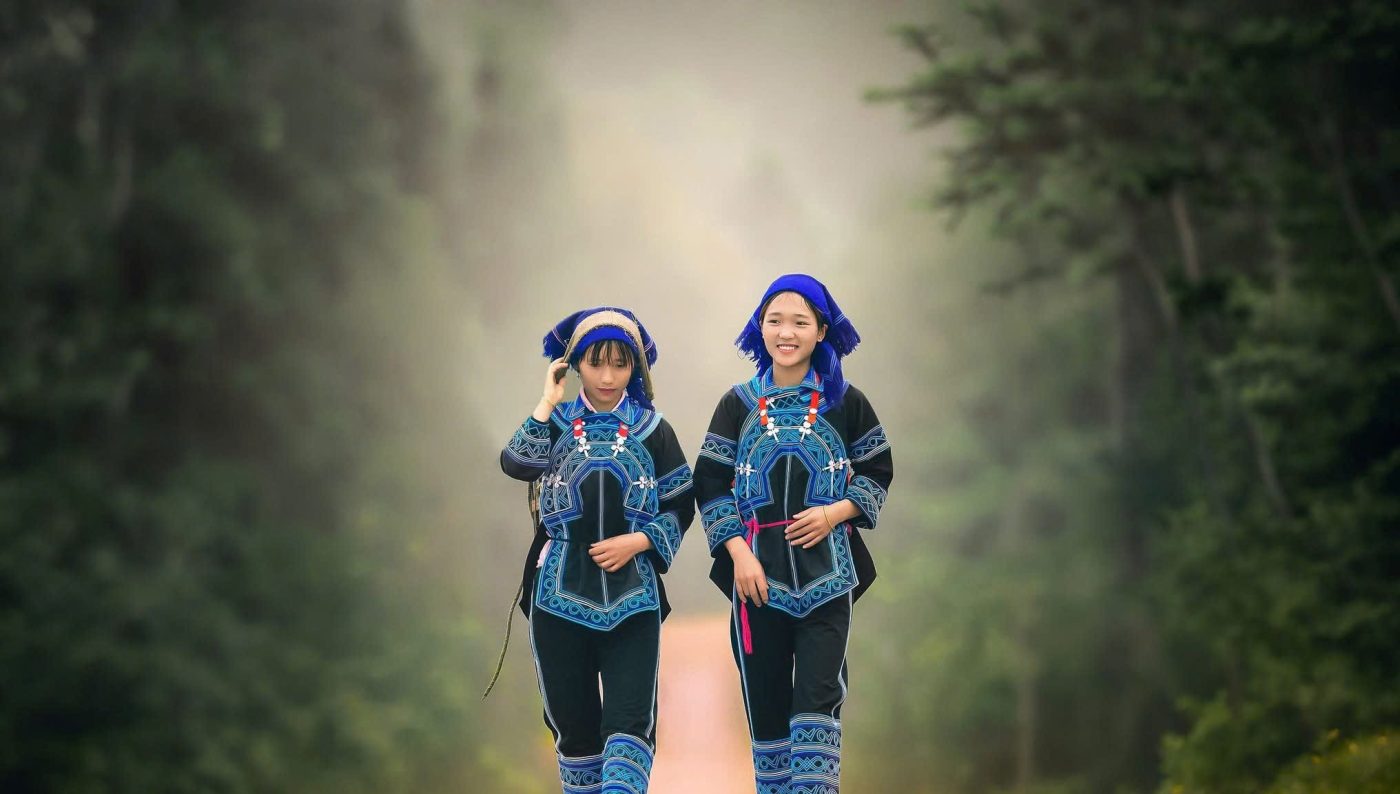
What to Wear in Rural Vietnam
Outside major cities, modest clothing is generally a better choice.
Recommended:
- T-shirts with sleeves
- Lightweight trousers
- Knee-length shorts
- Long skirts
- Comfortable shoes
Avoid:
- Extremely short shorts
- Transparent clothing
- Very revealing tops
- Walking around shirtless
Vietnam’s tourism guidance notes that dress tends to be more traditional and modest outside urban centers.
What to Wear Around Vietnamese Families
If you’re invited into someone’s home, modest casual clothing is appropriate.
You don’t need formal clothing.
A:
Polo shirt + trousers
or
simple blouse + long skirt/trousers
is perfectly suitable.
You may also be asked to remove your shoes before entering the house.
What to Wear for Vietnamese Festivals
Festival clothing depends on the event.
For ordinary sightseeing during festivals, comfortable clothing is fine.
For more formal cultural events, consider:
- Smart casual clothing
- Long trousers
- Blouse
- Dress
- Polo shirt
- Traditional-inspired clothing
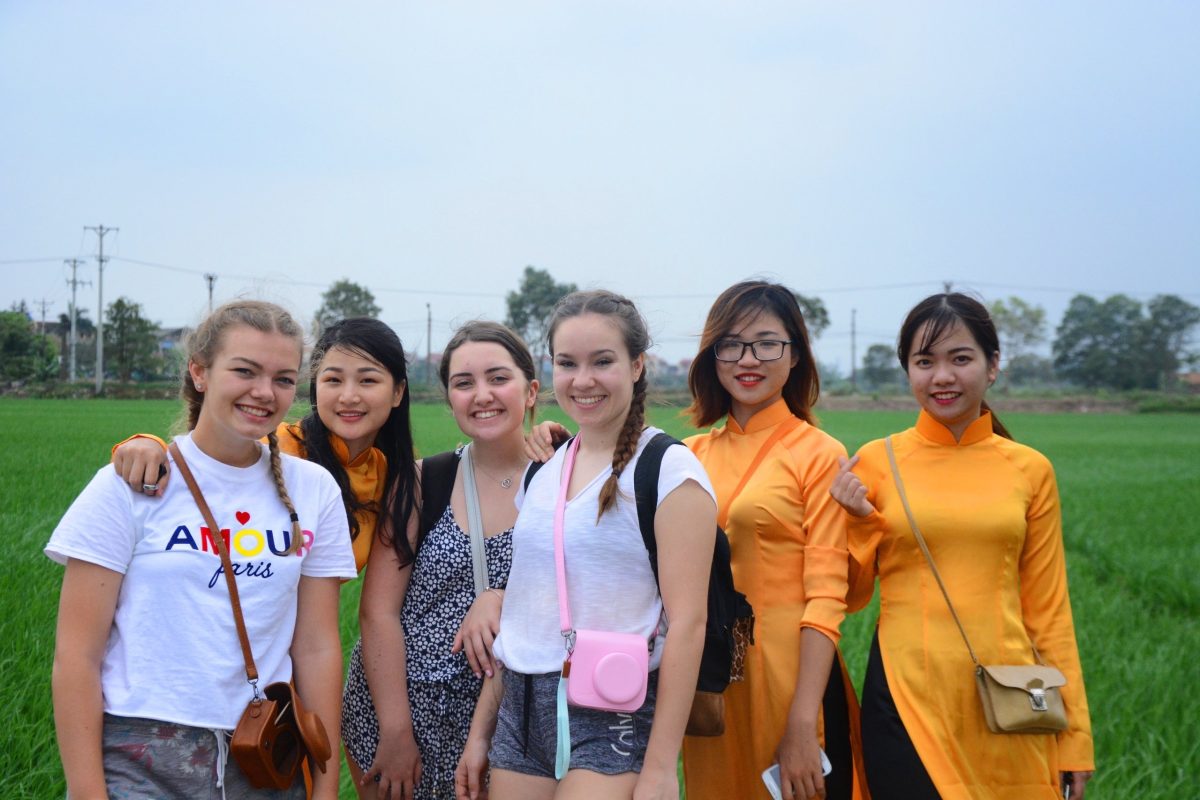
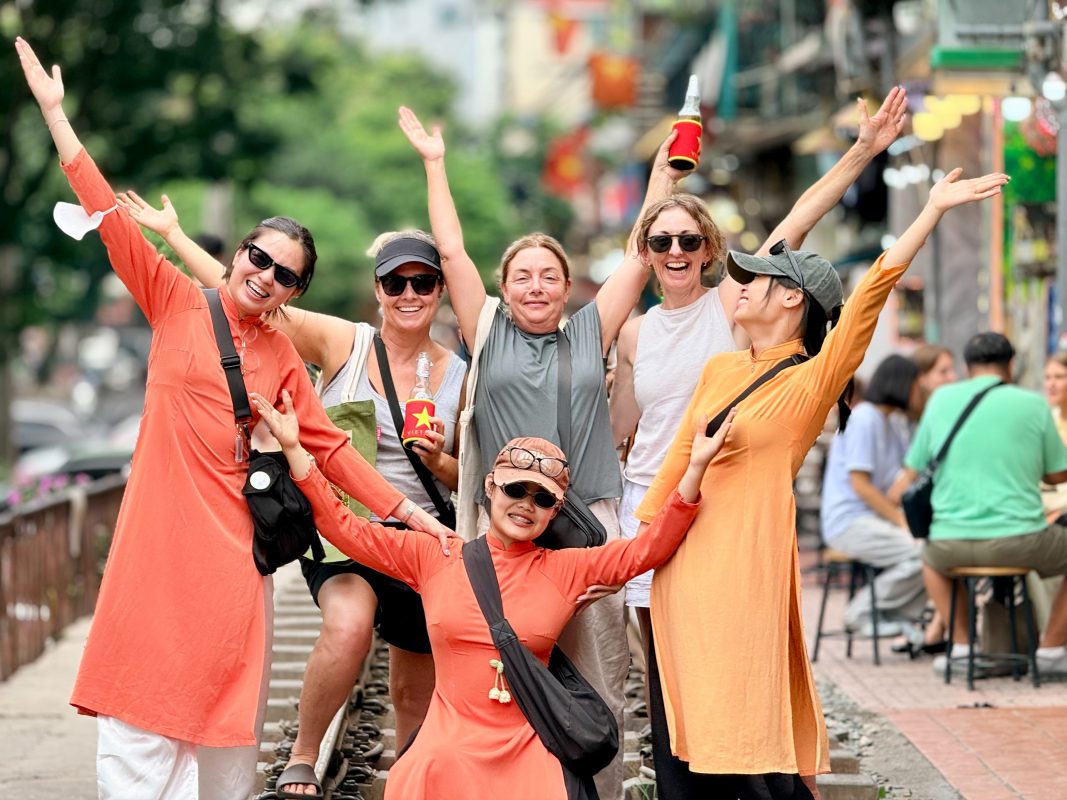
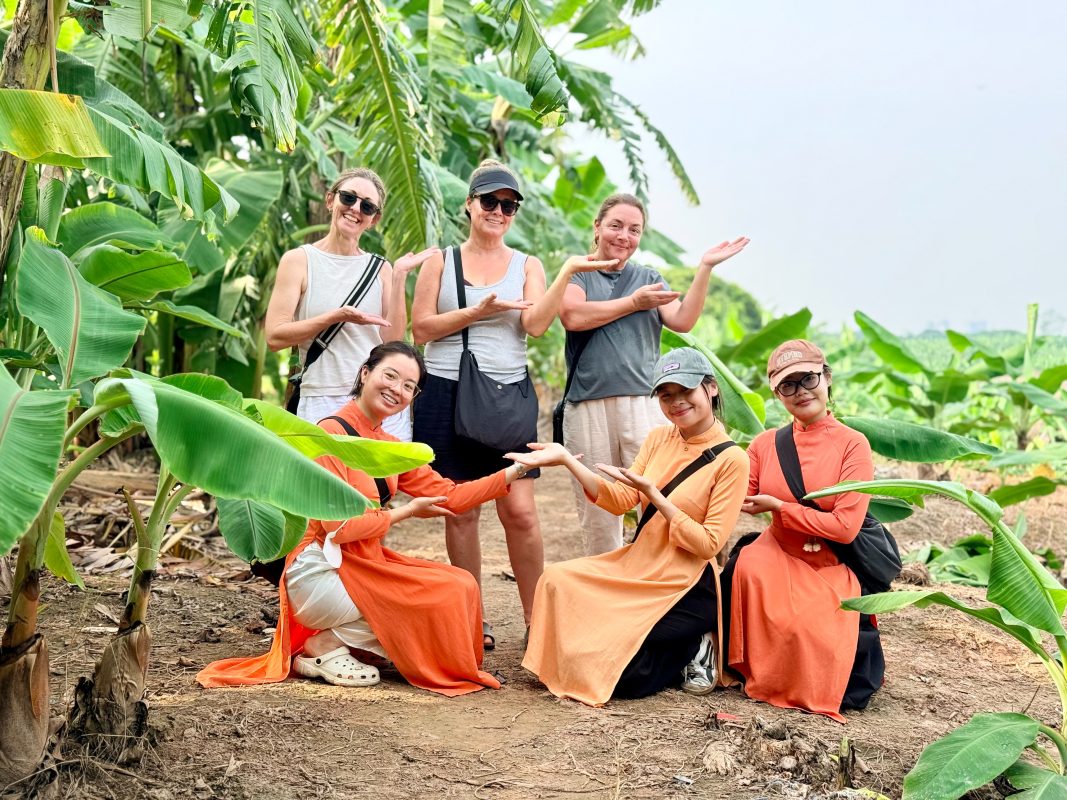
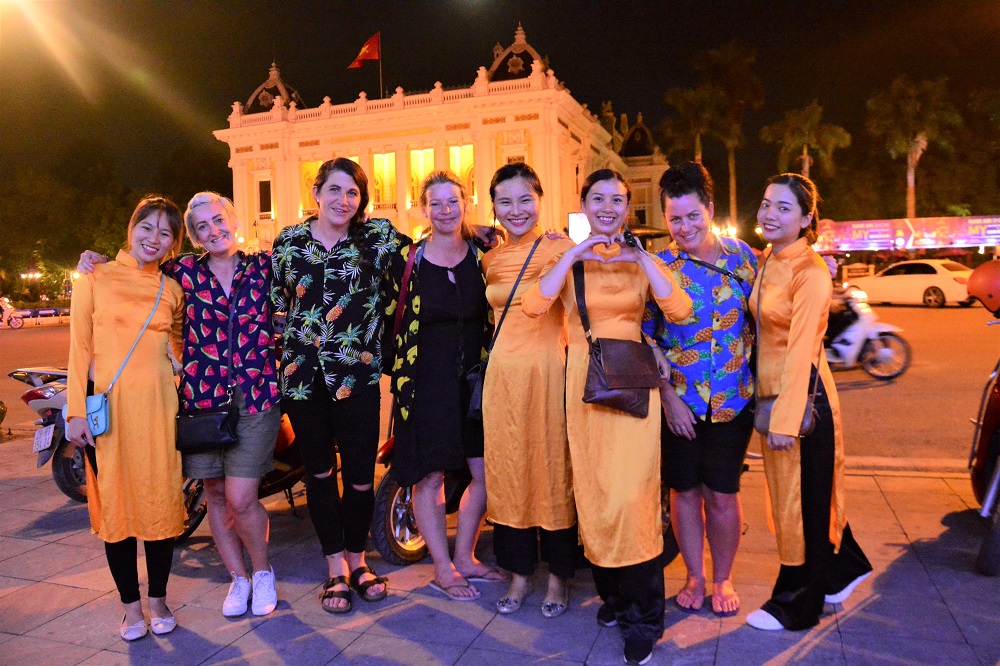
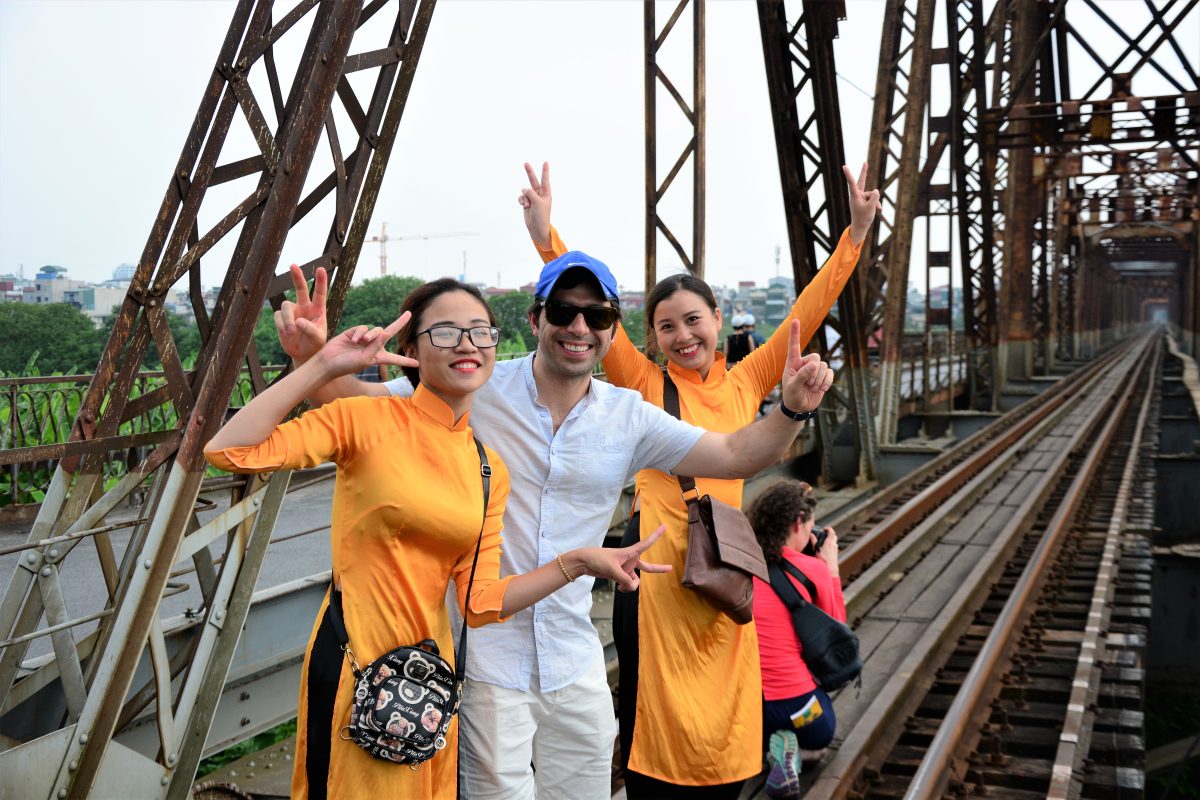
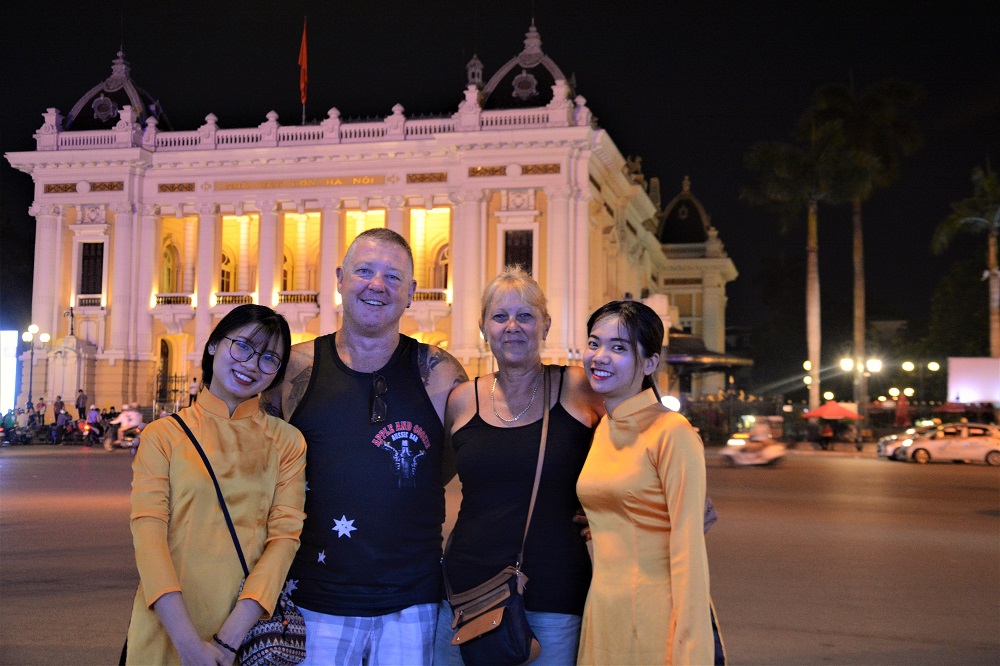
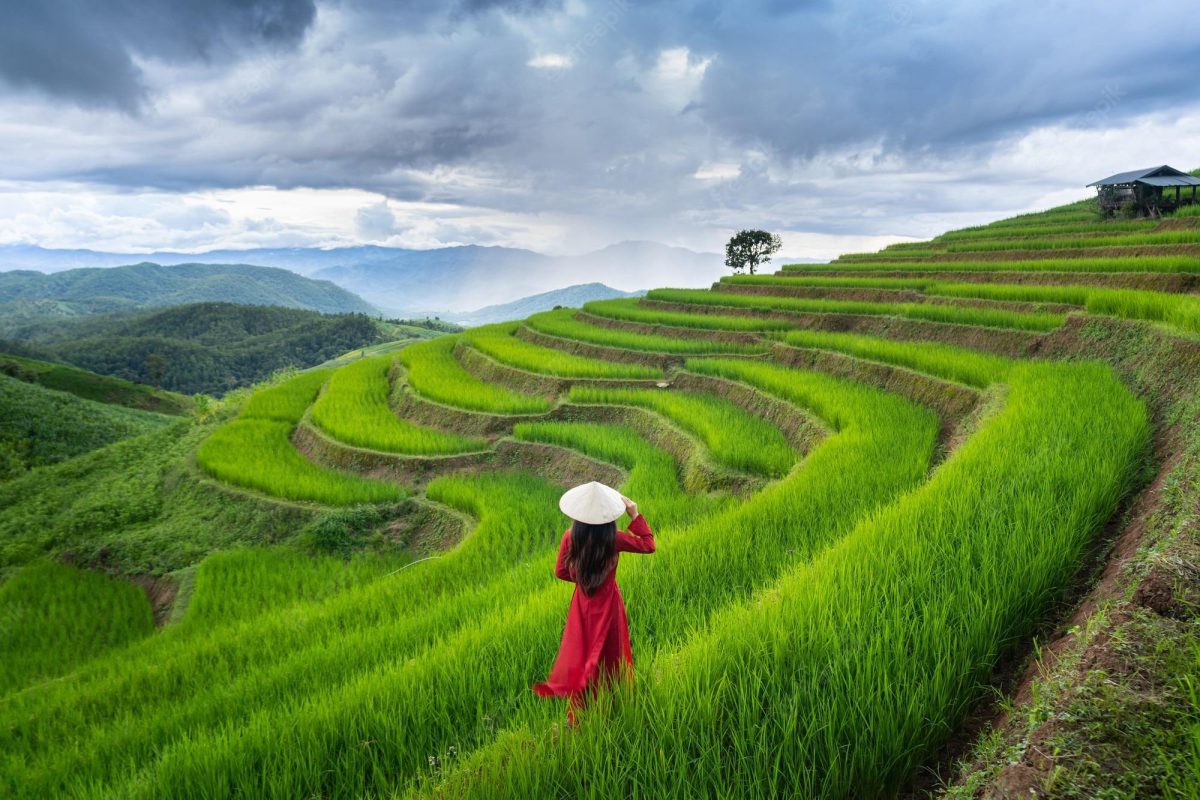
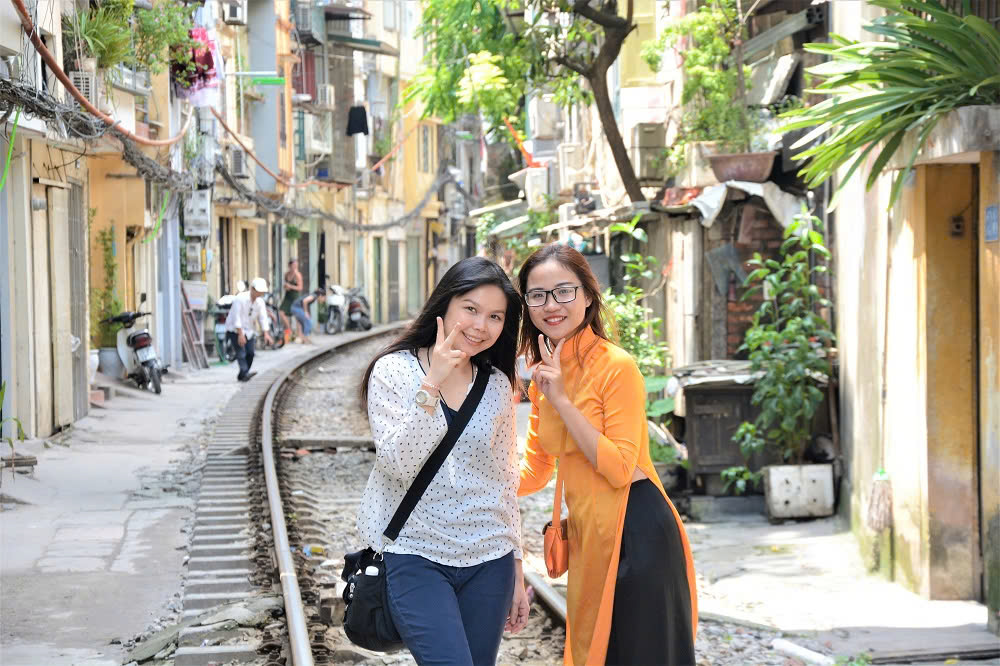
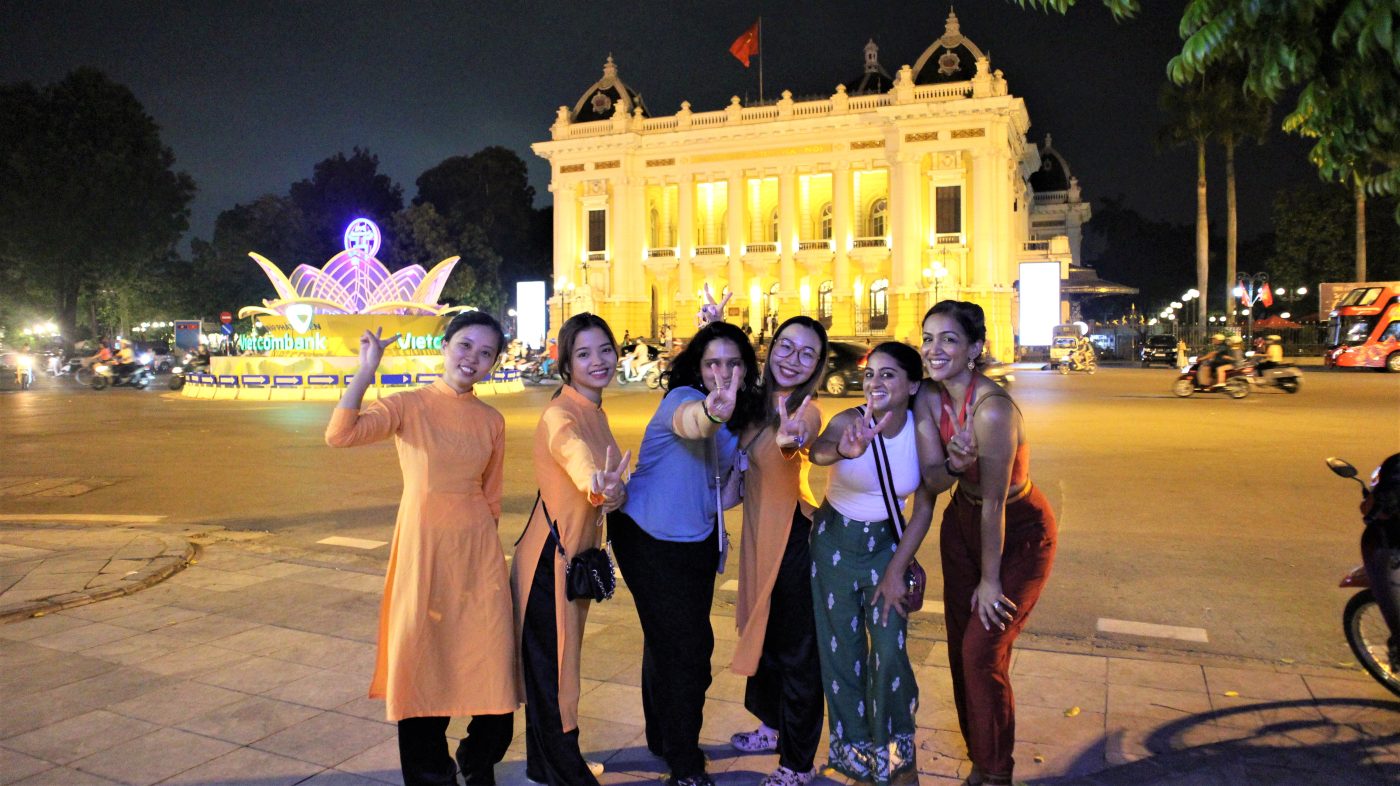
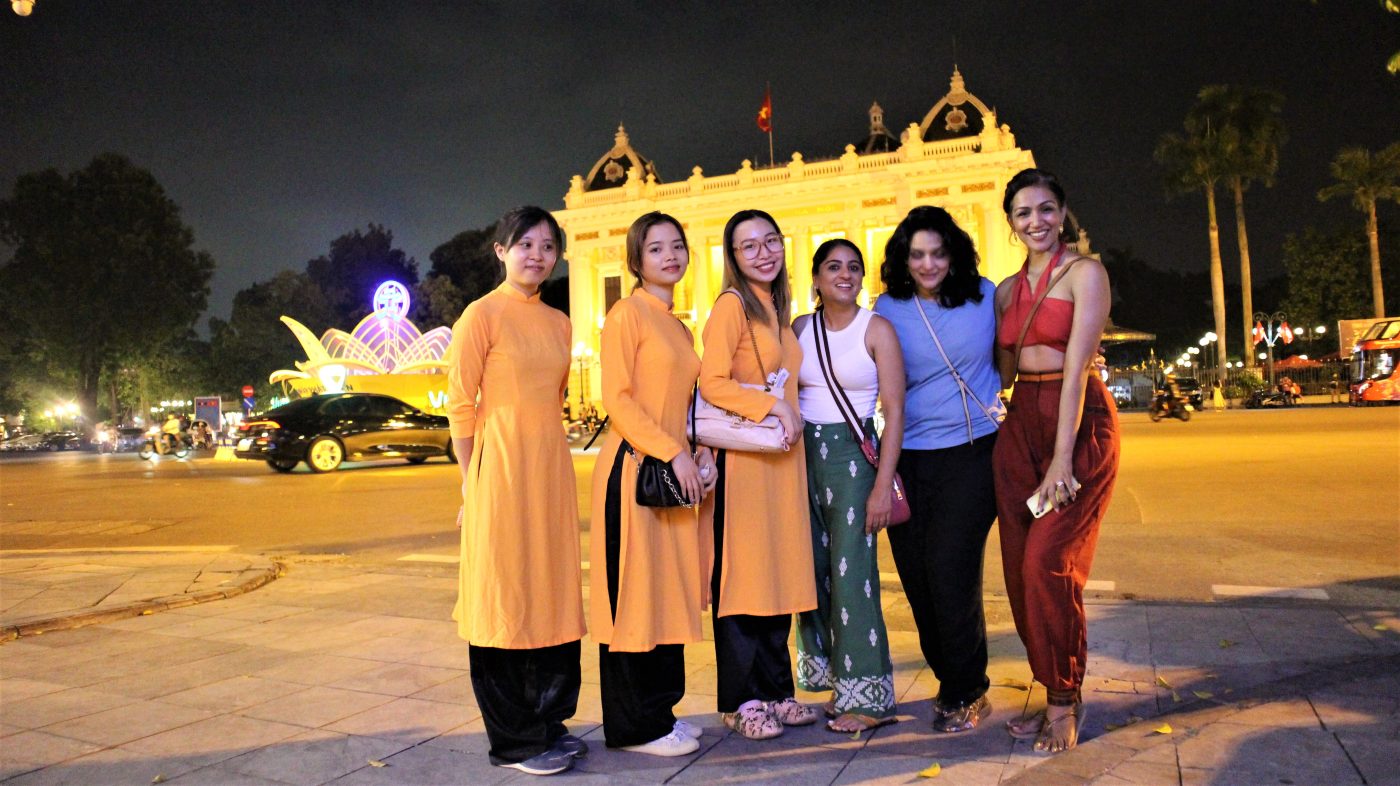
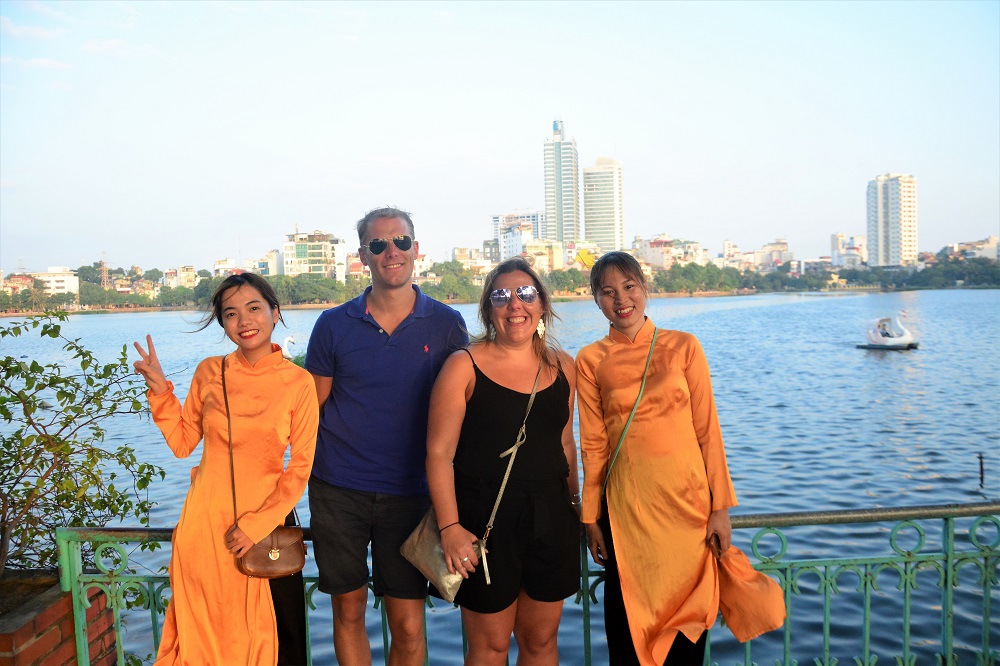
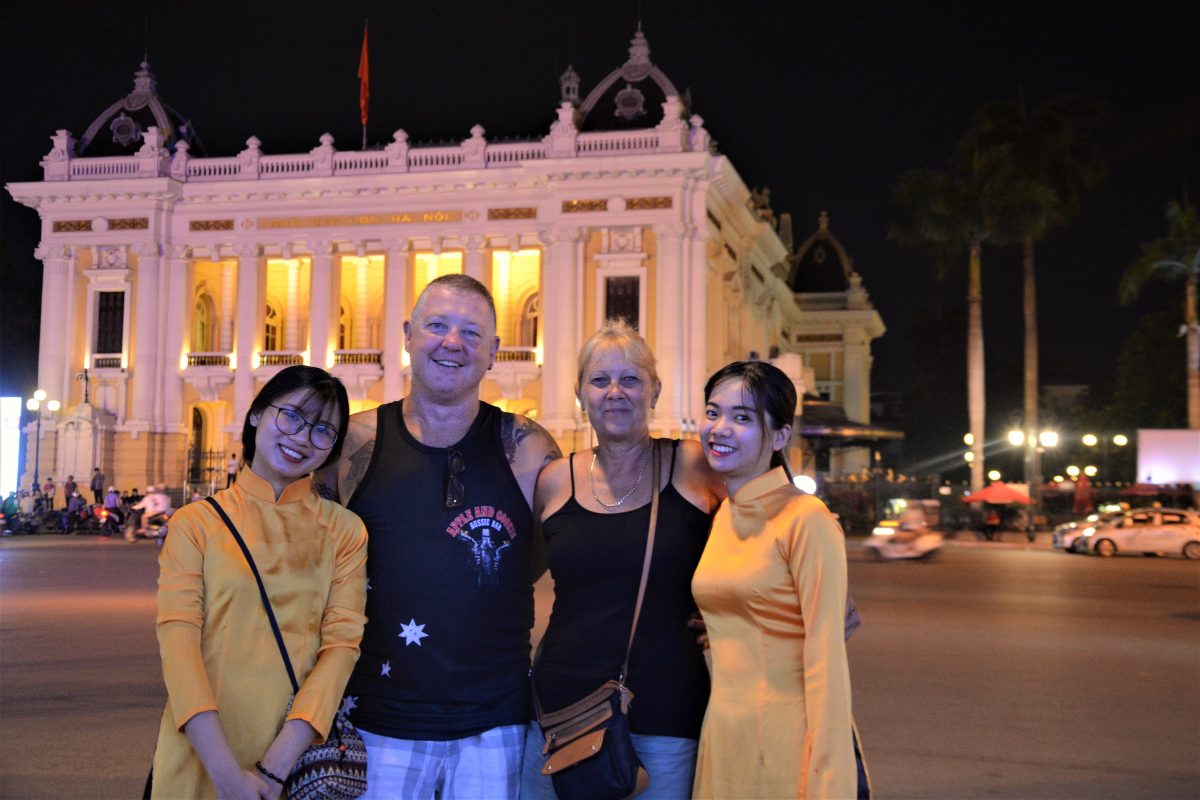
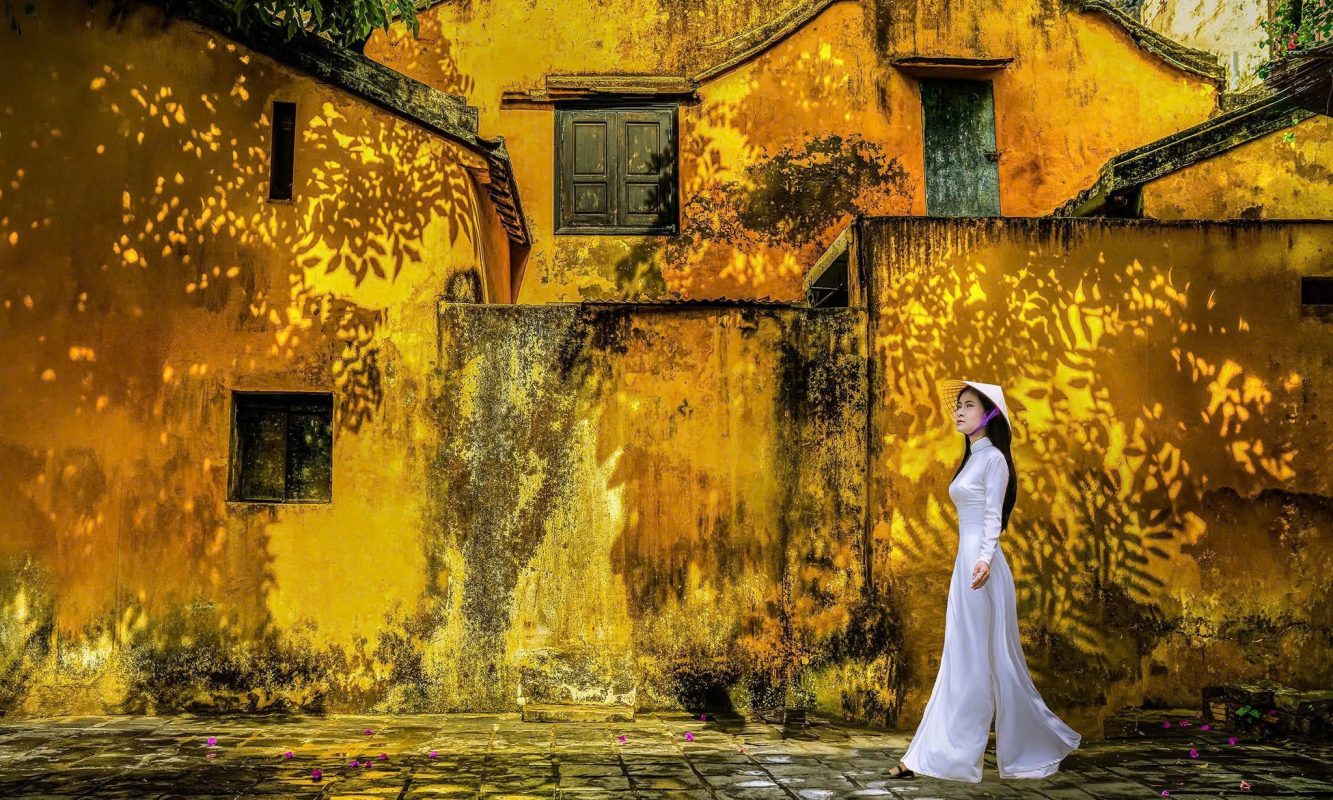
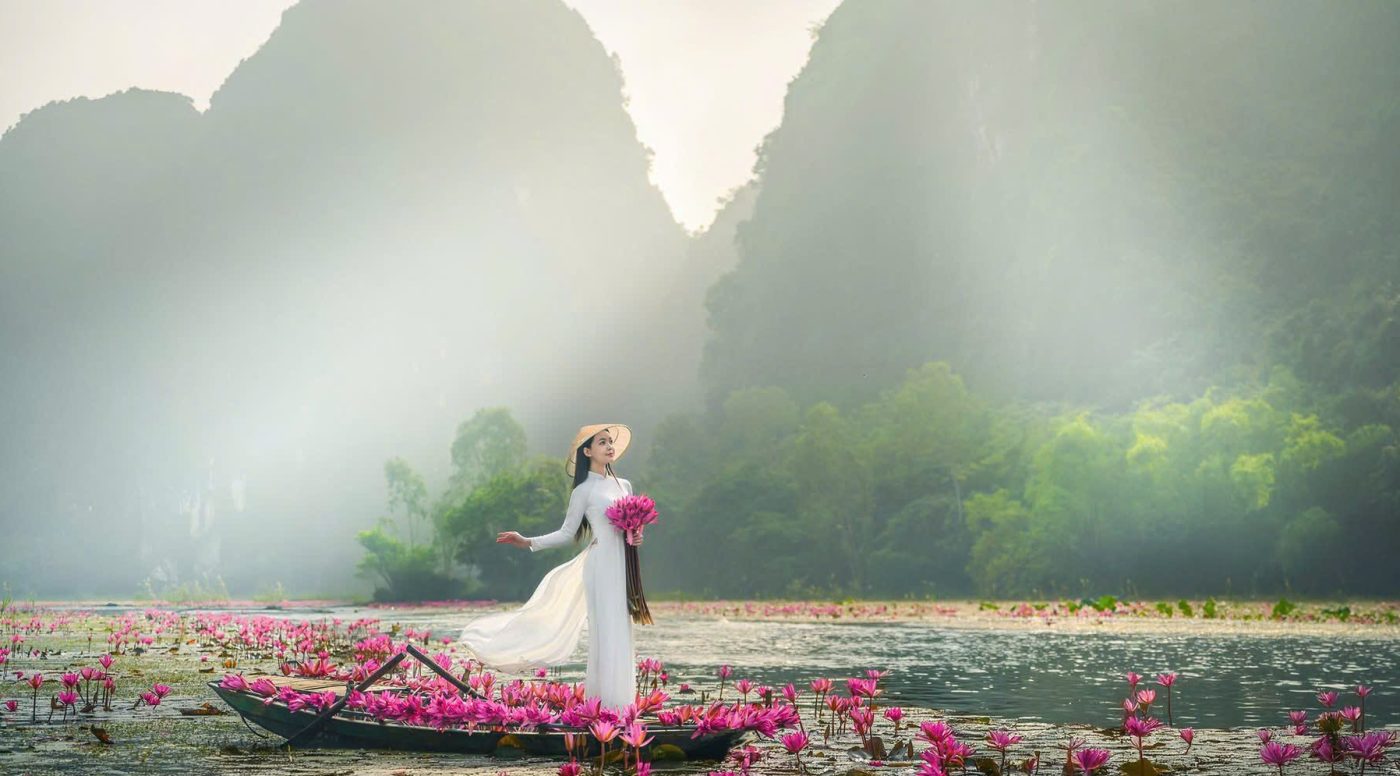
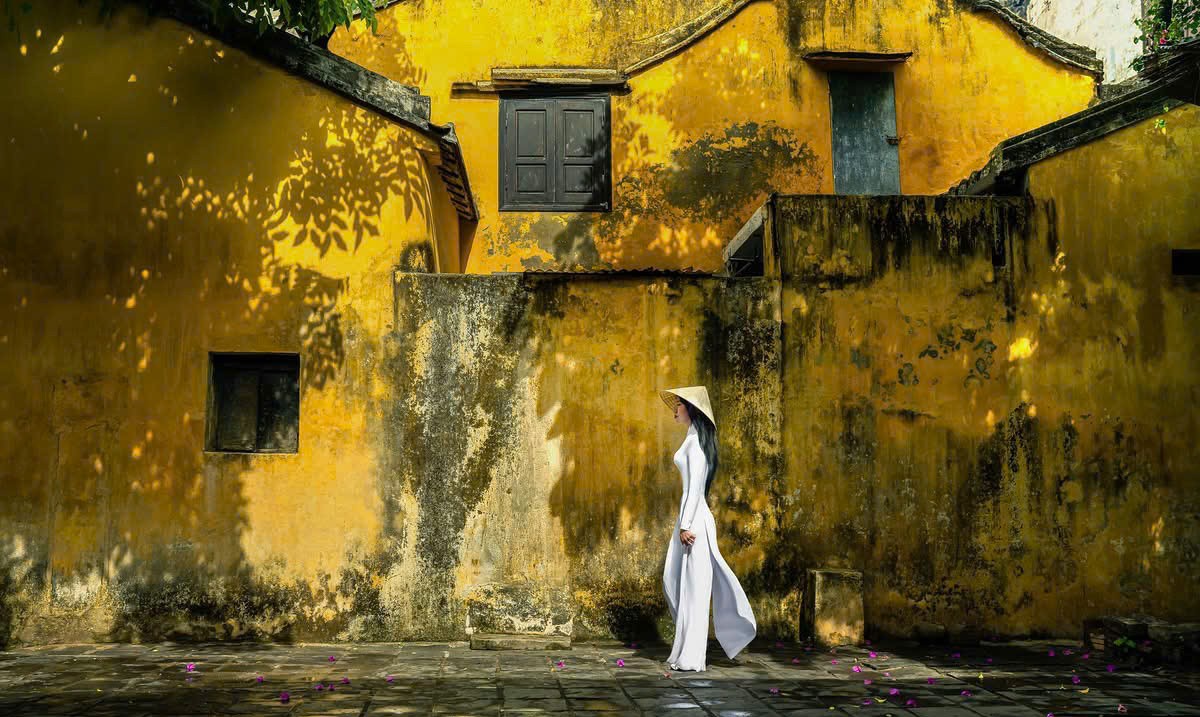
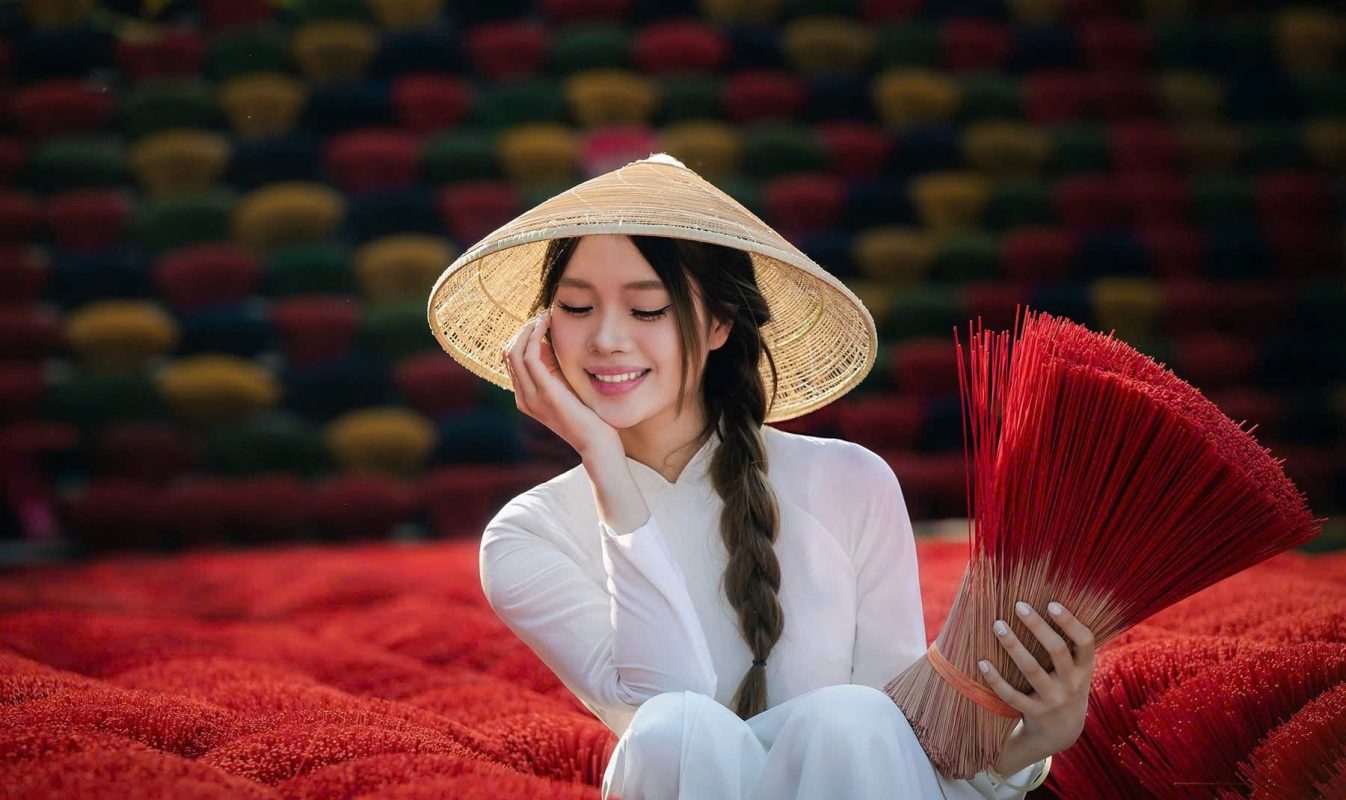
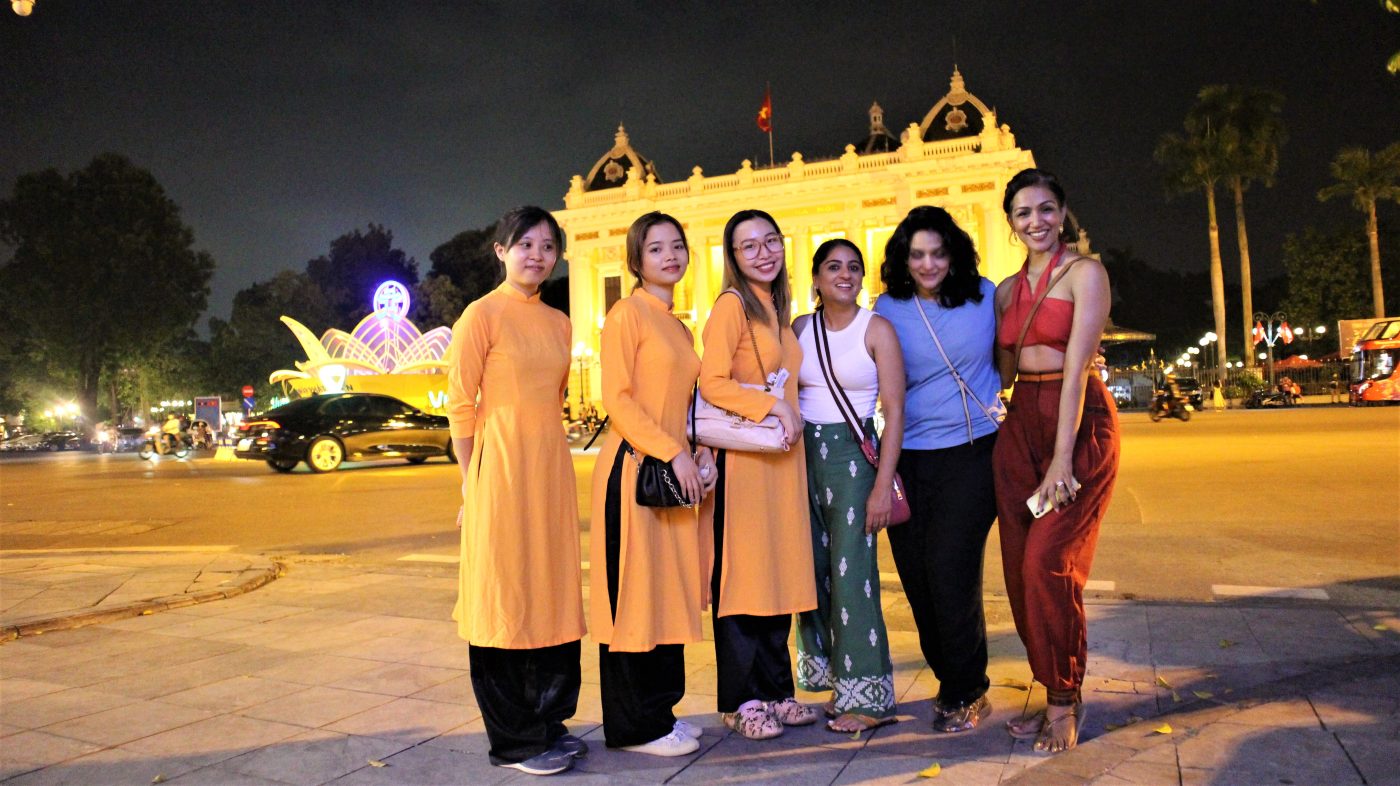
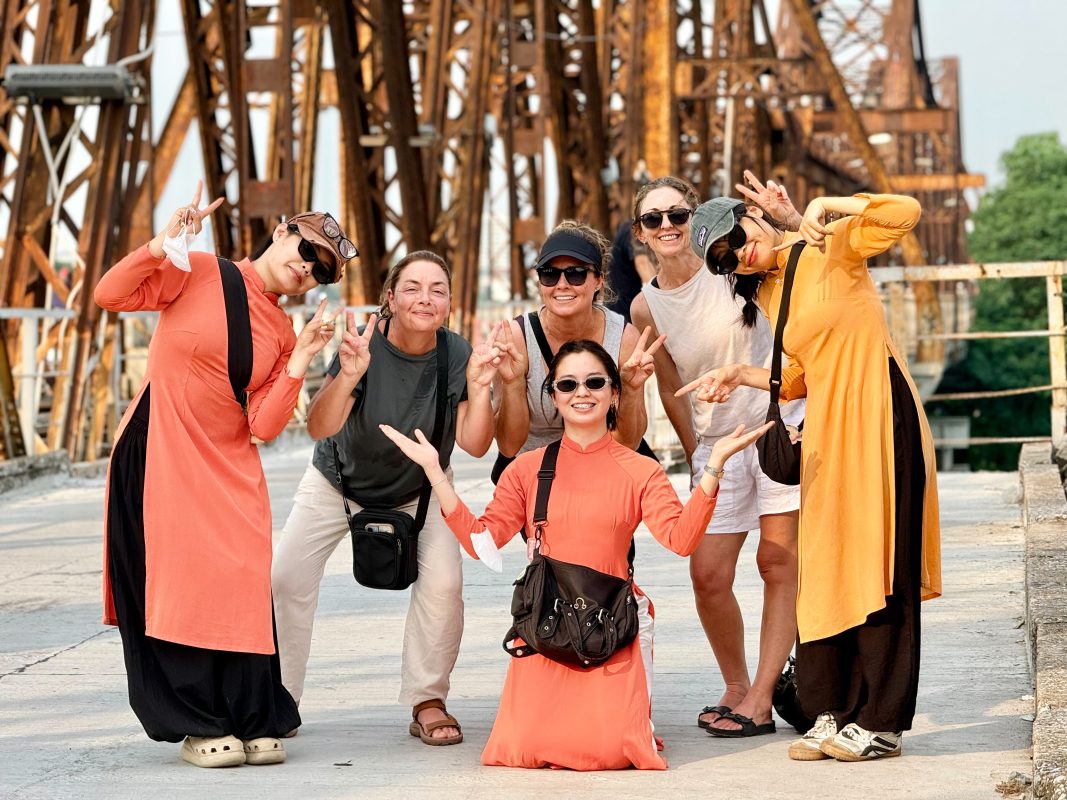
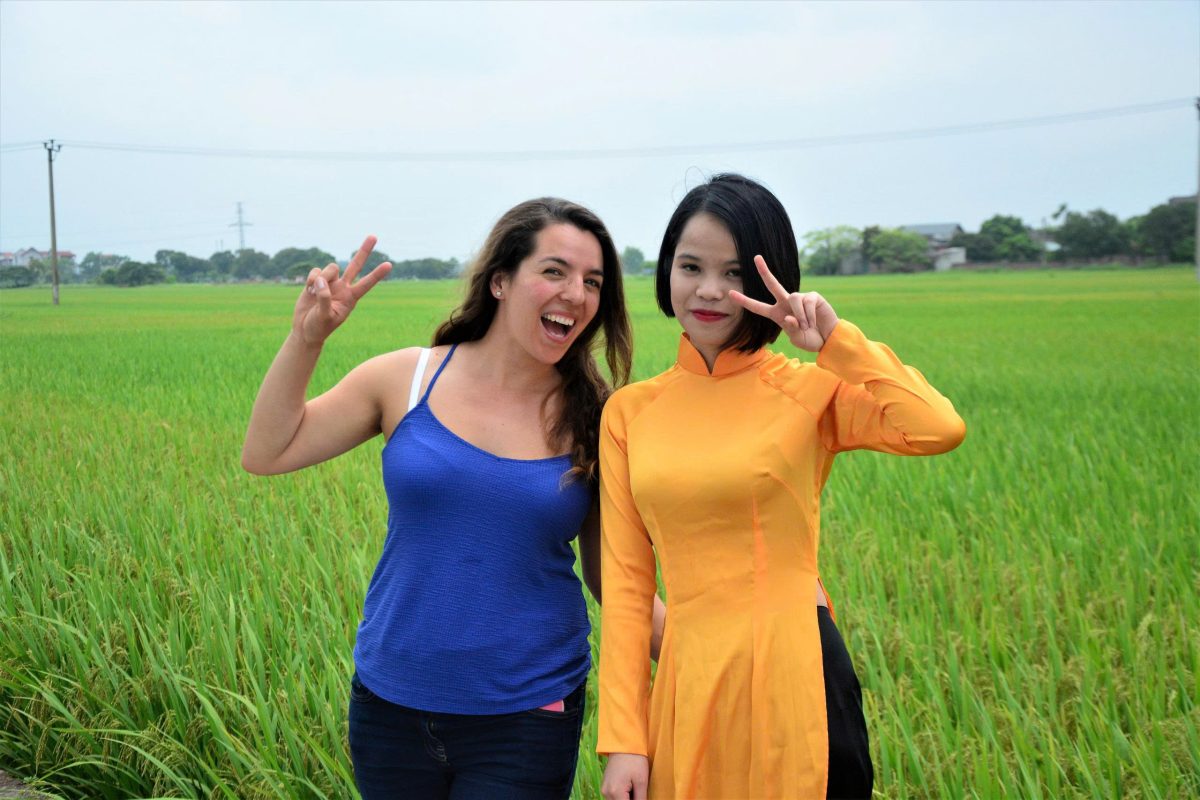
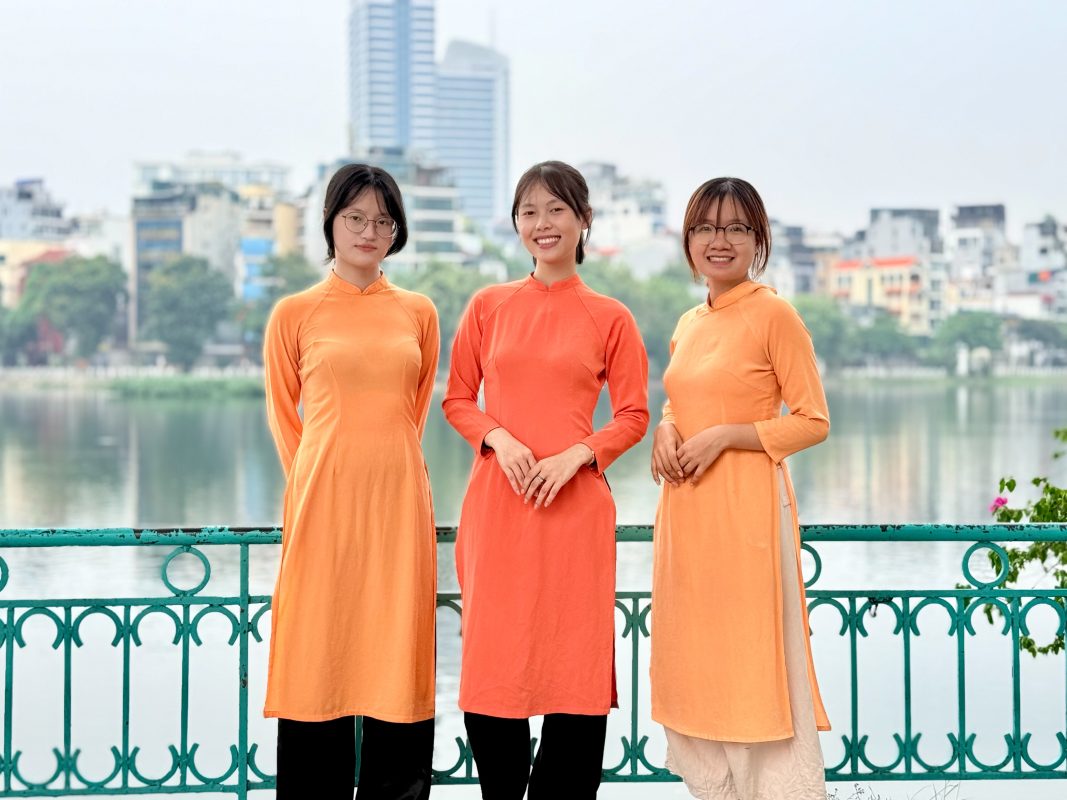
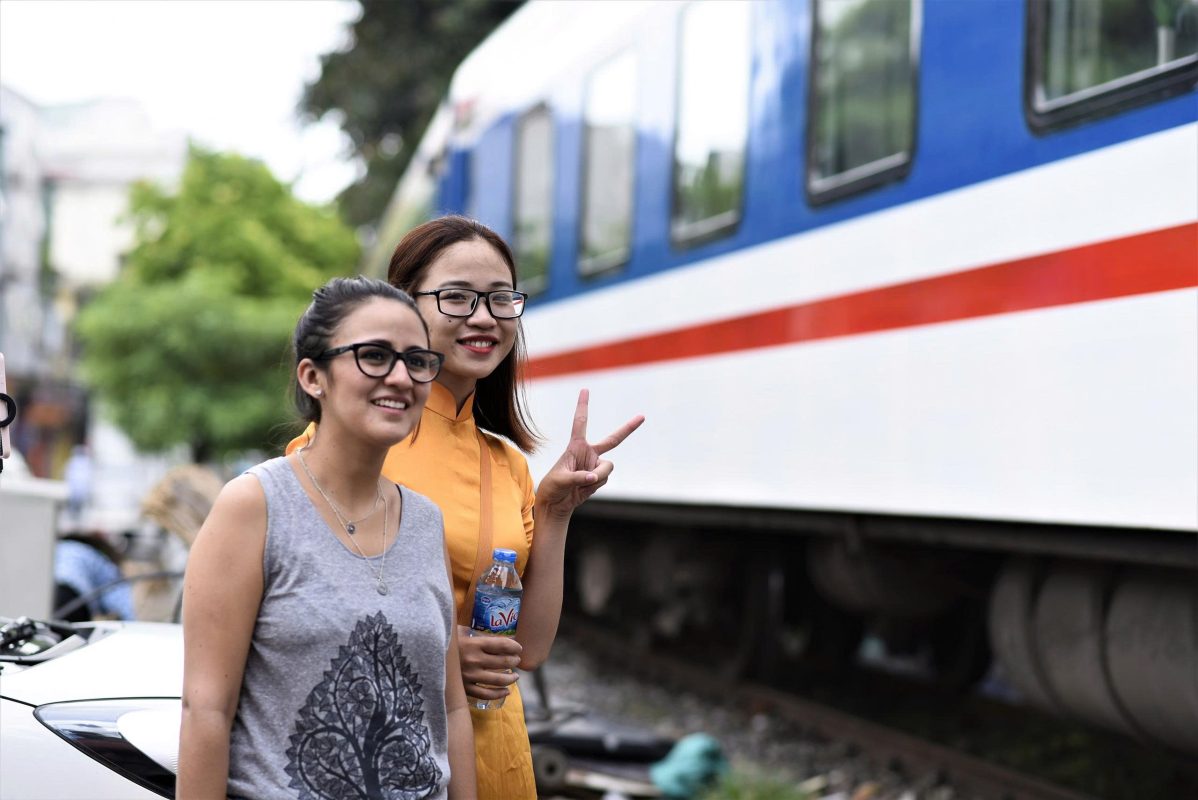
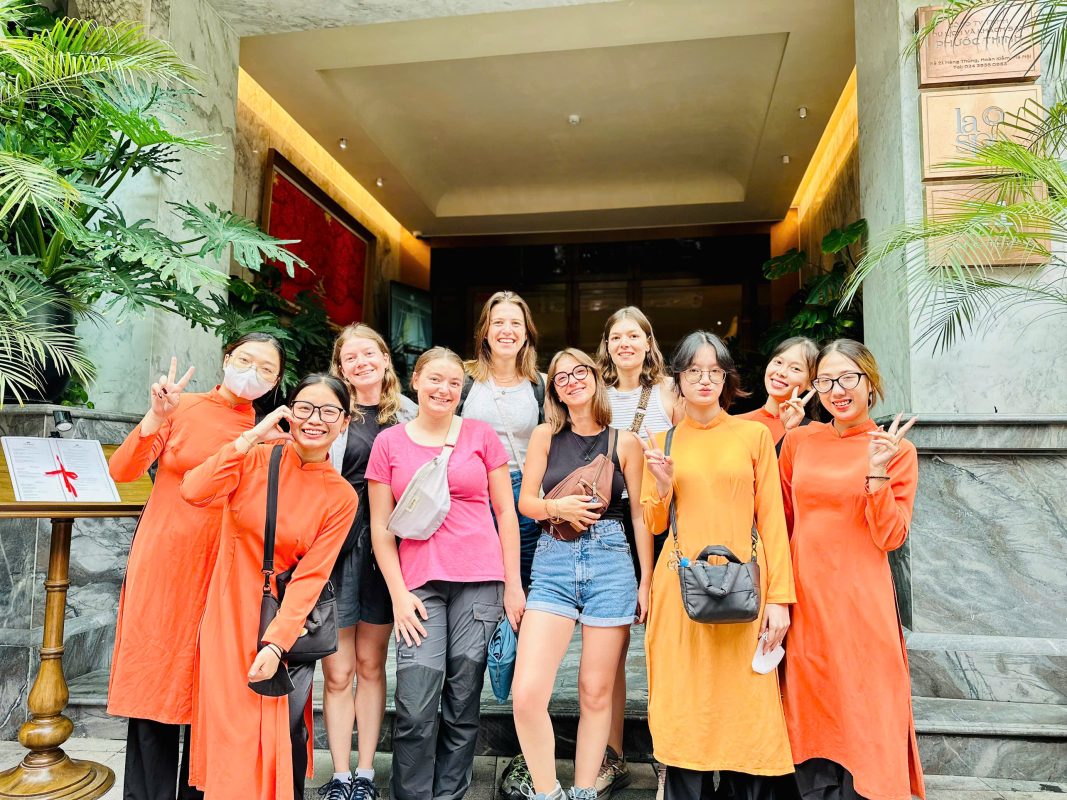
The áo dài is Vietnam’s most recognizable traditional dress and is commonly worn for important occasions such as Tết, weddings and ceremonies.
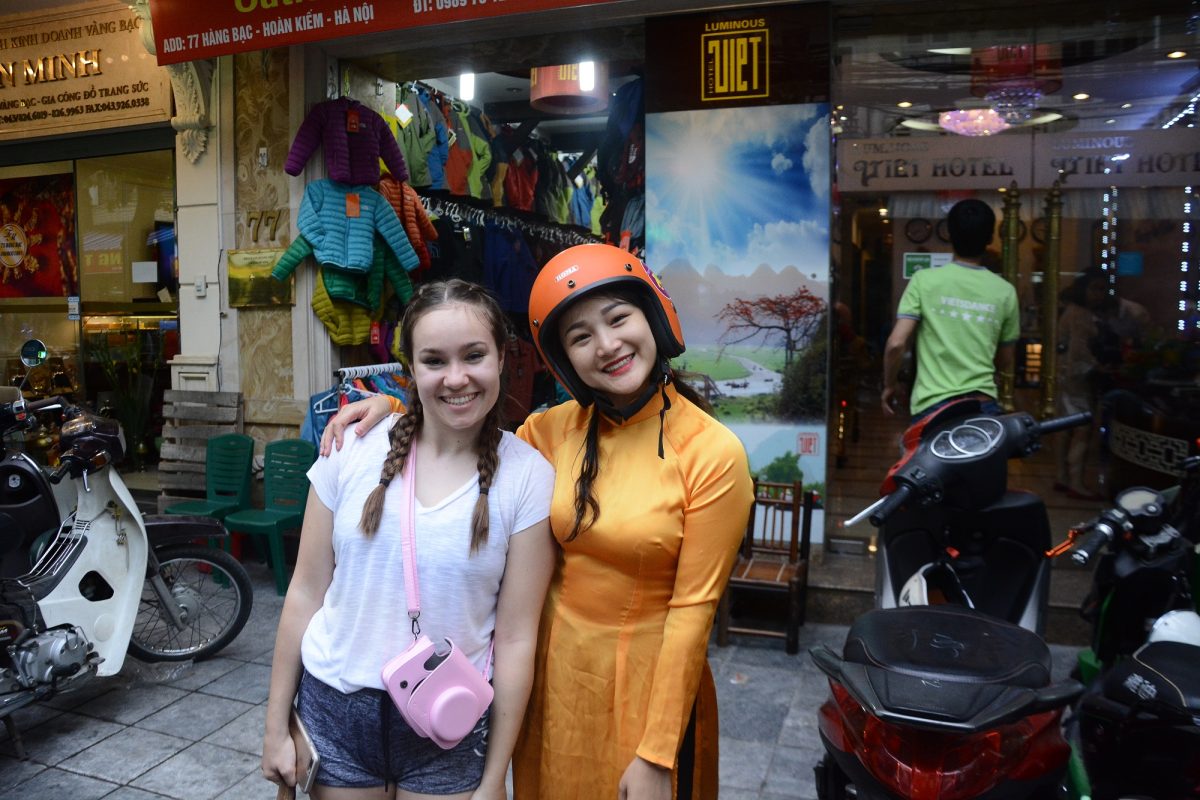
Tourists can also wear an áo dài respectfully if they wish.
What to Wear for Tet in Vietnam
During Tet, Vietnamese people often dress more carefully than they would on an ordinary day.
If you’re visiting Vietnam during Lunar New Year, consider:
Women
- Colorful dress
- Blouse
- Smart trousers
- Áo dài
Men
- Polo shirt
- Collared shirt
- Smart trousers
- Áo dài
You don’t need to dress formally everywhere, but wearing something clean and presentable is a nice way to participate in the festive atmosphere.
What to Wear at Night in Vietnam
Most nightlife areas are casual.
For Hanoi:
- Jeans or trousers
- T-shirt
- Shirt
- Sneakers
For Ho Chi Minh City:
- Casual smart clothing
- Dress
- Polo
- Trousers
For beach destinations:
- Smart casual resort clothing
Upscale rooftop bars may have their own dress expectations, so check ahead if you’re visiting a particularly exclusive venue.
What to Wear on a Ha Long Bay Cruise
For daytime:
- Shorts
- T-shirt
- Sandals
- Swimwear
For dinner:
- Casual dress
- Blouse and trousers
- Polo shirt
- Chinos
For colder months:
- Light sweater
- Jacket
You generally don’t need a suit, evening gown or formal shoes.
What to Wear When Visiting Markets
Markets are casual.
Wear:
- T-shirt
- Shorts
- Lightweight trousers
- Sneakers
- Sandals
A comfortable crossbody bag or small backpack is more practical than a large handbag.
For outdoor markets, a hat and sunscreen are useful.
What to Wear on Long-Distance Travel
For domestic flights and long road journeys:
- Loose trousers
- T-shirt
- Light jacket
- Comfortable sneakers
Air-conditioning can be strong on planes and in vehicles, so carrying one light layer is a good idea.
Vietnam Clothing Checklist for Women
Everyday
☐ T-shirts
☐ Blouses
☐ Lightweight trousers
☐ Knee-length shorts
☐ Midi/maxi dress
☐ Sandals
☐ Sneakers
Temple visits
☐ Long trousers or skirt
☐ Sleeved top
☐ Scarf/shawl
Beach
☐ Swimsuit
☐ Beach cover-up
☐ Sandals
☐ Sun hat
Weather
☐ Light jacket
☐ Rain jacket
☐ Sunglasses
Vietnam Clothing Checklist for Men
Everyday
☐ T-shirts
☐ Polo shirts
☐ Linen shirts
☐ Lightweight trousers
☐ Knee-length shorts
☐ Sneakers
☐ Sandals
Temple visits
☐ Long trousers
☐ Sleeved shirt
☐ Easy-to-remove shoes
Beach
☐ Swim trunks
☐ Board shorts
☐ T-shirt
☐ Sandals
Weather
☐ Light jacket
☐ Rain jacket
☐ Sunglasses
☐ Hat
What NOT to Wear in Vietnam
You don’t need to follow a long list of strict rules, but avoid these choices in inappropriate settings:
At temples:
- Very short shorts
- Mini skirts
- Sleeveless tops
- Transparent clothing
- Bare shoulders
In cities:
- Going shirtless
- Walking around in swimwear
In rural areas:
- Extremely revealing clothing
- Transparent clothing
For outdoor activities:
- High heels
- Heavy clothing
- Insecure footwear
The principle is simple:
Dress casually in ordinary places and dress respectfully in cultural places.
The Best Vietnam Travel Wardrobe
If you’re traveling for two weeks and visiting Hanoi → Ha Long Bay → Hoi An → Hue → Ho Chi Minh City, you don’t need a huge suitcase.
A very practical wardrobe is:
5–6 T-shirts
2–3 lightweight trousers/shorts
1–2 long-sleeve shirts
1 light jacket
1 rain jacket
1 modest temple outfit
1 swimsuit
1 pair sneakers
1 pair sandals
Underwear and socks
Hat + sunglasses
That’s enough for most travelers.
What to Wear in Vietnam: Quick Guide
| Situation | Recommended Clothing |
|---|---|
| Hanoi sightseeing | T-shirt, trousers/shorts, sneakers |
| Hanoi winter | Sweater, jacket, trousers |
| Ha Long Bay | Casual layers, comfortable shoes |
| Sapa | Layers, hiking shoes, warm jacket when cold |
| Ha Giang | Practical outdoor clothing, secure shoes |
| Hoi An | Lightweight casual clothes |
| Hue | Breathable clothes + modest outfit |
| Da Nang | Beachwear + casual clothes |
| Ho Chi Minh City | Lightweight summer clothing |
| Mekong Delta | Breathable clothes, comfortable shoes |
| Phu Quoc | Swimwear, beachwear, sandals |
| Temple | Shoulders and knees covered |
| Beach | Swimwear is fine |
| Luxury restaurant | Smart casual |
| Motorbike tour | Comfortable trousers, secure shoes |
Final Verdict: What Should You Wear in Vietnam?
Vietnam is easy to dress for.
You do not need special clothing, expensive clothes or traditional Vietnamese clothing.
For most of your trip, choose:
Lightweight + breathable + comfortable.
Then make a few adjustments:
Northern winter → add warm layers.
Rainy season → add quick-dry clothing and rain protection.
Mountain trekking → wear proper hiking footwear.
Beach → swimwear is fine.
Temples and pagodas → cover shoulders and knees.
Cities → casual modern clothing is perfectly acceptable.
The most important thing is to dress appropriately for the place you’re visiting. Vietnamese cities are modern and relaxed, but temples, pagodas, family homes and some rural communities deserve a more conservative approach.
If you follow one simple rule, make it this:
Dress comfortably for the weather, and dress respectfully for the culture.
That is all you need to enjoy Vietnam comfortably and confidently.
Vietnam Women Travel – Premium Private Tours Led by Women
Vietnam Women Travel – Premium Private Tours Led by Women creates private Vietnam experiences for travelers who want comfort, flexibility and personal service.
From Hanoi food and cultural experiences to Ha Long Bay, Hoi An, Hue and Southern Vietnam, private itineraries can combine comfortable 4–5-star hotels, private transportation, domestic flights and professional women guides.
And when you’re preparing for your Vietnam trip, remember: comfortable shoes, breathable clothes, sun protection, rain protection and one modest outfit for temples will take you a very long way.