Central Vietnam Travel Guide: Hue, Hoi An & Da Nang
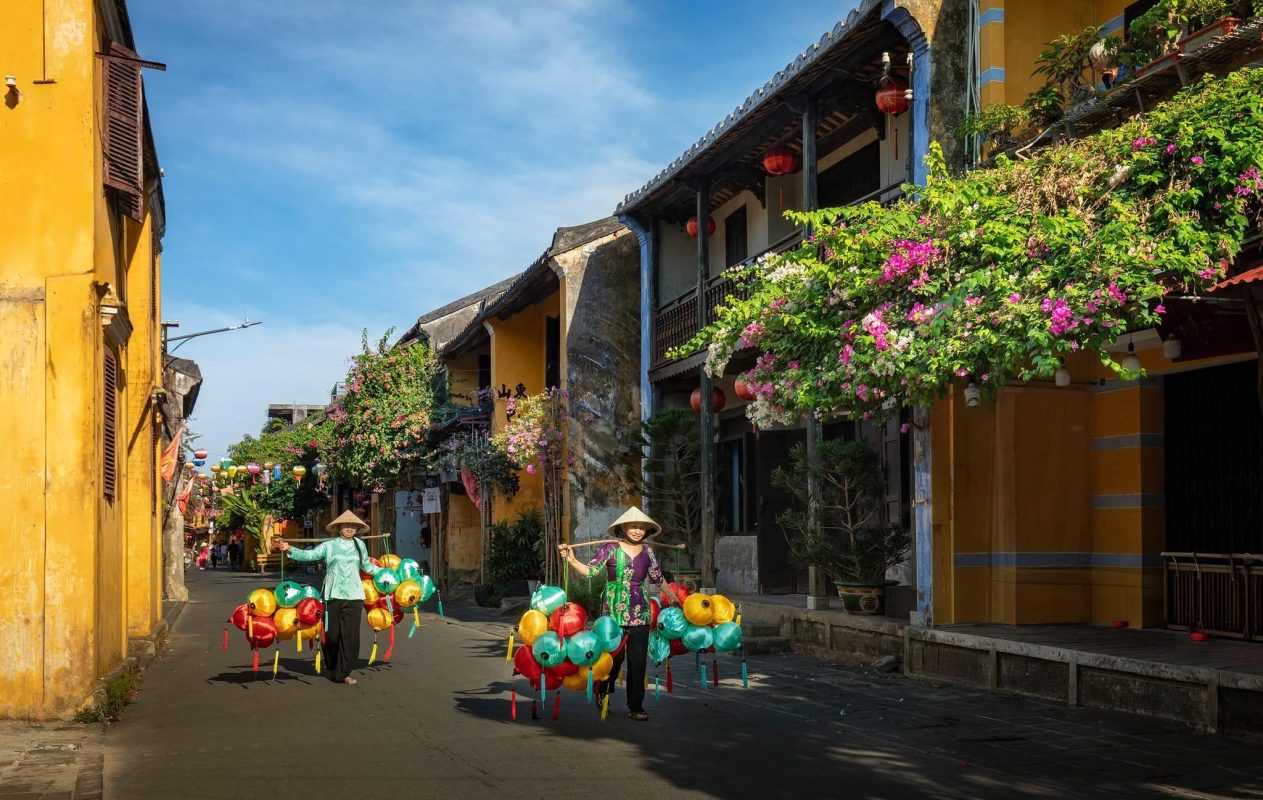
Central Vietnam is one of the best regions in Vietnam for travelers who want to combine history, beaches, architecture, food and beautiful landscapes in one journey. The classic Central Vietnam route connects Hue, Da Nang and Hoi An, three destinations that are geographically close but offer completely different experiences. Hue is the former imperial capital, Da Nang is a modern coastal city with beaches and mountains, while Hoi An is a beautifully preserved historic trading port filled with yellow shophouses, lanterns and narrow streets. Vietnam Tourism identifies these three destinations as some of the key highlights of Central Vietnam, with Hue focused on royal heritage, Hoi An on historic architecture and Da Nang on beaches, resorts and outdoor attractions.
For first-time visitors, the ideal Central Vietnam itinerary is 5–7 days, although you can see the major highlights in four days if your schedule is limited. A longer trip allows you to slow down, spend more time in Hoi An, explore Hue’s imperial tombs and enjoy Da Nang’s beaches. The three destinations can easily be connected by private car, making this one of the most convenient multi-city journeys in Vietnam.
Why Visit Central Vietnam?
Central Vietnam offers an unusually strong combination of UNESCO heritage, imperial history, coastal scenery, traditional architecture, mountain roads and distinctive cuisine. Hue’s monuments tell the story of the Nguyen Dynasty, Hoi An preserves the architecture of an international trading port, and Da Nang provides modern hotels, beaches, restaurants and easy access to surrounding attractions.
The region is also excellent for travelers who prefer variety. You can spend one morning visiting an imperial tomb, the next afternoon swimming at the beach, and the following evening walking through a lantern-lit historic town.
Hue, Hoi An or Da Nang: Which Should You Visit?
The answer is simple: visit all three if you have enough time.
Choose Hue if you love history, architecture, royal culture and traditional Vietnamese cuisine.
Choose Hoi An if you enjoy historic streets, photography, lanterns, cafés, tailoring, food and relaxed evenings.
Choose Da Nang if you want beaches, modern hotels, seafood, nightlife, mountain scenery and convenient transportation.
Together, they create a much more complete Central Vietnam experience than choosing only one city.
How Many Days Do You Need?
For a first trip, 6 days and 5 nights is ideal.
Spend 2 nights in Hue, 2 nights in Hoi An and 2 nights in Da Nang, or reduce Da Nang to one night if you prefer heritage and cultural experiences.
If you have only four days, spend one night in Hue, two nights in Hoi An and one night in Da Nang. If you have seven or eight days, add extra time for beaches, countryside experiences, My Son Sanctuary or a slower private itinerary.
Best Way to Travel Around Central Vietnam
The easiest way to travel between Hue, Da Nang and Hoi An is by private car. The distances are relatively short, and private transportation allows you to turn the journey itself into a sightseeing experience.
The most famous route is the Hai Van Pass, a spectacular coastal mountain road connecting Hue and Da Nang. Vietnam Tourism specifically highlights the pass as one of Vietnam’s most famous scenic roads and recommends stopping at viewpoints along the way.
Hue to Da Nang by Private Car
A private car from Hue to Da Nang is one of the best transportation choices because you can travel over the Hai Van Pass rather than taking the fastest route through tunnels.
The journey can include stops at Hai Van Pass, Lang Co Beach and viewpoints overlooking the coast. This turns a simple transfer into a half-day sightseeing experience.
Da Nang to Hoi An
Da Nang and Hoi An are very close, making it easy to stay in one city and visit the other. However, for travelers with enough time, staying in Hoi An is worthwhile because the historic town becomes especially atmospheric after sunset.
A private transfer is particularly convenient for families and couples carrying luggage.
Hue Travel Guide
Why Visit Hue?
Hue was the imperial capital of unified Vietnam from 1802 until 1945, when the Nguyen Dynasty ruled the country. The city developed around the Perfume River, with the Imperial City, royal tombs, temples and other monuments forming a remarkable historic landscape. UNESCO inscribed the Complex of Hue Monuments as a World Heritage Site in 1993.
Hue is the destination to choose when you want to understand Vietnam’s royal history rather than simply see beautiful buildings.
Hue Imperial City
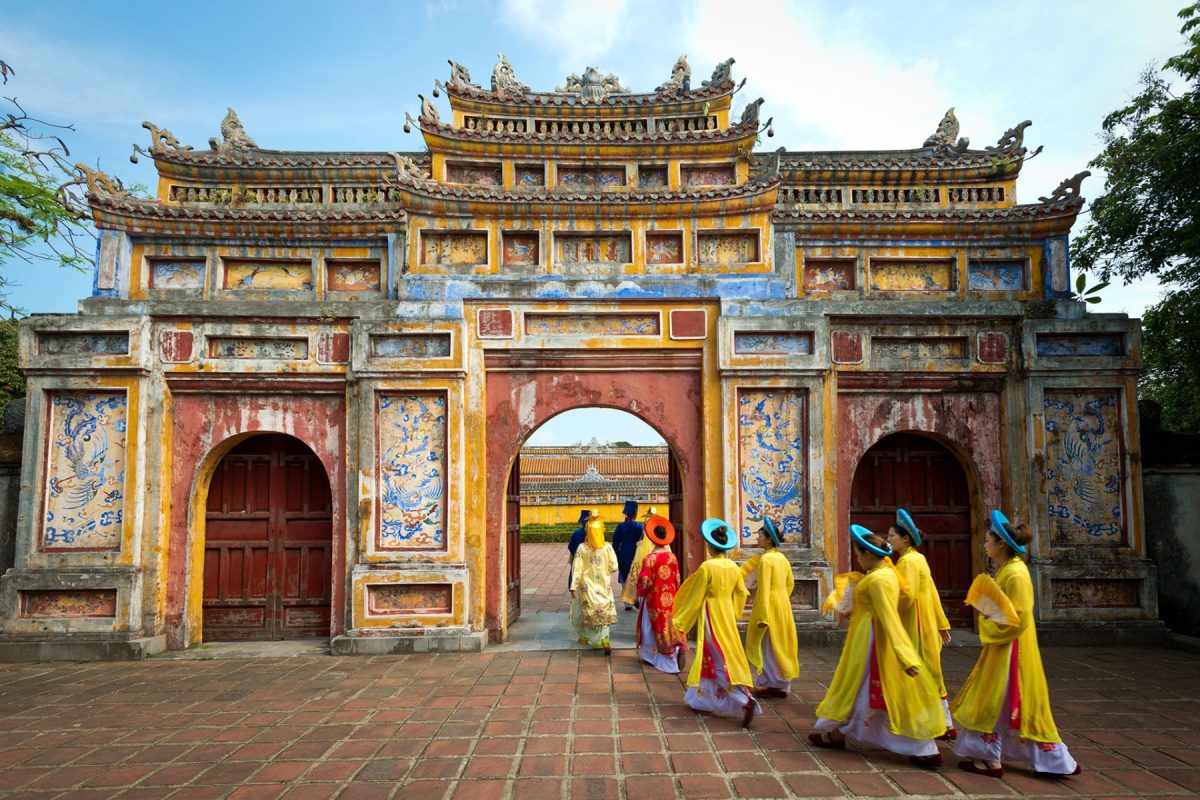
The Imperial City is the essential attraction in Hue. Located inside the larger Citadel, it contains gates, courtyards, palaces, temples and historic structures associated with the Nguyen Dynasty.
Allow at least two to three hours to explore properly. The complex is much larger than it initially appears, and rushing through it makes it difficult to appreciate the architecture and historical significance.
UNESCO describes the Imperial City, Forbidden Purple City and surrounding capital as central elements of the World Heritage property.
Forbidden Purple City
Inside the Imperial City lies the Forbidden Purple City, once reserved for the emperor, royal family and selected members of the court.
Although parts of the complex were damaged over time, restoration work has preserved and reconstructed important sections. The remaining structures provide a glimpse into the organization of the Nguyen imperial court.
Perfume River
The Perfume River runs through Hue and forms an important part of the city’s identity. UNESCO specifically highlights the river and surrounding mountains as integral elements of the historic capital’s landscape.
A riverside walk is pleasant in the late afternoon, while a private boat experience can provide another perspective on the city.
Thien Mu Pagoda
Thien Mu Pagoda is one of Hue’s best-known religious landmarks. Located beside the Perfume River, the pagoda combines historic architecture with a peaceful riverside setting.
It is particularly easy to include on a sightseeing route that also visits the Imperial City and royal tombs.
Royal Tombs of Hue
The royal tombs are among Hue’s most impressive attractions and should not be skipped.
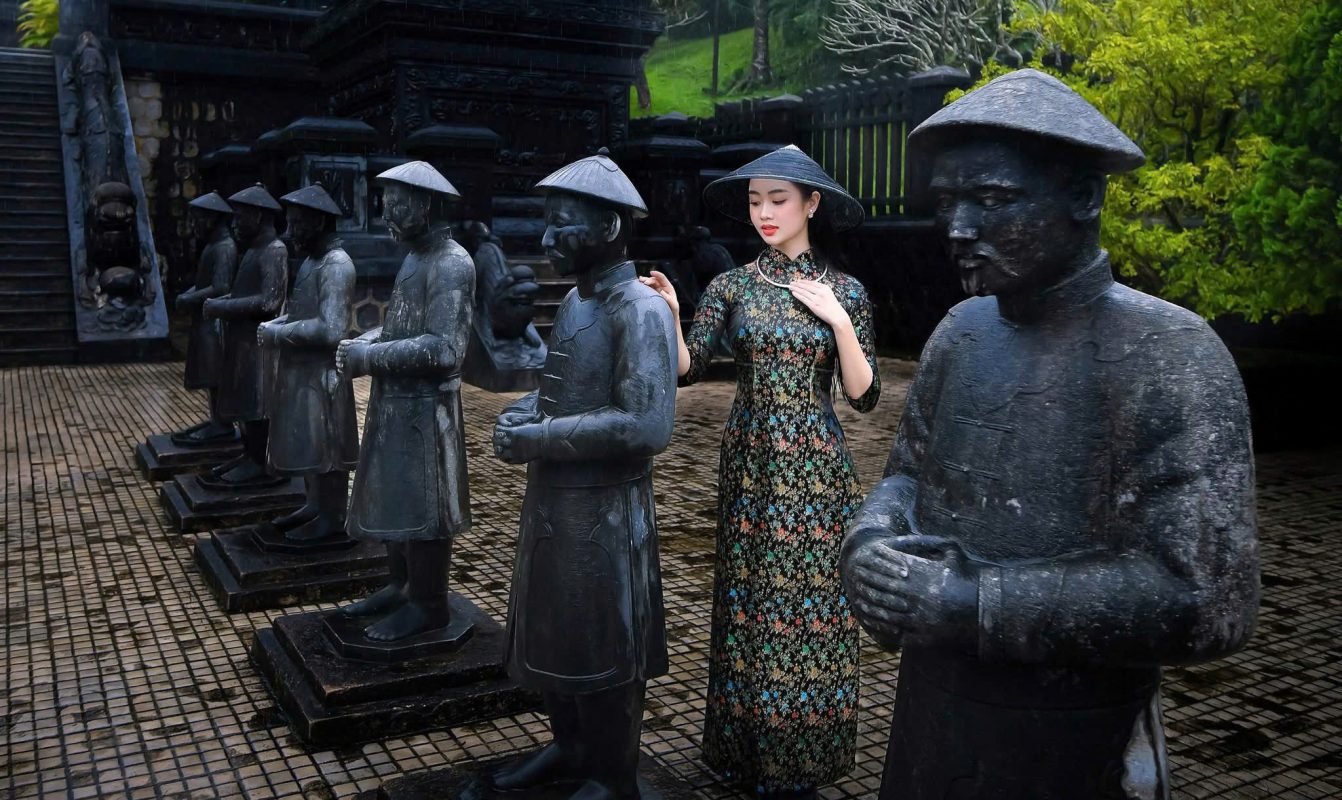
Important tomb complexes include the tombs of Minh Mang, Tu Duc and Khai Dinh. Each reflects a different architectural style and personality.
Minh Mang’s tomb is known for its balanced layout and natural setting. Tu Duc’s complex combines architecture with gardens and lakes. Khai Dinh’s tomb is more elaborate and incorporates strong European and Vietnamese influences.
Khai Dinh Tomb
Khai Dinh Tomb is visually different from many other royal monuments. Its elaborate interior decoration, mosaics and mixture of architectural influences make it particularly interesting for photography.
Because the tomb is built into a hillside, visitors should be prepared for stairs.
Minh Mang Tomb
Minh Mang Tomb is known for its harmonious relationship with the surrounding landscape. The complex contains courtyards, lakes, gates, temples and gardens arranged along a central axis.
It is one of the best places in Hue to understand how imperial architecture was integrated with natural surroundings.
Tu Duc Tomb
Tu Duc Tomb has a more intimate atmosphere, with pavilions, gardens, water features and wooded areas. The complex was designed during the emperor’s lifetime and functioned partly as a retreat.
For travelers interested in the personal lives of Vietnam’s emperors, Tu Duc is particularly fascinating.
Hue Cuisine
Hue is one of Vietnam’s strongest food destinations. The former imperial capital developed a sophisticated culinary tradition, while the city also has an extensive street-food culture.
Important dishes to try include bun bo Hue, banh beo, banh nam, banh loc, com hen and Hue-style vegetarian dishes.
Bun Bo Hue
Bun bo Hue is perhaps the city’s most famous dish. The spicy beef noodle soup is richer and more aromatic than many other Vietnamese noodle soups.
Try it for breakfast or lunch, preferably at a restaurant specializing in Hue cuisine rather than a generic tourist restaurant.
Hue Royal-Inspired Cuisine
Travelers can also experience dishes inspired by the elaborate cuisine historically associated with the imperial court.
These meals are often presented more carefully and can be interesting for travelers who want to connect food with Hue’s royal history.
How Long Should You Stay in Hue?
Two nights is ideal for first-time visitors.
One full day can cover the Imperial City and several royal tombs, while another half-day allows time for Thien Mu Pagoda, the Perfume River and food experiences.
If you love history, three nights is even better.
Da Nang Travel Guide
Why Visit Da Nang?
Da Nang is Central Vietnam’s modern coastal hub, positioned between Hue and Hoi An. It combines long beaches, mountain scenery, restaurants, cafés, resorts and convenient transportation. Current Vietnam Tourism guidance identifies My Khe Beach, Son Tra Peninsula, Marble Mountains, Dragon Bridge and Ba Na Hills among the city’s key attractions.
Da Nang is also the easiest arrival point for travelers flying directly into Central Vietnam because it has an international airport and a railway station.
My Khe Beach
My Khe Beach is Da Nang’s most famous urban beach. The long sandy coastline makes it easy to combine sightseeing with swimming and relaxation.
Early morning is particularly pleasant, when residents exercise, walk and enjoy the cooler air.
Son Tra Peninsula
Son Tra Peninsula rises dramatically from the coast northeast of Da Nang. Its forested slopes provide viewpoints, winding roads and opportunities to see wildlife.
The peninsula is also associated with the endangered red-shanked douc langur, making it interesting for nature-focused travelers.
Linh Ung Pagoda and Lady Buddha
The Linh Ung Pagoda on Son Tra is famous for its enormous Lady Buddha statue overlooking the sea.
The combination of mountain, ocean and religious architecture makes this one of Da Nang’s best scenic stops.
Marble Mountains
Marble Mountains consist of five limestone and marble hills south of central Da Nang. The area contains caves, pagodas, shrines and viewpoints.
Vietnam Tourism recommends visiting early in the day, when temperatures are more comfortable and the atmosphere is calmer.
Dragon Bridge
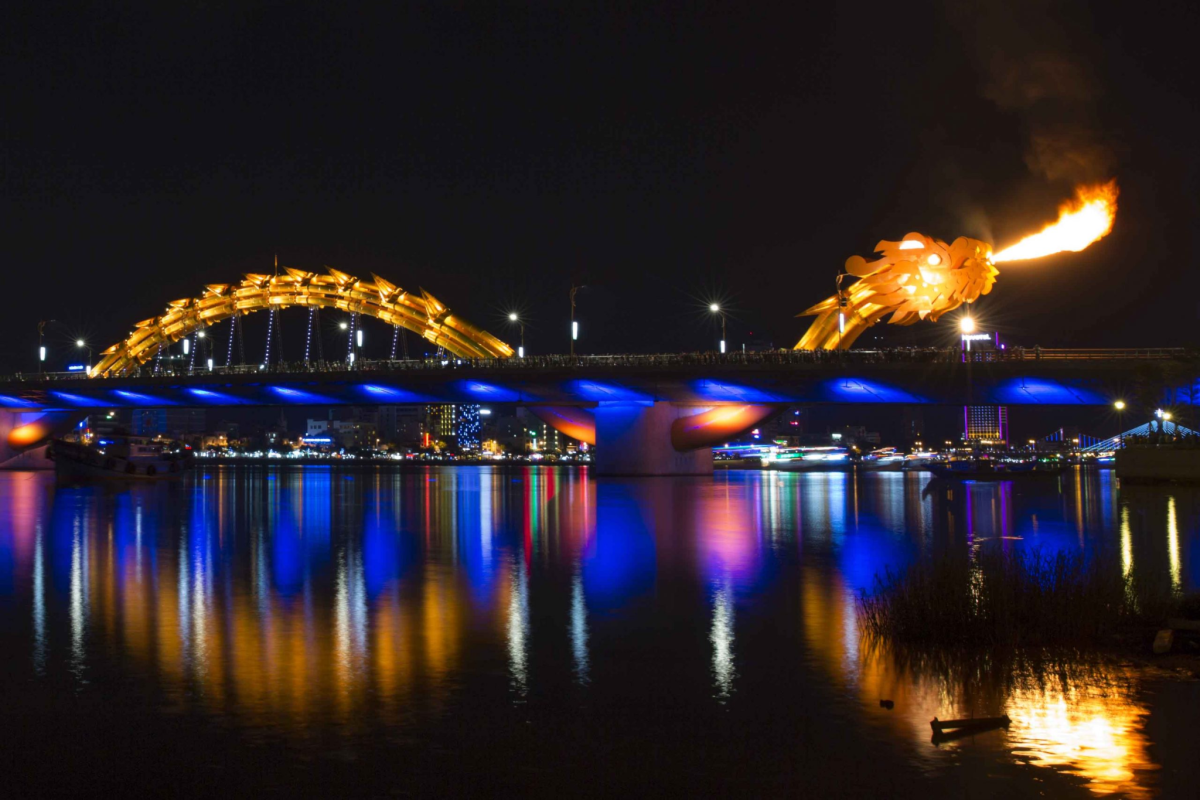
Dragon Bridge is one of Da Nang’s most recognizable modern landmarks. At night, the bridge becomes a major part of the city’s illuminated skyline.
If your visit coincides with one of the bridge’s scheduled fire and water performances, it can be a memorable evening activity. Check the current schedule before planning around it.
Han River
The Han River runs through central Da Nang and separates many of the city’s main urban districts.
The riverside is pleasant for an evening walk, especially when the bridges and buildings are illuminated.
Ba Na Hills and Golden Bridge
Ba Na Hills is a mountain resort complex west of Da Nang, famous internationally for the Golden Bridge, which appears to be supported by giant stone hands.
The attraction is very different from the historic atmosphere of Hue or Hoi An. It is best for travelers who enjoy viewpoints, gardens, cable cars and large-scale attractions.
Cham Museum
The Museum of Cham Sculpture is one of the most important cultural attractions in Da Nang. Vietnam Tourism notes that it houses the world’s largest collection of Cham sculpture.
It is particularly worthwhile before visiting My Son Sanctuary because it provides context for the Champa civilization.
Da Nang Food
Da Nang is a strong food destination, especially for travelers who enjoy seafood and Central Vietnamese specialties.
Try mi quang, bun cha ca, banh xeo, seafood and regional noodle dishes. Vietnam Tourism specifically identifies mi quang as one of Da Nang’s essential dishes.
How Long Should You Stay in Da Nang?
Two nights is enough for most first-time visitors.
One day can cover Son Tra, My Khe and Marble Mountains, while another can be used for Ba Na Hills or a relaxed beach day.
If you prefer resorts and beaches, stay three or four nights.
Hoi An Travel Guide
Why Visit Hoi An?
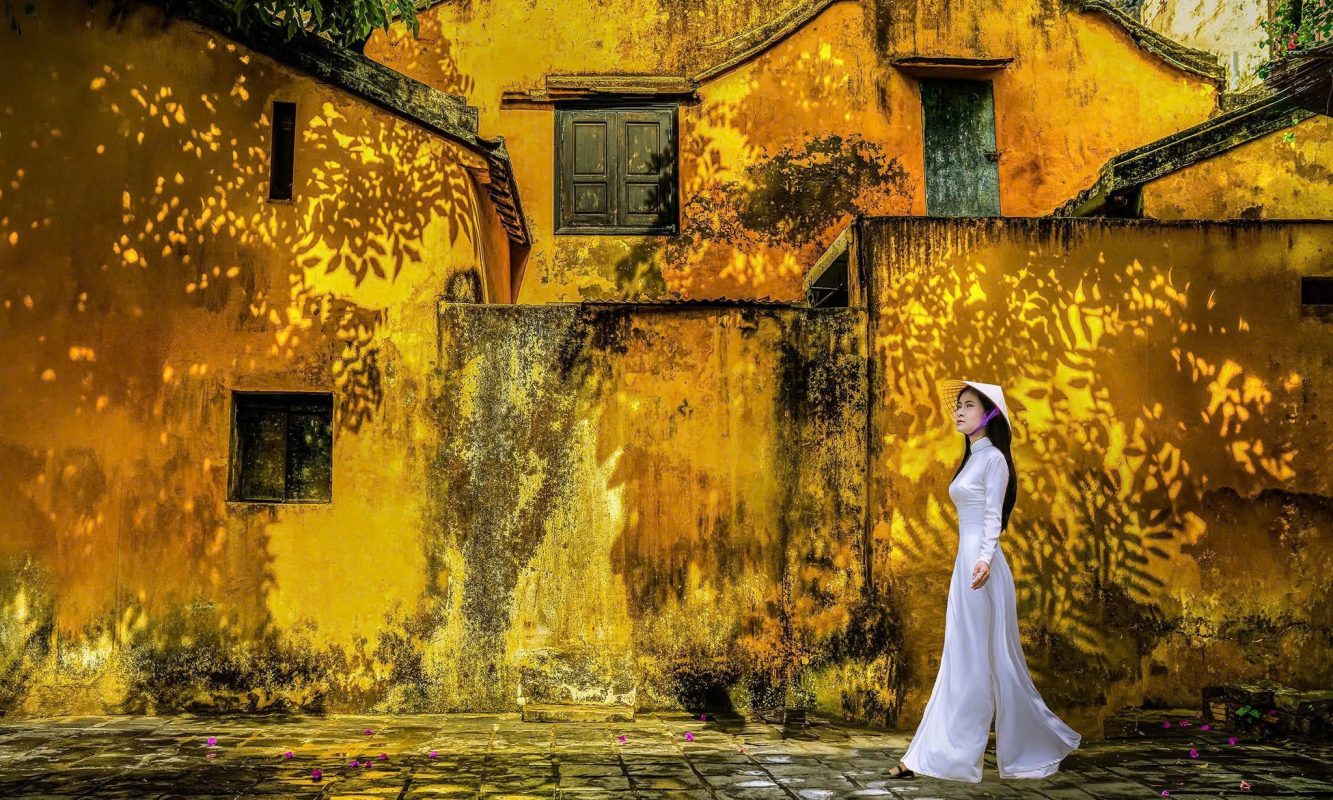
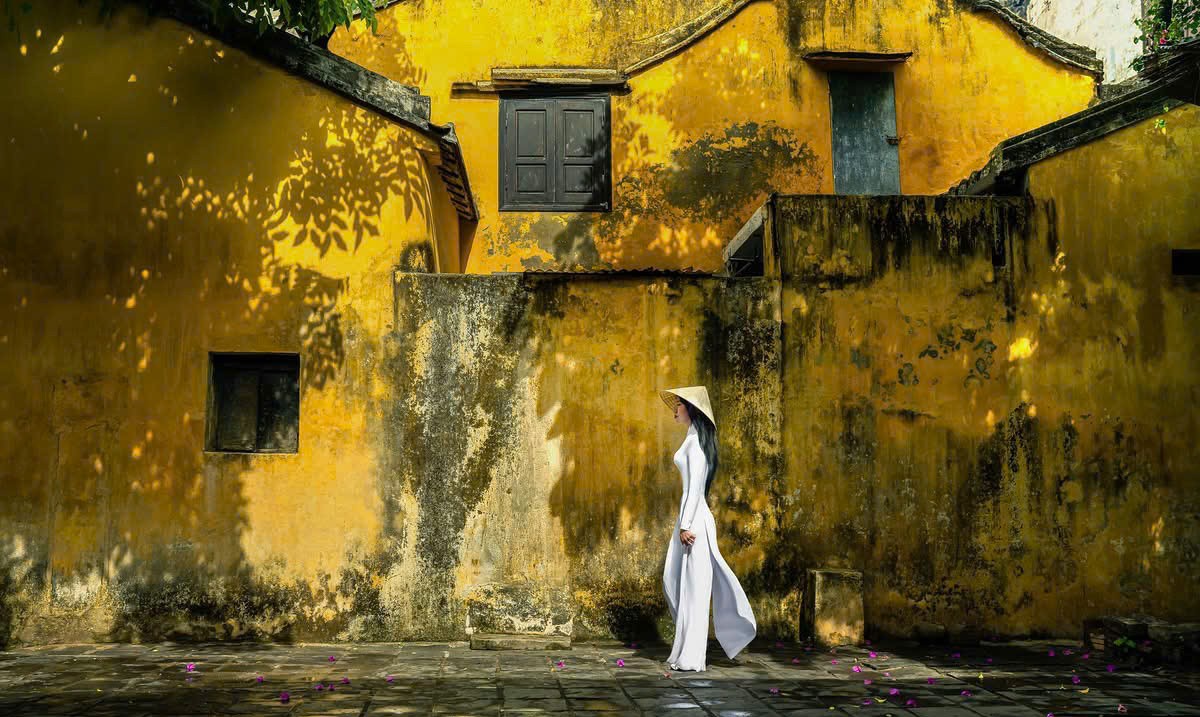
Hoi An Ancient Town is one of Vietnam’s most atmospheric destinations. The historic center preserves the layout and architecture of a Southeast Asian trading port that flourished from the 15th to 19th centuries. UNESCO recognizes Hoi An for its exceptionally well-preserved traditional buildings and street plan, reflecting Chinese, Japanese, European and Vietnamese cultural influences.
Hoi An is best experienced slowly. Walk rather than rush between attractions, return to the Old Town after dark and allow time for food, cafés, shopping and photography.
Hoi An Ancient Town
The Ancient Town is the heart of the destination. Narrow streets, wooden shophouses, temples, family houses and historic commercial buildings create a remarkably cohesive townscape.
UNESCO notes that the town retains an exceptional collection of traditional timber-frame buildings and its original street layout.
Japanese Covered Bridge
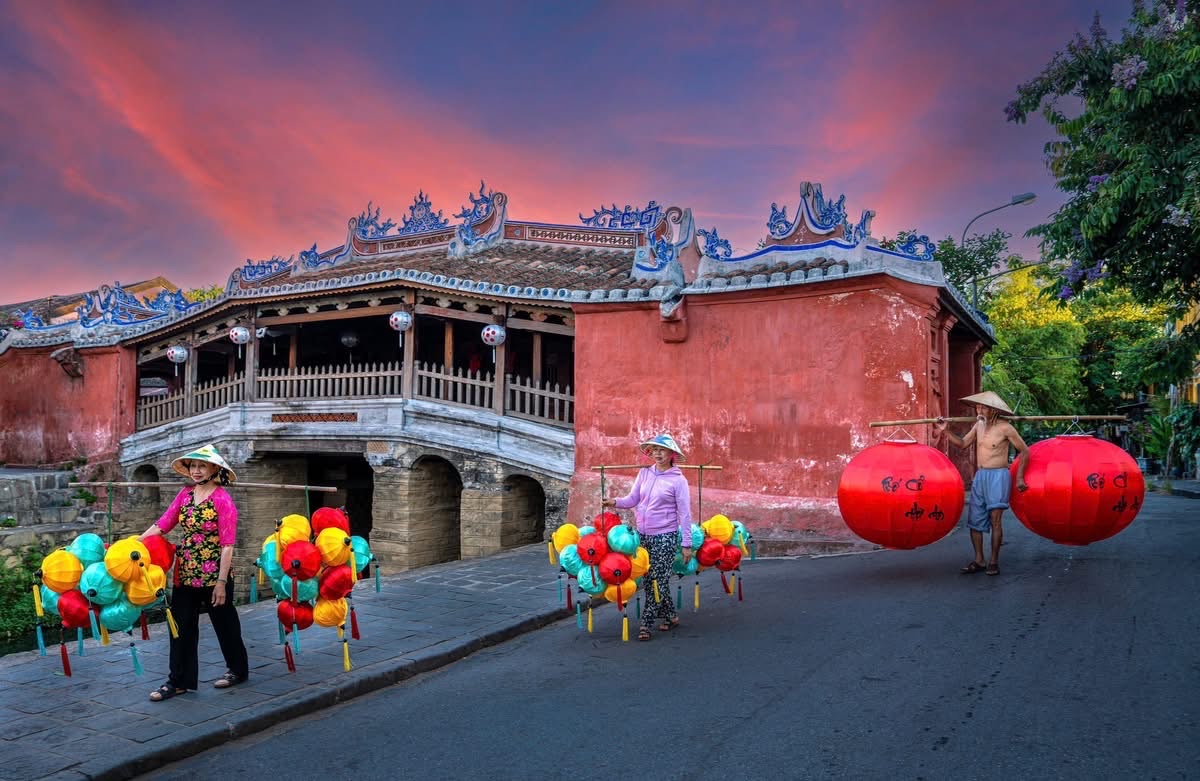
The Japanese Covered Bridge is one of Hoi An’s most recognizable landmarks.
It dates from the historic trading-port period and symbolizes the Japanese influence that became part of Hoi An’s architectural identity.
Tan Ky Ancient House
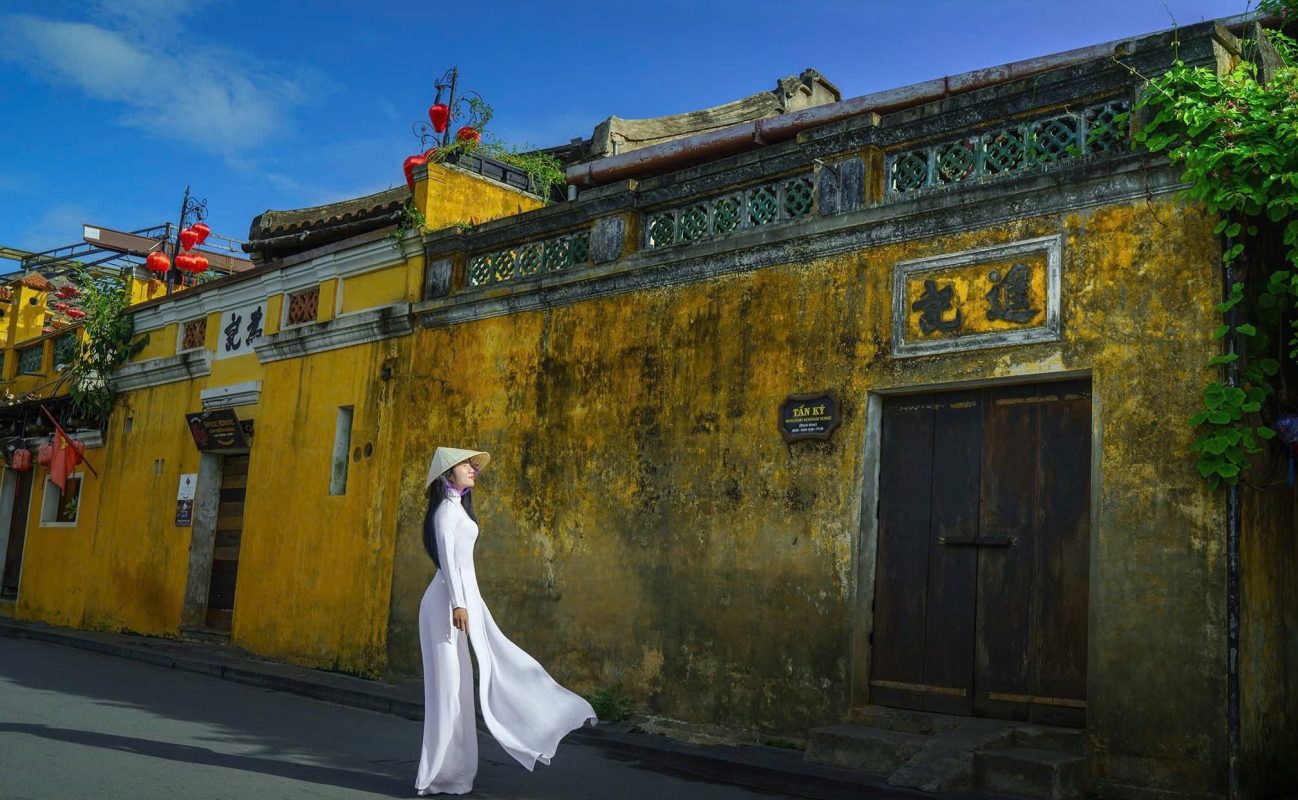
Tan Ky Ancient House provides an excellent example of Hoi An’s traditional merchant architecture.
The building demonstrates how residential and commercial functions were combined in the historic town, with architectural influences from different cultures.
Phuc Kien Assembly Hall
The Phuc Kien Assembly Hall is another important architectural attraction. Its elaborate entrance, courtyard and religious elements make it particularly photogenic.
It also demonstrates the multicultural history of Hoi An’s former trading community.
Hoi An at Night
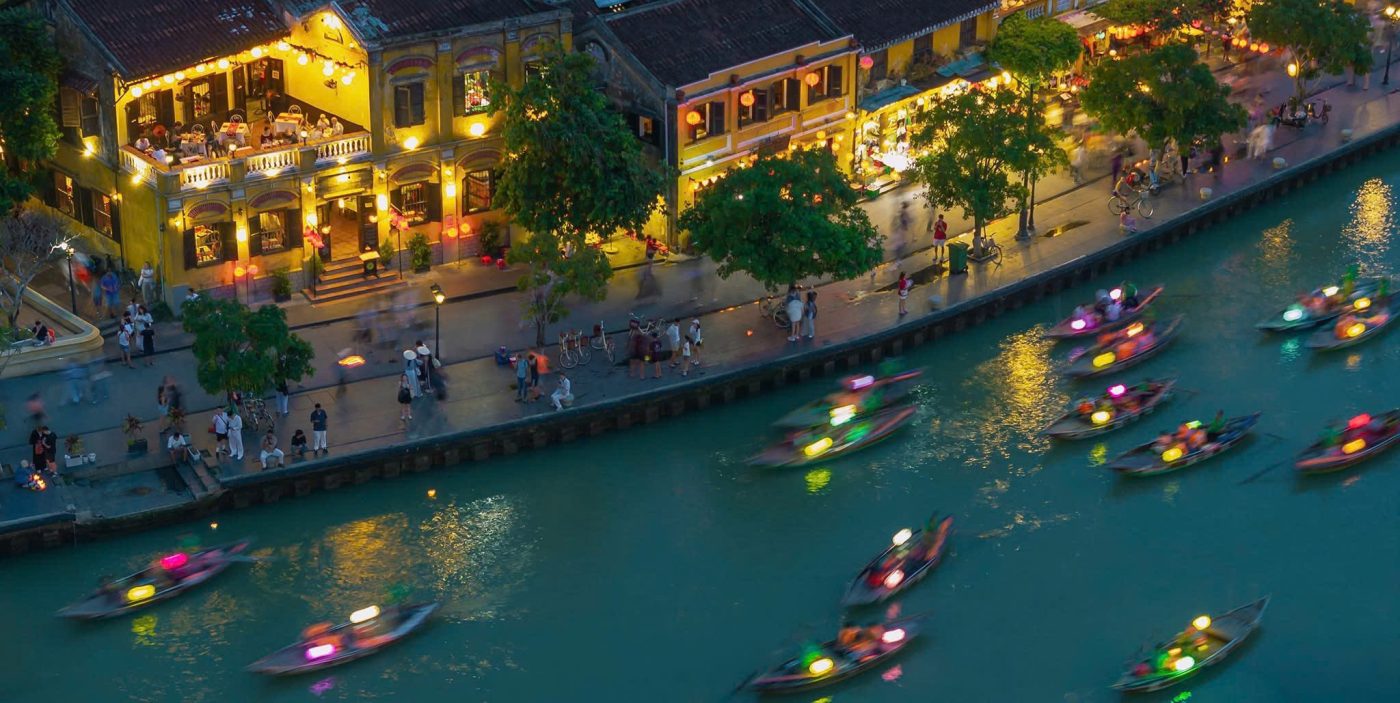
Hoi An becomes particularly atmospheric after sunset, when lanterns illuminate the historic streets and Thu Bon River.
Walking through the Ancient Town after dark is one of the essential experiences of Central Vietnam. Vietnam Tourism specifically highlights Hoi An’s lantern-lit nights as one of its defining characteristics.
Hoi An Lanterns
Lanterns have become one of Hoi An’s strongest visual symbols. Visitors can purchase handmade lanterns, photograph the illuminated streets and, depending on the season and regulations, participate in lantern-related experiences.
For photography, the period after sunset provides some of the best opportunities.
Thu Bon River
The Thu Bon River runs alongside Hoi An Ancient Town and historically played an important role in the city’s development as a trading port.
A short boat trip can provide a different perspective on the historic waterfront, while riverside restaurants and cafés are ideal for a relaxed evening.
Hoi An Tailoring
Hoi An is famous for its tailoring industry. Visitors can order suits, dresses, shirts, shoes and other custom-made clothing.
If you want tailored clothing, allow at least two days because measurements, fittings and adjustments take time.
Hoi An Food
Hoi An has its own distinctive food culture. Essential dishes include cao lau, white rose dumplings, mi Quang, banh xeo and com ga Hoi An.
Food tours are particularly useful because many of the best dishes are found in small restaurants and family-run eateries rather than large dining rooms.
Cao Lau
Cao lau is one of Hoi An’s signature dishes. The dish combines thick noodles with pork, herbs, greens and crunchy toppings.
It is strongly associated with Hoi An and should be on every first-time visitor’s food list.
White Rose Dumplings
White rose dumplings, known as banh bao banh vac, are delicate shrimp-filled dumplings associated with Hoi An.
They are one of the city’s most distinctive culinary specialties and are usually served as a small appetizer or shared dish.
Hoi An Countryside
The countryside outside the Ancient Town provides a completely different atmosphere. Rice fields, waterways, gardens and narrow roads surround the historic center.
A bicycle or private car tour can take you beyond the tourist center and show a quieter side of Hoi An.
Cam Thanh Coconut Village
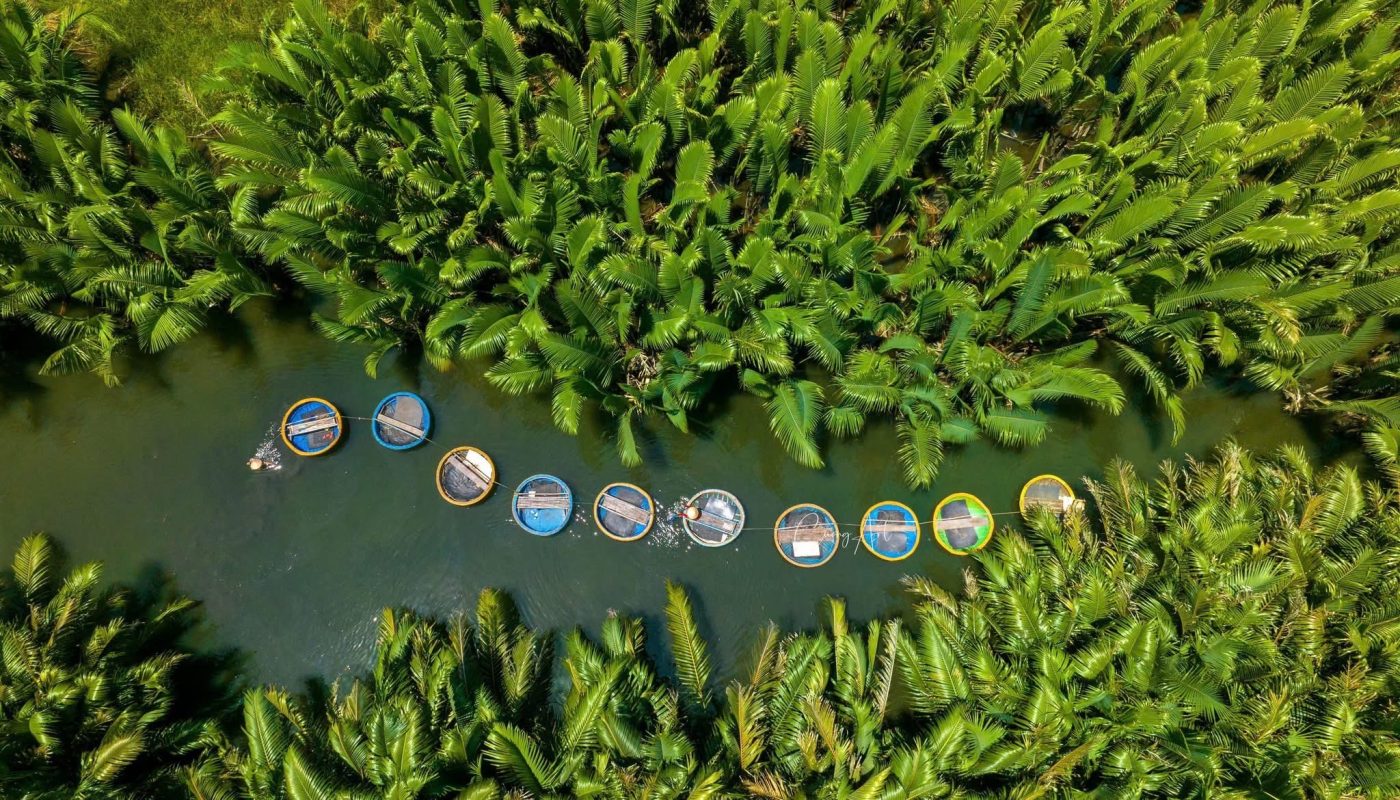
Cam Thanh is known for its water coconut landscape and basket-boat experiences.
A visit can be combined with a countryside excursion and food experience. However, choose operators carefully and prioritize experiences that respect the area’s environment and community.
An Bang Beach
An Bang Beach is one of Hoi An’s most popular coastal areas and is only a short drive from the Ancient Town.
It is ideal for travelers who want to combine historic sightseeing with a beach afternoon.
My Son Sanctuary
My Son Sanctuary is an important Champa heritage site located inland from Hoi An. It provides an opportunity to see the remains of temple complexes associated with the ancient Champa civilization.
It is particularly worthwhile for travelers interested in archaeology and Central Vietnam’s pre-modern history.
How Long Should You Stay in Hoi An?
Two or three nights is ideal.
Two nights provides enough time for the Ancient Town, food, countryside and beach. Three nights allows you to add My Son Sanctuary, tailoring or a more relaxed day.
Hai Van Pass: The Scenic Link Between Hue and Da Nang
The Hai Van Pass is one of the highlights of any Hue–Da Nang journey. The road climbs through forested mountains before opening to spectacular coastal views.
Vietnam Tourism describes Hai Van Pass as one of Vietnam’s most famous scenic roads linking Hue, Da Nang and Hoi An.
Hai Van Pass by Private Car
A private car is the most comfortable way to experience the pass. You can stop at viewpoints, take photographs and continue at your preferred pace.
This is particularly suitable for families and travelers with luggage.
Hai Van Pass by Motorbike
Experienced riders can travel over the pass by motorbike. The combination of winding roads, mountain scenery and ocean views makes it a memorable ride.
However, riders should assess weather and road conditions carefully and should not choose a motorcycle simply because the route looks easy on a map.
Hai Van Pass by Train
The railway offers a slower alternative for travelers who prefer to sit back and enjoy the scenery. Vietnam Tourism specifically recommends the train as an option for travelers who want to appreciate the coastal landscape without riding a motorcycle.
For a premium private tour, however, a private vehicle provides much more flexibility because you can stop at Hai Van Pass and Lang Co.
Best Time to Visit Central Vietnam
Central Vietnam has different weather patterns from northern and southern Vietnam. For Da Nang, Vietnam Tourism identifies March to May and September to October as particularly favorable, while June to August can be relatively dry with clear seas. November to February is wetter.
Hue and Hoi An can experience heavier rainfall during parts of the late-year period, so travelers should consider the specific destinations they plan to visit rather than relying on a single “best month” for the whole region.
Central Vietnam in Spring
March to May is an excellent period for combining sightseeing with outdoor activities. Temperatures are generally comfortable, making it easier to explore Hue’s monuments, Hoi An’s streets and Da Nang’s beaches.
Central Vietnam in Summer
June to August can be hot, but the coastal areas are excellent for swimming and beach holidays. Plan sightseeing early in the morning and late afternoon, especially in Hue.
Central Vietnam in Autumn
September and October can offer a good balance of warm weather and outdoor conditions, although rain can become more frequent toward the later part of the season.
Central Vietnam in Winter
November through February can bring wetter conditions, particularly around Hue and Hoi An. However, the region can still be rewarding for travelers interested primarily in history, food and cultural experiences.
How to Travel from Hue to Hoi An
The most scenic option is Hue → Hai Van Pass → Da Nang → Hoi An by private car.
Instead of treating the journey as a simple transfer, schedule several hours and include stops at Hai Van Pass and Lang Co.
This is one of the best ways to make transportation part of the itinerary.
Central Vietnam for Families
Central Vietnam works very well for families because the region offers a balance of cultural attractions, beaches and comfortable hotels.
A family itinerary can include Hue Imperial City, a royal tomb, Hai Van Pass, Hoi An Ancient Town, An Bang Beach and Da Nang’s beaches.
Private transportation is recommended because it reduces waiting and allows the itinerary to adapt to children’s schedules.
Central Vietnam for Couples
Couples can combine Hue’s historic atmosphere, Hoi An’s lantern-lit evenings and Da Nang’s beaches into a romantic itinerary.
A private car over Hai Van Pass, a boutique hotel in Hoi An, a riverside dinner and a beach resort in Da Nang make a particularly attractive combination.
Central Vietnam for Luxury Travelers
Central Vietnam has excellent options for premium travel. Choose private transportation, luxury hotels, boutique properties in Hoi An, a beach resort in Da Nang and private sightseeing in Hue.
Rather than changing hotels every night, allow enough time at each destination to enjoy the property and surroundings.
Central Vietnam for Food Lovers
Food is one of the strongest reasons to visit the region.
Hue is famous for imperial-inspired cuisine and bun bo Hue.
Da Nang is excellent for seafood, mi quang and bun cha ca.
Hoi An is famous for cao lau, white rose dumplings, com ga and street food.
A private food-focused itinerary can turn the three cities into a culinary journey through Central Vietnam.
Recommended 4-Day Central Vietnam Itinerary
Day 1: Arrive in Hue and explore the Imperial City, Perfume River and Thien Mu Pagoda. Enjoy a Hue dinner.
Day 2: Visit Minh Mang, Tu Duc or Khai Dinh Tomb, then travel toward Da Nang via Hai Van Pass. Stay overnight in Da Nang.
Day 3: Visit Son Tra Peninsula, Linh Ung Pagoda and Marble Mountains before continuing to Hoi An. Explore the Ancient Town after sunset.
Day 4: Explore Hoi An Ancient Town, enjoy a food experience and visit the countryside or An Bang Beach before continuing your journey.
This is a fast itinerary, but it covers the major highlights.
Recommended 6-Day Central Vietnam Itinerary
Day 1: Arrive in Hue and explore the Imperial City.
Day 2: Visit the royal tombs, Thien Mu Pagoda and enjoy Hue cuisine.
Day 3: Travel from Hue to Da Nang by private car via Hai Van Pass and Lang Co. Enjoy the beach in the afternoon.
Day 4: Explore Son Tra, Linh Ung Pagoda and Marble Mountains.
Day 5: Travel to Hoi An, explore the Ancient Town and enjoy an evening food tour.
Day 6: Visit the countryside, Cam Thanh, An Bang Beach or My Son Sanctuary before continuing your journey.
This is the ideal pace for first-time visitors.
Recommended 7-Day Central Vietnam Itinerary
Day 1: Hanoi or another arrival city → Hue.
Day 2: Full-day Hue heritage tour.
Day 3: Hue → Hai Van Pass → Da Nang.
Day 4: Da Nang sightseeing and beach time.
Day 5: Da Nang → Hoi An and Ancient Town exploration.
Day 6: Hoi An countryside, food and beach experience.
Day 7: My Son Sanctuary or a relaxed Hoi An morning before departure.
The extra day gives you much more flexibility and reduces the feeling of moving from hotel to hotel.
Central Vietnam and Northern Vietnam
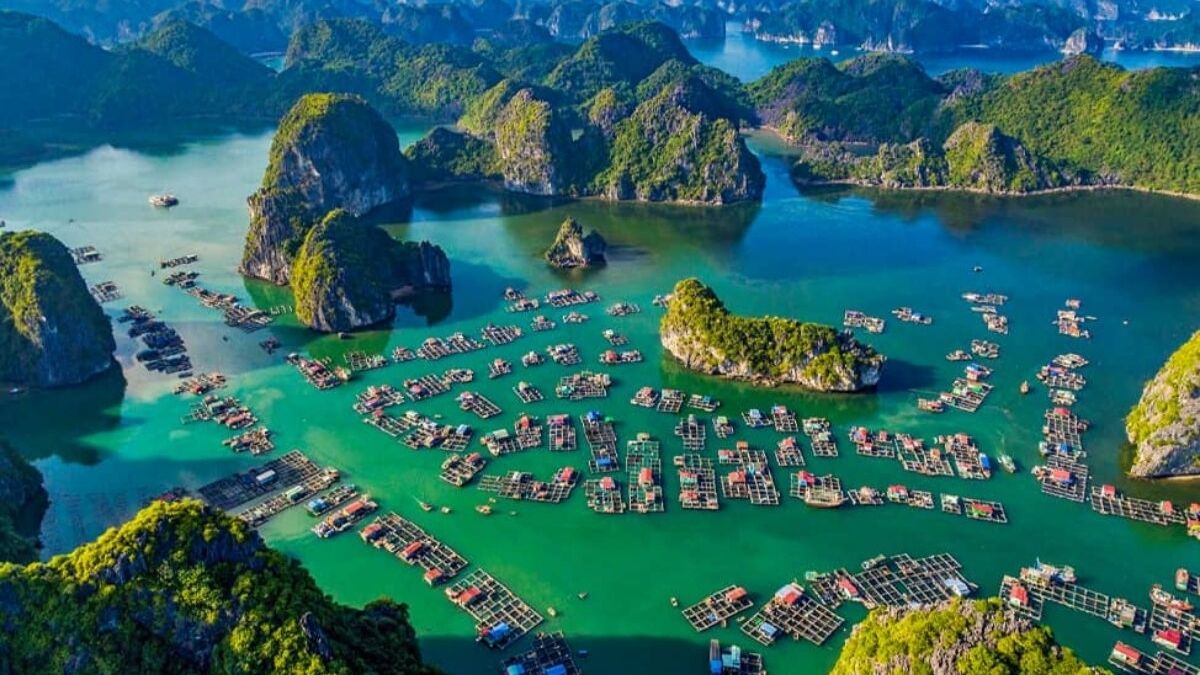
Travelers visiting Vietnam for two weeks or more can combine Hanoi, Sapa, Ha Giang, Central Vietnam and Halong Bay.
A strong route is to explore Northern Vietnam first, fly south to Da Nang, then travel through Hoi An and Hue.
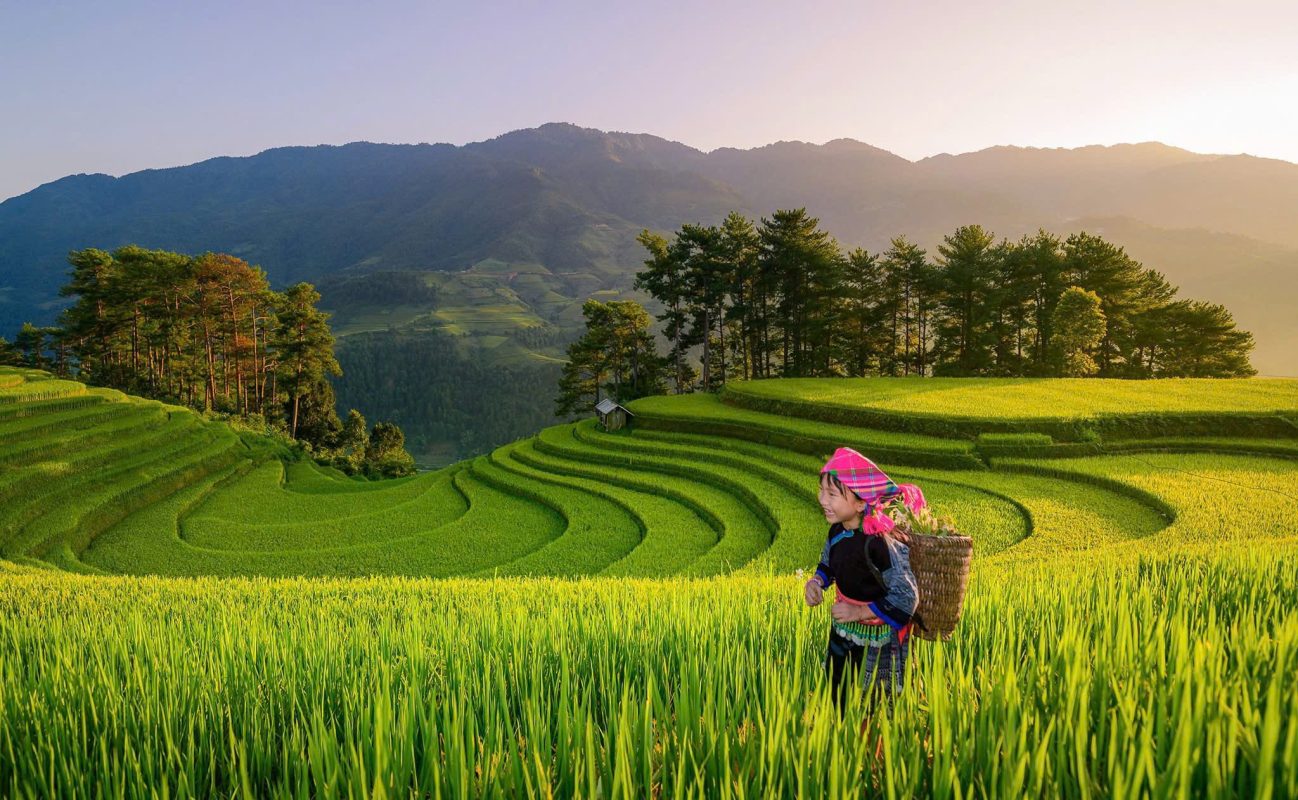
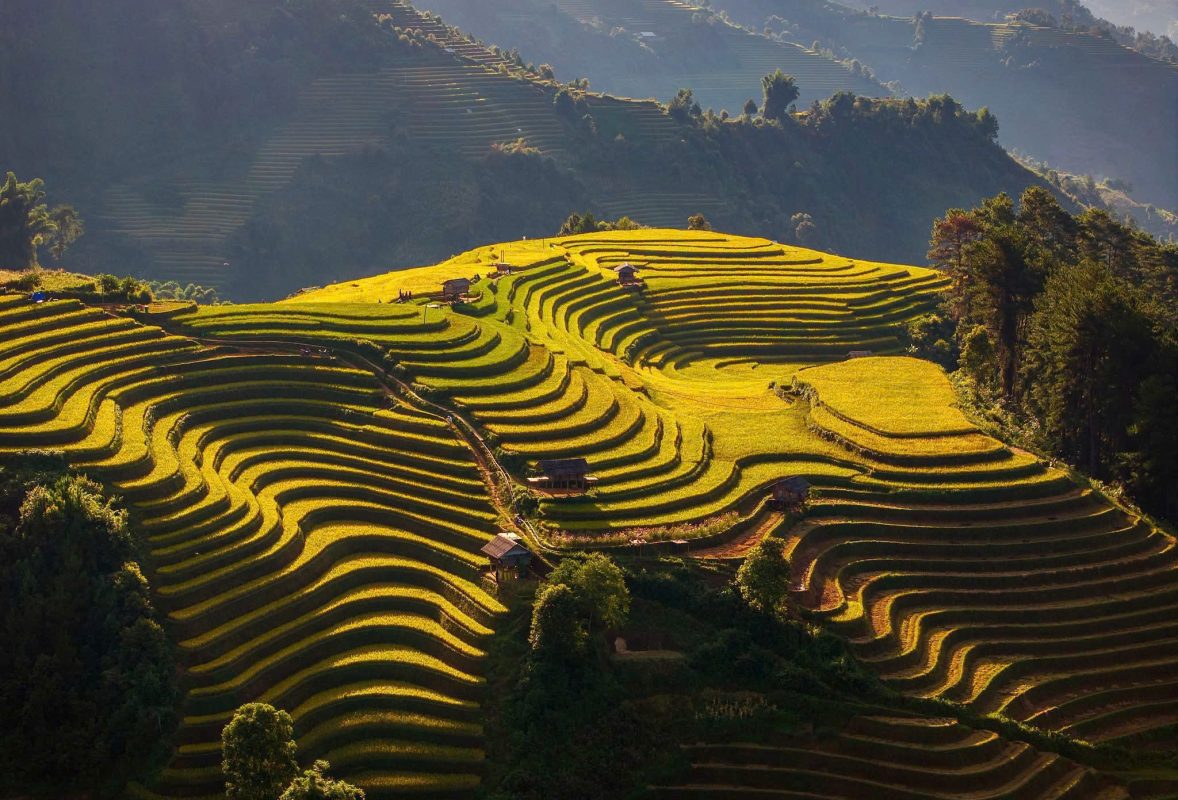
This creates a dramatic variety of landscapes: mountains, rice terraces, imperial heritage, beaches and historic towns.
Central Vietnam and Southern Vietnam
For a longer Vietnam journey, continue from Da Nang by air to Ho Chi Minh City, then explore the Mekong Delta and southern coast.
This allows travelers to experience the country’s three major geographic regions within one itinerary.
Common Mistakes When Visiting Central Vietnam
One common mistake is trying to see Hue, Da Nang and Hoi An in only two days. The destinations may look close together on a map, but each deserves time.
Another mistake is treating Da Nang only as an airport. The city has excellent beaches, food and mountain attractions.
Travelers also sometimes visit Hoi An only during the day. Staying overnight allows you to experience the Ancient Town after sunset, when lanterns transform the streets.
Finally, do not skip the Hai Van Pass if traveling between Hue and Da Nang. The journey itself can be one of the highlights.
Is Central Vietnam Worth Visiting?
Absolutely. Central Vietnam provides one of the most balanced travel experiences in the country.
Hue offers Vietnam’s imperial history. Hoi An offers one of Southeast Asia’s best-preserved historic townscapes. Da Nang provides beaches, modern comforts and easy access to mountains and surrounding attractions. Together, they create a destination region that works for families, couples, food lovers, photographers, history enthusiasts and luxury travelers.
UNESCO currently lists both the Complex of Hue Monuments and Hoi An Ancient Town among Vietnam’s World Heritage properties, reinforcing the exceptional cultural importance of the region.
Central Vietnam Travel Guide: The Perfect Route
For first-time visitors, the best route is Hue → Hai Van Pass → Da Nang → Hoi An, with 5–7 days available.
Spend two nights in Hue to explore the Imperial City and royal tombs. Travel over Hai Van Pass to Da Nang and spend one or two nights enjoying the beach, Son Tra and Marble Mountains. Finish with two or three nights in Hoi An, where you can explore the Ancient Town, try Central Vietnamese food, visit the countryside and enjoy lantern-lit evenings.
The region is compact enough for easy private transportation but diverse enough to feel like several different destinations.
Vietnam Women Travel – Vietnam Private Tours Led by Women
Vietnam Women Travel – Premium Private Tours Led by Women can arrange a personalized Central Vietnam journey beginning in Hue, Da Nang or Hoi An, depending on your wider Vietnam itinerary. A premium private tour can include private transportation, luxury accommodation, Hue’s imperial monuments, royal tombs, Hai Van Pass, Da Nang’s beaches and mountains, Hoi An Ancient Town, countryside experiences, carefully selected restaurants and flexible sightseeing.
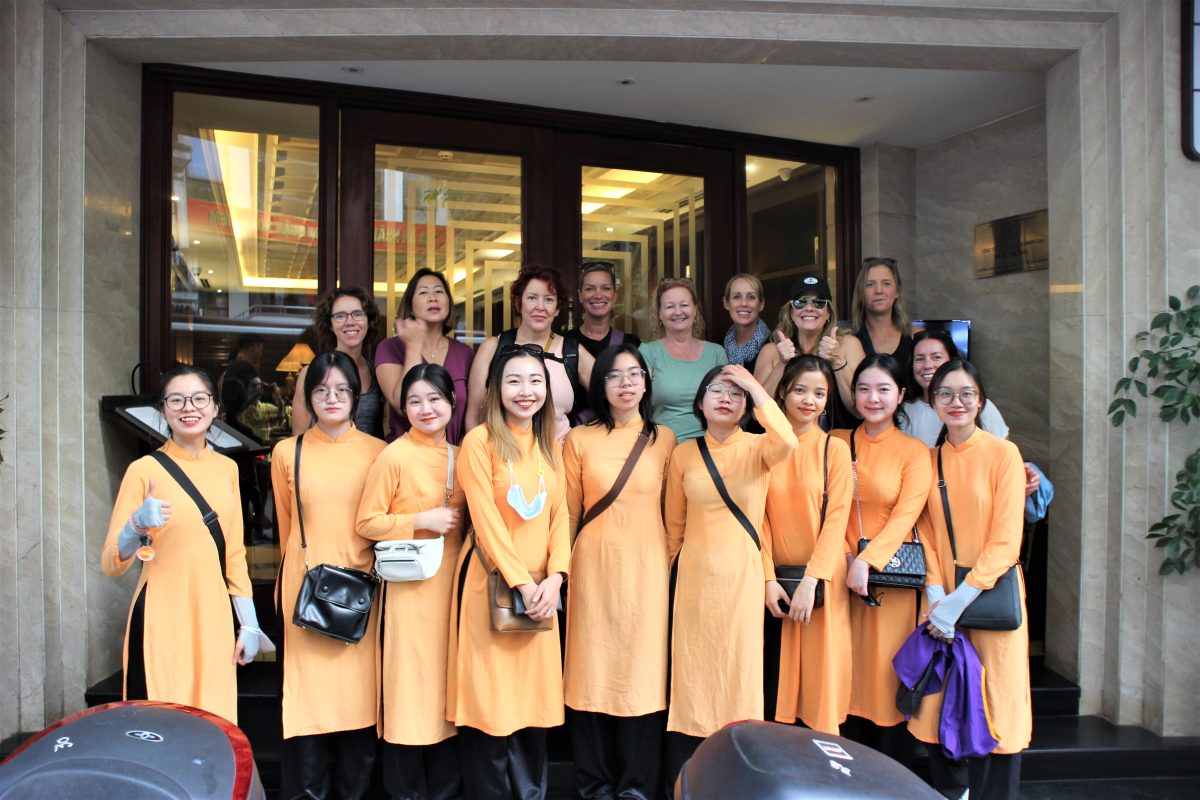
For travelers arriving from Hanoi, the journey can be designed as a seamless Vietnam itinerary connecting Hanoi, Sapa or Ha Giang with Central Vietnam, followed by Hoi An, Da Nang and Hue. Private vehicles and female tour leaders allow the schedule to remain flexible around your interests, preferred hotels and travel pace.
The focus is on Vietnam private tours led by women, combining heritage, cuisine, beaches, comfortable transportation and carefully selected experiences throughout Central Vietnam.