Sapa Travel Guide: Best Things to Do & Places to Visit
Sapa is one of the most spectacular mountain destinations in Northern Vietnam, famous for terraced rice fields, mist-covered peaks, traditional villages and the dramatic Hoang Lien Son mountain range. Sitting at roughly 1,500–1,800 meters above sea level, Sapa offers a completely different atmosphere from Hanoi, with cool mountain air, winding roads, deep valleys and landscapes shaped by generations of farming communities. The town is also the gateway to Fansipan, the highest mountain in Vietnam and the Indochinese Peninsula at 3,143 meters.
For first-time visitors, Sapa is best experienced over 2–4 nights rather than as a rushed overnight stop. The highlights include Fansipan, Muong Hoa Valley, Lao Chai, Ta Van, Cat Cat Village, Ta Phin, Ham Rong Mountain and the surrounding mountain landscapes. You can combine sightseeing with trekking, photography, cultural experiences, mountain cuisine and a stay at a peaceful lodge or homestay in the valley.
Why Visit Sapa?
Sapa offers one of the strongest combinations of mountains, rice terraces and ethnic culture in Vietnam. The town sits above a deep valley surrounded by the Hoang Lien Son range, while the countryside is covered with terraced fields that change appearance throughout the agricultural year. Vietnam Tourism describes Sapa as a major trekking destination, with opportunities to walk through rice terraces, visit villages and experience the mountain environment.
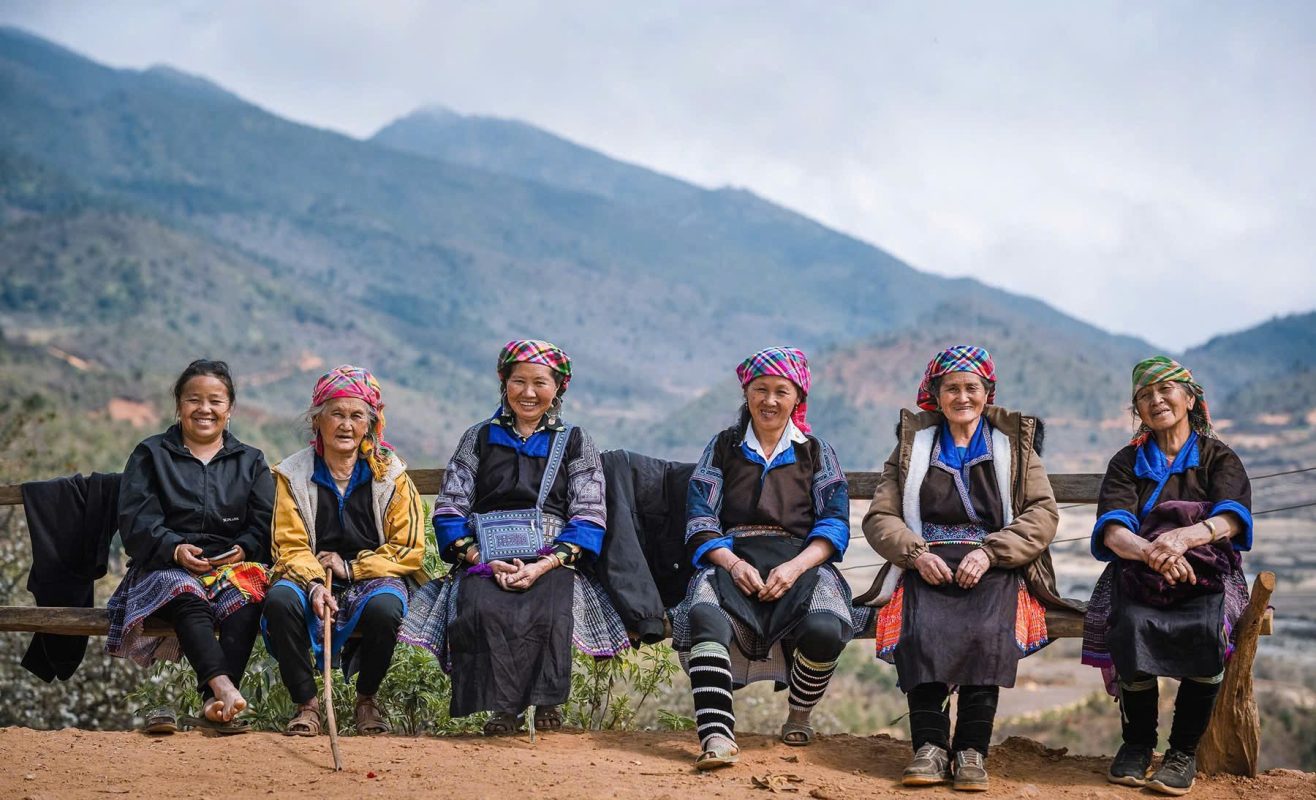
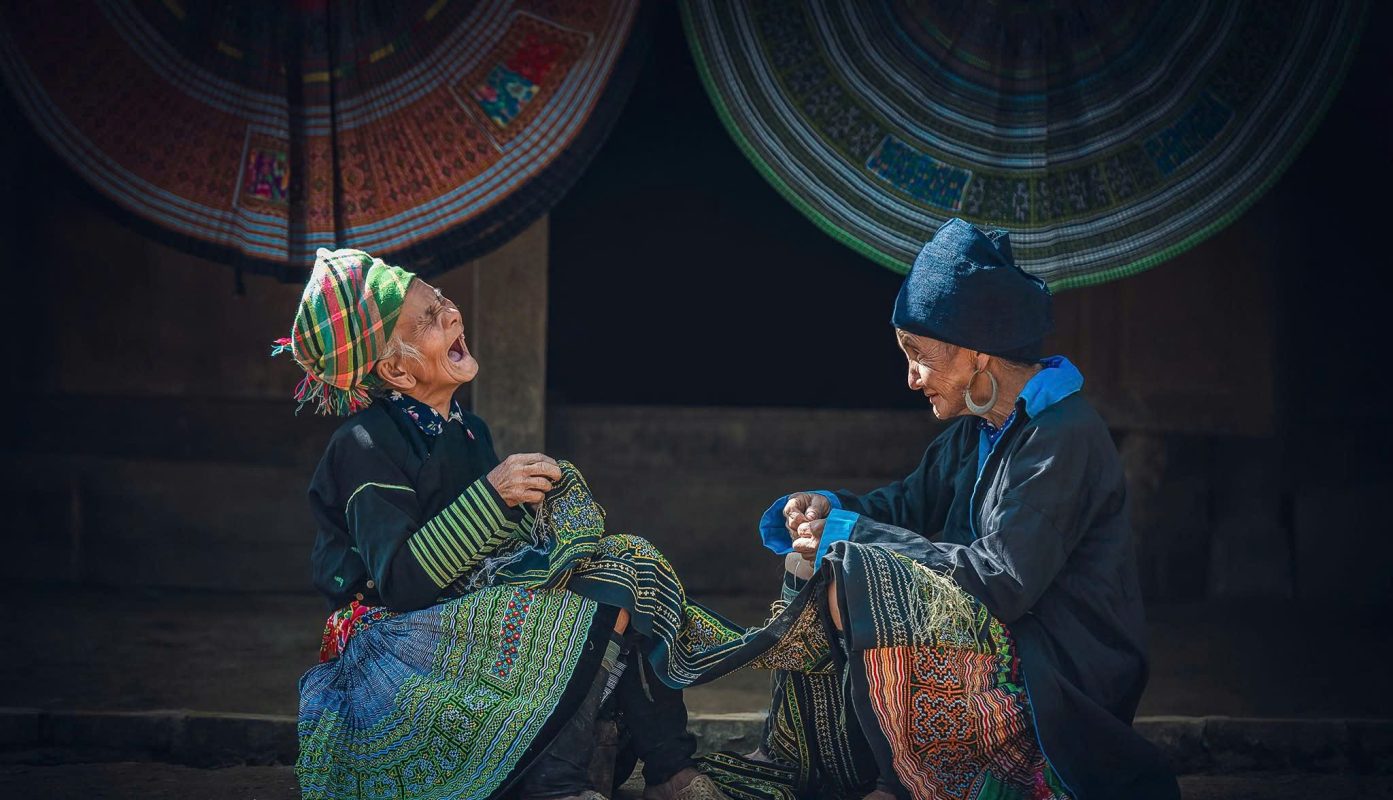
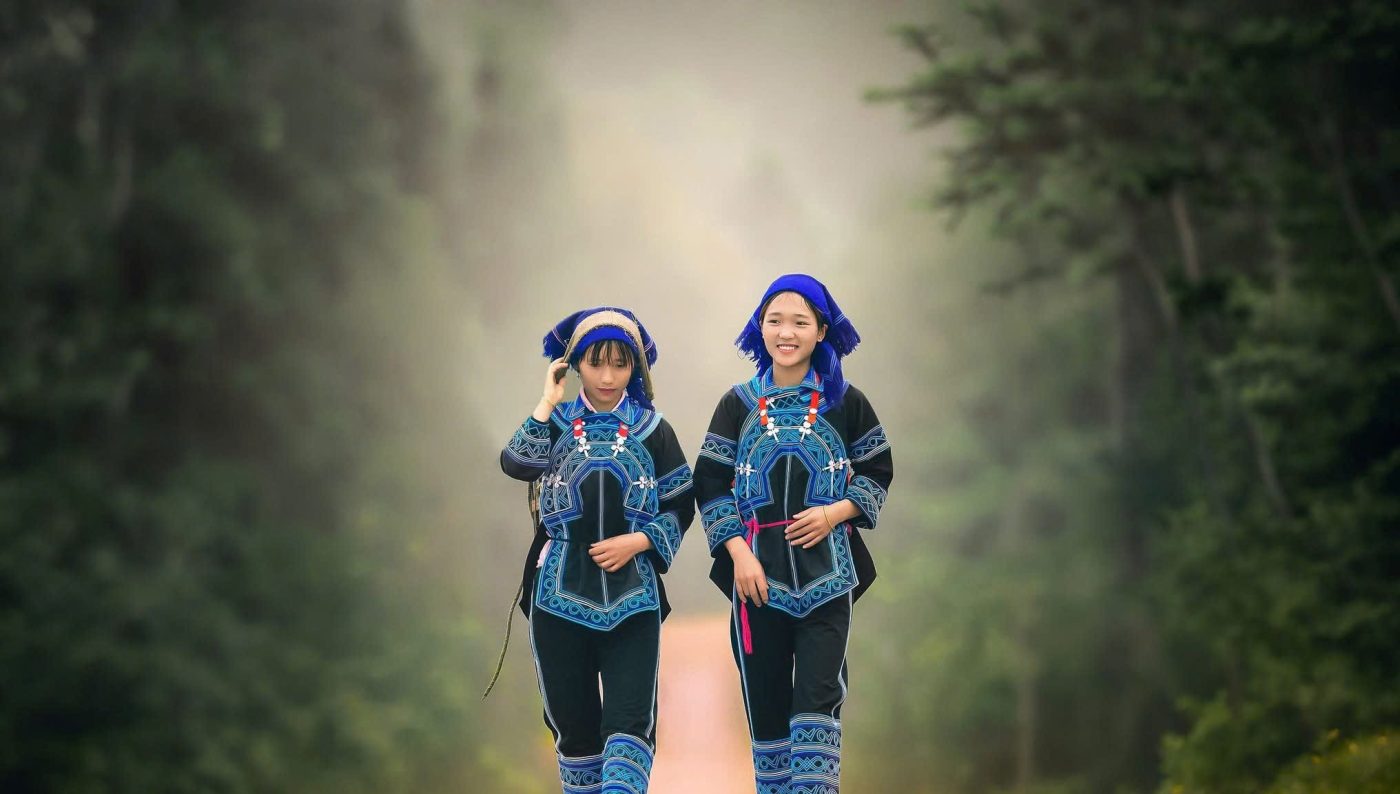
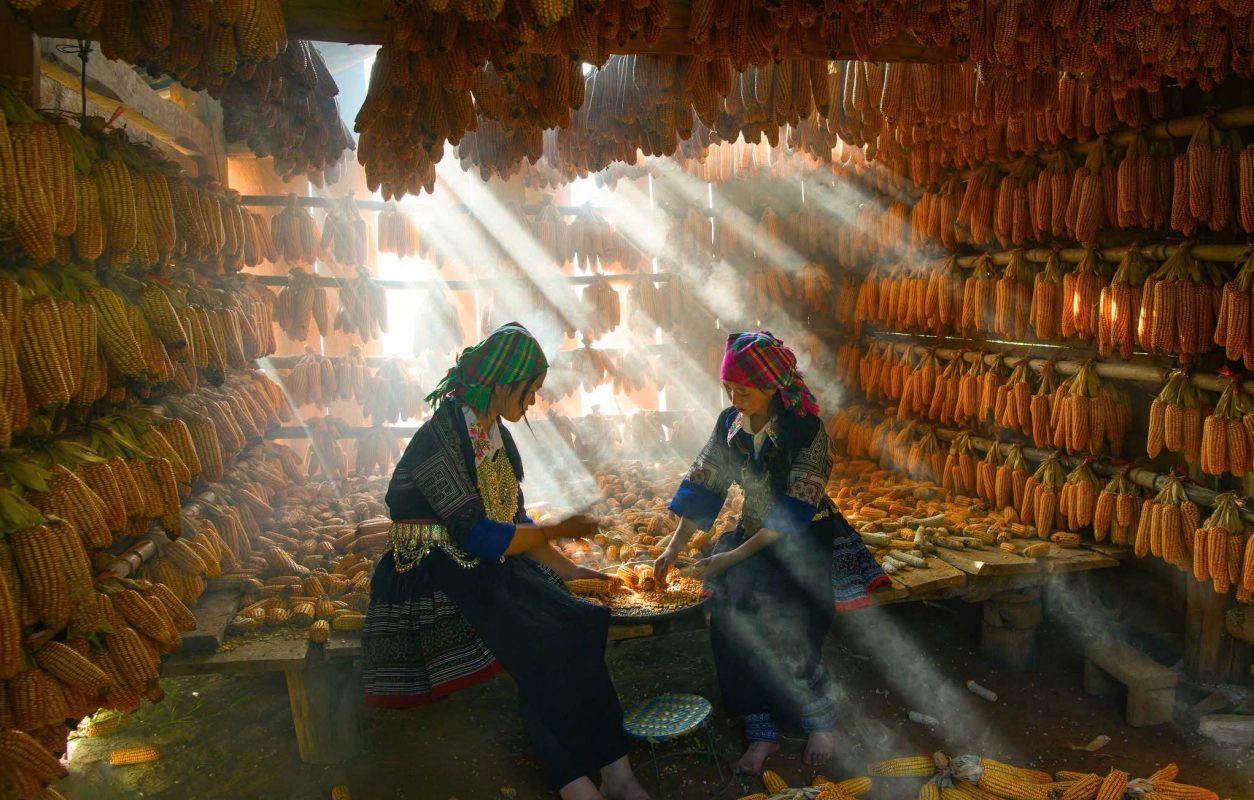
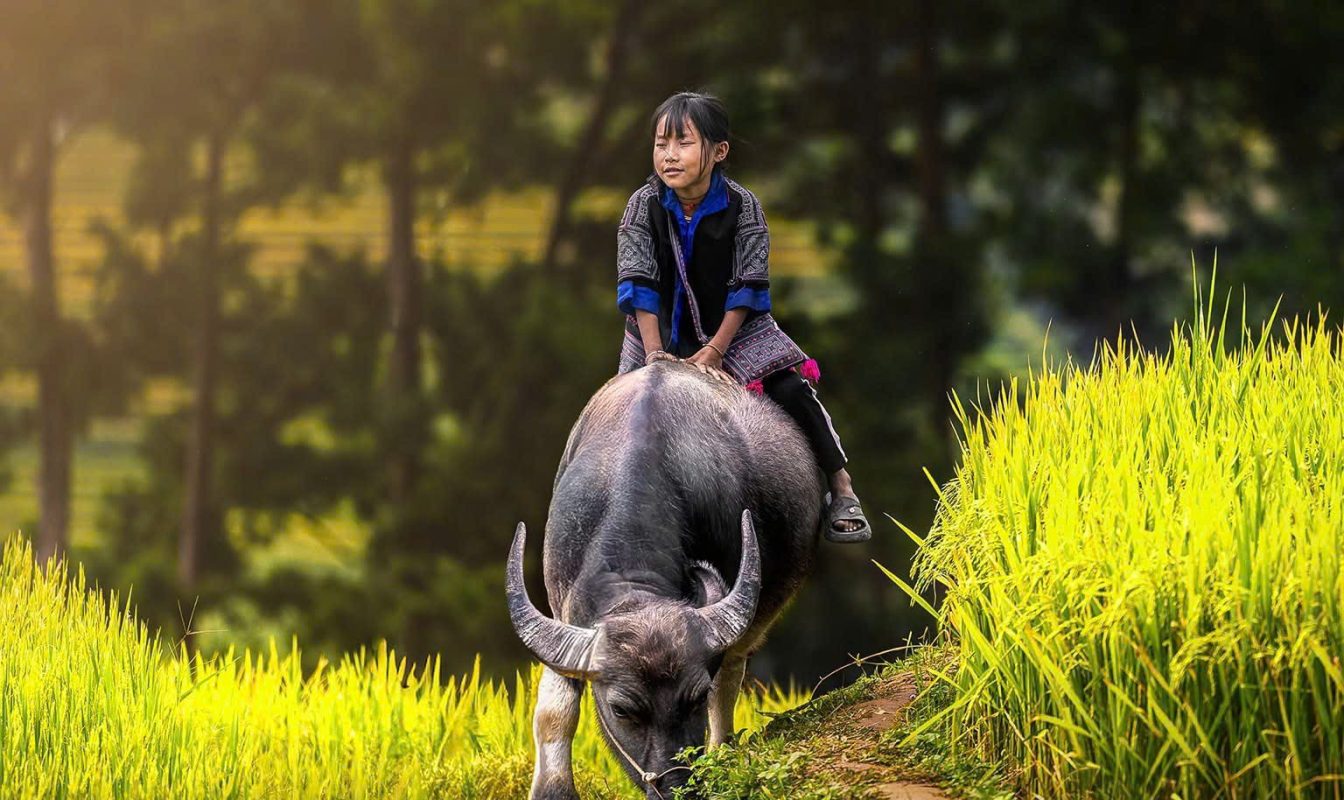
Sapa is also home to communities including Hmong, Dao and Tay people, whose villages, handicrafts, traditional clothing, food and cultural practices add an important human dimension to the landscape. The best Sapa experiences therefore combine famous viewpoints with time spent walking through the valleys.
Where Is Sapa?
Sapa is in Lao Cai Province in northwestern Vietnam, close to the Chinese border and approximately 30 kilometers from Lao Cai City. The town lies at a high elevation on the Hoang Lien Son mountain range, with Fansipan dominating the skyline.
Its mountain location explains why the climate feels considerably cooler than Hanoi and why weather can change quickly during the day. A sunny morning in town does not necessarily guarantee clear skies at Fansipan or in the higher valleys.
How to Get to Sapa from Hanoi
The most convenient way to reach Sapa from Hanoi is by limousine, sleeper bus or private car. The road journey generally takes around 5–6 hours, with modern road connections making Sapa considerably easier to access than many other mountain destinations in Northern Vietnam. Vietnam Tourism also notes that overnight trains can be used to reach Lao Cai, followed by a road transfer to Sapa.
For travelers prioritizing comfort and flexibility, a private car is the best choice. A limousine is an excellent middle option, while a sleeper bus is suitable for budget travelers.
Hanoi to Sapa by Private Car
A private car provides the most flexible journey from Hanoi to Sapa. You can choose your departure time, stop for refreshments and arrive directly at your hotel. This option is particularly useful for families, couples and private groups carrying larger amounts of luggage.
A private transfer also makes sense when Sapa is part of a longer Northern Vietnam itinerary connecting Hanoi, Sapa, Ha Giang and Halong Bay.
Hanoi to Sapa by Limousine
Limousine vans are popular with international visitors because they combine reasonable pricing with more comfortable seating than standard buses. Many services offer pickup in central Hanoi and drop-off in Sapa town.
When booking, confirm whether hotel pickup is included, how much luggage is allowed and the exact arrival location in Sapa.
Hanoi to Sapa by Train
There is no train directly to Sapa. The railway connection goes to Lao Cai, from where travelers continue by road to Sapa. This option can be interesting for visitors who enjoy railway travel, particularly with an overnight departure from Hanoi. However, a direct limousine or private car is simpler because you arrive directly in Sapa.
How Many Days Do You Need in Sapa?
For a first visit, 3 days and 2 nights is a strong minimum. This gives you enough time to visit Fansipan, explore Muong Hoa Valley and walk through one or two mountain villages.
Four days and three nights is even better if you want a slower itinerary with trekking, a valley lodge, cultural experiences and time to enjoy Sapa town. Current Sapa tourism guidance also highlights 3-day and 4-day itineraries as practical ways to combine the major attractions without rushing.
Best Things to Do in Sapa
The best things to do in Sapa include visiting Fansipan, trekking through Muong Hoa Valley, exploring Lao Chai and Ta Van, visiting Cat Cat Village, hiking Ham Rong Mountain, discovering Ta Phin, staying in a mountain lodge, enjoying Sapa cuisine and photographing the rice terraces.
Rather than trying to visit every attraction, choose experiences that match your interests. A traveler who loves hiking should spend more time in the valleys, while someone interested in scenery and comfort may prefer Fansipan, viewpoints and a luxury mountain lodge.
1. Visit Fansipan
Fansipan is the number-one attraction in Sapa. At 3,143 meters, it is the highest peak in Vietnam and the Indochinese Peninsula. Modern cable cars make the summit accessible to travelers who do not want to complete a multi-day mountain trek. Vietnam Tourism states that the cable-car journey covers approximately six kilometers and reaches the summit area in about 15 minutes.
The experience is more than simply taking a cable car. Around the mountain station, visitors can explore gardens, pagodas, statues and mountain viewpoints before continuing toward the summit.
2. Take the Muong Hoa Mountain Train
The journey to Fansipan can begin with the Muong Hoa Mountain Train, which crosses the valley between Sapa and the Fansipan complex. Vietnam Tourism describes the ride as approximately five minutes, crossing tunnels and viaducts while providing views over the valley.
This is particularly convenient for travelers who want to experience Fansipan without spending hours hiking uphill.
3. Experience the Fansipan Cable Car
The Fansipan cable car is one of the most memorable transportation experiences in Sapa. As the cabin rises, you can see rice terraces, forests, cliffs and mountain slopes below. The weather can change dramatically as you gain altitude, so prepare for cooler temperatures even if Sapa town feels warm.
Current Sapa tourism guidance for 2026 emphasizes checking weather, clothing and operating conditions before visiting Fansipan, particularly during peak periods.
4. Stand at the Fansipan Summit
The summit marker at 3,143 meters is one of the essential Sapa photographs. On clear days, the views extend across the Hoang Lien Son mountain range. On cloudy days, the summit can become a sea of clouds, creating an entirely different experience.
Do not be disappointed if you arrive and cannot see distant mountains. Mountain weather changes rapidly, and clouds can disappear as quickly as they arrive.
5. Explore the Fansipan Pagoda Complex
Before reaching the summit, visitors can explore a large spiritual complex featuring pagodas, statues, gardens and mountain viewpoints. The complex includes a large bronze Buddha statue and other religious structures integrated into the mountain landscape.
This makes Fansipan suitable even for travelers who are not particularly interested in mountain climbing.
6. Trek Through Muong Hoa Valley
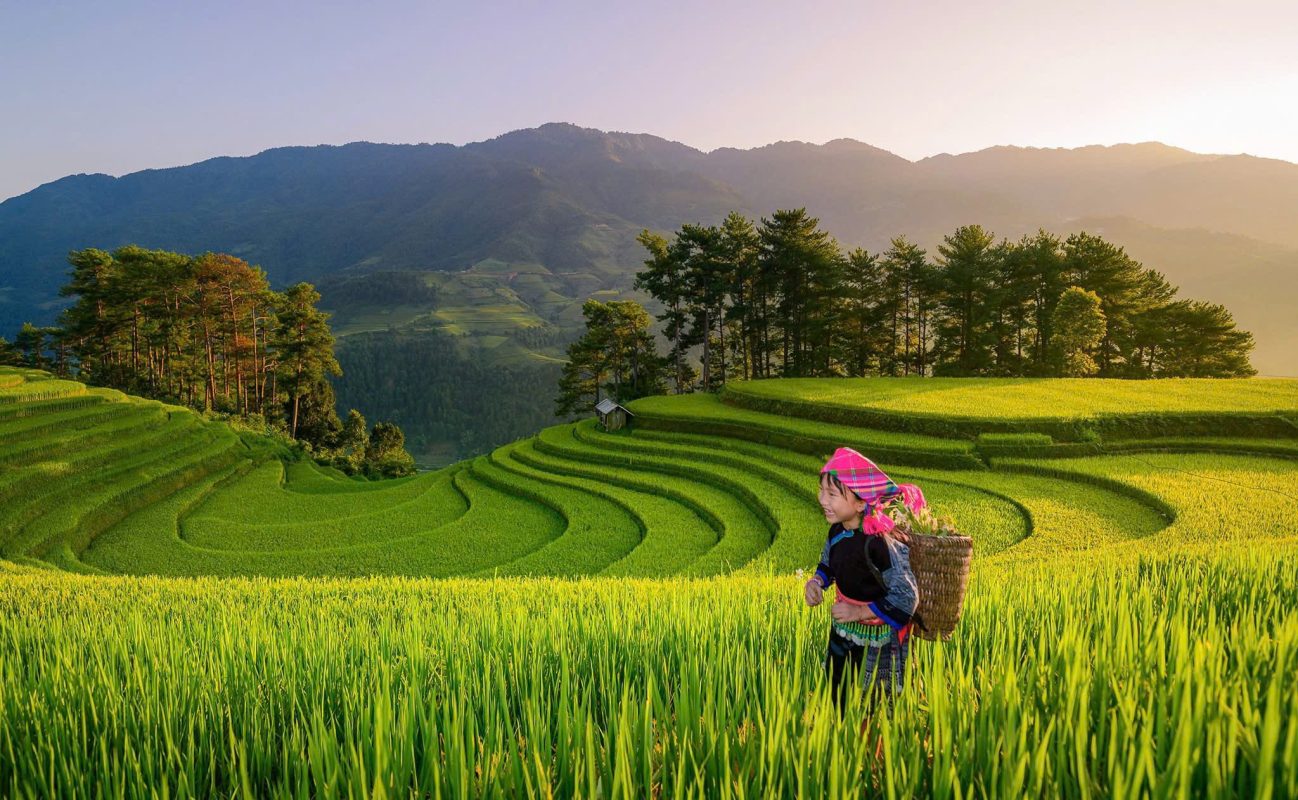
Muong Hoa Valley is the heart of Sapa’s rice-terrace landscape. Located southeast of Sapa town, the valley stretches through areas including Hau Thao, Su Pan and Ta Van, with terraced fields, villages and the Muong Hoa stream running through the landscape.
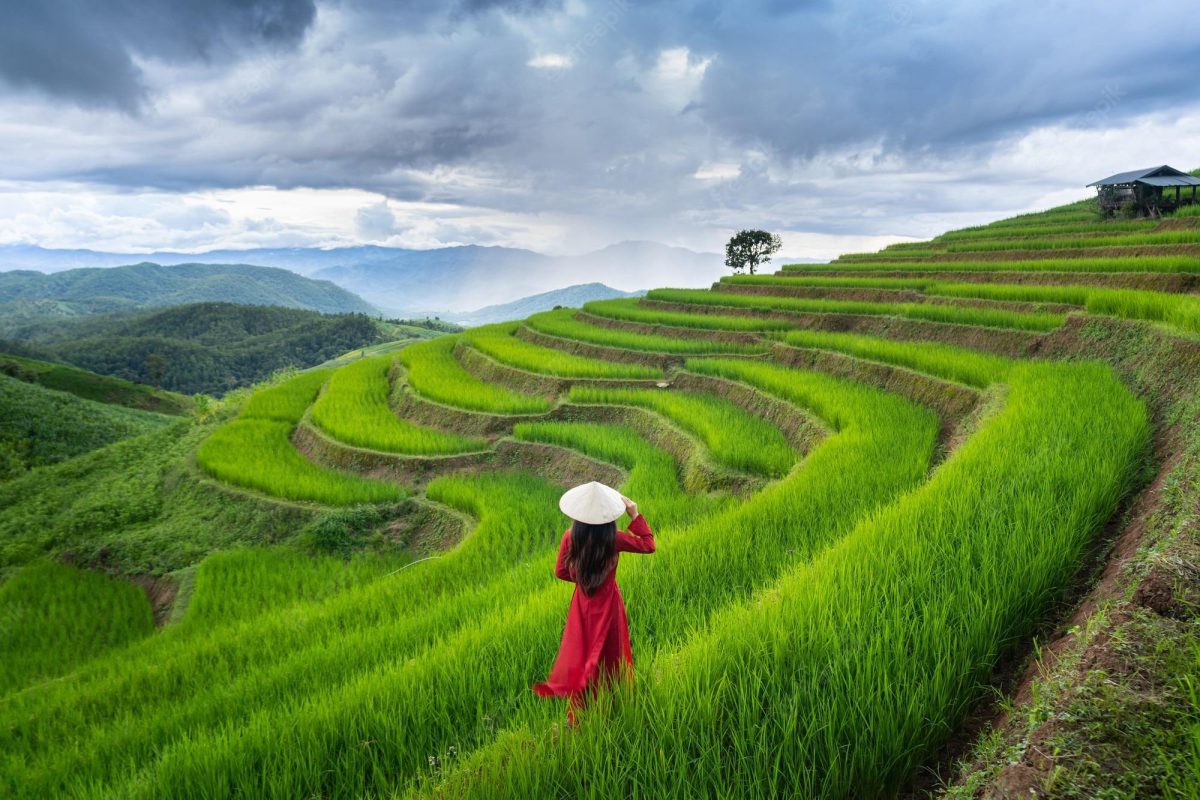
A half-day or full-day trek through Muong Hoa is one of the best ways to understand why Sapa is famous. Instead of viewing the terraces from a roadside viewpoint, you walk directly among them.
7. Visit Lao Chai Village
Lao Chai lies in the Muong Hoa Valley and is surrounded by dramatic rice terraces and mountain scenery. The village is particularly attractive for travelers interested in photography and trekking.
A walking route through Lao Chai allows you to see traditional homes, agricultural landscapes and mountain paths while gradually moving deeper into the valley.
8. Explore Ta Van Village
Ta Van is another major destination in Muong Hoa Valley and is well suited to travelers who want a slower mountain experience. The village area offers homestays, rice terraces, walking trails and opportunities to experience the valley after the day visitors have left.
Current Sapa tourism guidance recommends spending at least half a day exploring the Lao Chai–Ta Van area because the landscape is better appreciated on foot rather than through a short roadside stop.
9. Stay in a Mountain Homestay
A night in a Muong Hoa Valley homestay can transform your Sapa trip. Instead of staying entirely in the busy town center, you can wake up surrounded by terraces and mountains.
Vietnam Tourism specifically recommends mountain lodges and homestays outside the main tourist center for travelers who want to experience Sapa’s scenery and rural atmosphere more closely.
For a premium trip, choose a boutique mountain lodge with panoramic views rather than a basic homestay.
10. Visit Cat Cat Village
Cat Cat Village is one of the easiest traditional village experiences to reach from Sapa town. It is particularly suitable for travelers with limited time because it is close to the center.
The route includes mountain paths, streams, traditional architecture, handicrafts and cultural performances. Current 2026 Sapa tourism guidance recommends visiting early in the morning or later in the afternoon to avoid the strongest crowds and sunlight.
11. Discover Ta Phin Village
Ta Phin is associated with Red Dao and Hmong communities and provides another cultural perspective on the Sapa region. Travelers can encounter traditional clothing, handicrafts and village scenery while enjoying a quieter environment than some of the more heavily visited attractions.
Ta Phin is particularly good for travelers who want to combine culture with a short countryside excursion.
12. Hike Ham Rong Mountain
Ham Rong Mountain rises directly above Sapa town and is one of the easiest places to obtain panoramic views without committing to a full-day trek.
The official Sapa tourism portal identifies Ham Rong as a place for hiking, flower gardens, cloud watching and views over the town.
It is a good choice for your first afternoon in Sapa because you can combine the hike with the Stone Church and central town.
13. Visit Sapa Stone Church
The Sapa Stone Church is one of the town’s most recognizable landmarks. Its Gothic-inspired architecture reflects Sapa’s history as a former French hill station and its location in the center makes it easy to visit while exploring the town.
The official Sapa tourism portal identifies the Stone Church as one of the town’s signature attractions and an important cultural landmark.
14. Walk Around Sapa Town
Do not spend your entire trip outside the town. Sapa’s center is worth exploring on foot, particularly in the evening.
Walk around the Stone Church, central square and surrounding streets, then stop at a café or restaurant with a mountain view. The town has a very different atmosphere after sunset when the mountain air becomes cooler.
15. Explore Sapa’s Markets
Markets provide an opportunity to see traditional textiles, food, clothing and agricultural products from surrounding communities. For a deeper cultural experience, consider planning your itinerary around a market day in the wider Lao Cai region.
Vietnam Tourism highlights Bac Ha Market, held on Sundays, as one of the region’s major market experiences, attracting communities including Hmong, Dao, Tay and others.
16. Visit Bac Ha Market
Bac Ha is not in central Sapa, so it requires additional travel and should not be added casually to a short itinerary. However, travelers with an extra day who are interested in mountain markets can consider the excursion.
It is especially valuable for photographers and travelers interested in the cultural diversity of Northern Vietnam.
17. Explore Nam Cang
For travelers looking beyond the busiest Sapa attractions, Nam Cang offers a quieter mountain environment. The village is farther from Sapa town and is surrounded by forests, streams and terraced landscapes.
Current Sapa tourism information describes Nam Cang as a less heavily developed destination suitable for peaceful stays, light trekking and nature-focused travel.
18. Visit Ban Ho
Ban Ho is another option for travelers who want a quieter valley experience. It is less focused on the famous Sapa viewpoints and more about streams, villages, rice fields and rural landscapes.
It works particularly well as an alternative for repeat visitors who have already seen Fansipan and Cat Cat.
19. Photograph the Rice Terraces
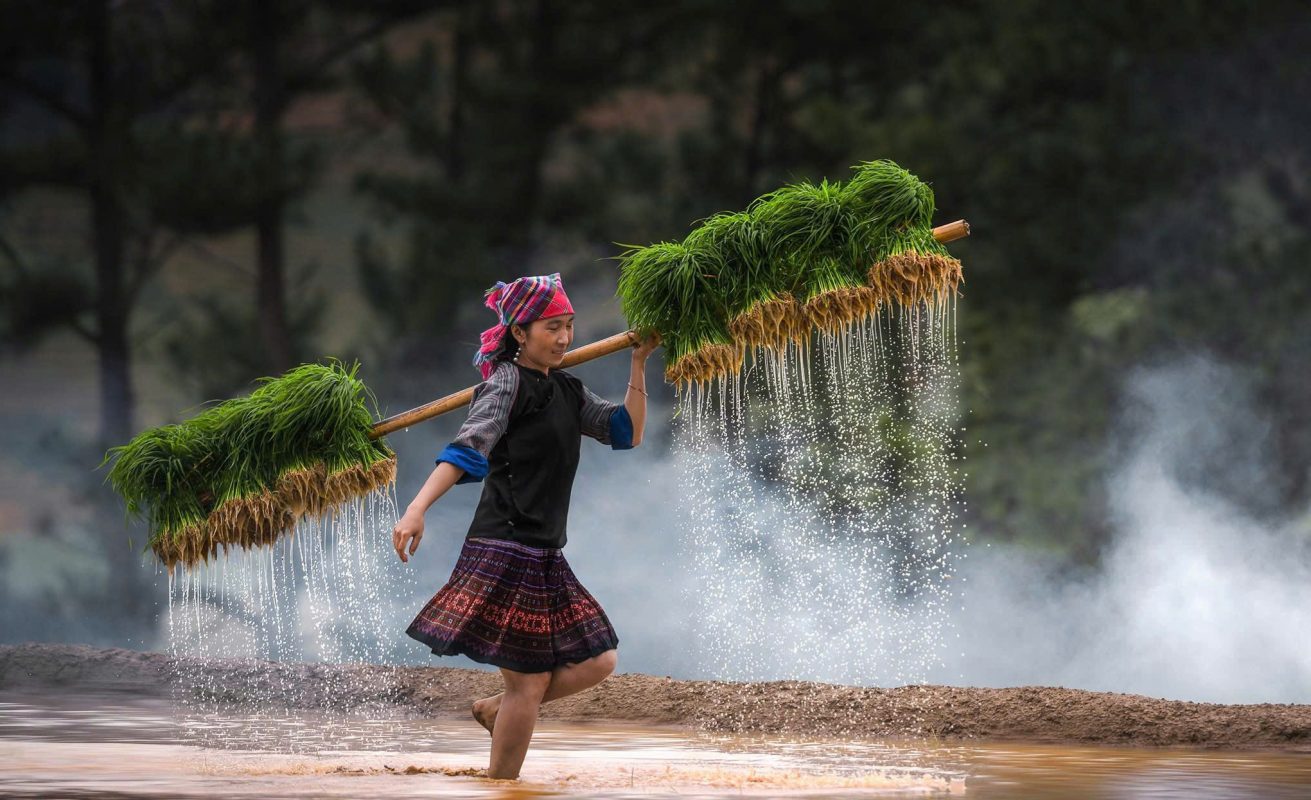
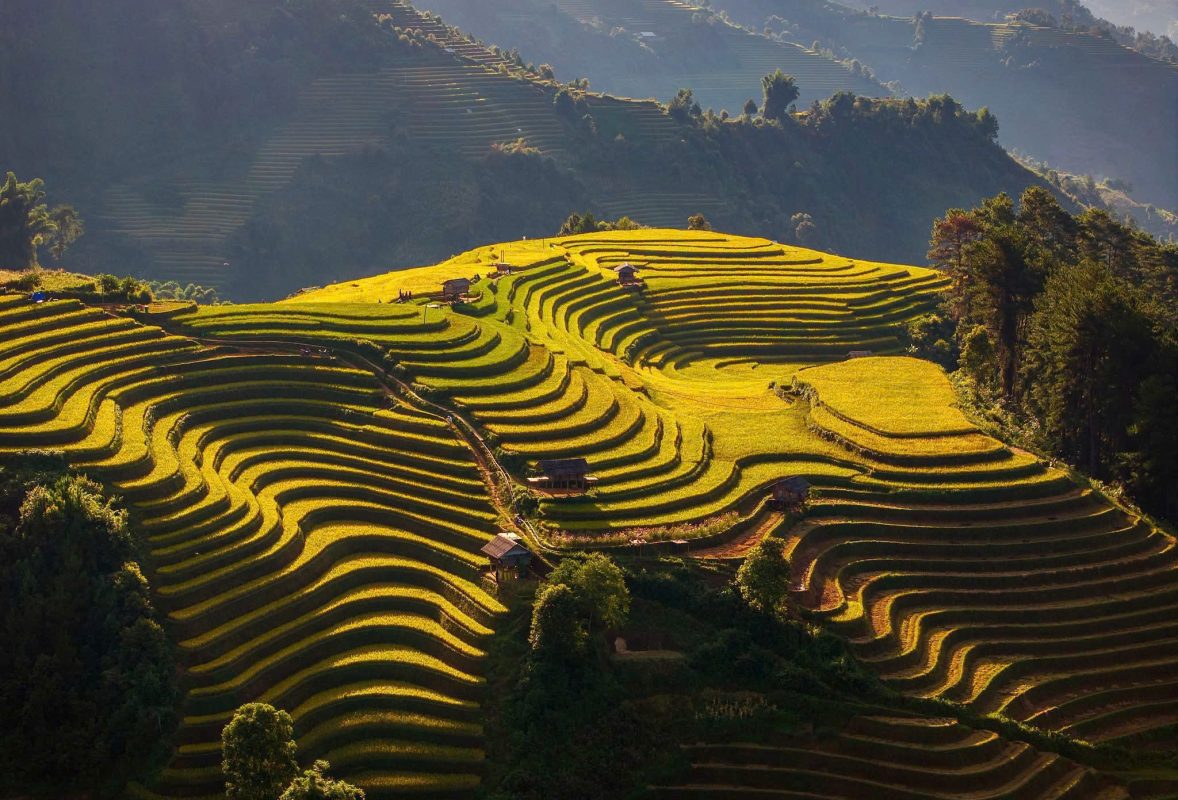
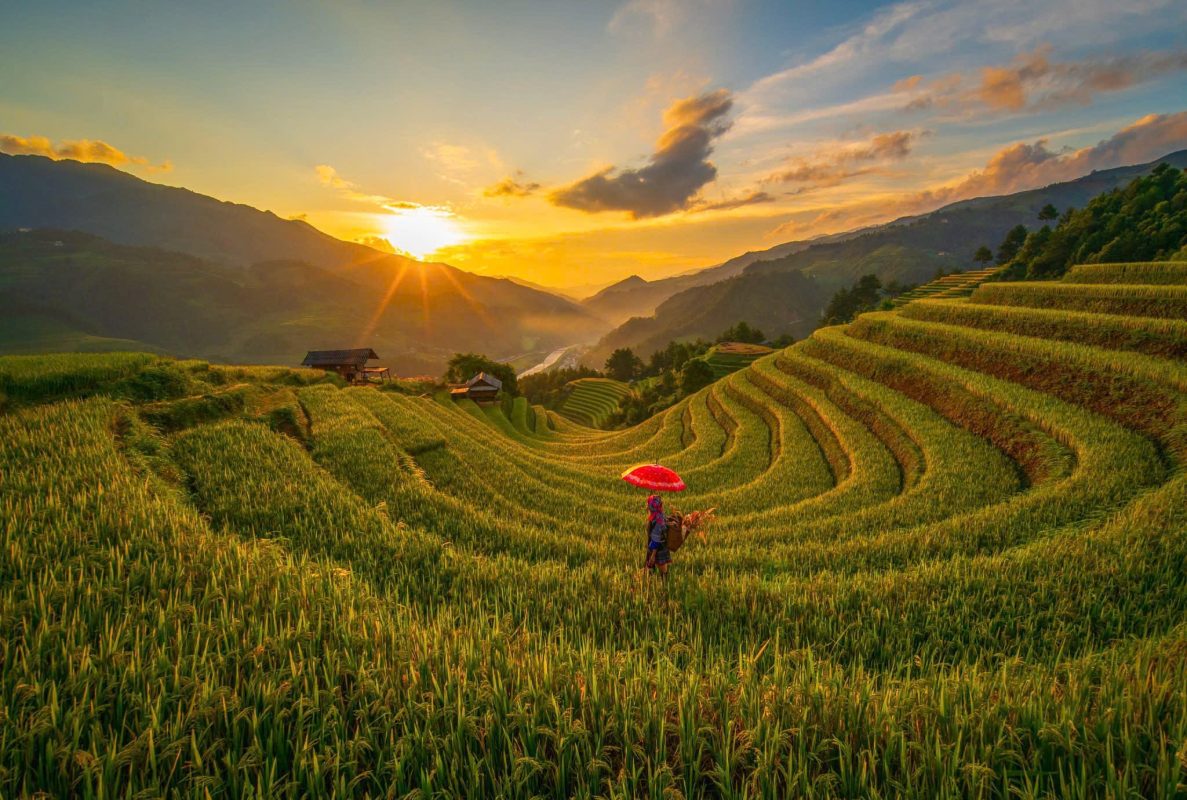
Sapa’s rice terraces are arguably its most iconic landscape. The appearance changes throughout the agricultural calendar, meaning the same valley can look completely different depending on when you visit.
During the growing season, terraces become vivid green. Around harvest, they turn golden, while during the water season they can reflect the sky and surrounding mountains.
20. Chase the Sea of Clouds
Sapa’s high elevation makes cloud watching one of the region’s most memorable experiences. Fansipan, Ham Rong and other mountain viewpoints can offer dramatic cloud formations when weather conditions are favorable.
The key is flexibility. Do not plan your entire Sapa experience around one specific cloud forecast because mountain weather can change within minutes.
Best Time to Visit Sapa
According to Vietnam Tourism, September and October are among the best months for the rice terraces, while April and May offer pleasant weather and clearer skies. June to August can also be attractive for travelers who do not mind warmer and wetter conditions, while November through March can be chilly.
The best month therefore depends on whether you prioritize rice terraces, comfortable trekking, flowers, cool weather or cloud scenery.
Sapa in September and October
September and October are among the most popular periods for Sapa because the rice terraces can turn golden during harvest season. The combination of cool mountain air and golden terraces creates some of the region’s most impressive landscapes.
If photography is your priority, this is one of the strongest times to visit, but accommodation and transportation can become more competitive.
Sapa in April and May
April and May offer a different landscape, with terraces becoming increasingly green and mountain conditions generally comfortable for outdoor activities.
These months are particularly suitable for travelers who want to combine trekking with sightseeing without dealing with the coldest winter conditions.
Sapa in June to August
Summer can be an excellent escape from the heat of Vietnam’s lowlands. Sapa remains relatively cool compared with Hanoi, although rain can be significant.
The rice terraces can appear intensely green, and the water-filled fields can create beautiful reflections. Current Sapa tourism information also highlights summer as a strong period for exploring Lao Chai, Ta Van and Nam Cang.
Sapa in November to March
Winter brings cooler temperatures, fog and occasional periods of very limited visibility. The atmosphere can be beautiful and mysterious, particularly around the town and mountains.
However, travelers should bring warm clothing and understand that Fansipan may be significantly colder than Sapa town.
How Cold Is Sapa?
Sapa’s high altitude means temperatures can be considerably lower than Hanoi, particularly at night and during winter. Fansipan is colder still.
Always bring at least one warm layer even if the forecast for Hanoi looks hot. A waterproof jacket is also useful because rain and mist can appear quickly.
What to Pack for Sapa
A practical Sapa packing list includes comfortable walking shoes, waterproof jacket, warm layers, sunscreen, sunglasses, insect repellent, small backpack, power bank and reusable water bottle.
If you plan to trek through Muong Hoa Valley, proper footwear is much more important than fashionable clothing. Mountain paths can become muddy and slippery after rain.
What to Eat in Sapa
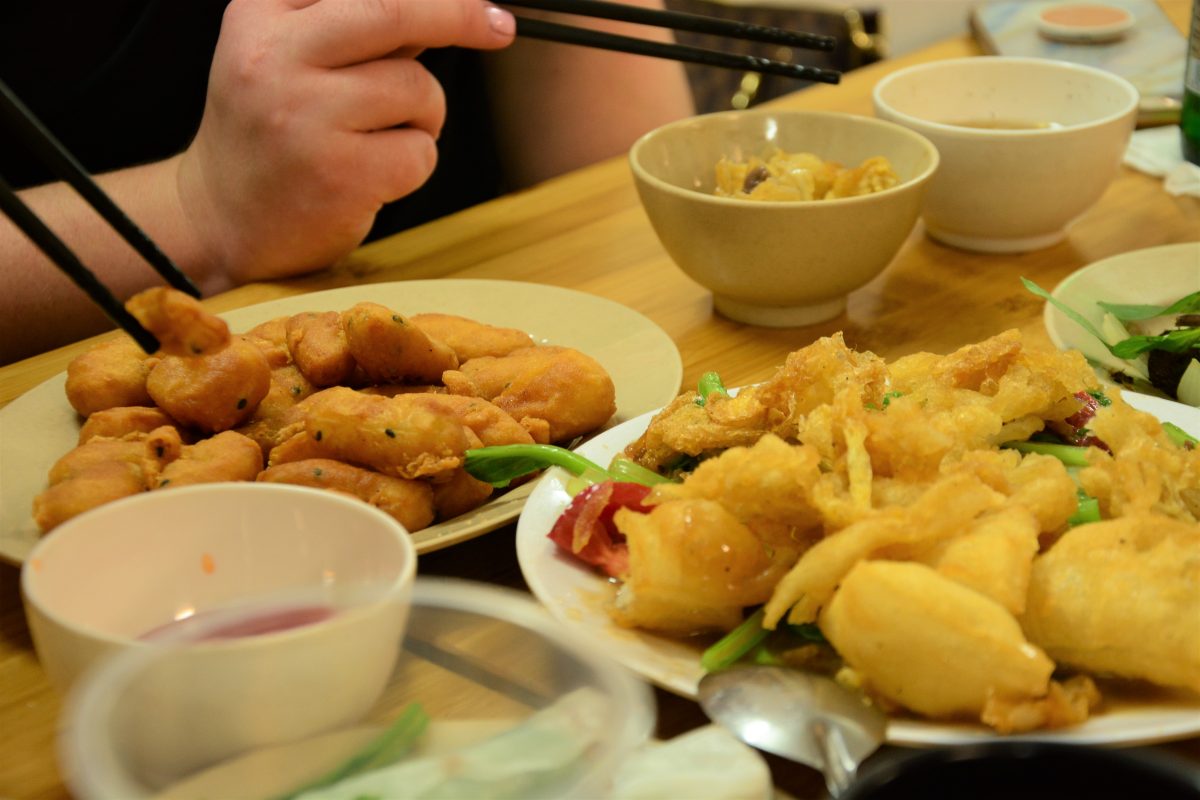
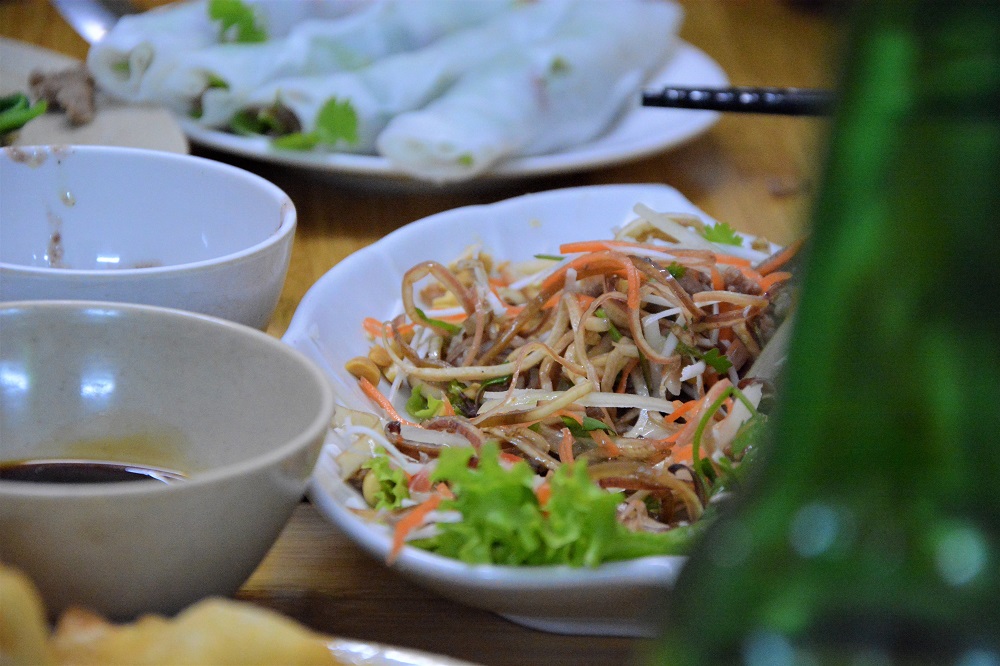
Sapa’s food reflects both the mountain environment and the traditions of communities in the region. Popular dishes and ingredients include sturgeon hotpot, grilled meats, mountain vegetables, smoked meats, bamboo-cooked rice and traditional northern specialties.
Cold evenings are particularly suitable for hotpot. If you are interested in regional food, consider combining a market visit with a meal rather than eating exclusively in tourist restaurants.
Sapa Sturgeon Hotpot
Sturgeon hotpot is one of the dishes travelers frequently encounter in Sapa. The cooler mountain climate makes hotpot particularly enjoyable, especially after trekking.
Look for restaurants that serve fresh ingredients and offer clear information about the source of the fish and other ingredients.
Traditional Mountain Cuisine
Travelers may also encounter dishes associated with Hmong, Dao and Tay communities. These can include grilled meats, vegetables, rice dishes and ingredients sourced from the surrounding mountains.
For a deeper cultural experience, consider a meal at a carefully selected village homestay or mountain lodge.
Where to Stay in Sapa
There are three main accommodation styles: Sapa town hotels, valley homestays and mountain resorts/lodges.
Staying in town is best for convenience. You are close to restaurants, cafés, transportation and major attractions.
Staying in Muong Hoa Valley is better for scenery, peace and trekking.
A mountain lodge or luxury resort is the best choice for travelers who want comfort, privacy and panoramic views.
Luxury Hotels in Sapa
Sapa has developed a strong collection of upscale mountain hotels and resorts. Many properties focus on panoramic views, spa treatments, restaurants and distinctive architecture.
For a premium trip, choose a property based not only on its star rating but also on its location, mountain views, room quality and access to your planned activities.
Sapa Town or Muong Hoa Valley?
If you are visiting for the first time, staying one night in Sapa town and one night in the valley can provide the best combination.
The first night gives you convenient access to the town center and Fansipan transport. The second night lets you experience the quieter rice-terrace landscape.
If you have only two nights, staying in one high-quality property can be simpler.
Sapa for Families
Sapa is suitable for families, but trekking routes should be selected according to children’s ages and fitness levels. Fansipan is particularly convenient because the cable car makes the summit accessible without a multi-day trek.
Families can combine Fansipan, Cat Cat Village, a short Muong Hoa walk and relaxed time at a mountain hotel.
A private car is also recommended for families because the journey from Hanoi is long and flexible transportation makes the overall experience easier.
Sapa for Couples
Sapa is an excellent destination for couples who enjoy mountains, photography and peaceful accommodation.
A strong couple’s itinerary combines Fansipan, Muong Hoa Valley, a boutique mountain lodge, a private dinner and a village walk.
For a more romantic experience, stay outside central Sapa where you can wake up to rice terraces and mountain views.
Sapa for Luxury Travelers
Luxury travelers should not try to cover every attraction. Instead, focus on private transportation, premium accommodation, private trekking, Fansipan, carefully selected dining and time in the valley.
A private guide can adapt the trekking route according to weather and fitness level, while a private vehicle eliminates unnecessary waiting.
Sapa for Adventure Travelers
Adventure travelers can choose longer trekking routes, mountain biking, multi-day village walks and, for experienced hikers, a traditional climb toward Fansipan.
However, the cable car means you do not need to undertake a multi-day climb simply to experience the summit. Vietnam Tourism notes that Sapa offers some of Vietnam’s best trekking and mountain activities.
Sapa for Photographers
Sapa is one of the strongest destinations in Vietnam for landscape photography. The best subjects include Muong Hoa Valley, Lao Chai, Ta Van, Fansipan, mountain roads, rice terraces, village life and cloud-covered peaks.
Early morning and late afternoon generally provide softer light. During harvest season, the golden terraces are particularly photogenic.
Recommended 3-Day Sapa Itinerary
Day 1: Travel from Hanoi to Sapa in the morning. Check into your hotel, explore Sapa town, visit the Stone Church and hike Ham Rong Mountain if weather permits. Enjoy dinner in town and stay overnight.
Day 2: Take the Muong Hoa Mountain Train and Fansipan cable car to the summit. Return to Sapa and spend the afternoon relaxing before dinner.
Day 3: Trek through Muong Hoa Valley, visiting Lao Chai and Ta Van. Enjoy lunch in the valley before returning to Sapa and traveling back to Hanoi.
This itinerary combines the three essential Sapa experiences: Fansipan, Sapa town and the rice terraces.
Recommended 4-Day Sapa Itinerary
Day 1: Hanoi to Sapa, check in and explore the town.
Day 2: Fansipan and the surrounding spiritual complex, followed by a relaxed afternoon.
Day 3: Full-day Muong Hoa Valley trek through Lao Chai and Ta Van, with an overnight stay in a mountain lodge or homestay.
Day 4: Explore Ta Phin, Ban Ho or another quieter mountain destination before returning to Hanoi.
The additional day makes the trip considerably less rushed and gives you more time to experience the countryside.
Sapa and Ha Giang
Travelers with more time can combine Sapa and Ha Giang, but the two destinations should not be treated as identical.
Sapa is particularly strong for rice terraces, trekking, Fansipan and established mountain tourism. Ha Giang is more focused on dramatic mountain roads, limestone landscapes, passes and multi-day road trips.
A seven-day itinerary can combine Hanoi, Sapa and Ha Giang, while a longer trip can add Halong Bay afterward.
Sapa and Halong Bay
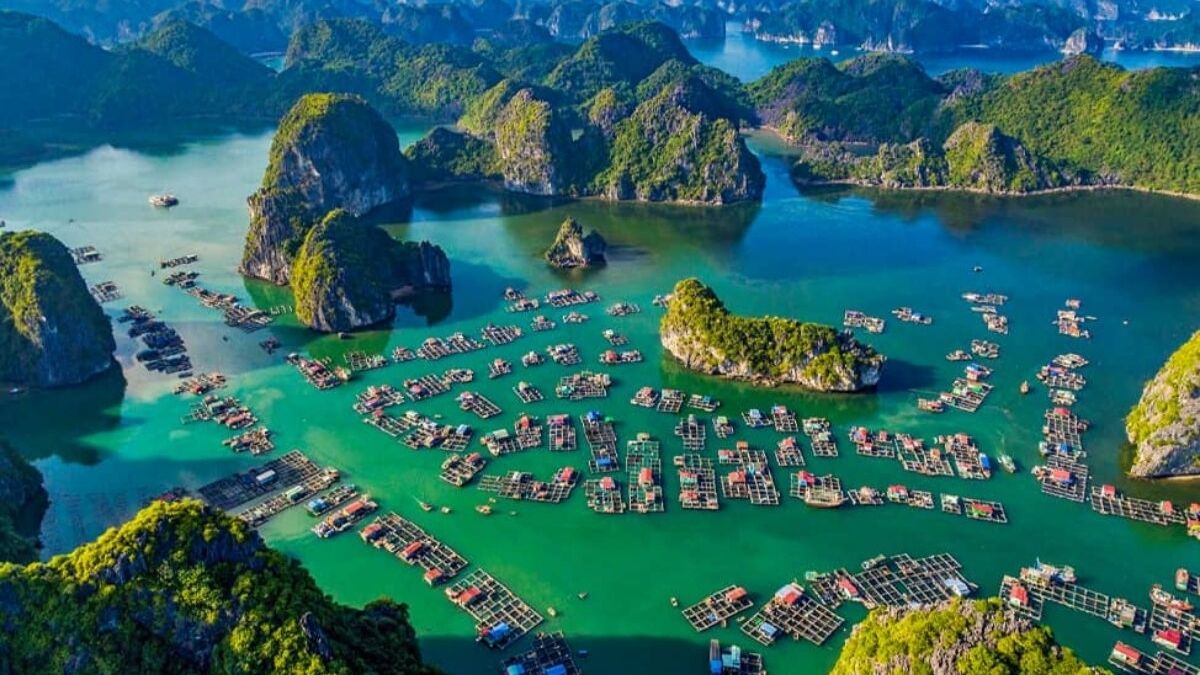
Sapa and Halong Bay create an excellent contrast. Sapa offers mountains, rice terraces and villages, while Halong Bay offers limestone islands rising from the sea.
A typical Northern Vietnam route can begin in Hanoi, continue to Sapa, return to Hanoi and finish with a one-night Halong Bay or Lan Ha Bay cruise.
Common Mistakes When Visiting Sapa
The biggest mistake is staying only one night. The journey from Hanoi takes several hours, so a rushed visit leaves little time to explore.
Another mistake is assuming that Fansipan will always have clear views. Clouds and fog are part of the mountain environment.
Travelers also frequently underestimate the amount of walking involved. Even sightseeing in Sapa can involve steep streets and stairs, while valley trekking can become challenging after rain.
Is Sapa Too Tourist-Oriented?
Sapa town itself is highly developed for tourism, but the surrounding valleys remain the real attraction. If you want a quieter experience, spend more time in Muong Hoa, Ta Van, Nam Cang or other mountain areas rather than staying exclusively around the central streets.
The best strategy is to use Sapa town as a base and then spend significant time outside the center.
Is Sapa Worth Visiting?
Absolutely. Sapa combines several experiences that are difficult to find together elsewhere in Vietnam: high mountains, terraced rice fields, trekking routes, ethnic villages, cool weather and access to Fansipan.
It is especially rewarding when you allow enough time to explore beyond the town center. Fansipan may be the headline attraction, but the rice terraces and mountain valleys are what give Sapa its distinctive character.
Sapa Travel Guide: The Perfect Trip
For first-time visitors, the ideal Sapa trip is 3 days and 2 nights. Travel from Hanoi in the morning, spend the first afternoon exploring Sapa town, dedicate the second day to Fansipan, and use the final day for trekking through Muong Hoa Valley and visiting Lao Chai and Ta Van.
If you have four days, add a night in a mountain lodge and explore Ta Phin, Ban Ho or Nam Cang. This slower approach allows you to experience Sapa as a mountain destination rather than simply visiting a list of attractions.
Vietnam Women Travel – Vietnam Private Tours Led by Women
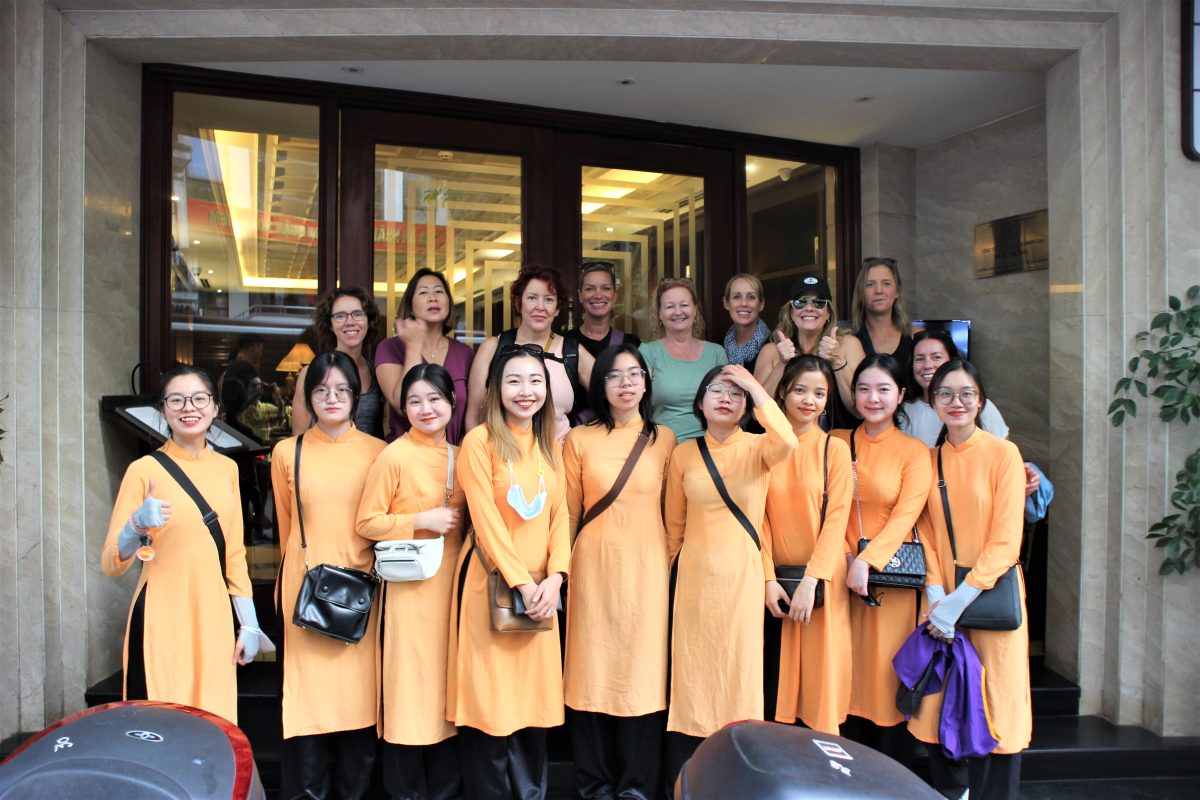
Vietnam Women Travel – Premium Private Tours Led by Women can arrange a personalized Sapa journey beginning in Hanoi and designed around your preferred pace and interests. A private itinerary can include private transportation from Hanoi, premium mountain accommodation, Fansipan, private trekking in Muong Hoa Valley, Lao Chai and Ta Van, Cat Cat or Ta Phin, carefully selected dining and flexible sightseeing.
For travelers who want a more complete Northern Vietnam experience, Sapa can also be combined with Hanoi, Ha Giang and Halong Bay in one private itinerary. With private transportation and female tour leaders and guides, the journey can be adjusted around your fitness level, preferred accommodation, photography interests and travel schedule. The focus is on Vietnam private tours led by women, combining comfort with meaningful experiences in the mountains of Northern Vietnam.